To the Editor:
Cat bites account for 5% to 15% of bite wounds in humans; of these, 30% to 80% become infected. [
1] This high infection rate is thought to be due to the puncturing nature of the wounds. Among the organisms isolated from cat bites,
Pasteurella multocida is the most common. [
2]
Pasteurella is a facultative anaerobic coccobacillus that can cause a rapidly progressing infection. [
3] Typical signs of infection include tenderness, erythema, and adenopathy; chills and fever may also be present. When the infection is left untreated, complications may include osteomyelitis, abscess, necrotizing fasciitis, and septic arthritis. [
4]
Penicillin is the drug of choice for all forms of infection caused by
Pasteurella, on the basis of extensive clinical experience and
in vitro data. [
5–
7] Other antibiotics showing promise on the basis of
in vitro data are tetracyclines, fluoroquinolones, and chloramphenicol; however, limited clinical data exist on the usefulness of these antibiotics for these infections.
In vitro studies have shown that the
Pasteurella isolates are consistently associated with high minimal inhibitory concentrations of clindamycin and erythromycin. [
7] Thus these agents are not routinely recommended for treatment. Goldstein et al [
8,
9] studied the
in vitro activity of azithromycin against
Pasteurella isolates. All of the isolates in this study were sensitive to azithromycin and were associated with minimal inhibitory concentrations in the range of 0.25 to 2 μg/mL. There are no clinical data on the use of azithromycin in the treatment of
Pasteurella infection reported in the English-language literature. On the basis of the
in vitro data on erythromycin [
7] and the patient’s multiple allergies, the infectious-disease department decided to administer azithromycin. To our knowledge, this is the first clinical case of azithromycin-treated
Pasteurella multocida infection.
Case Report
A 29-year-old woman who was 18 weeks pregnant was seen in the emergency department of Saint Francis Hospital and Medical Center, Hartford, Connecticut, with complaints of a painful left foot with worsening edema and loss of sensation. She stated that her symptoms began after she was bitten by her cat after she accidentally stepped on it the previous day. She had extensive bleeding at the time of injury, and she immediately cleaned the wounds with hydrogen peroxide. She was treated at the emergency department of a local hospital with local wound care and SteriStrips (3M Co, St. Paul, Minnesota) for closure and was given a prescription for tetracycline. The patient was advised by her obstetrician not to take the prescribed antibiotics and was not given alternatives. Several hours later, the patient began having episodes of chills, and she noted increased swelling, redness, and drainage from the wounds. She presented to Saint Francis Hospital and Medical Center and was admitted to the obstetrics and gynecology service for fetal monitoring; infectious-disease and podiatric surgery consultations were obtained.
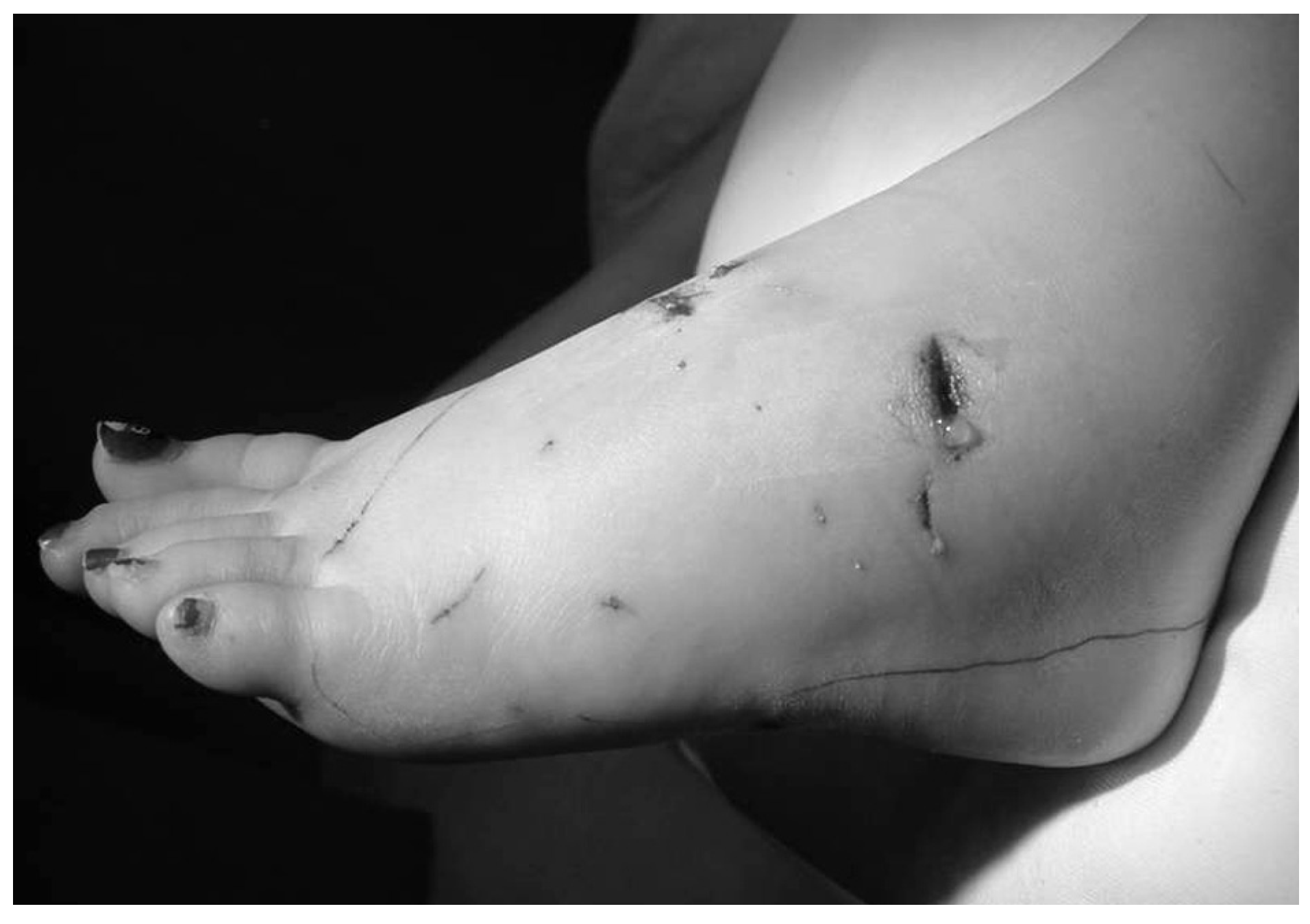
The patient’s medical history included anxiety, asthma, and pregnancy, and her medications at the time of admission were albuterol, paroxetine hydrochloride, and prenatal vitamins. Significant allergies included penicillin, cephalosporins, and sulfa. On physical examination, she had a temperature of 37.4°C, blood pressure of 112/57 mm Hg, and heart rate of 100 beats per minute. Fetal heart rate was noted to be in the 150s at the time of admission. The dorsal aspect of the left foot had multiple scratches and two puncture wounds that measured 2 cm in length (
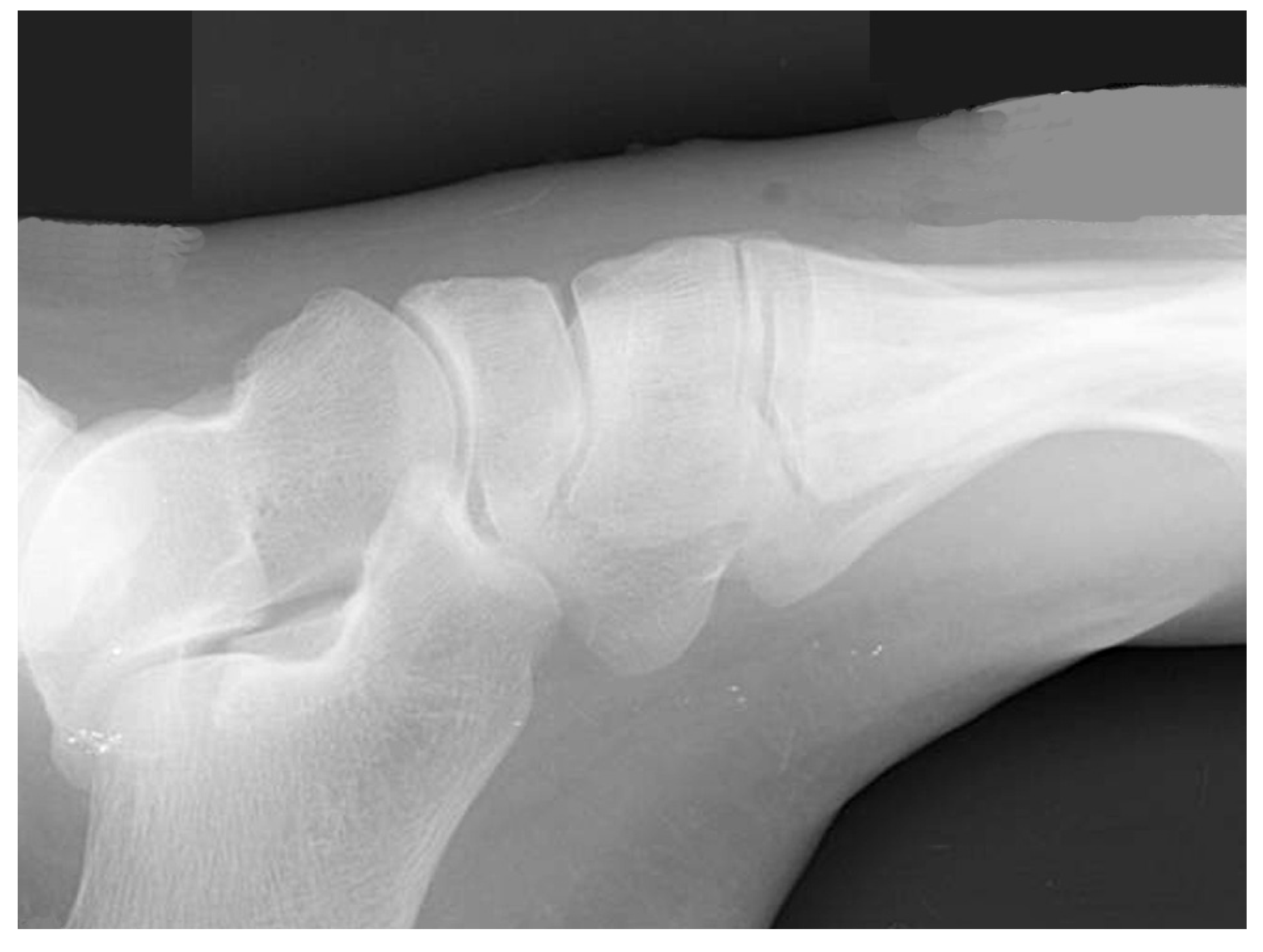
Fig. 1). Significant erythema and nonpitting edema were noted dorsally with a decreased range of motion of the digits and the ankle. Sensation was decreased dorsally, but the digits remained sensitive to light touch. Because of the proximity of the wounds to the dorsalis pedis artery, there was concern about possible injury to the artery. Doppler ultrasound examination confirmed that the artery was intact. The white blood cell count on admission was 8.3 × 10³/μL with a neutrophil count of 77.4%; all other laboratory test results were in the reference range. One set of blood cultures obtained at the time of admission was negative for bacterial growth. Radiographic imaging of the left foot revealed extensive soft-tissue edema and subcutaneous emphysema (
Fig. 2). A 0.5-cm radiolucency was noted at the dorsal aspect of the first metatarsocuneiform joint.
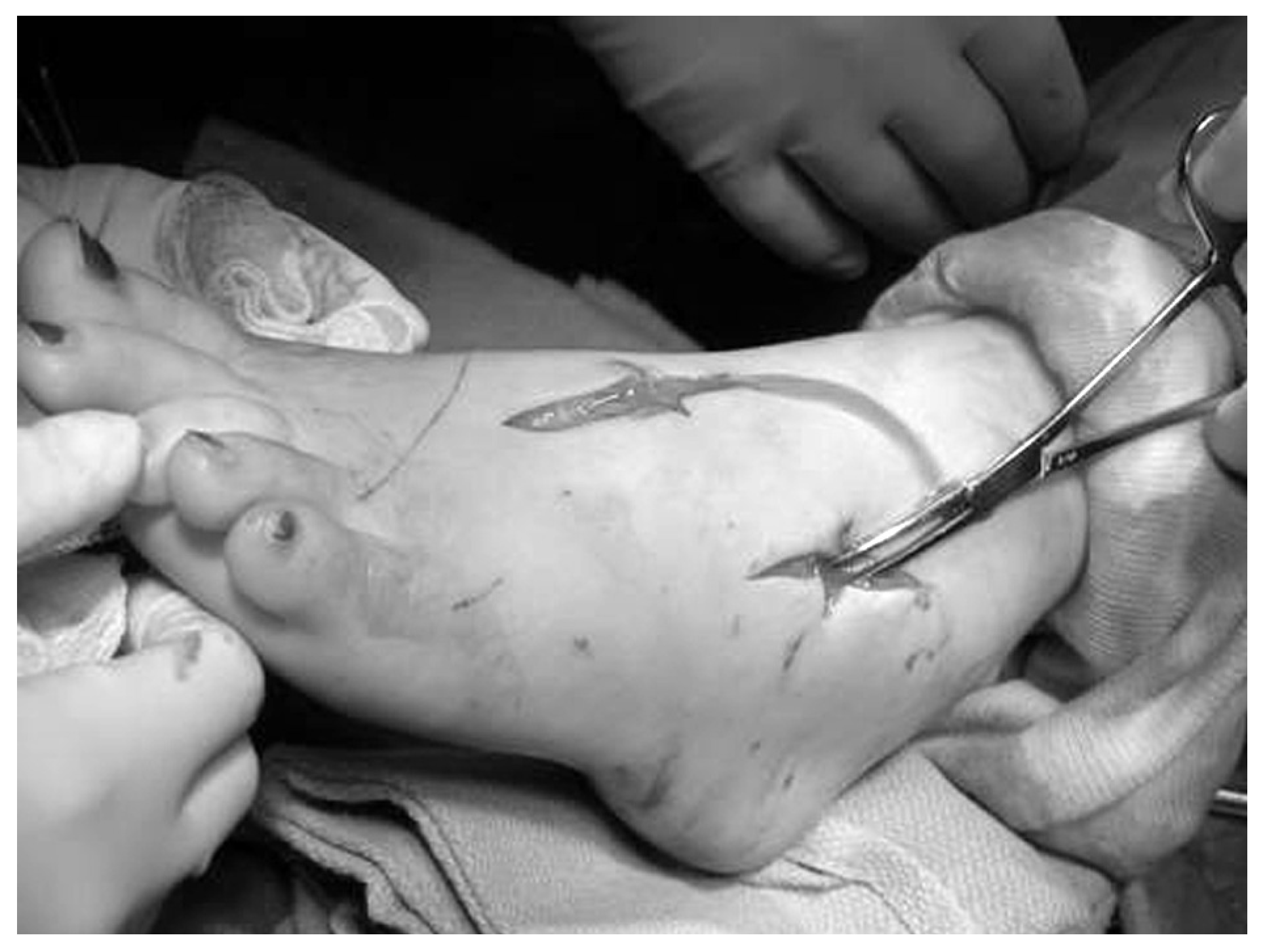
Because of the presence of gas and the severity of infection, the decision was made to operate. The patient was taken to the operating room for an emergent incision and drainage. She began a regimen of 500 mg of intravenous azithromycin daily and 900 mg intravenous clindamycin every 8 hours, as instructed by the infectious-disease consultant. At the time of surgery, two incisions were made, each approximately 6 cm in length (
Fig. 3). Purulent drainage was expressed from the medial incision and sent for culture and sensitivity testing. The medial wound tracked through subcutaneous tissue laterally over the fifth metatarsal, medially over the first metatarsal, and distally to the metatarsal heads. No tracking was noted proximally along the tendons and lower leg. Over the lateral incision, there was a laceration with surrounding necrosis in the extensor digitorum brevis muscle belly. The wounds underwent pulsatile lavage with saline and packed open.
There was a significant decrease in edema and erythema 1 day after incision and drainage. Blood cultures were negative for bacterial growth, and wound cultures grew out 2+
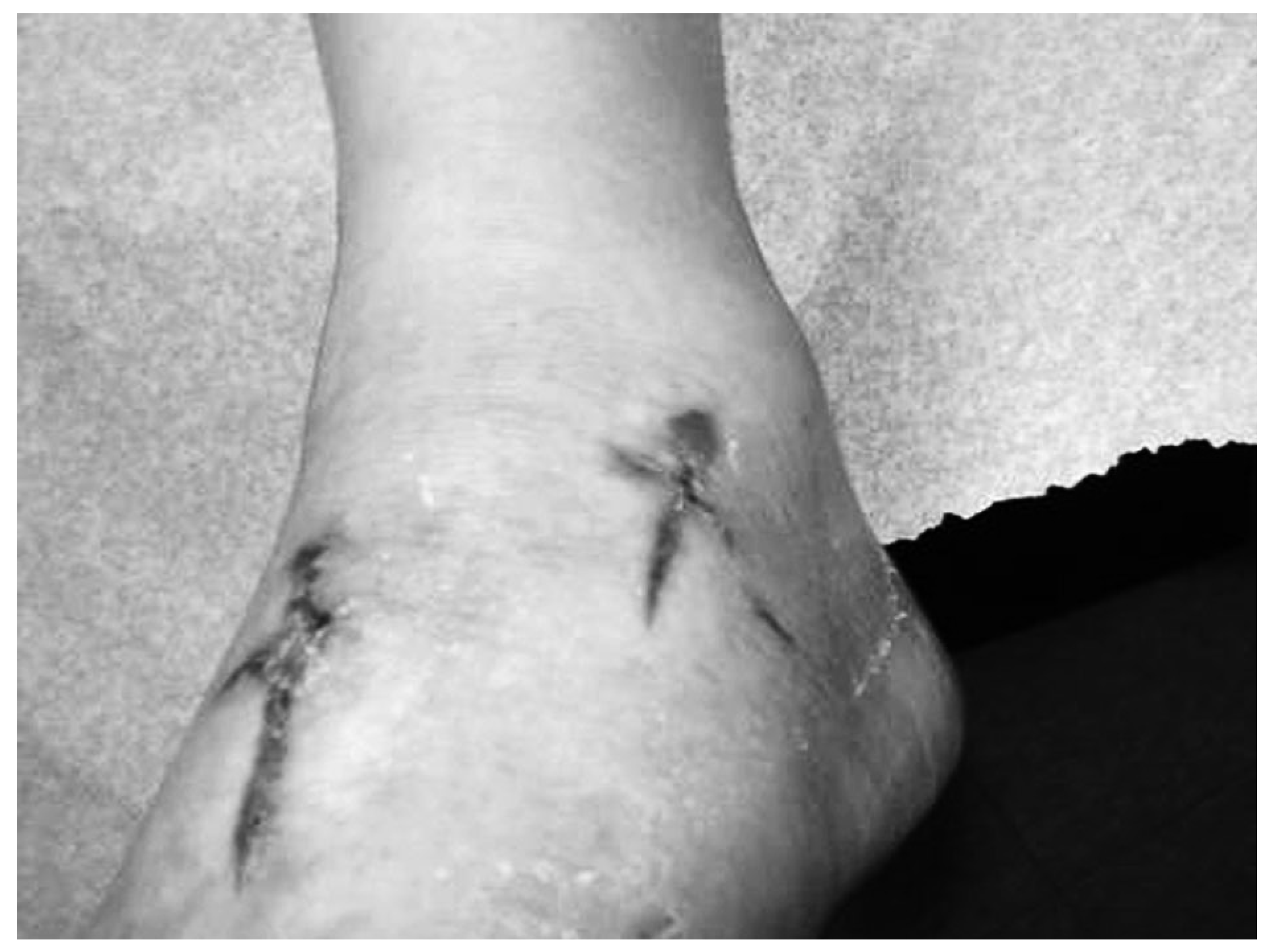
Pasteurella multocida with no resistance. The incisions were granular, with no active drainage. The patient was discharged 3 days after surgery, on the instructions of the obstetrics service. The patient was followed up by the podiatric surgery service and completed a 14-day course of azithromycin, 500 mg daily. The incisions were dressed with petrolatum gauze and a dry sterile dressing and were allowed to close secondarily. The patient healed uneventfully (
Fig. 4).
Discussion
In this case of a cat bite wound, inappropriate treatment in a pregnant woman with multiple drug allergies led to an increasingly severe infection. This case demonstrates the potential seriousness of cat bites and underlines the need for adequate management and consultation. In complex cases like the one presented here, a multidisciplinary approach that includes an infectious-disease consultation is highly recommended. The infectious-disease, obstetrics, and podiatric surgery services worked together to achieve a successful outcome in this difficult case.