Foot problems are very common in older people,[
1] and at least 50% of the workload of podiatric physicians consists of people older than 65 years of age.[
2] However, many health-care providers, including podiatric physicians, do not enjoy treating older people, and geriatrics is generally regarded as a low-prestige specialty area.[
3-
8] Steps need to be taken to improve podiatric medical students’ knowledge of aging and attitudes toward older people, and to promote geriatrics as a valid specialty during undergraduate training, in order to ensure that there are sufficient numbers of podiatric physicians willing to work with older people.[
7,
9-
11]
Previous research[
12] showed that although Australian podiatric medical students had a reasonable knowledge of aging and favorable perceptions of older people, few wanted to specialize in geriatrics. The lack of desire to specialize in geriatrics may have been due to a lack of exposure to the topic, as the survey was conducted before the students undertook a compulsory geriatrics course. The aim of this study was to evaluate the effect of geriatrics education on knowledge of aging, perceptions of older people, and career aspirations of podiatric medical students by repeating the survey after the completion of a compulsory geriatrics course. It was hypothesized that after completion of the course, knowledge of aging, attitudes toward older people, and perceptions of treatment efficacy would improve, and as a consequence, more students would consider specializing in geriatrics upon graduation.
Materials and Methods
Subjects
Podiatric medicine is a 3- or 4-year bachelor’s degree program in Australia. The sample of this study consisted of all 45 students in their third or fourth year of study in the 4-year program at the University of Western Sydney, Australia. None of the students had previously undertaken any specific geriatrics education in their podiatric medical degree program, although all students had experienced some exposure to treating older people in their clinical rotations.
The Intervention
The compulsory geriatrics course in the podiatry program at the University of Western Sydney consists of 13 one-hour lectures and 13 one-hour tutorial sessions. The subject covers both biologic and sociologic aspects of the aging process and was developed on the basis of the recommendations of Helfand[
10] and the American Geriatrics Society.[
13] The main purposes of the course are to increase knowledge of the biologic aspects of aging, to dispel common stereotypes of aging, and to enhance the students’ perceptions of the efficacy of care for older people. Previous evaluations of the course conducted at the university indicate that it is well regarded by students, achieving rankings well above the university average. Further details regarding the course can be obtained from the University of Western Sydney podiatry Web site at
www.uws.edu.au/exhs/Podiatr/gerontol.HTM.
The Survey Instrument
A survey instrument was developed on the basis of a combination of previously validated tests. The first section requested the student’s age, sex, year of study, and career aspirations (preferred area of specialization).
Attitudes toward older people were assessed using the Aging Semantic Differential described by Rosencranz and McNevin,[
14] which consists of 32 polar-adjective pairs scored on a 7-point scale. Examples of the polar-adjective pairs include progressive–old-fashioned, rich–poor, friendly–unfriendly, and happy–sad. Students were instructed to mark their perceptions of an average older person on the scale for each pair of adjectives. The overall scale ranges from 32 to 224, with high scores on the instrument indicating negative perceptions of older people and low scores representing positive perceptions.
Knowledge of aging was assessed using Palmore’s Facts on Aging Quiz I.[
15] This instrument consists of 25 true-or-false statements about basic physical, social, and mental capabilities of older people that have widely accepted correct answers. The quiz contains US terminology and statistics, so the current study used an Australian version previously validated by Luszcz.[
16] The number of correct answers is recorded and expressed as a percentage.
Perception of treatment efficacy for older people was evaluated using a series of questions previously used by Chumbler and Robbins.[
6] Students were asked to rate their level of agreement with the following statements on a scale from 1 (strongly agree) to 7 (strongly disagree):
- 1)
A great number of older people have health problems for which podiatrists cannot give much help.
- 2)
Preventative podiatric care is less relevant for elderly persons, considering their chronic conditions.
- 3)
Considering the health problems typical of older people, it is less gratifying for a podiatrist to treat them.
- 4)
With elderly patients, it is more satisfactory for podiatrists to undertake treatment of acute diseases than chronic conditions.
An overall score of perception of treatment efficacy was calculated by summing the responses to these questions. A score of 4 represented a perception that treatment is largely ineffective, whereas a score of 28 indicated a perception that treatment is highly effective.
The survey instrument was administered to all students prior to the first lecture and at the end of the final lecture. The second administration of the survey included two additional sets of statements with which students were asked to rate their level of agreement on a 5-point scale (from strongly agree to strongly disagree). The first set of statements requested students to report how undertaking the course had changed their knowledge, perceptions, and career aspirations:
- 1)
Studying geriatrics has improved my knowledge of aging.
- 2)
Studying geriatrics has changed my perceptions of older people in a positive manner.
- 3)
Studying geriatrics has changed my perceptions of the effectiveness of podiatric treatment for older people.
- 4)
Studying geriatrics has made me more interested in pursuing geriatrics as a specialist area upon graduation.
The second set of statements requested students’ perceptions of geriatrics as a specialty area:
- 1)
Geriatrics is a high-profile specialist area in the podiatric medical profession.
- 2)
Geriatrics is a highly regarded specialty.
- 3)
If there was a specialist academy for geriatrics in podiatric medicine, I would be interested in becoming a member.
Subject Evaluation and Student Assessment
The students also completed the Student Evaluation of Educational Quality (SEEQ) document to determine their perception of the quality of the geriatrics course. This evaluation form is completed anonymously, and the results are collated by the Centre for the Enhancement of Learning and Teaching Unit at the University of Western Sydney. The document consists of 29 standard statements that students mark on a scale from 1 (strongly disagree) to 5 (strongly agree). The questions cover the topics of learning value, enthusiasm, organization and clarity, group interaction, individual rapport, and breadth of coverage. Derived scores for each of these domains range from 1 to 9, with high scores indicating high-quality lecturing.
Students’ knowledge at the completion of the course was assessed using a 2-hour multiple-choice examination.
Statistical Analysis
All data were explored for normal distribution prior to analysis. Paired t-tests were used to assess for differences in knowledge of aging, attitudes toward older people, and perceptions of treatment efficacy between the initial and follow-up surveys. Associations between variables were evaluated using the Pearson correlation coefficient. The level of significance was set at α = .05.
Results
Of the 45 students who completed the survey before the course began, 36 (80%) were available to complete the follow-up survey. A summary of the characteristics of the sample group is shown in
Table 1.
Descriptive statistics for knowledge of aging, attitudes toward older people, and perceptions of treatment efficacy prior to and at the completion of the geriatrics course are shown in
Table 2. At the completion of the course, significant improvements were observed with regard to knowledge of aging (
t = –2.18,
df = 35,
P = .04) and attitudes toward older people (
t = 2.12,
df = 35,
P = .04); however, perceptions of treatment efficacy did not change (
t = –1.39,
df = 35,
P = .17).
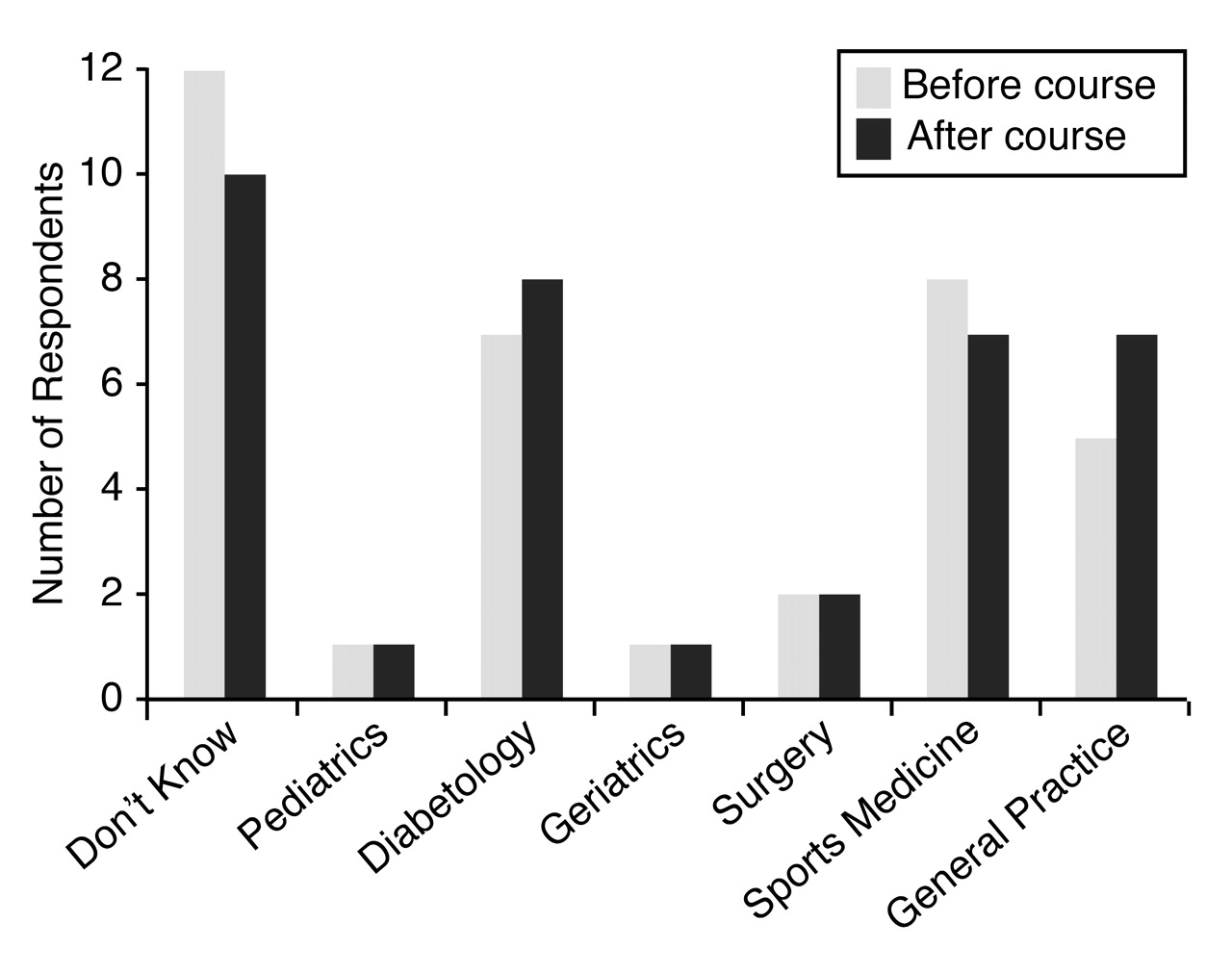
Career aspirations prior to and at the completion of the geriatrics course are shown in
Figure 1. Ten students changed their specialist preferences during the semester; however, the proportion of students planning to specialize in geriatrics did not change (one student).
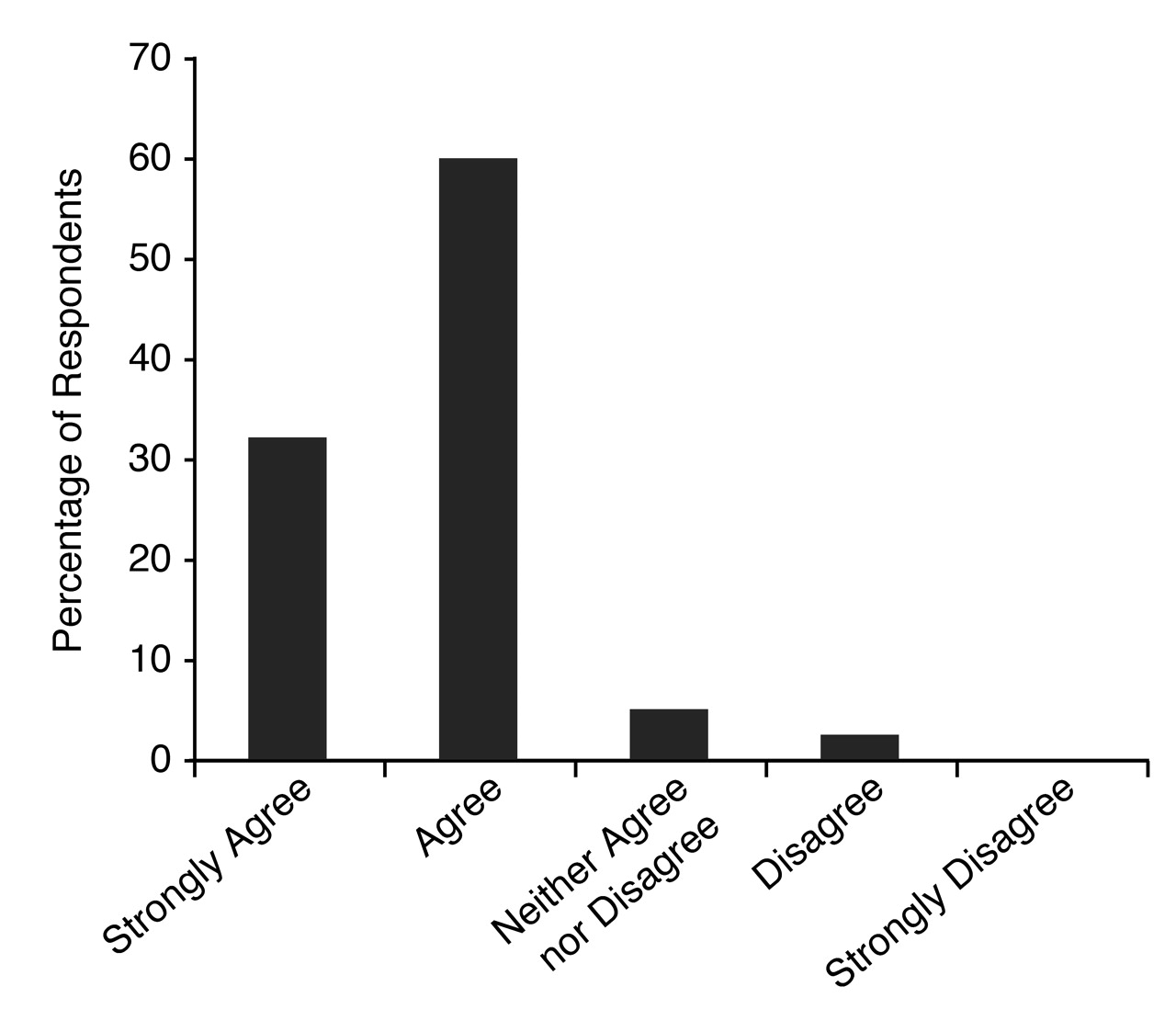
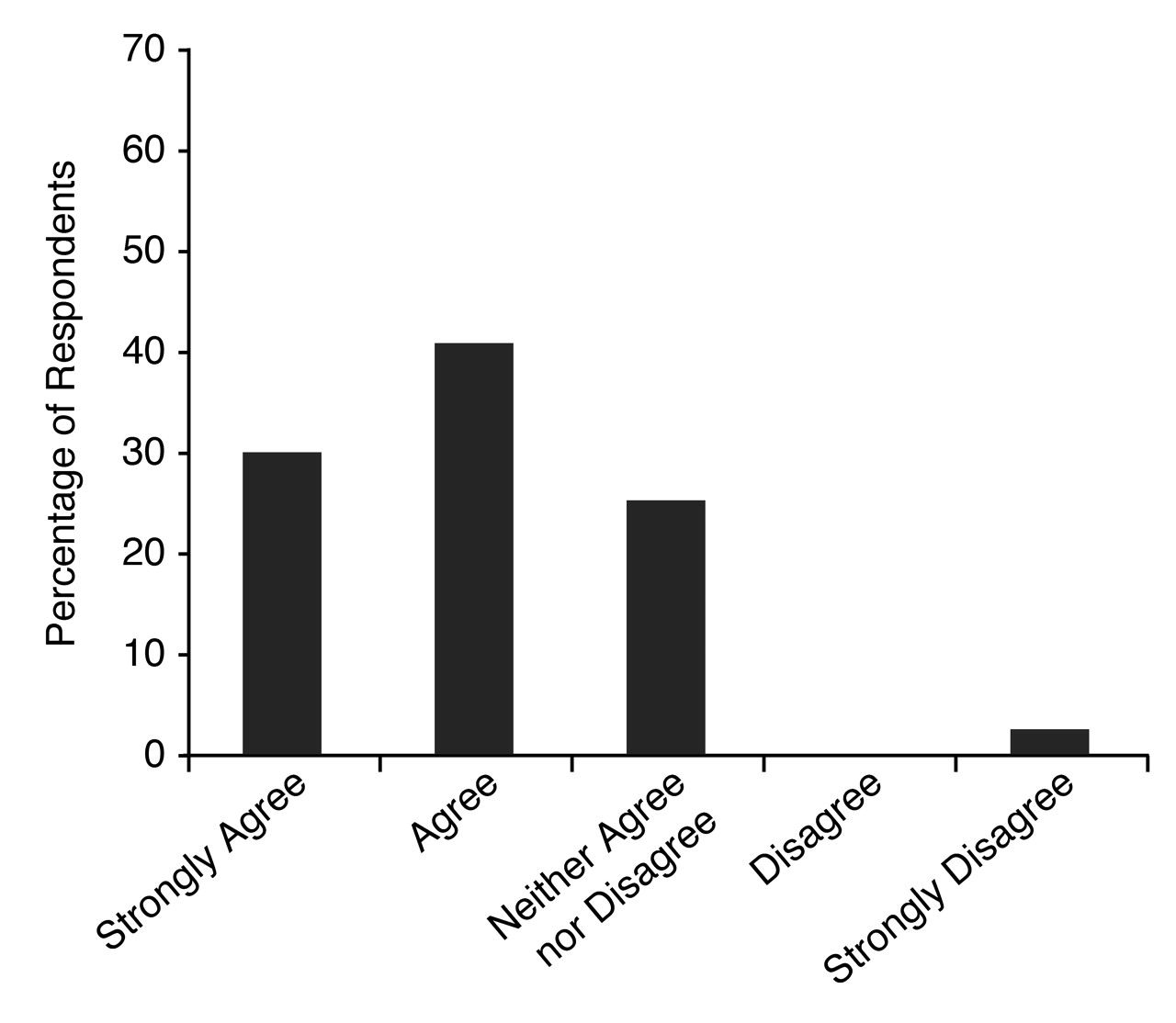
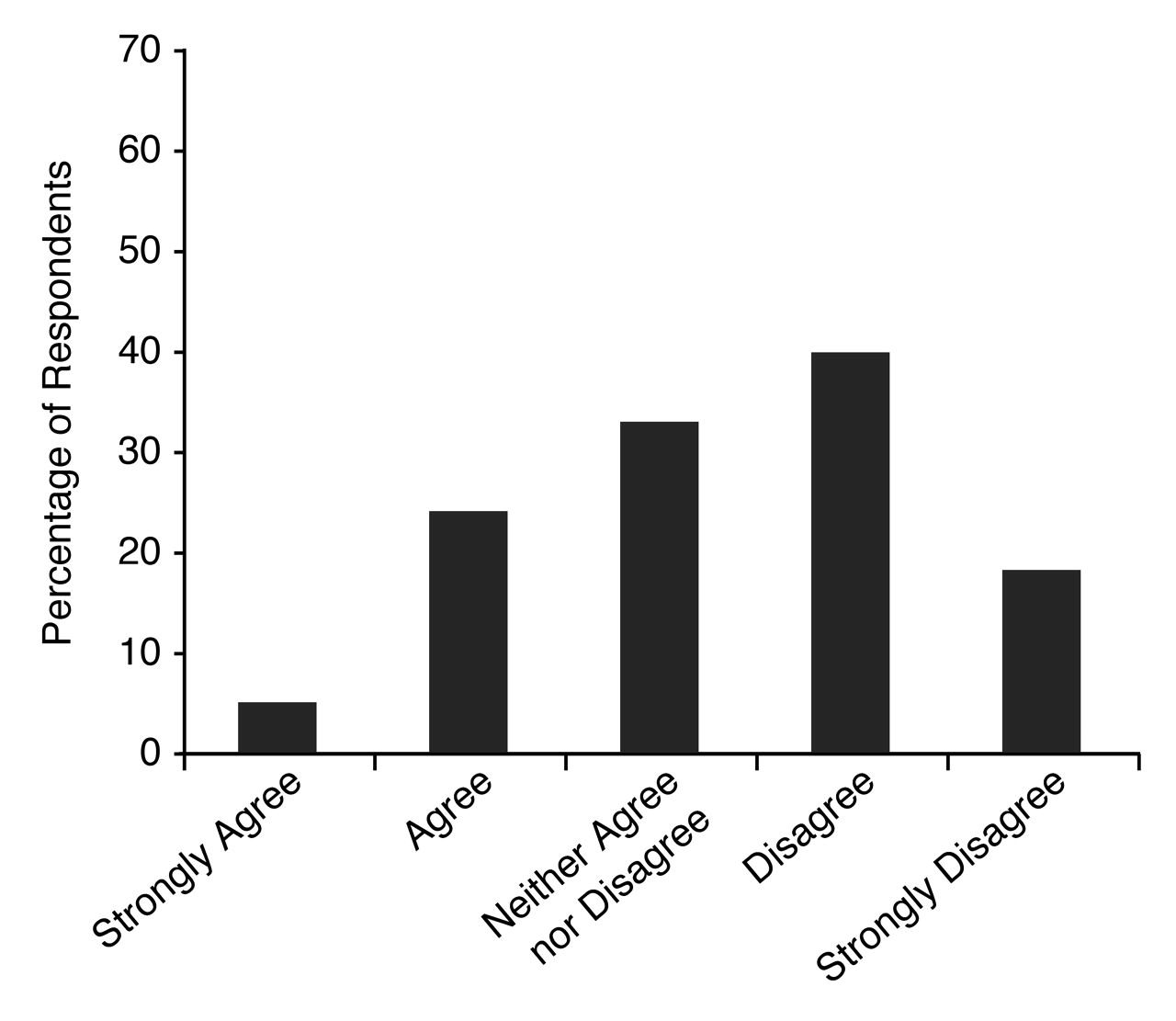
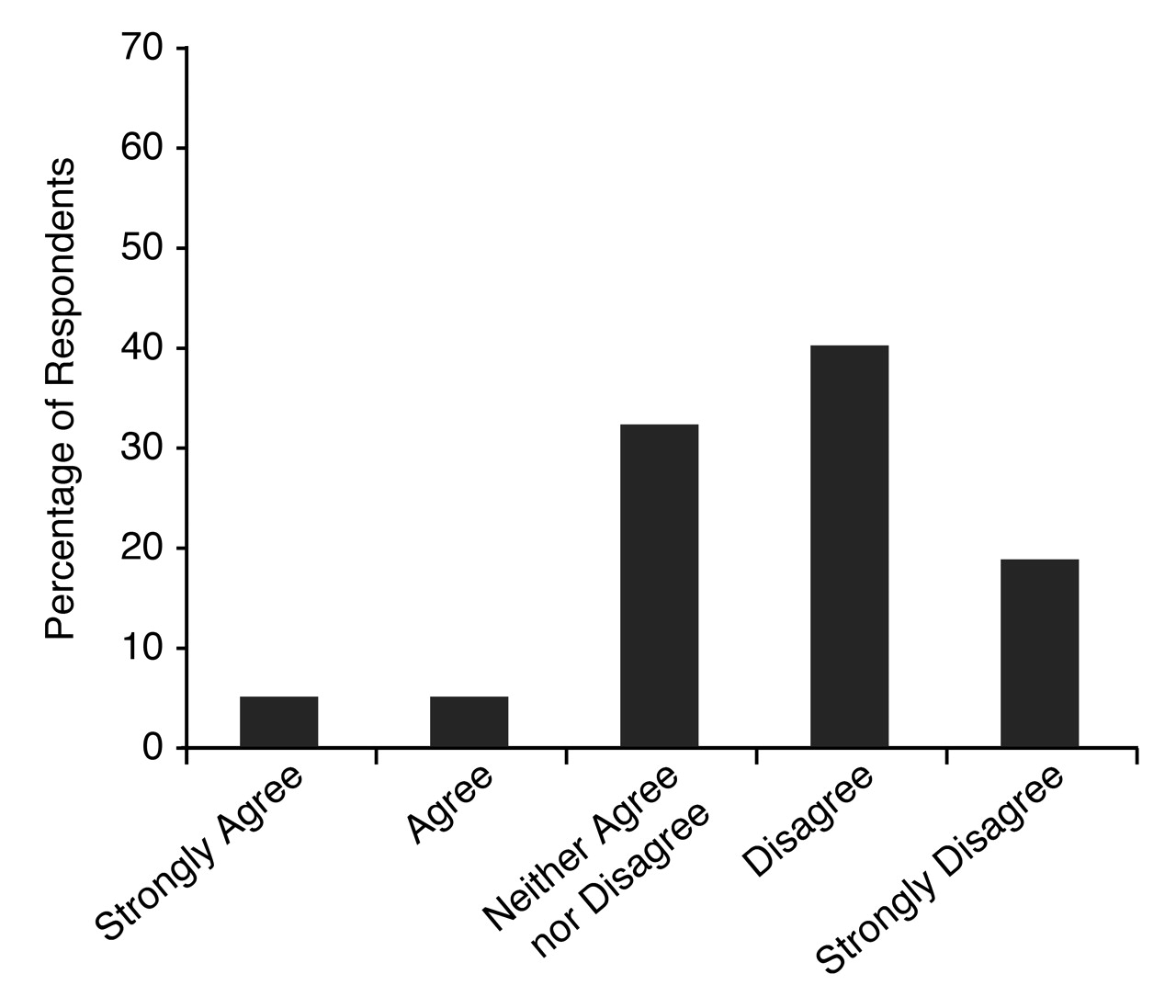
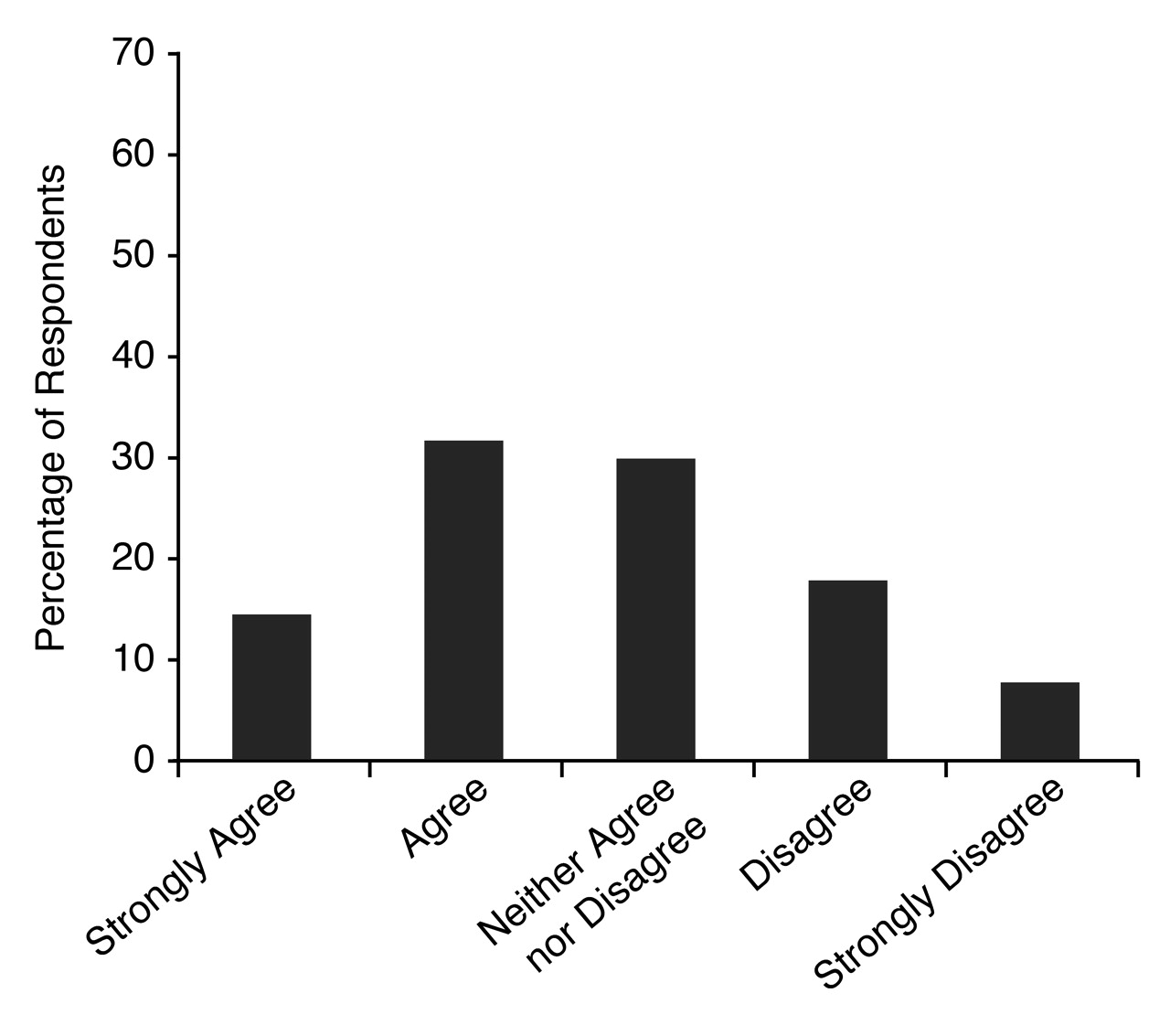
Responses to each of the follow-up survey questions are shown in
Figures 2 through
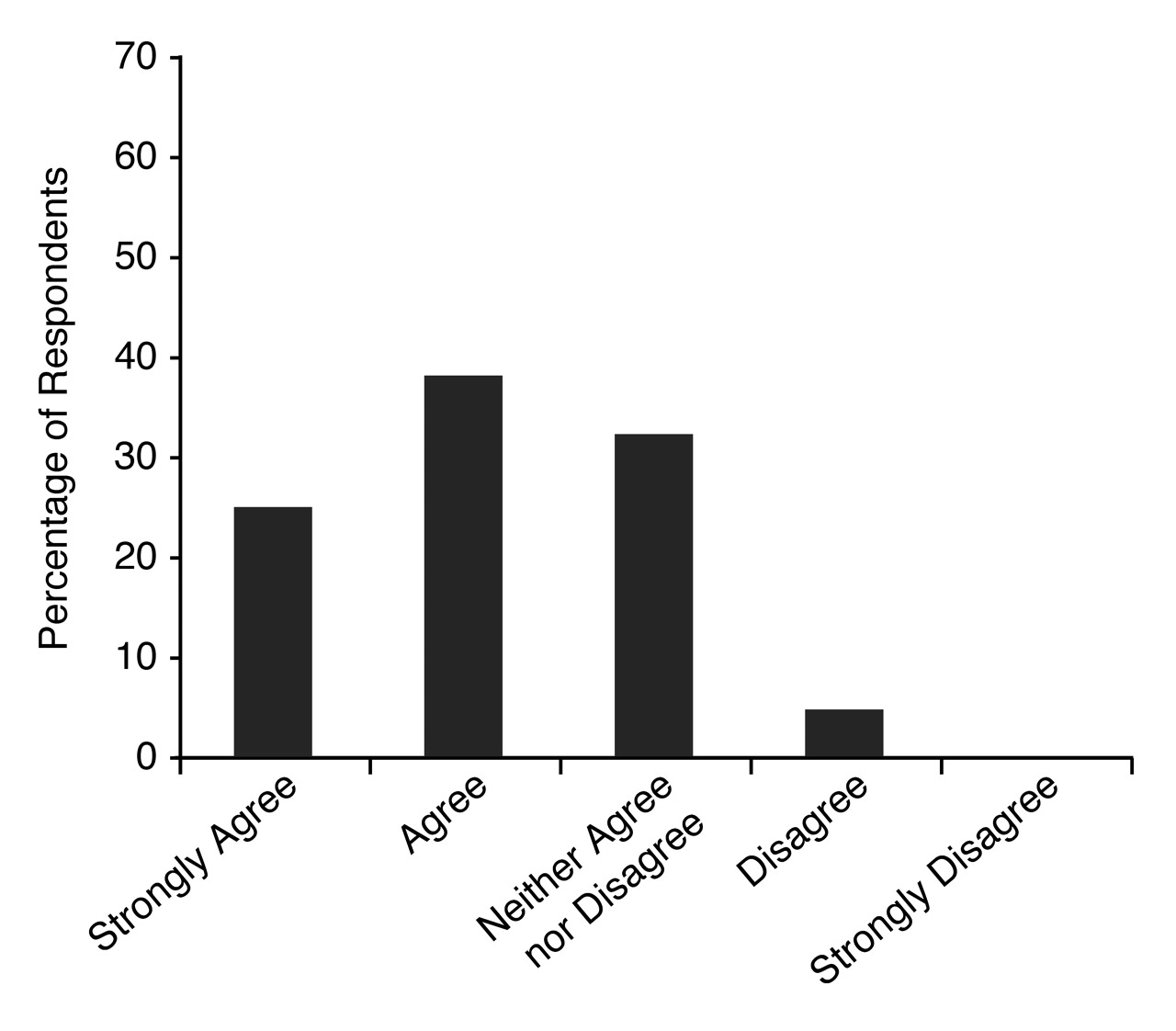
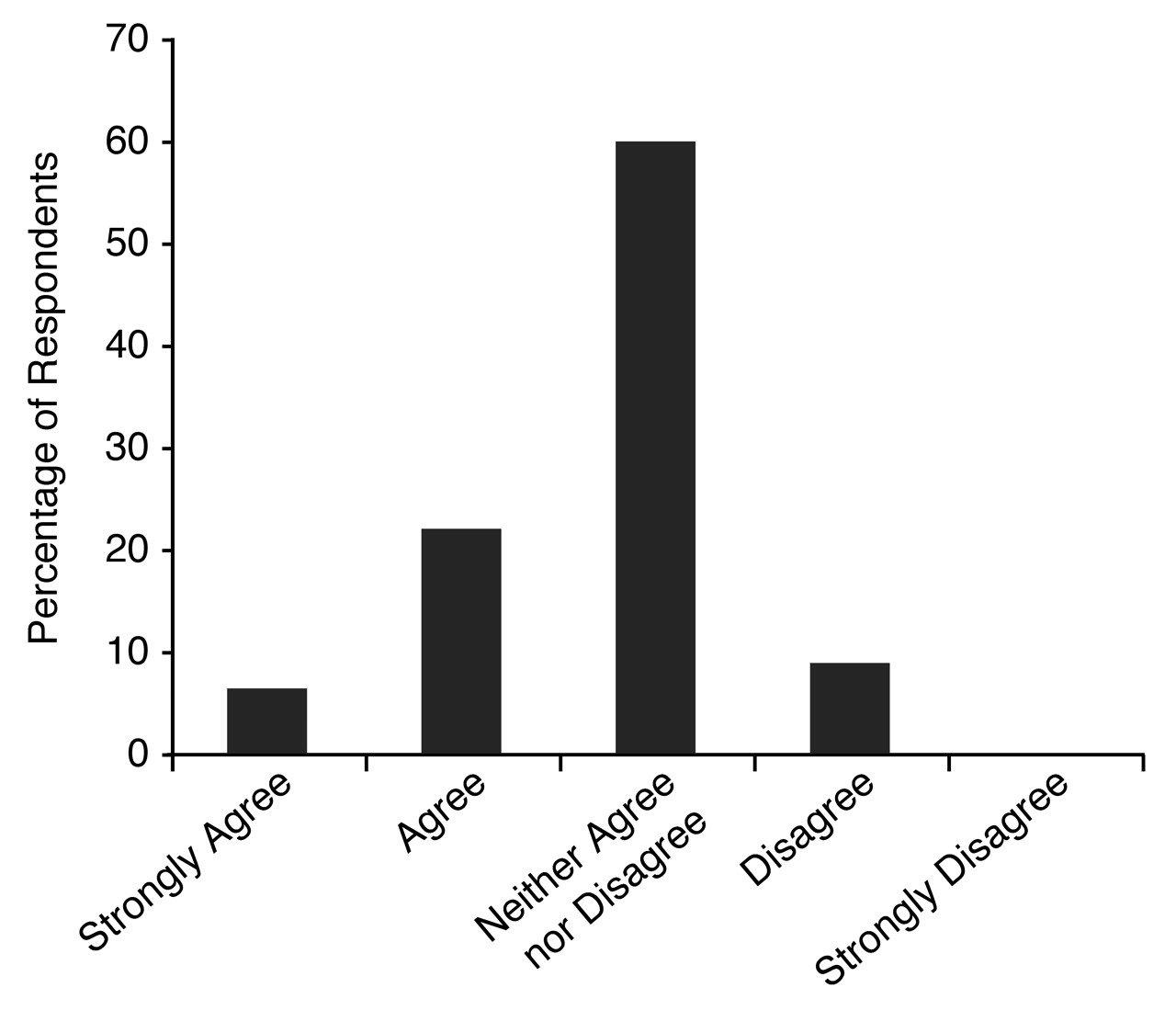
8. Most students reported that the course improved their knowledge of aging (93% “strongly agree” or “agree”), changed their perceptions of older people in a positive manner (63%), and changed their perceptions of the efficacy of podiatric care for older people (72%). However, few students reported that the course made them more interested in pursuing geriatrics as a specialty area (31%). Furthermore, few students considered geriatrics to be a high-profile (28%) or highly regarded (10%) specialty, and only 46% would be interested in joining a specialist academy of geriatrics if one were developed within the profession.
The geriatrics course was well received by the students, with SEEQ evaluation scores across each of the learning domains ranging from 7.8 to 8.4, and an overall lecturer rating of 8.7 out of a possible score of 9.
Students’ marks on the multiple-choice examination ranged from 43% to 74%, with an average of 62%. The results of the examination were significantly associated with knowledge of aging (r = 0.40, P < .05) at the completion of the course, but not with perceptions of treatment efficacy or attitudes toward older people.
Discussion
The indifferent or negative attitude of students toward the practice of geriatrics is a problem facing educators in all health professions. Previous studies in medical schools have shown that geriatrics education programs focusing on positive views of aging delivered by enthusiastic lecturers can improve knowledge and enhance student attitudes toward older people.[
17-
24] However, the effect of such programs on career aspirations has been equivocal, suggesting that factors beyond the control of the academic environment may play a larger role in determining students’ specialty choices.[
19,
24]
In this study, the geriatrics course was well received by students and was associated with significant improvements in knowledge of aging and attitudes toward older people. These results are largely consistent with previous studies conducted in medical schools.[
17-
24] The improvement in knowledge of aging, while modest, places podiatric medical students at a level equivalent to registered nurses (
Table 3),[
16,
25-
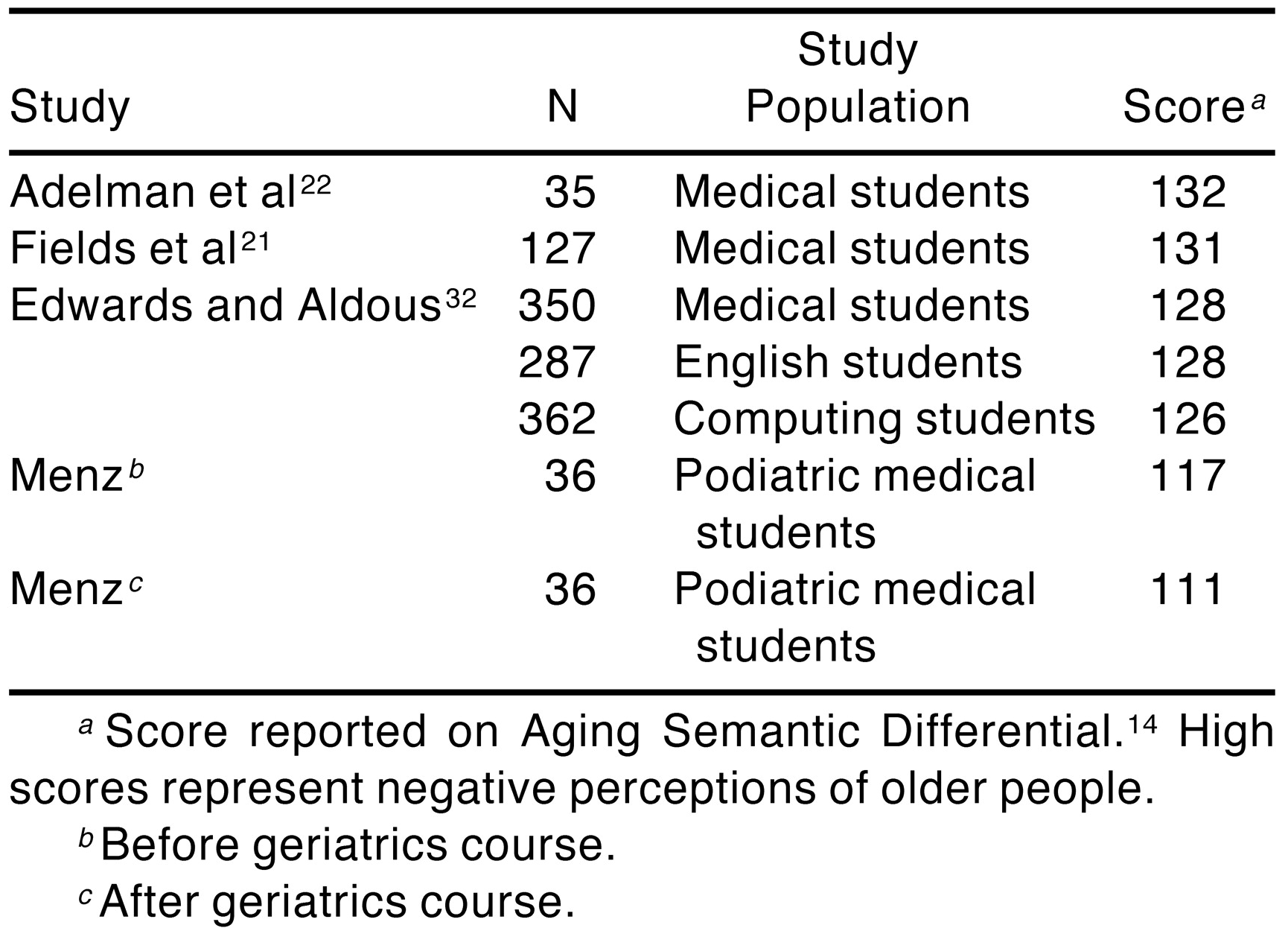
32 ]while their scores on the Aging Semantic Differential indicate more positive perceptions of older people than demonstrated by medical students, English students, or computing students (
Table 4).[
21,
22,
32] Perceptions of treatment efficacy did not change; however, students generally had high scores on this parameter at the beginning of the course and thus had little room for improvement.
Career aspirations did not change from the beginning to the end of the course despite these positive findings, with only one student planning to specialize in geriatrics upon graduation. The very low ranking of geriatrics as a career choice is consistent with previous studies in medicine and nursing.[
4,
33] The lack of influence of geriatrics education on career aspirations is consistent with the findings of Alford et al,[
24] who reported that a geriatrics program delivered to first-year medical students improved awareness of geriatrics and comfort with older people but did not change career aspirations. This was attributed to the nature of the work itself (the management of chronic conditions rather than the cure of acute problems), the extra training required, and financial considerations of enrolling in a geriatrics specialty program.
The underlying reasons for the lack of interest in geriatrics in podiatric medical students, however, are probably quite different. In the current study, students considered treatment of older people to be effective, and response to the statement “With elderly patients, it is more satisfactory for podiatrists to undertake treatment of acute diseases than chronic conditions” was generally negative, indicating that the management of chronic conditions is not a barrier to specializing in geriatrics. Furthermore, as there are currently no postgraduate training programs pertaining to geriatrics in the Australian podiatric medical profession, the time and financial constraints that prevent medical students from specializing in geriatrics clearly do not apply to podiatric medical students. The responses to the survey questions shown in
Figures 6 and
7 help explain the underlying reasons for the students’ lack of desire to specialize in geriatrics. Few students considered geriatrics to be a high-profile or highly regarded specialty, which is a largely accurate assessment of the state of geriatrics in the Australian podiatric medical profession. While there are a range of special interest groups for sports medicine, pediatrics, and diabetes, and professionally recognized specialist colleges for sports medicine (the Australian Academy of Podiatric Sports Medicine) and surgery (the Australian College of Podiatric Surgeons), there is no such organization for geriatrics. Furthermore, only 5% of papers at the most recent national conference directly pertained to the treatment of the older person, suggesting a low level of research activity in this area.[
12] It is not surprising that few students are interested in geriatrics as a specialty in a profession where no identifiable geriatrics specialty currently exists. Similarly, it is not surprising that less than half of the students would be interested in becoming a member of a specialist academy in geriatrics when the benefits of such membership are purely speculative.
These findings need to be viewed in light of the limitations of the study. The main limitation of a pre–post design such as this is the lack of a control group, which makes it difficult to determine whether the changes observed can be attributed to the effect of the intervention and not some other factor. In this study, it is likely that clinical experiences outside the geriatrics course had some influence on student attitudes toward older people. As the course is a compulsory one, it was not possible to have a control group. Nevertheless, the responses to questions asking students to report whether undertaking the course had changed their views strengthen the argument that the course itself was the primary agent of change. An additional limitation is the small sample size; however, the sample involved 80% of students undertaking their third and fourth years of study at the University of Western Sydney and is therefore likely to be representative of this group. Finally, given the individual nature of lecturing content, style, and presentation, the results of this study may not be true for geriatrics programs delivered by other staff members at other institutions.
Conclusion
This study has shown that a geriatrics course that is well regarded by students is associated with significant improvements in knowledge of aging and attitudes toward older people, but has no effect on career aspirations. This suggests that the small number of students planning to specialize in geriatrics upon graduation is most likely due to factors beyond the control of the academic institution. In order to increase the number of graduates who are willing to specialize in the podiatric management of older people, professional associations must take steps to promote geriatrics as a rewarding career choice and develop incentives to attract podiatric physicians to the specialty.