Internal-fixation techniques for fractures were introduced in the 1830s in Europe [
1,
2]. Internal fixation of fractures was done to enhance nature’s unique combination of fracture immobilization and the cellular process of bone repair, which often resulted in disability or a functionally impaired limb [
2]. In 1958, the Swiss Association for the Study of Internal Fixation (ASIF) was established; it advocated theories of compression fixation, internal fixation, and an atraumatic technique [
1,
3]. The organization’s goal was to establish a method of fracture treatment that resulted in the full recovery of the injured limb [
1,
2,
3,
4]. To accomplish this, ASIF recommends the achievement of accurate anatomical reduction, the creation of stable internal fixation by means of compression, the use of atraumatic surgical technique, and the use of early postoperative mobilization [
1,
2,
3,
4,
5]. The primary fixation device used in this methodology is the bone screw, which has come to be the most commonly used orthopedic implant [
6]. Bone screws are used in the lag technique to create compression between the two bone ends. This has the reported advantages of stimulating primary vascular bone formation and allowing mobilization of the affected limb. The mobilization can occur because the compression increases the friction between the two bone ends, and movement of the limb will therefore not cause movement between the bone ends. Thus the free nerve endings are not stimulated, and the patient does not perceive pain. Failure of the fixation to maintain this compression would allow movement between the bone ends, thus causing the patient pain and not stimulating primary vascular bone formation. The bone healing would therefore be by means of endochondral ossification, which can be indicated on a radiograph by the development of periosteal callus around the fracture or osteotomy site [
7,
8].
There are two types of screws, cortical and cancellous, which are designed to be used, respectively, in the two types of bone with those names. In the past, this nomenclature distinguished the type of screw according to whether it was fully or partially threaded [
5]. Specifically, the literature called fully threaded screws cortical screws and partially threaded ones cancellous screws. Although the screws were initially manufactured according to this distinction, what truly distinguished the screw type was the pitch pattern. Cortical screws have a narrow pitch so that a greater number of threads can purchase the dense and compact cortical bone. Cancellous screws have a wider pitch to allow purchase of a greater mass of loose cancellous bone per thread [
2]. Thus some manufacturers produce both fully threaded and partially threaded cortical and cancellous screws, since there are indications for all types [
9]. A cortical or cancellous screw requires partial threading whenever it is used in the lag screw technique, and both screws would need full threading if they were used to secure a bone plate.
More recent modifications to bone screws have been to cannulate them and make them self-tapping and self-reaming [
2]. The cannulation of bone screws is reported to have several advantages; in particular, it decreases surgical time while permitting more precise screw placement. The use of cannulated screws also reduces possible sources of error, because the need to be able to view all of the instrumentation three-dimensionally is eliminated. Angulational errors associated with drills, taps, and other instruments will not occur because everything courses over the fixation pin.
Materials and Methods
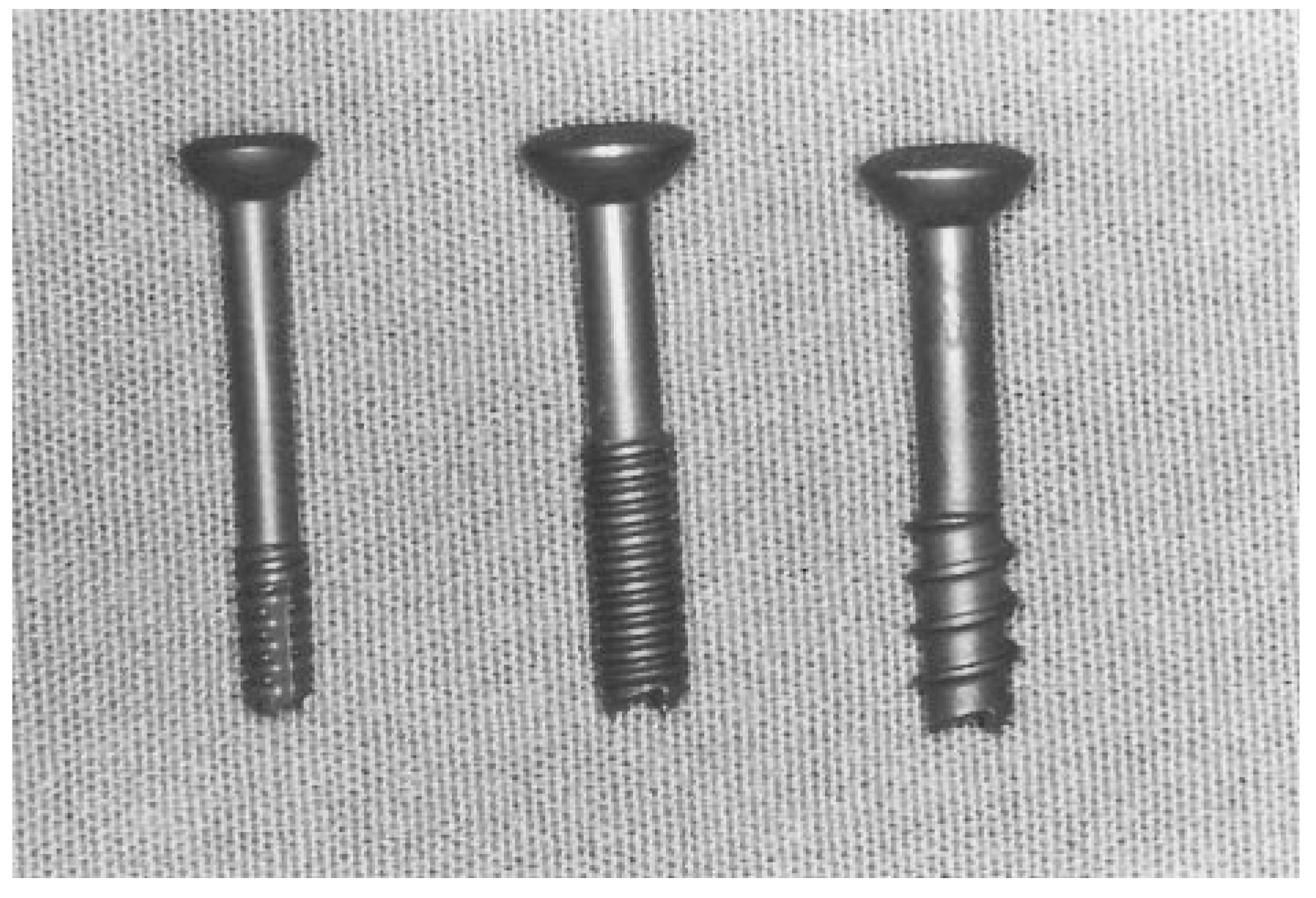
A prospective study was conducted using the Alphatec Mini Lag Screw System for the fixation of osteotomies and fusions of the foot. This system uses three screw sizes with thread diameters of 2.7, 3.5, and 4.0 mm (
Figure 1). The screws are partially threaded, with threading never exceeding 50% of the total length of the screws, and are self-tapping. The screws are made of a titanium alloy, with the increased hardness, as compared with that of standard stainless-steel screws, allowing for cannulation of the smaller sizes. The 2.7-mm screw has a core diameter of 1.6 mm. It is designated a cortical screw because of its narrow thread pitch: 32 threads per inch. The 4.0-mm screw has a core diameter of 2.9 mm and a cannula diameter of 1.8 mm. It is designated a cancellous screw, and it has the same thread pitch as a standard 4.0-mm ASIF screw. The screw heads of all screws are low-profiled and hexagonally recessed for the inserters. The 2.7-mm screw ranges in length from 10 to 30 mm, increasing in 2-mm increments. The thread length is either 6 mm or
10-mm, depending on the length of the screw. The 3.5-mm screw ranges in length from 10 to 30 mm, increasing in 2mm increments, and has a thread length of 7 or 10 mm, depending on the length of the screw. The 4.0mm screw ranges in length from 10 to 55 mm, increasing in 2-mm increments up to 40 mm, then increasing in 5-mm increments. It has a thread length of 8, 12, or 16 mm, again depending on the length of the screw.
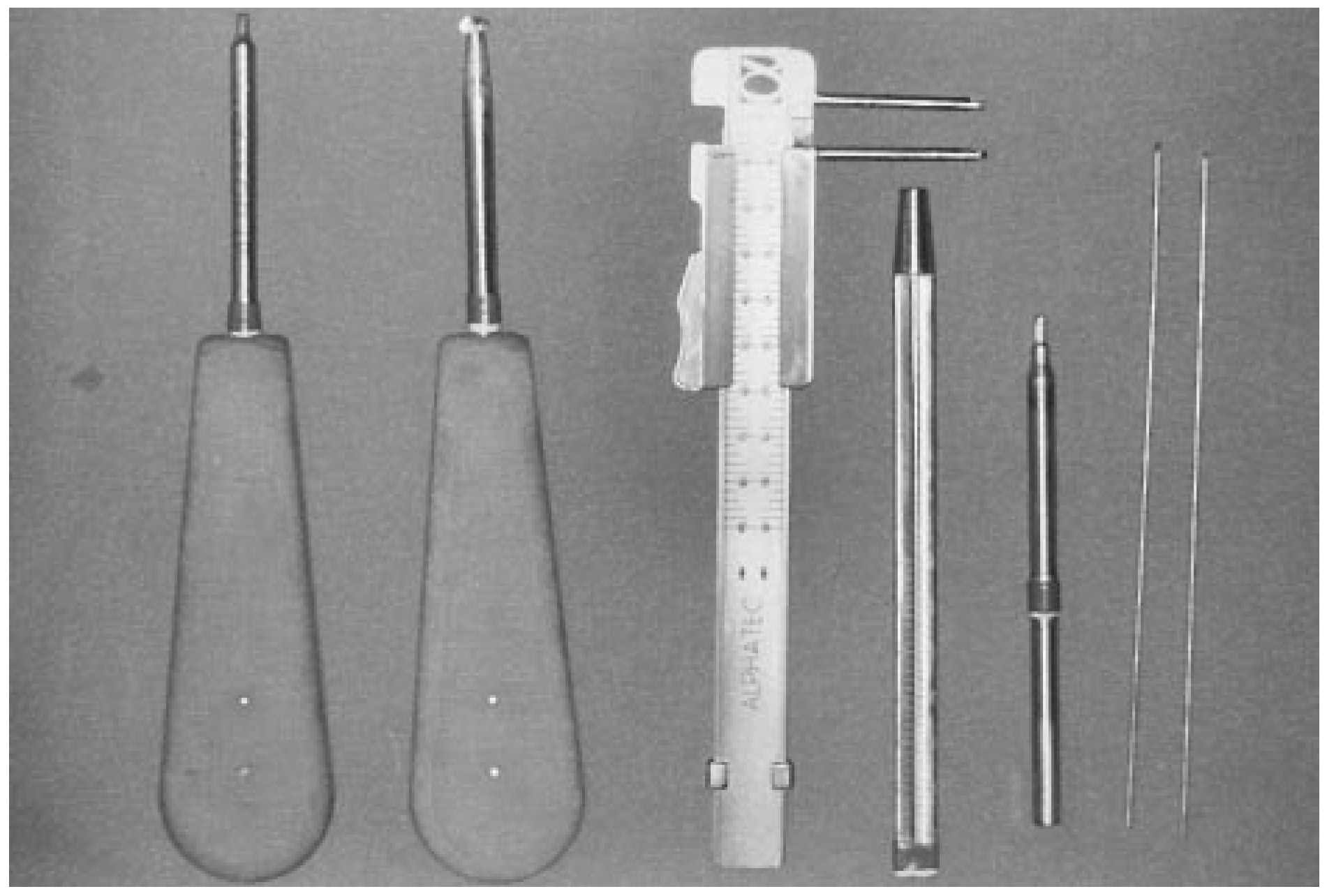
The following equipment is used: a guide pin, a caliper depth gauge, a standard cancellous depth gauge, cannulated drill bits, a cannulated countersink, a cannulated manual inserter, and a cannulated power driver (
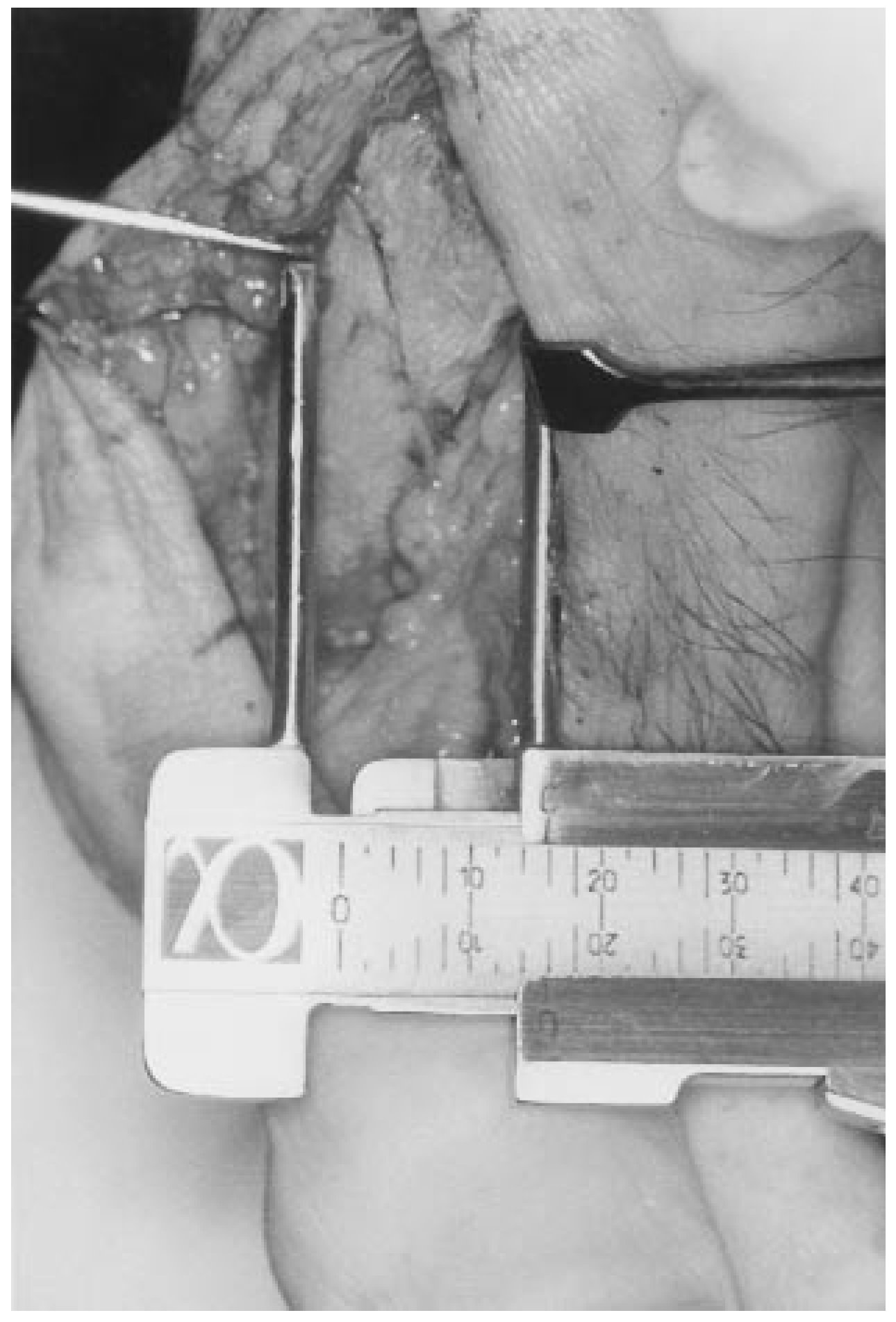
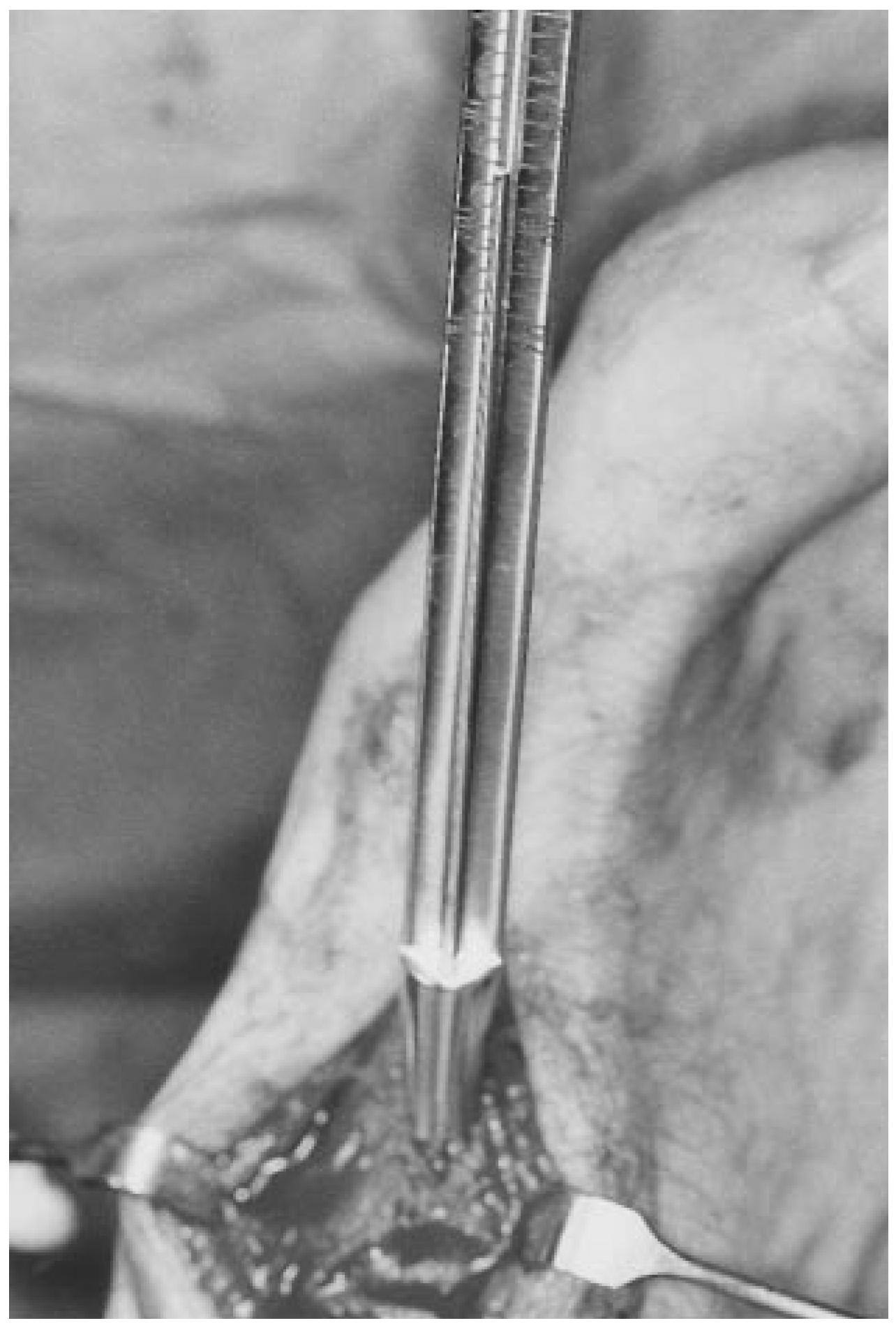
Figure 2). The technique for the cortical screw would be first to fix the osteotomy, fracture, or fusion site with the guide pin where the screw is to be placed. The screw length is measured by placing the slots of the caliper depth gauge on the ends of both legs of the guide pin and then closing the legs onto the bone. This technique requires visualization of both ends of the guide pin. To keep the pin from backing out when the bone is drilled with a cannulated drill bit, a hemostat is clamped to the distal end of the guide wire. The length of the screw is then read off of the scale (
Figure 3).
The countersink slides over the pin to countersink the near cortex. An optional step is to overdrill the first cortex with a drill bit whose diameter is the same as the thread diameter of the screw. Although this step is not necessary, it does facilitate placement of the self-tapping screw. The podiatric surgeon can prevent the cannulated drill bit from grabbing the guide pin by keeping the power on until the drill bit has been completely removed from the pin. The screw is then advanced with the manual inserter and the guide pin removed. For the cancellous screw, fixation is again achieved with the guide pin, but the screw length is measured with the cancellous depth gauge, which slides over the pin. Because the end of the guide pin cannot be visualized, its position is usually confirmed with intraoperative fluoroscopy or radiography. The length of screw needed is read off of the scale where the pin ends (
Figure 4). The bone is countersunk, and the screw is advanced with either the manual inserter or the power driver. The guide pin is removed, and the final placement of the screw is again confirmed with fluoroscopy or radiography.
Between January 1992 and October 1993, the author performed 70 procedures on 49 patients, using the cannulated screws as the sole means of fixation. The follow-up time for all patients was 2 years. The procedures consisted of 61 osteotomies and 9 fusions. Of the 61 osteotomies, there were 29 Austin/ chevron procedures, 16 Juvara procedures, 8 Akin procedures, 4 SCARF procedures, 2 dorsal wedge osteotomies of the first metatarsal, and 2 Hohmann procedures. Of the nine fusions, there were six hallux interphalangeal joint arthrodeses, one first metatarsophalangeal joint fusion, one Lapidus procedure, and one talonavicular fusion. Each procedure was evaluated clinically and radiographically immediately as well as 3 weeks, 6 weeks, 3 months, 1 year, and 2 years postoperatively. The procedures were evaluated for failure of fixation, fracture of the implant, and development of periosteal callus formation.
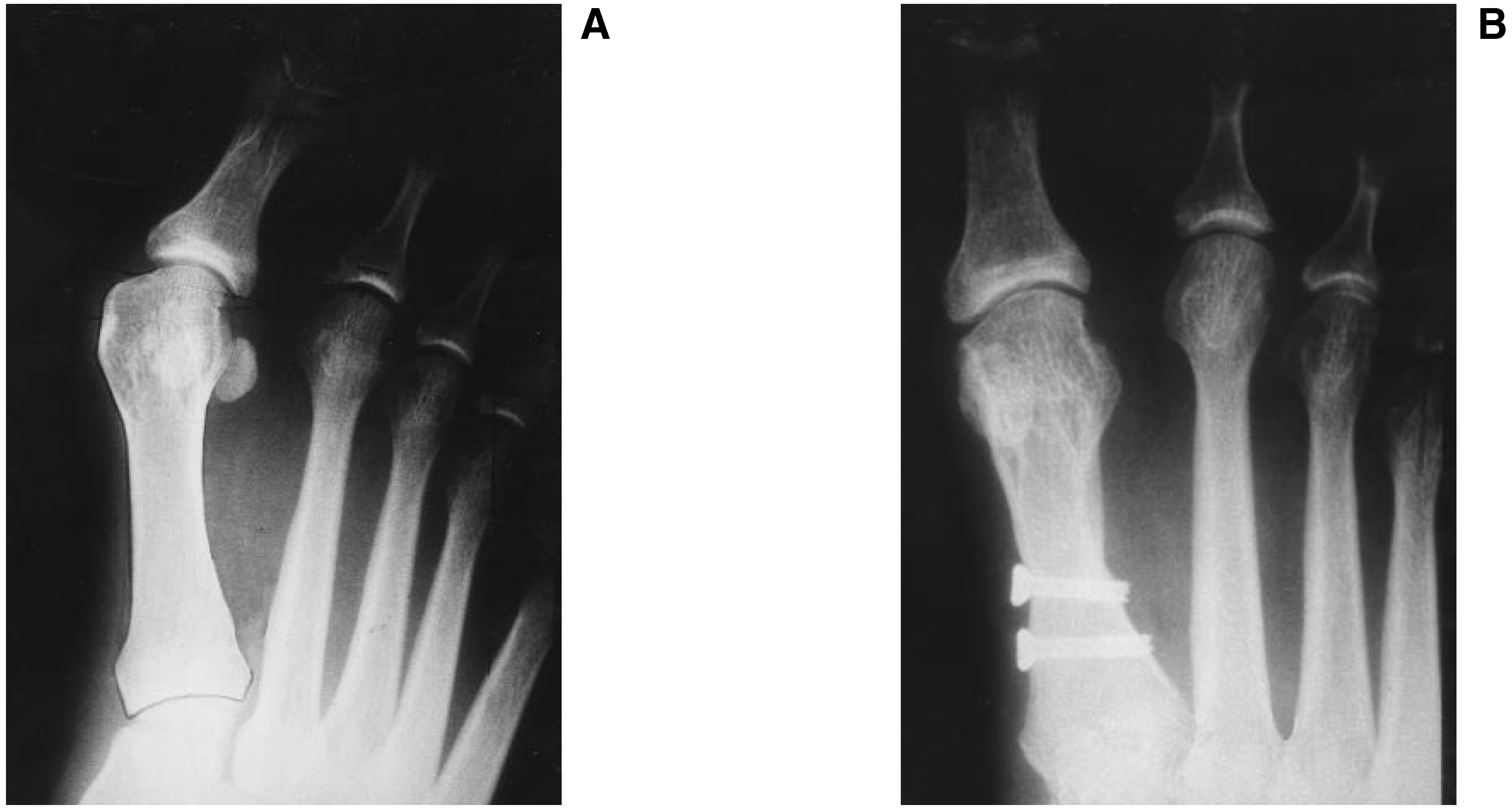
The Austin/chevron was the most commonly performed procedure, and it was done with either a long dorsal arm or a long plantar arm (
Figure 5). All of the chevron osteotomies were fixed with 2.7-mm screws, and the first few procedures used two screws as originally described [
10,
11,
12]. The majority, however, were fixed with just one screw, with the same technique modification described by others [
13,
14,
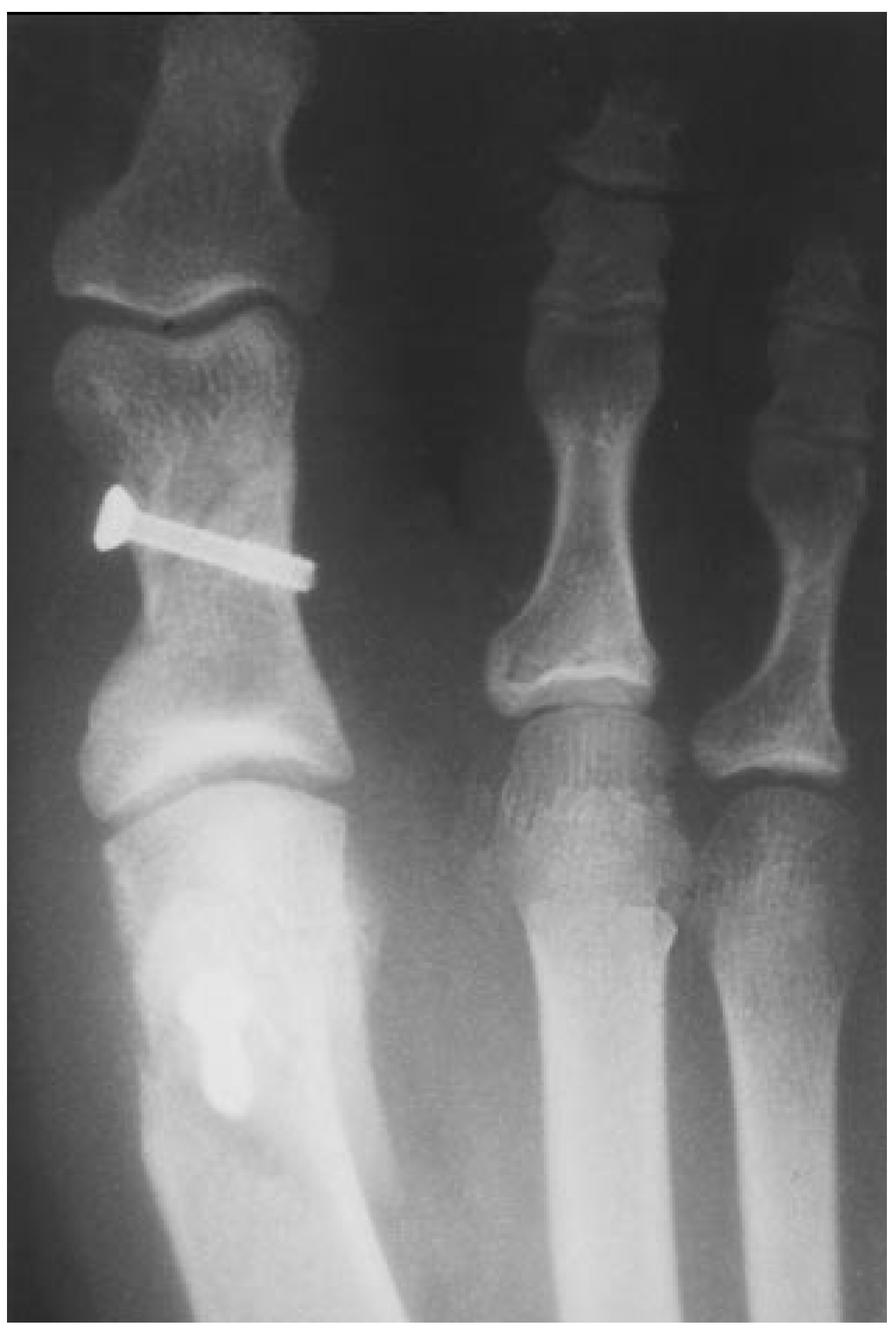
15]. All of the Akin procedures were distal oblique osteotomies that were fixed with one 2.7-mm screw (
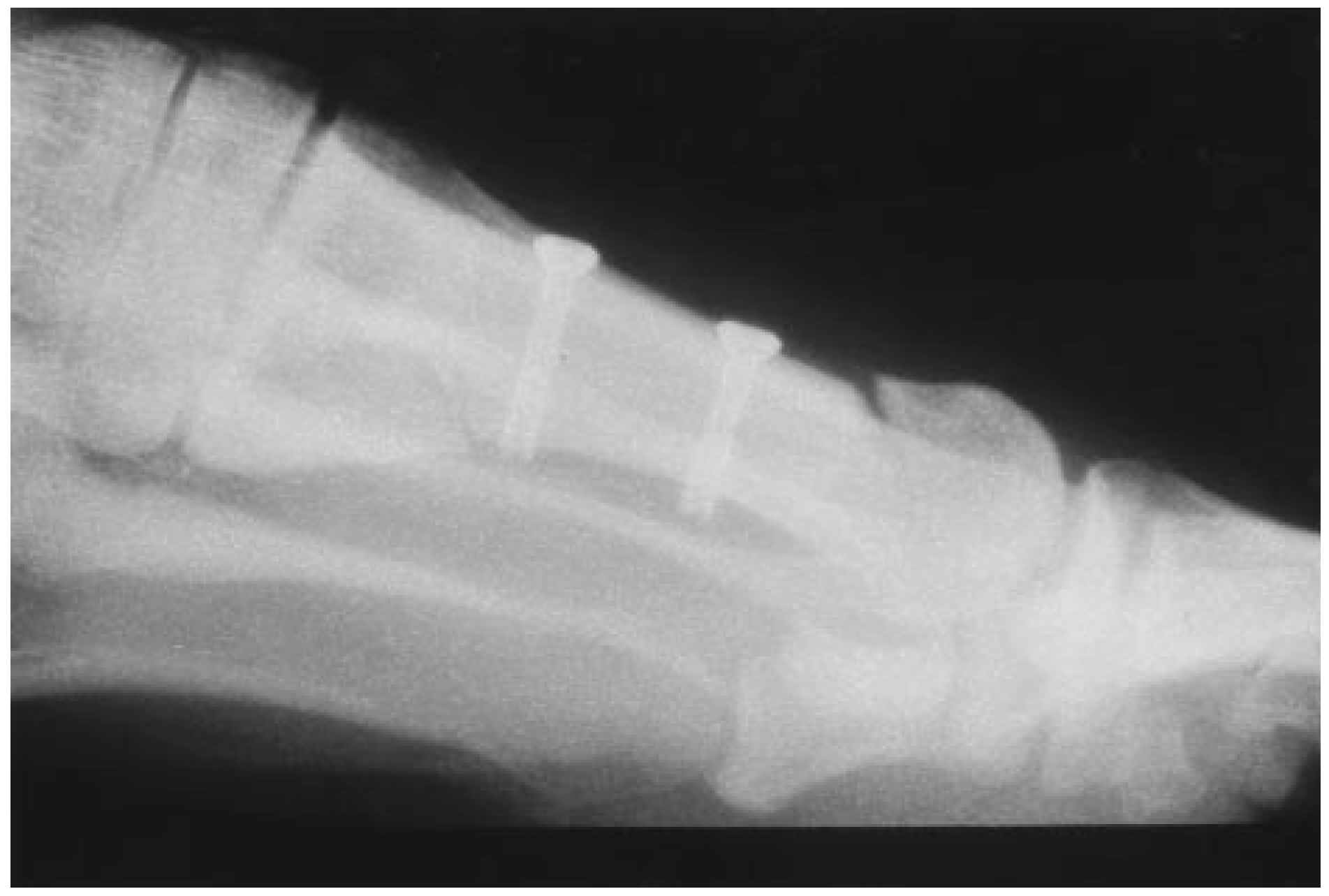
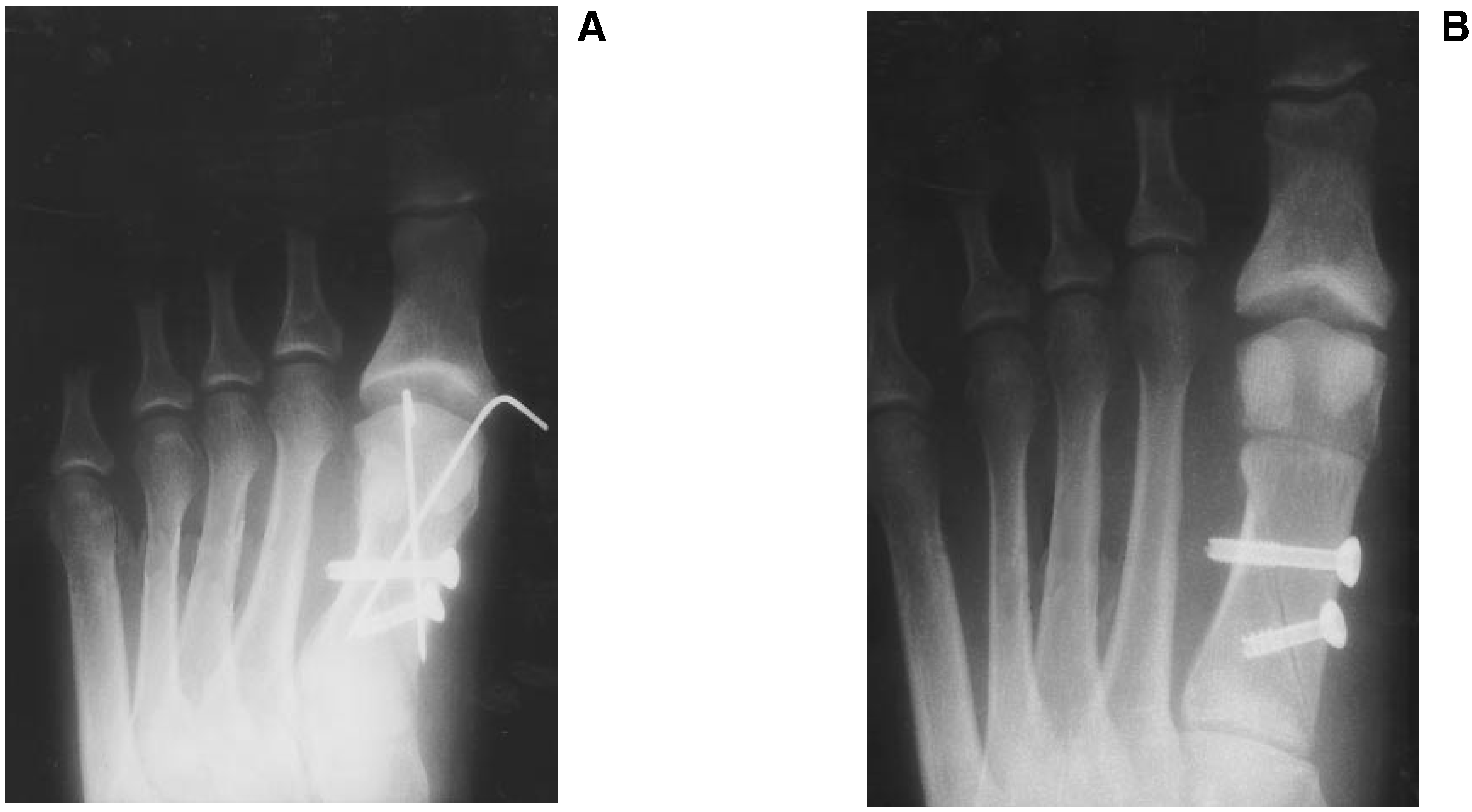
Figure 6). The Juvara procedures were fixed with either one or two 2.7-mm or 3.5-mm screws (
Figure 7), and all of the SCARF procedures were fixed with two 2.7-mm screws (
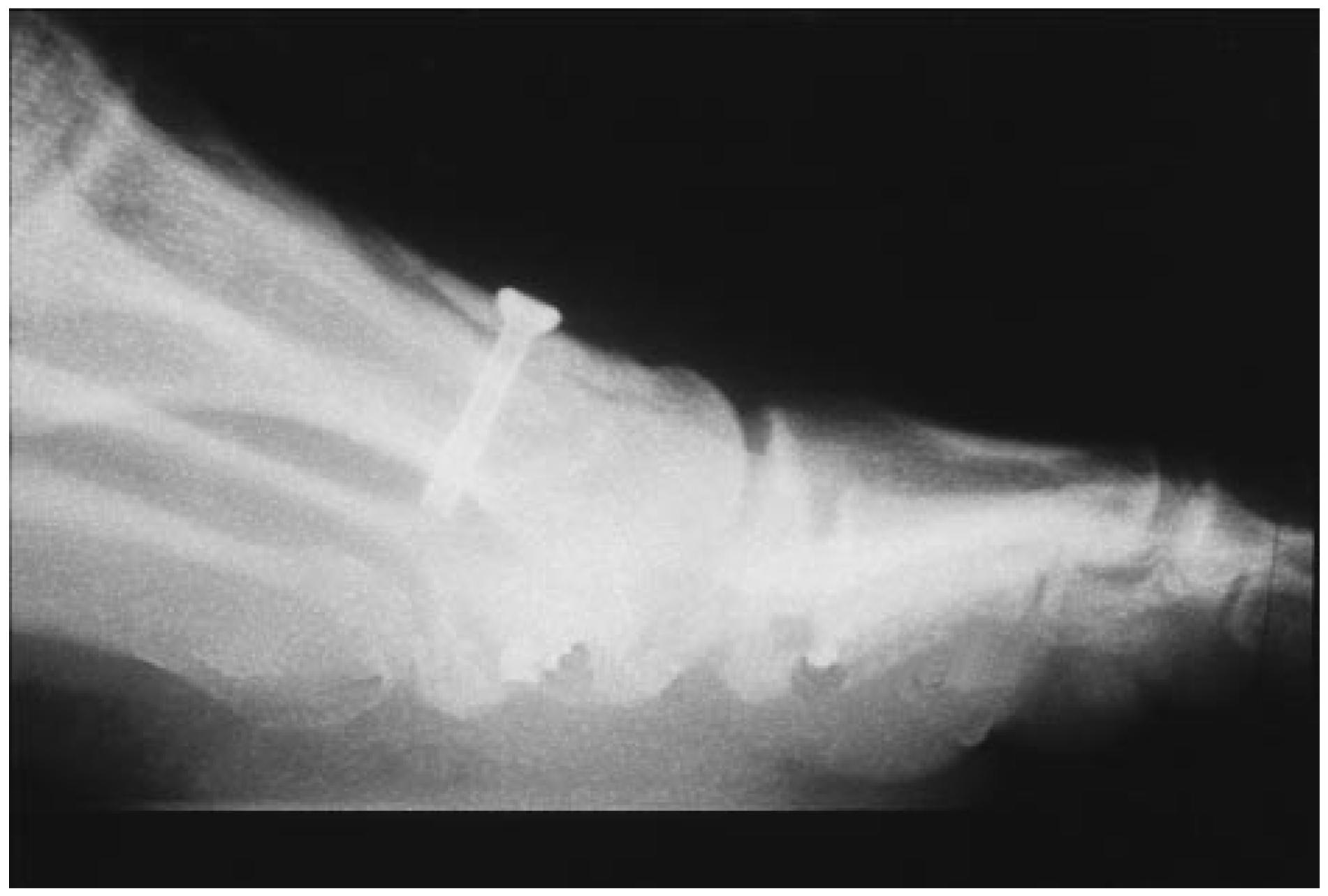
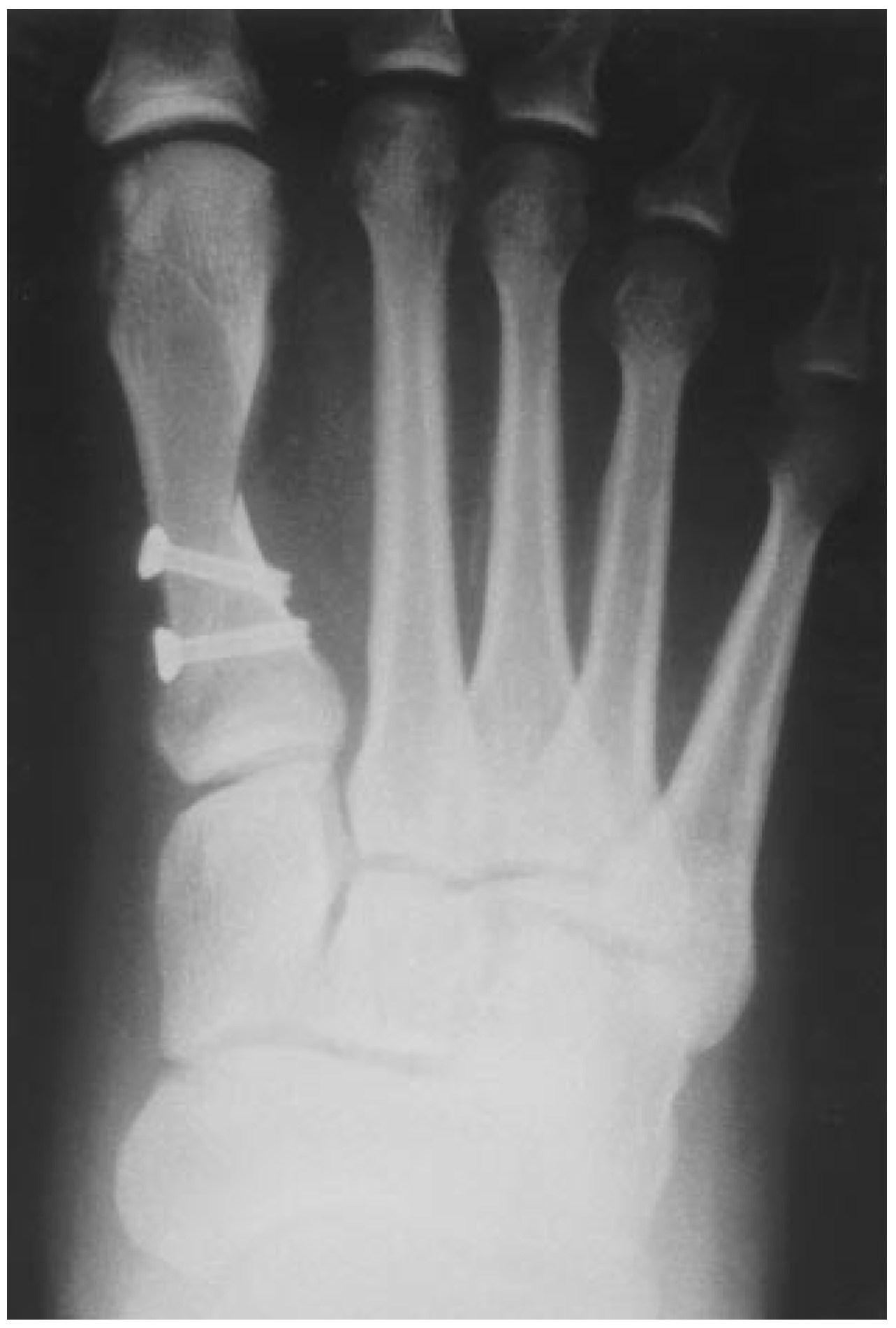
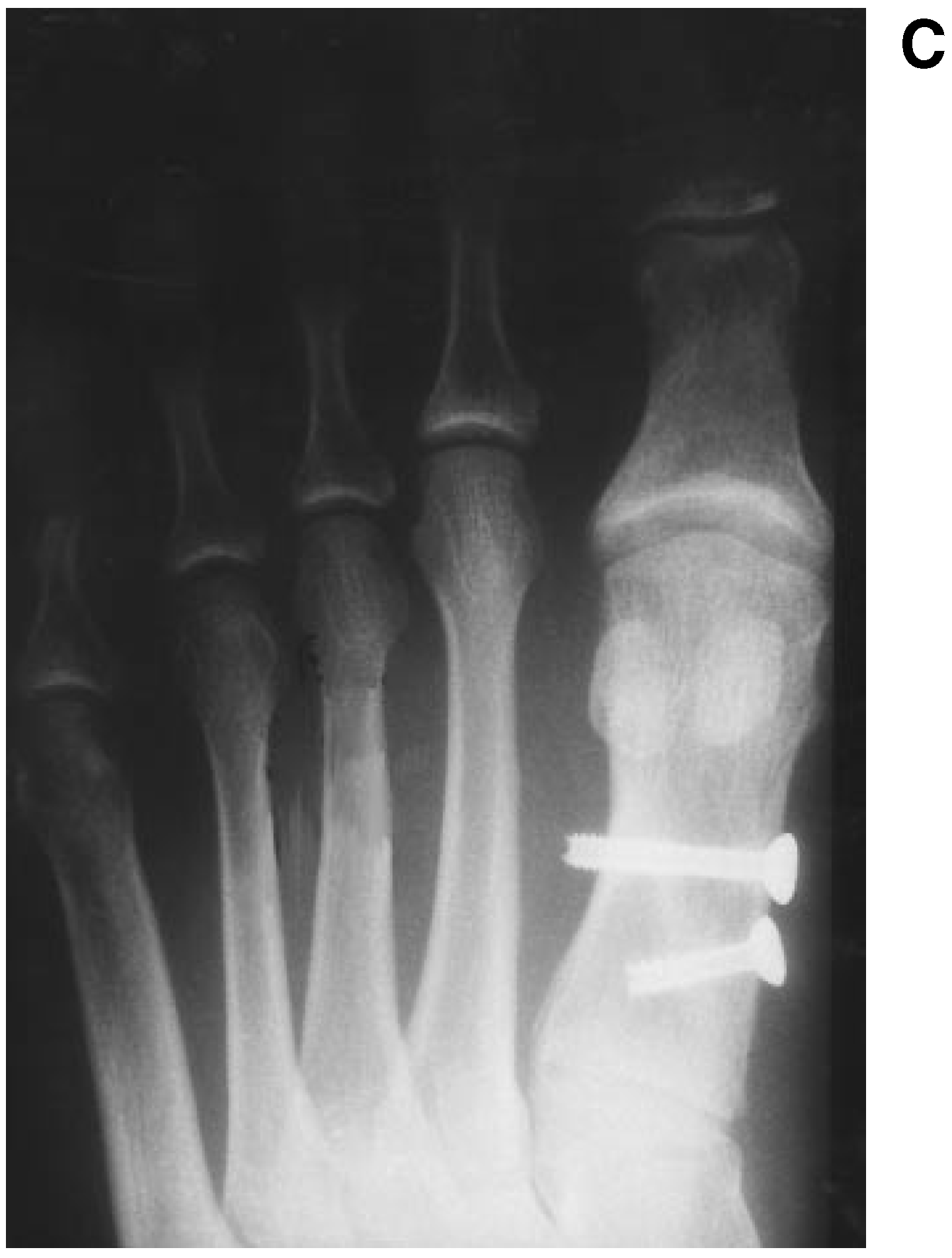
Figure 8). The Hohmann procedures and the hallux interphalangeal joint fusion procedures were fixed with intramedullary 4.0-mm screws. The first metatarsophalangeal joint fusion was fixed with two crossed and stacked 2.7-mm screws. The Lapidus and talonavicular fusions were fixed with 4.0-mm screws. The postoperative management for all of the procedures was standard for the procedures unless concomitant procedures dictated the postoperative management, particularly regarding weightbearing status. Specifically, the postoperative management for the Akin, Austin, and SCARF procedures allowed immediate weightbearing in a postoperative shoe. Range-of-motion exercises were begun immediately, and the patients progressed to wearing their normal shoes after 4 weeks. For any base osteotomy procedure of the first metatarsal, the patients were placed in a posterior splint and instructed to remain nonweightbearing for 6 weeks. They were then placed in a postoperative shoe for 2 weeks before progressing to their regular shoes. Range-of-motion exercises were commenced immediately after surgery, and serial radiographs were taken to evaluate bone healing (
Figure 9 and
Figure 10). The patients who underwent hallux interphalangeal fusion were allowed to bear weight immediately and wore a postoperative shoe for 8 weeks. The first metatarsophalangeal fusion, Lapidus fusion, and talonavicular fusion patients were all kept nonweightbearing for 12 weeks, after which they wore a postoperative shoe for 2 weeks before progressing to their regular shoes.
Results
None of the 70 implants in the study fractured. Seven patients (seven procedures) had some type of implant-fixation failure, and six patients (six procedures) developed periosteal callus formation. The failures of fixation seemed to be due to surgeon error or noncompliance on the part of the patient rather than to a failure of the fixation device.
In one Akin procedure, the osteotomy appeared to gap slightly because the screw used was too short. The osteotomy went on to heal uneventfully, however, with very mild callus formation. There was also a Juvara procedure in which it appeared that too short a screw was used and the osteotomy gapped slightly. Again, however, the osteotomy healed uneventfully with only a mild amount of periosteal callus formation.
A third patient, who had diabetes and neuropathy, prematurely walked on his dorsal wedge osteotomy of the first metatarsal. The osteotomy gapped and developed significant periosteal callus formation, but he went on to heal without complication. A fourth patient with a Juvara osteotomy walked prematurely, which caused dislocation of the osteotomy. A second procedure was performed, fixing the osteotomy with the cannulated screws, and the patient went on to heal uneventfully. A fifth patient with a Juvara osteotomy had no displacement or gapping of the osteotomy, but did develop a mild amount of periosteal callus formation. His postoperative course, however, was otherwise uneventful.
In one patient who had undergone a Juvara osteotomy, the screw backed out slightly. Although a slight gap of the osteotomy developed, there was never any periosteal callus formation, and the osteotomy healed in the usual time. A second diabetic, neuropathic patient who walked prematurely on his first metatarsal dorsal wedge osteotomy developed a significant amount of periosteal callus formation but no other problems. The last fixation failure was again a patient with a Juvara osteotomy who walked prematurely. This resulted in slight elevation of the first metatarsal and moderate periosteal callus formation, but this did not require further intervention, and she went on to heal without complication.
Discussion
The results of this study show the small-cannulatedscrew system to be an effective and reliable method of fixation of osteotomies and fusions of the foot. The results of this study are also consistent with the results of other studies [
13,
14,
15,
16,
17]. There were no failures among the Austin/chevron osteotomy procedures, and the study clearly demonstrated that fixation with a single screw is adequate. Single-screw fixation provides excellent stability, and it therefore allows for early joint mobilization and early return to flexible shoes. It also allows for greater displacement or transposition of the capital fragment, so that more correction can be obtained with the procedure.
The study also demonstrated that even though screw fixation provides a very rigid and stable situation in the fixation of Juvara osteotomies, no fixation is able to bear a physiologic load. So even though fixation with small cannulated screws as well as fixation with any other screws gives adequate stability to allow early mobilization, cast immobilization and nonweightbearing status may be preferable with procedures characterized by a lack of mechanical stability. The study also provided further evidence that when a cortical hinge is still intact in a Juvara osteotomy, single-screw fixation is adequate.
Cannulated screws have several distinct advantages over standard screws, and the last few years have seen the development of other small-screw systems with cannulation. Previously the smallest cannulated screws were 4.0 mm in diameter [
2]. In addition to the Alphatec system, both the cannulated Herbert screw (Zimmer USA, Inc, Warsaw, Indiana) and the Acutrak screw (Acumed, Inc, Beaverton, Oregon) are available in the smaller diameters. There is a cost differential that must also be considered. Whereas the standard stainless-steel ASIF screw costs approximately
$6, the Alphatec screws run approximately
$65, and the Herbert and Acutrak run
$250 each.
Conclusion
Cannulated-screw fixation provides marked advantages over traditional-screw fixation without sacrificing any of its value. The cannulation of screw systems has simplified screw fixation, decreased surgical time, allowed for more precise screw placement, and reduced sources of error. Cannulated screws are now available in the smaller screw sizes that are used most commonly and routinely in foot and ankle surgery.