Congenital and Developmental Anomalies
Accessory Ossicles and Multipartition
Accessory ossicles are common, although the majority have no clinical importance. Os supranaviculare, os subfibulare, and os vesalianum are common ossicles [
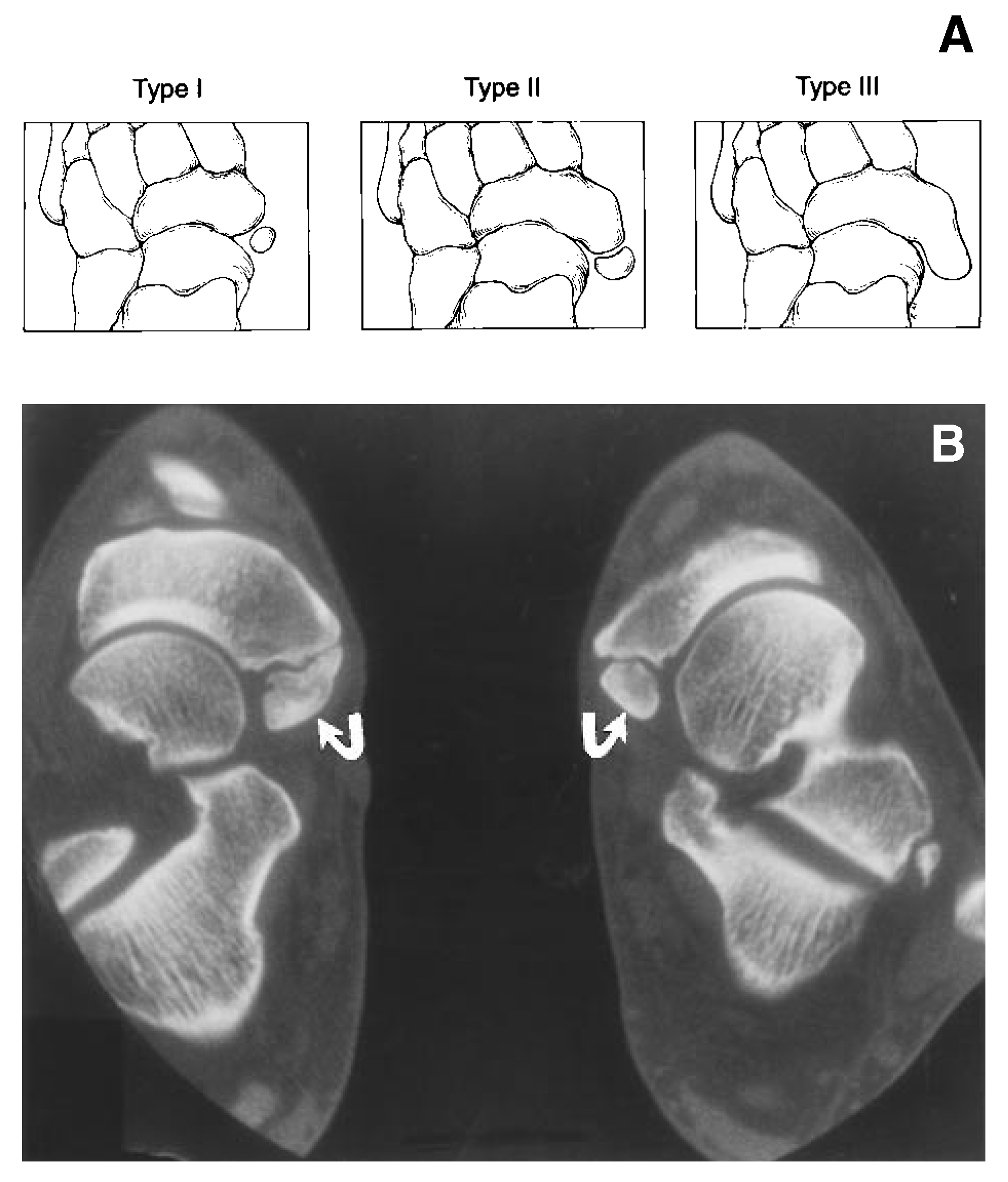
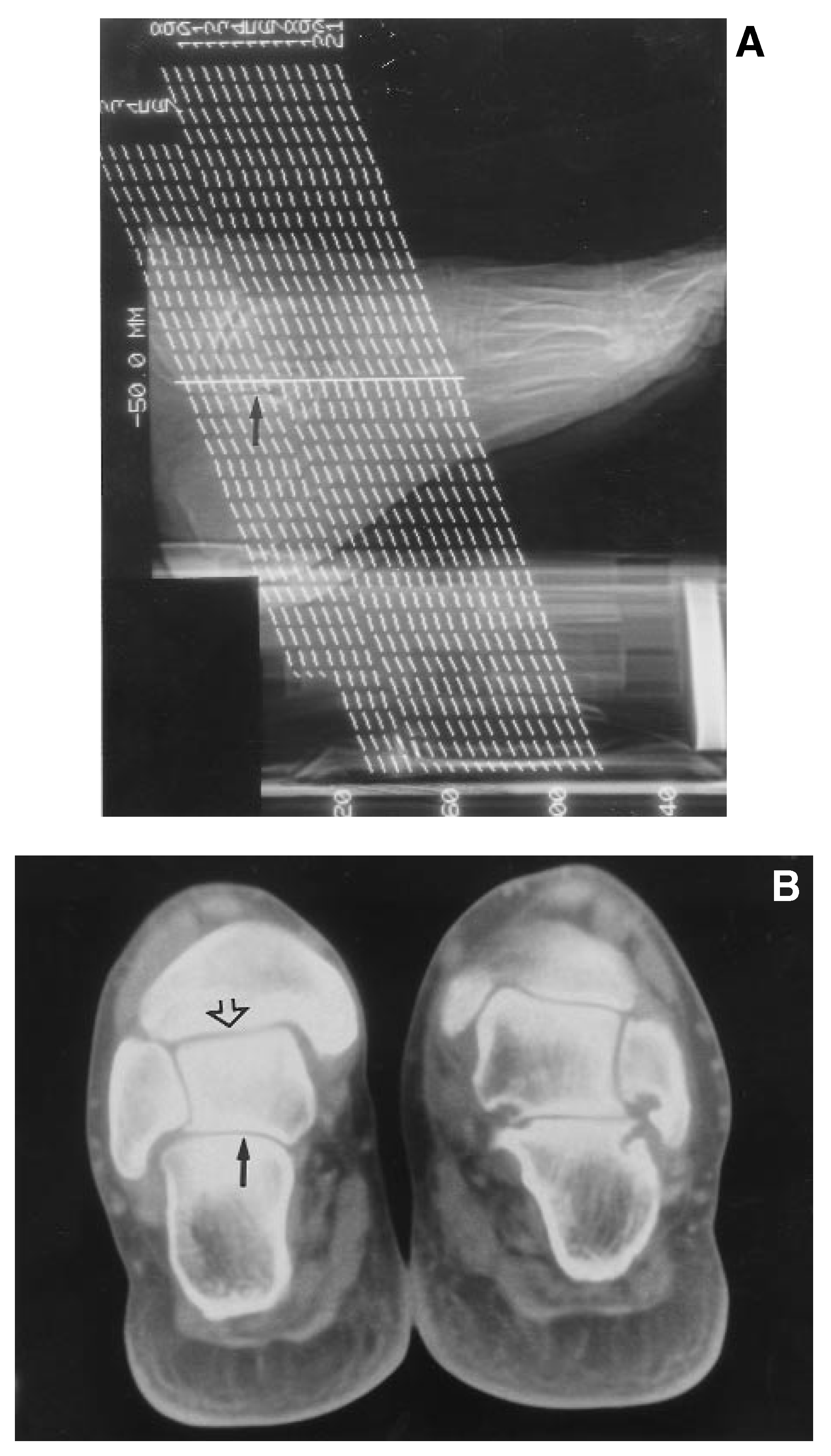
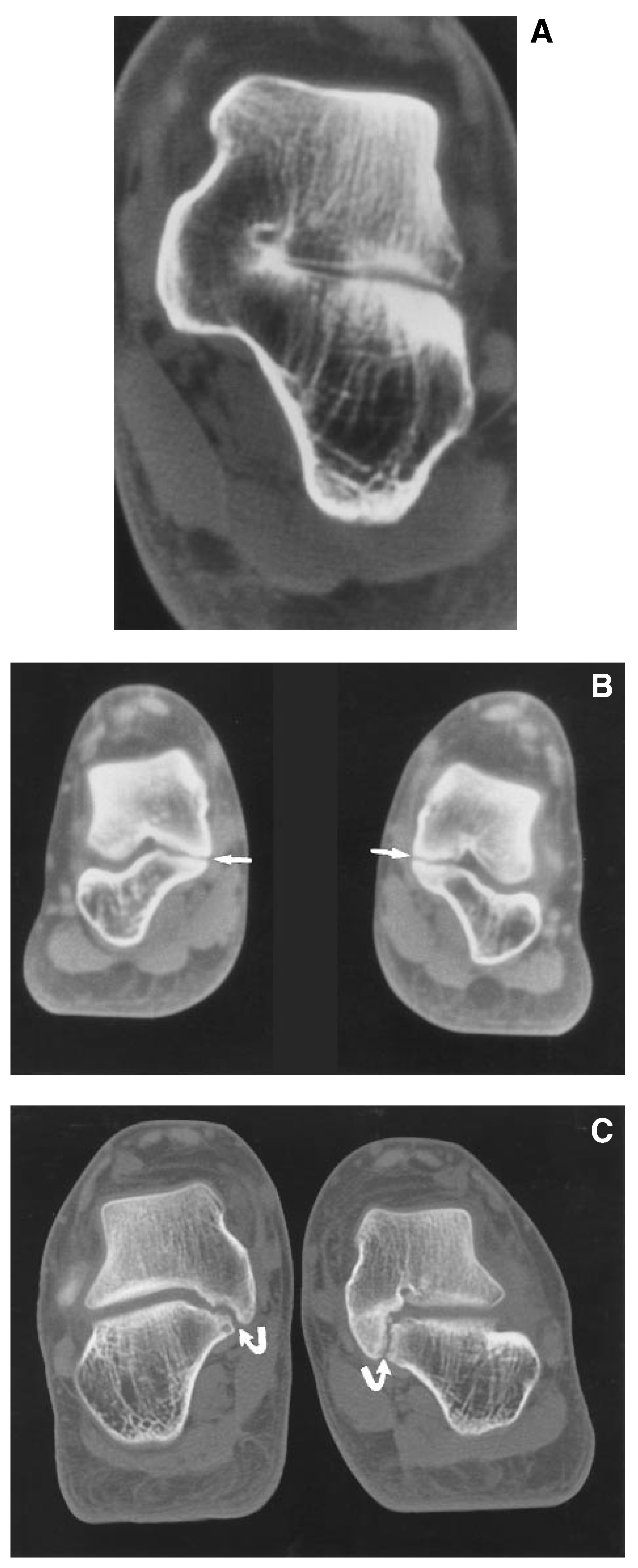
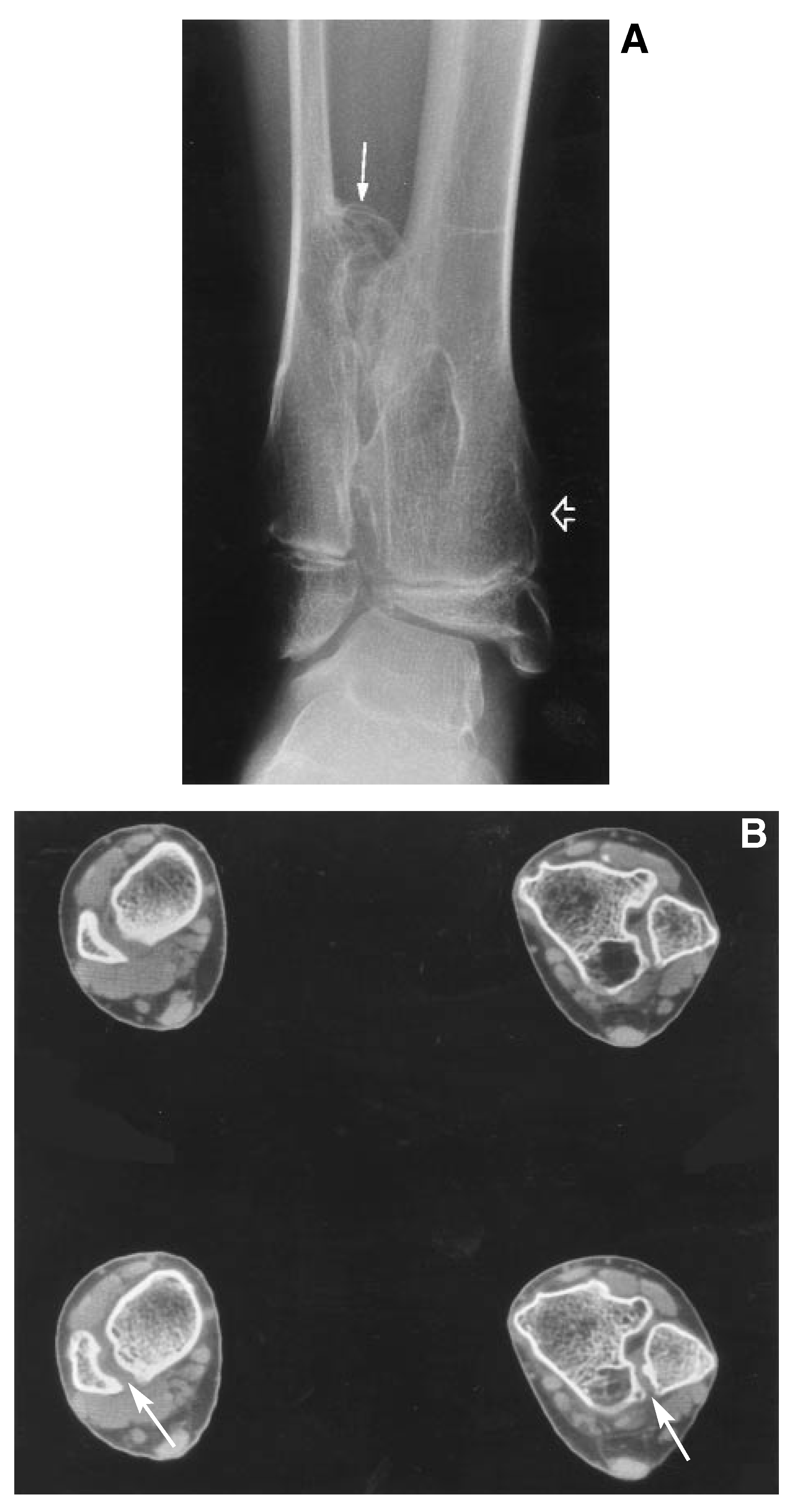
6]. Occasionally, however, accessory ossicles produce signs or symptoms. Computed tomography may be used to evaluate symptomatic patients. An os tibiale externum arises in the posterior tibialis tendon and is usually small, with minimal relationship to the adjacent navicular. It may occasionally be large and articulate with or be ankylosed to the parent navicular, creating a painful bony excrescence of the medial midfoot (
Figure 2A) [
7]. Computed tomography can define the size of the ossicle and the relationship to adjacent bones and joints as well as the soft tissues (
Figure 2B).
Accessory ossicles may have irregular margins on radiographs, which makes the differentiation between fracture and anomaly difficult. Computed tomography is better for showing margination, with sharp margination and trabecular interruption suggesting acute fracture. Additionally, an adjacent donor site with shape and margination that are a mirror image of the bone fragment can sometimes be shown.
Multipartite tarsal bones in the adult may be confusing in the setting of trauma. Bipartite and multipartite bones are more prevalent in the wrist than in the foot, and there is controversy about whether these abnormalities are anomalies or the result of prior trauma [
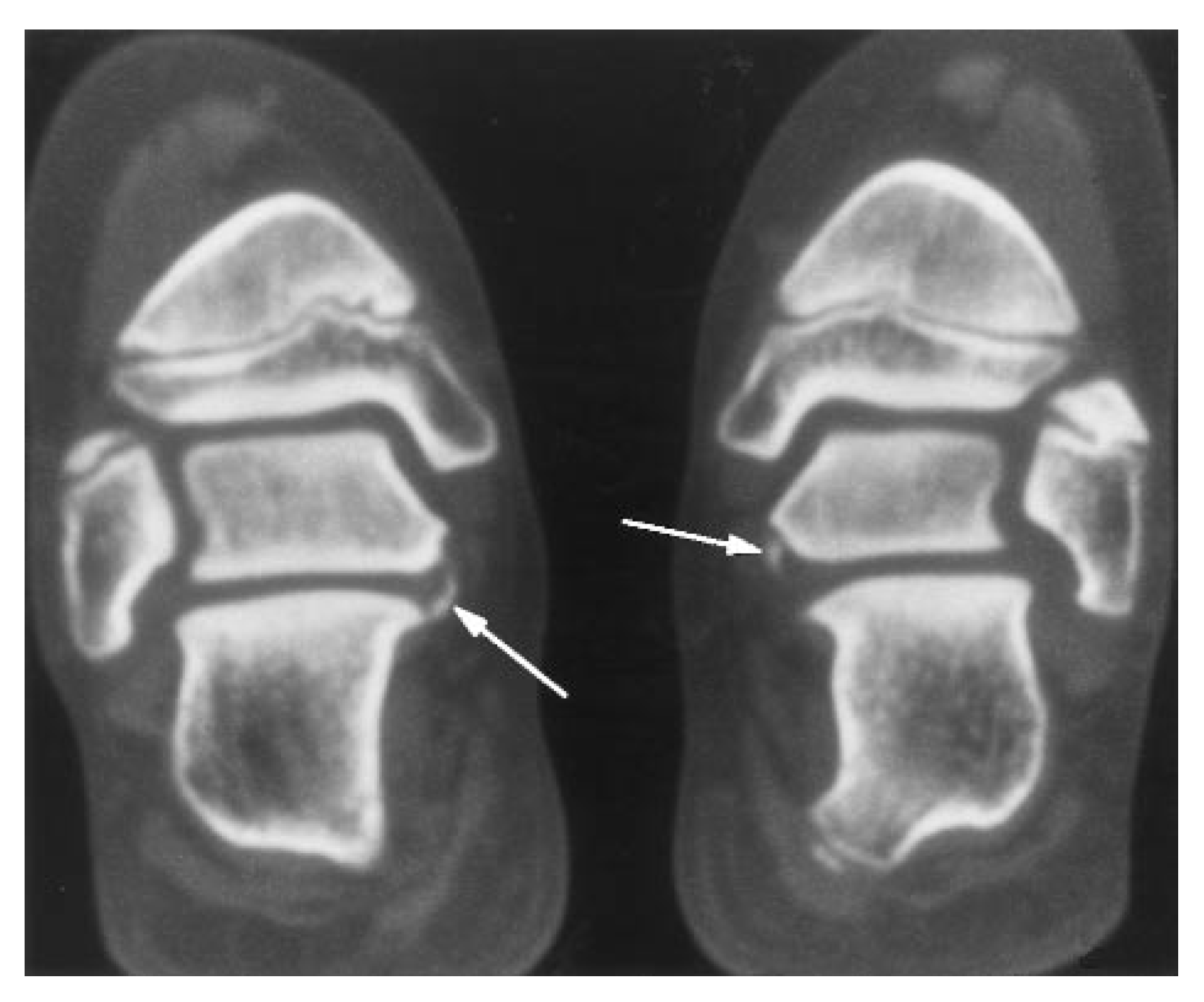
8]. In either case, CT can often readily distinguish these ossicles from acute fracture fragments. Assessment of margination is important, with a bipartite element showing smooth cortical margination and rounded edges. Also, the sum of the individual elements of a bipartite bone will equal the defect of the tarsal bone involved (
Figure 3). Adjacent soft tissues should appear normal on CT. Computed tomography has a very limited role in evaluating multiple ossification centers in the child because unmineralized cartilage is poorly demonstrated so that important data about the integrity of the cartilage in which these ossification centers form is not shown. Alternative imaging modalities such as CT arthrography or MRI are more useful to distinguish multipartite bones from cases of avascular necrosis or fracture in children.
Tarsal Coalition
Tarsal coalition is a common developmental anomaly of the rearfoot and midfoot in which two or more bones of the foot are abnormally united. Union of tarsal anlage has been observed in the fetus, leading to the conclusion that coalition is due to failure of segmentation of the primitive mesenchyme that forms the tarsal bones [
9]. Tarsal coalition may also be acquired. For example, bony ankylosis or pseudoarthrosis may occur following trauma or infection, when articular margins are injured.
Congenital coalition of tarsal bones is found in the form of a fibrous union (syndesmosis), cartilaginous union (synchondrosis), or bony union (synostosis). The union is usually fibrous or cartilaginous early in life, and becomes ossified later, although synostosis has been reported in children under age 10 [
10]. Instead of joint fusion there may be an intact joint space with an anomalous bony mass fusing two tarsal bones or a bony mass projecting from a single tarsal bone in such a way that motion is limited [
10]. Other cases have been reported with a normal middle talocalcaneal joint and a thin bony bar bridging the joint [
9]. Regardless of type, CT is the imaging modality of choice for diagnosis of subtalar coalition [
11,
12].
The incidence of tarsal coalition in the general population is unknown but is probably well below 1%. The reported incidence of tarsal coalition at autopsy, in military personnel, and in children has varied from 0.03% to 0.9% [
13,
14]. When familial, the anomaly is transmitted as an autosomal dominant trait. Bilateral coalition is found in about 20% of patients.
The most common types of congenital tarsal coalition unite the calcaneus with the navicular or the talus with the calcaneus. Of 197 coalitions in four reported series, 98 (50%) were calcaneonavicular and 85 (43%) were talocalcaneal [
15]. Rare types of coalitions include talonavicular, calcaneocuboid, cubonavicular, naviculocuneiform, and massive tarsal fusion.
Pain and rigidity are the most common complaints in cases of coalition. Pain is seldom severe, is often episodic, and frequently occurs following prolonged exercise, unusual stress, or minor injury such as a misstep, twist, or sprain. Characteristically, cessation of activity and rest bring relief. Intermittent spasm of the peroneal muscles may be provoked by overactivity. Anterior tibial spasm is present less frequently than peroneal spasm. Because the coalition is fibrous or cartilaginous in early childhood, patients usually present in adolescence with an overall decrease in flexibility of the foot [
16]. Patients with coalition, however, may be asymptomatic.
The radiographic diagnosis of tarsal coalition requires well-positioned views and, in some cases, CT scans. A variety of findings may be present depending on the location of the coalition.
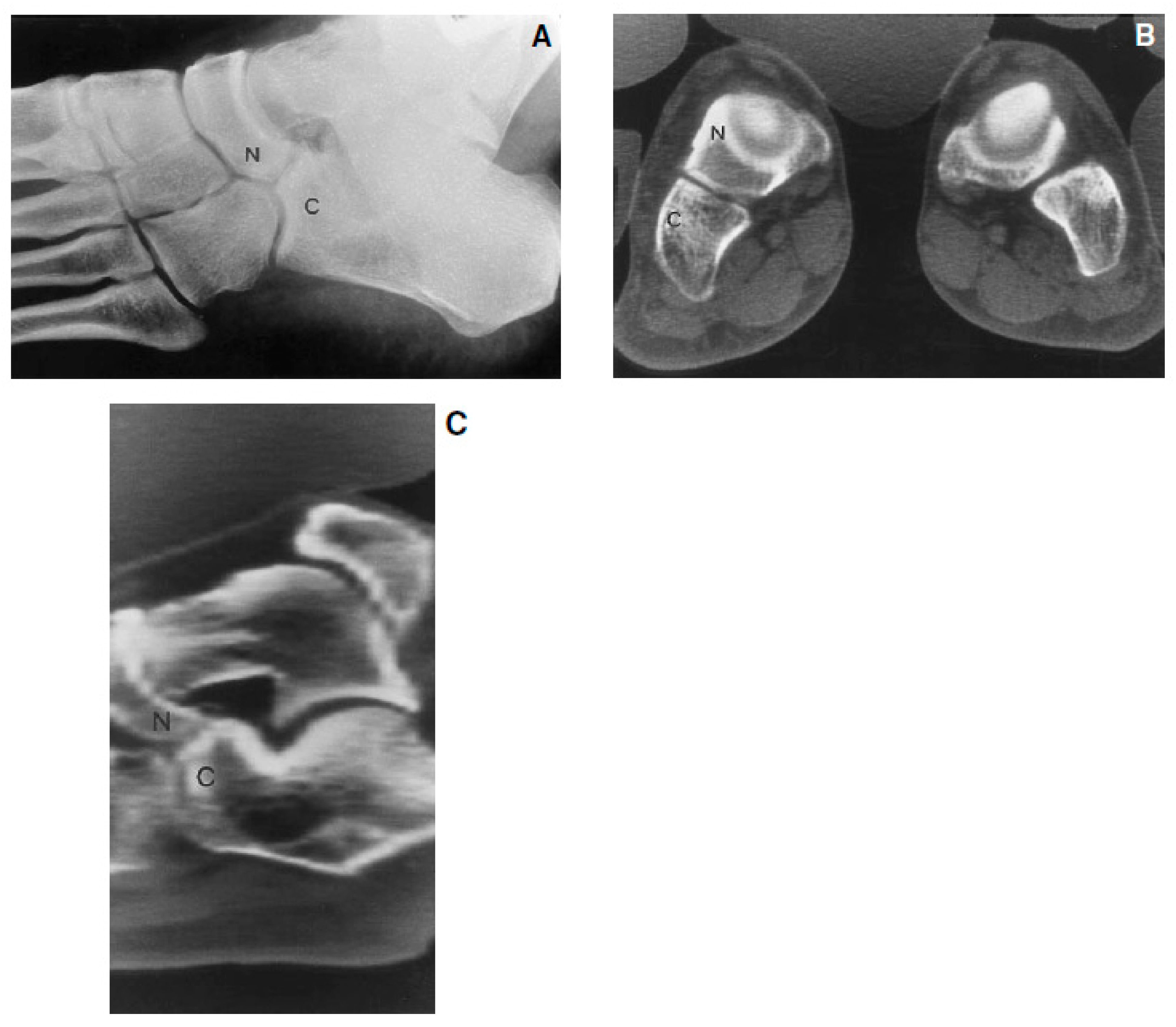
Bony calcaneonavicular coalition is usually obvious on the oblique radiographic view of the foot. Fibrous or cartilaginous fusion is more difficult to detect. Decreased space between the two bones, irregular and indistinct cortical margins, sclerosis, and hypoplasia of the talar head all indicate abnormality (
Figure 4) [
9]. As seen in the lateral view, the elongated anterosuperior calcaneus often has a tubular appearance that has been likened to an anteater’s nose [
17].
Talocalcaneal coalition is often suggested by one or more secondary findings seen on the lateral radiograph of the foot [
17,
18]. These findings include talar beak, widened lateral process of the calcaneus, narrowed posterior talocalcaneal joint, enlargement of the sustentaculum tali, and enlargement of the talar articular facet at the sustentaculum tali. Talar beak (proliferation at the distal, most superior margin of the talar head) is the most important secondary sign of talar coalition, occurring in up to 50% of patients [
18]. This sign is not specific, however. The pathologic talar beak in coalition is caused by abnormal motion at the talonavicular joint and by capsular stress.
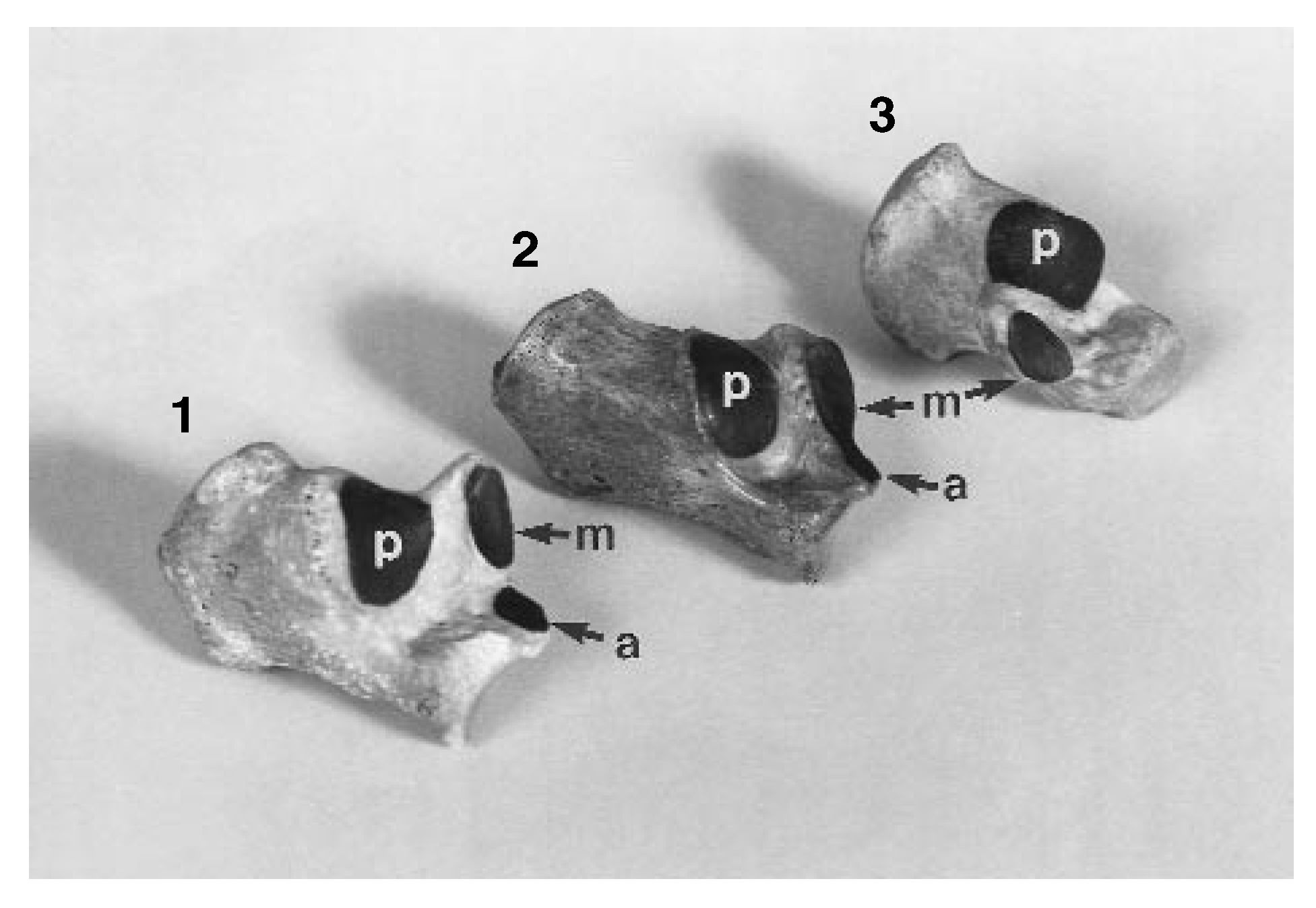
When lateral radiographs show one or more secondary signs of talocalcaneal coalition, a careful search for fusion of a talocalcaneal joint should be made. The complex articulation between the calcaneus and the talus consists of two or three joints. The posterior and middle joints are constant while the anterior joint may be separate, a continuation of the middle joint, or absent (
Figure 5). Computed tomography uniformly demonstrates these joints clearly.
The feet can be examined by CT in the coronal plane (perpendicular to the sole) or the axial plane (parallel to the sole). Coalition between the talus and calcaneus is best evaluated by coronal images. Calcaneonavicular coalition is usually apparent on oblique radiographs of the foot. If CT is used, calcaneonavicular coalition is best evaluated with axial images. Infrequently, direct sagittal images may be useful [
19]. Three-dimensional reconstruction can be used to vividly display a coalition and may be helpful in transmitting information and in preoperative planning.
Computed tomographic findings for talocalcaneal coalition range from obvious to very subtle findings. In adults, synostosis is easily recognized. Nonosseous union, whether fibrous or cartilaginous, may be more subtle. The findings of nonosseous talocalcaneal coalition include joint-space narrowing, altered jointspace orientation, irregular articular cortex margination, sclerotic articular margination, subchondral cyst formation, and nonbridging bony proliferation dorsal to the sustentaculum. The CT findings parallel plain radiographic findings (
Figure 6), but CT better demonstrates the subtle findings (
Figure 7).
Dysplasia Epiphysealis Hemimelica (Trevor’s Disease)
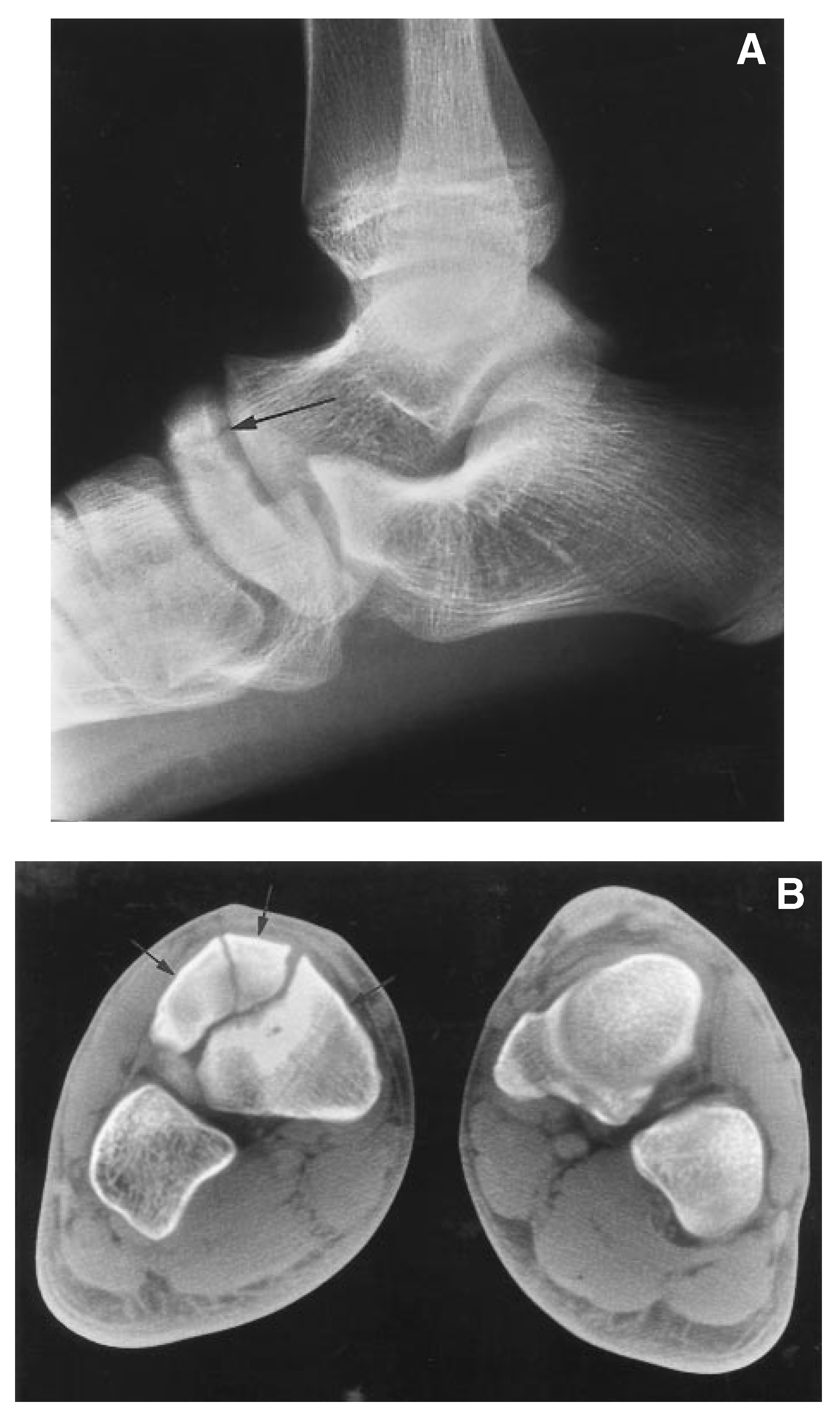
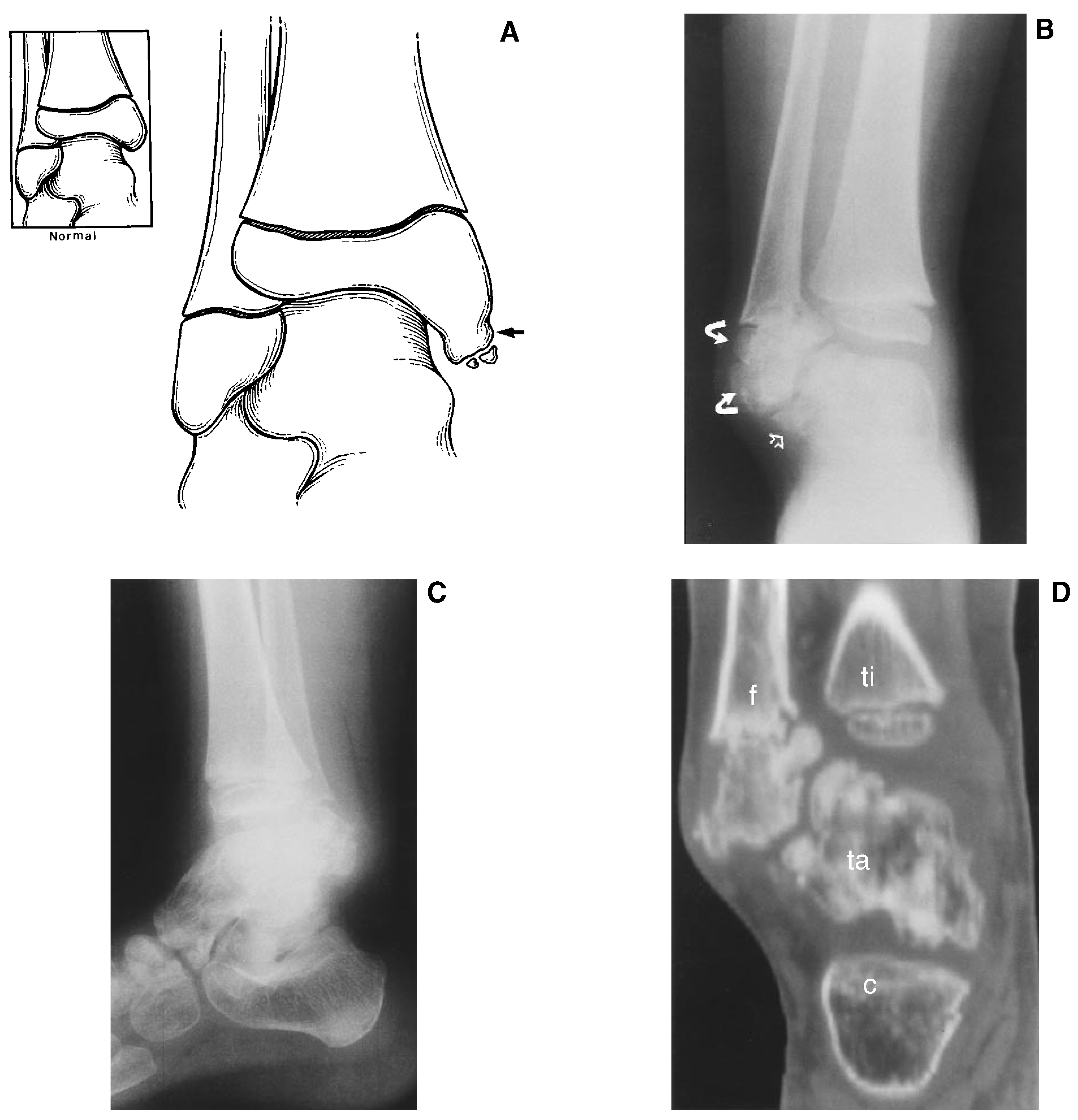
Dysplasia epiphysealis hemimelica (Trevor’s disease) is much less common than tarsal coalition, but may present with debilitating deformities. Dysplasia epiphysealis hemimelica occurs in young children [
20,
21,
22]. There is painless, asymmetric overgrowth of half of an epiphysis (the medial side is more frequently affected than the lateral side), with associated angular deformities at the adjacent joint [
20,
21,
22,
23], and there is sometimes limitation of motion (
Figure 8) [
21,
22,
23]. Radiographically, the overgrowth is seen as one or more irregular ossification centers, which may be partly fused to the adjacent normal portion of the epiphysis [
20,
22,
23]. Over time, these centers may completely fuse, resulting in an asymmetric, deformed epiphysis [
20]. There may also be a metaphyseal spur [
22]. Typically, more than one epiphysis is involved in a single extremity [
20,
21]. The talus, femur, and tibia are the most frequently affected bones [
20,
21]. Rarely, the ipsilateral upper extremity may also have similar changes [
20,
22,
23,
24]. Findings on histologic examination are identical to those of an osteochondroma [
20,
23].
Computed tomography depicts the abnormality well, showing one or more irregular but well-marginated ossicles intimately related to or part of the adjacent epiphysis and causing eccentric epiphyseal enlargement (
Figure 8) [
22,
23]. Computed tomography is particularly important for presurgical planning prior to wedge and rotational osteotomies [
22]. Computed tomography may also show a dominant plane of attachment of the growth, which facilitates resection (
Figure 8) [
7]. Joint deformities are also shown well [
21]. Computed tomography is less useful for analyzing the contribution of unmineralized portions of the abnormal epiphysis unless intra-articular contrast is used [
21].
Osteochondromas and Hereditary Osteochondromatosis
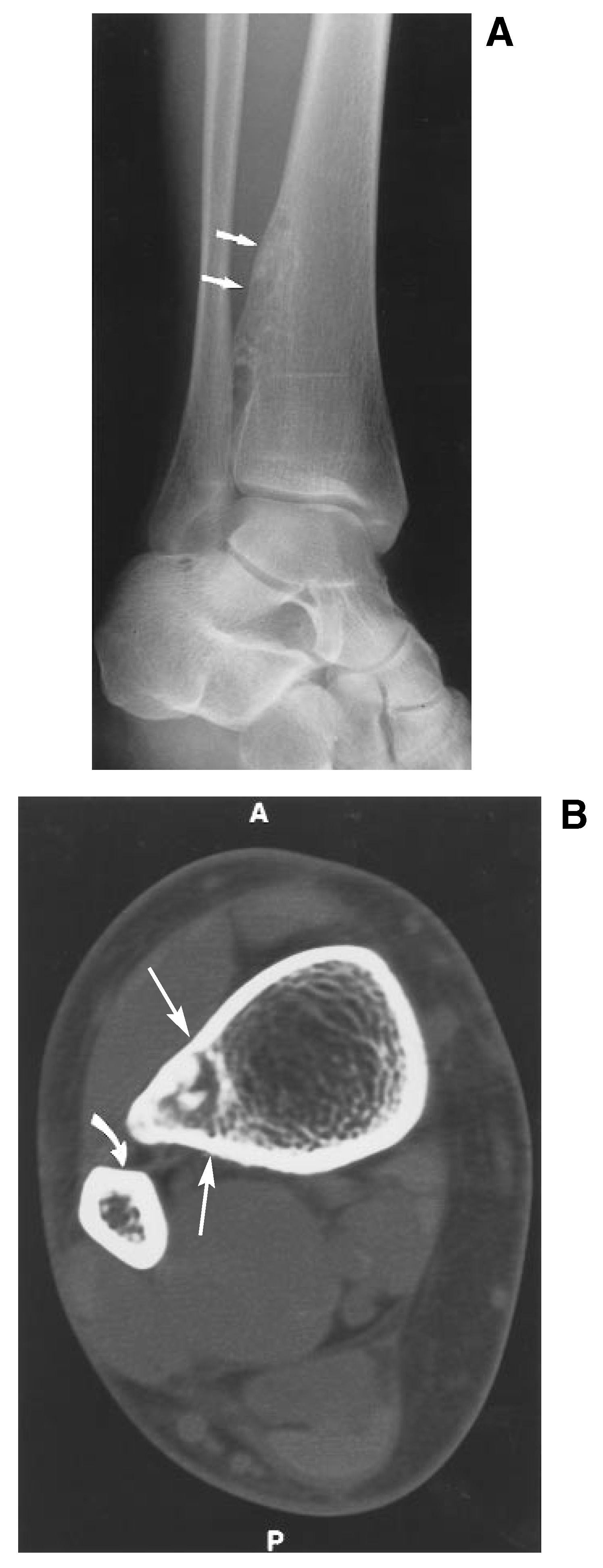
Computed tomography is occasionally used to assess isolated osteochondromas. These common lesions are presumably secondary to trauma to the immature physeal plate. They are usually detected in childhood. Most are at the knee, although the foot and ankle account for approximately 5% of the lesions. Osteochondromas arise from the metaphysis and project away from the adjacent joint. There is direct cortical and medullary continuity of the osseous portions of the lesion and the adjacent metaphysis (
Figure 9) [
25]. A cartilaginous cap of variable thickness is present. In childhood, growth of the lesion parallels growth of the physis with maturation of the cartilaginous cap and cessation of growth in late adolescence. The radiographic features are usually so typical that secondary imaging is not required. Occasionally, the radiographic appearance is less typical, especially when the lesion is sessile. In these cases, CT demonstrates the features of an osteochondroma and confirms the benign characteristics (
Figure 10) [
26].
Computed tomography also aids in defining the relationship of the osteochondroma to the adjacent joint space (
Figure 9) and soft-tissue elements (for instance, assessing neurovascular or tendinous/ligamentous impingement). Malignant degeneration is rare, and usually occurs in a centrally located lesion. Computed tomography may be used to evaluate possible malignant degeneration when a mature lesion grows or becomes symptomatic. Malignant lesions have more aggressive characteristics (cortical breach, marrow and trabecular replacement, and periosteal new bone) or excessive thickness of the cartilaginous cap (greater than 2 cm). Early malignancies may look deceptively indolent. The thickness of the cap is much better evaluated by MRI.
Computed tomography is equally beneficial for assessing the skeletal deformities seen in multiple hereditary exostoses. Although usually inherited as an autosomal dominant trait, this disease may be sporadic. The diagnosis is most often made in young children, although there is a wide spectrum of severity of skeletal involvement, resulting in some delayed diagnoses. The lesions arise in early childhood, and growth parallels that of the adjacent physeal plate. The knees are invariably involved with the bony excrescences (either sessile or pedunculated) identical to solitary osteochondromas, but there may be associated undertubulation of the femur and tibia. Children often present because of leg-length discrepancy. The ankles are also commonly involved. The multiple bony outgrowths result in physical deformity and an increased incidence of orthopedic complications from altered joint mechanics and neurovascular or tendinous/ligamentous impingement. There is also an increased, but still very low, incidence of malignant degeneration of these multiple lesions, with diagnosis of malignancy at an average age of 31 years. As with the isolated lesions, CT accurately assesses the size and location of these lesions with respect to the adjacent musculoskeletal elements (
Figure 11), as well as evaluating potential malignant features [
21].
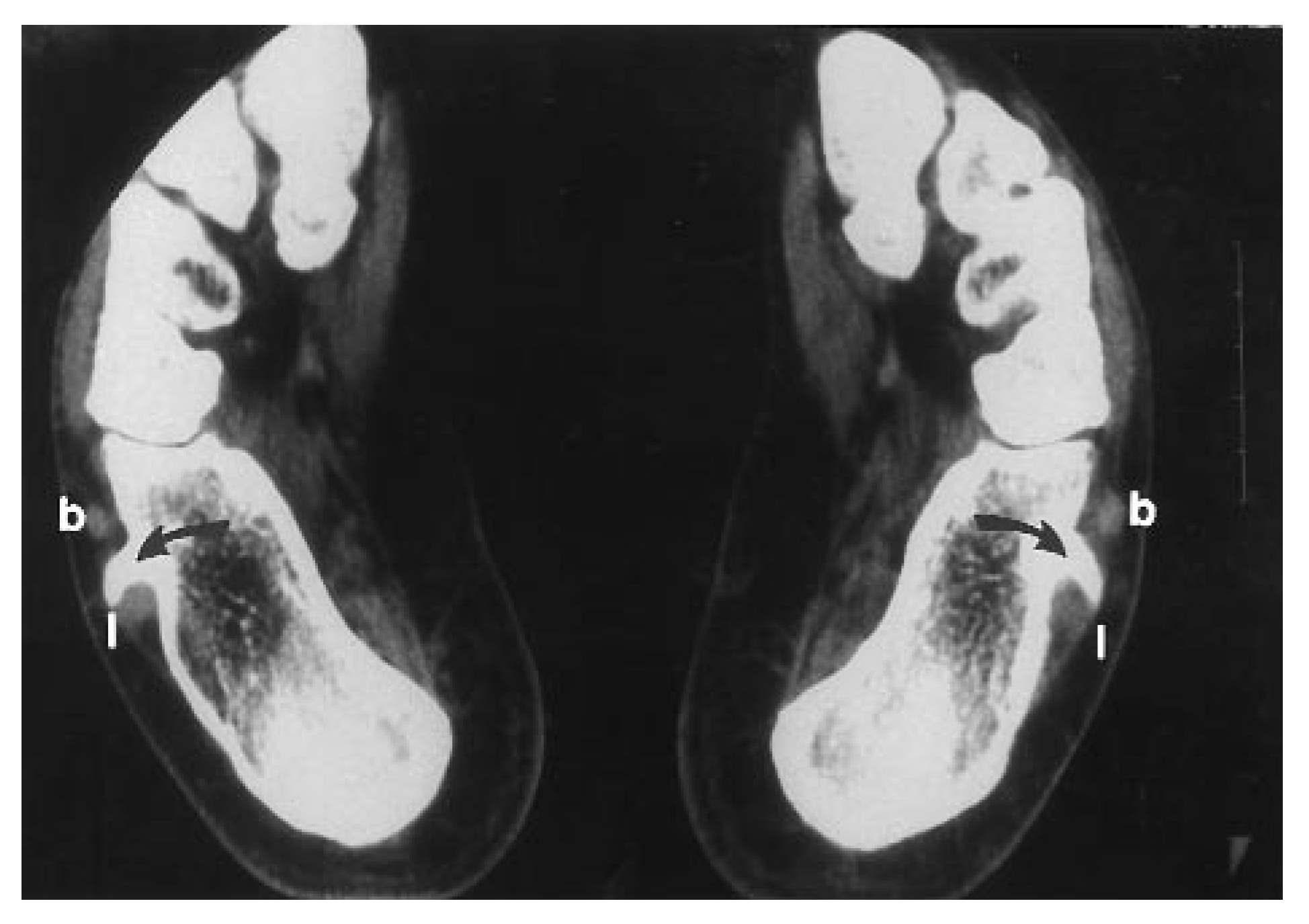
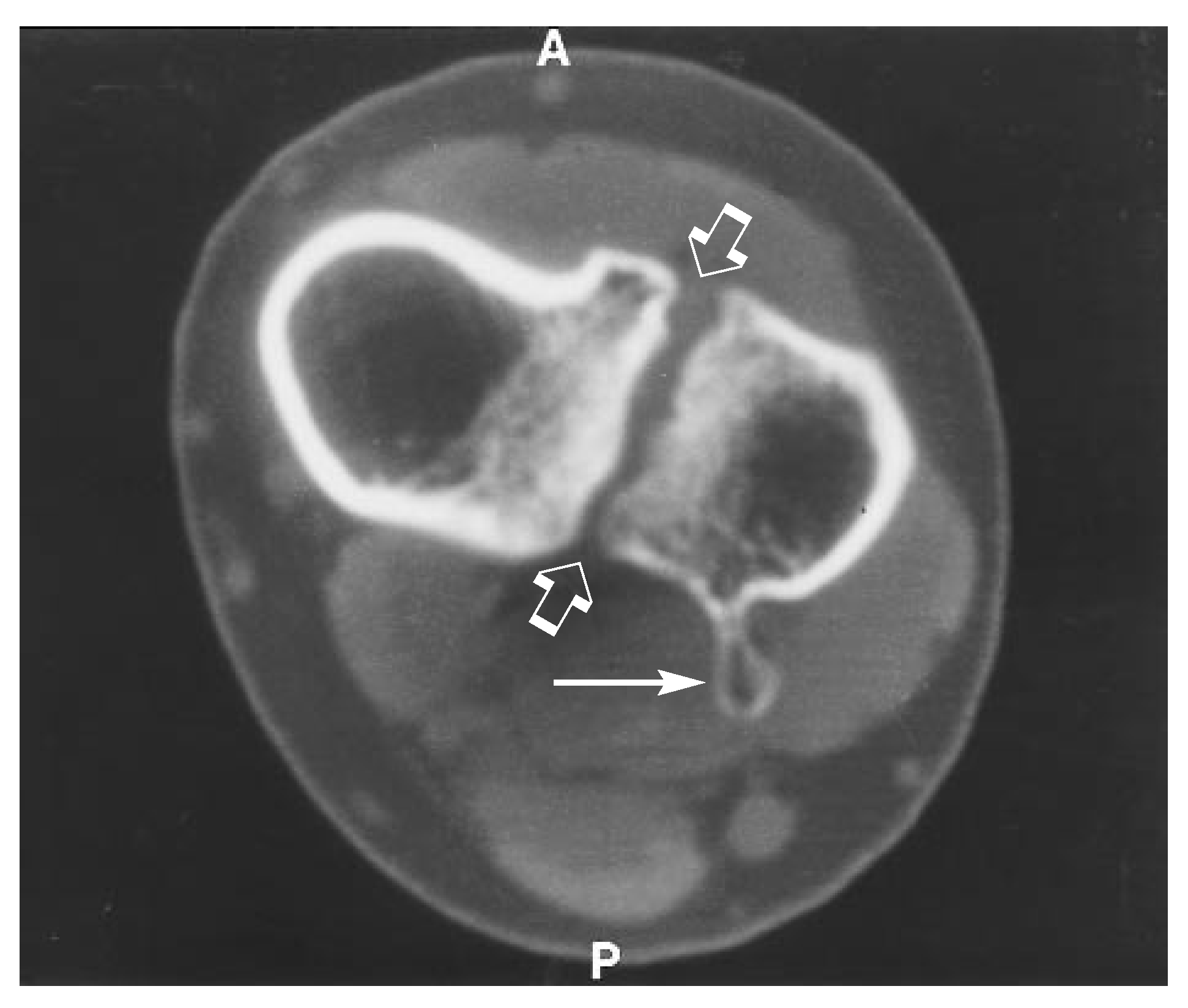
Bony excrescences in unusual locations are evaluated particularly well by CT. An example of such a bony protrusion is the peroneal process and its variants. This is usually a small bony protrusion from the lateral margin of the anterior calcaneus. The peroneal tendons may insert on this process [
27]. Alternatively, the tendons may not insert on an enlarged process. Instead, the process may isolate the two peroneal tendons (
Figure 12). There may be associated tendinitis and tears of the peroneal tendons. A CT scan clearly defines the size of the excrescence and its exact location, as well as the relationship to adjacent soft-tissue elements.
Accessory Musculature and Deficient Musculature
Soft-tissue anomalies about the foot and ankle are uncommon. Accessory soleus musculature is the most frequent anomaly in this region. This anomalous muscle has a consistent origin from the proximal anterior surface of the soleus and adjacent fascia or from the tibia [
15,
28]. The insertion site is more variable, including the anterior aspect of the Achilles tendon or the posterior tubercle of the calcaneus (anteriorly, medially, or inferiorly) [
15]. The accessory soleus may be unilateral or bilateral (symmetric or asymmetric size) [
28,
29]. A palpable mass may be present and can increase in size with time [
28].
Symptomatic patients typically present in early adulthood with pain that is exacerbated by activity and relieved by rest. The muscle is invested with an independent fascial sheath, and the blood supply is tenuous. It is thought that exercise induces an intermittent compartment syndrome that causes pain [
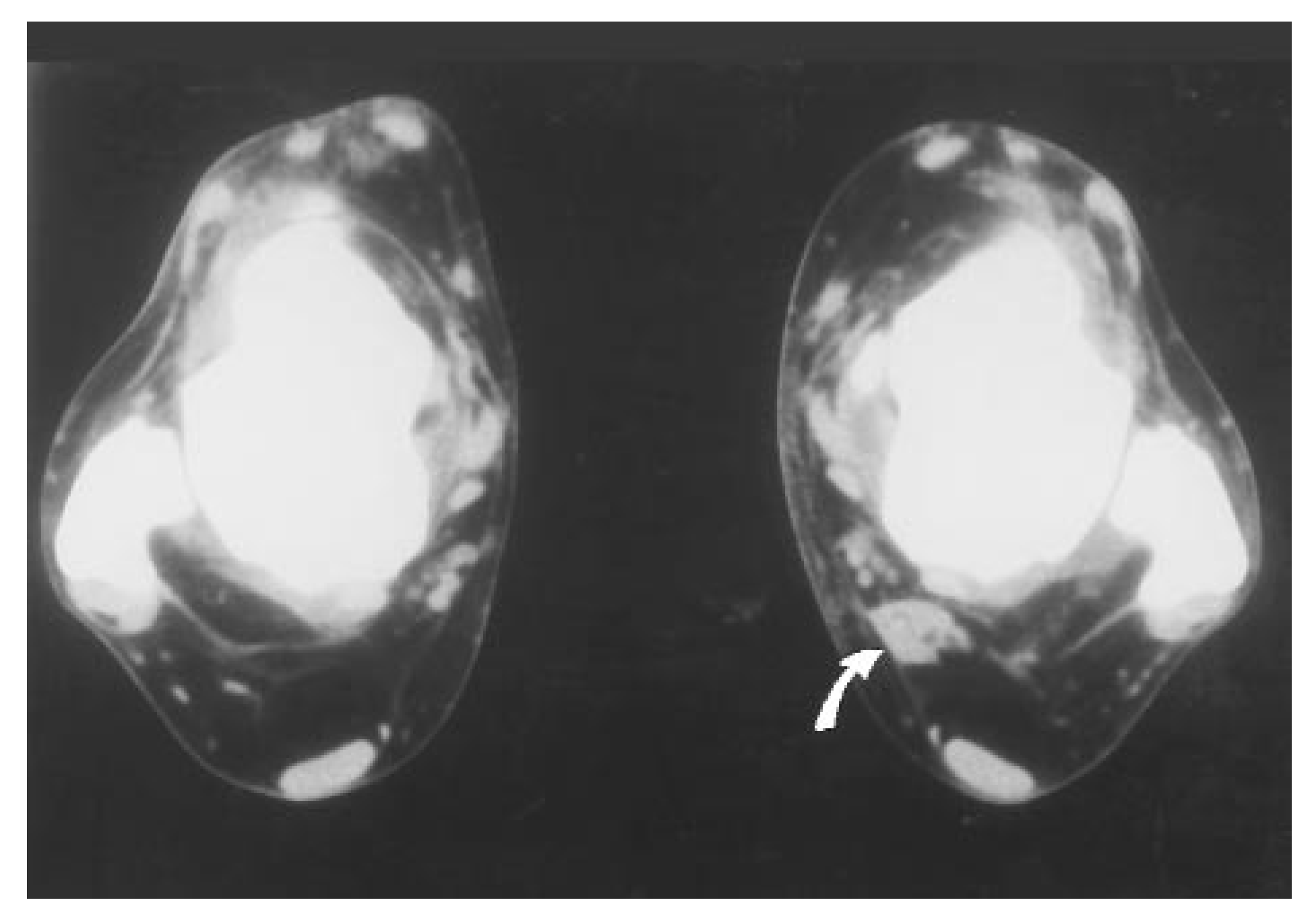
28]. Computed tomography is useful for diagnosis and demonstrates a well-defined soft-tissue structure with attenuation identical to that of muscle and the typical course as previously described (
Figure 13) [
15,
29]. Asymptomatic individuals do not require intervention; however, in symptomatic cases, a variety of therapeutic modalities have been described, including fasciotomy and muscle excision [
28,
29].
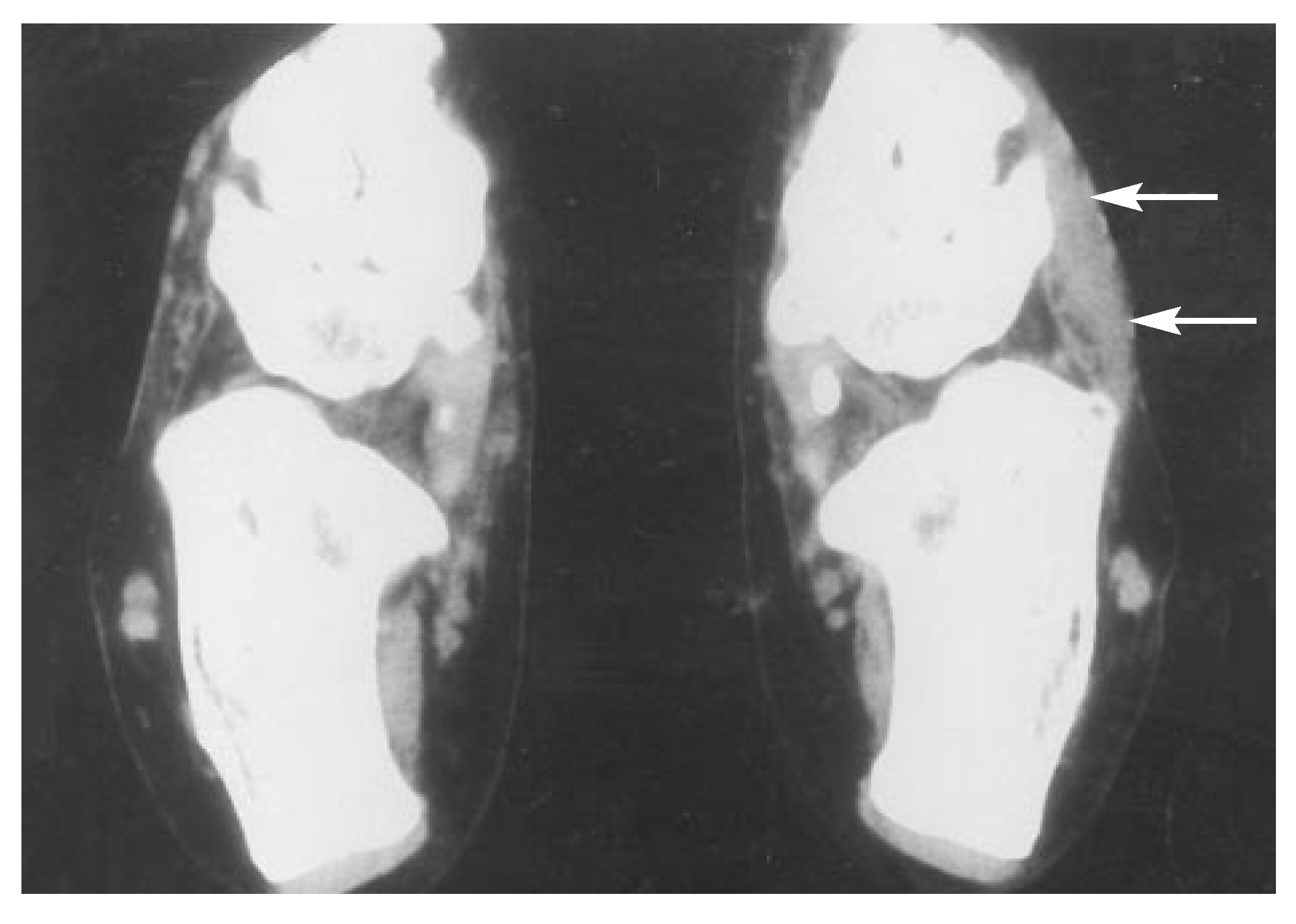
Diagnostic imaging is not necessary to determine the presence of focal muscle atrophy. Physical examination, including contour abnormalities and strength testing, is adequate for diagnosis. However, regional muscles should always be reviewed on a CT scan to ensure that focal muscular atrophy is recognized, rather than incorrectly identifying the normal contralateral muscle bulk as a mass lesion (
Figure 14). Similarly, the presence of significant muscular atrophy may be suggestive of another diagnosis such as denervation syndrome. Quantitative CT has been used as part of the diagnostic testing for various forms of muscular dystrophy and other neuromuscular syndromes, as well as for follow-up evaluation of disease progression [
30,
31]. The distribution of involvement and the severity of atrophy have significant implications regarding specific diagnoses and assessment of prognosis. Identification of specific patterns of atrophy may also help predict future deformities (such as pes cavus or pes planus) and help modify proposed therapies [
32].