Evaluation of gait is not an easy task, both because of a host of individual biomechanical factors and because locomotion is the sum total of integrated-system function. Gait evaluation is especially difficult in the pediatric patient, in whom musculoskeletal developmental relationships are rapidly changing.
Observational gait analysis is a simple, inexpensive, widely used method of subjectively evaluating pediatric gait; however, it is not without significant shortcomings [
1]. Visual observation of gait is known to be an unreliable clinical tool [
2]. Accurately assessing and recording what the eye sees during gait is problematic, especially in the case of the pediatric patient [
3]. Even the best descriptions of prior pediatric gait observations are difficult for even the same practitioner to revisualize from previously charted note entries [
4].
Another point to consider is that deforming forces exhibit their “end of the road” effect on the plantar aspect of the foot, which cannot be visualized during observational gait analysis. Add to this the fact that the foot is encased in a shoe for most of the time that it is undergoing pathomechanical changes and one can readily appreciate how deficient visualization techniques are. In reality, gait is virtually impossible to measure through observational gait analysis [
1].
The objective assessment of gait via computational foot-fall technology offers the full documentation that observational gait analysis alone cannot provide [
5,
6]. Computerized or computer-assisted gait analysis is useful in detecting and recording locomotor events that cannot be clinically observed. This includes forces and motions too small or rapid to be detected by the naked eye [
1]. Computerized gait analysis is particularly valuable in the pediatric patient, as tissue breakdown as an indicator of pathomechanical function is rarely seen owing to the work of reparative mechanisms during the anabolic period. Symptomatology is also an unreliable indicator of dysfunction in the pediatric patient, as it is often unpredictable and must reach a severe level before the child complains or acquires an alteration in gait that is noticed by the parents [
7]. Computerized gait analysis is capable of identifying this pathology before it becomes symptomatic.
Computerized gait analysis in the pediatric patient need not be restricted to severe locomotor disturbances as seen in complex disease processes such as cerebral palsy or talipes equinovarus. In fact, the gait observed in these disorders is definitively characteristic and easily recognizable through visual observation. The arena in which computational foot-fall technology has more widespread application is the objective evaluation and management of the commonplace, “garden variety” pediatric gait disorders. These conditions are not usually accompanied by obvious deformity and do not produce significant deviations from normally observed gait patterns; therefore, they often go unnoticed.
Because the foot is the foundation on which the superstructure rests during stance and ambulation, impairment in foot function has a profound effect on the entire musculoskeletal system, in both static and dynamic states [
8]. In the case of the developing child, undetected minor irregularities during the developmental years will set the stage for future pathology, resultant deformity, and attendant symptomatology. In many instances, the impairment in function is not severe enough to produce a noticeable alteration in gait, is not associated with an obvious deformity or tissue breakdown, is not accompanied by predictable symptomatology, and is not easily recognized as abnormal by the parents or the pediatrician, yet is damaging in the long run.
The Electrodynogram® (Langer Biomechanics Group, Deer Park, NY) (EDG) system of foot-fall measurement has been used by clinicians for more than 15 years. The EDG was recently acquired by Tekscan, which manufactures the F-Scan® (Tekscan, Inc, Boston, MA) system of foot-pressure analysis. The new F-Scan system with EDG module retains the benefits of the F-Scan system while incorporating the temporal and pressure data comparisons offered by the EDG. This new system is extremely valuable in detecting, assessing, and managing the gait deficiencies of the pediatric patient.
Pediatric Gait Development
Normal childhood gait varies with age [
3,
9]. Because gait is the result of a complex constellation of factors including gender, age, and walking velocity, and considering the profound developmental changes that children undergo, the terms “normal” and “abnormal” are not as meaningful as they are in the adult [
1]. The newborn is not a bipedal organism. Considerable developmental “unfolding” must take place before the child is capable of upright ambulation [
10,
11]. This uniquely human activity is controlled by cerebral centers [
12,
13].
There are several gait milestones with which the clinician must be familiar in order to accurately assess pediatric gait deficiencies. Kinematic and electromyographic studies show that infants have immature locomotor patterns in the early phases of gait development, although some modifications emerge before the onset of walking [
11]. All gait determinants are absent at this time. There is an absence of propulsion; in contrast, the leg is moved forward by synchronized flexion in all joints. Each step in the attainment of ambulation requires that certain prerequisites be met. The structure must be strong enough and effectively aligned, the musculature must be capable of assisting in assuming the erect position, and the neuromotor system must be ready to orchestrate locomotion. This transformation begins with weightbearing.
The average child is able to pull himself or herself erect and stand independently between 7 and 9 months of age [
14]. The beginning-walker phase immediately follows and extends to 15 months of age, with the child taking his or her first steps at an average of 12 months [
9,
14,
15]. The walking form of this neophyte walker emerges in response to the supporting morphology. The toddler is top-heavy, is very erect, exhibits no leg swing, waddles, and is wide-stanced with externally rotated limbs and full foot contact; all of these features serve to decrease the center-of-gravity displacement and promote stability [
13,
15]. As the beginning walker becomes more practiced, there is a forward falling and regaining of balance with each step, much like the gait of a tightrope walker. The toddler’s arms are not linked to leg swing but to postural stability [
16].
Unlike the older child, the beginning walker is nonpropulsive. This gait pattern changes over a 2-year period owing to the dynamic functional demands of upright locomotion in addition to balance, postural control, and strength development [
17]. The typical 3-year-old has a near-normal gait pattern with a firmly established heel strike and propulsion [
8,
13,
18,
19]. Heel contact and propulsion are especially important in reducing energy expenditure during gait. Heel contact occurs at 18 to 24 months of age, but prominent heel strike does not occur until later [
14,
15,
20]. The development of heel contact is a sensitive indicator of maturation of the central nervous system [
21].
In 1980, Sutherland et al [
20] examined 186 children and found the following features in those younger than 2 years of age: 1) increased knee flexion, 2) increased dorsiflexion during stance, 3) decreased knee-flexion wave, and 4) pronounced external rotation of the hips. Five major determinants of mature gait were recognized: 1) duration of single-limb stance, 2) walking velocity, 3) cadence, 4) step length, and 5) ratio of pelvic span to ankle spread. Sutherland et al, like Inman [
9], found these parameters well established by 3 years of age. With the onset of a mature, propulsive gait, computerized gait analysis becomes a realistic tool in the clinical assessment and management of pediatric gait disorders.
Goals and Applications of Computerized Gait Analysis
One of the fundamental goals of computerized gait analysis is to correlate static and clinical findings with objective functional data to identify mechanisms of gait dysfunction that will have an impact on treatment [
22]. In the presence of deformity, severity can be objectively classified according to the degree of functional deficit observed. Comparisons can be made between the performance of the disabled child and that of normal subjects. In the pediatric patient under 4 years of age, significant changes in foot-fall patterns are observed when examinations take place more than 3 months apart. Therefore, changes in foot-fall patterns observed with computerized gait analysis may be falsely attributed to the results of treatment when in fact they are due to maturation [
18].
Physical rehabilitation and management programs may be objectively assessed and progress quantitatively observed via computerized gait analysis. Joint implants, prostheses, orthoses, shoe modifications, and so on can all be evaluated with computerized gait analysis. In fact, computerized gait analysis may be of use in the design and modification of those devices. Computerized gait analysis may also be used to enhance athletic performance by assessing the method and energy cost of specific athletic activities. Finally, computerized gait analysis may be used as a clinical tool for compiling a data base.
The F-Scan System with EDG Module
According to Olsson [
2], to be clinically acceptable computerized gait analysis must fulfill the following requirements: 1) the measured parameters must correlate with the patient’s functional abnormalities; 2) the data obtained cannot be observed by routine clinical examination; 3) the gait-evaluation techniques must be sensitive enough to distinguish minute differences in functional changes; 4) the clinical setting and instrumentation used must not alter the patient’s functional behavior; 5) the data must be relevant, reliable, and accurate; and 6) the results should be presented in an understandable form. The F-Scan system with EDG module fulfills all of these criteria.
The F-Scan system with EDG module is an example of foot pressure sensor technology based on the concept of resistance. The system consists of five components: 1) a pressure-sensitive insole sensor, 2) a lightweight 9-V battery-powered transducer unit strapped to the patient’s leg into which the sensor lead fits, 3) a 9.25-m coaxial cable that connects the transducer to the computer, 4) software (F-Scan with EDG module version 3.84), and 5) an IBM-compatible computer with interface board. The original EDG system utilized a waistpack recorder that could be operated remotely; however, the F-Scan with EDG module requires a coaxial umbilical cable, which limits the distance from the main computer that the test may be performed. This factor is a disadvantage in environments in which space is limited.
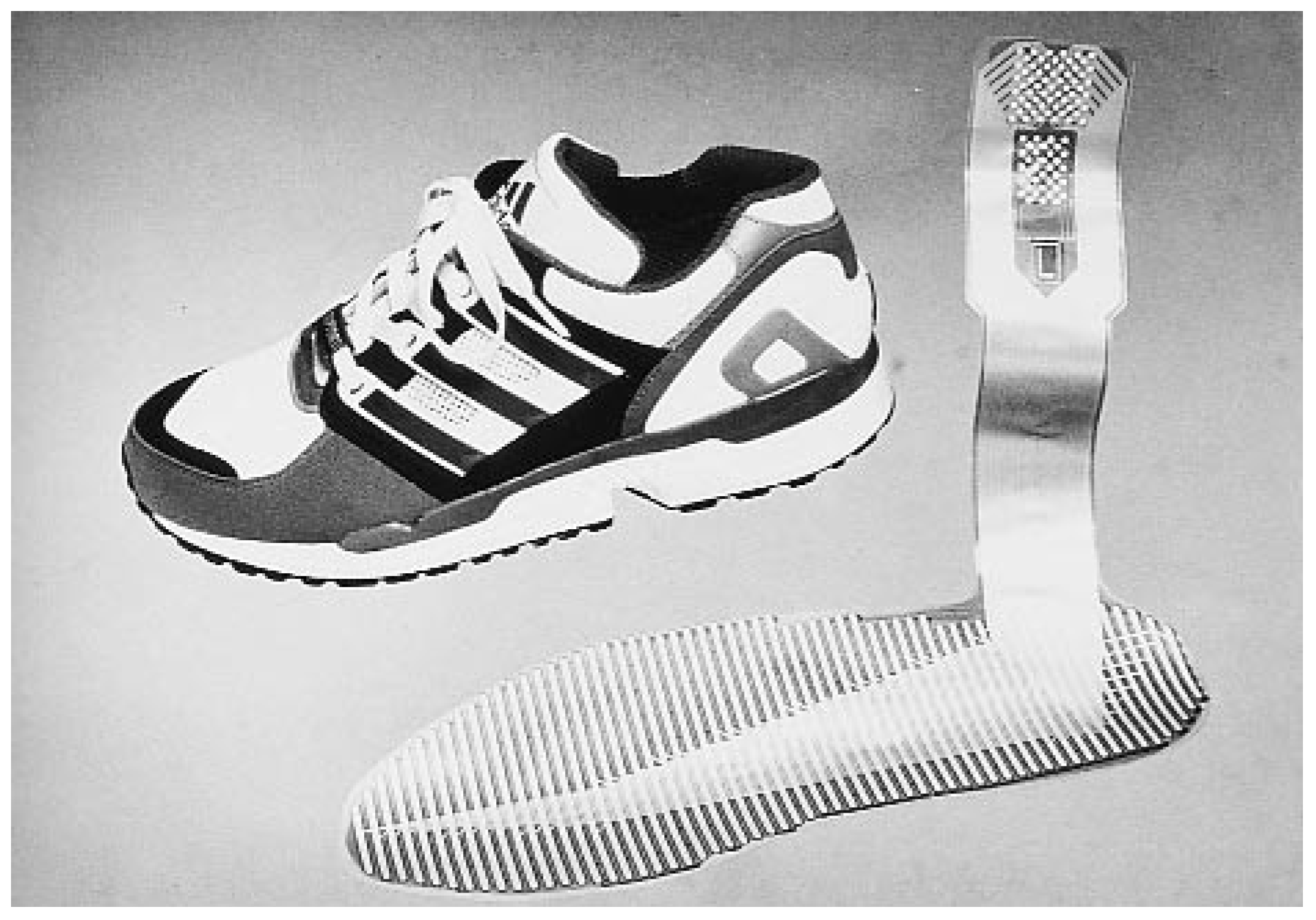
The main advantages of the F-Scan system with EDG module compared with the original Electro-dynogram system include: 1) the ability to measure high pressure, 2) more manageable hysteresis, 3) reproducible results, and 4) greater reliability and resolution owing to the presence of 960 sensor cells per insole, with the insole capable of being trimmed to fit in any shoe [
8,
9,
10]. The inner sole is thinner (0.004 inch), more pliable, and more conforming than those seen in other systems (
Fig. 1). This feature allows easy placement of the insole over an orthosis. Additionally, because the thinness of the sensors precludes any significant influence on plantar pressures generated in the shoe, the F-Scan has been documented to be useful and reliable in the measurement of plantar pressures [
24,
25,
26,
27,
28,
29].
The automated data-collection processing system of the F-Scan system with EDG module scans at a rate of 100 Hz [
25,
26]. The information is displayed on a monitor as a color footprint with associated numeric values in either two or three dimensions (as a “pressure mountain”) that can be printed from a color dot-matrix or ink-jet printer.
The F-Scan system with EDG module does not measure motion; neither does either system alone. Motion is measured through goniometry, video analysis, or accelerometry [
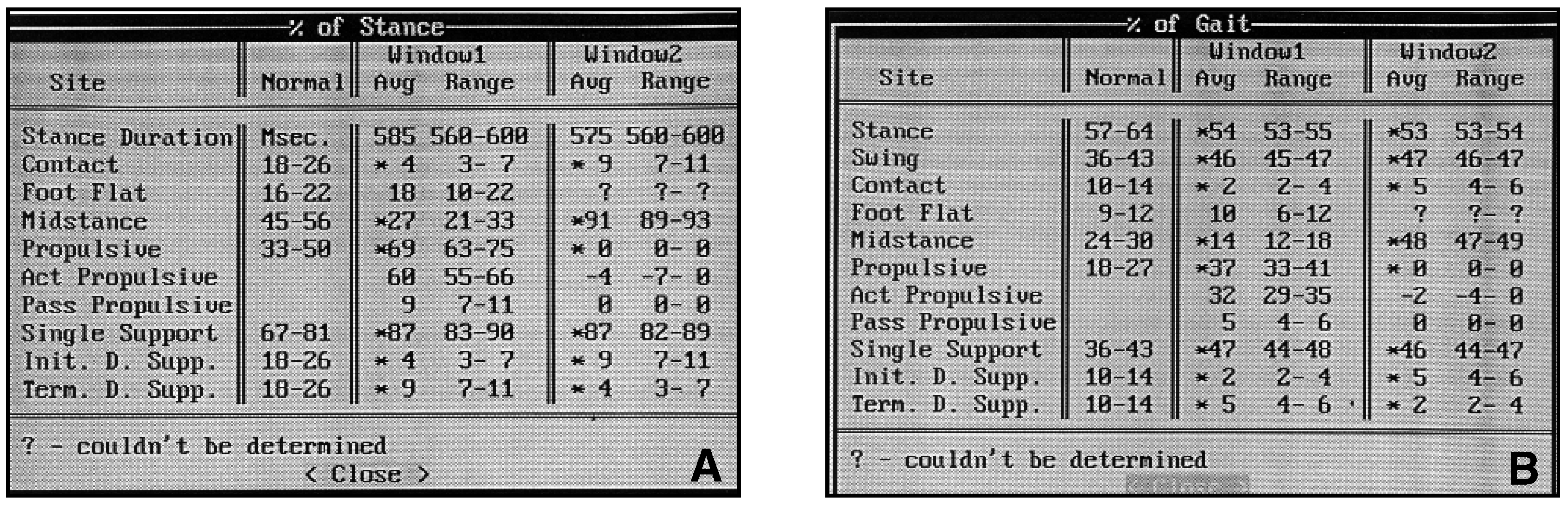
4]. Parameters that can be measured during both static and dynamic application of the F-Scan system with EDG module include pressure amount, time, and specific location, as well as peak pressure for a particular step. Temporal factors capable of being measured include swing phase, single- and double-support phases, midstance, stance, heel contact, active and passive propulsion, and initial and terminal double-limb support. When accessed, the data section of the F-Scan system with EDG module presents a table that includes temporal data for each anatomic site, its normal range, its average value, and range variation about the average value, with abnormal values marked by an asterisk. (
Fig. 2 A and B).
Compared with the original EDG system, the F-Scan system with EDG module offers several additional advantages. With the F-Scan system, the full plantar aspect of the foot is displayed, whereas with the original EDG system only eight discrete pressure locations could be identified. In the pediatric patient with a generally increased plantar contact area, the increased ability to visualize the entire plantar aspect of the foot is especially valuable.
The F-Scan system with EDG module offers ease of use in the pediatric patient, as it does not require palpation of bony landmarks and adherence of sensors to the foot as the original EDG system did. It has been found that when sensors are reapplied for comparison testing, the location of application varies by almost 10% [
4]. Furthermore, discrete sensors, as used in the original EDG system, are not capable of determining center of pressure or force but only pressure or force at a specific location. With the F-Scan system with EDG module, all the tester needs to do is trim the sensor to fit the child’s shoe.
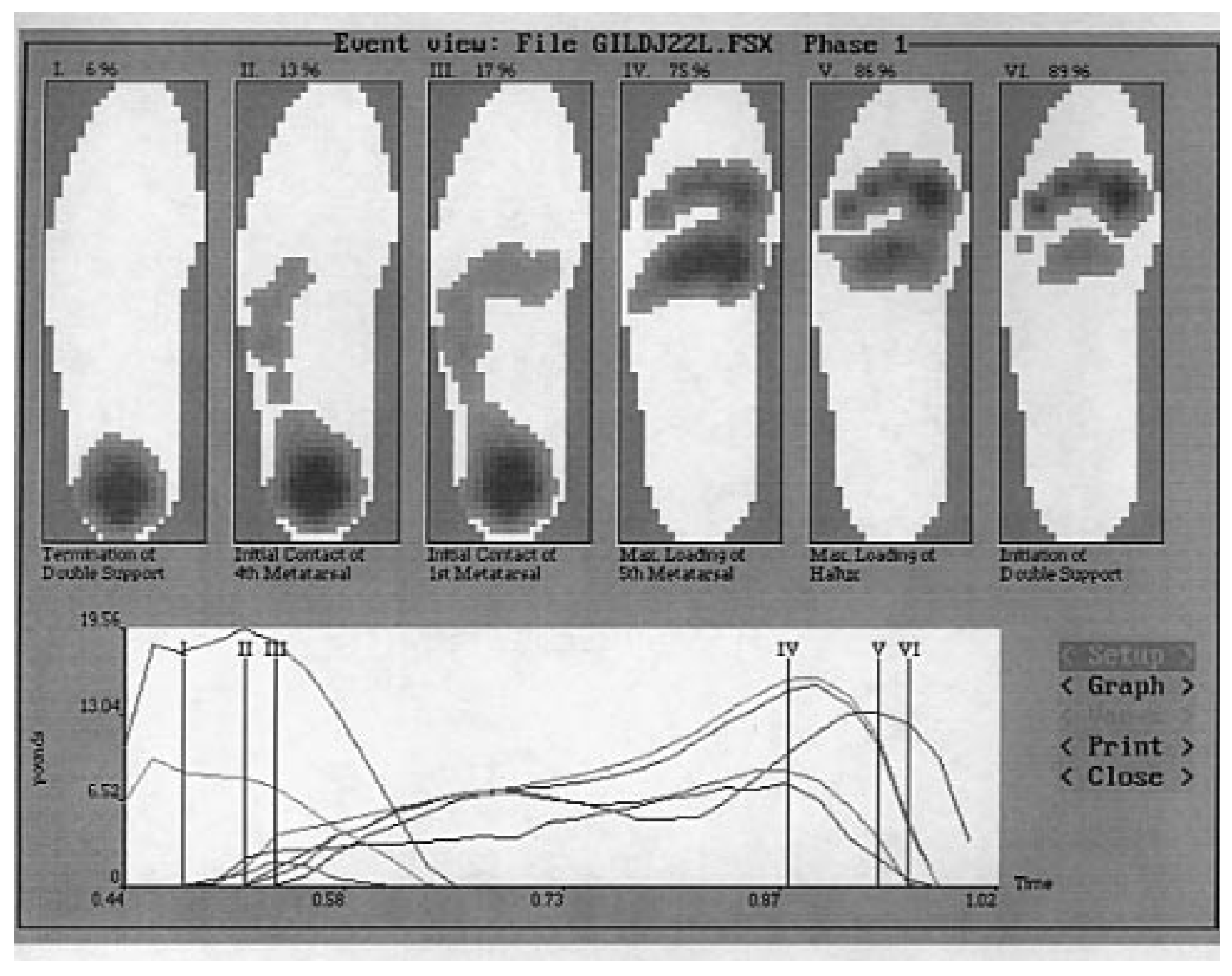
The F-Scan graphic display includes a two- or three-dimensional representation of the dynamic weight transference throughout the entire gait cycle. The graphic display may be slowed down or stopped at key points, much like a videotape. In the “event view” mode of the F-Scan system with EDG module, six windows display data frames corresponding to particular foot-strike events. A description of each event appears beneath the window, while the percentage of foot-strike time is shown above the window (
Fig. 3). Force
versus time curves are depicted below the event pressure display, with roman numerals representing each of the six particular foot-strike events.
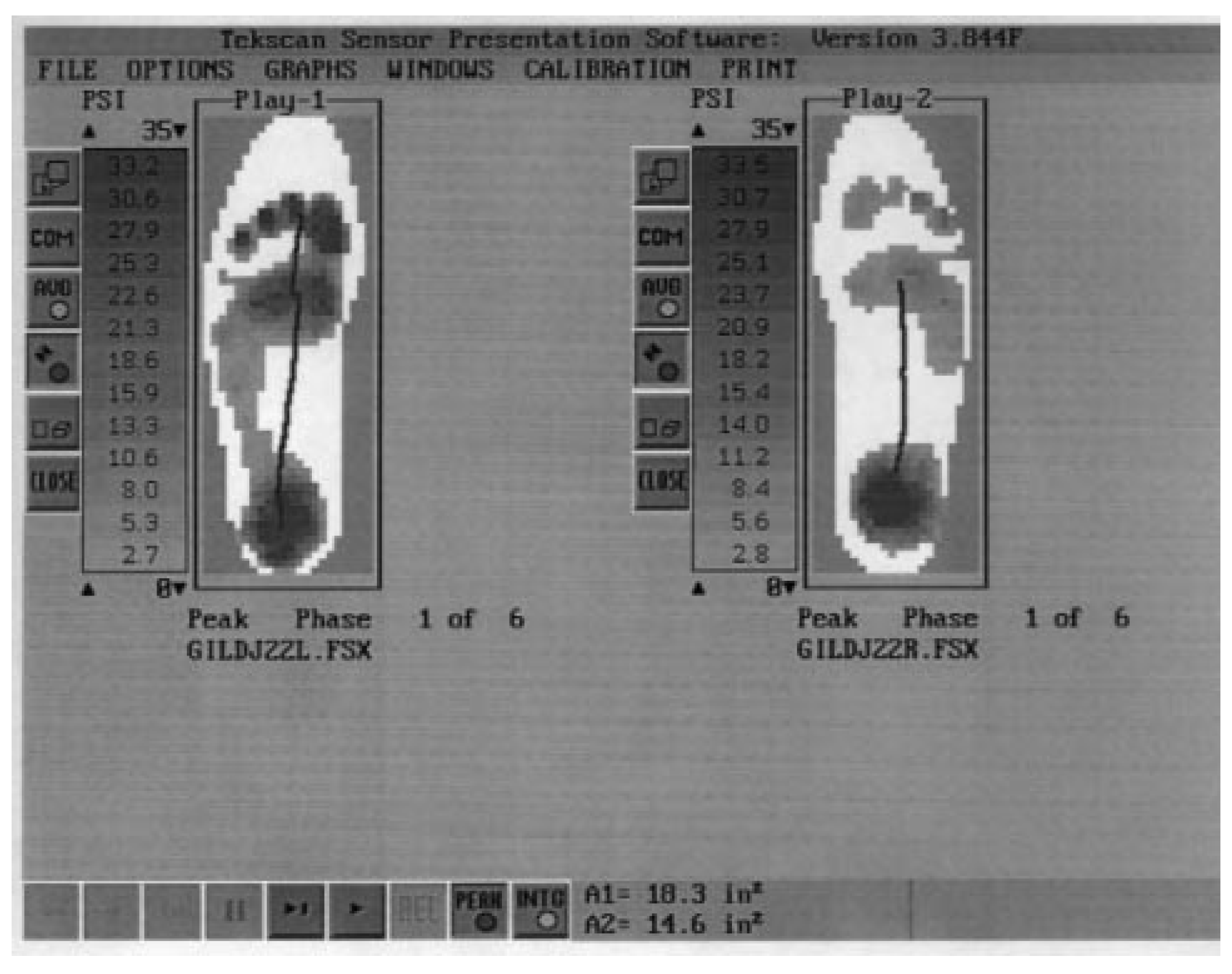
The F-Scan system with EDG module offers both qualitative and quantitative capabilities for viewing peak pressure distribution. The pressure variations are color-coded for easy recognition and represent the maximum vertical force or pressure detected at each location. The graphic capability of the F-Scan is exemplified by its ability to produce graphic representations of total vertical force
versus time. This allows visualization of the sequential timing of various pressure changes as they occur in the gait cycle. This feature allows plotting of the center of force in order to chart the progression of weight distribution as well as the relative degree of supination and pronation through each step (
Fig. 4).
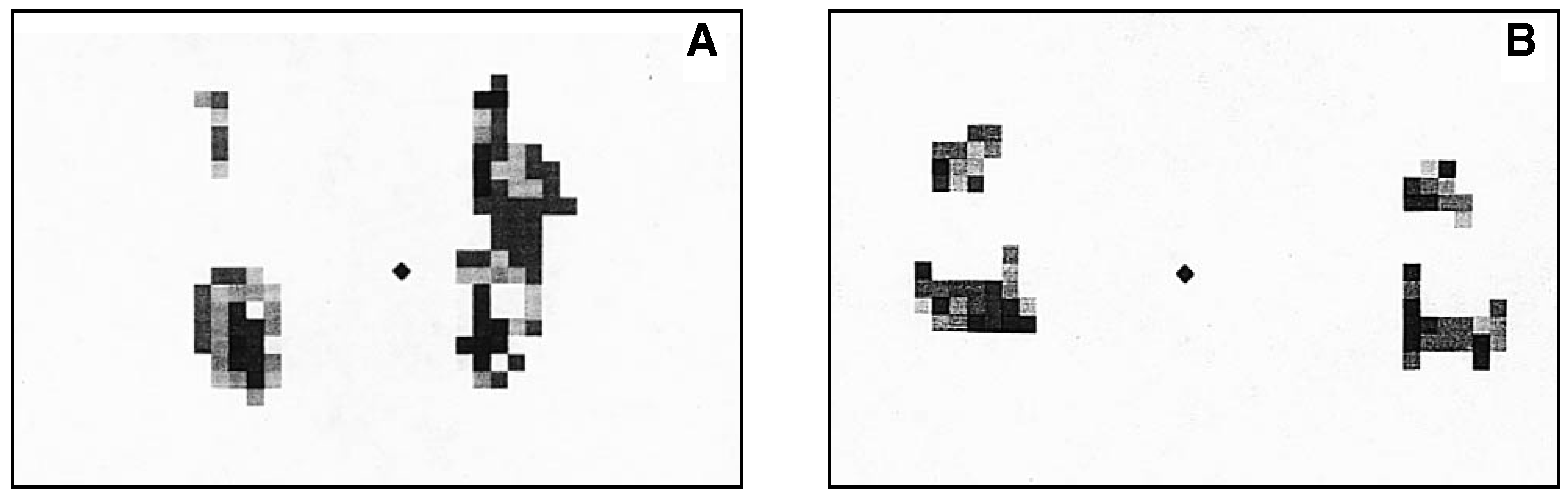
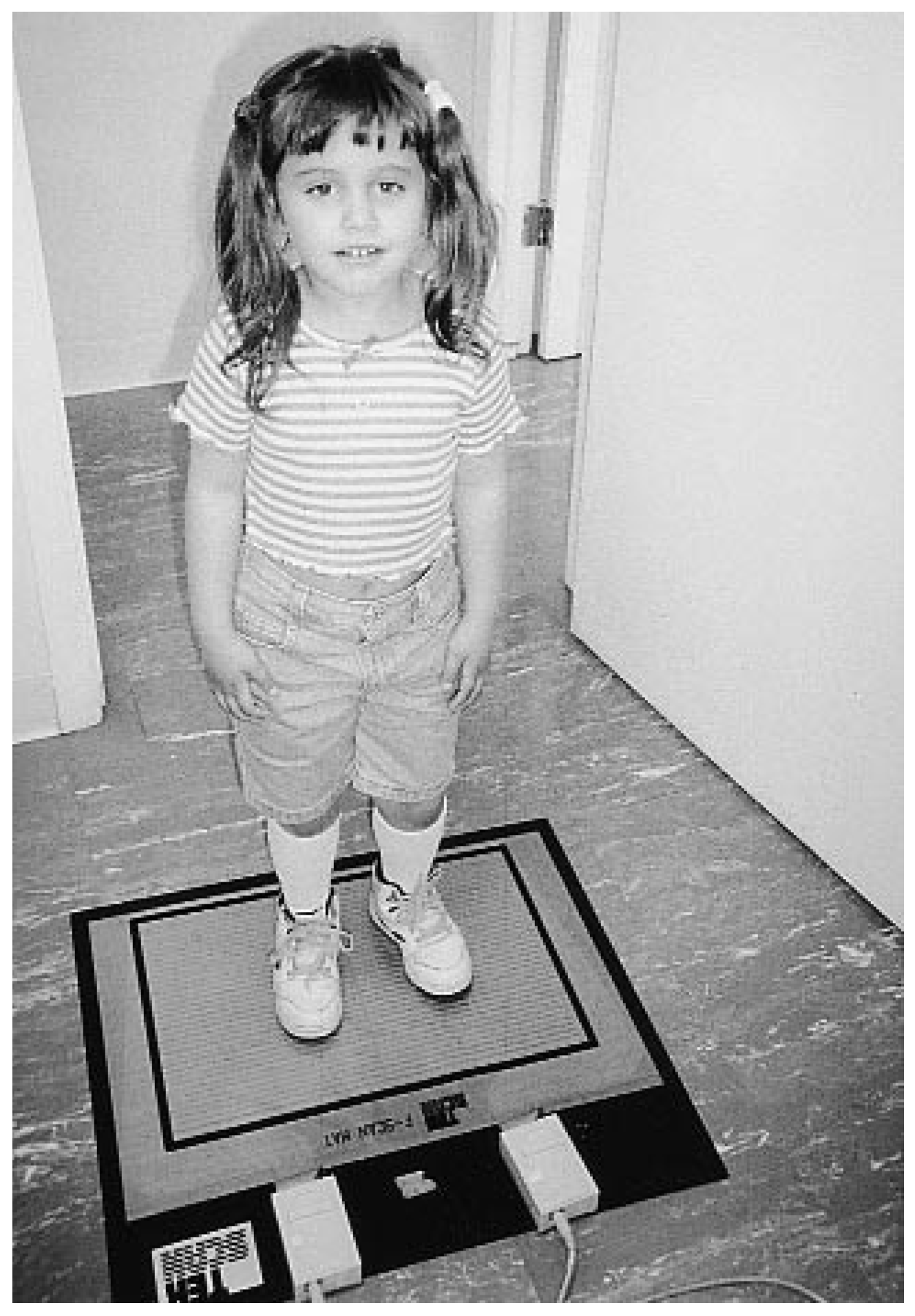
The F-Scan system with EDG module includes a screening mat capable of determining plantar pressure during stance. This feature may be used to record plantar pressure during stance either barefoot or in shoes with or without orthoses, as well as to record barefoot gait dynamically. The center-of-force feature may also be used in real time during stance on the screening mat to detect postural imbalances and their effect on the foot. Shifts to the right or the left of the center of force are readily apparent, and the effects of pedal centering may be immediately visualized (
Fig. 5 A and B). This testing may be performed either barefoot or in shoes with or without orthoses. This feature is particularly useful and informative in the pediatric patient with a short attention span as a quick check on orthotic prescription and current weight-distribution patterns.
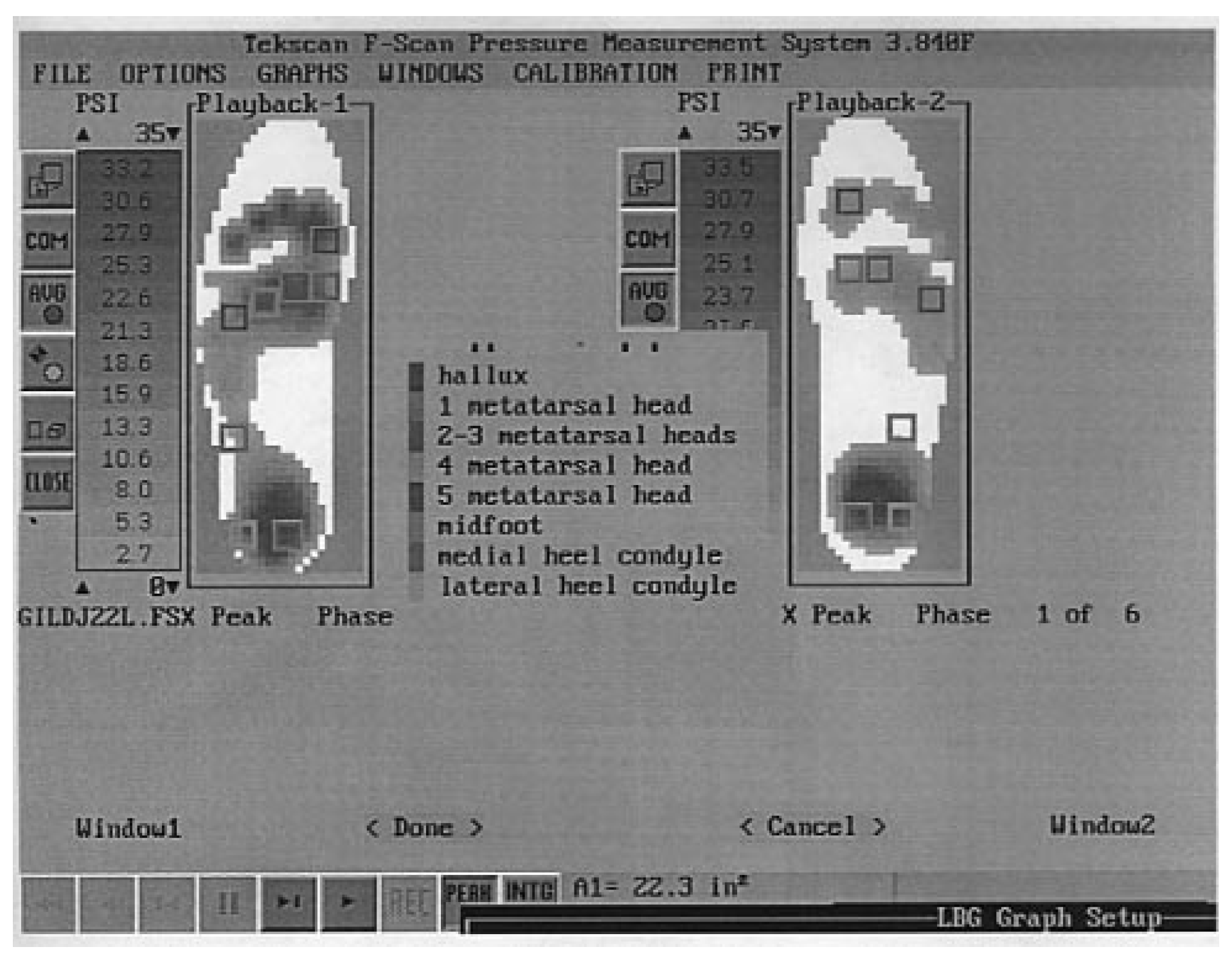
With the F-Scan system, bony landmarks may be identified and assessed during gait using preprogrammed, predefined boxes over eight key anatomic sites on the plantar aspect of the foot corresponding to the points on the foot used in the original EDG system (
Fig. 6). The placement and size of the boxes may be modified. The graphic capabilities of the F-Scan system combined with EDG’s timing modules provide obviously superior, easy-to-interpret graphic representations of the programmed sites.
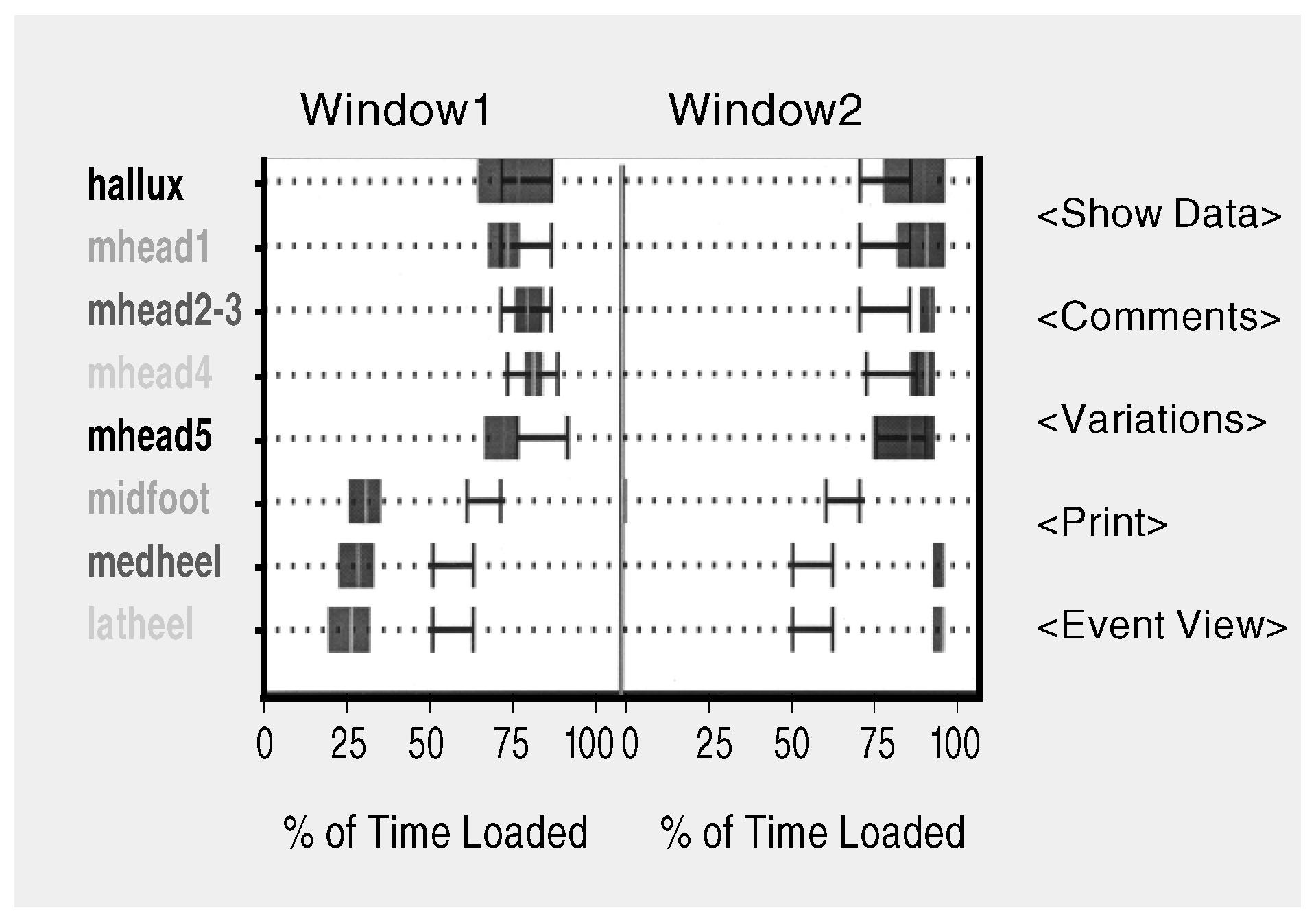
Report writing with the F-Scan system with EDG module is enhanced through the use of F-Scan graphics. Data presentation is user-friendly, with a series of bar graphs indicating values for the individual tests (
Fig. 7).
Procedure
The testing apparatus must be fully assembled and ready when the child arrives at the office. This is especially important in the case of children under 6 years of age, who have shorter attention spans and less ability to cooperate than older children. The goal is to collect data while the child walks barefoot, in shoes, and in sneakers both with and without currently prescribed orthoses, braces, lifts, or other modifications. The child should be tested first in the shoe or sneaker in which he or she spends the most time. If the child is required to wear conventional shoes to school, including during recess activities, one might consider performing this test first even though the child wears sneakers on the weekends. Another point to consider is that because the construction and design of most sneakers today stabilize the foot and enhance function, the “best” test for a particular child will usually be with sneakers.
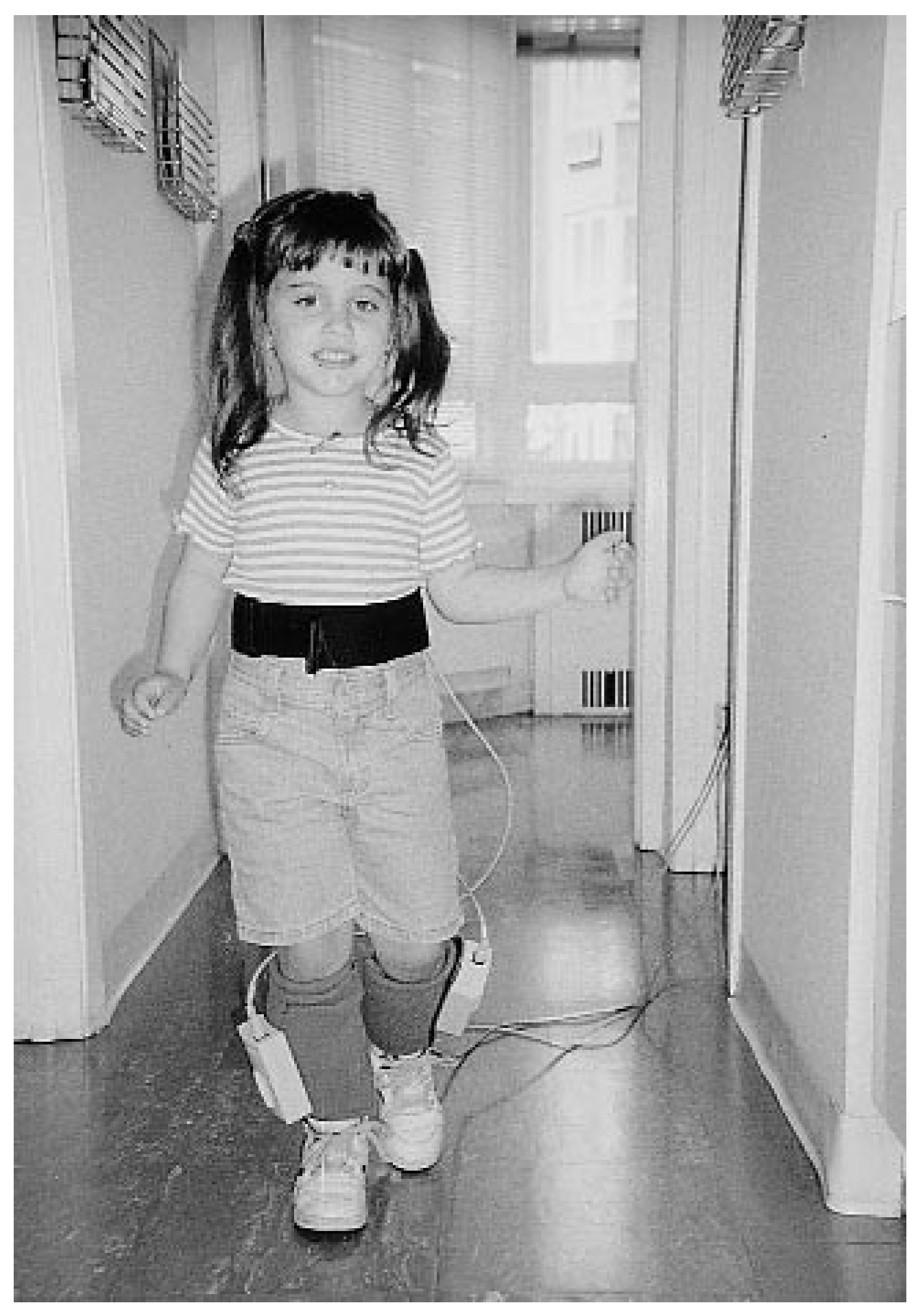
Once the insole is trimmed to fit inside the shoe or sneaker, the ankle cuffs are strapped on. The coaxial cable is then positioned so that it will not interfere with the patient’s gait (
Fig. 8). Data collection may involve two or three passes for each aspect of testing in order to ensure recording of a characteristic, unaffected foot-fall pattern.
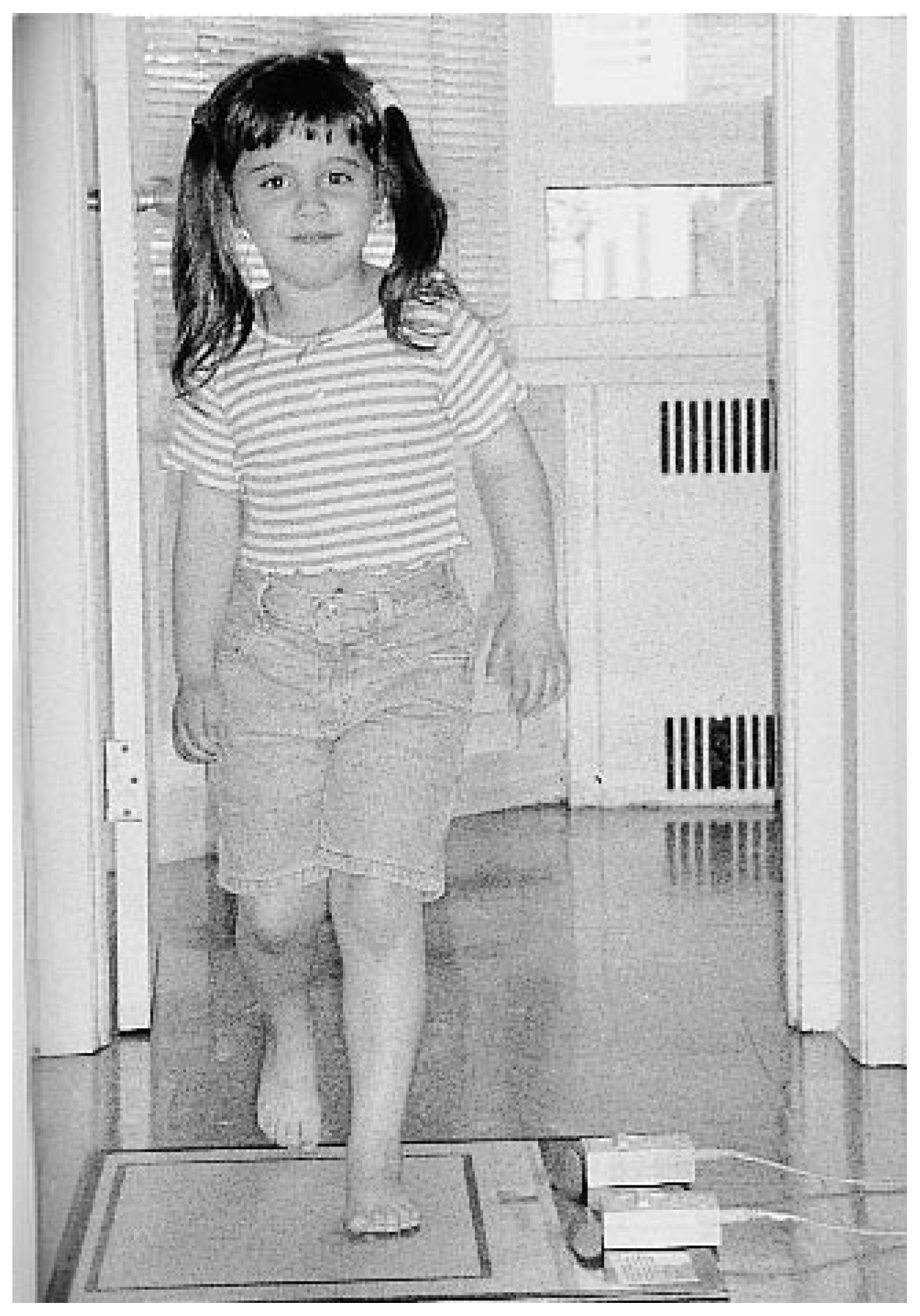
Parents may stand at the far end of a walkway, with the child instructed to walk to mommy or daddy. Frequently a child who has been instructed to walk will start to run, skip, shuffle, or tiptoe to the parent. If the child is cooperative, the shoe or sneaker that was not evaluated in the first test is then tested in the same manner. If the functional efficacy of an orthosis is to be evaluated, this test should be performed first; subsequently, the same shoe without the orthosis is tested if testing of shoe-alone foot-fall patterns was not performed previously. In assessing the data obtained, the examiner must keep in mind that a “mimicking” effect is observed when comparison testing with and without orthoses is done on the same day. Finally, if the child remains undistracted, a barefoot test is performed on the screening mat (
Fig. 9). In this test, the child is instructed to walk barefoot without a cable down a walkway over the screening mat. Because one pass for each foot is required, several attempts may be necessary to obtain representative data. If sufficient information has not been collected from shoe testing, with or without orthoses, or if this is a subsequent visit to determine the efficacy of orthoses and monitor progress, a screening mat “quick check” stance evaluation may be performed at this time (
Fig. 10). Once testing has been completed, the results can be reviewed with the parents and the appropriate recommendations made or therapy instituted.
Data Analysis and Applications
Gorton et al [
30] recently compared the use of the F-Scan system with a conventional force platform in the pediatric patient. They concluded that, under ideal conditions, pressure data obtained with the F-Scan are within 10% of the values obtained with a force platform. However, this correlation decreases significantly for lighter subjects, and the F-Scan system should be used with caution in patients weighing less than 100 pounds. This agrees with the results of a study by Beck and Andriacci [
18], who determined that an adult gait pattern of ground reactive force did not emerge until after the age of 5 years. The temporal data obtained are not affected by variations in pressure.
Although the study of Gorton et al pointed out differences between F-Scan system pressure data and force platform pressure data, the F-Scan can still be considered a capable and reliable means of recording relative pedal pressure. Beck and Andriacci also noted that although the amplitudes of force vary in young children, the relative patterns in each of the ground reactive components do not seem to change with age. Thus the clinician can use relative pressure distribution to plot the center of force through the foot as well as observe the degree of pronation and supination. The pronation-supination index is an indirect method of measuring the relative amount of pronation or supination when the distal one-third of the foot is in contact with the ground [
31]. It is calculated by dividing the difference between the center of force or pressure and the medial footprint border by the medial-lateral footprint distance. A decrease in the value of this ratio indicates foot pronation, and an increase in the value indicates foot supination. For example, if the distal one-third of a child’s foot measures 9 mm at its widest point, the difference from the center-of-force line to the medial border is 4 mm, and the distance from the center-of-force line to the lateral border of the foot is 5 mm, then the pronation-supination index is 0.8. In a foot in which the center of force–medial border distance is 5 mm and center of force–lateral border distance is 4 mm, the pronation-supination index is 1.25, indicating foot supination.
In the case of pediatric flatfoot, the treatment goal is to encourage ideal development by promoting active stable propulsion while at the same time discouraging the hypermobility seen with excessive pronation. The F-Scan system with EDG module plots the center of force through each foot; the results can be easily visualized and the right and left feet compared. The degree to which excessive pronation displaces the center of force is readily apparent, as is the efficacy of foot orthoses in normalizing this deficiency. The relative difference in function between the two feet may be objectively determined and is clinically useful in identifying functional or structural limb-length discrepancies as well as unilateral pedal compensatory mechanisms. These mechanisms may be the result of pedal or superstructural deficiencies. The pedal compensatory effects, and in some cases the underlying etiology, can be identified in such conditions as metatarsus adductus, tibial and femoral torsions, forefoot adductus, talar neck adductus, juvenile hallux valgus, positional transverse-plane deficiencies, functional or structural limb-length discrepancy syndromes, frontal-plane abnormalities, myostatic contractures of the posterior musculature, postural pain syndromes, calcaneovalgus, and so on.
In the graph data section of the F-Scan with EDG module, each of the eight anatomic sites is displayed along with data on its normal range, average value, range variations about the average value, and single- and double-limb support, with the aberrant values marked by an asterisk. Contact, foot flat, midstance, propulsion, active propulsion, and passive propulsion are displayed in the same manner. In the case of the partially compensated gastrocnemius-soleus equinus patient, one would expect to see an increased propulsive phase on the side where the contracture is present. The effect of stretching, orthoses, footwear modifications, or any other form of therapy may then be accurately assessed at periodic intervals. As the child’s weight increases, this same condition, if left untreated, may become compensated and its effect recognized by an increased midstance phase due to involvement of the midtarsal joint oblique axis.
Compensatory changes in metatarsus or forefoot adductus may be monitored and neutralized through either center-of-force curve evaluation or temporal data analysis. For example, in an “uncompensated” metatarsus adductus the center-of-force curve would be displaced laterally, while the temporal data would indicate prolonged duration with probable early peaking of the fifth and fourth metatarsal heads. The angle of progression can also be calculated from the peak force view of one step. As the condition compensates in the foot, there will be a relative overloading of the medial forefoot segment with late peaking of the first metatarsal.
In the event view menu of the F-Scan system with EDG module, six windows are displayed, corresponding to six distinct points in the walking cycle: 1) initial contact of the fourth metatarsal, 2) initial contact of the first metatarsal, 3) termination of double-limb support, 4) maximal loading of the hallux, 5) maximal loading of the fifth metatarsal, and 6) initiation of double-limb support. Because the F-Scan system is actually a videotape of the weight-distribution patterns throughout each foot, each of these events may be studied from the perspective of relative weight-distribution patterns and the left and right feet compared. Also, the clinician can “play” the entire gait “movie” and stop the action at any point during the gait cycle, much in the same manner that a videocassette recorder operates. For example, for an excessively pronated foot, the parents can be instructed to observe the medial distribution of pressure through the foot with special attention to propulsive-phase pronation. To further highlight this deficiency, the center of force can be plotted during the video playback, enabling the parents to readily appreciate the problem. This video can be stored and later compared with a video of the child walking in prescription foot orthoses.
Another way that the F-Scan system with EDG module can help identify and assess pediatric gait deficiencies is through the use of force versus time graphs. Force versus time curves for each step are easily viewed and assessed. The ideal “double hump” force versus time curve is the comparative norm for each patient. The identification of the precise point in the gait cycle where pathology is occurring is readily apparent in this mode. The effect of treatment can then be evaluated in an objective manner. Once this information is obtained, the clinician can institute treatment to remedy the deficiency. Subsequent testing is then performed to objectively evaluate the degree of success or the need for treatment modification or augmentation.
While cadence is typically higher in children than in adults, the range of speeds is narrower than that observed in adults. Average cadence in children under 5 years of age is considerably higher (184 steps per minute in the 2-year-old) than that in adults [
18]. Cadence decreases with skeletal and neuromotor maturation, gradually approaching the adult norm after the age of 7 years [
3,
21]. Increased cadence results in an increased propulsive phase, decreased midstance and heel-contact phases, an increased single-support phase, and a decreased double-support phase. An understanding of child development is therefore necessary to avoid considering developmental variants abnormal.
Gait patterns of normal children are both velocity- and age-dependent. While cadence decreases with age, walking speed or velocity increases [
18,
21]. Children normally walk at a range of speeds, and the manner in which their gait changes with walking speed is similar to that observed in adults, although, as mentioned above, the range of walking speeds is narrower in children [
18]. Analysis of the gait of normal children should take into account differences in age, height, and walking speed. Swing and support times normalized to total cycle time show only slight variations with age. Therefore, these temporal characteristics are reliable indicators in evaluating pediatric gait [
18].
The duration of single-limb support is a determinant of mature gait as well as a valuable index of limb stability. It can be measured with the F-Scan system with EDG module [
21]. Single-limb support increases steadily with maturation, with the 7-year-old closely approximating the adult norm of 39% [
21]. The most rapid rise is seen up to 2½ years of age. A lower-than-expected single-limb support value for a child of a particular age is cause for further investigation and possible remediation. Periodic monitoring of single-limb support can help the clinician determine whether development is proceeding normally.
Heel contact or heel strike is another useful indicator in assessing not only gait development in the pediatric patient but also maturation of the central nervous system. Heel contact is normally achieved before the age of 2, but prominent heel strike occurs only later. The F-Scan system with EDG module measures and records these data.
Summary
The author has presented a method and a rationale for the application of computerized gait analysis in the pediatric patient via the F-Scan system with EDG module. Testing can be performed with confidence in children over the age of 2 years; however, pressure amplitudes tend to be unreliable in children weighing less than 100 pounds, with lighter children exhibiting greater variability. Although pressure amplitude must be viewed cautiously in some children, relative pressure is a reliable finding in all children. It has been shown that temporal relationships in children are similar to those in adults; thus these parameters should also be assessed.
The data obtained from this testing are useful in the objective identification, classification, and management of pediatric foot and ankle disorders as well as their superstructural interrelationships. Given the unreliability of observational gait analysis, it is important for the practitioner to become familiar with this methodology, which can help determine not only how a child walks the way he or she does, but why.