Tumoral calcinosis–like lesions are large calcific deposits resembling neoplasms, typically occurring near large joints [
1] without predilection for any specific location. Areas susceptible to soft-tissue trauma, such as weightbearing surfaces, may be predisposed to develop these lesions [
2]. Histologically, they are similar to tumoral calcinosis lesions; however, the clinical setting is entirely different. Tumoral calcinosis is relatively common and often idiopathic, with several reports of lesions in the foot [
3,
4,
5,
6]. Tumoral calcinosis–like lesions are seen in patients with end-stage renal disease and subsequent secondary hyperparathyroidism [
1]. This combination of primary renal disease and compensatory secondary hyperparathyroidism is called renal osteodystrophy. Primary hyperparathyroidism usually develops from a neoplasm directly involving the parathyroid glands [
7].
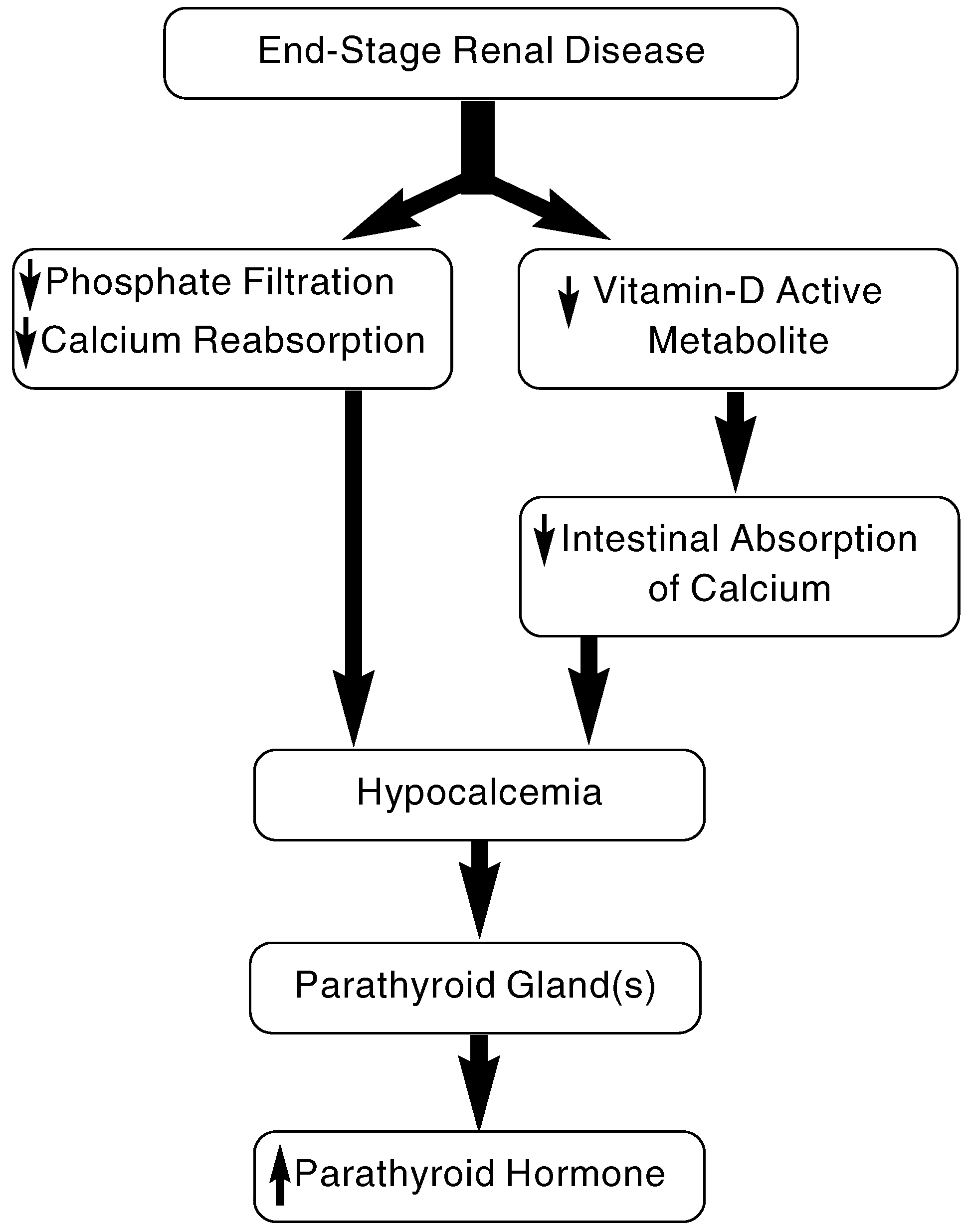
End-stage renal disease, commonly caused by uncontrolled hypertension, glomerulonephritis, or diabetic nephropathy, may cause hypocalcemia via two mechanisms (
Figure 1): First, the ability of the renal tubule to filter phosphate and reabsorb calcium is decreased. Second, the kidney also plays a pivotal role in the conversion of a precursor vitamin-D metabolite to the active metabolite, calcitriol, via an enzyme system in proximal tubules. Calcitriol acts on the intestine to increase gut absorption of calcium [
7]. End-stage renal disease is marked by a decrease in calcitriol and thus in the intestinal absorption of calcium. The result of both of these mechanisms can be hypocalcemia.
As a compensatory hormonal response, the parathyroid glands produce parathyroid hormone, which acts on bone to increase osteoclastic activity and thereby mobilize calcium into the blood stream [
7]. Also, parathyroid hormone acts on the kidney to increase calcium reabsorption and increase phosphate filtration [
7]. With advancing end-stage renal disease, the parathyroid gland must secrete increasing amounts of parathyroid hormone. Continued production of parathyroid hormone increases serum and phosphate levels such that calcium salts are deposited in the soft tissues. Calcium and phosphate ions are close to insolubility even at normal serum levels [
4]; thus small increases can result in precipitation of calcium salts. The deposition of calcium salts in various soft tissues is referred to as metastatic calcinosis. Although these lesions are benign, their invasive nature has significant potential to cause morbid displacement of anatomic structures, and, as in this case study, directly affect function.
The actual mechanism of formation of these lesions is somewhat controversial but appears related to localized periarticular soft-tissue injury with subsequent hemorrhage. A reparative process ensues; however, movement and friction alter the repair process, with exaggerated calcification at these sites [
1,
8].
Accordingly, common locations include the hip, shoulder, and elbow. Though rare, pedal involvement with tumoral calcinosis lesions has been reported in the literature [
3,
4,
5,
6,
9]. Tumoral calcinosis–like lesions, on the other hand, have been described only once [
1].
Recently, medications, such as calcium carbonate and calcitriol used to treat secondary hyperparathyroidism, have been postulated as a cause of tumoral calcinosis–like lesions [
10]. This hypothesis is based on the fact that the serum calcium-phosphate product, if greater than 17.47 mmol/L
2 (70 mg/dL
2), is a predisposing factor for soft-tissue calcification in secondary hyperparathyroidism [
11,
12]. Calcium carbonate is used to directly bind phosphate, thereby increasing the calcium-phosphate product. Calcitriol will increase the serum calcium concentration via intestinal absorption, thereby shifting the equilibrium toward an increased calcium-phosphate product.
The differential diagnosis for soft-tissue calcific lesions in the clinical setting of hypercalcemia includes milk-alkali syndrome, hypervitaminosis D, neoplasia, infection, and renal osteodystrophy [
1]. Once the diagnosis of a tumoral calcinosis–like lesion is made, surgical excision may be required depending on its size and symptomatology. While recurrence of a lesion is always a possibility, incomplete excision has led to multiple recurrences [
13]. The following case study presents a depiction of the pathology.
Case Report
A 36-year-old man with a 4-year history of a mass at the plantar aspect of the right foot presented for surgical excision. The mass had been slowly increasing in size and the patient was no longer able to walk asymptomatically. The patient’s medical history was significant for hypertension and end-stage renal disease requiring dialysis for 10 years. Renal transplantation was attempted and had failed several years previously. In anticipation of excisional biopsy, subtotal parathyroidectomy was performed recently prior to lesion excision to attain control of the patient’s calcemic fluctuations. The patient’s medications included nifedipine, calcium acetate, calcium carbonate, calcitriol, ferrous fumarate, and minoxidil.
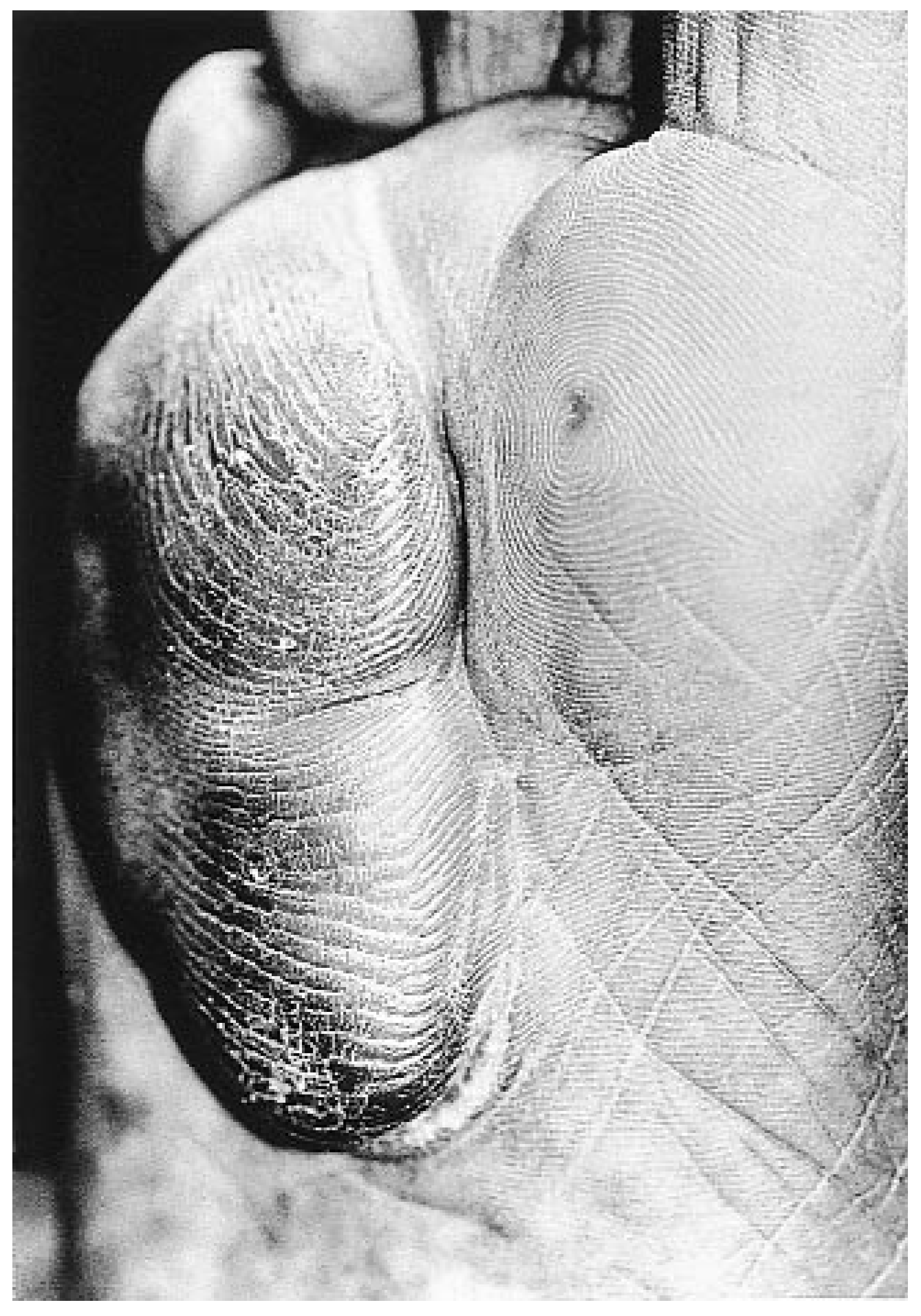
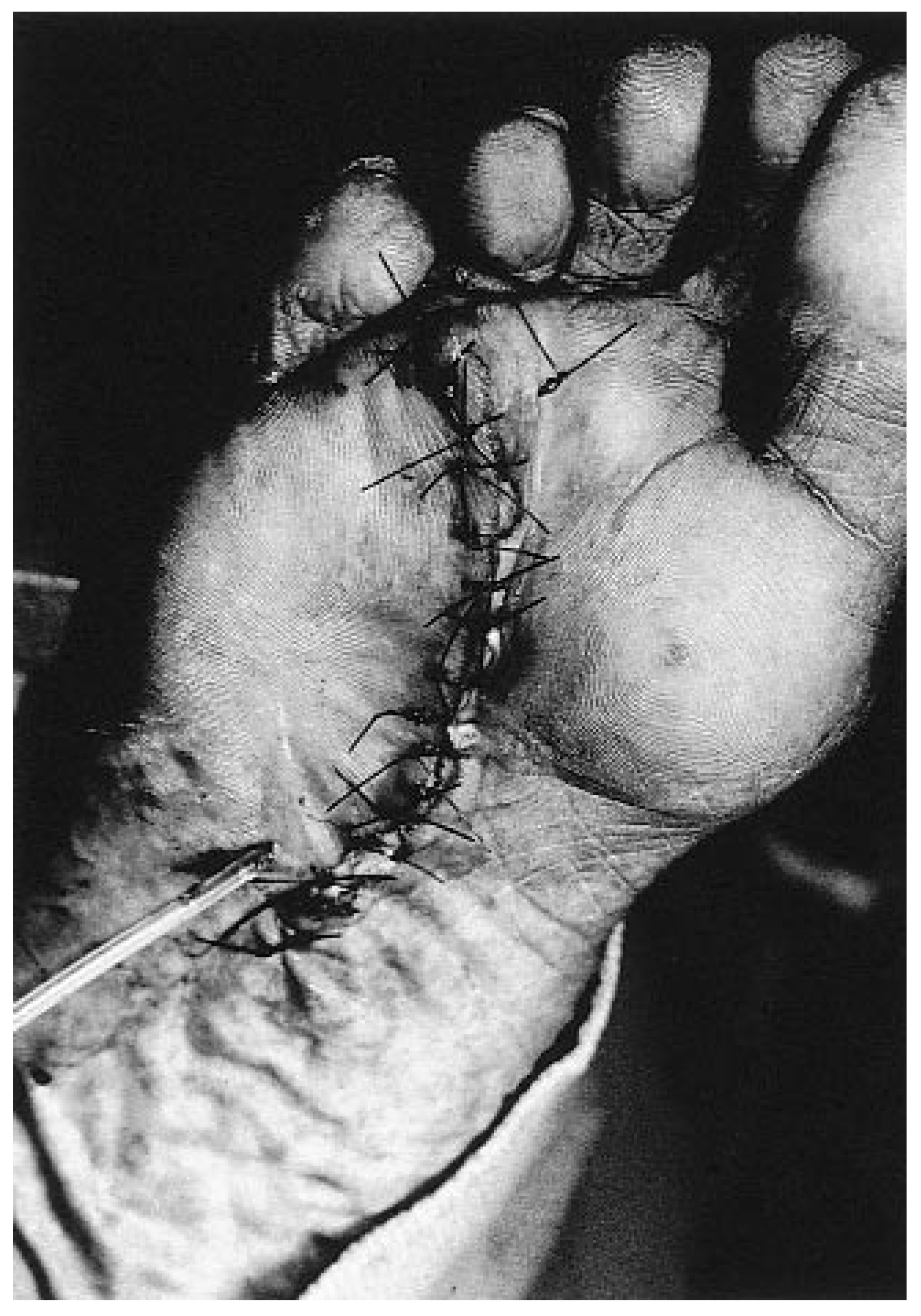
On physical examination, the patient was afebrile with stable vital signs. The physical examination of his lower extremity revealed intact neurovascular status and a 6 × 4-cm, firm, nodular lesion extending from the plantar vault of the right forefoot to the fourth toe (
Figure 2). Integument was intact with no signs of infection or inflammation detected. The joints of his left foot had normal ranges of motion without pain.
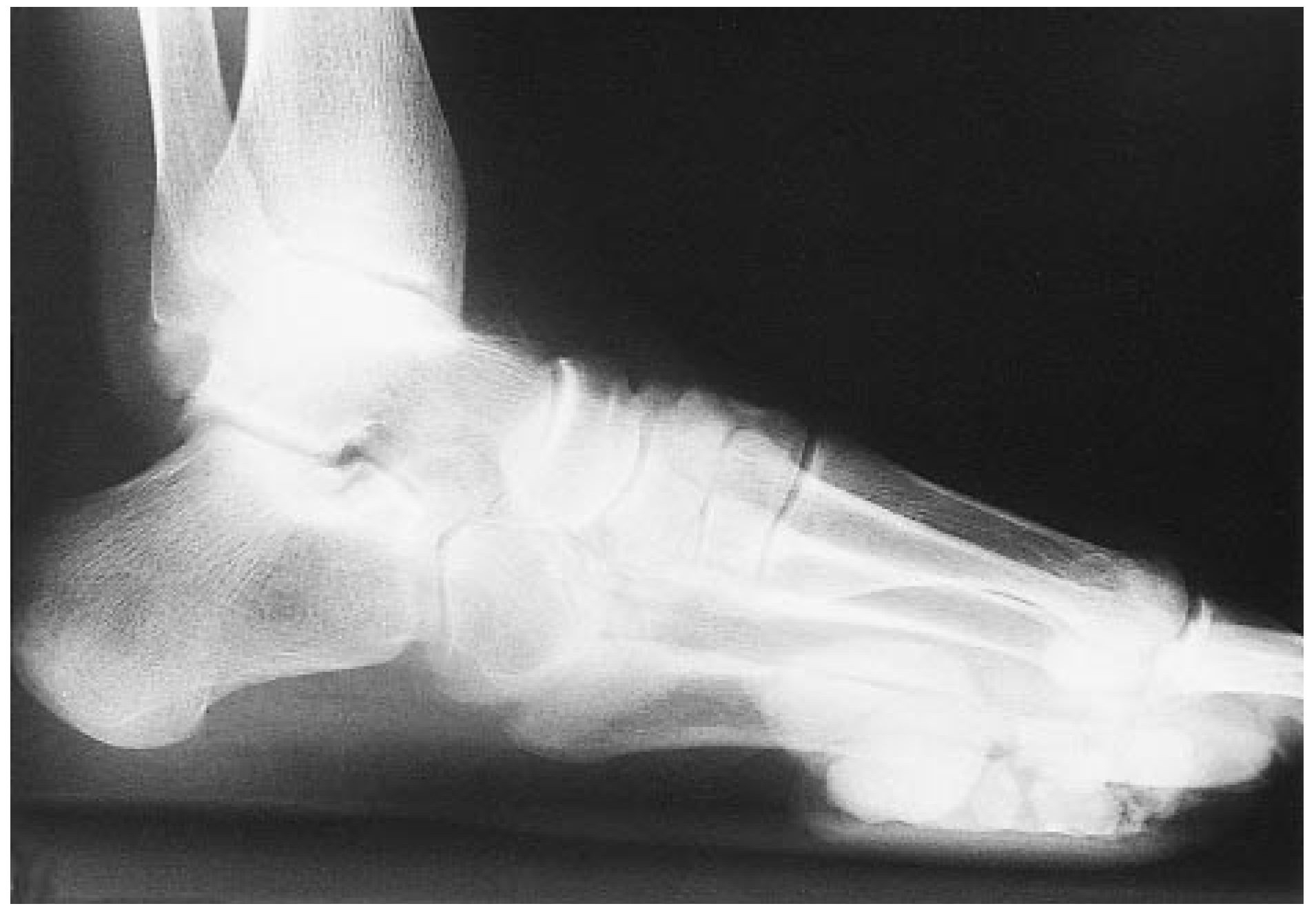
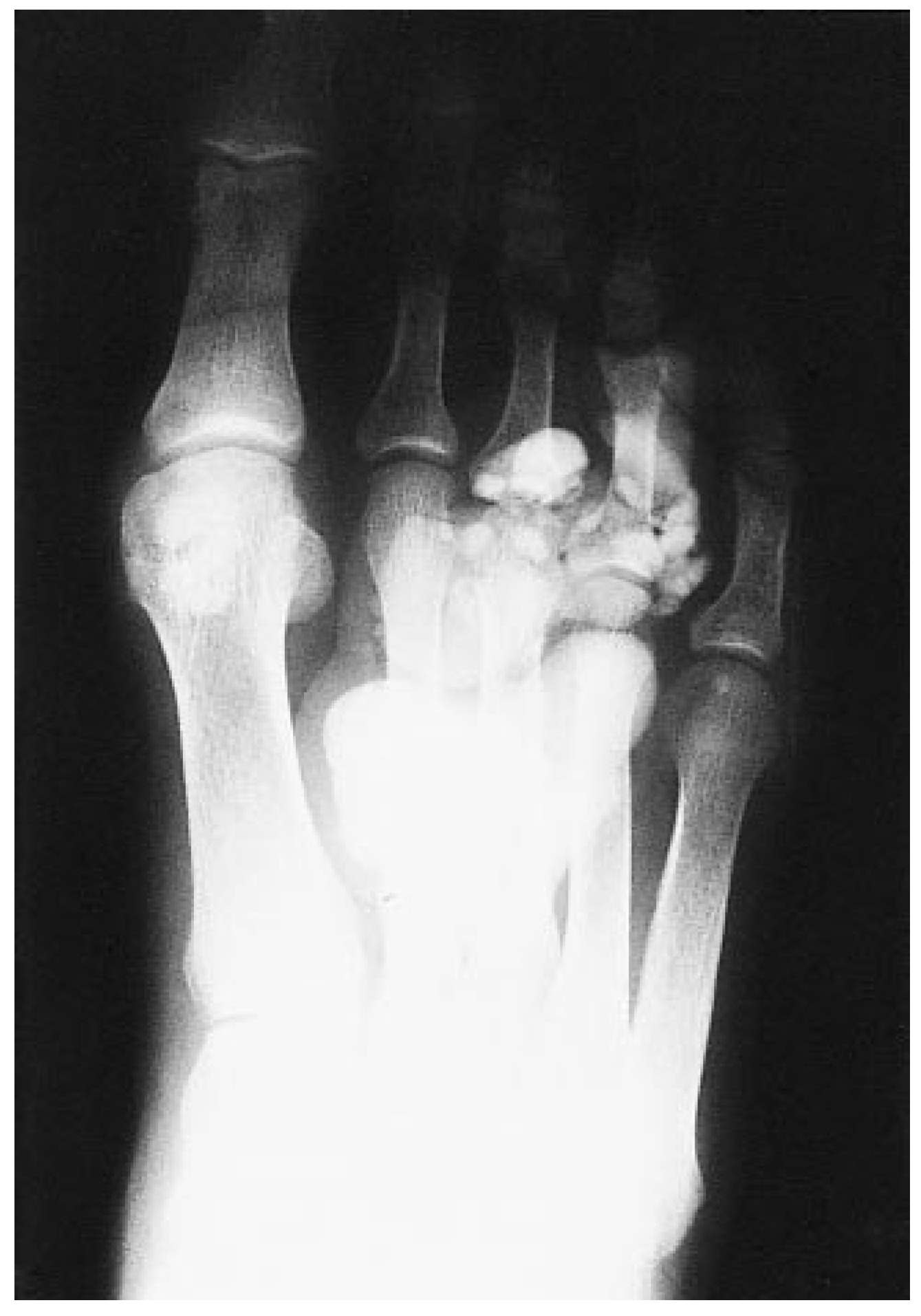
Figure 3 and
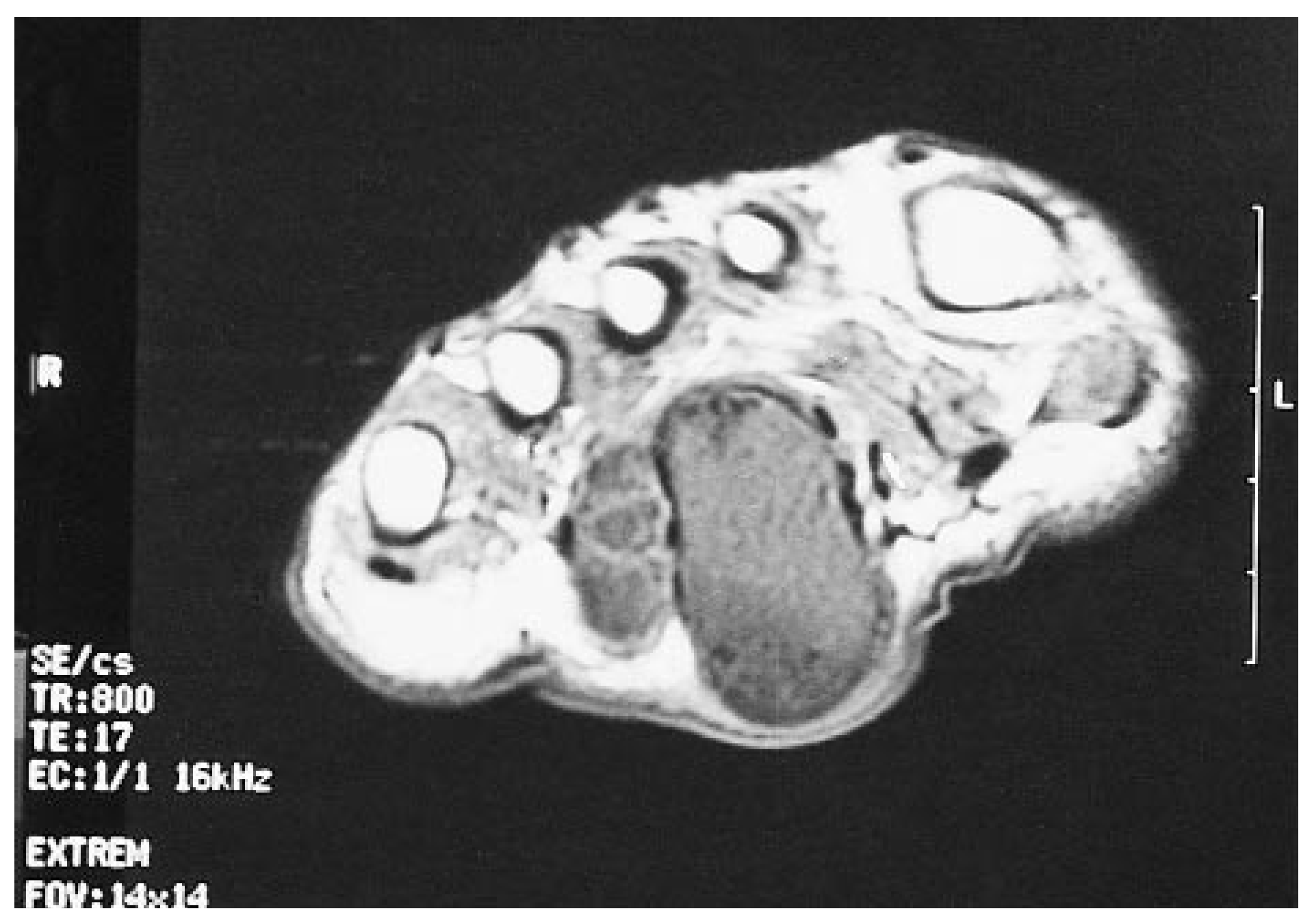
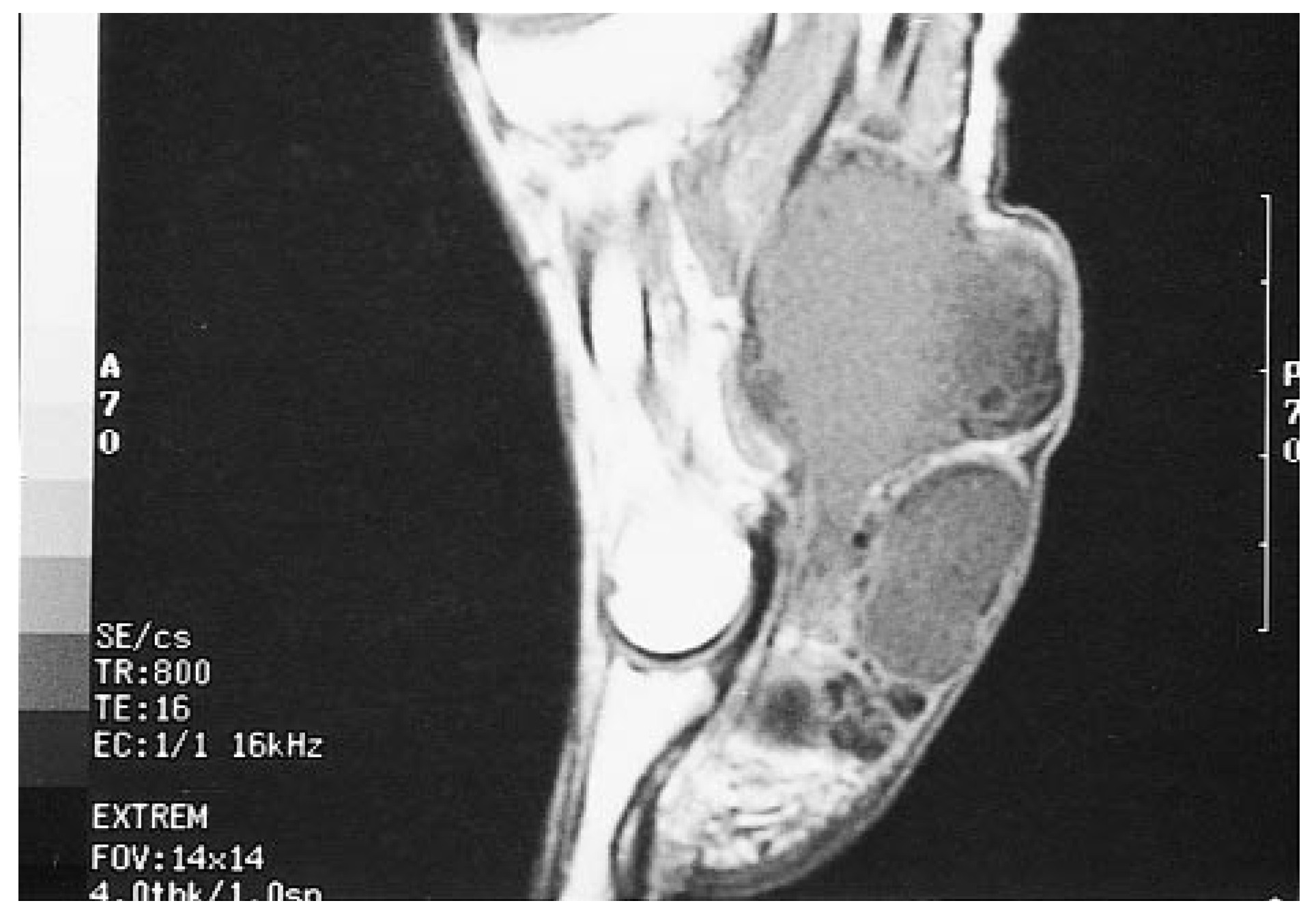
Figure 4 present radiographic views of the lesion, demonstrating large, multilobulated radiopaque masses. No other soft-tissue calcification or Mönckeberg’s sclerosis was noted. Magnetic resonance imaging revealed a multilobulated mass consistent with metastatic calcinosis, with the lobes not easily distinguishable from one another (
Figure 5 and
Figure 6). No osseous involvement was noted.
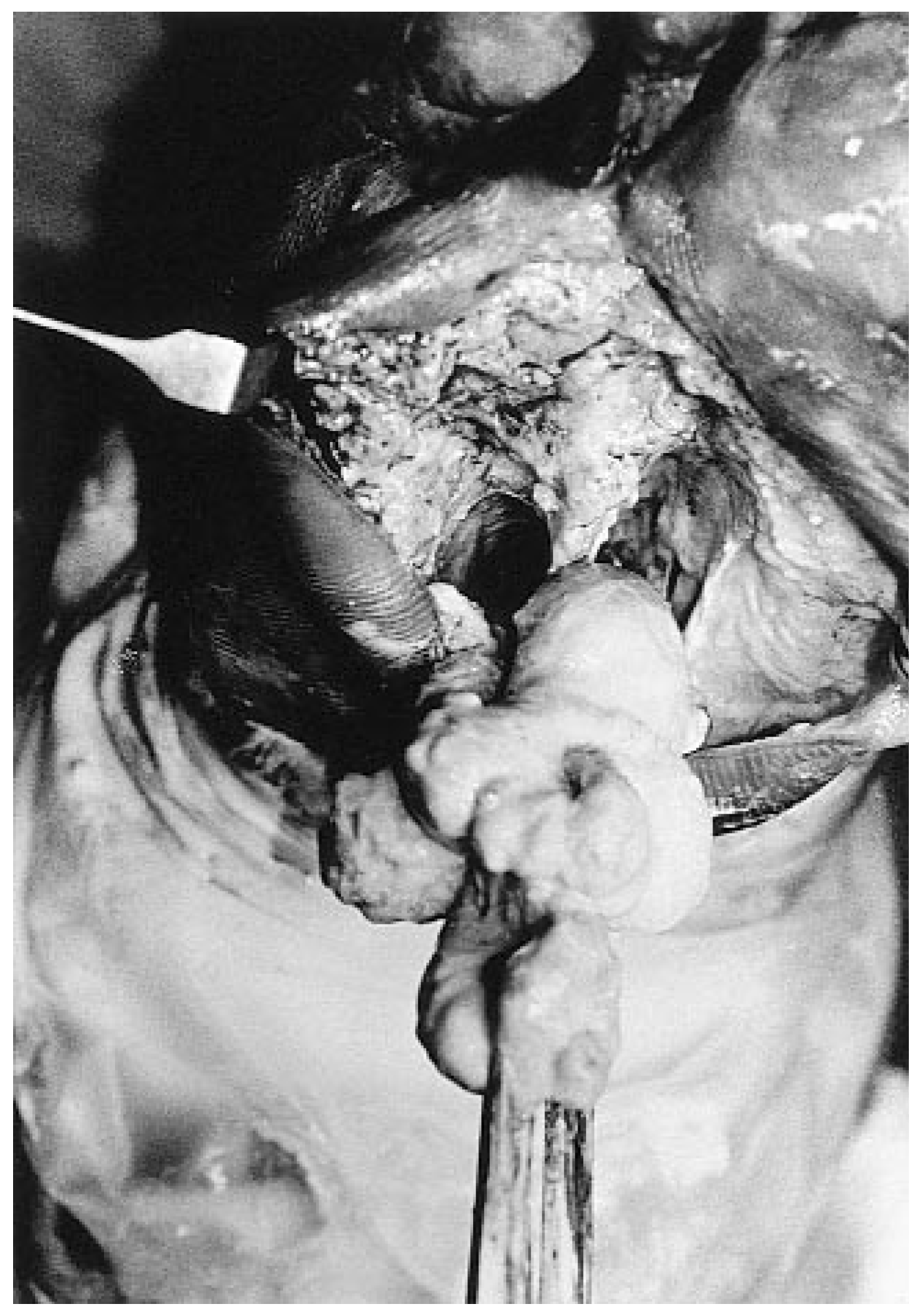
The mass was excised by means of a 10-cm serpentine incision on the plantar aspect of the right foot. Dissection was complicated at times owing to the friable structure of the loculi, which burst with gentle blunt dissection.
Figure 7 and
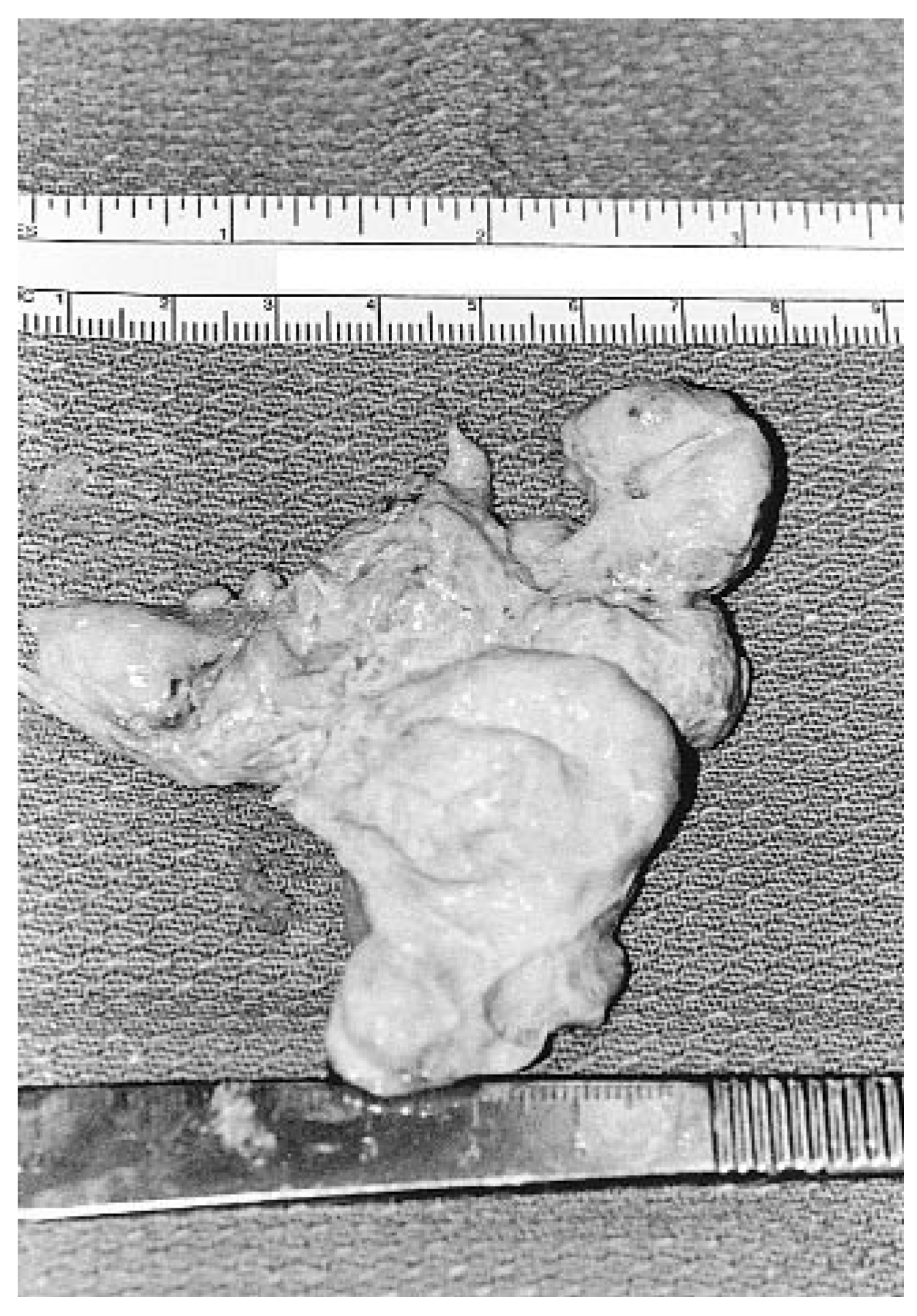
Figure 8 show the surgical excision and the closure over a drain. No joint communication was detected. Gross examination revealed a 4 × 5 × 10-cm rubbery, multiloculated mass that consisted largely of a thick, enamel paint–like chalky material encased in a fibrous capsule.
Figure 9 shows the excised mass
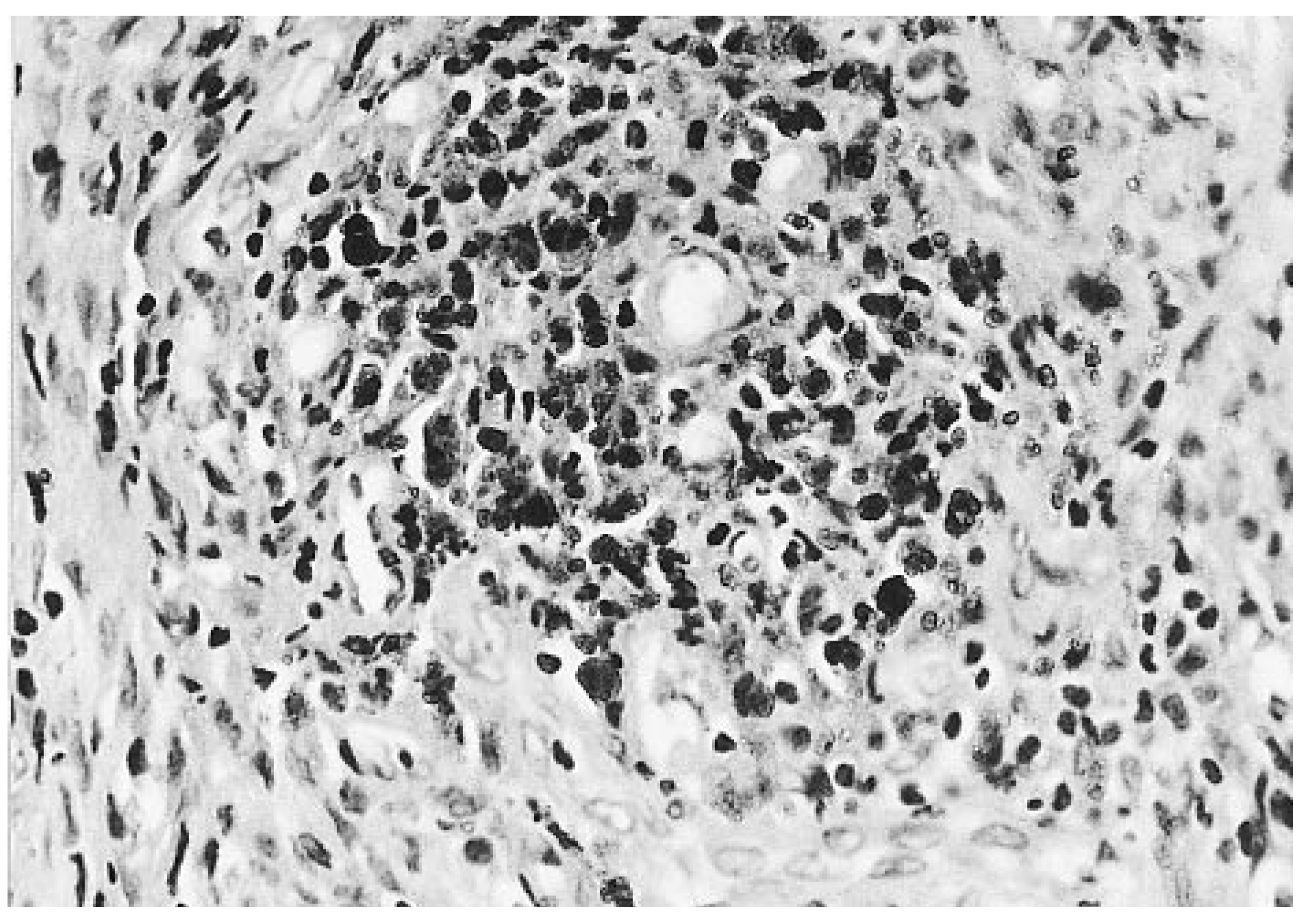
in toto. Aerobic, anaerobic, fungal, and acid-fast bacillus cultures failed to grow organisms. Histopathologic examination revealed dystrophic calcifications with associated multinucleated giant cells and histiocytes surrounded by a fibrous stroma (
Figure 10) consistent with a diagnosis of tumoral calcinosis–like lesion. Because the lesion was a multiloculated capsular structure filled with a calcium liquid, much of the lesion was lost in the preparation of the histopathologic slide. This patient went on to complete healing in approximately 6 to 8 weeks.
Discussion
Tumoral calcinosis–like lesions are uncommon soft-tissue manifestations of renal osteodystrophy [
14] and directly linked to compensatory secondary hyperparathyroidism. This case study presents a lesion of uncommon pedal expression, especially when one considers its size and location. Clinicians need to be aware of this condition, especially now that an increased percentage of patients suffer from end-stage renal disease. To date, the case-study patient remains asymptomatic on the operated foot and has had no involvement of the contralateral foot.