As a result of the recent introduction of newer and more effective oral antifungal medications to treat onychomycosis, physicians need to base their therapy on firm anatomic and diagnostic principles. Understanding the anatomy, pathology, and diagnostic principles involved in confirming a diagnosis of onychomycosis is essential for planning appropriate patient treatment.
Anatomy of the Nail Unit
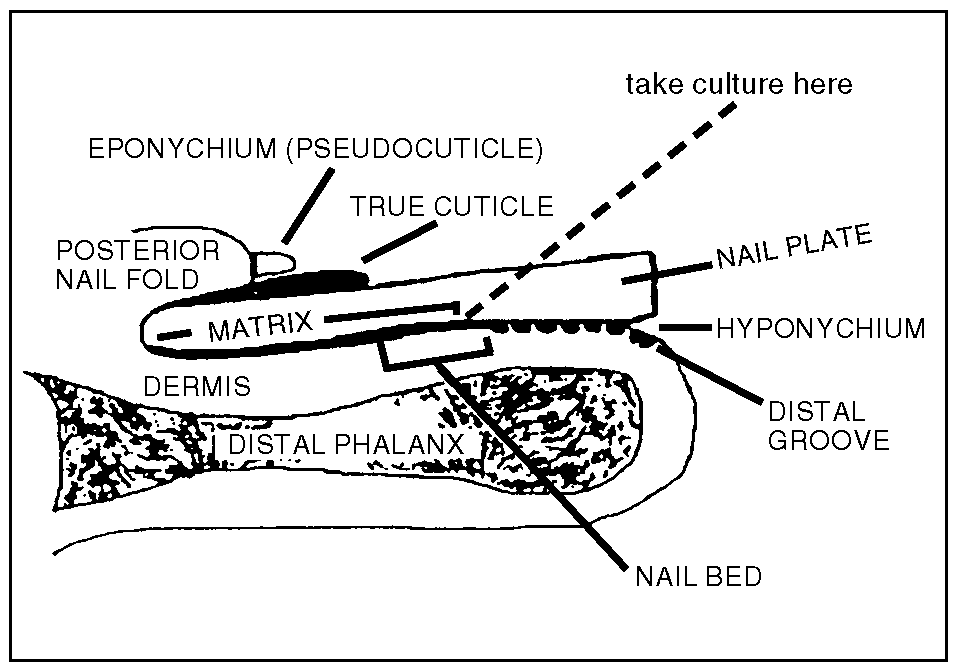
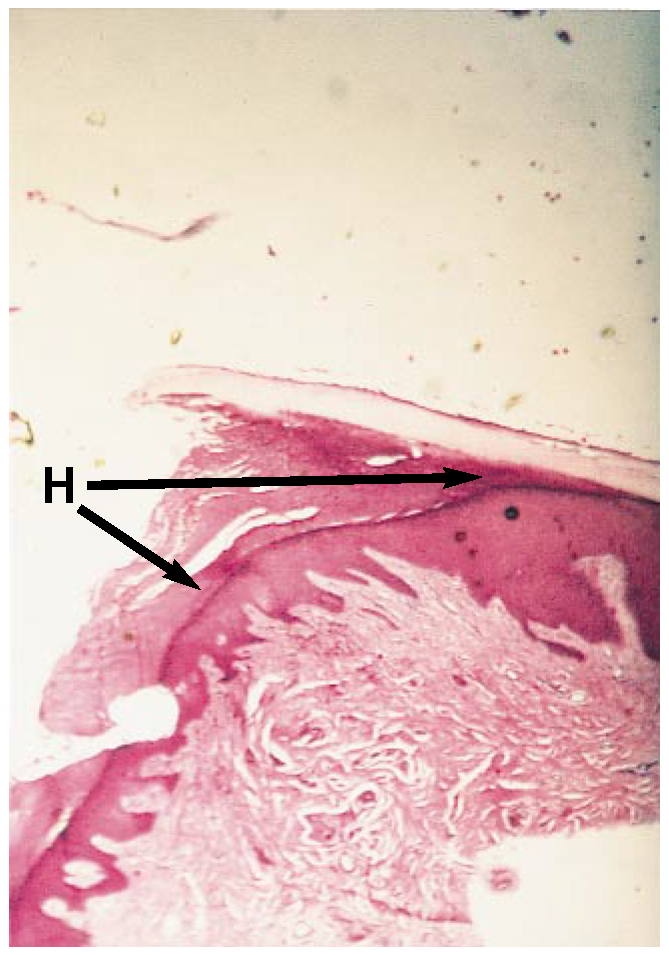
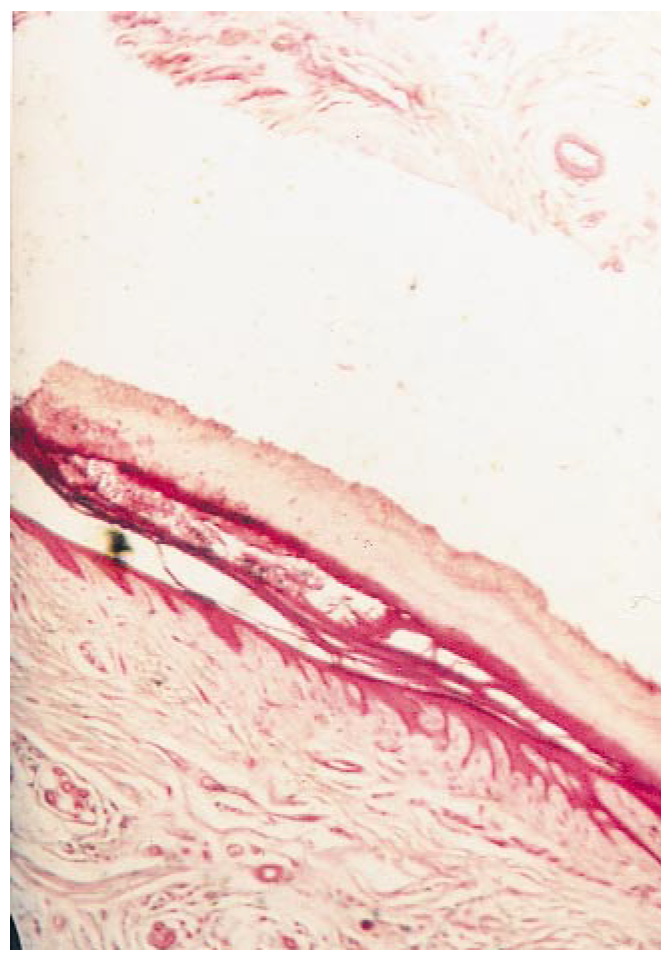
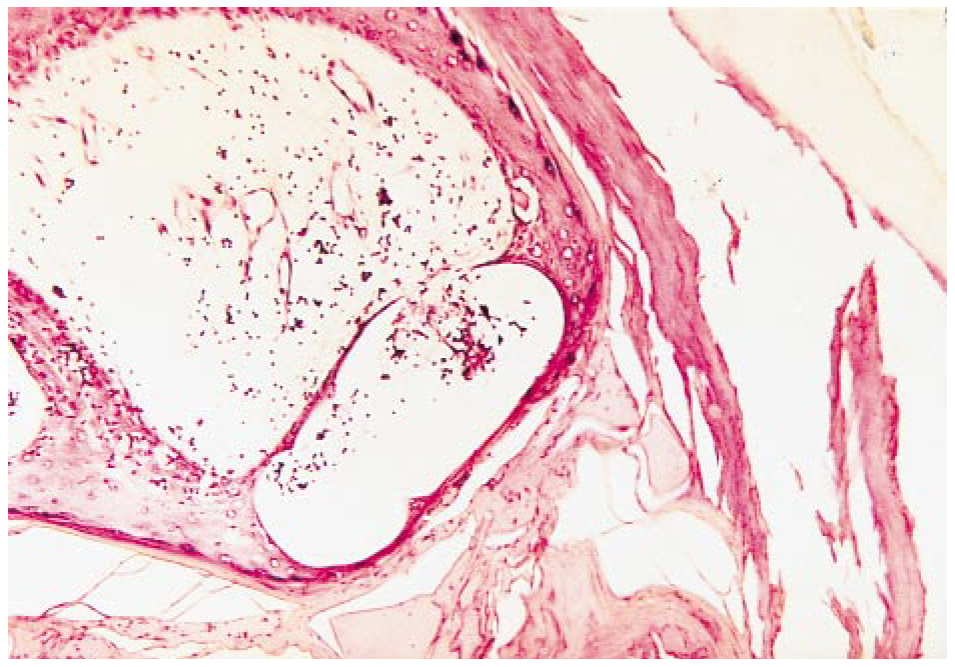
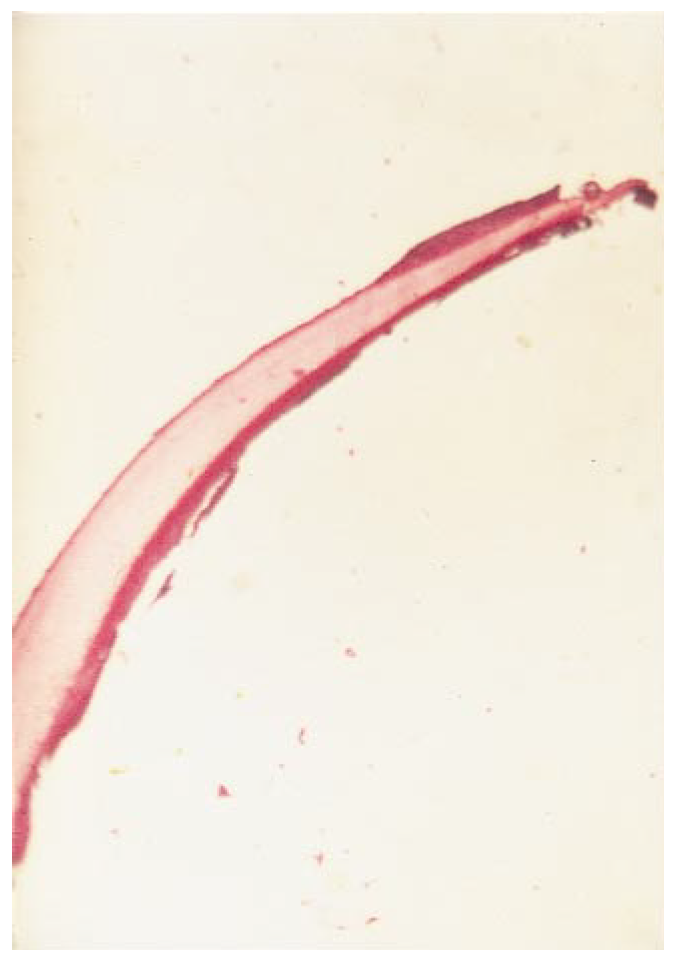
The nail unit is composed of the posterior nail fold, nail plate, matrix, bed, underlying dermis, and hyponychium (
Figure 1 and
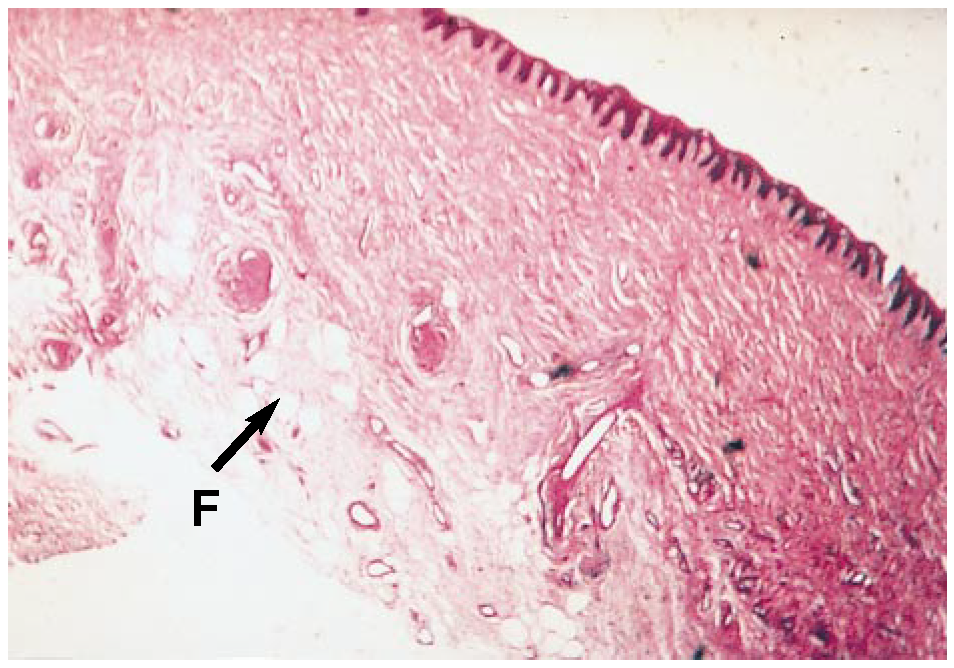
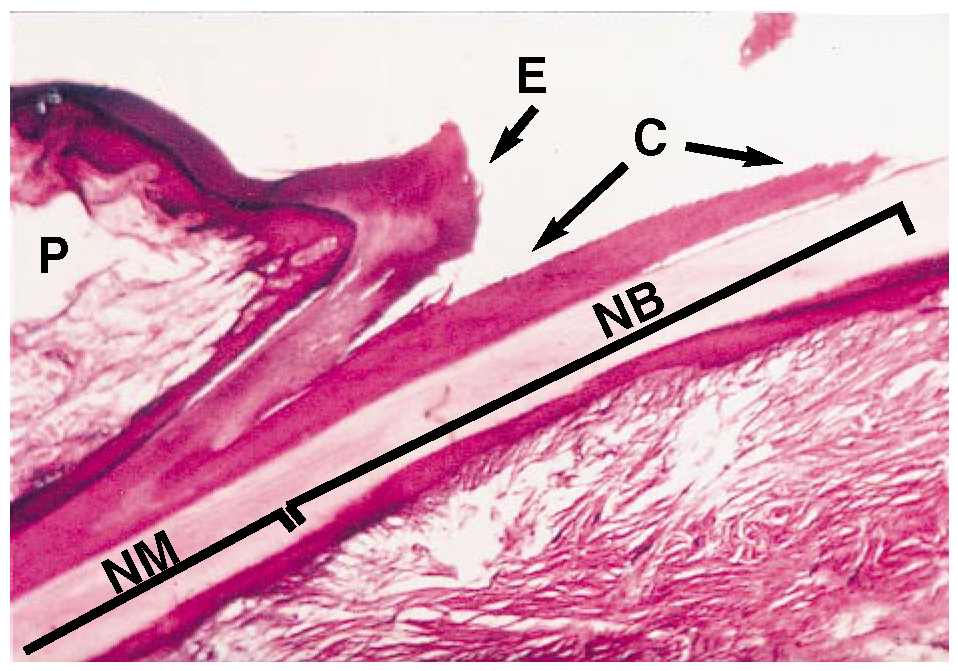
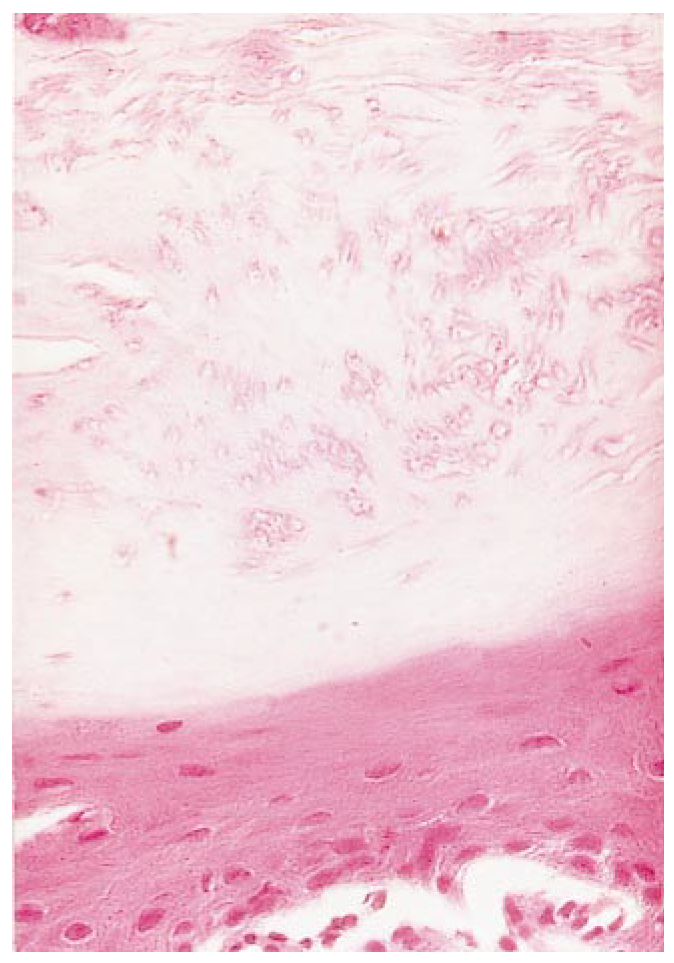
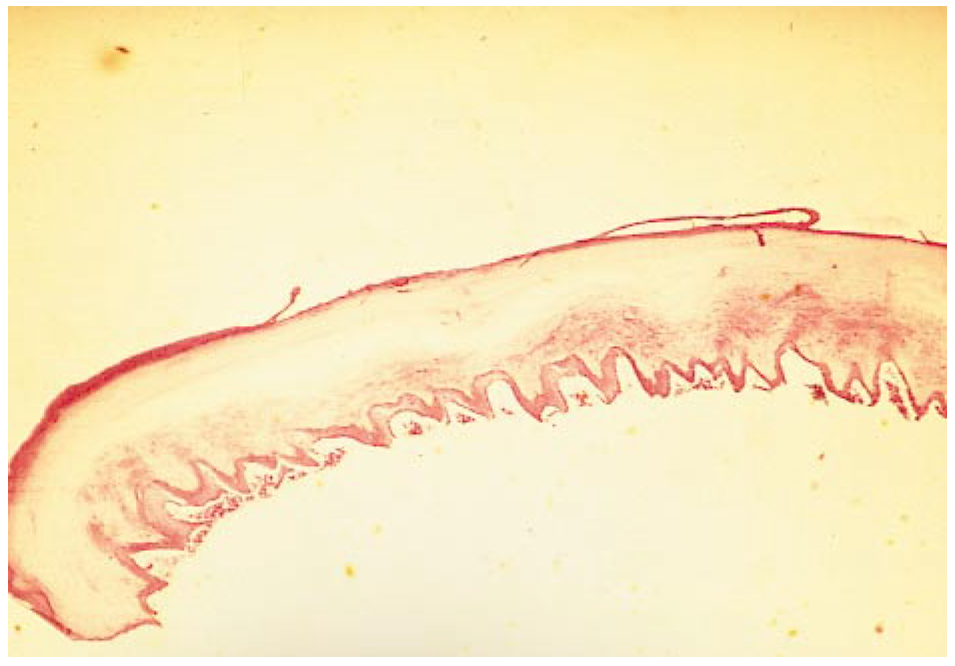
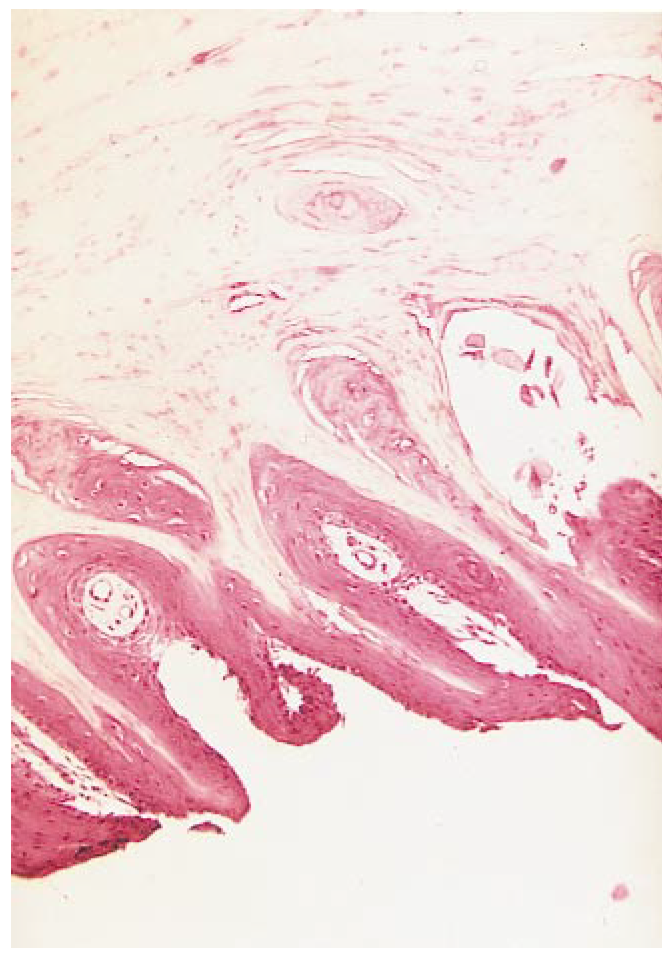
Figure 2). The posterior nail fold is the portion of skin that rests on and supports the posterior one-quarter to one-third of the nail plate. The eponychium, the most anterior epidermal extension of the posterior nail fold, is highly keratotic and rests on the posterior aspect of the nail plate. It has been called the cuticle or, perhaps more accurately, the pseudocuticle. The true cuticle, in contrast, is composed of strongly adherent keratin produced by the undersurface of the posterior nail fold. Its main function is to prevent entry of bacteria and fungi under the posterior nail fold. The nail bed is that section of epidermis located between the nail matrix proximally and the hyponychium distally. It serves as an interface between the nail plate above and the dermis below. The nail bed is ridged and devoid of a stratum granulosum. Beneath the nail bed is the dermis, which rests on fatty connective tissue (
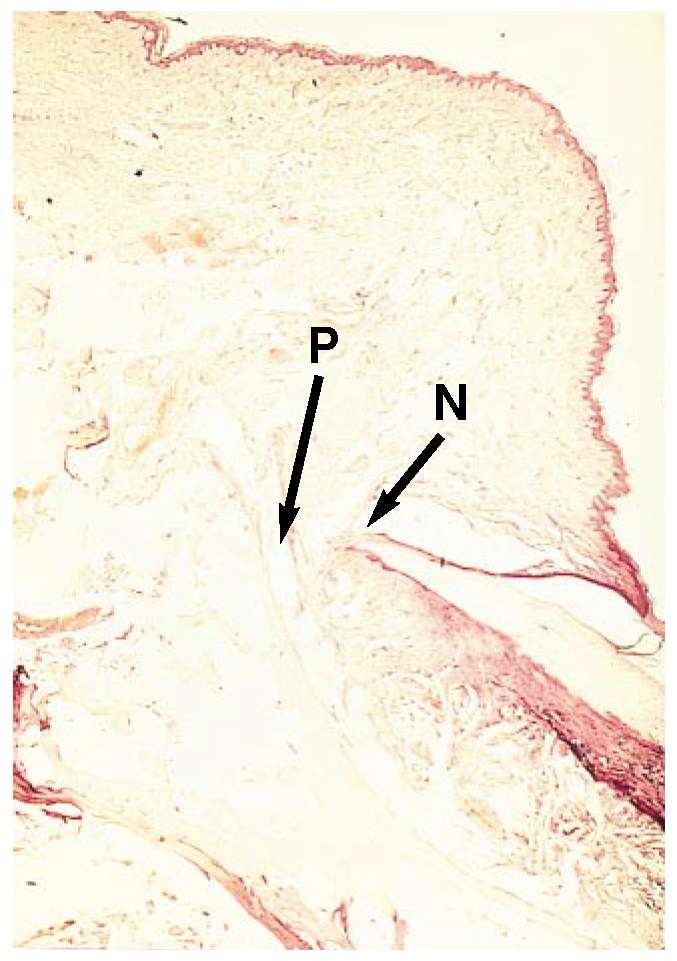
Figure 3). The hyponychium, composed of epidermis, starts at the free edge of the nail plate and ends at the distal groove. The hyponychium serves as a reservoir for keratinous material and acts as a barrier to bacterial and fungal entry into the proximal portions of the nail bed. The nail matrix represents the proximal one-quarter to one-third of the nail bed. Like the nail bed, it is firmly attached to the nail plate; however, it differs from the nail bed in its ability to produce nail plate. Clinically, it may be more easily seen in the fingers than in the toes as an off-white semilunar band called the lunula. One of the important features of the nail matrix and nail bed is their tenacious attachment to the nail plate above and the underlying dermis below. The nail root, the most proximal portion of the nail matrix, lies only millimeters away from the base of the distal phalanx (
Figure 4).
Pathology of Onychomycosis
Distal Subungual Onychomycosis
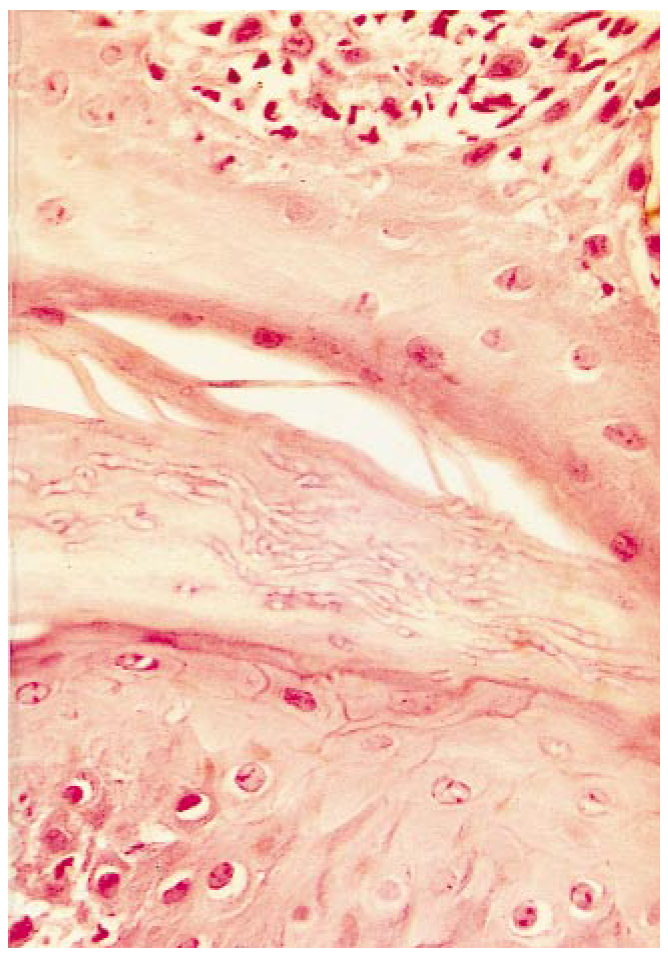
Fungal hyphae may invade the nail unit at three different sites. The most common site of entry is under the distal aspect of the nail plate at the hyponychium (
Figure 5). At this area, there is an accumulation of keratinous material that, under normal circumstances, acts as a barrier to fungal entry. A variety of factors, including abnormal biomechanics, aggressive nailplate debridements, or nail avulsions, may separate the nail plate from its bed (onycholysis), predisposing the patient to fungal invasion (
Figure 6). This is commonly seen, for example, in patients exhibiting hallux limitus. In that disorder, secondary sagittal plane motion occurs at the distal interphalangeal joint, resulting in microtraumatic injury at the junction of the nail plate and nail bed. When the nail plate is separated from the nail bed, fungal hyphae track along the nail bed proximally, digesting nail-bed corneum and the lowest portions of nail plate (
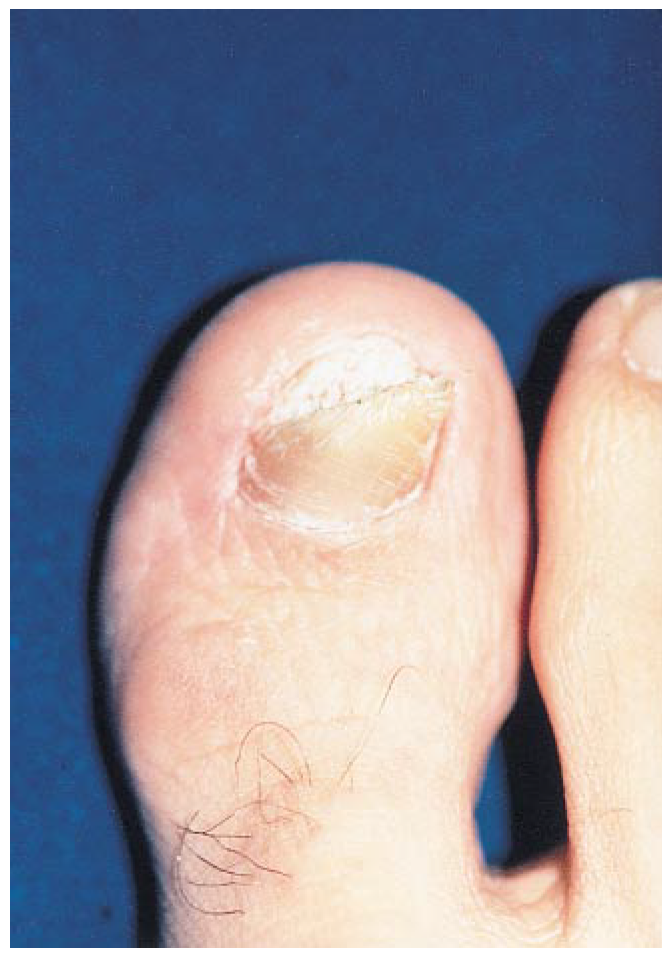
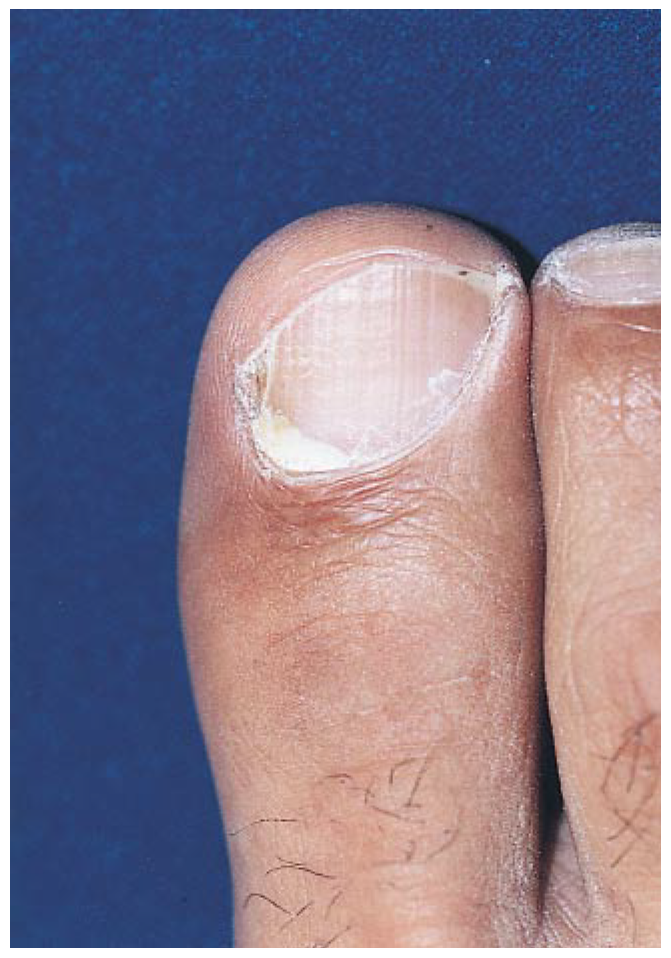
Figure 7). This type of onychomycosis, referred to as distal subungual onychomycosis, is commonly seen in clinical practice (
Figure 8). While not clinically obvious, the fungal hyphae incite a mild inflammatory response within the papillary dermis below characterized by formation of spongiotic vesicles containing abundant inflammatory cells (
Figure 9). This inflammatory response is the body’s attempt to shed the entrapped fungus. With time, the fungal hyphae can be seen gradually extending from the inferior to the middle and upper portions of the nail plate. This process may result from a combination of nail-plate digestion and passive transport resulting from nail growth. As the inflammatory process continues, the nail bed changes from a normal rete ridge pattern (
Figure 10) to a highly accentuated papillomatous pattern characteristic of nail-bed disease (
Figure 11). This papillomatous pattern compresses papillary blood vessels, increasing their susceptibility to mechanical disruption and resulting in small hemorrhages within the nail (
Figure 12).
Proximal Subungual Onychomycosis
In the same way that the hyponychial keratin protects the distal aspect of the nail plate from fungal entry, the true cuticle located at the posterior nail fold protects it from bacterial and fungal invasion (
Figure 13). The pedicure practice of separating the true cuticle from the posterior nail fold and underlying plate results in loss of the barrier function of the cuticle, with subsequent predisposition to fungal, yeast, and bacterial invasion of the posterior nail unit. This barrier may also be lost in patients exhibiting immunosuppressive disease such as acquired immunodeficiency syndrome (AIDS) (
Figure 14).
Superficial White Onychomycosis
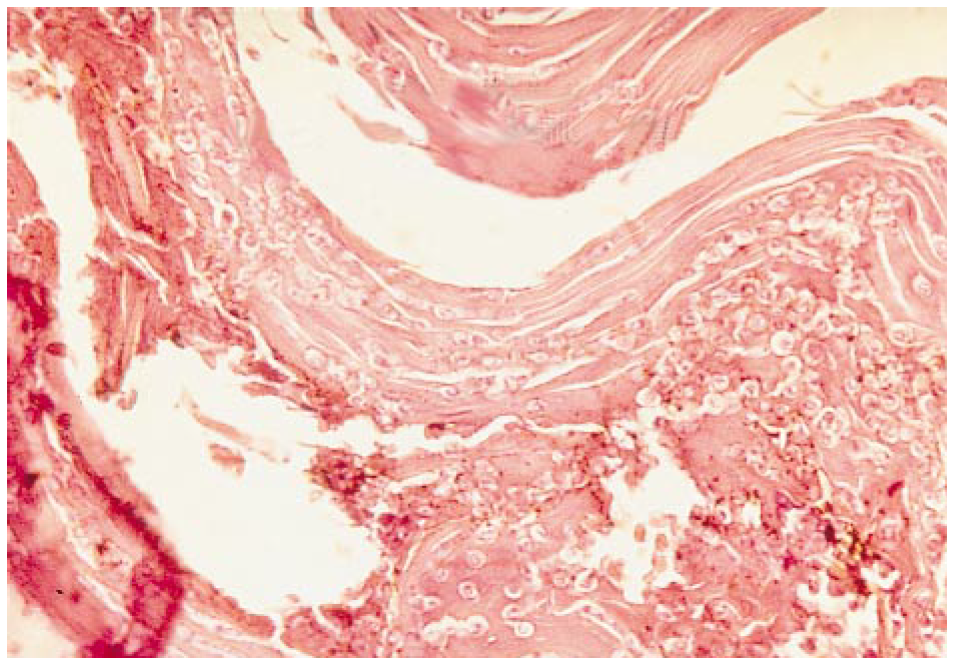
Nail-plate invasion may occur superficially, directly attacking the dorsal portion of the nail plate (
Figure 15). This is primarily seen with
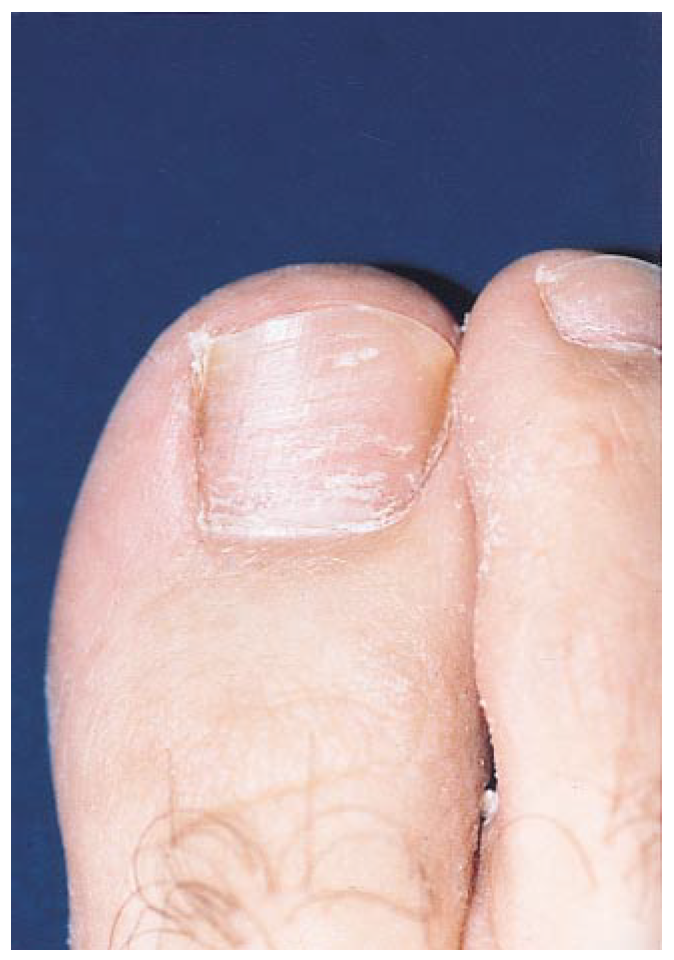
Trichophyton mentagrophytes infection, appearing as a superficial white powdery discoloration on the dorsal nail plate (
Figure 16). This type of infection of the plate is referred to as superficial white onychomycosis.
Nail-Bed Change in Onychomycosis
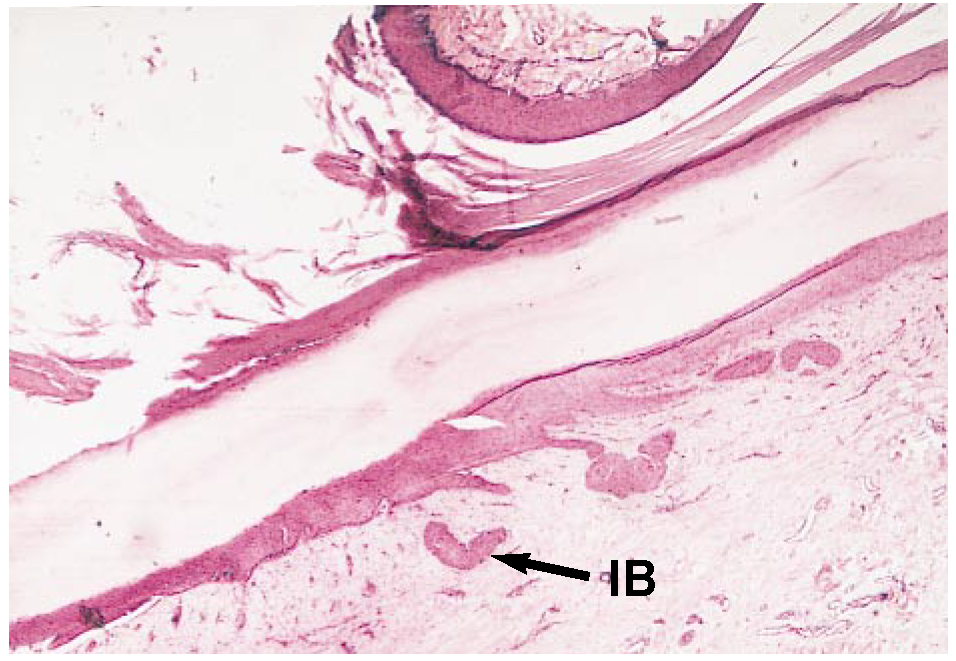
While the focus of attention in onychomycosis has been the nail plate, the effects on the underlying dermis have not been appreciated. Chronic pressure from the thickened onychomycotic nail plate gives rise to a “pinched off” nail bed, resulting in the formation of small epidermal inclusion bodies (
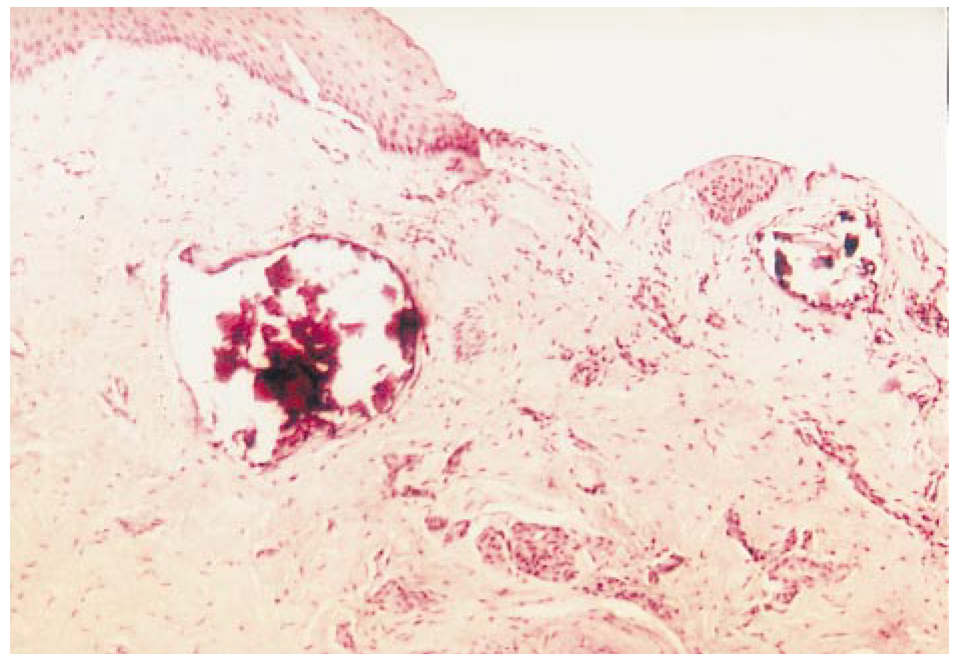
Figure 17). These inclusions are characterized by foci of dense keratin surrounded by a band of epithelium devoid of a granular layer. These inclusions may calcify and are seen on x-ray film as small stippled opacities (
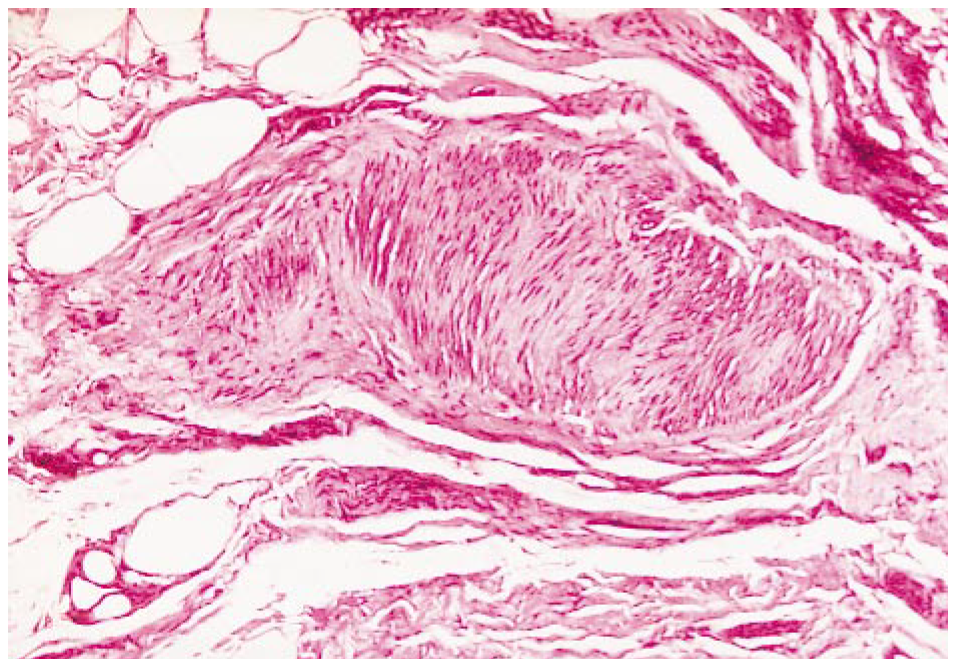
Figure 18). Scarring of the dermis, resulting in nerve thickening and neuroma formation, is also a regular finding with the chronically thickened onychomycotic nail plate (
Figure 19).
Laboratory Diagnosis of Onychomycosis
Obtaining a Viable Specimen
The most important step in the confirmation of a dermatophyte infection is obtaining a proper tissue sample. Since dermatophytes are located in abundance at the level of the proximal portions of the nail bed, distal or superficial nail clippings are insufficient and should be discarded. Submission of distal nail clippings to the laboratory may result in either a negative culture or the reporting of a saprophyte. Every attempt should be made to remove enough of the nail plate to enter the proximal nail bed without destroying the attachment of the nail plate and nail bed. Sufficient material should be gathered for laboratory submission to allow for potassium hydroxide (KOH) slide preparation as well as fungal culturing with and without mold inhibitor.
In-Office Dermatophyte Test Media Culture
Physicians often culture onychomycotic nail-plate specimens in the office on a medium containing sugar, protein, and a growing surface, eg, Sabouraud’s dextrose agar. An antibiotic such as chloramphenicol is added to prevent the unwanted growth of bacteria. Most commercially available culture media (eg, Mycosel (Baltimore Biological Laboratory (BBL), Division of Becton Dickinson and Co, Baltimore)) contain Sabouraud’s dextrose agar with cycloheximide and chloramphenicol to retard saprophytic and bacterial growth, respectively. Dermatophyte test media contain Sabouraud’s dextrose agar as well as cycloheximide, gentamicin, and chloramphenicol. Dermatophyte test media also contain a pH color indicator that changes to red when dermatophyte growth causes the medium to become alkaline and green when it comes in contact with saprophytes.
Negative Aspects of Dermatophyte Test Media
If dermatophyte test media fungal cultures are kept in the office too long, saprophytes may instead turn the media red, misleading the physician to a diagnosis of dermatophyte infection. The pH color indicator change to red could also overshadow the diagnostic pigment change normally associated with the growth of dermatophytes, thus preventing a correct diagnosis. The presence of a mold (ie, saprophyte) inhibitor may also prevent the growth of certain saprophytes (eg,
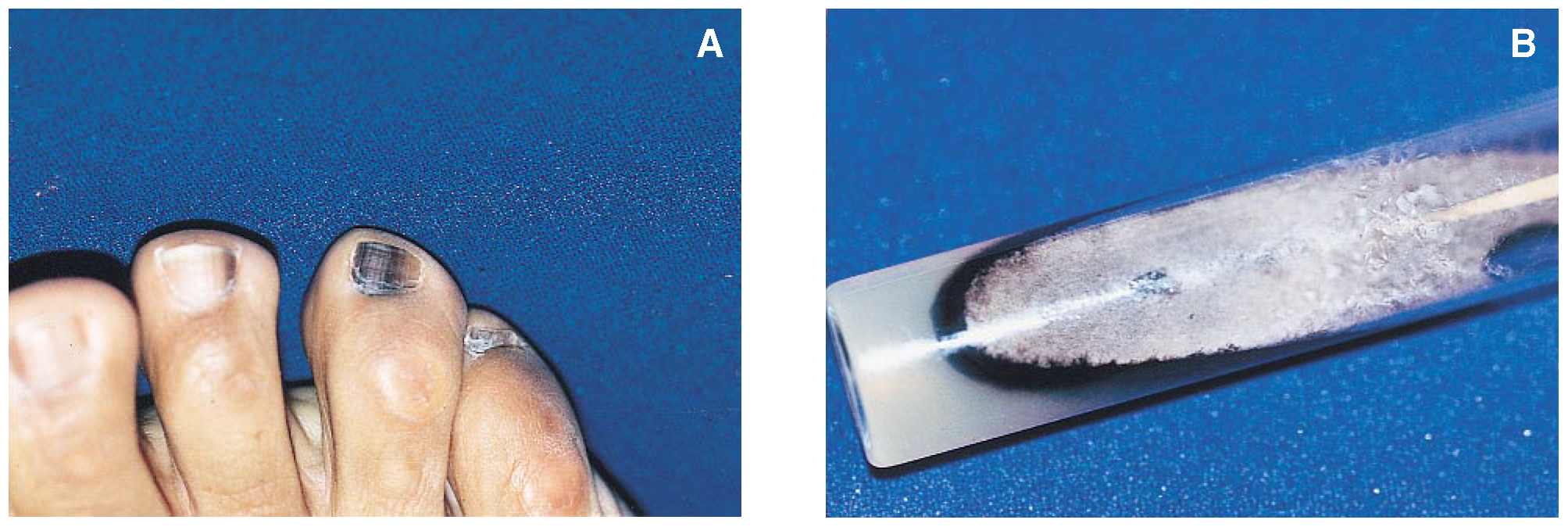
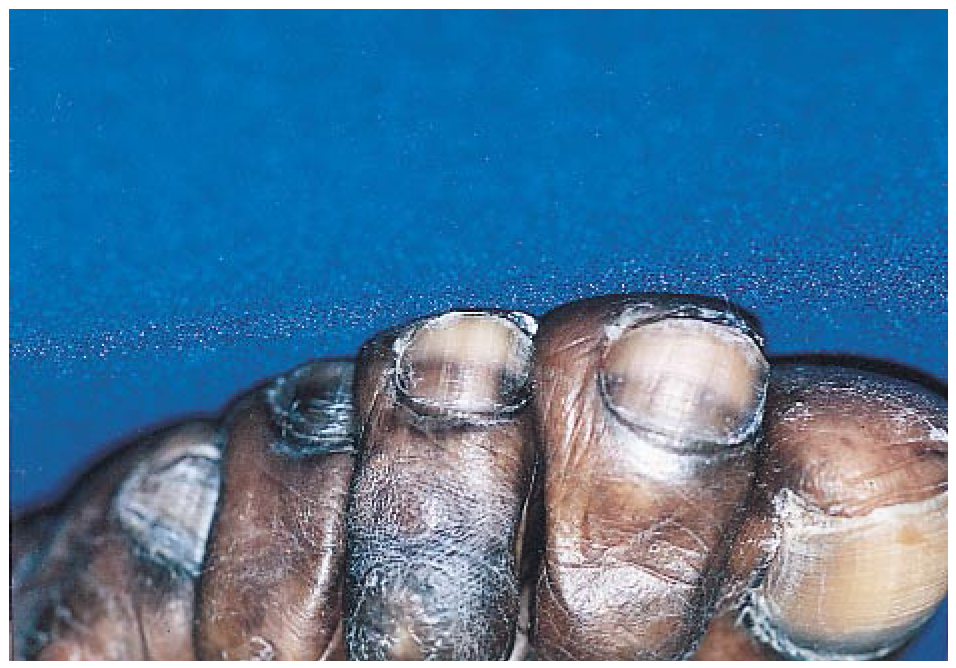
Fusarium) thought to cause or play a role in onychomycosis. The use of mold inhibitors can also prevent the growth of dematiaceous fungi responsible for dark discoloration of the nails (
Figure 20 A and B). While most of these pigmenting organisms are not considered to be capable of destroying nail keratin, they should be identified because they are responsible for unsightly nail color change and respond well to oral antifungal treatment. Other causes of nail pigmentation, such as melanoma and drug use, should also be evaluated. Transverse pigmentation of the nails can be seen in patients receiving 5-fluorouracil (
Figure 21).
Commercial Laboratory Testing
KOH Preparation and Fluorescent KOH
While it is not uncommon to perform KOH tests in the office setting, more often they are sent out to laboratories to be performed as part of the diagnostic mycology service. The two most common microscopic tests used to identify fungal hyphae are the KOH test and the fluorescent KOH test.
Physicians often ask, “Why is it necessary to perform both a microscopic examination and a culture?” The answer is that each serves a different function. If faced with a negative culture, the laboratory could still prove the presence of fungal hyphae microscopically. The organisms do not have to be alive to be seen microscopically. Because cultures may be falsely negative, a positive microscopic examination helps support a diagnosis of fungal infection in the absence of a positive culture. In general, the sample is placed on a microscopic slide, softened by 10% KOH, and heated under a heat source. The KOH destroys the keratin, leaving the fungal hyphae intact. Lowering the condenser on the microscope aids in the identification. The diagnosis of fungal hyphae is best accomplished using low power (×2.5) initially, followed by examination under higher power. Dermatophytes are characterized by branching hyphae of uniform width. Hyphae may be seen either floating alone or, more commonly, in association with keratinous scale material (
Figure 22). Artifacts of keratinous cell lines known as mosaic fungus must be distinguished from true fungal hyphae, which disappear when the slide is further heated and pressure causes separation of the keratinous tissue. In addition, there are a limited number of fungal infections whose microscopic features may be discerned with KOH alone.
T mentagrophytes may exhibit frondose hyphae;
Aspergillus, distorted filaments; and
Scopulariopsis brevicaulis, copious liminoform conida. The presence of boring hyphae, ie, hyphae penetrating keratin at right angles, is also noted because it suggests pathogenicity.
Reasons for a Negative KOH Result
The most common reason for obtaining a falsely negative microscopic fungal examination is that a nail section known to be infected with fungus may not contain any fungal hyphae. A false-negative KOH test may also be attributable to the mycologist’s time constraints, or it may be caused by the specimen being obtained from distal nail clippings.
Fungal Culture
Unlike with an in-office test, in which nail samples are simply placed in a medium containing a mold inhibitor, in the laboratory the dermatophytes and saprophytes are isolated separately. This is accomplished by placing nail tissue in two separate media containers, one containing a mold inhibitor such as cycloheximide and the other without a mold inhibitor, to identify saprophytes. A KOH preparation is also initially performed on all nail tissue. While a KOH preparation may take approximately 15 minutes to perform, fungal cultures take 4 to 6 weeks to grow. At the end of this period, fungal growth is removed from the media, stained with lactophenol blue, and examined microscopically. The identification of a specific genus and species is usually not possible without this microscopic examination, since many fungal growths have similar cultural characteristics. In addition, if there is only a small amount of identifiable growth at the end of the 4 to 6 weeks, the growth may be further subcultured on a more enriched medium. In this instance, the procedure is extended by a few more weeks.
Reasons for a No-Growth Result
It has been estimated that 50% of nail cultures may be negative. While a certain percentage of these “no growths” represent disorders such as psoriasis, lichen planus, or traumatic onychodystrophy or indicate prior treatment, a negative culture does not rule out a fungal infection. Following are some possible reasons for a negative culture.
- 1)
Nails were inappropriately placed on the dermatophyte test media surface. Laboratories commonly receive dermatophyte test media cultures in which the nail samples have been placed “bottom surface up” within the tube, thereby preventing contact with the medium.
- 2)
Nails were submitted on old dermatophyte test media. Nail samples submitted to the laboratory on old dermatophyte test media will not grow fungus. If the expiration date has passed or the dermatophyte test medium appears dry or cracked, it should be discarded.
- 3)
Nails were kept in the office on dermatophyte test media too long. Dermatophyte test media tubes often accumulate in the office. It is not uncommon for a laboratory to receive a case of dermatophyte test media specimens with a collection date 3 months before receipt. This will invariably result in the overgrowth of bacteria and saprophytes, thereby preventing appropriate interpretation. With time, drying out of the media will also occur.
- 4)
Nails were received by the laboratory in insufficient quantity to perform tests. Sometimes a laboratory is sent a nail sample that is too small to process. When a limited amount of nail sample is available, it is good practice to submit scales from any accompanying tinea infection, which frequently coexists and usually shares the same causative agent.
- 5)
Distal nail clippings were submitted. Submission of distal nail clippings will usually result in either a “no-growth” report or a report of a contaminant. When growth is insufficient to identify the organism, subcultures will be performed, delaying the final diagnosis. It is also helpful to include nail clippings in a separate bag along with the dermatophyte test medium in the event that the dermatophyte test medium is nonviable.
- 6)
Tube tops were tightly fastened. The dermatophyte test media tube cap must be loosely applied in order to allow sufficient oxygen for growth.
Additional Diagnostic Tests
Surgical Pathology (Microscopic Identification of Formalin-Fixed Nail Plate)
In addition to submitting nail-plate clippings for mycology, divide the specimen and send some nail to the pathology department for identification. Place the nail plate in buffered formalin 10% in the same manner as for warts or other specimens.
Periodic Acid–Schiff Stain for Chemical Identification of Fungi
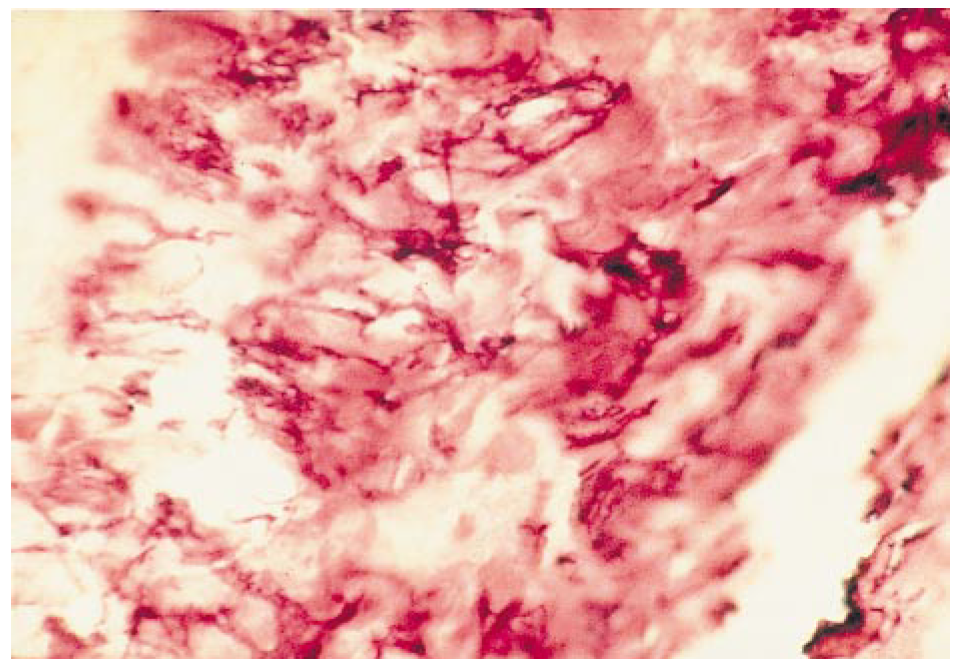
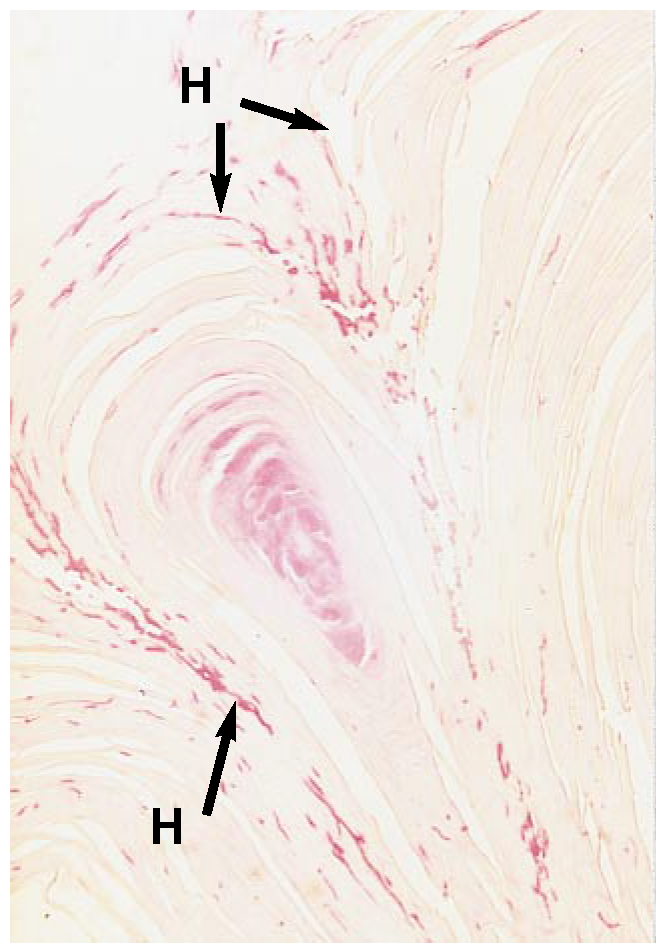
The periodic acid–Schiff stain demonstrates the presence of certain polysaccharides, specifically glycogen and mucoproteins. Since the walls of the fungal hyphae contain polysaccharides, fungal hyphae stain positive (bright red) (
Figure 23). This procedure is performed by most laboratories on request. Place the nail in 10% formalin in the same manner as for tissue for surgical pathology and request surgical pathology as opposed to mycology for the nail specimen. Suggest that the pathologist perform a periodic acid–Schiff stain if warranted by microscopy.
Research Techniques
Immunochemistry demonstrates antibodies to specific fungi. The test involves exposing the nail tissue to antibodies developed against the specific fungi. If the antibodies combine with the antigenic properties of the fungi in the nail plate, the reaction can be detected and made visible by direct immunofluorescence or immunoperoxidase. Antibodies against Trichophyton, Candida, and Aspergillus species are commercially available. Immunochemistry is helpful in mixed infections, as it can detect more than one organism.
Dual flow cytometry differentiates fungi on the basis of their molecular weights. It provides a molecular “fingerprint” for a fungus as well as data on the amount of fungus present within a nail. The molecular fingerprints will also show whether more than one fungus is present.
Hair Perforation Test (in vitro)
T mentagrophytes can be distinguished from Trichophyton rubrum by its ability to penetrate the shaft of a hair; T rubrum collects on the hair’s surface. T rubrum destroys the hair by causing its dissolution, probably through the release of keratinase.
Summary
The management of onychomycosis is becoming not only more exciting but also more complex. To achieve the positive treatment outcomes that the new antifungal drugs appear to offer, practitioners must base their diagnoses and management on a firm understanding of the pathology of this disease and the appropriate diagnostic laboratory tests.