Next Article in Journal
Torsion of the Tendon of Peroneus Brevis
Previous Article in Journal
Mixed Cavernous and Capillary Intraosseous Hemangioma Of the Foot
 
 
Journal of the American Podiatric Medical Association is published by MDPI from Volume 116 Issue 1 (2026). Previous articles were published by another publisher in Open Access under a CC-BY (or CC-BY-NC-ND) licence, and they are hosted by MDPI on mdpi.com as a courtesy and upon agreement with American Podiatric Medical Association.
Case Report

Ankle Arthrodesis Following Avascular Necrosis of the Talus In a Patient with Lupus

by
Brent D. Haverstock
,
Lindsay D. Barth
and
Allen M. Jacobs
Department of Podiatric Medicine and Surgery, Deaconess Medical Center, St Louis, USA
J. Am. Podiatr. Med. Assoc. 1997, 87(10), 483-489; https://doi.org/10.7547/87507315-87-10-483
Published: 1 October 1997

Abstract

Avascular necrosis of bone is a common manifestation of systemic lupus erythematosus, particularly in those patients receiving corticosteroids. The authors review the pathogenesis and diagnosis of avascular necrosis and describe an ankle arthrodesis in a patient with systemic lupus erythematosus who developed avascular necrosis of the talus.

Systemic lupus erythematosus is a prototypic autoimmune disease of unknown etiology, characterized by the production of antibodies to components of the cell nucleus in association with a diverse array of clinical manifestations [1]. Systemic lupus erythematosus is primarily a disease of young women, with a female-to-male ratio of 5:1 [2]. In addition, blacks and Hispanics have a higher frequency of the disease than whites [3,4]. The pathologic findings of systemic lupus erythematosus occur throughout the body and may range from skin rashes such as discoid lupus erythematosus to severe systemic manifestations such as nephritis and endocarditis. One manifestation of systemic lupus erythematosus is avascular necrosis of bone [5].

Avascular Necrosis

Avascular necrosis of bone has been reported to occur following trauma and has also been reported to occur with multiple systemic conditions such as alcoholism, asthma, cigarette smoking, corticosteroid use, hemophilia, hyperlipidemia, hyperuricemia, polymyalgia rheumatica, renal transplantation, rheumatoid arthritis, seronegative spondyloarthropathies, sickle cell anemia, and systemic lupus erythemato-sus [6,7,8,9,10,11,12]. In systemic lupus erythematosus, avascular necrosis has a prevalence ranging between 3% and 52% [13]. Corticosteroid therapy remains the dominant identifiable risk factor in most systemic lupus erythe-matosus patients with avascular necrosis [14]. Multiple mechanisms have been postulated to explain the cause of avascular necrosis [15]. Avascular necrosis results from a significant reduction in or obliteration of the blood supply to the affected area. Cessation of blood flow may be initiated in any portion of the vascular network.
Four potential mechanisms have been recognized in the pathogenesis of avascular necrosis of bone [16]: (1) interruption of the arterial input to bone; (2) throm-bosis and embolism occluding a vessel feeding a seg-ment of bone; (3) injury to or pressure on a vessel wall, which may result in a sufficiently diminished blood supply to a segment of bone; and (4) venous occlusion that compromises the arteriolar blood sup-ply to a segment of bone. In systemic lupus erythe-matosus, and particularly in patients on cortico-steroid therapy, intraosseous vascular occlusion or compression of the intraosseous vascular system is the most likely mechanism of avascular necrosis [17].

Corticosteroid Therapy and Avascular Necrosis

Corticosteroid therapy results in intramedullary lipocyte hypertrophy [18]. Because the marrow microvasculature is sinusoidal and the endothelium is inherently discontinuous with intercellular gaps, intact cells may pass into the circulation [6]. Thus hypertrophied lipocytes may pass into the circulation, causing occlusions, or may compress the microvascular circulation. This occlusion and compression of the circulation, along with the rigid nature of bone, produce an increase in the bone-marrow pressure. This increased pressure results in decreased bone blood flow and ischemia. The ischemic tissue becomes edematous, resulting in a further increase in pressure with further potentiation of ischemia, and a self-perpetuating vicious circle may be initiated [18,19]. When the ischemia occurs in a weightbearing area of bone, increased compression of the microcirculation by the transmitted pressure of load-bearing accentuates the problem [19]. In addition, convex joint surfaces, such as the femoral head and talar dome, have a special predilection for avascular necrosis. A compressive stress at the convex side distributes through a more flexible, honeycombed structure under a thin subchondral plate [6].
Steroids can also promote a fatty liver, causing an increase in serum lipids. This increase in serum lipids may lead to the formation of fat microemboli, resulting in arteriole obstruction within the subchondral bone structure. Necrosis of the subchondral trabeculae may occur with subsequent weakening and collapse of the subchondral plate and its overlying articular cartilage [20,21].

Diagnosis of Avascular Necrosis

History and physical examination usually reveal pain as the presenting symptom, with decreased range of motion noted in the affected joint. Plain radiographs are not beneficial during the early stages of the disease, but become useful for classifying the disease as it progresses [22].
Technetium Tc 99m methylene diphosphonate bone scans are highly sensitive in the diagnosis of avascular necrosis [23]. In the initial phase of the disease, there is a decreased localization of the isotope in the avascular portion of bone. This is known as the “doughnut sign”, which indicates the presence of dead bone surrounded by a region of increased activity [24]. During the reparative phase when revascularization is occurring, there is an increased uptake of the isotope in the involved area of bone [25].
Magnetic resonance imaging is now accepted as the “gold standard” in the diagnosis of avascular necrosis. Magnetic resonance imaging has the ability to detect asymptomatic avascular necrosis prior to the appearance of radiographic or radionuclide abnormalities [26]. In the region of disease, there is a reduced signal with both T1- and T2-weighted images [27]. The hallmark of avascular necrosis is the “double-line sign”, which consists of an area of bone necrosis surrounded by a high signal intensity band corresponding to hypervascular granulation tissue [28]. Subchondral fractures appear as black gaps with both magnetic resonance sequences [26]. Significant variances in the signal may be noted as revascularization occurs [29].

Sliding Anterior Tibial Graft Ankle Arthrodesis

Many different procedures have been described to fuse the ankle joint [30,31,32,33,34,35,36,37,38,39,40,41]. The most common indication for ankle arthrodesis is post-traumatic osteoarthritis [42,43,44]. Other indications include rheumatoid arthritis, septic arthritis, tumors involving the ankle, fractures or avascular necrosis of the talus, paralytic conditions, and salvage of failed ankle-joint arthroplasty [45,46,47,48,49,50].
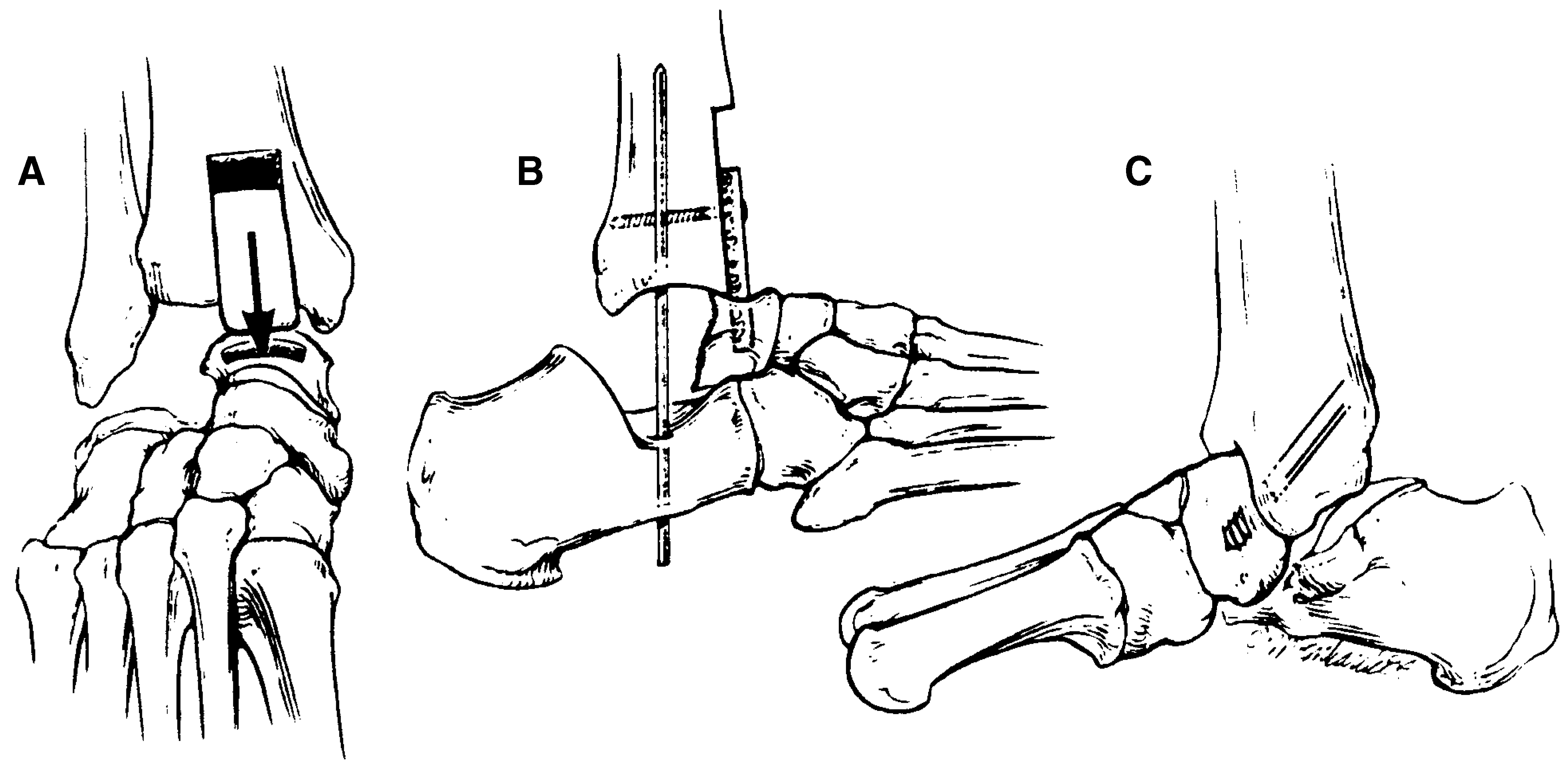
The sliding anterior tibial graft ankle arthrodesis has been advocated following severe fractures and avascular necrosis of the talus. In 1943, Blair [51] described this procedure to fuse the talar neck to the distal tibia following severe talar fractures. Modifications of this procedure have been described (Figure 1) [52,53].

Case Presentation

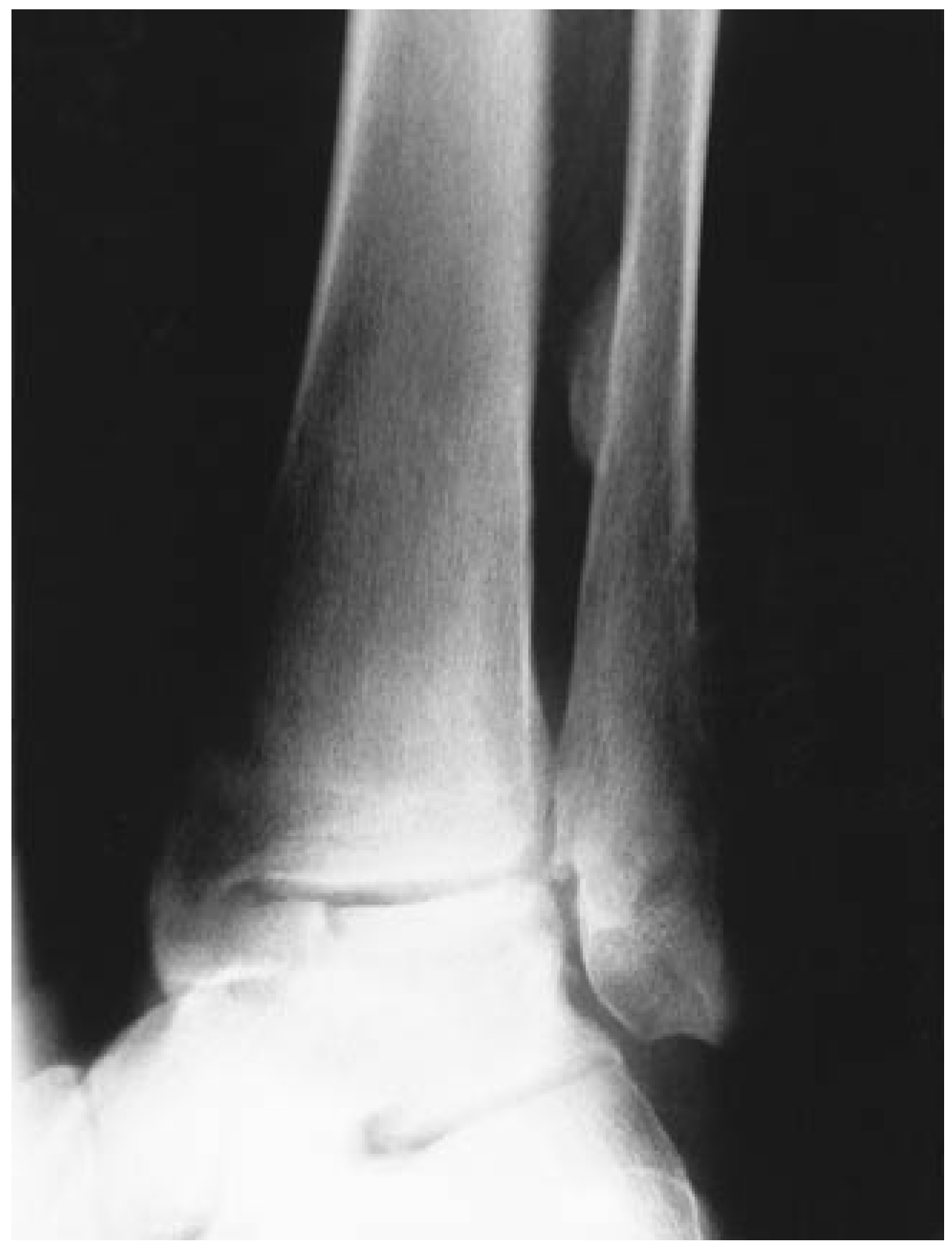
A 42-year-old black female presented to the podiatry clinic with a chief complaint of extreme pain in the left ankle. The patient stated that it was very difficult to put any weight on the foot. There was no history of recent trauma, but she had been treated 1 year previously for a bimalleolar fracture of the left ankle, which healed uneventfully. On weightbearing the left foot collapsed into an extreme valgus position. An oblique radiograph of the left ankle showed a fracture of the talar dome (Figure 2).
The patient’s medical history was remarkable for systemic lupus erythematosus, hepatitis C, peptic ulcer disease, hypertension, cirrhosis of the liver, syphilis, gonorrhea, and trichomoniasis, with previous hospitalizations for pneumonia and bronchitis. Social history included intravenous drug use, alcoholism, and smoking. Surgical history included a total abdominal hysterectomy and bilateral salpingo-oophorectomy secondary to bilateral tubo-ovarian abscesses. A vesicovaginal fistula complicated this surgery, and this was subsequently addressed. The patient also had a history of a gunshot wound to her skull and left ankle, both wounds healing uneventfully. Medications included prednisone 20 mg daily, Plaquenil® (hydroxychloroquine sulfate, Sanofi Winthrop Pharmaceuticals, New York, NY) 200 mg daily, ranitidine hydrochloride 150 mg two times daily, estrogen tablets 0.625 mg daily, and acetaminophen 500 mg every 6 hours as needed for pain.
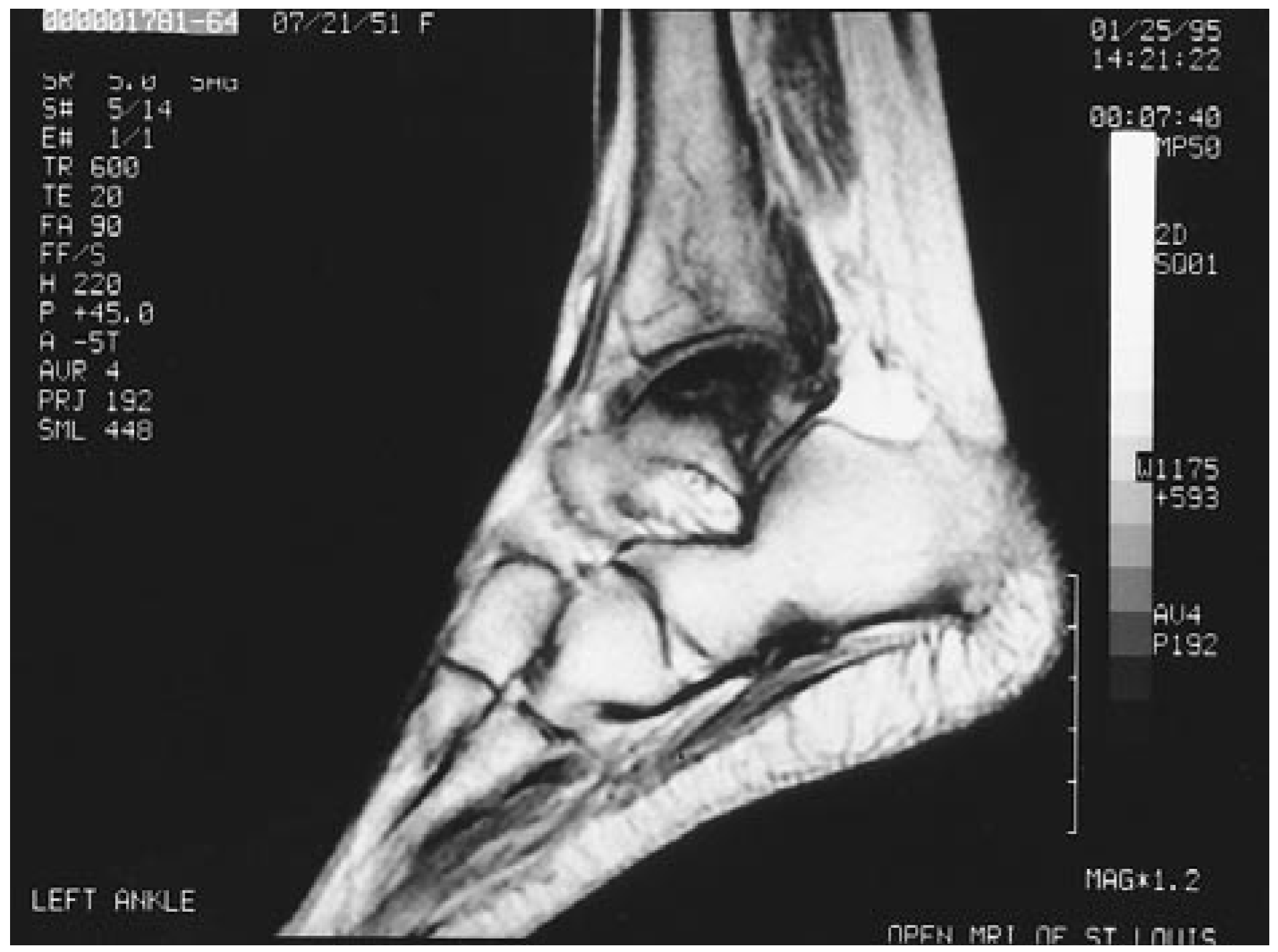
Noninvasive arterial vascular studies, Doppler wave forms, and volume pulse recordings were normal and symmetrical bilaterally. The ankle brachial index was normal. The computed tomography examination of the left foot revealed a healed fracture of the left fibula. Cystic lucencies were noted in the superior aspect of the talus, and it was believed that this was consistent with degenerative changes rather than avascular necrosis. A review of the patient’s medical records found that 2 months previously a scout film (radiograph) taken during intravenous pyelography revealed sclerotic areas of both femoral heads consistent with avascular necrosis. Magnetic resonance imaging evaluation of the left foot and ankle revealed changes within the left talus consistent with avascular necrosis (Figure 3). Treatment options were discussed with the patient, and she opted for an ankle fusion.

Operative Technique

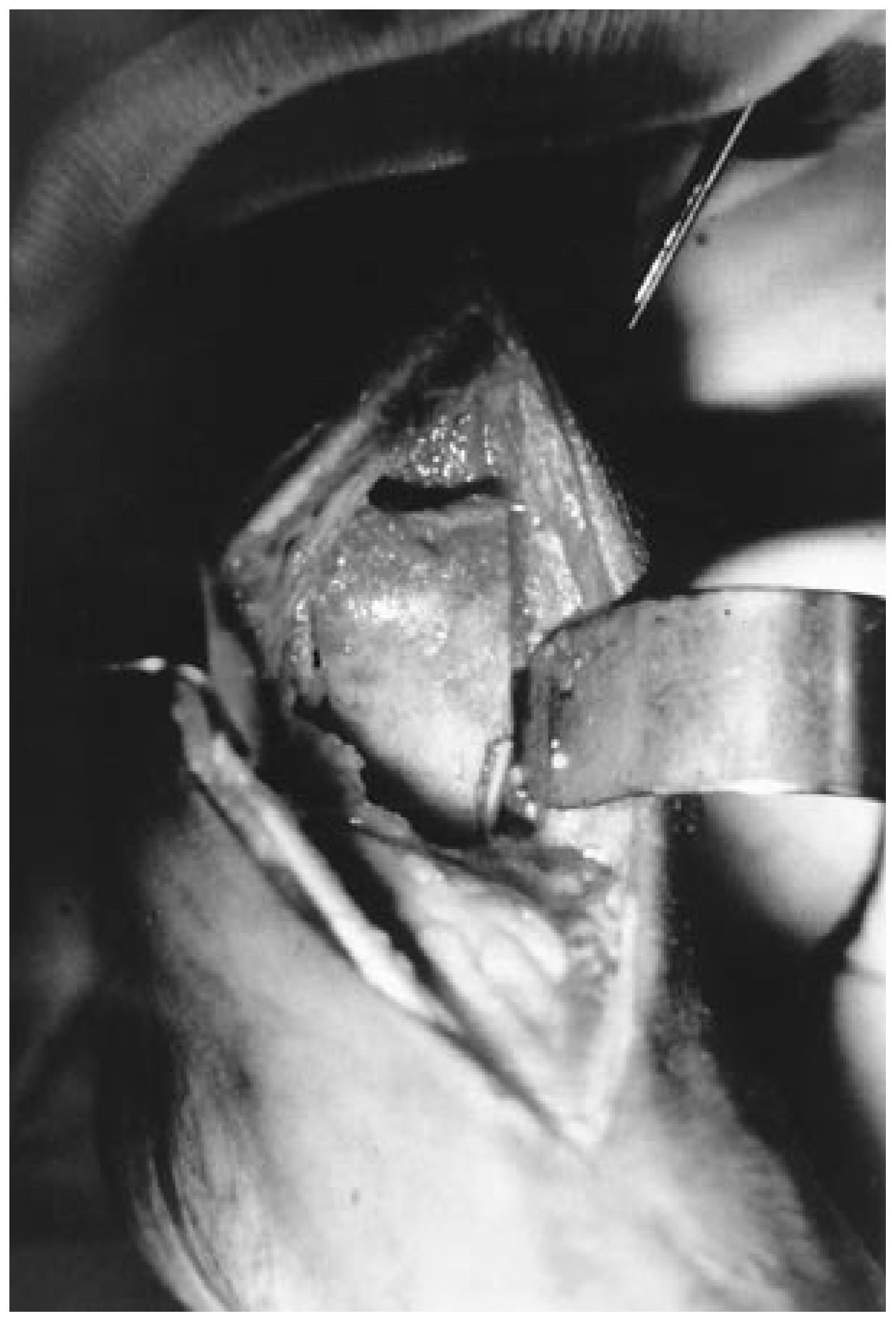
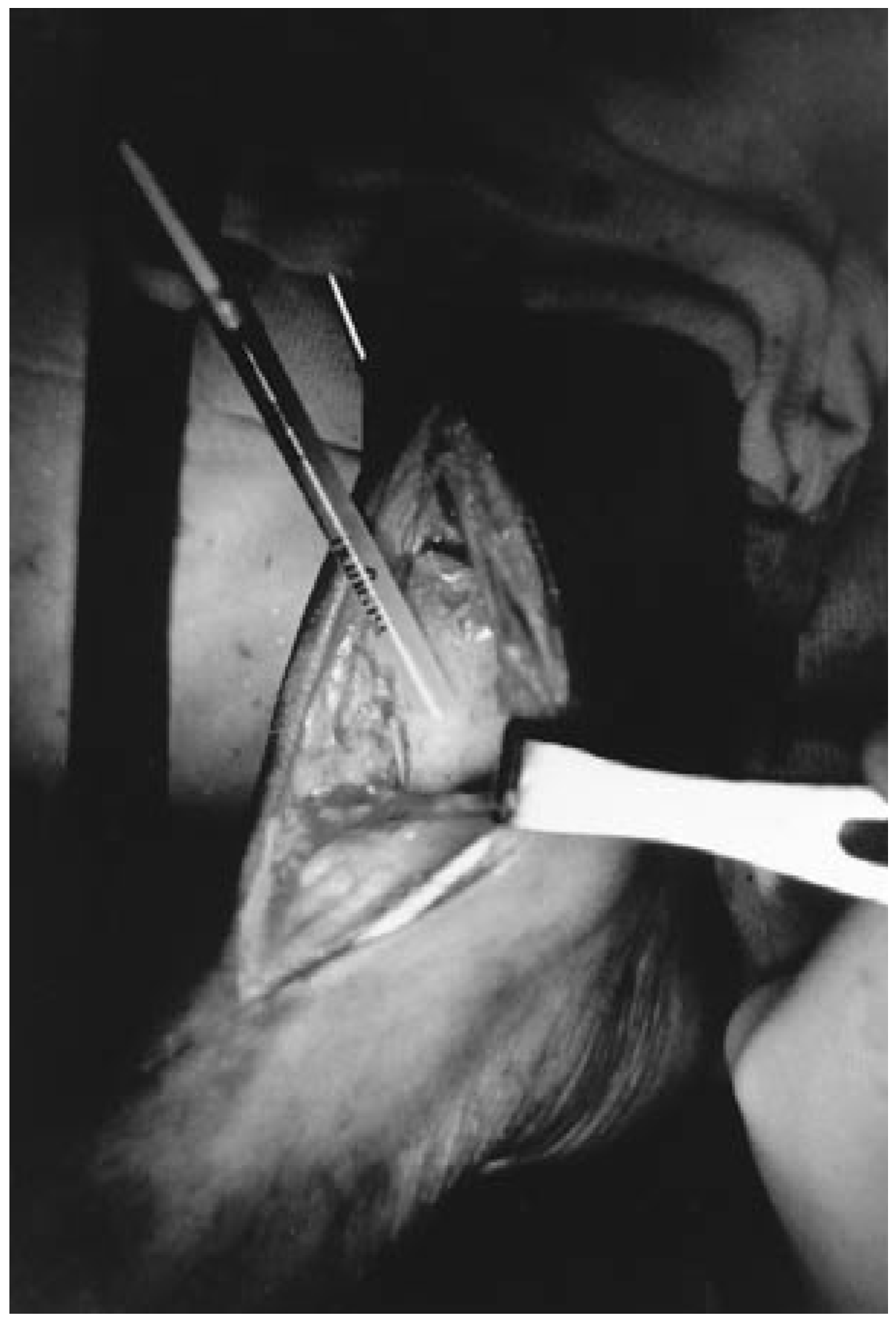
An iliac graft was harvested from the left iliac crest and placed on the back table for later use. An 8-cm linear incision was made dorsally over the ankle joint. This was deepened to the joint capsule with care taken to retract all tendons and neurovascular structures laterally to provide clear visualization. The joint capsule was incised, providing visualization of the joint. Synovitis and erosion of the joint cartilage were noted. An Anspach® (Effort, Inc, Palm Beach, FL) drill was inserted into the ankle joint, removing the dome of the talus, and the articular cartilage of the tibial plafond. The iliac graft was then sized, remodeled, and interposed in the ankle joint between the distal tibia and dorsal aspect of the talus. With the foot placed in a position of 90° to the leg and in slight eversion, two Steinmann pins were driven across the ankle to provide stabilization. Then, using an oscillating saw, an anterior tibial graft was cut in the distal tibia (Figure 4). A notch was then made in the talar neck, corresponding to the tibial graft. The tibial graft was then slid down into the notch and a 4-0 cancellous screw was driven across the proximal aspect of the graft. One of the Steinmann pins was removed, and the ankle joint was evaluated for stability, which was determined to be adequate. The foot was maintained in a position 90° to the leg, the heel was in 3° of valgus, and external rotation was similar to that in the contralateral limb. Grafton® (Musculoskeletal Transplant Foundation, Little Silver, NJ) demineralized allogenic bone matrix with osteoinductive properties was applied in the operative fusion site (Figure 5). The operative site was then closed. The left ankle was dressed with a sterile dressing and a posterior splint was placed on the lower leg. The patient was admitted to the hospital for observation and pain control. On the fourth postoperative day, a below-the-knee nonweightbearing fiberglass cast was placed on the left leg.
At 3 months postoperatively, the patient reported minimal discomfort in the operative site. The Steinmann pin was removed and the patient was placed in a below-the-knee fiberglass cast and instructed to remain nonweightbearing for 1 month. At 1 month, radiographic evaluation revealed good healing of the fusion site. The patient was placed in a Sidekick Low Profile Walker® (Independent Medical Co-Op, Inc, Ormond Beach, FL) and instructed to start limited weightbearing to the left foot.
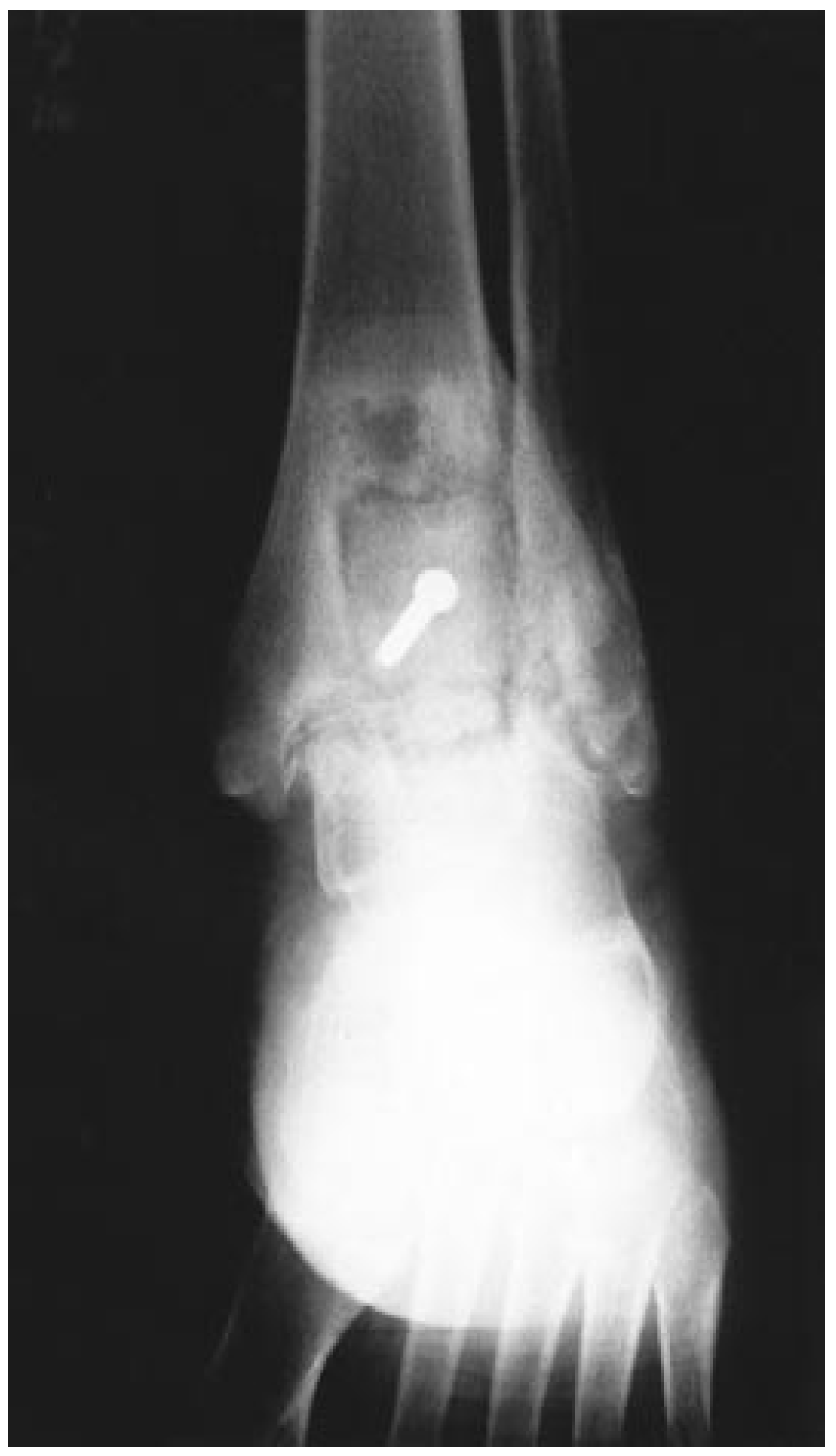
At 9 months postoperatively, radiographs revealed good healing of the ankle fusion site (Figure 6). The patient was walking in street shoes with a cane. She stated that she was experiencing some mild pain along the anteromedial aspect of the left foot and ankle. Direct palpation along the tibialis anterior tendon reproduced the pain. The patient was instructed to continue walking in street shoes with the assis-tance of the cane.

Discussion

Avascular necrosis of bone has been reported to occur in 3% to 52% of patients with systemic lupus erythematosus [13]. These patients are often on longterm corticosteroid therapy, which places them at greater risk of developing this disease. Trauma is a well-known cause of avascular necrosis of the talus [42,43,44]. The patient in this report had systemic lupus erythematosus, was on long-term corticosteroid therapy, and had experienced an ankle fracture approximately 1 year prior to the avascular necrosis occurring in the left talus; radiographs of the hips showed signs of avascular necrosis of the femoral heads.
Many different procedures have been advocated when arthrodesis of the ankle is desired [31,32,33,34,35,36,37,38,39,40,41]. Recently, Urquhart et al. [54] evaluated the results of 11 ankle arthrodeses in 10 patients with symptomatic avascular necrosis of the talus. They described three patients who underwent a Blair ankle arthrodesis for symptomatic avascular necrosis of the talus. The etiology of two patients was systemic lupus erythematosus and corticosteroid use, and the third case was due to trauma. The average time to fusion was 6 months, with all three cases considered excellent using the Mazur ankle grading system [55].
Janis et al56 described a case in which they fused the ankle and subtalar joint of a healthy 37-year-old patient who developed avascular necrosis of the talus following multiple traumatic episodes to the ankle. They used a tricortical bone graft, bone stimulator, and external fixator. At 14 weeks there were radiographic and clinical signs of bone healing, and at 20 weeks the patient was walking in regular shoes with orthoses. The patient had a very satisfactory result, and the authors believe that this procedure significantly decreased the chances of nonunion.
In this case, the authors performed this modification of the Blair ankle arthrodesis following avascular necrosis of the talus. The autogenous iliac bone graft was used to preserve limb length and increase the contact area of bone at the fusion site. Grafton was used for its osteoinductive properties to further maximize healing of the arthrodesis site. In this case, limited hardware was used in the fixation of the arthrodesis. Infection was of concern given the patient’s medical history, so this procedure mini-mized the potential portal of entry for microorgan-isms. The patient was satisfied with the result despite the anterior tibial tendinitis.

Conclusions

Avascular necrosis of the talus in a patient with systemic lupus erythematosus provides the surgeon with many challenges when considering ankle arthrodesis. The surgeon must identify any factors that may jeopardize the outcome of the procedure. Careful evaluation of the patient will guide procedure selection. When all factors are evaluated, a satisfactory surgical result can be achieved.

References

  1. Boumpas, D.T.; Austin, H.A.; Fessler, B.J.; Balow, J.E.; Klippel, J.H.; Lockshin, M.D. Systemic lupus erythematosus: Emerging concepts: Part 1. renal, neuropsychiatric, cardiovascular, pulmonary and hepatic disease. Ann. Intern. Med. 1995, 122, 940–950. [Google Scholar] [CrossRef] [PubMed]
  2. von Feldt, J.M. Systemic lupus erythematosus: Recognizing its various presentations. Postgrad. Med. 1995, 97, 79–94. [Google Scholar] [CrossRef] [PubMed]
  3. Fessel, W.J. Systemic lupus erythematosus in the community: The incidence, prevalence, outcome, and first symptoms. The high prevalence in black women. Arch. Intern. Med. 1974, 134, 1027–1035. [Google Scholar] [CrossRef] [PubMed]
  4. Mccarty, D.J.; Manzi, S.; Medsger, T.A.; Ramsey-Goldman, R.; Laporte, R.E.; Kwoh, C.K. Incidence of systemic lupus erythematosus: Race and gender differences. Arthritis Rheum. 1995, 38, 1260–1270. [Google Scholar] [CrossRef]
  5. Weiner, E.S.; Abeles, M. Aseptic necrosis and glucocorticoids in systemic lupus erythematosus: A reevaluation. J. Rheumatol. 1989, 16, 604–608. [Google Scholar]
  6. Simkin, P.A.; Gardner, G.C. Osteonecrosis: Pathogenesis and practicalities. Hosp. Pract. 1994, 29, 73–84. [Google Scholar] [CrossRef]
  7. Hungerford, D.S.; Zizic, T.M. Alcoholism-associated ischemic necrosis of the femoral head: Early diagnosis and treatment. Clin. Orthop. 1978, 130, 144–153. [Google Scholar] [CrossRef]
  8. Cruess, R.L. Steroid-induced osteonecrosis: A review. Can. J. Surg. 1981, 24, 567–571. [Google Scholar]
  9. Smith, R.E.; Chelmowski, M.K.; Anderson, T. Osteonecrosis in a patient with immune thrombocytopenic purpura. Am. J. Hematol. 1987, 26, 97–99. [Google Scholar] [CrossRef]
  10. Johanson, N.A. Musculoskeletal problems in hemoglobinopathy. Orthop. Clin. N. Am. 1990, 21, 191–198. [Google Scholar] [CrossRef]
  11. Metselaar, H.J.; van Steenberge, J.P.; Bijnen, A.B.; Jeekel, J.J.; van Linge, B.; Weimar, W. Incidence of osteonecrosis after renal transplantation. Acta Orthop. Scand. 1985, 56, 413–415. [Google Scholar] [CrossRef]
  12. Ratcliff, R.H.; Wolf, M.D. Avascular necrosis of the femoral head associated with sickle cell trait (AS hemoglobin). Ann. Intern. Med. 1962, 57, 299–304. [Google Scholar] [CrossRef] [PubMed]
  13. Schur, P.H. Clinical Features of SLE. In Textbook of Rheumatology, 4th ed.; Kelly, W.N., Harris, E.D., Ruddy, S., Eds.; WB Saunders: Philadelphia, PA, USA, 1993. [Google Scholar]
  14. Petri, M.; Baker, J.; Goldman, D. Risk factors for avascular necrosis in SLE. Arthritis Rheum. 1992, 35, S110. [Google Scholar]
  15. Cruess, R.L. Osteonecrosis of bone: Current concepts as to etiology and pathogenesis. Clin. Orthop. 1986, 208, 30–39. [Google Scholar] [CrossRef]
  16. Mankin, H.J. Nontraumatic necrosis of bone (osteonecrosis). N. Engl. J. Med. 1992, 326, 1473–1479. [Google Scholar]
  17. Migliaresi, S.; Picillo, U.; Ambrosone, L.; di Palma, G.; Mallozzi, M.; Tesone, E.R.; Tirri, G. Avascular necrosis in patients with SLE: Relation to corticosteroid therapy and anticardiolipin antibodies. Lupus 1994, 3, 37–41. [Google Scholar] [CrossRef]
  18. Zizic, T.M.; Marcoux, C.; Hungerford, D.S.; Dansereau, J.-V.; Stevens, M.B. Corticosteroid therapy associated with ischemic necrosis of bone in SLE. Am. J. Med. 1985, 79, 569–604. [Google Scholar] [CrossRef]
  19. Zizic, T.M.; Marcoux, C.; Hungerford, D.S.; Dansereau, J.-V.; Stevens, M.B. The early diagnosis of ischemic necrosis of bone. Arthritis Rheum. 1986, 29, 1177–1186. [Google Scholar] [CrossRef]
  20. Fisher, D.E.; Bickel, W.H.; Holley, K.E. Histological demonstration of fat emboli in aseptic necrosis associated with hypercortisonism. Mayo Clin. Proc. 1969, 44, 252–259. [Google Scholar] [CrossRef]
  21. Jones, J.P.; Engelman, E.P.; Steinbach, H.L. Fat embolizations: A possible mechanism causing avascular necrosis. Arthritis Rheum. 1965, 8, 449. [Google Scholar]
  22. Ficat, R.P. Idiopathic bone necrosis of the femoral head: Early diagnosis and treatment. J. Bone Joint Surg. Br. 1985, 67, 3–9. [Google Scholar] [CrossRef] [PubMed]
  23. Conklin, J.J.; Alderson, P.O.; Zizic, T.M.; Hungerford, D.S.; Densereaux, J.Y.; Gober, A.; Wagner, H.N. Comparison of bone scan and radiographic sensitivity in the detection of steroid-induced ischemic necrosis of bone. Radiology 1983, 147, 221–226. [Google Scholar] [CrossRef] [PubMed]
  24. Dumont, M.; Danais, S.; Taillefer, R. “Doughnut” sign in avascular necrosis of the bone. Clin. Nucl. Med. 1983, 9, 44. [Google Scholar] [CrossRef] [PubMed]
  25. Stolow, J.; Parikh, S.; Shybut, G.; Robinson, P.; Pope, R.M. An atypical site of osteonecrosis in a patient with SLE. J. Rheumatol. 1991, 18, 1623–1626. [Google Scholar]
  26. Lang, P.; Jergesen, H.E.; Moseley, M.E.; Block, J.E.; Chafetz, N.I.; Genant, H.K. Avascular necrosis of the femoral head: High-field-strength MR imaging with histological correlation. Radiology 1989, 169, 517–524. [Google Scholar] [CrossRef]
  27. Genz, B.M.; Wilson, M.R.; Houk, R.W. Early osteonecrosis of the femoral head: Detection in high risk patients with MR imaging. Radiology 1988, 168, 521–524. [Google Scholar] [CrossRef]
  28. Baron, R.L.; Gianfortune, P.J.; Pasaboc, L.G. Magnetic resonance imaging of the foot and ankle. Contemp. Podiatr. Physician 1993, 2, 27. [Google Scholar]
  29. Simmons, D.J.; Daum, W.J.; Totty, W.; Murphy, W.A. Correlation of MRI images with histology in avascular necrosis in the hip: A preliminary study. J. Arthroplast. 1989, 4, 7–14. [Google Scholar] [CrossRef]
  30. Chuinard, E.; Peterson, R. Distraction-compression bone-graft arthrodesis of the ankle. J. Bone Joint Surg. Am. 1983, 45, 481–490. [Google Scholar] [CrossRef]
  31. Gallie, W.E. Arthrodesis of the ankle joint. J. Bone Joint Surg. Br. 1948, 30, 618–621. [Google Scholar] [CrossRef]
  32. Anderson, R. Concentric arthrodesis of the ankle joint. J. Bone Joint Surg. Br. 1945, 27, 37–48. [Google Scholar]
  33. Graham, C.E. A new method for arthrodesis of an ankle joint. Clin. Orthop. 1970, 68, 75–77. [Google Scholar] [CrossRef] [PubMed]
  34. Charnley, J. Compression arthrodesis of the ankle and shoulder. J. Bone Joint Surg. Br. 1951, 33, 180–191. [Google Scholar] [CrossRef]
  35. Adams, J.C. Arthrodesis of the ankle joint: Experiences with the transfibular approach. J. Bone Joint Surg. Br. 1948, 30, 506–511. [Google Scholar] [CrossRef]
  36. Horowitz, T. The use of the transfibular approach in the arthrodesis of the ankle joint. Am. J. Surg. 1942, 60, 550–552. [Google Scholar] [CrossRef]
  37. Vogler, H.W. Ankle fusion: Techniques and complications. J. Foot Surg. 1991, 30, 80–84. [Google Scholar]
  38. Mead, N.C. Arthrodesis of the ankle joint: A simple, efficient method. Q. Bull. Northwest. Univ. Med. School 1951, 25, 248. [Google Scholar]
  39. Glissan, D.J. The indications for inducing fusion at the ankle joint by operation with the description of two successful techniques. Aust. N. Z. J. Surg. 1949, 19, 64–71. [Google Scholar] [CrossRef]
  40. Wilson, H.J. Arthrodesis of the ankle: A technique using bilateral hemimalleolar only grafts with screw fixation. J. Bone Joint Surg. Am. 1969, 51, 775–777. [Google Scholar] [CrossRef]
  41. Newton, S.E. An artificial ankle joint. Clin. Orthop. 1979, 142, 141–145. [Google Scholar] [CrossRef]
  42. Hallock, H. Arthrodesis of the ankle joint for old painful fractures. J. Bone Joint Surg. Br. 1945, 27, 49–58. [Google Scholar]
  43. Barr, J.S.; Record, E.E. Arthrodesis of the ankle joint: Indications, operative technique, and clinical experience. N. Engl. J. Med. 1953, 248, 53–56. [Google Scholar] [CrossRef] [PubMed]
  44. Morgan, C.D.; Henke, J.A.; Bailey, R.W.; Kaufer, H. Long-term results of tibiotalar arthrodesis. J. Bone Joint Surg. Am. 1985, 67, 546–550. [Google Scholar] [CrossRef] [PubMed]
  45. Gschwend, N.; Steiger, U. Stable fixation in hindfoot arthrodesis, a valuable procedure in the complex RA foot. Rheumatology 1987, 11, 113–125. [Google Scholar]
  46. Cierny, G.; Cook, W.G.; Mader, J.T. Ankle arthrodesis in the presence of ongoing sepsis: Indications, methods, and results. Orthop. Clin. N. Am. 1989, 20, 709–721. [Google Scholar]
  47. Casadei, R.; Ruggieri, P.; Giuseppe, T.; Biagini, R.; Mercuri, M. Ankle resection arthrodesis in patients with bone tumors. Foot Ankle Int. 1994, 15, 242. [Google Scholar] [CrossRef]
  48. Dennis, M.D.; Tullos, H.S. Blair tibiotalar arthrodesis for fractures to the talus. J. Bone Joint Surg. Am. 1980, 62, 103. [Google Scholar] [CrossRef]
  49. Goldthwait, J. An operation for the stiffening of the ankle joint in infantile paralysis. Am. J. Orthop. Surg. 1908, 5, 271–275. [Google Scholar]
  50. Mcguire, M.R.; Kyle, R.F.; Gustilo, R.B.; Premer, R.F. Comparative analysis of ankle arthroplasty versus ankle arthrodesis. Clin. Orthop. 1988, 226, 174–181. [Google Scholar] [CrossRef]
  51. Blair, H.C. Comminuted fractures and fracture dislocations of the body of the astragalus: Operative treatment. Am. J. Surg. 1943, 59, 37–43. [Google Scholar] [CrossRef]
  52. Morris, H.D.; Hand, W.L.; Dunn, A.W. The modified Blair fusion for fractures of the talus. J. Bone Joint Surg. Am. 1971, 53, 1289–1297. [Google Scholar] [CrossRef]
  53. Lionberger, D.R.; Bishop, J.O.; Tullos, H.S. The modified Blair fusion. Foot Ankle 1992, 3, 60–62. [Google Scholar] [CrossRef]
  54. Urquhart, M.W.; Mont, M.A.; Michelson, J.D.; Krackow, K.A.; Hungerford, D.S. Osteonecrosis of the talus: Treatment by hindfoot fusion. Foot Ankle Int. 1996, 17, 275–282. [Google Scholar] [CrossRef]
  55. Mazur, J.M.; Schwartz, E.; Simon, S.R. Ankle arthrodesis: Long-term follow-up with gait analysis. J. Bone Joint Surg. Am. 1979, 61, 964–975. [Google Scholar] [CrossRef]
  56. Janis, L.; Krawetz, L.; Wagner, S. Ankle and subtalar fusion utilizing tricortical bone graft, bone stimulator, and external fixator after avascular necrosis of the talus. J. Foot Ankle Surg. 1996, 35, 120–126. [Google Scholar] [CrossRef]
Figure 1. (A) Original Blair [51] ankle arthrodesis. (B) Modification of Morris, Hand, and Dunn [52] utilizing an axial Steinmann pin for stability and a screw fixating the sliding graft to the tibia. (C) Modification of Lionberger, Bishop, and Tullos [53] utilizing a compression screw from posterior to anterior to stabilize the fusion site. From DeLee JC: “Fractures and Dislocations of the Foot”, in Surgery of the Foot and Ankle, 6th Ed, Vol 2, p 1564, ed by RA Mann, MJ Coughlin, Mosby-Year Book, St Louis, 1995. Reprinted by permission.
Japma 87 00483 g001
Figure 2. A medial fracture of the talar dome is seen on an anteroposterior view of the left ankle.
Japma 87 00483 g002
Figure 3. Sagittal magnetic resonance image showing avascular necrosis of the left talar body visualized as a low (dark image) signal intensity during T1-weighted imaging.
Japma 87 00483 g003
Figure 4. The anterior tibial graft being slid into position in the dorsal surface of the talar neck.
Japma 87 00483 g004
Figure 5. Grafton being placed in the arthrodesis site.
Japma 87 00483 g005
Figure 6. Anteroposterior view of the left ankle showing bone healing across the fusion site at 9 months. The 4-0 cancellous screw placed across the sliding tibial graft into the distal tibia is seen.
Japma 87 00483 g006