1. Introduction
Pyoderma gangrenosum (PG) is an uncommon, idiopathic, non-infective, painful ulcerative skin disease that can affect any part of the body but has a predilection for the lower extremities [
1,
2,
3,
4]. While PG can occur at any age and on any body part, it is predominantly diagnosed in middle-aged individuals between 20 and 50 years, with a higher prevalence in women than in men [
5,
6,
7].
In 1916, Brocq first described the disease as “
Phagedenisme geometrique”, later named PG in 1930 by Brunsting, Goeckerman, and O’Leary [
2,
3]. The exact etiology of PG remains unknown, but it is known that 17% to 74% of reported cases are associated with systemic diseases [
8,
9]. These include ulcerative colitis, Crohn’s disease, rheumatoid arthritis, various malignancies, polyarthritis, hematologic disorders, hepatitis, lupus, leukemia, monoclonal gammopathies, myeloproliferative disorders, psoriatic arthritis, spondyloarthropathy, primary biliary cirrhosis, and Sjogren’s syndrome [
1,
5,
8,
10].
PG can occur before, during, and after the onset of a systemic disease [
6,
11]. Therefore, a PG diagnosis in a healthy patient can signify an undiagnosed or not yet manifested systemic disease [
3]. In these patients, close monitoring is necessary [
3].
PG is known to occur uncommonly after surgery or trauma, but it demonstrates a pathergy phenomenon when it happens [
12,
13]. This is a phenomenon whereby a skin lesion is created even after a minor skin insult [
3,
12,
14]. PG is called post-surgical pyoderma gangrenosum (PSPG) when it occurs after surgery. Cullen first described this clinical entity in 1924, termed postoperative progressive gangrene of Cullen [
15,
16]. These surgical wounds are chronically progressive, painful, and sterile. Although the clinical presentation of PSPG may differ subtly from that of PG, the systematic approaches to diagnosis and treatment remain consistent.
PG or PSPG remains a diagnosis of exclusion in which other ulcerative cutaneous diseases must be ruled out. PSPG can be a nightmarish and unforgettable event for the surgeon and the patient if an early diagnosis is not made. Early diagnosis aims to implement appropriate immunosuppressive therapy and avoid unnecessary administration of antibiotics or surgical intervention [
12].
This article presents a systematic review of the literature on the occurrence of pyoderma gangrenosum (PG) following foot or ankle surgery, emphasizing its inclusion in the differential diagnosis of wound dehiscence at surgical sites. Particularly special attention is warranted when the condition exacerbates despite the use of antibiotics and sharp debridement. Postoperative pyoderma gangrenosum is treatable; however, delays in treatment can expand the affected area. This study constitutes the most comprehensive review to date of published cases of PG following foot or ankle surgery, offering crucial insights into the clinical presentation and management of this rare postoperative complication.
2. Materials and Methods
A systematic review was conducted in adherence with guidelines detailed in the Cochrane Handbook for Systematic Reviews [
17]. This systematic review was also conducted in accordance with the PRISMA guidelines (
Supplementary File S1) [
18]. This systematic review was not prospectively registered in PROSPERO, and a formal review protocol was not prepared. Therefore, no protocol amendments were made during the study process. Previously, there have been no systematic reviews or meta-analyses of postsurgical pyoderma gangrenosum following foot or ankle surgery.
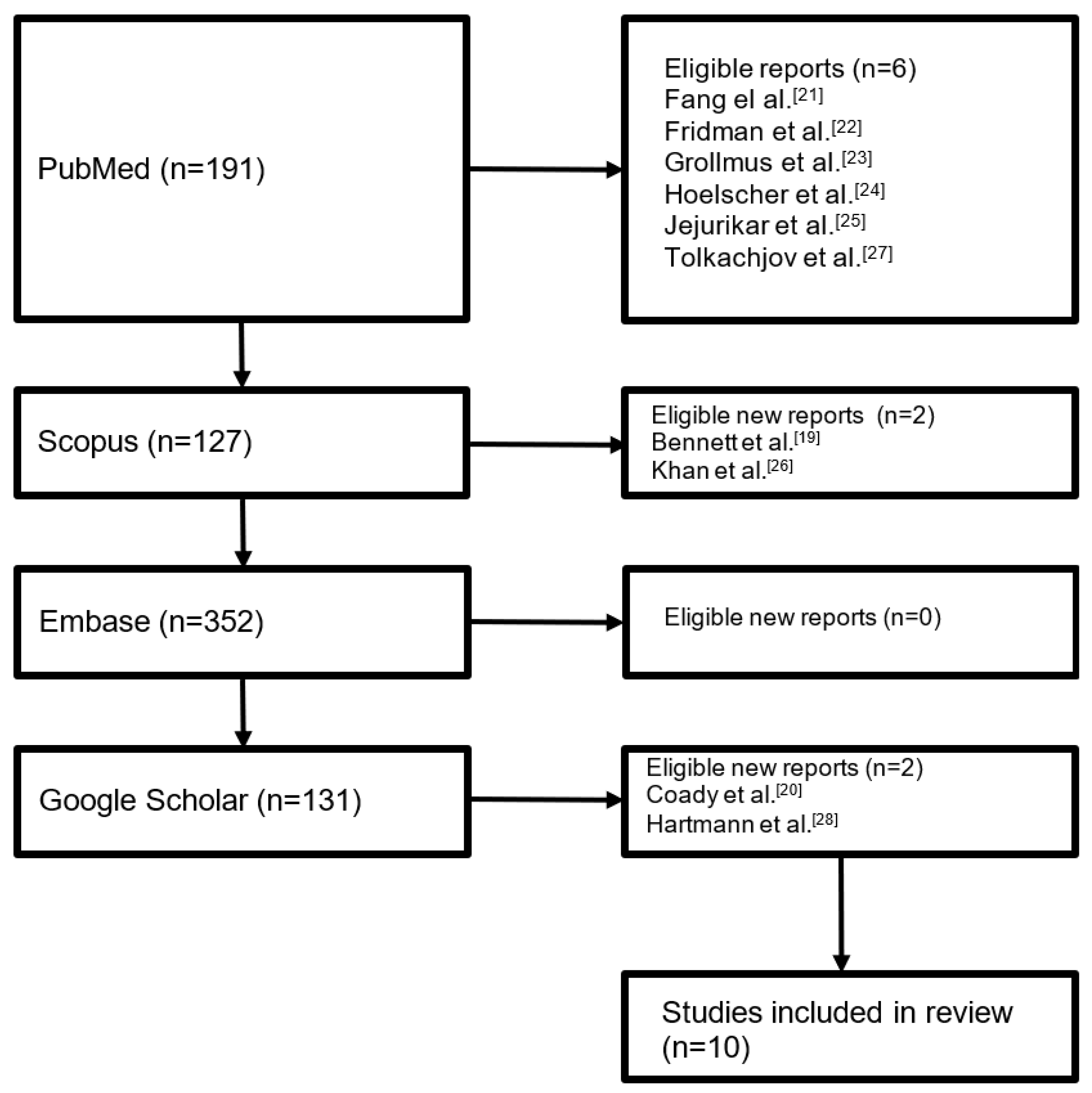
A literature search of relevant electronic databases was conducted (PubMed, Scopus, Embase, Google Scholar) for all relevant articles published before 1 January 2023. The search employed keywords and their various permutations, encompassing the specified search terms present in the abstract or title: “pyoderma gangrenosum” and either “foot”, “ankle”, “leg”, or “lower extremity”, as well as “surgery”, “postsurgical”, “postoperative”, or “wound dehiscence”. All titles were manually screened to identify postoperative cases that met the inclusion criteria, and duplicate articles were excluded. Two authors (K.O. and B.Z.) independently retrieved and evaluated all selected articles in a non-biased manner. The senior investigator (S.A.) provided final approval for inclusion decisions and resolved any queries regarding validity. The study selection process is illustrated in
Figure 1.
The requirements for inclusion were that the patient data had been documented in a case-related manner and the patient was diagnosed with pyoderma gangrenosum after a foot or ankle surgery. Data was collected using a structured spreadsheet protocol that included age at the time of diagnosis, sex, type of surgery, medical history, initial treatment, systemic treatment after PSPG diagnosis, and ulcer treatment after PSPG diagnosis. Cases involving trauma-induced conditions or surgical procedures unrelated to the foot and ankle were excluded.
Data were systematically collected using a structured spreadsheet detailing age, sex, journal, publication year, medical history, type of surgery, site of surgery, wound appearance, initial treatment, use of antibiotic agents or debridement, time to diagnosis, any amputation performed, associated systemic disease, type of immunosuppressive treatments, clinical outcome, and recurrence.
Due to incomplete data in some case reports, analyses were conducted using the available information. Publications in languages other than English were translated prior to data analysis.
Statistical analyses were performed using DATAtab (2024 version) [
29], a commercially available statistical software. Descriptive statistics, including means ± standard deviations (SD) for continuous variables and frequencies (percentages) for categorical variables, were calculated. The Independent samples t-test [
30] was utilized for parametric data, while the Mann–Whitney U Test [
31] was used for non-parametric data. Categorical data were analyzed using the Pearson chi-square test [
32]. Statistical analyses were performed using independent samples t-tests for mean values, Mann–Whitney U tests for median values, and chi-square tests for categorical data.
p-values were calculated, with
p < 0.05 deemed statistically significant and
p < 0.001 considered highly significant.
A risk of bias assessment was conducted to enhance transparency and ensure a thorough quality assessment, following the CARE guidelines [
33] for case reports and the general principles of bias assessment. Risk-of-bias assessments were visualized using Robvis [
34].
3. Results
Following exclusions, 10 papers met the inclusion criteria for 10 unique patients to be evaluated. Each case was selected based on its relevance to post-surgical pyoderma gangrenosum following foot and ankle surgery. Of these, eight cases with complete medical histories and detailed case information are summarized and presented below to illustrate the varying presentations and management approaches observed. The remaining two cases (Khan et al. [
26] and Tolkachjov et al. [
27]) lacked comprehensive data and were excluded from detailed analysis. However, they were included in the overall assessment where applicable.
Cases summary:
Bennett et al. [
19] presented a case of a 32-year-old woman who initially presented with severe right heel pain, diagnosed as tarsal tunnel syndrome. She had no significant medical or surgical history. Persistent pain despite conservative treatments led to surgical intervention, including tarsal tunnel release, plantar fasciectomy, and partial removal of the abductor hallucis muscle. Postoperative complications included purulent drainage and recurrent pain, with cultures growing Staphylococcus aureus and Enterobacter cloacae. Despite multiple debridements and a broad spectrum of antibiotics, her condition worsened, leading to additional surgeries with debridement, including skin grafting. Persistent negative cultures and worsening symptoms prompted reconsideration of the initial diagnosis. A dermatological consultation eventually diagnosed pyoderma gangrenosum. Treatment shifted to systemic corticosteroids, leading to significant improvement and healing of the foot over three months. The patient’s pain persisted in certain areas but improved overall, with no recurrence of pyoderma gangrenosum at five months post-treatment.
Coady et al. [
20] presented a case of a 65-year-old male with a history of severe knee arthroscopy postoperative complications, who underwent ankle arthroscopy for a loose bone fragment and ruptured tendon. The surgery was initially uneventful, and he was discharged with a plaster of Paris boot. However, at a follow-up ten days later, the wound appeared red, hot, and oedematous, with necrotic margins and dehiscence, prompting immediate hospital readmission. Persistent fever and an elevated white blood cell count were noted, with the wound worsening despite negative cultures. Various wound care strategies were employed, including hydrogel and iodine-based dressings. Given his complex history, a dermatologist was consulted and suggested ulcerative pyoderma gangrenosum as a potential diagnosis. Treatment was switched to systemic corticosteroids (prednisolone), which improved the wound condition significantly. IV antibiotics were discontinued as the wound began to granulate. Twelve weeks after his admission, Mr. L’s wound was fully epithelialized. He regained full mobility and was discharged from care, walking without assistance.
Fang et al. [
21] presented a case of a 74-year-old woman with a history of multiple miscarriages and long-term anticoagulation who presented with right midfoot and hindfoot pain due to midfoot arthritis and chronic Achilles tendinopathy. She underwent right midfoot fusion and Achilles tendon reconstruction. Postoperatively, she developed severe swelling, pain, and elevated inflammatory markers, suggesting an infection. Despite multiple debridements and empirical antibiotic therapy, the lesion expanded with necrotic skin borders and exposed underlying tendons and bones. Repeated negative cultures and specific tests ruled out infectious and circulatory pathologies. A latissimus dorsi myocutaneous flap was done for the exposed structure of the foot; however, an ulcerated lesion with violaceous border developed at the donor site. Persistent ulcerations led to the diagnosis of pyoderma gangrenosum (PG). Treatment with high-dose prednisolone was initiated, and a below-the-knee amputation was eventually performed due to the severity of the condition. Post-amputation, the patient received immunoglobulin therapy and continued prednisolone, leading to substantial clinical improvement. All wounds healed, and she was walking with a prosthesis at the one-year follow-up with no recurrence of PG.
Fridman et al. [
22] presented a case of a 61-year-old woman with a history of allergic rhinitis who underwent a standard bunionectomy with screw fixation. Four days post-surgery, the patient developed a fever and increasing pain at the site, despite prophylactic antibiotics. By day six, a fever of 102.5 °F and an elevated WBC count prompted immediate incision and drainage (I&D) due to suspected infection. Despite initial and subsequent surgical debridements and aggressive antibiotic therapy, the patient’s condition worsened, showing signs of necrosis and persistent febrile episodes. Multiple cultures remained negative for infection, and the pathology indicated gangrenous necrosis, leading to a suspicion of pyoderma gangrenosum (PG). High-dose methylprednisolone was initiated, and rheumatology evaluations ruled out autoimmune disorders. Serial radiographic imaging excluded osteomyelitis. The patient’s condition failed to improve with corticosteroids, prompting a transition to infliximab infusions and low-dose methotrexate. This regimen led to gradual clinical improvement and granulation of the wound. The ulcer healed completely over seven months with vCUT allograft applications and supportive nonadhesive dressings, without the need for further surgical interventions or amputation.
Grollmus et al. [
23] presented a case of a 48-year-old woman who presented with medial foot pain and right hindfoot consistent with stage II-A-1 flatfoot related to a complete rupture of the tibialis posterior tendon and an osteochondral lesion of the talus. She underwent right ankle arthroscopy, flexor digitorum longus tendon transfer, and medial slide calcaneal osteotomy. Post-surgery, she was placed in a non-weight-bearing short-leg cast. Within the first week, a necrotic lesion appeared on the medial surgical wound, initially managed as a postoperative infection with oral cefadroxil and local wound care. By the second week, the ulceration expanded despite ongoing treatment, and additional lesions appeared on the lateral hindfoot. Eight weeks post-surgery, a dermatology consultation confirmed a diagnosis of pyoderma gangrenosum based on negative cultures and biopsy results showing nonspecific acute inflammatory infiltration. Treatment was initiated with high-dose corticosteroids (prednisone 2 mg/kg/day) and local saline wash. One month later, the lesions were completely epithelialized, and corticosteroid therapy was gradually reduced. After six months, there was no recurrence of the lesions.
Hartmann et al. [
28] presented a case of a 55-year-old male forest worker who sustained a severe injury resulting in a grade 3B open distal lower-leg fracture with extensive soft tissue damage after being caught in a steel cable. Upon hospital admission, he received intravenous amoxicillin/clavulanic acid, tetanus prophylaxis, and underwent emergency surgery to reposition the dislocated ankle and apply an external fixator. Initial debridement and fasciotomy were performed due to suspected compartment syndrome. He experienced increasing pain and swelling, and signs of inflammation persisted despite interventions. Necrosis developed around the medial suture, and complications at pin sites were observed, including redness and localized necrosis. Repeated debridements and changes in antibiotic therapy did not alleviate the worsening condition. Superficial wound infection was suspected, and the antibiotics were adjusted. However, inflammation markers continued to rise, and new necrotic ulcers appeared around pin sites and surgical wounds. With no pathogens detected and non-resolving inflammation, a dermatopathologist confirmed pyoderma gangrenosum through a biopsy. Treatment shifted to high-dose corticosteroids (prednisolone 100 mg/day), significantly improving wound healing and reducing inflammation markers. The patient’s condition improved under steroid therapy with co-management by dermatology, infectious diseases, rheumatology, and plastic surgery teams.
Hoelscher et al. [
24] presented a case of a 60-year-old man with a history of fibromyalgia, colitis, and alcoholism who presented with multiple traumatic lower extremity fractures from a motor vehicle collision. He received antibiotics and underwent debridement and stabilization of his fractures, including external fixation and percutaneous fixation of a calcaneus fracture. One week post-surgery, he developed unexplained leukocytosis and fever, with worsening signs of infection at several wound sites, despite negative cultures. Persistent issues led to repeated I&Ds, with one culture identifying Aspergillus niger, but thought to be a contaminant. A biopsy showing neutrophilic dermatitis led to a diagnosis of pyoderma gangrenosum. Treatment included high-dose steroids and antibiotics, supplemented with minocycline, niacinamide, topical dapsone, and intralesional Kenalog. The patient’s lifelong colitis-like symptoms were clinically diagnosed as colitis, which is associated with PG. His condition improved with corticosteroids. He underwent reconstructive surgeries and skin grafting. At the 1-year follow-up, he was ambulating independently, with functional limitations managed without pain medication.
Jejurikar et al. [
25] presented a case of a 29-year-old woman who experienced a severe crushing injury to the left foot because she was struck by a metal door, leading to long-term wound management complications. Following the injury, the patient received debridement and internal fixation. Wound management initially aimed at healing by secondary intention and treating presumed osteomyelitis, though this diagnosis was never confirmed by tests. Despite multiple surgical interventions, including radical resection of the metatarsals and skin grafts, the wound remained open. Approximately one year post-injury, the patient received a rectus abdominis muscle free flap with a split-thickness skin graft for wound closure. The flap showed necrosis weeks later, exposing the metatarsals. Given the recurrent complications and unusual wound behavior, psychological screening for self-inflicted injuries was conducted, but did not diagnose any clinical pathology. Persistent failure of wound healing led to a biopsy, and along with the clinical course, prompted a diagnosis of pyoderma gangrenosum. Treatment began with systemic cyclosporine. Despite therapeutic cyclosporine, the dorsal foot wound failed to improve. The patient was referred to a university medical center for a combined medical and surgical treatment. Cyclosporine levels were adjusted, and another rectus abdominis free flap was placed. The flap remained healthy and viable initially. However, violaceous lesions appeared on the flap six weeks later, consistent with recurrent PG. After another adjustment of cyclosporine dose to therapeutic levels, the lesions healed completely, and the flap remained viable for 8 months of follow-up.
Among the 10 patients who developed post-surgical pyoderma gangrenosum (PSPG) following foot and ankle surgery, the group included 6 females, 3 males, and 1 case where gender and age were not mentioned, with ages ranging from 29 to 74 years. Details such as medical history, surgery leading to PSPG, wound appearance, use of debridement and antibiotics, post-treatment wound condition, subsequent treatments, amputation, time to PSPG diagnosis, and recurrence are summarized in
Table 1. Necrotic wounds with violaceous edges were the most commonly reported characteristics. Debridement combined with antibiotic treatment was administered in all cases, and all patients experienced worsening of the wound condition after initial treatment. Post-diagnosis, all patients received immunosuppressive medications. The time to PSPG diagnosis varied from 15 days to over two years. Amputations were performed in three cases, while two cases did not report on amputation. No recurrences were noted in the follow-up of all reported cases, although three cases lacked mention of recurrence.
It is noteworthy that in the case reported by Hoelscher et al. [
24], the patient was diagnosed with colitis after being diagnosed with PSPG.
Demographic and clinical characteristics of nine patients were reviewed in
Table 2, comprising six females and three males, with one case not specifying gender. The mean age ± SD for the group was 51.89 ± 15.14 years old. Stratified by gender, males had a mean age of 60 ± 5 years, while females had a mean age of 47.83 ± 17.24 years (
p = 0.284). All eight patients for whom complete treatment data were available underwent initial debridement with subsequent systemic antibiotic therapy. No statistical comparison for these treatments was performed due to the lack of variability in this cohort. Amputation was required in three out of eight patients, all of whom were male, demonstrating a statistically significant association (
p = 0.005). Additionally, only one male patient had a predisposing condition for PSPG, which is also statistically significant (
p = 0.008). Although statistical significance does not establish causation, these findings highlight a notable association between gender and the likelihood of amputation. The time to diagnose PSPG varied, with an overall mean ± SD of 162 ± 280.08 days. For males, the mean time was significantly shorter at 18 ± 4.24 days compared to 234 ± 331.66 days for females (
p = 0.434).
To analyze the relationship between the type of foot and ankle surgery and the development of PSPG, surgeries were categorized into several types, including forefoot, midfoot, rearfoot and ankle, plantar foot, arthroscopy, trauma-related surgeries, and multiple procedures (
Table 3). These categories separate individual foot and ankle surgery procedures from all 10 patients.
Seven patients developed PSPG following rearfoot and ankle surgery, with the group comprising two males and four females; the gender of one patient was not specified. Two patients, one male and one female, developed PSPG after ankle arthroscopy. In trauma-related cases, three patients developed PSPG: two underwent external fixation, and one underwent internal fixation. Additionally, four patients who underwent multiple foot and ankle procedures developed PSPG; this group included one male and three females.
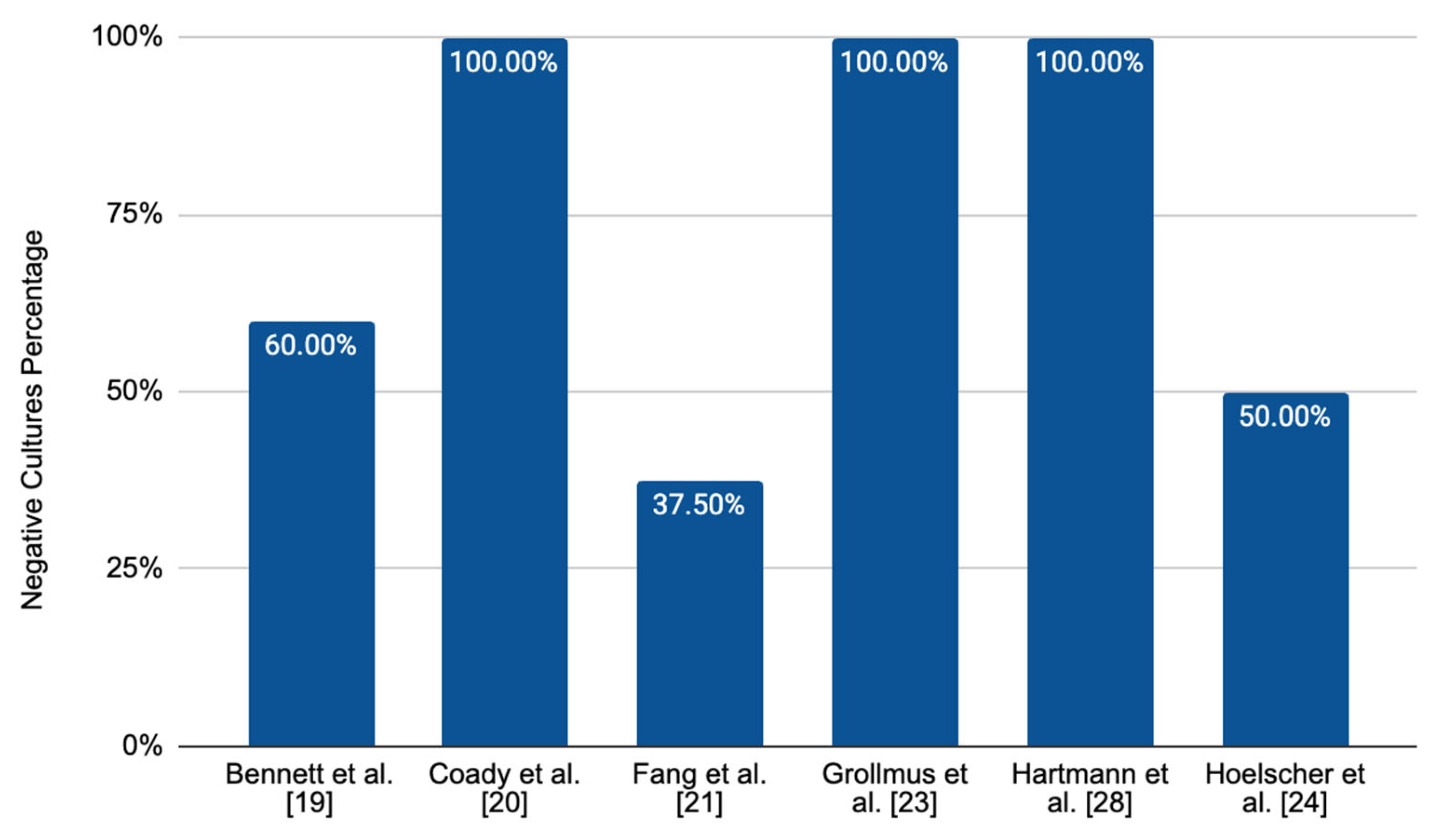
Bacterial and fungal culture data was collected across all reported cases, analyzing the total number of cultures, the number of positive cultures, and the percentage of negative cultures (
Table 4). Overall, a high rate of negative cultures was noted during the patients’ treatment period. Bennett et al. reported five cultures, two of which were positive, resulting in an 80% rate of negative cultures. Coady et al. conducted three cultures, all negative, achieving a 100% negative culture rate. Fang et al. analyzed eight cultures with five positives, resulting in a 37.5% negative culture rate. Both Fridman et al. and Grollmus et al. reported exclusively negative results, with Fridman mentioning “multiple cultures” but not specifying a total culture count. Hartmann et al. and Hoelscher et al. each reported two cultures with all and one negative, respectively, reflecting negative rates of 100% and 50%. A bar graph was created to visually compare these culture results rates, as shown in
Figure 2.
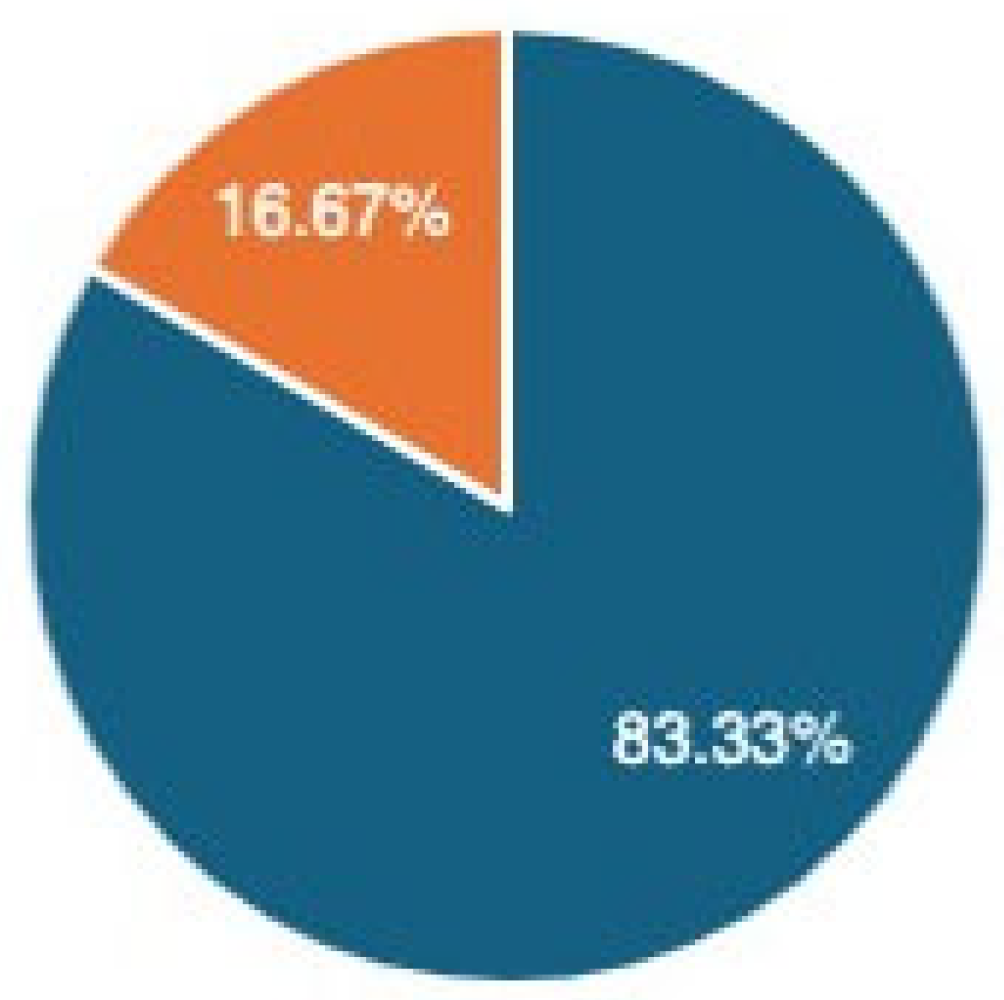
Out of the 10 cases reviewed, four did not specify who initially suspected Pyoderma Gangrenosum and were thus excluded from the analysis. Of the remaining cases, five received an initial suspicion of PG from a dermatological consult, and one was identified by a multidisciplinary team. This distribution results in 83.33% of the cases being initially suspected by dermatology consults and 16.67% by a multidisciplinary team (
Figure 3).
All 10 cases utilized immunosuppressive treatment following the diagnosis of PSPG, resulting in nine patients achieving complete healing with no recurrences, although one case did not specify the patient’s outcome. To analyze the effectiveness of various immunomodulatory therapies used in treating PSPG after foot and ankle surgery, a summary was constructed as shown in
Table 5. Four cases were treated with oral systemic corticosteroids alone, while two cases combined oral systemic corticosteroids with intravenous immunoglobulin. The remaining treatments varied, with one case each using oral systemic corticosteroids plus intralesional Kenalog, topical corticosteroids combined with a calcineurin inhibitor, cyclosporine alone, and a combination of infliximab with methotrexate. Prednisone was the most commonly used systemic corticosteroid.
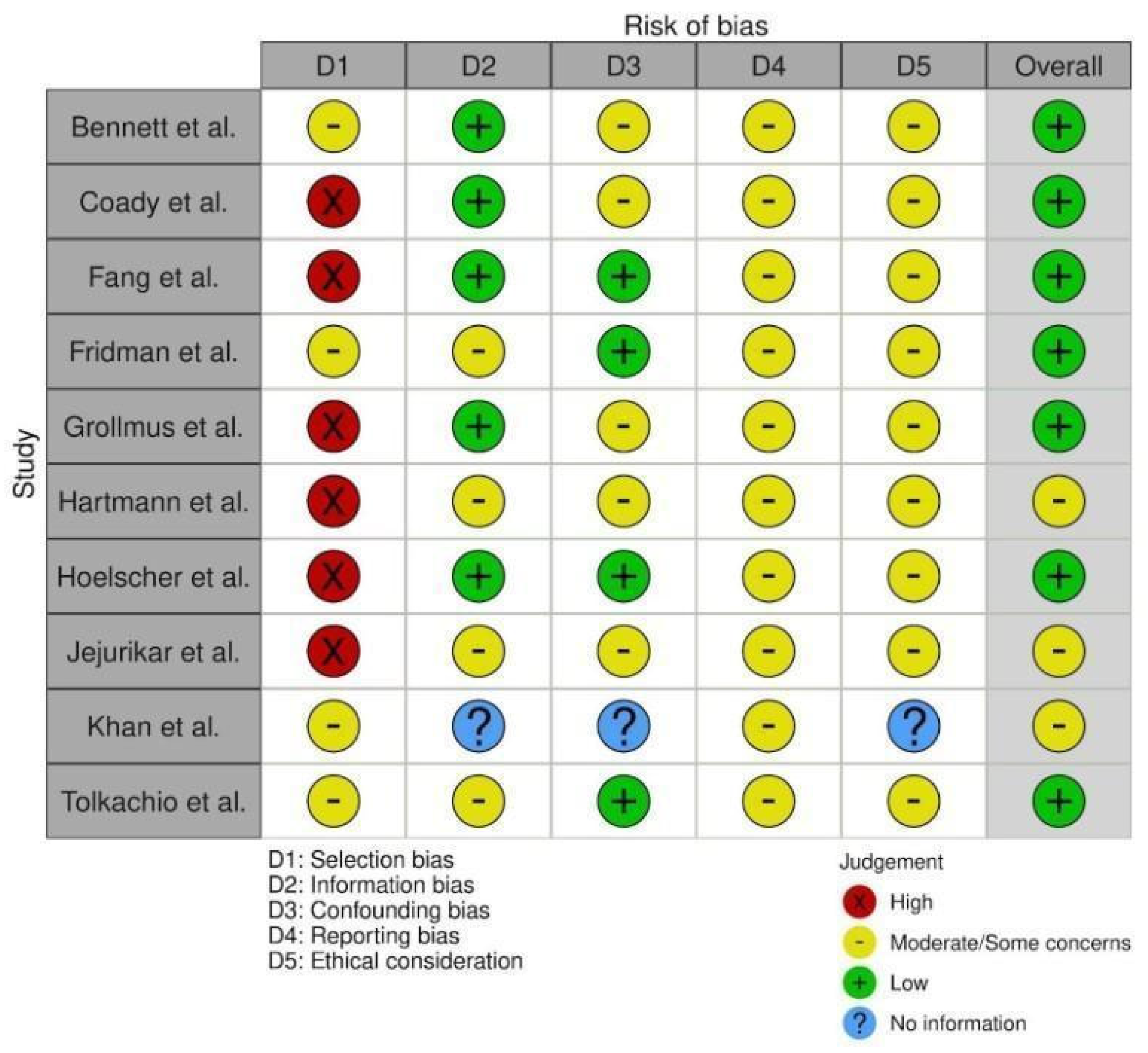
A risk of bias assessment was conducted and visualized using Robvis [
34], as depicted in
Figure 4.
Overall, most case reports were assessed as having a low risk of bias. However, a common and unavoidable source of bias in case reports is selection bias, particularly given the rarity of PSPG. Case reports inherently exhibit several types of bias, including admission, selection, confirmation, hindsight, recency, and publication biases [
35]. Selection bias is often driven by publication bias and selective reporting, as only cases with positive outcomes tend to be published. Reports deemed high risk were typically isolated, rare cases from specialized centers rather than part of broader case series. This can lead to an overestimation of treatment effectiveness and an underestimation of adverse effects, potentially skewing conclusions and leading to biased recommendations.
Alongside moderate confounding and reporting bias, these inherent limitations further underscore the need for high-quality, controlled studies on postoperative pyoderma gangrenosum.
4. Discussion
Post-surgical pyoderma gangrenosum (PSPG) is a complex, immune-mediated disorder that often presents significant diagnostic challenges. It typically manifests as rapidly worsening, painful ulcers at surgical sites, frequently misdiagnosed as postoperative infections, such as necrotizing fasciitis [
36]. This misdiagnosis can lead to inappropriate treatments such as aggressive debridement, which paradoxically exacerbates the condition [
3,
37,
38,
39]. Early recognition of PSPG following foot and ankle surgery in the postoperative period is critical, as delays in accurate diagnosis correlate with poor outcomes, including extensive tissue damage, prolonged healing times, and, in some cases, amputation. Our clinical review of 10 cases of PSPG following foot and ankle surgeries highlights the critical need for early recognition and appropriate management to prevent severe complications.
The exact pathophysiology of pyoderma gangrenosum remains incompletely understood, and it is classified as a type of neutrophilic dermatosis [
40]. The disease appears to involve both auto-inflammatory and autoimmune mechanisms, involving dysregulation of the immune system. Elevated levels of cytokines such as interleukin (IL)-1β, and other inflammatory markers suggest a pronounced inflammatory response. Recent studies suggest that genetic predisposition, alongside environmental triggers, is a significant contributor to the pathogenesis of PG [
39,
41].
The most common wound characteristics observed in PSPG following foot and ankle surgery include ulceration, necrosis, and violaceous wound edges with undermined borders, consistent with the general presentation of PG wounds [
38,
39,
42]. Initial misdiagnosis is frequent, leading to inappropriate treatments such as antibiotics and controversial surgical debridement. These interventions can exacerbate the condition due to the pathergy phenomenon, where minor trauma to the skin induces further inflammation and ulceration [
39].
In our study, 30% of patients with PSPG underwent amputation, all of whom were diagnosed more than 35 days after presenting symptoms and were female. These findings underline the critical importance of timely diagnosis in managing PSPG following foot and ankle surgery; delays in diagnosis significantly increase the risk of amputation. Interestingly, the severity or level of amputation does not appear to correlate directly with the delay in diagnosis. For example, a patient diagnosed with 35 days post-symptom onset underwent a below-the-knee amputation, whereas another diagnosed after more than two years required only resection of metatarsal heads. This suggests that the extent and severity of PSPG, along with the spread of wounds, may more accurately predict the outcome rather than the timing of the diagnosis alone.
A notable finding from our review is that 80% of the initial suspicions of PSPG were raised by dermatology consultations, while 20% originated from a multidisciplinary team approach. This pattern shows the importance of incorporating a dermatological consultation early in the diagnostic process to facilitate the timely identification or differentiation of PSPG. Moreover, the management of PSPG benefits significantly from a multidisciplinary approach, involving dermatologists, rheumatologists, and surgeons. Such a collaborative strategy is essential for delivering comprehensive care, which includes the diagnosis and treatment of any underlying systemic conditions that may accompany PSPG [
37].
One distinctive characteristic of Pyoderma Gangrenosum (PG) is its historical association with systemic diseases, reported in approximately 50% of cases [
27,
43]. A multicenter study conducted a decade ago suggested a broad spectrum of diseases associated with PG [
44]. However, in our review of PSPG cases following foot and ankle surgery, 85.7% of patients exhibited no underlying or associated systemic disease. This finding is consistent with recent studies indicating that most PSPG cases develop independently of the systemic diseases historically linked with PG, supporting the predominantly idiopathic nature of PSPG [
39,
45]. Traditionally, inflammatory bowel disease, rheumatoid arthritis, vasculitis, Sjögren’s syndrome, ankylosing spondylitis, systemic lupus erythematosus, and myelodysplastic disorders have been considered to have the highest associations with PG [
27,
39,
42].
Another important consideration in the association of PG is highlighted by Hoelscher et al. [
24], who presented a case where a patient was initially diagnosed with PSPG and subsequently found to have colitis, a common predisposing systemic disease in PG patients. This suggests that some patients, particularly those without a relevant medical history, may not yet be diagnosed with associated systemic diseases due to a lack of testing. This could account for the discrepancies in data regarding systemic disease associations with PG across various studies. Therefore, it is crucial to recognize the symptoms of potential PG, adopt a multidisciplinary diagnostic approach, and recommend subsequent testing to identify any underlying conditions such as inflammatory bowel disease, rheumatoid arthritis, vasculitis, Sjögren’s syndrome, ankylosing spondylitis, systemic lupus erythematosus, and myelodysplastic disorders. Identifying other possible diseases associated with PG is crucial for providing early treatment and intervention, thereby improving patient outcomes.
Although no recurrences were reported in the cases reviewed, the long-term management of PSPG is necessary for monitoring for potential recurrences and the side effects of prolonged immunosuppressive therapy. Prioritizing patient quality of life is crucial, including the management of pain and other symptoms that significantly affect daily functioning and psychological well-being [
37]. Additionally, it is vital to thoroughly document each patient’s history of PSPG. Recurrence of pyoderma gangrenosum is possible, and having a well-documented medical history can be beneficial for future management decisions [
38,
46].
Accurate PSPG diagnosis relies on clinical criteria, histopathological findings, and exclusion of other conditions. Traditionally, diagnosing PG has been challenging; however, the recent development of the “PARACELSUS score” offers a more refined diagnostic approach [
47]. The PARACELSUS score is a diagnostic tool designed to assess suspected PG cases through a systematic evaluation of major, minor, and additional criteria. Patients scoring above 10 points are more likely to be diagnosed with PG, whereas those scoring less than 10 points are less likely. Detailed criteria for PG diagnosis are outlined in
Table 6. For the major criteria, the “assessment of differential diagnoses” explains that a patient will receive three points if no plausible differential diagnosis other than PG.
While the PARACELSUS score is a viable option, it is influenced by confounding subjective factors, such as medical history and patient experience, which may lead to misleading diagnoses. Additionally, it focuses more on acute-stage diagnosis. In chronic ulcers, pathological manifestations may be atypical, and coinfections can occur, complicating the diagnosis further [
37].
PSPG can manifest at virtually any site on the foot and ankle, including the forefoot, midfoot, rearfoot, ankle, and plantar foot. PSPG can also result from trauma and arthroscopic procedures. The majority of cases involve surgery on the rearfoot and ankle. Notably, 40% of cases occurred in patients who had undergone multiple surgeries, compared to those who underwent a single procedure. This observation aligns with the current understanding that PSPG may be driven by the upregulation of neutrophil function and the subsequent release of interleukin cytokines, which suggests that multiple surgeries may exacerbate scar formation and immune system activation, thus increasing the likelihood of developing PSPG [
39]. Foot and ankle surgeons need to be aware that surgeries involving the rearfoot and ankle, as well as patients undergoing multiple surgeries, are at a higher risk of developing PSPG.
Current Treatment
PSPG is understood primarily as an aberrant immune response, where the inflammatory process targets the patient’s own skin and connective tissue. Effective management, therefore, often requires systemic immunosuppression. Corticosteroids are the cornerstone of treatment, used due to their potent immunosuppressive and anti-inflammatory effects [
39,
48]. This was also reflected in our review, as systemic corticosteroid was the most used treatment choice among the 10 cases reviewed. The advantage of widespread use of systemic corticosteroids as the first-line treatment for PG is their rapid therapeutic response. In severe cases, intravenous pulse corticosteroids, dosed between 0.5 and 1 g per day for one to five days, can be administered [
27].
In a case reported by Jejurikar et al. [
25], patients developed violaceous lesions despite the administration of cyclosporine. Following an adjustment to a therapeutic dose, improvement was observed, and the patient began to heal. This case suggests the importance of revising the dosage and treatment plan if the initial response is suboptimal. Such adjustments are crucial when wound lesions do not show expected improvements.
It is noteworthy that in a case reported by Fridman et al., a patient was administered methylprednisolone every 24 h, a corticosteroid commonly used among PG patients. Despite the high dosage and the drug’s relative potency compared to prednisone, the patient showed no significant improvement. Consequently, methylprednisolone was replaced with a combination of infliximab and methotrexate. Following this adjustment, the ulceration exhibited improved clinical presentation, characterized by increased granulation and absence of purulence. This underscores the challenges in managing PG. Although corticosteroids are generally effective, close monitoring of treatment efficacy and disease progression is essential. Prompt adjustments to treatment or dosage should be implemented if suboptimal outcomes are noted.
Cyclosporine is recommended for rapidly progressing cases or when corticosteroids are contraindicated [
37]. Additionally, other therapeutic agents such as TNFalpha inhibitors and calcineurin inhibitors are employed depending on the patient’s initial response to treatments and the presence of underlying systemic diseases, which may influence the selection of immunosuppressive therapy [
7].
While systemic corticosteroids remain the cornerstone of PSPG treatment, close monitoring of treatment response is crucial. For cases where corticosteroids are ineffective or contraindicated, alternative therapies such as cyclosporine, TNF-alpha inhibitors, and calcineurin inhibitors are valuable options. A tailored, patient-specific approach is essential for optimizing clinical outcomes in the management of PSPG following foot and ankle surgery.
For limitations, our review is constrained by a small sample size of only ten cases, which limits the statistical power of our findings. Consequently, the results may not be generalizable to all patients with post-surgical pyoderma gangrenosum (PSPG), especially given the disease’s diverse manifestations and courses. For instance, the assessment of gender differences based on the mean age of male and female patients is challenging due to the limited number of cases, making it difficult to ascertain the significance of our findings in this aspect. This further supports the need for more randomized controlled trials on PG and its treatment.
This limitation, however, is not unique to our study but is universal given the rarity of PSPG. The scarcity of PSPG cases significantly impedes the gathering of large, diverse datasets, which are essential for developing standardized treatment protocols. This leads to a reliance on case reports and retrospective studies that may not provide robust, generalizable conclusions [
49]. Furthermore, a small sample size also increases the impact of variability in clinical presentation and treatment response among the cases. Any unusual patient outcome or response to treatment could disproportionately influence the overall study results, potentially leading to biased conclusions. For example, the time to the diagnosis of PSPG for one patient was more than two years, and such an outlier significantly skewed the statistics. This makes it difficult to draw definitive conclusions that can be reliably applied to broader patient populations.
Confounding bias was considered lower risk in case reports that demonstrated a clear temporal relationship, conducted comparative analyses, and addressed confounding factors such as other treatments and interventions. The risk of information bias was also considered to be lower in case reports with comprehensive documentation and follow-up.
Despite its limitations, the case report by Khan et al. was included in the review, although it could not be fully assessed in all domains due to incomplete patient information. Including this case report is essential because documented cases of postoperative pyoderma gangrenosum following foot and ankle procedures are exceedingly rare. Each report provides valuable insights and contributes to the collective understanding of this uncommon condition, aiding clinical practice and guiding future research.
Future research should aim to better understand the pathophysiology of PSPG, potentially revealing novel diagnostic tools and therapeutic targets. There is also a pressing need for prospective studies that evaluate the effectiveness of different treatment modalities, as much of the current literature is based on retrospective analyses, case reports, or small case series. Developing standardized, evidence-based guidelines for the treatment and management of PSPG could improve outcomes and provide clearer pathways for diagnosis and care [
7].
5. Conclusions
While numerous cases of PSPG have been documented, to our knowledge, this study represents the first comprehensive literature review focusing specifically on PSPG following foot and ankle surgery. This review aims to enhance awareness of PSPG among foot and ankle surgeons, underscoring the importance of accurate diagnosis to improve patient outcomes. PSPG poses significant diagnostic and therapeutic challenges due to its rarity and clinical similarity to postoperative infections. Early recognition and timely immunosuppressive treatment are crucial to prevent severe complications. A multidisciplinary approach that addresses both the psychological and physical aspects of care can significantly improve treatment outcomes and patient satisfaction.
Future investigations should explore the pathogenesis of PG in greater depth, clarify its molecular mechanisms, and pinpoint specific biomarkers to guide diagnosis, assess severity, evaluate treatment effectiveness, and provide early warnings of recurrence. Furthermore, more rigorous clinical randomized controlled trials are imperative to establish the optimal dosing regimens and combinations of immunotherapy in conjunction with existing treatments.
Moreover, this study highlights the need to expand the examination of PSPG to encompass all lower-extremity procedures, not just foot and ankle surgeries. As research progresses, it is anticipated that more precise and effective diagnostic tools and treatments will emerge, thereby alleviating the burden of this debilitating condition.
The authors declare that they have no conflicts of interest, nor have they received any grants or financial profit related to this clinical study. This study received no specific grant from any funding agency in the public, commercial, or not-for-profit sectors.