1. Introduction
The flexor hallucis longus (FHL) tendon plays a vital role in maintaining foot stability and enabling toe flexion, which are essential for walking, running, and athletic activities involving repetitive plantar flexion, such as ballet. Injuries to the FHL tendon, although uncommon, significantly impair foot mobility and stability, especially in athletes engaging in high-intensity push-off actions. A common contributing factor is the presence of an os trigonum, an accessory bone located posterior to the talus, which can mechanically impinge on the FHL tendon and lead to FHL tendinitis. Referred to as os trigonum syndrome, this condition is particularly prevalent among athletes, where repetitive plantar flexion exacerbates symptoms of pain and dysfunction.
Recent studies have highlighted the importance of addressing os trigonum involvement in the development and progression of FHL tendinitis. Tonogai and Sairyo demonstrated the efficacy of posterior arthroscopic treatment in resolving chronic symptoms associated with stenosing tenosynovitis and os trigonum syndrome [
1,
2,
3,
4]. Similarly, Sharpe et al. underscored the relationship between posterior ankle impingement and FHL pathology, emphasizing the need for early diagnosis and targeted therapeutic strategies [
5]. Diagnostic modalities such as peritendinous ultrasonography have proven invaluable in identifying FHL tendinitis and os trigonum syndrome, offering precise imaging to guide both diagnosis and treatment [
2,
4].
This case study investigates the rehabilitation of a 27-year-old male who underwent FHL tendon revision surgery combined with os trigonum excision. The study introduces a structured, multi-phased rehabilitation protocol designed to optimize recovery by addressing both mechanical limitations and functional deficits. This approach integrates advanced therapeutic techniques such as Graston massage, Theragun application, and proprioceptive training, which, while individually effective, have rarely been studied as part of a cohesive rehabilitation strategy for FHL tendinitis and os trigonum syndrome.
Graston massage, which employs specialized tools for soft tissue mobilization, has demonstrated significant benefits in improving mobility and alleviating pain. For instance, Sarıalioğlu reported notable improvements in foot mobility and functional performance in athletes with hypomobile feet, emphasizing its potential in structured rehabilitation programs [
6]. Similarly, percussive therapy devices like the Theragun have been shown to enhance muscle flexibility and performance. Konrad et al. documented acute improvements in plantar flexor muscle range of motion and performance following percussive massage, while Bartík and Pacholek demonstrated positive effects on explosive strength and balance in young adults [
7,
8].
This innovative multi-phased rehabilitation strategy not only leverages advanced therapeutic modalities but also introduces a comprehensive framework that addresses both the mechanical and functional aspects of FHL tendinitis and os trigonum syndrome. By bridging gaps in the current literature, the study aims to provide new insights into the management of these complex conditions and to support evidence-based rehabilitation practices.
2. Case Presentation
2.1. Participant
The participant of this study was a 27-year-old male who regularly engaged in weightlifting exercises, a routine that included repetitive dorsiflexion and plantar flexion. Over several months, the patient experienced progressive chronic pain and restricted movement in his right ankle, significantly impacting his daily activities and physical performance. Diagnostic imaging, including magnetic resonance imaging (MRI) and peritendinous ultrasonography, confirmed the presence of FHL tendinitis. Additionally, an os trigonum was identified as an accessory bone impinging on the FHL tendon, contributing to the development and exacerbation of the condition. These findings established the basis for both the surgical intervention and the subsequent rehabilitation program.
2.2. Surgical Procedure
The patient underwent a surgical procedure involving os trigonum excision and FHL tendon revision. This was performed under general anesthesia using a posterior arthroscopic approach, a minimally invasive technique providing precise visualization of the os trigonum and FHL tendon. The approach allowed the surgeon to remove the os trigonum effectively and address degenerative changes in the tendon [
9,
10].
2.3. Evidence-Based Design of Rehabilitation Program
The rehabilitation program was meticulously designed by integrating evidence-based guidelines and studies that focus on FHL tendinitis and os trigonum syndrome. This structured 12-week program adhered to the principles of progressive load management and functional restoration, ensuring alignment with the natural tissue healing process.
Edwards and Kingsford emphasized the value of phased rehabilitation in tendon injuries, advocating for structured timelines to optimize tissue recovery. Their phased framework informed the design of this program, ensuring each stage of recovery was targeted effectively [
11]. Similarly, Kateva et al. demonstrated the efficacy of Proprioceptive Neuromuscular Facilitation (PNF) techniques in improving proprioception and neuromuscular coordination, which were integral components of the intermediate and advanced phases [
12].
Advanced therapeutic modalities such as Graston massage and Theragun application were included to address specific rehabilitation needs, supported by findings from Sarıalioğlu, Konrad et al., and Bartík and Pacholek [
6,
7,
8]. Sarıalioğlu’s randomized controlled trial demonstrated significant improvements in mobility and functional performance in athletes with hypomobile feet through Graston techniques [
6]. Konrad et al. reported acute enhancements in plantar flexor muscle range of motion and performance following percussive therapy, validating the inclusion of the Theragun for flexibility and tension relief [
7]. Furthermore, Bartík and Pacholek highlighted improvements in balance and explosive strength with percussive therapy, supporting its application in advanced rehabilitation phases [
8].
The diagnostic and assessment methods used in this program, such as MRI and peritendinous ultrasonography, align with the recommendations of Hung et al. for precise identification and monitoring of FHL tendinitis. This comprehensive approach ensured targeted interventions tailored to the patient’s recovery milestones [
9].
Standardized evaluation tools, including the Visual Analog Scale (VAS), goniometry, and functional tests like the 6-Min Walk Test (6MWT) and single-leg hop test, ensured objective recovery assessment. The 12-week timeline was selected based on clinical evidence indicating that soft tissue repair processes typically span 8 to 12 weeks. This timeline provided a structured framework for implementing interventions and assessing recovery outcomes [
11].
2.4. Rehabilitation Protocol
The rehabilitation program was divided into three phases: Early (weeks 1–4), Intermediate (weeks 5–8), and Advanced (weeks 9–12). The interventions were tailored to the patient’s recovery milestones and are summarized in
Table 1.
2.5. Assessment Methods
Upon the patient’s initial presentation, a detailed assessment was conducted to evaluate the extent of the injury and establish a baseline for the subsequent rehabilitation program. The following standardized assessments and clinical observations were employed:
1. Pain Assessment (VAS): The patient was asked to rate his pain on a scale from 0 (no pain) to 10 (worst possible pain). At the initial assessment, the patient reported a pain level of 6, indicating moderate pain, particularly during weight-bearing activities and plantar flexion. Over the course of the rehabilitation, pain levels decreased significantly, with a final VAS score of 1, indicating minimal discomfort.
2. Range of Motion (ROM) Assessment: A goniometer was used to assess dorsiflexion, plantar flexion, inversion, and eversion. The patient exhibited limited dorsiflexion (7°) and plantar flexion (18°) at baseline, both of which were below the normal range, reflecting significant functional impairment. By the end of the rehabilitation, dorsiflexion improved to 40°, demonstrating a marked increase in joint flexibility.
3. Manual Muscle Testing (MMT): Muscle strength was graded on a scale of 0 to 5, with 0 indicating no muscle contraction and 5 indicating normal strength. At the initial assessment, the patient showed reduced strength in the gastrocnemius (3/5), tibialis anterior (3/5), soleus (3/5), and peroneus longus (3/5). These findings were consistent with the patient’s reduced functional capacity. By the conclusion of the rehabilitation, muscle strength in these groups had improved to 5/5, indicating a return to normal muscle function.
4. Functional Assessment:
- ○
6-Min Walk Test (6MWT): The distance covered in a 6 min walk was measured. Initially, the patient covered 290 m, reflecting reduced endurance and functional capacity. By the end of the 12-week program, this distance had increased to 580 m, indicating significant improvement in functional endurance.
- ○
Single-leg Hop Test: The patient was asked to perform a series of single-leg hops on the affected side. Initially, the patient was able to perform 12 hops, demonstrating compromised balance and strength. By the end of the rehabilitation, the patient could perform 28 hops, reflecting substantial gains in lower limb strength, balance, and overall functional ability.
The initial assessment revealed moderate pain, limited range of motion, reduced muscle strength, and compromised functional abilities, all of which significantly impacted the patient’s daily activities. These findings provided a comprehensive baseline that guided the development of a targeted rehabilitation program aimed at restoring the patient’s functional capacity, reducing pain, and improving overall quality of life. The marked improvements observed by the end of the rehabilitation program underscore the effectiveness of the multi-modal approach utilized in this case.
Early Phase (Weeks 1–4): Pain and Edema Management
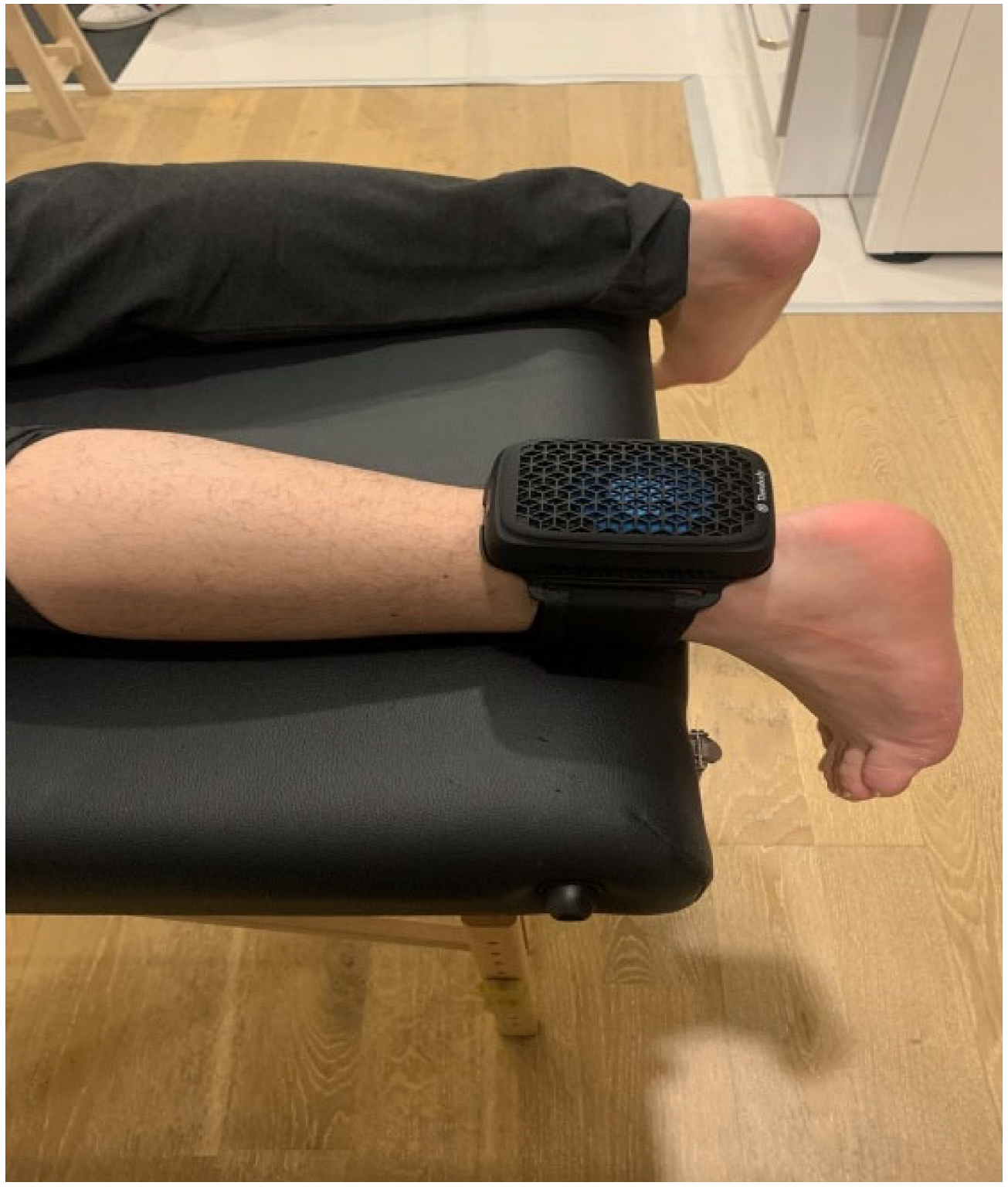
Cryotherapy (
Figure 1): Applied to reduce inflammation and provide localized pain relief.
Classical massage techniques: Used to enhance circulation and promote relaxation in the surrounding musculature.
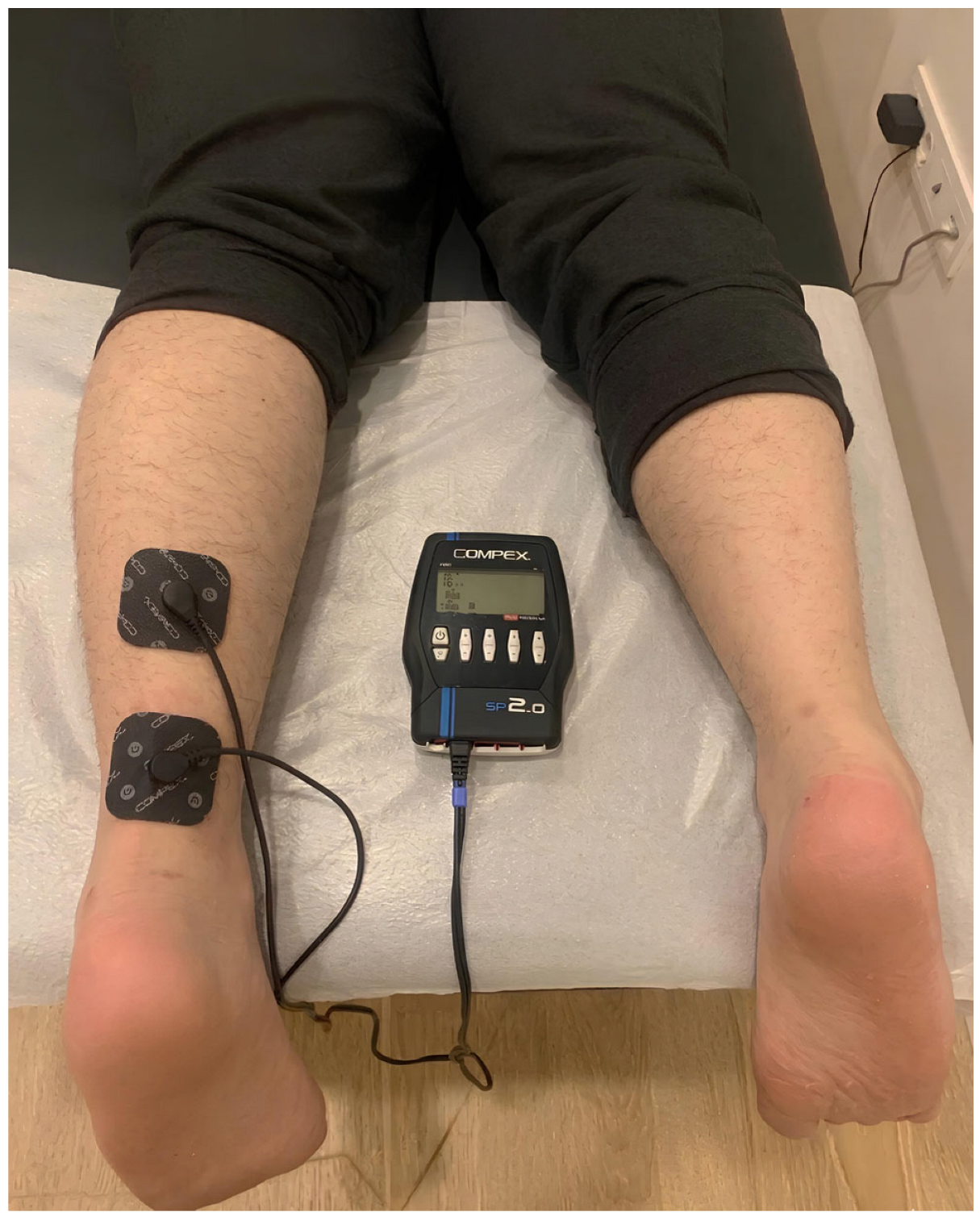
Electrotherapy (e.g., TENS, ultrasound) (
Figure 2): Utilized for pain modulation and edema control, facilitating recovery in the acute phase.
Graston massage: Proven effective for improving tissue mobility and reducing fibrosis, particularly in tendon injuries.
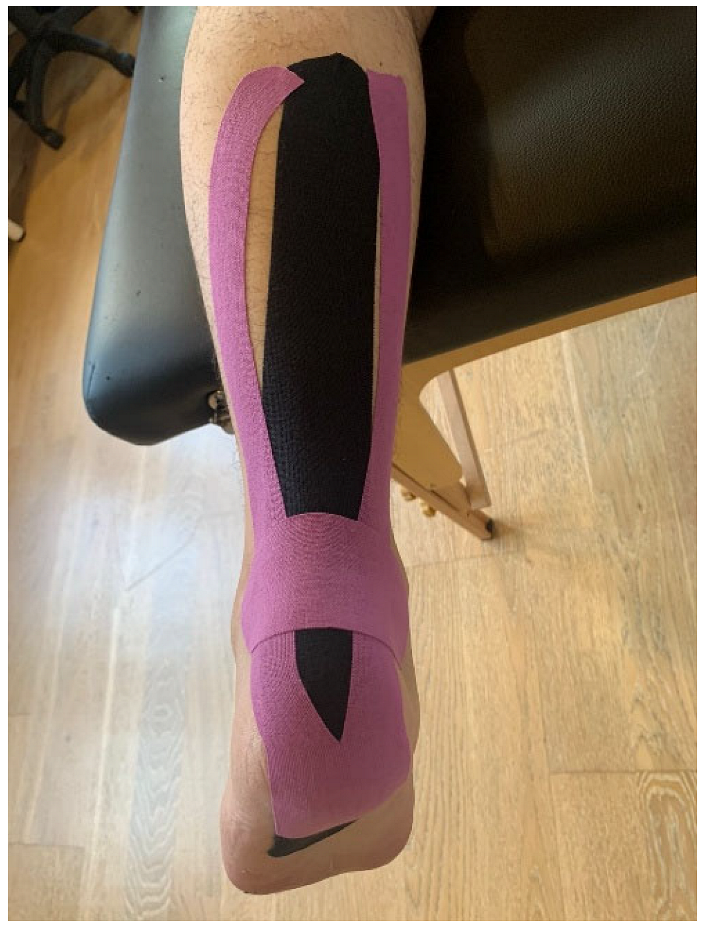
Kinesiotaping (
Figure 3): Provided structural support to the Achilles tendon, aiding in edema management and promoting proprioception.
Intermediate Phase (Weeks 5–8): Strength and Flexibility
PNF techniques: Designed to enhance neuromuscular coordination and initiate strength recovery.
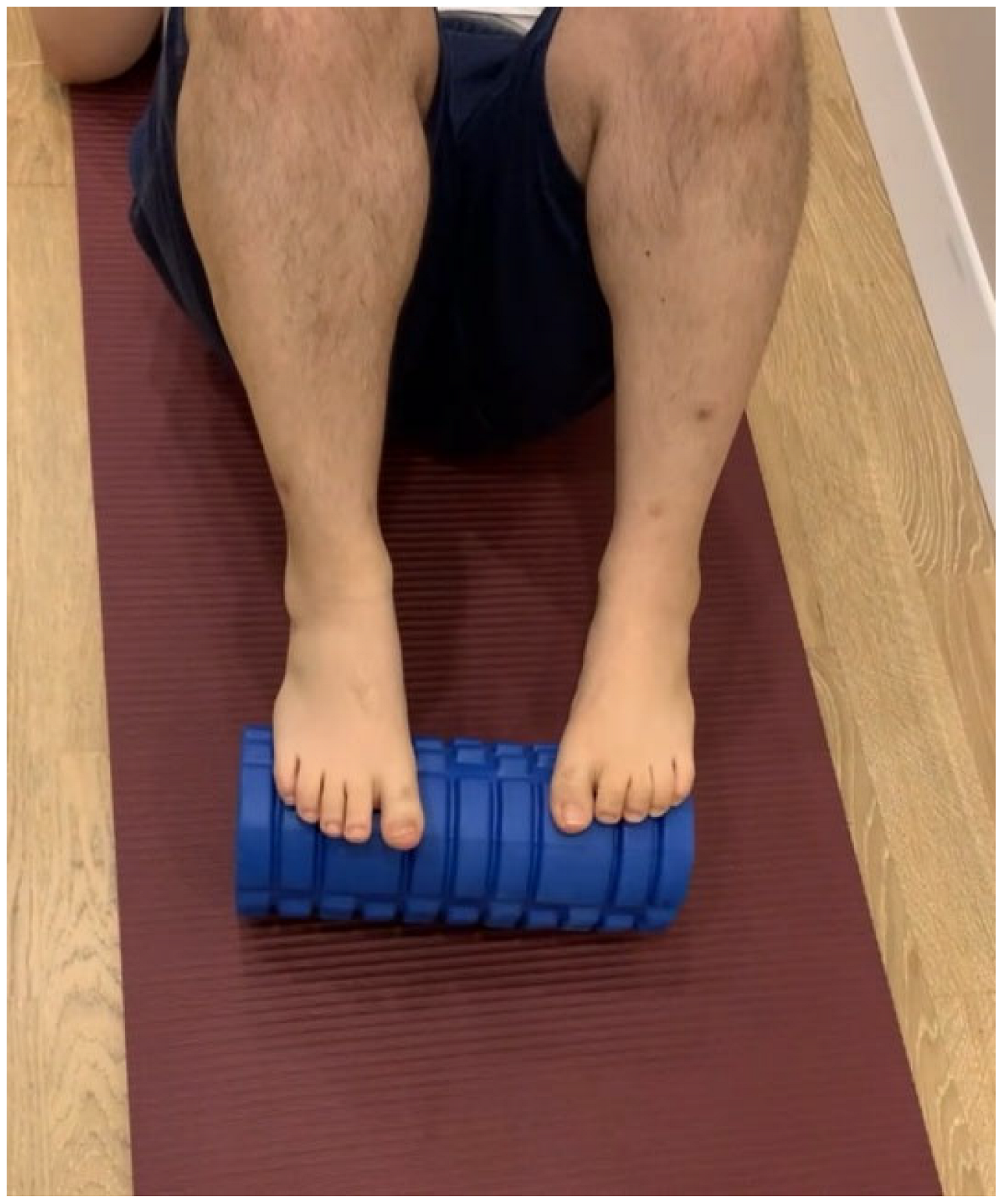
Weight-bearing exercises: Introduced progressively to rebuild the patient’s functional capacity (
Figure 4).
Continued electrotherapy: Focused on muscle strengthening and improving activation.
Flexibility exercises: Targeted ROM deficits, particularly dorsiflexion.
Theragun application: Used to alleviate residual muscle tension and improve flexibility, ensuring a smoother transition to advanced activities.
Advanced Phase (Weeks 9–12): Functional Training
Load transfer exercises: Focused on re-establishing balance during weight-bearing tasks.
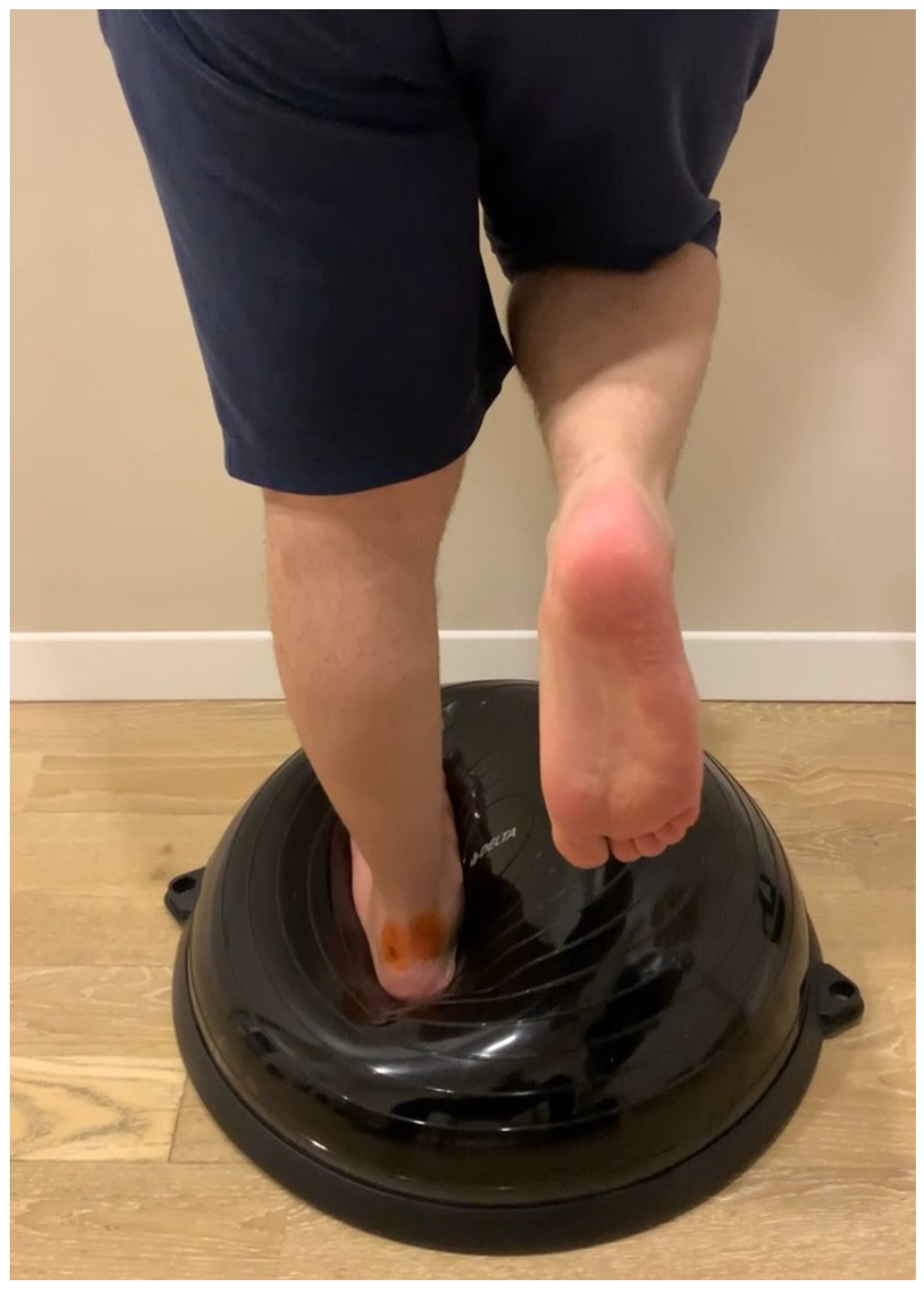
Balance exercises (BOSU ball): Addressed proprioceptive deficits and enhanced dynamic stability (
Figure 5).
Strengthening exercises (sandbags): Targeted key muscle groups, emphasizing progressive overload principles.
Jumping and agility drills: Reinforced dynamic movement patterns necessary for athletic activities.
Cupping with rockpods: Optimized proprioception, ensuring the patient’s readiness for return to sport-specific activities.
3. Results
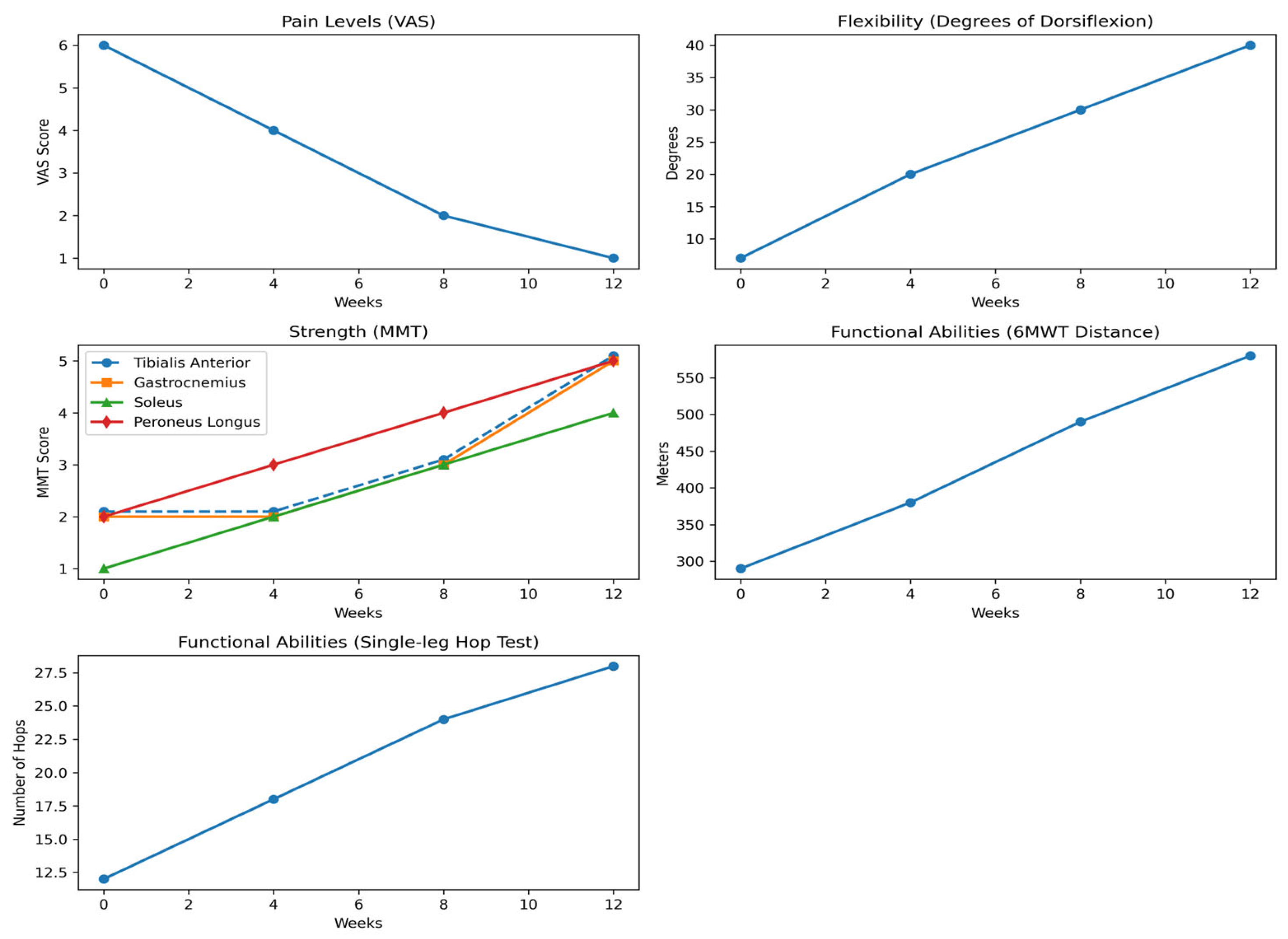
The structured 12-week rehabilitation program led to significant measurable improvements in pain levels, flexibility, muscle strength, and functional performance. The assessment points (0, 4, 8, and 12 weeks) were carefully designed to capture the progressive effects of the interventions and distinguish these from natural healing processes (
Figure 6).
3.1. Pain Levels
Pain levels, assessed using the Visual Analog Scale (VAS), showed a steady decline throughout the program. At baseline, the pain score was 6, indicating moderate pain, particularly during weight-bearing activities.
By week 4, the pain score reduced to 4, reflecting the effectiveness of early-phase interventions such as cryotherapy, Graston massage, and kinesiotaping in managing inflammation and discomfort.
By week 8, the score decreased further to 2, corresponding to the introduction of weight-bearing exercises and PNF techniques.
At the conclusion of the program (week 12), the patient reported a pain score of 1, indicating minimal residual discomfort. These results underscore the program’s success in alleviating pain through a multi-modal approach.
3.2. Flexibility
Ankle joint flexibility, measured using goniometry, improved substantially over the course of the program:
At baseline, dorsiflexion was limited to 7° and plantar flexion to 18°, reflecting significant functional impairment.
By week 4, dorsiflexion increased to 20°, facilitated by early-phase flexibility exercises and soft tissue mobilization techniques.
Intermediate-phase interventions, including Theragun-assisted mobilization and dynamic stretching, increased dorsiflexion to 30° by week 8.
At week 12, dorsiflexion improved to 40°, and plantar flexion reached 55°, reflecting restored joint mobility and functional capacity.
3.3. Muscle Strength
Muscle strength, assessed via Manual Muscle Testing (MMT), showed consistent improvement across key muscle groups:
At baseline, strength in the gastrocnemius, tibialis anterior, soleus, and peroneus longus was graded at 3/5, indicating reduced functional capacity.
By week 4, strength improved to 4/5 due to the introduction of isometric exercises and gradual load-bearing activities.
By week 12, strength in all muscle groups reached 5/5, demonstrating the effectiveness of progressive overload and structured strengthening interventions.
3.4. Functional Performance
Functional performance was evaluated using the 6-Min Walk Test (6MWT) and Single-Leg Hop Test:
6MWT: At baseline, the patient covered 290 m, reflecting reduced endurance and mobility.
- ○
By week 4, the distance increased to 380 m due to early functional recovery.
- ○
By week 8, intermediate-phase exercises improved the distance to 490 m.
- ○
At week 12, the patient achieved 580 m, demonstrating significant enhancement in endurance and overall functional capacity.
Single-Leg Hop Test: Baseline performance was 12 hops, highlighting impaired balance and strength.
- ○
By week 4, the patient achieved 18 hops, reflecting early neuromuscular improvements.
- ○
Intermediate-phase proprioceptive training increased this to 24 hops by week 8.
- ○
By week 12, the patient reached 28 hops, showing substantial gains in balance, strength, and functional ability.
3.5. Differentiation from Natural Healing
To distinguish the program’s effects from intrinsic regenerative processes, recovery trajectories were mapped against expected timelines for soft tissue repair. Natural healing for tendon injuries typically spans 8–12 weeks. However, the accelerated reductions in pain and functional improvements observed during the early and intermediate phases suggest significant contributions from targeted interventions.
For instance, advanced modalities such as Graston massage and Theragun likely expedited tissue mobilization and flexibility gains beyond what is typically seen in passive recovery.
Functional performance enhancements, particularly in endurance and balance, strongly align with structured and progressive rehabilitation protocols rather than natural recovery alone.
3.6. Summary of Recovery Phases
Weeks 0–4 (Early Phase): Pain and edema management yielded initial pain reduction and modest gains in flexibility and strength.
Weeks 5–8 (Intermediate Phase): Emphasis on strength, flexibility, and proprioception led to marked improvements in all metrics.
Weeks 9–12 (Advanced Phase): Focus on dynamic balance and functional performance resulted in near-complete restoration of pre-injury capabilities.
4. Discussion
The structured, phased rehabilitation protocol demonstrated significant effectiveness in addressing the key challenges following FHL tendon surgery and os trigonum excision. By systematically targeting pain, flexibility, strength, and functional performance, this protocol ensured a comprehensive recovery. These outcomes align with findings from Jain et al. (2020), who reported substantial improvements in muscle strength and functional outcomes following advanced tendon repair techniques [
10].
4.1. Integration of Advanced Therapeutic Techniques
The incorporation of advanced therapeutic modalities, such as Graston massage, kinesiotaping, and Theragun application, was critical in achieving these results. Graston massage facilitated tissue mobilization and reduced fibrosis, while kinesiotaping provided proprioceptive feedback and edema management during the early rehabilitation phase. The Theragun, used primarily in the intermediate and advanced phases, enhanced flexibility and alleviated muscle tension, expediting the transition to functional recovery. These techniques proved instrumental in managing soft tissue restrictions, supporting the restoration of joint range of motion, and improving overall muscle function [
6,
7,
8].
4.2. Comparative Analysis with Literature
The phased approach adopted in this study aligns closely with findings from Edwards and Kingsford (2021), who emphasized the necessity of tailored rehabilitation programs to optimize tendon repair outcomes [
11]. Their study highlighted the benefits of combining structured interventions, such as autogenous tendon grafts, with progressive loading and neuromuscular exercises. Similarly, Kateva et al. (2023) demonstrated that the integration of advanced techniques, including progressive resistance training and functional exercises, significantly enhanced recovery following FHL reconstruction [
12].
This case study further builds on these findings by demonstrating the efficacy of integrating proprioceptive devices such as BOSU balls and advanced modalities like Graston massage into rehabilitation protocols. These interventions not only restored balance and proprioception but also enabled the patient to perform complex, dynamic movements, reflecting outcomes observed in studies like Bartík and Pacholek (2024) [
8]. The accelerated recovery observed in this study underscores the value of multi-modal rehabilitation in addressing the mechanical and functional deficits associated with FHL tendinitis and os trigonum syndrome.
4.3. Role of Early Intervention
Early intervention emerged as a crucial factor in achieving the reported outcomes. Consistent with the findings of Anastasopoulos et al. (2018), this study demonstrated that initiating a structured rehabilitation program shortly after surgical intervention can lead to significant improvements in pain, flexibility, muscle strength, and functional performance [
13]. The early application of interventions such as cryotherapy, Graston massage, and kinesiotaping played a pivotal role in controlling pain and inflammation, thereby creating a strong foundation for subsequent phases of rehabilitation.
4.4. Patient Perspective
The patient’s experience further validated the effectiveness of the rehabilitation protocol. Initially, concerns regarding persistent pain and restricted mobility created apprehension about the recovery process. However, as the program progressed, the patient reported marked improvements in pain relief, joint flexibility, and functional performance. Specifically, advanced techniques like Graston massage and Theragun application were highlighted as key contributors to his recovery.
By the end of the 12-week program, the patient expressed readiness to resume weightlifting with minimal discomfort. His satisfaction with the personalized, multi-phased approach underscores the importance of individualized care in optimizing outcomes and enhancing patient confidence.
4.5. Clinical Implications and Future Directions
The findings of this case study support the integration of advanced therapeutic modalities into structured rehabilitation programs for FHL tendon injuries and os trigonum syndrome. While the existing literature provides evidence for individual techniques, such as Graston massage or percussive therapy, their combined application within a phased protocol remains underexplored. This study highlights the potential for such integration to accelerate recovery, reduce recurrence risks, and improve long-term outcomes.
Further research with larger sample sizes and control groups is warranted to validate these findings and explore their applicability across diverse patient populations. Additionally, studies examining the cost-effectiveness and accessibility of these advanced techniques could provide valuable insights for clinical practice.
5. Conclusions
This case study underscores the effectiveness of a structured, multi-modal rehabilitation program incorporating advanced techniques such as Graston massage and Theragun application. These modalities significantly contributed to tissue healing and functional recovery in a complex case of FHL tendinitis and os trigonum syndrome. The phased approach ensured systematic progress across pain management, flexibility, strength, and functional performance, enabling the patient to return to high-demand activities with minimal complications.
While further research is needed to generalize these findings, this study demonstrates the potential of combining advanced therapeutic modalities within evidence-based rehabilitation frameworks. Such an approach offers a comprehensive and durable recovery pathway for patients with similar conditions.