Use of Surgery Escape Room Format for Educating Podiatric Medicine Residents and Students in Surgical Techniques

Abstract
- Active engagement: The escape room format promotes active learning by immersing residents in a hands-on experience. Instead of passively receiving information, residents actively participate in solving challenges and applying their knowledge and skills. This active engagement fosters a deeper understanding of podiatric surgery principles and encourages critical thinking.
- Realistic simulation: Escape rooms provide a simulated surgical environment that closely mirrors real-world scenarios. By creating a setting with authentic surgical equipment, props, and scenarios, residents can practice decision-making, problem-solving, and technical skills in a safe and controlled environment. This realistic simulation helps bridge the gap between theory and practice, enhancing the residents’ preparedness for actual surgical procedures.
- Teamwork and collaboration: Podiatric surgery often involves a multidisciplinary team approach. The escape room format encourages teamwork and collaboration among residents as they work together to solve challenges. It promotes effective communication, task delegation, and the development of interprofessional skills essential for successful surgical outcomes. These teamwork skills are transferable to real-life surgical settings, in which collaboration is key to providing comprehensive patient care.
- Time management and pressure handling: The time-constrained nature of escape rooms mirrors the time-sensitive nature of surgical procedures. Residents must learn to manage their time efficiently, make quick decisions, and remain composed under pressure. The escape room format provides a controlled environment to practice these skills, helping residents develop the ability to prioritize tasks and maintain focus during high-pressure situations.
- Enhanced retention and application: The immersive and interactive nature of cadaveric laboratories fosters experiential learning, which has been shown to improve knowledge retention [3]. By actively engaging with the material in a memorable and enjoyable way, residents are more likely to retain and apply podiatric surgery principles. This escape room format encourages residents to think critically, analyze complex scenarios, and apply their knowledge to solve problems—skills that are invaluable in their future surgical practice.
- Motivation and engagement: Traditional didactic teaching methods can sometimes lack excitement and fail to fully engage residents. The escape room format adds an element of fun and excitement to the learning process, creating a positive and motivating learning environment. This increased motivation and engagement can lead to improved resident satisfaction and a greater interest in pursuing further knowledge and skill development in podiatric surgery.
Materials and Methods



Initial Envelope Opened by Group for Case Scenario After Watching Introductory Video (Stage 1)
History of Present Illness.
Physical Examination.
- Integumentary: An open lesion was noted to the medial left foot, with active bleeding present.
- Vascular: Dorsalis pedis and posterior tibial pulses were palpable bilaterally. Capillary refill time was less than 3 sec in all ten toes. Nonpitting edema was present to the left foot.
- Neurologic: Sensation was intact in the bilateral lower extremities.
- Musculoskeletal: The patient was able to freely dorsiflex/plantarflex all digits of the left foot. Mild deformity was noted to the left foot. Otherwise, the examination was deferred because of recent trauma.
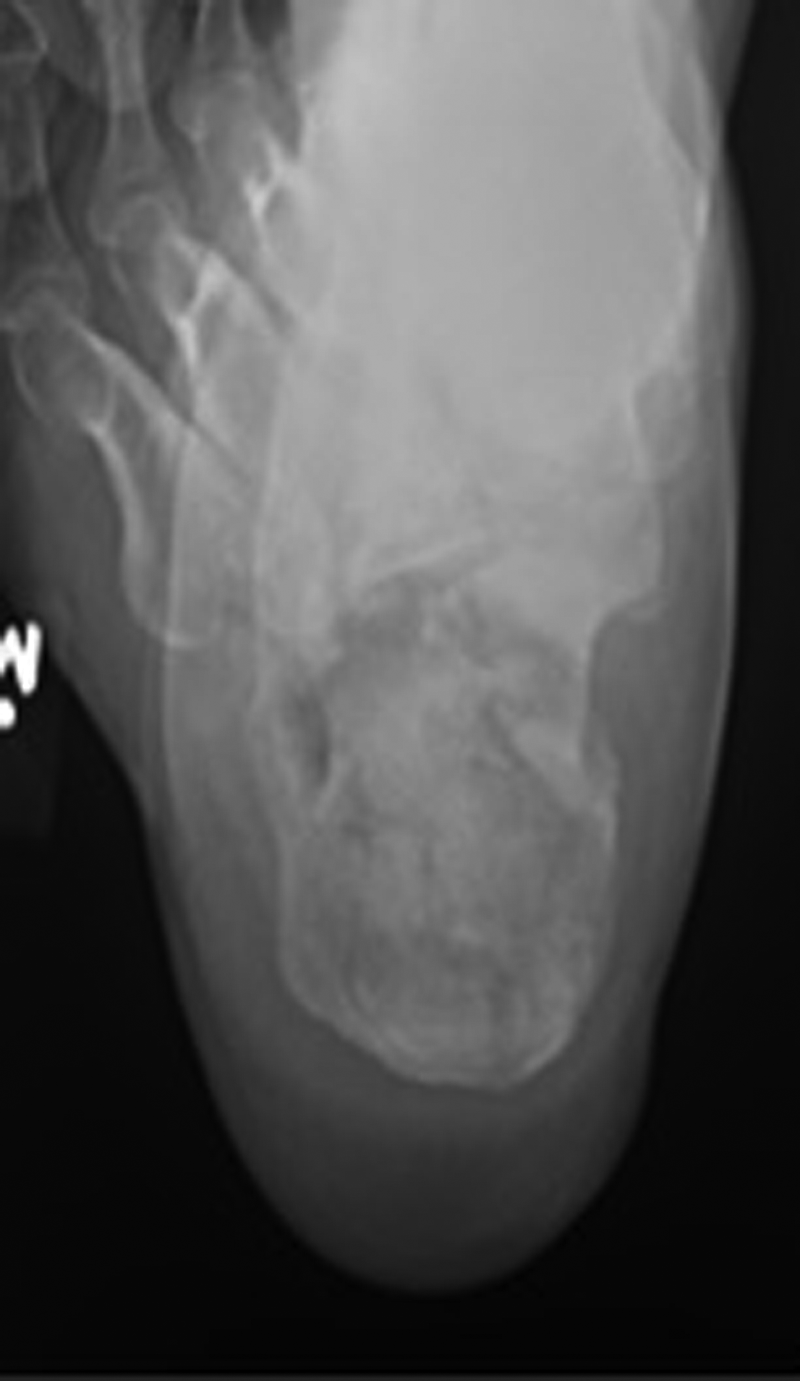
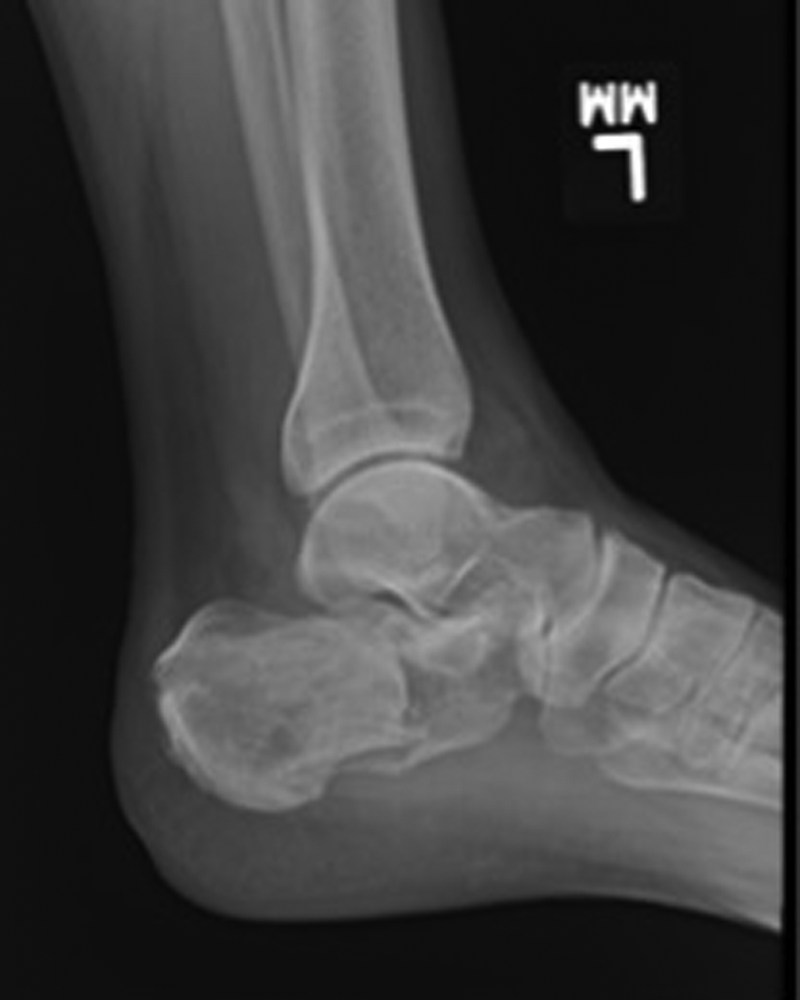
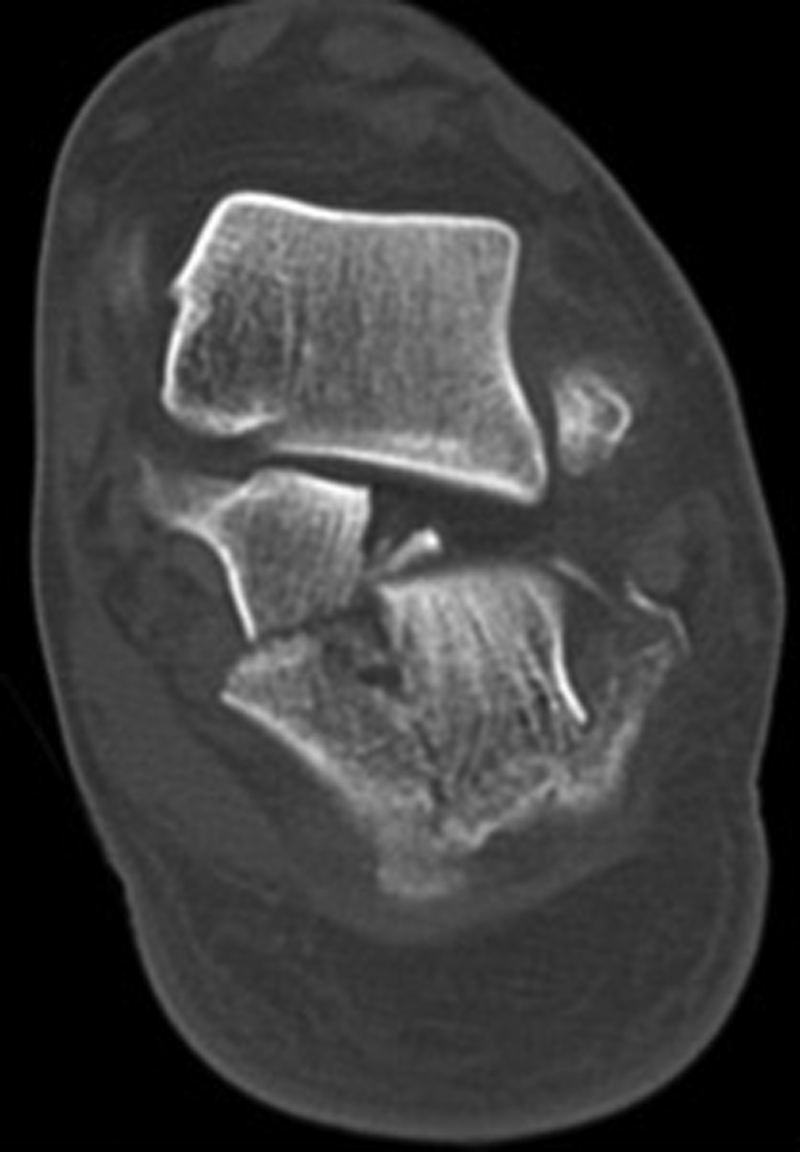
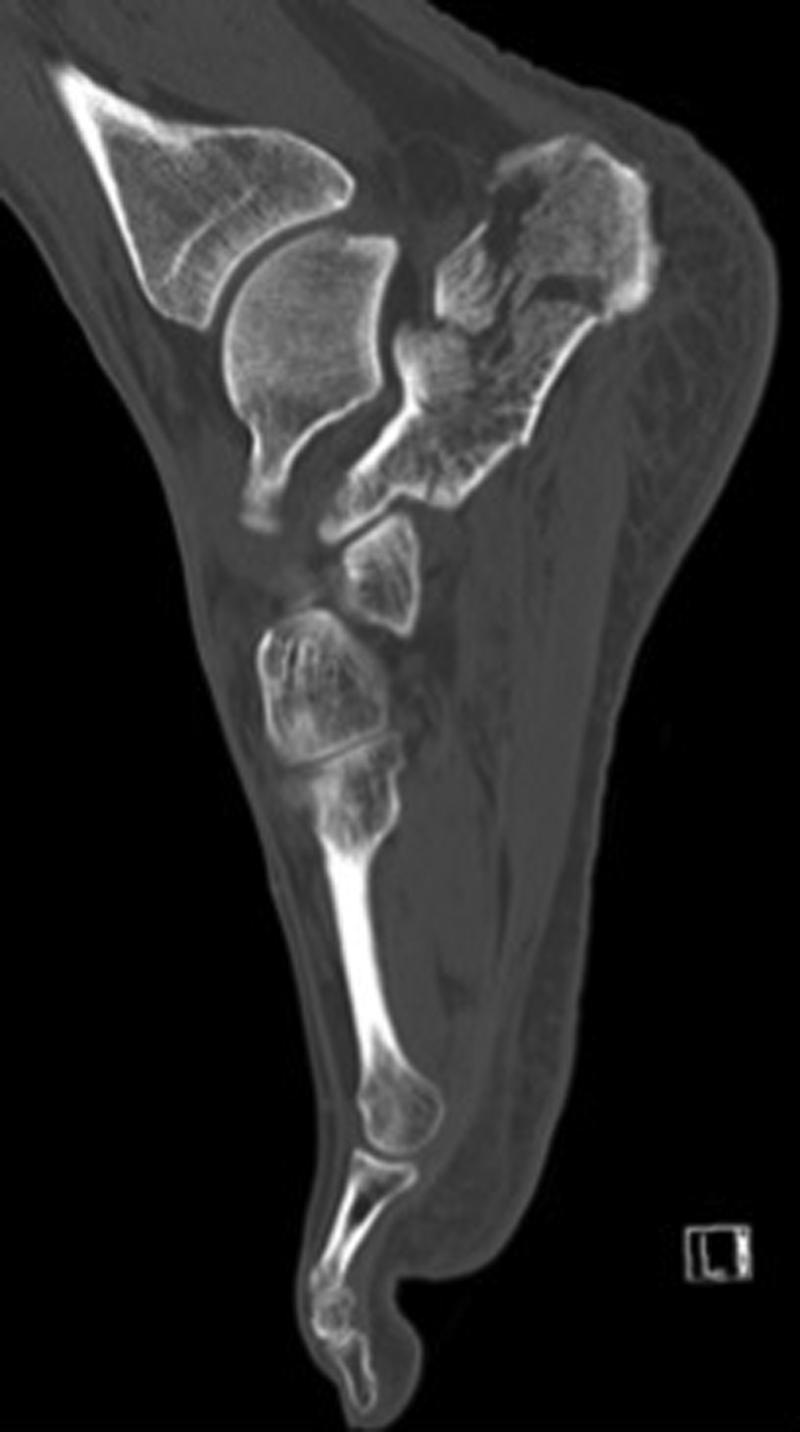
Diagnostic Testing.
Proposed Surgical Treatment.
Second Envelope Opened by Group for Case Scenario (Stage 2)
Proposed Surgical Treatment.
Results
Discussion
Conclusions
Financial Disclosure
Conflict of Interest
References
- Holland JP, Waugh L, Horgan A, et al: Cadaveric hands-on training for surgical specialties: is this back to the future for surgical skills development? J Surg Educ 68: 110, 2011; doi: 10.1016/j.jsurg.2010.10.002.
- Council on Podiatric Medical Education: Standards and requirements for approval of podiatric medicine and surgery residencies. Available at: https://www.cpme.org/wp-content/uploads/2025/05/CPME-320-Standards-and-Requirements-for-Approval-of-Podiatric-Medicine-and-Surgery-Residencies-effective-July-2023.pdf. Accessed September 24, 2023.
- Wolf BR, Britton CL: How orthopaedic residents perceive educational resources. Iowa Orthop J 33: 185, 2013.
- Sharma G, Aycart MA, O’Mara L, et al: A cadaveric procedural anatomy simulation course improves video-based assessment of operative performance. J Surg Res 223: 64, 2018; doi: 10.1016/j.jss.2017.05.067.
- Chu AK, Law RW, Greschner JM, et al: Effectiveness of the cadaver lab in podiatric surgery residency programs. J Foot Ankle Surg 59: 246, 2020; doi: 10.1053/j.jfas.2019.08.004.
- McQueen S, Mobilio MH, Moulton CA: Fractured in surgery: understanding stress as a holistic and subjective surgeon experience. Am J Surg 221: 793, 2021; doi: 10.1016/j.amjsurg.2020.04.008.
- Rao R, Dumon KR, Neylan CJ, et al: Can simulated team tasks be used to improve nontechnical skills in the operating room? J Surg Educ 73: e42, 2016; doi: 10.1016/j.jsurg.2016.06.004.
© 2025 American Podiatric Medical Association
Share and Cite
Martinez, A.; Shah, R.; Mauren, N.; Gumbiner, B. Use of Surgery Escape Room Format for Educating Podiatric Medicine Residents and Students in Surgical Techniques. J. Am. Podiatr. Med. Assoc. 2025, 115, 23193. https://doi.org/10.7547/23-193
Martinez A, Shah R, Mauren N, Gumbiner B. Use of Surgery Escape Room Format for Educating Podiatric Medicine Residents and Students in Surgical Techniques. Journal of the American Podiatric Medical Association. 2025; 115(5):23193. https://doi.org/10.7547/23-193
Chicago/Turabian StyleMartinez, Alexis, Rachit Shah, Nathan Mauren, and Brandon Gumbiner. 2025. "Use of Surgery Escape Room Format for Educating Podiatric Medicine Residents and Students in Surgical Techniques" Journal of the American Podiatric Medical Association 115, no. 5: 23193. https://doi.org/10.7547/23-193
APA StyleMartinez, A., Shah, R., Mauren, N., & Gumbiner, B. (2025). Use of Surgery Escape Room Format for Educating Podiatric Medicine Residents and Students in Surgical Techniques. Journal of the American Podiatric Medical Association, 115(5), 23193. https://doi.org/10.7547/23-193