Next Article in Journal
Prevalence of Deep Venous Thrombosis in the Treatment of Diabetic Foot Ulcers with Total-Contact Casts
Previous Article in Journal
Infrapopliteal Arterial Calcifications on Plain Film Radiographs and Association With Coronary Artery Calcification: A Retrospective Cohort Study and Suggested Screening Flowchart
 
 
Journal of the American Podiatric Medical Association is published by MDPI from Volume 116 Issue 1 (2026). Previous articles were published by another publisher in Open Access under a CC-BY (or CC-BY-NC-ND) licence, and they are hosted by MDPI on mdpi.com as a courtesy and upon agreement with American Podiatric Medical Association.
Article

Use of Surgery Escape Room Format for Educating Podiatric Medicine Residents and Students in Surgical Techniques

by
Alexis Martinez
,
Rachit Shah
,
Nathan Mauren
and
Brandon Gumbiner
*
Katherine Shaw Bethea Hospital, Dixon, IL, Katherine Shaw Bethea Hospital, 403 E First St, Dixon, IL 61021
*
Author to whom correspondence should be addressed.
J. Am. Podiatr. Med. Assoc. 2025, 115(5), 23193; https://doi.org/10.7547/23-193
Published: 1 September 2025

Abstract

Background: The use of an escape room format for teaching podiatric surgery principles in residency programs offers a unique and engaging approach to surgical education. The escape room format of immersing residents in a simulated environment encourages active participation and problem-solving skills. Methods: Through carefully designed scenarios, residents are challenged to apply their knowledge of podiatric surgery principles, critical-thinking abilities, and decision-making skills to solve puzzles and overcome obstacles within a time-constrained setting. The collaborative nature of escape rooms promotes teamwork and effective communication among residents, simulating the interprofessional dynamics often encountered in surgical settings. Furthermore, the realistic simulation provided by the escape room format allows residents to practice surgical techniques, enhance their intraoperative skills, and develop a deeper understanding of the intricacies involved in podiatric surgery. Results: This innovative approach has the potential to enhance resident engagement, knowledge retention, and overall surgical competency, ultimately contributing to the delivery of high-quality patient care in the field of podiatry. Conclusions: The purpose of our study was to highlight the benefits of combining the escape room format with the use of cadavers for teaching podiatric surgery principles to residents and students in a residency setting.

Cadaveric training in podiatric surgery residencies has been shown in studies to provide students and residents with efficient training, allow for a positive learning environment, and promote greater surgical outcomes [1]. According to Council on Podiatric Medical Education document 320, program standard 6.7, “Residents must be afforded protected time for weekly didactic activities. These formats may include lectures, case discussions, clinical pathology conferences, morbidity and mortality conferences, cadaver dissection, tumor conferences, informal lectures, teaching ground, and/or continuing education” [2]. However, only a few podiatric surgery residency programs incorporate cadavers for anatomical dissection and surgical training into their weekly academic sessions. The use of an escape room format for teaching podiatric surgery principles in residency programs holds significant importance in enhancing the educational experience and preparing residents for real-world surgical scenarios. There are several key reasons why this format is valuable:
  • Active engagement: The escape room format promotes active learning by immersing residents in a hands-on experience. Instead of passively receiving information, residents actively participate in solving challenges and applying their knowledge and skills. This active engagement fosters a deeper understanding of podiatric surgery principles and encourages critical thinking.
  • Realistic simulation: Escape rooms provide a simulated surgical environment that closely mirrors real-world scenarios. By creating a setting with authentic surgical equipment, props, and scenarios, residents can practice decision-making, problem-solving, and technical skills in a safe and controlled environment. This realistic simulation helps bridge the gap between theory and practice, enhancing the residents’ preparedness for actual surgical procedures.
  • Teamwork and collaboration: Podiatric surgery often involves a multidisciplinary team approach. The escape room format encourages teamwork and collaboration among residents as they work together to solve challenges. It promotes effective communication, task delegation, and the development of interprofessional skills essential for successful surgical outcomes. These teamwork skills are transferable to real-life surgical settings, in which collaboration is key to providing comprehensive patient care.
  • Time management and pressure handling: The time-constrained nature of escape rooms mirrors the time-sensitive nature of surgical procedures. Residents must learn to manage their time efficiently, make quick decisions, and remain composed under pressure. The escape room format provides a controlled environment to practice these skills, helping residents develop the ability to prioritize tasks and maintain focus during high-pressure situations.
  • Enhanced retention and application: The immersive and interactive nature of cadaveric laboratories fosters experiential learning, which has been shown to improve knowledge retention [3]. By actively engaging with the material in a memorable and enjoyable way, residents are more likely to retain and apply podiatric surgery principles. This escape room format encourages residents to think critically, analyze complex scenarios, and apply their knowledge to solve problems—skills that are invaluable in their future surgical practice.
  • Motivation and engagement: Traditional didactic teaching methods can sometimes lack excitement and fail to fully engage residents. The escape room format adds an element of fun and excitement to the learning process, creating a positive and motivating learning environment. This increased motivation and engagement can lead to improved resident satisfaction and a greater interest in pursuing further knowledge and skill development in podiatric surgery.
To date, no studies have evaluated the benefit of combining an escape room format with the use of cadavers in a team-based setting in the field of podiatry. This study aimed to highlight the benefits of combining these methods for teaching podiatric surgery principles to residents and students in a residency setting.

Materials and Methods

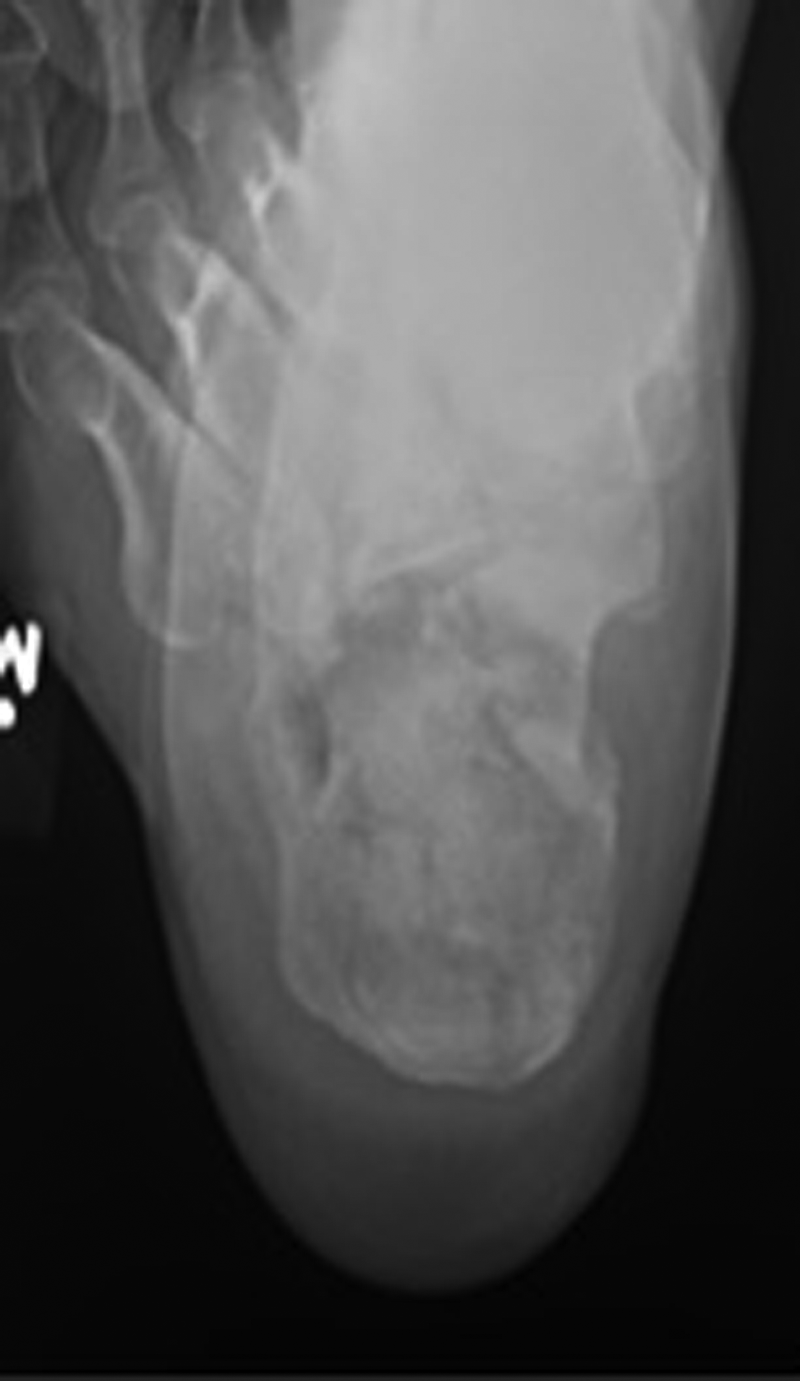
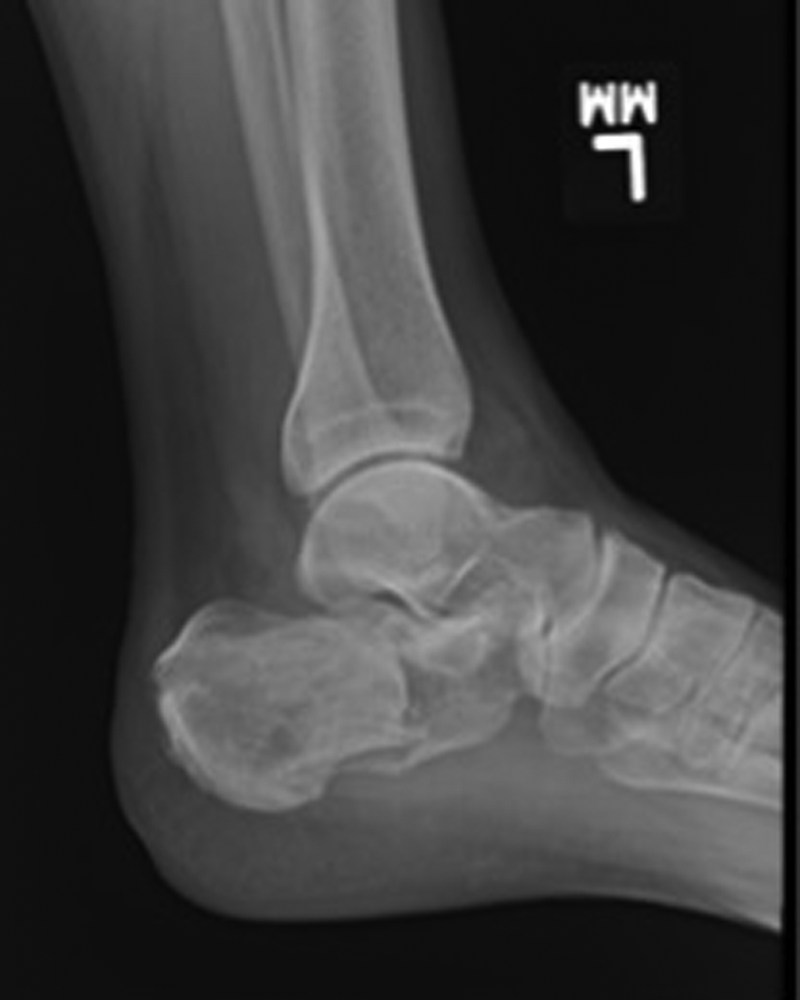
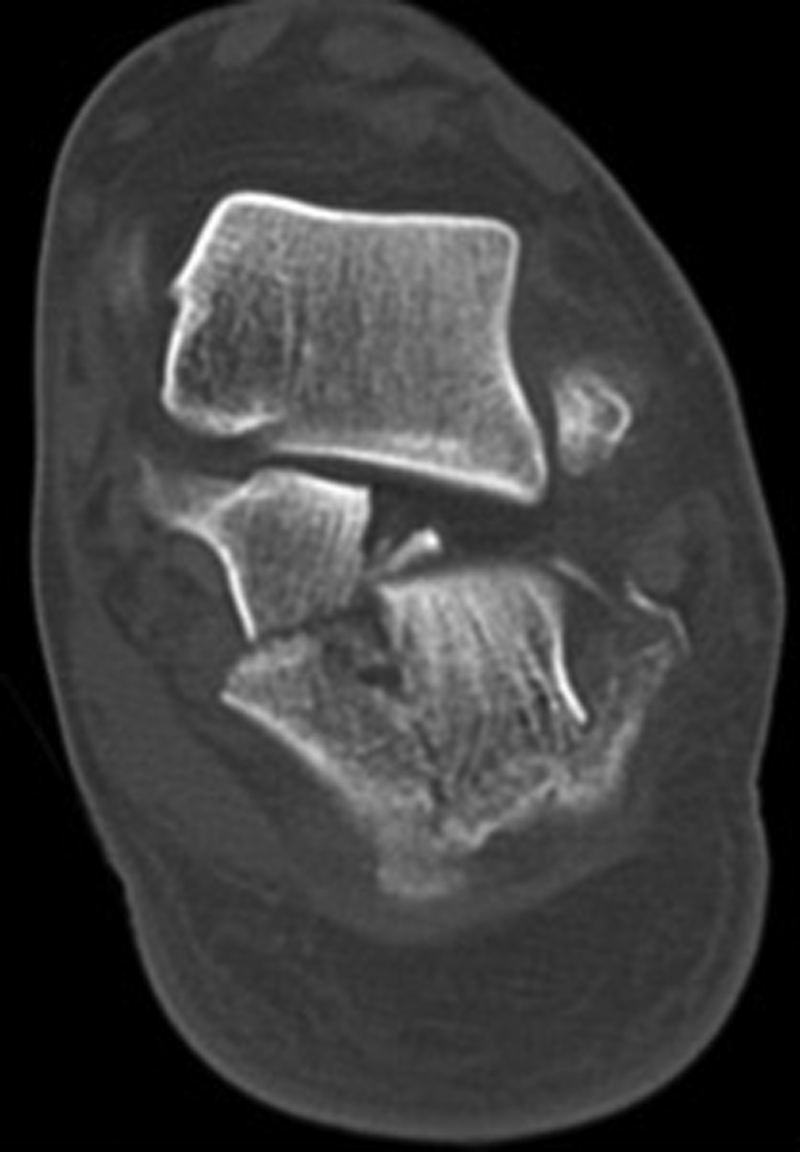
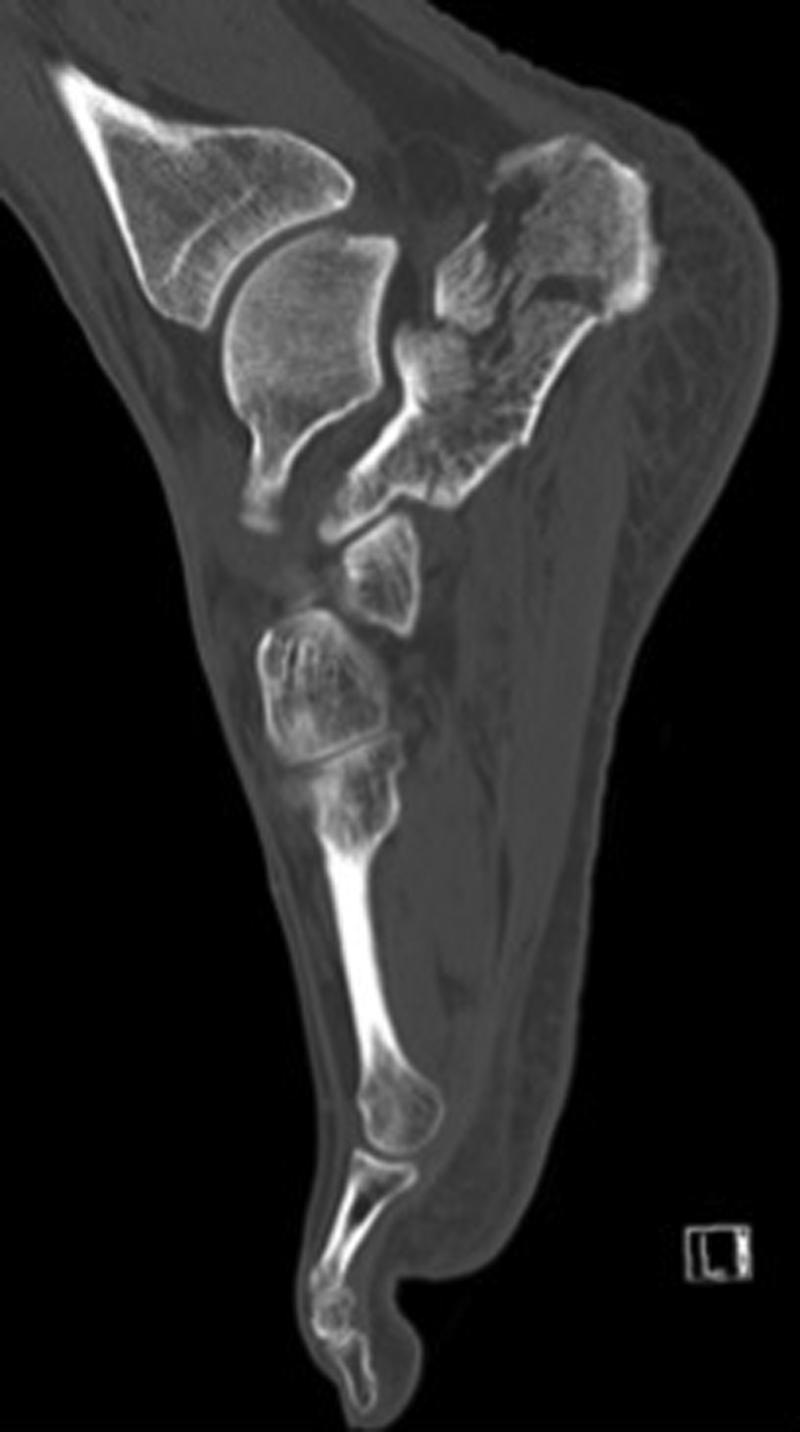
A podiatric surgery escape room was held in Oak Brook, Illinois, in April 2022 and April 2023 for podiatric medicine residents and medical students. The participants were strategically placed into groups of four to six, with each group having at least one podiatric medicine student and one podiatric medicine resident ranging from first year to third year. Each group was guided by one podiatric medicine attending. The groups were provided the history of an imaginary patient and instructed to perform surgical procedures on cadaveric specimens to treat the patient. To “escape” or complete the case, the groups had to solve various puzzles and answer podiatric medicine questions to unlock surgical instruments and orthopedic hardware, such as identifying numbers listed in the History of Present Illness that would correspond to a lock combination that opened a box providing a scalpel blade or knowing the AO drill sizes of screws being used for an open reduction and internal fixation that would correspond to a lock combination that opened the hardware needed for the next stage of the case. All groups were given a unique case scenario and approximately 100 min to unlock the clues and complete their procedures. At the end of the event, each group discussed their case and surgical technique, and open discussion was encouraged on tips and pearls from the faculty. Finally, a survey was provided to all participants for feedback (Table 1). An example of a case scenario with associated diagnostic images is outlined in Figures 1 through 4.
Table 1. Responses of Participants to Podiatric Surgery Escape Room Survey
Japma 115 23193 t001
Figure 1. Axial radiograph of calcaneal fracture.
Japma 115 23193 f001
Figure 2. Lateral radiograph of calcaneal fracture.
Japma 115 23193 f002
Figure 3. Coronal view of computed tomography scan of calcaneal fracture.
Japma 115 23193 f003
Figure 4. Sagittal view of computed tomography scan of calcaneal fracture.
Japma 115 23193 f004

Initial Envelope Opened by Group for Case Scenario After Watching Introductory Video (Stage 1)

History of Present Illness.

A 34-year-old male arrived at the emergency department with complaints of an open wound and heel pain to the left lower extremity following a fall off a ladder while working on a roof. There was also an open wound to the medial foot from the injury/deformity. The patient said the injury occurred 30 min prior to arrival and he last ate at 10 pm the night prior.

Physical Examination.

  • Integumentary: An open lesion was noted to the medial left foot, with active bleeding present.
  • Vascular: Dorsalis pedis and posterior tibial pulses were palpable bilaterally. Capillary refill time was less than 3 sec in all ten toes. Nonpitting edema was present to the left foot.
  • Neurologic: Sensation was intact in the bilateral lower extremities.
  • Musculoskeletal: The patient was able to freely dorsiflex/plantarflex all digits of the left foot. Mild deformity was noted to the left foot. Otherwise, the examination was deferred because of recent trauma.

Diagnostic Testing.

The patient received axial and lateral radiographs as well as coronal and sagittal computed tomography scans of the calcaneal fracture.

Proposed Surgical Treatment.

Place the patient in a delta frame to stabilize the open fracture and use the appropriate advanced skin substitute on the medial wound.

Second Envelope Opened by Group for Case Scenario (Stage 2)

After being in a delta frame for 6 weeks, the patient is now ready for definitive treatment.

Proposed Surgical Treatment.

Perform an open reduction and internal fixation of the calcaneus versus primary subtalar joint fusion versus both using your hardware of choice. Challenge: If additional time is available, perform a sural neurectomy by suturing a nerve conduit closed on one end and suturing the conduit to the transected nerve end with 8-0 nylon.

Results

A total of 49 participants completed the survey. Of these, 47 agreed or strongly agreed with the statement “I found this surgery escape room more helpful than other laboratories I have participated in.” A total of 45 of 49 participants stated they would attend the event again the next year. In addition, ten participants agreed and 39 participants strongly agreed with the statement “I had sufficient hands-on experience.”

Discussion

Previous studies have shown that hands-on training proves to be the most beneficial, especially for surgery residents and students. Wolf and Britton [3] provided a survey questionnaire to orthopedic residents after conducting cadaver-based arthroscopic laboratory sessions and found that observation and participation in the operating room were the highest ranked learning activity for surgical education and sessions in the cadaveric laboratory ranked second. Sharma et al [4] also found that a cadaveric procedural anatomy simulation course covering surgical procedures was associated with significant improvements in trainees’ operative performance. By promoting hands-on skills in a surgery escape room, the goal is to encourage confidence and autonomy in podiatric surgery residents.
Similarly, Chu et al [5] studied the benefits of cadaveric hands-on training specifically for podiatric medicine residency training and found that cadaveric laboratories improve residents’ surgical efficiency and increase their level of confidence in the operating room. McQueen et al [6] found that surgeon stress is multifactorial and there must be identification of different strategies to promote wellness and optimize performance. We suggest that this form of hands-on training may promote a positive learning environment as well as decrease overall stress in the operating room. This may lead to better performance and outcomes for the surgeon.
Rao et al [7] studied the benefit of performing team-based tasks in an operating room simulation and found that implementation of team-based technical skills training in surgery residency may improve both the technical and the nontechnical skills of surgery residents. Participants are placed into teams for a surgery escape room. This promotes team building, which is often seen in real-life surgical scenarios.
Recreational escape rooms have flourished over the past several years because they are fun, engaging, and facilitate a teamwork approach to solving puzzles. To date, no studies have evaluated the benefit of combining team-based cadaveric laboratories with an escape room format in the field of podiatry. Our results show that applying an escape room format may be even more beneficial than traditional surgery laboratories because of these characteristics.

Conclusions

The use of an escape room format for teaching podiatric surgery principles in residency programs offers numerous advantages. It actively engages residents, provides realistic surgical simulation, promotes teamwork and collaboration, enhances time management and pressure-handling skills, improves knowledge retention, and boosts motivation and engagement. By incorporating this innovative format, residency programs can enhance the educational experience, better prepare residents for real-world surgical challenges, and ultimately contribute to the delivery of high-quality podiatric care. Future areas of study will include incorporating a pre- and post-survey of new skills learned, assessing time for completion of procedures, and evaluating improvement in efficiency of specific procedures after completing the course. This unique form of surgical education leads to impactful engagement of residents and students, enhancing their growth in skills and knowledge.

Financial Disclosure

None reported.

Conflict of Interest

None reported.

References

  1. Holland JP, Waugh L, Horgan A, et al: Cadaveric hands-on training for surgical specialties: is this back to the future for surgical skills development? J Surg Educ 68: 110, 2011; doi: 10.1016/j.jsurg.2010.10.002.
  2. Council on Podiatric Medical Education: Standards and requirements for approval of podiatric medicine and surgery residencies. Available at: https://www.cpme.org/wp-content/uploads/2025/05/CPME-320-Standards-and-Requirements-for-Approval-of-Podiatric-Medicine-and-Surgery-Residencies-effective-July-2023.pdf. Accessed September 24, 2023.
  3. Wolf BR, Britton CL: How orthopaedic residents perceive educational resources. Iowa Orthop J 33: 185, 2013.
  4. Sharma G, Aycart MA, O’Mara L, et al: A cadaveric procedural anatomy simulation course improves video-based assessment of operative performance. J Surg Res 223: 64, 2018; doi: 10.1016/j.jss.2017.05.067.
  5. Chu AK, Law RW, Greschner JM, et al: Effectiveness of the cadaver lab in podiatric surgery residency programs. J Foot Ankle Surg 59: 246, 2020; doi: 10.1053/j.jfas.2019.08.004.
  6. McQueen S, Mobilio MH, Moulton CA: Fractured in surgery: understanding stress as a holistic and subjective surgeon experience. Am J Surg 221: 793, 2021; doi: 10.1016/j.amjsurg.2020.04.008.
  7. Rao R, Dumon KR, Neylan CJ, et al: Can simulated team tasks be used to improve nontechnical skills in the operating room? J Surg Educ 73: e42, 2016; doi: 10.1016/j.jsurg.2016.06.004.