Biologically, aging is characterized by the accrual of diverse molecular and cellular damage over time, leading to a steady decay in physical and mental abilities [
1]. Aging often impairs balance control and escalates the risk of falls [
2], resulting in functional deterioration, diminished independence, premature mortality, heightened fear of falling (FoF), potential institutionalization, increased medical expenses, and a decrease in quality of life [
3,
4]. Falls, a predominant syndrome among older adults, cause global morbidity and mortality [
5]. Without intervention, they are projected to be the 17th leading cause of death by 2030 [
6].
A fall is an abrupt, unintentional loss of balance resulting in an unplanned descent to the ground or a lower level, potentially causing injury. This event is commonplace and devastating among older adults [
7,
8], often disrupting regular daily activities [
9]. Among the related consequences are FoF and balance disorder [
10,
11]. The former refers to an individual's apprehension regarding falls or the anxiety surrounding daily activities without falling [
12,
13]. A balance disorder, a common cause of falls, is the inability to retain balance or sustain the body's center of gravity over its support base [
14].
The most effective method of controlling falls among older adults is prevention [
15]. Ill-fitting footwear, a significant domestic hazard, can increase the risk of falls [
16]. Previous research has demonstrated that custom-designed balance shoes can enhance postural balance in older adults more effectively than personal shoes [
17]. As part of fall prevention strategies, nonslip socks can be considered in addition to appropriate footwear.
These socks can increase foot-to-ground friction and may aid balance by preventing heel slips while maintaining body temperature and managing skin hydration [
18]. Nonslip socks, commonly used in yoga, ballet, and hospital settings, might help prevent slips among older adults at home. However, evidence regarding their efficacy is limited and inconsistent [
19].
So far, only one study has explored the biomechanical impacts of nonslip socks on slip resistance during walking compared with bare feet, standard socks, and backless slippers. The results suggest that nonslip socks may provide more elasticity and better slip resistance than the alternatives, including barefoot walking [
20]. Moreover, previous studies show that 30% of older adults are usually barefoot or wear only socks at home [
21], with a minor percentage donning shoes, slippers, or sandals [
22]. Most choose slippers due to cost-effectiveness and comfort. However, more than 60% of older adults wear ill-fitting footwear, causing potential foot pain and damage [
23].
Considering the importance of the subject and the small number of these studies at the global level, as well as creating the power to choose the right product (nonslip socks in the market) to improve the health of older people, this study investigated the effect of nonslip socks on maintaining balance and preventing older women from falling at home.
Materials and Methods
Setting and Participants
This parallel controlled trial was conducted on a population of older women associated with the Farzangan Daily Caring Foundation (FDCF) in Shiraz, southern Iran, in late 2022. The sample size of this study was determined with NCSS-PASS software Version 15 (NCSS LLC, Kaysville, Utah) considering mean difference and standard deviation from comparable previous studies [
22]. Factoring in a 99% confidence level and a significance level of α = 0.01, a sample size of 42 participants was established, allowing for a 10% attrition rate.
In this trial, 250 older adults were chosen randomly through an Excel-based (Microsoft Corp, Redmond, Washington) random number table and matched with their respective FDCF ID codes. Inclusion criteria for this study mandated that participants be female, aged 60 to 74 years, willing to participate, devoid of any history of falls leading to motor damage, ambulatory without aid for at least 12 m, and free of cognitive, neurologic, or muscular impairments ascertained via observation, self-reporting, and their FDCF file. A standard Timed Up and Go (TUG) test with the person wearing their own shoes was also required. Demographic data were collected via a questionnaire, and 42 participants were chosen via simple random sampling. The sample was then divided into six equal groups of seven using Efron's equal block randomization method through PASS software Version 15. Two groups were designated as controls and four were chosen as intervention groups. All of the participants provided written informed consent. Data collection, in the form of interviews and questionnaires, occurred in two phases, July 9 to 27, 2022, and October 1 to 17, 2022, administered by the researcher at the participants' residences.
Instrumentation
Participant data were collected via a demographic questionnaire, which gathered details on age, sex, educational level, marital status, parenthood, housing and employment status, monthly income, medical conditions, and the number of falls experienced in the past year.
The study used the Short Falls Efficacy Scale International (Short FES-I) to investigate fear of falling (FoF), or more specifically, worry about falling. The Short FES-I comprises seven items rated on a 4-point Likert scale. Scores range from 7 (no worry about falling) to 28 (severe worry about falling).
The nine-item Berg Balance Scale (BBS-9) was used to evaluate balance. Each item is scored from 0 to 4, yielding a total balance score between 0 and 36. Lower scores indicate poorer balance, and higher scores signify better balance.
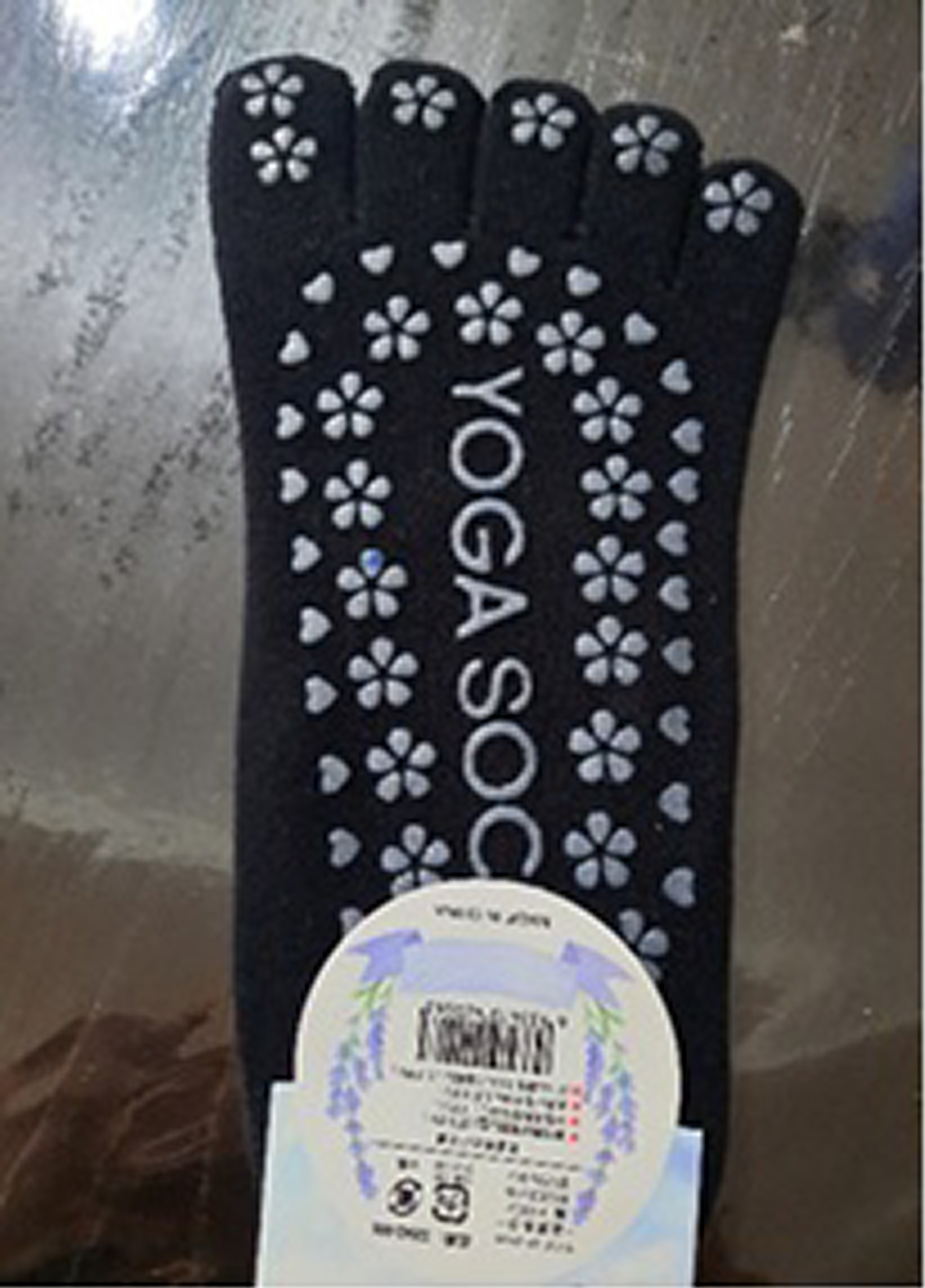
The TUG test was performed to further evaluated balance. Four types of socks were considered for this intervention: 1) NOVA cotton socks (NOVA Textile Co., Tehran, Iran), size specific, with a nonslip silicone sole; 2) Coco yoga socks (distributed locally in Iran under the Coco Lauderly brand), made of cotton, with a silicone sole, free size (ie, one size fits all) (
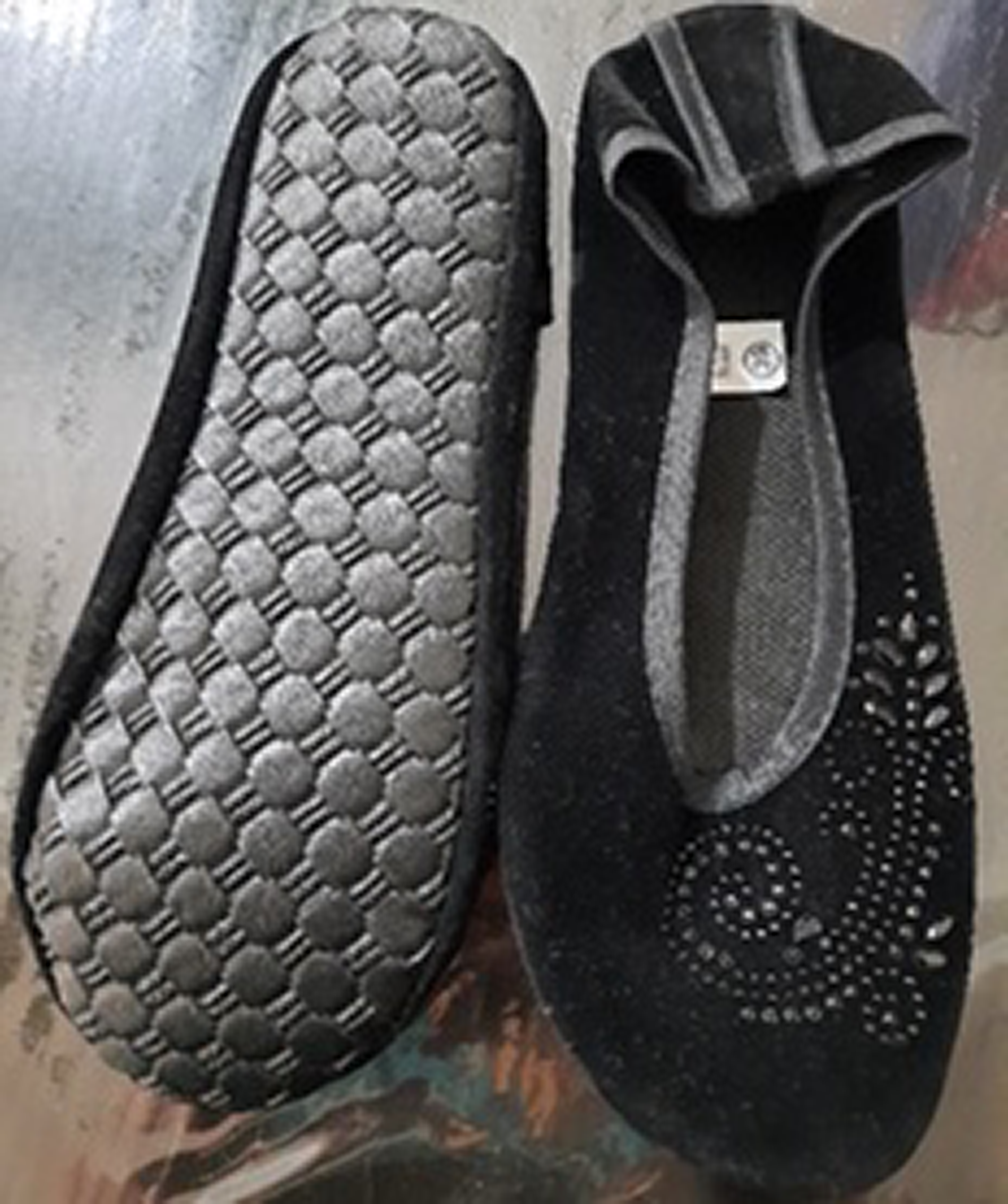
Fig. 1); 3) ANIPA carpet socks (ANIPA Clothing Industries, Tabriz, Iran), made of velvet, with leather and nonslip soles, size specific (
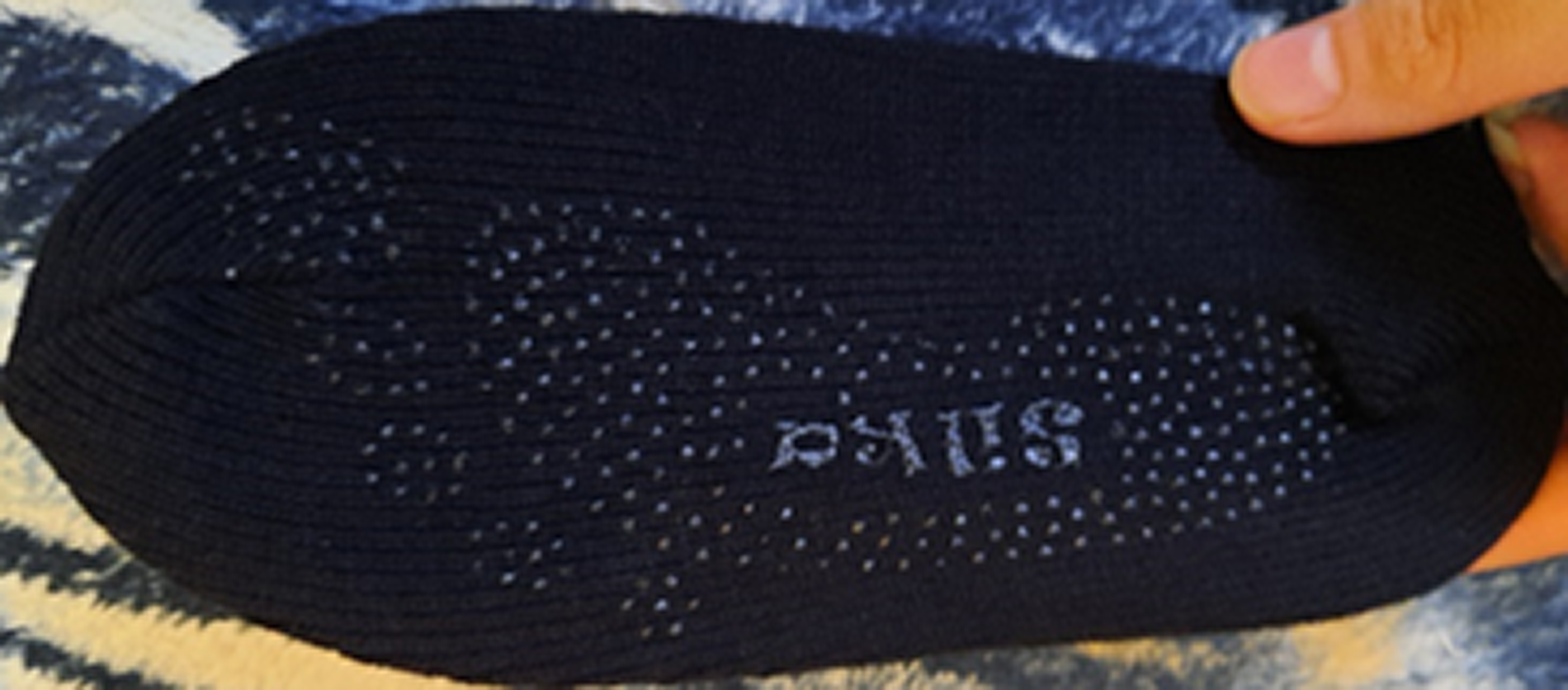
Fig. 2); and 4) CULKA brand socks (locally manufactured in Iran), free size, with a nonslip floor and compact plastic ridges (
Fig. 3). Medical-grade, leather, and size-specific sandals were also used for all of the study groups (four intervention and two control groups).
Figure 1.
Coco Lauderly brand yoga socks.
Figure 1.
Coco Lauderly brand yoga socks.
Figure 2.
ANIPA carpet socks.
Figure 2.
ANIPA carpet socks.
Figure 3.
CULKA brand socks.
Figure 3.
CULKA brand socks.
Procedure
For each group (two control and four intervention), a 60- to 100-min instructional session was conducted. These sessions entailed face-to-face education using materials such as pamphlets, PowerPoint presentations, and instructional videos. After each session, the intervention group members received a pair of nonslip socks. They were then asked to don these socks before undergoing the Short FES-I, the TUG test, and BBS-9 evaluation.
The participants in the intervention groups were instructed to wear the provided socks immediately on waking up and to continue to wear them throughout their waking hours for 2 months. Control group 1 was directed to walk within their homes wearing sandals, and control group 2 was asked to do so barefoot.
After the training, all of the participants underwent the previously mentioned assessments. These tests were administered again after 2 months, marking the end of the study period. This occurred in two phases: from July 9 to 27, 2022, and from October 1 to 17, 2022. Also during this period, the control groups had their normal daily life. But the intervention groups wore four models of socks all of the the time they were awake at home. Wearing socks was also emphasized over the phone to the intervention groups.
Statistical Analysis
Before conducting the statistical analyses, all of the parameters were tested for normal distribution using the Shapiro-Wilk, Kolmogorov-Smirnov, and D'Agostino tests (P ≥ .05), with the latter test facilitated by GraphPad Prism software (Version 7; GraphPad Software, Boston, Massachusetts). The finalized data set, devoid of missing values and verified for normal distribution, was subsequently interpreted via descriptive (mean, standard deviation) and analytical (multivariate regression, paired t test, independent t test, χ2 test, and path analysis) statistics.
Demographic information in the intervention group was characterized using descriptive statistics such as mean, standard deviation, and frequency. Preintervention and postintervention data were analyzed using independent and dependent
t tests and one-way analysis of variance (ANOVA). Effect sizes were calculated using Cohen's
d, Glass's δ, Hedges' G, partial η
2, Cohen's U3, and ω
2. Data analysis was performed with IBM SPSS Statistics for Windows (Version 28.0; IBM Corp; Armonk, New York) and Magnusson web software [
24].
Ethical Considerations
The ethics committee of Shiraz University of Medical Sciences (Shiraz, Iran) sanctioned the study protocol in April 2022. All of the participants provided informed consent to participate. This research was executed following the principles of the 2013 Helsinki Declaration and the CONSORT 2009 guidelines.
Results
This study evaluated 42 older participants with a mean age of 69.12 years (P = .879). The ANOVA indicated no significant age difference between the groups. Supplemental Table 1 presents the demographic variables, such as chronic diseases, disease duration, specific medications, living situation, marital status, educational level, health status, balance issues history, and previous year's falls. There were no significant differences in these variables between the intervention and control groups, including the fall location and floor material (P > .05).
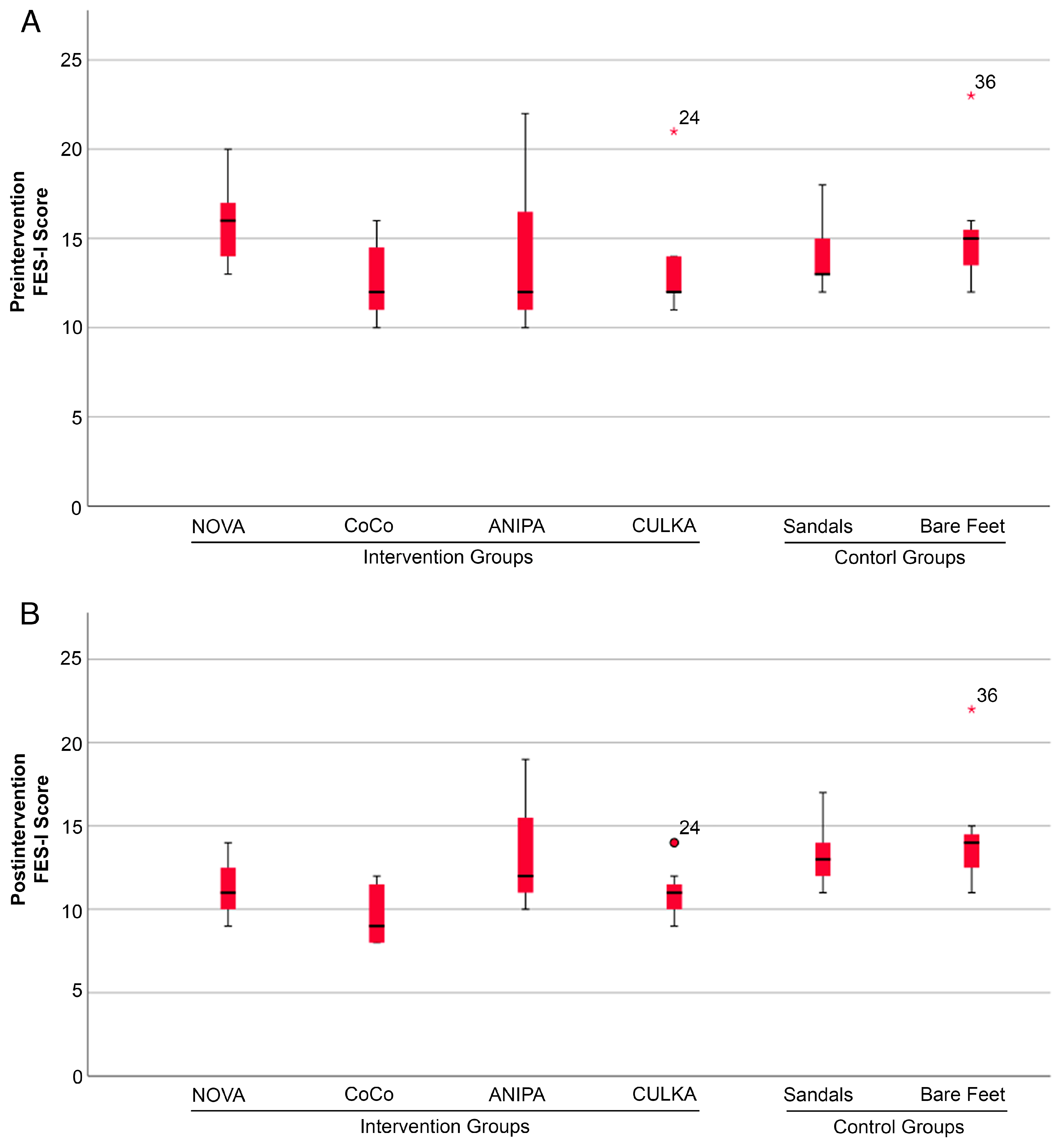
As illustrated in
Table 1, there was no significant difference in the FoF scores among older participants before the intervention (
P = .532). However, a significant difference was observed after 2 months of sock use (
P < .05).
Figure 4 illustrates the results of FoF using the Short FES-I in the six study groups.
Table 1.
One-way Analysis of Variance Results for Fear of Falling Before and After Using Nonslip Socks
Table 1.
One-way Analysis of Variance Results for Fear of Falling Before and After Using Nonslip Socks
Figure 4.
Box plots showing the results of fear of falling using the Short Falls Efficacy Scale International (FES-I) before (A) and after (B) the intervention in the six study groups. Horizontal bars indicate medians; lower and upper ends of the boxes, the first and third quartiles; whiskers, the minimum and maximum values within 1.5× the interquartile range; circles, outliers; and stars, statistically significant differences (P < .05).
Figure 4.
Box plots showing the results of fear of falling using the Short Falls Efficacy Scale International (FES-I) before (A) and after (B) the intervention in the six study groups. Horizontal bars indicate medians; lower and upper ends of the boxes, the first and third quartiles; whiskers, the minimum and maximum values within 1.5× the interquartile range; circles, outliers; and stars, statistically significant differences (P < .05).
The intervention's effect coefficients, ω2 (0.1903) and partial η2 (0.470), suggest that using nonslip socks led to a favorable 19% reduction in FoF in older adults. A paired t test was used for group comparisons. The results indicated that NOVA nonslip socks had the most remarkable effectiveness in reducing FoF in older adults (211%) based on Cohen's d effect coefficient (2.11) and Glass's δ (2.54) (P < .05). Furthermore, Cohen's U3 coefficient was used to assess the intervention's effectiveness and indicated a highly favorable outcome, with a score of 84.8%.
As depicted in
Table 2, there was no significant difference in balance scores, as per the BBS-9, among older participants before the intervention (
P = .833). However, a significant difference was observed after 2 months of sock use (
P < .05).
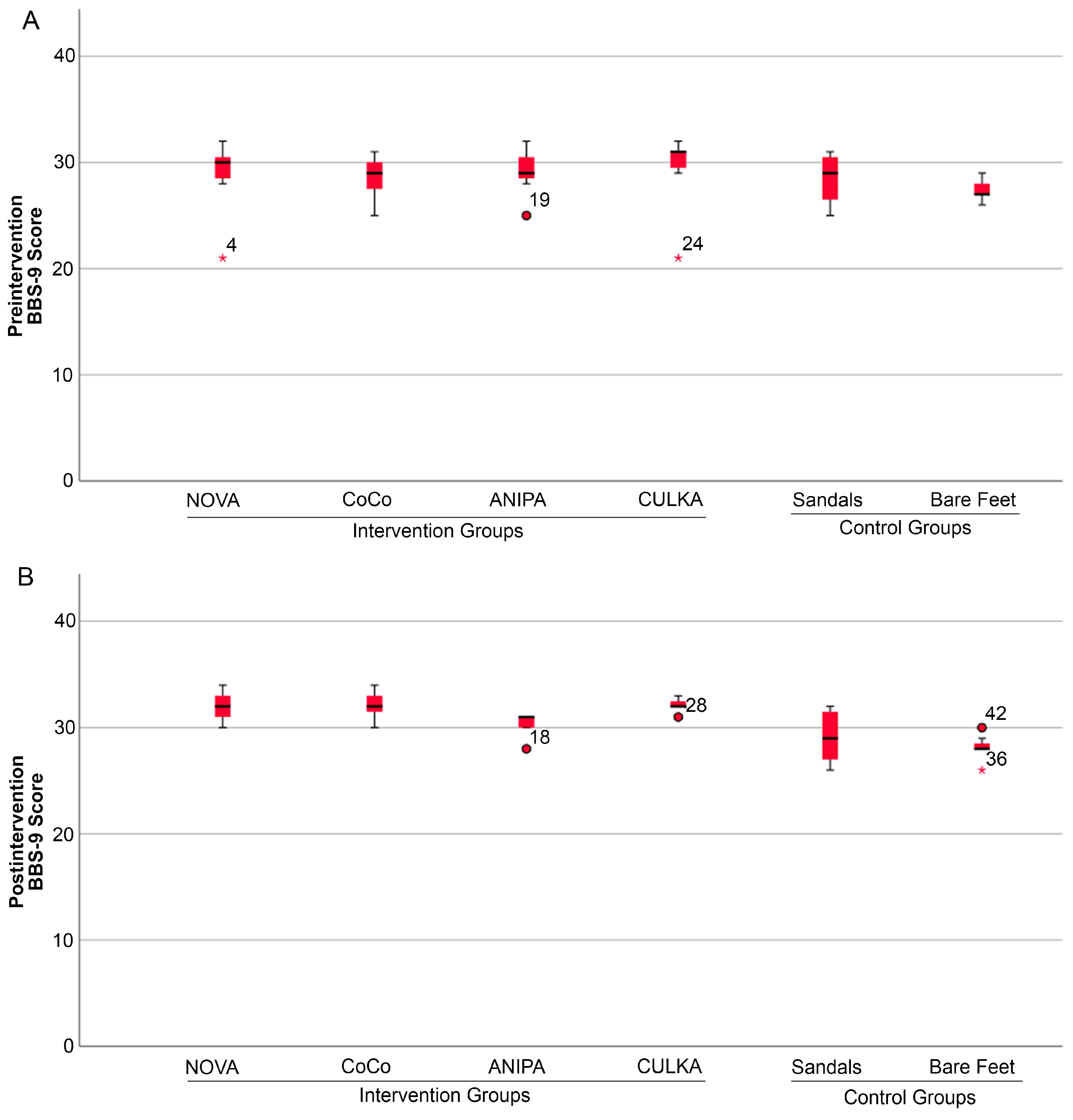
Figure 5 illustrates the results of balance in the six study groups.
Table 2.
One-Way Analysis of Variance Results for the Berg Balance Scale-9 Before and After Using Nonslip Socks
Table 2.
One-Way Analysis of Variance Results for the Berg Balance Scale-9 Before and After Using Nonslip Socks
Figure 5.
Box plots showing the results of balance using the nine-item Berg Balance Scale (BBS-9) before (A) and after (B) the intervention in the six study groups. Horizontal bars indicate medians; lower and upper ends of the boxes, the first and third quartiles; whiskers, the minimum and maximum values within 1.5× the interquartile range; circles, outliers; and stars, statistically significant differences (P < .05).
Figure 5.
Box plots showing the results of balance using the nine-item Berg Balance Scale (BBS-9) before (A) and after (B) the intervention in the six study groups. Horizontal bars indicate medians; lower and upper ends of the boxes, the first and third quartiles; whiskers, the minimum and maximum values within 1.5× the interquartile range; circles, outliers; and stars, statistically significant differences (P < .05).
The intervention's effect coefficients, ω2 (0.2257) and partial η2 (1.264), suggest that using nonslip socks led to a favorable increase in the balance of 22.5% in older adults. Group comparisons were conducted with a paired t test. The results indicated that Coco nonslip socks demonstrated the highest effectiveness in increasing balance in older adults (204%) based on Cohen's d effect coefficient (2.04) and Glass's δ (1.72) (P < .05). In addition, the intervention's effectiveness was assessed with Cohen's U3 coefficient, which demonstrated a highly favorable outcome with a score of 100%.
Table 3 reveals no significant difference in balance scores (TUG test) among older participants before the intervention (
P = .060). However, a significant difference became apparent after 2 months of sock use (
P < .05).
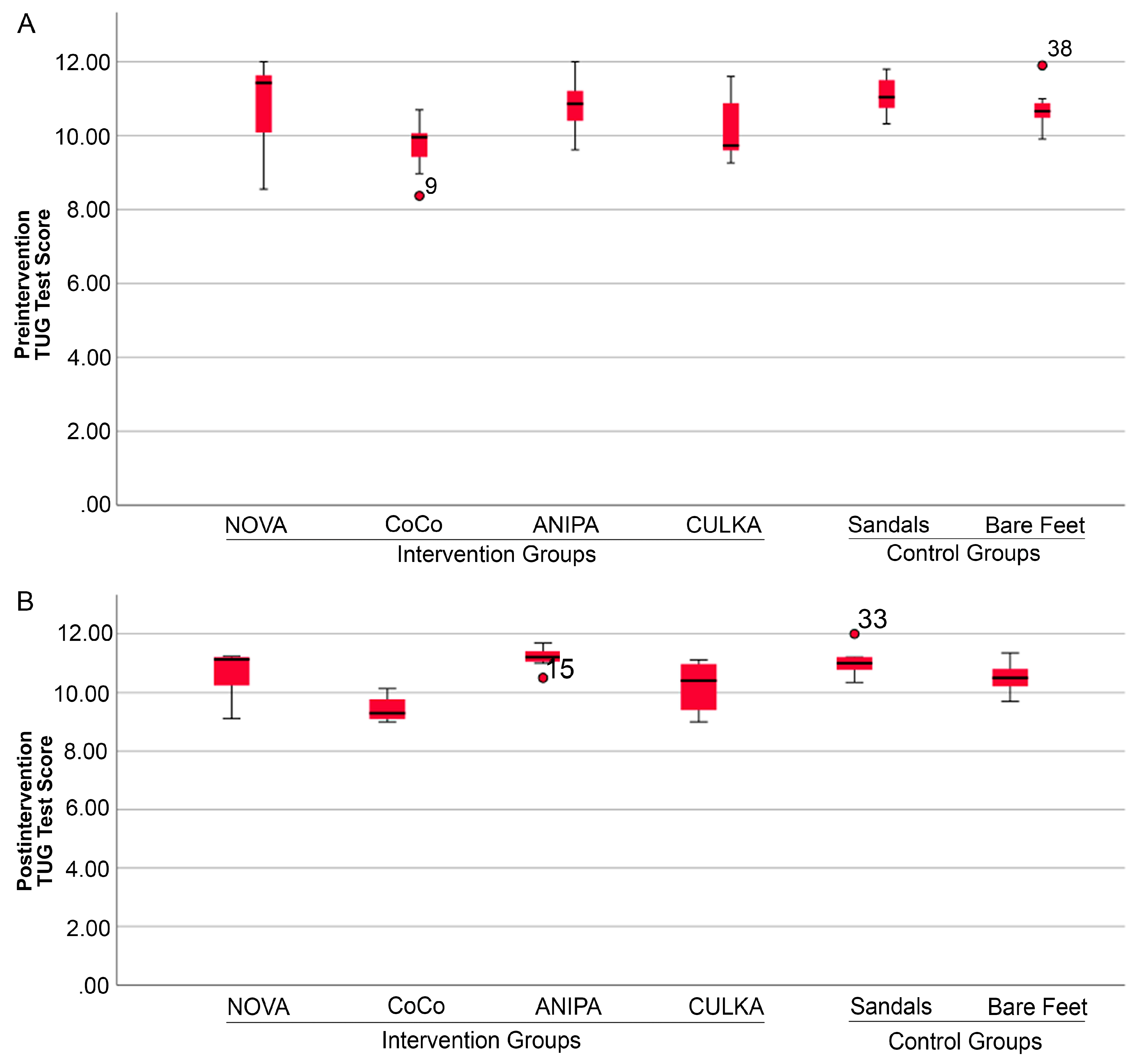
Figure 6 illustrates the results of balance using the TUG test in the six study groups.
Table 3.
One-Way Analysis of Variance Results for the Timed Up and Go Balance Variable Before and After Using Nonslip Socks
Table 3.
One-Way Analysis of Variance Results for the Timed Up and Go Balance Variable Before and After Using Nonslip Socks
Figure 6.
Box plots showing the results of balance using the Timed Up and Go (TUG) test before (A) and after (B) the intervention in the six study groups. Horizontal bars indicate medians; lower and upper ends of the boxes, the first and third quartiles; whiskers, the minimum and maximum values within 1.5× the interquartile range; and circles, outliers.
Figure 6.
Box plots showing the results of balance using the Timed Up and Go (TUG) test before (A) and after (B) the intervention in the six study groups. Horizontal bars indicate medians; lower and upper ends of the boxes, the first and third quartiles; whiskers, the minimum and maximum values within 1.5× the interquartile range; and circles, outliers.
The intervention's effect coefficients, ω2 (0.0288) and partial η2 (0.956), revealed that nonslip socks favorably increased balance by 2.8% in older adults. Group comparisons were made using a paired t test. The results, supported by Cohen's d effect coefficient (2.00) and Glass's δ (2.18), showed that ANIPA nonslip socks yielded the highest effectiveness (200%) in enhancing balance in older adults (P < .05). Cohen's U3 coefficient gauged the intervention's effectiveness on this variable, scoring a favorable 99.5%.
Table 4 shows the lack of significant differences in the scores related to older participants' fall frequency before the intervention (
P = .997) and after 2 months of sock use (
P ≥ .05).
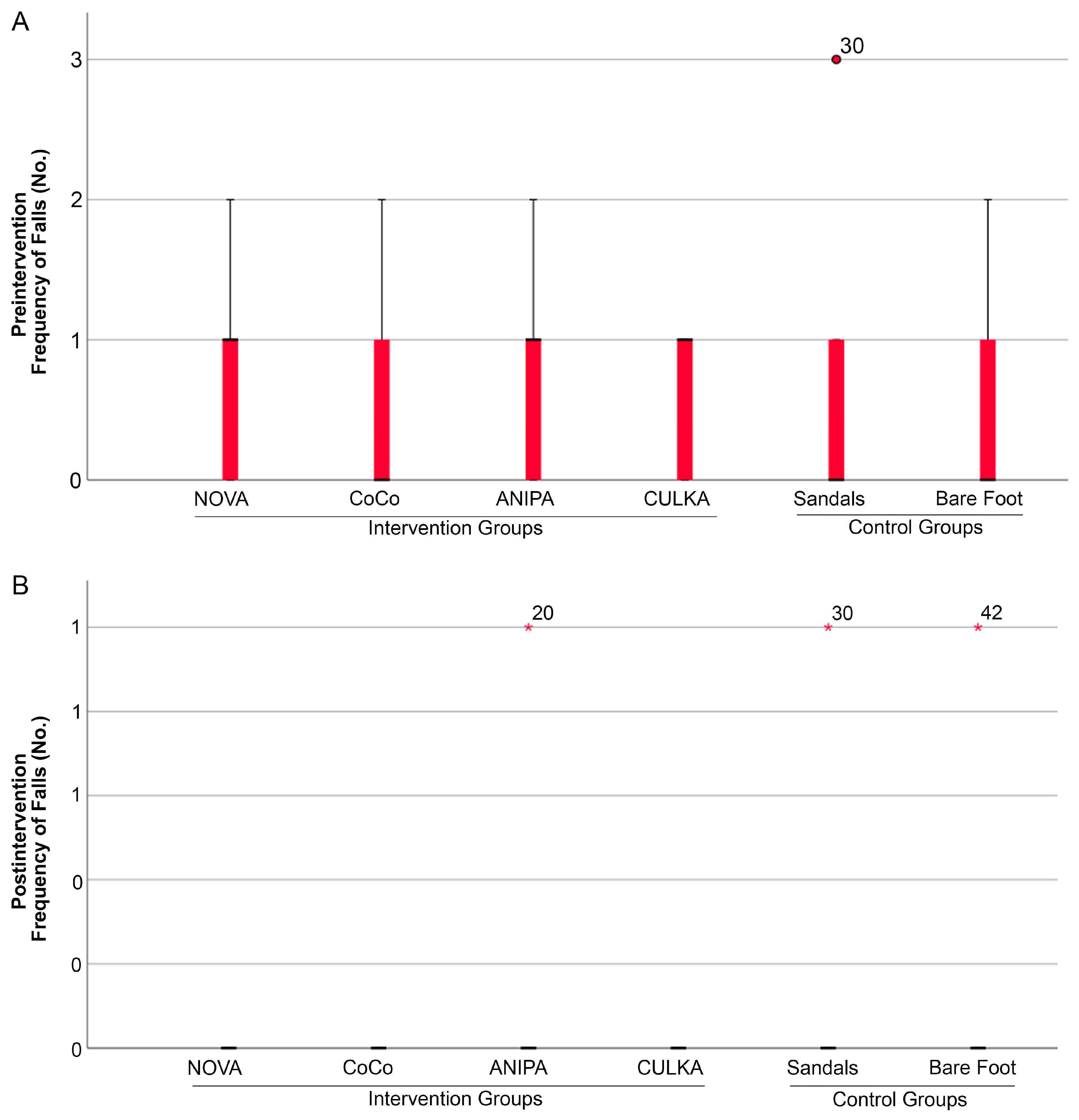
Figure 7 illustrates the results of falling as frequencies in the six study groups. The intervention's effect coefficients, including ω
2 (−0.0003) and partial η
2 (0.083), suggested that nonslip socks did not notably affect the number of falls among older adults.
Table 4.
One-Way Analysis of Variance Results for Falling Frequency Before and After Using Nonslip Socks
Table 4.
One-Way Analysis of Variance Results for Falling Frequency Before and After Using Nonslip Socks
Figure 7.
Box plots showing the results of falling as frequencies before (A) and after (B) the intervention in the six study groups. Horizontal bars indicate medians; lower and upper ends of the boxes, the first and third quartiles; whiskers, the minimum and maximum values within 1.5× the interquartile range; circles, outliers; and stars, statistically significant differences (P < .05).
Figure 7.
Box plots showing the results of falling as frequencies before (A) and after (B) the intervention in the six study groups. Horizontal bars indicate medians; lower and upper ends of the boxes, the first and third quartiles; whiskers, the minimum and maximum values within 1.5× the interquartile range; circles, outliers; and stars, statistically significant differences (P < .05).
Discussion
Epidemiologic studies propose that falls among older adults often occur during transitional movements. Age-related sensory function decline may impair balance in older adults, increasing the risk of falls. The TUG test is frequently used to evaluate essential mobility in this demographic group. These findings indicate that balance was best when older participants wore nonslip socks, followed by bare feet, with a minor balance observed while wearing sandals. This aligns with the results of Jeong et al [
25] showing higher agility/dynamic balance and stability in the nonslip socks group compared with the regular socks group. Contrarily, Yoo al[
26] found speed and stride length to significantly increase when barefoot or wearing sensation-improving socks compared with standard socks. However, the present results were aligned with those of Hatton et al [
17], which reported no difference in observed slips and frequencies of falls between wearing nonslip socks and barefoot walking. However, Hübscher et al [
20] reported that nonslip socks provide walking slip resistance comparable with bare feet, as determined using a heel-mounted accelerometer.
In comparing different sock types, ANIPA velvet socks with leather soles demonstrated the best balance in walking movements among older adults. Following this were NOVA, Coco, and CULKA socks, bare feet, and sandals, in descending order of balance effectiveness. Other balance tests used in this study included the BBS-9, which assessed dynamic and static balance through nine mobility tasks. Many of the older adults struggled with single-leg balance. This complex task is critical for daily activities such as walking. The study results demonstrated increased balance and functional activities after 2 months of intervention. Nonslip socks scored highest, followed by bare feet and sandals. Coco cotton socks with silicone soles generated the best balance among the socks. NOVA, ANIPA, and CULKA socks followed, then bare feet and sandals, respectively.
Relating to this, the study by Goehring et al [
27] showed a significant reduction in swing speed while wearing socks compared with bare feet. However, swing speed did not significantly differ between bare feet and wearing shoes. Conversely, swing speed was significantly lower when wearing socks versus shoes. In contrast, the study by Amiez et al [
23] found that balance shoes improved two-leg balance with eyes closed, and many participants reported feeling more secure and stable with balance shoes.
Excessive caution due to FoF can also reduce balance, walking speed, dual performance, and physical activity levels [
28]. This reduction in walking speed could negatively impact health-related quality of life, social participation, and life satisfaction [
29]. In the present study, FoF significantly decreased in the intervention group after 2 months of sock use. After that, bare feet and sandals showed the highest FoF scores. Among the socks, NOVA cotton socks with silicone soles were most effective in reducing FoF in older participants. Regarding effectiveness in reducing FoF, CULKA socks, Coco socks, bare feet, sandals, and, last, ANIPA socks followed.
The present study harmonizes with previous research, including the exploration by Wang et al [
30] on the use of bespoke, bilateral walking shoes (ankle orthoses) aimed at improving balance and FoF in older adults. The study by Akin et al [
31] implemented motor-cognitive and motor-motor dual-task training to alleviate FoF. Concurrently, Puszczalowska et al [
32] scrutinized the perception of shoe comfort in women to diminish FoF. Furthermore, Kang et al [
33] successfully mitigated FoF through daily mechanical foot stimulation facilitated by a micromobile foot compression device embedded in the shoe's sole. This approach also heightened vibration, walking, and balance sensations in individuals with diabetic peripheral neuropathy.
After 2 months of intervention, the research discerned negligible alterations in the frequency of falls between the intervention and control groups. Unfortunately, nonslip socks did not significantly impact fall reduction in older adults. Despite this, various studies have documented a noticeable decline in falls among older adults after sock use. Notably, the study by Pelliard et al [
34] demonstrated that nonslip socks exert a preventive influence, lowering both fall recurrence and falls related to urinary incontinence. This reduction in falls after sock use has been corroborated by the works of Al-Khatib et al [
35], Stoeckle et al [
36], Wexler et al [
37], Reich et al [
38], and Dacenko-Grawe and Holm [
39], each following an intervention period of several months.
On a broader note, the present findings suggest that wearing socks alone can lead to superior balance performance compared with donning backless flip-flops or sandals. This improvement is likely due to the maximization of tactile sensory input from the feet's soles.
It is also notable that older adults often prefer to be barefoot rather than wear sandals or slippers because it increases sensory feedback and subsequently decreases instability [
40]. A study investigating the impact of sandal stability on the gait of older individuals revealed heightened muscle activity when wearing sandals. This factor could contribute to increased instability among older adults [
41].
Shoes, socks, and slippers are essential interfaces between our feet and the ground, pivotal in maintaining body posture [
42]. When not appropriately designed or chosen they can increase the risk of falls in older adults [
43]. Previous research has indicated that nonslip socks are often favored by older adults who opt not to wear shoes indoors [
22].
The present study further underscores the influence of sock choice on older women's FoF, TUG test, and BBS-9 scores. Wearing these socks during a brief familiarization period (in this study, 2 months) is crucial to maximize their beneficial impact. Moreover, most participants reported positive experiences with nonslip socks compared with their daily slippers. Therefore, the nonslip socks examined in this study present a promising strategy to enhance safety for older adults and help prevent falls.
This study has some limitations. Given that women tend to wear socks and sandals indoors more frequently and experience a higher rate of falls than men, this study specifically targeted older women. Consequently, we cannot ascertain that these findings would directly translate to older men. Moreover, various potential hazards are commonly present in most homes due to local customs, climate, and varying lifestyles, each potentially contributing to the risk of falls and slips. As such, cultural differences, geographic locations, and architectural styles may influence the ultimate results. Thus, it is essential to consider these contextual factors when applying these findings to different populations and settings.
Conclusions
This research demonstrates that nonslip socks can enhance balance and walking compared with sandals or being barefoot, reducing the risk of falls. Future investigations should contemplate including this style of indoor footwear (including different types of socks, sandals, slippers, and bare feet) within a comprehensive fall prevention program.