Next Article in Journal
Meta-Analysis of Surgical Site Infections in Elective Foot and Ankle Surgery
Previous Article in Journal
Theory of the Biomechanical Evolution of the Rheumatoid Foot: A Narrative Review
 
 
Journal of the American Podiatric Medical Association is published by MDPI from Volume 116 Issue 1 (2026). Previous articles were published by another publisher in Open Access under a CC-BY (or CC-BY-NC-ND) licence, and they are hosted by MDPI on mdpi.com as a courtesy and upon agreement with American Podiatric Medical Association.
Article

Reimplantation Windowing Technique for Pediatric Calcaneal Tumor: A Case Report

by
Bryanna D. Vesely
1,*,
Devon J. Niewohner
1 and
Paula Gangopadhyay
2
1
Wake Forest Baptist Medical Center, 1 Medical Center Blvd, Winston- Salem, NC 27157
2
Wake Forest Baptist Health, Lexington Medical Center, Lexington, NC.
*
Author to whom correspondence should be addressed.
J. Am. Podiatr. Med. Assoc. 2025, 115(5), 23027; https://doi.org/10.7547/23-027
Published: 1 September 2025

Abstract

Intraosseous cysts of the calcaneus are rare, are usually asymptomatic, and most commonly affect the general population in the third and fourth decades of life. When conservative treatment fails, surgery may be necessary. However, there is no consensus on the surgical technique for the removal of intraosseous calcaneal cysts. In this case study, we present a symptomatic intraosseous cyst of the calcaneus in a 17-year-old pediatric patient. Treatment was recalcitrant to conservative measures, and a novel surgical technique using a bone window was used to treat the intraosseous lesion. To our knowledge, this is the first study to describe a windowing technique for access to the lesion followed by reimplantation of the window for additional support.

Intraosseous lipomas are rare, composing less than 0.1% of benign bone tumors. The most frequent localizations are in the calcaneus and femur [1]. The most common presenting symptoms are pain and swelling [1]. Intraosseous lipomas are often misdiagnosed as more common conditions such as plantar fasciitis, retrocalcaneal cyst, Haglund deformity, stress fracture, and other bone tumors.
This pathologic disorder is rare, making it difficult to account for the true incidence of intraosseous lipomas in epidemiologic studies [2,3]. Previous studies have shown symptomatic presentation to be, on average, in the third and fourth decades of life. However, most studies present small patient populations [4,5,6]. Most studies show equal distribution between the sexes [4,5]. Most intraosseous lipomas are asymptomatic and discovered incidentally. However, for patients who are symptomatic, surgery may be necessary if conservative treatment fails. Treatment normally entails curettage and bone grafting and possible correction of pathologic fracture as needed [7]. Ulucay et al. [6] described using a curette and filling the defect with cancellous autografts. Aycan et al. [4] also described a similar intralesional curettage technique with corticospongeous allograft.
Due to the infrequent nature of calcaneal intraosseous lipomas, there is no consensus on surgical technique for patients who fail conservative treatment. This study presents a unique case of a symptomatic pediatric calcaneal lesion with suspicion for possible intraosseous lipoma versus cyst. We also demonstrate a novel technique of using a bone window for access to the lesion followed by reimplantation of the window for better structure. The postoperative protocol was complicated by pathologic fracture.

Case Study

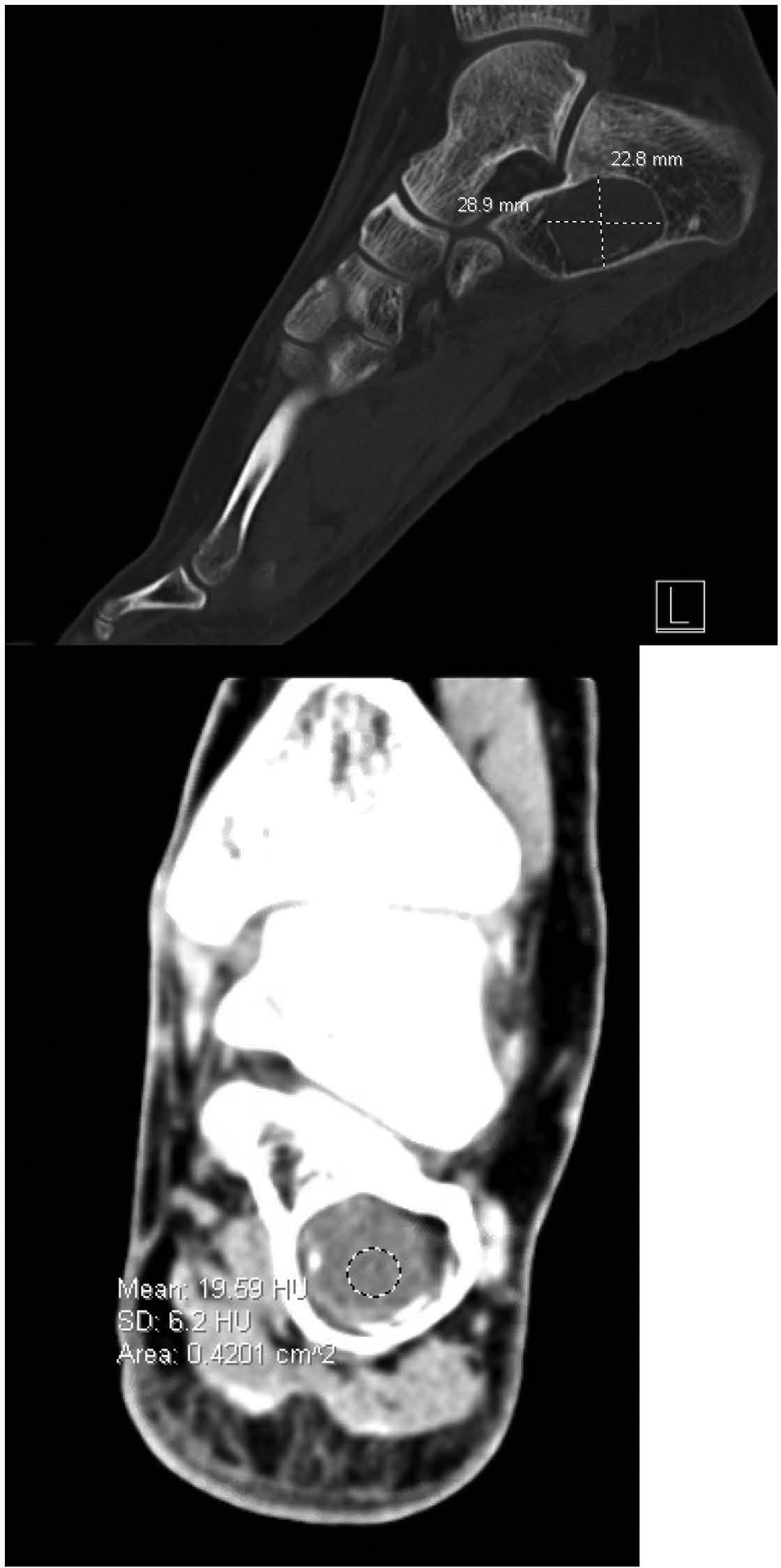
A 17-year-old female with no pertinent medical history presented to the emergency department for new left foot pain with no preceding injury or trauma. She admits to swelling and denies numbness. Computed tomography was performed in the emergency department and showed a calcaneal bone cyst and possible acute chip fracture over the navicular bone versus the accessory bone. The computed tomographic scan was reviewed and showed a 2.3 × 2.9 × 2.1-cm lesion with sclerotic margins and mixed fat and fluid attenuation (Fig. 1). The radiologist interpreted this as possible intraosseous lipoma versus unicameral bone cyst. A magnetic resonance image (MRI) was obtained as well that was interpreted as possible intraosseous lipoma. Outpatient follow-up in the podiatric medical clinic was recommended. At the first podiatric medical appointment, she pointed to the left medial foot over the navicular bone and the insertion of the posterior tibial tendon as the area of most severe pain, with mild tenderness at the lateral calcaneus. She was treated conservatively for a possible chip fracture of the navicular bone and posterior tibial tendinitis. The pain at the navicular bone eventually resolved with conservative treatment with protected weightbearing in a fracture boot and anti-inflammatory medication. However, her pain at the lateral calcaneus persisted and began to worsen. On physical examination, she continued to have pain with the calcaneal squeeze test and on palpation of her lateral calcaneus; however, she had no mottling skin or hyperemia. After monitoring for almost 3 months and performing the conservative treatment, the patient continued to have severe pain pointing to her lateral calcaneus and elected to proceed with surgical removal of the cyst.
Figure 1. Preoperative computed tomographic scan showing a 2.3 × 2.9 × 2.1-cm lesion with sclerotic margins and mixed fat and fluid attenuation.
Japma 115 23027 g001

Surgical Technique

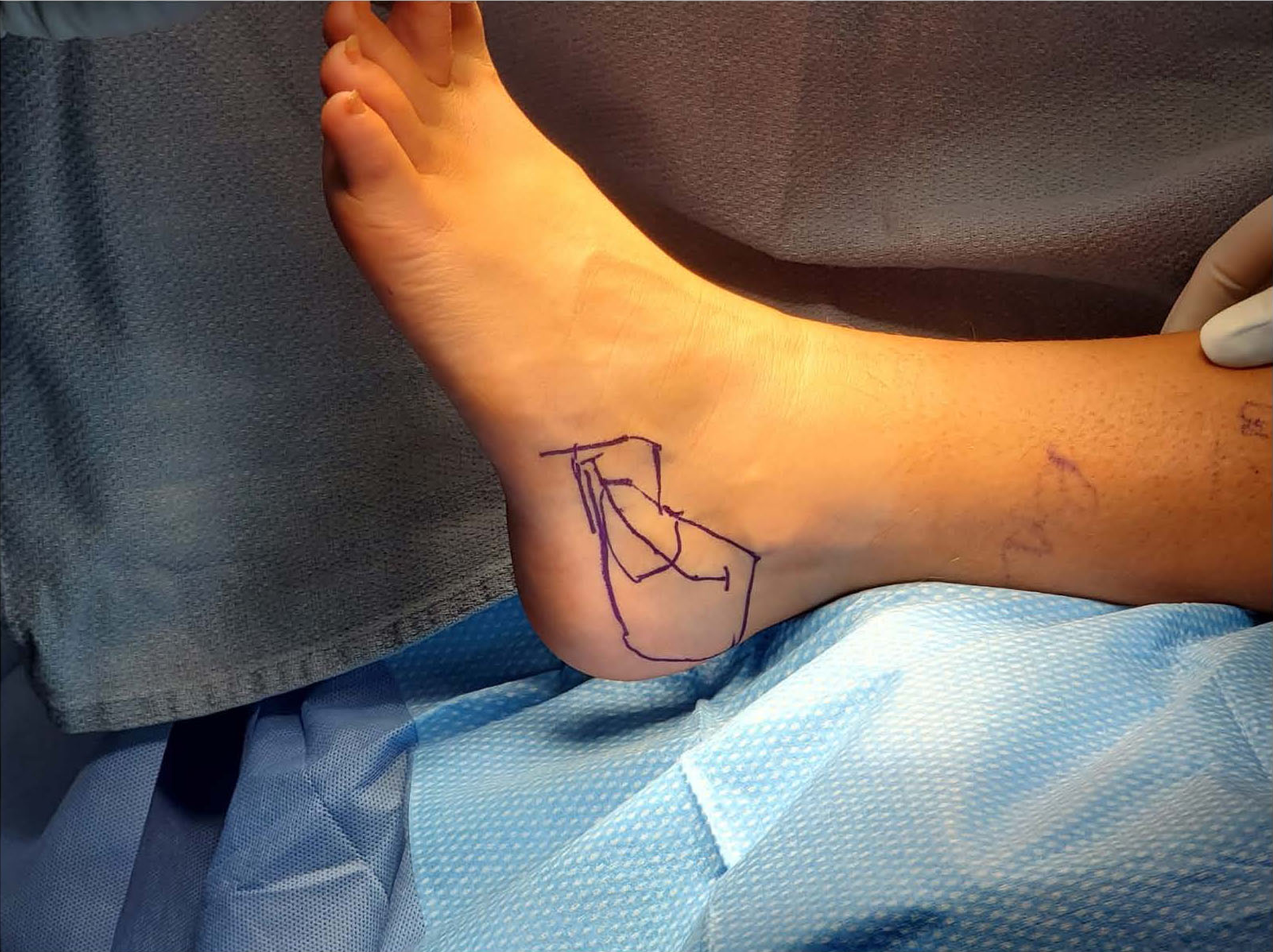
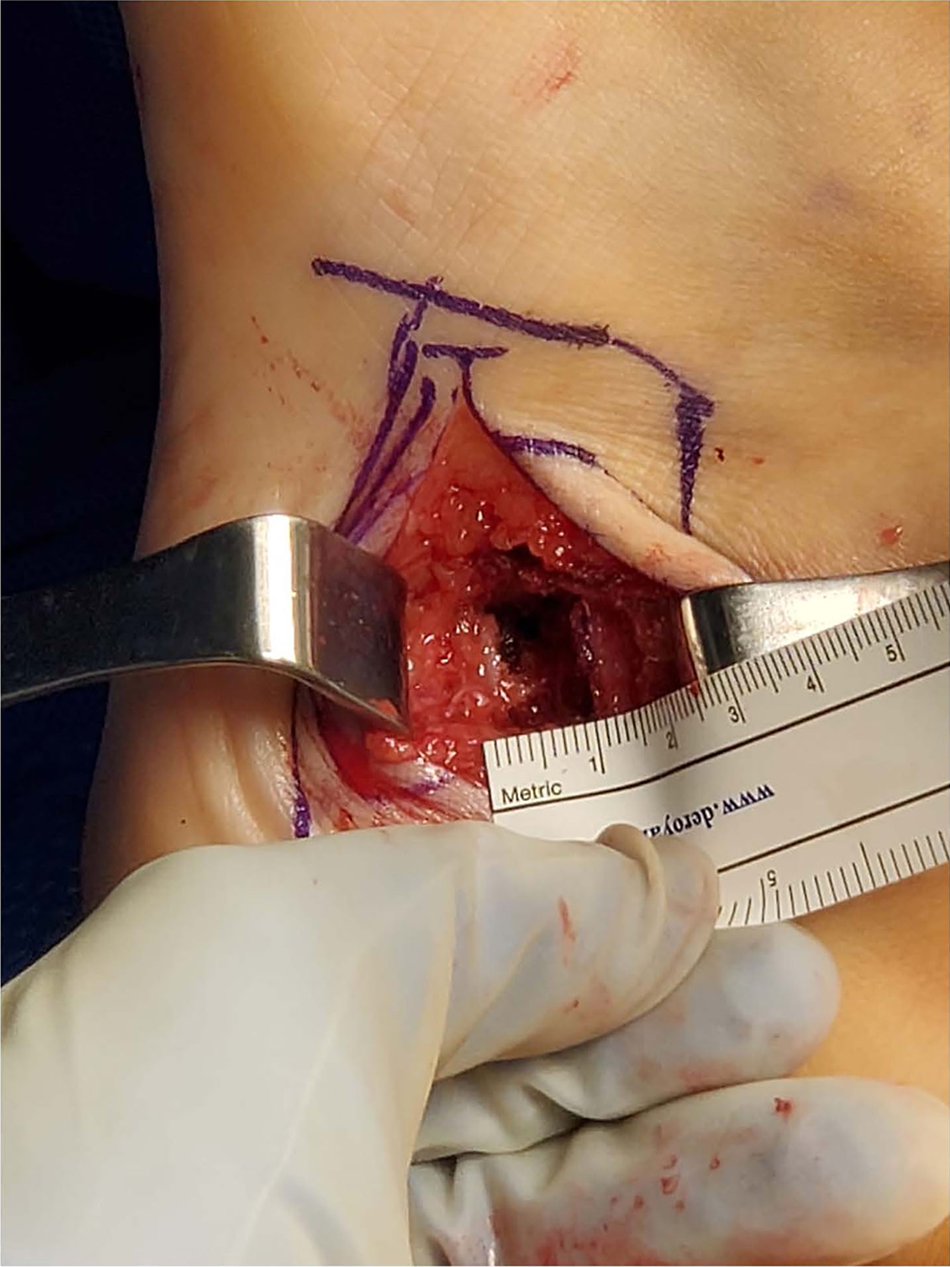
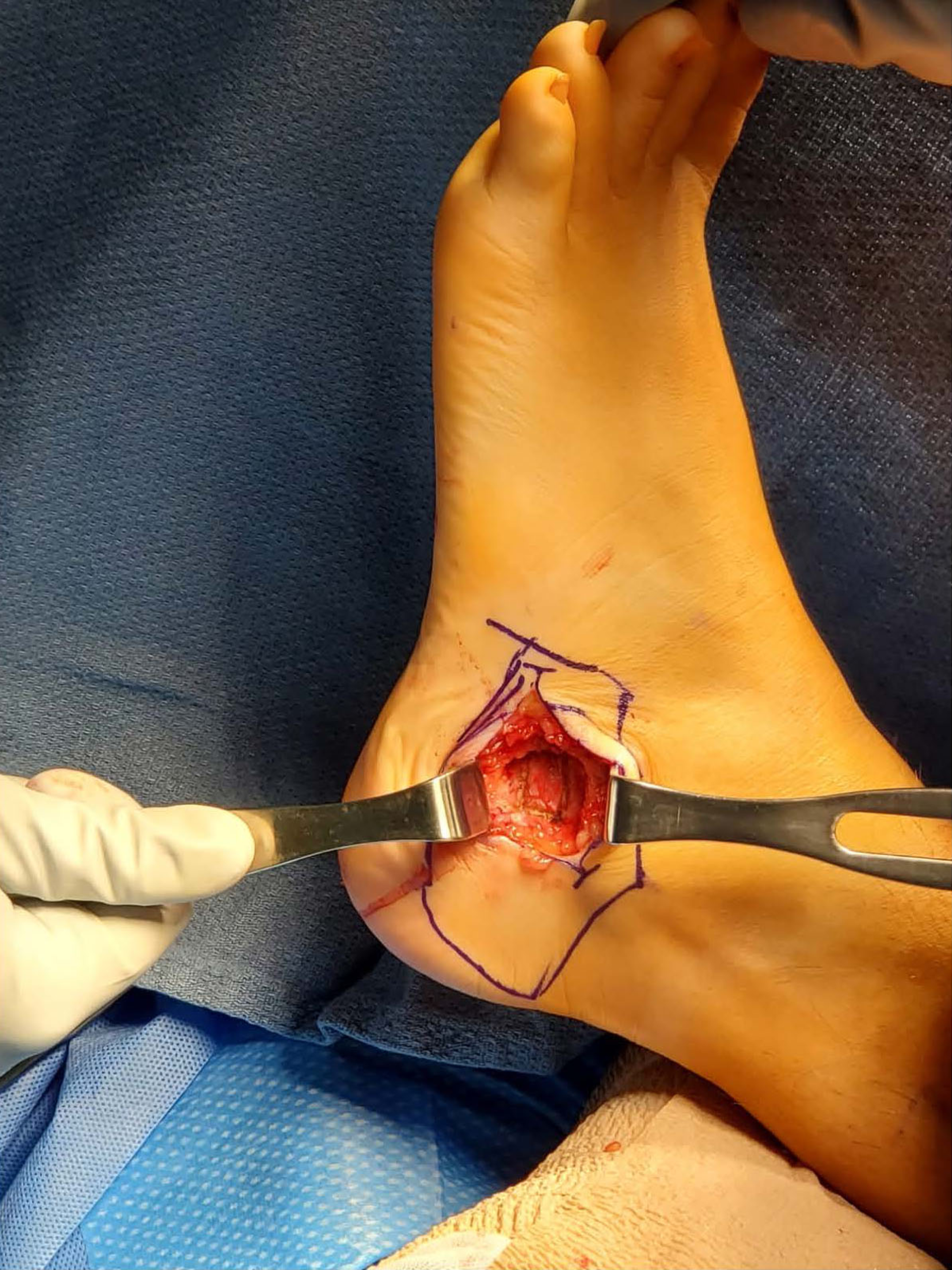
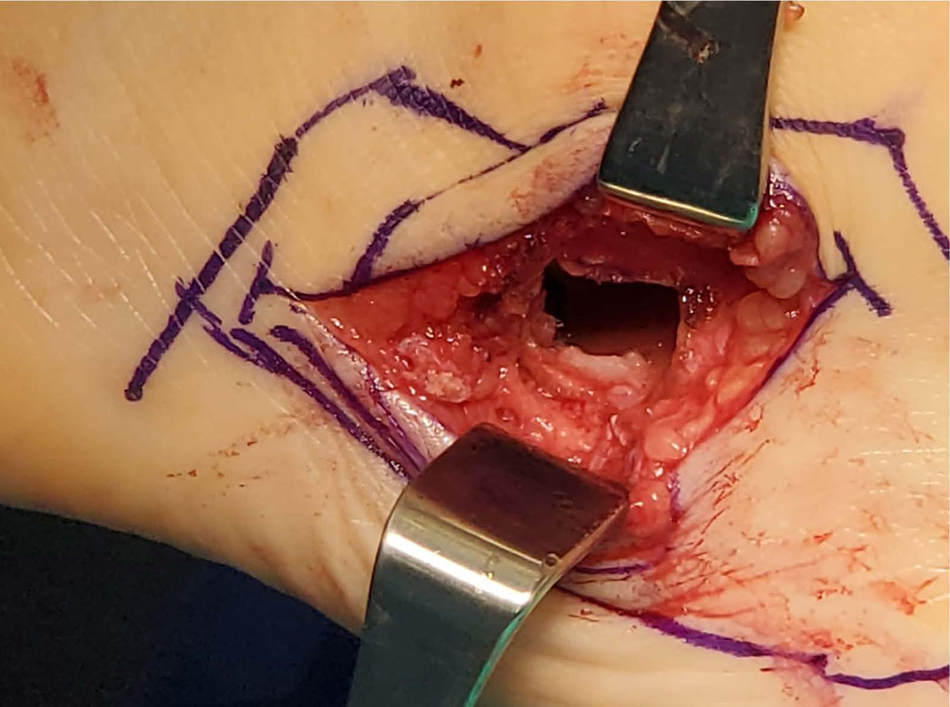
A preoperative popliteal-saphenous block was performed by the anesthesia team before entering the operating room. The patient was prepared and draped in a typical sterile fashion. Fluoroscopy was used to outline the parameters of the calcaneus and the bone cyst (Fig. 2). A curvilinear incision of approximately 5.0 cm was made along the lateral foot, followed by careful blunt dissection to protect neurovascular structures, and the peroneal tendons were retracted dorsally (Fig. 3). A rectangular window from the calcaneus was created using an osteotome 1.5 × 0.75 cm on the lateral and posterior margins of the bone cyst (Fig. 4).
Figure 2. Outline of the calcaneus drawn on skin using intraoperative fluoroscopy to find landmarks. The curvilinear mark over the center of the outline indicates the surgical incision.
Japma 115 23027 g002
Figure 3. Surgical incision and dissection down to the area of bone cyst. The peroneal tendons are retracted plantarly and the neurovascular structures are protected using Army-Navy retractors. The window was marked out using a Bovie.
Japma 115 23027 g003
Figure 4. A rectangular window from the calcaneus was created using an osteotome 1.5 × 0.75 cm on the lateral and posterior margins of the bone cyst.
Japma 115 23027 g004
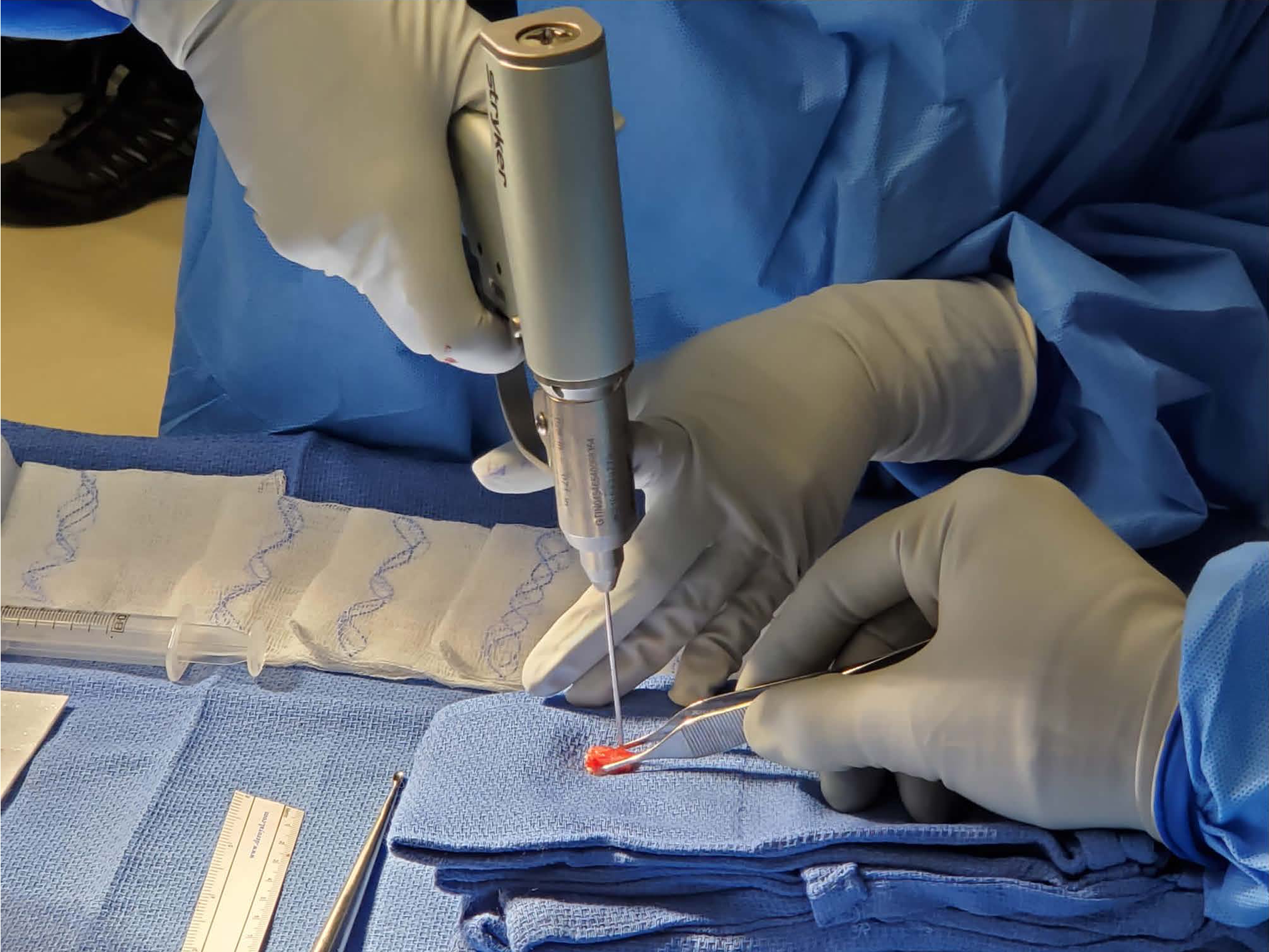
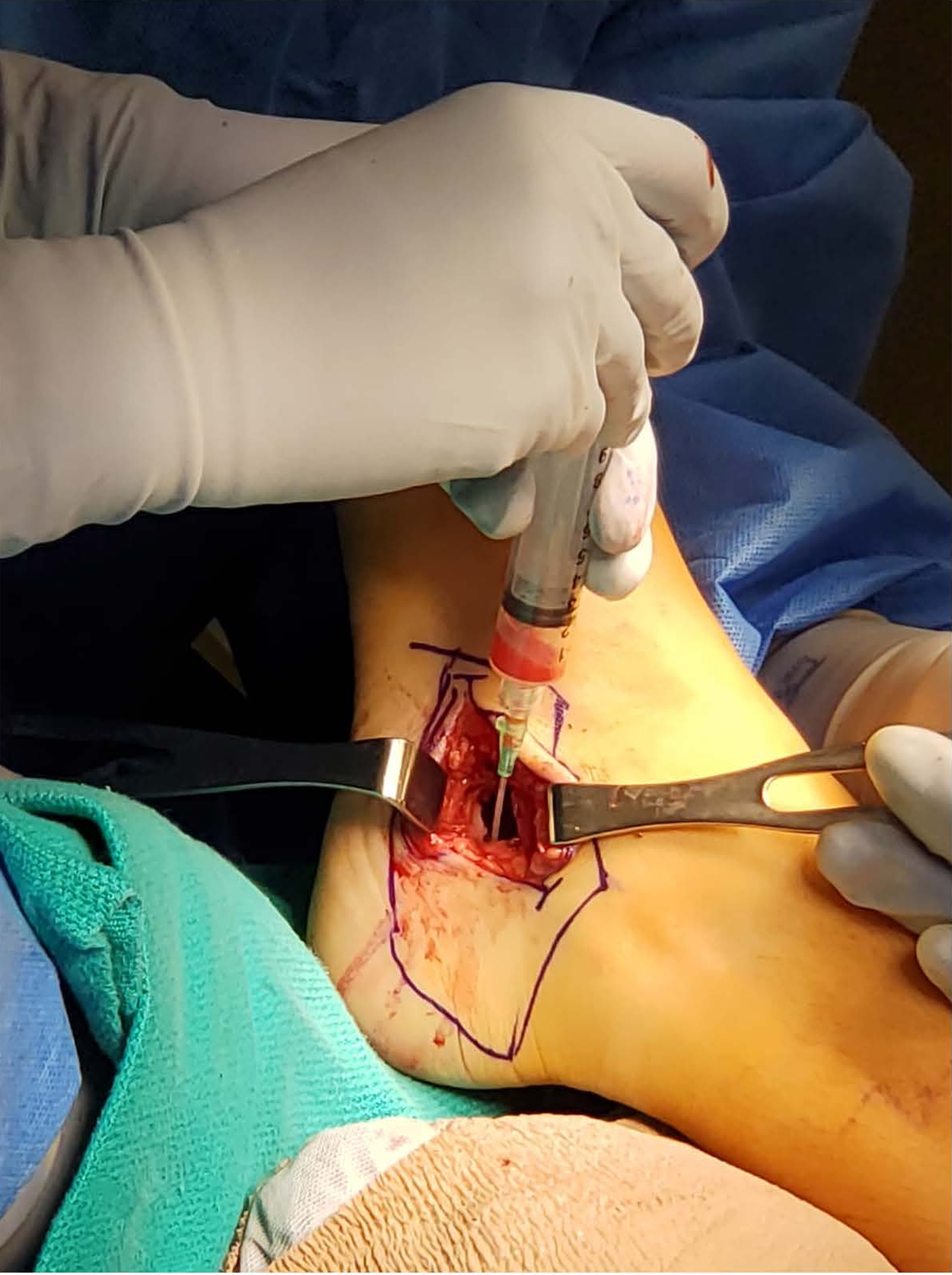
The window was removed, showing fragmented bone and liquefactive soft tissue (Fig. 5). Bone chips were removed using a combination of Adson-Brown forceps and a rongeur. A syringe with an angiographic catheter tip was used to remove approximately 2 mL of a mixture of sanguineous and viscous brown/yellow lipomatous fluid (Fig. 6). The area was explored carefully to ensure that no remaining fragments or fluid were left. The area was flushed copiously using sterile saline, and the underlying calcaneus was bovied.
Figure 5. The window was removed, showing fragmented bone and liquefactive soft tissue inside the bone cyst.
Japma 115 23027 g005
Figure 6. A syringe with an angiographic catheter tip was used to remove approximately 2 mL of a mixture of sanguineous and viscous brown/yellow lipomatous fluid.
Japma 115 23027 g006
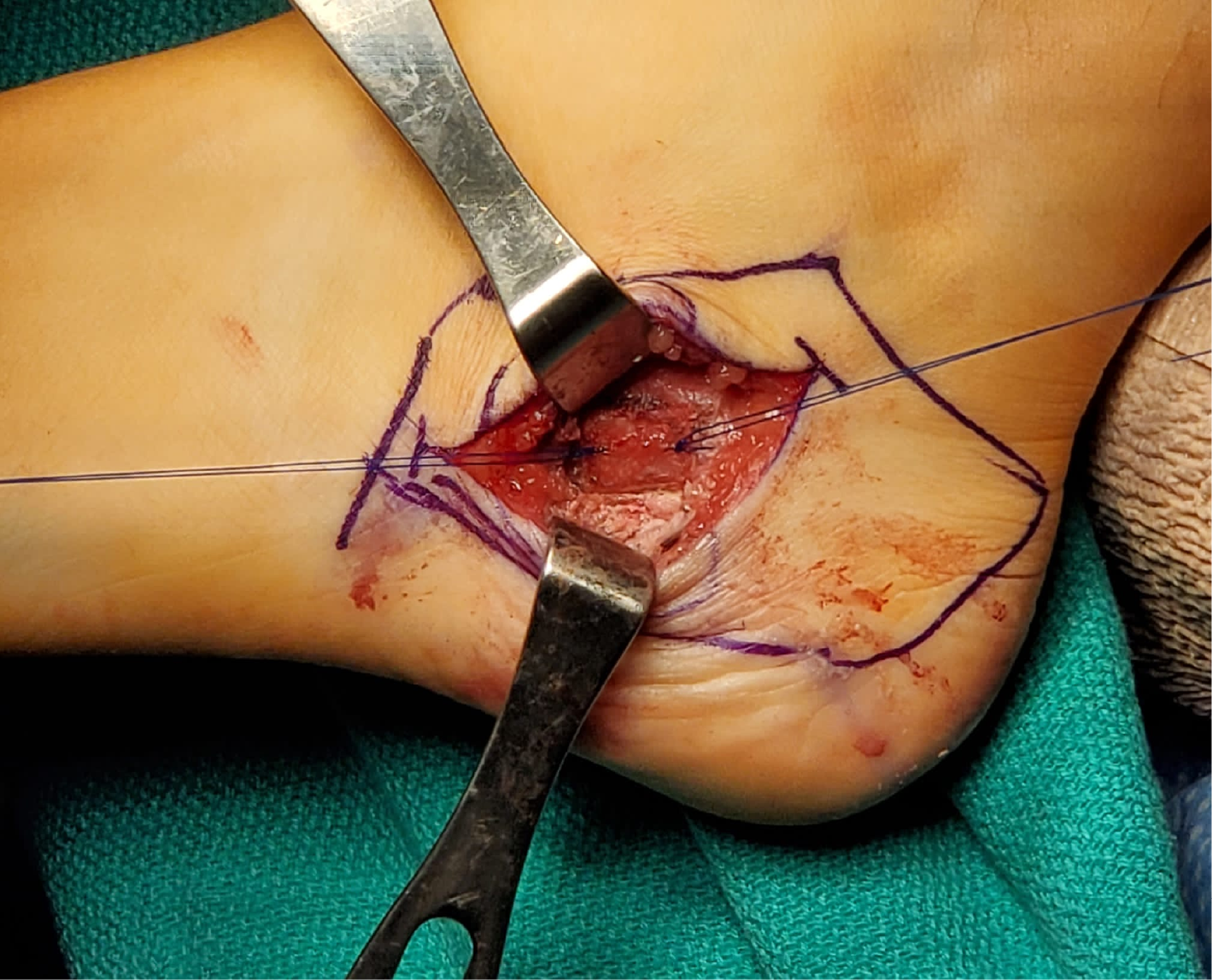
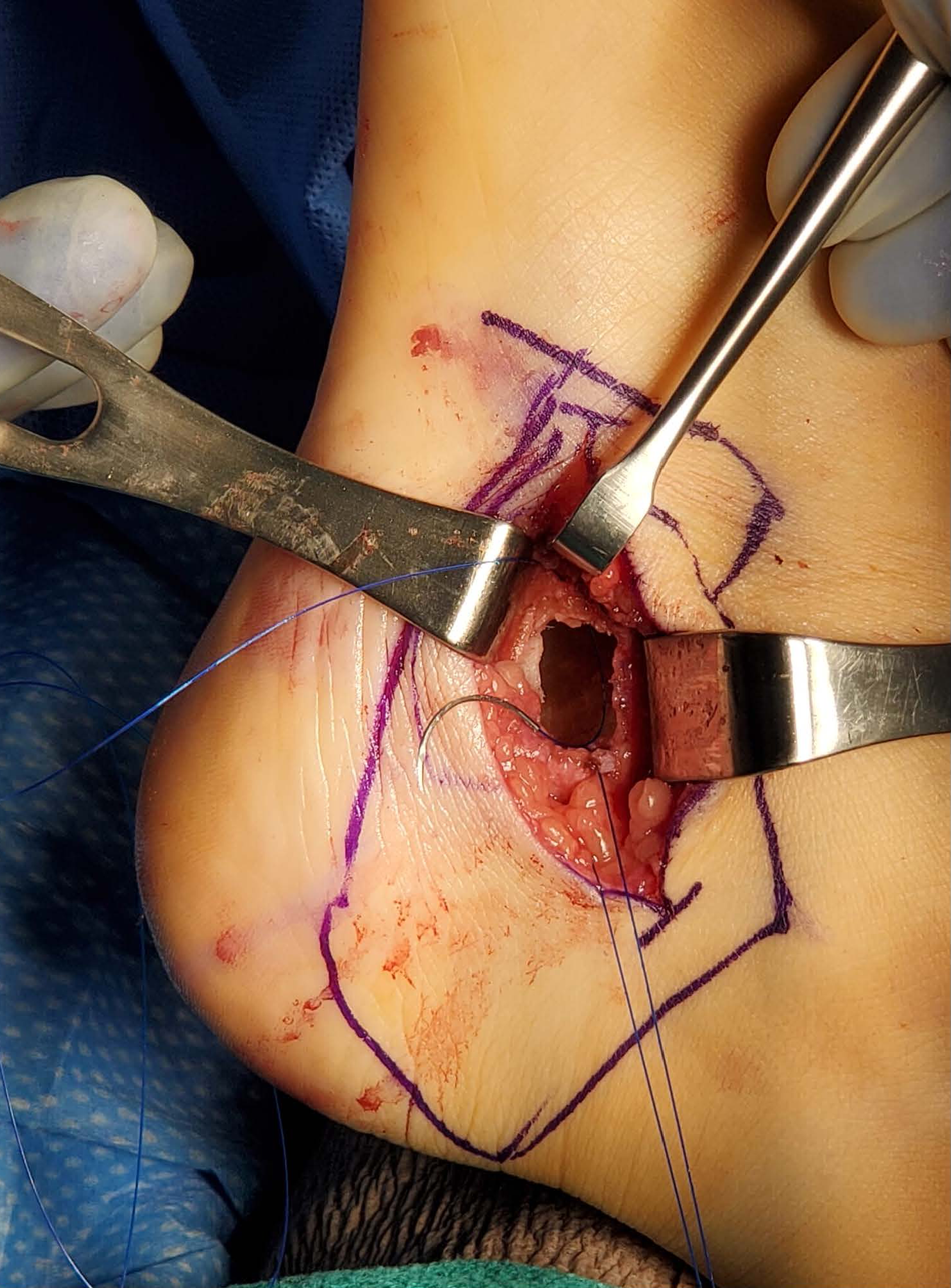
The inner surface of the window was bovied and prepared for reimplantation. Two Kirschner wire drill holes were made along the lateral posterior and lateral anterior margins of the calcaneus adjacent to the bone window (Fig. 7). A 3-0 Prolene suture was passed from the outside of the calcaneus into the defect.
Figure 7. Two Kirschner wire drill holes were made along the lateral posterior and lateral anterior margins of the calcaneus adjacent to the bone window. A 3-0 Prolene suture was passed from the outside of the calcaneus into the defect.
Japma 115 23027 g007
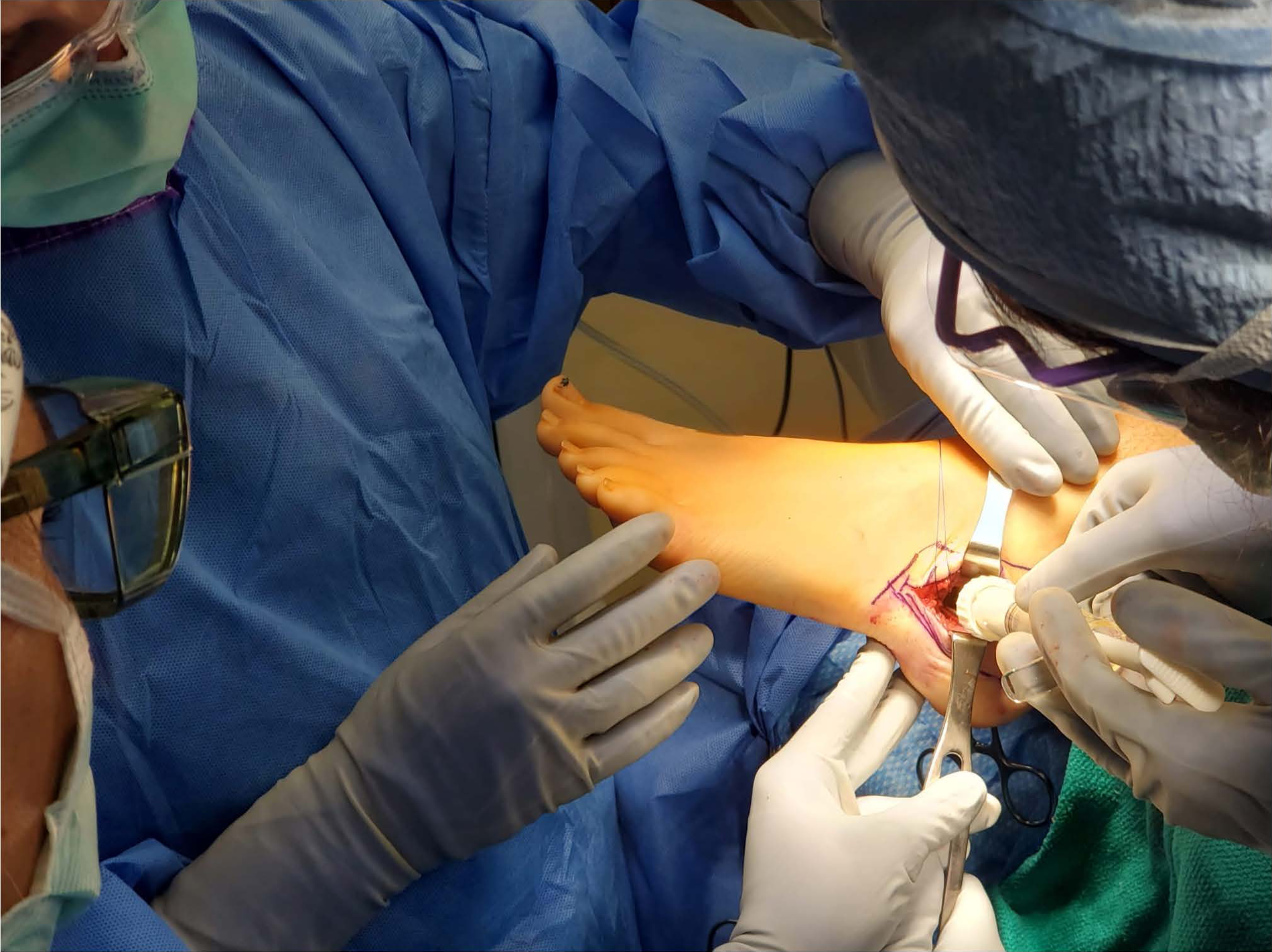
A total of 10 mL of an injectable, hard-setting, magnesium-based bone void filler was inserted into the calcaneal defect with the foot in an inverted position to allow gravity to assist in filling the defect. The first 5 mL was placed in the inverted position, allowing the filler to get into the distal medial aspect of the cavity. The remaining 5 mL was then injected into the calcaneus in a neutral foot position (Fig. 8). The bone filler then hardened to the consistency of solid putty. While the bone filler was slightly mobile, the remaining sutures were passed through the window from the inner surface to outer surface (Fig. 9). The Prolene was tied down to ensure that the window was well seated in the still bone filler (Fig. 10).
Figure 8. Bone filler was put into the cleaned-out defect with the foot inverted so that gravity would fill the proximal aspect. The filler was allowed to solidify, then the remaining filler was added to fill the distal aspect of cyst.
Japma 115 23027 g008
Figure 9. While the bone filler was slightly mobile, the remaining sutures were passed through the window from the inner surface to the outer surface of the calcaneus.
Japma 115 23027 g009
Figure 10. The suture was tied down and the original bone window was allowed to seat in slightly mobile bone filler to ensure that the lateral wall of the calcaneus was complete. This was performed to increase the structural integrity of the calcaneus.
Japma 115 23027 g010
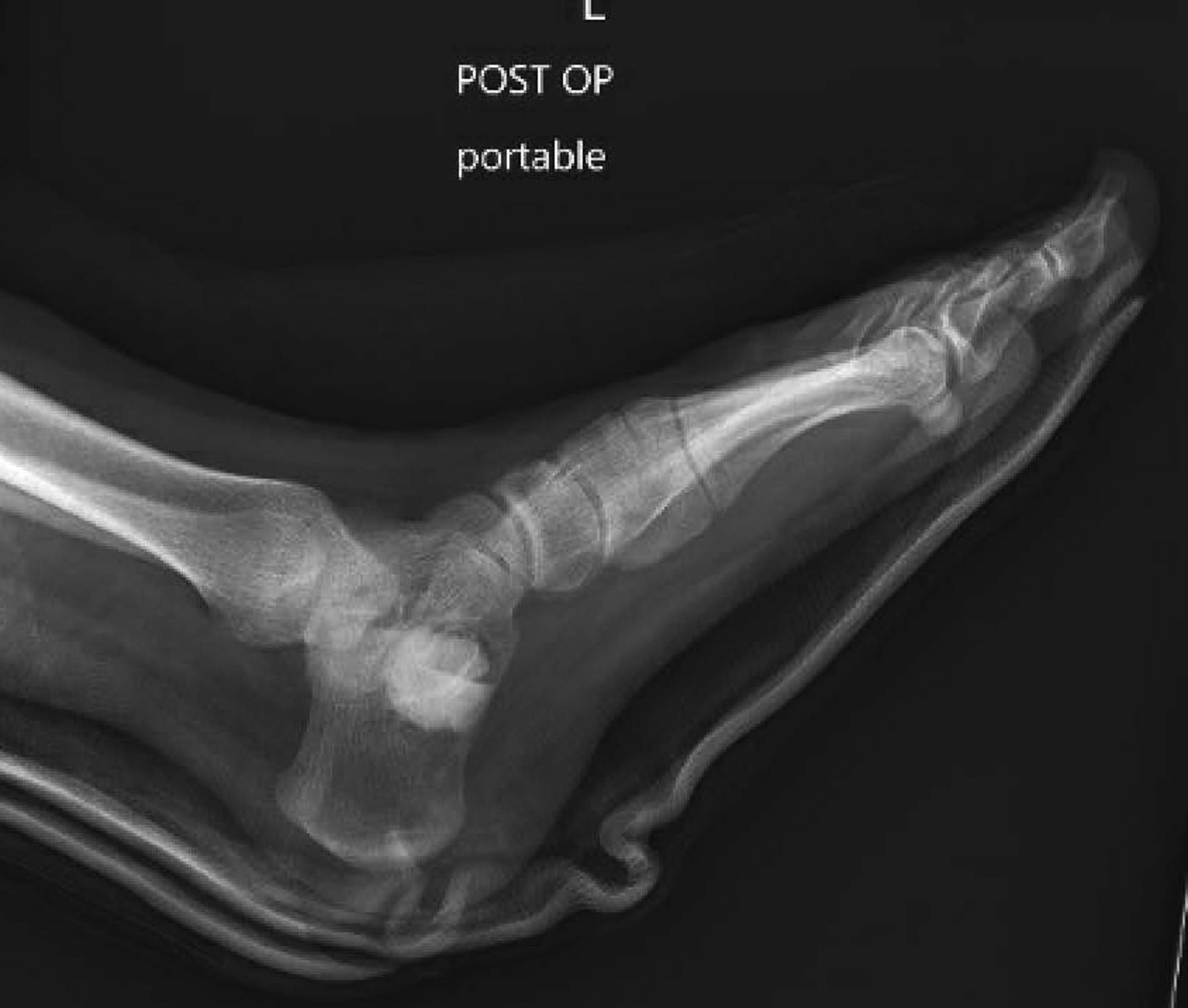
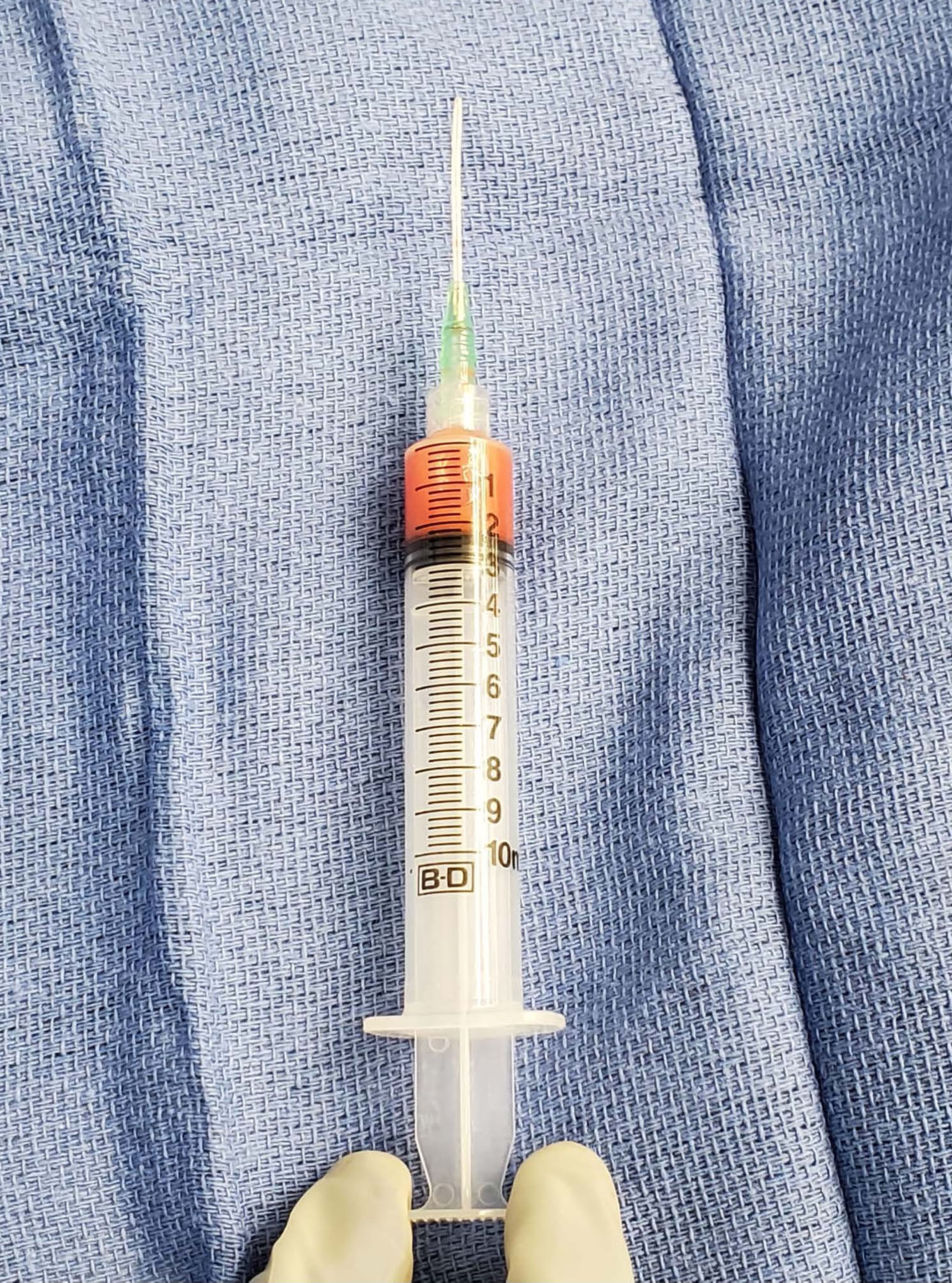
Fluoroscopy was used to confirm that the calcaneal cavity was filled and that there was no pathologic fracture. Three specimens were sent to pathology. The calcaneal intraosseous bone fragment was sent in flow media as well as in formalin to pathology. The intraosseous calcaneal bone fluid was sent to pathology and microbiology for evaluation (Fig. 11). The surgical site was then closed in the usual fashion. A posterior splint and bone stimulator were applied. Figure 12 shows the immediate postoperative radiographs showing the osseous defect filled.
Figure 11. Syringe with contents of bone cyst that was sent off for pathology. It was collected using an angiographic catheter.
Japma 115 23027 g011
Figure 12. Postoperative radiographs showing the osseous defect now filled.

Japma 115 23027 g012

Pathology

The specimen sent to microbiology resulted in no growth. The specimen in formalin resulted in intraosseous bone fragments with hemorrhage and reactive changes. The cytopathology report did not show malignant cells and demonstrated calcaneal intraosseous bone fluid. The pathologist reported adipose tissue admixed with bone trabeculae with no histologic features of unicameral bone cyst.

Postoperative Course

The patient remained nonweightbearing and immobilized in a below-the-knee fiberglass splint for 8 weeks followed by protective weightbearing in a fracture boot over the next 2 weeks. She was then transitioned into a supportive shoe at week 10. Serial radiographs showed filling of the calcaneal cavity and no pathologic fracture. Radiographs were taken at postoperative week 7 before allowing the patient to begin weightbearing at postoperative week 8. She initially was weightbearing without pain. However, she twisted her foot and fell 12 weeks after surgery, which slowed her recovery. Radiographs showed some osteopenia but no obvious fracture after her injury. It was decided to return her to nonweightbearing and order an MRI at postoperative week 14. The MRI (Fig. 12) showed a nondisplaced acute posterior and central calcaneal stress fracture with postsurgical changes of the interval calcaneal lesion cementation. She was kept nonweightbearing to treat the stress fracture for an additional 6 weeks. Radiographs at postoperative week 25 confirmed increased osseous density, and we allowed her to progress her activity. The patient has returned to regular shoes and activities without restrictions.

Discussion

To our knowledge, this is the first study to describe using a bone window for access to the lipoma and reimplanting the window after cementation to increase osseous stability [5,6,7]. Khal et al. [2] described a calcaneal bone window for exposure and to allow for aggressive curettage of the lesion. However, we were unable to find any study demonstrating reimplantation of the window after aggressive curettage. We believe that this novel technique may provide more osseous stability to the calcaneus and help prevent pathologic fractures. It also allows for bone grafts or bone chips to remain better adhered in the calcaneus. We recommend future studies comparing the present window technique with traditional curettage and bone filling.
One limitation of the present study is the lack of a clear diagnosis. The MRI and computed tomographic scan were interpreted as potential intraosseous lipoma or unicameral bone cyst. The pathologist was unable to make a definitive diagnosis. They reported adipose tissue admixed with bone trabeculae and no features of a unicameral bone cyst. The adipose tissue may be a component of normal bone marrow versus intraosseous lipoma. Given the lack of a clear diagnosis, the rarity of this lesion is uncertain. However, we hope that the present study gives insight into surgical technique for nonmalignant lesions of the calcaneus.
Ulucay et al. [6] reported on 21 calcaneal lipoma cases in 22 feet over 10 years. All of the patients noted foot and heel pain consistent with the present case study. The mean age was 39 years [6]. Other studies have also shown that, on average, patients become symptomatic during the third and fourth decades of life [4,5]. This is a significantly older age than the present patient, which makes the present study unique.
This study was complicated by a postoperative stress fracture. An MRI was ordered and indicated a stress fracture. Moran et al. [8] describe that a stress fracture often is not visible on radiographs until the fracture is already healing. We recommend a surgeon having a low threshold for ordering an MRI if a calcaneal stress fracture is suspected.
Given the extensive nature of the tumor resected, the patient was kept nonweightbearing for 8 weeks to prevent pathologic calcaneal fractures. However, this may have caused her to become osteopenic and, therefore, predisposed her to a stress fracture. Stress fractures of the calcaneus are typically treated conservatively with rest and dietary correction if needed [9]. The patient in the present study was treated conservatively for her stress fracture and now has returned to high-intensity sports without issues. We recommend future studies on weightbearing protocols in the postoperative period.
We described a surgical technique in a symptomatic pediatric case of potential intraosseous lipoma. We presented a contemporary approach to windowing the calcaneus. We also reviewed the possible complication of a postoperative fracture in a young, healthy pediatric patient. We hope that this case report provokes further discussion about surgical techniques for calcaneal tumors and postoperative protocol.

Financial Disclosure

None reported.

Conflicts of Interest

None reported.

References

  1. Kapukaya, A.; Subasi, M.; Dabak, N.; et al. Osseous lipoma: eleven new cases and review of the literature. Acta Orthop Belg 2006, 72, 603. [Google Scholar]
  2. Khal, A.A.; Mihu, R.C.; Schiau, C.; et al. Symptomatic intraosseous lipoma of the calcaneum. Diagnostics (Basel) 2021, 11, 2243. [Google Scholar]
  3. Picci, P. “Epidemiology”. In Atlas of Musculoskeletal Tumors and Tumorlike Lesions; Picci, P., Manfrini, M., Fabbri, N., et al., Eds.; Springer International Publishing: Berlin/Heidelberg, 2014; p. 3. [Google Scholar]
  4. Aycan, O.E.; Keskin, A.; Sökücü, S.; et al. Surgical treatment of confirmed intraosseous lipoma of the calcaneus: a case series. J Foot Ankle Surg 2017, 56, 1205. [Google Scholar]
  5. Campbell, R.S.; Grainger, A.J.; Mangham, D.C.; et al. Intraosseous lipoma: report of 35 new cases and a review of the literature. Skeletal Radiol 2003, 32, 209. [Google Scholar]
  6. Ulucay, C.; Altintas, F.; Ozkan, N.K.; et al. Surgical treatment for calcaneal intraosseous lipomas. Foot (Edinb) 2009, 19, 93. [Google Scholar]
  7. Bagatur, A.E.; Yalcinkaya, M.; Dogan, A.; et al. Surgery is not always necessary in intraosseous lipoma. Orthopedics 2010, 33, 306. [Google Scholar]
  8. Moran, D.S.; Evans, R.K.; Hadad, E. Imaging of lower extremity stress fracture injuries. Sports Med 2008, 38, 345. [Google Scholar]
  9. Anderssen, Ø.; Engebretsen, L.; Larmo, A. Stress fracture of the calcaneus [in Norwegian]. Tidsskr Nor Laegeforen 2022, 142, 0613. [Google Scholar]