Osteoid osteoma is a relatively common benign tumor of the bone/bone-forming tumors with characteristic radiologic features. Described by Jaffe in 1935, it accounts for 2 to 3% of all primary bone tumors, and 10 to 14% of benign lesions [
1,
2]. It is more common in adolescents and young adults, with a predominance in males. The dysplastic osteoid core of the lesion is called nidus, with osteoid and osseous cellular components embedded in a fibrovascular stroma. Secretion of prostaglandin E2 from osteoblasts in this highly vascularized tissue is responsible for the characteristic pain alleviated by cyclooxygenase inhibitors. The appearance of the nidus as a radiolucent region inside a reactive sclerotic rim is nearly pathognomonic for osteoid osteoma.
Localization of the lesion with respect to the cortex and the anatomical region has profound effects on clinical and radiologic findings. In 1966, Edeiken [
3] described three types of osteoid osteoma with distinctive radiographic features: cortical, cancellous, and subperiosteal. In most of the cases, the lesions are intraosseous and tend to occur in the diaphysis or metaphysis of the long bones of the lower extremity. Subperiosteal osteoid osteoma is the least common type, and the literature on this variant consists of either case reports or case series with a limited number of patients [
4]. It usually lacks the characteristic radiographic features, which are otherwise nearly pathognomonic for cortical lesions. When the tumor is juxta-articular, joint-related symptoms may predominate and mimic arthritis. Atypical radiologic and clinical presentation of juxta-articular subperiosteal osteoid osteomas cause misdiagnosis, delay in diagnosis, incomplete resection, and recurrence [
5,
6,
7]. We report the case of a 15-year-old male with subperiosteal osteoid osteoma of the talus, who was misdiagnosed with pigmented villonodular synovitis (PVNS), and operated through anterior ankle arthrotomy.
Case Report
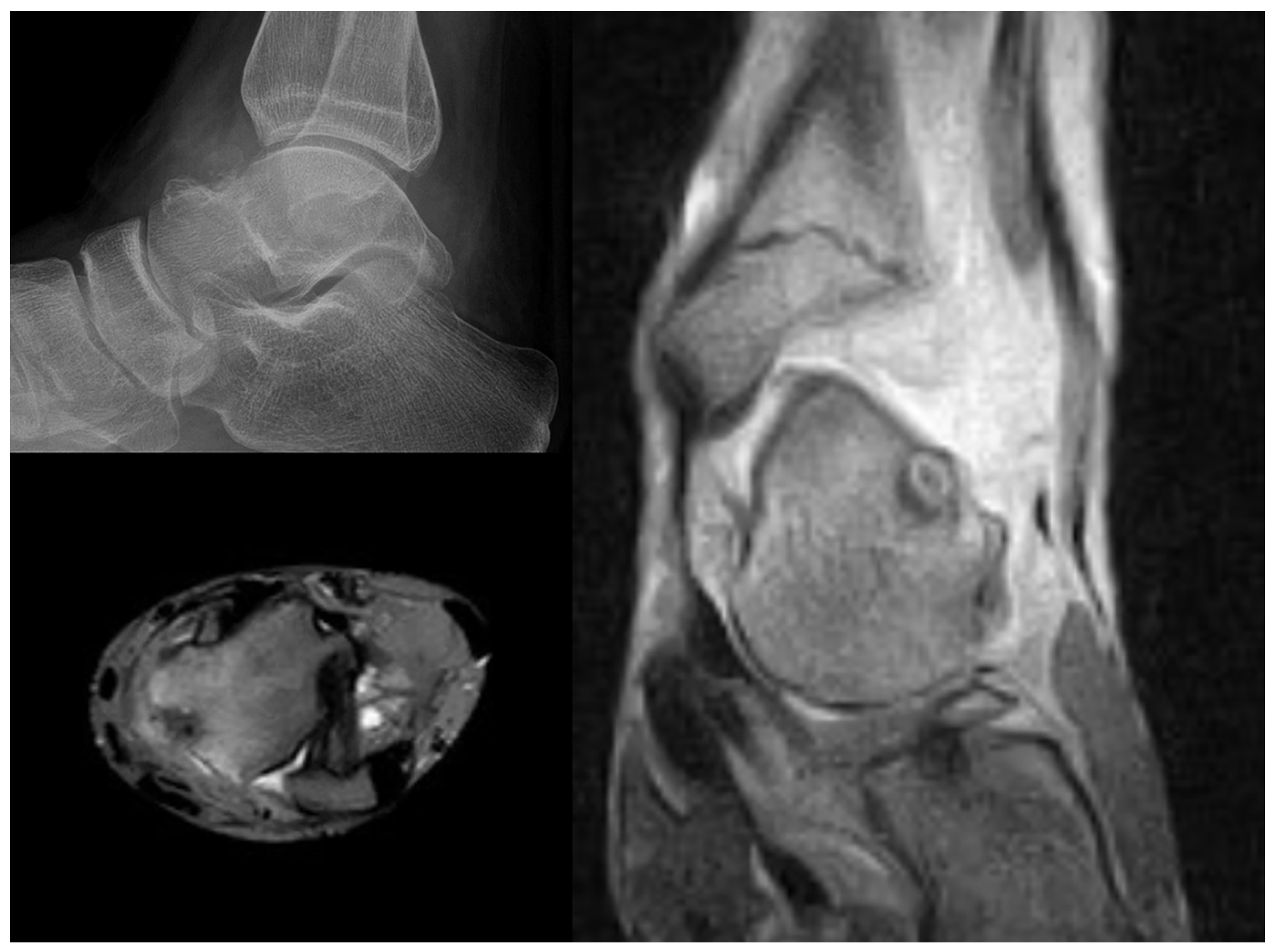
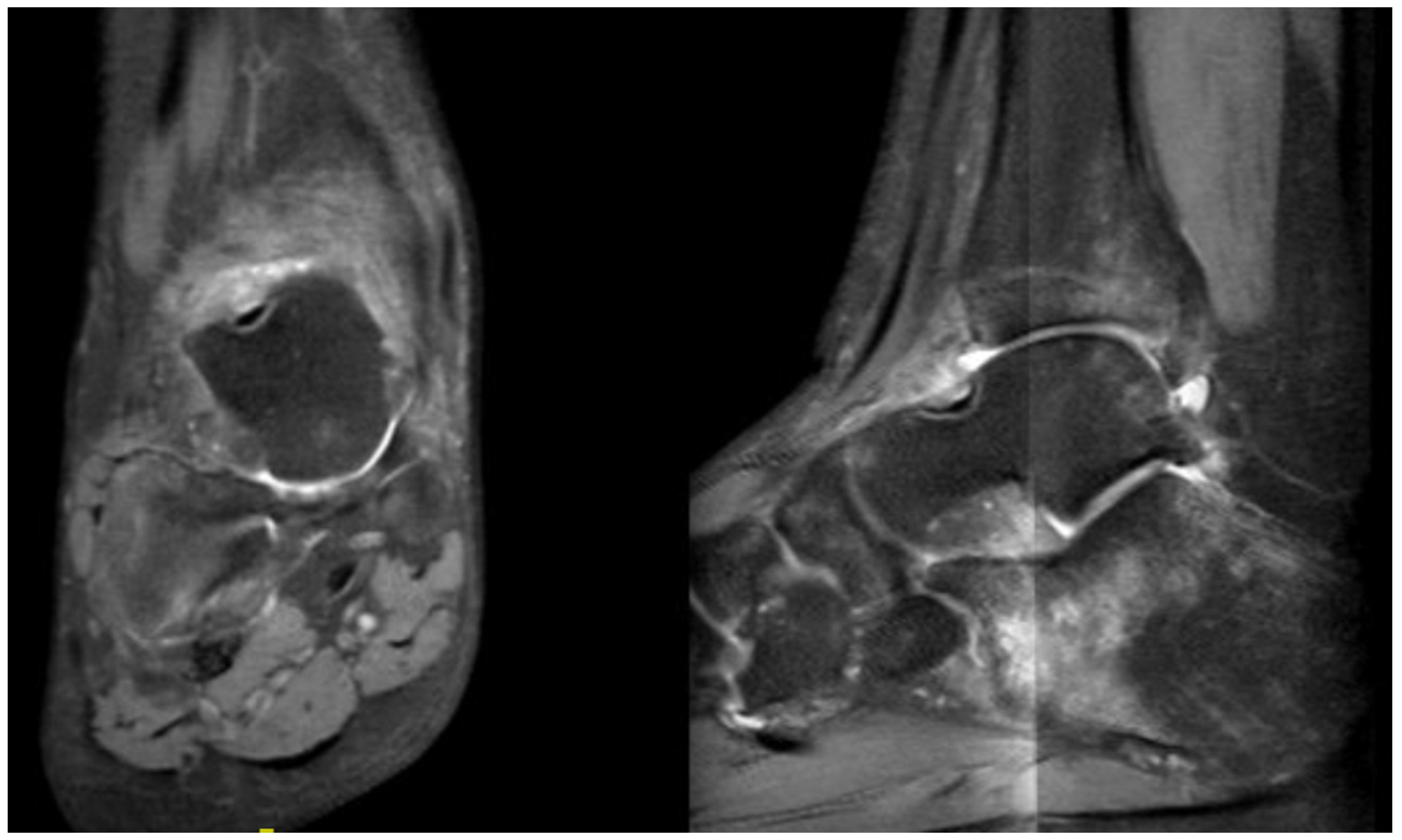
A 15-year-old male presented to our clinic with relapsing ankle pain. The symptoms had begun about a year prior and had been gradually worsening. Recently, the ankle had become diffusely swollen. On physical examination, there was marked effusion in the ankle and the patient elicited global tenderness to palpation. The ankle’s range of motion was limited. The patient’s initial magnetic resonance imaging (MRI) was reported as a diffuse edema in the talus and minimal synovial hypertrophy, with no evident joint effusion (
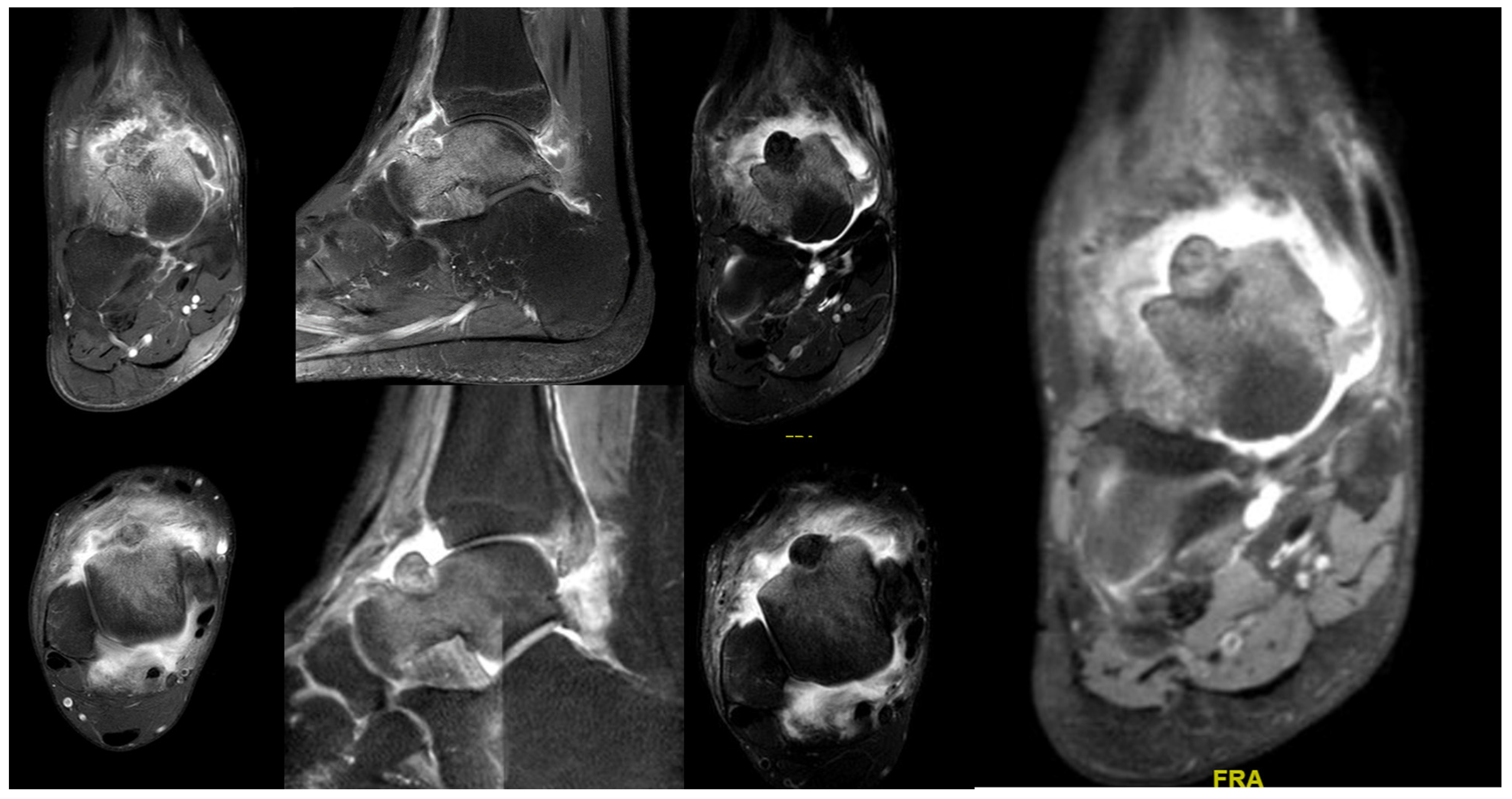
Fig. 1). Two months later, the patient presented at our institution’s Sarcoma Council, and a new MRI with contrast (gadolinium enhancement) was planned. Findings of a diffuse synovial hypertrophy, with areas of hemosiderin deposits, and marked joint effusion, in the patient’s new MRI were deemed suggestive of PVNS, and the patient was scheduled for an open synovectomy (
Fig. 2).
Figure 1.
Preoperative radiograph (top left) and magnetic resonance imaging (MRI) without contrast. Diffuse edema in the talus and minimal synovial hypertrophy, with no evident joint effusion. Plain radiographs do not demonstrate cortical sclerosis. A nodular lesion with minimal calcification is barely visible on plain radiographs, and the underlying cortex is eroded.
Figure 1.
Preoperative radiograph (top left) and magnetic resonance imaging (MRI) without contrast. Diffuse edema in the talus and minimal synovial hypertrophy, with no evident joint effusion. Plain radiographs do not demonstrate cortical sclerosis. A nodular lesion with minimal calcification is barely visible on plain radiographs, and the underlying cortex is eroded.
Figure 2.
Preoperative MRI with contrast. Findings of diffuse synovial hypertrophy with areas of hemosiderin deposits and marked joint effusion in his new MRI were deemed suggestive of pigmented villonodular synovitis.
Figure 2.
Preoperative MRI with contrast. Findings of diffuse synovial hypertrophy with areas of hemosiderin deposits and marked joint effusion in his new MRI were deemed suggestive of pigmented villonodular synovitis.
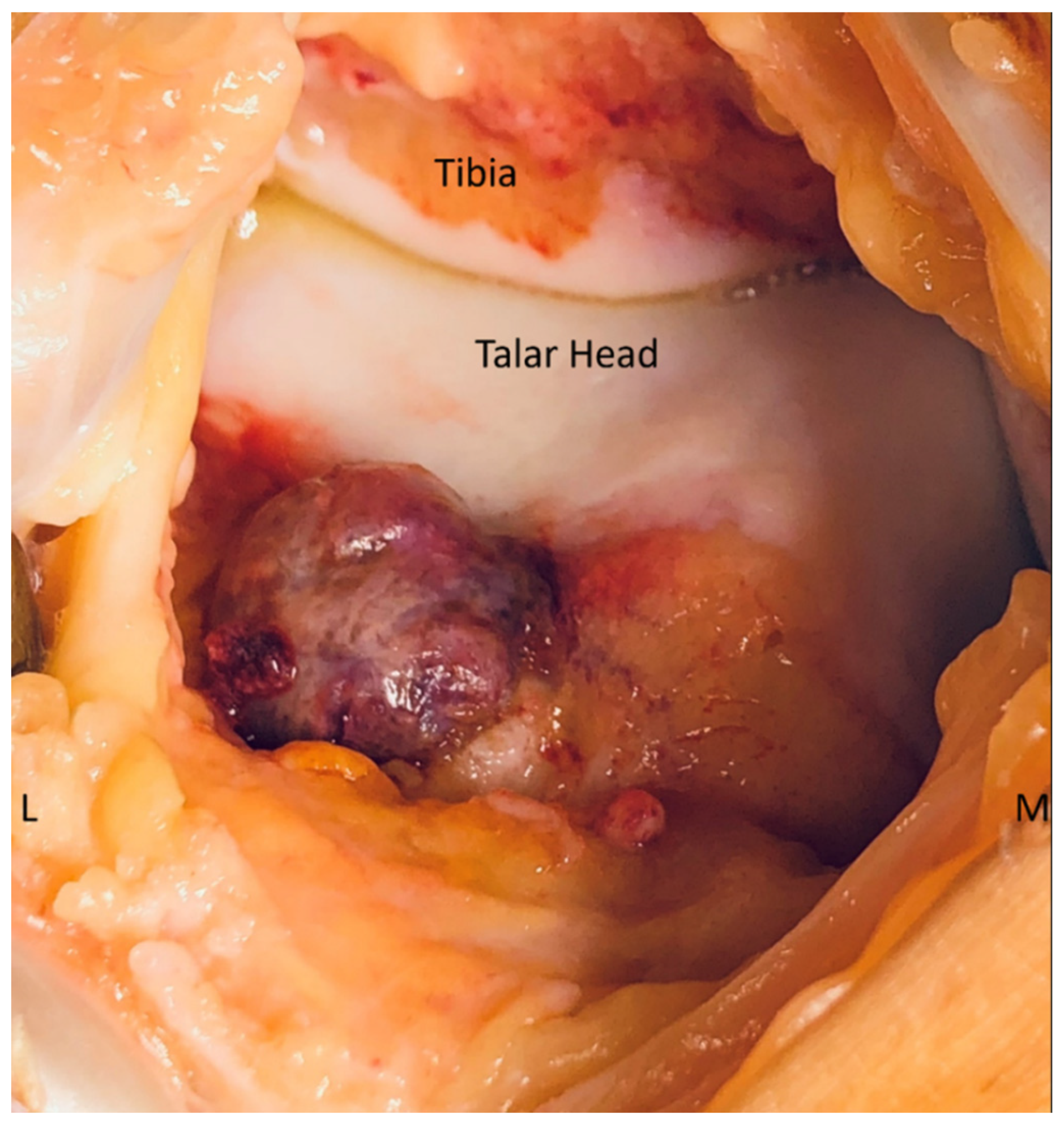
The ankle joint was approached through an anterior midline arthrotomy. Following resection of the marked hypertrophic synovium inside the capsule, the anterior of the tibia plafond, talar dome, and talar neck were exposed. A nodular brown-red lesion, 1 cm in diameter, with a hard rubber consistency was noted on the dorsal aspect of the talar neck (
Fig. 3). The lesion was excised with a sharp osteotome, and the adjacent cortex of the talar neck was curetted. A subtotal synovectomy was performed using the same incision, and the layers were closed in a regular fashion.
Figure 3.
Intraoperative findings. Brown-red lesion 1 cm in diameter with a stiff rubber consistency, on the dorsal aspect of the talar neck.
Figure 3.
Intraoperative findings. Brown-red lesion 1 cm in diameter with a stiff rubber consistency, on the dorsal aspect of the talar neck.
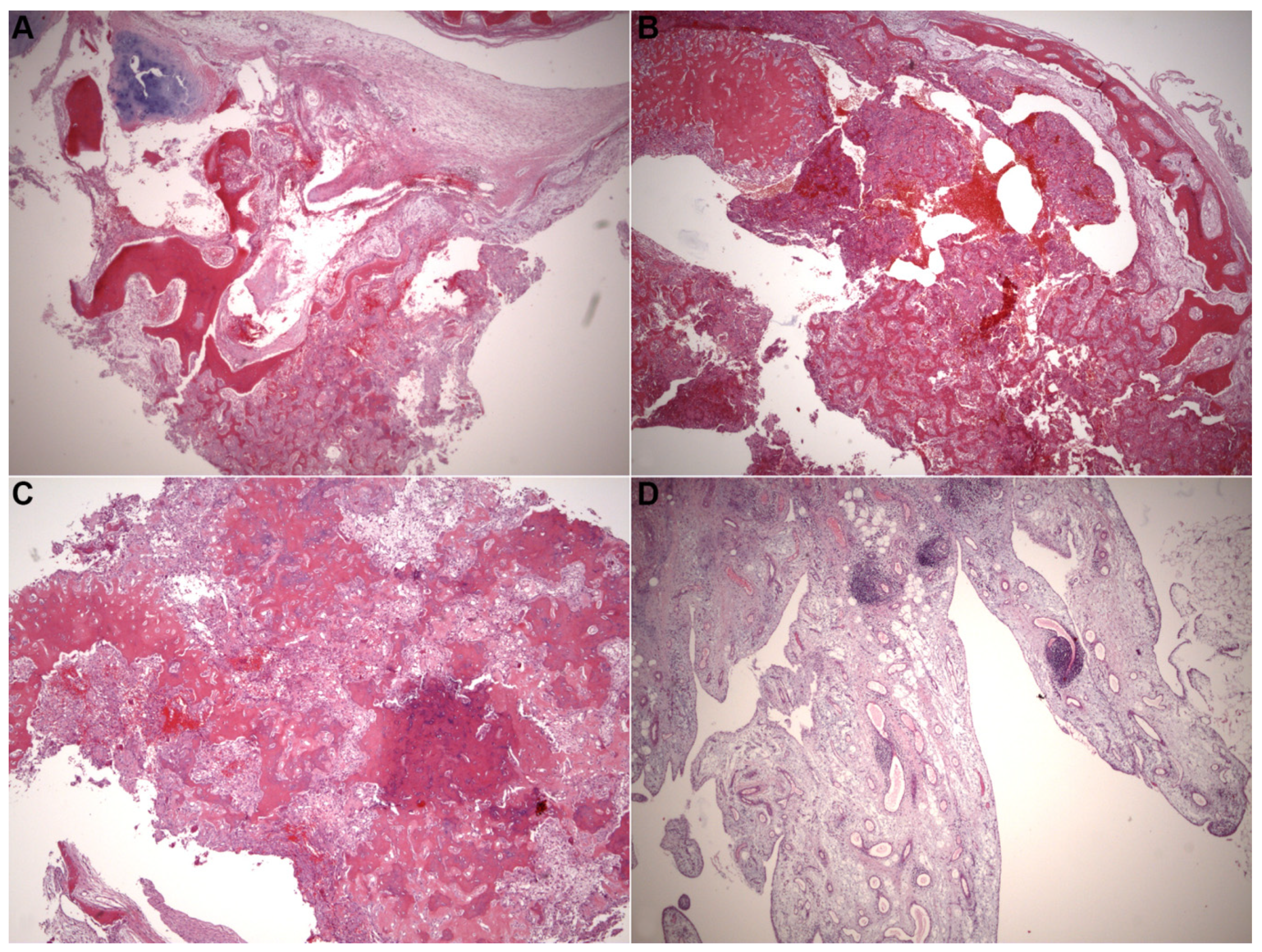
The pathologic specimens were consistent with subperiosteal osteoid osteoma and chronic synovitis with myxoid degeneration (
Fig. 4). The patient’s symptoms resolved rapidly in the early postoperative period. The control MRI revealed no sign of recurrence, complete resolution of talar edema, and occurrence of disuse osteopenia in other tarsal bones (
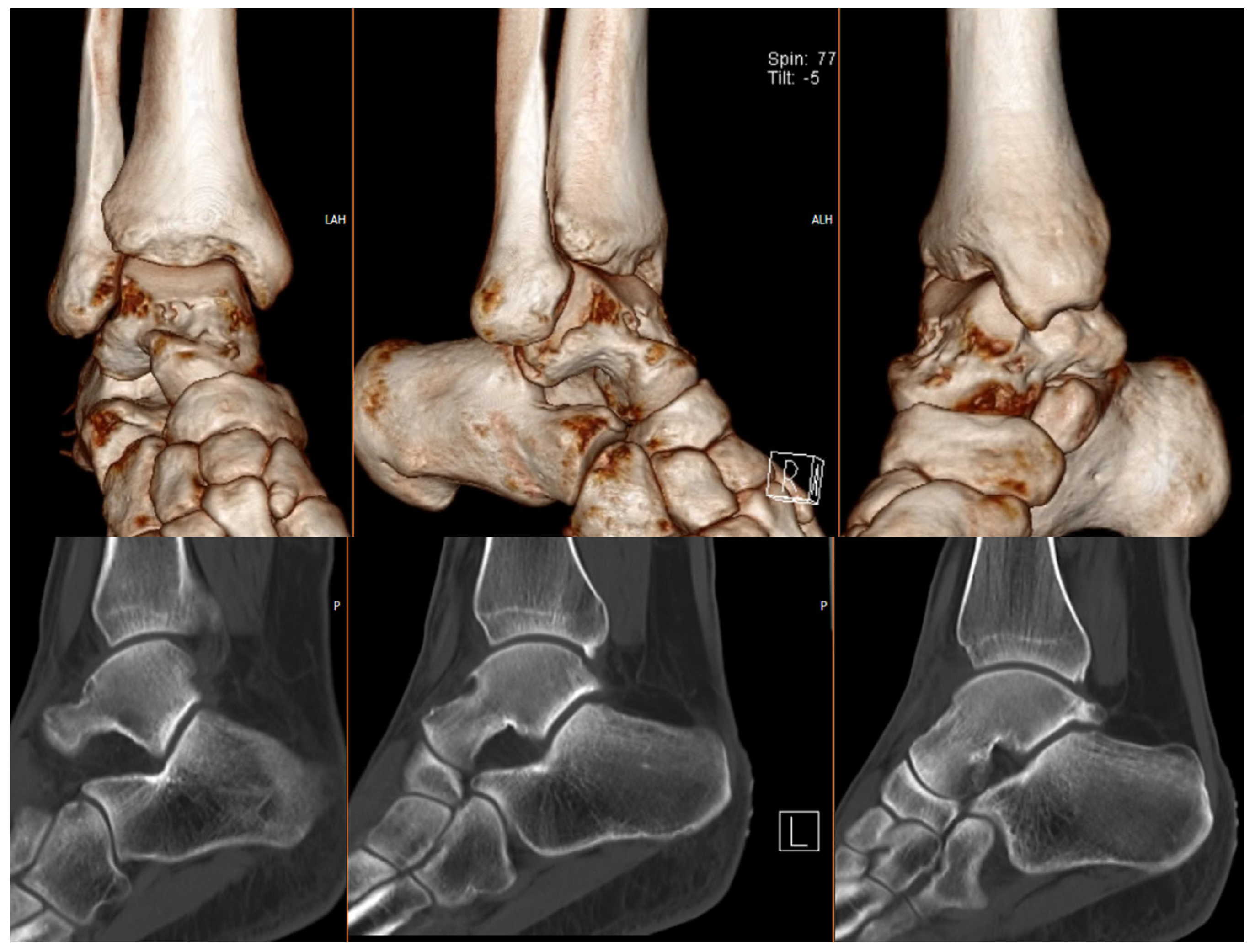
Fig. 5). At the 66-month follow-up, when the patient was 20 years old, he remained asymptomatic and showed no abnormal osseous findings computed tomography (CT) (
Fig. 6).
Figure 4.
Photomicrographs of the excised tumor tissue. A, Nidus structure adjacent to the articular cartilage (H&E x25). B, Irregularly shaped immature bone trabeculae in the fibrous stroma and reactive sclerosis in the periphery (H&E x25). C, Immature bone trabeculae in varying size, anastomosing with each other (H&E x100). D, Lymphoplasmocytic inflammation, with fingerlike projections in the synovium and local aggregates in the subsynovial area. (H&E x100).
Figure 4.
Photomicrographs of the excised tumor tissue. A, Nidus structure adjacent to the articular cartilage (H&E x25). B, Irregularly shaped immature bone trabeculae in the fibrous stroma and reactive sclerosis in the periphery (H&E x25). C, Immature bone trabeculae in varying size, anastomosing with each other (H&E x100). D, Lymphoplasmocytic inflammation, with fingerlike projections in the synovium and local aggregates in the subsynovial area. (H&E x100).
Figure 5.
Control magnetic resonance imaging at 12 months. No sign of recurrence, complete resolution of talar edema and occurrence of disuse osteopenia in other tarsal bones.
Figure 5.
Control magnetic resonance imaging at 12 months. No sign of recurrence, complete resolution of talar edema and occurrence of disuse osteopenia in other tarsal bones.
Figure 6.
Three-dimensional (3D) reconstructed computerized tomographic (CT) scans (top row) and sagittal CT slices (bottom row) both taken 20 months after surgery. No signs of bone defect or abnormal ossification are evident.
Figure 6.
Three-dimensional (3D) reconstructed computerized tomographic (CT) scans (top row) and sagittal CT slices (bottom row) both taken 20 months after surgery. No signs of bone defect or abnormal ossification are evident.
Discussion
The majority of the osteoid osteomas occur in the diaphysis or metaphysis of the long bones of the lower extremity [
3]. When present in the foot region, the lesion is generally in the talar neck and most of the time subperiosteal [
4,
8]. Surprisingly, the first case to be ever defined as osteoid osteoma by Jaffe in 1935, was an osteoid osteoma of the talus, which was operated on the assumption that it was a sequestrum associated with osteomyelitis [
1]. Although the subperiosteal variant is the rarest, most of the lesions reported in the talar region are subperiosteal [
8,
9]. In the Capanna et al. [
8] report on 33 cases with talar osteoid osteoma, 32 lesions were in the neck region, and 25 of them were subperiosteal. Because of their mostly subperiosteal histopathology, and the proximity of the lesion to the ankle joint, lesions in the talar region tend to have an atypical radiographic and clinical presentation, which may complicate the diagnosis [
5].
As is the case with other subperiosteal lesions, radiographic findings are usually nonspecific and subtle when the subperiosteal tumor is in the talar neck. Reactive sclerosis of the cortex, the hallmark of cortical osteoid osteoma, is generally absent, and the majority of the cases barely demonstrate any cortical or periosteal changes on conventional radiographs [
10]. The absence of cambium from the periosteal layer in the juxta-articular region may account for the absent or minimal reactive cortical thickening in these lesions [
11]. Plain radiographs of our patient also did not demonstrate cortical sclerosis. There was a nodular lesion with minimal calcification barely visible on plain radiographs, and the underlying cortex was eroded. A bone spur was present close to the talonavicular joint, which could have been mistaken for degenerative arthritis if the patient was not an adolescent. There are reports of osteoid osteoma appearing as a spur in the talar neck, mimicking long-standing arthritis.
When appearing close to joints, it is not uncommon for these lesions to cause synovitis, joint effusion, and bone erosion of the adjacent cortex. The overlying skin may be warm and tender to palpation and the soft-tissue swelling may be the predominant finding. As symptoms of capsular distention and synovitis are predominant, the lesion may be mixed with inflammatory arthropathy or other joint-related pathologies [
6,
7]. This may lead to preference for MRI over CT scans for differential diagnostics, as was in our case [
12]. However, the accuracy of MRI in diagnosing osteoid osteoma is very low compared to CT scans and may lead to misdiagnosis in up to 97% of cases if interpreted without clinical correlation. Nevertheless, the lesion may still be missed if the CT is not thinly sliced [
13]. With MRI, changes in the joint and surrounding soft tissue may be much more striking than the lesion itself, and the radiologic features of the nidus may be obscured by extensive bone edema. In our case, effusion and excessive synovitis were the main findings, which led to the misdiagnosis of PVNS despite consulting with the Sarcoma Council.
Treatment of symptomatic lesions refractory to conservative treatment is surgical resection or ablation of the nidus. With well-defined lesions, histopathologic analysis is not mandatory, and treatment modalities, such as radiofrequency ablation, which preclude the possibility of taking an intraoperative sample, may be used. In cases with atypical locations and presentations, obtaining a pathologic specimen may be preferred. There are mixed opinions about the ideal surgical technique for resection. He et al. [
5] propose that the lesion can be obscured by diffuse hypertrophic tissue during arthroscopy, whereas others promote arthroscopy for the ability to perform a thorough synovectomy through small portals in an outpatient setting. Results of arthroscopic resection are encouraging, with very few incidences of recurrence reported. Preferably, motorized instruments should be used only after the margins of the nidus are delineated and the lesion is removed in one piece with a grasper [
4,
14,
15,
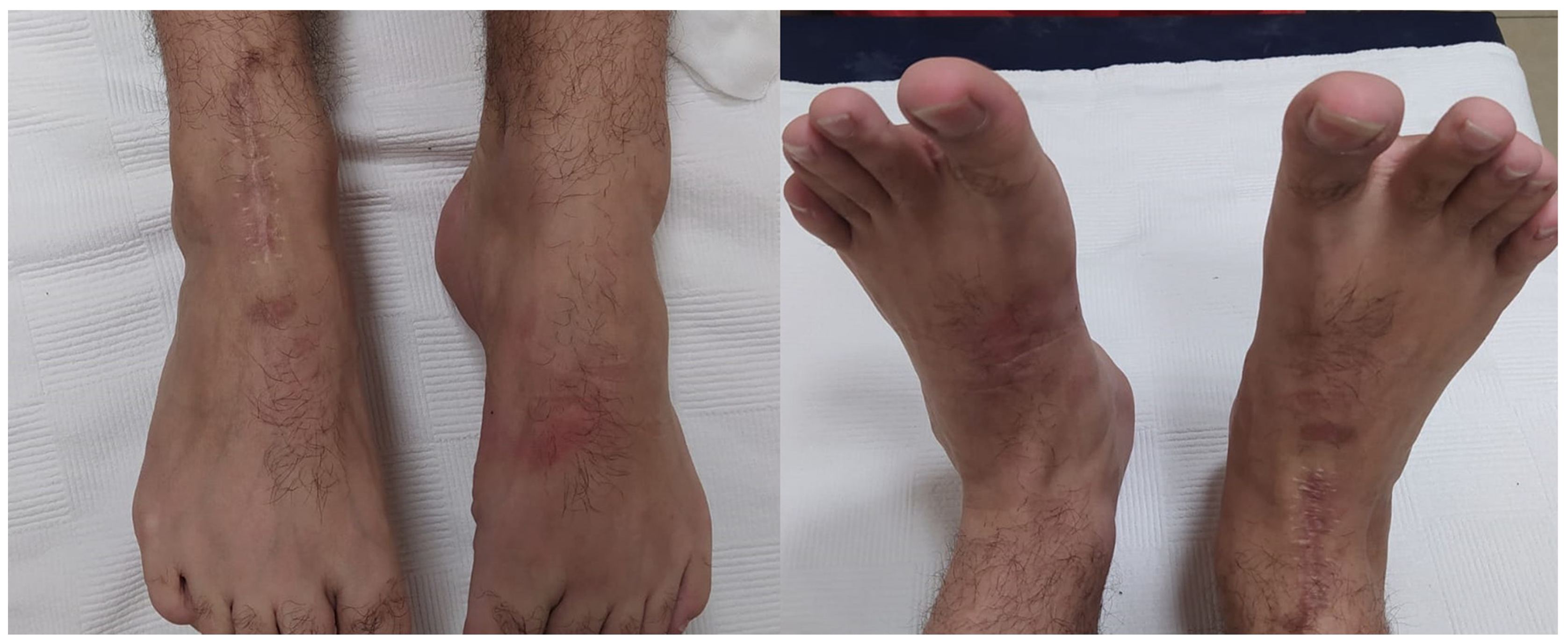
16]. Damage to the neurovascular and tendinous structures in the anterior aspect of the ankle and joint stiffness are noted as concerns for anterior arthrotomy. However, there is no incidence of vascular injury reported during open resection of osteoid osteoma in the talus. We were able to perform an en bloc resection of the lesion through open surgery, and the patient’s ankle ROM was identical to his nonoperated foot 20 months after surgery (
Fig. 7). The patient is able to participate in recreational sports activities without any pain or limitation.
Figure 7.
Photograph showing the final follow-up at 20 months. The operated ankle shows full range of motion, the same as in the nonoperated foot.
Figure 7.
Photograph showing the final follow-up at 20 months. The operated ankle shows full range of motion, the same as in the nonoperated foot.