Congenital posteromedial bowing of the tibia (CPMBT) is a rare deformity that affects the tibia, fibula, and soft tissues of the lower extremity [
1,
2,
3]. In this structural malformation, first described by Heyman and Herndon [
3]. in 1949, the patient presents with angulation of the tibia and fibula in the posterior and medial direction in the middle to distal one-third of the leg bones. Bowing of the tibia has been reported with an incidence of approximately 1 in 140,000 live births, with posterior bowing of the tibia being less common [
4]. In CPMBT, there is calcaneovalgus deformity of the ipsilateral limb, resulting in a hyperdorsiflexed foot that can touch the lower part of the leg [
1,
2]. The etiology and pathogenesis remain unknown, but CPMBT has been attributed to abnormal embryologic development or fetal positioning [
5,
6].
Parents typically present with the child just days to months after birth. Parents of the patient may have no indication of any abnormalities prenatally. Wright et al. [
7] showed that a prenatal diagnosis of a lower-limb abnormality was made in 66% of their patients from the 20-week anomaly scans, although only 4% were diagnostic for CPMBT specifically. Radiographically, the appearance of the bone structure is relatively normal, except for increased thickness of the cortex on the concave side of the bony curvature [
8,
9]. Despite the extreme degree of malformation present at birth, CPMBT has a good prognosis. In some cases, the deformity can spontaneously resolve within the first 4 years of age, although there is no reported percentage of cases that will spontaneously resolve [
10,
11,
12]. The posterior bow corrects more quickly than the medial bow. An increase in degrees of posterior bowing is correlated with an increase in ankle valgus as time progresses. There is also a direct relationship between the degree of initial tibial bowing and the severity of subsequent limb-length discrepancy. Literature has shown that there can be a limb-length deficit as large as 4 to 7 cm at skeletal maturity [
1,
10,
13]. Di Gennaro et al. [
14] confirmed these findings, showing the greater the angular deformity at birth, the more pronounced the limb-length discrepancy at skeletal maturity.
Clinicians should initially opt for a conservative approach to promote proper growth and remodeling [
11,
12,
15,
16]. This can be accomplished by casting and bracing modalities up to age 5 years [
11,
15,
16]. Johari et al. [
15] found that there was no statistically significant difference between conservatively and surgically managed patients regarding mean angulation, although there was a significant difference in mean limb-length discrepancy. There are no reported complications associated with conservative treatment apart from persistent deformity. If conservative treatment does not achieve the necessary angular correction and length, surgical treatment is often pursued.
Surgical indications include sustained bowing of the tibia, correction of ankle valgus, or, most commonly, significant limb-length discrepancy [
10]. Before growth arrest, surgical measures may include epiphysiodesis of the contralateral leg [
17]. If greater than 2 cm of shortening persists at closure of growth plates, lengthening procedures may be performed. Successful lengthening has been achieved with use of Illizarov external fixators [
16,
18]. Patients have also been successfully treated operatively with multilevel osteotomies and external fixation [
7,
14,
19]. It is difficult to estimate the overall percentage of patients who undergo surgical intervention in this population owing to the small number of reports and the variability of treatments. In the largest reported patient cohort study, by Di Gennaro et al. [
14] 26 of 44 patients (59%) underwent surgical treatment, with most of them (23 patients) needing lengthening procedures. Wright et al. [
7] demonstrated that the risk of recurrence of limb-length discrepancy is significantly higher if lengthening is performed before age 10 years. The risk of recurrence must be considered both in the timing of surgery and when counseling parents [
7]. For this reason, it is recommended that lengthening procedures be performed when the patient has reached skeletal maturity. Herein we report a case of posteromedial tibial bowing in conjunction with calcaneovalgus deformity in a pediatric patient presenting 2 weeks after birth. Both deformities were treated with corrective casting, bracing, and a supramalleolar orthosis.
Case Report
History
The parents presented with this child for evaluation of severe right lower-extremity deformity 2 weeks after birth. This child was a natural term birth from a normal pregnancy of healthy parents. Their history was unremarkable for any family history of skeletal dysplasias, musculoskeletal diseases, or known exposures to teratogens. All of the ultrasound examinations revealed normal fetal development, and no evidence of limb deformity was ever noted on examination. There was no report of amniocentesis being performed.
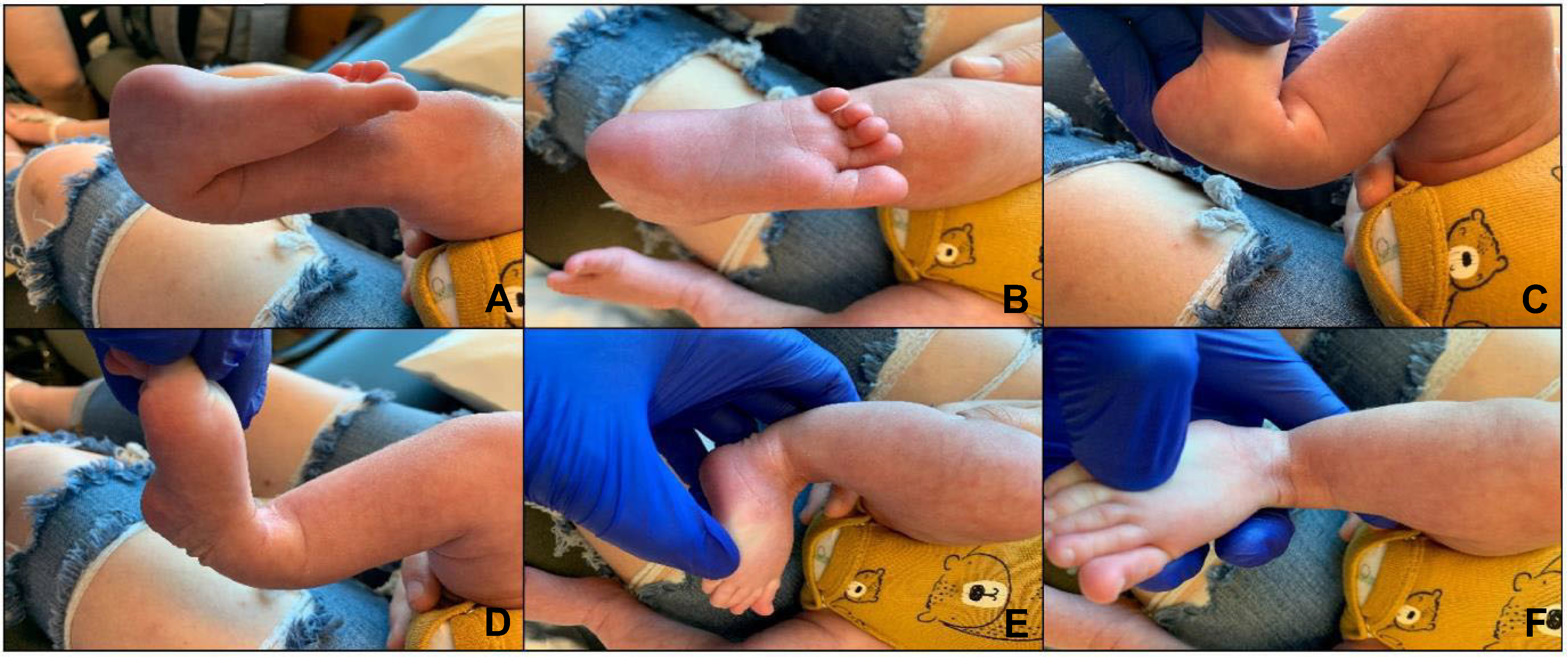
Physical examination revealed severe posterior and medial angulation of the right lower leg with a calcaneovalgus deformity (
Fig. 1). Skin creasing was present at the anterior aspect of the ankle, with dimpling at the apex of angulation of the deformity. There was marked tightness of the anterior musculature. The right foot was severely contracted dorsally, with the dorsum of the right foot touching the anterior aspect of the lower leg. The metatarsals of the right foot remained parallel to the long bones of the right leg (
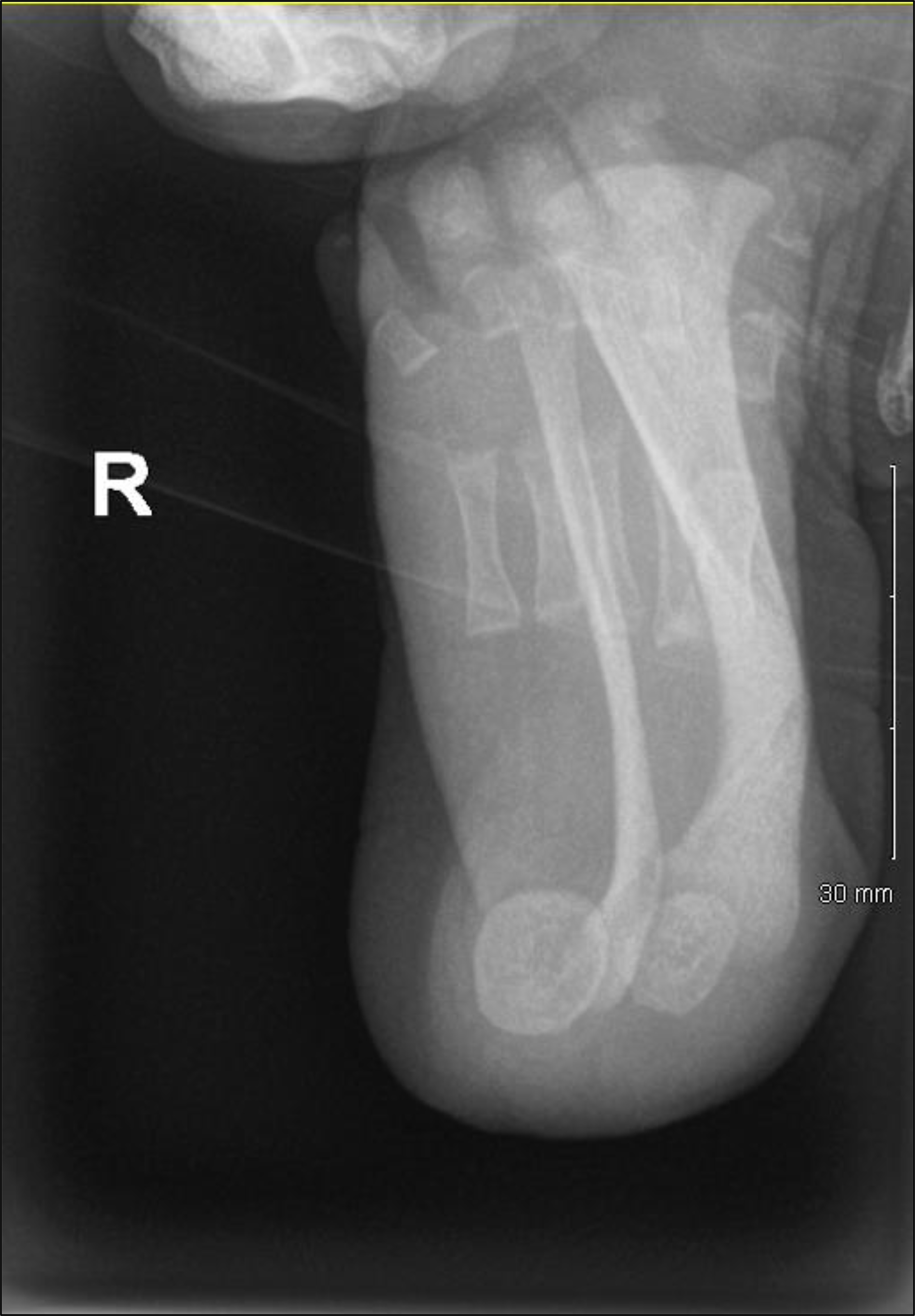
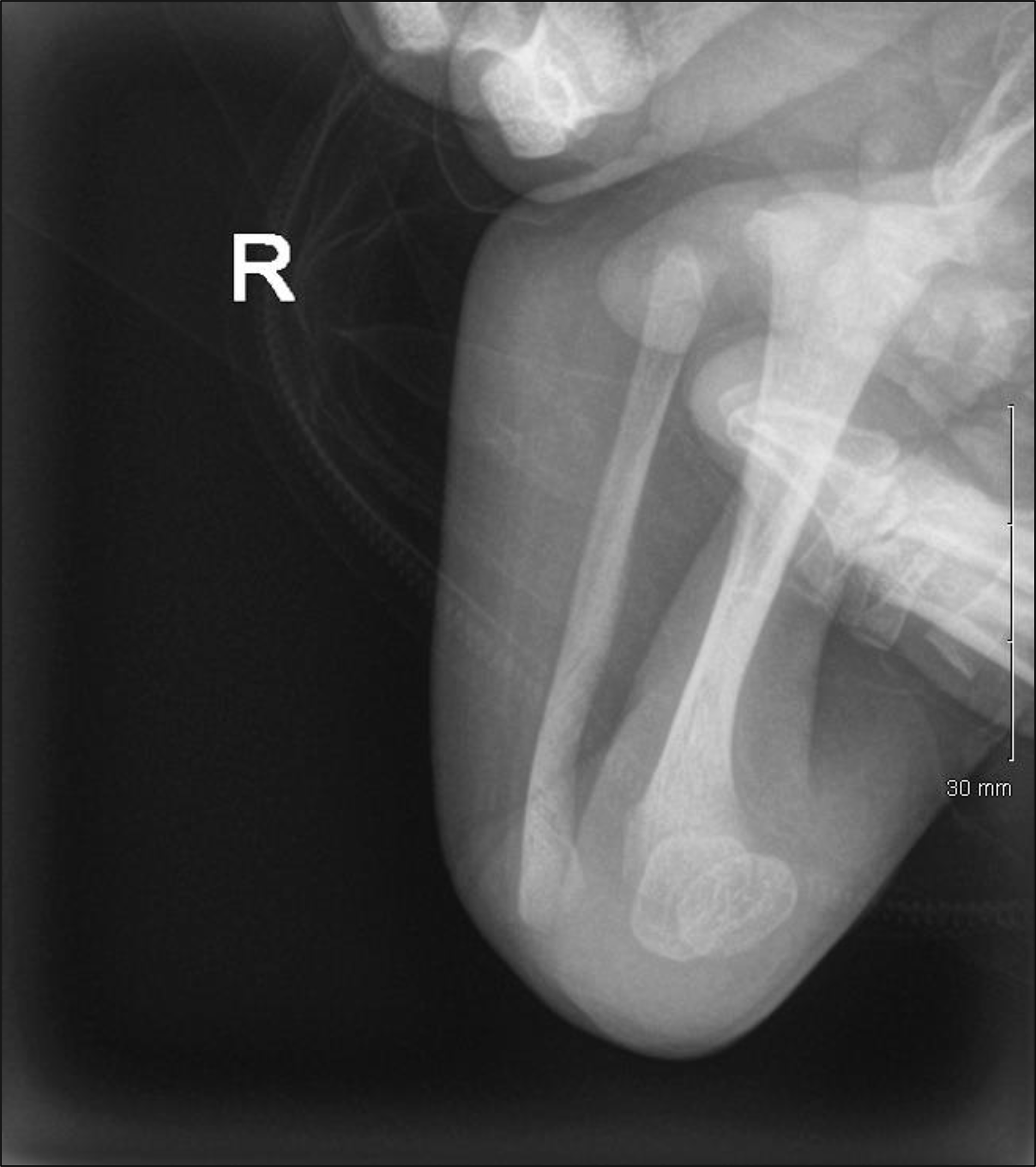
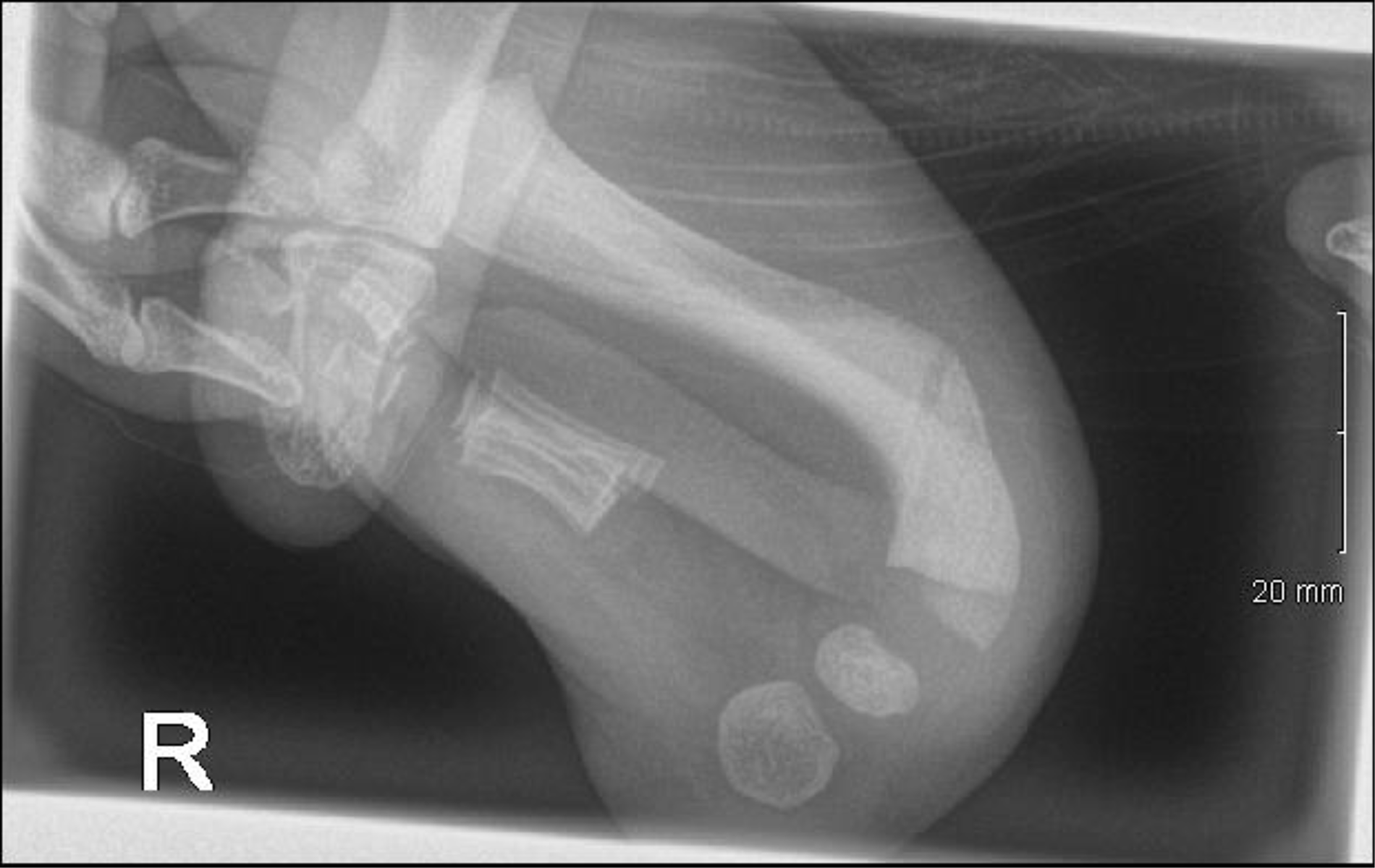
Fig. 1A). At this point, no previous treatment had been performed. Plain radiographs showed severe posterior and medial angulation of the tibia and fibula at the distal one-third of the leg (
Figs. 2-4). No measurement of angulation was performed at this time due to the difficulty of obtaining adequate radiographs.
Figure 1.
Clinical photograph of the child’s foot 2 weeks after birth. A, Note the dorsum of the right foot resting on the anterior aspect of the tibia at rest. B, Plantar aspect of the foot displaying a calcaneal valgus deformity. C, Note the medial creasing at the ankle joint. D, The right foot was flexible and able to be reduced into a more rectus plantigrade position. E, The lateral aspect of the foot showing the deep creasing at the ankle joint. F, Reducibility of the deformity with the foot passively at 90°.
Figure 1.
Clinical photograph of the child’s foot 2 weeks after birth. A, Note the dorsum of the right foot resting on the anterior aspect of the tibia at rest. B, Plantar aspect of the foot displaying a calcaneal valgus deformity. C, Note the medial creasing at the ankle joint. D, The right foot was flexible and able to be reduced into a more rectus plantigrade position. E, The lateral aspect of the foot showing the deep creasing at the ankle joint. F, Reducibility of the deformity with the foot passively at 90°.
Figure 2.
Anteroposterior radiograph of the right leg showing posterior and medial bowing of the tibia at the distal one-third of the lower extremity.
Figure 2.
Anteroposterior radiograph of the right leg showing posterior and medial bowing of the tibia at the distal one-third of the lower extremity.
Figure 3.
Oblique radiograph of the right leg. Note the increased bony density on the concave aspect of the tibia.
Figure 3.
Oblique radiograph of the right leg. Note the increased bony density on the concave aspect of the tibia.
Figure 4.
Lateral radiograph of the right leg. Note the dorsum of the forefoot parallel to the long bones of the leg.
Figure 4.
Lateral radiograph of the right leg. Note the dorsum of the forefoot parallel to the long bones of the leg.
Treatment Protocol
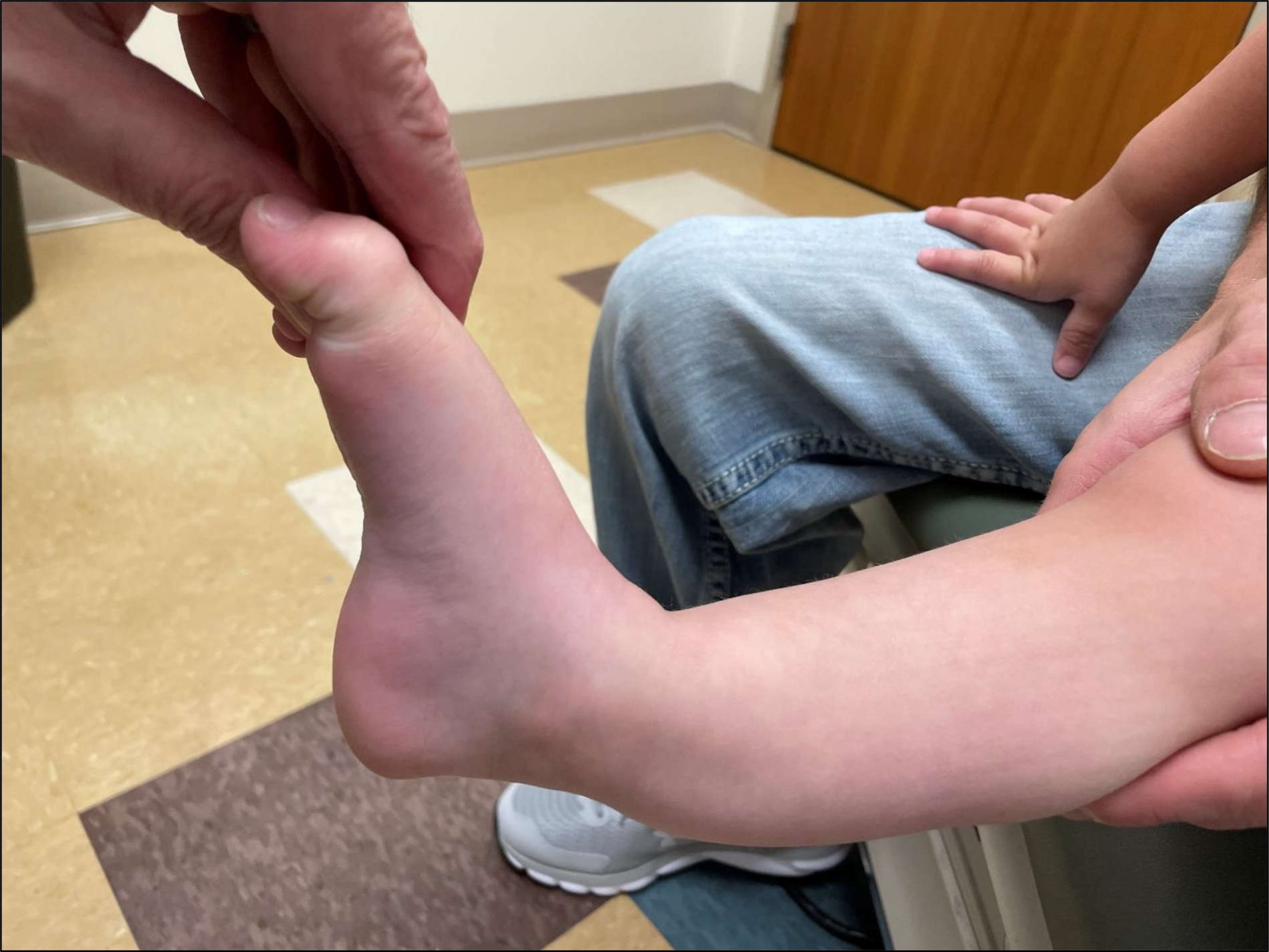
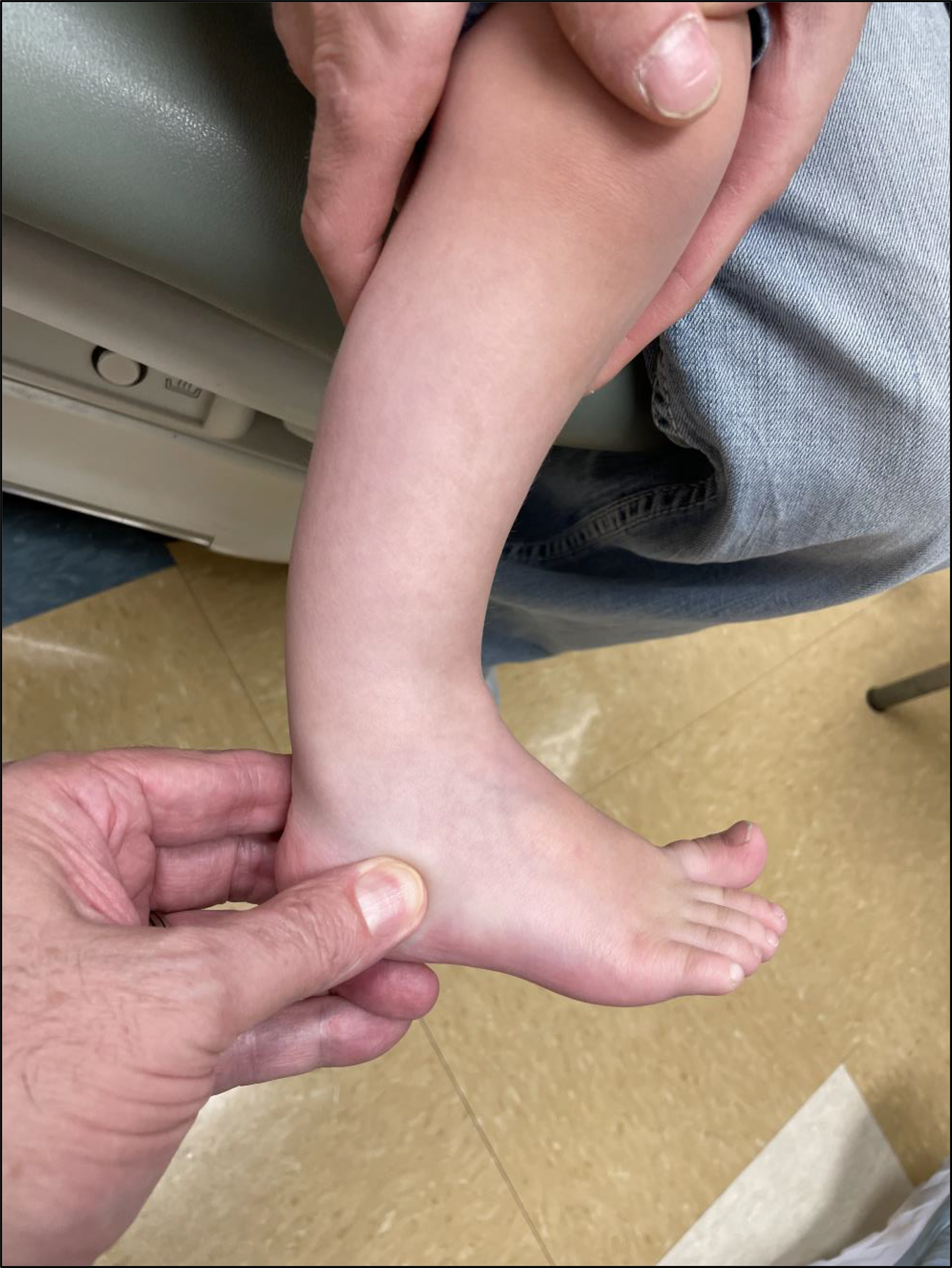
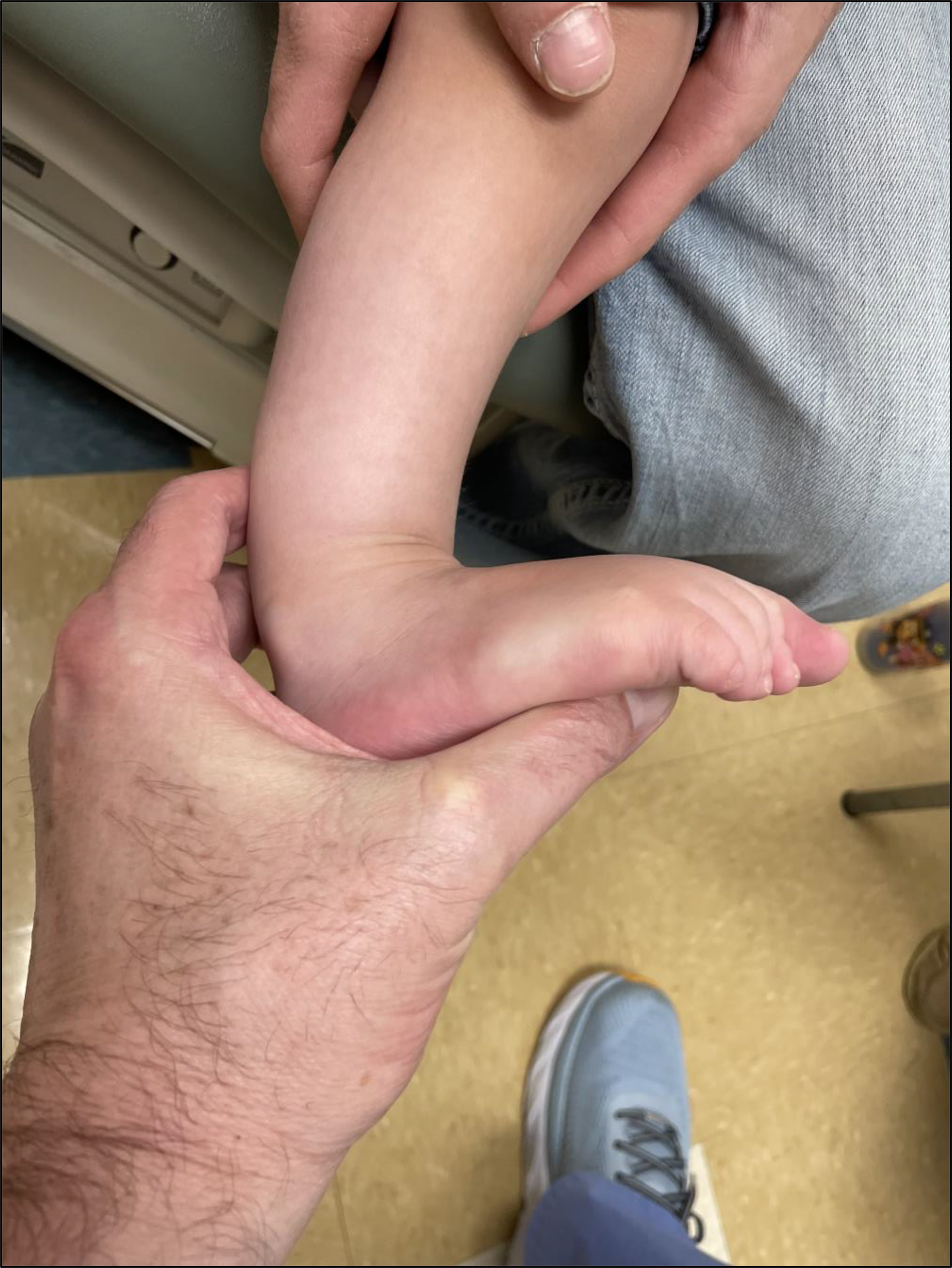
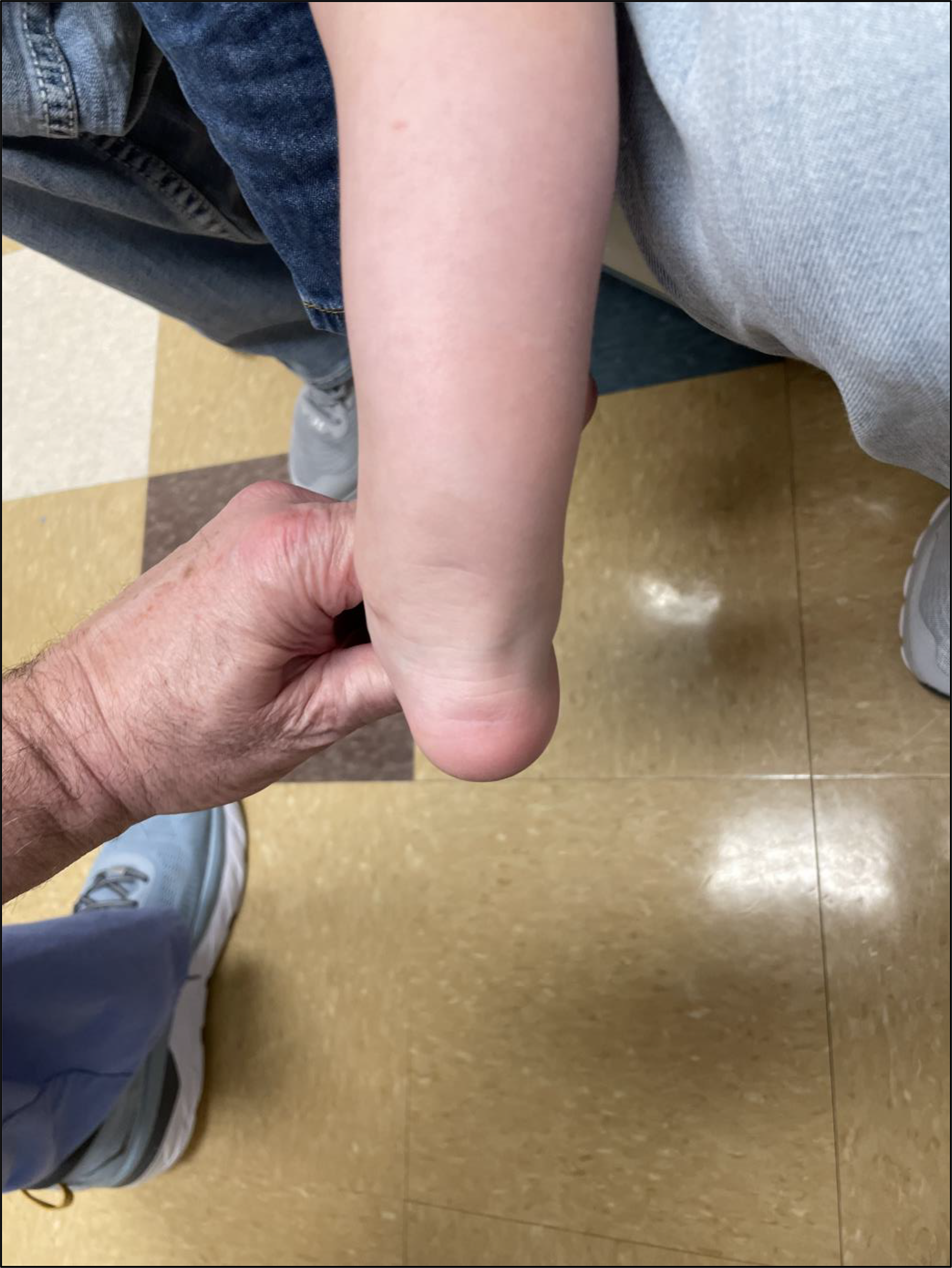
The patient was started on passive plantarflexion stretching of the right leg to be performed by the parents three to five times a day for 15 minutes. As treatment continued, it became quite difficult to prevent the child from pulling his right foot upward toward his shin and mouth. At this point, the right lower extremity was casted to help maintain the passive stretch. The right lower extremity was placed in a plaster cast with the knee and foot at 90° in a neutral and externally rotated position to match the contralateral leg. The goal of the casting was to correct the calcaneal valgus deformity; the posterior and medial bow should correct on its own. The casts were changed weekly for a total of four casts. At approximately 7 months of age the patient was placed in a Wheaton-style brace to help maintain correction for approximately 6 months. On physical examination it was noted that the right lower extremity still had evidence of posterior bowing. The ability to dorsiflex the foot to the anterior leg was decreased significantly. The heel was corrected to a slight valgus as desired from the serial casting. A limb-length discrepancy was still appreciated. Clinical photographs can be seen in
Figs. 5 through
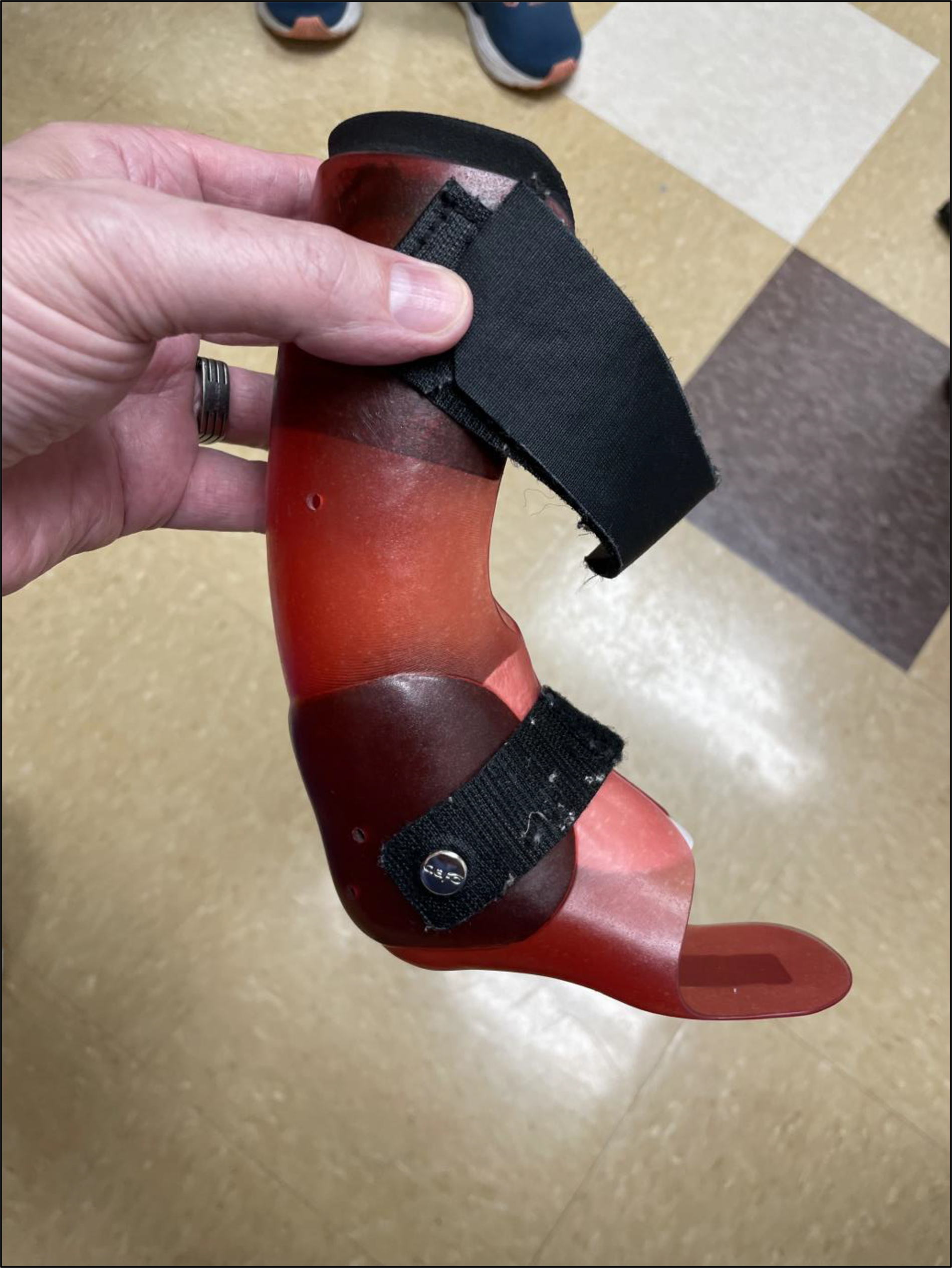
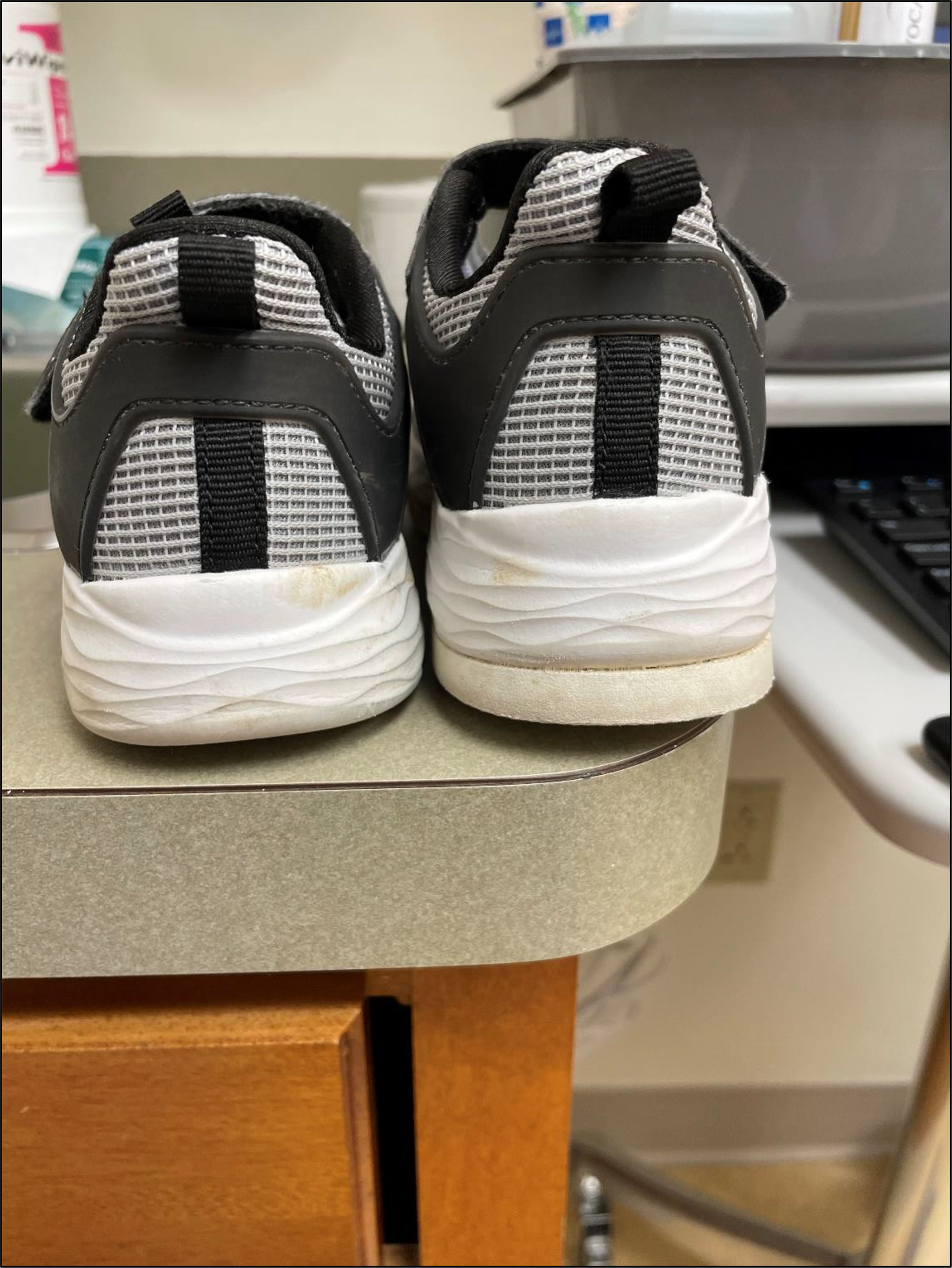
8. The patient has been transitioned to a supramalleolar orthosis for the right foot and ankle. The patient remains in a custom ankle-foot orthosis and fabricated shoe with a ¼” heel lift on the right to compensate for his limb-length discrepancy (
Figs. 9 and
10). At this point, long-term intermittent monitoring is initiated. Given the early evidence of limb-length discrepancy, we predict that the patient may be a candidate for later lengthening of the right lower limb.
Figure 5.
Clinical view of the medial right lower extremity demonstrating posterior curvature of the tibia.
Figure 5.
Clinical view of the medial right lower extremity demonstrating posterior curvature of the tibia.
Figure 6.
Clinical view of the lateral right lower extremity demonstrating posterior curvature of the tibia.
Figure 6.
Clinical view of the lateral right lower extremity demonstrating posterior curvature of the tibia.
Figure 7.
Clinical view of the lateral right lower extremity demonstrating the reduced ability to dorsiflex the right foot, indicating progressive correction of the deformity.
Figure 7.
Clinical view of the lateral right lower extremity demonstrating the reduced ability to dorsiflex the right foot, indicating progressive correction of the deformity.
Figure 8.
Clinical view of the posterior right lower extremity demonstrating a slight valgus position of the hindfoot relative to the long axis of the leg.
Figure 8.
Clinical view of the posterior right lower extremity demonstrating a slight valgus position of the hindfoot relative to the long axis of the leg.
Figure 9.
Demonstrating the custom, hinged ankle-foot orthosis.
Figure 9.
Demonstrating the custom, hinged ankle-foot orthosis.
Figure 10.
Custom shoes with heel lift for right-sided limb-length discrepancy.
Figure 10.
Custom shoes with heel lift for right-sided limb-length discrepancy.
Discussion
Although CPMBT is a rare deformity, it is one that may present in any practice setting for evaluation by a podiatric or orthopedic physician. The severe degree of deformity may raise immediate concern for the family and practitioner alike. Often, CPMBT is seen in conjunction with calcaneovalgus deformity or as an isolated deformity. Similar to CPMBT, the isolated calcaneovalgus foot will present with extreme dorsiflexion of the foot with the dorsum nearly resting on the anterior leg. The differentiating characteristics of the calcaneovalgus foot is that there is no tibial or fibular deformity. These patients can initially be treated in a similar fashion with passive stretching, but it is necessary for the practitioner to be able to differentiate the two because there can be very different prognoses between the deformities with progression.
As previously stated, the limited amount of literature supports initial conservative treatment with casting and bracing to slowly correct the deformity [
14,
16]. The scant amount of literature reporting on CPMBT does not discuss the difficulty in treating this patient population. In the present patient, it was difficult to keep the child from manually pulling his right foot upward toward his shin and mouth, resulting in failure to achieve correction. This case displays the difficulty involved in treating the newborn pediatric patient. Often an extra degree of security must be put in to place to achieve the clinical outcome desired. For us, the addition of serial casting followed by bracing therapy was necessary to maintain correction. Complications with casting can be numerous, whether that be from self-manipulation, such as in the present case, or from the common event of the patient getting the cast wet with bathing. When casting a newborn, compliance depends on the parents. It is the responsibility of the practitioner and staff to educate the parents on cast management to avoid complications or early office visits. Newman and Gaffney [
18] decreased the number of unplanned office visits due to cast problems by focusing on a concise list of verbal instructions and emphasizing the avoidance of water. The combination of providing verbal and written instructions decreased unplanned office visits by 55% [
18]. A simple process such as this can be implemented to decrease cast complications and improve patient outcomes. When treating these patients in the future, written and verbal instructions would be helpful to provide to the patient’s parents.
With conditions such as CPMBT, the length of time required for casting and bracing depends on the severity of the child’s deformity and the speed of correction. The length of therapy varies but has been reported to be an average of 3 years [
16]. Conservative treatment may be limited, and patients left with a significant lower-extremity–length discrepancy must undergo limb-lengthening procedures or contralateral limb epiphysiodesis. Typically, if the child still has significant bowing of the lower extremity past age 4 years, limited remodeling beyond that point is expected. It is at this juncture that correction of deformity by epiphysiodesis could be considered [
7]. However, if the CPMBT has remodeled to an extent that it does not cause functional or cosmetic impairment, then it is preferred to wait closer to skeletal maturity to perform lengthening [
7,
15,
19]. We believe that this will likely be the case for the present patient. This child will likely continue to develop a limb-length discrepancy but should be able to function appropriately with assistive devices and heel lifts. When the patient reaches the need for limb lengthening, referral to a tertiary care center would be warranted.
Conclusions
Congenital posteromedial bowing of the tibia is a rare congenital deformity that manifests with angulation of the tibia and fibula with calcaneovalgus of a single lower limb. This condition can resolve spontaneously or respond well to early conservative measures of casting and bracing. Ultimately, a significant limb-length discrepancy may persist with growth that will require surgical correction. Thus, these patients should be followed until skeletal maturity.