Isolated dislocation of the talonavicular joint is a rare injury caused by severe abduction or adduction of the forefoot and often associated with fractures of the navicular, cuboid, or calcaneus. [
1] Chopart joint dislocations and fracture-dislocations are rare injuries relative to the foot and ankle. Anatomical reduction can be challenging in Chopart joint fracture-dislocations and open reduction may be necessary. This injury pattern has been termed a
swivel dislocation and has been described as a subtype pattern of Chopart joint injuries in which a medial force applied to the forefoot disrupts the talonavicular joint but leaves the calcaneocuboid joint intact. The foot rotates medially but does not invert or evert. The interosseous talocalcaneal ligament remains intact, which is the axis of rotation. [
2]
Dislocations involving the Chopart joints are uncommon in the foot and ankle. These injuries occur when significant trauma exerts severe abduction or adduction forces to the forefoot. [
1] In acute medial swivel dislocations of the foot, Main and Jowett [
2] advocated treatment by prompt reduction and immobilization. They saw no justification for early arthrodesis, but they advocated an arthrodesis in the case of persistent symptoms. [
2,
3] Richter et al [
4] recommended primary arthrodesis to be considered in injuries with severe joint and/or cartilage destruction.
Treatment of Chopart dislocation should be directed in a stepwise fashion with an attempt at closed reduction followed by open reduction if closed reduction fails. Richter found that closed reduction yields good results in a pure dislocation injury. It was found that high functional restrictions in Chopart dislocation can be minimized with initial open reduction, especially in fracture-dislocations. Richter et al [
5] also noted in another study that an initial and maintained anatomical reduction with internal fixation or added external fixation was essential for good results. Inal and Inal [
6] recommend closed reduction of medial swivel dislocation of the talonavicular joint first, with open reduction only after failure of an attempt at closed reduction.[
6] Early diagnosis is of greatest importance in prognosis. [
7] Associated injury with talonavicular dislocations is high, in upward of 75% to 90%. [
8] Konstantinidis et al [
7] noted that prolonged immobilization following reduction of a traumatic talonavicular joint dislocation is also linked to worse outcome. Computed tomography is necessary to identify associated fractures. Untreated fractures will result in an equinovarus deformity. [
6] Swiveltype injuries are associated with fewer complications than pure dorsal dislocations because of a lesser degree of ligamentous structure involvement and preservation of plantar ligament integrity. Few attempts should be made at closed reduction of the deformity. [
9,
10] We describe a case in which a high-energy motor vehicle accident led to a nearly complete talonavicular dislocation, shear fracture of the talar head, subtle medial subluxation of the cuboid at the calcaneocuboid joint, an associated intra-articular fracture of the cuboid at the tarsometatarsal joint, and calcaneocuboid joint and comminuted fracture of the posterior talar process.
Case Report
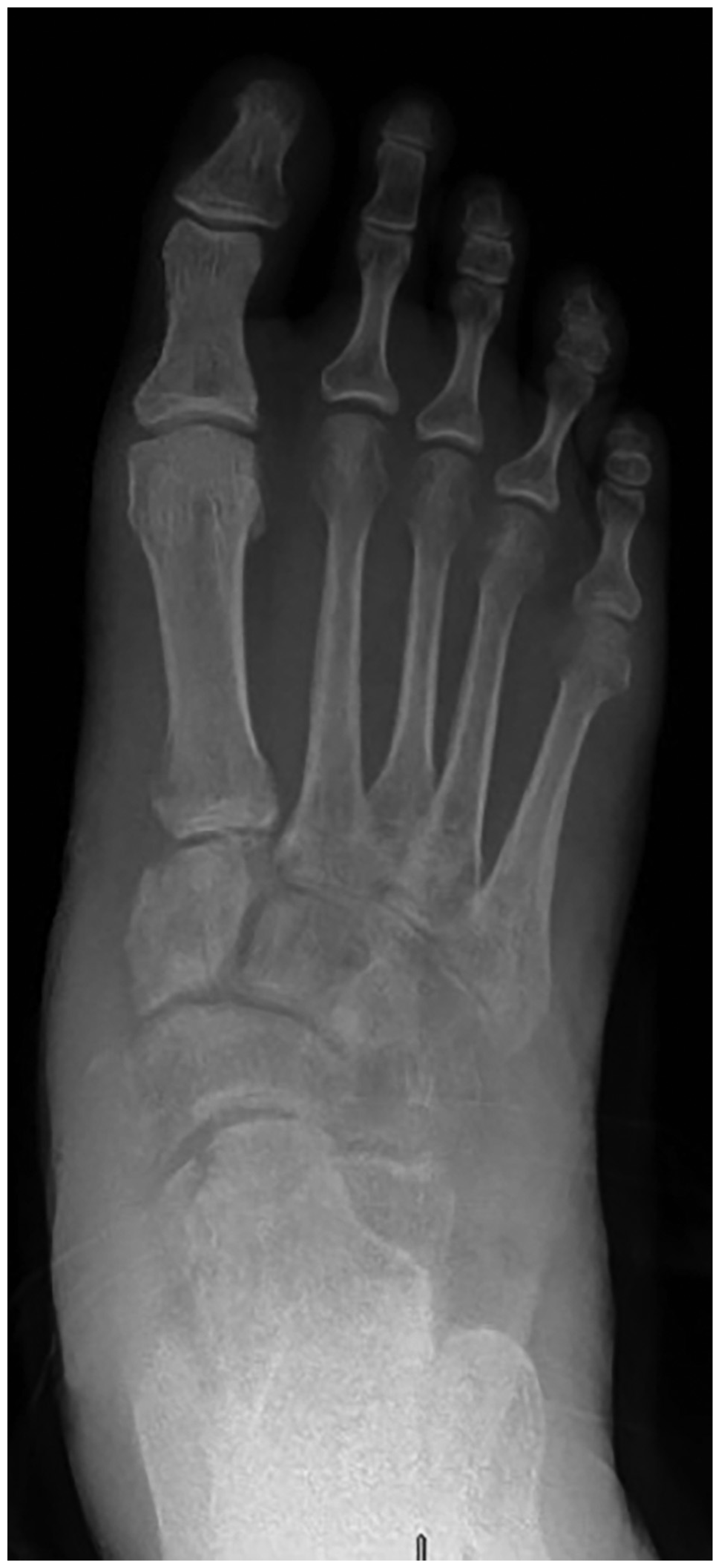
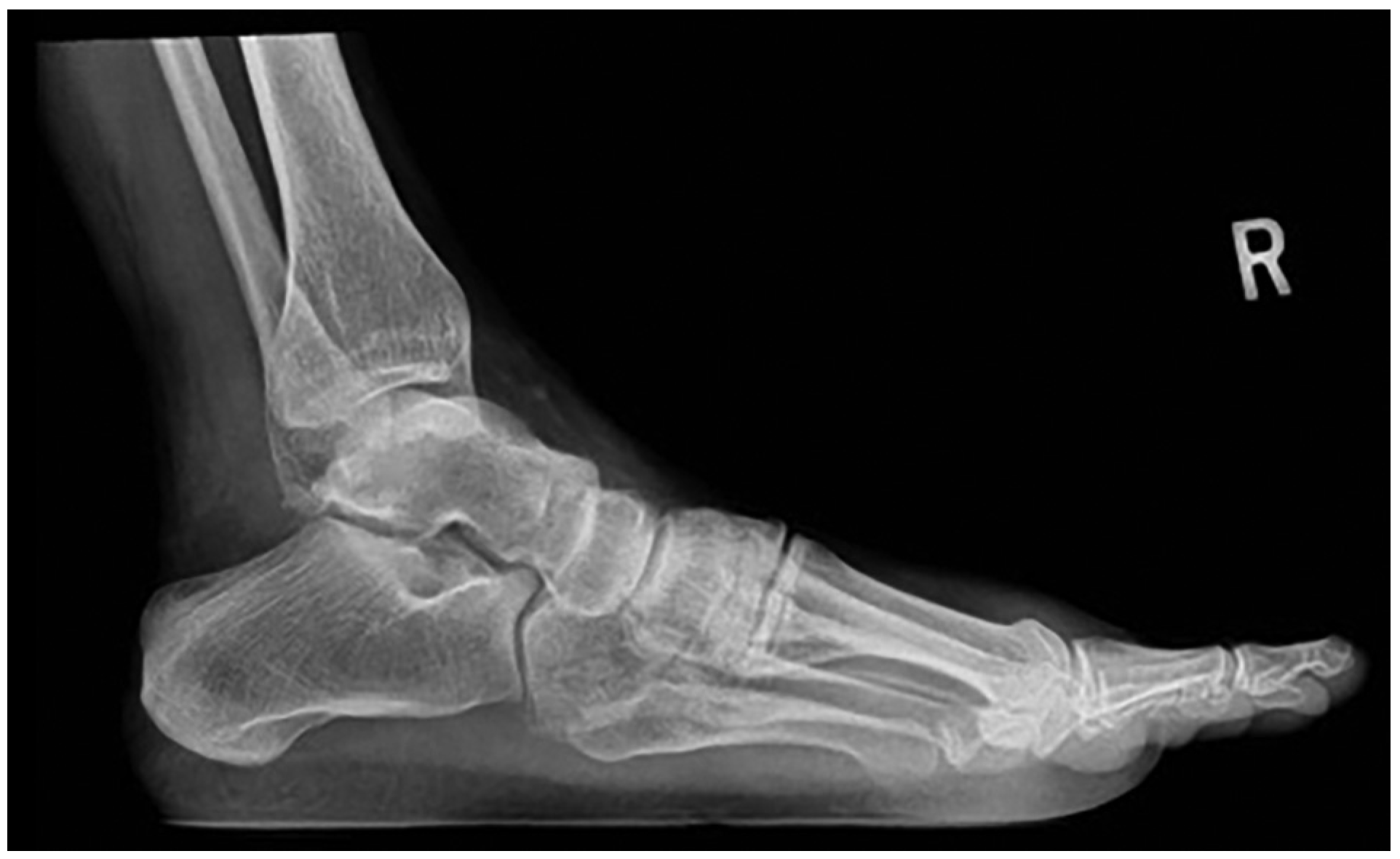
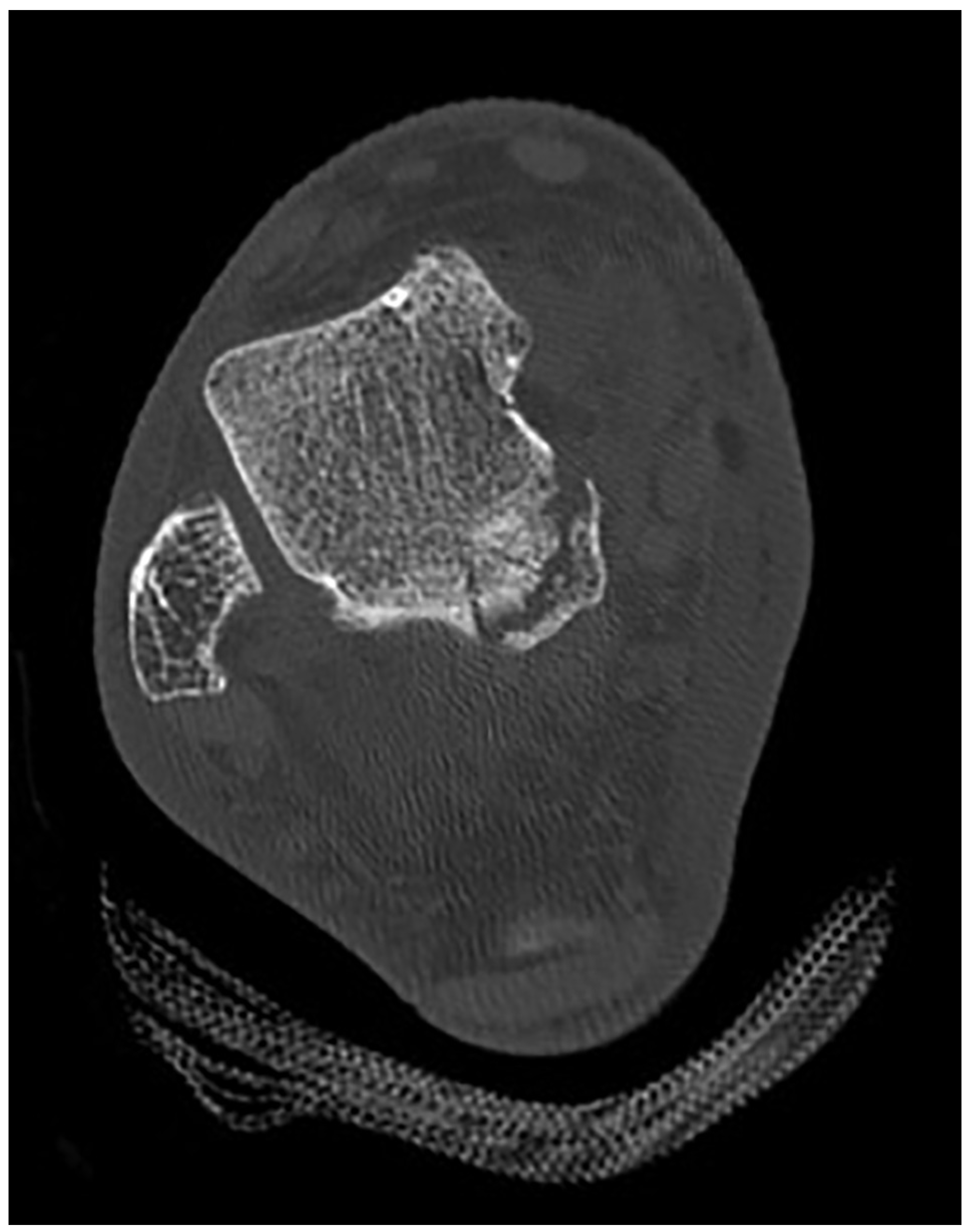
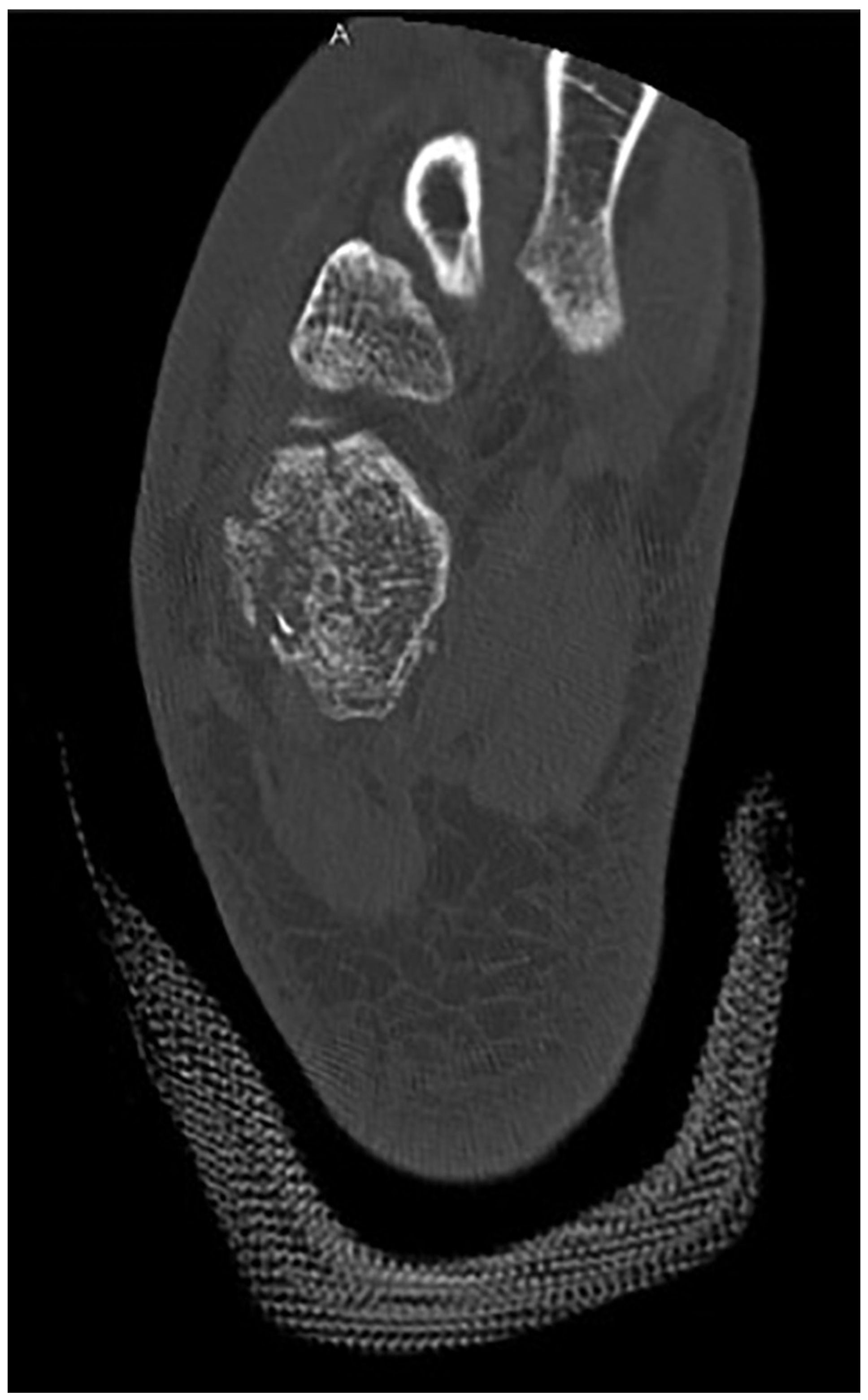
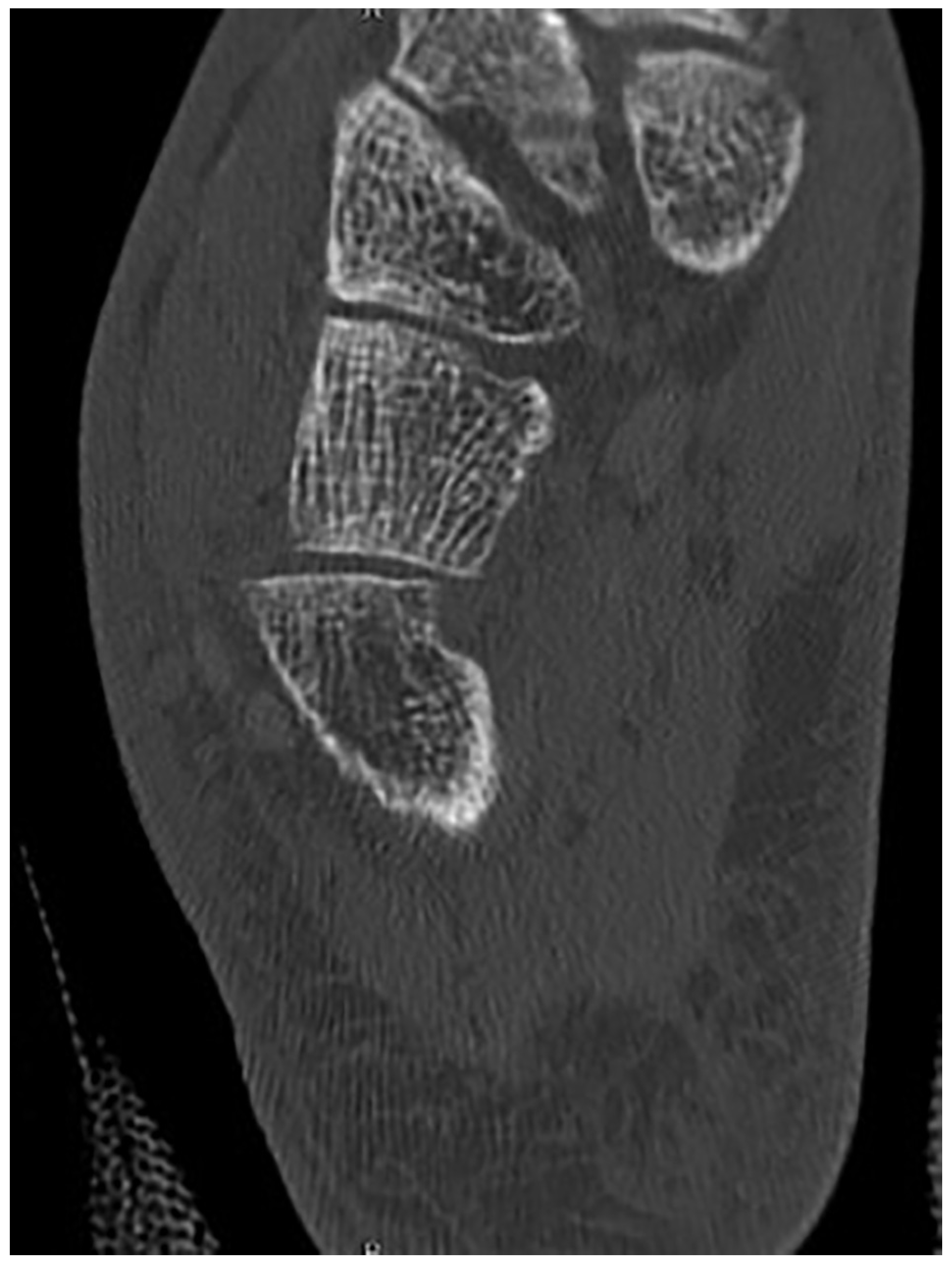
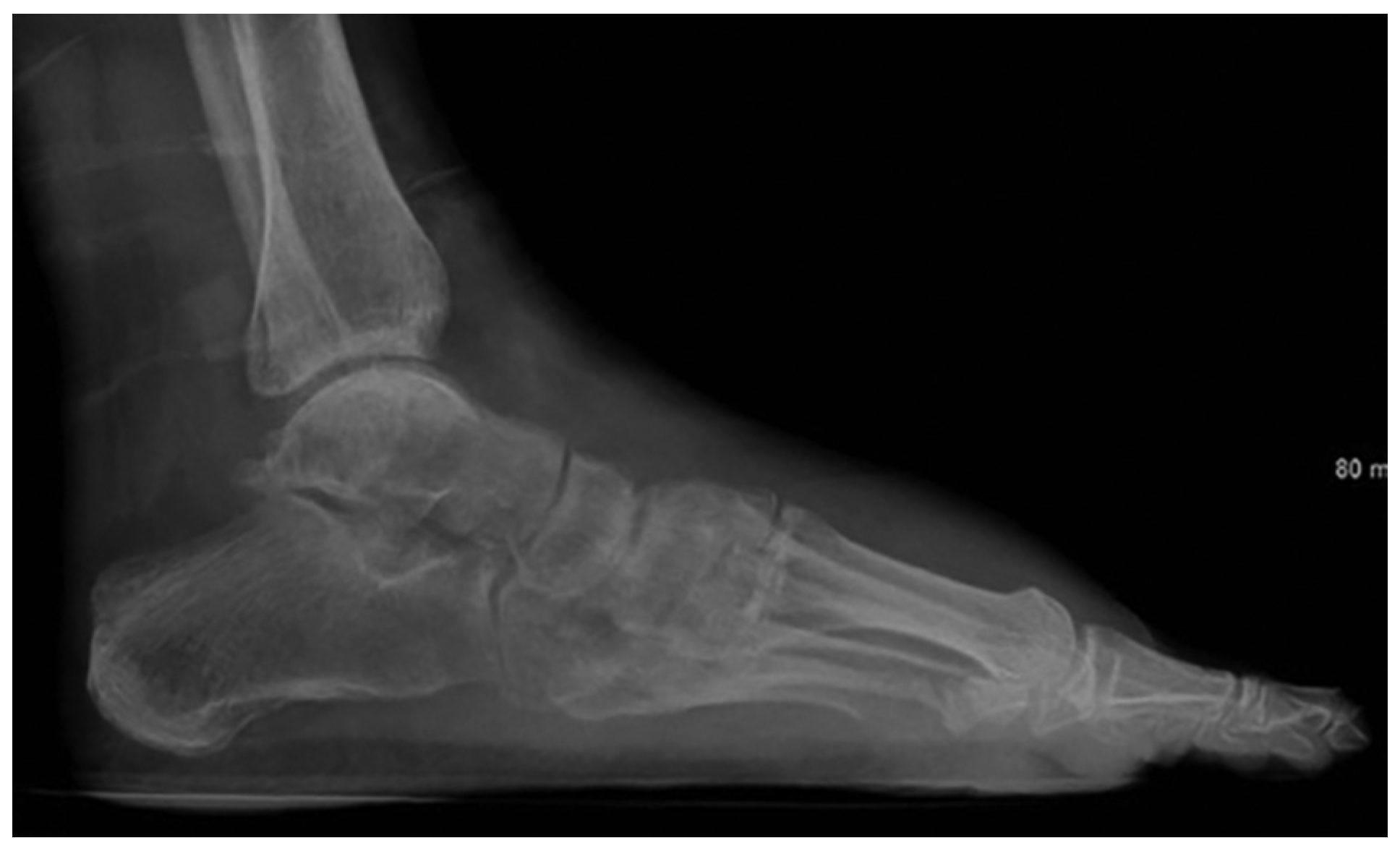
A 35-year-old man sustained an injury to his right foot following a motor vehicle accident. The patient described the injury in which an axial force was suddenly applied to the brake pedal with a subsequent abduction of his forefoot. The patient reported immediate pain and swelling across the dorsal medial, lateral, and posterior hindfoot. The patient presented to an urgent care facility and standard nonweightbearing radiographs were obtained, which revealed a medial dislocation of the talonavicular joint with an associated cuboid fracture and shear fracture of the medial talar head. An attempt at closed reduction was unsuccessful. Surgery was recommended to the patient at the urgent care facility; however, he refused. He was placed into a posterior splint and was discharged with crutches. He was referred for prompt follow-up with a foot and ankle specialist. The patient subsequently followed up in our office 3 weeks after his injury and visit to the urgent care facility. On physical examination, no neurovascular deficit was noted. There was diffuse edema to the foot and ankle. Radiographs and computed tomography revealed a complete talonavicular dislocation, shear fracturing of the talar head, subtle medial subluxation at the calcaneocuboid joint with an associated intra-articular fracture of the cuboid, and comminuted fracture of the posterior talar process (
Figure 1,
Figure 2,
Figure 3,
Figure 4 and
Figure 5).
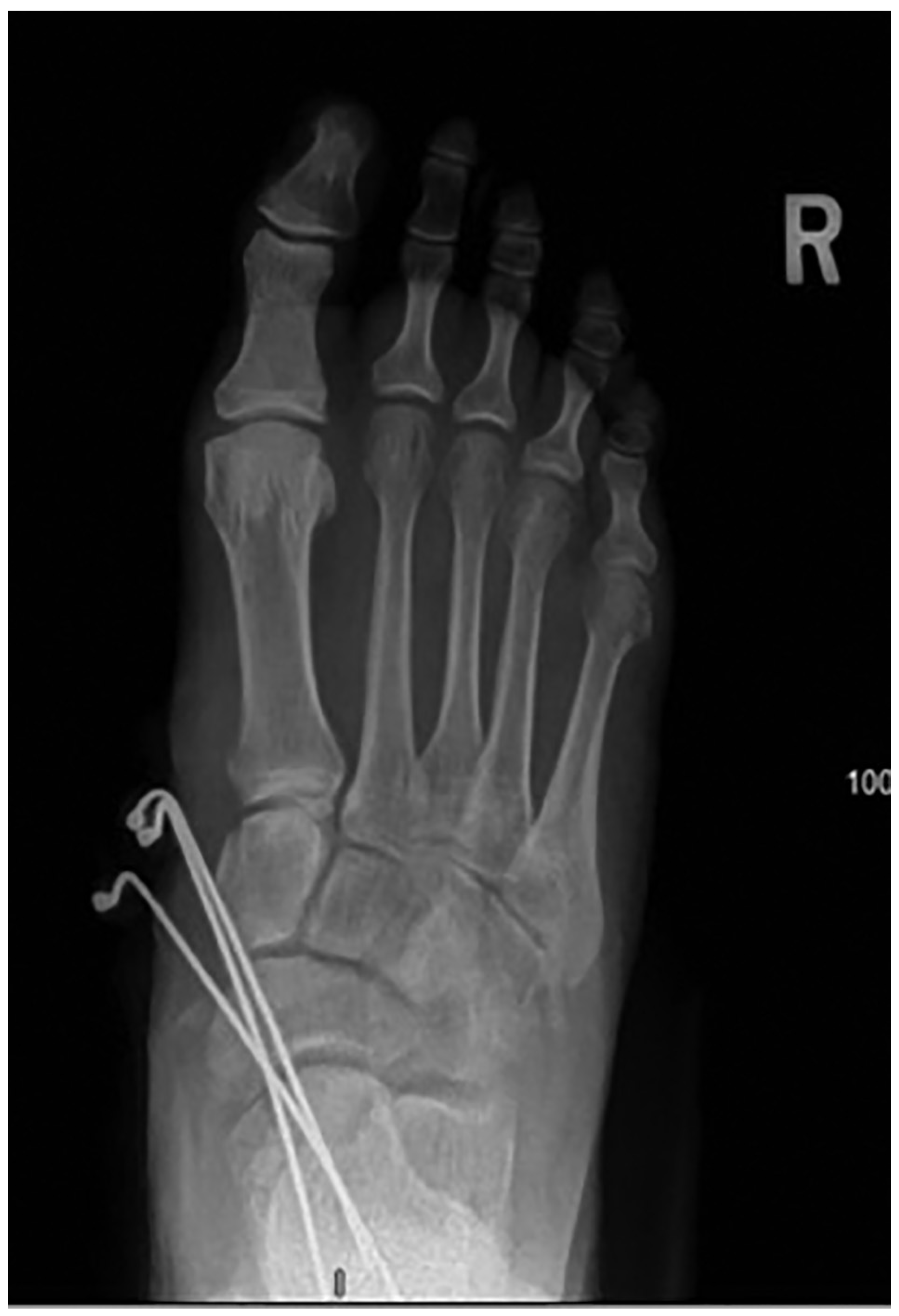
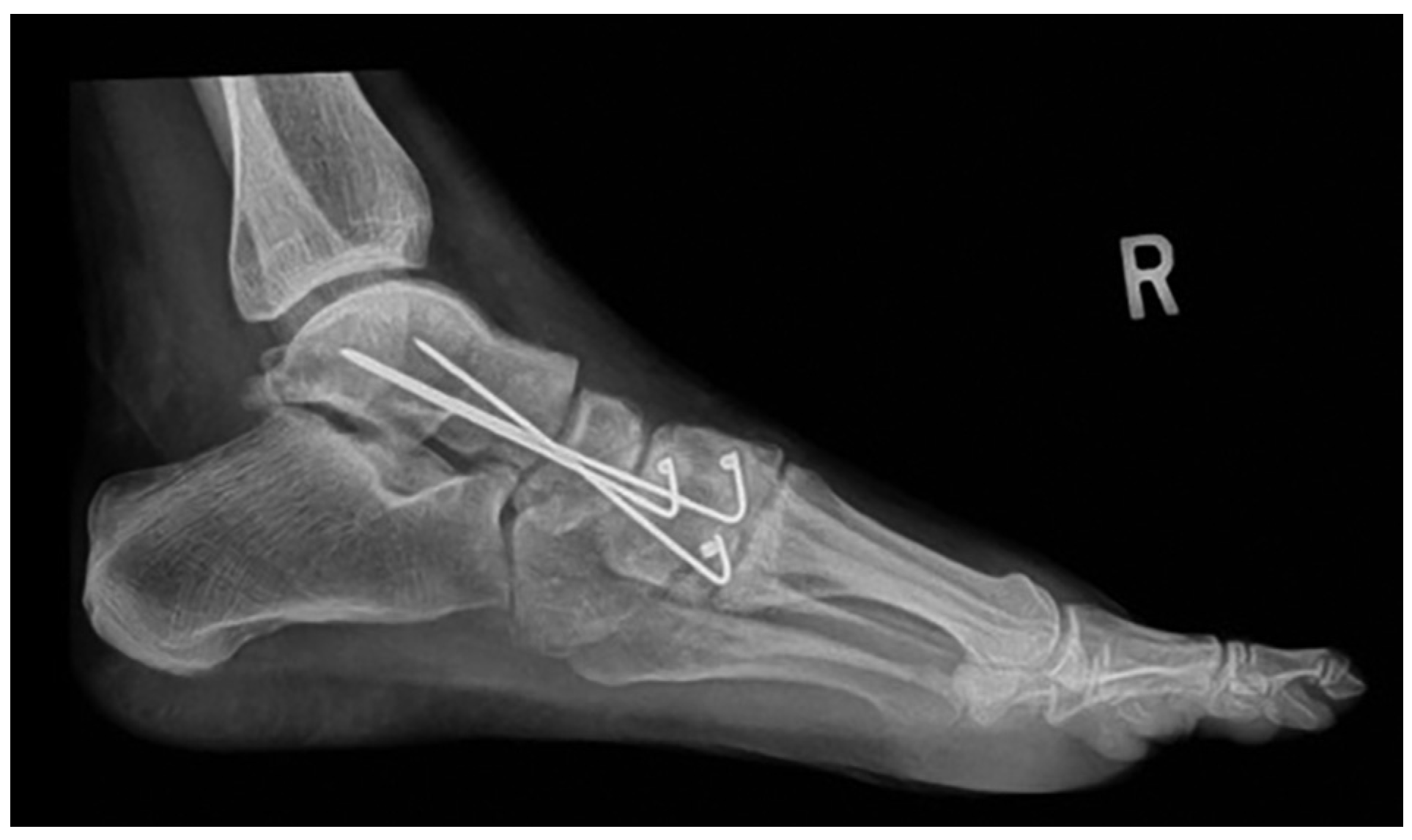
The patient was taken to the operating room and under general anesthesia. Multiple attempts at closed reduction were unsuccessful. Open reduction was performed through a dorsolateral incision. To aid in reduction, a Steinman pin was placed within the navicular after making a small medial incision and was used as a joystick. A large Cobb elevator was directed along the lateral talar head into the sinus tarsi toward the medial aspect of the calcaneus to aid in relocation of the talar head dislocation and subluxed calcaneocuboid joint. The reduction maneuver was achieved by initially abducting and distracting the forefoot and by using the Steinman pin to joystick the navicular. The Cobb elevator was then used to apply controlled pressure on the lateral talar head using the medial floor of the calcaneus as traction to relocate the midtarsal joint. Once adequately reduced, three 0.062-inch Kirschner wires were directed percutaneously across the talonavicular joint (
Figure 6 and
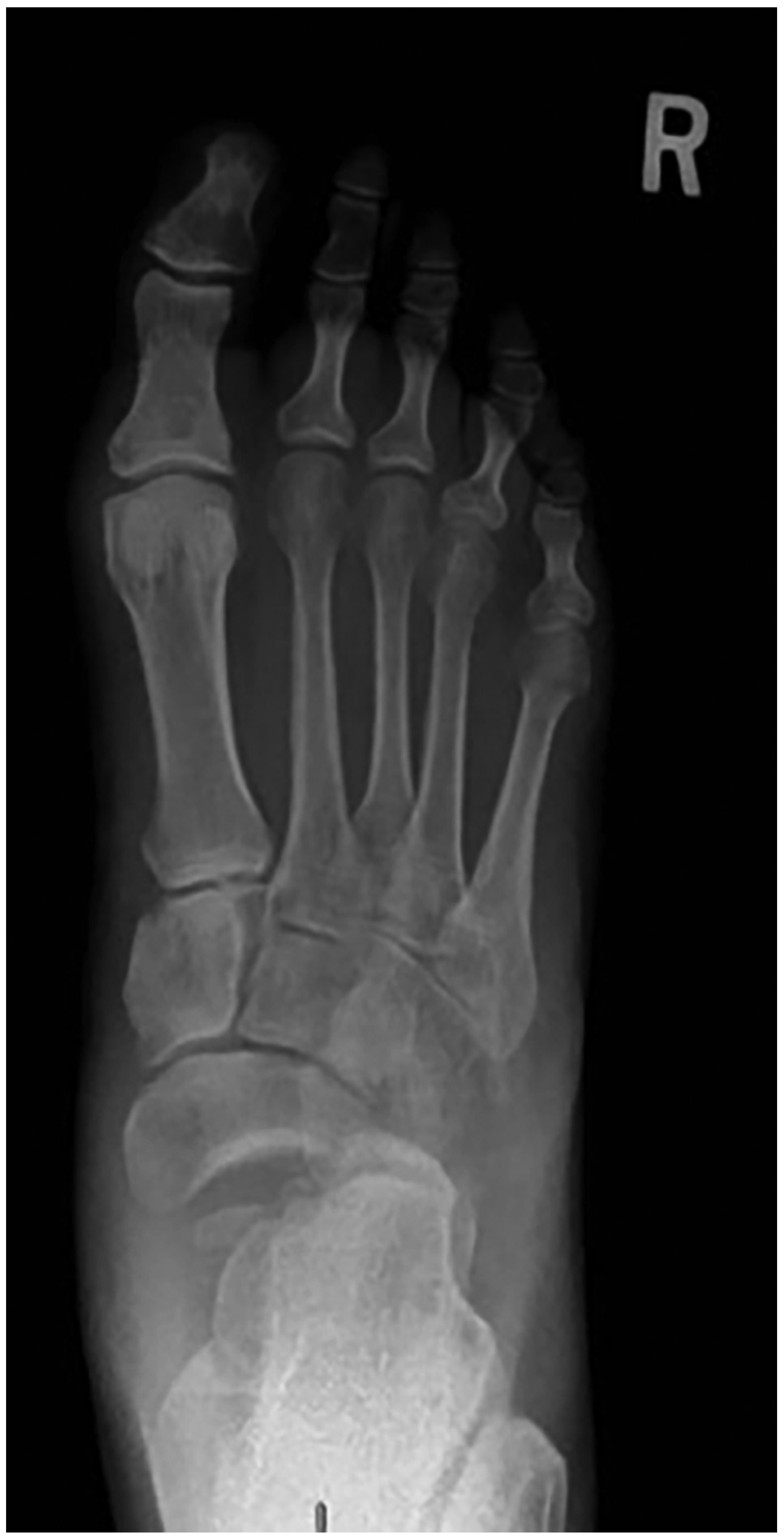
Figure 7). Then, the talonavicular joint was anatomically aligned with the adjacent subluxed calcaneocuboid joint and the posterior talar process fracture was noted to be reduced. The cuboid fracture was in good alignment and fixation was not necessary. A short leg cast was applied for 6 weeks. The patient was nonweightbearing with crutches during this time. At 6 weeks, the anatomical alignment of the talonavicular joint was maintained following removal of the Kirschner wires. At 12 months, the patient had returned to work as a carpenter without pain or limitation (
Figure 8 and
Figure 9).
Discussion
Isolated talonavicular dislocations are rare injury patterns. Based on the literature, there are several approaches to treat this type of trauma. Numerous single case reports and large case series have been published on this topic. Current case reports and case series on Chopart and isolated talonavicular dislocations refer to treatment in an acute setting. Our case report posed a notable challenge to achieve anatomical reduction based on the delayed treatment of the injury.
An acute complete dislocation of the hindfoot can be better managed immediately. Surgical timing had a significant effect on the ability to close reduce this particular dislocation. We do recommend an attempt at closed reduction initially; however, there should be a low threshold to perform an open reduction. Late reduction is difficult because of stiffness and contraction of the ligamentous and capsular tissues. A staged reconstruction has been used for managing old Lisfranc injuries by gradually distracting the soft tissues and tarsal bones with an external fixator. [
11] This strategy requires longer treatment; however, extensive soft-tissue stripping at the time of surgery is avoided; nerves and blood vessels can also be protected. External fixation was not necessary for our case; however, it was considered preoperatively.
Arthrodesis is an important treatment option for missed or untreated Lisfranc injuries with advanced arthritis or a fixed deformity. In terms of reducing the risk of recurrent subluxation and progressive arthritis, arthrodesis may also be a better choice than joint realignment. [
12] Arthrodesis allows for joint reduction and can prevent pain from posttraumatic arthritis; however, adjacent joint arthritis will likely succeed following arthrodesis of a major hindfoot joint. In our particular case, joint realignment was favored because of the patient’s young age, active lifestyle, and occupation as a carpenter.
Once the decision has been made to perform an open reduction, a two-incision approach allows accessibility to the medial and lateral anatomy to aid in reduction of the dislocated talonavicular joint. [
13] In addition, this also allows for inspection of the calcaneocuboid joint if joint reduction or fracture fixation is required. The anterior medial approach was used for delivery of a Steinman pin and joy-sticking of the navicular to aid in reduction. This incision will facilitate placement of fixation; however, this can be accomplished percutaneously. The anterior lateral approach provides exposure of the extensor retinaculum and access to the floor of the sinus tarsi to gain traction and swivel the talar head from a lateral to medial direction. In our case, this was accomplished using a large Cobb elevator.
Conclusions
We found unique challenges related to the delayed treatment of a complete talonavicular dislocation. There should be a low threshold to for open reduction of a chronic talonavicular dislocation to achieve anatomical reduction. We do advocate a dorsal medial and dorsal lateral incision approach to aid in reduction and realignment of the joint. We were able to obtain a positive result with open reduction and percutaneous fixation; however, a consideration should be made for primary arthrodesis if severe joint destruction has occurred. This case was reported because of the considerations surrounding the treatment of a chronic talonavicular dislocation as opposed to the traditional treatment of acute injuries.