Diabetic foot wounds are common, and it is reported that one-third of all diabetic foot ulcers occur on the great toe or under the first metatarsal [
1]. Armstrong et al [
2] reported that 35% of ulcerations were located sub–first metatarsal and 24% were on the plantar hallux surface in a diabetic cohort. Ctercteko et al [
3] reported similar findings of high occurrence in the same locations. Wounds beneath the first metatarsal are difficult to manage without addressing the etiology of the wound. Neuropathy compounds the difficulty of treating these ulcerations. Decreased proprioception and absence of protective sensation can lead to abnormally high pedal pressures and skin breakdown [
4]. Surgical reconstruction offers success in managing plantar forefoot ulceration [
5]. Foot and ankle surgeons may exhibit hesitancy in performing these interventions for various reasons. Patient factors such as diabetes, vascular disease, renal disease, immunosuppression (including transplant recipients), rheumatoid arthritis (use of long-term corticosteroids), older than 60 years, and smoking/tobacco use can significantly affect wound healing [
6–13].
Patients at increased structural risk for sub–first metatarsal ulceration include those with substantial metatarsal declination (metatarsus primus equinus), cavus foot deformity, profound equinus contracture, hallux limitus, or a combination of these conditions [
14]. Surgical intervention for any foot wound must start with vascularization, eradication of infection, and adequate off-loading [
15]. Traditional surgical treatment of plantar metatarsal ulcerations includes debridement, sesamoidectomy, metatarsal head resection, and pressure off-loading such as Achilles tendon lengthening [
16,
17]. Achilles tendon lengthening has consistently been used to decrease forefoot pressure secondary to loss of dorsiflexory force of the extensor tendons [
18]. Armstrong and Lavery [
19] showed that Achilles tendon lengthening decreases the rate of recurrence of forefoot ulcerations. Combining Achilles tendon lengthening with nonremovable casting resulted in significantly more healed ulcers in one study than did nonremovable casting alone, and the rate of ulcer recurrence was also significantly lower [
20].
Plantar first metatarsal ulcers remain a challenge, with high morbidity and associated complications [
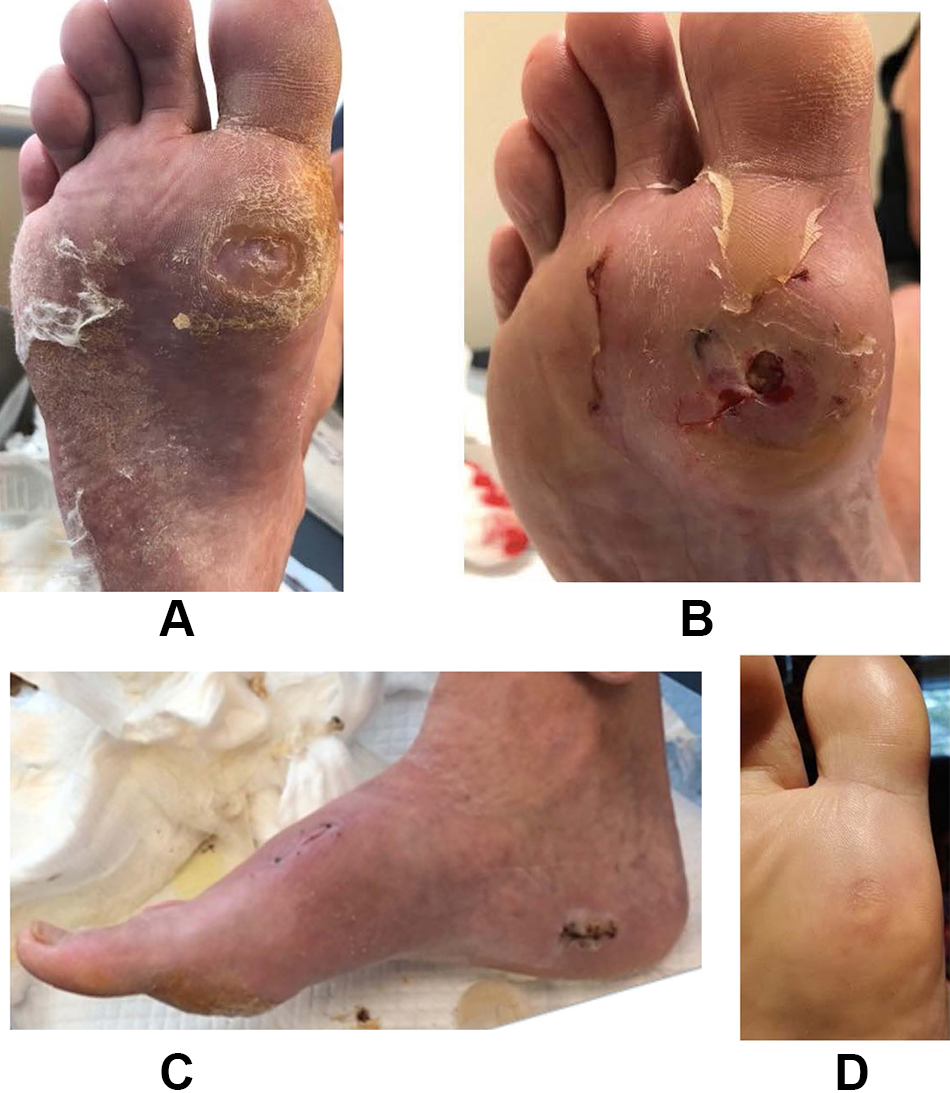
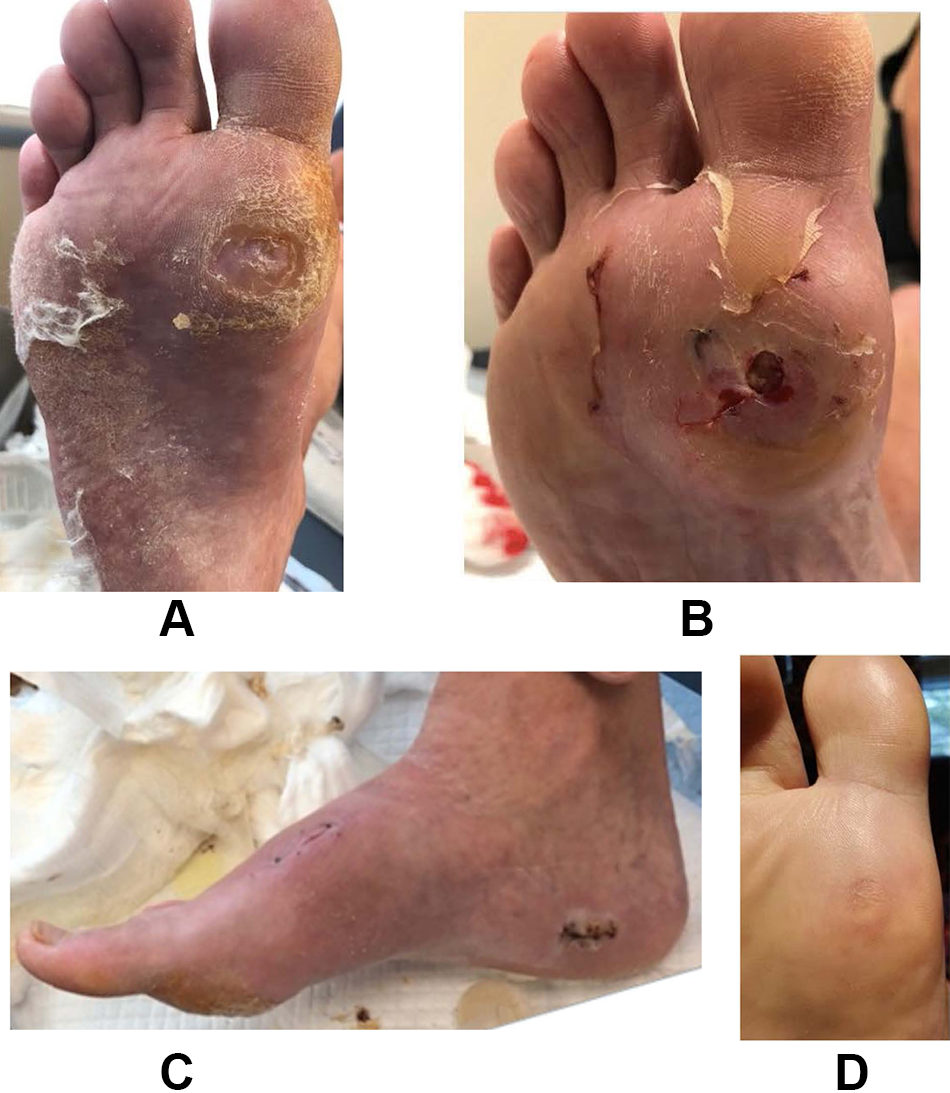
21]. Large reconstructive surgeries can improve the biomechanical stability of the lower extremity; however, the extensive skin incisions can result in wound-healing complications. Our surgical technique allows for improvement in foot and ankle alignment while using minimal skin incisions. Surgically, sub–first metatarsal pressure is off-loaded in a rigid cavus patient with metatarsus primus equinus using a pragmatic, sequential approach. A comprehensive biomechanical examination should be performed on these patients to ascertain whether the first ray is rigid or flexible, whether forefoot/rearfoot/global equinus is present, and whether musculoskeletal equinus contracture is present. Achilles tendon lengthening, Steindler stripping release of the plantar fascia, and dorsiflexory wedge osteotomy allow for treatment of equinus contracture, cavovarus deformity, and elevation of the first ray, respectively. Each is assessed independently and performed as needed. The primary aim of the present study was to analyze the outcomes in patients surgically treated for increased plantar pressure sub–first metatarsal head, with preulcerations or ulcerations present (
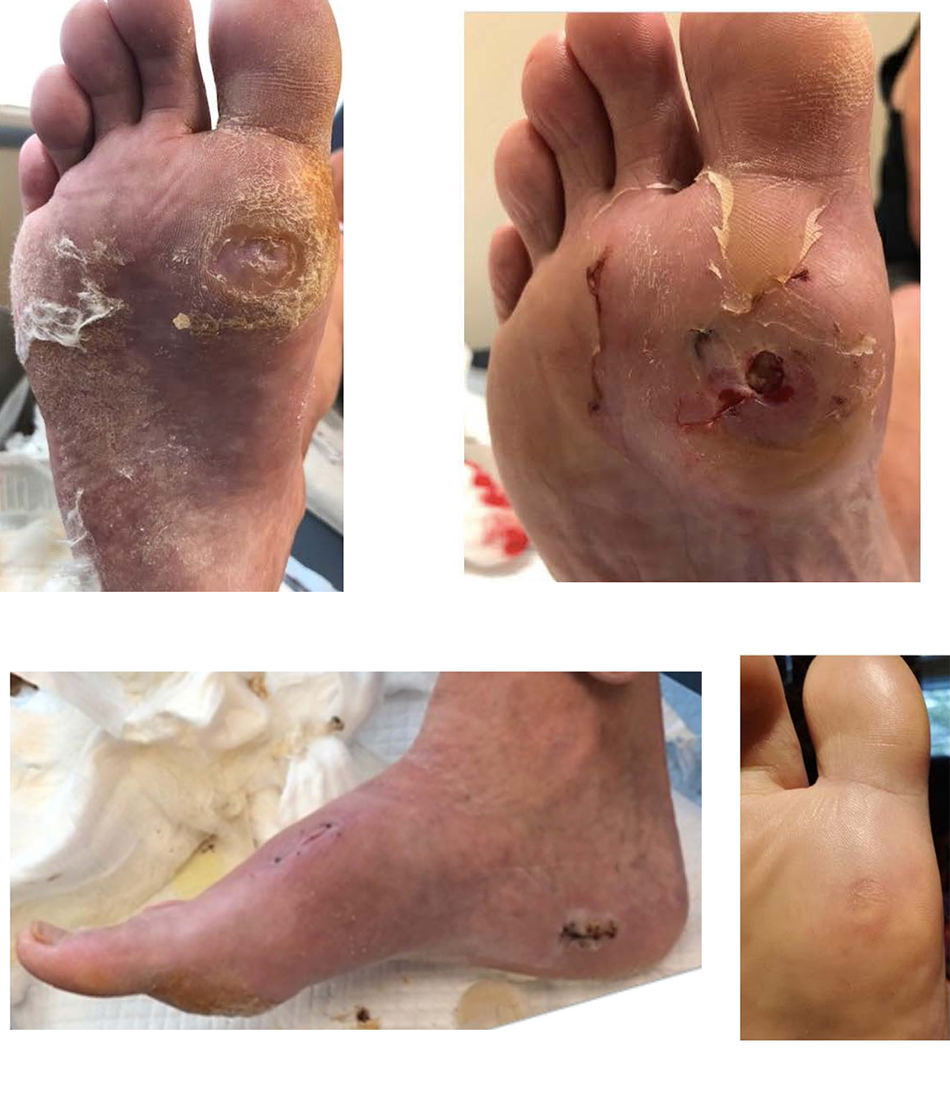
Fig. 1A). This combination of procedures is our treatment of choice in high-risk patients with plantar first metatarsal ulcerations, particularly in the setting of pes cavus.
Figure 1.
A, Preoperative ulcerative sub–first metatarsal head. B and C, Postoperative 3-week status after Achilles tendon lengthening, Steindler stripping, and dorsiflexory wedge osteotomy. D, Postoperative sub–first metatarsal healing at 14 months.
Figure 1.
A, Preoperative ulcerative sub–first metatarsal head. B and C, Postoperative 3-week status after Achilles tendon lengthening, Steindler stripping, and dorsiflexory wedge osteotomy. D, Postoperative sub–first metatarsal healing at 14 months.
Materials and Methods
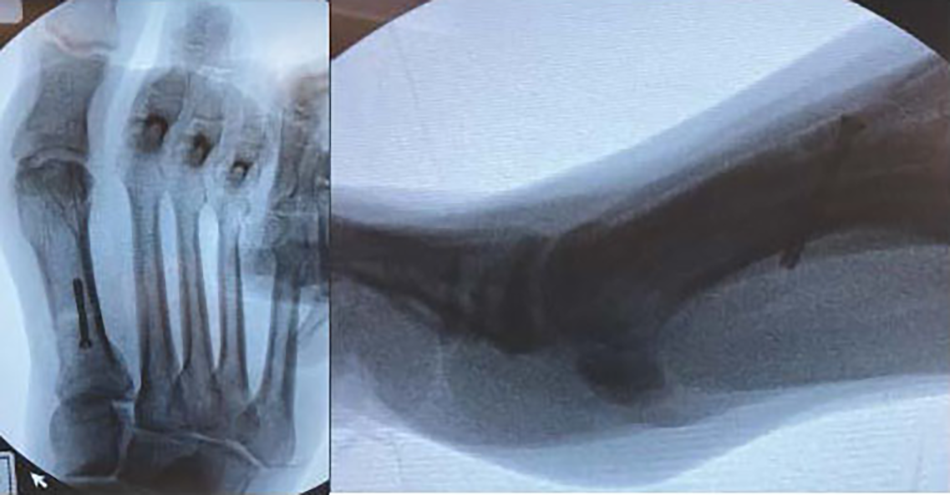
The study was approved by the University of Maryland School of Medicine institutional review board (Baltimore, Maryland). A retrospective comprehensive medical record review was performed on surgically treated patients with preulcerations or ulcerations sub–first metatarsal head from January 2013 to July 2019. All of the patients were queried from the medical records of one of us (J.W.) and were identified using Current Procedural Terminology code 28306 (first metatarsal osteotomy base/shaft, single). The operative reports were reviewed to confirm that the patients were treated for preulcerations or ulcerations sub–first metatarsal head and underwent our pragmatic surgical approach to determine whether adjunctive procedures were performed, including Steindler stripping, Achilles tendon lengthening, bone biopsy, and bone culture. Exclusion criteria included age younger than 18 years, nonsurgical management, and absence of a preulcerative lesion or sub–first metatarsal head ulceration. Eight patients (eight limbs) were included in the cohort, four with preulcerative lesions and four with ulcerations sub–first metatarsal head. Postoperative radiographs were reviewed for each patient (
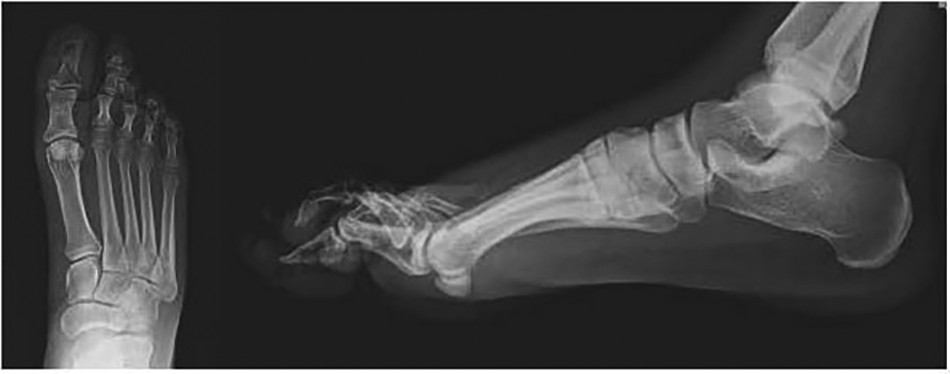
Fig. 2). Patients had mean follow-up of 306.5 days (range, 41–1,041 days).
Figure 2.
Anteroposterior (left) and lateral (right) radiographic views of forefoot cavus.
Figure 2.
Anteroposterior (left) and lateral (right) radiographic views of forefoot cavus.
Demographic data were collected on sex, age, body mass index, vitamin D level, hemoglobin A1c level, peripheral neuropathy, hypertension, diabetes mellitus, smoking history (current or former), peripheral artery disease, and renal disease (including chronic kidney disease and end-stage renal disease). Preoperative information was collected on the presence of preulcerations (defined as hyperkeratotic lesions with subdermal hemorrhage) or ulcerations sub–first metatarsal head, age of the ulceration, and mean area and depth of the ulceration. Ulcerations were classified according to the University of Texas Diabetic Wound Classification. The ulcerations were further evaluated for soft-tissue infection or osteomyelitis and the patient’s ambulation status. Postoperative outcomes that were evaluated included ambulatory status, ulceration healing rate, time to ulceration healing, ulceration recurrence or new ulceration occurrence, soft-tissue infection, dehiscence, minor amputation (defined as transmetatarsal, Lisfranc, or Chopart amputation), and major lower-extremity amputation (defined as below-the-knee amputation, knee disarticulation, or above-the-knee amputation).
For statistical analysis, descriptive statistics are used to describe study participants. Continuous variables are described as means, ranges, and medians.
Surgical Technique
The patient is brought into the operating room and placed on a radiolucent table in the supine position with a bump under the ipsilateral hip to internally rotate the leg. This allows for appreciation of the frontal, sagittal, and transverse pedal positions and accurate fluoroscopic evaluation. A nonsterile pneumatic tourniquet may be used but is not necessary given the minimally invasive nature of this proposed intervention. The lower extremity is prepared to the level of the tourniquet with aseptic technique, and a sterile surgical field is established. The most common anesthesia method for this procedure is intravenous sedation and adjunctive regional anesthetic block.
Achilles Tendon Lengthening
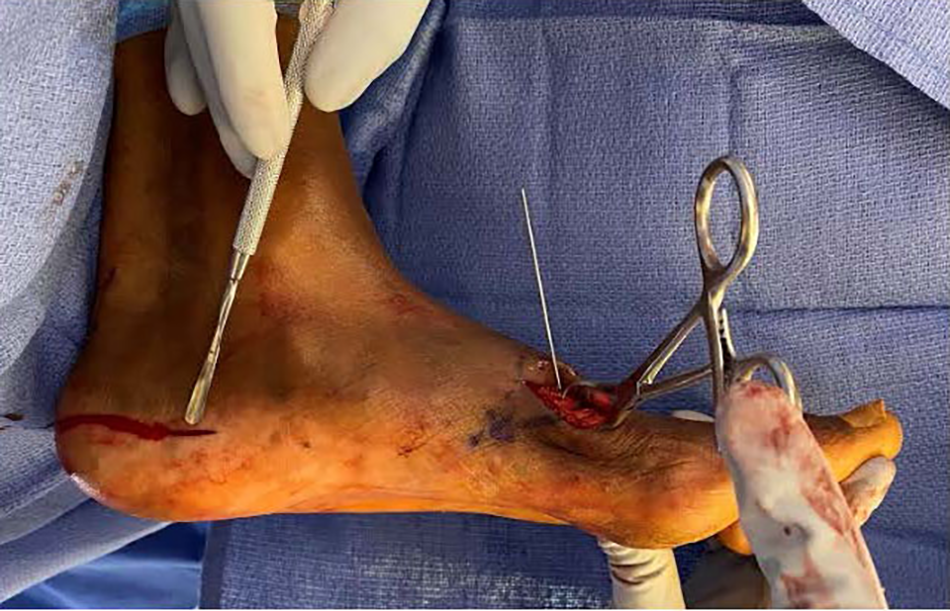
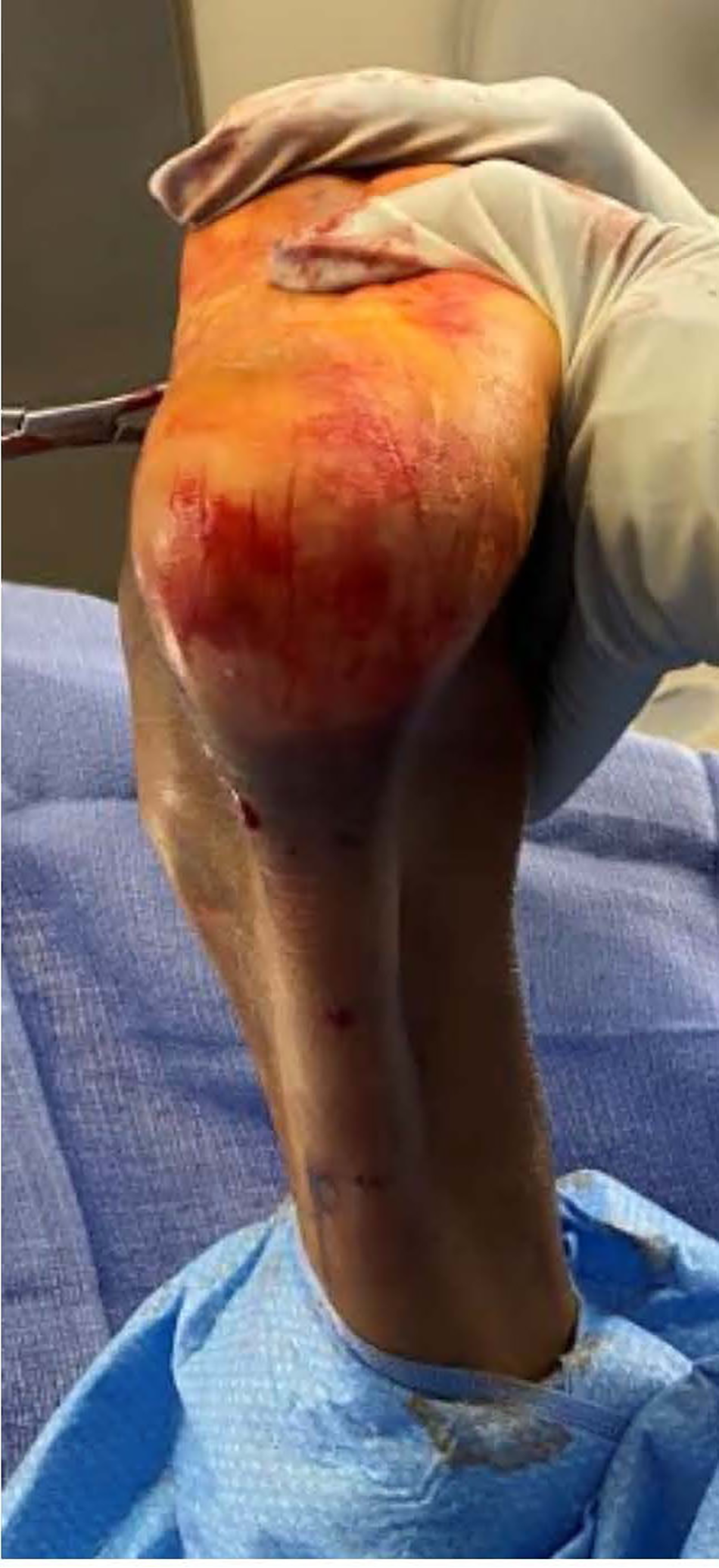
The Achilles tendon lengthening is performed before inflation of the tourniquet. Three percutaneous incisions are made 3, 6, and 9 cm proximal to the distal insertion of the Achilles on the calcaneus (
Fig. 3). The most distal incision is started midline in the midsubstance of the Achilles and carried medially. The central incision is begun midline in the midsubstance of the Achilles and carried laterally. The most proximal incision is started midline in the midsubstance of the Achilles and carried medially. The Achilles tendon lengthening is performed while the surgical assistant is mildly dorsiflexing the ankle joint. Adequate length is assessed, and gradual stress is administered at the ankle. We advocate for timely closure of these incisions to not interfere with the overall workflow of adjunctive procedures.
Figure 3.
Achilles tendon lengthening surgical technique.
Figure 3.
Achilles tendon lengthening surgical technique.
Steindler Stripping of the Plantar Fascia
When a pseudoequinus and/or rigid forefoot plantarflexion is noted, Steindler stripping is used through a 2- to 3-cm transverse incision along the medial glabrous skin junction distal to the plantar medial tubercle (
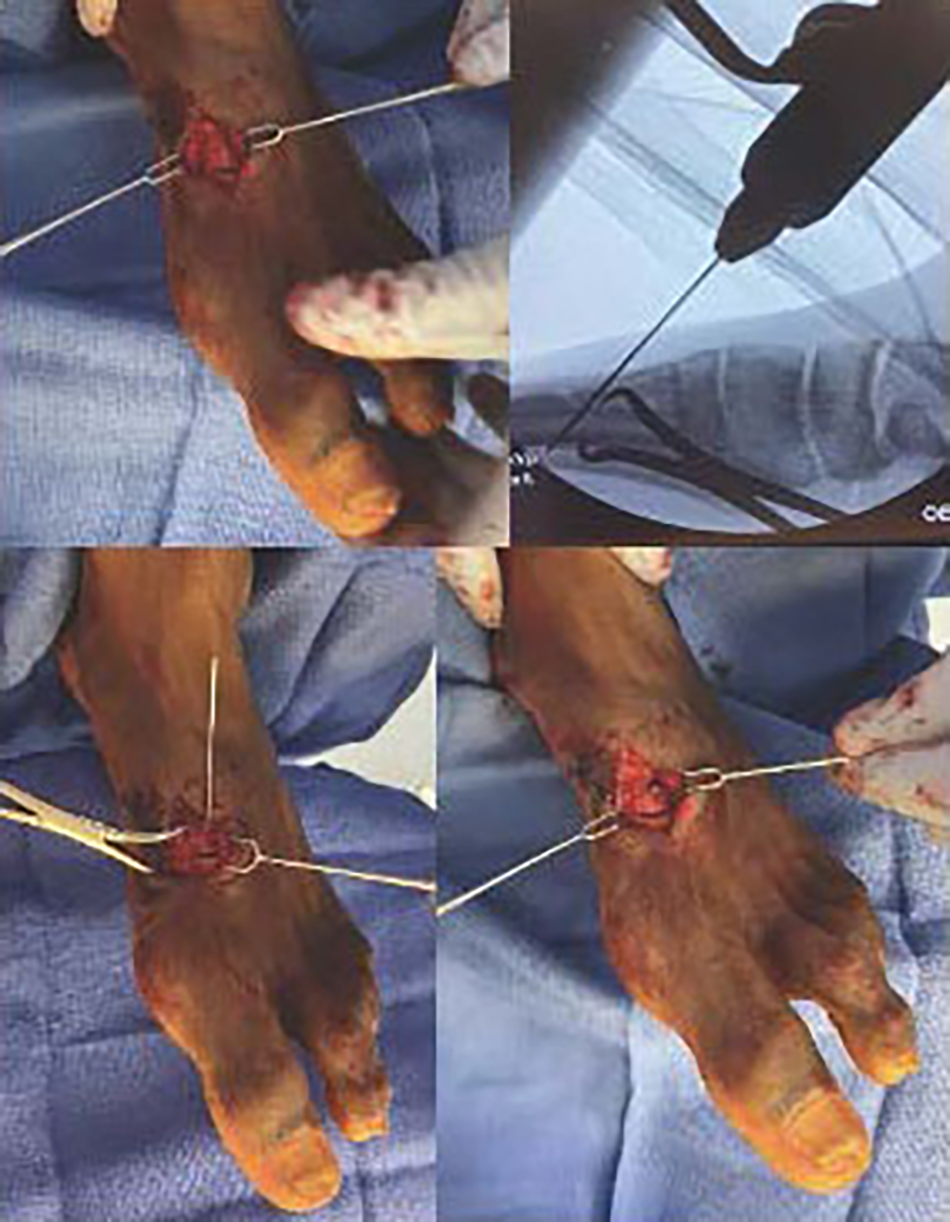
Fig. 4). The plantar fascia is identified through its confluence with the abductor fascia, and blunt dissecting scissors are used to reflect off the soft tissue superior and inferior to the plantar fascia. The scissors are used to transect the medial, central, and lateral bands of the plantar fascia while using its curvature with concavity aimed toward the bone of the calcaneus. Tactile feel and superior and inferior migration of the surgical scissor confirms complete resection of the plantar fascia. The wound is flushed with normal saline, and the skin is reapproximated with nonabsorbable monofilament suture in a horizontal mattress technique. We prefer to maintain these particular sutures for 3 weeks to avoid wound dehiscence.
Figure 4.
Steindler stripping surgical technique.
Figure 4.
Steindler stripping surgical technique.
Dorsiflexory Wedge Osteotomy of the First Metatarsal
In accordance with a previously performed Coleman block test, first-ray overload is addressed through a proximal metaphyseal osteotomy. Fluoroscopy is used to confirm the incision placement overlying the proximal first metatarsal. Once the location is confirmed, a 3- to 4-cm longitudinal incision is made medial to the extensor hallucis longus. Dissection is carried down to the level of the periosteum, with care to retract all vital neurovascular structures. Longitudinal incision of the periosteum is performed with full-thickness reflection. The dorsally based closing wedge osteotomy is performed in two cuts, with the unstable distal cut performed first; the cut is perpendicular to the long access of the first metatarsal (
Fig. 5). The proximal stable cut is made perpendicular to the weightbearing surface. A point-to-point clamp is used to compress the osteotomy, and the guide wire is placed for the cannulated screw (
Fig. 5). The screw is placed perpendicular to the osteotomy (
Figs. 5 and
6). Layered closure is performed at this location through the periosteum, subcutaneous tissue, and skin.
Figure 5.
Dorsiflexory wedge osteotomy surgical technique with wire and screw placement. A, osteotomy; B, wire placement; C, screw placement; and D, completed fixation.
Figure 5.
Dorsiflexory wedge osteotomy surgical technique with wire and screw placement. A, osteotomy; B, wire placement; C, screw placement; and D, completed fixation.
Figure 6.
Postoperative anteroposterior (left) and lateral (right) radiographic views.
Figure 6.
Postoperative anteroposterior (left) and lateral (right) radiographic views.
Postoperatively
Xeroform Petrolatum dressings (McKesson) is placed over the incisions, followed by a well-padded dressing and a Sir Robert Jones splint. The patient is seen in the office in 1 to 2 weeks and converted to a cast. The skin sutures are removed in approximately 2 weeks (except for the plantar medial incision). At 6 weeks the patient is converted to a CAM boot and is weightbearing as tolerated (
Fig. 1 B-D).
Results
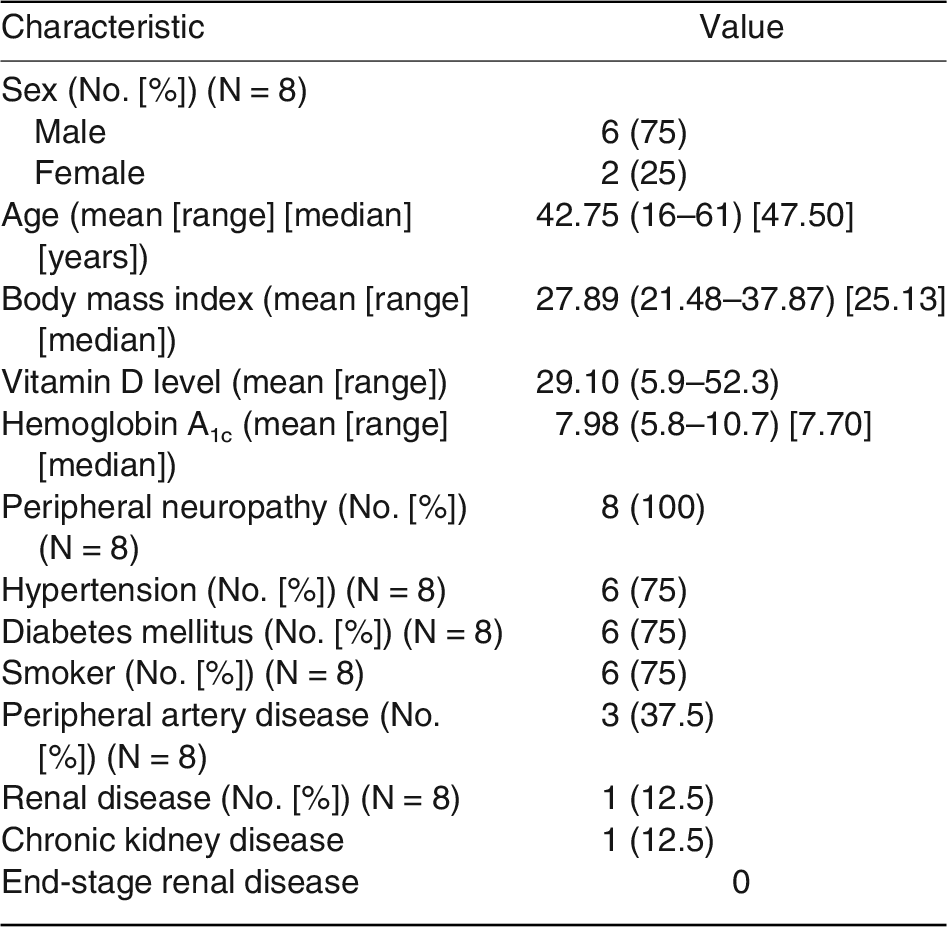
Demographic data are given in
Table 1. There were eight patients in the cohort (six males [75%] and two females [25%]). The mean patient age at the time of surgical intervention was 42.75 years (range, 16–61 years; median, 47.50 years). The mean body mass index was 27.89 (range, 21.48–37.87), vitamin D level was 29.10 (range, 5.9–52.3 ng/mL), and hemoglobin A
1c level was 7.98 (range, 5.8–10.7 mmol/mol). The prevalence rates of comorbidities were as follows: peripheral neuropathy, 100% (n = 8); hypertension, 75% (n = 6); diabetes mellitus, 75% (n = 6); smoking history (current or former), 75% (n = 6); peripheral artery disease, 37.5% (n = 3); and renal disease, 12.5% (n = 1) (chronic kidney disease, 12.5% [n = 1]; end-stage renal disease, 0%).
Table 1.
Demographic Characteristics of Patients with Preulcerations or Ulcerations Sub–First Metatarsal Head
Table 1.
Demographic Characteristics of Patients with Preulcerations or Ulcerations Sub–First Metatarsal Head
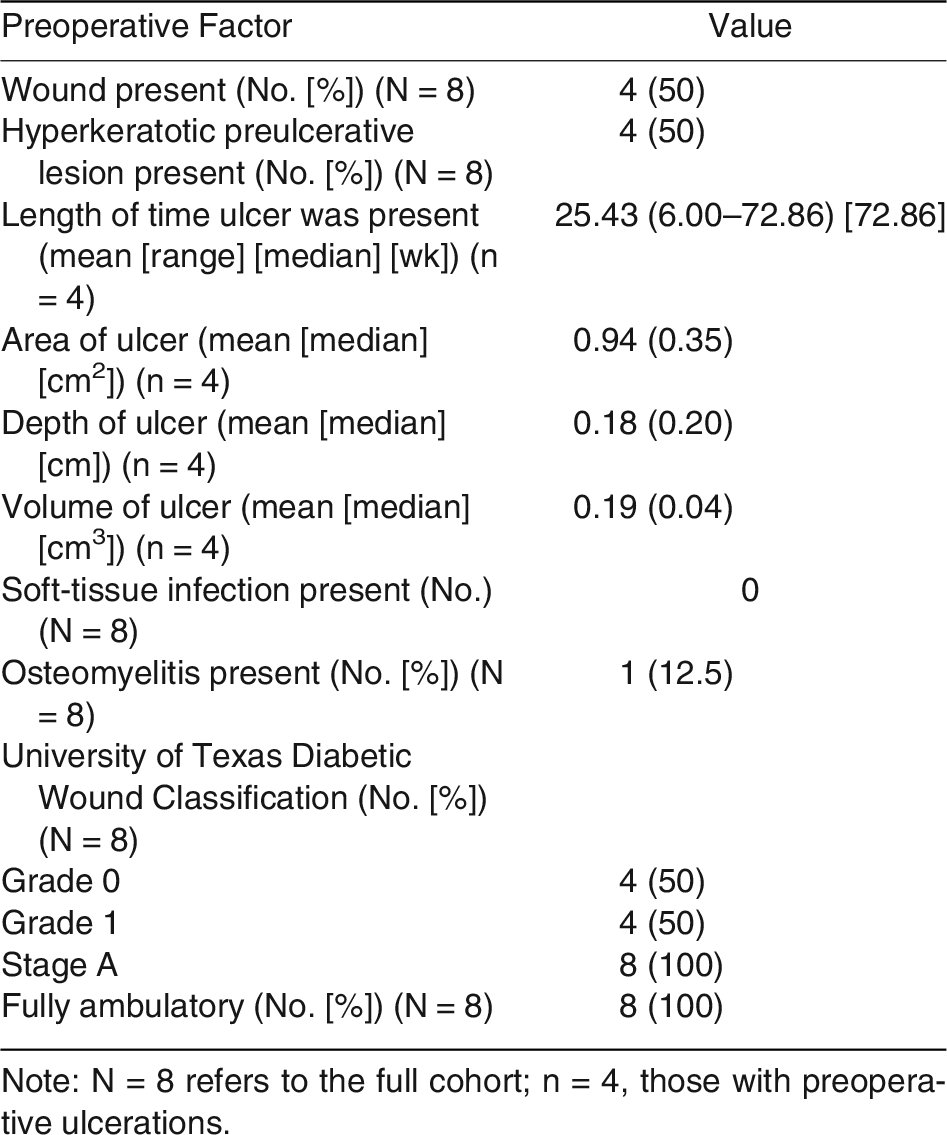
Preoperative factor data are presented in
Table 2. Preulcerative lesions were present in 50% of patients (n = 4), and ulcerations sub–first metatarsal head were present in 50% of patients (n = 4). In the four patients with preoperative ulcerations, the ulcerations were present for a mean of 25.43 weeks (range, 6.00–72.86 weeks), with a mean area of 0.94 cm
2 and depth of 0.18 cm. Preoperative soft-tissue infections were present in none of the patients, and osteomyelitis was present in one (12.5%). Patients were classified using the University of Texas Diabetic Wound Classification system, and 50% of patients (n = 4) were grade 0, 50% (n = 4) were grade 1, and 100% (n = 8) were stage A. All of the patients were fully weightbearing and ambulatory preoperatively.
Table 2.
Preoperative Factors in Patients with Preulcerations or Ulcerations Sub–First Metatarsal Head
Table 2.
Preoperative Factors in Patients with Preulcerations or Ulcerations Sub–First Metatarsal Head
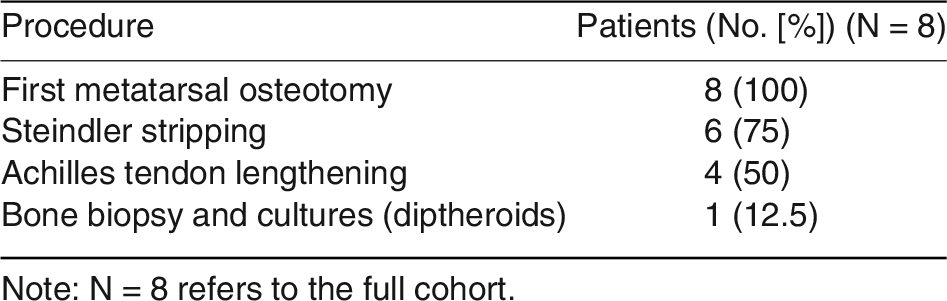
Surgical procedures were performed at the following rates in the treatment of patients with preulcerations or ulcerations sub–first metatarsal head: first metatarsal osteotomy, 100% (n = 8), Steindler stripping, 75% (n = 6); Achilles tendon lengthening, 50% (n = 4); and bone biopsy, 12.5% (n = 1) (
Table 3).
Table 3.
Procedures Performed in Patients with Preulcerations or Ulcerations Sub–First Metatarsal Head
Table 3.
Procedures Performed in Patients with Preulcerations or Ulcerations Sub–First Metatarsal Head
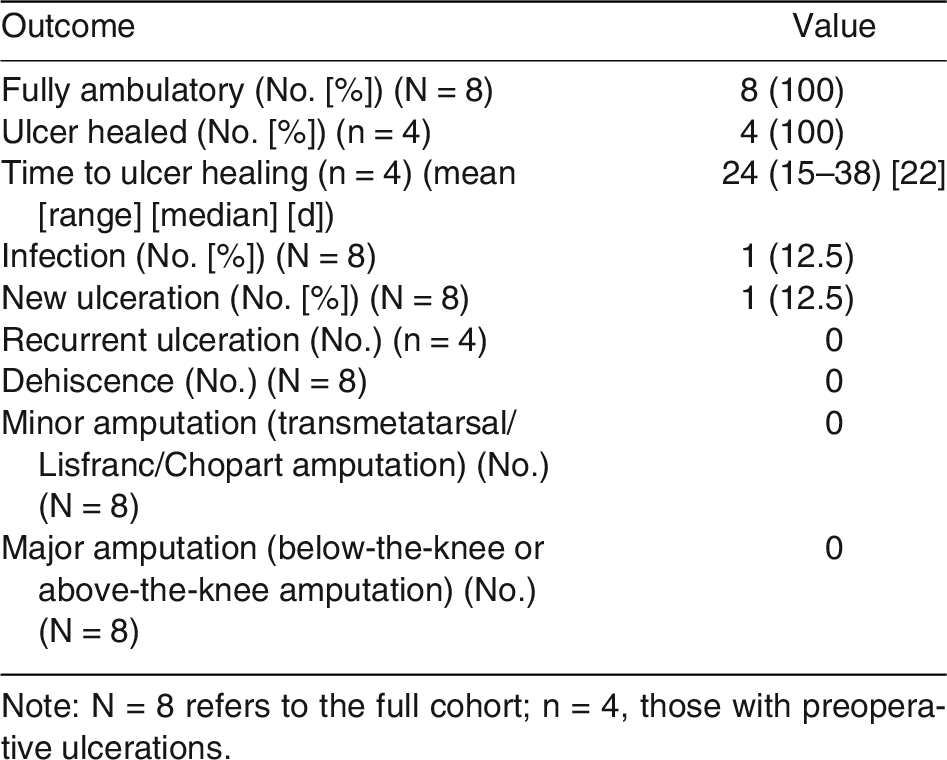
Postoperatively, all of the patients were fully ambulatory. There was a 100% (n = 4) ulceration healing rate, at a mean of 24 days (range, 15–38 days). Postoperative infections occurred at a rate of 12.5% (n = 1), as did new ulcerations. No patients had ulceration recurrence, surgical site dehiscence, or went on to minor (transmetatarsal/Lisfranc/Chopart) or major (below-the-knee/above-the-knee) amputation (
Table 4).
Table 4.
Postoperative Outcomes in Patients who Underwent our Pragmatic Approach to Preulcerations or Ulcerations Sub–First Metatarsal Head
Table 4.
Postoperative Outcomes in Patients who Underwent our Pragmatic Approach to Preulcerations or Ulcerations Sub–First Metatarsal Head
Discussion
In our practice, we believe that when direct pressure is applied to the metatarsal from beneath, the lack of motion of the adjacent soft tissue correlates with the need for intrinsic off-loading through metatarsal osteotomy or other means of reducing the osseous pressure to the wound. Conversely, when the surrounding tissue of the ulceration is pliable, a more conservative approach should be used, such as padding and creation of insole aperture with or without adjunctive posterior muscle lengthening based on the Silfverskiöld test.
Our pragmatic approach uses techniques routinely used in foot and ankle surgery and applies them in a systematic fashion. In patients with increased plantar first metatarsal pressure, the contributions of equinus, a high-arched foot, and a plantarflexed first ray are evaluated. If equinus is present, a posterior muscle group lengthening versus an Achilles tendon lengthening is performed. If a rigid cavus foot or hallux limitus is present, a Steindler stripping is performed. With a plantarflexed first ray on simulated loading of the lateral foot or positive Coleman block test, a dorsiflexory wedge osteotomy of the first metatarsal is performed [
22].
When considering treatment of equinus, the Silfverskiöld test is imperative to determine whether lengthening of the gastrocnemius or the gastrocnemius soleus complex is necessary. Equinus, defined as less than 10° of dorsiflexion of the ankle joint past neutral, is assessed with the knee extended and flexed [
7,
23]. With the knee flexed, the contribution of the gastrocnemius muscle is tampered due to its insertion proximal to the knee. If equinus is present with the knee both flexed and extended, it is considered gastrocnemius soleus equinus, and an Achilles tendon lengthening is performed [
7,
23]. Of note, all of the patients in the present cohort underwent Achilles tendon lengthening and none underwent gastrocnemius recessions. After an Achilles tendon lengthening procedure, Armstrong et al [
18] showed that the mean peak pressure on the plantar aspect of the forefoot is significantly decreased. When our team uses a gastrocnemius recession, a Bauman gastrocnemius recession is used, which has been popularized in the literature to treat lower-extremity complications of cerebral palsy to improve ankle dorsiflexion without substantial weakness and risk of calcaneal gait [
24].
Our group’s indications for performing a Steindler stripping include functional hallux limitus and/or rigid forefoot cavus deformity. Functional hallux limitus can cause retrograde buckling with increased plantar pressure sub–first metatarsal head, similar to a hammer toe contracture of the lesser digits [
25,
26]. Similar to a flexor tendon release, a release of the medial plantar fascia band mitigates the retrograde buckling and helps decrease the plantar first metatarsal head pressure [
27]. With rigid cavus deformity, the release of the plantar fascia bands medially, centrally, and laterally allows for a functional release of the windlass mechanism on the metatarsals and a decrease in the arch height of the foot [
27,
28]. The plantar fascia distal divides and inserts in five digital bands, with the main portion inserting into the tibial and fibular sesamoid, deep transverse ligament, and fibrous sheaths of the first metatarsophalangeal joint [
27]. Therefore, theoretically, when the plantar fascia is released, the largest decrease in plantar pressure is noted sub–first metatarsal [
29]. Of note, our observations show that when the Steindler stripping is performed, the decrease in pedal arch and cavus deformity is not immediately noted. Once the patient transitions to full weightbearing, the full effect of the release is noticeable.
When considering performing a dorsiflexory wedge osteotomy of the first metatarsal, a simulated weightbearing lateral radiograph must be assessed. Intraoperatively the foot is loaded and the position of the sesamoids are compared with the sagittal alignment of the fifth metatarsal head. If the plantar protrusion on a true lateral is below the plantar aspect of the fifth metatarsal head, a dorsiflexory wedge osteotomy is performed to elevate and, thereby, decrease plantar pressure [
30]. Aydogan et al [
29] found that a plantar fasciotomy combined with a proximal metatarsal dorsiflexory osteotomy actually accentuates the decrease in forefoot pressure compared with a distal dorsiflexory osteotomy.
Patients in this study who underwent our pragmatic systematic treatment of increased plantar first metatarsal pressure had favorable outcomes. All of the patients retained full ambulatory status postoperatively, and there was a 100% ulceration healing rate in a mean of 24 days, with no ulceration recurrence in the four patients with preoperative ulcerations. No patients had surgical site dehiscence, indicating that the minor incisions used with this approach allowed for uncomplicated healing. The postoperative complications of note included a 12.5% rate of infection and a 12.5% rate of new ulceration formation not under the first metatarsal head.
We recognize several shortcomings of the present study. The retrospective nature of the study with a small sample size is the main limitation. Also, inherent limitations to the technique that need to be further studied are that, to date, dorsiflexory wedge osteotomy has not been traditionally used in forefoot off-loading in this patient population and is commonly used for elective cavus foot reconstruction, where a hindfoot varus is driven by excessive forefoot plantarflexion [
22]. Our indication for the dorsiflexory wedge osteotomy is a plantarflexed first metatarsal, and the requirement for effective off-loading is a sub–metatarsal one. Furthermore, the dorsiflexory wedge osteotomy is in line with our global goal of minimal soft-tissue dissection and less invasive incisions to prevent wound complications in high-risk patients. Further research comparing surgical reconstruction and the current nonoperative off-loading techniques would be useful in providing clinical guidelines.
Plantar first metatarsal ulcerations are a challenging pathology to treat. Our technique allows for surgical reconstruction and realignment without large skin incisions. An Achilles tendon lengthening or a gastrocnemius recession is used in the treatment of equinus, a Steindler stripping is used to treat the cavovarus deformity, and a dorsiflexory wedge osteotomy is used to treat a plantarflexed first ray. The need to perform each procedure is assessed independently. With our pragmatic, sequential approach, the various associated etiologies are addressed that result in increased sub–first metatarsal pressure and ulceration.