Next Article in Journal
Primary Aneurysmal Bone Cyst of the Distal Tibia Crossing the Open Physis
Previous Article in Journal
Effectiveness of Lower-Extremity Electrical Stimulation to Improve Skin Perfusion
 
 
Journal of the American Podiatric Medical Association is published by MDPI from Volume 116 Issue 1 (2026). Previous articles were published by another publisher in Open Access under a CC-BY (or CC-BY-NC-ND) licence, and they are hosted by MDPI on mdpi.com as a courtesy and upon agreement with American Podiatric Medical Association.
Article

Posterior Tibial Tendon Transfer for the Correction of Drop Foot

by
James H. Chung
1,*,
Roland S. Ramdass
2,
Jonathan Dillard
1 and
Ryan M. Sherick
1
1
Inova Fairfax Medical Campus, Falls Church, VA. Dr. Chung is now with Virginia Foot and Ankle Center, Fairfax, VA. Dr. Dillard is now with Shady Grove Podiatry, Gaithersburg, MD. Dr. Sherick is now with Innovative Medical Solutions, Beverly Hills, CA
2
Foot & Ankle Center, PC, Winchester, VA
*
Author to whom correspondence should be addressed.
J. Am. Podiatr. Med. Assoc. 2021, 111(6), 20205; https://doi.org/10.7547/20-205
Published: 1 November 2021

Abstract

Background: Drop foot is a crippling condition that often requires surgical intervention to restore functional dorsiflexion. Although transfer of the posterior tibial (PT) tendon has been well described for the treatment of drop foot, there is no consensus on whether tendon transfers affecting the ankle joint sufficiently restore functional status for daily activities. In addition, most studies have focused on drop foot caused by peripheral nerve disorders. The purpose of this study was to evaluate the functional outcomes and patient satisfaction following PT tendon transfer for the correction of drop foot resulting from both peripheral and central neurologic causes. Methods: Patients with drop foot who underwent a PT tendon transfer were followed for a minimum of 1 year and investigated retrospectively. Outcome measures included the American Orthopaedic Foot & Ankle Society ankle and hindfoot scoring system, a patient satisfaction questionnaire, postoperative ankle range of motion, and postoperative ambulatory status. Results: We evaluated 15 feet in 14 patients at a median follow-up of 50 months. The median postoperative American Orthopaedic Foot & Ankle Society ankle and hindfoot score was 85.0. Thirteen patients (92.9%) reported that they would undergo the procedure again. The median postoperative passive ankle dorsiflexion was 5.0°, and the median postoperative passive ankle plantarflexion was 30.0°. Thirteen patients (92.9%) were able to ambulate postoperatively. Ten (71.4%) ambulated without the use of an ankle-foot orthosis (AFO), and three (21.4%) ambulated with the use of an AFO. Overall, orthoses were able to be discontinued in 73.3% of the cases. Conclusions: Our results suggest that the PT tendon transfer is an effective procedure for the treatment of drop foot that can improve the patient's functional status and ability to ambulate. The majority of patients were able to discontinue the use of their AFO postoperatively.

Drop foot, or foot drop, is a term used to describe the inability to dorsiflex the ankle. It is a debilitating condition that prevents the foot from clearing the ground during the swing phase of gait, often leading to severe functional limitations and compensation with a high-steppage gait. [1] The deformity is a result of the weakness or paralysis of the anterior compartment muscles of the leg and may be attributable to congenital or acquired causes. [2] Causes include peripheral nerve disorders, central nervous system disorders, muscular disorders, and trauma. [3] In a retrospective electrodiagnostic study of 303 patients with drop foot, 68% of the cases were of peripheral neurogenic origin. [4] The most common cause of drop foot is common peroneal nerve injury, followed by L5 radiculopathy. [5] Other peripheral nerve disorders that may cause drop foot include Charcot-Marie-Tooth disease, Hansen disease, and tumors of the peroneal nerve. Central nervous system disorders that can produce drop foot include stroke, cerebral palsy, multiple sclerosis, poliomyelitis, brain tumors, and spinal cord lesions. Amyotrophic lateral sclerosis, muscular dystrophy, compartment syndrome, and rupture of the tibialis anterior tendon are other causes. [2,3,4,5]
Conservative treatment with ankle-foot orthoses (AFO) or bracing can be poorly tolerated and may be unsuccessful. [6] Nerve repair does not seem to be a worthwhile option, as only approximately 45% of common peroneal nerve repairs result in good outcomes (M4 or greater on the British Medical Research Council scale for muscle strength), and if neurolysis is excluded, the good outcomes decline to 36.9%. [7] When cases of drop foot fail to improve after 1 year, a tendon transfer may be considered to rebalance the ankle joint and restore functional dorsiflexion. [8]
Transfer of the posterior tibial (PT) tendon has been well described for the treatment of drop foot and is the most common tendon transfer to address the deformity because of its similar volume and fiber length characteristics to the tibialis anterior tendon. [7,9] In 1933, Ober [10] was the first author to describe the anterior transfer of the PT tendon to the dorsum of the foot using a circumtibial route around the medial border of the tibia. Mayer, in 1937, then credited Putti with the modification of the procedure that transferred the PT tendon through the interosseous membrane. [6,11] Watkins later popularized the transmembranous approach in 1954. [11,12] The transmembranous approach is recommended over the circumtibial approach because of less gliding resistance, and routing the tendon underneath the extensor retinaculum is performed to prevent bowstringing of the tendon. [13] Several modifications to the procedure have been described, including three incisions versus four, splitting the PT tendon into two tails, split anastomosis with the tibialis anterior or peroneus brevis tendon, double tendon transfer with the flexor digitorum longus tendon, and the Bridle tritendon anastomosis with the tibialis anterior and peroneus longus tendons. [6,14,15] The transferred tendon can be fixed directly to bone or to another tendon.
As with any tendon transfer, the principles of tendon transfer must be followed to achieve successful results. These principles include transferring a healthy tendon, restoration of normal anatomical relationships between the tendon and its sheath, tendon routing through adequate tissue to allow proper gliding, restoring normal tendon tension, recreation of the anatomical tendon insertion, and establishing a proper line of tendon pull. [13,14,16] The muscle to be transferred must be graded as 4 or greater because it will decrease one grade after transfer. [11,16] Transfers of muscles within the same phase of gait are preferred and have a better prognosis than those with out-of-phase transfers. In addition, fixed osseous deformities must be corrected before the tendon transfer. [14,16]
Although the procedure and its modifications are well described in the literature, there is still a lack of consensus on whether tendon transfers affecting the ankle joint sufficiently restore functional status for daily activities. [15] Studies on PT tendon transfer for the treatment of drop foot have been reported, but most have focused on drop foot caused by peripheral nerve disorders. The present study included patients with drop foot from both peripheral and central neurologic causes. The purpose of this study was to evaluate the functional outcomes and patient satisfaction following posterior tibial tendon transfer for the treatment of drop foot of both peripheral and central neurologic origin.

Methods

Following institutional review board approval, consecutive patients from the treating surgeon's (R.R.) surgical records who had undergone a PT tendon transfer for drop foot deformity over an 11-year period (April of 2007–July of 2018) were identified. Identification of potential subjects to be included in the study was performed using Current Procedural Terminology (American Medical Association, Chicago, Illinois) codes (transfer or transplant of single tendon [with muscle redirection or rerouting], code 27691). Drop foot was defined as the loss of active ankle dorsiflexion. Inclusion criteria included any patient with anterior leg muscle compartment manual muscle testing grade less than 2 of 5 who underwent a PT tendon transfer performed by the treating surgeon for drop foot deformity. Exclusion criteria included patients who were not followed for a minimum of 1 year postoperatively. The primary indication for surgery was diminished ambulatory status caused by drop foot deformity in patients who failed at least 1 year of conservative treatment that included bracing and physical therapy. All patients had PT muscle strength grade 4 or higher, which was determined by preoperative clinical evaluation and ancillary testing when necessary. Medical records were analyzed, and data abstracted included age, sex, laterality of affected limb, cause of drop foot deformity, and adjunctive procedures performed (Table 1).
Table 1. Patient and Clinical Characteristicsa
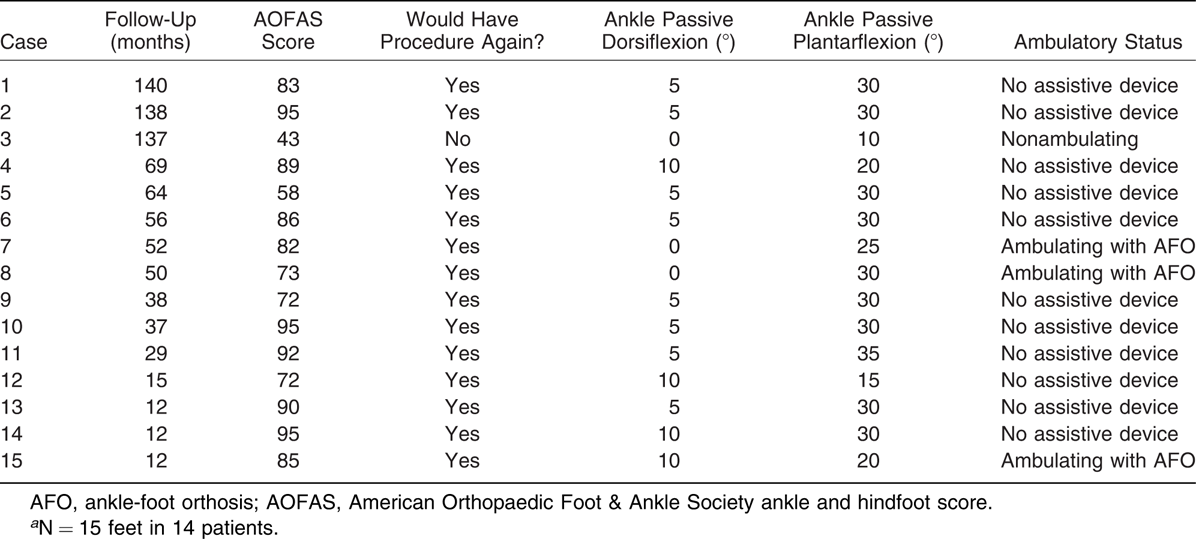
Japma 111 20205 t01
Patients were examined postoperatively, and all patients included in the study were followed for a minimum of 1 year. Outcome measures included the American Orthopaedic Foot & Ankle Society (AOFAS) ankle and hindfoot scoring system, a patient satisfaction questionnaire asking whether the patient would have the same procedure again, postoperative passive ankle range of motion, and postoperative ambulatory status. Postoperative assessment and questionnaires were performed by the treating surgeon (R.R.) at the latest follow-up visit. Passive ankle range of motion was measured using a handheld goniometer in 5° increments. Postoperative ambulatory status was categorized into three groups: ambulating without an assistive device, ambulating with an assistive device, or nonambulating.
Descriptive data of continuous variables was assumed to be nonparametric and considered in terms of the median (interquartile range). Descriptive data of categorical variables is reported in terms of a frequency count. Data were stored in a password-protected personal computer for subsequent statistical analysis. All statistical analyses were performed using SAS version 25 (SAS Institute Inc, Cary, North Carolina).

Surgical Technique and Postoperative Rehabilitation

The patient was placed supine on the operating table, a thigh tourniquet was applied to the affected limb, and general anesthesia was administered and supplemented with a local anesthetic block. Patients who were unable to achieve neutral with passive ankle dorsiflexion underwent an initial percutaneous triple hemisection tendo Achilles lengthening with two medial incisions and one lateral incision. Next, the PT tendon was released at its insertion and tagged. At this point, any additional ancillary procedures were performed as necessary before final attachment of the PT tendon. Adjunctive procedures are summarized in Table 2 and included midfoot and hindfoot osteotomies, midfoot arthrodesis, soft-tissue releases, hammertoe repair, and neuroma excision.
Table 2. Adjunctive Procedures Performeda
Japma 111 20205 t02
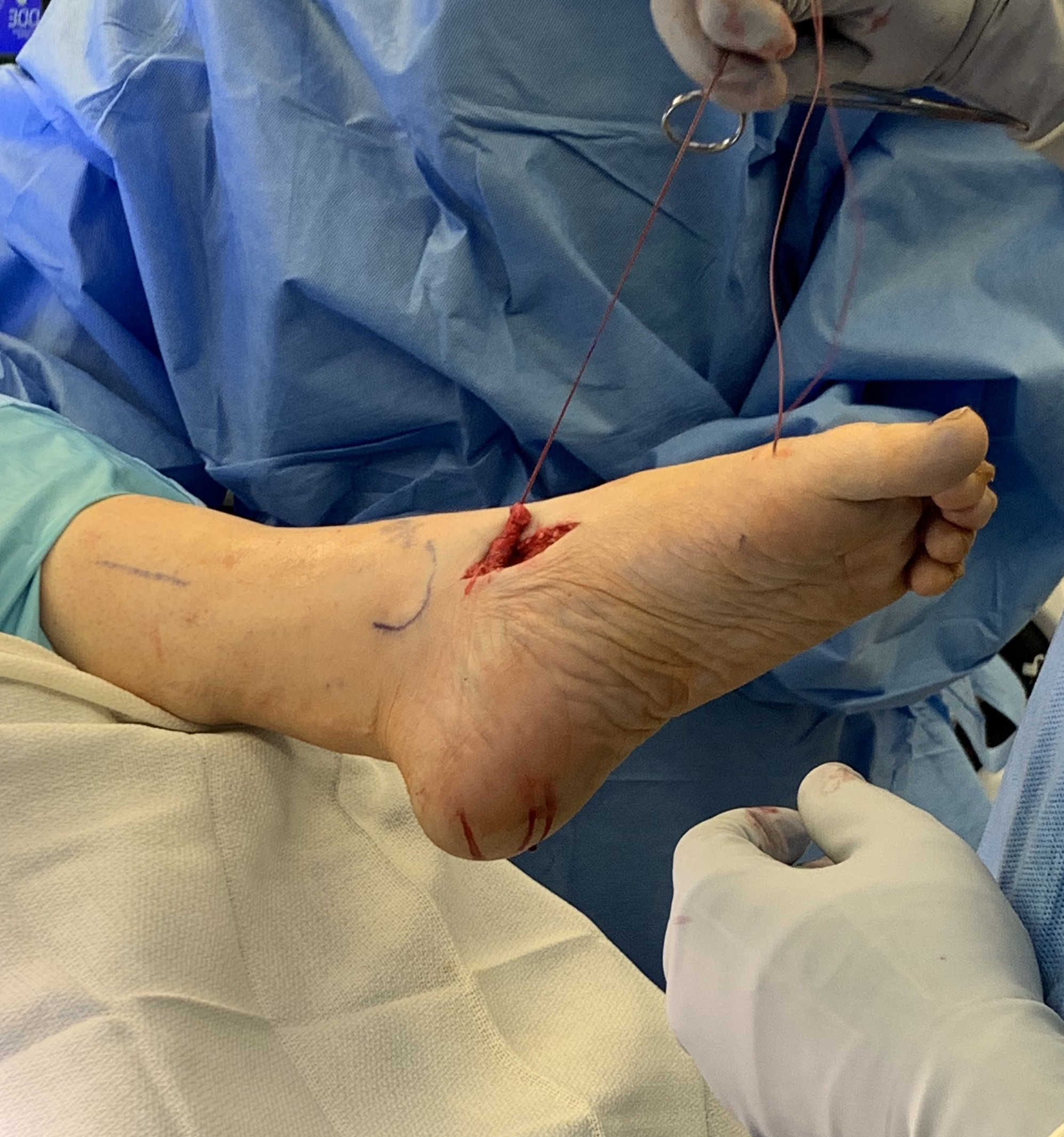
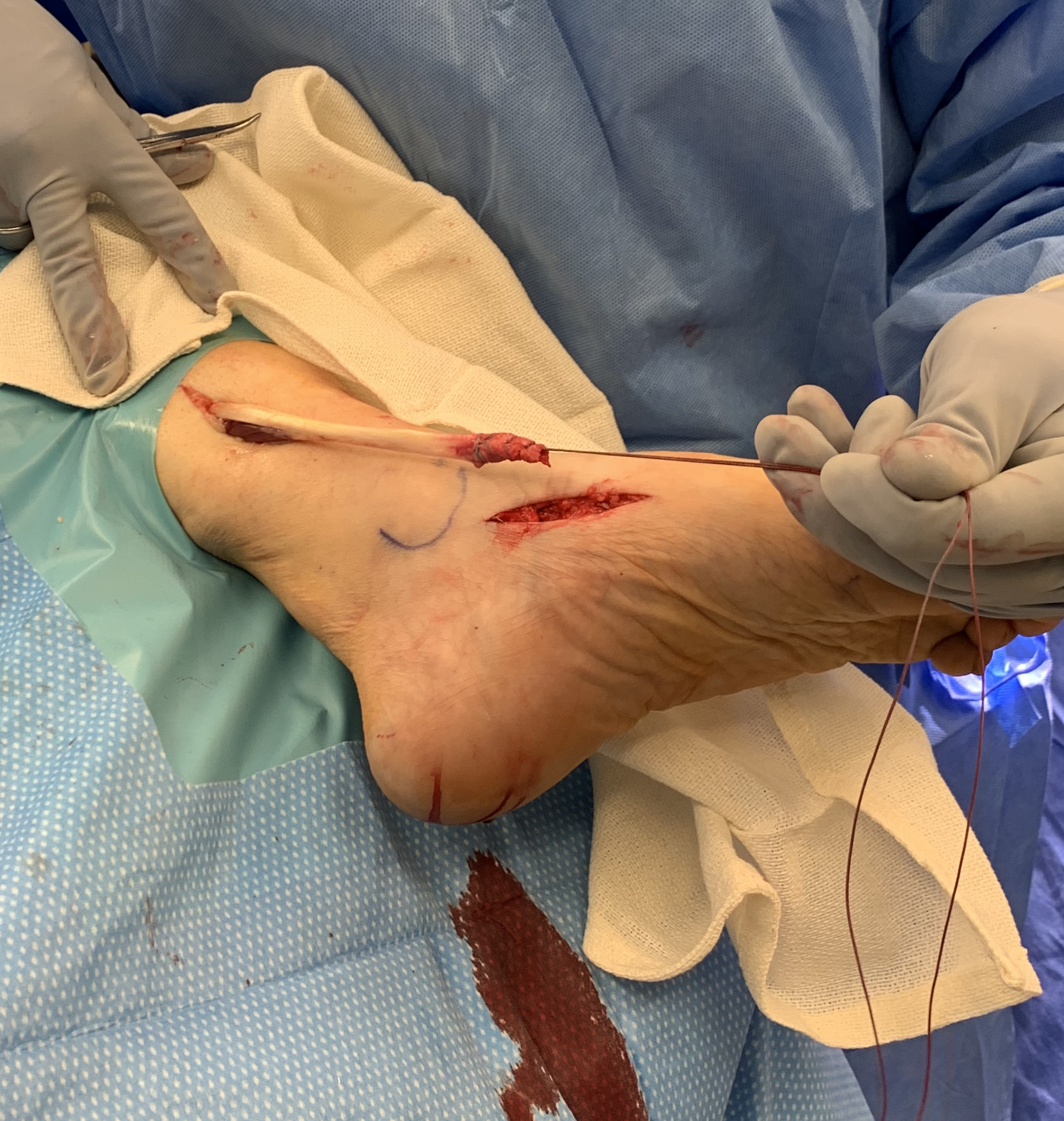
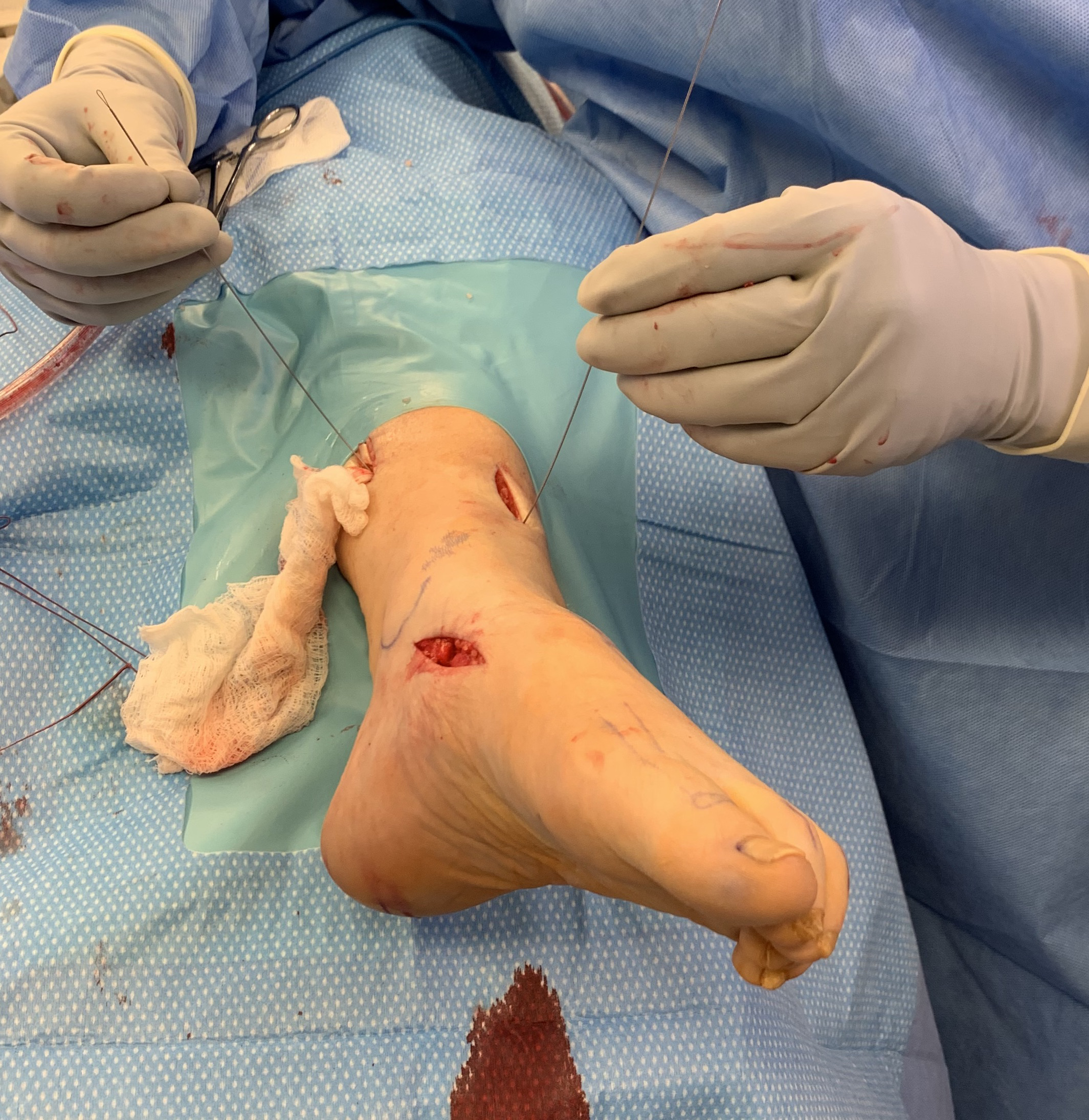
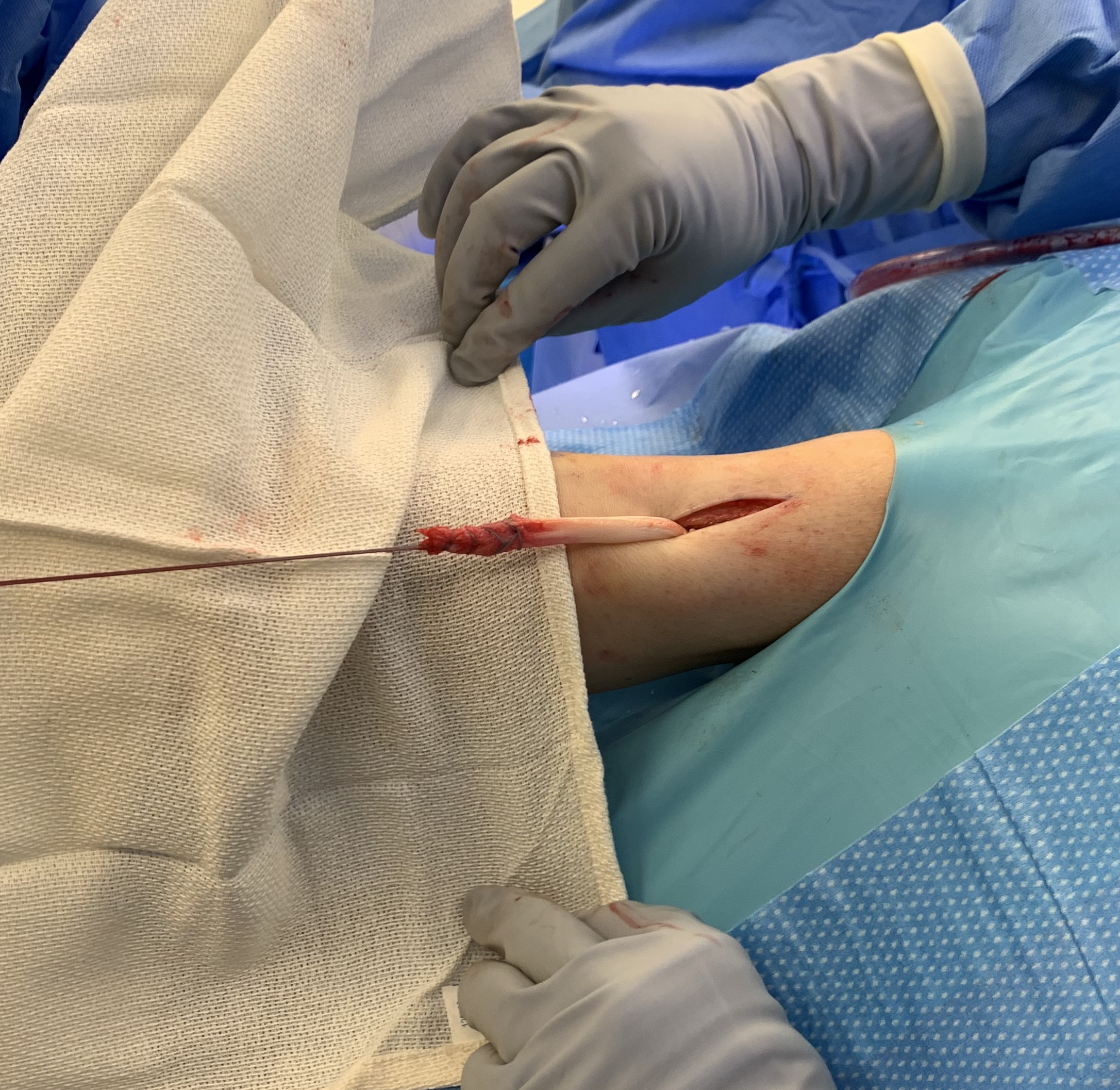
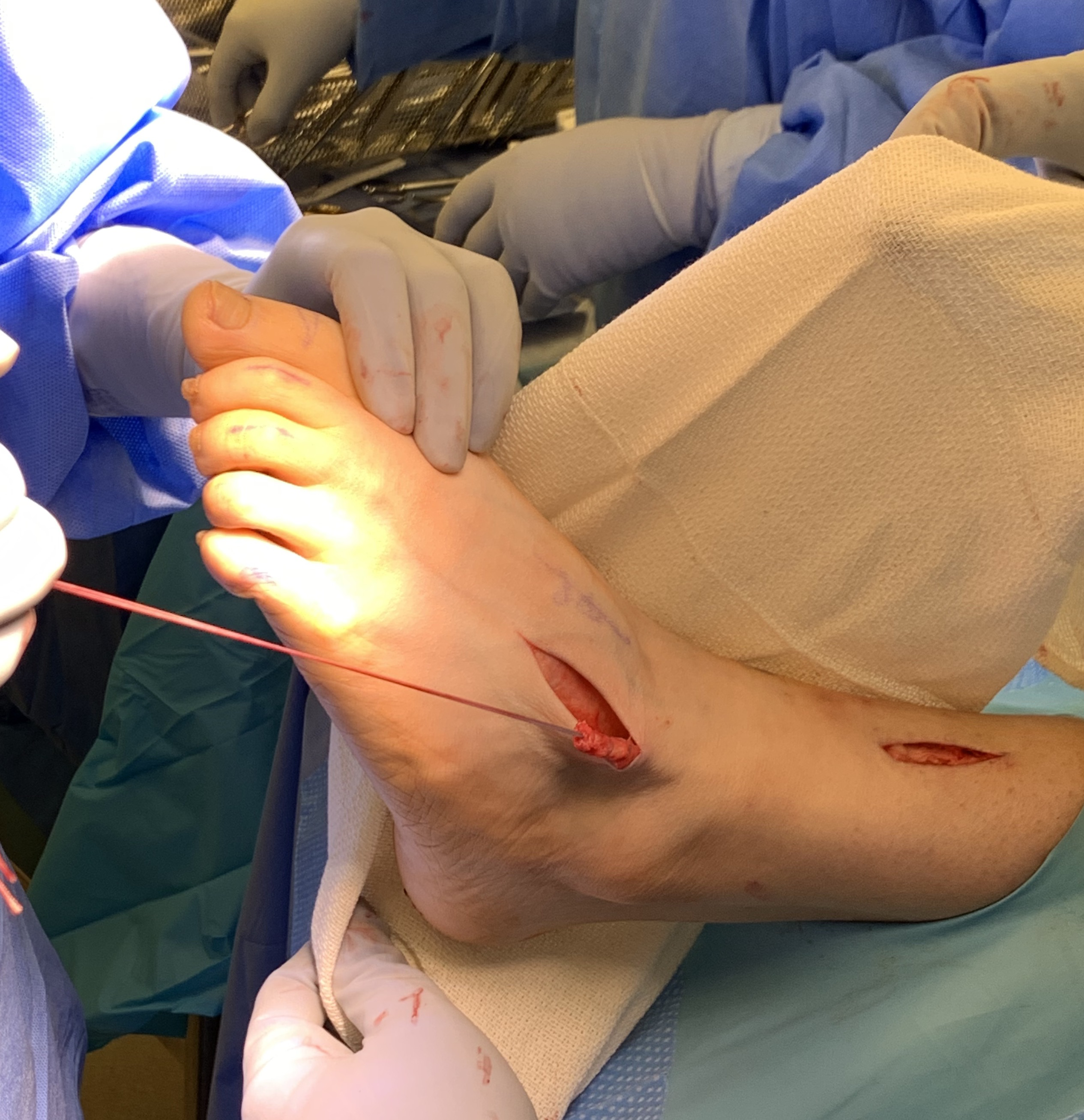
For the PT tendon transfer, the four-incision technique was performed. [17] The first incision was made at the medial midfoot over the navicular bone (Fig. 1). The PT tendon sheath was opened and the tendon was sharply released from its insertion at the navicular bone and whip stitched with No. 2 nonabsorbable suture. Next, an approximately 4-cm posteromedial leg incision was performed at the distal third of the leg along the PT musculotendinous junction (Fig. 2). The PT tendon was retrieved proximally through this incision and freed from its attachments on the tibia. The third incision was made at the anterior leg approximately 1 cm lateral to the tibial crest and at the same level as the posteromedial leg incision (Fig. 3). The tibialis anterior muscle was freed from the lateral surface of the tibia and the neurovascular bundle was carefully retracted laterally to expose the interosseous membrane. A window was created in the interosseous membrane and the PT tendon was then pulled through the interosseous membrane into the anterior leg compartment (Fig. 4). Finally, a linear dorsal foot incision was made over the lateral cuneiform (Fig. 5). An instrument, either a tendon passer or curved hemostat, was placed retrograde up the extensor sheath through this incision to grab the PT tendon proximally at the anterior leg incision. The PT tendon was then passed down the anterior compartment underneath the extensor retinaculum and identified distally at the dorsal foot incision. The tendon was inserted to the lateral cuneiform using a biotenodesis screw with the foot held in 5° of dorsiflexion in the sagittal plane and neutral in the frontal plane. A layered tissue closure was performed and a well-padded short leg splint was applied with the ankle held in slight dorsiflexion.
Figure 1. First incision at medial midfoot to harvest the posterior tibial tendon from its insertion at the navicular bone. The tendon is whip stitched with No. 2 nonabsorbable suture.
Japma 111 20205 f01
Figure 2. The posterior tibial tendon is retrieved proximally through a second incision at the distal third of the leg along the posterior tibial musculotendinous junction.
Japma 111 20205 f02
Figure 3. A third incision is made at the anterior leg approximately 1 cm lateral to the tibial crest, and a window is created in the interosseous membrane.
Japma 111 20205 f03
Figure 4. The posterior tibial tendon is pulled through the interosseous membrane into the anterior leg compartment.
Japma 111 20205 f04
Figure 5. A fourth incision on the dorsal foot over the lateral cuneiform. The posterior tibial tendon is passed down the anterior compartment underneath the extensor retinaculum and transferred to the lateral cuneiform with a biotenodesis screw with the foot held in 5° of dorsiflexion.
Japma 111 20205 f05
For cases involving only soft-tissue procedures, the patient was kept immobilized and nonweightbearing for 6 weeks, transitioned to protected weightbearing for 3 to 4 weeks in a walking boot, and then advanced to full weightbearing with a prefabricated AFO. Range-of-motion exercises were initiated at 2 weeks postoperatively once the incisions were healed. Physical therapy was initiated between 6 and 10 weeks postoperatively, and protected physical activity was allowed at 8 to 10 weeks postoperatively. At 10 to 12 weeks postoperatively, the patient could be transitioned out of the AFO if tolerated. Patients were followed regularly until 1 year and then annually.
For cases with adjunctive osseous procedures, the postoperative rehabilitation protocol was similar but with prolonged nonweightbearing until 8 weeks postoperatively or until radiographic signs of osseous consolidation and bridging. Physical therapy was initiated between 8 and 12 weeks and protected physical activity was allowed at 10 to 12 weeks postoperatively. At 12 to 14 weeks postoperatively, the patient was weaned out of the AFO if tolerated.

Results

Between April of 2007 and July of 2018, 16 PT tendon transfers performed by the treating surgeon were identified in 15 patients meeting the study criteria. Based on the criteria used for selection, no other patients were identified that were not included. One patient was lost to follow-up within 1 year postoperatively, resulting in a final study population that included 15 feet in 14 patients.
The median age at the time of surgery was 48.0 years (range, 44–56 years). Of the 14 patients included in this study, seven were women and seven were men. There were 10 cases involving the left foot and five cases involving the right foot. Median length of follow-up was 50.0 months (range, 15.0–75.0 months). Causes of drop foot included cerebrovascular accident (four patients [28.6%]), lumbar radiculopathy (three patients [21.4%]), Charcot-Marie-Tooth disease (two patients [14.3%]), peroneal nerve injury (two patients [14.3%]), tethered cord syndrome (one patient [7.1%]), cerebral palsy (one patient [7.1%]), and traumatic brain injury (one patient [7.1%]). Patient demographics and clinical characteristics are summarized in Table 1. All 15 cases involved additional adjunctive procedures in addition to the PT tendon transfer (Table 2). These ancillary procedures were critical to the success of the PT tendon transfer by addressing the structural deformities contributing to the biomechanical deficiencies of the foot. Adjunctive procedures included tendo Achilles lengthening (12 cases [80%]), Cole midfoot osteotomy (eight cases [53.3%]), hammertoe repair (eight cases [53.3%]), Steindler stripping (seven cases [46.7%]), Dwyer calcaneal osteotomy (five cases [33.3%]), fifth metatarsal exostectomy (three cases [20%]), midfoot arthrodesis (one case [6.7%]), neuroma excision (one case [6.7%]), and soft-tissue mass excision (one case [6.7%]).
The median postprocedure ankle and hindfoot AOFAS score recorded at the patient's last follow-up visit was 85.0 (range, 72.0–92.0). Ankle joint range of motion was measured in 5° increments from neutral with a handheld goniometer using the standard reference points of the lateral fifth metatarsal and the lateral malleolus. At the time of surgery, the PT tendon was transferred with the ankle at 5° of dorsiflexion to establish optimal tension for maximal force generation because the tendon transfer interface tends to relax and lengthen postoperatively. [17] The median postoperative passive ankle dorsiflexion was 5.0° (range, 5.0°–10.0°). The median postoperative passive ankle plantarflexion was 30.0° (range, 20.0°−30.0°). The median postoperative total passive ankle range of motion was 35.0° (range, 30.0°–35.0°). Thirteen patients (92.9%) were able to ambulate postoperatively. Ten (71.4%) ambulated without the use of an AFO, and three (21.4%) ambulated with the use of an AFO. Dorsiflexion strength was not gained in those who still required an AFO postoperatively and the PT tendon transfer had a “checkrein” type effect on ankle dorsiflexion in these patients. When asked at their last follow-up visit whether they would undergo the procedure again, 13 patients (92.9%) reported that they would. Outcome measures are summarized in Table 3.
Table 3. Outcome Measuresa
Japma 111 20205 t03
In terms of complications, there was one patient who developed a mild calcaneal gait that resulted in a superficial plantar heel wound that resolved with local wound care and physical therapy, one patient who became wheelchair-bound following complications from a cerebrovascular accident, and one patient with subsequent subtalar and ankle arthritis requiring a tibiotalocalcaneal fusion 4 years after the index procedure. The patient who required a tibiotalocalcaneal fusion had mild degenerative joint disease present before the PT tendon transfer, but became more symptomatic following the procedure because of increased ambulation.

Discussion

The results of our study show that the PT tendon transfer yielded good postoperative functional results and patient satisfaction in patients with drop foot from both peripheral and central neurologic causes. In our study, there was a noticeable improvement in function and ambulatory status at last follow-up based on patient-reported data and ability to ambulate unassisted for longer periods and greater distances. Preoperatively, all patients were unable to dorsiflex the affected ankle against gravity and failed conservative therapy for at least 1 year. After undergoing PT tendon transfer, functional dorsiflexion was restored in all but one patient, resulting in a median postoperative AOFAS ankle and hindfoot score of 85.0 at a median follow-up of 50 months. This is consistent with a study by Cho et al, [15] who found a mean postoperative AOFAS score of 86.2 following PT tendon transfer for drop foot, although their study included only patients with drop foot secondary to peroneal nerve palsy. Another study by Dreher et al [18] reported a mean postoperative AOFAS score of 76.0 in Charcot-Marie-Tooth patients who underwent PT tendon transfer to address the drop foot component of the cavovarus foot deformity.
The majority of the patients in this study were satisfied with the outcome of surgery, as 92.9% would have this surgery again when asked in a patient questionnaire. The single patient who said “no” was able to ambulate postoperatively; however, at the time of reevaluation, she became wheelchair-bound because of the sequelae of stroke. This patient represents the single case in our study where functional dorsiflexion required for ambulation was not restored. Similarly, Gasq et al [19] reported that 95% of patients in their study were satisfied or very satisfied with the results of surgery. A different study by Yeap et al [6] reported 83% excellent or good results regarding patient satisfaction with the outcome of surgery. Overall, using the PT tendon transfer to address drop foot seems to produce a high level of patient satisfaction postoperatively.
Multiple studies similar to our own have demonstrated that, following PT tendon transfer, there is a lack of full dorsiflexion and/or muscle strength. Yeap et al [6] discovered that the torque generated by the transferred PT tendon was only about 30% that of the normal ankle. Cho et al [15] determined that the dorsiflexion strength after PT tendon transfer was roughly 33% that of the normal ankle. That same study reported a postoperative mean passive ankle dorsiflexion of 17° in their cohort of patients with drop foot secondary to peroneal nerve palsy, whereas Gasq et al [19] investigated spastic brain-damaged adults with drop foot and reported a postoperative mean passive ankle dorsiflexion of 11.5°. [15] In comparison, our study of patients with drop foot from both peripheral and central neurologic origin found a median postoperative passive ankle dorsiflexion of just 5.0°. The lower dorsiflexion values in our study may be attributable to a combination of spastic patients in our cohort, the specific patient population, and the chronicity of drop foot and the time between onset of drop foot and surgical correction. Although our measurements are lower, 10 of 14 patients were able to ambulate without the use of an AFO postoperatively. This was a significant improvement in functional status, as all 14 patients were unable to walk without an AFO preoperatively. Our outcomes were comparable to the study by Yeap et al, [6] who reported 10 of 12 patients no longer required the use of an orthosis following PT tendon transfer for drop foot. Agarwal et al [20] published similar results and reported that all of their patients, except for one, were able to walk with heel-toe gait without any orthotic support postoperatively.
In our study, we found that patients with drop foot secondary to peripheral nerve causes had better functional outcomes than patients with drop foot secondary to central nerve causes. All seven patients with drop foot caused by peripheral neurologic disorders were able to ambulate postoperatively, and 85.7% of those patients were able to ambulate without the use of an AFO. In contrast, only 57.1% of the patients with drop foot attributable to central neurologic disorders were able to ambulate postoperatively without an AFO. This is consistent with the assertion by Gasq [19] and Sturbois-Nachef et al [21] that outcomes of PT tendon transfer are less predictable in cases with drop foot secondary to central neurologic causes likely because these populations with spastic adults have more comorbid conditions and a decreased ability to adapt. Overall, orthoses were able to be discontinued in 73.3% of the cases in our present study.
Our study has several limitations. First, this was a retrospective analysis of postprocedure outcomes with no control group. A comparison to preprocedure values and/or a control group would help to give insight into the statistical significance of the procedure. Another limitation is that all patients underwent adjunctive procedures such as corrective osteotomies and arthrodesis that make it difficult to assess the efficacy of the PT tendon transfer itself. There was also evaluation bias, as all postoperative outcome measures were assessed by the surgeon who performed the surgery. In addition, our study did not assess active range of motion or postoperative muscle strength, which may be useful outcome measures in determining the restoration of functional status.

Conclusions

Our results suggest that the posterior tibial tendon transfer is an effective and reliable surgical procedure for the treatment of drop foot. Following the procedure at a median follow-up of 50 months, we observed improvements in the patient's functional status and ability to ambulate unassisted. The majority of patients were able to discontinue the use of their AFOs postoperatively. There was a high level of patient satisfaction, with 92.9% stating that they would undergo this surgery again.

Acknowledgments

Dr. Andrew Meyr for assistance with data analysis, editing, and proofreading.

Financial Disclosure

This research did not receive any specific grant from funding agencies in the public, commercial, or not-for-profit sectors.

Conflicts of Interest

Roland S. Ramdass, DPM, is a consultant to Osteomed.

References

  1. HoBKhanZSwitajPJ: Treatment of peroneal nerve injuries with simultaneous tendon transfer and nerve exploration. J Orthop Surg Res9: 67, 2014.
  2. JaivinJSBishopJOBralyWG: Management of acquired adult dropfoot. Foot Ankle13: 98, 1992.
  3. KrishnamurthySIbrahimM:Tendon transfers in foot drop. Indian J Plast Surg52: 100, 2019.
  4. Van LangenhoveMPolleflietAVanderstraetenG:A retrospective electrodiagnostic evaluation of foot drop in 303 patients. Electromyogr Clin Neurophysiol29: 145, 1989.
  5. MackiMLimSElmeniniJ: Clinching the cause: a review of foot drop secondary to lumbar degenerative diseases. J Neurol Sci395: 126, 2018.
  6. YeapJSBirchRSinghD:Long-term results of tibias posterior tendon transfer for drop-foot. Int Orthop25: 114, 2001.
  7. GeorgeSCBoyceDE:An evidence-based structured review to assess the results of common peroneal nerve repair. Plast Reconstr Surg134: 302e, 2014.
  8. JengCMyersonM:The uses of tendon transfers to correct paralytic deformity of the foot and ankle. Foot Ankle Clin9: 319, 2004.
  9. SilverRLde la GarzaJRangM:The myth of muscle balance. A study of relative strengths and excursions of normal muscles about the foot and ankle. J Bone Joint Surg Br67: 432, 1985.
  10. OberFR:Tendon transposition in the lower extremity. N Engl J Med209: 52, 1933.
  11. PappasAJHaffnerKEMendicinoSS:Cadaveric limb analysis of tendon length discrepancy of posterior tibial tendon transfer through the interosseous membrane. J Foot Ankle Surg52: 470, 2013.
  12. WatkinsMBJonesJBRyderCT: Transplantation of the posterior tibial tendon. J Bone Joint Surg Am36: 1181, 1954.
  13. WagnerEWagnerPZanolliD: Biomechanical evaluation of circumtibial and transmembranous routes for posterior tibial tendon transfer for dropfoot. Foot Ankle Int39: 843, 2018.
  14. ShaneAMReevesCLCameronJD: Posterior tibial tendon transfer. Clin Podiatr Med Surg33: 29, 2016.
  15. ChoBKParkKJChoiSM: Functional outcomes following anterior transfer of the tibias posterior tendon for foot drop secondary to peroneal nerve palsy. Foot Ankle Int38: 627, 2017.
  16. SpectorEEToddWFWilsonF:A review of selected posterior tibial tendon transfer procedures: a case report. J Am Podiatry Assoc69: 325, 1979.
  17. MillerSJGrovesMJ IV:“Principles of Muscle-Tendon Surgery and Tendon Transfers,” in McGlamry's Comprehensive Textbook of Foot and Ankle Surgery, 4th Ed, edited bySoutherland,JTBoberg,JSDowney,MSet al, p 1127, Wolters Kluwer Health/Lippincott Williams & Wilkins, Philadelphia,2012.
  18. DreherTWolfSIHeitzmannD: Tibialis posterior tendon transfer corrects the foot drop component of cavovarus foot deformity in Charcot-Marie-Tooth disease. J Bone Joint Surg Am96: 456, 2014.
  19. GasqDMolinierFReinaN: Posterior tibial tendon transfer in the spastic brain-damaged adult does not lead to valgus flatfoot. Foot Ankle Surg19: 182, 2013.
  20. AgarwalPGuptaMKukreleR: Tibialis posterior (TP) tendon transfer for foot drop: a single center experience. J Clin Orthop Trauma11: 457, 2020.
  21. Sturbois-NachefNAllartEGrauwinMY: Tibialis posterior transfer for foot drop due to central causes: long-term hind foot alignment. Orthop Traumatol Surg Res105: 153, 2019.
  22. VertulloCJNunleyJA:Acquired flatfoot deformity following posterior tibial tendon transfer for peroneal nerve injury: a case report. J Bone Joint Surg Am84: 1214, 2002.
  23. OmidRThordarsonDBCharltonTP:Adult-acquired flatfoot deformity following posterior tibialis to dorsum transfer: a case report. Foot Ankle Int29: 351, 2008.
  24. MizelMSTempleHTScrantonPEJr,: Role of the peroneal tendons in the production of the deformed foot with posterior tibial tendon deficiency. Foot Ankle Int20: 285, 1999.