Case Report
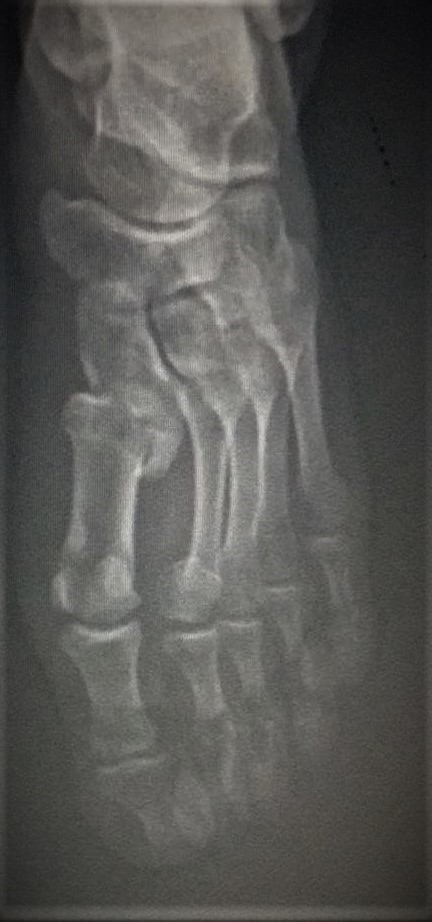
A 17-year-old male patient jumping from a 2-m height presented to our emergency department with sudden pain, swelling, and ecchymosis. In his history, he defined a sudden backward spraining of the right foot and the inability to step on it thereafter. The patient described that he had heard a sound like a pop during the sprain. Compared to the contralateral side, physical examination showed intense swelling in the plantar and dorsal regions. On palpation, the first metatarsal base was sensitive in the plantar region. Direct radiographs showed an intraarticular fracture of the base of the first metatarsal. On anteroposterior view, disruption of the continuity of a line drawn from the medial base of the second metatarsal to the medial side of the middle cuneiform was not present, which is necessary to rule out a Lisfranc injury (
Fig. 1). Computed tomographic imaging is conducted to exclude any other injury and visualize the fractured fragment pattern (
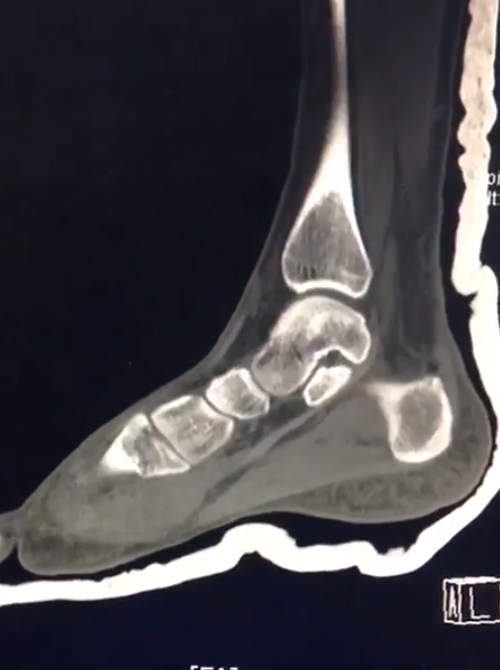
Figs. 2 and
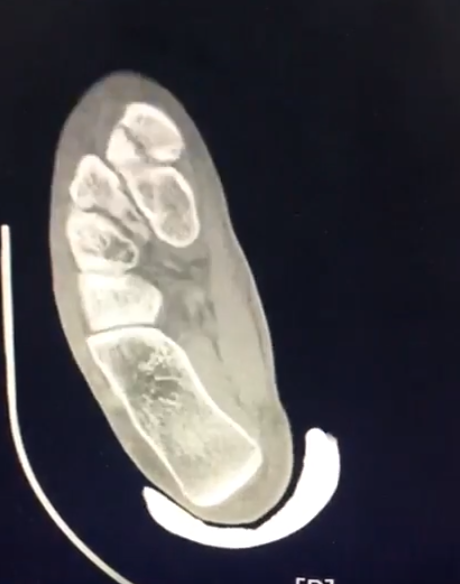
3). The base of the first metatarsal was fractured and displaced approximately 5 mm, and this fracture was considered to be avulsed by the peroneus longus tendon. Too much displacement of an intra-articular fracture was present; thus, open reduction and internal fixation was planned. After a 15-day period of elevation, nonweightbearing, and cold application, surgical intervention was performed with minimal edema and ecchymosis in the foot.
Figure 1.
Anteroposterior view shows the fragment on the lateral and plantar side of the first metatarsal base.
Figure 1.
Anteroposterior view shows the fragment on the lateral and plantar side of the first metatarsal base.
Figure 2.
Sagittal computed tomographic scan shows the fracture fragment on the plantar side without any tarsometatrsal joint injury.
Figure 2.
Sagittal computed tomographic scan shows the fracture fragment on the plantar side without any tarsometatrsal joint injury.
Figure 3.
Axial computed tomographic scan shows no widening of the interval between the first and second metatarsal bones.
Figure 3.
Axial computed tomographic scan shows no widening of the interval between the first and second metatarsal bones.
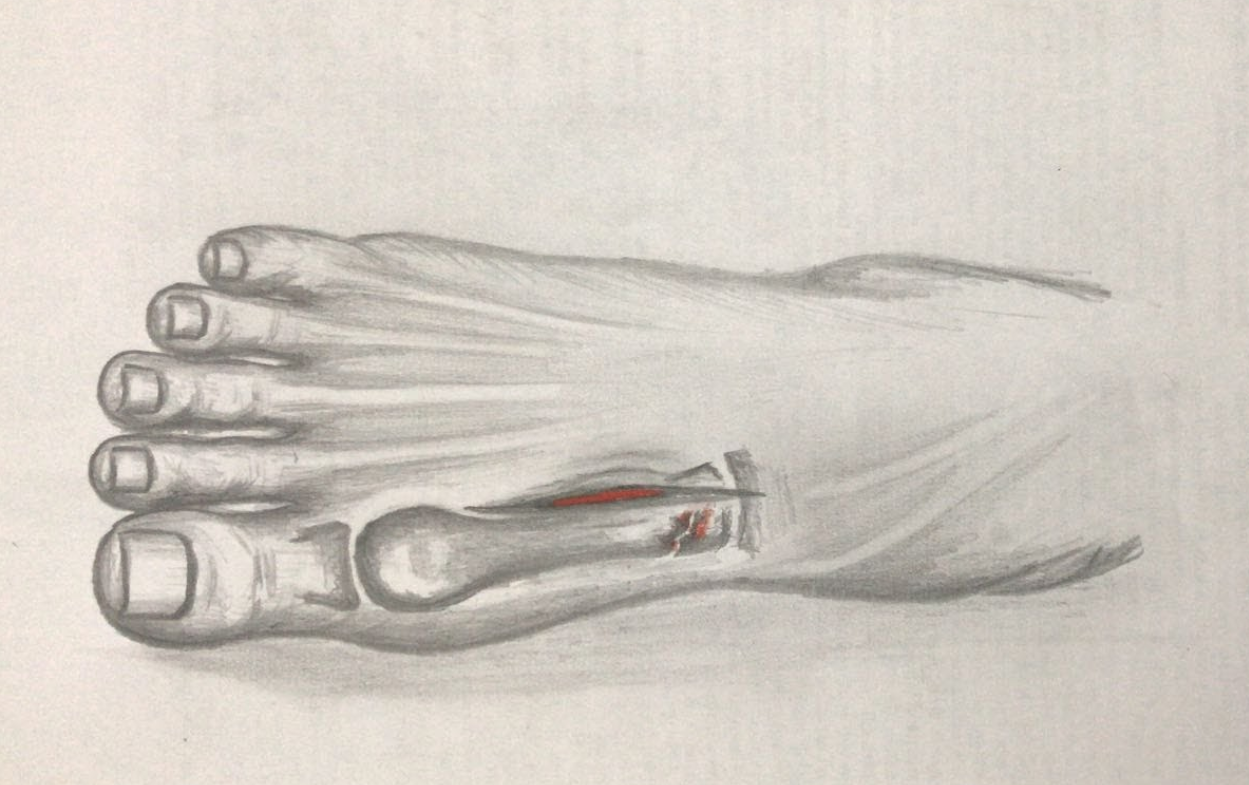
A dorsal longitudinal incision over the first TMT joint (
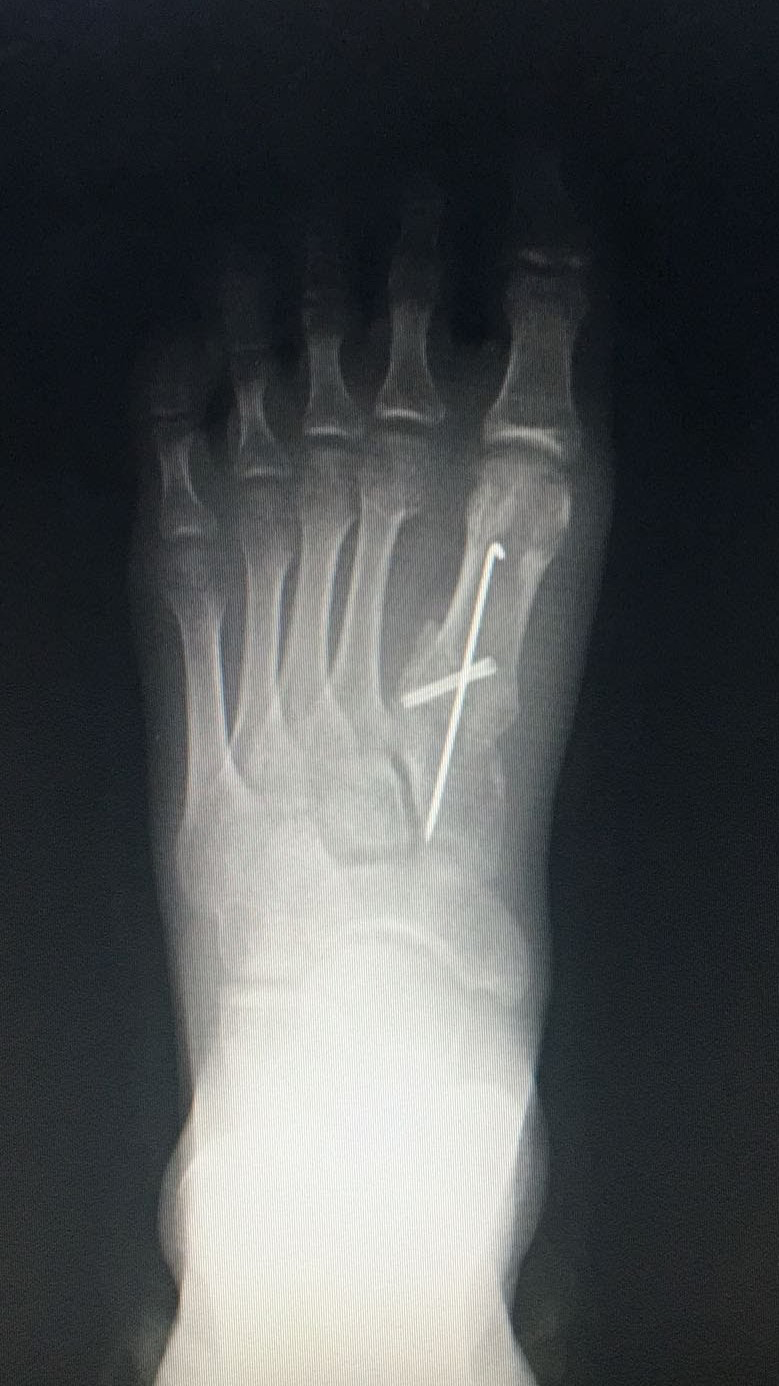
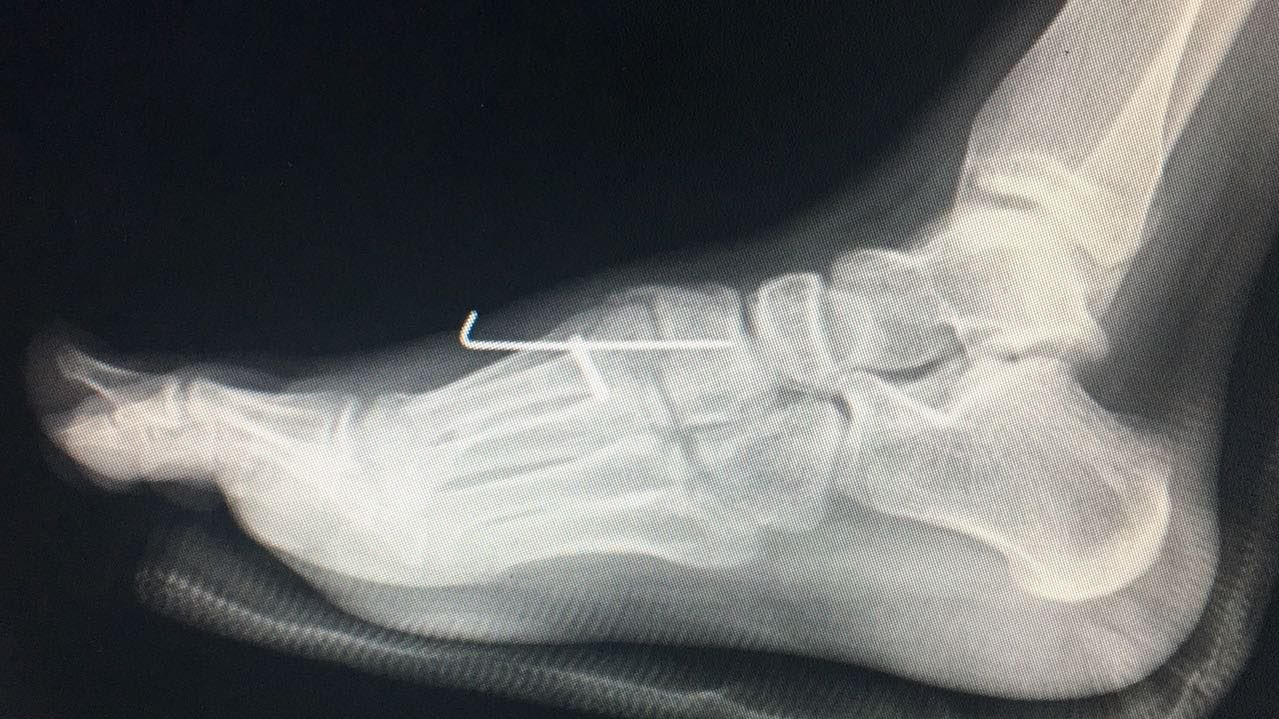
Fig. 4) was performed; indirect closed reduction was achieved by a Weber clamp. Then, the injury was fixed with a 2.7-mm headless cannulated compression screw through the dorsal side and an antirotational 2-mm Kirschner wire under C-arm fluoroscopic control (
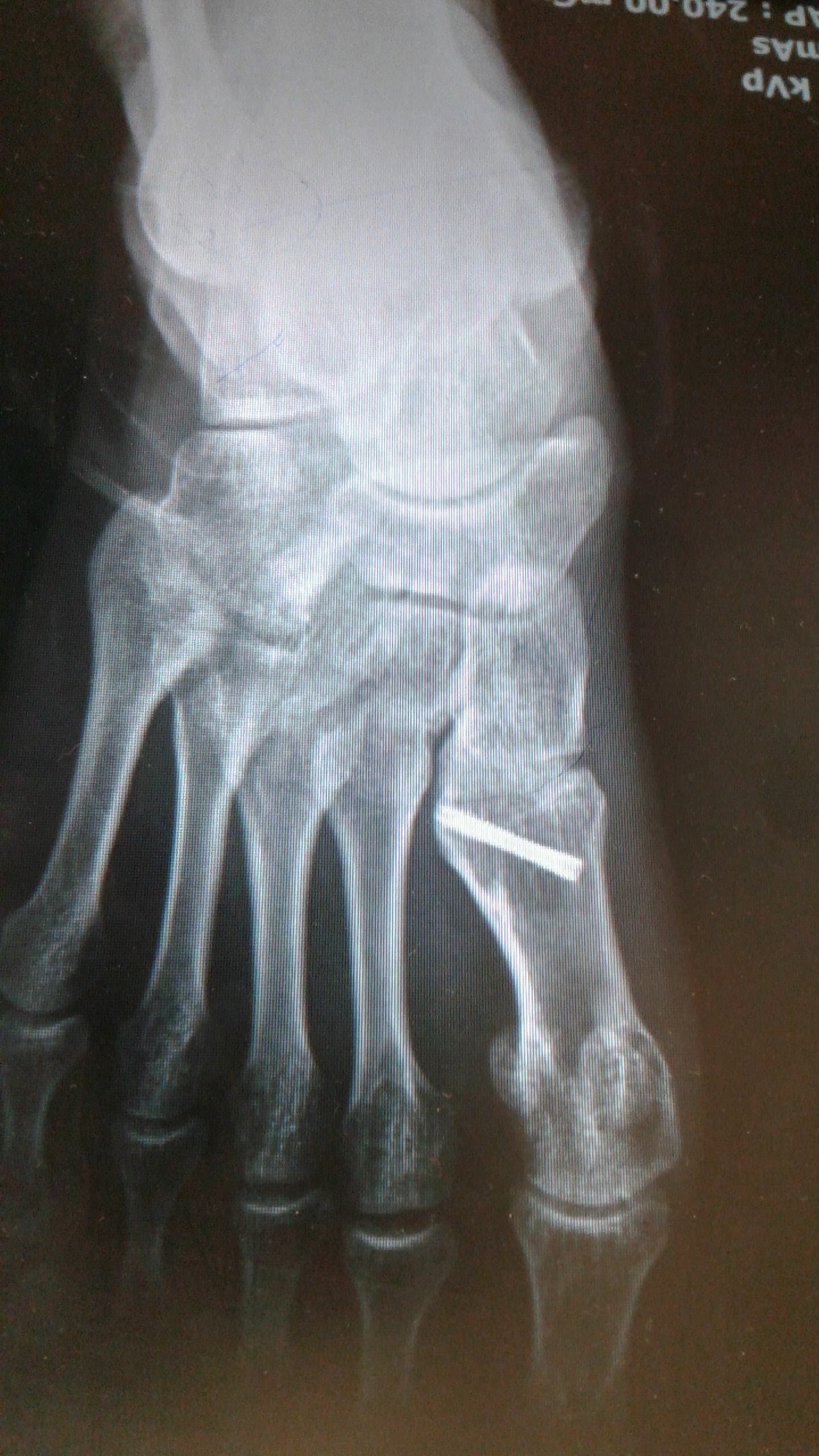
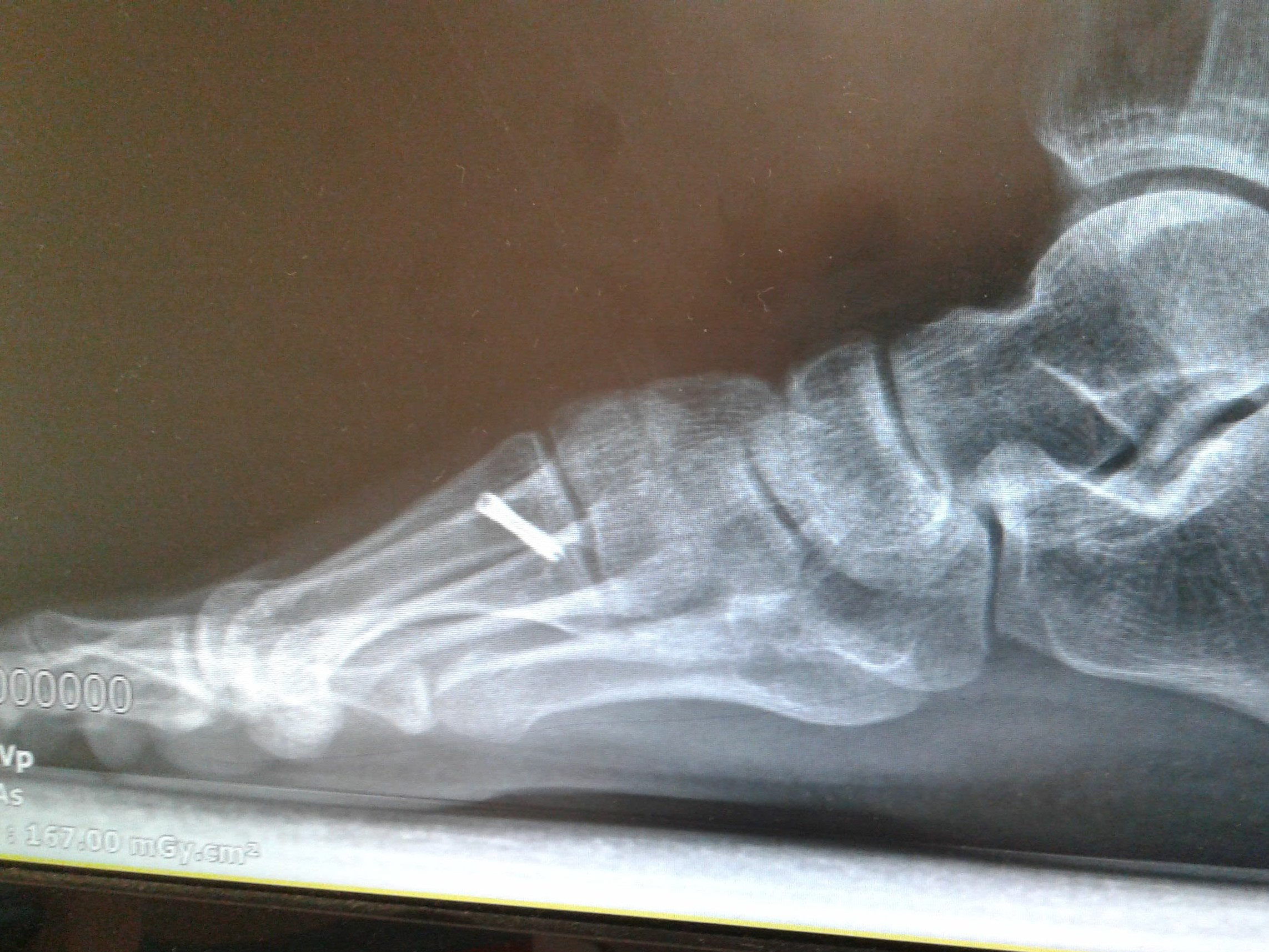
Figs. 5 and
6). After nonweightbearing for 6 weeks in a short leg cast, the Kirschner wire was removed and the patient was permitted partial weightbearing between 6 and 8 weeks, and then full weightbearing starting from week 8. At the end of 4 months, the patient was pain-free and able to perform his daily life activities without any complaint.
Figure 4.
Dorsal longitudinal incision over first tarsometatarsal joint.
Figure 4.
Dorsal longitudinal incision over first tarsometatarsal joint.
Figure 5.
Early postoperative anteroposterior view shows achievement of adequate alignment.
Figure 5.
Early postoperative anteroposterior view shows achievement of adequate alignment.
Figure 6.
Early postoperative lateral view shows the headless screw and a Kirschner wire used for fracture fixation.
Figure 6.
Early postoperative lateral view shows the headless screw and a Kirschner wire used for fracture fixation.
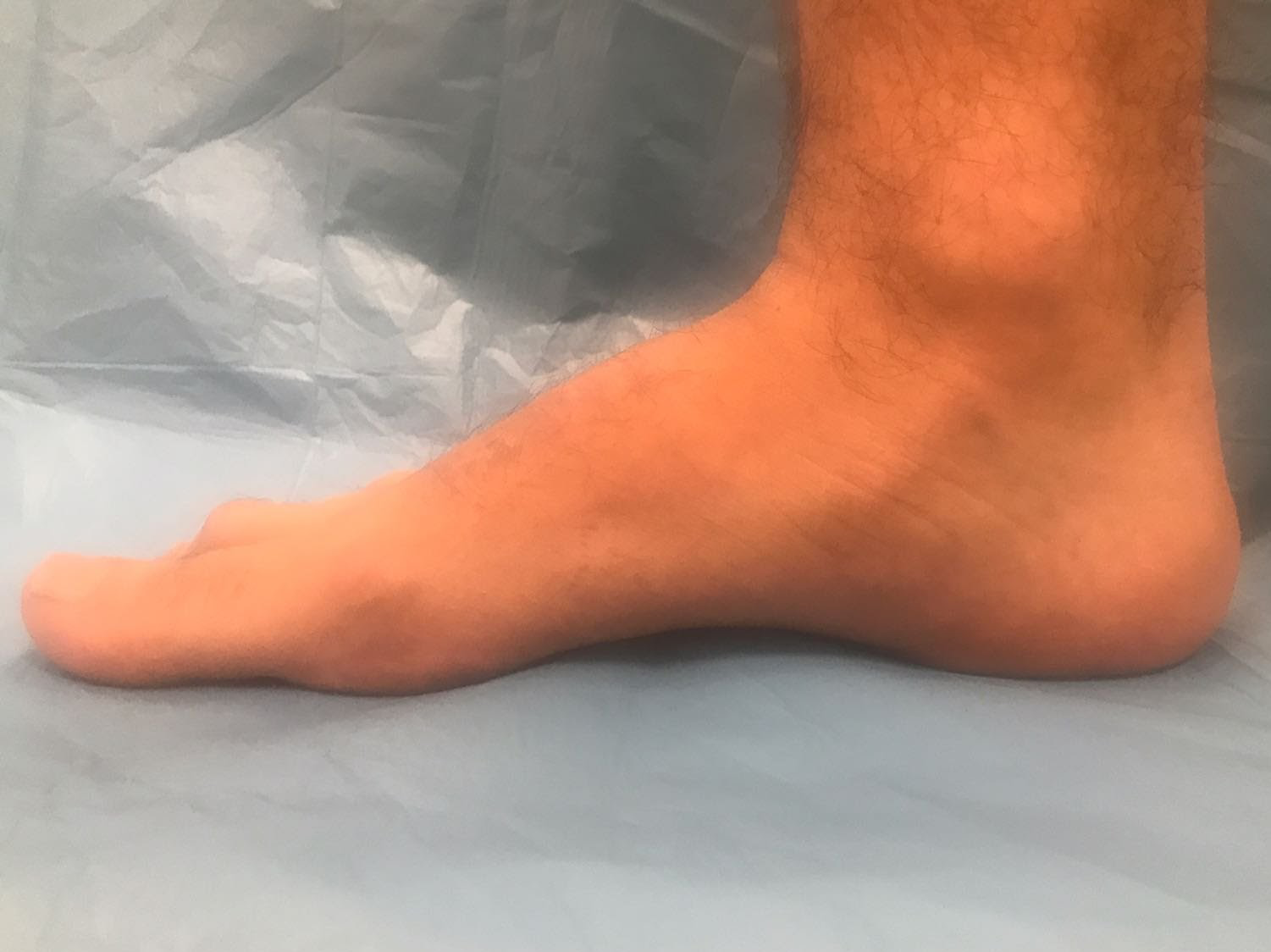
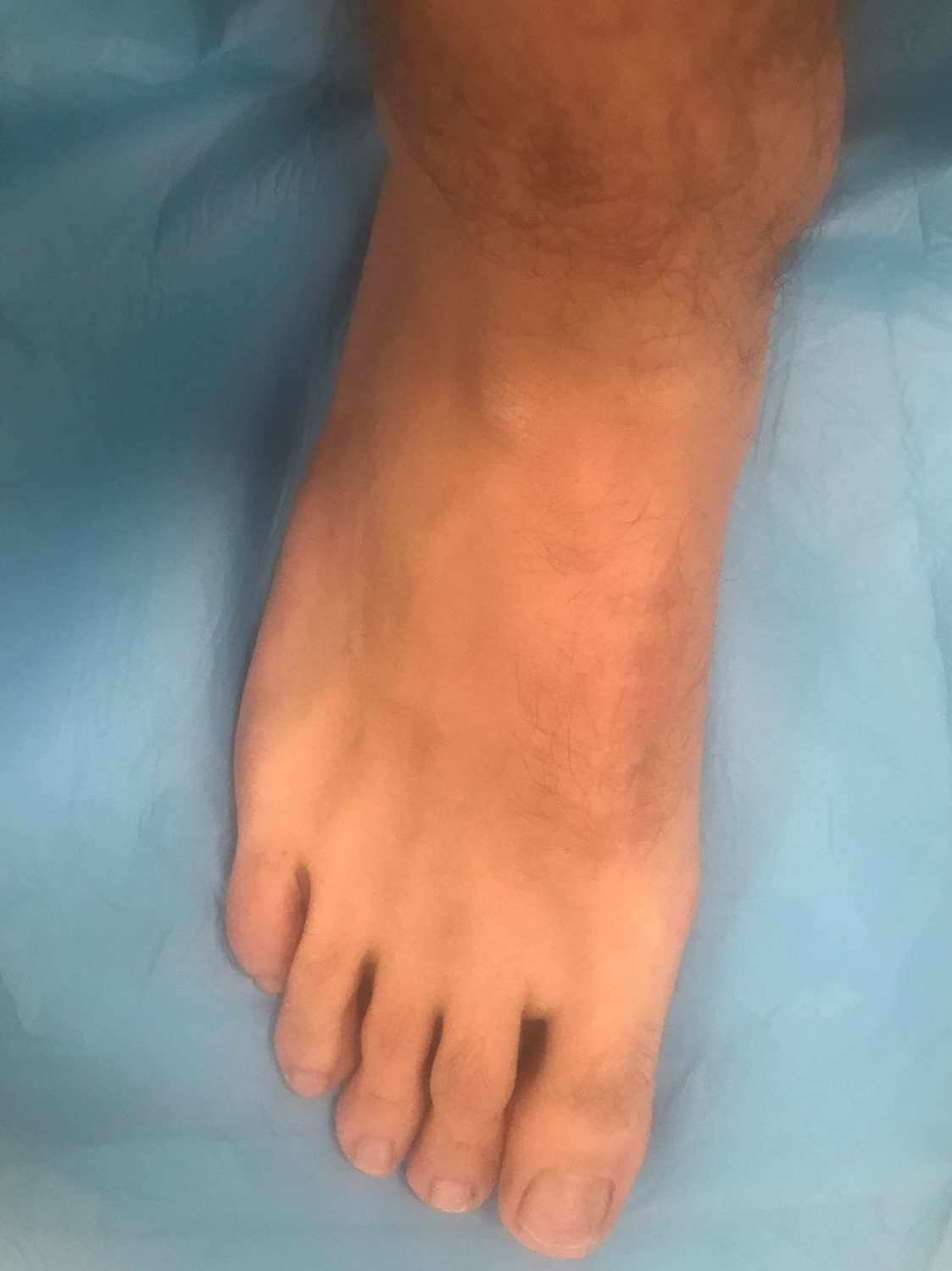
At 2-year follow-up, the patient was able to walk, run, and also participate in sports (taekwondo). He had a plantigrade foot (
Figs. 7 and
8). Radiologically complete union was obvious (
Figs. 9 and
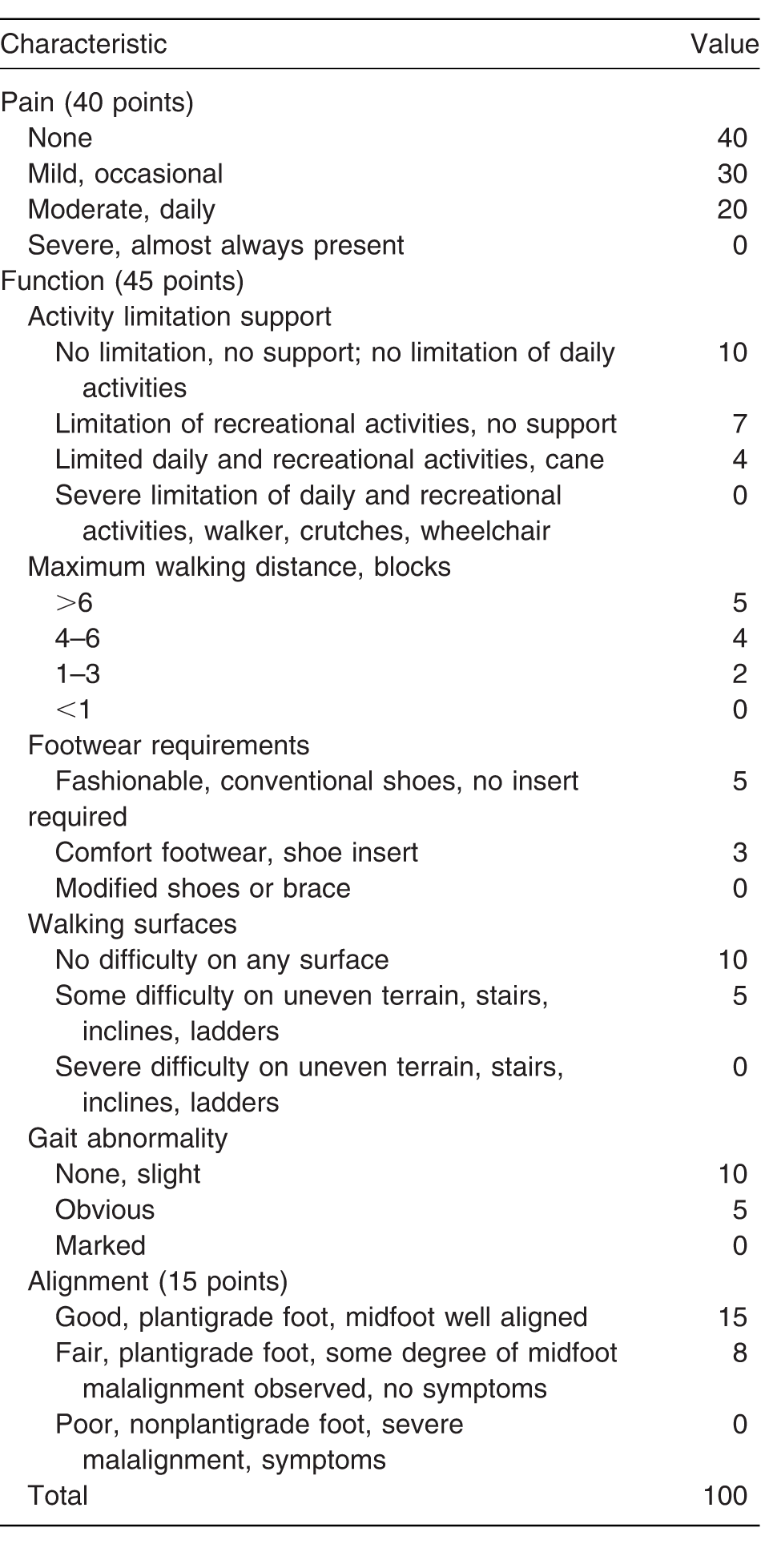
10). The American Orthopedic Foot & Ankle Society middle foot score was 100 at 2-year follow-up (
Table 1).
Figure 7.
Clinical view of the foot; plantigrade, and preserved medial longitudinal arch under weightbearing.
Figure 7.
Clinical view of the foot; plantigrade, and preserved medial longitudinal arch under weightbearing.
Figure 8.
Clinical view of the dorsum of the foot
Figure 8.
Clinical view of the dorsum of the foot
Figure 9.
Anteroposterior view of the foot shows the complete bony union on the fracture side at postoperative month 6.
Figure 9.
Anteroposterior view of the foot shows the complete bony union on the fracture side at postoperative month 6.
Figure 10.
Lateral view of the foot shows the union of the fragment without any degenerative changes in tarsometatarsal joints at postoperative month 6.
Figure 10.
Lateral view of the foot shows the union of the fragment without any degenerative changes in tarsometatarsal joints at postoperative month 6.
Table 1.
American Orthopaedic Foot & Ankle Society Middle Foot Score
Table 1.
American Orthopaedic Foot & Ankle Society Middle Foot Score
Discussion
Peroneus longus avulsion of the first metatarsal bone was first described in 1992 with two cases (one patient treated conservatively; the other, surgically) by Hodor et al [
2]. Because peroneus longus avulsion is very rare, there is no standard treatment protocol for its treatment. The total number of cases reported to date is only seven (six case reports; seven patients) [
2-
7]. In three case reports (three patients), conservative treatment was choosen [
2,
6,
7]. In contrast, surgical treatment was primarily performed with successful results in four cases [
2-
5].
In the literature, conservatively treated patients with peroneus longus avulsion fractures have conflicting results with each other. Zermatten and Crevoisier [
6] first followed up one patient conservatively but had to excise the avulsed fragment and fuse the first TMT joint because of persistent midfoot pain 6 months after injury [
6]. In contrast, Hodor et al [
2] and Weinberg et al [
7] reported good results with conservative treatment in terms of both radiologic and clinical evaluations. Weinberg et al [
7] defended conservative treatment in small, multifragmentary, and minimally displaced fractures.
Better outcomes with primary surgical treatment in the literature was the major indication for us in this paitent [
2-
5]. In addition, young age of the patient, large avulsed fragment, possibility of a decrease in peroneus longus muscle strength, and risk of failure of conservative treatment were the other indications for choosing operative treatment.
It should be kept in mind that these fractures are intra-articular fractures; thus, to ensure full restoration of the joint surface, open reduction and internal fixation should be preferred compared to closed reduction. In this case, we used a headless cannulated screw as a fixation material and a Kirschner wire to prevent fragment rotation. However, preferences in the fixation material may vary depending on the size of the fragment and the preference of the surgeon [
2-
5]. Medial and plantar incisions have been preferred and reported in the literature [
2-
4]. We preferred a dorsal incision (
Fig. 3) and state that it is as a very favorable incision and approach because the plantar approach is anatomically more complex, and the incision scar on the plantar side can reduce the comfort of the patient while walking and wearing shoes.
In this case, the first metatarsal base intraarticular fracture fragment was displaced plantarly and lateraly because of peroneus longus avulsion. We incised the skin with the dorsal approach and reduced the articular surface properly. We obtained a satisfying result with regard to both pain and walking pattern at follow-up. Instead of a plantar incision (which is described in the literature), we prefer the user-friendly incision of the dorsal aprroach to control the joint surface anatomical reduction. As a result of this method, we also obtained good results at clinical and radiologic follow-up.