Case Report
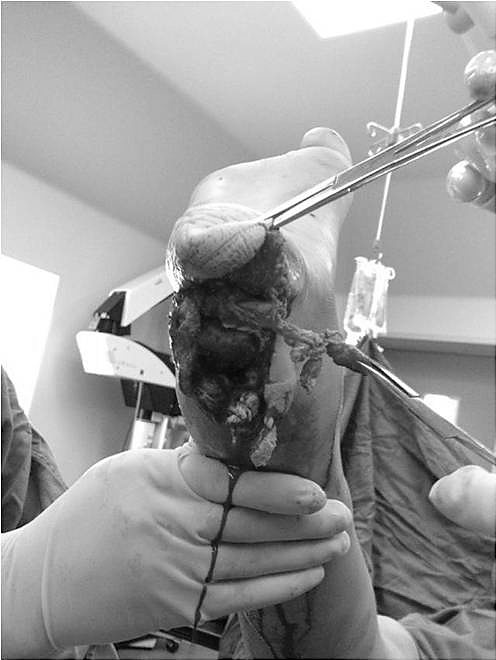
From May 2014 to May 2015, four children (age range, 6–11 years) sustained Achilles tendon, soft-tissue, and calcaneal defects and were treated at our hospital. All four patients were injured by spokes while riding at high-speed on a rear motorcycle seat. According to the grading system, the injuries in these four children were grade III. Wounds were emergently debrided and treated with negative-pressure wound therapy in the first-stage surgery. Three days later, the Achilles tendon was reconstructed in the second-stage surgery. The tendon space structure, which is defined as the gap across the missing part of the Achilles tendon, was formed by suturing or bypassing the proximal end of the Achilles tendon to the residual end of the calcaneus bone as a bridge using dissolvable sutures. The Achilles tendon was sutured onto the remnant calcaneus using a previously described surgical method.[
3] A pedicled flap was transferred to cover the wound. The third-stage surgery was performed 1 month later to restore the shape of the calcaneus using distraction osteogenesis through an Ilizarov external fixator framework designed by the authors.
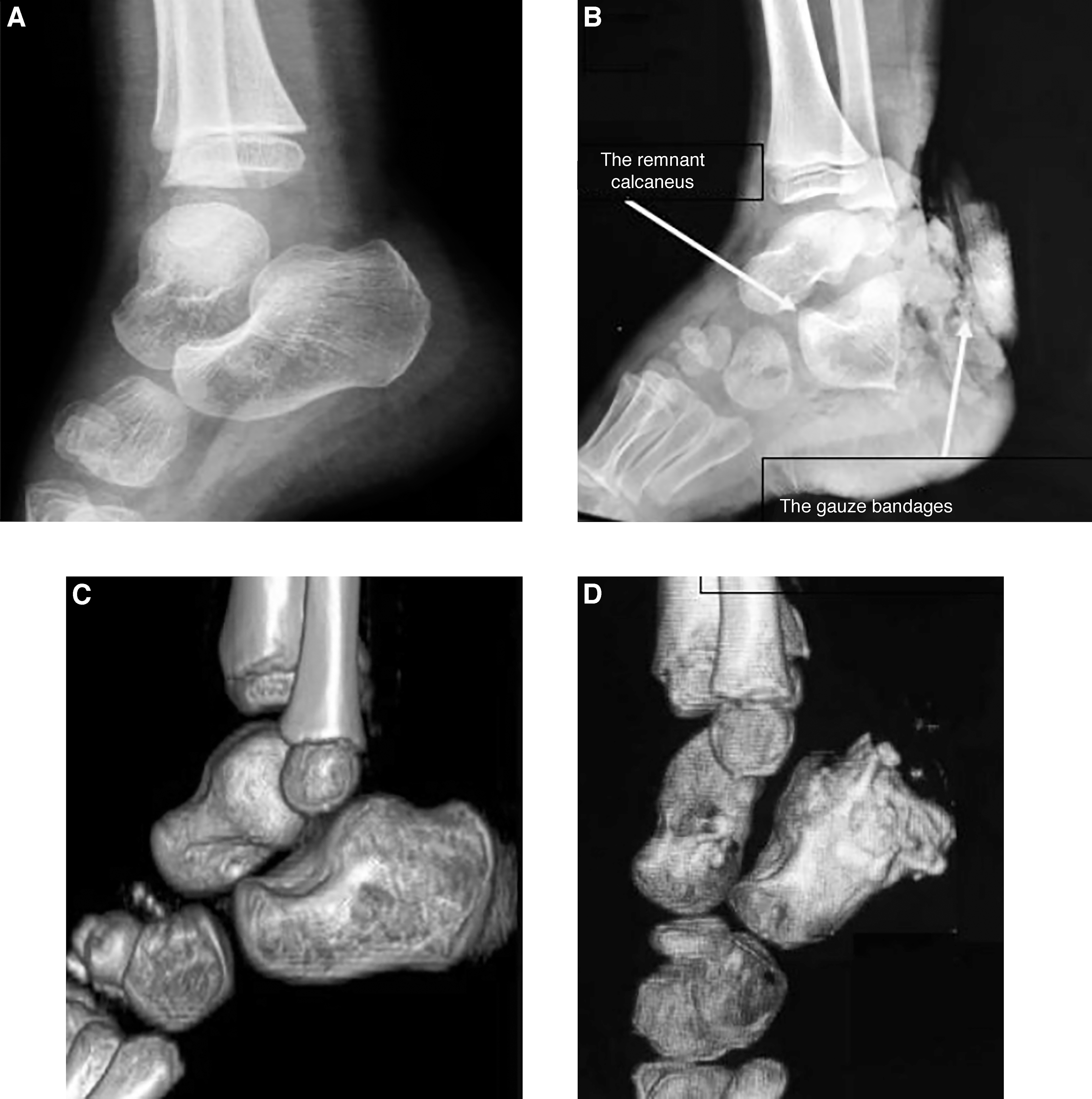
The calcaneal defect was evaluated preoperatively using plain radiography and three-dimensional computed tomographic reconstruction (
Fig. 1). The patient was placed in the supine position, and general anesthesia was induced. The affected lower limb was raised by 30°. A 4-cm lateral incision was carried out. Through this incision, the plantar fascia was severed (
Fig. 2). Because the residual calcaneus was small, it must be close to sideways to have a sufficiently large bone piece to cut and obtain a posterior segment for transplantation. If the osteotomy is too close to the horizontal bone, the posterior inferior segment tends to closely integrate or combine with the plantar fascia. An osteotomy of the calcaneus was performed through a line 1 cm distal from the groove of the fibularis longus tendon and the fibularis brevis tendon. Three olive wires were inserted through the distal part of the calcaneus in the lateral to medial direction (
Fig. 3). Another four olive wires were inserted through the proximal part of the residual calcaneus in the lateral to medial direction.
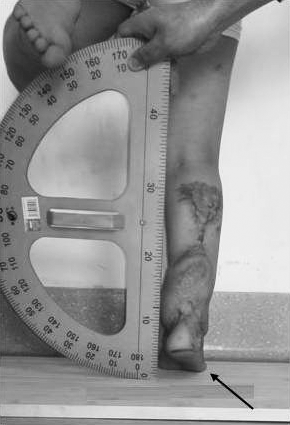
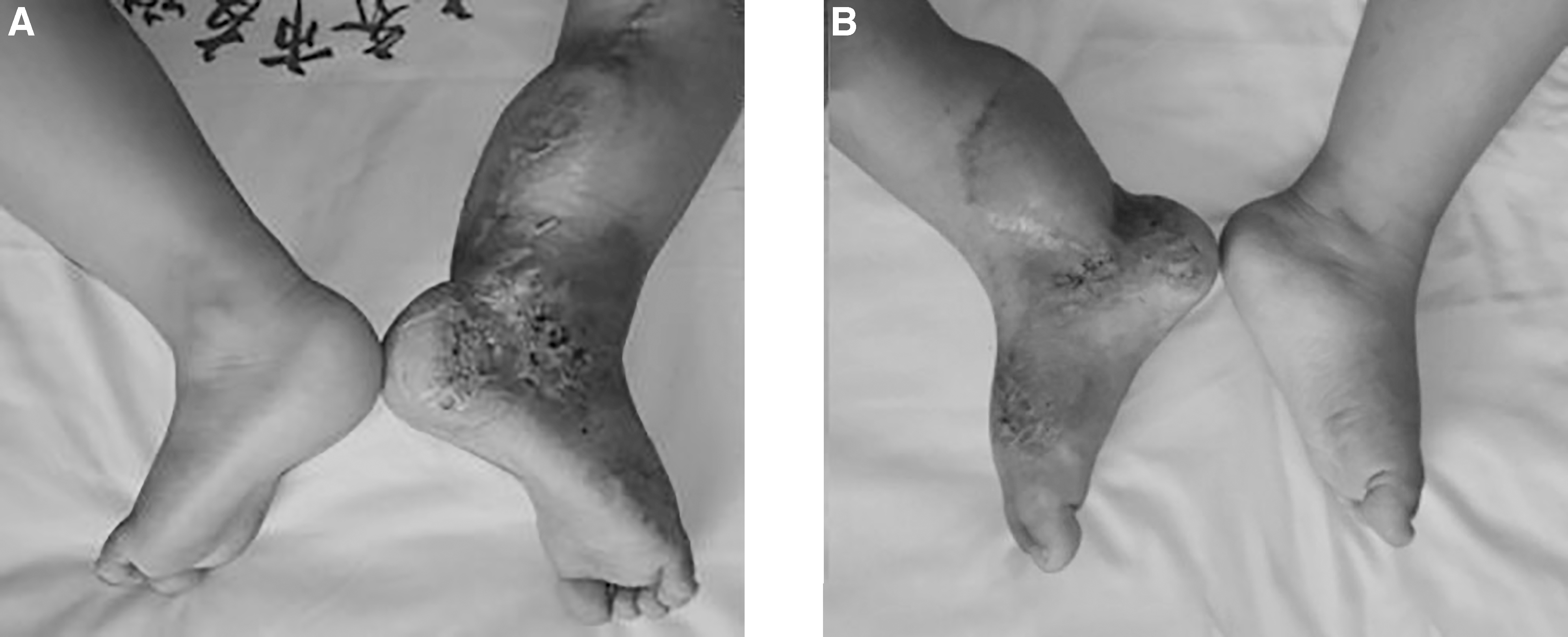
Figure 1.
Grade III motorcycle spoke injury of the right foot.
Figure 1.
Grade III motorcycle spoke injury of the right foot.
Figure 2.
Preoperative evaluation showing the calcaneal defect with absence of the epiphysis in a 7-year-old boy. A, Plain radiograph of the calcaneus on the healthy side. B, Plain radiograph of the calcaneus on the injured side. C, Three-dimensional computed tomographic image of the calcaneus on the healthy side. D, Three-dimensional computed tomographic image of the calcaneus on the injured side.
Figure 2.
Preoperative evaluation showing the calcaneal defect with absence of the epiphysis in a 7-year-old boy. A, Plain radiograph of the calcaneus on the healthy side. B, Plain radiograph of the calcaneus on the injured side. C, Three-dimensional computed tomographic image of the calcaneus on the healthy side. D, Three-dimensional computed tomographic image of the calcaneus on the injured side.
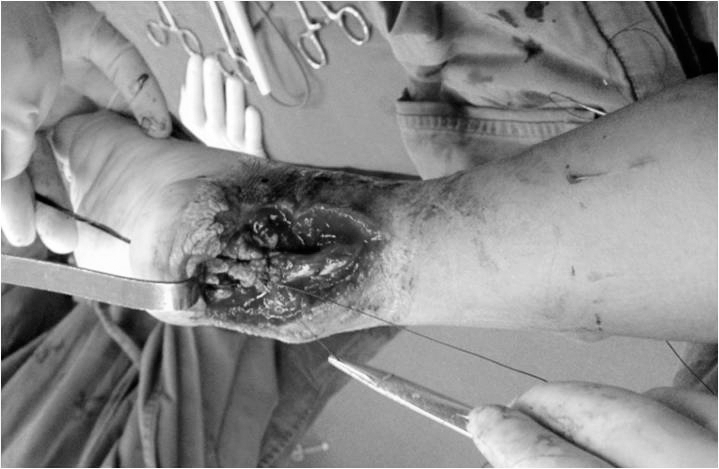
Figure 3.
Right side of the foot with grade III motorcycle spoke injury. The one-stage tensile stress surgical suture technique with the yurt bone surgical technique without orthosis was used.
Figure 3.
Right side of the foot with grade III motorcycle spoke injury. The one-stage tensile stress surgical suture technique with the yurt bone surgical technique without orthosis was used.
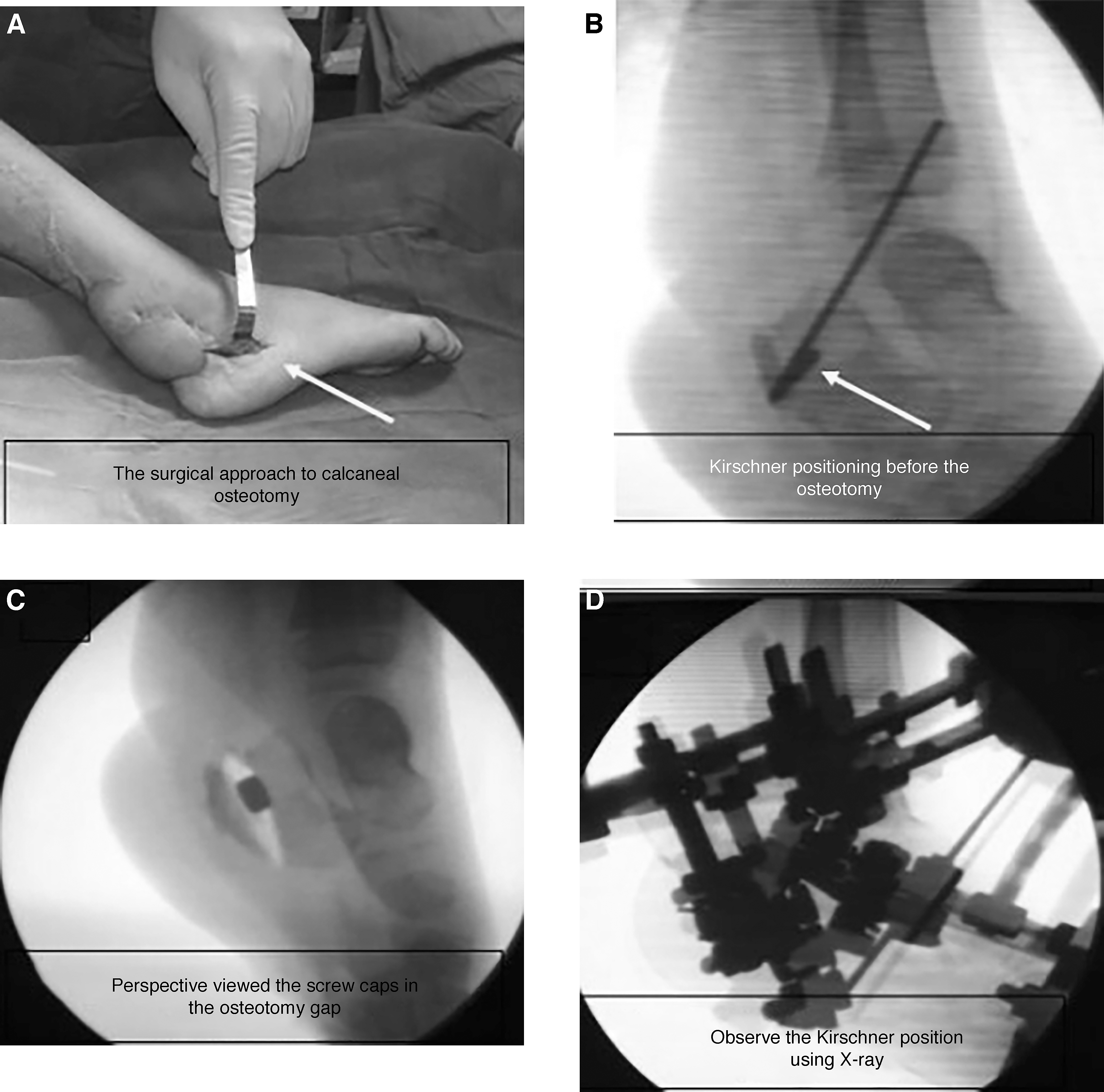
Caution was used to avoid injury to the gastrocnemius nerve, peroneus brevis tendon, and peroneus longus tendon (
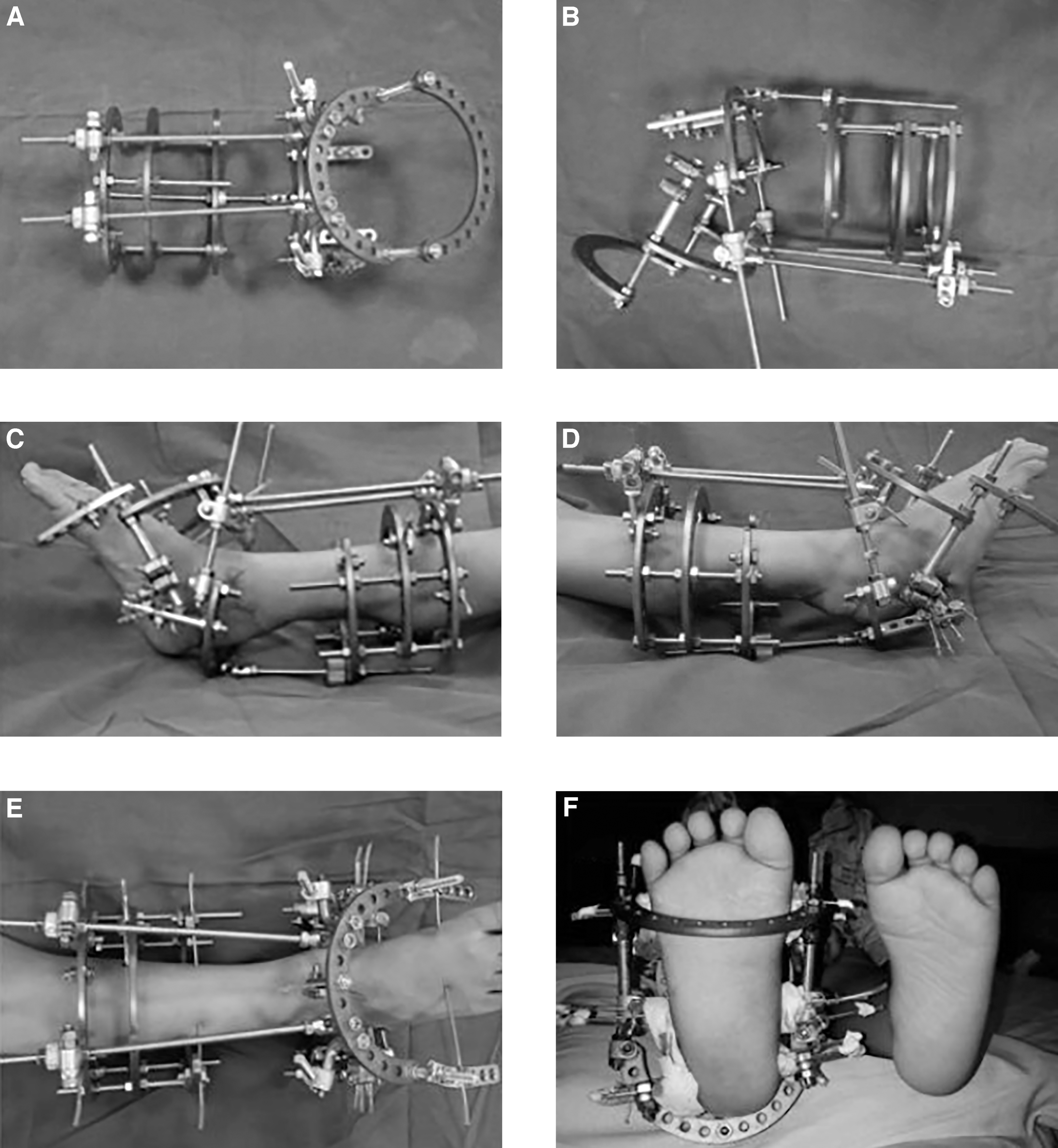
Fig. 4). Then, the author-designed external fixator was installed (
Fig. 5). The frame consisted of two half-rings fixed around the tibia using olive wires and two half-rings fixed around the foot using olive wires. The olive wires through the calcaneus were connected with the fixator. The posterior segment of the calcaneus was distracted 5 mm and 40° posteroinferiorly. Then, the incision was sutured (
Fig. 5). Beginning on postoperative day 10, distraction osteogenesis of the calcaneus was performed at a rate of 0.75 to 1.0 mm two times per day. The calcaneus was lengthened until its length was 2 cm longer than the contralateral side, because of concern regarding skeletal maturity, considering that the healthy side would grow more quickly.
Figure 4.
The surgical approach, positioning, osteotomy, and installation of the external fixator framework used for distraction osteogenesis of the calcaneus in a 7-year-old boy. A, The surgical approach. B, Wire positioning in the calcaneal osteotomy site. C, Placement of a metal nut in the calcaneal osteotomy site to support radiographic examination of bone gaps. D, Radiographic image of the final external fixator construct after the osteotomy.
Figure 4.
The surgical approach, positioning, osteotomy, and installation of the external fixator framework used for distraction osteogenesis of the calcaneus in a 7-year-old boy. A, The surgical approach. B, Wire positioning in the calcaneal osteotomy site. C, Placement of a metal nut in the calcaneal osteotomy site to support radiographic examination of bone gaps. D, Radiographic image of the final external fixator construct after the osteotomy.
Figure 5.
An overview of the external fixator framework and installation of the external fixator (setting the framework onto the leg, front foot, and calcaneus) used for distraction osteogenesis of the calcaneus in a 7-year-old boy. Anteroposterior (A) and lateral (B) views of the external fixator framework. Medial (C), lateral (D), anteroposterior (E), and plantar (F) views of the applied external fixator framework.
Figure 5.
An overview of the external fixator framework and installation of the external fixator (setting the framework onto the leg, front foot, and calcaneus) used for distraction osteogenesis of the calcaneus in a 7-year-old boy. Anteroposterior (A) and lateral (B) views of the external fixator framework. Medial (C), lateral (D), anteroposterior (E), and plantar (F) views of the applied external fixator framework.
The calcaneus was lengthened by a mean of 5 cm in the four patients. The length, width, and height of the calcaneus were restored (
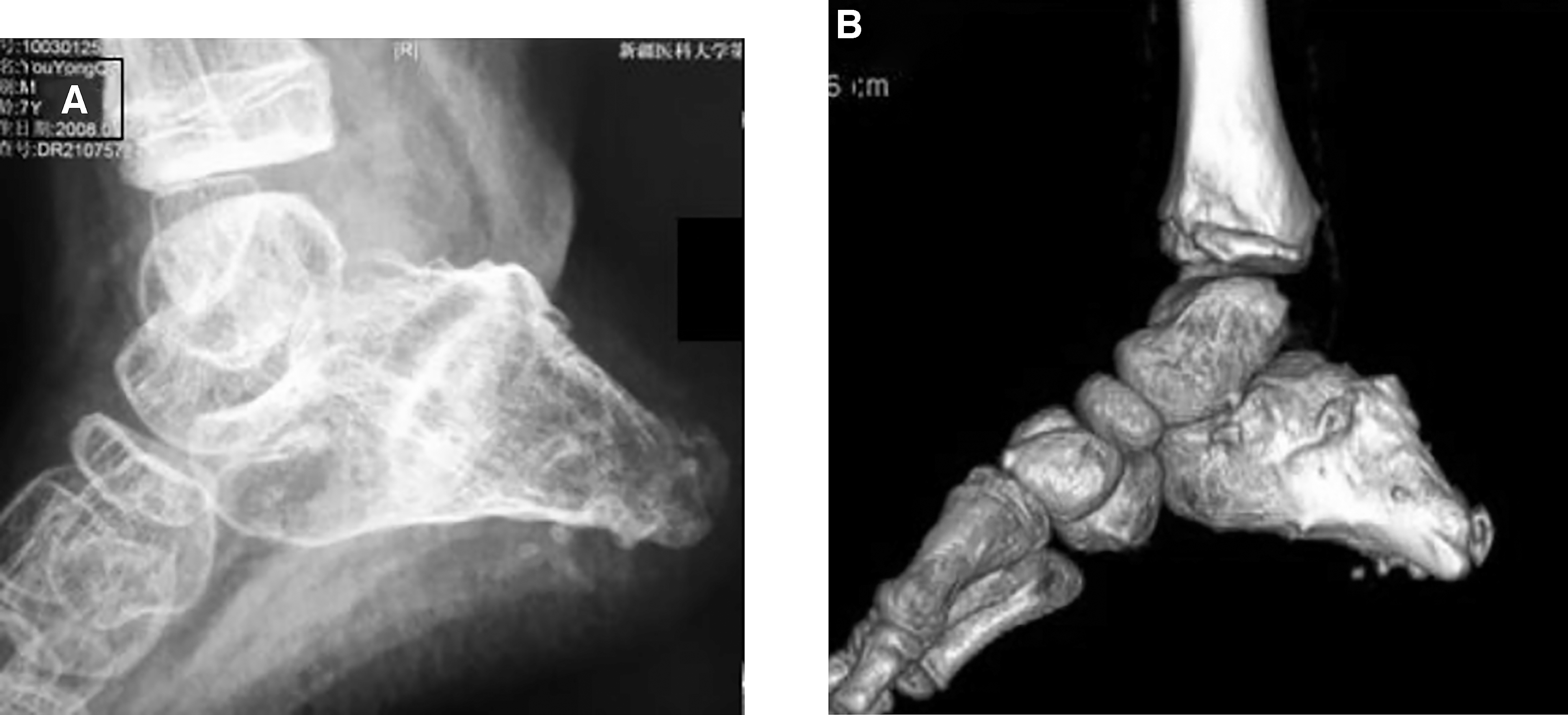
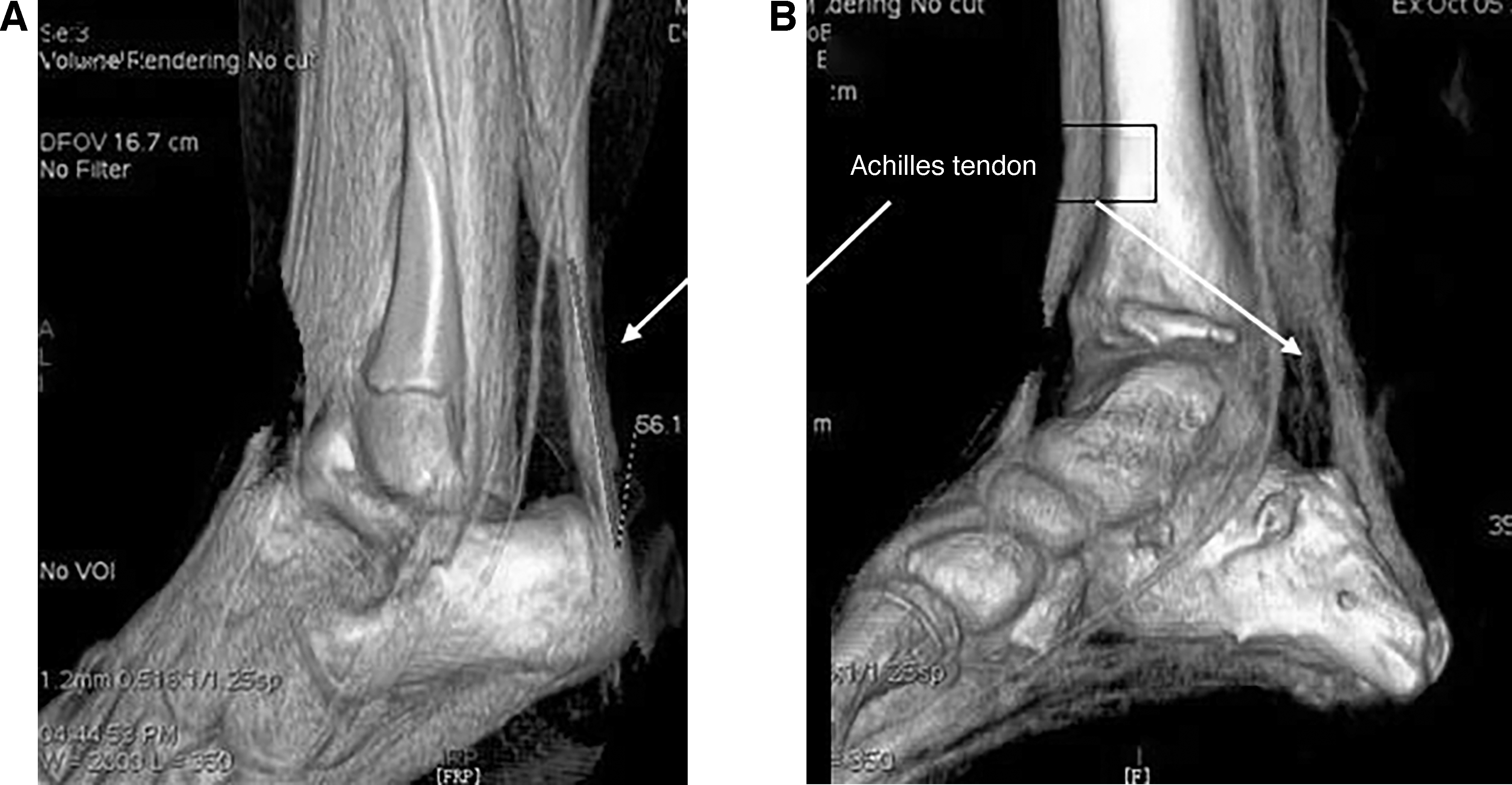
Fig. 6). After removal of the external fixator, the patient achieved full weight-bearing ambulation without support by 8 weeks. Three-dimensional computed tomographic imaging of the defect side showed fast overall regeneration of the Achilles tendon (
Fig. 7). No tendon elongation was observed. Comparison of the shape between the healthy side and the ruptured side in a 7-year-old boy at 18 weeks postoperatively showed appropriate recovery of the shape of the affected heel (
Fig. 8).
Figure 6.
Plain radiographic and three-dimensional computed tomographic images of the calcaneus on the injured side at postoperative week 18. (A) Plain radiograph of the calcaneus on the injured side. (B) Three-dimensional computed tomographic image of the injured calcaneus.
Figure 6.
Plain radiographic and three-dimensional computed tomographic images of the calcaneus on the injured side at postoperative week 18. (A) Plain radiograph of the calcaneus on the injured side. (B) Three-dimensional computed tomographic image of the injured calcaneus.
Figure 7.
Three-dimensional computed tomographic image of bilateral calcanei in a 7-year-old boy at postoperative week 18. (A) The Achilles tendon and calcaneus on the uninjured side. (B) Image of the Achilles tendon and calcaneus on the operative side revealing attachment and span of tendon.
Figure 7.
Three-dimensional computed tomographic image of bilateral calcanei in a 7-year-old boy at postoperative week 18. (A) The Achilles tendon and calcaneus on the uninjured side. (B) Image of the Achilles tendon and calcaneus on the operative side revealing attachment and span of tendon.
Figure 8.
Clinical comparison of the operative versus nonoperative limbs at postoperative week 18 in a 7-year-old boy, showing that an acceptable heel contour had been achieved. (A) Lateral clinical views of the bilateral extremities. (B) Medial clinical views of the bilateral extremities.
Figure 8.
Clinical comparison of the operative versus nonoperative limbs at postoperative week 18 in a 7-year-old boy, showing that an acceptable heel contour had been achieved. (A) Lateral clinical views of the bilateral extremities. (B) Medial clinical views of the bilateral extremities.
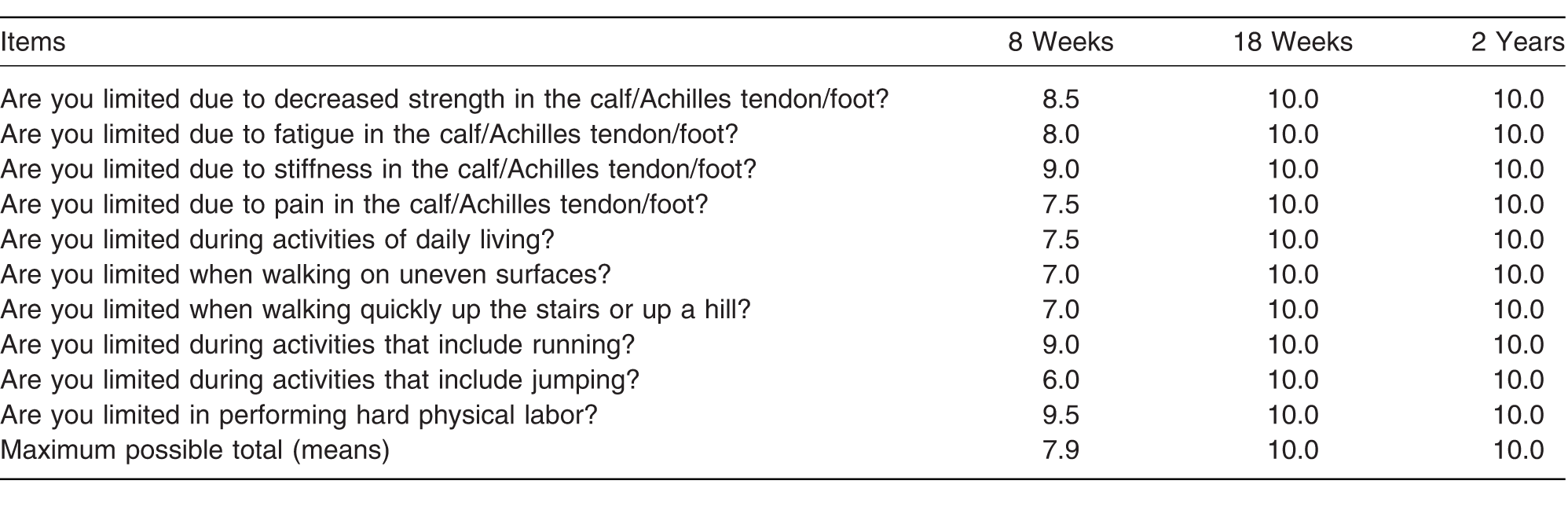
The Achilles tendon Total Rupture Score (ATRS) is a patient-reported instrument with high reliability, validity, and sensitivity for measuring outcomes after treatment in patients with a total Achilles tendon rupture.[
4] Each question of the ATRS was answered by the patients, with a score ranging from 0 to 10 (where 10 is best). The mean ATRS was 7.9 at postoperative week 8, increased to 10 at week 18, and plateaued at week 24 (
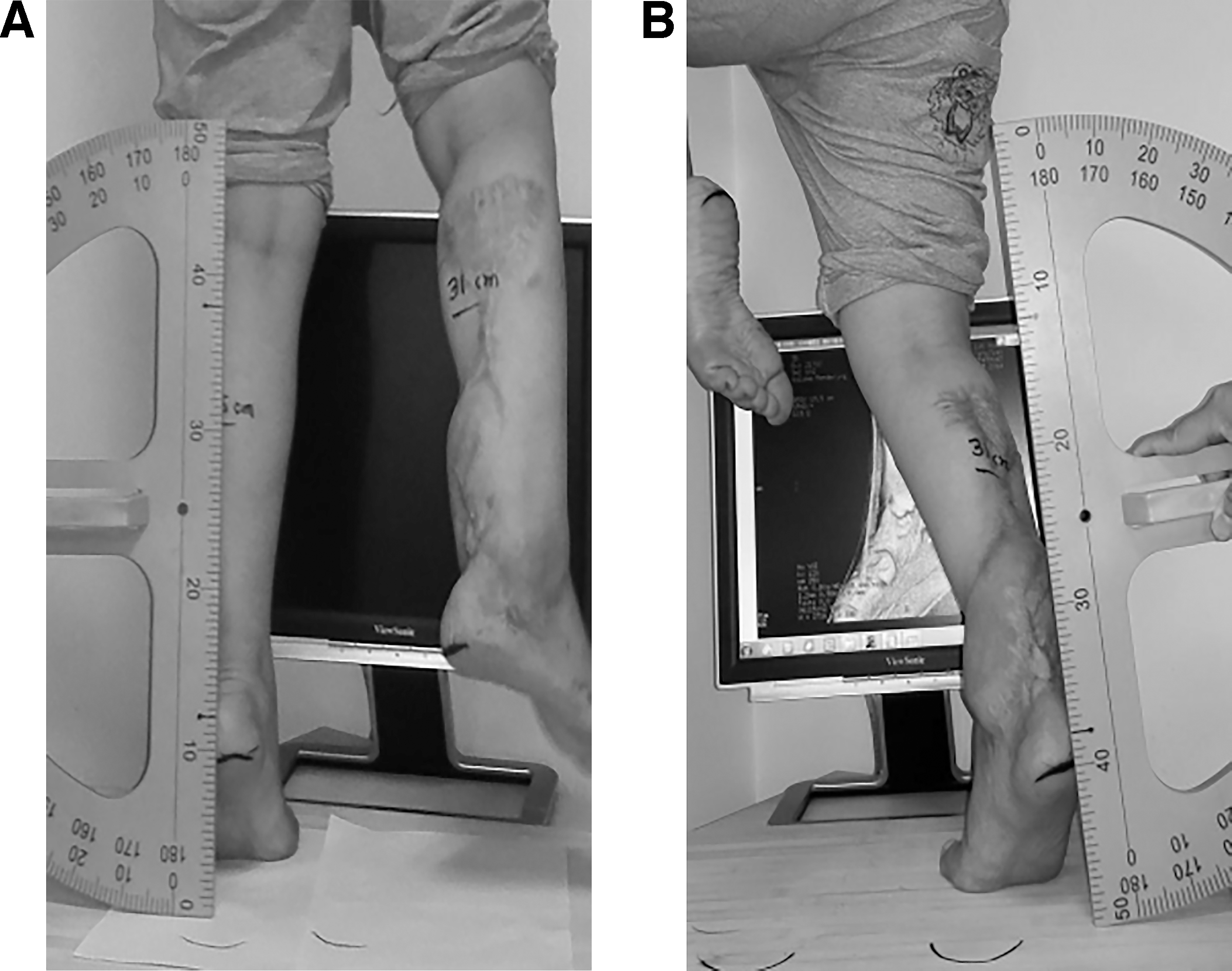
Table 1). At postoperative week 18, the four patients were able to perform sustained or uninterrupted tiptoe stepping for 60 seconds and a single-leg heel raise of 4.0 to 6.0 cm for 60 seconds (
Fig. 9 and
Fig. 10).
Table 1.
Achilles Tendon Rupture Scores (n = 4).
Table 1.
Achilles Tendon Rupture Scores (n = 4).
Figure 9.
The patient was able to perform a sustained 5.0-cm single-leg heel rise for 60 seconds at postoperative week 18.
Figure 9.
The patient was able to perform a sustained 5.0-cm single-leg heel rise for 60 seconds at postoperative week 18.
Figure 10.
One patient was able to perform a sustained single-leg heel rise of more than 10 cm.
Figure 10.
One patient was able to perform a sustained single-leg heel rise of more than 10 cm.