Type 2 diabetes mellitus is a chronic disease with prominent health issues involving the control of blood sugar levels and the management of complications associated with the disease.[
1] Elevated blood sugar values are due to a deficit of the insulin produced by pancreatic islet cells, a relative shortage of available insulin for people who are overweight, or alteration in the insulin receptor's binding response.[
2] Currently, it is not clear whether diabetes causes obesity or vice versa. However, nutrition and lifestyle play a major role, along with genetic predisposition, in the development of diabetes.[
3-
6]
The latest statistics from the United States and several Western industrialized countries show that there is high morbidity and mortality from diabetes. In 2010, diabetes was the seventh leading cause of death in the United States. Moreover, the diabetes mellitus population continues to grow at an alarming rate. The percentage of the population diagnosed as having diabetes increased from 25.9% in 2010 to 29.1% in 2012.[
7] The complications from diabetes also continue to rise proportionally.
The treatments for the complications associated with diabetes not only compose a substantial portion of the health-care expenditures but also lead to a significant decline in a person's performance and productivity in society. The major complications are cardiovascular disease (including strokes and heart attacks), diabetic nephropathy, diabetic retinopathy, and peripheral neuropathy. Frequently, complications in the lower extremities ultimately lead to ulceration and amputation of the lower limbs. In recent years, there has been a growing need and recommendation for diabetic preventive care services. Such preventive care services would help diabetic individuals avoid organ damage and the decline in their normal healthy function.[
8]
It is essential to have preventive measures to avoid the complications resulting from diabetes mellitus. The importance of preventive care, such as regular visits to medical specialists, has been recommended and enforced by clinicians, most health insurance companies, and medical societies. However, these recommendations have been mainly limited to diabetic retinopathy. So far, the recommendations for preventive care for the diabetic foot, nephropathy, and cardiovascular diseases have been mostly limited to visits with general practitioners. Often, diabetic patients visit a podiatric physician after encountering major damage to their feet and a cardiologist or nephrologist after developing coronary artery disease or kidney failure, respectively. In general, diabetic patients either do not see these specialists for preventive care at all or not on a regular basis.
Foot ulcers and amputations are major causes of morbidity and disability in diabetic patients because complications from them take an emotional and physical toll on their health. Early recognition and management of the independent risk factors associated with foot ulcers that may lead to amputation can prevent or at least delay the onset of such adverse outcomes. In recent years, several studies have recommended diabetic foot care before the patient experiences peripheral neuropathy and develops foot ulcers.[
9-
15] These studies present various means to identify and manage risk factors before a foot ulcer develops or amputation becomes inevitable.[
16] These recommendations are based on the technical review of care for the nonulcerated foot in diabetic patients.[
17-
21] A recent American Diabetes Association consensus statement covers the management of diabetic foot wounds.[
22] However, despite these existing recommendations for preventive foot care, the clinical aspects are not being performed properly. For example, several diabetic patients with foot problems may not be advised to wear special footwear or they may receive their diabetic shoes without being evaluated by either a podiatric physician or a medical clinician.
The objective of this study was to determine whether a significant number of patients visit medical specialists and receive preventive care for the complications of diabetes mellitus, especially regarding diabetic foot care.
Methods
To better understand the current status of preventive care in the diabetic population, a questionnaire was prepared to collect patient-related data. The questionnaire was developed in two stages. First, a thorough review of the literature was conducted to create an initial set of relevant questions to be included in the questionnaire. In the second stage, the initial set of questions was pilot tested and edited for clarity, grammar, and length. The final questionnaire had demographic questions, including age and sex, as well as questions specifically related to the current state of diabetes, including blood sugar control, the status of preventive care, and the complications associated with diabetes mellitus. The questionnaire was administered in a paper format to diabetic patients by their health-care providers during their regular appointments. Participation in the survey was voluntary, and no financial incentive was provided to the individuals who participated. The participants were told that their answers would be kept confidential and would not be reported except in an aggregated form. A limited number of physician offices, including endocrinologists, internists, and family practitioners, in North Carolina were selected for data collection. In total, 420 usable questionnaires were included in the study. Data collection spanned from April 1, 2016, to December 31, 2016.
Results
Patient age varied from 30 to 80 years. Of the 420 participants, 220 had hemoglobin A
1c (HbA
1c) levels of 7% or less and 200 had HbA
1c levels greater than 7%. Classifying participants by HbA
1c levels is a common practice in diabetes literature and an important diagnostic measure for practitioners. The selection of an HbA
1c level of 7% or less is important because it represents the desired target level for people with diabetes. Higher levels of HbA
1c are associated with higher risk of complications related to diabetes. As a result, we considered patients with HbA
1c levels of 7% or less as the “controlled” group, which represents well-controlled blood sugar levels. Patients with HbA
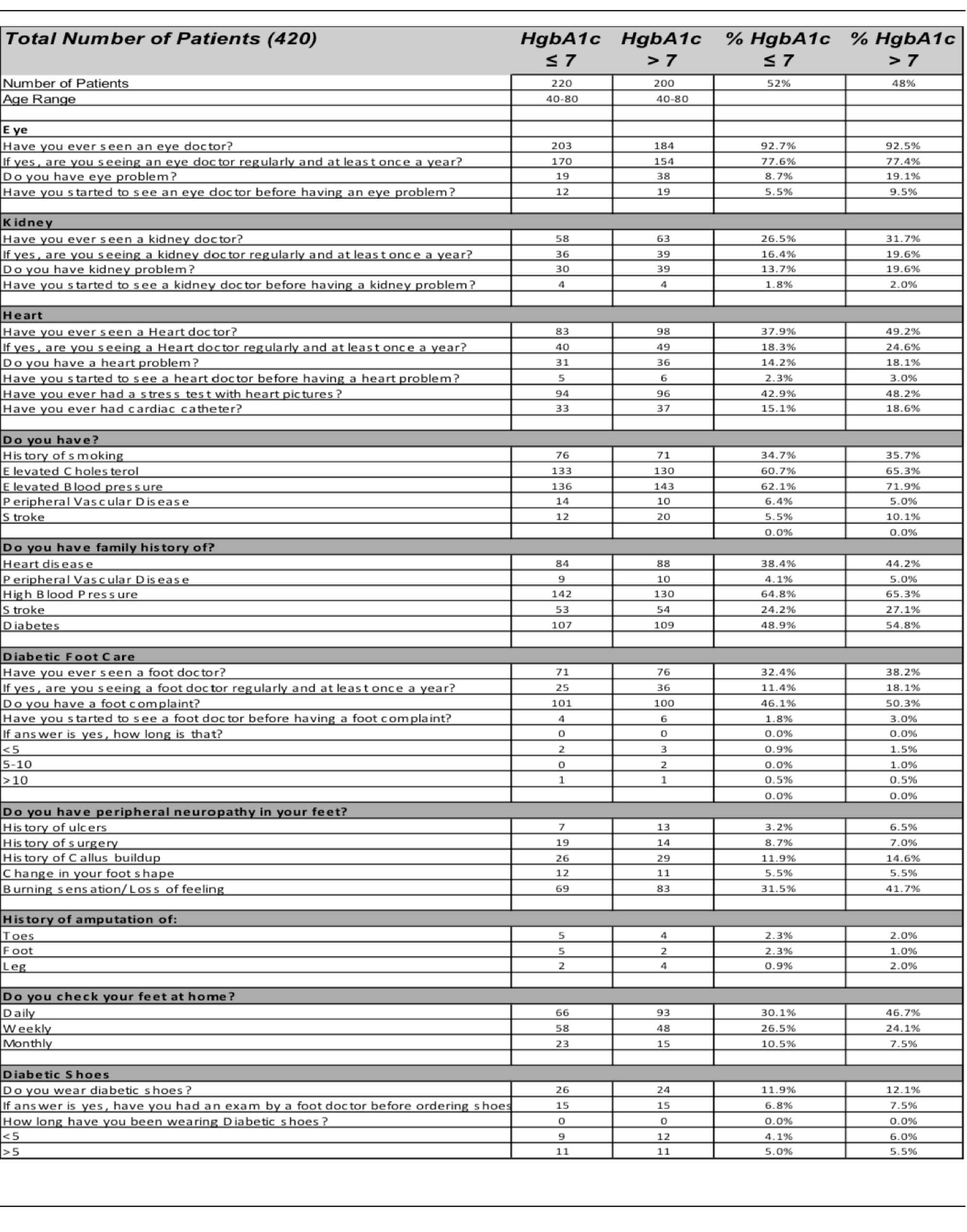
1c levels higher than 7% were considered the “uncontrolled” group. This delineation allowed us to better understand and compare whether there are any significant differences regarding the complications of diabetes mellitus and receiving services for preventive care. The details of the data collection and a summary of the results from the study are shown in
Appendix A.
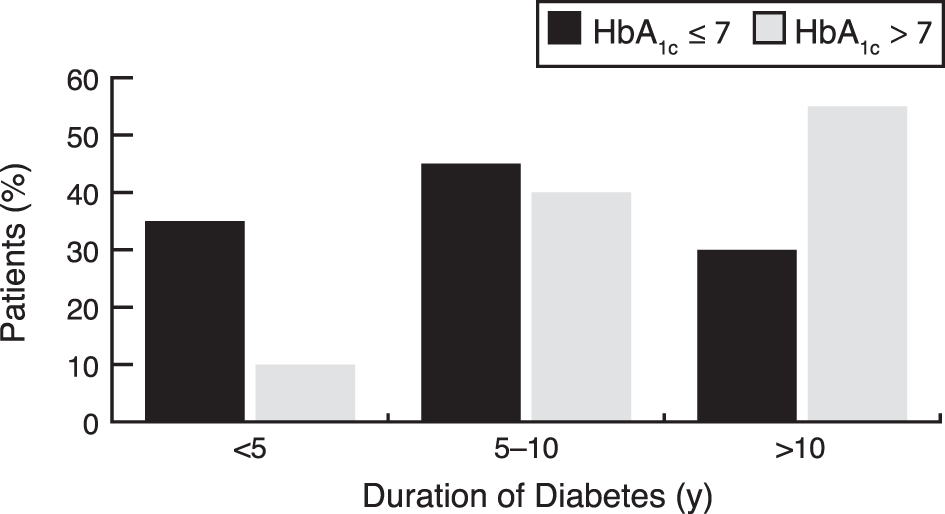
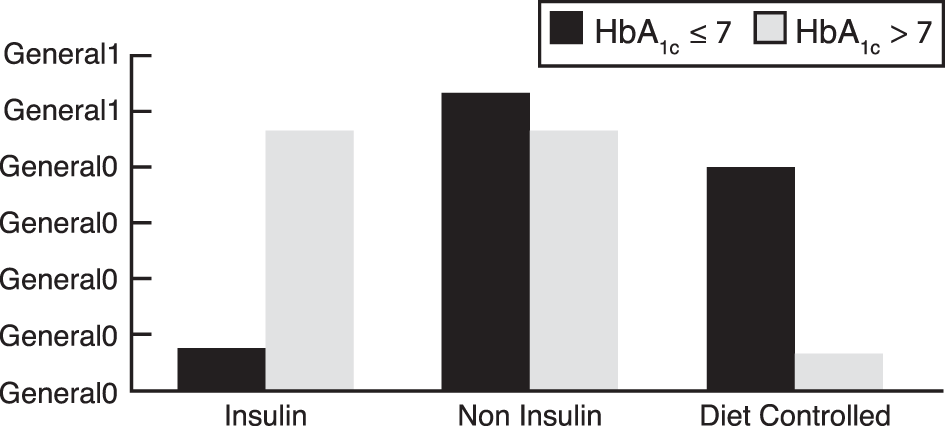
Figure 1 shows the number of years with a diagnosis of diabetes for the two groups. Most patients in this study had diabetes for more than 5 years. Patients' blood sugar levels were controlled by administering insulin, administering noninsulin medications, or only monitoring their diet (
Figure 2).
Figure 1.
Years of having diabetes by blood sugar group. HbA1c, hemoglobin A1c.
Figure 1.
Years of having diabetes by blood sugar group. HbA1c, hemoglobin A1c.
Figure 2.
Means of controlling blood sugar levels by blood sugar group. HbA1c, hemoglobin A1c.
Figure 2.
Means of controlling blood sugar levels by blood sugar group. HbA1c, hemoglobin A1c.
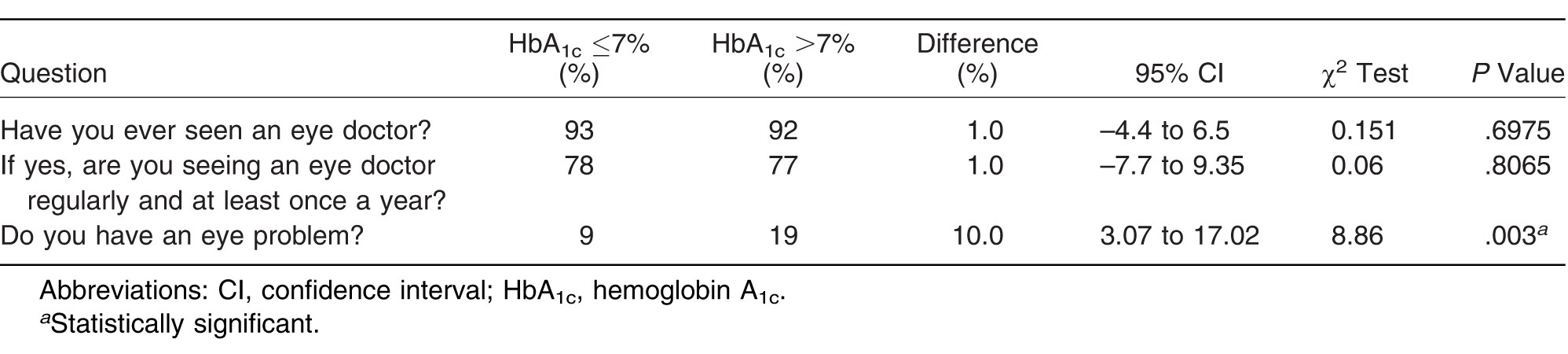
Analysis of the data for preventive eye care found that 93% of patients in the controlled group and 92% in the uncontrolled blood sugar group had an eye examination at least once and that 78% and 77%, respectively, were seen by an ophthalmologist annually (
Table 1). Eye problems were noted by 9% of the controlled group and 19% of the uncontrolled blood sugar group.
Table 1.
Analysis of the Data for Preventive Eye Care in the Controlled and Uncontrolled Blood Sugar Groups
Table 1.
Analysis of the Data for Preventive Eye Care in the Controlled and Uncontrolled Blood Sugar Groups
In further statistical analysis to compare the percentages of visits to the ophthalmologist between the two groups a χ
2 test as recommended by Campbell[
23] and Richardson[
24] was performed. The 95% confidence intervals were calculated according to the recommended method by Altman et al.[
25] These results are summarized in
Table 1. Although there are no statistically significant differences between groups in visiting an eye doctor once or on a regular basis, there is a statistically significant difference between the two groups in terms of having eye problems.
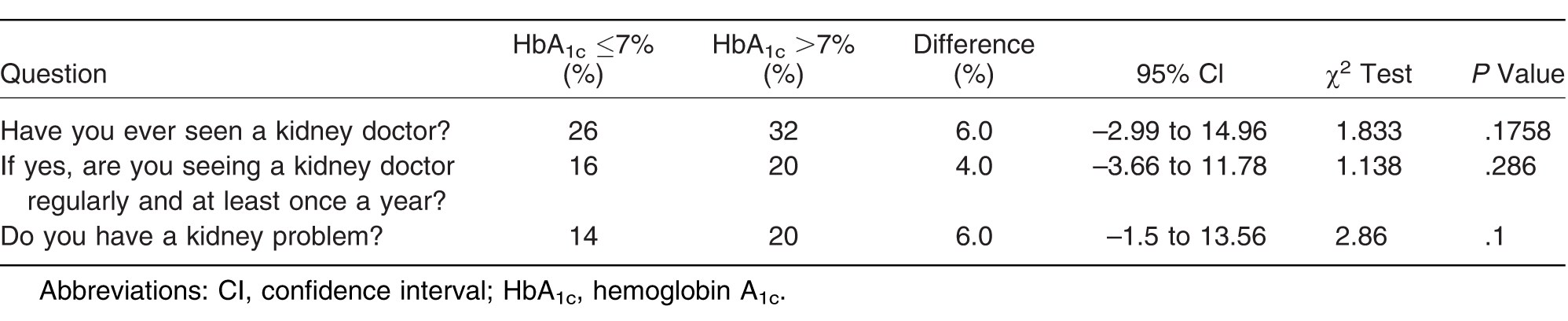
The analysis of the data for preventive kidney care is displayed in
Table 2. In the controlled and uncontrolled blood sugar groups, 26% and 32% of participants, respectively, have had at least one visit to the nephrologist, and 16% and 20%, respectively, had regular visits. Fourteen percent and 20% of patients in the controlled and uncontrolled blood sugar groups, respectively, had kidney problems. As seen in
Table 2, although there are no statistically significant differences between groups in visiting a nephrologist once or on a regular basis, there is a small statistically significant difference between the two groups in reporting kidney problems.
Table 2
.
Analysis of the Data for Preventive Kidney Care in the Controlled and Uncontrolled Blood Sugar Groups
Table 2
.
Analysis of the Data for Preventive Kidney Care in the Controlled and Uncontrolled Blood Sugar Groups
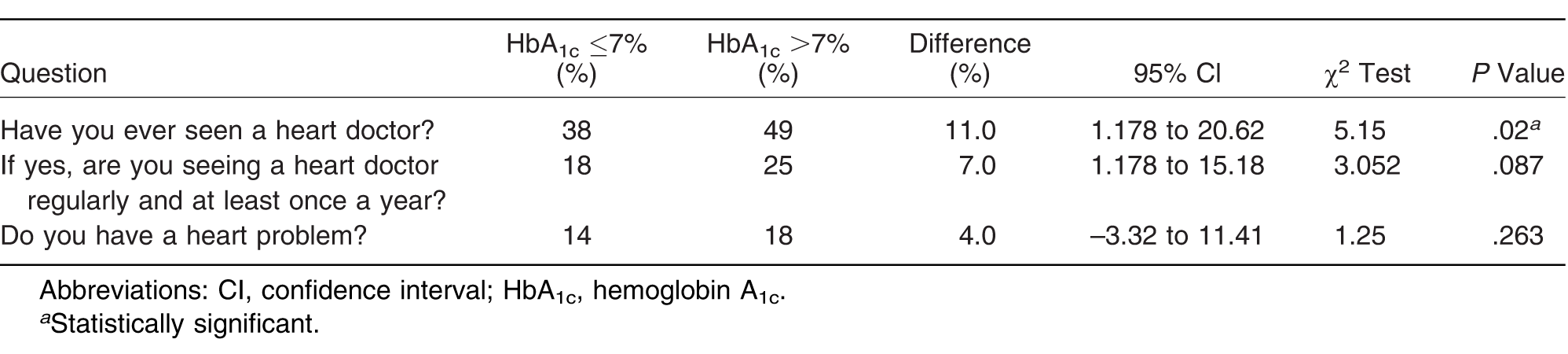
The results of the data analysis for preventive heart care are shown in
Table 3. In the controlled and uncontrolled blood sugar groups, 38% and 49% of patients, respectively, had seen a cardiologist at least one time, and 18% and 25%, respectively, were seen by a cardiologist annually. Fourteen percent of the controlled blood sugar group and 18% of the uncontrolled blood sugar group admitted to having heart disease.
Table 3
.
Analysis of the Data for Preventive Heart Care in the Controlled and Uncontrolled Blood Sugar Groups
Table 3
.
Analysis of the Data for Preventive Heart Care in the Controlled and Uncontrolled Blood Sugar Groups
As shown in
Table 3, although there is a statistically significant difference between the two groups regarding whether they have seen a cardiologist, there seems to be no statistically significant difference in regular visits or reporting a heart problem. Such results are surprising and require further study.
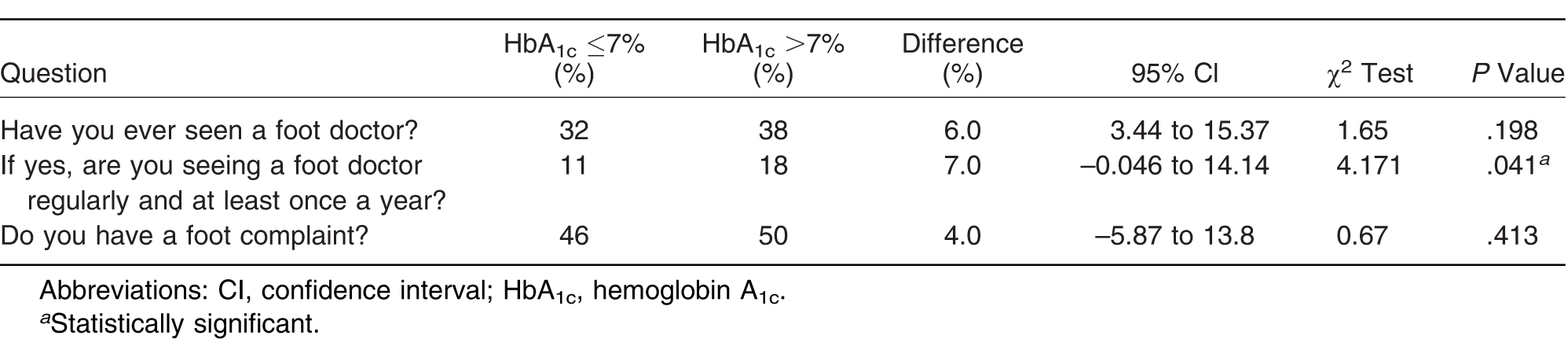
Table 4 shows the analysis of the data for preventive foot care. Thirty-two percent of the patients with controlled blood sugar levels and 38% of those with uncontrolled blood sugar levels had seen a podiatric physician once; only 11% and 18% of the patients, respectively, saw a podiatric physician annually. Foot problems were noted by 46% of the patients in the controlled blood sugar group and 50% in the uncontrolled blood sugar group. One of the foot complaints was noted by 32% of the controlled blood sugar group and 42% of the uncontrolled blood sugar group (
Table 5). There were no statistically significant differences between the two groups in ever visiting a podiatric physician or the prevalence of reported foot problems (
Table 4). These results are also surprising and require further study.
Table 4
.
Analysis of the Data for Preventive Diabetic Foot Care
Table 4
.
Analysis of the Data for Preventive Diabetic Foot Care
Table 5
.
Analysis of the Data for Peripheral Neuropathy
Table 5
.
Analysis of the Data for Peripheral Neuropathy
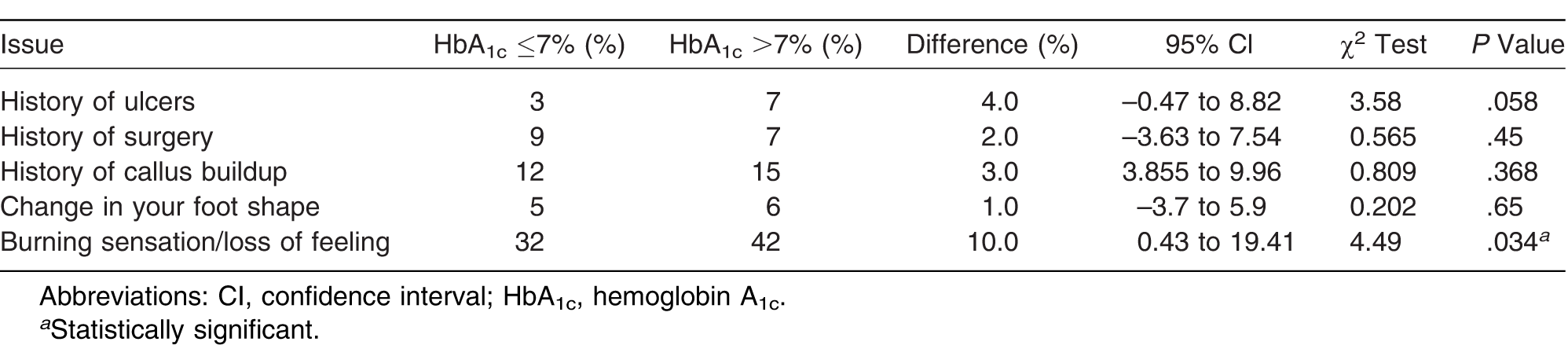
Table 5 shows the results of further statistical analysis between the two groups regarding peripheral neuropathy and whether they reported any history of ulcers, surgery, or callus buildup; change in foot shape; or development of any burning sensation or loss of feeling in the feet. Although there were no statistically significant differences in most of these issues between the two groups, note that there was a small yet significant difference between the two groups in patients reporting a burning sensation or loss of feeling in their feet. Again, these surprising results require further study.
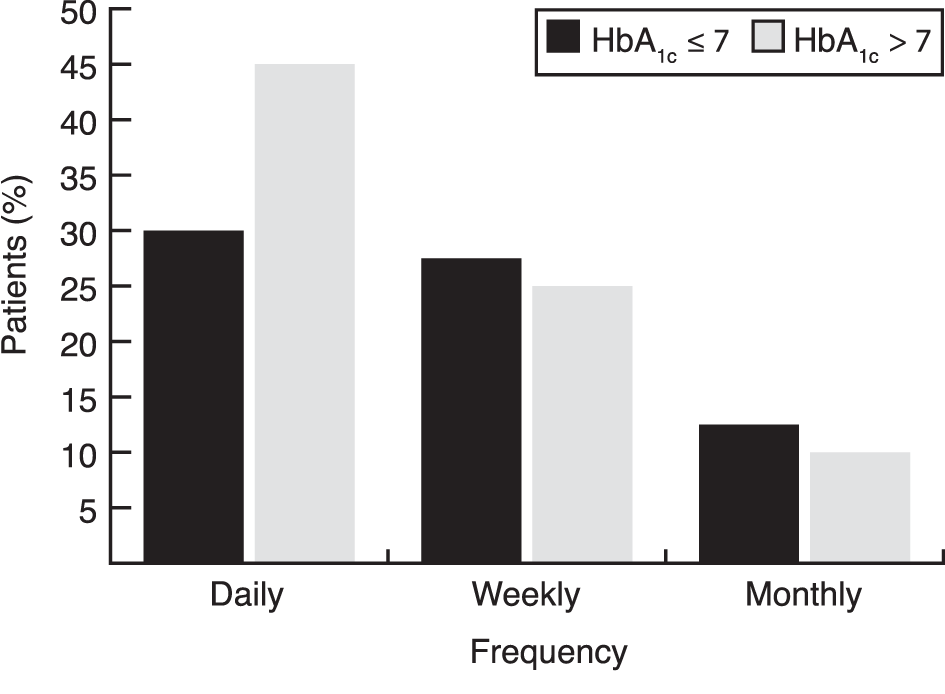
The frequency of patients self-monitoring their own feet is shown in
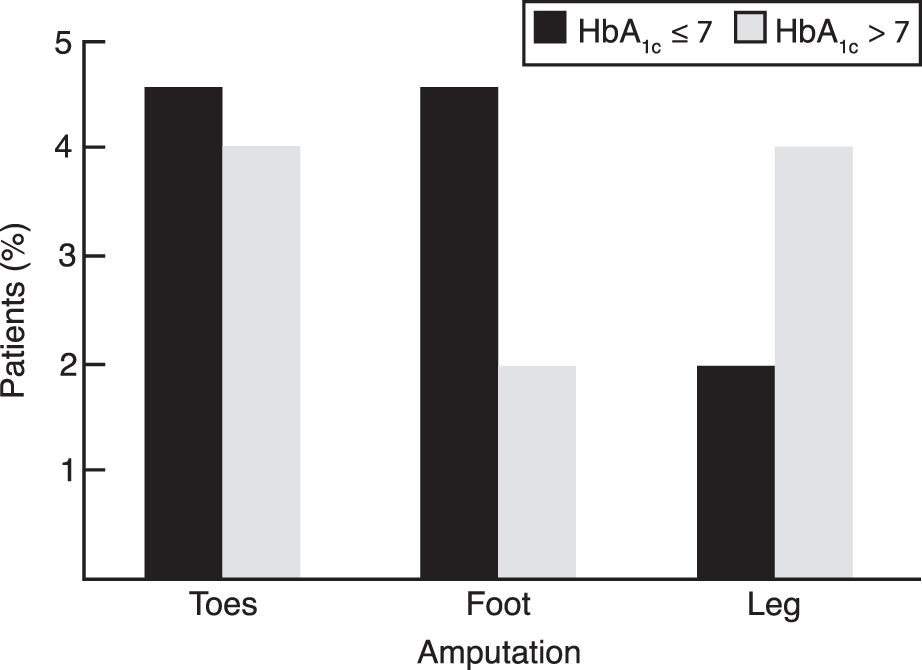
Figure 3. Thirty percent to 47% of patients admitted to checking their feet daily. Both groups had 5% amputations (
Fig. 4). Only 12% of each group admitted to having diabetic shoes, and almost half of them acknowledged that they acquired the shoes without seeing a podiatric physician.
Figure 3.
Frequency of self-monitoring of feet by blood sugar group. HbA1c, hemoglobin A1c.
Figure 3.
Frequency of self-monitoring of feet by blood sugar group. HbA1c, hemoglobin A1c.
Figure 4.
Amputation by blood sugar group. HbA1c, hemoglobin A1c.
Figure 4.
Amputation by blood sugar group. HbA1c, hemoglobin A1c.
The observed results reveal that the group with uncontrolled blood sugar levels had more eye, kidney, heart, and foot problems than the group with controlled blood sugar levels. However, statistically, patients with uncontrolled blood sugar levels had significantly more eye problems and loss of feeling in their feet only. These results are expected because the risk of organ damage increases in diabetic individuals with uncontrolled blood sugar levels.
Except for diabetic eye care, patients with uncontrolled blood sugar levels visited specialists more to seek preventive care. This is likely because these patients take their disease and its complications more seriously than those with controlled blood sugar levels. Visits for eye care are taken more seriously by patients in both groups because it is recommended and followed closely by the health insurance companies and primary care physicians. In diabetic foot care, the circumstances were somewhat different. Both groups had a high rate of foot problems, but not all of these patients were referred by their primary care physicians to a podiatric physician. Only 25% of these patients were wearing diabetic shoes.
Discussion
This research describes the results of a pilot study with a limited number of participants from North Carolina. The objective was to better understand the current status of the preventive care services for the complications of diabetes mellitus, especially regarding diabetic foot care. There have been studies in recent years that have concluded a need for comprehensive diabetic foot care to prevent the associated complications in diabetic patients.[
9-
15,
26-
28] However, those studies were based mostly on retrospective data. On the other hand, this study was a prospective study focused on the status of diabetic preventive care as well as comparing diabetic foot care with the other preventive care areas in diabetic patients with and without controlled blood sugar levels.
One of the essential conclusions from this study was that the rates of developing complications associated with diabetes mellitus were not low for patients with controlled blood sugar levels as commonly anticipated. Therefore, with or without controlled blood sugar levels, diabetic preventive care is important for all diabetic patients. The statistical analysis revealed that participants with uncontrolled blood sugar levels had higher rates for some of the preventive care services and complications of diabetes mellitus compared with those with controlled blood sugar levels. These results are expected because the risk of organ damage increases in diabetic patients with uncontrolled blood sugar levels. However, a study with a larger number of patients is necessary for a more definitive conclusion.
The present study revealed that the recommendations for diabetic eye care are followed by 93% of patients and that most of these patients admitted to having annual eye examinations. For patients with an eye problem, 9% were in the controlled blood sugar group and 19% were in the uncontrolled blood sugar group. Apparently, the recommendation of the clinicians and support through the insurance companies has been effective in the management of diabetic eye care.
In preventive diabetic renal and cardiac care, the data show a different outcome. Of patients seeing a nephrologist, 26% were in the controlled blood sugar group and 32% were in the uncontrolled blood sugar group. Of patients seeing a cardiologist, 38% were in the controlled blood sugar group and 49% were in the uncontrolled blood sugar group. The percentages for annual regular visits to these health-care providers were approximately half of the values for those who had only a single visit. For both kidney and heart issues, 14% of patients in the controlled blood sugar group and approximately 20% in the uncontrolled blood sugar group reported having complications. The incidence of these complications is likely much higher than for the prevalence of eye problems because the percentages of visits to cardiologists and nephrologists were significantly lower than those for ophthalmologists. It seems that medical professionals and insurance companies need to give more attention to these preventive diabetic care services. There should be recommendations for regular visits for patients with known risk factors for developing renal and cardiovascular diseases.
Regarding diabetic foot care, the study shows significant shortcomings. For patients seeing a podiatric physician, 32% and 38% had controlled and uncontrolled blood sugar levels, respectively. Less than half of these patients, 11% and 18%, respectively, saw a podiatric physician annually. Furthermore, 46% to 50% of the patients acknowledged having at least one foot problem. Obviously, a significant number of patients do not see podiatric physicians despite having foot complaints. Only 30% to 47% of patients admitted to checking their feet daily, and 21% to 33% of patients admitted to not checking their feet at all. Therefore, a significant number of patients do not check their feet on a regular basis, which puts them at greater risk for not catching the development of diabetic foot problems at an early stage. The percentages of patients with lower-extremity amputations were 5% in both of the blood sugar groups. Despite the high number of patients who had foot complaints, and some who even had an amputation in their lower extremity, only 12% of the patients wore diabetic shoes in both groups. In addition, almost half of the patients wearing diabetic shoes admitted that they acquired the shoes without seeing a podiatric physician. This finding also reflects the lack of adequate and proper diabetic foot care.