Next Article in Journal
Rupture of the Extensor Hallucis Longus Muscle Secondary to Repetitive Overuse in a Taekwondo Athlete. A Case Report
Previous Article in Journal
A Rare Case of Chondroblastoma with Revision After Graft Rejection. A Case Report
 
 
Journal of the American Podiatric Medical Association is published by MDPI from Volume 116 Issue 1 (2026). Previous articles were published by another publisher in Open Access under a CC-BY (or CC-BY-NC-ND) licence, and they are hosted by MDPI on mdpi.com as a courtesy and upon agreement with American Podiatric Medical Association.
Article

Hiking with Diabetes. Risks and Benefits

by
David W. Jenkins
1,* and
Alexander Jenks
2,†
1
Arizona Podiatric Medicine Program, College of Health Sciences, Midwestern University, 19555 N 59th Ave, Glendale, AZ 85308
2
Arizona School of Podiatric Medicine, Glendale, AZ
*
Author to whom correspondence should be addressed.
Dr. Jenks is now with West Houston Medical Center, Houston, TX
J. Am. Podiatr. Med. Assoc. 2017, 107(5), 382-392; https://doi.org/10.7547/15-219
Published: 1 September 2017

Abstract

Background: Exercise is highly beneficial for persons with diabetes. Similar to many other patients, those with diabetes may be reluctant to exercise given a lack of motivation and proper instruction regarding an exercise prescription. In general, medical providers are poorly equipped to develop an exercise prescription and furnish motivation. Attempts to find activities that not only provide effective aerobic challenges but also are enjoyable to participate in are fraught with difficulty. Hiking as a potential option for a safe and enjoyable activity is discussed, including the possible downsides. Methods: Multiple publications were reviewed using key words. Results: A review of the literature uncovered limited publications or controlled trials that discussed the use of hiking per se as an activity for the management of diabetes. Newer studies reviewing weightbearing exercise and diabetic polyneuropathy and those discussing the advantages of trekking poles for balance and proprioception are cited in support of the recommendation for hiking as an activity for those with diabetes. Conclusions: Exercise has been shown to substantially benefit individuals with diabetes, but convincing patients with diabetes to exercise is daunting. Hiking, unlike other, more tedious exercise programs, may be an exercise option that persons with diabetes might find enjoyable. Hiking may encourage balance training and reduced ground reaction forces. These benefits may be augmented by trekking poles, which may likewise counter the concerns of the uneven surfaces that present challenges to the hiker with diabetes.

Despite the profound advantages of exercise for the person with diabetes, significant participation in an exercise program is lacking. The reasons for this are many and are referenced herein. Likewise, many providers are poorly equipped not only to devise an exercise prescription but also to encourage and motivate their patients.
Nevertheless, providers must not only recommend an exercise prescription but also consider the patients’ needs for an achievable, safe, and enjoyable activity. One such activity may be hiking. This review looks specifically at hiking as an activity that some persons with diabetes could use to appreciate the many benefits that exercise provides while reducing some of the reported downsides of conventional exercise programs. Hiking as a viable exercise option is discussed, including the possible upsides and downsides. Note that some of the upsides of hiking can also have a detrimental or negative effect on the patient.

Exercise and the Patient with Diabetes

Exercise Is Good for Diabetes

Exercise has many physiologic and psychological benefits for patients with and without diabetes. Given the consensus that exercise is highly beneficial to individuals with diabetes [1,2,3,4], it stands to reason that health-care providers must do all they can to encourage and advise their patients in not only the substantial benefits but also the ‘‘how to’’ regarding the exercise prescription itself. Equally critical is the encouragement and follow-up for the said prescription.

Why Don’t Patients Exercise?

Despite the tremendous health benefits associated with activity, there is still formidable hesitation from patients with diabetes to participate in an exercise program. In fact, treatment compliance in type 2 diabetes mellitus populations is frequently suboptimal, ranging from 35% to 86% [5,6,7,8]. This lack of follow-through described in so many studies is also referred to as nonadherence to recommended treatment. Undoubtedly, physical and mental barriers exist that hinder patients from participating in an exercise prescription [9,10].

Hiking as a Solution

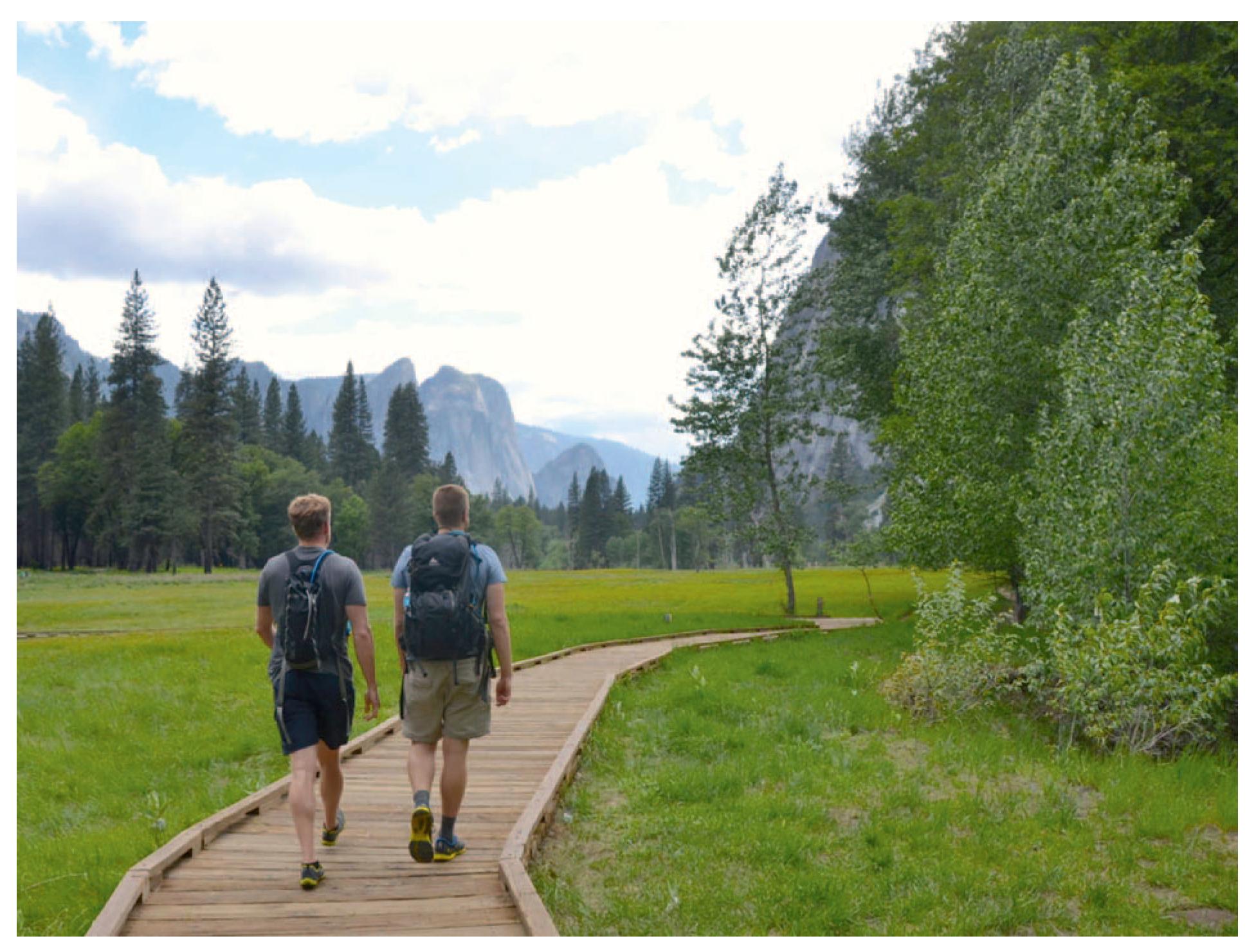
For the past several decades, outdoor activities such as hiking have seen a surge in popularity [11]. In 2013, nearly 50% of Americans participated in an outdoor recreational activity (12% for hiking) [12]. Naturally, this activity seems like a logical exercise intervention for the patient with diabetes, who may be limited in resources, time, and physical ability. Hiking boasts many health and intrinsic characteristics that make it an ideal activity for these patients, including metabolic, psychological, and balance benefits. Hiking is a lifelong activity that provides for adventure, scenic beauty (Fig. 1), exercise, and fun. Not only does it have a minute learning curve (easy to do), it is relatively inexpensive, has the capacity to be combined readily with other activities, is self-paced, is social in nature, and is low impact. Because many of the traditional exercise regimens are fraught with boredom, monotony, and repetition in unchanging locations, a possible solution may be hiking. An obvious caveat would be ready access to nearby hikable terrain.
What follows is an elaboration of potential benefits that make hiking a viable option for patients with diabetes to actively engage in if their personal interests and health permit it.

Benefits of Hiking: Physical

Hiking and Metabolic Benefits and Strengthening Capacity. Hiking is an activity that readily burns calories, metabolizing approximately 210 calories per 30 minutes in a 70-kg male. This is comparable with other reasonable activities, such as swimming (213 calories), golfing, cycling (305 calories), and running (351 calories) [13,14], Fattorini et al [15] compared the energy expenditure of treadmill walking (tennis shoes) and hiking (trekking boots) and found that greater energy demand takes place with hiking, and an approximate increase in the gradient to 3% on the treadmill simulates hiking.
If performed in hilly terrain, besides increasing the metabolic demand [16], hiking, predominantly aerobic, becomes, in part, a resistance exercise as one propels himself up and down hills. As many studies have concluded, combining aerobic and resistance activities seems to synergistically improve the benefits of exercise in terms of weight loss, increasing lean body mass, and reducing hemoglobin A1c (improved glycemic control) [17,18].
Low-Impact Surface. Hiking, unlike running, incorporates double-support periods in the gait cycle; thus, it would be considered a low-impact activity with smaller ground reaction forces. Impact is further reduced because hiking typically is performed on more forgiving dirt or natural terrain compared with running on asphalt or concrete [19]. Although hiking is easy on the musculoskeletal system (avoidance of the repetitive and excessive pounding seen while running on pavement), it still provides important physical challenges created by an irregular surface, which is believed to better train the musculature with ever-changing stresses to the musculoskeletal system, balance, and core, which is especially beneficial to those with diabetes. This effect, created by an irregular terrain, is elaborated on herein.
Irregular/Ever-changing Terrain. Proprioceptive and Balance Training. The nature of hiking literally takes one over ever-changing, irregular surfaces that are varied in all three planes of motion. This presents an obvious challenge to individuals with diabetic peripheral neuropathy (DPN) because they have a higher risk of falling and injury [20]. Paradoxically, this varied terrain may also lend an opportunity to train and, thus, upgrade the essential skills of balance and stability for patients with diabetes. Currently, several studies are evaluating the effectiveness of exercise and balance training for persons with DPN [21,22].
Indeed, Kendrick et al [23] reported that incorporating simple exercise reduces the fear of falling in older persons. Regarding individuals with distal polyneuropathy, other exercise regimens, both traditional and alternative, eg, Tai Chi, produce positive effects regarding balance [24,25]. We believe that hiking may provide similar benefits in the peaceful, learning-conducive environment that nature provides.
Lieberman, notable for his work on barefoot running, describes the greater variation seen on trails and the possible advantages due to the constantly changing surface [26].
Core Strengthening and Workload. Ambulation on irregular terrain may provide a greater training effect on the core compared with a flat surface [27,28]. Given that core strength is currently cited as a major factor in biomechanical dysfunction and sports medicine injury prevention and treatment, it follows that any activity that can strengthen the core would be beneficial along these lines [29]. It logically follows that improving core strength may help some in which core-related biomechanical dysfunction is a causative factor in the genesis of their ulcers [30]. Likewise, Voloshina and Ferris [16], although looking at running on uneven surfaces, found greater energy expenditure and mean muscle activity for those using uneven surfaces.
Reduced Repetitive Ground Reaction Forces. The constantly changing terrain may reduce consistent duplicating ground reaction forces that lend themselves to ulceration. This effect is not unlike the use of rocker-bottom shoes, which are effective by limiting the actual time the foot is subject to ground reaction forces and peak plantar pressures [31,32,33]. This concept is also in line with the premise that unchanging repetitive ground strikes on a uniplanar surface may contribute to injury because this surface may magnify any structural imperfections.
Reduced Hot Spots. Patients with diabetes and associated neuropathy are sometimes instructed to change shoes regularly so as to avoid consistent rubbing that might result in a hot spot, which could then possibly become an ulceration. Could the everchanging terrain have the effect of continuously altering the shoes’ contact points with the foot, thereby having a similar outcome? Indeed, Armstrong et al [34] found reduced ulceration rates in those whose activity had higher variability. Conversely, certain extremes of terrain might serve to create an unduly more forceful shoe-foot interaction. Neuropathic ulcers are often attributable to repetitive foot strikes whereby the foot is subjected to the same pressure in the same location over and over. Given that many of the clinical solutions rely on changing the pattern—rocker-bottom shoes, orthotic devices, etc—could the ever-changing surface in hiking provide a surface where the plantar pressure profile is never the same?
Heightened Awareness and Safety. Unlike mindless ambulation on a treadmill or sidewalk, hiking requires people with and without diabetes alike to use an increased level of awareness to impending terrain changes and obstacles. Spatial awareness is key to navigating hiking trails replete with numerous hazards, such as inconsistent surfaces, debris, and varying slopes. Through trial and error, hikers identify hazards on the trail and develop conscious and subconscious methods to identify and navigate through these obstacles. Hikers may, accordingly, improve their ability to maneuver through these ‘‘ever-changing’’ terrains. Because of the overlap in hiking and normal ambulation, it is proposed that people with diabetes may be able to transfer this increased level of balance and stability mindfulness cultivated on the trail to everyday walking, as other exercise modalities (eg, Tai Chi) may do [35].
Trails vary in all three planes and provide diverse consistencies and slopes that are unique with each step. Much like conventional sports practice, the act of hiking may unconsciously train muscles to efficiently and effectively respond to impending changes in these paths. The diverse contours of hiking trails are essentially a training field on which to practice the skills of balance. This may then be beneficial to patients with DPN. Learning this ‘‘muscle memory’’ may be contingent on many factors, such as the severity of one’s peripheral neuropathy, the amount and duration of practice, and the terrain that one ‘‘trains’’ on. This produces a reserve of muscle memory and skills that are above and beyond the normal techniques in everyday walking, and, hence, they can use these skills in their day-to-day life.
Weightbearing Exercise, Diabetic Polyneuropathy, and Ulceration. Historically, the paradigm for those with DPN is avoidance of weight-bearing exercise to prevent ulceration; therefore, providers have routinely counseled their patients with diabetes accordingly. Only as recently as 2003 has this belief been seriously challenged. Several recent studies have reported that an increased duration of daily weightbearing activity reduced the risk of foot ulcer, and the degree of activity was strongly related to a decreased risk of ulceration [34,36]. Likewise, individuals with DPN who had ulcerations were less active [37]. In 2006, Balducci et al [38] reported that long-term aerobic exercise training can prevent the onset or modify the natural history of DPN. In essence, what for many years seemed on the surface to be a risk of participation in hiking or similar weightbearing exercise may, indeed, actually be a benefit.
Currently, the state of evidence is that providers can, indeed, recommend weightbearing exercise for their patients with DPN who are not ulcerated and are carefully monitored. It seems that similar to athletes in general, the primary risk of weightbearing exercise in persons with diabetes is ‘‘too much-too soon-too fast’’ or high variability in the exercise process [1,34,39].

Benefits of Hiking: Psychological

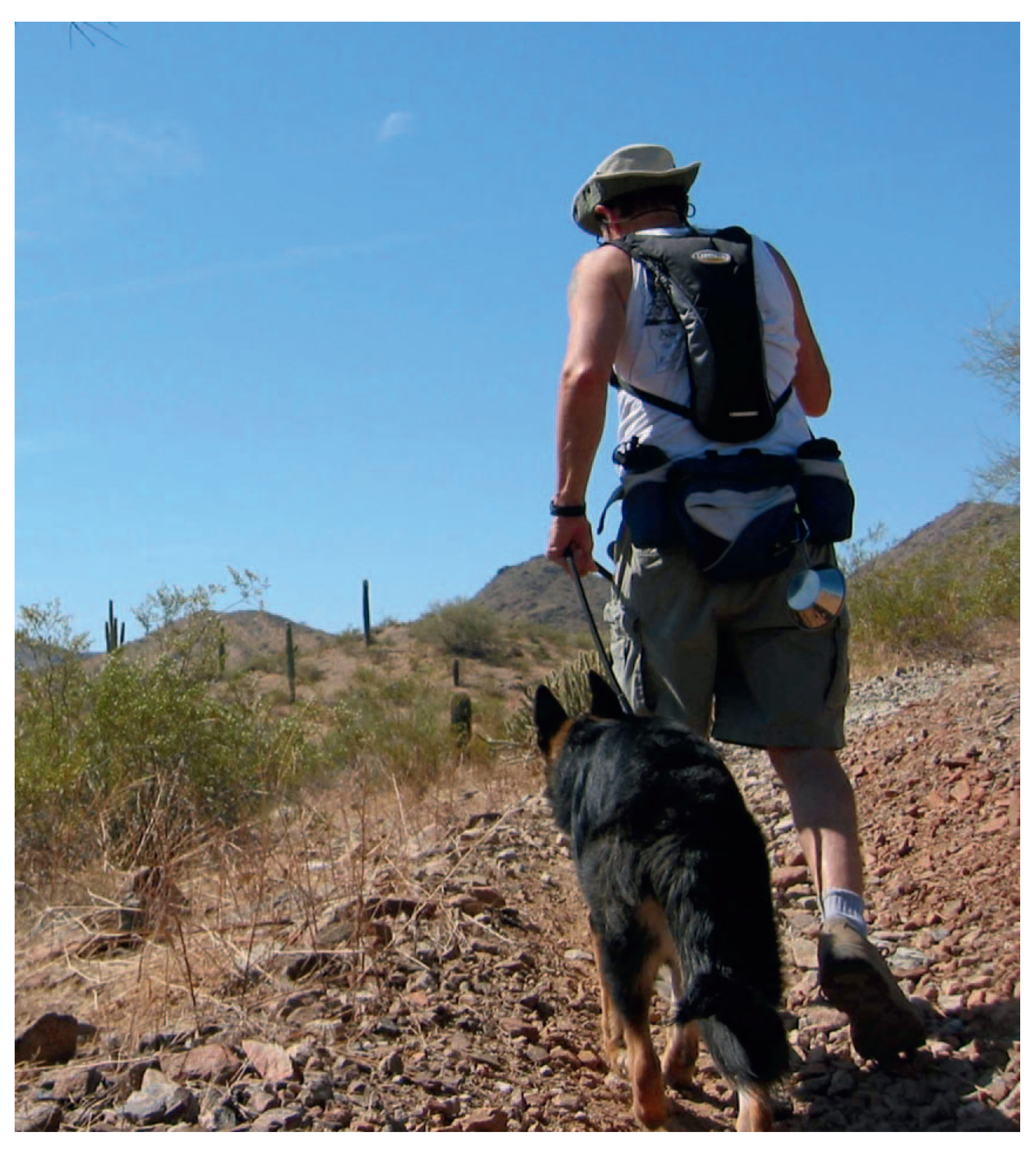
Hiking provides for ever-changing scenery, a sense of exploration, a time for internal contemplation, and an opportunity to build relationships with fellow hikers, all of which may promote positivity regarding exercise. The average hiker is likely to see many other people participating in the same activity, and there are indications that seeing other people exercise encourages more exercise [40,41]. The wilderness is a ready place to foster new friendships or strengthen current relationships, which may socially benefit the patient with diabetes, who may otherwise be hampered by a daily routine impaired by their illness. These social benefits do not have to be limited to within our species. Hiking is an ideal activity whereby hikers with diabetes and their canine pets can participate actively together [42] (Fig. 2).
A difficult aspect for many people participating in physical activity is dealing with monotony and boredom. Hiking is an activity that can be readily combined with other passions that may further interest the patient with diabetes, such as bird-watching, fishing, hunting, and orienteering, to name a few.

Hiking and Persons with Diabetes: Related Risks

Despite all of the possible advantages of hiking, there are numerous potential risks and associated difficulties. Interestingly, some aspects considered beneficial can be risks as well.
Environmental. Pebbles and organic material entering shoes is a minor annoyance for most hikers. For the hiker with DPN, coupled with the repetitive steps of hiking, these foreign objects are a significant threat to pedal health and can quickly lead to ulceration because hikers with diabetes may not be able to detect their entrance or irritation [43].
Scrub, branches, and rocks on the trail provide ample opportunity to injure the lower extremity while hiking. Lack of protective sensation due to DPN may increase this likelihood. Minor abrasions and cuts can provide portals for infection, a significant concern for patients with diabetes.
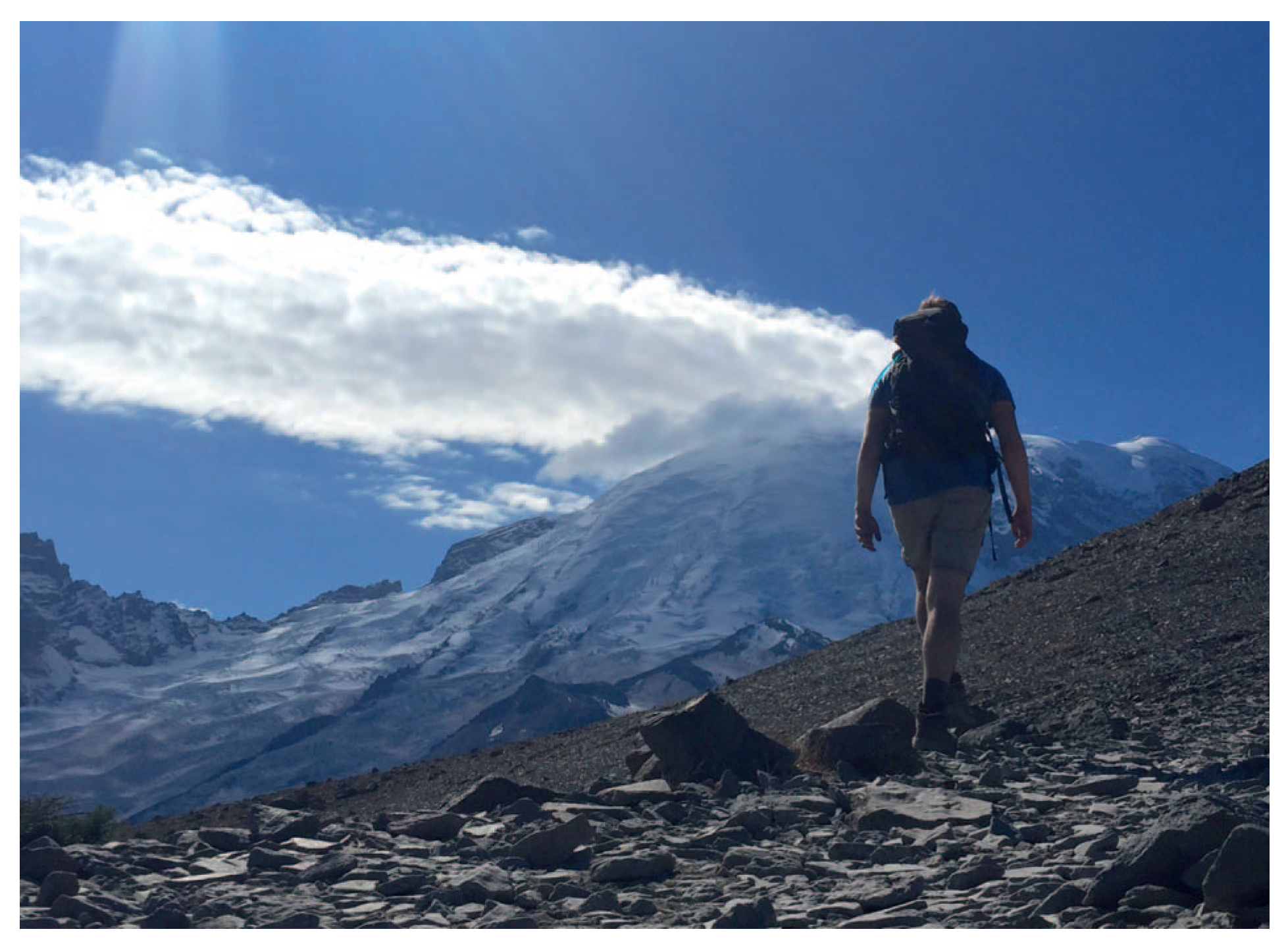
Altitude is a major concern for many hikers (Fig. 3). Altitude and its low oxygen pressure have idiosyncratic health concerns, which must be dealt with for the hiker with and without diabetes. Besides altitude sickness and related conditions, there is the potential that the additional factor of high altitude could complicate the status and management of diabetes-related illnesses. Although comorbidities and diabetes complications may be contraindications for traveling to the compromised, cold environment of high altitude, diabetes per se does not seem to increase the chance of altitude- related illness. De Mol et al [44] (p2411) state clearly, ‘‘Subjects with diabetes should not be discouraged from taking part in activities at altitude. Most likely, active and sensible subjects with well-controlled, uncomplicated diabetes will not experience major problems at high altitude, or even very high altitudes, provided that they take sufficient time to acclimatize.’’
Temperature extremes and climate can be a significant concern for hikers with and without diabetes. Besides hyperthermia and hypothermia, cold-related injuries, such as frostbite, all too easily can occur in the patient with DPN due to their intrinsic lack of protective sensation and inability to interpret cold temperatures as healthy patients would [45]. Similarly, insensitivity to extremes of heat or sun puts the hiker with diabetes at risk for burns if feet go unprotected.
Higher plantar pressures lead to and exacerbate tissue damage. This becomes a particular concern when hikers carry heavy packs. Unavoidably, this means a higher load, and, hence, higher plantar pressures [46]. Navigating vertical terrain, mountains, and hills can also cause increased plantar pressure. Many patients with type 2 diabetes mellitus may have underlying obesity that contributes to higher plantar pressures and, in fact, further compounds their medical condition. Although it is a legitimate concern that the very exercise that will decrease their obesity and, hence, their risk of ulceration may result in ulceration through increased plantar pressures, we believe that the benefits associated with hiking outweigh the risks of a sedentary status. Reduced perception of these increased pressures due to lack of protective sensation secondary to DPN must be considered as well.
DPN and Associated Concerns. A distinct challenge that hikers with diabetes face is DPN. Approximately 60% to 70% of patients with diabetes have mild to severe forms of neuropathy [47]. As discussed previously herein, past dogma discouraged persons with DPN from participating in weightbearing exercise to help prevent possible future ulceration. Although current evidence now promotes weightbearing exercise, those with DPN and their providers must remain vigilant in monitoring status. Experts caution that protections from ulceration offered by weightbearing exercise may be significantly individualized and warrant close monitoring [34].
Lack of protective sensation and the associated deficit in coordination and balance leading to fall risk is of significant concern for people with diabetes, especially when amplified with hazards in nature, such as terrain that is likely to be uneven and loose. If the hiker with diabetes loses balance and falls, the consequences can be potentially deadly in the wilderness, where help can take hours or days to arrive. The irregular surface can further exacerbate fall risk in those with compromised vision secondary to diabetic retinopathy. Deficits in proprioception and balance can be exacerbated by the use of packs, which can raise the center of gravity and contribute to falls even in healthy hikers.
There has recently been some insight into the distinct diabetic biomechanical gait features that may cause higher plantar pressure in diabetes. These observations have been described as ‘‘small roll and yaw motions of the body and yaw motion of the foot during midstance.’’ [48] (p413) These characteristics were related to sensory neuropathy diabetes duration, the weight of the patient, toe-gap force, and ankle range of motion. It goes without saying that podiatric physicians are integral to the detection and management of these biomechanical abnormalities in the hiker with diabetes.
Entrapment Neuropathy. Patients with diabetes have a one in three chance of developing an entrapment neuropathy [49]. In the lower extremity, these are common in the peroneal nerve, the lateral cutaneous nerve of the thigh, and the tibial nerve. In the upper extremity, these are prevalent in the median and ulnar nerves. One study demonstrated paresthesia in more than one-third of presumably otherwise healthy long-distance hikers on the Appalachian Trail hiking over 7 days [50], and another study reported it as the most common musculoskeletal injury found in hikers, noting a positive direct correlation with pack weight but not for footwear type [51]. Regarding long-distance hiking paresthesia, one study indicated tight pack and waist straps, particularly along the axillary fossa and the anterior iliac crest, and ill-fitting hiking boots as causes of bilateral ulnar, meralgia, and digital paresthesia, respectively [50].
Entrapment-induced paresthesia can reduce coordination, increase the likelihood of ulceration, and decrease proprioception [52]. Because persons with diabetes have an increased prevalence of preexisting entrapment neuropathies, special caution must be taken.

Getting Started: Clinical Recommendations

Despite all of the benefits associated with hiking, there are hazards that must be dealt with while on the trail. Therefore, what may initially be most important is a knowledgeable resource for this information. Ideally, the person making the recommendation for a hiking program (health provider) would be best but is not usually practical unless providers are hikers themselves. Being able to direct the patient to someone who can provide the necessary information is, therefore, crucial. What follows are some general recommendations for a safe and healthy undertaking of hiking by a patient with diabetes.

Gear and Equipment Choices

Hikers with diabetes should carry essential items into the field that are appropriate for the environment and climate. They should be conscious of weight to decrease plantar pressure. Some important considerations are listed in the following subsections, and providers may choose to enlist experienced specialists at outdoor gear shops to assist their patients in appropriate gear selection and use.
First Aid Kit. A properly stocked wilderness first aid kit, supplemented with diabetes-specific supplies, is a necessity for the hiker with diabetes.
Pants and Gaiters. Commonly, hikers wear pants and gaiters (fabric sleeves that shield the leg as well as the boot-pant interface) to reduce superficial injury to the lower extremity. Hikers with diabetes would especially benefit from this added protection [53].
Footwear. The use of appropriate shoes and orthoses can increase contact area with the foot and provide off-loading, which reduces plantar pressures and, hence, decreases the risk of ulceration for those with diabetes [54,55]. Similarly, wearing thick socks made from a material that wicks away perspiration, thus reducing the chance for hot spots and blisters, is critical. It goes without saying that suitable shoes/boots play a protective role as well.

Advice on the Trail

The following advice is, for the most part, good for anyone taking up hiking for fitness; for self-evident reasons, it can be especially vital for those with diabetes.
Hikers with diabetes should regularly check their shoes for foreign objects while in the field [43]. Because hiking in practice places one at an increased risk for acquiring pebbles or organic matter in one’s shoe, diabetic hikers need to have an increased vigilance to this threat. This may include avoiding situations entirely, such as sand dunes, where smaller particulate is present. Or it may involve using clothing, such as trail gaiters, as previously noted, to deter this threat.
Hikers with diabetes should always hike with a planned route and time that others who are not with them should know. A cell phone and cell coverage should ideally be within range at all times, which can provide an essential link to rescue and medical intervention in case of a medical emergency. The hiker with diabetes should strongly consider hiking with a partner who can assist if crises, such as diabetic ketoacidosis or diabetic hyperglycemic hyperosmolar syndrome, ensue. It would seem that due to the effects of exercise on blood sugar as well as the overall metabolic demand that a risk of hypoglycemia would be of even greater concern. Thus, constant attention to frequent high-energy snacks is imperative.
Hikers with distal peripheral neuropathy must take care not to hike on terrain that is outside of their proprioceptive and functional abilities regarding balance, including conditions that present unique challenges, such as ice, snow, and bush-whacking (off-trail hiking).
Hikers with diabetes may benefit from hiking slower and with smaller steps. This technique may reduce force and, thus, plantar pressures during the gait cycle while hiking [56].

Trekking Poles: a Remedy for the Downsides of Hiking?

Some of the potential downsides of hiking for those with diabetes are important and cannot be taken lightly. An irregular and constantly changing surface will challenge proprioception and balance, and although this surface may ultimately improve one’s balance via a training effect, the risk of falls is very real. One countermeasure to this concern may be the use of trekking poles.
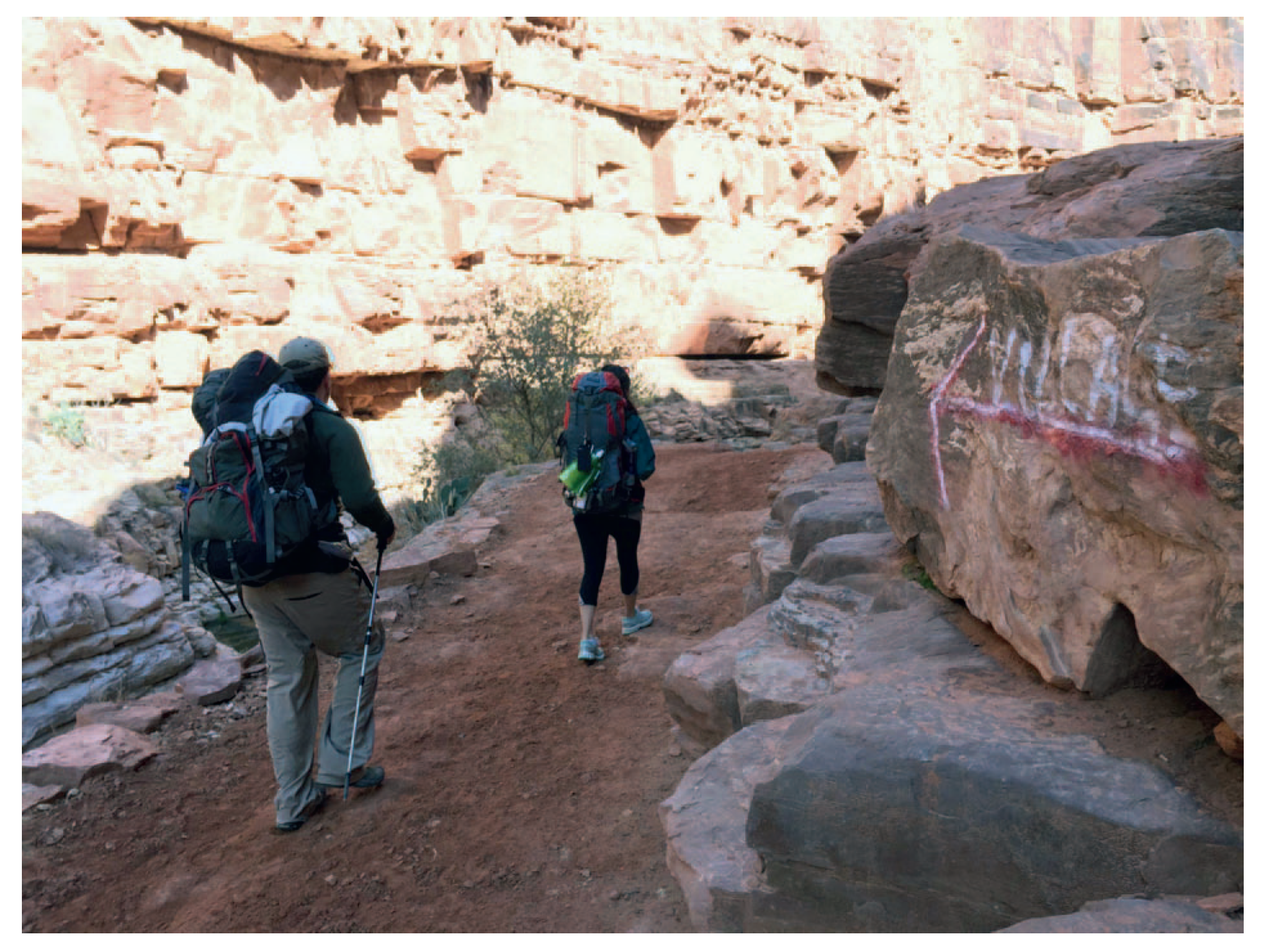
The use of singular wooden sticks for balance and propulsion was common on the trails of the past. Recently, there has been an upsurge in the use of high-tech bilateral trekking poles in the hands of fellow hikers, replacing the primitive wooden sticks of the past (Fig. 4).
Today’s trekking poles provide for more customization for the user, with options such as adjustable pole heights, built-in shock absorption, handles that match the comfort level of the user, and the use of materials that are light and sturdy [57]. With these adjustable features, hiking poles can be customized in length for the different heights of their users and the terrain they are encountering. But above all, the authors believe that trekking poles are an essential tool for the hiker with diabetes, and potentially for all patients with diabetic neuropathy, because they improve proprioception, reduce plantar pressures, and enhance balance.
Improved Balance. The use of trekking poles— not unlike canes and walkers—can provide bimanous tactile inputs (haptic cues) for the hiker with insensate feet [58]. As logical as this benefit may seem, some studies caution that canes and walkers can be a detriment to some not familiar with or competent in their use [59]. Nevertheless, trekking poles may represent a chance to reconnect with the consistency and texture of the ground beneath the hiker with diabetes, contingent on intact sensation in the hands to transmit these impulses. Slope angles may be difficult to judge with limited pedal sensation and eyesight alone, but trekking poles may provide a relative measure of distance and slant to oneself. Boonsinsukh et al [58] demonstrated that light touch cues obtained from a cane in patients after a stroke improved balance in the lower extremity. Similarly, hikers with diabetic neuropathy could use this new source of tactile input to determine proper foot placement moving forward and, hence, improve their balance and reduce fall risk [58,59,60].
Reduction of Joint Forces. The use of trekking poles results in reduced moments and power around the joints. This will not only help reduce the loading on the joints of the lower extremity [61,62] but will secondarily lead to a reduction of plantar pressures. The use of poles while hiking, particularly bilaterally, may significantly reduce plantar pressures. Recent studies examining this reduction note various techniques regarding the use of hiking poles. Hudson [63] measured the effect that walking with hiking poles had on plantar pressure distribution. It was discovered that plantar pressures in submetatarsal heads were significantly reduced (24%). No statistically significant reductions were seen in the heel or hallux, however. This was achieved maximally through a three-point pattern in which the tips of the poles were put in line with the leading foot [63]. Similarly, Perez-Soriano et al [64] observed a 21% to 32% reduction in metatarsal plantar pressure in nonexperienced hikers and a 50% reduction in central metatarsal plantar pressure in experienced hikers while using a Nordic walking technique (a hiking-like technique-specific activity in which trekking poles are used to propel the body forward). The authors surmised that Nordic walking could be beneficial for those with DPN [64]. As a comparison, callus removal decreases plantar pressure 25% to 30% [65], and the highly effective method of total-contact casting reduces plantar pressures up to 87% [66]. Similarly, Kavros et al [67] demonstrated that off-the-shelf rocker-bottom shoes with plastizote insoles reduced plantar pressures 50% at the metatarsal heads and 35% at the hallux, although plantar pressures increased at the midfoot nominally by 3%. Chang et al [68] demonstrated that accommodative orthotic devices reduced peak plantar pressures in older patients with metatarsalgia by 47.2% at the metatarsal heads. The reductions seen with the use of hiking poles are significant compared with other clinically and experimentally verified methods. Neither of these studies examines the effect of inclination or declination on plantar pressures. Further studies could determine what effect hiking poles, technique, and experience have over a course with vertical gain and loss. This is important for the hiker with diabetes because most hiking trails have some (hundreds of feet) if not substantial (thousands of feet) vertical gain. That being said, Hudson [63] speculates that the three-point method would be more suited to reduce vertical forces, whereas the Nordic walking technique, which has more horizontally placed poles, is better for forward propulsion. In light of these findings, it seems, at least intuitively, that hikers with diabetes, especially those with DPN, should routinely use hiking poles out of an abundance of caution to prevent ulceration on the trail.
Use of Arms. Another benefit of using trekking poles in hiking is that they bring into play the arms. This arm workout not only increases the metabolic load [69,70] but also provides a form of resistance exercise that has been found in studies to synergistically assist aerobic exercise in glycemic control [2,3]. Indeed, earlier studies reported this concept. However, Foissac et al [71] and Jacobson et al [72] reported that the extra work performed by the upper extremities reduces the work done by the lower extremities, thus negating any increase in overall energy expenditure.
Muscle Memory. Earlier discussion suggested that the irregular terrain and an associated increased awareness fostered improved muscle memory, which might be extrapolated into day-to-day activities. This improved muscle memory could very well be enhanced through the use of trekking poles given the increased number of contact points with the terrain. Conceivably, hikers could then challenge their feet and muscles to ‘‘learn’’ more difficult terrain than they would have without the use of poles.
Negation of Hiking Risks? Earlier herein it was noted that some of the benefits of hiking could likewise be risks. For example, the ever-changing slope that strengthens the core and helps train for improved balance may, indeed, instigate unsteadiness and falls. The simple process of increased ambulation, in this case hiking, increases repetitive foot strikes and, thus, repetitive plantar loading instances. Quite possibly, trekking poles may ameliorate these possible downsides of hiking in patients with diabetes.

Future Studies for Consideration

Balance and Postural Stability

Grewal et al [22] used an interactive virtual interface (sensor-based real-time visual feedback) from lower-extremity joints of persons with DPN as a means to improve balance and postural stability. They reported substantially improved postural balance in people with DPN. Using similar methods but instead of the high-technology feedback training protocol, the intervention would be a hiking program on irregular terrain versus a flat, unchanging surface. This protocol may be a way to assess whether, indeed, hiking can improve balance and postural stability—with and without trekking poles.

Reducing Fall Risk

Could it be that persons with diabetes who hike regularly are at reduced fall risk compared with those who do not? Further studies could elucidate whether hikers are more conscious of hazards in their walking pathways, and, if so, effective methods for the patient with diabetes to quickly learn these skills while hiking. Likewise, if, indeed, the aforementioned skills developed during hiking do, indeed, reduce falls and improve balance, could they be carried over to day-to-day ambulation?

Ground Reaction Forces

It would be interesting to see whether plantar pressures are reduced or changed during walking on a consistently changing terrain, that is, a trail. An important aspect of an irregular surface to assess is not just the change in simple ground reaction force but also the time the force is experienced and the variability of forces encountered. It is the authors’ opinion from personal and clinical experience that running on trails is, for some, a method to reduce or eliminate some of the common running afflictions. It seems that a homogenous surface magnifies structural/mechanical imperfections that might not be expressed on an ever-changing surface.

Core Strength

As noted previously herein, investigators have been able to determine that core strength can be improved with training on an unstable surface. The intervention used, however, was laboratory based. It would be valuable to learn that, indeed, hiking on an irregular surface likewise improved core strength. As an aside, those in sports medicine circles would be interested in whether trail runners enjoyed enhanced core strength over their flat surface counterparts.

Trekking Poles

Good studies have concluded that ambulation using trekking poles reduces ground reaction forces. However, no studies were found that evaluated the effect of terrain variation. It would be interesting to see whether a cohort of persons with diabetes who used trekking poles in walking exercise activities had a reduced rate of ulceration compared with a control group.

Conclusions

Exercise has been shown to substantially benefit individuals with diabetes. However, getting patients with diabetes to exercise is daunting due to many factors, such as tedium, low self-efficacy, lack of time, and lack of knowledge and confidence in the ability to perform a fitness activity. Hiking may be an exercise option that persons with diabetes might find enjoyable enough to push past the barriers to regular exercise. Hiking may be especially beneficial to those with diabetes because it may encourage balance training, reduce repetitive ground reaction forces and hot spots, and provide a lower impact surface and an improved cardiovascular and core workout. Hiking with trekking poles may further improve balance and proprioceptive awareness and lower plantar ground reaction forces. Hiking does, however, present unique general and podiatric medical challenges, such as an uneven surface and increased ambulation, that must be addressed for the hiker with diabetes. The possible risks of hiking by patients with diabetes may be countered with the use of trekking poles. Medical practitioners can play a fundamental role in the motivation of their patients with diabetes by providing clinical recommendations regarding the unique challenges and benefits of hiking.

Financial Disclosure

None reported.

Conflict of Interest

None reported.

References

  1. COLBERG, S.R.; ALBRIGHT, A.L.; BLISSMER, B.J. ET AL: Exercise and type 2 diabetes: American College of Sports Medicine and the American Diabetes Association: joint position statement: exercise and type 2 diabetes. Med Sci Sports Exerc 2010, 42, 2282. [Google Scholar]
  2. MANN, S.; BEEDIE, C.; BALDUCCI, S.; ET, A.L. Changes in insulin sensitivity in response to different modalities of exercise: a review of the evidence. Diabetes Metab Res Rev 2014, 30, 257. [Google Scholar] [CrossRef] [PubMed]
  3. ZANUSO, S.; JIMENEZ, A.; PUGLIESE, G. ET AL: Exercise for the management of type 2 diabetes: a review of the evidence. Acta Diabetol 2010, 47, 15. [Google Scholar] [CrossRef]
  4. GILLISON, F.B.; SKEVINGTON, S.M.; SATO, A. ET AL: The effects of exercise interventions on quality of life in clinical and healthy populations; a meta-analysis. Soc Sci Med 2009, 68, 1700. [Google Scholar] [CrossRef]
  5. CRAMER JA: A systematic review of adherence with medication for diabetes. Diabetes Care 2004, 32, 1218.
  6. MUMU, S.J.; SALEH, F.; ARA, F. ET AL: Non-adherence to life- style modification and its factors among type 2 diabetic patients. Indian J Public Health 2014, 58, 40. [Google Scholar] [CrossRef] [PubMed]
  7. FORHAN, M.; ZAGORSKI, B.M.; MARZONLINI, S. Predicting exercise adherence for patients with obesity and diabetes referred to a cardiac rehabilitation and secondary prevention program. Can J Diabetes 2013, 37, 189. [Google Scholar] [CrossRef] [PubMed]
  8. SALEH, F.; MUMU, S.J.; ARA, F. Non-adherence to self-care practices & medication and health related quality of life among patients with type 2 diabetes: a cross-sectional study. BMC Public Health 2014, 14, 431. [Google Scholar]
  9. BOOTH, A.O.; LOWIS, C.; DEAN, M. Diet and physical activity in the self-management of type 2 diabetes: barriers and facilitators identified by patients and health professionals. Prim Health Care Res Dev 2013, 14, 293. [Google Scholar] [CrossRef]
  10. THOMAS, N.; ALDER, E.; LEESE, G.P. Barriers to physical activity in patients with diabetes. Postgrad Med J 2004, 80, 287. [Google Scholar] [CrossRef]
  11. Most popular outdoor activities in the United States from 2009 to 2013, by number of participants (in millions). Statista Web site. Available online: http://www.statista.com/statistics/190202/number-of-participantsin-outdoor-activities-in-the-us-2009 (accessed on 16 September 2015).
  12. OUTDOOR INDUSTRY ASSOCIATION: 2013 Outdoor Recreation Participation Report. Outdoor Foundation Web site. Available online: http://www.outdoorfoundation.org/research.participation.2013.html (accessed on 20 July 2017).
  13. HARVARD HEART LETTER: calories burned in 30 minutes for people of three different weights. Harvard Health Web site. Available online: http://www.health.harvard.edu/dietand-weight-loss/calories-burned-in-30-minutes-of-leisure-and-routine-activities (accessed on 15 September 2015).
  14. CALORIES BURN CALCULATOR. Health Status Web site. Available online: http://www.healthstatus.com/calculate/cbc (accessed on 15 September 2015).
  15. FATTORINI, L.; PITTIGLIO, G.; FEDERICO, B. ET AL: Workload comparison between hiking and indoor physical activity. J Strength Conditioning Res 2012, 26, 2883. [Google Scholar] [CrossRef] [PubMed]
  16. VOLOSHINA, A.S.; FERRIS, D.P. Biomechanics and energetics of running on uneven terrain. J Exp Biol 2015, 218, 711. [Google Scholar]
  17. SIGAL, R.J.; KENNY, G.P.; BOULE´, N.G.; ET, A.L. Effects of aerobic training, resistance training, or both on glycemic control in type 2 diabetes: a randomized trial. Ann Intern Med 2007, 147, 357. [Google Scholar] [PubMed]
  18. JORGE, M.L.; DE OLIVEIRA, V.N.; RESENDE, N.M. ET AL: The effects of aerobic, resistance, and combined exercise on metabolic control, inflammatory markers, adipocytokines, and muscle insulin signaling in patients with type 2 diabetes mellitus. Metabolism 2011, 60, 1244. [Google Scholar] [CrossRef] [PubMed]
  19. DIXON, S.J.; COLLOP, A.C. BATT ME: Surface effects on ground reaction forces and lower extremity kinematics in running. Med Sci Sports Exerc 2000, 32, 1919. [Google Scholar]
  20. DEMOTT, T.K.; RICHARDSON, J.K.; THIES, S.B. ET AL: Falls and gait characteristics among older persons with peripheral neuropathy. Am J Physical Med Rehabil 2007, 86, 125. [Google Scholar] [CrossRef]
  21. CADORE, E.L.; IZQUIERDO, M. Exercise interventions in polypathological aging patients that coexist with diabetes mellitus: improving functional status and quality of life. Age (Dordr) 2015, 37, 9800. [Google Scholar]
  22. GREWAL, G.S.; SCHWENK, M.; LEE-ENG, J.; ET, A.L. Sensor-based interactive balance training with visual joint movement feedback for improving postural stability in diabetics with peripheral neuropathy: a randomized controlled trial. Gerontology 2015, 61, 567. [Google Scholar] [CrossRef]
  23. KENDRICK, D.; KUMAR, A.; CARPENTER, H. ET AL: Exercise for reducing fear of falling in older people living in the community. Cochrane Database Syst Rev 2014, 11, CD009848. [Google Scholar]
  24. QUIGLEY, P.A.; BULAT, T.; SCHULZ, B. ET AL: Exercise interventions, gait, and balance in older subjects with distal symmetric polyneuropathy. Am J Phys Med Rehabil 2014, 93, 1. [Google Scholar] [CrossRef] [PubMed]
  25. RICHARDSON, J.K.; SANDMAN, D.; VELA, S. A focused exercise regimen improves clinical measures of balance in patients with peripheral neuropathy. Arch Phys Med Rehabil 2001, 82, 205. [Google Scholar]
  26. Lieberman DE, Castillo ER, Otarola-Castillo E, et al: Variation in foot strike patterns among habitually barefoot and shod Runners in Kenya. PLoS One 2015, 10, e0131354.
  27. HAYNES W: Core stability and the unstable platform device. J Bodywork Movement Ther 2004, 8, 88. [CrossRef]
  28. CRESSEY, E.M.; WEST, C.A.; TIBERIO, D.P.; et al. The effects of ten weeks of lower-body unstable surface training on markers of athletic performance. J Strength Cond Res 2007, 21, 561. [Google Scholar]
  29. SATO, K.; MOKHA, M. Does core strength training influence running kinetics, lower-extremity stability, and 5000-M performance in runners? J Strength Cond Res 2009, 23, 133. [Google Scholar] [CrossRef]
  30. ESCULIER, J.F.; BOUYER, L.J.; ROY, J.S. The effects of a multimodal rehabilitation program on symptoms and ground reaction forces in runners with patellofemoral pain syndrome. J Sport Rehabil 2016, 25, 23. [Google Scholar]
  31. SCHAFF, P.S.; CAVANAGH, P.R. Shoes for the insensitive foot: the effect of a ‘‘rocker bottom’’ shoe modification on plantar pressure distribution. Foot Ankle 1990, 11, 129. [Google Scholar] [CrossRef]
  32. Kavros, S.J.; Van Straaten, M.G.; Coleman Wood, K.A. Forefoot plantar pressure reduction of off-the-shelf rocker bottom provisional footwear. Clin Biomech 2011, 26, 778. [Google Scholar] [CrossRef] [PubMed]
  33. WAAIJMAN, R.; DE HAART, M.; ARTS, M.L. ET AL: Risk factors for plantar foot ulcer recurrence in neuropathic diabetic patients. Diabetes Care 2014, 37, 1697. [Google Scholar] [CrossRef] [PubMed]
  34. Armstrong DG, Lavery LA, Holtz-Neiderer K, et al: Variability in activity may precede diabetic foot ulceration. Diabetes Care 2004, 27, 1980.
  35. LI, L.; HONDZINSKI, J.M. Select exercise modalities may reverse movement dysfunction because of peripheral neuropathy. Exerc Sport Sci Rev 2012, 40, 133. [Google Scholar] [CrossRef] [PubMed]
  36. LEMASTER, J.W.; REIBER, G.E.; SMITH, D.G.; et al. Daily weight-bearing activity does not increase the risk of diabetic foot ulcers. Med Sci Sports Exerc 2003, 35, 1093. [Google Scholar] [CrossRef] [PubMed]
  37. MALUF, K.S.; MUELLER, M.J. Comparison of physical activity and cumulative plantar tissue stress among subjects with and without diabetes mellitus and a history of recurrent plantar ulcers. Clin Biomech 2003, 18, 567. [Google Scholar]
  38. BALDUCCI, S.; IACOBELLIS, G.; PARISI, L. ET AL: Exercise training can modify the natural history of diabetic peripheral neuropathy. J Diabetes Complications 2006, 20, 216. [Google Scholar] [CrossRef]
  39. LEMASTER, J.W.; MUELLER, M.J.; REIBER, G.E.; et al. Effect of weight-bearing activity on foot ulcer incidence in people with diabetic peripheral neuropathy: Feet First randomized controlled trial. Phys Ther 2008, 88, 1385. [Google Scholar] [CrossRef]
  40. TROST, S.G.; OWEN, N.; BAUMAN, A.E.; et al. Correlates of adults’ participation in physical activity: review and update. Med Sci Sports Exerc 2002, 34, 1996. [Google Scholar] [CrossRef]
  41. O’DONOVAN, R.; KENNEDY, N. ‘Four legs instead of two:’’ perspectives on a Nordic walking-based walking programme among people with arthritis. Disabil Rehabil 2015, 37, 1635. [Google Scholar] [CrossRef]
  42. BOISVERT, J.A. HARRELL WA: Dog walking: a leisurely solution to pediatric and adult obesity? World Leisure J 2014, 56, 168. [Google Scholar] [CrossRef]
  43. CALHOUN, J.H.; OVERGAARD, K.A.; STEVENS, C.M. ET AL: Diabetic foot ulcers and infections: current concepts. Adv Skin Wound Care 2002, 15, 31. [Google Scholar] [CrossRef]
  44. DE MOL, P.D.; DE VRIES, S.T. DE KONING EJP, ET AL: Physical activity at altitude: challenges for people with diabetes. Diabetes Care 2014, 37, 2404. [Google Scholar] [CrossRef]
  45. LØSETH, S.; LBERG, E.; JORDE, R.; et al. Early diabetic neuropathy: thermal thresholds and intraepidermal nerve fibre density in patients with normal nerve conduction studies. J Neurol 2008, 255, 1197. [Google Scholar] [CrossRef] [PubMed]
  46. FRYKBERG, R.G.; LAVERY, L.A.; PHAM, H. ET AL: Role of neuropathy and high foot pressures in diabetic foot ulceration. Diabetes Care 1998, 21, 1714. [Google Scholar] [CrossRef]
  47. FAST FACTS: data and statistics about diabetes. American Diabetes Association Web site. Available online: http://professional.diabetes.org/ResourcesForProfessionals.aspx?cid¼91777 (accessed on 16 September 2015).
  48. AMEMIYA, A.; NOGUCHI, H.; OE, M. ET AL: Elevated plantar pressure in diabetic patients and its relationship with their gait features. Gait Posture 2014, 40, 408. [Google Scholar] [CrossRef]
  49. VINIK, A.; MEHRABYN, A.; COLEN, L. ET AL: Focal entrapment neuropathies in diabetes. Diabetes Care 2004, 27, 1783. [Google Scholar] [CrossRef] [PubMed]
  50. BOULWARE, D.R. Backpacking-induced paresthesias. Wilderness Environ Med 2003, 14, 161. [Google Scholar] [CrossRef]
  51. ANDERSON, L.S.; REBHOLZ, C.M.; WHITE, L.F. ET AL: The impact of footwear and packweight on injury illness among long-distance hikers. Wilderness Environ Med 2009, 20, 250. [Google Scholar] [CrossRef]
  52. NICKERSON, D.S. Low long-term risk of foot ulcer recurrence after nerve decompression in a diabetes neuropathy cohort. JAPMA 2013, 103, 380. [Google Scholar] [CrossRef]
  53. TISCHLER S: Gaiters: how to choose. REI Web site. Available online: http://www.rei.com/learn/expert-advice/gaiters.html (accessed on 14 August 2014).
  54. MOHAMED, O.; CERNY, K.; JONES, W. ET AL: The effect of terrain on foot pressures during walking. Foot Ankle Int 2005, 26, 859. [Google Scholar] [CrossRef]
  55. FERNANDEZ, M.L.; LOZANO, R.M.; DIAZ, M.I. ET AL: How effective is orthotic treatment in patients with recurrent diabetic foot ulcers? JAPMA 2013, 103, 281. [Google Scholar] [CrossRef]
  56. SCHAWMEDER, H.; LINDERNHOFER, E.; MULLER, E. Effect of walking speed on lower extremity joint loading in graded ramp walking. Sports Biomech 2005, 4, 227. [Google Scholar] [CrossRef] [PubMed]
  57. Trekking poles and hiking staffs: how to choose. REI Web site. Available online: http://www.rei.com/learn/expertadvice/trekking-poles-hiking-staffs.html (accessed on 3 September 2014).
  58. BOONSINSUKH, R.; Panichareon, L.; Saengsirisuwan, V.; et al. Clinical identification for the use of light touch cues with a cane in gait rehabilitation poststroke. Top Stoke Rehabil 2011, 18, 633. [Google Scholar]
  59. BATENI, H. MAKI BE: Assistive devices for balance and mobility: benefits, demands, and adverse consequences. Arch Phys Med Rehabil 2005, 86, 134. [Google Scholar] [CrossRef]
  60. ROEGGLA, M.; WAGNER, A.; MOSER, B. ET AL: Hiking sticks in mountaineering. Wilderness Environ Med 1996, 7, 258. [Google Scholar] [CrossRef]
  61. BOHNE M, ABENDROTH-SMITH J: Effects of hiking downhill using trekking poles while carrying external loads. Med Sci Sports Exerc 2007, 39, 177. [CrossRef]
  62. KNIGHT, C.A.; CALDWELL, G.E. Muscular and metabolic costs of uphill backpacking: are hiking poles beneficial? Med Sci Sports Exerc 2000, 32, 2093. [Google Scholar] [CrossRef] [PubMed]
  63. HUDSON D: The effect of walking with poles on the distribution of plantar pressures in normal subjects. PM R 2014, 6, 146. [CrossRef] [PubMed]
  64. PEREZ-SORIANO P, LLANA-BELLOCH S, ENCARNACION-MARTINEZ A, ET AL: Nordic walking practice might improve plantar pressure distribution. Res Quart Exerc Sport 2011, 82, 593.
  65. PITEI, D.L.; FOSTER, A.; EDMONDS, M. The effect of regular callus removal on foot pressures. J Foot Ankle Surg 1999, 38, 251. [Google Scholar] [CrossRef]
  66. CAVANAGH PR, BUS SA: Off-loading the diabetic foot for ulcer prevention and healing. JAPMA 2010, 100, 360. [CrossRef]
  67. Kavros, S.J.; Van Straaten, M.G.; Coleman Wood, K.A.; et al. Forefoot plantar pressure reduction of off-the-shelf rocker bottom provisional footwear. Clin Biomech 2011, 26, 778. [Google Scholar] [CrossRef]
  68. CHANG, B.C.; LIU, D.H.; CHANG, J.L.; et al. Plantar pressure analysis of accommodative insole in older people with metatarsalgia. Gait Posture 2014, 39, 449. [Google Scholar] [CrossRef] [PubMed]
  69. PORCARI, J.P.; HENDRICKSON, T.L.; WALTER, P.R. ET AL: The physiological responses to walking with and without Power Poles on treadmill exercise. Res Q Exerc Sport 1997, 68, 161. [Google Scholar] [CrossRef] [PubMed]
  70. RODGERS, C.D.; VANHEEST, J.L.; SCHACHTER, C.L. Energy expenditure during submaximal walking with Exer- striders. Med Sci Sports Exerc 1995, 27, 607. [Google Scholar] [CrossRef] [PubMed]
  71. FOISSAC, M.J.; BERTHOLLET, R.; SEUX, J. ET AL: Effects of hiking pole inertia on energy and muscular costs during uphill walking. Med Sci Sports Exerc 2008, 40, 1117. [Google Scholar] [CrossRef] [PubMed]
  72. JACOBSON, B.H.; WRIGHT, T.; DUGAN, B. Load carriage energy expenditure with and without hiking poles during inclined walking. Int J Sports Med 2000, 21, 356. [Google Scholar] [CrossRef] [PubMed]
Figure 1. Hiking in a scenic environment.
Japma 107 00382 g001
Figure 2. Hiking with a canine companion.
Japma 107 00382 g002
Figure 3. Hiking at a high altitude.
Japma 107 00382 g003
Figure 4. Trekking poles used on the trail.
Japma 107 00382 g004