There is a continuous evolution of medical education as it tries to keep pace with an explosion of medical knowledge. The impact of technology can also be overwhelming, but it should not overshadow the clinical training of the individual. A well-trained medical practitioner should be the key to unraveling the patient mystery. To enhance the training of the medical practitioner, the use of standardized patients (SPs) has become a staple of most medical curricula in the United States. The SP technique was first developed by Dr. Howard Barrows while working as a neurology resident at the New York Neurological Institute in 1963. He later refined his technique while working at the Los Angeles County Hospital, McMaster University, and Southern Illinois University.
The actor-patients used in this new and innovative teaching program were initially referred to as
programmed patients, later as
simulated patients, and more recently as
standardized patients. [
1] In general conversation, the terms
simulated patients and
standardized patients are used somewhat interchangeably; however; the move is toward use of the latter. The label of SP highlights the fact that the actor-patient’s role can be made the same for each student encounter. [
2] Using SPs can be very helpful in communication skills development, interpersonal development, and reflective practice. [
3] Teaching in this style has been found to be a more effective use of time and faculty. [
4,
5] A key feature of SPs is that unlike real patients, SPs can be available at any time and in any setting. [
1]
In the past 20 years, this teaching technique has gained increasing popularity in many medical schools worldwide. In the United States, use of the SP program was greatly accelerated with the backing of the American Association of Medical Colleges at a 1992 Consensus Conference on the Use of Standardized Patients in the Teaching and Evaluation of Clinical Skills. [
2]
The SP is much more than a role player. A role player may be someone who, with little or no warning, is given a situation to act out. The SP has spent considerable time studying the attributes of his or her character and generally comes to embody the nature of the character. The SP’s presentation is much more controllable and reproducible.
In the medical community, there is agreement that appropriate communication is essential for developing a new clinician and that poor communication skills may be a predictor of future malpractice. [
6] Patients may sometimes resort to legal action if they think that their doctors do not care; therefore, it is vital that doctors be able to illicit a full patient history and then convey their treatment plan clearly to their patients.
An SP program that is well designed and efficiently run should catch students at high risk of failing a patient-physician clinical-type examination. [
7] If a problem is identified with a particular student, more time can be spent with this individual in a supplementary curriculum. This earlier intervention can help improve that student’s communication skills and in the long term perhaps make it less likely that this individual will be guilty of malpractice in the future.
A 10-year review by May et al [
8] concluded that SPs are used most commonly for teaching communication skills, followed by clinical skills. Most studies they reported saw positive changes in knowledge skills or attitudes of the learners. They were critical of the teaching modality because they said few of the reports demonstrated behavioral changes in the learners. [
8] It seems that in some cases it takes a more intensive approach to produce a true behavioral change in the young practitioner. An exception to this conclusion is the 1996 study by Vannatta et al, [
9] which concluded that SPs could be used to change the behavior of its learners.
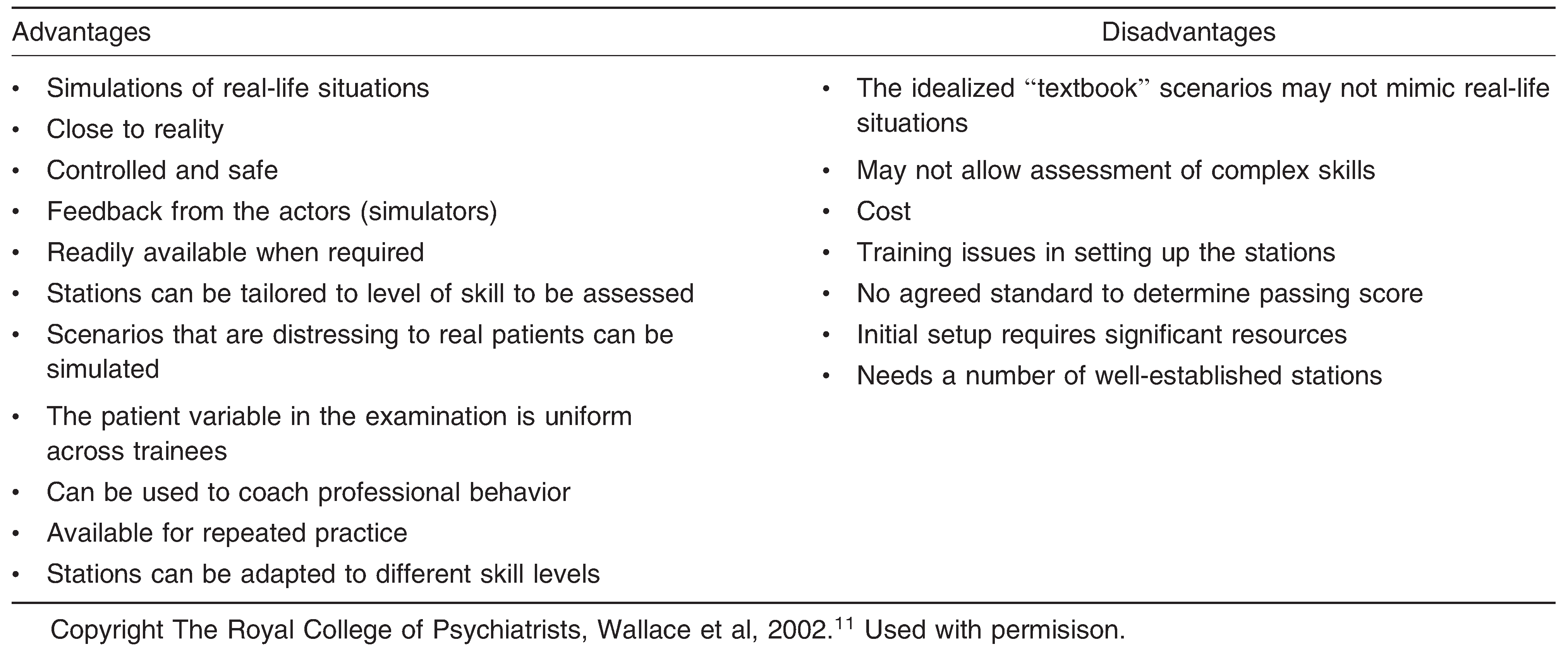
In many medical schools, the SP program has become an integral part of the objective structured clinical examination (OSCE). The OSCE was pioneered by Harden and colleagues in 1975. Before this, students were evaluated through a full examination, but the OSCE allows for a specific competency using a shorter encounter. [
10] The OSCE is becoming a standard in medical education; some of its advantages and disadvantages as outlined by Wallace et al [
11] are given in
Table 1.
As listed in
Table 1, there are many positives to the SP program for OSCEs, but some further negatives have to be considered as well. After some actor-patients develop a particular character, there may be a reluctance to tamper with that character so that after some time that teaching session may become repetitive or outdated. Actor-patients may occasionally overact so that their character may be too depressed or too hopeless. The actor-patients may draw from their personal experience and inappropriately embellish their role outside the scope of the patient role. [
12]
In 1976, SPs were first used to screen practicing physicians when they were sent into the offices of physicians in Manitoba, Canada. The first use of SPs in a licensure examination was by the Medical Council of Canada in 1993. Then, in 1998, SPs were first used by the Educational Commission for Foreign Medical Graduates. [
10] These examples illustrate that the use of SPs works equally well for the evaluation of recent medical graduates as it does for seasoned practitioners.
The SP Program at Kent State University College of Podiatric Medicine
The Kent State University College of Podiatric Medicine (KSUCPM; formerly the Ohio College of Podiatric Medicine) is a private 4-year specialty medical college located in Independence, Ohio. The college began in 1916 in downtown Cleveland, Ohio, and has since produced more than 5,000 graduates. Students graduate with the degree of Doctor of Podiatric Medicine (DPM). The curriculum parallels that of the MD or DO but has a much greater emphasis on the lower extremity.
Podiatric medicine is the medical specialty that deals with the medical and surgical care of the human foot and ankle. Within this specialty, a few practitioners choose to pursue further subspecialties, such as diabetes care, traumatology, biomechanics and sports medicine, pediatrics, and surgery. The training of all podiatrists or podiatric physicians continues to evolve and mirror that of the MD or DO to a higher and higher degree. A useful tool in the education of a new podiatrist or podiatric physician is the use of SP training.
An SP, as mentioned earlier, is an individual who is highly trained to portray a particular patient history, physical findings, and emotional mood. Actor-patients have come from a variety of backgrounds; some have a theater background, others are from allied health fields, and some come from the general community. Many actor-patients are paid, but a certain number just volunteer. The actor-patients used at KSUCPM have primarily come from the community. They tend to be people who have a strong desire to work with students and want to give back to their community. They work diligently with the second-year students to improve the students’ interviewing skills.
An SP program has run successfully at KSUCPM for approximately 12 years. The college has a dedicated SP clinic consisting of seven simulated patient treatment rooms equipped with cameras and recording devices. The KSUCPM has found major benefits to using SPs. It reduces the risk that a real patient will be harmed because of the inexperience of the student. It seems from observing their behavior that many beginning students fear harming their patients. The SP experience either introduces the student to the patient experience or complements the limited experience that they may have had in the clinic to that point, particularly for second-year students. It is a safe venue for students to practice.
In the second-year rotation, students practice history taking, generally of lower-extremity pathologic abnormalities. Some of the key points emphasized in these sessions are open-ended questioning, maintaining eye contact, probing issues that patients may hint at, offering reflective remarks, and checking for accuracy about the information that the patient has given.
In addition, the SPs complete a written assessment of the interview immediately after the end of the encounter. The actor-patients are valuable as collaborators and educators rather than simply being vehicles for assessment. Evidence exists that the SP technique can be used to teach the competencies of professionalism and communication skills as measured by the OSCE tool. [
13]
At the conclusion of the session, there are expectations that the student will have achieved certain milestones. They should have successfully obtained an accurate history of an SP in a logical order and demonstrated an understanding of the basic principles of accurate history writing. The students use topics that occur during the SP interview and medical record writing to generate learning issues. They can review these learning issues, which are used to increase the students’ knowledge of interpersonal skills and legal issues involved in patient records. To illustrate the relevance of what is noted in patient medical records or what is conveyed to the patient in conversation, some actual examples of malpractice cases are reviewed.
The course is graded as pass/fail rather than as an alpha-numeric grade. It is clearly conveyed to the student that this course in no way is an end but merely the beginning of what should become a style of practice that will last an entire professional career. The feedback obtained in the SP format is formative because it serves to improve clinical performance rather than summative judgment. [
14]
At KSUCPM, the SP rotation is administered through the Department of General Medicine. The SP rotation is not viewed as a course in isolation but as part of a more comprehensive educational program. The interviewing skills that students initiate in their second year are complemented with patient examinations in their third year. Third-year students practice performing a general physical examination on SPs. The students usually examine a different body system each week. These examinations are then reviewed and evaluated by the course coordinator, who is a professor of general medicine. At the end of the fourth year, students must perform a full physical examination on the SP to the satisfaction of the course facilitator. This is a requirement for graduation. It also serves as an excellent review before the student commences residency training, which will require some proficiency in conducting physical examinations of medical patients.
The use of SPs at KSUCPM will continue to grow as it will in the field of podiatric medicine in general. The growing SP rotation at KSUCPM will join a diverse group of institutions that use SPs for evaluation of their students and graduates. The former Educational Commission for Foreign Medical Graduate’s Clinical Skills Assessment, the United States Medical Licensing Examination Step 2 Clinical Skills, the National Board of Osteopathic Medical Examiner’s Comprehensive Osteopathic Medical Licensing Examination Performance Evaluation, and the Medical Council of Canada’s Qualifying Examination Part II are just some of the organizations using SPs. [
15] The American Podiatric Medical Licensing Examination is seriously considering instituting a clinical skills examination. This examination would be analogous to the OSCE. The objective of the examination would be to assess the evaluation of patient interaction and documentation skills. A pilot study in early 2012 would be the first step. The hope is that a positive result from that study would lead to the establishment of a new component to the American Podiatric Medical Licensing Examination in 2013.
The use of SPs will prepare the students at KSUCPM for any future clinical examination scenario. Students who are graduates of the KSUCPM program will be comfortable with this format of testing and are more likely to embrace it. The use of medical simulation can be effective for evaluating a candidate’s personal qualities and attributes, not just their procedural skills. [
14] It does not take a significant amount of time for the SP program to show its value. A study has shown that even a 6-hour interactive curriculum can teach the competencies of professionalism and communication skills as an OSCE tool. [
13]
Objective
The objective of this study is to evaluate the effectiveness of the SP rotation at KSUCPM. The students are able to hone their skills on actor-patients before they have the opportunity to interview real patients in the clinics of the Cleveland Foot and Ankle Institute. The Cleveland Foot and Ankle Institute is the name of the clinics associated with KSUCPM, located in Cleveland and Independence.
The SP rotation should be viewed as much more than a drill of known facts but as a means of truly changing the outlook of the participating student. The survey by Austin et al [
16] found that when actor-patients were given some latitude to be creative in the portrayal of their cases, the students identified the experience as important in assisting them to become competent, caring practitioners.
The SPs are truly the heart and soul of the program. The SP rotation starts with students waiting in a conference room. Students report to a treatment room to interview one of the SPs. The student interviews initially were recorded on VHS tapes. In the past 6 years, the interviews have been recorded onto DVDs and, most recently, onto the hard drive of the recording unit. There are seven treatment rooms that are set up exactly like those that a student would encounter in the clinics of the Cleveland Foot and Ankle Institute.
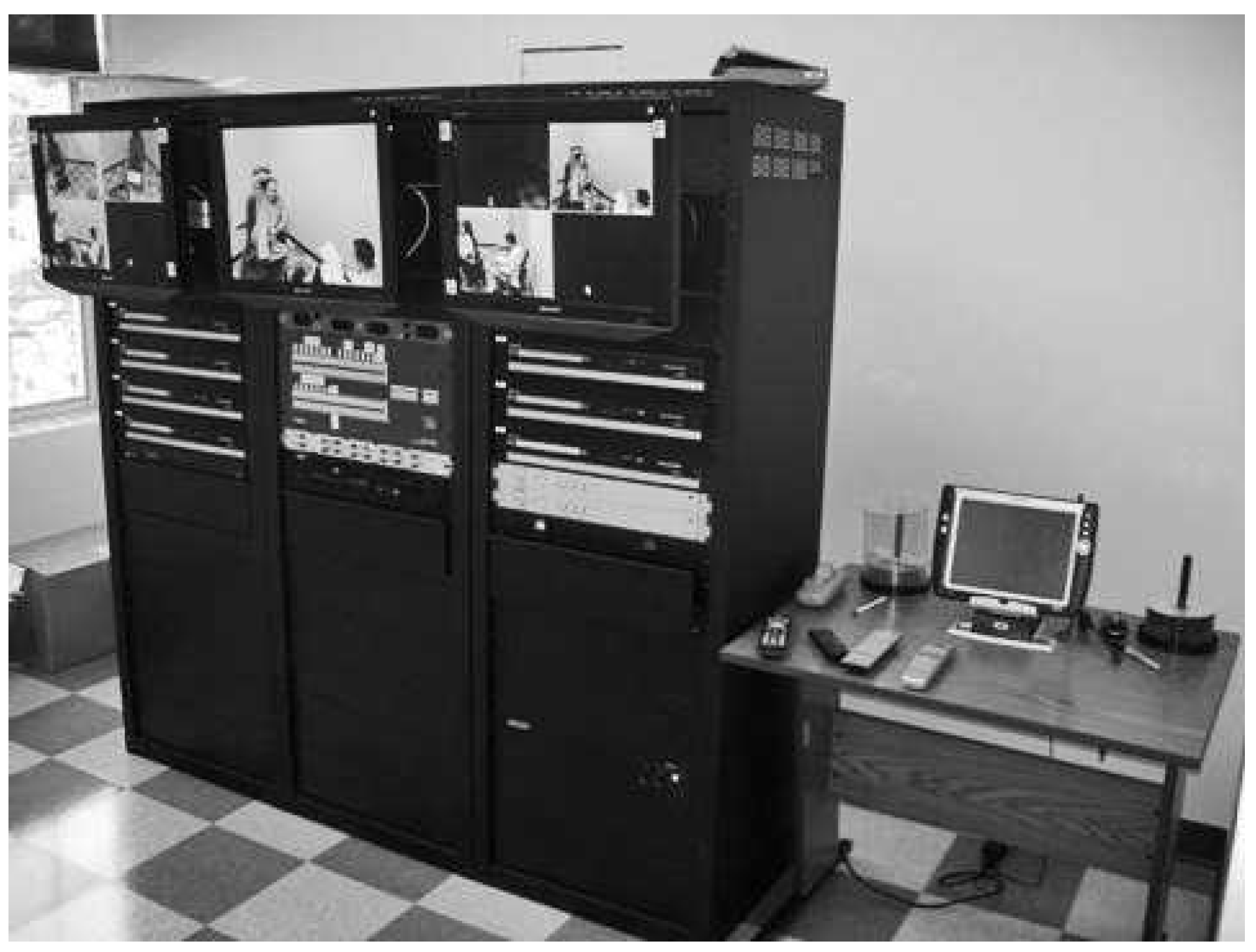
The technology used in the SP rotation continues to advance. The student interviews are now saved onto the hard drive of the equipment rather than onto DVDs. The controls are then transferred to an iPad (Apple, Cupertino, California), which allows the course facilitator to leave the control room and sit with the students in the conference room. A view of the control room with the remote control pad sitting on a table is seen in
Figure 1. The individual interview rooms in the SP area are modeled after the treatment rooms in the Cleveland Foot and Ankle Institute. The objective is to make the interviewing experience as real as possible.
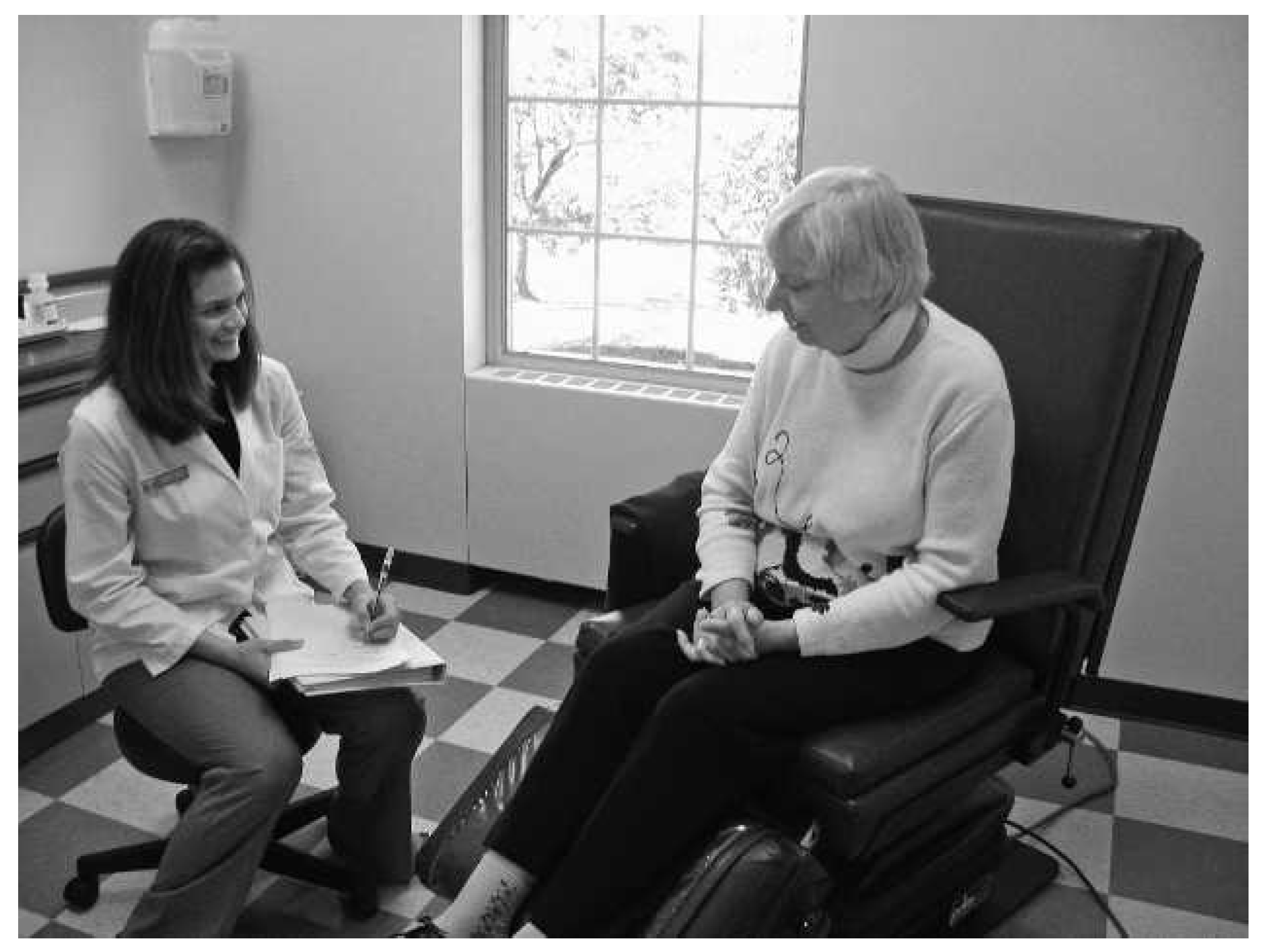
Figure 2 shows an interview in progress.
The class sizes at KSUCPM have grown in recent years, leading to growth in the size of the rotation groups. The current groups range from 14 to 20 students who need to have their interviews recorded. In the past, while the facilitator was in a small control room monitoring students in the examination rooms, the remaining students were in the conference room waiting to conduct their interviews. There seemed to be underused time at this point. After each interview, the SPs took several minutes to write their assessment of the student who just left the room. The next student waited in the main conference room or in the hallway until this process was completed. After conducting their interviews, the students wrote a medical note summarizing the key points of the patient interview.
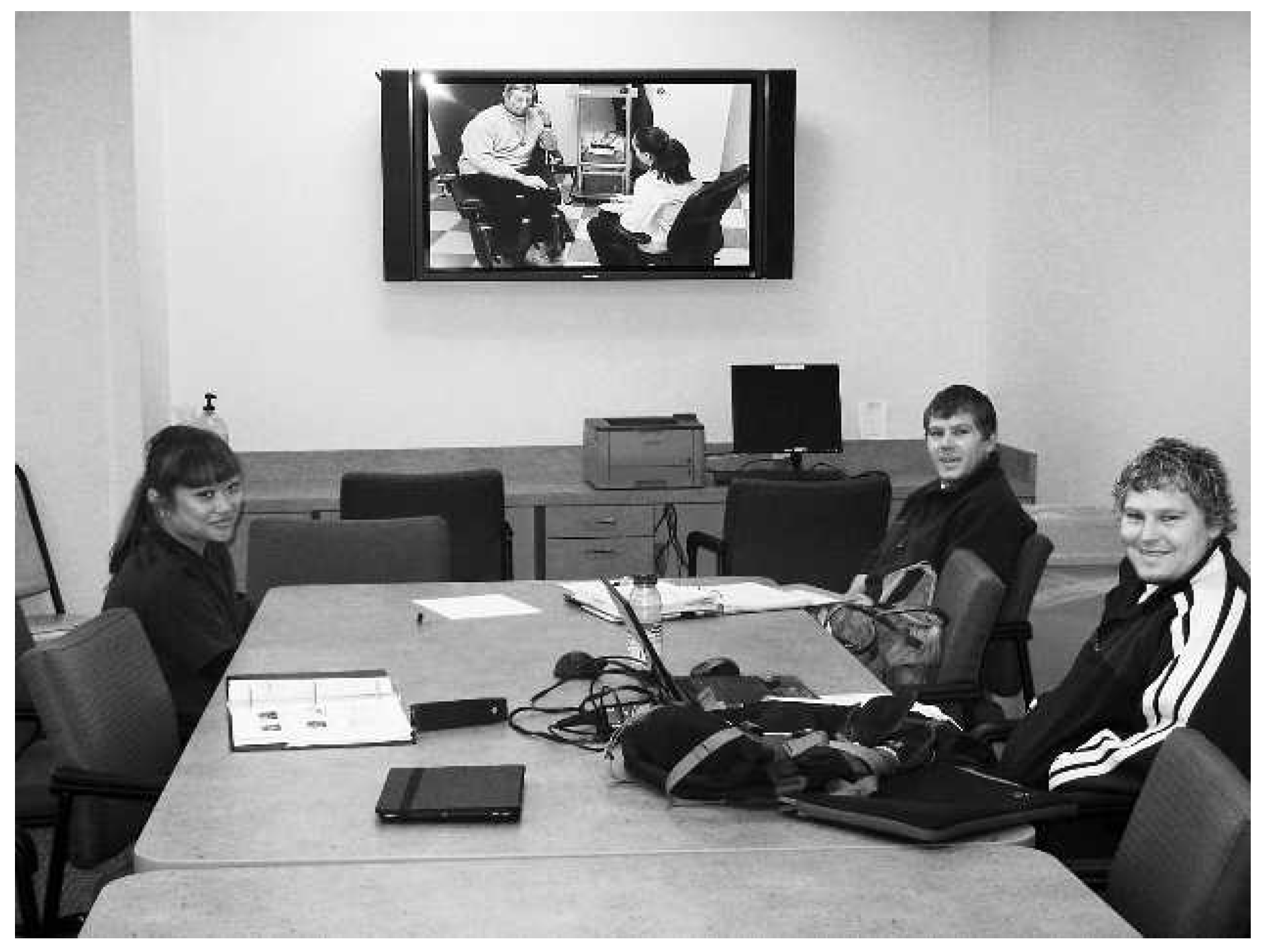
It is difficult to give a precise amount of time that a particular student would have to wait because the patient histories vary from week to week. Some patient histories are more involved and, therefore, it takes more time to go through the interview. The students also vary significantly on how quickly they can elicit the necessary information. Currently, they are being allowed as much time as they need to conduct the interview. Although most students conduct this history taking in 10 to 12 minutes, extremes were found in the class being surveyed. During the 2009–2010 academic year, one student routinely completed the interview in 5 to 6 minutes, and another averaged 28 to 30 minutes. If there were only two SPs and each was being interviewed an average of 5 times per hour, then the last student entered the interview room approximately 2 hours after the rotation started. At the start of the 2010–2011 academic year, the number of SPs was increased from two to three. With three SPs, the waiting time in the conference room is much less. Several students are seen reviewing a past interview in the conference room in
Figure 3.
The budget for the SP rotation at KSUCPM has been increased, and the chairperson of the General Medicine Department (co-coordinator of the SP rotation) and I are aggressively trying to recruit more SPs for the next academic year. The addition of more SPs will allow for more overall patient encounters and, more important, more diverse patient encounters.
Methods
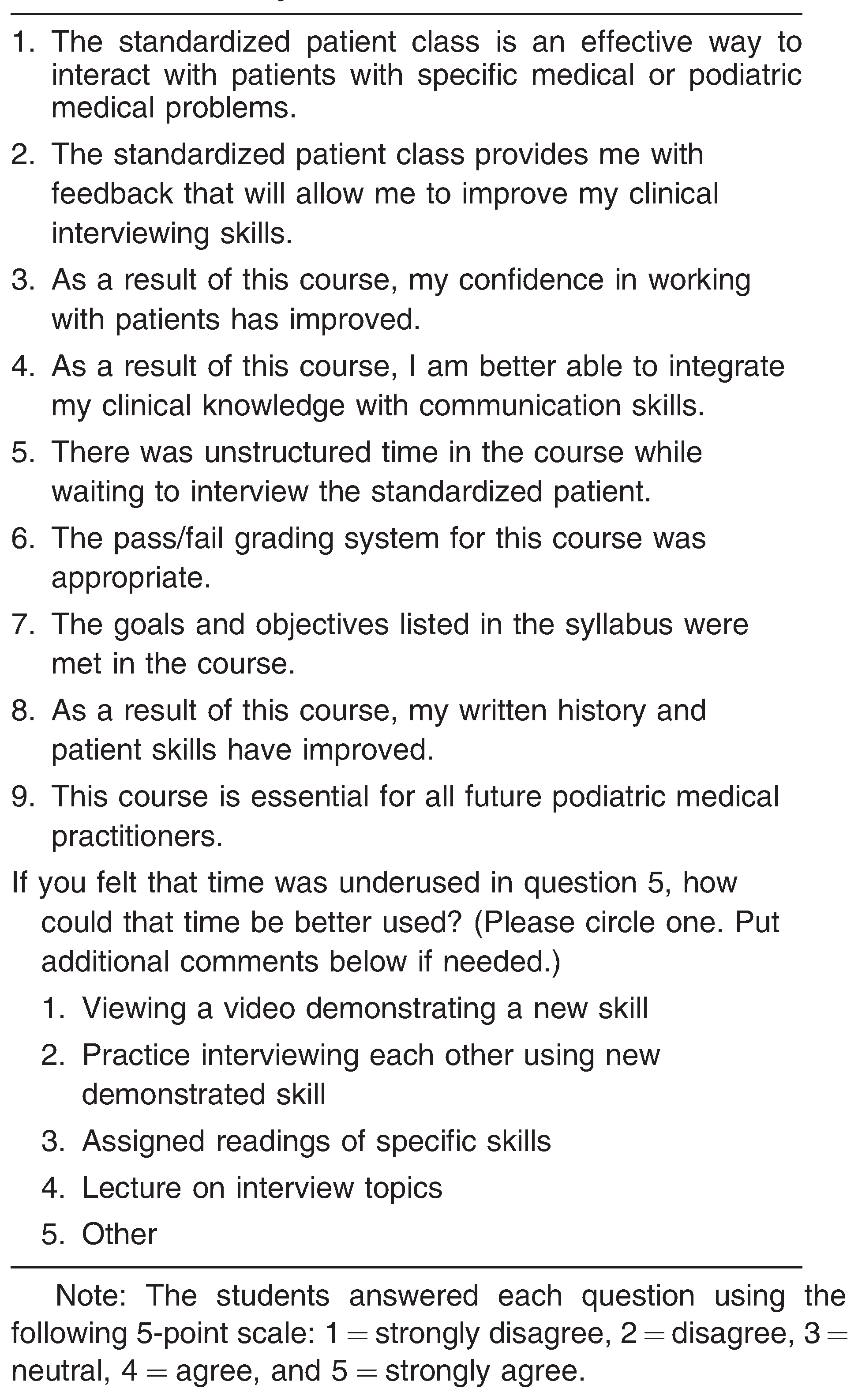
To ascertain whether the SP rotation was useful to the overall student education and whether student time in the rotation was properly used, a survey was conducted of third-year students at KSUCPM. The students surveyed successfully completed the rotation during the 2009–2010 academic year. The additional inquiry was to see how effective the students felt the course was in terms of preparing them for their clinical rotations. Of the 105 students in the rotation, 77 completed the survey, giving a 73.3% response rate. If the students felt that perhaps there was underused time in the rotation, they were provided with an opportunity to choose from a list of possible learning options to fill the vacant space or to freely suggest their own teaching option. The survey administered to the third-year students at KSUCPM is given in
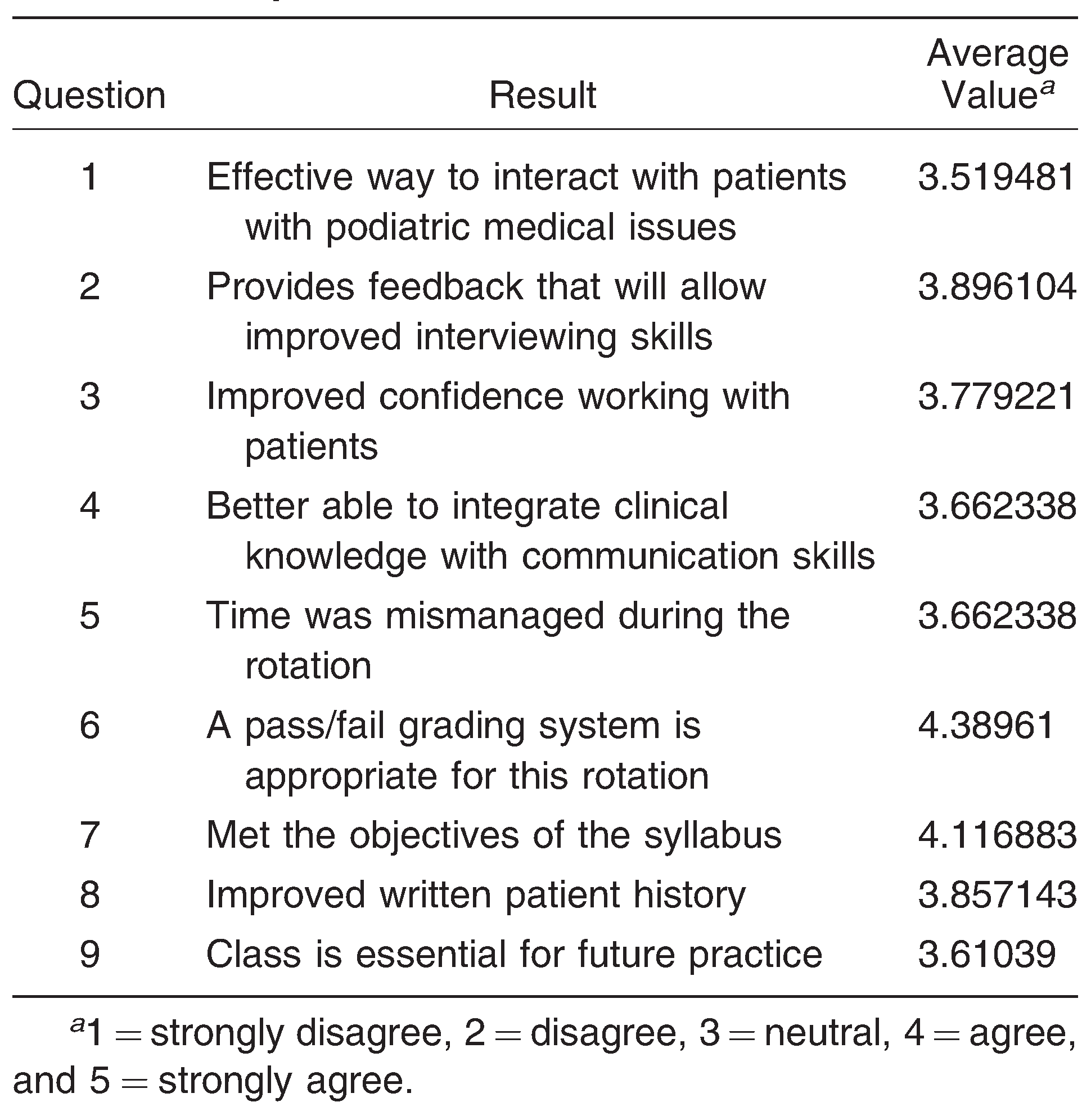
Table 2. A summary of the results from the survey is outlined in
Table 3.
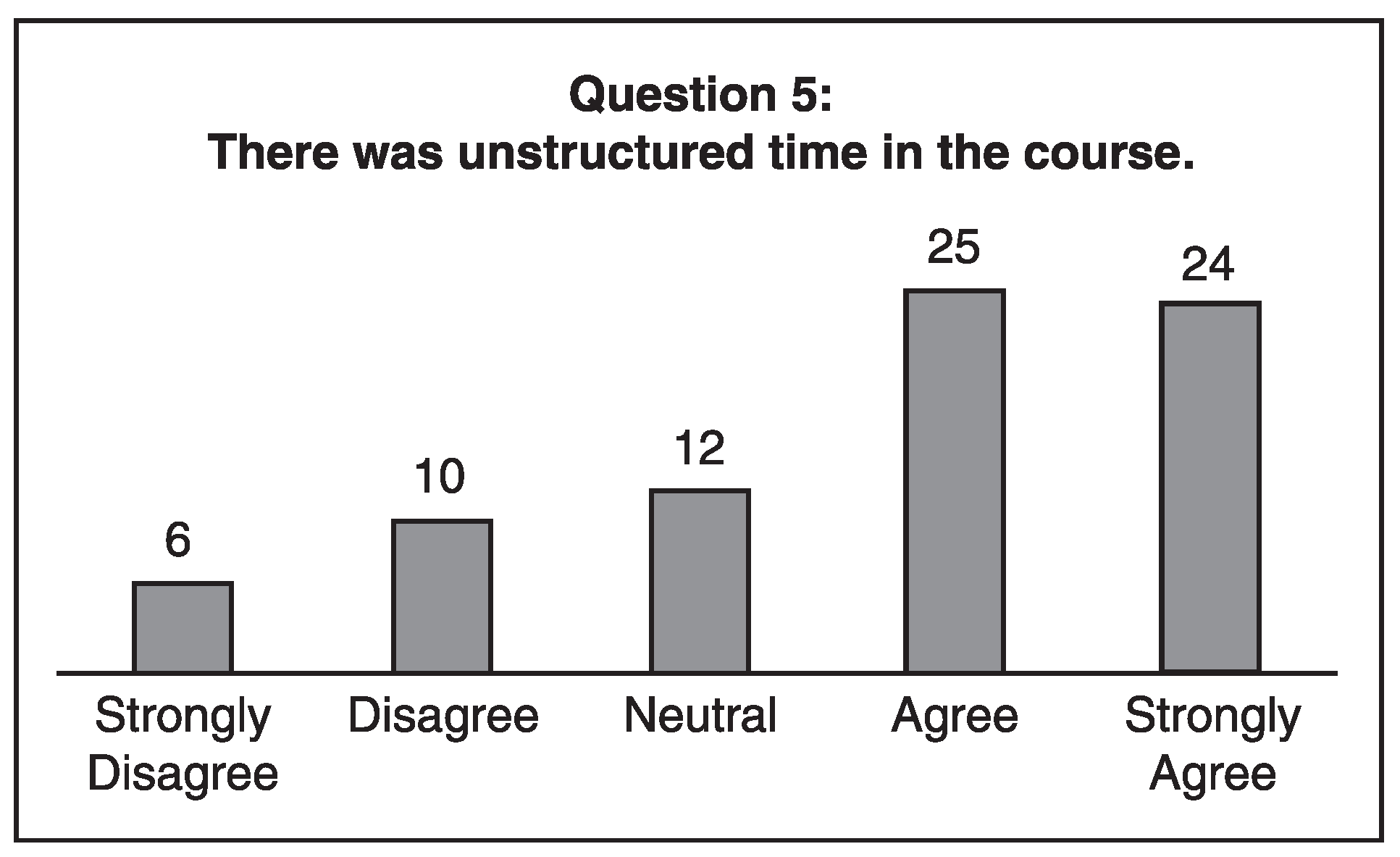
The average values of all of the answers in the survey are greater than 3.5, with question 6 having the highest average value and question 1 having the lowest average value. The answer to question 6 indicated that the students strongly wanted the rotation to be evaluated in a pass/fail manner. The second highest average value was for question 7, which indicated that the students strongly felt that the goals and objectives of the course were met. The pivotal question in the survey was question 5. It was initially felt that there would be total agreement that there was underused time. Surprisingly, six of 77 students answered with a value of 1, meaning that they strongly disagreed that there was underused or mismanaged time in the rotation (
Fig. 4).
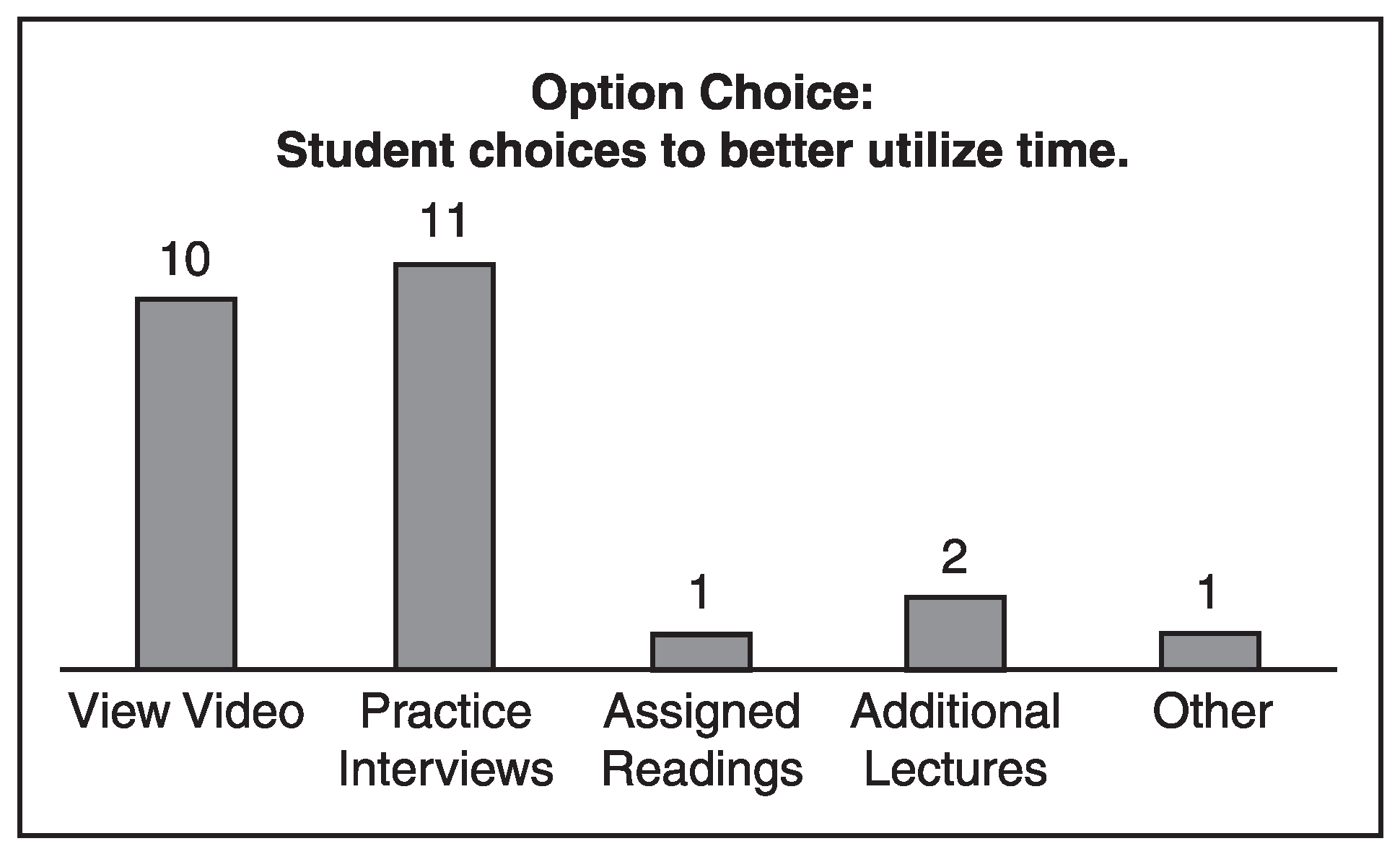
Of the students who responded with a value of 3 or greater on question 5, 25 exercised the option of picking from some proposals to better use the time in the course (
Fig. 5). The two most popular choices were viewing a video demonstration (option 1) and practice interviewing each other (option 2). Far less popular were the choices of assigned readings (option 3) and lectures on interview topics (option 4). Nineteen students took the opportunity to write in their own comments about how the course could be improved, with several responses coming up repeatedly. Some students wanted assigned schedules so that they would just arrive to conduct their interview. Some students wanted more SPs and even suggested casting third- and fourth-year students in the role of SPs. Still other students wanted to spend the time learning on EHS, the billing and charting system used in the Cleveland Foot and Ankle Institute.
Conclusions
One of the true keys to a successful SP program is timely and constructive feedback. The SPs for years have been successfully providing the students with constructive feedback. This survey provides the students with the opportunity to give the faculty their feedback on the educational value of the rotation and suggestions regarding more efficient administration of the rotation.
The students made some proposals to decrease student waiting time in the interview process after completing the student survey. Some possible solutions to address underused time in the conference room included 1) viewing videos demonstrating new skills, 2) practice interviewing each other using new skill topics, and 3) engaging in assigned reading topics.
The major change in the rotation in the past academic year is a technological change. The control system (
Fig. 1) has been upgraded so that the patient interviews are being directly recorded onto the hard drive of the unit rather than onto a series of DVDs. This change is more efficient and more environmentally friendly and allows the facilitator to cover educational topics with students while interviews are being conducted or, if needed, to view the patient interview with the rotation group.
The time that is lost while the SPs write up their evaluations is not as substantial as the time that the students might spend just waiting to go into the interview rooms, but there could be modest time savings with a couple of modifications. The SPs could complete part of their written evaluation during the interview. Since the SPs are left in the room after the interview, they could simply verbalize their comments since everything is being recorded.
Some students indicated that they wanted to spend time learning the electronic medical records program used in the Cleveland Foot and Ankle Institute clinics. This is a possible option, but it should not be considered a first-line option. The students are currently being evaluated on their written notes; therefore, making the transition from written notes to electronic notes should not be that difficult.
Students commented that they desire greater patient contact. Adding additional SPs would decrease the time students spend in the conference room and would allow a student to conduct more than one interview in a session. The KSUCPM program has added one new SP in the past academic year and is eagerly in the process of recruiting many SPs who would represent a wide range of ages and personal experiences. The current SP program introduces students to interviewing, history taking, and physical examination skills. It will be easy to add new skills to the program, including bioethical issues, cross-cultural interviewing, and medical emergencies. The SP program could also be expanded across all 4 years of KSUCPM’s curriculum.
The KSUCPM, and countless educational institutions worldwide, owe a debt of gratitude to Dr. Howard Barrows for his groundbreaking innovation in the early 1960s. It provides an excellent opportunity to teach, assess, and, if necessary, refine the communication skills being practiced during the SP rotation.
Finally, the SP program remains an important part of the KSUCPM curriculum. The course has been highly successful at teaching medical interviewing skills to podiatric medical students at KSUCPM. Using the students’ time as constructively and wisely as possible will provide students with an improved learning experience in preparation for their clinical and hospital rotations and, ultimately, for their professional careers.