Treatment options for LLD are highly dependent on the degree of deformity present and can include both conservative and surgical approaches. Conservative management includes the use of orthotic devices with heel lifts of varying materials. Surgical management depends on whether management is directed at correcting the primary limb-length inequality through conservative and surgical methods or addressing the secondary acquired clinical deformities that are present from the compensatory changes in gait from the limb-length discrepancy. Aspects of the clinical evaluation of a unique case of LLD involving a 64-year-old male patient with LLD that caused compensatory biomechanical changes in the contralateral foot that lead to the development of a severe forefoot deformity will be presented.
Case Report
A 64-year-old male presented to the podiatry clinic at Doctor’s Hospital, Coral Gables, Florida, with severe right foot pain. Prior to his initial clinical visit he was involved in a motor vehicle accident in Cuba and suffered a compound fracture of the proximal left tibia and fibula, resulting in a limb-length discrepancy in comparison to the right. His limb-length discrepancy went untreated for the next 10 years. He also developed a deep venous thrombosis in this limb after fracture treatment.
On the patient’s initial visit, he entered the clinic with an antalgic gait favoring the right lower extremity. The patient’s right foot was unable to fit into regular footwear, and he was wearing a rudimentary sandal. Upon physical examination, there was a gross anatomical deformity of the right forefoot. The patient displayed a severe hallux abducto valgus deformity of the right hallux, and he had a limb-length discrepancy from the previous fractures, causing a 2-cm shortening of the left lower extremity. The patient was a smoker with a history of thrombophlebitis in the left lower extremity.
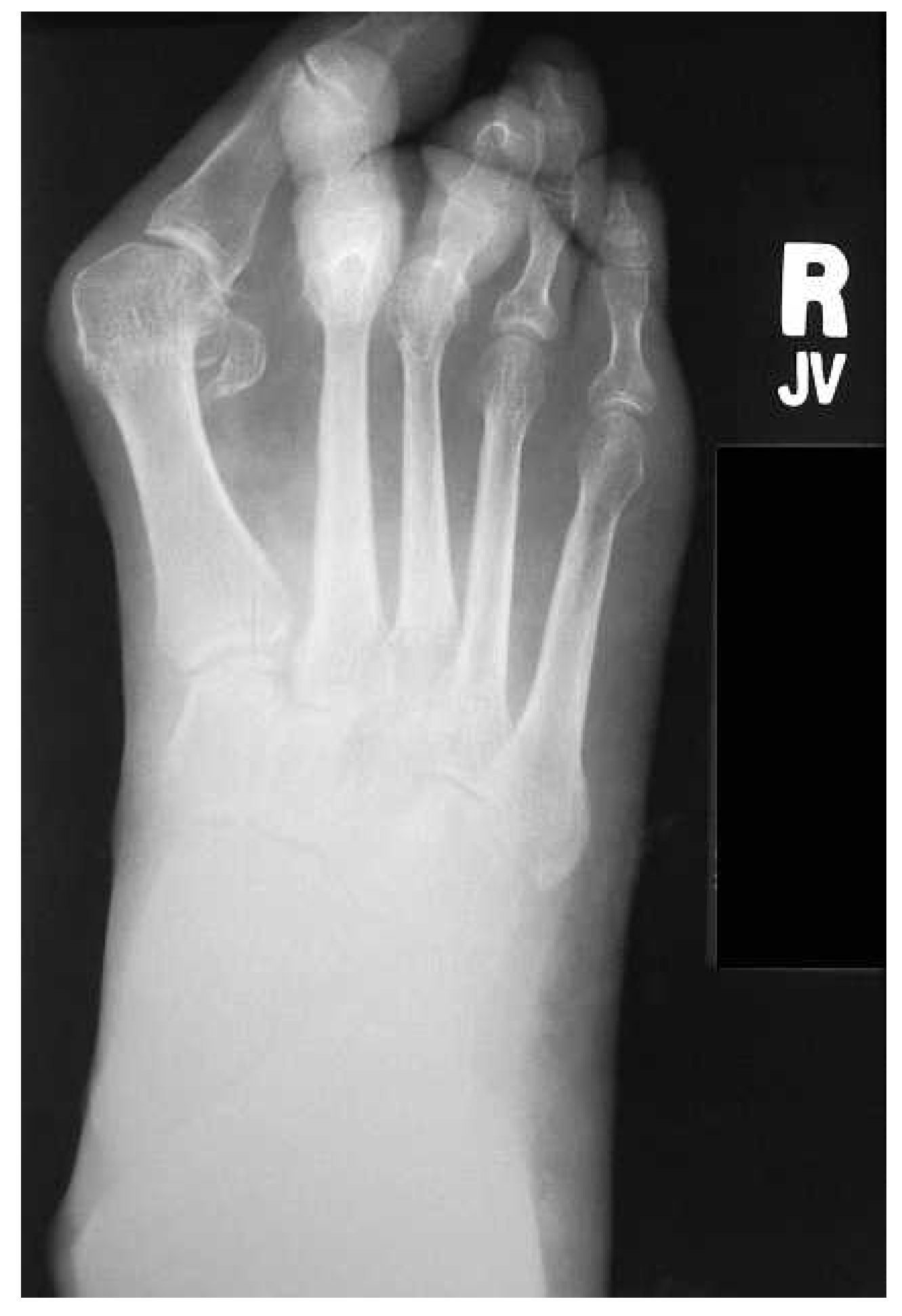
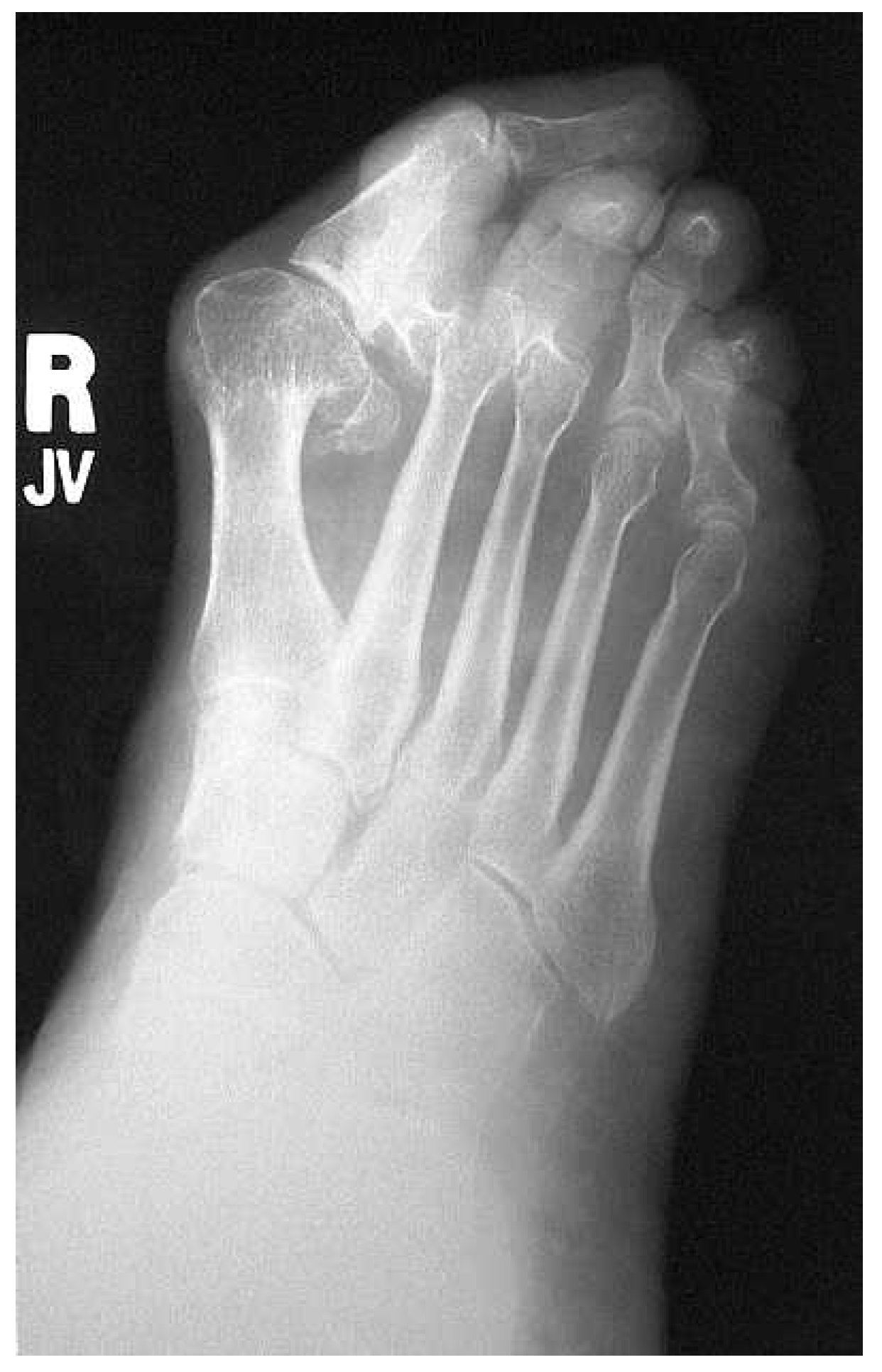
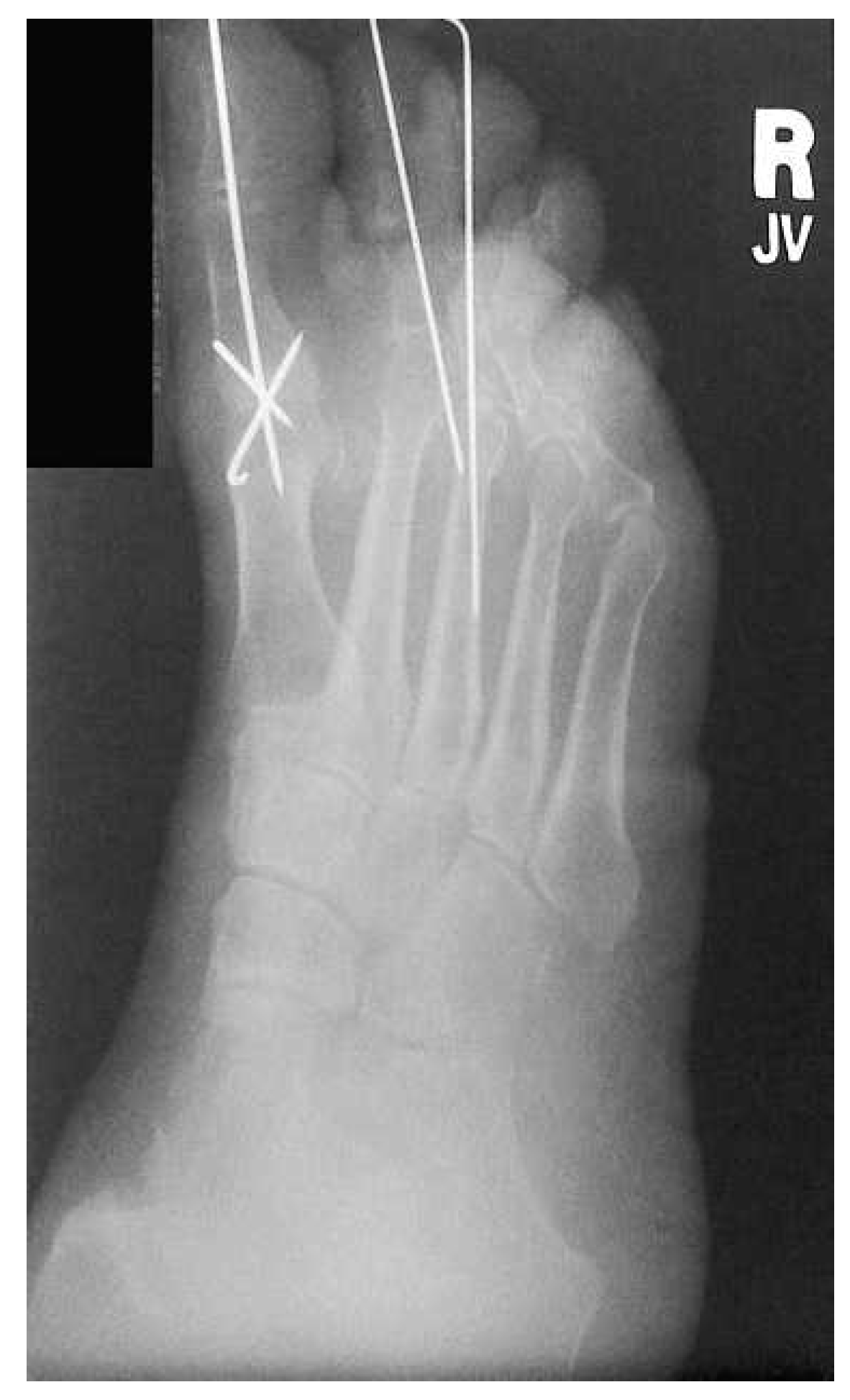
Figure 1.
Anteroposterior radiograph taken at initial visit.
Figure 1.
Anteroposterior radiograph taken at initial visit.
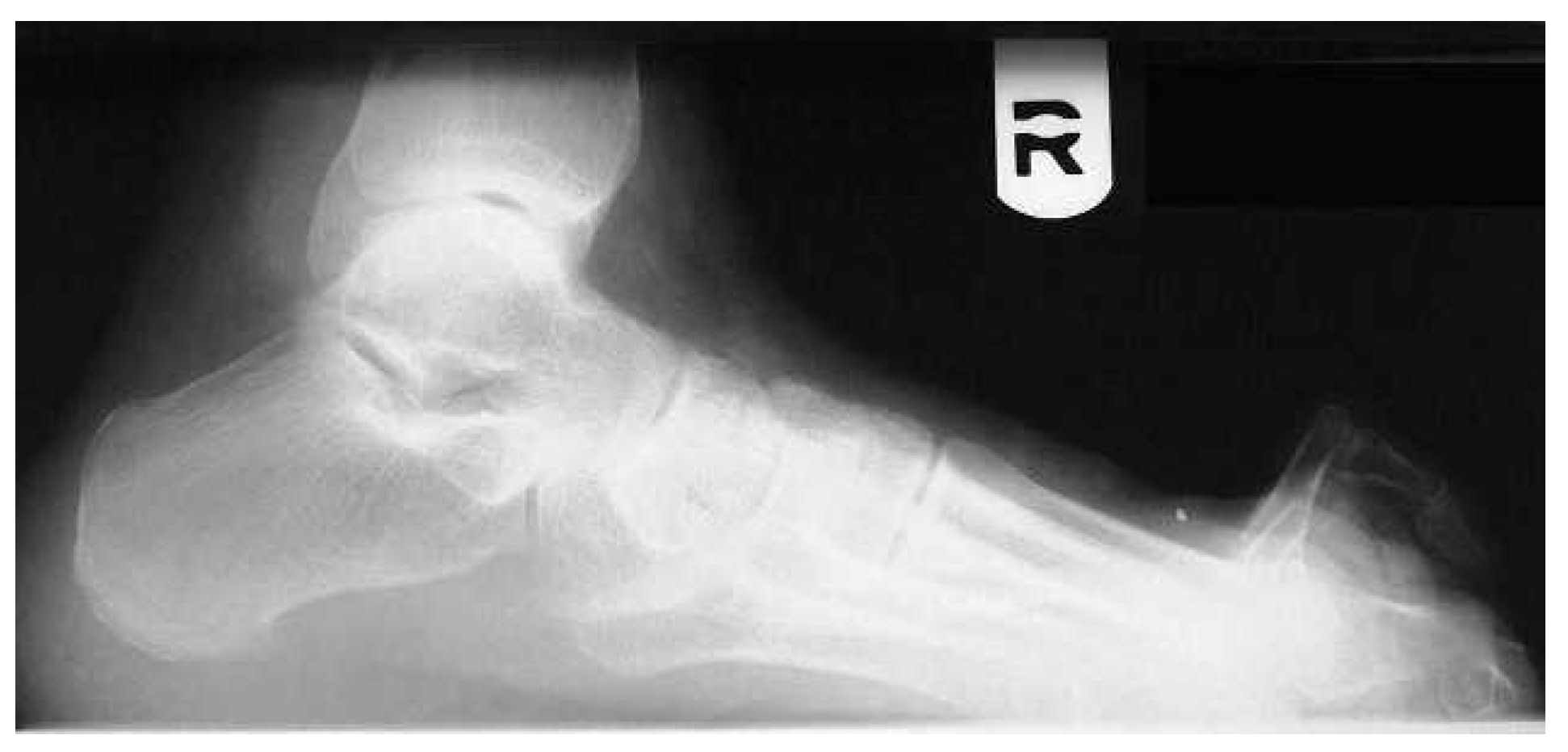
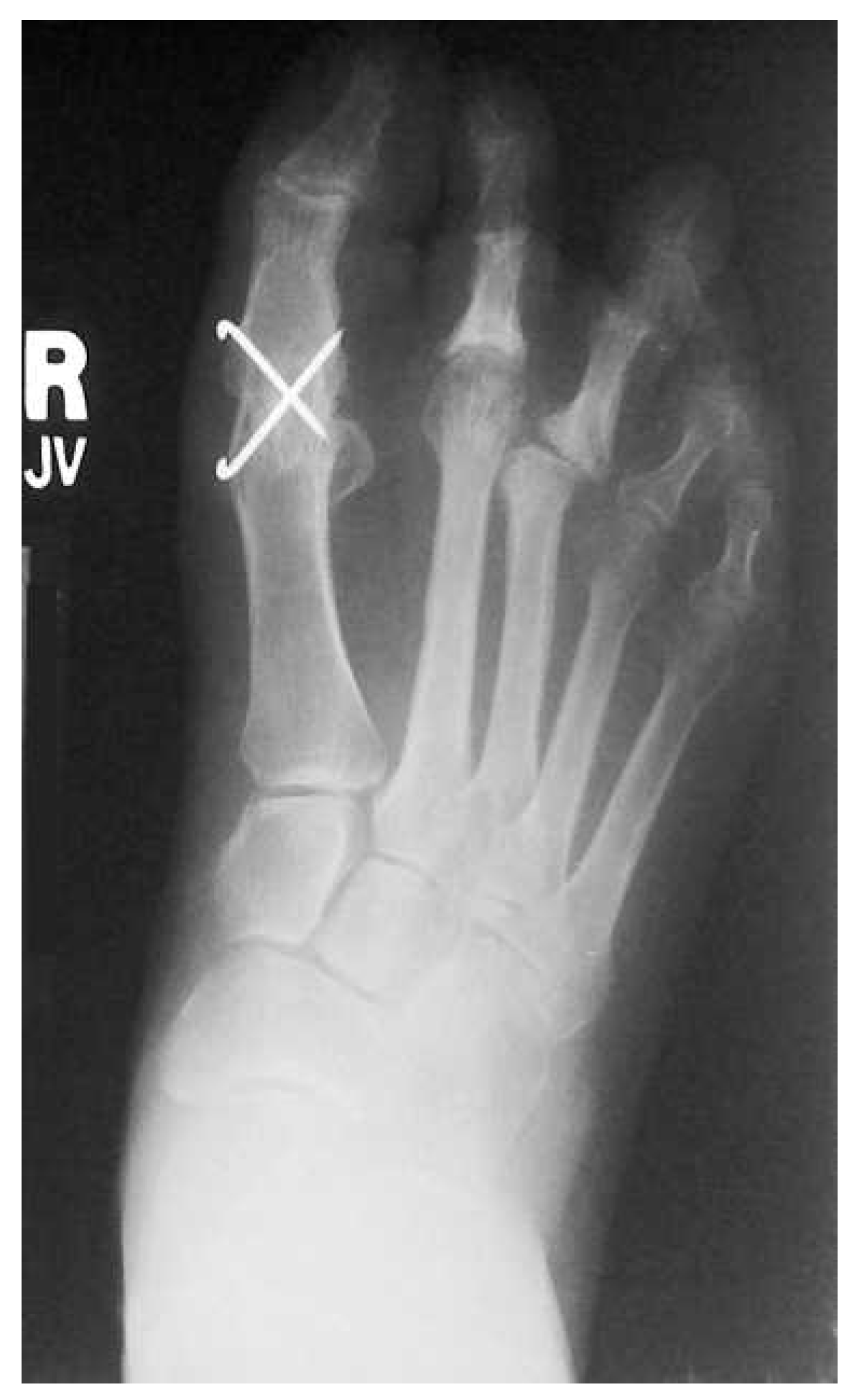
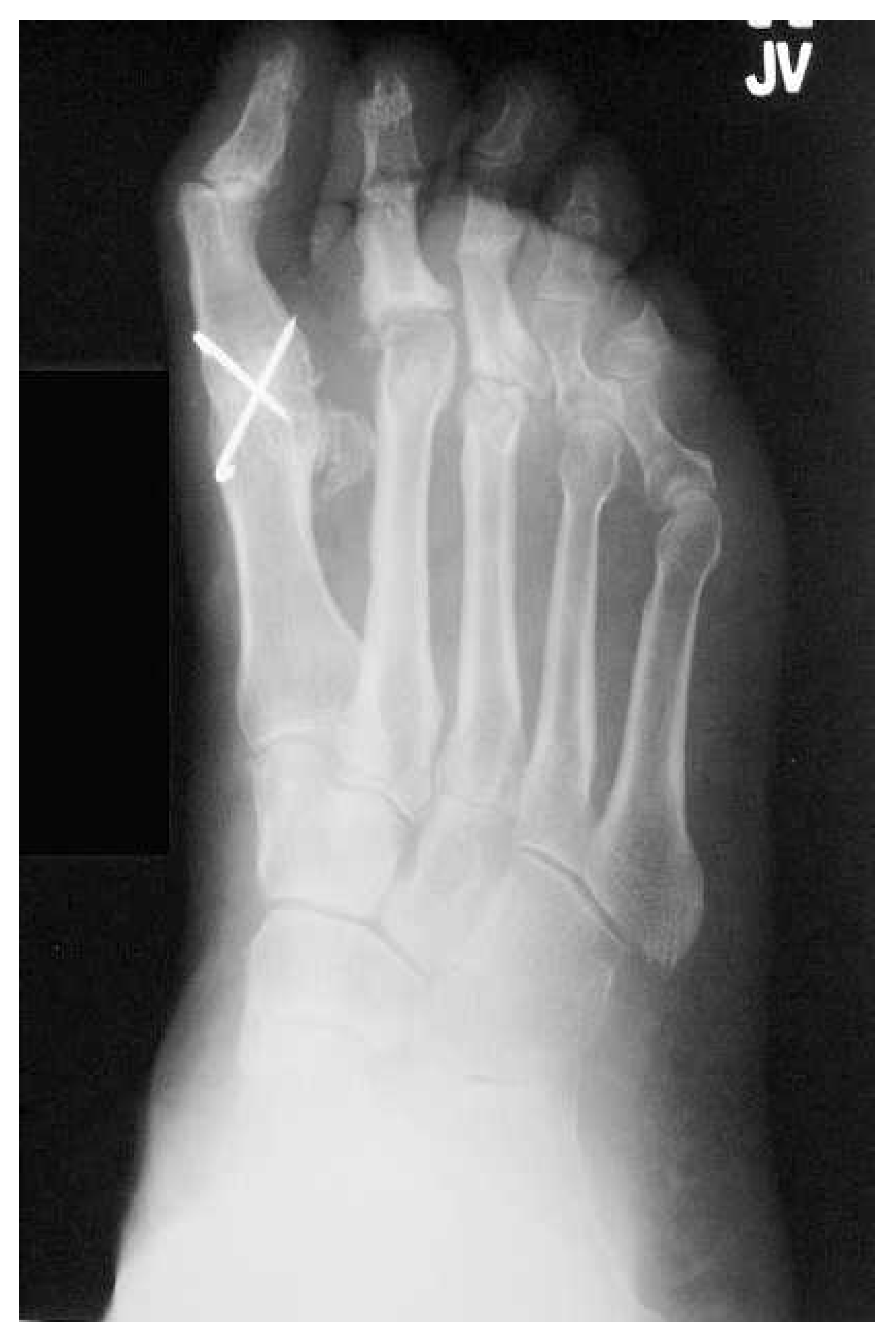
However, there were no vascular or neurological deficits noted to the extremities upon examination. There was moderate pain on palpation of the first metatarsophalangeal joint of the right foot with less than 30° dorsiplantar range of motion. Anteroposterior, medial oblique, and lateral radiographs of the right foot were taken (
Figs. 1–
3) and revealed lateral subluxation of the proximal phalanx of the hallux as well as the metatarsophalangeal joints of the second and third toes. There was also evidence of joint deterioration of the proximal phalangeal joints of the second and third toes. The intermetatarsal angle measured 20°, and the hallux abductus angle measured 32.5°. The proximal phalanx of the second digit was also positioned 90° dorsal to the metatarsal head.
Figure 2.
Medial oblique radiograph taken at initial visit.
Figure 2.
Medial oblique radiograph taken at initial visit.
Figure 3.
Lateral radiograph taken at initial visit.
Figure 3.
Lateral radiograph taken at initial visit.
The patient’s foot type bilateral prior to the motor vehicle accident was normal with no associated hallux valgus or hammertoe deformities as far as we know. The patient’s contralateral foot, ie, the injured side, was also normal in regards to forefoot alignment as far as the patient’s history suggests. He denied any history of previous symptoms in either foot prior to his motor vehicle accident. The deformities of the affected side on the right lower extremity became progressively deformed over several years from the date of the fracture to the left lower extremity, which prevented the patient from wearing normal footwear and caused him to seek medical consultation. He was unable to wear any closed-toed footwear and presented to our clinic wearing open-toed sandals. He stated that the sandals were the only shoes he could wear comfortably. He wore sandals on both feet.
The patient’s gait pattern was antalgic with a circumduction and equinus of the affected side, causing the left lower extremity to compensate for the limb-length discrepancy, which resulted in an increased weightbearing load on the right lower extremity. He became increasingly symptomatic in the right foot with the development of the acquired deformities of severe hallux valgus and hammertoe deformities of the right second and third digits with associated metatarsalgia of the right second and third metatarsophalangeal joints. The patient never received any treatment (shoe lifts, orthotics, or heel lifts) for the left lower extremity limb-length discrepancy prior to his evaluation in our clinic. Nor did he receive treatment for his right forefoot deformities. It is our conclusion that the patient’s limb-length discrepancy of the left lower extremity caused an insidious increase in weightbearing upon the right lower extremity, which resulted in a severe forefoot valgus/metatarsus primus varus compensatory derangement with associated metatarsalgia and hammertoe deformities with eventual dislocation of the proximal phalangeal and metatarsophalangeal joints of the second and third digits of the right foot closely mimicking the radiographic appearance of a rheumatoid forefoot with its typical forefoot pathological presentation.
Surgical correction was deemed the best option to reduce the right forefoot deformity and give the patient a more functional foot that could fit into regular footwear and allow the patient to walk without pain.
The hallux abducto valgus deformity was corrected using the modified Mckeever procedure [
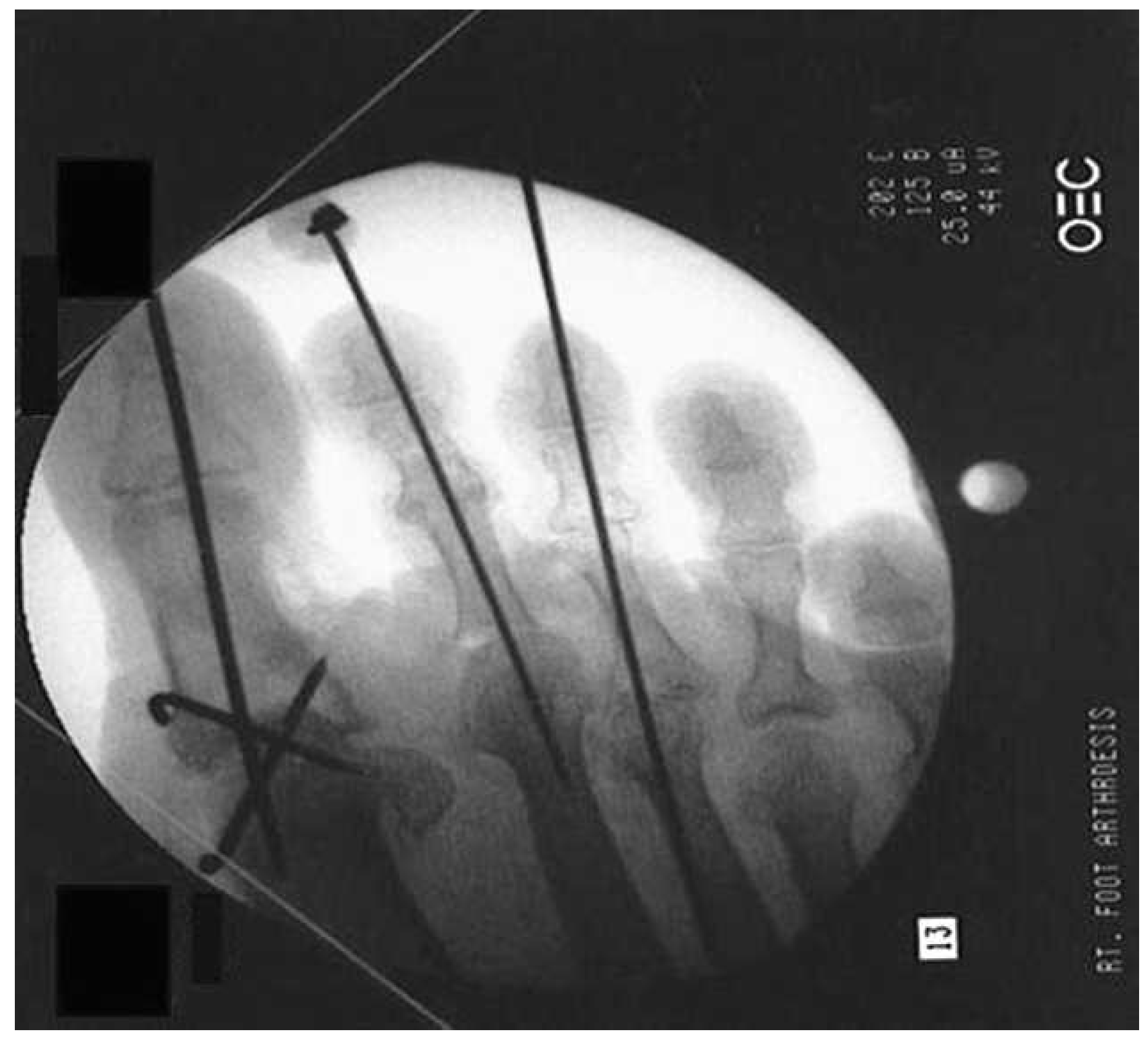
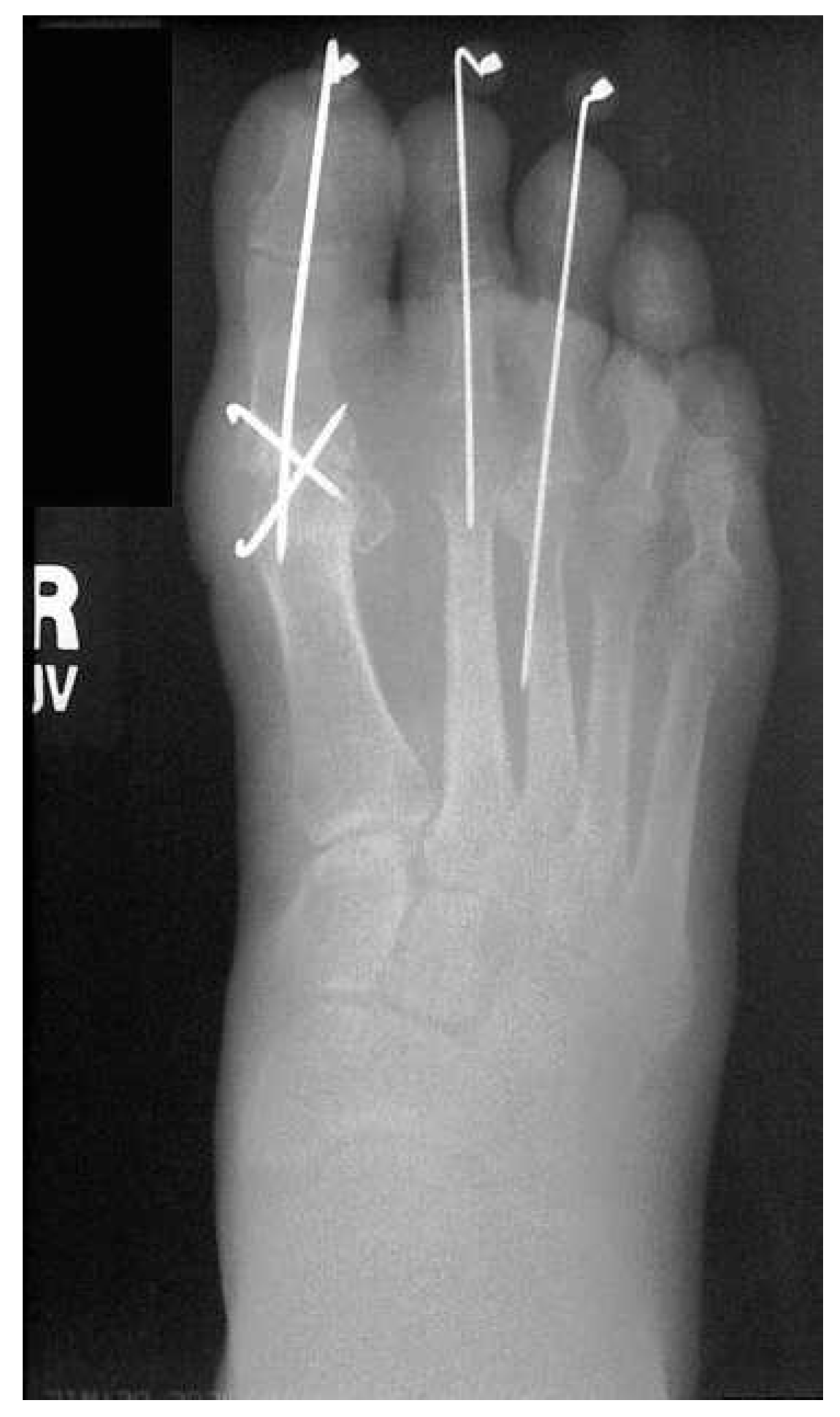
4]. The metatarsal head was fashioned into a rectangular peg using power instrumentation. The intramedullary space of the proximal phalanx was fashioned with a power air drill to accept the peg. A 0.062-inch Kirschner wire was then antegraded out of the proximal and distal phalanx of the right hallux and with the arthrodesis site held in anatomical alignment, with approximately 15° dorsiflexion, the 0.062-inch Kirschner wire was then retrograded until it crossed the first metatarsophalangeal joint. Additional fixation was obtained with crossed 0.062-inch Kirschner wires, from distal medial to proximal lateral and proximal medial to distal lateral. Alignment and position was checked with intraoperative C-arm (
Fig. 4).
The second and third digital deformities of the right foot were corrected using a modified Hoffman procedure [
5]. The proximal phalanx of the second digit that was dorsally dislocated onto the metatarsal head 90° was corrected through releasing the extensor tendon at the proximal interphalangeal joint and the collateral ligaments. A phalangectomy was partially performed at the base of the phalanx to accomplish reduction of the joint because of the extreme dislocation. A McGlamry elevator was used to deglove the plantar apparatus, which upon inspection was interposed. A 0.045-inch Kirschner wire was antegraded out of the middle and distal phalanx, and with the proximal interphalangeal joint in correct anatomical position, the 0.045-inch Kirschner wire was then retrograded, crossing the second metatarsophalangeal joint to secure the position of the correction of the second metatarsophalangeal deformity.
Figure 4.
Intraoperative fluoroscopy showing placement of Kirschner wires.
Figure 4.
Intraoperative fluoroscopy showing placement of Kirschner wires.
Correction of the third digit was achieved by performing an arthrodesis of the proximal interphalangeal joint with a plantar plate release. A transverse tenotomy of the extensor digitorum longus was performed. After blunt dissection for visual inspection of the metatarsophalangeal joint, it appeared eroded with arthritic damage from the prior foot deformity. After resecting the articulating surfaces from the head of the proximal phalanx and the base of the middle phalanx of the third metatarsal, a 0.045-inch Kirschner wire was driven distally out of the middle and distal phalanx. With the toe held in correct alignment, the 0.045-inch Kirschner wire was then retrograded crossing the third metatarsophalangeal joint. All Kirschner wire placements were checked using intraoperative C-arm (
Fig. 4). The patient was then placed in a modified Jones compression dressing, and a short-leg fiberglass cast was applied from behind the toes to just below the right knee with the foot at 90
0 to the leg.
Postoperatively, the patient was seen weekly. On the first visit the cast was clean and had no signs of strikethrough bleeding. The postoperative course was unremarkable. The patient was instructed to remain nonweightbearing for 4 weeks using crutches.
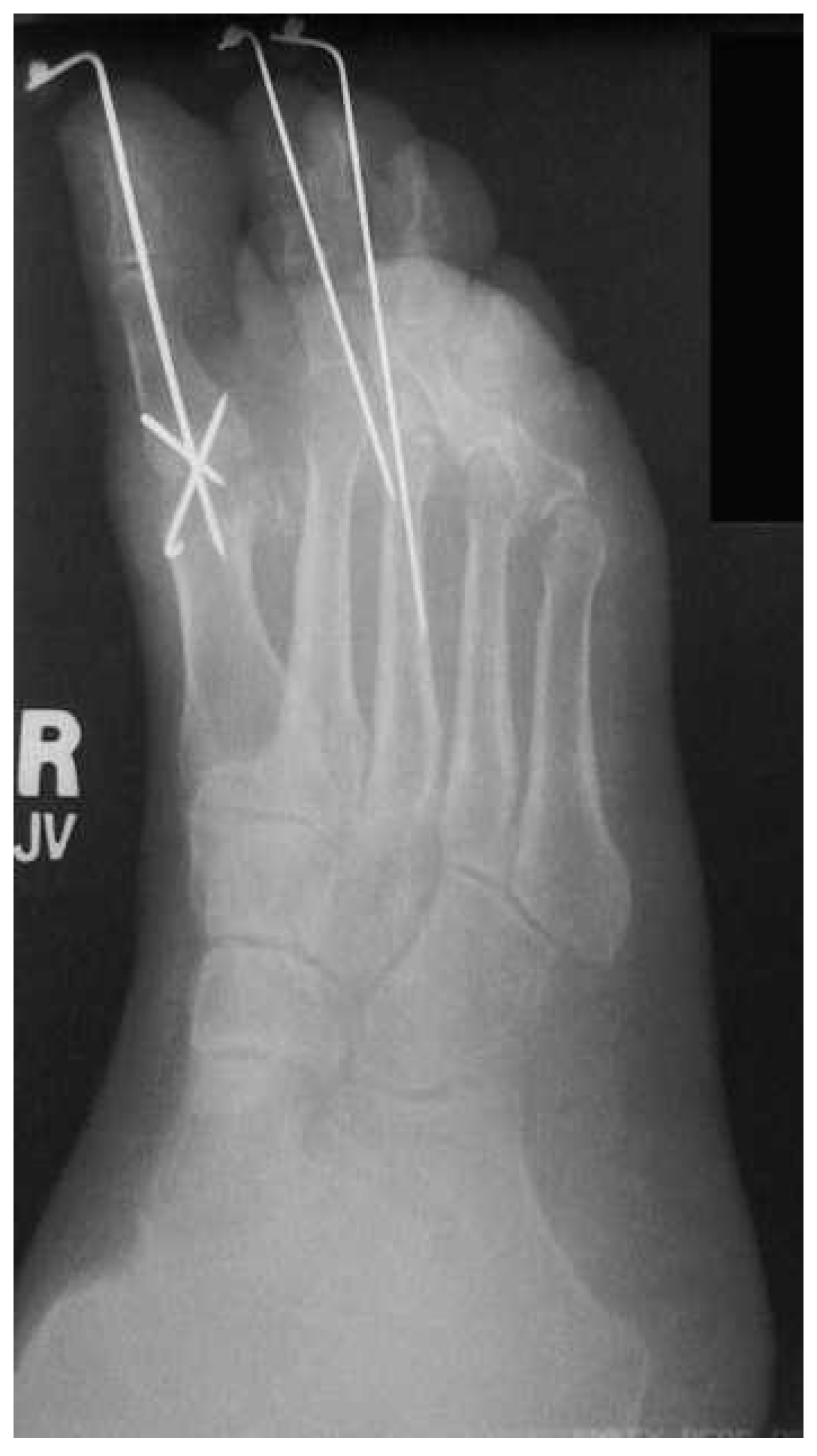
Figure 5.
Anteroposterior radiograph taken 1 month postoperatively.
Figure 5.
Anteroposterior radiograph taken 1 month postoperatively.
Radiographs taken 1 month postoperatively showed interval bone healing of the arthrodesis (
Figs. 5 and
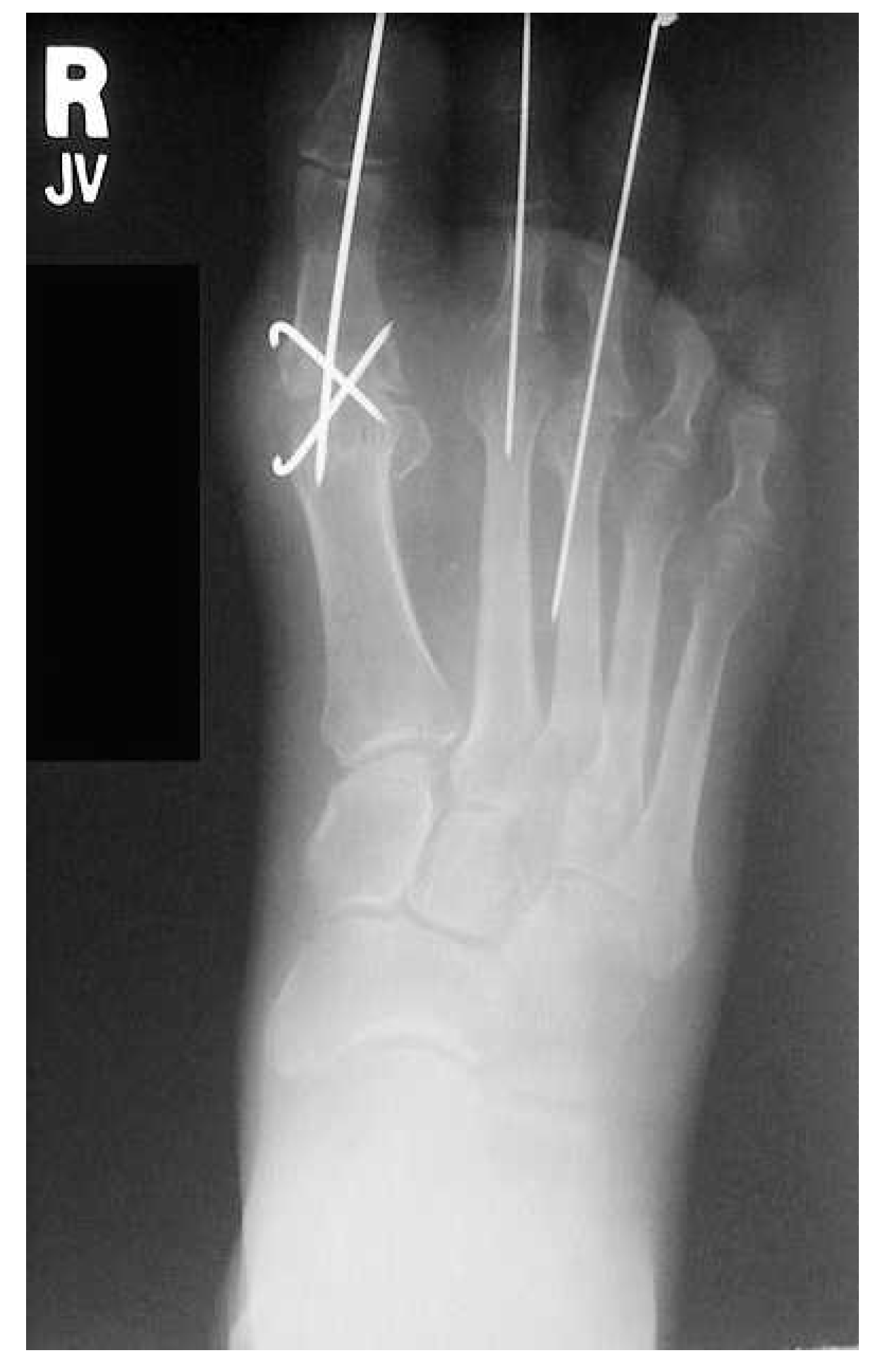
6). The Kirschner wires were in good alignment with no signs of displacement. The cast was removed and the patient was placed in an ortho-wedge shoe, allowing partial weightbearing to tolerance. After 6 weeks, the Kirschner wires exiting the first, second, and third toes were removed. The patient began full weightbearing with a surgical shoe. Postoperative radiographs (
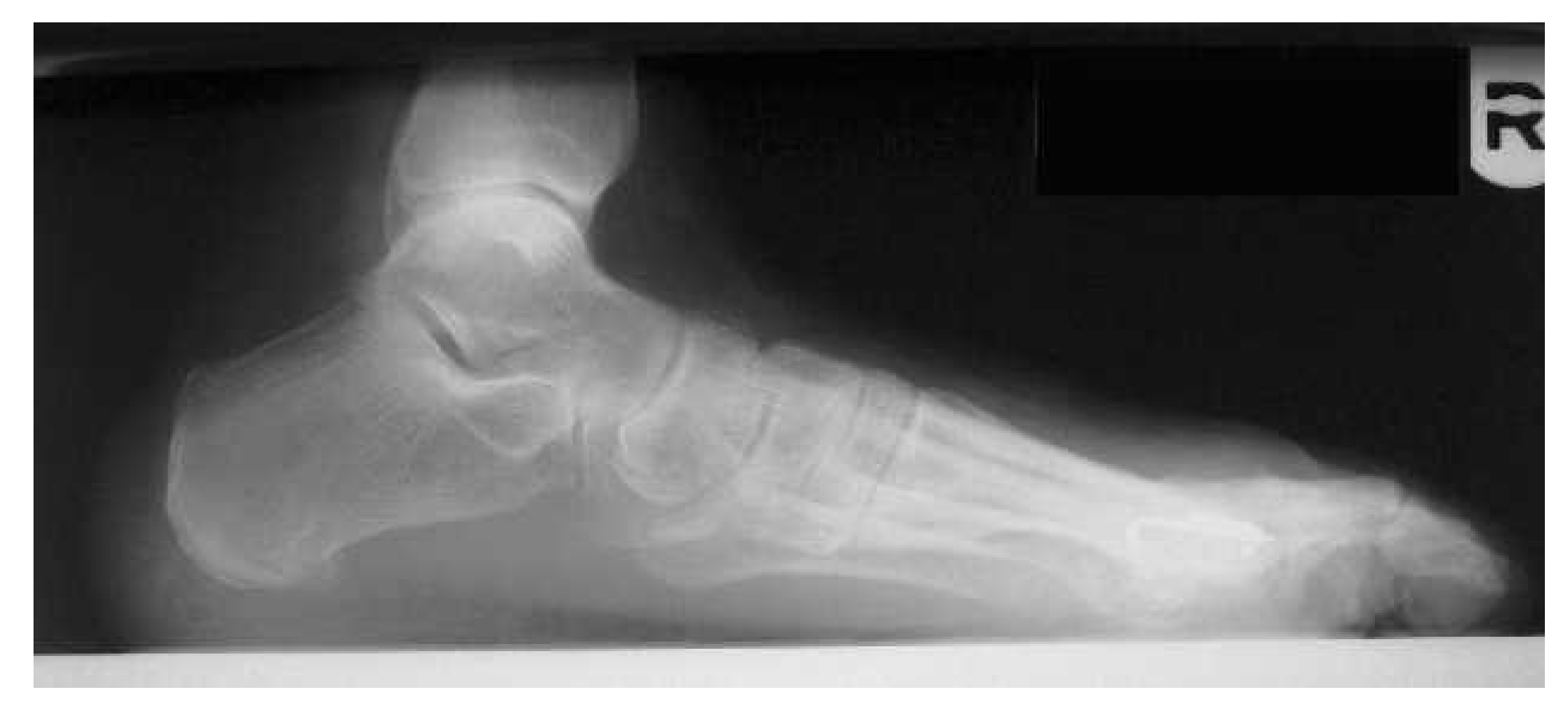
Figs. 7–
11) showed alignment at the fusion sites with no signs of nonunion and no soft-tissue swelling. The intermetatarsal angle was reduced postoperatively to 10° on the anteroposterior radiograph. The hallux abductus angle was reduced to 8°. The second and third digits maintained normal anatomical position to the rest of the lesser digits on the lateral radiograph. Physical therapy was ordered to improve range of motion, increase mobility, and decrease edema and fibrosis. A heel lift was then dispensed for the unaffected limb in order to resolve the limb-length discrepancy. Seven months postoperatively, the patient can wear normal footwear and is able to walk without discomfort.
Figure 6.
Medial oblique radiograph taken 1 month postoperatively.
Figure 6.
Medial oblique radiograph taken 1 month postoperatively.
Figure 7.
Anteroposterior radiograph taken 6 weeks postoperatively.
Figure 7.
Anteroposterior radiograph taken 6 weeks postoperatively.
Figure 8.
Medial oblique radiograph taken 6 weeks postoperatively.
Figure 8.
Medial oblique radiograph taken 6 weeks postoperatively.
Figure 9.
Anteroposterior radiograph taken 7 months postoperatively.
Figure 9.
Anteroposterior radiograph taken 7 months postoperatively.
Discussion
Limb-length discrepancy is a very common condition and is considered a normal condition by many medical practitioners [
1]. Small or mild LLD less than 3.0 cm, however, has been suggested as enough difference in leg length to cause orthopedic changes that lead to various medical conditions including lower back pain, hallux valgus deformity, stress fractures, osteoarthritis of the hip, running injuries, as well as problems with standing and balance [
6–
10]. There is currently no information in the literature discussing the potential forefoot deformity that could develop if a limb-length discrepancy is left untreated.
Figure 10.
Medial oblique radiograph taken 7 months postoperatively.
Figure 10.
Medial oblique radiograph taken 7 months postoperatively.
Studies have shown, however, that an uncorrected limb-length discrepancy can result in an altered or antalgic gait pattern causing an asymmetry of foot loading patterns in the longer limb that shifts the center of weight loading to the forefoot [
11,
12]. This causes an alteration in the body’s center of gravity as weight is transferred to one side of the body, which results in an increase in the stress load to the unaffected limb, resulting in the body developing multiple compensatory strategies to account for the imbalance in body weight [
2].
Figure 11.
Lateral radiograph taken 7 months postoperatively.
Figure 11.
Lateral radiograph taken 7 months postoperatively.
Adults with LLD tend to compensate for their deformity and weight imbalance by walking in a plantigrade fashion vaulting over the longer leg, which can lead to deforming forces being applied to the foot [
1]. LLD along with the weight imbalance also causes pronation of the longer limb in an attempt to provide a functional shortening of the longer leg to distribute the body weight evenly [
13,
14]. In the case of this patient, it was believed that over a 10-year period these compensatory forces resulted in the development of the severe forefoot deformity of his longer limb.
The Mckeever and Hoffman procedures were used in this case because of the severe joint destruction and subluxation of the first metatarsophalangeal joint as well as the metatarsophalangeal joints of the second and third toes. It was decided that these joint salvage procedures, as well as the use of an orthotic heel lift to correct the LLD, would be the best option to not only reduce the forefoot deformity and stabilize the forefoot but also allow the patient to fit into regular footwear and walk asymptomatically.