Next Article in Journal
Medical Therapy of Diabetic Foot Infections
Previous Article in Journal
Surgical Off-loading of the Diabetic Foot
 
 
Journal of the American Podiatric Medical Association is published by MDPI from Volume 116 Issue 1 (2026). Previous articles were published by another publisher in Open Access under a CC-BY (or CC-BY-NC-ND) licence, and they are hosted by MDPI on mdpi.com as a courtesy and upon agreement with American Podiatric Medical Association.
Article

Wound Care. The Role of Advanced Wound-healing Technologies

by
Stephanie C. Wu
1,*,
William Marston
2 and
David G. Armstrong
3
1
Rosalind Franklin University of Medicine and Science, 3333 Green Bay Rd, North Chicago, IL 60064
2
Division of Vascular Surgery, Wound Healing/Limb Preservation Center, University of North Carolina School of Medicine, Chapel Hill, NC
3
Department of Surgery, Southern Arizona Limb Salvage Alliance, University of Arizona College of Medicine, Tucson, AZ
*
Author to whom correspondence should be addressed.
J. Am. Podiatr. Med. Assoc. 2010, 100(5), 385-394; https://doi.org/10.7547/1000385
Published: 1 September 2010

Abstract

Wound repair and regeneration is a highly complex combination of matrix destruction and reorganization. Although major hurdles remain, advances during the past generation have improved the clinician’s armamentarium in the medical and surgical management of this problem. The purpose of this article is to review the current literature regarding the pragmatic use of three of the most commonly used advanced therapies: bioengineered tissue, negative-pressure wound therapy, and hyperbaric oxygen therapy, with a focus on the near-term future of wound healing, including stem cell therapy.

Wound repair is an orchestra of highly integrated biological and molecular events of cell migration and proliferation and of extracellular matrix deposition and remodeling.[1] Certain pathophysiologic and metabolic conditions can alter this normal course of events so that healing is impaired or delayed, resulting in chronic, nonhealing wounds.[2,3] Diabetic foot ulcers readily become chronic, and the factors that delay wound healing are multiple and relate to diabetes and to the effects of its complications.[3] The costs associated with the healing of an ulcer have been noted to be as high as $45,000; however, these estimates do not include the deleterious effects on the patient’s quality of life because of impaired mobility and substantial loss of productivity.[4] The healing of ulcerations in a timely manner is of central importance in any plan for amputation prevention and limb preservation.[5,6] The integration of technological advances with our understanding of the complex cellular and biochemical mechanisms of wound healing have led to the development of various advanced wound-healing modalities such as bioengineered skin and tissue equivalents, negative-pressure wound therapy (NPWT), and hyperbaric oxygen (HBO) therapy. This article examines the latest advances in wound healing using these three therapeutic categories and assesses their implications for clinical practice.

Bioengineered Skin and Dermal Substitutes or Equivalents

Cell-Based Technologies to Deliver Exogenous Growth Factors to the Wound Bed

Autogenous and nonautogenous skin grafts, commonly used for the healing of skin ulcerations, may be associated with a variety of limitations such as risks of immune rejection, infection transmission,[6,7] and the creation of a donor site that is at risk for pain, scarring, infection, and delayed healing.[7] The need for a readily available, nonantigenic tissue that possesses many of the histologic and functional characteristics of normal human skin spawned the evolution of growing living-human tissues for transplantation. Tissue engineering has revolutionized skin grafting from the initial autograft and allograft preparations to biosynthetic and tissue-engineered skin replacements and cell-based therapies. These advanced therapies include cultured autologous keratinocyte grafts, cultured allogeneic keratinocyte grafts, autologous/allogeneic composites, acellular collagen matrices, and cellular matrices. A variety of products are commercially available, and many others are in development. The ones that are currently available include human fibroblast–derived dermal substitute, human fibroblast–derived temporary skin substitute, and allogeneic bilayered cultured skin equivalent.

Human Fibroblast–Derived Dermal Substitute

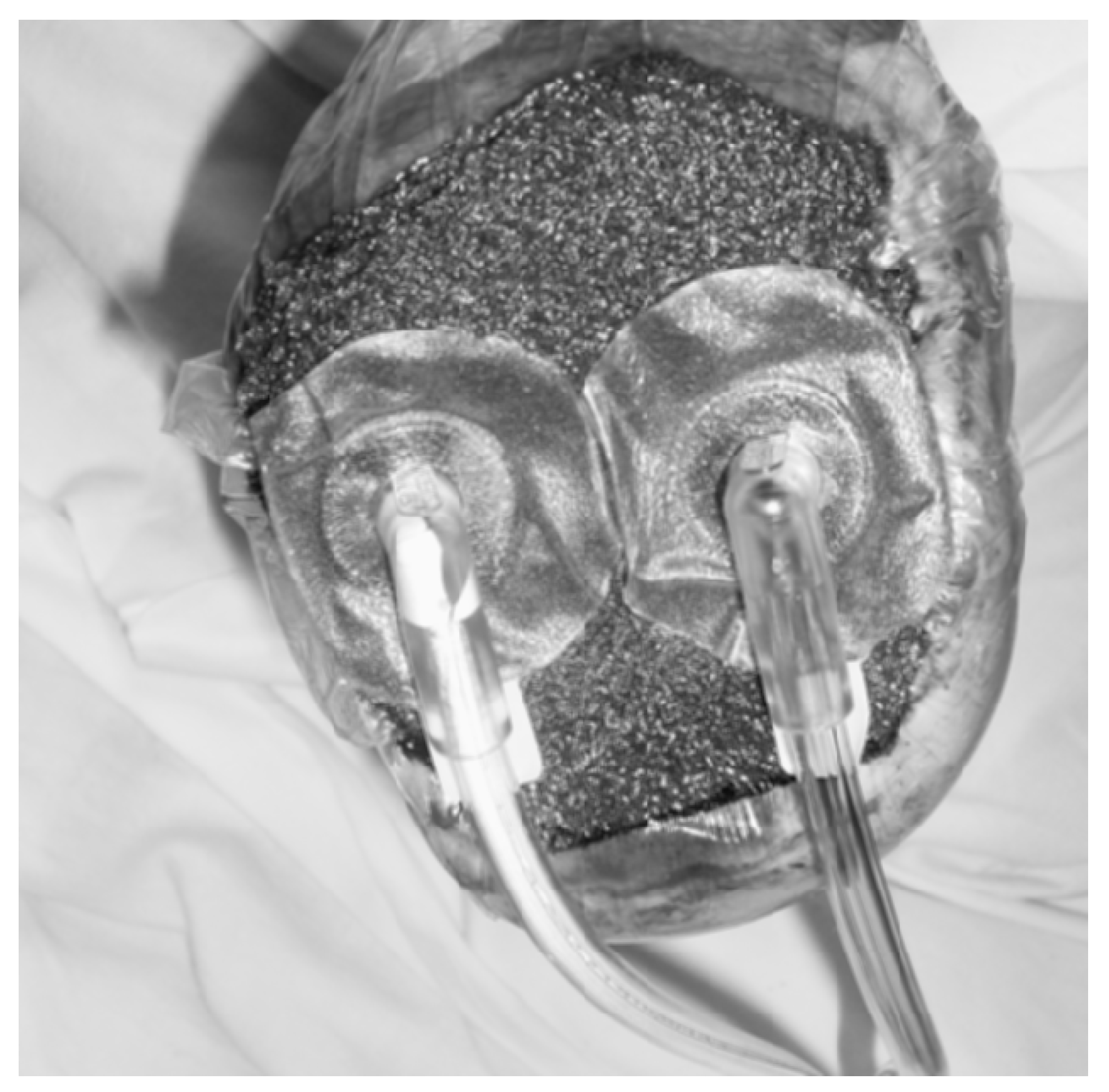
Human fibroblast–derived dermal substitute (Dermagraft; Advanced Biohealing Ltd, La Jolla, California) is composed of fibroblasts, extracellular matrix, and a bioabsorbable scaffold (Fig. 1). It is produced by culturing human dermal fibroblast cells derived from newborn foreskin tissue onto a bioabsorbable polyglactin mesh scaffold.[8] As the fibroblasts proliferate to fill the interstices of this scaffold, they secrete human dermal collagen, matrix proteins, growth factors, glycosaminoglycans, and cytokines to generate a three-dimensional, allogeneic, human dermal substitute containing metabolically active living cells with a preferred, nearly parallel alignment of the collagen fibers in human dermal substitute.[8] The critical dependence of the therapeutic properties of this living dermal implant on the recovery of protein synthesis, growth factor expression, and angiogenesis has been demonstrated.[9] Unlike human skin, human fibroblast–derived dermal substitute does not contain macrophages, lymphocytes, blood vessels, or hair follicles. Human fibroblast–derived dermal substitute has good resistance to tearing and is packaged with bovine serum and a saline-based cryoprotectant that contains 10% dimethylsulfoxide. Cryopreservation helps maintain cell viability and provides off-the-shelf availability. However, because the packing medium may also contain traces of bovine serum, human fibroblast–derived dermal substitute is contraindicated in patients with known hypersensitivity to bovine products. Human fibroblast–derived dermal substitute is also contraindicated for use in ulcers that have signs of clinical infection or in ulcers with sinus tracts.
Results of laboratory studies suggest that this bioengineered dermal substitute promotes the healing of chronic ulcerations via two principal modes of action.[9] First, it provides living human dermal fibroblasts that deposit matrix proteins and facilitate angiogenesis.[10] It also provides a preformed collagen matrix, receptors, and bound growth factors that facilitate the migration and colonization of the host’s epithelial cells that promote wound closure.[9] Previous studies have shown human fibroblast–derived dermal substitute to be most effective in treating ulcers of longer than 6 weeks’ duration.[11] It may be possible that chronic ulcers are deficient in many of the factors necessary for healing and are most likely to benefit from human fibroblast–derived dermal substitute treatment.
Human fibroblast–derived dermal substitute is designed to assist in restoration of the dermal bed in an ulcer to improve the wound-healing process and allow the patient’s own epithelial cells to migrate and close the wound. It is approved by the Food and Drug Administration for the treatment of full-thickness, chronic (duration >6 weeks) diabetic foot ulcers extending through the dermis but not involving tendon, muscle, joint capsule, or bone.
The efficacy of human fibroblast–derived dermal substitute in the healing of full-thickness chronic diabetic wounds has been confirmed in many studies.[11,12] A randomized, controlled, multicenter trial evaluated 314 patients with chronic diabetic foot ulcers for complete wound closure by 12 weeks and found that 30.0% (39 of 130) of the patients with human fibroblast–derived dermal substitute healed compared with 18.3% (21 of 115) of the control patients with wet-to-dry dressings (P = .023).[11] In addition, patients who received human fibroblast–derived dermal substitute experienced significantly fewer ulcer-related adverse events.[11] Another prospective, multicenter, randomized, controlled, 12-week study[12] that enrolled 28 patients with chronic diabetic ulcers found significantly more patients healed in the human fibroblast–derived dermis group versus the control group (71.4% versus 14.3%, P = .003). Moreover, the study noted that patients who healed in the human fibroblast–derived dermis group achieved wound closure significantly faster than did the control group (P = .004); the study group also exhibited a significantly higher percentage of wound closure by week 12 compared with patients in the control arm (P = .002).[12] The percentage of patients who experienced an infection involving their study wound was lower in the human fibroblast–derived dermis group than in the control group.
One potential problem that can arise from the application of a human dermal substitute onto an allogeneic host is the initiation of an immune response leading to its rejection.[11] Human fibroblast–derived dermis has passed extensive safety testing, and, to date, there has been no reported case of rejection in clinical use, to our knowledge. This may be secondary to the inherent properties of human dermal substitute because it is derived from neonatal human tissue that has undeveloped human leukocyte antigen (HLA) tissue markers.[11] In addition, dermal-derived fibroblasts are relatively nonantigenic, do not express HLA-DR markers,[9] and are, therefore, not expected to cause an immune reaction.

Risk Factors Related to Improved Healing with Human Fibroblast–Derived Dermal Substitute

Data from a phase 3 randomized trial were analyzed to find risk factors related to ulcer healing.[3] Of interest, age, race, diabetes type, ulcer duration before enrollment, and hours of weightbearing were not associated with healing rate. Initial ulcer area, sex, history of ulcer infection, and change in hemoglobin A1c level were associated with altered healing rates.
An initial ulcer area greater than 2 cm2 was associated with a 1.5 times greater incidence of wound closure (P = .02). Females were 2.0 times more likely to heal than were males (P = .009). An episode of infection during the 12 weeks of treatment was associated with a 3.4 times increased risk of nonclosure (P < .01).
In another study, Browne et al[13] reported on the importance of controlling bacterial load before the use of human fibroblast–derived dermal substitute. The authors found an association between bacterial load and healing rate before and after human fibroblast–derived dermal substitute application. They recommended treatment of patients with combination antibiotic agents until the bacterial burden was reduced to less than 106 colony-forming units per gram before the application of living skin substitutes or growth factors.
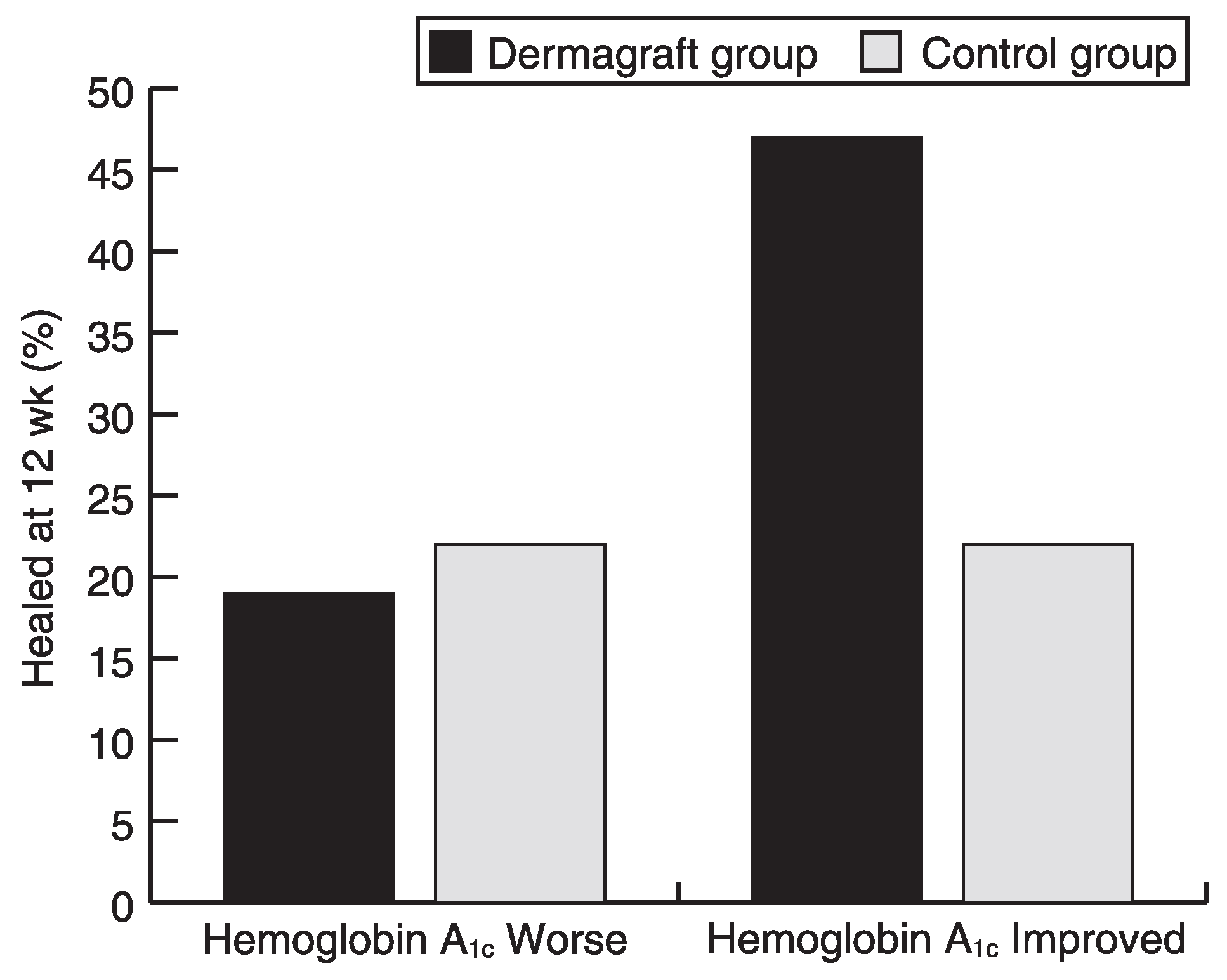
The initial and terminal hemoglobin A1c levels did not independently relate to wound closure. To better determine the relationship between glucose control and wound healing, Marston et al[3] calculated the change in hemoglobin A1c between initial and 12-week levels. Patients with a decrease in this value were expected to have better glucose control on the average than were those with an increasing level. In the control group, there was no significant difference in the rate of healing in those with improving compared with worsening hemoglobin A1c levels. Furthermore, the number healed in the human fibroblast–derived dermal substitute group with worsening hemoglobin A1c levels was similar to the control rates (20.2%). However, the number of individuals who healed in the human fibroblast–derived dermal substitute group with an improving hemoglobin A1c level (46.7%) was significantly higher than that in the other three groups (P = .008) (Fig. 2).[3] Allenet et al[14] assessed the cost-effectiveness of human fibroblast–derived dermis in the treatment of the diabetic foot ulcer compared with standard treatment. The authors developed a Markov model to simulate, during a 52-week period, the health status of a cohort of 100 patients with a diabetic foot ulcer treated either with conventional therapy or with human fibroblast–derived dermis.[14] They concluded that because human fibroblast–derived dermis heals more ulcers within 52 weeks, the average cost per healed ulcer is lower (53,522 French francs [FF] versus 56,687 FF for standard treatment).[14] The incremental cost-effectiveness of human fibroblast–derived dermis equals 38,784 FF, indicating the extra investment that the decision maker has to accept for an additional ulcer healed with human fibroblast–derived dermis compared with conventional treatment.[14]

Allogeneic Bilayered Cultured Skin Equivalent

Allogeneic bilayered cultured skin equivalent (Apligraf; Organogenesis Inc, Canton, Massachusetts) is a living biological dressing developed from neonatal foreskin and consists of living cells and structural proteins. Similar to human skin, this allogeneic bilayered cultured skin equivalent has an upper epidermal and a lower dermal layer and contains human skin cells.[5] The lower dermal lattice combines bovine type 1 collagen and cultured human neonatal dermal fibroblasts,[15] which produce additional matrix proteins and organize the provided structural proteins. The upper epidermal layer is formed by promoting human epidermal keratinocytes to first multiply and then differentiate to replicate the architecture of the human epidermis[5] and act as a barrier to prevent water loss and infection.[16] Allogeneic bilayered cultured skin equivalent has been shown to produce all of the cytokines and growth factors that are produced by normal skin during the healing process.[5] Unlike human skin, allogeneic bilayered cultured skin equivalent does not contain melanocytes, Langerhans’ cells, macrophages, lymphocytes, or other structures such as blood vessels, hair follicles, or sweat glands.
Although the precise mode of action is not clear, allogeneic bilayered cultured skin equivalent has been quoted to behave similarly to a partial-thickness autograft in that it provides immediate wound coverage[15] and interacts with adjacent tissue after implantation.[17] Similarities between dermal layers of the host and graft may facilitate the crossover activity of mediators and response to signals from the host and graft dermal cells.[18] Allogeneic bilayered cultured skin equivalent has also been noted to act through at least three modes of healing: secondary intention, persistent wound closure with underlying healing, and frank graft take.[15,16] It is believed that the allogeneic bilayered cultured skin equivalent acts by filling in the wound with extracellular matrix and by inducing the expression and production of numerous growth factors and mediators such as interleukins, transforming growth factors, granulocyte-macrophage colony-stimulating factor, platelet-derived growth factor, basic fibroblast growth factor, and cytokines, that contribute to wound healing by the stimulation of wound contraction and epithelization.[5,16,17,19] A study[20] investigating the effects of dermal replacement therapy on blood flow at the base of diabetic foot ulcers noted that blood flow increased by an average of 72% in the base of five of the seven ulcers studied. The changes in blood flow observed may reflect angiogenesis in the newly formed granulation tissue or vasodilation of existing vessels, processes that are possibly enhanced by the allogeneic bilayered cultured skin equivalent application.[20]
Allogeneic bilayered cultured skin equivalent is packaged in a sealed heavy-gauge polyethylene bag with a 10% carbon dioxide/air atmosphere and an agarose nutrient medium. It is contraindicated in patients with known allergies to bovine collagen or hypersensitivity to the components of the shipping medium. One of the previous inconveniences with allogeneic bilayered cultured skin equivalent was its need to be shipped overnight based on date of patient application. The newly improved shipping box with better insulation and temperature maintenance now affords allogeneic bilayered cultured skin equivalent a 10-day shelf life and the clinician some flexibility on the date of application. Antiseptic agents such as Dakin’s solution, mafenide acetate, scarlet red dressing, tincoban, zinc sulfate, povidone-iodine solution, and chlorhexidine have been determined to be cytotoxic to allogeneic bilayered cultured skin equivalent and should not be used immediately before its application.
Apligraf is the first bilayered living skin equivalent approved in the United States for the treatment of chronic venous and full-thickness neuropathic diabetic foot ulcers of greater than 3 weeks’ duration that extend through the dermis but without tendon, muscle, capsule, or bone exposure.[21]
In a large, multicenter, randomized prospective clinical trial, allogeneic bilayered cultured skin equivalent was shown to heal noninfected, nonischemic chronic plantar diabetic foot ulcers faster and in more patients than was conventional therapy.[5] By 12 weeks of treatment, 56% (63 of 112) of the chronic diabetic foot ulcers treated with allogeneic bilayered cultured skin equivalent were 100% closed compared with 38% (36 of 96) of the ulcers treated with conventional therapy (debridement plus saline dressings alone and total off-loading) (P = .0026).[5] The median time to wound closure was 65 days for diabetic foot ulcers treated with allogeneic bilayered cultured skin equivalent versus 90 days for ulcers treated with conventional therapy (P = .0026).[5] A similar study[22] conducted in the European Union and Australia reported comparable results. The incidence of adverse reactions was similar between the two groups except for osteomyelitis and lower-limb amputations, both of which were noted to be less frequent in the allogeneic bilayered cultured skin equivalent group.[5,23] Allogeneic bilayered cultured skin equivalent is well tolerated and seems to be immunologically inert, with no clinical evidence of rejection by any patient.[18,24]
Because the allogeneic bilayered cultured skin is composed of viable human cells, it cannot be terminally sterilized.[25] Safety concerns, which have been addressed, include the risk of possible transmission of infection, immunogenicity, immunologic graft rejection, and tumor formation.[25] The maternal blood of the neonatal donor and the working cell banks are thoroughly screened for infectious agents, pathogens, and other contaminants.[25]
Allogeneic bilayered cultured skin equivalents are of considerable cost and should, therefore, be reserved for chronic foot ulcers that have failed to respond to the currently available standard care.[26] Redekop et al[27] found that treatment with allogeneic bilayered cultured skin equivalent plus good wound care resulted in a 12% reduction in costs during the first year of treatment compared with good wound care alone. This benefit was realized after 5 months, the crossover point of the two cost curves. Allogeneic bilayered cultured skin equivalent use increased the amount of ulcer-free time by 1.53 months (7.78 versus 6.25 months), reduced the risk of amputation (6.3% versus 17.1%),[27] and subsequently was cost-effective in the long-term. Langer and Rogowski[28] assessed the cost-effectiveness of growth factors and tissue-engineered artificial skin for treating chronic wounds based on a review of 11 qualifying economic evaluations. They noted that although some growth factors and tissue-engineered artificial skin products had favorable cost-effectiveness ratios in selected patient groups with chronic wounds, health-care providers and coverage decision makers should consider not only the high cost of the biotechnology product but also the total cost of care when deciding about the appropriate allocation of their financial resources.[28]

Negative-Pressure Wound Therapy

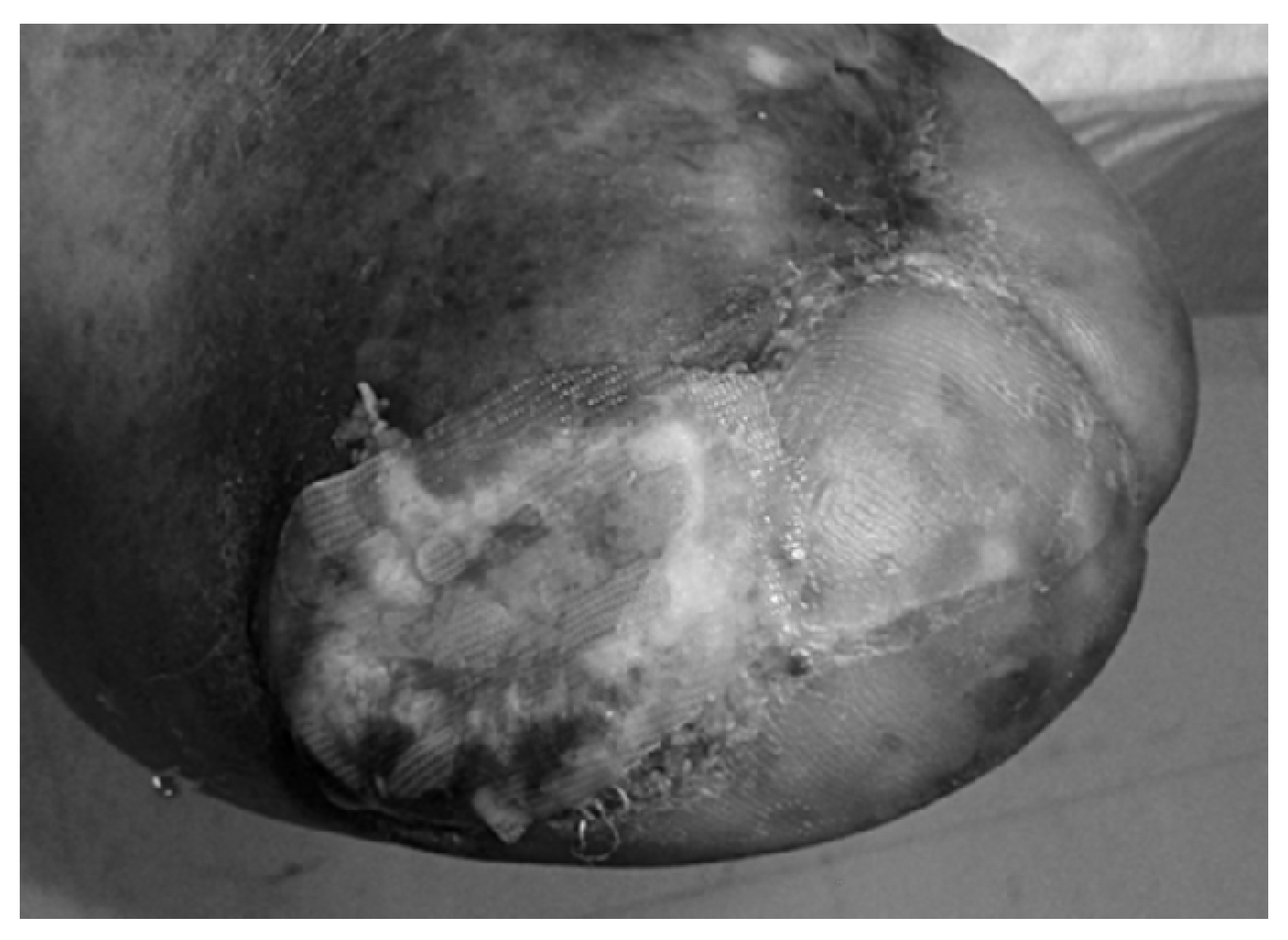
Since its introduction in the United States in 1997, NPWT, or vacuum-assisted closure, has emerged as a commonly used option in the treatment of complex wounds (Fig. 3). The incorporation of NPWT into wound treatment regimens has been advocated by many clinicians, and NPWT has been noted to help decrease the number of dressing changes, reduce the time between debridement and definitive closure, and reduce costs associated with a protracted hospital stay.[29,30]
Armstrong et al[30] evaluated the efficacy of NPWT to heal 31 indolent diabetic foot wounds immediately after wide surgical debridement. A cessation of therapy protocol was used in which NPWT was discontinued when the wound bed approached 100% coverage with granulation tissue and no exposed tendon, joint capsule, or bone. They noted that 90.3% of the wounds treated with NPWT healed at the level of debridement without the need for further bony resection in a mean ± SD of 8.1 ± 5.5 weeks.[30] In a randomized trial, Eginton et al[31] compared the wound-healing efficacy of NPWT and conventional moist dressings to treat large diabetic foot ulcers and found that NPWT decreased wound volume and depth significantly more than did moist gauze dressings (59% versus 0% and 49% versus 8%, respectively).
Recently published trials have further demonstrated the wound-healing efficacy of NPWT. Blume et al[32] compared the safety and clinical efficacy of NPWT with that of advanced moist wound therapy to treat diabetic foot ulcers in a multicenter randomized controlled trial. They enrolled 342 patients, 79% male, with a mean age of 58 years, who were randomized to receive either NPWT or advanced moist wound therapy and standard offloading therapy as needed.[32] The authors noted that a greater proportion of foot ulcers achieved complete ulcer closure with NPWT (73 of 169, 43.2%) than with advanced moist wound therapy (48 of 166, 28.9%) within the 112-day active treatment phase (P = .007). The Kaplan-Meier median estimate for 100% ulcer closure was 96 days (95% confidence interval, 75.0–114.0 days) for NPWT and was not determinable for advanced moist wound therapy (P = .001). The authors noted no significant difference between the groups in treatment-related complications at 6 months.
Similarly, a 16-week, 18-center, randomized clinical trial conducted by Armstrong and Lavery[33] involving 162 diabetic patients with larger and more complex wounds than those from previous randomized trials found that NPWT healed more wounds after partial foot amputation versus standard care (43 [56%] versus 33 [39%], P = .040). The authors noted that NPWT produced faster wound-healing rates (P = .005) and faster granulation tissue formation rates versus standard care based on the time needed to complete closure (P = .002).[33] Resource utilization for patients treated with NPWT also was evaluated in this same study population. Apelqvist et al[34] reported that patients randomized to the NPWT group required fewer surgical procedures (including debridement) than did the control group (43 versus 120, P < .001), fewer mean dressing changes (41 [range, 6–140] versus 118 [range, 12–226]; P < .0001), and fewer mean outpatient treatment visits (4 [range, 0–47] versus 11 [range, 0–106]; P < .05). This yielded a cost savings in excess of $12,800 compared with standard therapy. Combined with the clinical data, these analyses provide compelling evidence that the appropriate use of NPWT is efficacious and cost-effective in achieving healing of properly selected wounds on an inpatient and outpatient basis.

Hyperbaric Oxygen Therapy

Hyperbaric oxygen therapy has long been considered a potential treatment modality for complicated or recalcitrant ulcers. Oxygen has been reported to stimulate angiogenesis, enhance fibroblast and leukocyte function, and normalize cutaneous microvascular reflexes.[35,36] Clinically, HBO therapy has been demonstrated to improve transcutaneous oxygen tension in the limbs of some patients with ischemic ulcers. Significant adverse effects of treatment are uncommon but may be severe, including barotraumatic otitis, hyperoxic seizures, and pneumothorax.
For the treatment of diabetic foot ulcers, one randomized study was particularly influential in supporting the use of HBO for complex wounds. Abidia et al[37] randomly assigned 18 patients with ischemic nonhealing diabetic limb ulcers to receive 100% oxygen or air at 2.4 atmospheres for 90 minutes in a hyperbaric chamber daily. In this double-blind study, the oxygen and control groups received 30 sessions, after which the outcome was measured. In the oxygen group, five of eight ulcers were closed completely compared with one of eight control ulcers (P = .03).
In another prospective study of diabetic foot ulcers, Kalani et al[38] enrolled 38 patients with nonhealing foot ulcers and basal transcutaneous oxygen levels in the foot of less than 40 mm Hg. Seventeen patients were treated with HBO for 40 to 60 sessions and 21 were treated with standard diabetic ulcer care. Patients were observed for 3 years. At final follow-up, 76% of patients treated with HBO had healed their diabetic foot ulcers and only 12% required limb amputation. In the standard care group, 48% had healed their foot ulcers at 3 years and 33% required limb amputation.
In 2004, the Cochrane Collaborative reviewed HBO therapy for chronic wounds and concluded that HBO reduces the risk of amputation for patients with diabetic foot ulcers and increases the chance of healing at 1 year.[39] However, it was noted that these recommendations were based on small, underpowered studies and that further randomized studies were greatly needed to clarify the benefits of this costly therapy. Addressing some of the methodological concerns of previous studies, a rather robust double-blind randomized controlled study conducted by Londahl et al[40] suggested improved healing in the active HBO group compared with the placebo group at 1 year in patients with complex diabetic foot wounds (52% versus 29%, P = .03). This study used an intention-to-treat analysis for patients with chronic (>3 months’ duration) neuropathic and neuroischemic wounds. All of the patients received treatment in a multi-place chamber with either active HBO or placebo (compressed air).
Further work has been conducted to identify better decision-making variables for the use of HBO. Works have focused on the use of transcutaneous oxygen tension as a predictive modality in selecting patients for HBO treatment. Specifically, Grolman et al[41] measured transcutaneous oxygen tension in the ischemic limbs of 36 patients breathing room air followed by 100% oxygen. They found that an increase in transcutaneous oxygen tension in the ischemic foot of greater than 10 mm Hg was associated with a healing rate of 70% compared with a healing rate of 11% in those with an increase of less than 10 mm Hg. In a larger study of ischemic and nonischemic diabetic foot ulcers, Fife et al[42] evaluated the use of transcutaneous oxygen tension in 1,144 patients. In this study,[42] predictive values were relatively poor, with some patients healing despite low initial and in-chamber transcutaneous oxygen tension.
Although data, particularly recently, have pointed toward HBO therapy as having some degree of potential benefit, its cost is high. Patients often travel long distances for daily treatments at great cost to themselves and their families. Although reported protocols for the treatment of ischemic limb ulcers vary significantly, most involve a total cost of $15,000 to $40,000. In an assessment for the Canadian government, Chuck et al[43] from the University of Alberta compared HBO therapy and standard care for diabetic foot ulcers using a decision model and available outcomes data. They found that the average yearly cost for HBO-treated ulcers was CAN$40,695 compared with CAN$49,786 for standard care. They concluded that adjunctive HBO therapy is cost-effective compared with standard care alone.[43]
Currently, HBO therapy is an option that may improve limb preservation in a limited group of patients with complicated ischemic and diabetic limb ulcers. Other HBO indications reimbursed by most insurers include the treatment of inhalation injury, necrotizing wound infections, crush injury, and osteoradionecrosis. Until larger randomized studies are performed, it cannot be recommended as a primary treatment for patients with uncomplicated diabetic or ischemic ulcers. But in selected more complicated cases, HBO therapy may have a role.

Wound Treatments on the Horizon

Stem Cell Therapy

Marrow cells have been shown to play an important role in the healing of cutaneous wounds. Subsequent to dermal wounding, marrow-derived mesenchymal stem cells are mobilized into the peripheral circulation and engraft near adnexal structures in the skin. These cells eventually differentiate into skin cells.[44]
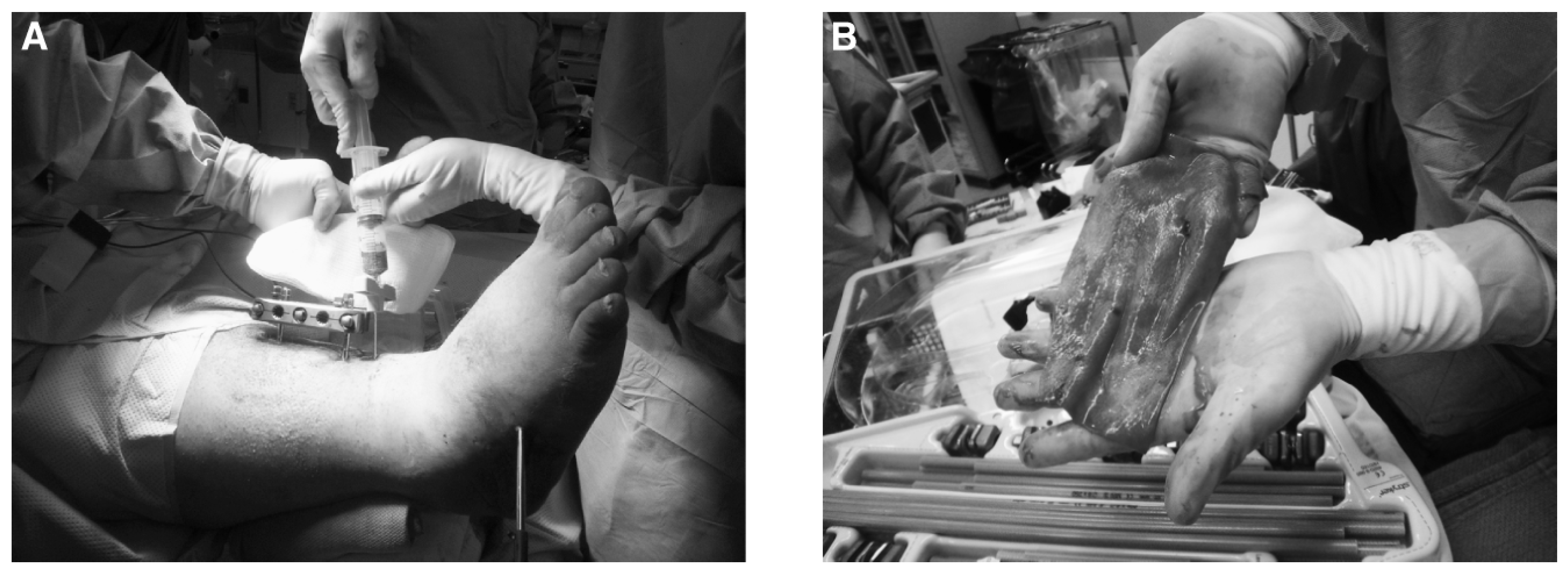
Deng et al[45] transplanted fluorescent-labeled bone marrow mesenchymal stem cells into lethally irradiated mice and found that labeled cells gave rise to stem cells and committed cells in the skin. Another study[46] found that 15% to 20% of the dermal fibroblasts originated from the bone marrow in a murine wound model. Animal studies have shown that wound healing significantly improved after injection of mesenchymal stem cells into the wound.[47] Bauer et al[48] found that although extremity ischemia is a powerful stimulant for marrow stem cell recruitment, fewer progenitor cells were able to migrate to the ischemic wound. This may be a result of macrovascular and microvascular disease, obstructing vascular conduits for mobilization of mesenchymal stem cells. Local application, topically or via injection, of mesenchymal stem cells would place these progenitor cells at the site of injury, assisting in homing and delivery. Human studies[44,49,50] with recent small case series transplanting autologous cultured marrow-derived mesenchymal stem cells and pure marrow aspirate (Fig. 4) have shown rapid improvement in granulation and healing in chronic wounds.
Badiavas and Falanga[44] harvested bone marrow aspirate from the ileum in three patients with chronic wounds unresponsive to aggressive therapy (abdominal dehiscence, lower-extremity arterial ulcer, and lower-extremity venous ulcer) and injected the marrow aspirate into the periwound tissue and applied the aspirate topically. The remaining aspirate was cultured and expanded in vitro and later applied topically to the wounds in a second treatment. The authors noted that after each treatment with cultured mesenchymal stem cells, the wounds experience a burst of granulation tissue. Two patients healed rapidly by secondary intention, and one patient healed with the use of a skin substitute (cultured fetal foreskin). They concluded that their study supported the hypothesis that bone marrow aspirate contains progenitor cells that can engraft into wound and accelerate healing.

Other Critical Considerations

Despite the plethora of advances, results from a myriad of published and unpublished industry-sponsored randomized trials[5,51-53] that evaluated the efficacy of these advanced wound-healing agents have been less than ideal and are difficult to place in perspective. For example, published healing rates for diabetic foot ulcers treated by total-contact casts are noted to be 80% to 90% compared with only 45% to 55% for biological tissues.[54,55] Most studies either offered shoes or sandals to study participants or allowed individual centers to select the type of pressure relief[55]; however, none of these studies used irremovable off-loading.
Such considerations emphasize the importance of using advanced wound-healing modalities as adjuvant therapies that work synergistically with standard wound care regimens, such as routine debridement, pressure mitigation, infection control, and provision of adequate vascularity to the affected area. Without adhering to these important principles, the addition of any adjunctive modality is unlikely to result in improved healing rates.[1,13] Wound bed preparation encompasses the removal of necrotic tissue, formation of granulation tissue, and elimination of wound exudates.[56] Brem et al[56] found that two separate clinical and specialty sites achieved a frequency of complete wound closure of greater than 70% within 6 months via optimal wound preparation. Care for a patient with diabetic foot ulceration is complex, necessitating collaboration of a multidisciplinary team to achieve treatment goals; such a team must accurately assess and manage current wound and patient conditions, optimally manage subsequent complications, and aim to promote shorter healing times. Advanced wound-healing modalities, when used appropriately, may serve as useful components of the wound management algorithm.

Financial Disclosure

None reported.

Conflict of Interest

None reported.

References

  1. Falanga V: Classifications for wound bed preparation and stimulation of chronic wounds. Wound Repair Regen 8: 347, 2000.
  2. Mustoe TA, O’Shaughnessy K, Kloeters O: Chronic wound pathogenesis and current treatment strategies: a unifying hypothesis. Plast Reconstr Surg 117 (suppl):35S, 2006.
  3. Marston WA: Risk factors associated with healing chronic diabetic foot ulcers: the importance of hyperglycemia. Ostomy Wound Manage 52: 26, 2006.
  4. Paquette D, Falanga V: Leg ulcers. Clin Geriatr Med 18: 77, 2002.
  5. Veves A, Falanga V, Armstrong DG, et al: Graftskin, a human skin equivalent, is effective in the management of noninfected neuropathic diabetic foot ulcers: a prospective randomized multicenter clinical trial: Apligraf Diabetic Foot Ulcer Study. Diabetes Care 24: 290, 2001.
  6. Lee KH: Tissue-engineered human living skin substitutes: development and clinical application. Yonsei Med J 41: 774, 2000.
  7. Bello YM, Falabella AF, Eaglstein WH: Tissue-engineered skin: current status in wound healing. Am J Clin Dermatol 2: 305, 2001.
  8. Marston WA: Dermagraft, a bioengineered human dermal equivalent for the treatment of chronic non-healing diabetic foot ulcer. Expert Rev Med Devices 1: 21, 2004.
  9. Mansbridge J, Liu K, Patch R, et al: Three-dimensional fibroblast culture implant for the treatment of diabetic foot ulcers: metabolic activity and therapeutic range. Tissue Eng 4: 403, 1998.
  10. Mansbridge J: Skin substitutes to enhance wound healing. Expert Opin Investig Drugs 7: 803, 1998.
  11. Marston WA, Hanft J, Norwood P, et al: The efficacy and safety of Dermagraft in improving the healing of chronic diabetic foot ulcers: results of a prospective randomized trial. Diabetes Care 26: 1701, 2003.
  12. Hanft JR, Surprenant MS: Healing of chronic foot ulcers in diabetic patients treated with a human fibroblast-derived dermis. J Foot Ankle Surg 41: 291, 2002.
  13. Browne AC, Vearncombe M, Sibbald RG: High bacterial load in asymptomatic diabetic patients with neurotrophic ulcers retards wound healing after application of Dermagraft. Ostomy Wound Manage 47: 44, 2001.
  14. Allenet B, Paree F, Lebrun T, et al: Cost-effectiveness modeling of Dermagraft for the treatment of diabetic foot ulcers in the French context. Diabetes Metab 26: 125, 2000.
  15. Zaulyanov L, Kirsner RS: A review of a bi-layered living cell treatment (Apligraf) in the treatment of venous leg ulcers and diabetic foot ulcers. Clin Interventions Aging 2: 93, 2007.
  16. De SK, Reis ED, Kerstein MD: Wound treatment with human skin equivalent. JAPMA 92: 19, 2002.
  17. Trent JF, Kirsner RS: Tissue engineered skin: Apligraf, a bi-layered living skin equivalent. Int J Clin Pract 52: 408, 1998.
  18. Donohue KG, Carson P, Iriondo M, et al: Safety and efficacy of a bilayered skin construct in full-thickness surgical wounds. J Dermatol 32: 626, 2005.
  19. Brem H, Balledux J, Bloom T, et al: Healing of diabetic foot ulcers and pressure ulcers with human skin equivalent: a new paradigm in wound healing. Arch Surg 135: 627, 2000.
  20. Newton DJ, Khan F, Belch JJ, et al: Blood flow changes in diabetic foot ulcers treated with dermal replacement therapy. J Foot Ankle Surg 41: 233, 2002.
  21. Healing chronic wounds: technologic solutions for today and tomorrow. Adv Skin Wound Care 13: (suppl):4, 2000.
  22. Edmonds M: Apligraf in the treatment of neuropathic diabetic foot ulcers. Int J Low Extrem Wounds 8: 11, 2009.
  23. Steinberg JS, Edmonds M, Hurley DP Jr, et al: Confirmatory data from EU study supports Apligraf for the treatment of neuropathic diabetic foot ulcers. JAPMA 100: 73, 2010.
  24. Molecule of the month: Apligraf living human skin equivalent. Drug News Perspect 11: 43, 1998.
  25. Dolynchuk K, Hull P, Guenther L, et al: The role of Apligraf in the treatment of venous leg ulcers. Ostomy Wound Manage 45: 34, 1999.
  26. Fagrell B, Jorneskog G, Intaglietta M: Disturbed microvascular reactivity and shunting: a major cause for diabetic complications. Vasc Med 4: 125, 1999.
  27. Redekop WK, McDonnell J, Verboom P, et al: The cost effectiveness of Apligraf treatment of diabetic foot ulcers. PharmacoEconomics 21: 1171, 2003.
  28. Langer A, Rogowski W: Systematic review of economic evaluations of human cell-derived wound care products for the treatment of venous leg and diabetic foot ulcers. BMC Health Serv Res 9: 115, 2009.
  29. McCallon SK, Knight CA, Valiulus JP, et al: Vacuum-assisted closure versus saline-moistened gauze in the healing of postoperative diabetic foot wounds. Ostomy Wound Manage 46: 28, 2000.
  30. Armstrong DG, Lavery LA, Abu-Rumman P, et al: Outcomes of subatmospheric pressure dressing therapy on wounds of the diabetic foot. Ostomy Wound Manage 48: 64, 2002.
  31. Eginton MT, Brown KR, Seabrook GR, et al: A prospective randomized evaluation of negative-pressure wound dressings for diabetic foot wounds. Ann Vasc Surg 17: 645, 2003.
  32. Blume PA, Walters J, Payne W, et al: Comparison of negative pressure wound therapy using vacuum-assisted closure with advanced moist wound therapy in the treatment of diabetic foot ulcers: a multicenter randomized controlled trial. Diabetes Care 31: 631, 2008.
  33. Armstrong DG, Lavery LA: Negative pressure wound therapy after partial diabetic foot amputation: a multi-centre, randomised controlled trial. Lancet 366: 1704, 2005.
  34. Apelqvist J, Armstrong DG, Lavery LA, et al: Resource utilization and economic costs of care based on a randomized trial of V.A.C. therapy in the treatment of diabetic foot wounds. Am J Surg 195: 782, 2008.
  35. Kuffler DP: Hyperbaric oxygen therapy: an overview. J Wound Care 19: 77, 2010.
  36. Goldman RJ: Hyperbaric oxygen therapy for wound healing and limb salvage: a systematic review. Pm R 1: 471, 2009.
  37. Abidia A, Laden G, Kuhan G, et al: The role of hyperbaric oxygen therapy in ischaemic diabetic lower extremity ulcers: a double-blind randomised-controlled trial. Eur J Vasc Endovasc Surg 25: 513, 2003.
  38. Kalani M, Jorneskog G, Naderi N, et al: Hyperbaric oxygen (HBO) therapy in treatment of diabetic foot ulcers: long-term follow-up. J Diabetes Complications 16: 153, 2002.
  39. Kranke P, Bennett M, Roeckl-Wiedmann I, et al: Hyperbaric oxygen therapy for chronic wounds. Cochrane Database Syst Rev 2: CD004123, 2004.
  40. Londahl M, Katzman P, Nilsson A, et al: Hyperbaric oxygen therapy facilitates healing of chronic foot ulcers in patients with diabetes. Diabetes Care 33: 998, 2010.
  41. Grolman RE, Wilkerson DK, Taylor J, et al: Transcutaneous oxygen measurements predict a beneficial response to hyperbaric oxygen therapy in patients with nonhealing wounds and critical limb ischemia. Am Surg 67: 1072, 2001.
  42. Fife CE, Buyukcakir C, Otto GH, et al: The predictive value of transcutaneous oxygen tension measurement in diabetic lower extremity ulcers treated with hyperbaric oxygen therapy: a retrospective analysis of 1,144 patients. Wound Repair Regen 10: 198, 2002.
  43. Chuck AW, Hailey D, Jacobs P, et al: Cost-effectiveness and budget impact of adjunctive hyperbaric oxygen therapy for diabetic foot ulcers. Int J Technol Assess Health Care 24: 178, 2008.
  44. Badiavas EV, Falanga V: Treatment of chronic wounds with bone marrow-derived cells. Arch Dermatol 139: 510, 2003.
  45. Deng J, Petersen BE, Steindler DA, et al: Mesenchymal stem cells spontaneously express neural proteins in culture and are neurogenic after transplantation. Stem Cells 24: 1054, 2006.
  46. Fathke C, Wilson L, Hutter J, et al: Contribution of bone marrow-derived cells to skin: collagen deposition and wound repair. Stem Cells 22: 812, 2004.
  47. McFarlin K, Gao X, Liu YB, et al: Bone marrow-derived mesenchymal stromal cells accelerate wound healing in the rat. Wound Repair Regen 14: 471, 2006.
  48. Bauer SM, Goldstein LJ, Bauer RJ, et al: The bone marrow-derived endothelial progenitor cell response is impaired in delayed wound healing from ischemia. J Vasc Surg 43: 134, 2006.
  49. Badiavas EV, Ford D, Liu P, et al: Long-term bone marrow culture and its clinical potential in chronic wound healing. Wound Repair Regen 15: 856, 2007.
  50. Falanga V, Iwamoto S, Chartier M, et al: Autologous bone marrow-derived cultured mesenchymal stem cells delivered in a fibrin spray accelerate healing in murine and human cutaneous wounds. Tissue Eng 13: 1299, 2007.
  51. Steed DL, Diabetic Ulcer Study Group: Clinical evaluation of recombinant human platelet-derived growth factor for the treatment of lower extremity diabetic ulcers. J Vasc Surg 21: 71, 1995.
  52. Veves A, Sheehan P, Pham HT: A randomized, controlled trial of Promogran (a collagen/oxidized regenerated cellulose dressing) vs standard treatment in the management of diabetic foot ulcers. Arch Surg 137: 822, 2002.
  53. Gentzkow GD, Iwasaki SD, Hershon KS: Use of Dermagraft, a cultured human dermis, to treat diabetic foot ulcers. Diabetes Care 19: 350, 1996.
  54. Cavanagh PR, Lipsky BA, Bradbury AW, et al: Treatment for diabetic foot ulcers. Lancet 366: 1725, 2005.
  55. Armstrong DG, Boulton AJ: Pressure offloading and “advanced” wound healing: isn’t it finally time for an arranged marriage?. Int J Low Extrem Wounds 3: 184, 2004.
  56. Brem H, Balledux J, Sukkarieh T, et al: Healing of venous ulcers of long duration with a bilayered living skin substitute: results from a general surgery and dermatology department. Dermatol Surg 27: 915, 2001.
Figure 1. Bioengineered tissue. Cultured human dermis in place before final trimming to fit and dressing.
Japma 100 00385 g001
Figure 2. Hemoglobin A1c change during the study period.
Japma 100 00385 g002
Figure 3. Negative-pressure wound therapy device in place on a midfoot amputation showing open-celled foam with vacuum and streaming fluid ports in place for instillation of potential therapeutic agents.
Japma 100 00385 g003
Figure 4. Marrow-derived stem cell harvest. Note the aspiration of pluripotent cells from the tibia (A) and their eventual seeding on the acellular matrix before grafting (B).
Japma 100 00385 g004