Article

Refining Our Understanding of Beta through Quantile Regressions

W. A. Franke College of Business, Northern Arizona University/20 McConnell Dr., Flagstaff, AZ 86011-5066, USA
*
Author to whom correspondence should be addressed.
J. Risk Financ. Manag. 2014, 7(2), 67-79; https://doi.org/10.3390/jrfm7020067
Submission received: 24 December 2013 / Revised: 28 April 2014 / Accepted: 5 May 2014 / Published: 21 May 2014

Abstract

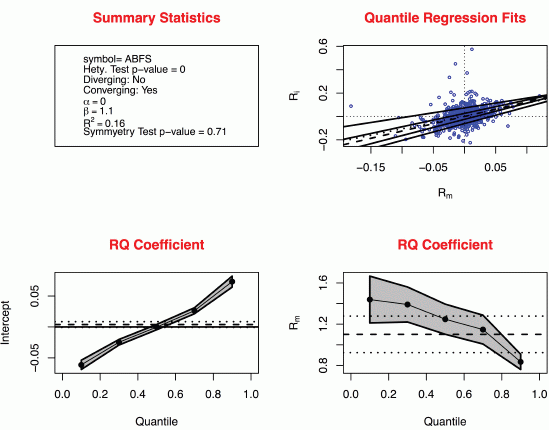
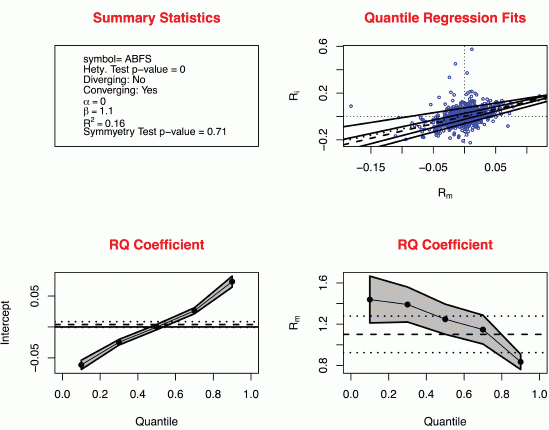
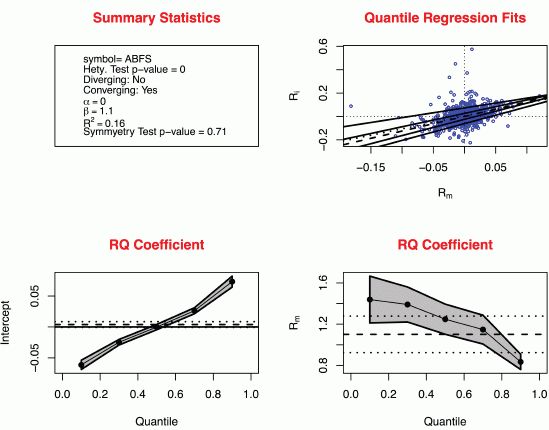
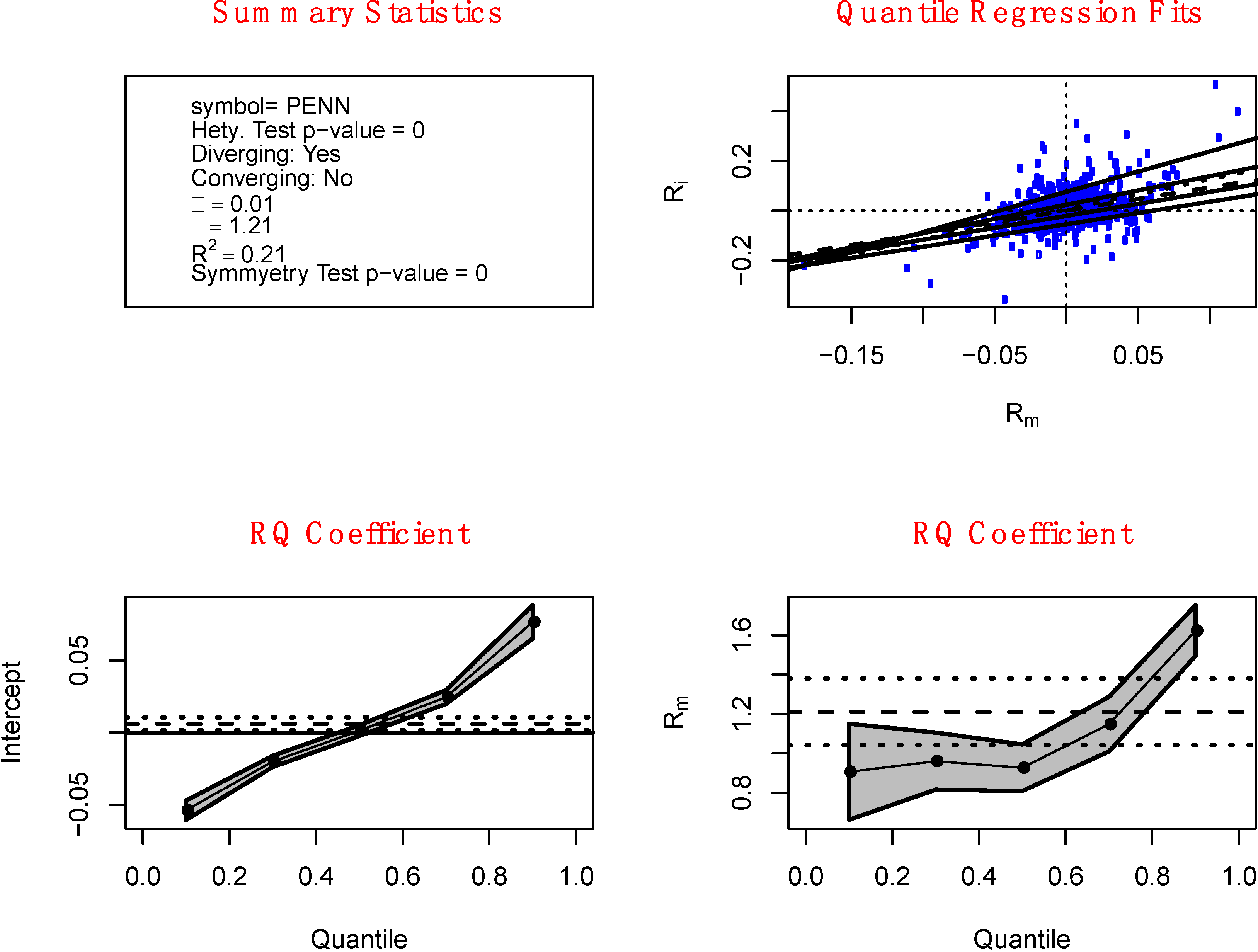
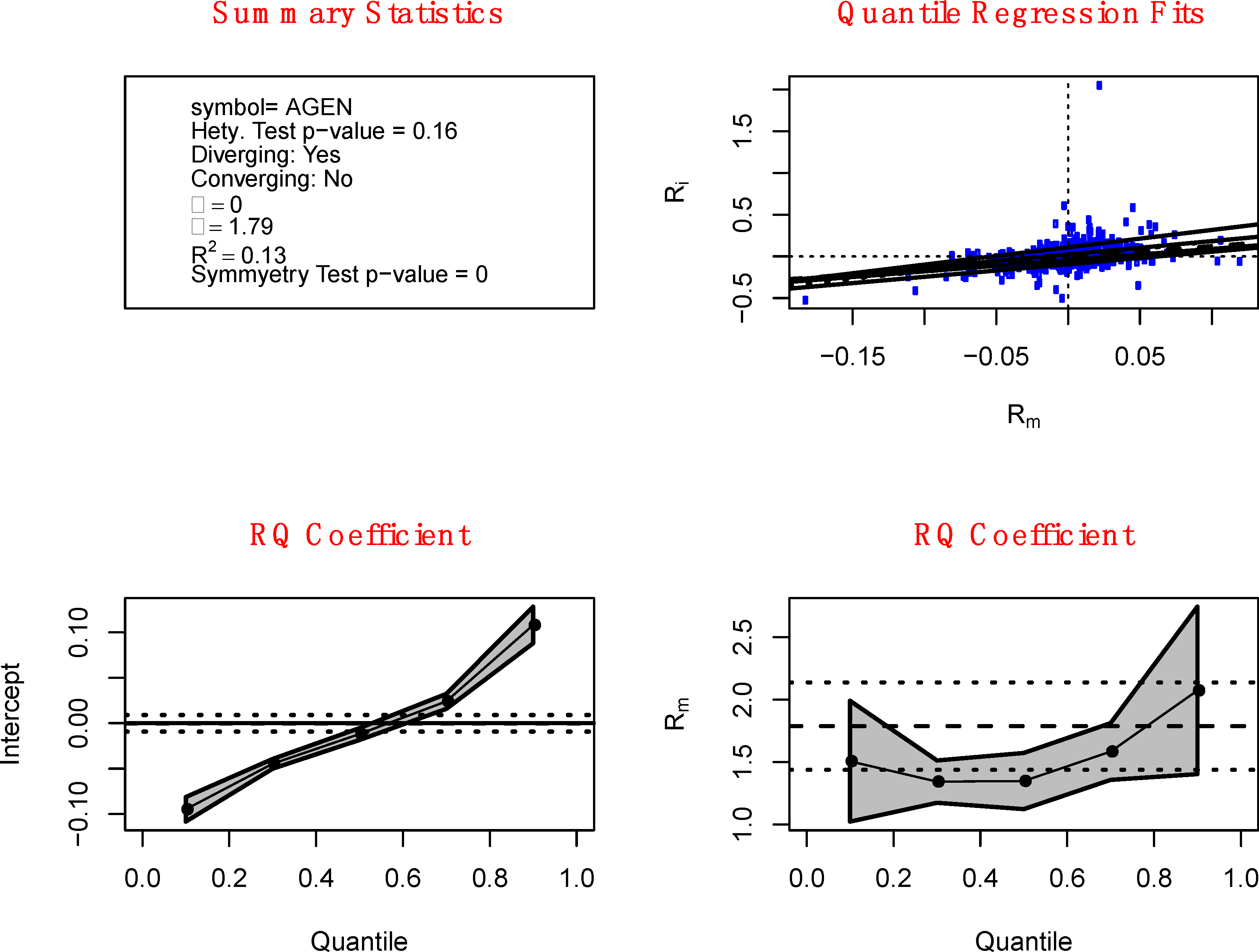
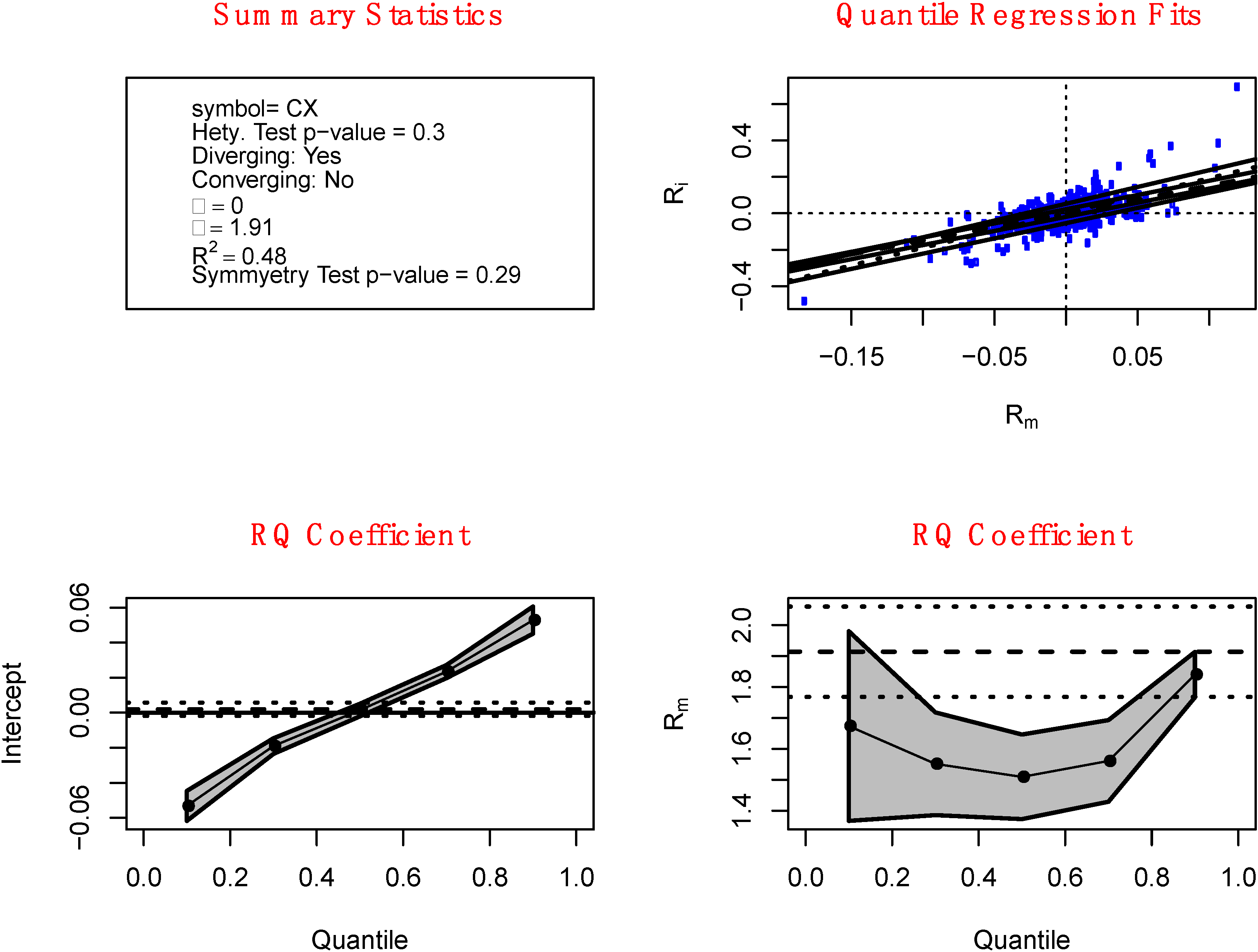
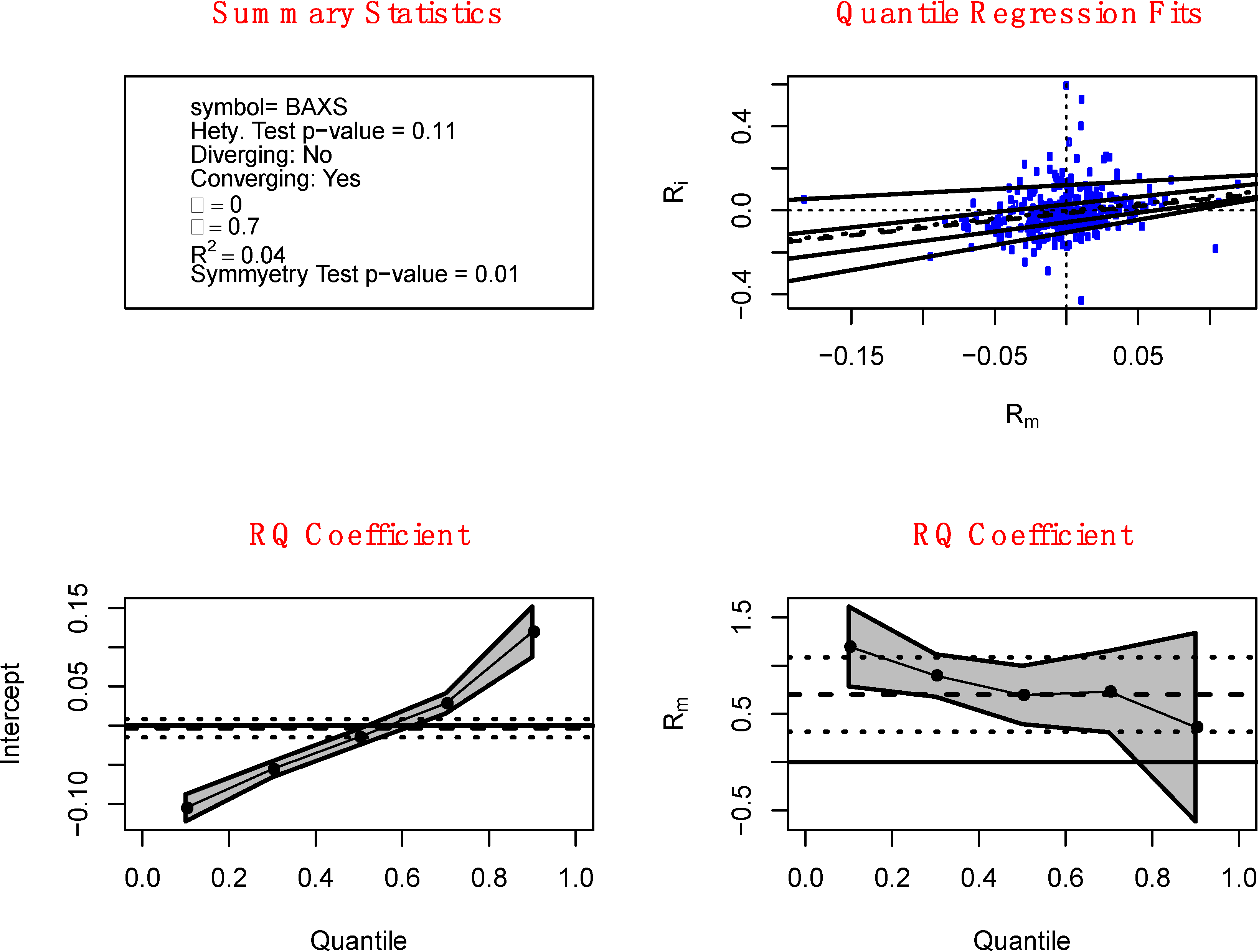
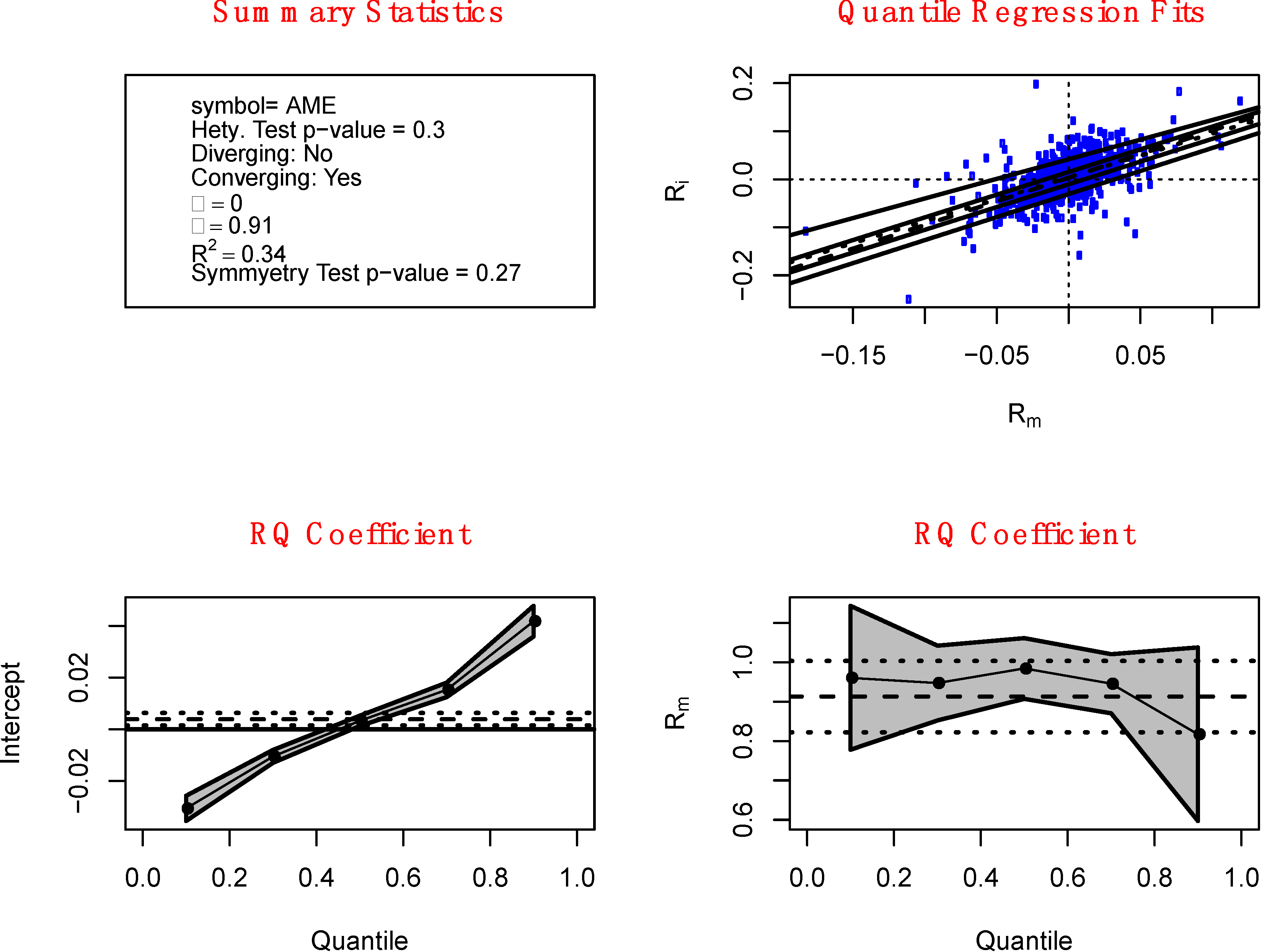
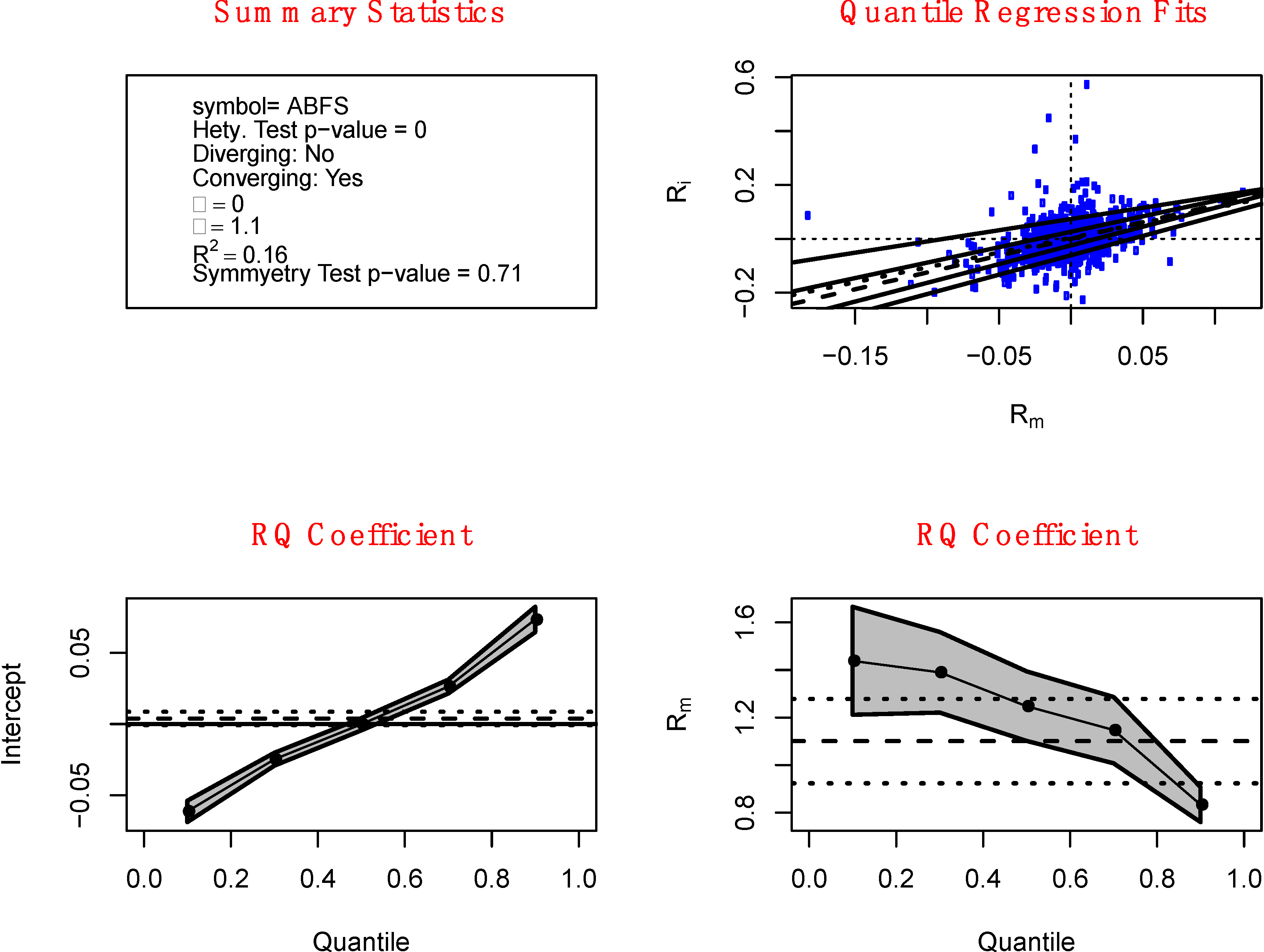
The Capital Asset Pricing Model (CAPM) has been a key theory in financial economics since the 1960s. One of its main contributions is to attempt to identify how the risk of a particular stock is related to the risk of the overall stock market using the risk measure Beta. If the relationship between an individual stock’s returns and the returns of the market exhibit heteroskedasticity, then the estimates of Beta for different quantiles of the relationship can be quite different. The behavioral ideas first proposed by Kahneman and Tversky (1979), which they called prospect theory, postulate that: (i) people exhibit “loss-aversion” in a gain frame; and (ii) people exhibit “risk-seeking” in a loss frame. If this is true, people could prefer lower Beta stocks after they have experienced a gain and higher Beta stocks after they have experienced a loss. Stocks that exhibit converging heteroskedasticity (22.2% of our sample) should be preferred by investors, and stocks that exhibit diverging heteroskedasticity (12.6% of our sample) should not be preferred. Investors may be able to benefit by choosing portfolios that are more closely aligned with their preferences.
Keywords: Beta; risk preferences; portfolio management; quantile regression; hetero-skedasticity Beta; risk preferences; portfolio management; quantile regression; hetero-skedasticity
Graphical Abstract