1. Introduction
The global transition toward sustainability requires not only technological innovation but also robust financial stability and coherent governance. Achieving climate targets and promoting sustainable development depend on efficiently allocating capital to green projects, which requires both market confidence and reliable financial instruments. Financial markets play a central role in this process by mobilizing private and public investments for climate action, supporting renewable energy, low-carbon infrastructure, and socially responsible enterprises. However, the promise of green finance is tempered by the growing complexity of SRU. Ambiguities in ESG reporting, inconsistent regulatory standards, and divergent corporate practices create information asymmetries that challenge investor decision-making and increase market volatility. Effectively managing these uncertainties requires integrating technology policy, digital governance frameworks, and regulatory oversight into sustainable finance ecosystems.
Digital financial innovations—such as decentralized finance (DeFi) protocols and ESG funds—have emerged as critical channels for financing sustainable initiatives, offering new avenues for capital allocation beyond traditional banking and investment systems. While these instruments provide opportunities to enhance transparency, democratize access to sustainable investment, and scale climate solutions, they are also highly sensitive to uncertainties arising from fragmented carbon markets, inconsistent governance frameworks, and shifting climate policies.
Importantly, this study does not treat decentralized finance (DeFi) protocols and traditional ESG funds as homogeneous green financial assets. Instead, it deliberately contrasts two fundamentally different sustainability-finance architectures characterized by distinct governance mechanisms, regulatory environments, investor structures, and information disclosure systems. DeFi protocols operate within decentralized, technology-driven ecosystems marked by algorithmic governance, limited regulatory oversight, speculative investor behavior, and weakly standardized ESG disclosure. In contrast, ESG funds are embedded in institutionalized financial markets, benefiting from formal regulation, professional asset management, standardized disclosure requirements, and diversified investor bases.
The purpose of adopting this comparative framework is not to broaden the analysis at the expense of depth, but to examine how identical SRU shocks propagate differently across financial systems with fundamentally different institutional foundations. By positioning DeFi protocols and ESG funds as two polar governance archetypes within sustainable finance, the study identifies the boundary conditions under which SRU is amplified or absorbed by financial markets. This cross-asset-category comparison is therefore theoretically necessary to advance understanding of how governance heterogeneity shapes volatility dynamics under sustainability-related ambiguity. Restricting the analysis to a single asset category would obscure these governance-driven differences and limit the ability to identify how SRU operates under contrasting institutional conditions.
Fluctuations in regulatory requirements, technological standards, and policy commitments can destabilize investment flows, erode trust in green finance, and weaken the broader institutional architecture necessary for effective climate governance. Understanding how technology policy and digital governance influence the transmission of SRU is therefore essential for both market participants and regulators. Such differentiated insights are essential for policymakers designing asset-specific regulatory frameworks rather than uniform sustainability policies across heterogeneous financial systems.
Recent literature highlights several key insights regarding SRU in green financial markets. Traditional ESG funds are affected by ambiguous or inconsistent disclosures, divergent rating methodologies, and policy volatility, which can amplify price fluctuations, reduce investment flows, and increase stock-specific risk (
Avramov et al., 2022;
Broadstock et al., 2021;
Zhang et al., 2025). Empirical studies also reveal that ESG performance and rating momentum can mitigate volatility and improve risk-adjusted returns, indicating that both the level and stability of ESG practices are crucial determinants of asset resilience (
Escobar-Saldívar et al., 2025;
Magnani et al., 2024). In parallel, emerging DeFi protocols—operating in largely decentralized and unregulated environments—are highly sensitive to ESG shocks. Studies show that ESG-related information, policy announcements, and market sentiment propagate rapidly across DeFi assets, amplifying volatility and creating systemic spillovers to traditional markets (
Ali et al., 2025;
Oben et al., 2025;
Esparcia et al., 2024). Collectively, these findings underscore that SRU is a critical driver of volatility in both conventional and decentralized green finance, yet its mechanisms and cross-market effects remain insufficiently explored.
Despite these advances, several gaps remain. First, most studies examine either traditional ESG assets or DeFi protocols in isolation, limiting comparative understanding of how SRU operates across distinct financial architectures. Second, quantitative SRU indices—such as the SRU Index (ESGUI)—remain underutilized in both traditional and decentralized markets. Third, prevailing linear econometric approaches often fail to capture the non-linear, asymmetric, and dynamic interactions between SRU and asset volatility, particularly in environments characterized by institutional fragmentation and regulatory ambiguity.
Against this backdrop, the objective of this paper is to investigate how SRU—measured using the ESGUI in its global equal-weighted (ESGUI_EQ) and GDP-weighted (ESGUI_GDP) forms developed by
Ongan et al. (
2025)—influences the volatility of green financial assets, with a specific focus on decentralized finance (DeFi) protocols and ESG-focused exchange-traded funds. Rather than seeking universal generalization, the analysis explicitly acknowledges the institutional and governance boundaries of each asset category, using the comparative framework to uncover structural differences in volatility transmission mechanisms.
The originality of this study is threefold. First, it provides a comparative perspective between emerging DeFi climate protocols and traditional ESG funds, bridging digital finance innovations with conventional sustainable investments. Second, it operationalizes SRU using the ESGUI index—a novel and systematic indicator that goes beyond traditional uncertainty measures. Third, it employs fuzzy logic predictive models, complemented by Granger causality tests, to capture both the non-linear dynamics and predictive relationships between SRU and asset volatility, offering a methodological improvement over conventional linear econometric approaches.
This study makes several significant contributions to the literature on sustainable finance. Theoretically, it integrates SRU into the analysis of both decentralized and traditional green finance, advancing our understanding of how ESG-related risks influence diverse asset classes and the broader dynamics of green financial markets. Methodologically, it combines fuzzy logic predictive modeling with Granger causality analysis to capture complex, non-linear, and directional relationships between SRU and asset volatility, providing a framework for more robust modeling of risk in ESG-focused investments. From a practical and policy perspective, the study informs investors, fund managers, and regulators about the importance of governance frameworks, technology-informed oversight, and the development of tools that enhance the resilience of green financial markets. Overall, the study contributes to society by elucidating the broader implications of SRU for green investments, guiding sustainable development, climate action, and responsible investment practices.
The remainder of this paper is organized as follows.
Section 2 reviews the relevant literature on green asset volatility and SRU.
Section 3 outlines the research methodology, while
Section 4 describes the data employed in the study.
Section 5 presents and analyzes the empirical results, and
Section 6 discusses the main findings and concludes with implications for future research and policy development.
2. Literature Review
The global financial landscape is undergoing a transformative shift as sustainable finance becomes increasingly central to investment decision-making. Environmental, Social, and Governance (ESG) criteria are now embedded in portfolio construction, risk assessment, and corporate strategy. This trend extends beyond traditional financial instruments into decentralized finance (DeFi), which offers ESG-aligned digital assets and tokenized green investment opportunities. While this evolution reflects growing investor demand for sustainable outcomes, it simultaneously introduces new layers of complexity and risk that remain insufficiently explored.
However, a critical challenge emerges: SRU. This refers to ambiguity or inconsistency in ESG information, including non-standardized disclosures, varying rating methodologies, and unpredictable environmental regulations (
Avramov et al., 2022;
Zhang et al., 2025). Such uncertainty is not merely informational; it translates into tangible financial consequences by affecting investor confidence, altering risk perception, and amplifying asset volatility. Understanding its role is especially pertinent for both ESG funds and emerging green DeFi protocols, as evidence shows that crypto markets are particularly sensitive to ESG-related shocks (
Ben Yaala & Henchiri, 2025).
Importantly, SRU is multi-dimensional and can be classified into three main types, each with distinct transmission mechanisms, influence paths, and temporal characteristics. First, information uncertainty arises from incomplete, ambiguous, or non-standardized ESG disclosures, subjective weighting of ESG pillars, or temporal lags in ESG assessments (
Bayat et al., 2025;
Pástor et al., 2021). It primarily affects short-term asset pricing and investor sentiment, increasing perceived risk and amplifying volatility (
Broadstock et al., 2021;
D. Luo et al., 2023). Second, policy uncertainty refers to unpredictable or inconsistent environmental regulations, government incentives, or climate policies that influence corporate ESG strategies (
Raza et al., 2024;
Baker et al., 2016;
Pástor & Veronesi, 2012). This type of uncertainty often has medium- to long-term effects, impacting strategic capital allocation, financing costs, and corporate planning. Third, market uncertainty relates to broader financial market dynamics, including investor behavior, speculative pressures, and the adoption of ESG-focused investment strategies. It manifests as systemic risk propagation, particularly in emerging or decentralized financial markets, where transparency and governance are limited (
Ali et al., 2025;
Enajero, 2024;
Oben et al., 2025), amplifying both short-term fluctuations and long-term interconnections.
SRU largely arises from information asymmetry and lack of transparency in ESG reporting.
Pástor et al. (
2021) argue that uncertainty regarding firms’ ESG performance can influence market equilibrium, affecting capital allocation to sustainable assets.
Zeng et al. (
2025) demonstrate that discrepancies between major ESG rating agencies contribute to higher stock return volatility, highlighting the material financial consequences of ESG ambiguity.
The ESGUI index developed by
Ongan et al. (
2025) provides a quantitative measure of SRU, aggregating ESG disclosure variability, rating divergence, and regulatory discrepancies. While ESGUI offers advantages such as standardized measurement and cross-market comparability, it may not fully disentangle the distinct effects of information, policy, and market uncertainty, potentially obscuring their unique transmission mechanisms and temporal impacts. Complementing ESGUI with dimension-specific indicators or dynamic models could better address these limitations.
Empirical evidence shows that SRU directly affects volatility.
Bayat et al. (
2025) provide a comprehensive review of ESG rating uncertainty, identifying key causes such as inconsistent disclosure standards, subjective weighting of ESG pillars, and temporal lag in ESG assessments. They note consequences such as increased volatility, reduced investment flows, and diminished market efficiency, proposing remedies like harmonization of ESG frameworks, machine learning for real-time ESG assessment, and enhanced regulatory guidance. While these proposals are promising, practical implementation remains fragmented across jurisdictions, limiting their effectiveness.
Theoretical work further supports these findings.
Pástor and Veronesi (
2012) and
Baker et al. (
2016) illustrate how policy uncertainty magnifies asset price volatility.
Raza et al. (
2024) extend this to climate policy, demonstrating a clear link between environmental policy ambiguity and fluctuations in green financial markets. This underscores that ESG-related uncertainty interacts with broader macroeconomic and regulatory contexts, creating compounded effects on asset behavior.
Yang et al. (
2025) investigate whether ESG practices can buffer uncertainty’s effects on corporate cash holdings. Firms with higher ESG scores are better able to manage liquidity during periods of economic or regulatory uncertainty, suggesting that effective ESG integration mitigates risk perception and stabilizes financial behavior. This implies that ESG adoption is not only socially responsible but also a practical financial risk management strategy, highlighting its dual function in sustainability and market stability.
Traditional ESG funds integrate environmental, social, and governance criteria into investment decisions, offering investors the opportunity to support sustainable business practices while seeking financial returns. Yet, despite this integration, these funds remain inherently vulnerable to volatility driven by SRU. Ambiguous, inconsistent, or incomplete ESG disclosures can amplify price fluctuations and perceived investment risk, challenging portfolio management and asset pricing.
Research shows that uncertainty surrounding corporate ESG profiles directly affects asset pricing and investor behavior.
Avramov et al. (
2022) find that ESG ambiguity increases risk aversion, elevates the market risk premium, and reduces demand for ESG-focused equities.
D. Luo et al. (
2023) suggest that inconsistent ESG signals contribute to higher volatility, as investors struggle to price assets accurately.
Broadstock et al. (
2021) show that Chinese firms with ambiguous ESG ratings experienced higher stock return volatility during COVID-19, while
Kwak et al. (
2022) document larger outflows from ESG funds with opaque reporting under market stress. Collectively, these studies demonstrate that ESG ambiguity is not just a theoretical concern but a practical determinant of market behavior.
Several studies also highlight the nuanced effects of ESG scores on stock-specific risk.
Källebring and Wiklund (
2025) report that investors following ESG-focused strategies may face higher idiosyncratic risk, potentially weakening overall performance.
Naseer et al. (
2024) find that fund fluctuations closely track underlying stock volatility.
Xu et al. (
2025) identify a significant negative relationship between ESG performance and stock price volatility, indicating that ESG risk mitigation is broadly relevant across firm sizes.
Escobar-Saldívar et al. (
2025) show that ESG momentum—both positive and negative—further influences risk-adjusted returns. These findings indicate that volatility is not solely driven by ESG level but also by temporal dynamics, emphasizing the importance of monitoring ESG trajectories over time.
Magnani et al. (
2024) examine ESG rating stability and its impact on the cost of equity capital, finding that firms with strong, stable ESG ratings enjoy lower financing costs, while volatile ratings increase risk premiums. This reinforces the argument that temporal ESG volatility carries tangible financial implications and should be incorporated into investment decision frameworks.
Gaies (
2025) finds that during market turmoil, ESG investments in Germany and Italy exhibit higher volatility than in France, highlighting the importance of local financial structures, regulatory environments, and investor behavior in moderating ESG-driven risks.
Decentralized Finance (DeFi) represents a rapidly evolving financial ecosystem built on blockchain technology, enabling peer-to-peer transactions without intermediaries. Unlike traditional ESG funds, DeFi operates largely unregulated, exposing participants to higher risks of information asymmetry and market volatility. This makes DeFi particularly sensitive to SRU, which can amplify both price fluctuations and systemic risk.
Ali et al. (
2025) show that DeFi assets respond dynamically to ESG disclosures, with news or updates triggering immediate fluctuations.
Enajero (
2024) compares ESG-focused DeFi protocols and traditional ESG funds, revealing that DeFi assets are more sensitive to ESG ambiguity due to decentralized governance and lower transparency. This highlights a fundamental structural vulnerability in DeFi, suggesting that traditional regulatory and reporting mechanisms may be insufficient for these emerging markets.
Oben et al. (
2025) examine the connectedness of DeFi with traditional markets, finding that ESG shocks propagate rapidly across DeFi assets, amplifying volatility.
X. Luo and Adelopo (
2025) demonstrate that higher ESG ratings in cryptocurrencies reduce price crash risks, indicating that robust ESG integration can enhance resilience.
Alharbi et al. (
2025) reveal interconnected volatility between ESG stocks and green cryptocurrencies, showing that shocks can transmit across markets.
Adamyk et al. (
2025) emphasize innovative monitoring tools as crucial for mitigating DeFi volatility. Together, these studies indicate that SRU is not only an ESG reporting issue but a systemic risk factor in both traditional and decentralized finance.
In addition,
Ben Yaala and Henchiri (
2026) investigate the co-movement between Bitcoin and ESG returns across emerging and developed markets using a cross-wavelet transform and time-varying Granger causality framework. Their findings show that Bitcoin’s influence on ESG indices is both time-varying and region-dependent, with medium-term co-movements dominating in emerging markets and more complex bidirectional linkages in developed regions. This highlights that cryptocurrency dynamics can further interact with ESG-related uncertainty, reinforcing the need to consider geographic and market-specific factors when analyzing volatility in sustainable financial assets.
Esparcia et al. (
2024) investigates dynamic interactions between DeFi assets and G7 equity markets using Vector Autoregressive–Generalized Autoregressive Conditional Heteroskedasticity (VAR-GARCH) and Dynamic Conditional Correlation GARCH (DCC-GARCH) models. Results show that DeFi assets generate significant volatility spillovers, particularly during economic turbulence (COVID-19, energy crisis). This underscores that DeFi volatility is interlinked with broader macroeconomic and market conditions, highlighting its potential implications for financial stability.
Despite growing interest in green financial markets, gaps remain. First, most studies focus exclusively on either traditional ESG funds or DeFi protocols, limiting comparative understanding of how SRU differentially impacts these asset classes. Second, quantitative SRU indices (e.g., ESGUI) remain underutilized in both conventional and decentralized markets, leaving a critical empirical gap. Third, prevailing linear econometric approaches may inadequately capture the non-linear, dynamic interactions between SRU and asset volatility. Finally, the geographic concentration of studies neglects the role of regional technology policies, governance standards, and ESG frameworks, which are essential for assessing asset resilience.
This paper addresses these gaps by combining a comparative asset framework, ESGUI indices, and fuzzy logic predictive modeling to examine volatility under sustainability uncertainty. By explicitly considering the multi-dimensional nature of SRU and integrating both conventional and decentralized finance, quantitative measures, and advanced modeling, this study provides theoretical insights and practical guidance for policymakers and investors navigating ESG-driven markets.
5. Results
At this stage, we present the descriptive statistics of the variables under study and discuss the volatility prediction outcomes obtained from the fitted fuzzy logic model employing the SRU Index in its equal-weighted (ESGUI_EQ) and GDP-weighted (ESGUI_GDP) forms.
5.1. Descriptive Statistics
Table 2 presents the descriptive statistics for the volatility of DeFi protocols, ESG-focused exchange-traded funds (ETFs), and SRU indices. The results reveal significant heterogeneity across assets, reflecting varying risk structures and sensitivity to SRU.
Panel A displays the volatility behavior of DeFi protocols. Among them, KLIMA and EARTH exhibit the highest average volatility (0.17783 and 0.17480, respectively), suggesting their heightened exposure to market and environmental sentiment shocks. Both also present extreme kurtosis values (4.85 and 10.07) and statistically significant Jarque–Bera (JB) tests, confirming deviations from normality. Interestingly, KLIMA and SPE show positive skewness (1.41 and 1.89), indicating a higher likelihood of extreme positive volatility episodes, which could stem from speculative enthusiasm or policy-driven optimism within green DeFi ecosystems. Conversely, EARTH and EWT display negative skewness, reflecting vulnerability to downside shocks and abrupt risk spillovers during adverse market conditions. These asymmetries underscore the complex volatility dynamics typical of nascent decentralized sustainability projects.
Panel B summarizes the behavior of ESG-focused ETFs (ESGU, ESGV, EFVI, and SDG). Overall, these traditional financial instruments exhibit substantially lower volatility and tighter return distributions compared to DeFi assets, as shown by their small standard deviations (ranging between 0.00043 and 0.00158). All ETFs are leptokurtic, with kurtosis slightly above 3, and display significant JB statistics, implying fat-tailed distributions. The positive skewness of ESGU, ESGV, and EFVI suggests that ESG portfolios occasionally experience strong positive returns, likely reflecting increased investor demand for sustainable assets during periods of market optimism. In contrast, SDG shows negative skewness (−1.01), pointing to a higher probability of moderate negative deviations, possibly linked to uneven performance across sustainable development sectors.
Panel C reports the statistics of the SRU Index (ESGUI) in its equal-weighted (ESGUI_EQ) and GDP-weighted (ESGUI_GDP) forms. Both indices exhibit right-skewed and leptokurtic distributions (skewness = 1.98 and 1.53; kurtosis = 5.64 and 5.35), confirming that SRU is characterized by sporadic surges rather than stable fluctuations. This pattern highlights the presence of extreme episodes of uncertainty, often associated with global environmental policy debates, ESG regulatory shifts, or geopolitical sustainability concerns. The statistically significant JB tests further confirm strong deviations from normality.
Collectively, these findings reveal substantial non-linearity, asymmetry, and tail risks across DeFi, ESG, and SRU measures. DeFi assets are marked by pronounced volatility clustering and extreme deviations, while ESG ETFs demonstrate more stable but still leptokurtic behaviors. The pronounced skewness and kurtosis in uncertainty indices emphasize their episodic nature and potential to transmit shocks across green financial assets.
5.2. Fuzzy Logic Model Fitting and Diagnostic Checking Results
This section presents the results of fitting a fuzzy logic model using the SRU Index—Global Equal Weighted (ESGUI_EQ) and the SRU Index—Global GDP Weighted (ESGUI_GDP) to predict volatility in green financial assets, alongside relevant diagnostic analyses.
5.2.1. Fuzzy Logic Model Fitting Results
This subsection introduces the outcomes of the fuzzy inference system applied to green financial markets. The model evaluates how SRU affects the volatility of both decentralized finance (DeFi) protocols and ESG-aligned exchange-traded funds (ETFs). Two main analytical tools are employed: a 3D surface analysis of predicted volatility based on ESGUI_EQ and ESGUI_GDP, and a Rule Viewer analysis detailing the internal logic of volatility prediction.
Three-Dimensional Surface Analysis of Predicted Volatility Based on ESGUI_EQ and ESGUI_GDP
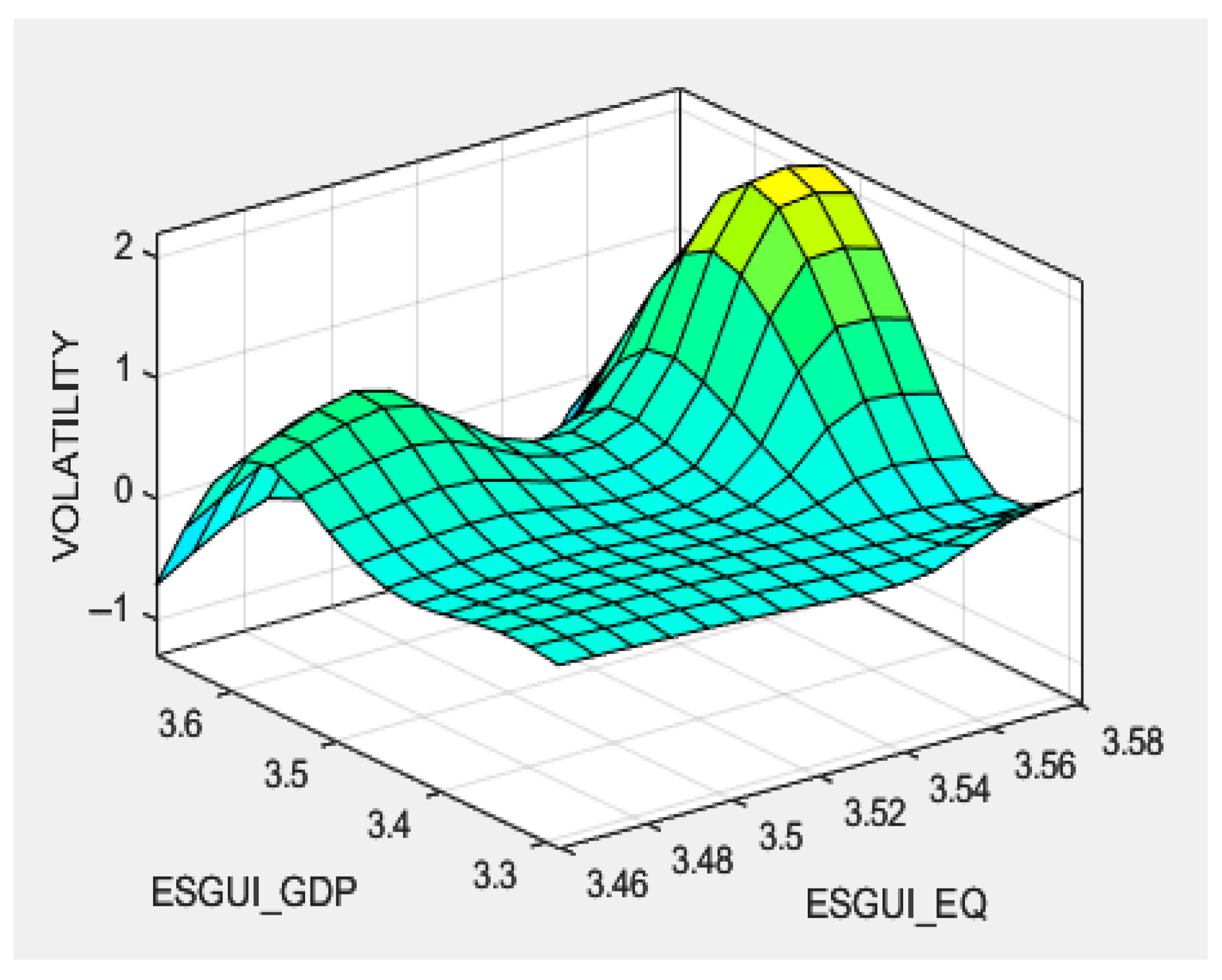
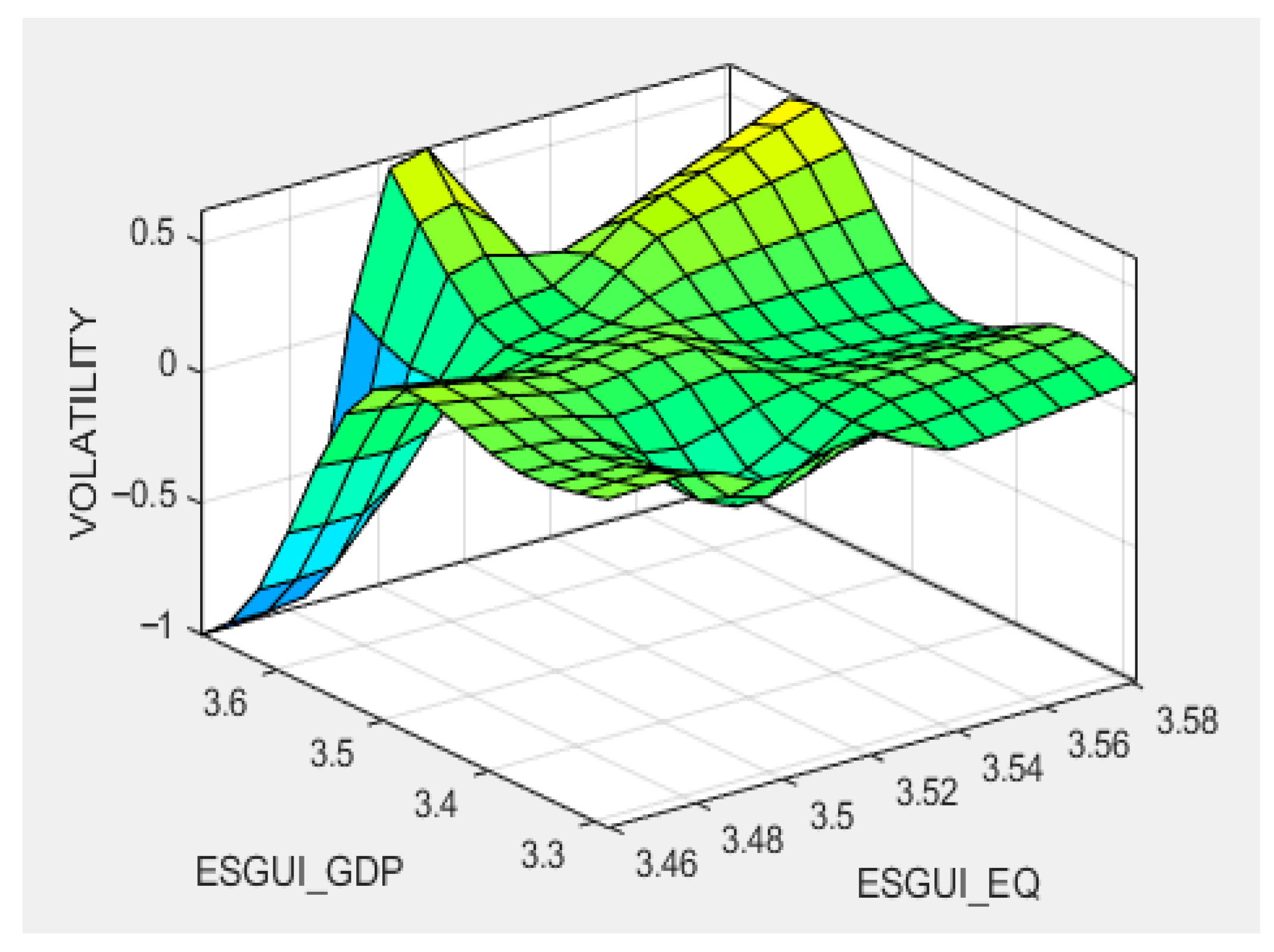
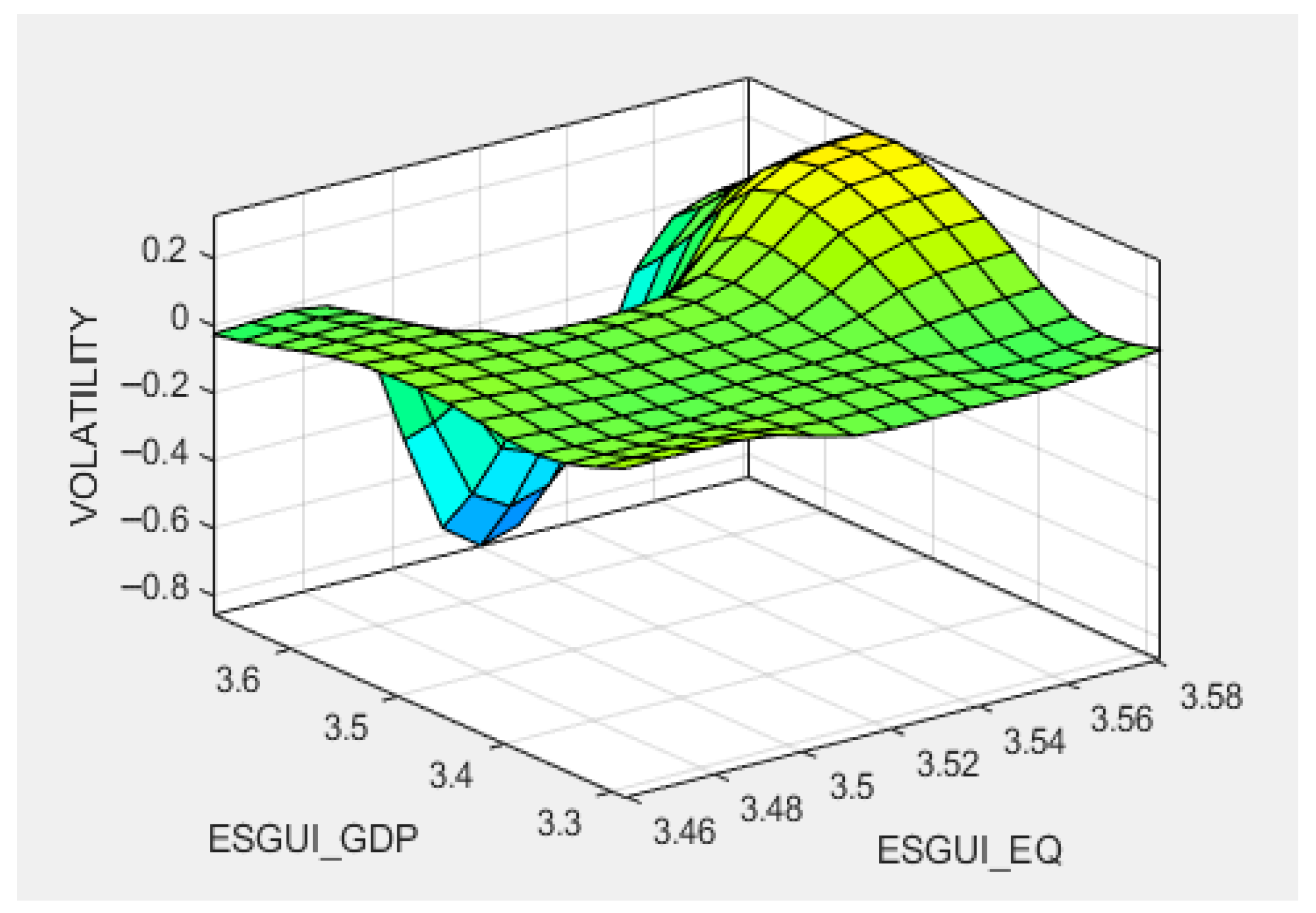
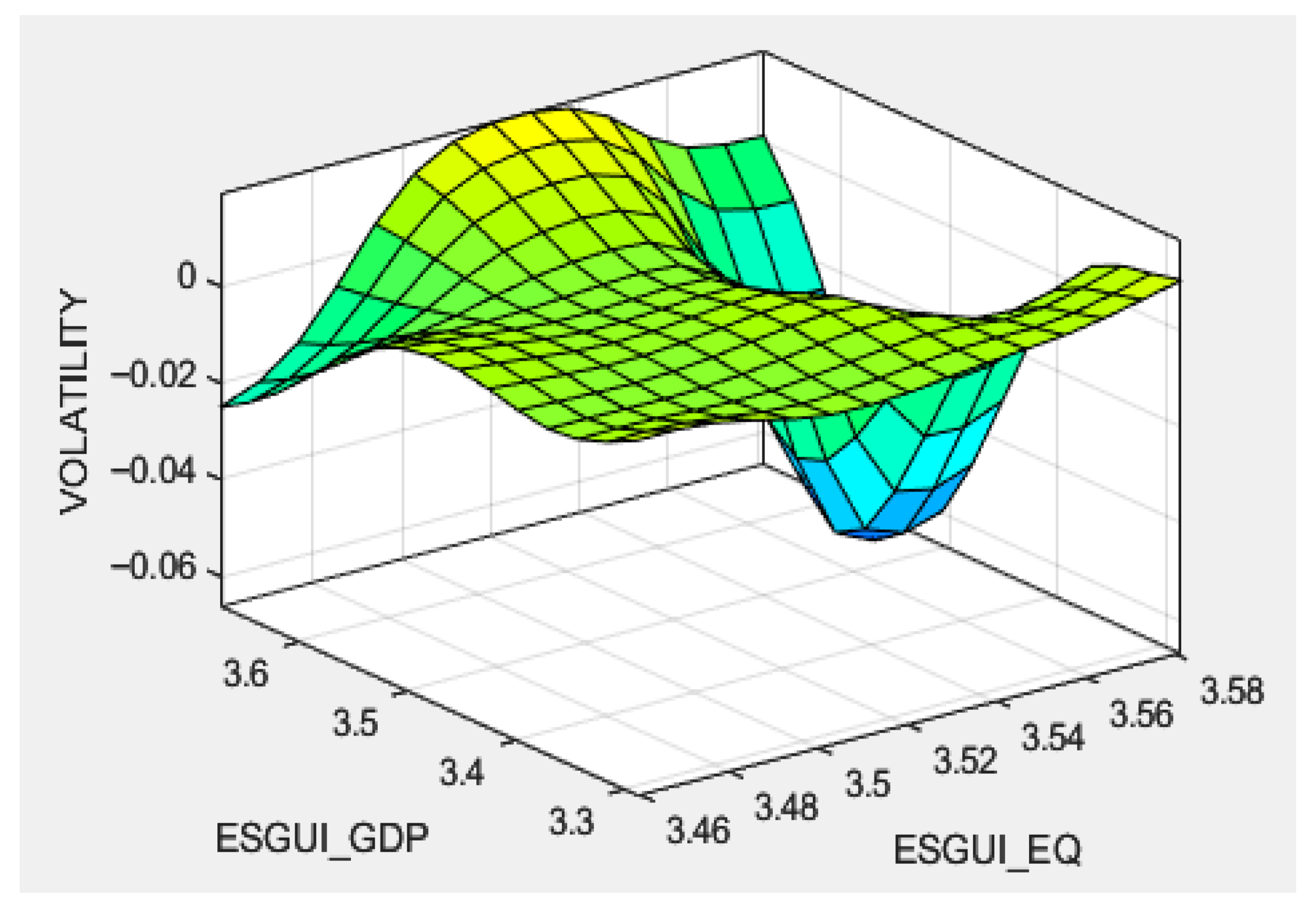
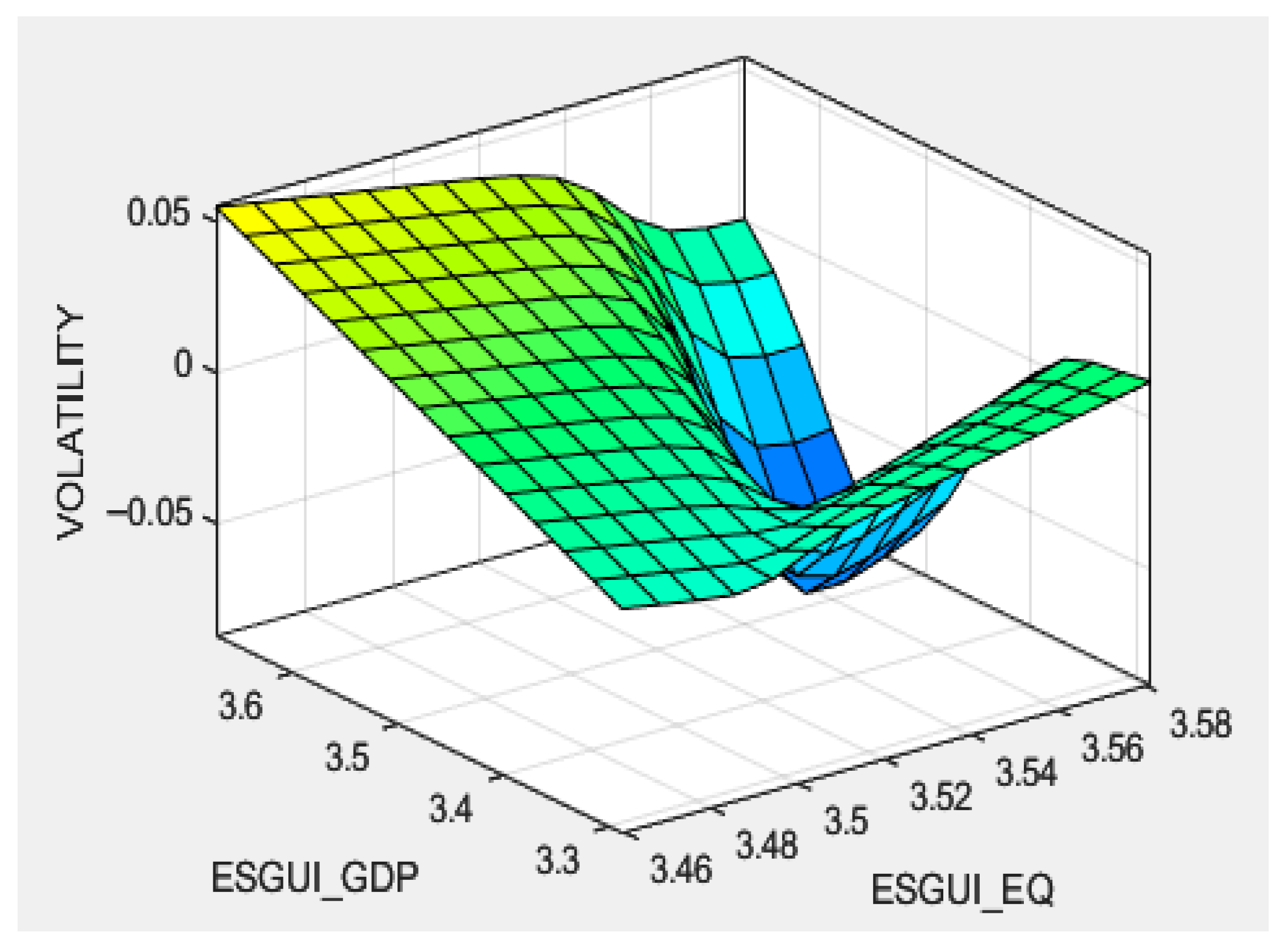
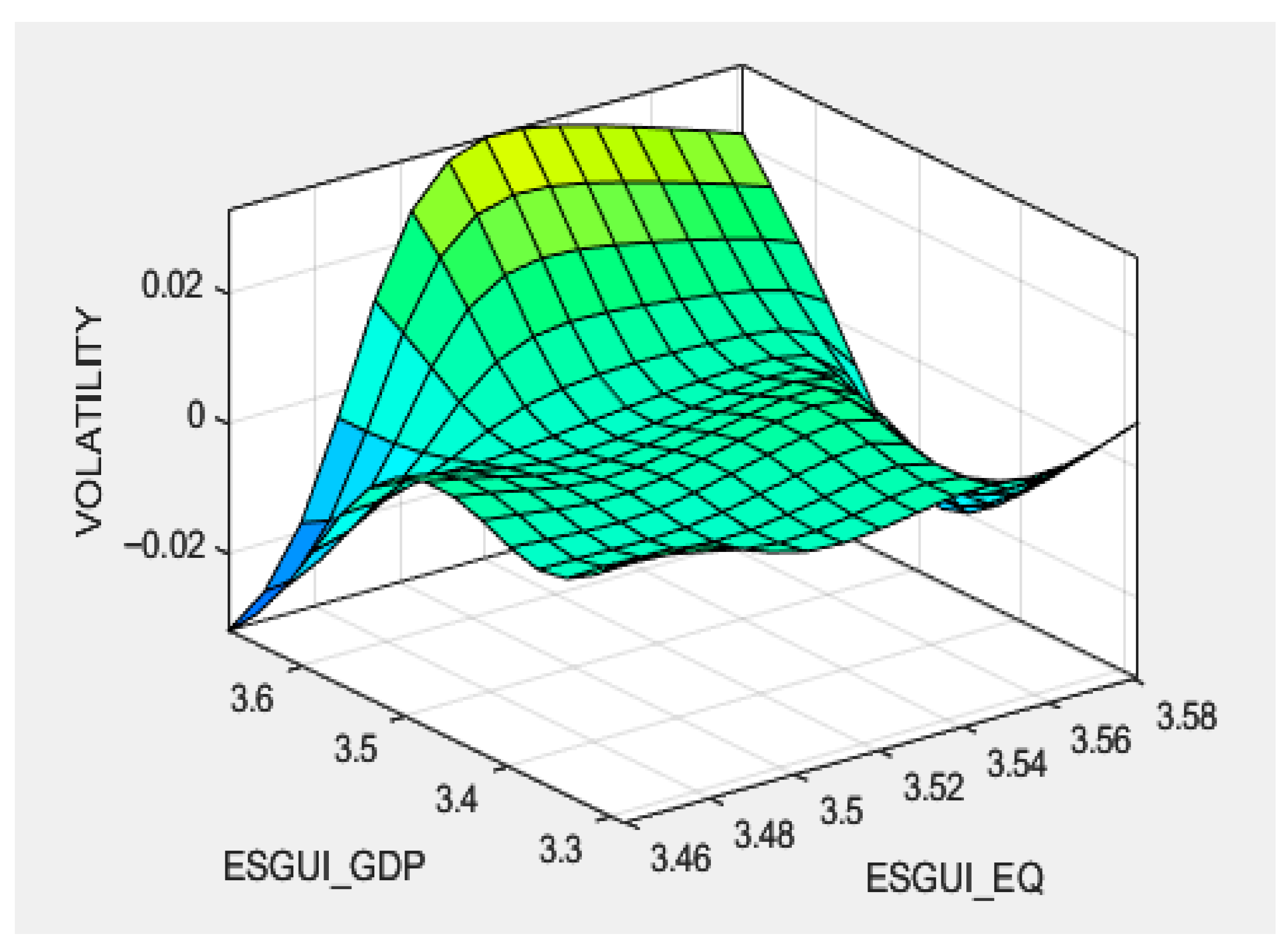
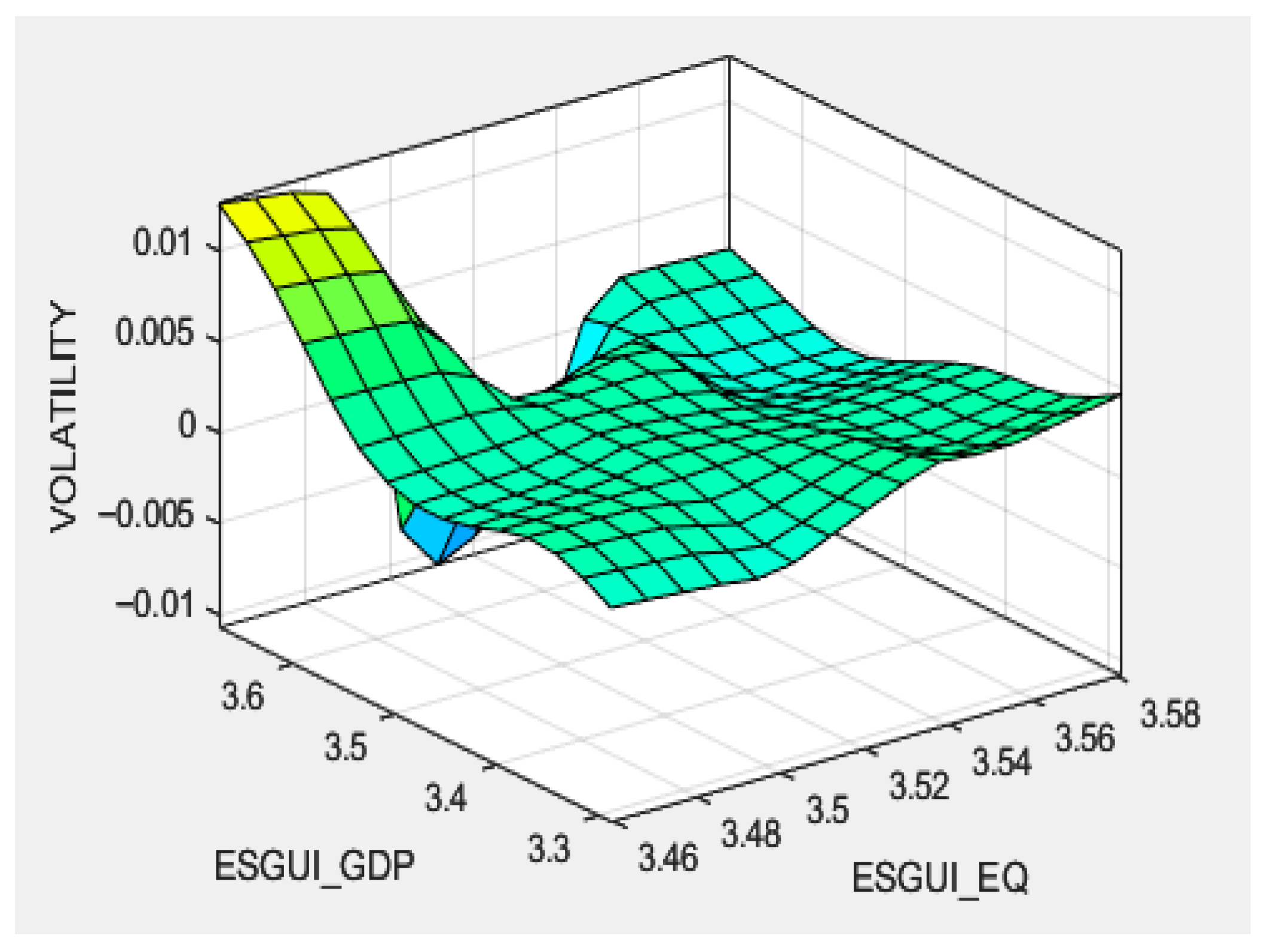
Figure 1 illustrates the three-dimensional relationship between SRU and predicted volatility for a representative green asset, namely the DeFi protocol KlimaDAO. The remaining 3D surface plots for other DeFi protocols—SavePlanetEarth, EarthFund DAO, and Energy Web Token—and ESG-focused exchange-traded funds (ETFs)—iShares ESG Aware MSCI USA ETF, Vanguard ESG U.S. Stock ETF, SPDR S&P 500 ESG ETF, and iShares MSCI Global SDGs ETF—are reported in
Appendix A, as they display qualitatively similar patterns.
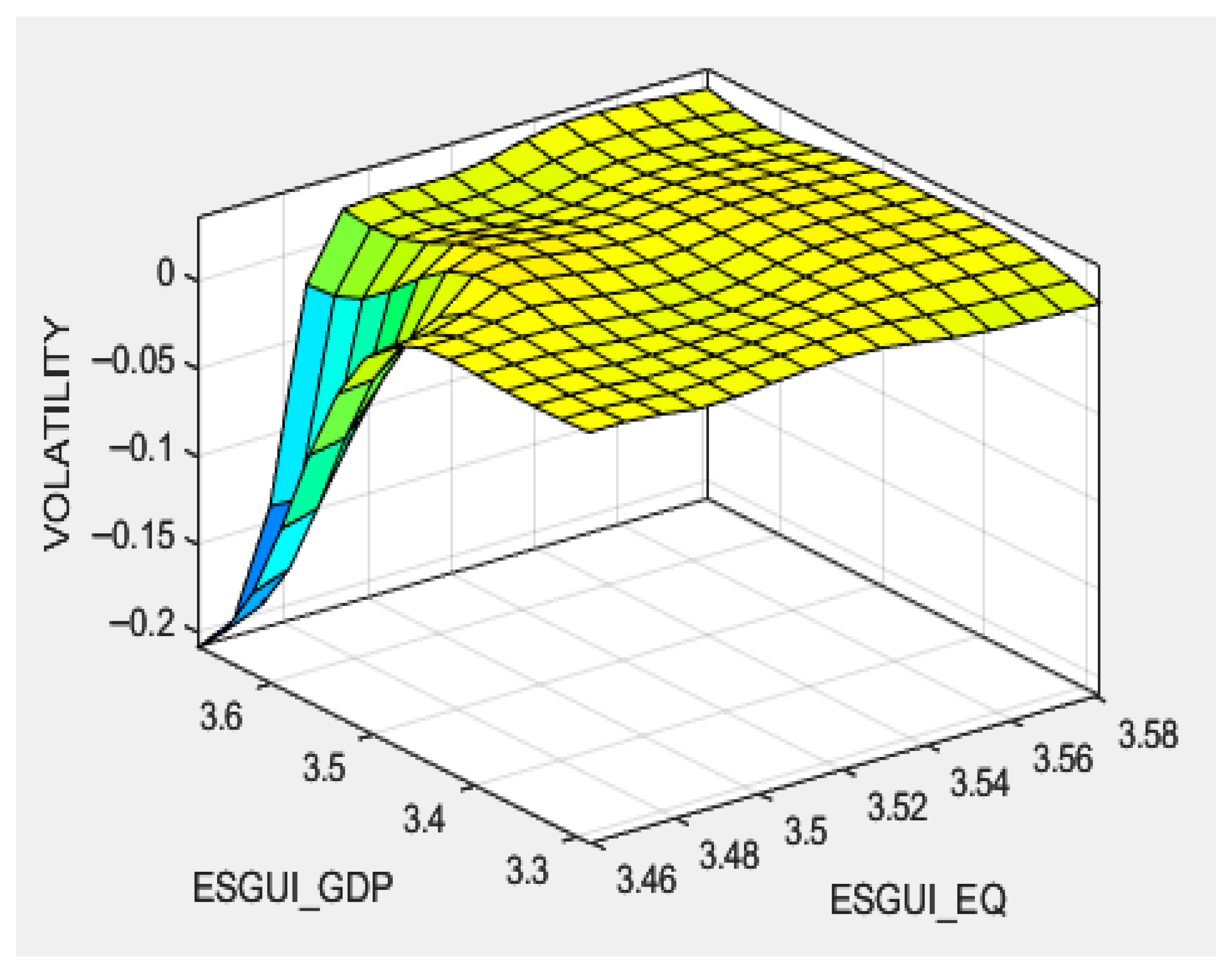
In these graphs, the X-axis represents the equal-weighted SRU index (ESGUI_EQ), the Y-axis denotes the GDP-weighted index (ESGUI_GDP), and the Z-axis corresponds to the predicted conditional volatility. The color gradient from blue (low volatility) to yellow (high volatility) reflects each asset’s sensitivity to SRU.
Overall, predicted volatility exhibits a clear upward and non-linear response as both ESGUI_EQ and ESGUI_GDP increase, confirming that SRU plays a significant role in shaping market dynamics. Among the two indices, ESGUI_GDP generally exerts a stronger influence on volatility, particularly for decentralized finance (DeFi) assets, suggesting that macroeconomic and policy-driven sustainability shocks dominate sentiment-based uncertainty in these markets. By contrast, variations in ESGUI_EQ appear relatively more relevant for domestically oriented ESG ETFs, reflecting sensitivity to investor sentiment and national policy discourse.
A pronounced structural contrast emerges between DeFi protocols and ESG-focused ETFs. DeFi assets display steep, irregular, and highly non-linear volatility surfaces, indicating strong sensitivity to SRU. Volatility increases sharply when both uncertainty indices are elevated, reflecting a compounding mechanism whereby speculative trading behavior, decentralized governance, and limited disclosure amplify the transmission of sustainability-related shocks. Within the DeFi group, differences are primarily observed in the intensity of volatility responses rather than their direction, with governance-oriented protocols exhibiting smoother surfaces and lower volatility peaks.
In contrast, ESG-focused ETFs exhibit smoother and more stable volatility surfaces. Although volatility increases under elevated SRU, the response is gradual and less pronounced than for DeFi assets. Diversification, regulatory oversight, and standardized ESG screening frameworks appear to dampen the impact of uncertainty shocks. Globally diversified ESG ETFs display the flattest volatility surfaces, highlighting their greater resilience, while domestically focused ESG ETFs show slightly higher sensitivity to sentiment-driven uncertainty captured by ESGUI_EQ.
Overall, the comparison underscores a clear divergence in how SRU is transmitted into volatility. DeFi protocols tend to amplify uncertainty shocks due to weaker institutional structures, fragmented governance, and lower transparency, whereas ESG-focused ETFs absorb such shocks more effectively through regulated frameworks and diversified exposure. These findings emphasize the importance of enhanced ESG disclosure, stronger governance mechanisms in decentralized finance, and harmonized sustainability policies to improve financial resilience and limit volatility transmission.
Rule Viewer Analysis of Green Asset Volatility
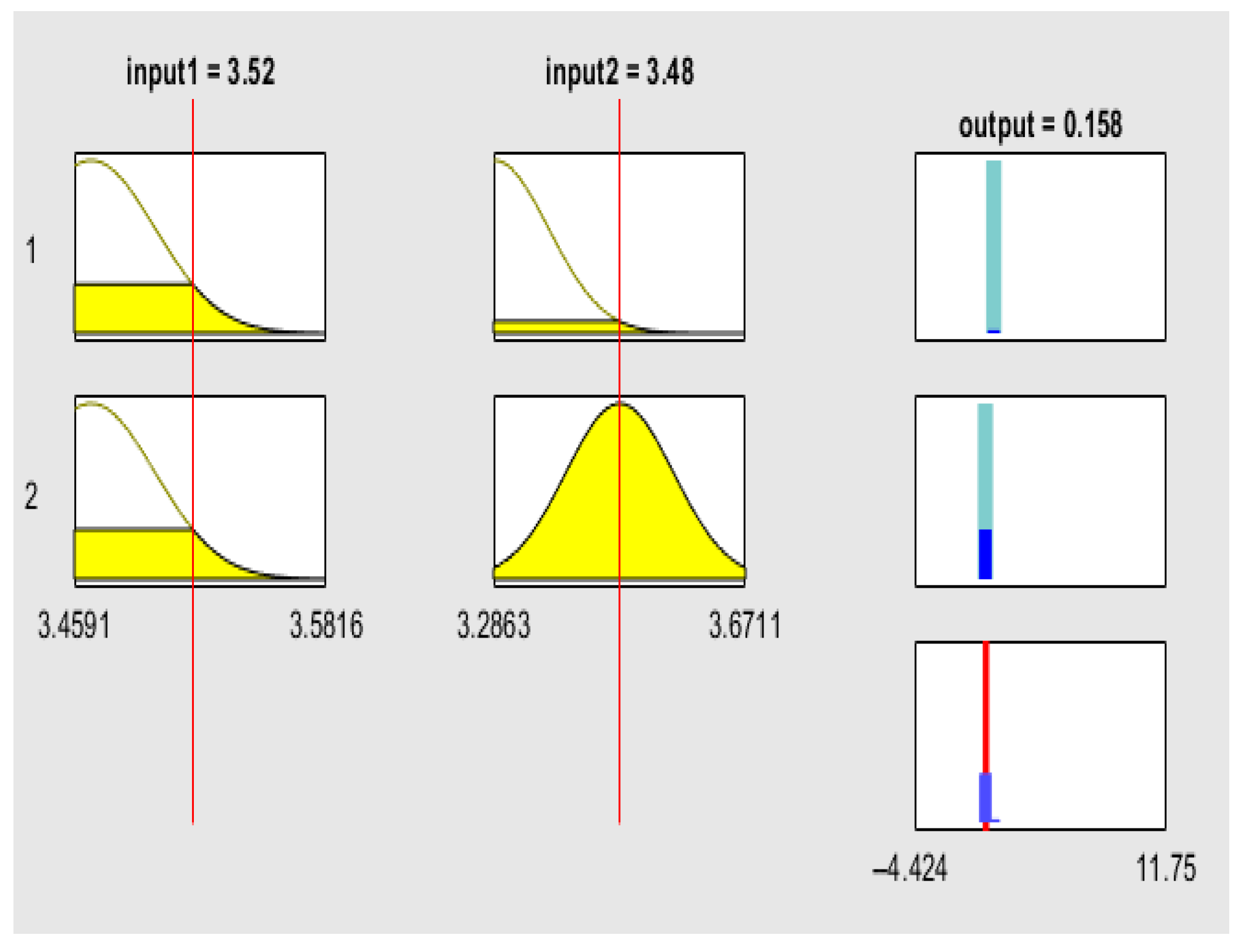
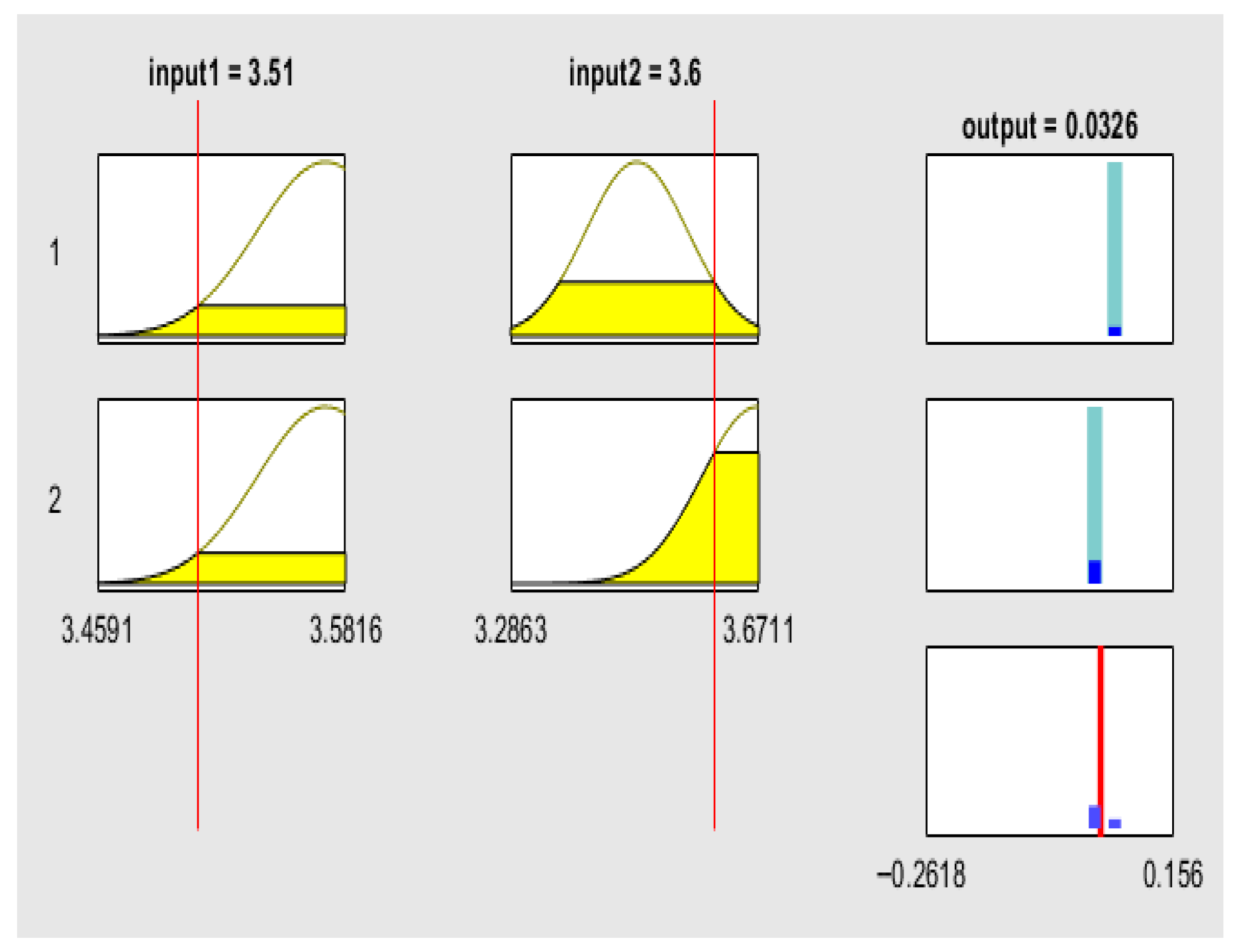
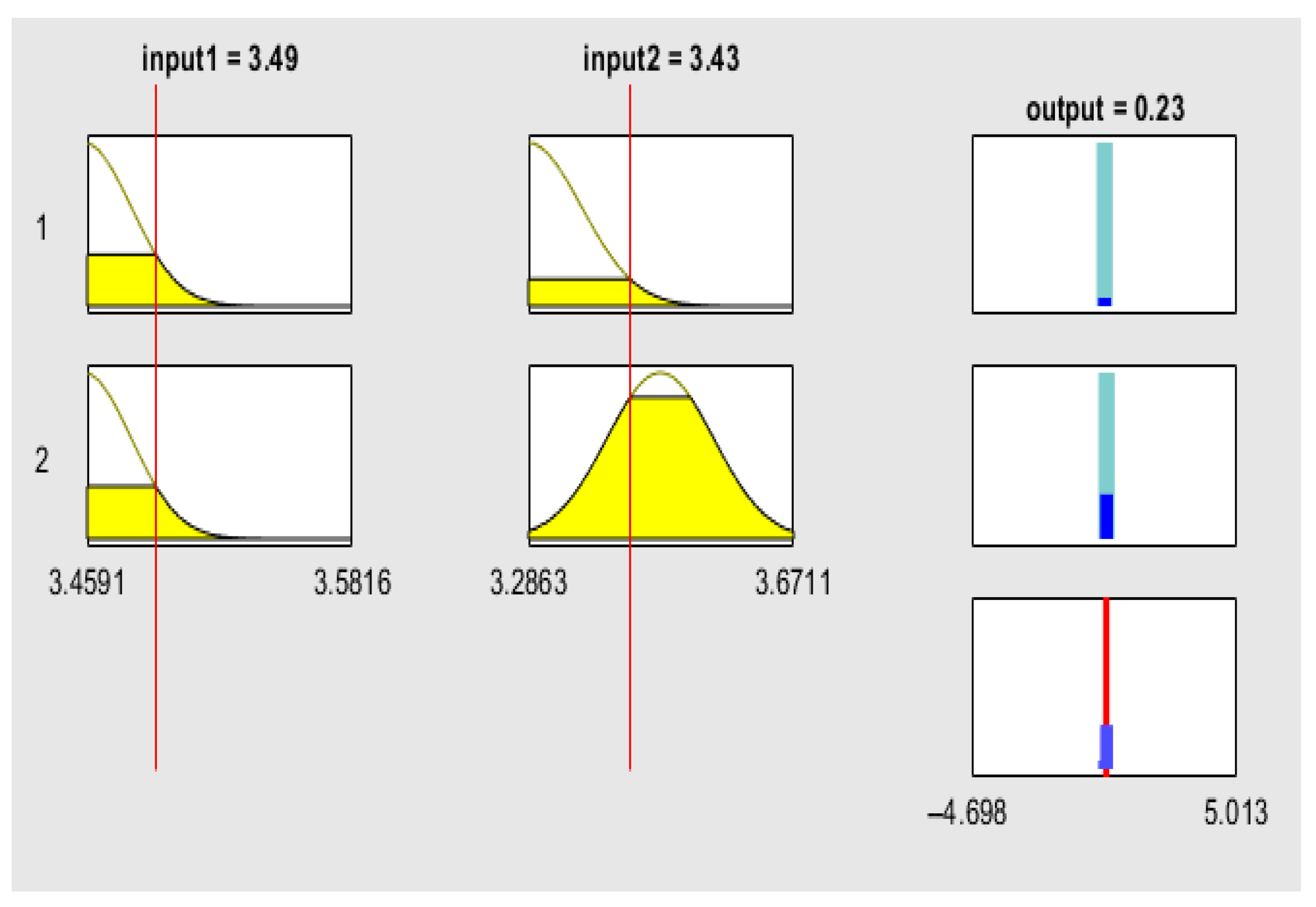
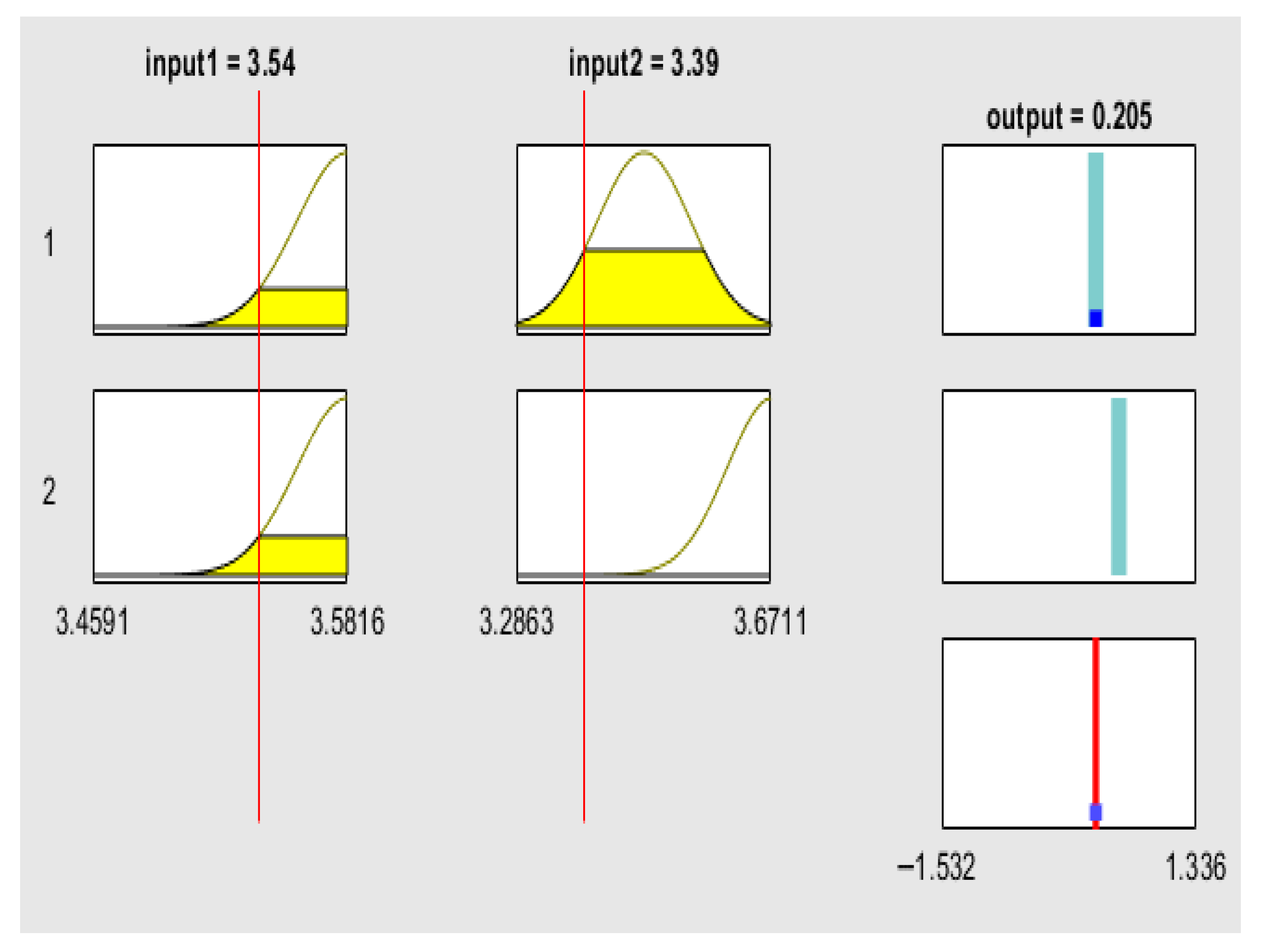
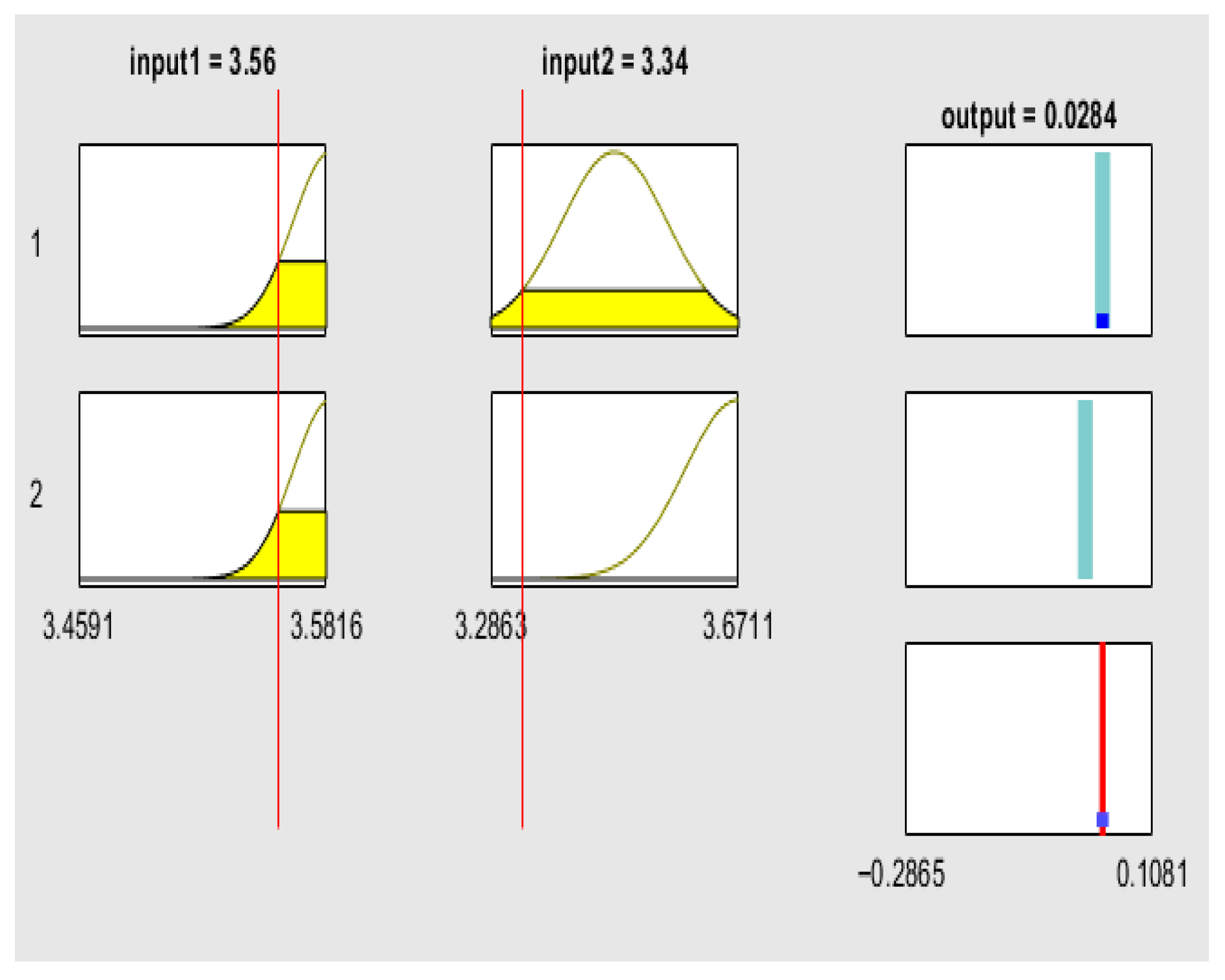
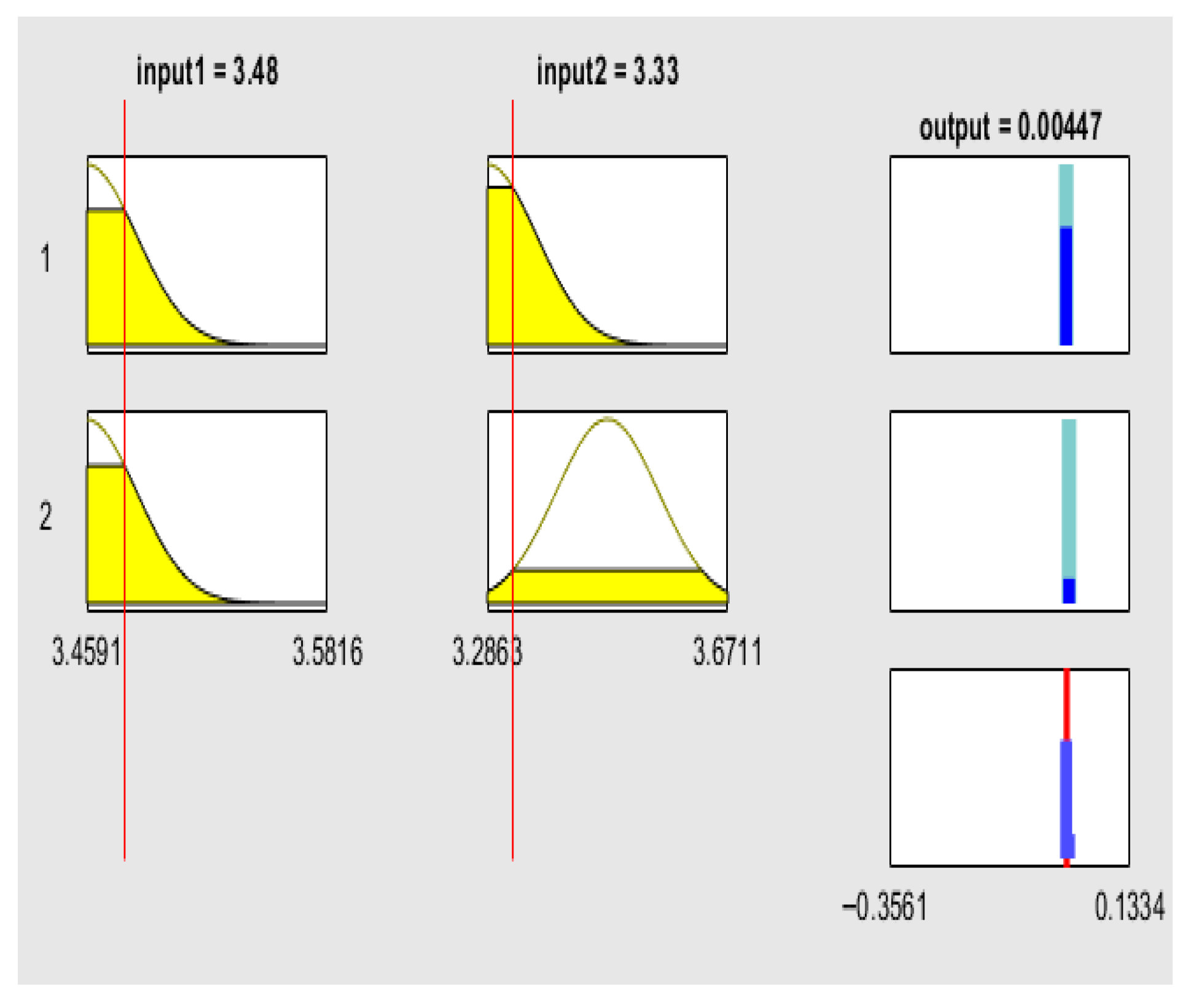
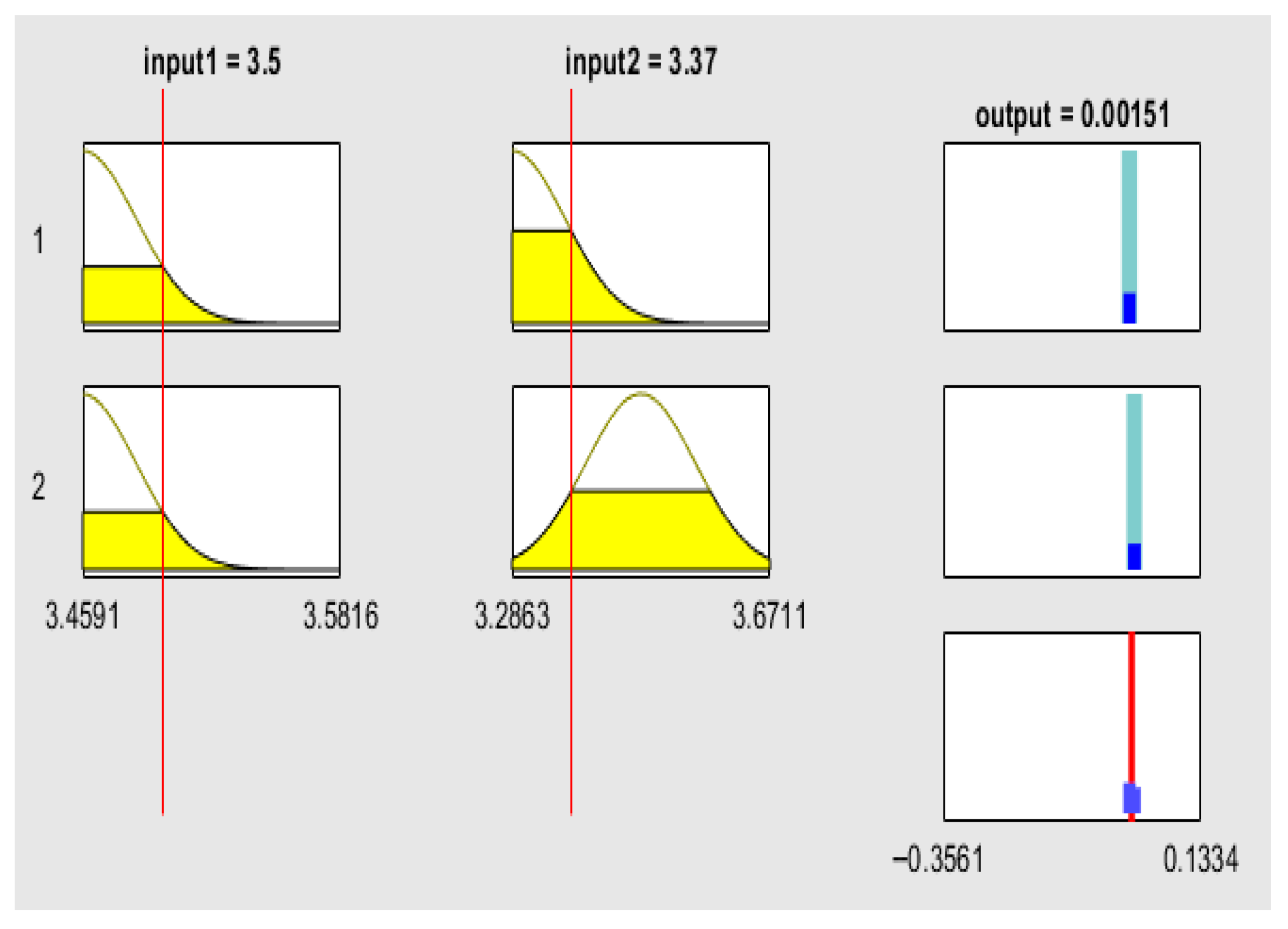
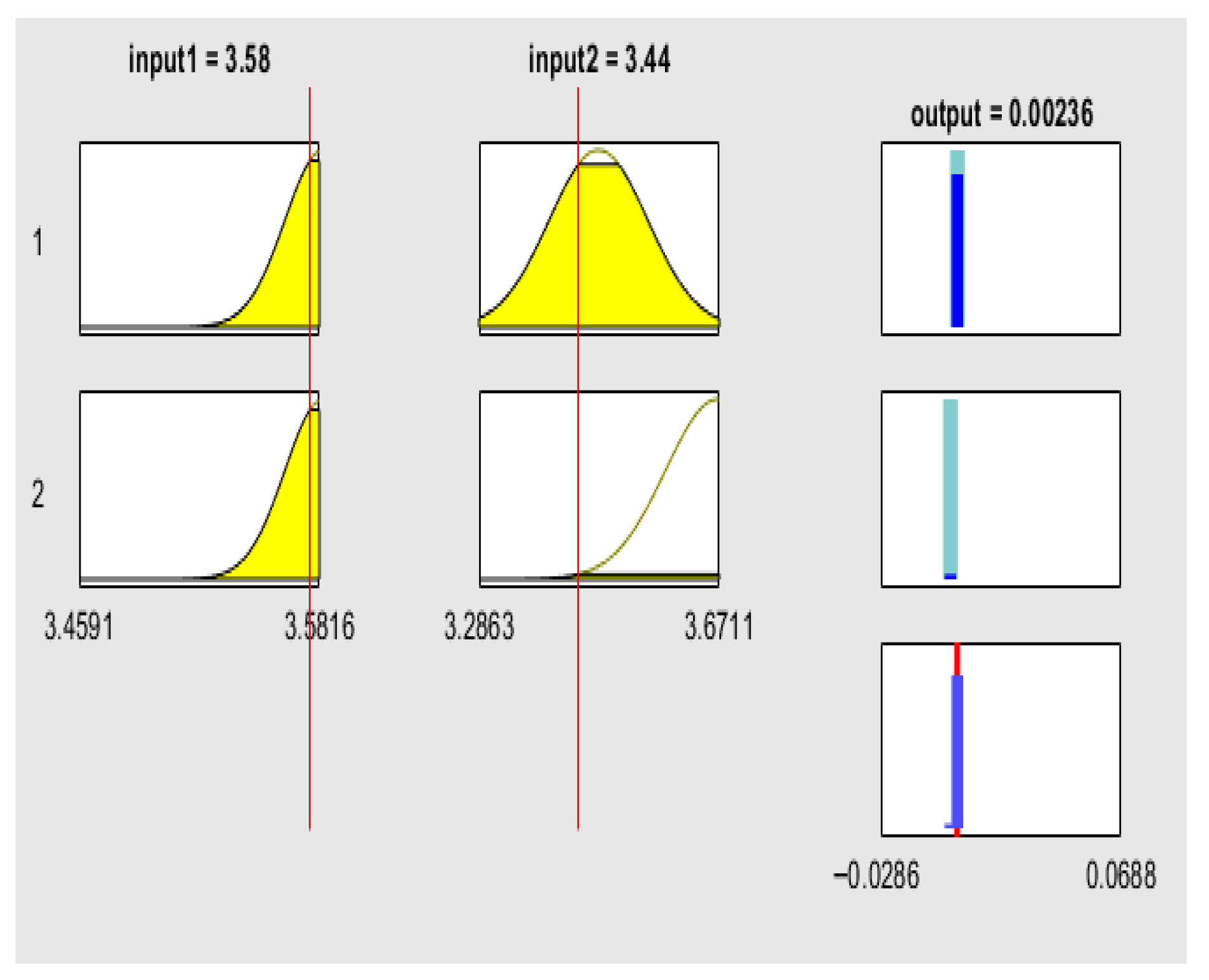
The rule viewer graphs of the fuzzy logic model provide a detailed, rule-based interpretation of how SRU influences the volatility of green financial assets. They display the interaction between the two input variables—the SRU Index—Global Equal Weighted (ESGUI_EQ) and the SRU Index—Global GDP Weighted (ESGUI_GDP)—and the predicted volatility of decentralized finance (DeFi) protocols and ESG-focused exchange-traded funds (ETFs). Each rule viewer consists of the input variables on the left and the output variable on the right. The yellow-shaded regions represent the range of possible uncertainty levels, while the red vertical lines mark the observed values of ESGUI_EQ and ESGUI_GDP. These red lines move across the uncertainty spectrum to indicate the degree of global (ESGUI_EQ) and macroeconomic (ESGUI_GDP) ambiguity affecting market conditions. On the output side, the cyan bars reflect the range of possible volatility levels, and the red line indicates the predicted volatility corresponding to the current input conditions.
Figure A8 presents a representative rule viewer for KlimaDAO (KLIMA) and is retained for illustrative purposes. It clearly shows that higher levels of SRU—captured by rightward shifts in the ESGUI_EQ and ESGUI_GDP indicators—are associated with higher predicted volatility. This visual evidence confirms a strong positive relationship between SRU and volatility, consistent with the non-linear dynamics identified in the 3D surface analysis.
Although the remaining rule viewer figures (
Figure A8,
Figure A9,
Figure A10,
Figure A11,
Figure A12,
Figure A13 and
Figure A14) are qualitatively consistent with
Figure 2 and are therefore reported in
Appendix B for completeness, a comparative assessment reveals economically meaningful heterogeneity across asset classes. Among DeFi protocols, KlimaDAO exhibits the strongest and most synchronized volatility response to simultaneous increases in both uncertainty indices, highlighting its high exposure to global sustainability sentiment and macroeconomic ESG-related shocks. Save Planet Earth displays a slightly asymmetric response, with volatility reacting more strongly to GDP-weighted uncertainty, suggesting heightened sensitivity to policy-driven and regulatory uncertainty. EarthFund DAO shows a more moderate increase in volatility, indicating that community governance structures and transparency mechanisms may partially mitigate uncertainty effects. Energy Web Token exhibits a pronounced asymmetry, with volatility responding sharply to ESGUI_GDP while remaining relatively stable with respect to ESGUI_EQ, underscoring its dependence on global energy-transition policies rather than broad sustainability sentiment.
In contrast, ESG-focused exchange-traded funds (ETFs) demonstrate smoother and more gradual rule transitions. The iShares ESG Aware MSCI USA ETF and the Vanguard ESG U.S. Stock ETF experience moderate increases in predicted volatility as uncertainty rises, reflecting the stabilizing role of portfolio diversification and ESG screening criteria. The SPDR S&P 500 ESG ETF and the iShares MSCI Global SDGs ETF exhibit the weakest volatility responses, indicating that broad market exposure and alignment with international sustainability standards effectively dampen uncertainty-induced risk. The absence of abrupt rule shifts for these funds highlights the stabilizing influence of regulated ESG investment frameworks.
Overall, the rule viewer analysis reinforces the findings from the 3D surface plots by showing that SRU affects green assets in an asymmetric manner. DeFi protocols tend to amplify uncertainty-driven volatility due to decentralized governance, information asymmetry, and limited regulatory oversight, whereas ESG ETFs act as volatility stabilizers through institutional structures and diversification. These results demonstrate the ability of fuzzy logic models to capture complex, non-linear relationships between SRU and financial volatility, offering valuable insights for both investors and policymakers.
5.2.2. Robustness Checks
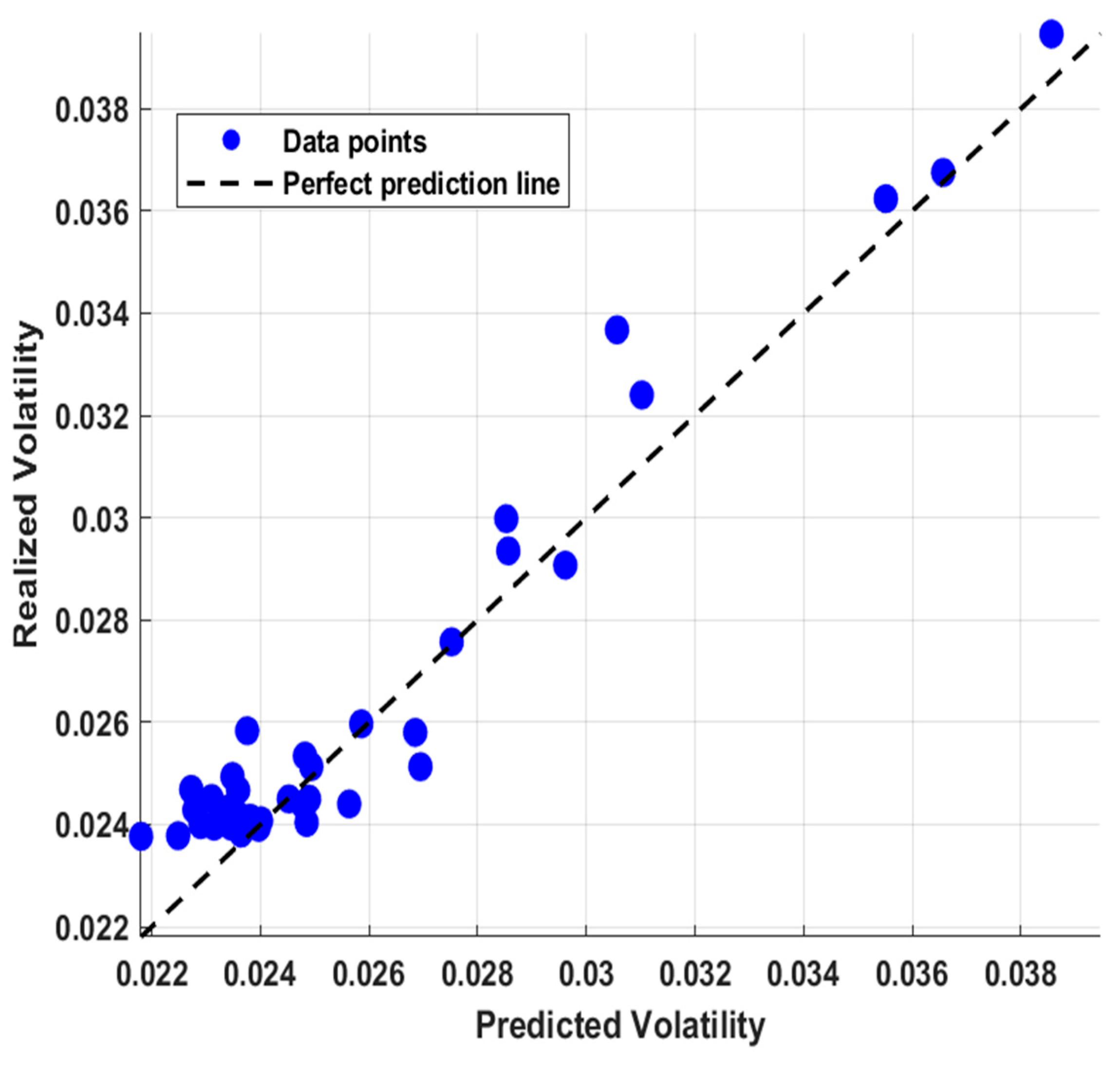
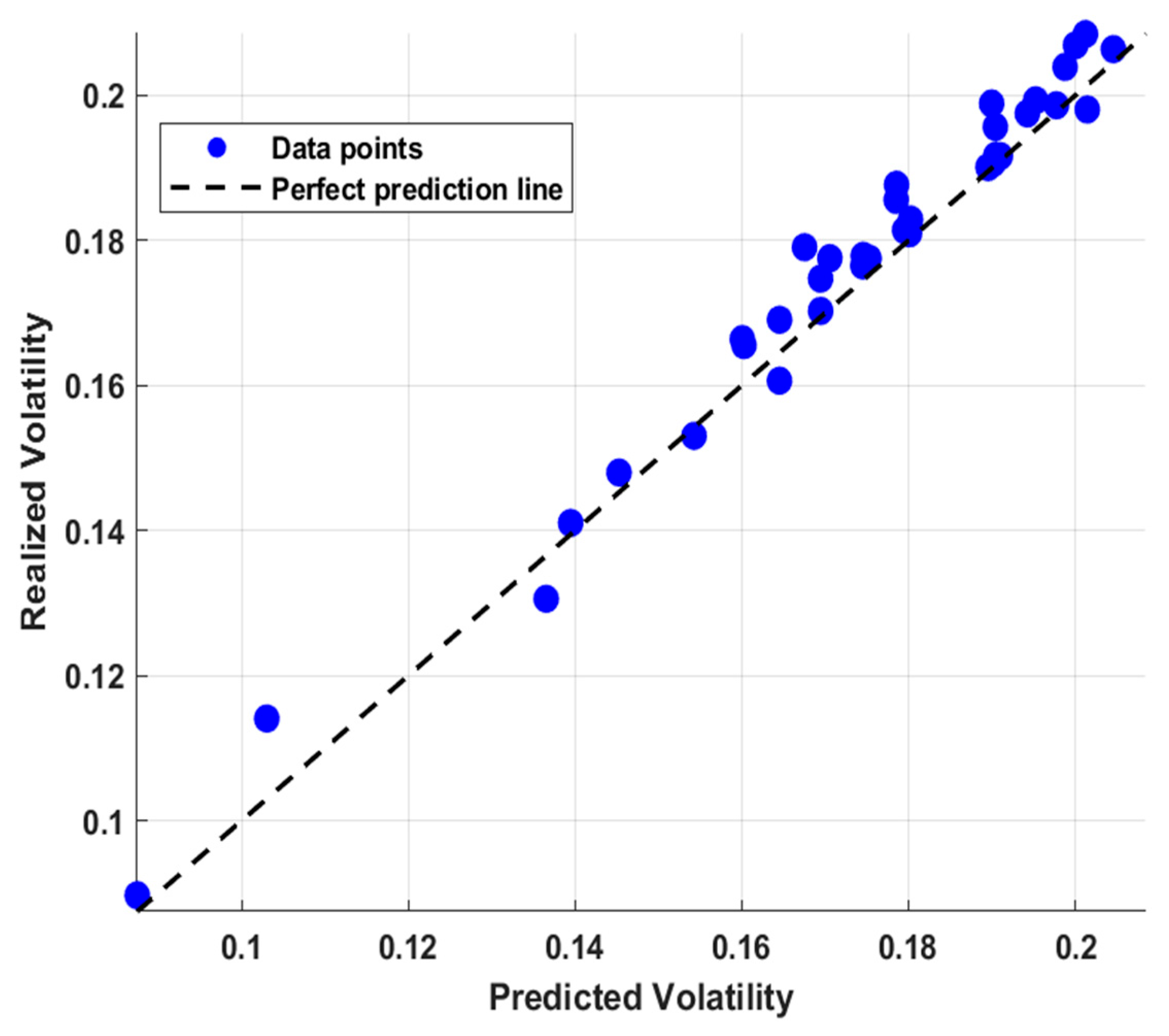
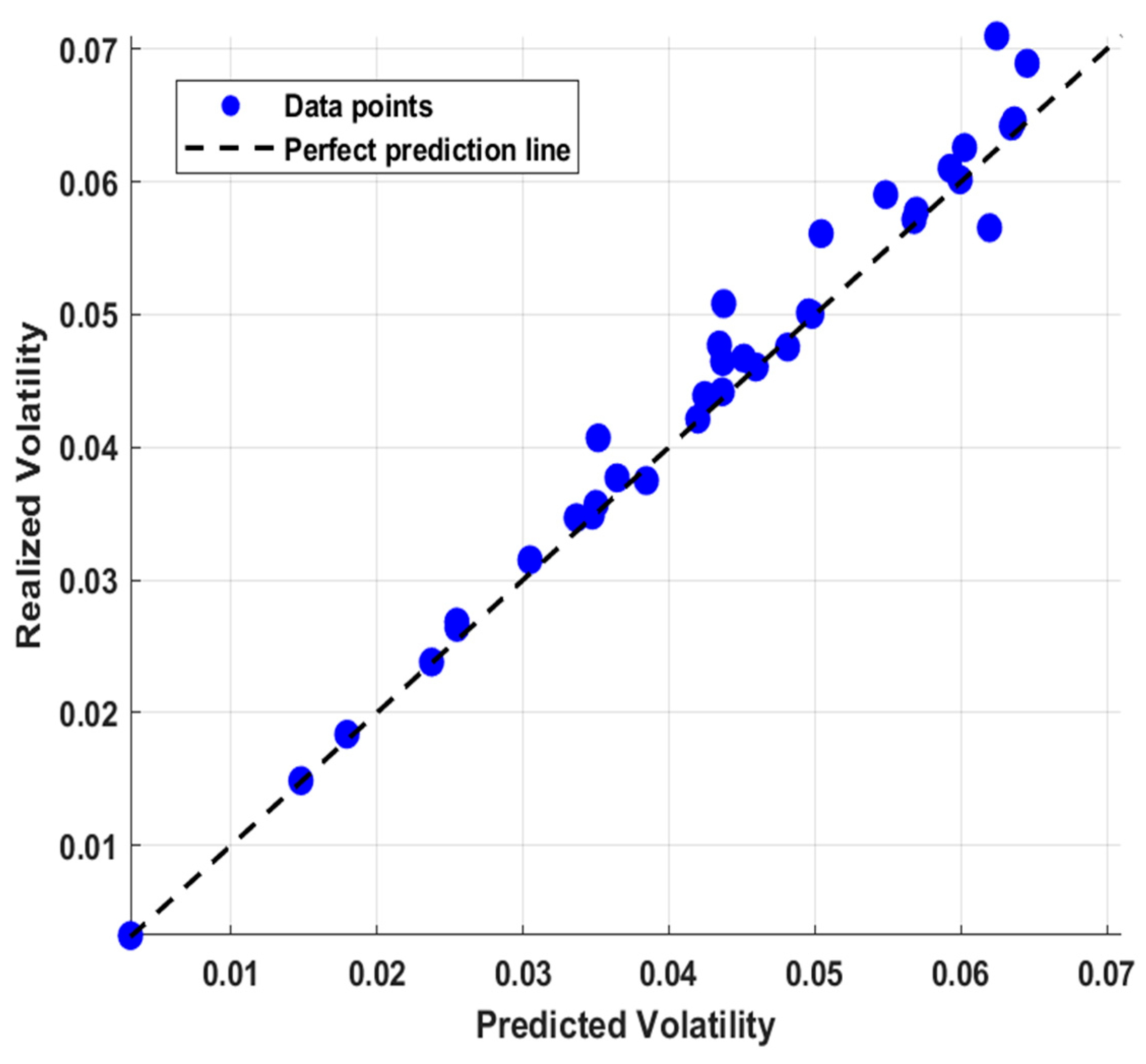
To assess the predictive capacity of the fuzzy logic model for green asset volatility, we calculated the Root Mean Square Error (RMSE) and conducted scatter plot analyses comparing predicted and realized volatility. This approach visually and statistically demonstrates the model’s effectiveness in capturing significant fluctuations, highlighting structural differences between decentralized DeFi protocols and regulated ESG-focused ETFs in response to SRU.
Predictive Accuracy of Fuzzy Logic Model for Green Assets Based on ESGUI_EQ and ESGUI_GDP: RMSE and R2 Analysis
Table 3 summarizes the predictive performance of the fuzzy logic models for both DeFi protocols and ESG-focused exchange-traded funds (ETFs), examining how SRU—proxied by the equal-weighted (ESGUI_EQ) and GDP-weighted (ESGUI_GDP) indices—affects volatility dynamics. Model accuracy is evaluated through the Root Mean Square Error (RMSE) and the coefficient of determination (R
2), two complementary metrics that assess prediction precision and explanatory power.
The results demonstrate excellent predictive accuracy across all assets, with R2 values exceeding 0.90, confirming that the fuzzy logic framework effectively captures the non-linear and dynamic relationships between SRU and realized volatility. This high explanatory power underscores the model’s ability to internalize complex interactions between global sentiment shifts, macroeconomic ESG shocks, and market-specific risk factors.
However, a clear structural contrast emerges between DeFi protocols and ESG ETFs. DeFi protocols display higher RMSE values—ranging from 0.0025 to 0.0419—indicating greater prediction error and reflecting their inherently volatile and less regulated nature. Among them, KlimaDAO (RMSE = 0.0419; R
2 = 0.94) registers the highest error, consistent with its steep, irregular 3D volatility surface and pronounced rule-viewer activations. These results highlight the decentralized market’s amplified sensitivity to sustainability-related shocks, aligning with prior findings by
Oben et al. (
2025) and
Ali et al. (
2025), who emphasize that weak governance and fragmented disclosure frameworks exacerbate systemic risk within DeFi ecosystems.
In contrast, ESG ETFs exhibit remarkably lower RMSE values—between 0.0001 and 0.0010—coupled with very high R2 scores (above 0.97). The iShares MSCI Global SDGs ETF (SDG) and the Vanguard ESG U.S. Stock ETF (ESGV) stand out as the most accurately modeled assets (SDG: RMSE = 0.0001146; R2 = 0.99; ESGV: RMSE = 0.0006900; R2 = 0.98). These results are consistent with the smooth, flattened 3D surfaces and tightly clustered scatter plots observed earlier, confirming that portfolio diversification, strong regulatory oversight, and standardized ESG screening substantially enhance predictability and resilience against SRU.
Although the model achieves high explanatory power for both asset groups, the larger RMSE values for DeFi assets reflect intrinsic market instability rather than model inefficiency. This reinforces the interpretation that decentralized structures, lacking governance safeguards, are more prone to volatility amplification when exposed to sustainability-related shocks.
Overall, the findings validate the robustness of the fuzzy logic model and its superior ability to replicate real-world volatility dynamics. The model effectively distinguishes between the instability inherent in decentralized DeFi protocols and the relative stability of institutional ESG ETFs, offering a powerful methodological framework for evaluating green asset behavior under uncertainty. These results provide valuable insights for investors and regulators seeking to balance innovation in decentralized finance with the risk-mitigation mechanisms embedded in regulated ESG investment frameworks.
Scatter Plot Analysis of Predicted vs. Realized Volatility of Green Assets
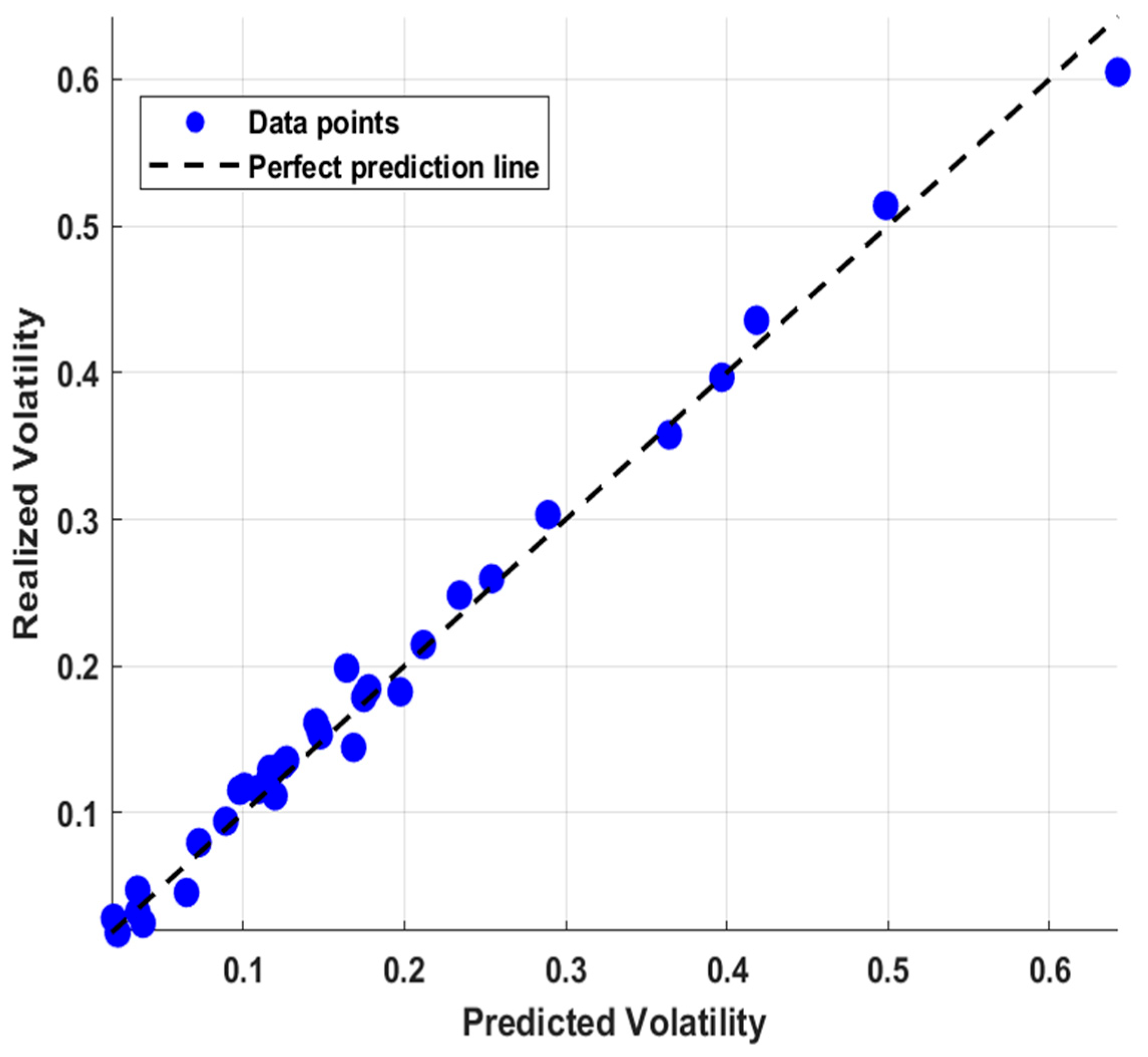
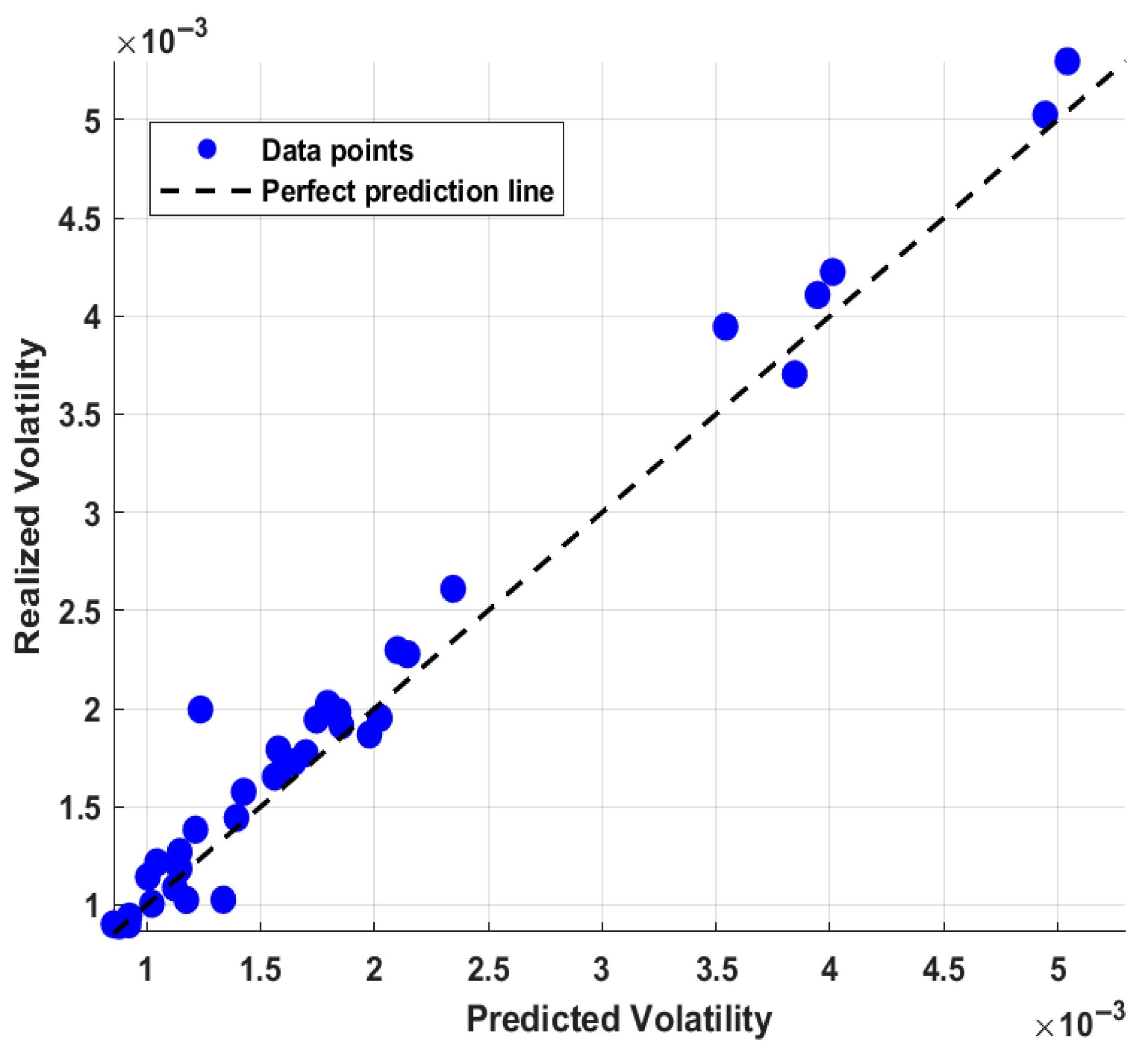
Figure 3 presents the scatter plot illustrating the relationship between predicted and realized volatility for KlimaDAO (KLIMA) and is retained in the main text as a representative example. The x-axis reports volatility predicted by the fuzzy logic model based on the SRU Index in its equal-weighted (ESGUI_EQ) and GDP-weighted (ESGUI_GDP) forms, while the y-axis shows realized volatility measured as the conditional standard deviation from a GARCH(1,1) model estimated on monthly log returns. The 45-degree reference line (y = x) represents perfect prediction; observations clustering around this line indicate high predictive accuracy.
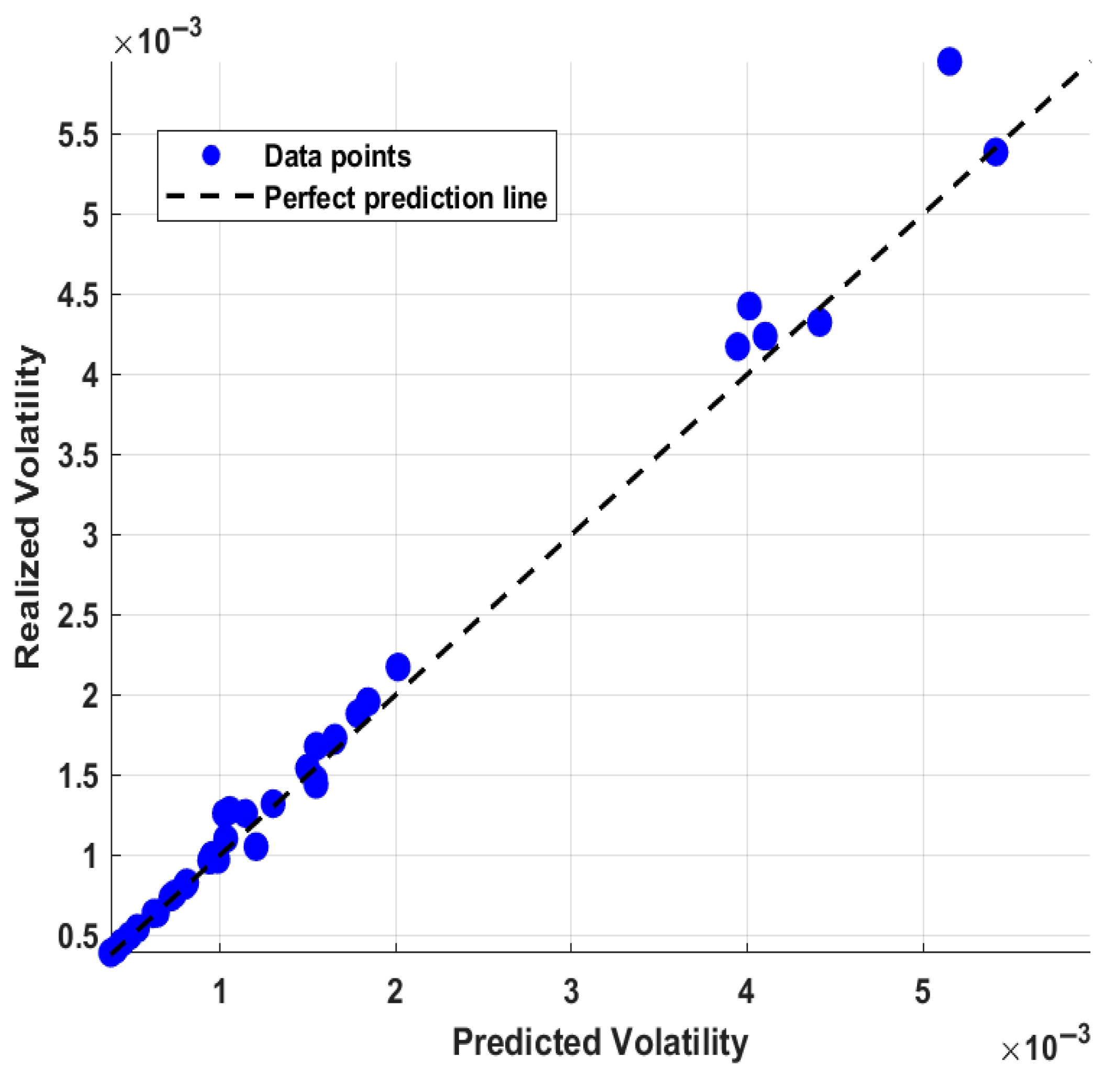
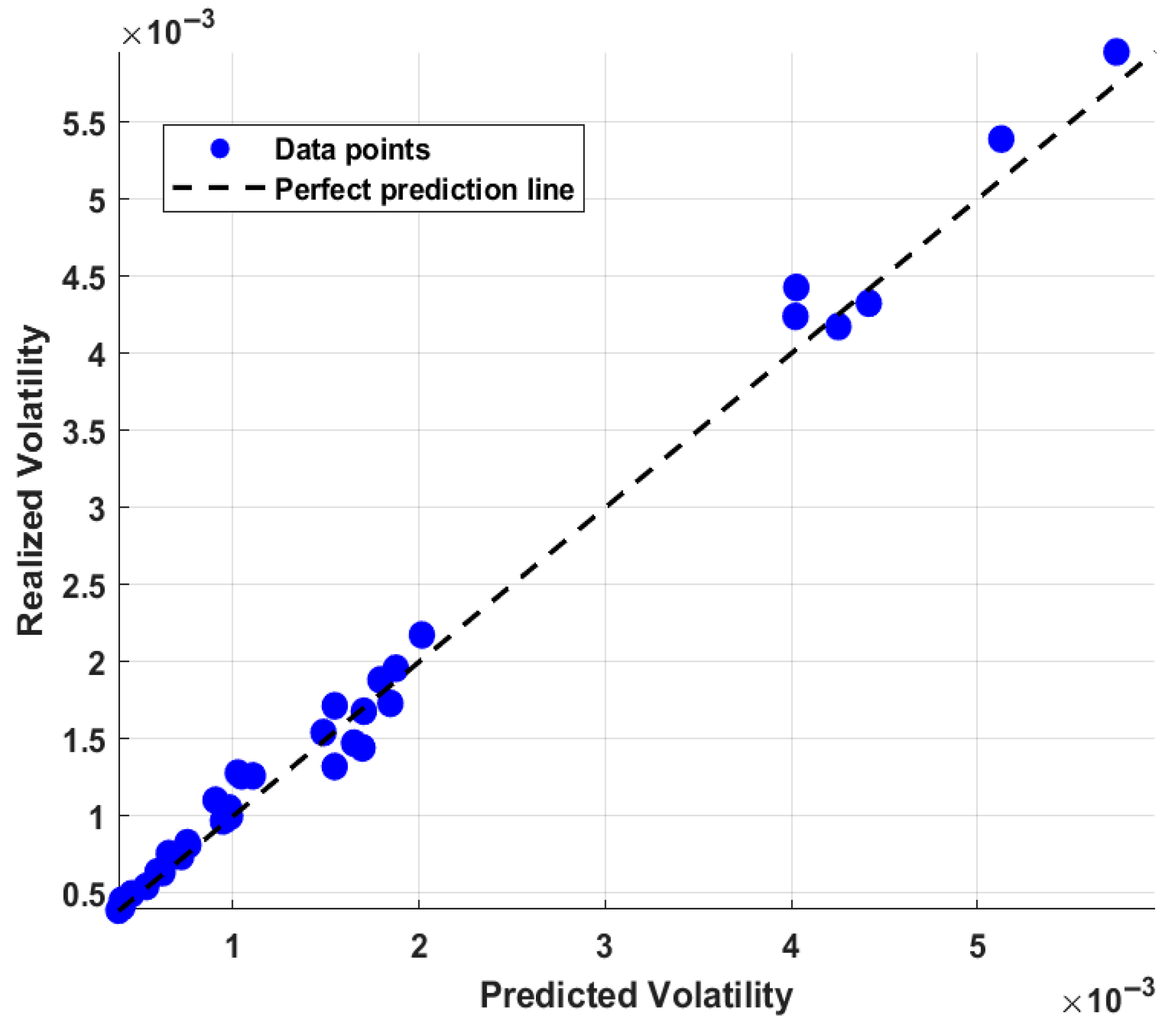
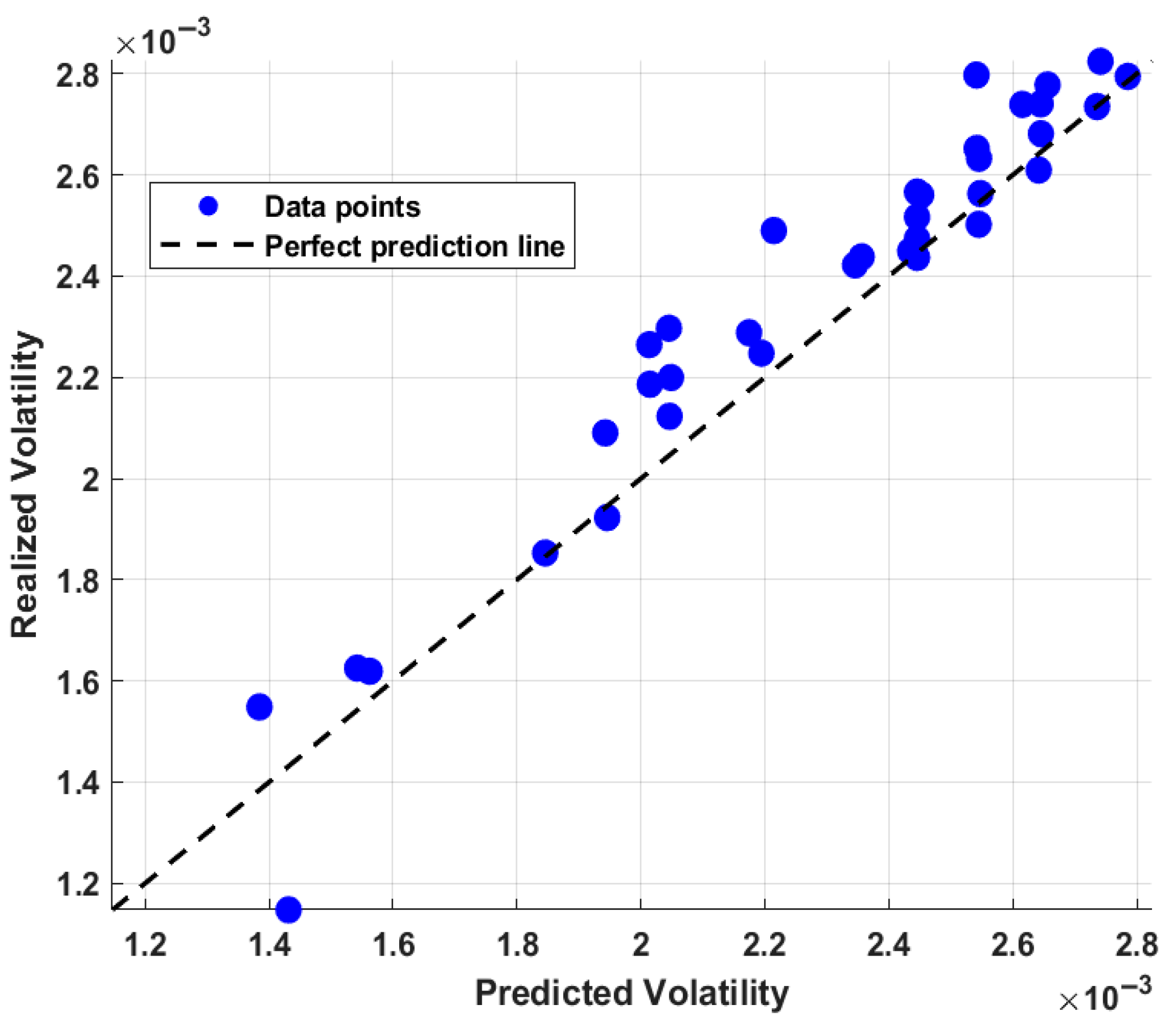
The remaining scatter plots for the other green assets—SavePlanetEarth, EarthFund DAO, Energy Web Token, iShares ESG Aware MSCI USA ETF, Vanguard ESG U.S. Stock ETF, SPDR S&P 500 ESG ETF, and iShares MSCI Global SDGs ETF—exhibit qualitatively similar patterns and are therefore reported in
Appendix C for completeness.
A visual inspection of
Figure 3 reveals that most observations lie close to the diagonal, confirming the strong predictive performance of the fuzzy logic model. However, some dispersion around the reference line is observed, particularly at higher volatility levels, reflecting KlimaDAO’s sensitivity to abrupt changes in sustainability-related information, regulatory uncertainty, and environmental policy signals. These short-lived deviations correspond to periods of over- and underestimation during heightened market stress and are consistent with the decentralized governance structure and informational frictions characterizing DeFi markets.
The broader evidence provided in
Appendix C reinforces these insights and highlights systematic differences across asset classes. DeFi protocols generally display wider scatter distributions, indicating amplified volatility responses to SRU, whereas ESG-focused ETFs exhibit tighter clustering around the 45-degree line, reflecting greater stability, diversification benefits, and the mitigating role of regulatory oversight. These findings align with
Oben et al. (
2025) and
Ali et al. (
2025) for decentralized assets, and with
Magnani et al. (
2024) for regulated ESG portfolios.
Overall, the scatter plot analysis corroborates the results from the 3D surface and rule-viewer analyses. It confirms that DeFi-based green assets tend to amplify SRU through heightened and less predictable volatility, while ESG ETFs act as stabilizers by absorbing uncertainty shocks through institutional governance, transparency, and portfolio diversification. This evidence further demonstrates the ability of the fuzzy logic framework to capture asymmetric and non-linear volatility dynamics within the green finance ecosystem.
5.3. Granger Causality Test Results
This section presents and discusses the Granger causality test results to examine the direction and strength of predictive relationships between SRU indices (ESGUI_EQ and ESGUI_GDP) and the volatility of green financial assets, with particular emphasis on information transmission and potential feedback effects rather than structural causal identification.
5.3.1. Granger Causality Test Results Between ESGUI_EQ and Green Asset Volatility
Table 4 reports Granger causality test results examining the predictive relationship between the equal-weighted SRU index (ESGUI_EQ) and the volatility of selected DeFi protocols and ESG-related financial assets.
The results reveal a systematic and asymmetric predictive transmission from sustainability-related sentiment uncertainty (ESGUI_EQ) to asset volatility and returns across both decentralized green finance and regulated ESG markets.
For DeFi protocols, ESGUI_EQ demonstrates significant Granger volatility in KlimaDAO, SavePlanetEarth, and EarthFund DAO, with highly significant F-statistics (p-values ≤ 0.001). This indicates that sustainability sentiment uncertainty contains leading information for subsequent volatility increases in decentralized green assets. Economically, this suggests that shifts in ESG-related narratives and uncertainty precede elevated risk conditions, reflecting the strong sentiment sensitivity and limited shock-absorption capacity of DeFi markets.
In the cases of KlimaDAO and EarthFund DAO, the presence of statistically significant reverse causality—Granger volatility in ESGUI_EQ—points to feedback effects, whereby heightened volatility in prominent green DeFi protocols may influence broader sustainability sentiment. Such bidirectional predictability is consistent with information feedback loops during periods of market stress, when extreme price dynamics in decentralized markets attract attention and shape SRU.
By contrast, SavePlanetEarth exhibits a strictly unidirectional causal pattern, with ESGUI_EQ predicting volatility but no significant feedback from market volatility to sentiment. This heterogeneity highlights structural differences across DeFi protocols in terms of visibility, investor base, and their ability to influence aggregate sustainability sentiment.
For traditional ESG funds and ETFs, the findings consistently show that ESGUI_EQ causes Granger volatility in assets, while reverse causality is weak or statistically insignificant. This pattern holds for the Aggregate ESG Fund, ESGU, ESGV, EFVI, and SDG. These results imply that sustainability sentiment uncertainty acts as an exogenous predictive driver for regulated ESG assets. Institutional investment frameworks, diversification, and regulatory oversight appear to dampen feedback effects, limiting the extent to which asset-level volatility influences aggregate sustainability sentiment.
Overall, results demonstrate that sustainability-related sentiment uncertainty serves as a leading predictor of volatility and return dynamics, particularly in decentralized green finance markets. While DeFi assets may generate feedback into the sentiment environment under stressed conditions, regulated ESG assets predominantly absorb uncertainty shocks without transmitting them back, reflecting fundamental differences in market structure and information propagation mechanisms.
5.3.2. Granger Causality Test Results Between ESGUI_GDP and Green Asset Volatility
Table 5 presents Granger causality results between the GDP-weighted SRU index (ESGUI_GDP) and the volatility of DeFi protocols and ESG financial instruments. ESGUI_GDP captures macroeconomic and policy-oriented SRU. The reported statistics reflect directional predictability and regime-dependent transmission mechanisms, rather than definitive causal identification.
Table 5 provides robust evidence that macroeconomic sustainability policy uncertainty, as proxied by ESGUI_GDP, acts as a dominant leading predictor of volatility and return dynamics across green financial markets.
Among DeFi protocols, ESGUI_GDP causes significant Granger volatility in KlimaDAO, SavePlanetEarth, and EarthFund DAO, with strong statistical significance (p-values = 0.000). These results indicate that global sustainability policy uncertainty contains systematically relevant predictive information for subsequent volatility increases in decentralized green assets. Compared to ESGUI_EQ, the stronger and more consistent causality patterns associated with ESGUI_GDP suggest that macroeconomic and policy-driven uncertainty exerts a deeper and more persistent influence on DeFi market risk conditions.
Notably, bidirectional Granger causality is observed for KlimaDAO and EarthFund DAO, implying the existence of feedback mechanisms between DeFi market volatility and macro-level SRU. Economically, this suggests that extreme volatility episodes in highly visible green DeFi protocols may contribute to shaping broader SRU perceptions, possibly through media attention, investor reassessments, or policy discussions.
In contrast, SavePlanetEarth again exhibits a strictly unidirectional causal structure, with ESGUI_GDP predicting volatility but no statistically significant feedback from market volatility to sustainability policy uncertainty. This reinforces the view that feedback effects are protocol-specific rather than systemic, reflecting differences in market prominence, liquidity, and investor reach.
For aggregate ESG funds and ETFs, ESGUI_GDP consistently causes Granger volatility, while reverse causality remains uniformly insignificant. This pattern holds across the Aggregate ESG Fund, ESGU, ESGV, EFVI, and SDG. These findings indicate that regulated ESG assets primarily function as receivers of macro sustainability policy shocks, rather than sources of uncertainty transmission. The absence of reverse causality is consistent with the stabilizing role of institutional investors, regulatory disclosure requirements, and diversified portfolio structures, which limit the feedback of asset-level volatility into aggregate sustainability policy uncertainty.
Overall, the Granger causality test confirms that macroeconomic sustainability policy uncertainty is a leading predictor of risk dynamics, with stronger and more pervasive effects in decentralized green finance than in regulated ESG markets. While certain DeFi protocols may generate feedback into the uncertainty environment during periods of elevated volatility, traditional ESG assets predominantly absorb policy-related uncertainty shocks without transmitting them back, underscoring fundamental differences in market structure and information propagation.
6. Conclusions
This study examined how sustainability-related uncertainty, measured by the SRU Index (ESGUI_EQ and ESGUI_GDP), influences the volatility of green financial assets, with a comparative focus on decentralized finance (DeFi) protocols and ESG-focused exchange-traded funds. By combining fuzzy logic modeling with Granger causality analysis, the study captured the non-linear, asymmetric, and time-varying channels through which SRU is transmitted into green asset volatility.
The empirical results reveal a pronounced structural divergence between decentralized and institutional green financial assets. DeFi protocols exhibit strong sensitivity to SRU, with volatility rising sharply during periods of elevated sustainability-related ambiguity. This amplification effect may reflect fragmented governance structures, limited regulatory oversight, speculative investor behavior, and rapid information diffusion within decentralized ecosystems. Moreover, the presence of bidirectional Granger causality for several DeFi assets suggests feedback mechanisms through which heightened volatility may further reinforce SRU.
By contrast, ESG-focused ETFs display comparatively smoother and more contained volatility responses to SRU. Their relative resilience can be attributed to portfolio diversification, institutional governance, standardized ESG screening processes, and regulatory supervision. Granger causality results predominantly indicate unidirectional effects from SRU to ETF volatility, implying that regulated sustainable assets tend to absorb uncertainty shocks rather than amplify them.
Beyond these empirical findings, the study contributes to the sustainable finance literature by embedding SRU within a governance–technology–finance nexus. The results indicate that interactions among policy consistency, disclosure integrity, and digital market design play a central role in shaping how environmental ambiguity is transmitted to financial volatility. In this respect, the analysis bridges technological innovation in blockchain-based finance with institutional ESG policy frameworks, offering a more integrated perspective on sustainable finance under uncertainty.
Methodologically, the findings confirm the suitability of fuzzy logic models for analyzing SRU, which is inherently ambiguous and difficult to capture using conventional linear econometric approaches. The integration of fuzzy inference systems with Granger causality analysis provides a flexible and interpretable framework for modeling uncertainty-driven volatility dynamics in green financial markets.
These insights carry important implications for policy and practice. Within DeFi ecosystems, the results highlight the need for strengthened governance mechanisms, transparent ESG communication, and standardized disclosure protocols to mitigate the amplification of uncertainty-induced volatility. Technology-informed regulatory approaches, including regulatory sandboxes and AI-based monitoring tools, may help decentralized markets better manage sustainability-related shocks. For institutional investors and regulators, the findings reaffirm that diversification, disclosure requirements, and regulatory oversight enhance the stability of ESG-oriented financial instruments.
Several limitations should be acknowledged. The analysis focuses on a limited set of DeFi protocols and ESG ETFs and relies on aggregate SRU indices. Future research could expand the asset universe, incorporate dimension-specific uncertainty measures, and explore time-varying or regime-switching frameworks. Further work may also investigate cross-market spillovers between decentralized and institutional green assets.
Overall, this study demonstrates that SRU affects green financial assets in heterogeneous ways, depending on governance structures and institutional settings. By clarifying the distinct roles played by decentralized and regulated financial systems, the findings provide valuable guidance for investors, policymakers, and regulators seeking to enhance the stability and credibility of green financial markets in an environment of increasing SRU.