


Abstract
The acceleration of financial innovation and pro-crypto regulations in the digital asset space have spurred interest in cryptocurrencies among funds, and institutional and retail investors. Like any risky assets, investment in digital assets offers opportunities in terms of returns and challenges in terms of risk. However, unlike traditional assets, digital assets like cryptocurrencies are highly volatile. Accordingly, applying conventional single-criterion financial metrics for portfolio construction may not be sufficient as the method falls short in capturing the complex, multidimensional risk-return dynamics of innovative financial assets like cryptocurrencies. To address this gap, this study introduces a novel, integrated hybrid Multi-Criteria Decision-Making (MCDM) framework that provides a structured, transparent, and robust approach to cryptocurrency fund selection. The framework seamlessly integrates three well-established operations research methodologies: the Decision-Making Trial and Evaluation Laboratory (DEMATEL), the Analytic Network Process (ANP), and the Vlse Kriterijumsk Optimizacija I Kompromisno Resenje (VIKOR) algorithm. DEMATEL is utilized to map and analyze the intricate causal interdependencies among a comprehensive set of evaluation criteria, categorizing them into foundational “cause” factors and resultant “effect” factors. This causal structure informs the ANP model, which computes precise criterion weights while accounting for complex feedback and dependency relationships. Subsequently, the VIKOR algorithm is invoked to use these weights to rank cryptocurrency fund alternatives, delivering a compromise between optimizing group utility and minimizing individual regret. To illustrate the application and efficacy of the proposed method, a diverse set of 20 cryptocurrency funds is analyzed. From the analysis, it is shown that foundational criteria, such as “Fee (%)” and “Annualized Standard Deviation,” are the primary causal drivers of financial performance outcomes of funds. This proposed framework supports strategic capital allocation in a rapidly evolving domains of digital finance.
1. Introduction
Blockchain technology has catalyzed a paradigm shift in global finance, marked by the exponential growth of cryptocurrencies and the broader digital asset ecosystem (Slatvinska et al., 2022; Pal et al., 2021; Naik et al., 2025). Initially perceived as a niche for technologically adept retail speculators, the cryptocurrency market has not only significantly matured, but it has also become a significant component of the financial landscape—with a total market capitalization in trillions of U.S. dollars. The maturation is also witnessed by a notable influx of institutional capital, fundamentally altering the market’s structure and dynamics (Murugaboopathy, 2025). With the growing institutional demand for certain (and leading) cryptocurrencies, a sophisticated infrastructure of investment vehicles has emerged, with cryptocurrency funds serving as the primary conduit for professional exposure to this asset class (Dombrowski et al., 2023). These funds, which include exchange-traded funds (ETFs), exchange-traded products (ETPs), venture capital funds, and hedge funds (see Figure 1 for a visual taxonomy), offer investors a regulated and operationally streamlined alternative to the direct custody of digital assets. The total assets under management (AUM) of crypto hedge funds alone have grown substantially, underscoring the increasing acceptance and integration of digital assets within traditional investment portfolios. To put this in context, there were at least 300 crypto hedge funds globally, and the total AUM of these funds has been estimated to be around US$4.1 billion in 2022, which was 8% higher than 2021 (PricewaterhouseCoopers, 2022). Also, as of 2025, more than 55% of the traditional hedge funds have some exposure to digital assets (Alternative Investment Management Association (AIMA), 2025).
Figure 1.
A Visual Representation of Different Types of Cryptocurrency Funds.
Cryptocurrencies constitute a new and distinct asset class and have significant implications for portfolio construction, diversification, and risk management (Lorenzo & Arroyo, 2023; Ye et al., 2023). Several unique characteristics differentiate cryptocurrencies from traditional financial assets. First, cryptocurrencies exhibit consistently low, and often statistically insignificant, correlation with established/traditional asset classes such as equities, fixed income, commodities, and fiat currencies—thus, including cryptocurrencies could offer more diversification, particularly in periods of market stress where traditional assets’ correlations tend to converge (Ghanbari et al., 2024, 2025). Second, the risk-return profile of cryptocurrencies is fundamentally distinct and cannot be adequately explained by common stock market risk factors (e.g., size, value, momentum) or macroeconomic variables (e.g., interest rates, inflation expectations) (Ghanbari et al., 2025; Kumar et al., 2025). Research indicates that cryptocurrency returns are predominantly driven by factors endogenous to their own digital ecosystems, such as network effects, developer activity, investor sentiment as measured by social media and search trends, and strong time-series momentum effects (Steinert & Herff, 2018; Poongodi et al., 2021). This idiosyncratic behavior reinforces their status as a separate asset class with unique fundamental drivers.
The very characteristics that make cryptocurrency funds an attractive new asset class also render their evaluation and selection a profoundly complex task. As such, reliance on traditional, single-criterion performance metrics, such as the Sharpe ratio, is insufficient and can be potentially misleading, because these models (and metrics) fail to capture the multi-dimensional nature of the investment proposition, which generally involves a complex interplay between quantitative financial performance, qualitative operational factors, novel technological risks, and a rapidly evolving regulatory landscape. Therefore, in the cryptocurrency space, an investor should consider not only the historical returns and volatility but also attributes like the robustness of a fund’s custody solutions, the rigor of its security protocols, the experience and integrity of its management team, and its adherence to nascent but critical compliance standards. These criteria are often conflicting —a fund with superior returns might have questionable security practices, or a highly compliant fund might have prohibitive fees.
Moreover, recent approvals of spot Bitcoin ETFs in major jurisdictions and the increasing participation of institutional fiduciaries have raised the stakes for due diligence. Nevertheless, these entities operate under strict mandates and have a professional and legal obligation to justify their investment decisions. With both an increase in crypto-focused funds and the number of cryptocurrencies, a simplistic evaluation of a fund’s performance based on its past returns is no longer a defensible strategy; to gain investor confidence in the digital asset space and to accomplish respective fund’s mandate to professionally allocate capital, a comprehensive, transparent, and auditable framework is crucial. Such (realistic) scenarios are a classic case of Multi-Criteria Decision-Making (MCDM) problem, where the optimal choice is not self-evident and requires a structured approach to balance competing objectives (c.f. Wei, 2025).
To address these challenges and bridge the existing gap in the literature, this study proposes a novel, integrated hybrid MCDM framework for the systematic evaluation and selection of cryptocurrency funds. The primary objective of this research is to provide a scientifically grounded, transparent, and multidimensional tool for institutional and sophisticated investors. Unlike traditional models that rely on isolated metrics. More suitable for traditional assets, this study considers cryptocurrency funds and hence aims to answer the following research questions (RQs):
- RQ1 (Causal Structure): What are the critical evaluation criteria for cryptocurrency funds, and how do they interact casually with one another? Specifically, which factors act as foundational “causes” and which are resultant “effects”?
- RQ2 (Dependency-Aware Weighting): How can the relative importance (weights) of these criteria be determined accurately while accounting for their complex feedback loops and interdependencies?
- RQ3 (Robust Ranking): Which cryptocurrency funds offer the optimal trade-off between risk, return, and operational robustness when evaluated against a set of conflicting criteria?
To achieve these objectives, the framework synergistically combines three well-established operations research methodologies. First, the Decision-Making Trial and Evaluation Laboratory (DEMATEL) is utilized to map the intricate causal interdependencies among criteria, categorizing them into foundational drivers and outcomes. Second, this causal structure informs the Analytic Network Process (ANP), which computes precise criterion weights. Finally, the VIKOR algorithm is invoked to rank the cryptocurrency fund alternatives, delivering a compromise solution that balances group (collective) utility and individual (private) regret.
By integrating these methods, the study makes the following contributions to the digital finance literature: (i) it establishes the first comprehensive, causal-based evaluation system specifically tailored to the unique risks of crypto funds; and (ii) it provides a practical, empirically tested tool that validates the structural superiority of specific fund vehicles (such as Spot ETFs) through a rigorous MCDM process.
The balance of the paper is structured as follows: Section 2 provides a review of the relevant literature on cryptocurrency as an asset class and the application of MCDM in innovative finance. Section 3 details the research methodology, including the curation of the dataset, the definition of the evaluation criteria, and a theoretical overview of the DEMATEL, ANP, and VIKOR methods. Section 4 presents the step-by-step experimental results of the framework’s application. Section 5 discusses the interpretation of these results and their managerial implications. Finally, Section 6 concludes the study.
2. Literature Review
The advent of Bitcoin in 2008 (Nakamoto, 2008) heralded the dawn of the cryptocurrency era, a period characterized by rapid technological innovation and significant market expansion. From a niche interest for technologists and cypherpunks, the cryptocurrency market has burgeoned into a substantial asset class, with market capitalizations reaching trillions of U.S. dollars. This explosive growth, coupled with the inherent complexities and volatility of digital assets, has precipitated the rise of specialized investment vehicles: cryptocurrency funds. These funds are designed to pool investor capital and provide managed exposure to cryptocurrencies, digital tokens, and blockchain-related projects, catering to a spectrum of investors from high-net-worth individuals and institutional players (Bianchi & Babiak, 2022). The evolution of crypto funds has closely mirrored the maturation phases of the underlying cryptocurrency market. Initially, as the market was nascent and largely unregulated, early fund structures were often opaque, domiciled offshore, and catered to a limited investor base willing to navigate high risks for potentially high returns. However, as the crypto market has grown in scale and attracted broader attention, there has been a discernible shift towards more structured, transparent, and, in some instances, regulated fund offerings (Momtaz, 2024). This progression is not merely a passive reflection of market growth but rather a dynamic interplay where increasing investor demand, particularly from institutions, has spurred the development of more sophisticated products offered by the funds, concurrently prompting greater regulatory scrutiny (Auer et al., 2023). The recent progress in regulatory clarity, approvals and significant market interest in spot Bitcoin Exchange Traded Funds (ETFs), and other crypto ETFs in jurisdictions like the United States, have signaled a move towards mainstream financial integration (European Systemic Risk Board (ESRB), 2024). This reactive evolution, where fund structures and regulatory frameworks adapt and align to market realities, suggests an ongoing process of maturation and potential for continued structural shifts within the crypto fund landscape.
2.1. Definition and Classification of Cryptocurrency Funds
Cryptocurrency funds pool capital from multiple investors and allocate them to cryptocurrencies, digital tokens, and other blockchain-related assets or ventures. The funds are also expected to navigate the complexities and volatility of the crypto market with the objective of delivering optimum returns to investors (see Figure 1 for a summary of different categories and sub-categories of cryptocurrency Fund).
Crypto Funds (CFs) can be considered as a new type of investor that intermediates Decentralized Finance (DeFi) markets by pooling funds from crowd-investors and investing in tokenized startups (Momtaz, 2024). Bianchi and Babiak (2022) focus on this type of CFs, investigating the returns of cryptocurrencies. Their analysis shows that CFs tend to generate significantly positive alphas compared to the passive benchmarks or conventional risk factors. Similarly, Auer et al. (2023) view these funds as crucial access points for (institutional) investors to gain exposure to the cryptocurrency market, highlighting their intermediation function. The literature identifies several types of cryptocurrency funds, each with unique structural characteristics, investment strategies, and target investor profiles.
2.1.1. Traditional Structures Adapted for Cryptocurrency Funds
Crypto Hedge Funds: This category represents a significant portion of the crypto fund market. These funds employ a wide range of sophisticated investment strategies analogous to traditional hedge funds, including long/short equity (tokens), market-neutral, global macro, arbitrage (exploiting price discrepancies across exchanges or instruments), event-driven (e.g., related to hard forks or regulatory news), and quantitative/algorithmic trading. They often utilize derivatives such as futures and options on major cryptocurrencies, traded on centralized exchanges (Bianchi & Babiak, 2022). Crypto hedge funds typically target accredited investors, high-net-worth individuals, and family offices, often domiciled in offshore jurisdictions like the Cayman Islands or the British Virgin Islands to benefit from regulatory flexibility and tax neutrality (La Cognata et al., 2023). However, as noted by Bianchi and Babiak (2022), the fund’s performance, and ability to generate alpha in the volatile crypto market remain a subject of scrutiny.
Crypto Venture Capital (VC) and Private Equity (PE) Funds: These funds focus on illiquid, early-stage investments in the equity of blockchain technology companies, pre-sale rounds for new tokens (e.g., via Simple Agreements for Future Tokens—SAFTs), and direct investments in promising crypto projects (CollasCrill, 2025). Lin and Nestarcova (2019) provide an extensive taxonomy of crypto VC fund models, which include: (a) newly raised, dedicated crypto VC funds; (b) traditional VC funds which allocates a portion of their capital to crypto/blockchain investments; (c) tokenized VC funds that issue their own tokens to represent shares in the fund; and (d) VCs participating in or facilitating “reverse ICOs” where established companies tokenize their equity or operations. These funds play a crucial role in financing innovation within the crypto ecosystem but face significant challenges in terms of due diligence, valuation of early-stage projects (because of no revenue streams or inapplicability of traditional metrics) and uncertainty arising from legal status of many tokens.
2.1.2. Publicly Traded and Accessible Crypto Investment Vehicles
Crypto Exchange Traded Funds (ETFs): This category has garnered significant attention, particularly with the approval of spot Bitcoin ETFs in the U.S. in 2024. Crypto ETFs aim to track the performance of a single underlying cryptocurrency (e.g., Bitcoin ETFs) or a basket of digital assets. They trade on traditional stock exchanges, offering investors indirect exposure to crypto assets through familiar brokerage accounts without the complexities of direct ownership, such as wallet management and private key security (CollasCrill, 2025). The European Systemic Risk Board (ESRB) (2024) highlights that these products increase the interlinkages between crypto and traditional financial market. Research indicates that factors such as financial literacy, regulatory clarity, and institutional endorsement significantly influence the adoption of these ETFs by individual investors. The structure of these products, particularly spot ETFs, involves holding the underlying crypto asset in custody, often with regulated custodians, which is a key feature for attracting institutional capital (Hasavari et al., 2025).
2.1.3. Crypto-Native and DeFi-Oriented Fund Structures
Tokenized Funds: These funds issue their own cryptographic tokens that represent shares or participation units in the fund. These fund tokens can often be traded on secondary crypto exchanges, potentially offering investors greater liquidity compared to traditional closed-end fund structures with lock-up periods. This model leverages the native capabilities of blockchain technology for issuing and transferring ownership stakes.
DeFi Protocol-Interacting Funds: This emerging category includes funds that actively deploy capital into various DeFi protocols to generate returns. Strategies can include providing liquidity to automated market makers (AMMs) on decentralized exchanges (DEXs) in return for trading fees and liquidity provider (LP) tokens (yield farming), lending assets on decentralized money markets, staking tokens to support network security and earning rewards, or investing in structured products built on DeFi primitives. Harvey and Rabetti (2024) provide a comprehensive overview of DeFi primitives (e.g., swaps, collateralized loans, stablecoins) and the inherent risks (e.g., smart contract risk, oracle risk, impermanent loss. Bianchi and Babiak (2022) observe the growing influence of crypto funds within the DeFi ecosystem, acknowledging that while these funds offer access to potentially high yields, they require specialized expertise to manage complex technological and financial risks.
This figure presents a hierarchical taxonomy of cryptocurrency fund structures. The classification is organized into three principal categories: (i) Traditional Structures Adapted for Cryptocurrency Funds, encompassing vehicles such as hedge funds and venture capital funds; (ii) Publicly Traded and Accessible Crypto Investment Vehicles, primarily featuring Exchange-Traded Funds (ETFs); and (iii) Crypto-Native and DeFi-Oriented Fund Structures, which include innovative models like tokenized funds and those interacting directly with DeFi protocols. This framework highlights the evolution of investment vehicles in response to the maturation of the digital asset market.
2.2. The Evolving Landscape of Cryptocurrency Funds in Financial Markets
Cryptocurrency funds are increasingly shaping the interface between the nascent digital asset ecosystem and the established financial world. Their roles are multifaceted, extending from basic intermediation to influencing market structure and facilitating institutional participation.
Crypto funds inherently function as intermediaries, pooling capital from investors and deploying it into the complex, often fragmented, and rapidly evolving digital asset markets (Bianchi & Babiak, 2022). This intermediation is crucial because direct investment in cryptocurrencies and DeFi protocols can be technically challenging and risky for many investors. Auer et al. (2023) describe this phenomenon as “Banking in the Shadow of Bitcoin”, where crypto funds, alongside exchanges, constitute a new layer of financial intermediation that operates parallel to, yet increasingly intersects with, the traditional banking system. These entities provide specialized expertise in navigating aspects like secure custody, diverse trading venues, smart contract interactions, and risk management specific to digital assets. A key function of these funds is to bridge the gap between TradFi and DeFi. Many crypto funds are structured in ways familiar to traditional investors (e.g., limited partnerships for hedge funds and VCs) but invest in assets or strategies native to the crypto world, including direct holdings of cryptocurrencies, tokens from Initial Coin Offerings (ICOs), or engaging in DeFi protocols (Bianchi & Babiak, 2022). The Bank of International Settlement (BIS) (2025) notes that DeFi seeks to replicate many core functions of TradFi, such as lending, borrowing, and exchange, but in a decentralized manner (c.f. Schär, 2021). Crypto funds often operate at this intersection, leveraging DeFi’s innovation while providing a layer of professional management and risk mitigation that traditional investors expect. This intermediate role, however, presents a notable paradox, particularly for DeFi. While the foundational principle of DeFi is the disintermediation of traditional financial entities through peer-to-peer interactions enabled by smart contracts, Schär (2021) notes that the emergence of crypto funds specializing in DeFi strategies signifies a form of re-intermediation. The technical complexities, security vulnerabilities (such as smart contract bugs or oracle failures), and the steep learning curve associated with direct engagement in DeFi protocols create a demand for specialized entities (La Cognata et al., 2023). Crypto funds fulfill this demand by abstracting these complexities, managing the inherent risks, and offering curated access to DeFi yields for their investors. This suggests that even within systems designed for decentralization, the core functions of capital aggregation, risk management, and specialized expertise, traditionally provided by intermediaries, retain significant value and tend to be reconstituted in new forms. This implies that “full disintermediation” might be an idealized concept, with the crypto space more likely fostering new breeds of specialized intermediaries rather than eliminating intermediation altogether.
A paramount role of cryptocurrency funds is to lower the barriers to entry and facilitate access for institutional investors seeking exposure to the digital asset class (Bianchi & Babiak, 2022). This is a recurring theme in both academic literature and industry analyses (AIMA, 2025). Institutional investors typically face a range of challenges when considering direct investments in cryptocurrencies, including regulatory uncertainty, the operational burden of secure custody, counterparty risk with unregulated exchanges, lack of established valuation methodologies, and internal mandate restrictions (Hasavari et al., 2025). Crypto funds address many of these concerns by offering a more structured, and often more regulated, pathway to investment. For instance, funds can provide professional due diligence on underlying assets and protocols, manage portfolio construction and risk, handle the technical aspects of asset custody, and provide regular reporting and investor relations services analogous to those in traditional asset management (CollasCrill, 2025). The launch and subsequent growth of spot Bitcoin ETFs in major markets like the U.S. is a prime example of product innovation aimed squarely at enhancing institutional and retail accessibility through familiar, regulated channels like traditional brokerage accounts. The European Systemic Risk Board (ESRB) (2024) explicitly notes that such products simplify crypto-asset exposure for a wider range of investors.
The increasing involvement of institutional investors, often channeled through crypto funds, acts as a significant catalyst for the professionalization and maturation of the entire crypto market infrastructure. These investors bring substantial capital but also demand higher standards for security, transparency, compliance, and operational robustness (Auer et al., 2023). This institutional demand creates a strong incentive for the development of institutional-grade service providers, including custodians, prime brokers, research analysts, and compliance technology firms (Makarov & Schoar, 2020). As the market infrastructure improves to meet these institutional requirements, the asset class, in turn, becomes more attractive and accessible to an even wider array of conservative institutional players. A positive feedback loop is created where institutional adoption, facilitated by funds, drives infrastructure development, which further fuels institutional adoption. Thus, crypto funds are not merely passive investment vehicles but are active agents in fostering a more mature and resilient market ecosystem, which is essential for the long-term integration of digital assets into the broader financial landscape.
The activities of cryptocurrency funds can have a profound impact on the microstructure of digital asset markets, influencing their efficiency, liquidity, and the process of price discovery (Bianchi et al., 2022). The academic literature suggests that the presence of sophisticated, professional fund managers engaging in strategies such as arbitrage, market making, and quantitative analysis could, in theory, contribute to reducing market inefficiencies and improving the accuracy of asset pricing (Makarov & Schoar, 2020). Makarov and Schoar (2020), for example, document persistent and significant arbitrage opportunities across cryptocurrency exchanges, particularly across different countries, implying that these markets are not yet fully efficient. The active trading by funds seeking to exploit such discrepancies could help to narrow these arbitrage gaps over time, thereby enhancing overall market efficiency. Crypto funds can also play a significant role in market liquidity. By deploying substantial capital, funds can function as liquidity providers, either explicitly through market-making strategies or implicitly by taking large positions in various assets, including fewer liquid altcoins or DeFi protocols. This can deepen order books and reduce bid-ask spreads, benefiting all market participants.
Bianchi and Babiak’s (2022) study on liquidity provision in cryptocurrency markets, provides helpful insights into the complexities that funds must navigate, especially emphasizing that funds impact on liquidity is not uniformly positive. Concentrated trading by large funds, especially in thinner markets, could also lead to increased volatility or temporary price dislocations, particularly during periods of large inflows or outflows from these funds. As noted by Bianchi and Babiak (2022), the concentration within the crypto fund industry itself, where a relatively small number of funds manage a disproportionately large share of the total AUM, presents an oligopolistic market structure. This concentration could have complex implications for market dynamics. While large, well-capitalized funds might contribute to market stability by providing consistent liquidity, their dominance could also lead to increased correlation in trading patterns or even heighten the risk of market manipulation if not properly regulated and overseen.
Furthermore, the role of crypto funds extends beyond passive capital allocation to actively shaping the crypto ecosystem. Crypto VC funds, for instance, are instrumental in identifying and funding promising new blockchain protocols and applications, thereby influencing the technological trajectory of the industry (Lin & Nestarcova, 2019). Funds that hold significant quantities of governance tokens for various DeFi protocols or DAOs can actively participate in, and influence, the decision-making processes that determine the future development and rules of these platforms (CollasCrill, 2025). Additionally, factors like market research and commentary, and investment decisions of prominent crypto fund managers are often closely watched and can significantly sway market sentiment and the price discovery process for emerging assets. Such active role implies that crypto funds are not only affected by the market conditions but also can influence the market, contributing to both the growth and the potential risks within the digital asset space. This underscores the need for robust governance practices within the funds themselves and careful consideration of potential conflicts of interest.
2.3. A Review of Evaluation Criteria for Cryptocurrency Funds
The selection of a cryptocurrency investment fund necessitates a meticulous examination of a set of criteria to enable investors to make an informed decision congruent with their financial objectives and risk tolerance. A review of the literature and published articles in this domain reveals several key factors as fundamental criteria for the evaluation and selection of these funds.
One of the most fundamental criteria for evaluating a fund is its historical rate of return. According to analysts, performance of a fund is primarily based on its ability to generate profit for its investors over a period. However, evaluating performance based solely on past returns is insufficient; it must be assessed in conjunction with the associated risk. In more advanced analyses, metrics such as alpha (Alpha) and beta (Beta) are utilized to measure risk-adjusted performance. Alpha is a measure of the fund’s ability to outperform its market benchmark, while Beta quantifies the degree of an investment’s volatility and instability in comparison to the broader market. Consequently, investors should seek a fund capable of generating higher returns relative to the risk incurred (Arslanian, 2022). The cryptocurrency market is renowned for its extreme volatility, and therefore, the fund’s risk management strategy is of paramount importance. It is a well-established principle that a fund’s potential for high returns is directly correlated with its exposure to high risk. Investors must scrutinize the fund’s strategy, which may consist of various approaches such as maintaining positions over the long term, and/or engaging in frequent short-term trades. Asset diversification within a fund is recognized as a method for risk mitigation; indeed, spreading capital across various assets is a way to lower a fund’s overall risk exposure. In addition to market risk, other aspects like security risks arising from malicious cyber-attacks and the theft of digital assets, as well as the danger of failing to comply with governmental regulations are critical considerations for effective management of a fund (Cumming et al., 2019).
Moreover, fees and costs can significantly impact an investor’s net returns. Investors must conduct a thorough examination of the fund’s management fees and other related expenses. The fee structure varies among different funds and may include management fees, performance fees, and transaction costs. In some cases, fees for such funds can be as high as 20 percent and are often payable even when the value of investment has decreased significantly. Alongside costs, transparency in reporting is a critical criterion. Investors must ensure that the fund maintains a policy of clear and precise reporting regarding its performance data and expense structures and should meticulously examine the fund’s official documentation and its terms of service (Song & Li, 2023). The expertise and experience of the management team are pillars of a fund’s success, as cryptocurrency funds are typically operated by specialist teams possessing sufficient knowledge and experience in the crypto market. Therefore, conducting due diligence on the fund and its leadership is essential. This process includes examining key details such as the professional history of the fund managers, the fund’s previous returns, and its net asset value (NAV). The fund’s size, or its AUM, can also be considered an important indicator, since a larger amount of assets within the fund often signal a higher level of investor confidence. Moreover, a larger fund may be considered as more stable, hence garner higher investor confidence (Peng et al., 2023).
2.4. Research Gap
Following a comprehensive review of the literature on crypto funds and cryptocurrencies, we identify two significant research gaps (RG), which this study seeks to address.
RG#1. There is a lack of robust, market-driven metrics for fund evaluation: Studies concur that the performance of most cryptocurrency funds cannot be explained by standard asset pricing factors/models (from equity and currency markets), since they fail to capture the unique risk exposures inherent to the crypto market. Applying directly the traditional methods/factors for evaluation henceforth are insufficient and calls for adoption of novel risk factors/methods (Bianchi & Babiak, 2022). Another fundamental challenge in evaluating the performance of cryptocurrency funds is the absence of suitable benchmarks for these funds in the market. Unlike the equity market, the crypto market lacks a stable, representative, and investable index. The composition of broad crypto indices changes rapidly, and their extreme volatility renders them problematic benchmarks for evaluating the performance of these funds. The risk factors driving cryptocurrency returns are not static; they evolve rapidly with market sentiment, technological developments, and regulatory news. Standard regression-based models, which assume stable factor loadings (betas) over a given period, often fail to capture the dynamic nature of crypto markets. A fund’s risk exposure can change dramatically from one horizon to the next, which renders traditional evaluation windows inadequate for assessing true performance. The risk exposure of cryptocurrencies to traditional financial market factors is highly unstable and time-varying, particularly during periods of market stress. This implies that the performance evaluation of cryptocurrency funds operating requires dynamic models capable of accounting for sudden shifts in correlation and volatility regimes—a feature patently absent from standard fund analysis toolkits (Liu & Tsyvinski, 2021).
RG#2. Lack of holistic frameworks for the evaluation and selection of cryptocurrency funds: Studies on cryptocurrency funds are gaining interest with developments in digital asset space. The extant literature has predominantly focused on performance analysis and alpha generation using adapted models from traditional finance (Bianchi & Babiak, 2022) or on the examination of crypto-native risk factors (Liu & Tsyvinski, 2021). However, a fundamental gap is evident in the development of comprehensive, multi-dimensional frameworks for the evaluation and selection of these vehicles. Moreover, appreciating the fact that the decision-making process for an investor transcends conventional risk-return metrics to include complex qualitative and operational dimensions, in the current literature, these are addressed only in a fragmented and non-integrated manner. Accordingly, this research moves beyond purely quantitative analysis to proposing a MCDM framework, addressing this significant gap.
By addressing RG#1 and RG#2, the study offers both theoretical, and pragmatic (empirical) tool for conducting robust due diligence, thereby facilitating the prudent and informed entry of investors into this emerging asset class.
3. Research Methodology
This section outlines the systematic methodology employed to construct and apply the empirical framework for evaluating cryptocurrency funds, in addition to the details regarding data, the evaluation criteria, and the theoretical underpinnings of the three integrated MCDM methods.
3.1. Dataset Curation and Description
To demonstrate the applicability of the proposed evaluation framework, the study employs a dataset comprising 20 real-world cryptocurrency investment funds, as detailed in Table 1. These funds, identified by their names and tickers (e.g., BlackRock iShares Bitcoin Trust [IBIT], Grayscale Bitcoin Trust [GBTC]), represent a diverse cross-section of the digital asset investment landscape. The dataset includes various fund structures, such as spot Exchange-Traded Funds (ETFs), blockchain-focused funds, and multi-asset crypto funds, operating across multiple markets (e.g., NYSE Arca, OTCQX, Toronto Stock Exchange, SIX Swiss Exchange) and jurisdictions (USA, Canada, Switzerland). The funds vary in terms of inception dates (ranging from 2013 to 2024), asset under management (AUM), fee structures, trading volumes, and investment strategies—a reasonable set of variations to examine the robustness of the framework.1
Table 1.
Dataset of Cryptocurrency Investment Funds.
To ensure accuracy and reliability, the data for this empirical analysis was sourced from institutional-grade platforms. The performance and risk metrics for each fund were calculated based on historical NAV (net asset value) data over one-year period, from 24 January 2024, to 28 February 2025. This specific horizon was selected to capture the market structure following the pivotal approval of Spot Bitcoin ETFs, ensuring the analysis reflects the current institutional landscape. Furthermore, given the rapid evolution of digital assets, this recent window provides sufficient volatility to rigorously test the risk metrics while maintaining immediate relevance. Key market and performance indicators, such as Annualized Return (CR01) and Maximum Drawdown (CR07), were extracted from specialized financial databases, including Bloomberg, Morningstar, and the ETF Database, in accordance with the formulas specified in Appendix A (Table A1). For a detailed breakdown of data sources, dates, and calculation parameters for each criterion, please refer to Appendix D (Table A4). For all calculations requiring a market benchmark (such as Tracking Error, Treynor Ratio, and Beta), Bitcoin’s returns are utilized as the proxy for the market index, given its dominance and representative status in the cryptocurrency asset class (Wang & Ngene, 2020). Furthermore, fund-specific attributes, such as AUM (AUM-CR20), Fee (%) (CR23), and Price/NAV (CR22), were compiled from official regulatory filings and specialized platforms like VisionTrack and HFR.
The diversity of the 20 funds in this dataset provides a comprehensive basis for evaluating the proposed framework, as they span different exchanges, jurisdictions, inception years, and investment approaches. Each fund’s performance is quantitatively evaluated against the 23 specific criteria outlined in the hierarchical framework shown in Table 2. These criteria cover four primary dimensions: Return and Performance, Risk, Risk-Adjusted Return, and General Features of the Fund. The resulting data will form the initial decision matrix for the VIKOR analysis, which is used to illustrate the framework’s ability to rank the funds based on their multi-dimensional performance profiles. While rooted in real-world funds, the dataset is structured to ensure the robustness of the proposed MCDM framework. The use of varied fund characteristics and verifiable, high-quality data sources highlights the framework’s applicability to real-world investment decision-making in the complex cryptocurrency landscape.
Table 2.
Hierarchical Framework of Evaluation Criteria.
Regarding the heterogeneity of the selected funds—which span Spot ETFs, Trusts, and Blockchain Equities—this diverse selection is intentional and reflects the real-world decision space of institutional investors. While these vehicles differ in legal structure, fee mechanisms, and beta profiles, they function as competing substitutes for capital allocation within the digital asset mandate. The rationale for maintaining this diversity is twofold:
- Investment Substitutability: From a portfolio management perspective, an investor weighs the trade-off between the operational ease of a Blockchain Equity ETF (like BKCH) against the tracking precision of a Spot Bitcoin ETF (like IBIT). Excluding one category would limit the framework’s practical utility.
- Comparability Justification: The proposed MCDM framework is specifically designed to handle such structural heterogeneity. For instance, the variations in ‘Fee (%)’ and ‘Price/NAV’ divergence are not statistical noise but critical discriminatory factors. A Trust structure trading at a discount (high Price/NAV deviation) or a legacy fund with higher fees should naturally rank lower against efficient Spot ETFs. Therefore, including them provides a robust stress-test for the model’s ability to penalize structural inefficiencies.
3.2. Criteria for Evaluating Cryptocurrency Funds
A critical step in MCDM analysis is the establishment of a comprehensive and relevant set of evaluation criteria (see Table 2). The criteria were derived from academic literature, industry standards and best practices for investment funds, with a focus on digital and traditional asset management. To support structured analysis within the Analytic Network Process (ANP) framework, which accounts for interdependencies among criteria, the evaluation metrics are organized into a hierarchical structure comprising four primary dimensions: (i) Return and Performance, (ii) Risk, (iii) Risk-Adjusted Return, and (iv) General Features of the Fund. These dimensions encompass 23 specific, measurable criteria (detailed in Table 2).
3.3. Background Knowledge on Utilized MADM Methods
This section provides a mathematical overview of the three MCDM methods that constitute the proposed framework.
3.3.1. DEMATEL (Decision Making Trial and Evaluation Laboratory)
The DEMATEL (Saaty, 1996; Fattoruso, 2022; Petrillo et al., 2023; Peci et al., 2025) method is a structural modeling technique used to analyze and visualize causal relationships within a set of complex and interacting factors. It is particularly effective for transforming qualitative judgments about influence into a quantitative and comprehensible causal network. The mathematical procedure is as follows:
Stage 1: Construct the Initial Average Direct-Relation Matrix . A panel of experts is asked to assess the direct influence of criterion on criterion using an integer scale (e.g., 0 for no influence, 4 for very high influence). Let represent the score assigned by the -th expert for the influence of criterion on criterion . The average direct-relation matrix is calculated by averaging these scores as follows:
The diagonal elements are set to zero, as a criterion does not directly influence itself.
Stage 2: Normalize the Direct-Relation Matrix . The matrix is normalized to form the matrix by dividing each element by a scaling factor :
where is determined as:
This normalization ensures that all elements in are between and .
Stage 3: Calculate the Total-Relation Matrix . The total-relation matrix captures both the direct and indirect influences between criteria. It is calculated using the normalized matrix and an identity matrix :
where denotes the inverse of the matrix , and is the identity matrix. The element in matrix represents the total influence, both direct and indirect, of criterion on criterion .
Stage 4: Two vectors, and , are derived from the total-relation matrix :
- ○
- : The sum of influences exerted by criterion on all other criteria.
- ○
- : The sum of influences received by criterion from all other criteria.
- ○
- For each criterion , two key indicators are calculated:
- ○
- Prominence , which indicates the overall importance or involvement of criterion in the system.
- ○
- Relation , which reflects the net effect of criterion . If , criterion is a net “causer” or dispatcher of influence; if , it is a net “receiver” or effect.
A causal diagram is then created, plotting Prominence on the horizontal axis and Relation on the vertical axis to visualize the system’s structure and relationships.
3.3.2. ANP (Analytic Network Process)
The ANP is a generalization of the Analytic Hierarchy Process (AHP) developed by Saaty (1996). Unlike the AHP, which assumes a strict hierarchical structure and independence between criteria, the ANP allows for complex interrelationships, including dependence and feedback, among elements in a network structure. This makes it exceptionally well-suited for problems where criteria influence one another, as is the case in fund evaluation. The ANP methodology involves the following steps:
Step 1: The decision problem is modeled as a network of clusters (dimensions) and nodes (criteria), using causal relationships identified by DEMATEL. Pairwise comparison matrices are then created, where decision-makers assess the relative importance of elements against a control criterion using Saaty’s (1996) 1–9 scale. Comparisons are conducted for elements within the same cluster (inner dependence) and across different clusters (outer dependence).
Note on Consistency and Weight Derivation: It is essential to clarify that this study employs the DANP (DEMATEL-based ANP) approach. Unlike traditional ANP methods that rely on separate subjective pairwise comparison questionnaires (which necessitate Consistency Ratio checks), the DANP method mathematically derives the unweighted supermatrix directly from the normalized Total-Relation Matrix obtained in the DEMATEL phase. Since the influence weights are extracted from the aggregated expert consensus matrices rather than individual pairwise comparisons, the traditional Consistency Ratio (CR) calculation is not applicable to this specific derivation process. The reliability of the inputs is instead ensured by the consensus achieved among the expert panel during the initial direct-influence assessment.
Step 2: Formation of the Unweighted Supermatrix. Instead of conducting traditional pairwise comparisons which can be subjective, the DANP approach directly utilizes the Total-Relation Matrix derived from DEMATEL to form the supermatrix. This ensures that the criteria weights are based on the identified causal structure. The Total-Relation Matrix is normalized column-wise to generate the Unweighted Supermatrix . Specifically, each element in the matrix is divided by the sum of its respective column , as shown in the following equation:
This process converts the absolute influence scores into relative importance weights within the network.
Step 3: Formation of the Weighted Supermatrix. The unweighted supermatrix assumes that each cluster (dimension) carries equal weight. To adjust for this, the Total-Relation Matrix for the dimensions/clusters is derived from the criteria matrix and normalized to obtain the cluster weights. The Weighted Supermatrix is then calculated by multiplying the Unweighted Supermatrix by the corresponding cluster weights. This ensures the matrix is column-stochastic (each column sums to 1), making it suitable for calculating the limit supermatrix.
Step 4: Compute the Limit Supermatrix. The weighted supermatrix is raised to a sufficiently high power until convergence is achieved and the weights stabilize, resulting in the limit supermatrix:
All columns of the limit supermatrix are identical, with each column representing the final priority vector (global weights) of all criteria in the network. These weights capture the overall importance of each criterion, accounting for all network interactions.
3.3.3. VIKOR (Vlse Kriterijumsk Optimizacija I Kompromisno Resenje)
The VIKOR method (Opricovic & Tzeng, 2004; Mardani et al., 2016) is a compromise ranking MCDM method designed to solve problems with conflicting and non-commensurable criteria. The method’s core principle is to find a compromise solution that is the closest to the ideal solution, based on a specific measure of “closeness.” It is particularly useful for situations where the decision-maker seeks a solution that balances overall performance with the mitigation of significant underperformance in any single area.
The VIKOR algorithm proceeds as follows:
Step 1: Identify Best and Worst Values. For each criterion (where ), determine the best value and the worst value from the performance ratings of all alternatives. For benefit criteria (where higher values are preferred), and . For cost criteria (where lower values are preferred), the opposite applies: and .
Data Normalization Strategy: Before calculating the utility and regret measures, the performance values are normalized to handle the varying scales and units of the criteria, including those with negative values (e.g., negative annualized returns or Sharpe ratios). This study applies linear normalization based on the distance from the ideal solution. The normalized value is calculated as for benefit criteria and for cost criteria. This technique is robust against negative values because it focuses on the relative distance between the best and worst performance rather than absolute raw numbers. By using the range as the denominator, all values are mapped to a standardized interval , ensuring mathematical consistency without losing information regarding relative performance differences.
Step 2: Calculate Group Utility and Individual Regret . For each alternative (where , compute two measures:
- ○
- Group Utility : This represents the weighted and normalized Manhattan distance to the ideal solution, calculated as:
- ○
- Individual Regret : This represents the weighted and normalized Chebyshev distance to the ideal solution, calculated as:
Here, are the criteria’s weights obtained from the ANP.
Step 3: Calculate the VIKOR Index . For each alternative , compute the compromise index as follows:
where , , , and . The parameter , typically set to for a balanced consensus, represents the weight of the “maximum group utility” strategy, while represents the weight of the “minimum individual regret” strategy.
Step 4: Rank the Alternatives. Rank the alternatives in ascending order based on their S, R, and Q values. This yields three ranking lists.
Step 5: Propose a Compromise Solution. The alternative , which has the lowest value in the list (ranked first), is proposed as the compromise solution if two conditions are met:
- ○
- (Acceptable Advantage): , where is the second-ranked alternative in the list, and
- ○
- (Acceptable Stability): must also rank first in either the list or the list (or both).
If these conditions are not satisfied, a set of compromise solutions is proposed, as outlined in the literature.
Finally, regarding the computational framework, it is essential to note that the entire hybrid methodology—encompassing the DEMATEL causal analysis, the mathematical derivation of the DANP supermatrix, and the VIKOR ranking indices—was implemented using the Python programming language (version 3.10). The NumPy and Pandas libraries were specifically utilized to handle complex matrix manipulations and limit convergence processes. This computational approach ensures the precision and reproducibility of the results across all stages of the research, negating the need for manual calculations or traditional software limited to specific steps.
4. Experimental Results
This section details the empirical application of the integrated DEMATEL-ANP-VIKOR framework, applied systematically to the dataset of 20 cryptocurrency funds evaluated against the 23 criteria outlined in the hierarchical framework. This illustrative case study showcases the model’s functionality, interpretability, and its capacity to deliver actionable insights for cryptocurrency fund selection.
4.1. Step-by-Step Analysis of the Outputs Obtained by the DEMATEL
The DEMATEL analysis initiates by mapping and structuring the intricate interdependencies among the 23 evaluation criteria defined in the hierarchical framework.
Step 1: Construct the Initial Direct-Relation Matrix. The process commenced by collecting judgments from a carefully selected panel of five experts. To ensure a comprehensive and balanced perspective, the panel was composed of two academic researchers specializing in quantitative finance and three senior digital asset portfolio managers, each possessing over a decade of industry experience. Specifically, the selection criteria required a minimum of ten years of professional experience in finance or fintech (financial technology including digital assets) and an advanced academic degree (such as MSc and/or PhD). The academic experts/researchers consulted hold PhD in Financial Engineering with a research focus on blockchain technology, and distributed ledger technology. The practitioners hold senior managerial positions at licensed digital asset funds, with substantial experience. Consulting the five experts ensured a rich and reliable set of data/assessments to construct a robust matrix. To reach a consensus, the individual expert matrices were aggregated using the arithmetic mean method. Accordingly, each expert was asked to assess the direct influence of each criterion on every other criterion. Each expert assessed the direct influence of each criterion on every other criterion using a scale from 0 (no influence) to 4 (very high influence). These individual matrices were averaged to form the initial average direct-relation matrix , presented in Table A2.
Steps 2 & 3: Compute the Total-Relation Matrix and Conduct Causal Analysis. The matrix was normalized, and the total-relation matrix was calculated using the formula . This matrix, presented in Table 2: Total-Relation Matrix and Causal Analysis, reflects both direct and indirect influences of each criterion on others. Subsequently, the prominence and relation values were computed for each criterion and summarized in Table 3. The “Relation” value is crucial, as its sign determines whether a criterion falls into the “cause group” or the “effect group” (c.f. Gabus & Fontela, 1972; Si et al., 2018, and the references therein).
Table 3.
DEMATEL Total-Relation Matrix and Causal Analysis.
Step 4: Interpretation of the Causal Diagram. The results are visualized in Figure 1 as a cause-and-effect diagram. The analysis reveals a clear and logical structure, with the “cause” being dominated by foundational criteria. Fee (%) (CR23) emerges as the most significant causal factor (), followed by Annualized Standard Deviation (CR06) and Assets Under Management (AUM) (CR20). This implies that these factors influence all other aspects of a fund’s success. The “effect group” consists primarily of outcome-oriented financial metrics. The Omega Ratio (CR16) and Prospect Ratio (CR18) have the most negative (significant) values, E16 = −2.4554 and E18 = −2.105, respectively, implying their values are largely dependent on the performance of the causal factors. This finding is critical, as it suggests that a myopic focus on past returns () without thorough due diligence of the underlying drivers () is a flawed evaluation strategy.
The causal diagram in Figure 2 offers a strategic visualization of the criteria, mapping them based on their Prominence (R + C), which indicates their total degree of interaction, and their Relation (R − C), which identifies them as net causes or effects. The criteria are distinctly clustered into two main groups:
Figure 2.
DEMATEL Causal Diagram of Evaluation Criteria for Cryptocurrency Funds.
- ▪
- The Cause Group : These criteria are located above the horizontal axis. A notable cluster in the top-left quadrant, including Fee (%) (CR23), Annualized Standard Deviation (CR06), and AUM (CR20), represents core causal drivers. Their high ‘Relation’ values but relatively lower ‘Prominence’ suggest they are foundational factors that strongly dispatch influence but are less affected by other criteria. In contrast, Market Timing (CR05), positioned in the top-right, is also a causal factor but with high prominence, indicating it is a pivotal criterion that is highly interconnected with the rest of the system.
- ▪
- The Effect Group ): This group is densely clustered in the bottom-right quadrant. This positioning signifies that these criteria are resultant outcomes. Their high prominence shows they are highly interactive and influenced by the network of causal factors, while their negative ‘Relation’ values confirm they are net receivers of influence. The significance of an effect is determined by its Relation value from Table 3; a more negative value indicates a stronger net receiver. For instance, the Omega Ratio (CR16), with the most negative value , and the Prospect Ratio (CR18), with the second-most negative , are identified by the model as the most significant effects.
It is crucial to interpret the terms “cause” and “effect” strictly within the methodological context of DEMATEL. In this study, a “causal” factor refers to a variable’s role as a net dispatcher of influence within the constructed evaluation system, rather than implying established empirical causality in the econometric sense. These relationships represent structural influences, indicating which criteria act as foundational drivers for other metrics in the model, rather than asserting a direct, empirically verified cause-and-effect mechanism in the financial markets.
4.2. Step-by-Step Analysis of the Outputs Obtained by the ANP
The causal network identified by DEMATEL provides the architectural blueprint for the ANP model, ensuring that the calculation of criteria weights is grounded in the system’s actual structure.
Step 1: Construction of the ANP Network. An Analytic Network Process (ANP) network was developed, comprising four clusters (D1–D4) and 23 criteria (C1–C23), as outlined in the hierarchical framework. The interdependencies identified through the DEMATEL analysis, specifically the significant influence pathways in the T matrix, were incorporated as connections between nodes and clusters within the network structure.
Step 2 & 3: Supermatrix Calculation. Pairwise comparison matrices were populated based on the relative influence values from the DEMATEL total-relation matrix, a technique that enhances objectivity compared to purely subjective judgments. These comparisons were used to form the unweighted supermatrix, which was then adjusted to create the weighted supermatrix. This matrix was raised to a limiting power until it converged to a stable state.
Step 4: Final Criteria Weights. The final, stable priority weights for all 23 criteria were extracted from the converged limit supermatrix. These weights, which sum to 1, represent the relative importance of each criterion after accounting for all direct and indirect influences within the network. The results are presented in Table 4.
Table 4.
Final Criteria Weights from ANP.
The ANP results reinforce the findings from DEMATEL. The top-ranked criteria are the foundational, causal factors related to management and operational integrity. Assets Under Management—AUM (Million $) (CR20) receives the highest weight, followed by Fee (%) (CR23) and Average Daily Volume (Million $) (CR21). The ranking of traditional performance metrics is particularly insightful. The Sortino Ratio (CR11) and Sharpe Ratio (CR10) are found in the middle tier, ranked 13th and 15th, respectively. This is a significant finding, as these risk-adjusted return metrics are often considered primary evaluation tools in conventional asset management. Their diminished priority in this context reinforces the study’s central argument: reliance on traditional, single-criterion performance metrics is insufficient and potentially misleading for evaluating innovative financial assets like cryptocurrencies. This demonstrates how the model prioritizes the underlying quality and sustainability of a fund’s operations over its recent, and potentially volatile, performance outcomes.
4.3. Step-by-Step Analysis of the Outputs Obtained by the VIKOR
The final stage of the framework involves using the VIKOR method to rank the twenty alternative funds, using the criteria weights derived from the ANP.
Steps 1 and 2: The initial decision matrix is constructed using performance scores for 20 cryptocurrency funds across the 23 evaluation criteria. These scores were normalized to a consistent scale to ensure comparability. Subsequently, the best and worst values for each criterion were determined from the normalized matrix, establishing the benchmarks for further analysis.
Step 3: Calculation of VIKOR Indices. Using the ANP weights and the normalized decision matrix, the group utility , individual regret , and compromise index were computed for each of the twenty funds. The parameter was set to , reflecting a balanced strategy between maximizing group utility and minimizing individual regret. The detailed results of these calculations are presented in Table 5.
Table 5.
VIKOR Compromise Ranking and Index Calculations (v = 0.5).
Steps 4 and 5: Ranking and Compromise Solution. The funds were ranked in ascending order based on their , , and values. The final ranking was determined by the value. Subsequently, the two conditions for a stable compromise solution were evaluated.
The final ranking identifies as the best alternative, with the lowest compromise index . To validate this, the compromise conditions are evaluated:
- ○
- Condition 1 (Acceptable Advantage): . The threshold . Since , this condition is satisfied.
- ○
- Condition 2 (Acceptable Stability): ranks first based on the measure (group utility), satisfying this condition.
As both conditions are met, is confidently proposed as the single, stable compromise solution. The ranking provides a clear, actionable output for the decision-maker.
A deeper analysis of the top-ranked alternative, (BlackRock iShares Bitcoin Trust—IBIT), reveals why it emerged as the most stable compromise solution. Its superior performance is not due to a single outlier metric but rather a consistent and dominant performance across the most heavily weighted foundational criteria. According to the data, IBIT has the highest Assets Under Management (CR20), the highest Average Daily Volume (CR21), and one of the lowest fees (CR23) in the dataset. Since these three criteria were ranked as the most important by the ANP model, its strength in these areas gave IBIT a significant advantage. The dominance across the top-weighted “cause” factors results in IBIT achieving the best score for both group utility (), indicating the best overall performance, and individual regret (), which also implies that IBIT has no significant weak points on the most critical criteria. This balance of overall strength and minimal weakness is what makes IBIT a robust and stable choice according to the VIKOR methodology.
4.4. Validation of Results
To verify the robustness of the model’s output, a sensitivity analysis was performed to assess the stability of the final ranking by varying key parameters. This step is essential to ensure that the results are not dependent on a specific set of assumptions but remain consistent across a range of plausible scenarios (Schär, 2021). The primary parameter examined was the VIKOR strategy weight, , which balances the focus between group utility () and individual regret (). The value of was varied from 0.1 to 0.9 in increments of 0.1, and the ranking of the funds was recalculated for each scenario. The results of this sensitivity analysis are presented in Table 6.
Table 6.
Results of Sensitivity Analysis on VIKOR Strategy Weight .
The sensitivity analysis demonstrates a high degree of robustness regarding the model’s primary recommendation. Across all nine scenarios, alternative (BlackRock iShares Bitcoin Trust, IBIT) consistently remains the highest-ranked fund, confirming its status as the stable compromise solution regardless of the weight given to group utility versus individual regret.
Alternative (Grayscale Bitcoin Trust, GBTC) maintains the second rank across the majority of scenarios ; however, its ranking declines to 4th and 7th when the decision strategy heavily prioritizes group utility , respectively). Among the other top contenders, (ARK 21Shares Bitcoin ETF) and (Fidelity Advantage Bitcoin ETF) consistently perform well. mostly holds the third position (rising to 2nd at ), while typically ranks fourth but notably ascends to the second rank in the extreme scenario of . Additionally, consistently ranks within the top tier, fluctuating between the 4th and 6th positions.
These robustness checks confirm that recommending as the preferred option is stable to variations in the decision-maker’s strategic preferences. While the ordering of the runner-up funds shifts based on the emphasis placed on group utility, the optimal choice remains unchanged, thereby strengthening confidence in the framework’s final output and reliability for investment guidance.
5. Discussion and Managerial Insights
The experimental results, derived from the dataset of 20 cryptocurrency investment funds, effectively illustrate the strategic insights offered by the proposed MCDM framework. Beyond merely producing a ranked list, the model delivers a comprehensive, structured analysis of the decision problem, enabling informed and robust investment strategies.
To address the sample heterogeneity and provide a nuanced interpretation, we apply a stratified analysis of the VIKOR rankings, categorizing the 20 vehicles into three distinct clusters:
- Cluster A: Direct Spot Exposure (ETFs): Including IBIT, ARKB, and FBTC.
- Cluster B: Legacy/Trust Structures: Including GBTC and ETHE.
- Cluster C: Blockchain Equities/Thematic Funds: Including LEGR, BKCH, and GLXY.
The VIKOR results explicitly validate the structural superiority of Cluster A (Spot ETFs). As revealed by the DEMATEL analysis, ‘Fee (%)’ and ‘Liquidity/Volume’ are the primary causal drivers of the system. Since Spot ETFs are structurally engineered to minimize fees (often ) and maximize liquidity through creation/redemption mechanisms, they naturally dominate the top rankings (e.g., IBIT at #1). Conversely, Cluster B vehicles are penalized by the model due to higher legacy fees and Price/NAV deviations, while Cluster C funds show higher volatility (Beta) unrelated to direct crypto price action. This ‘control by stratification’ confirms that the model is not biased by heterogeneity, but rather correctly identifies the most efficient structure within a heterogeneous market. Furthermore, while these instruments differ structurally, the proposed framework enables a unified comparison by focusing on standardized risk-return metrics. This implies that for a diversified investor, the decision is not merely about choosing an asset class but selecting the most efficient vehicle—whether it be a direct spot ETF or an equity-based fund—that maximizes risk-adjusted performance within a digital asset mandate.
The cause-and-effect diagram from the DEMATEL analysis provides a strategic framework for due diligence in cryptocurrency fund evaluation. Its clear distinction between “cause” and “effect” criteria offers critical insights for both investors and fund managers. The analysis identifies foundational criteria like Fee (%) (CR23), Annualized Standard Deviation (CR06), and Assets Under Management (AUM) (CR20) as the primary causal drivers. This finding underscores the importance of prioritizing operational quality, cost structure, and fund stability over short-term performance metrics. This causal structure shows that these foundational elements underpin sustainable financial performance, which is ultimately measured by “effect” metrics such as the Omega Ratio (CR16), Sharpe Ratio (CR10), and Sortino Ratio (CR11). For fund managers, this insight emphasizes the need to focus resources on strengthening these core causal factors to improve the fund’s overall quality and attractiveness. For investors, it highlights that due diligence should focus on these foundational drivers, as they are leading indicators of long-term success. A fund with strong recent performance but weak fundamentals can represent a high-risk investment, because its “effect” metrics are not supported by robust “cause” factors. The weights for each criterion were derived from the Analytic Network Process (ANP), and they provide significant strategic insights for cryptocurrency fund evaluation. Unlike simplistic weighting approaches (e.g., naïve, or equal weighting), the ANP weights are “dependency-aware,” reflecting not only the inherent importance of each criterion but also its influence within the interconnected system.
Moreover, the model’s allocation of higher weights to foundational criteria, such as Assets Under Management (AUM) (CR20) and Fee (%) (CR23), compared to traditional performance metrics like the Sharpe Ratio (CR10) and Jensen’s Alpha (CR02), underscores a mature, risk-aware investment philosophy and highlights the need to consider alternative, more robust frameworks for evaluating funds in the cryptocurrency space. This prioritization emphasizes the critical role of a fund’s stability, market trust, and cost structure when navigating the high volatility of the cryptocurrency asset class. The quantitative weighting procedure provided in this study offers a compelling counterargument to a purely performance-driven investment approach, providing a sophisticated and evidence-based foundation for assessing fund quality.
The final VIKOR ranking offers more than just a simple ordinal list of cryptocurrency funds. The underlying (group utility) and (individual regret) scores enable a nuanced profiling of the top-performing funds. As was noted in the illustrative results from Table 5, Fund A1 emerged as the top-ranked fund, achieving the #1 rank in both group utility () and individual regret (). As detailed in the results section, this profile stems from its dominant performance across the most heavily weighted foundational criteria (such as AUM, fees, and volume), confirming its status as a well-balanced fund with minimal weaknesses. In contrast, Fund A2 ranked highly in individual regret (rank 2) but lower in group utility (rank 8). This profile may indicate a fund with exceptional performance in one or two key areas (resulting in low regret) but less consistency across all criteria when compared to Fund A1. Investors might view Fund A2 as a more specialized option, while Fund A1 represents a more robust, all-around choice. These detailed insights enable decision-makers to select a fund that aligns not only with numerical rankings but also with their specific risk tolerance and strategic investment objectives.
The adoption of this structured MCDM framework has significant practical implications for the key actors in the digital asset ecosystem:
- For Institutional Investors and Asset Allocators: The framework provides a transparent, auditable, and highly defensible process for fund selection. This is critical for meeting fiduciary responsibilities and for justifying investment decisions to clients, investment committees, and regulators. It transforms a complex, often subjective decision into a systematic and logical process, reducing behavioral biases and improving the quality of capital allocation.
- For Cryptocurrency Fund Managers: The model offers a clear blueprint of the factors that sophisticated, process-driven investors value. It highlights the paramount importance of team quality, operational security, and regulatory diligence. Fund managers can use these insights to benchmark their own offerings, identify areas for improvement, and strategically allocate resources to enhance their fund’s attractiveness to institutional capital.
- For Regulators and Policymakers: The framework demonstrates a best-practice approach to due diligence in the digital asset space. By emphasizing criteria such as regulatory adherence and robust security, it promotes a culture of responsibility and risk management within the industry. This structured approach can serve as a useful reference for regulators developing guidelines for institutional investment in cryptocurrencies, ultimately contributing to greater market stability and investor protection.
In essence, the framework serves as a common language and a shared logic for evaluating quality in the crypto fund industry, fostering a more mature, transparent, and efficient market for all participants.
Finally, the framework’s adaptability extends beyond static ranking to serve diverse investment mandates. Institutional investors can tailor the model to specific risk profiles by adjusting the VIKOR strategy weight (); for instance, setting a lower prioritizes the minimization of individual regret, making the model suitable for conservative fiduciaries like pension funds, whereas a higher emphasizes group utility, aligning with the aggressive mandates of venture capital. From a regulatory standpoint, the identification of ‘Fee’ and ‘AUM’ as primary causal drivers suggests that policy frameworks should prioritize mandatory fee transparency and liquidity thresholds to enhance investor protection.
6. Conclusions
This paper set out to address the complex challenge of evaluating and selecting cryptocurrency funds in an increasingly institutionalized market. It successfully developed and demonstrated a novel, integrated hybrid MCDM framework combining the DEMATEL, ANP, and VIKOR methods. The application of this framework yielded several key findings. The DEMATEL analysis established a clear causal structure among 23 comprehensive evaluation criteria, identifying foundational factors related to management, strategy, and operational integrity as the primary “causes” that drive financial performance “effects.” The ANP model, structured by these causal relationships, produced a set of dependency-aware weights that prioritized these foundational criteria, reflecting a sophisticated, risk-managed approach to evaluation. Finally, the VIKOR method generated a stable and robust compromise ranking of fund alternatives, providing a clear and actionable decision-making output.
The primary contribution of this research is the development of the first comprehensive, integrated, and methodologically rigorous MCDM framework for cryptocurrency fund selection. This framework advances the field of digital asset management by:
- Providing a Structured and Transparent Process: It replaces ad hoc or single-metric evaluation with a systematic, step-by-step methodology that is both transparent and auditable.
- Incorporating System Interdependencies: By deploying DEMATEL and ANP, the model moves beyond the flawed assumption of criteria independence, capturing the complex, real-world interactions between various aspects of a fund’s quality.
- Enhancing Decision-Making Rigor: By providing a scientifically grounded and validated approach, the framework enhances the quality and defensibility of investment decisions, which is critical for fiduciaries and institutional investors.
This study, as a methodological contribution, is subject to certain limitations. A primary limitation stems from the model’s assumption of deterministic, crisp data, which does not fully account for the uncertainty and ambiguity inherent in financial markets and expert opinions. While the sensitivity analysis conducted in Section 4.4 confirms the stability of the rankings under varying strategic weights, the current model relies on crisp values. Incorporating fuzzy numbers or interval estimates would further enhance the framework by explicitly quantifying the epistemic uncertainty and vagueness of expert judgments, serving as a critical direction for future research. While the framework provides a robust and structured evaluation process, its predictive accuracy and real-world applicability could be enhanced. Future research should aim to validate the identified causal relationships and criterion weights using longitudinal, real-world asset performance data and funds primarily engaged in traditional assets, to confirm their stability and comparability over time. Furthermore, extending the model to incorporate methods that handle uncertainty, such as fuzzy logic or stochastic analysis, would represent a significant advancement in aligning the framework with the volatile nature of the digital asset market. The identified limitations can pave way for future research in the following domains:
- Modeling Uncertainty: Enhance the framework by incorporating methods to address uncertainty, such as a Fuzzy DEMATEL-ANP-VIKOR model using fuzzy set theory to represent expert judgments and performance data as fuzzy numbers. Alternatively, develop stochastic extensions to model probabilistic data, aligning the framework with the volatile nature of financial markets.
- Broader Application to Digital Assets: Adapt the framework to other evaluation challenges within the digital asset ecosystem, such as selecting DeFi protocols for institutional treasury management, appraising high-value NFT collections, or comparing Layer-1 blockchain platforms for enterprise adoption, thereby expanding its applicability across blockchain-based finance.
By pursuing these research directions, the academic and investment communities can further refine and leverage this framework to develop robust decision-making tools for navigating the evolving landscape of digital asset investment.
Author Contributions
Conceptualization, M.S., S.T. and H.G.; methodology, M.S. and H.G.; software, M.S., S.T. and H.G.; validation, M.S. and H.G.; formal analysis, M.S., S.T. and H.G.; resources, M.S. and H.G., data curation, M.S.; writing—original draft preparation, M.S., S.T., H.G., R.R.K. and P.J.S.; writing—review and editing, M.S., S.T., H.G., R.R.K. and P.J.S.; visualization, M.S. and H.G.; supervision, M.S. and S.T.; project administration, M.S., H.G., R.R.K. and P.J.S. All authors have read and agreed to the published version of the manuscript.
Funding
This research received no external funding.
Institutional Review Board Statement
Not applicable.
Informed Consent Statement
Not applicable.
Data Availability Statement
The data used on this study and the respective sources are noted in the manuscript (please refer to Appendix D, and footnote 1). All experts meeting the criteria to participate in this study (see Section 4.1), participated on a voluntary basis. Also, informed consent was obtained from all the experts before requesting their views and assessments on specific criteria. The secondary data used in the study are available from the sources noted in Appendix D.
Conflicts of Interest
The authors declare no conflict of interest.
Appendix A
As mentioned in the manuscript, the criteria were not immediately accessible and hence required additional calculations. We provide a detailed explanation of these calculations in Table A1.
Table A1.
Introduction of Performance Evaluation Criteria.
Appendix B
Table A2.
Initial Direct-Relation Matrix.
Appendix C
Table A3.
Decision Matrix for Cryptocurrency funds Selection.
Appendix D. Data Availability and Specifications
To ensure reproducibility, Table A4 details the data sources, observation periods, and specific parameters used for calculating each evaluation criterion. The ticker symbols for the 20 analyzed funds are provided in Table 1 (in the main manuscript).
Table A4.
Data Sources and Measurement Specifications for Evaluation Criteria.
Note
| 1 | Upon reasonable request to the authors concerned, additional supporting instructions, coding procedures and guidance on data accessibility can be made available to those interested. |
References
- AIMA. (2025). AIMA digital asset forum 2025: Key takeaways. London. Available online: https://www.aima.org/article/aima-digital-asset-forum-2025-key-takeaways.html (accessed on 20 September 2025).
- Alternative Investment Management Association (AIMA). (2025). Crypto-friendly regulatory changes accelerate institutional investment. Press Release on 6 November 2025. Available online: https://www.aima.org/article/press-release-crypto-friendly-regulatory-changes-accelerate-institutional-investment.html (accessed on 10 December 2025).
- Arslanian, H. (2022). The book of crypto. The complete guide to understanding bitcoin cryptocurrencies and digital assets. Springer. [Google Scholar]
- Auer, R., Farag, M., Lewrick, U., Orazem, L., & Zoss, M. (2023). Banking in the shadow of Bitcoin? The institutional adoption of cryptocurrencies (No. 18331). CEPR Discussion Paper No. 18331. Available online: https://cepr.org/publications/dp18331 (accessed on 30 September 2025).
- Bank of International Settlement (BIS). (2025). Chapter III. The next-generation monetary and financial system. BIS. Available online: https://www.bis.org/publ/arpdf/ar2025e3.pdf (accessed on 7 October 2025).
- Bianchi, D., & Babiak, M. (2022). On the performance of cryptocurrency funds. Journal of Banking & Finance, 138, 106467. [Google Scholar] [CrossRef] [Scilit]
- Bianchi, D., Babiak, M., & Dickerson, A. (2022). Trading volume and liquidity provision in cryptocurrency markets. Journal of Banking & Finance, 142, 106547. [Google Scholar] [CrossRef] [Scilit]
- CollasCrill. (2025). Crypto-asset investment structures: A primer. Available online: https://www.collascrill.com/articles/crypto-asset-investment-structures-a-primer/ (accessed on 30 September 2025).
- Cumming, D. J., Johan, S., & Pant, A. (2019). Regulation of the crypto-economy: Managing risks, challenges, and regulatory uncertainty. Journal of Risk and Financial Management, 12(3), 126. [Google Scholar] [CrossRef] [Scilit]
- Dombrowski, N., Drobetz, W., & Momtaz, P. (2023). Performance measurement of crypto funds. Economics Letters, 228, 111118. [Google Scholar] [CrossRef] [Scilit]
- European Systemic Risk Board (ESRB). (2024). EU Non-bank financial intermediation risk monitor 2024. NBFI Monior, ESRB. Available online: https://www.esrb.europa.eu/pub/pdf/reports/nbfi_monitor/esrb.nbfi202406~2e211b2f80.en.pdf (accessed on 30 September 2025).
- Fattoruso, G. (2022). Multi-criteria decision making in production fields: A structured content analysis and implications for practice. Journal of Risk and Financial Management, 15(10), 431. [Google Scholar] [CrossRef] [Scilit]
- Gabus, A., & Fontela, E. (1972). World problems, an invitation to further thought within the framework of DEMATEL. Battelle Geneva Research Center. [Google Scholar]
- Ghanbari, H., Mohammadi, E., Fooeik, A. M. L., Kumar, R. R., Stauvermann, P. J., & Shabani, M. (2024). Cryptocurrency portfolio allocation under credibilistic CVaR criterion and practical constraints. Risks, 12(10), 163. [Google Scholar] [CrossRef] [Scilit]
- Ghanbari, H., Tavakoli, S., Shabani, M., Mohammadi, E., Sadjadi, S. J., & Kumar, R. R. (2025). A two-stage framework for enhancing crsyptocurrency portfolio performance: Integrating credibilistic CVaR criterion with a novel asset preselection approach. PLoS ONE, 20(7), e0325973. [Google Scholar] [CrossRef] [Scilit]
- Harvey, C. R., & Rabetti, D. (2024). International business and decentralized finance. Journal of Interna-tional Business Studies, 55(7), 840–863. [Google Scholar] [CrossRef] [Scilit]
- Hasavari, S., Maddah, M., & Esmaeilzadeh, P. (2025). Government oversight and institutional influence: Exploring the dynamics of individual adoption of spot bitcoin ETPs. Journal of Risk and Financial Management, 18(4), 175. [Google Scholar] [CrossRef] [Scilit]
- Kumar, R. R., Ghanbari, H., & Stauvermann, P. J. (2025). Can including cryptocurrencies with stocks in portfolios enhance returns in small economies? An analysis of Fiji’s stock market. Journal of Risk and Financial Management, 18(9), 484. [Google Scholar] [CrossRef] [Scilit]
- La Cognata, R., Ginevri, A. S., & Rosato, R. (2023). The regulation and legal aspects of hedge funds investing in digital assets [Master’s thesis, LUISS]. Available online: https://tesi.luiss.it/38946/1/750401_ROSATO_ROBERTO.pdf (accessed on 30 September 2025).
- Lin, L., & Nestarcova, D. (2019). Venture capital in the rise of crypto economy: Problems and prospects. Berkeley Business Law Journal, 16(2), 533. [Google Scholar]
- Liu, Y., & Tsyvinski, A. (2021). Risks and returns of cryptocurrency. The Review of Financial Studies, 34(6), 2689–2727. [Google Scholar] [CrossRef] [Scilit]
- Lorenzo, L., & Arroyo, J. (2023). Online risk-based portfolio allocation on subsets of crypto assets applying a prototype-based clustering algorithm. Financial Innovation, 9(1), 1–40. [Google Scholar] [CrossRef] [Scilit]
- Makarov, I., & Schoar, A. (2020). Trading and arbitrage in cryptocurrency markets. Journal of Financial Economics, 135(2), 293–319. [Google Scholar] [CrossRef] [Scilit]
- Mardani, A., Zavadskas, E. K., Govindan, K., Senin, A. A., & Jusoh, A. (2016). VIKOR technique: A systematic review of the state of the art literature on methodologies and applications. Sustainability, 8(1), 37. [Google Scholar] [CrossRef] [Scilit]
- Momtaz, P. (2024). Decentralized finance (DeFi) markets for startups: Search frictions, intermediation, and the efficiency of the ICO market. Small Business Economics, 63(4), 1415–1447. [Google Scholar] [CrossRef] [Scilit]
- Murugaboopathy, P. (2025). Crypto funds’ assets hit record high as investors hedge and diversify. Thomson Reuters. Available online: https://www.reuters.com/sustainability/boards-policy-regulation/crypto-funds-assets-hit-record-high-investors-hedge-diversify-2025-06-09/ (accessed on 10 December 2025).
- Naik, A. S., Yeniaras, E., Hellstern, G., Prasad, G., & Vishwakarma, S. K. L. P. (2025). From portfolio optimization to quantum blockchain and security: A systematic review of quantum computing in finance. Financial Innovation, 11(1), 1–67. [Google Scholar] [CrossRef] [Scilit]
- Nakamoto, S. (2008). Bitcoin: A peer-to-peer electronic cash system. Available online: https://bitcoin.org/bitcoin.pdf (accessed on 10 September 2025).
- Opricovic, S., & Tzeng, G.-H. (2004). Compromise solution by MCDM methods: A comparative analysis of VIKOR and TOPSIS. European Journal of Operational Research, 156(2), 445–455. [Google Scholar] [CrossRef] [Scilit]
- Pal, A., Tiwari, C. K., & Behl, A. (2021). Blockchain technology in financial services: A comprehensive review of the literature. Journal of Global Operations and Strategic Sourcing, 14(1), 61–80. [Google Scholar] [CrossRef] [Scilit]
- Peci, A., Dervishaj, B., & Puška, A. (2025). Using fuzzy analytic hierarchy process and technique for order of preference by similarity to the ideal solution in performance evaluation in the Albanian banking sector. Journal of Risk and Financial Management, 18(3), 116. [Google Scholar] [CrossRef] [Scilit]
- Peng, H., Zhang, Z., Goodell, J. W., & Li, M. (2023). Socially responsible investing: Is it for real or just for show? International Review of Financial Analysis, 86, 102553. [Google Scholar] [CrossRef] [Scilit]
- Petrillo, A., Salomon, V. A. P., & Tramarico, C. L. (2023). State-of-the-art review on the analytic hierarchy process with benefits, opportunities, costs, and risks. Journal of Risk and Financial Management, 16(8), 372. [Google Scholar] [CrossRef] [Scilit]
- Poongodi, M., Nguyen, T., Hamdi, M., & Cengiz, K. (2021). Global cryptocurrency trend prediction using social media. Information Processing & Management, 58(6), 102708. [Google Scholar] [CrossRef] [Scilit]
- PricewaterhouseCoopers. (2022). 4th annual global crypto hedge fund report 2022. Türkiye. Available online: https://www.pwc.com.tr/en/sektorler/varlik-servet-yonetimi/yayinlar/pwc-kuresel-kripto-hedge-fonu-raporu-2022.html (accessed on 10 December 2025).
- Saaty, T. (1996). Decision making with dependence and feedback: The analytic network process. RWS Publications. [Google Scholar]
- Schär, F. (2021). Decentralized finance: On blockchain-and smart contract-based financial markets. Federal Reserve Bank of St. Louis Review, 103(2), 153–174. [Google Scholar] [CrossRef] [Scilit]
- Si, S.-L., You, X.-Y., Liu, H.-C., & Zhang, P. (2018). DEMATEL technique: A systematic review of the state-of-the-art literature on methodologies and applications. Mathematical Problems in Engineering, 1, 3696457. [Google Scholar] [CrossRef] [Scilit]
- Slatvinska, V., Demchenko, V., Tretiak, K., Hnatyuk, R., & Yarema, O. (2022). The im-pact of blockchain technology on international trade and financial business. Universal Journal of Accounting and Finance, 10(1), 102–112. Available online: https://dspace.nuft.edu.ua/items/d57769db-0cd0-49d4-abdb-d034774ca814 (accessed on 30 September 2025).
- Song, S., & Li, H. (2023). A method for predicting VaR by aggregating generalized distributions driven by the dynamic conditional score. The Quarterly Review of Economics and Finance, 88, 203–214. [Google Scholar] [CrossRef] [Scilit]
- Steinert, L., & Herff, C. (2018). Predicting altcoin returns using social media. PLoS ONE, 13(12), e0208119. [Google Scholar] [CrossRef] [Scilit]
- Wang, J., & Ngene, G. (2020). Does Bitcoin still own the dominant power? An intraday analysis. International Review of Financial Analysis, 71, 101551. [Google Scholar] [CrossRef] [Scilit]
- Wei, Y.-M. (2025). A hybrid multi-criteria decision-making framework for the strategic evaluation of business development models. Information, 16(6), 454. [Google Scholar] [CrossRef] [Scilit]
- Ye, C., Fu, Y.-K., Wang, T., & Lu, Q. (2023). Where to go? Visualization of cryptocurrency research trends based on scientometrics. Soft Computing, 1–15. [Google Scholar] [CrossRef] [Scilit]
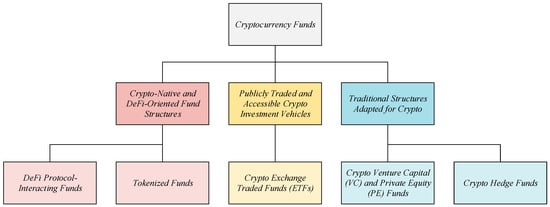
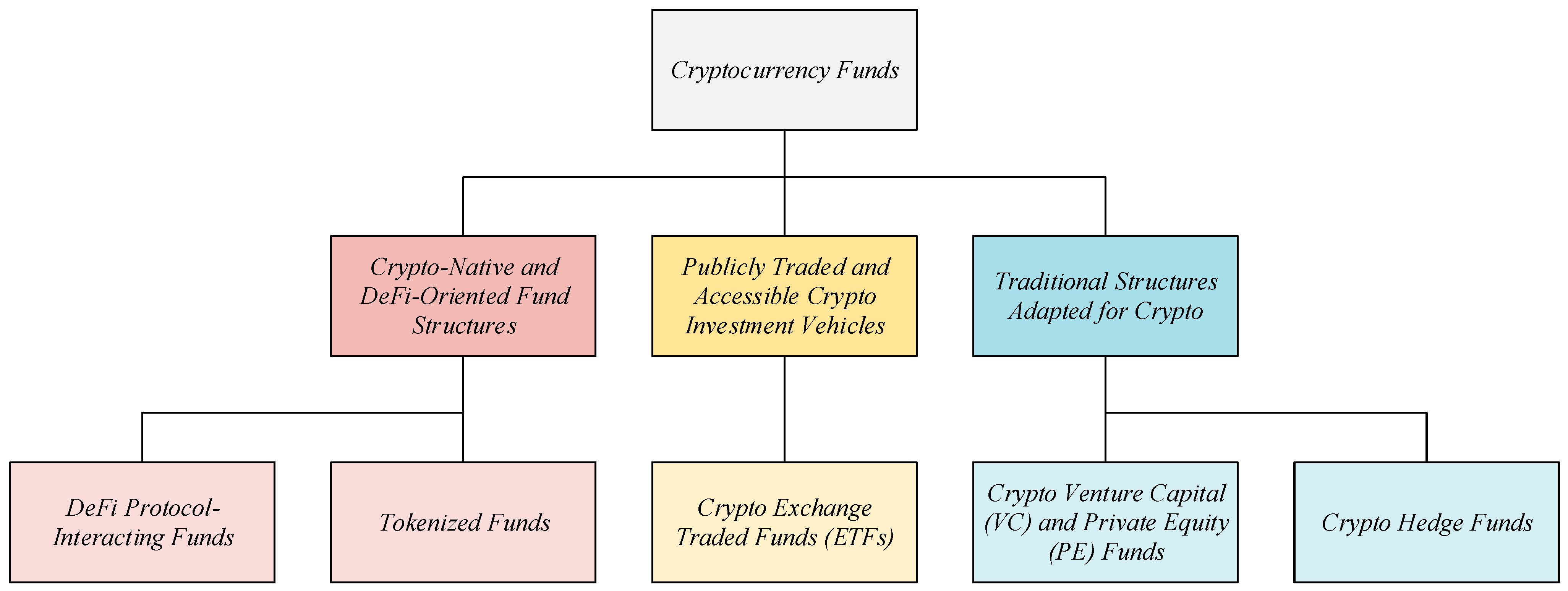
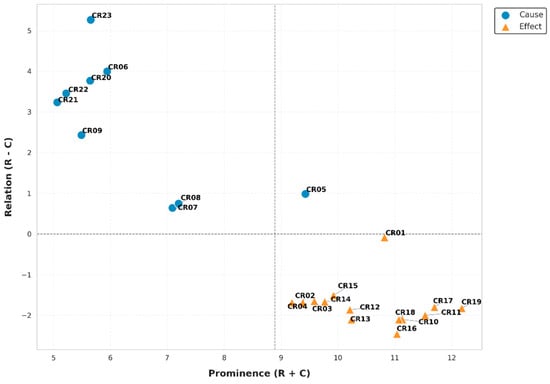
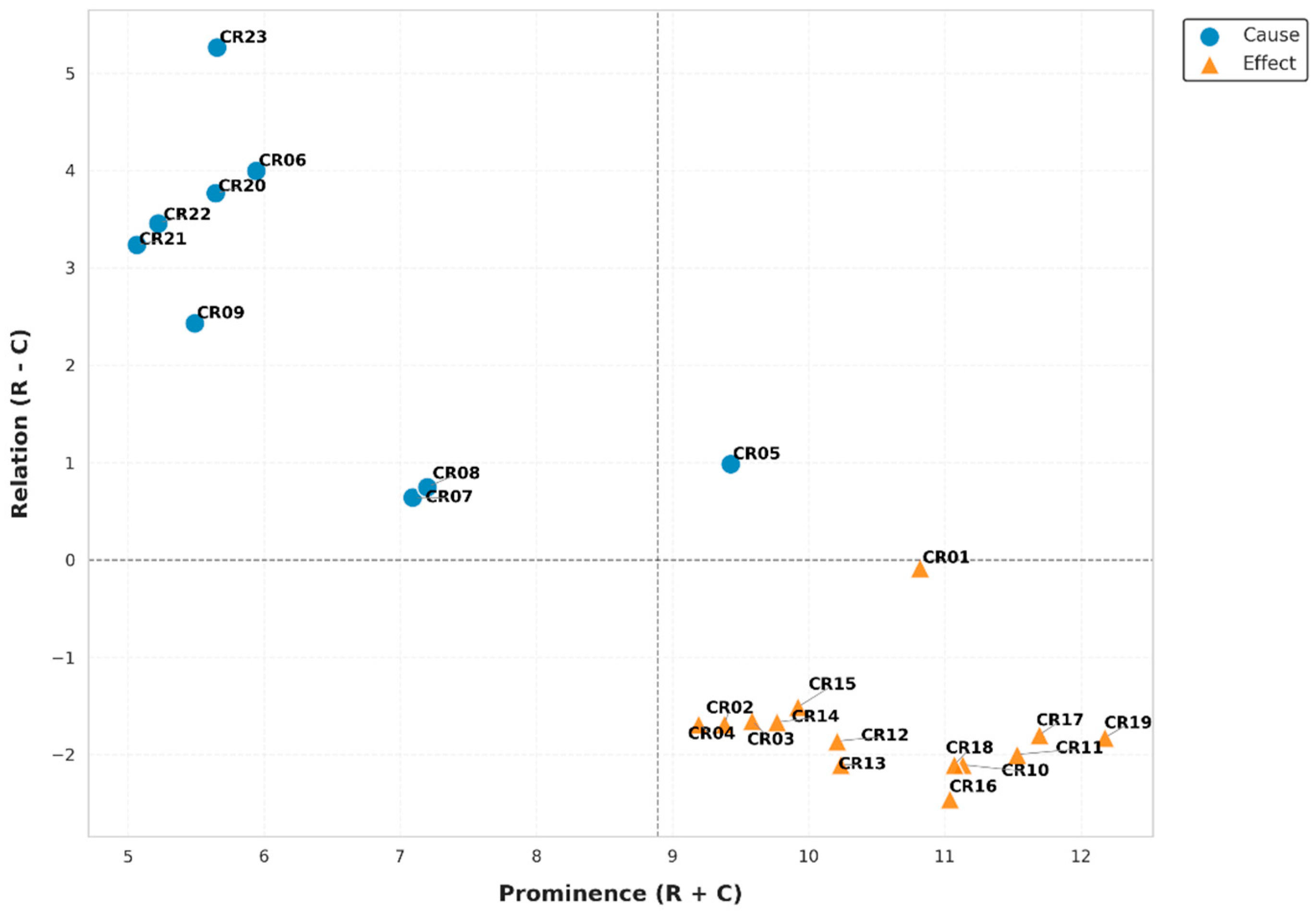

Disclaimer/Publisher’s Note: The statements, opinions and data contained in all publications are solely those of the individual author(s) and contributor(s) and not of MDPI and/or the editor(s). MDPI and/or the editor(s) disclaim responsibility for any injury to people or property resulting from any ideas, methods, instructions or products referred to in the content. |
© 2026 by the authors. Licensee MDPI, Basel, Switzerland. This article is an open access article distributed under the terms and conditions of the Creative Commons Attribution (CC BY) license.