
Revisiting Atopy: The IgE-Dependent Amplification Loop as a Forgotten Driver of Atopic Dermatitis


Abstract
1. Introduction
2. Rethinking Atopy: From Classical IgE-Mediated Allergy to a Multilayered Immune Concept
3. IgE-Dependent Cutaneous Immune Network: FcεRI-Expressing Dendritic Cells, Mast Cells, and Basophils
3.1. Langerhans Cells: Silent Antigen Collectors and Central Players in AD Pathogenesis
3.2. Inflammatory Dermal Dendritic Cells: Key Drivers of Th2-Skewing in the Dermis
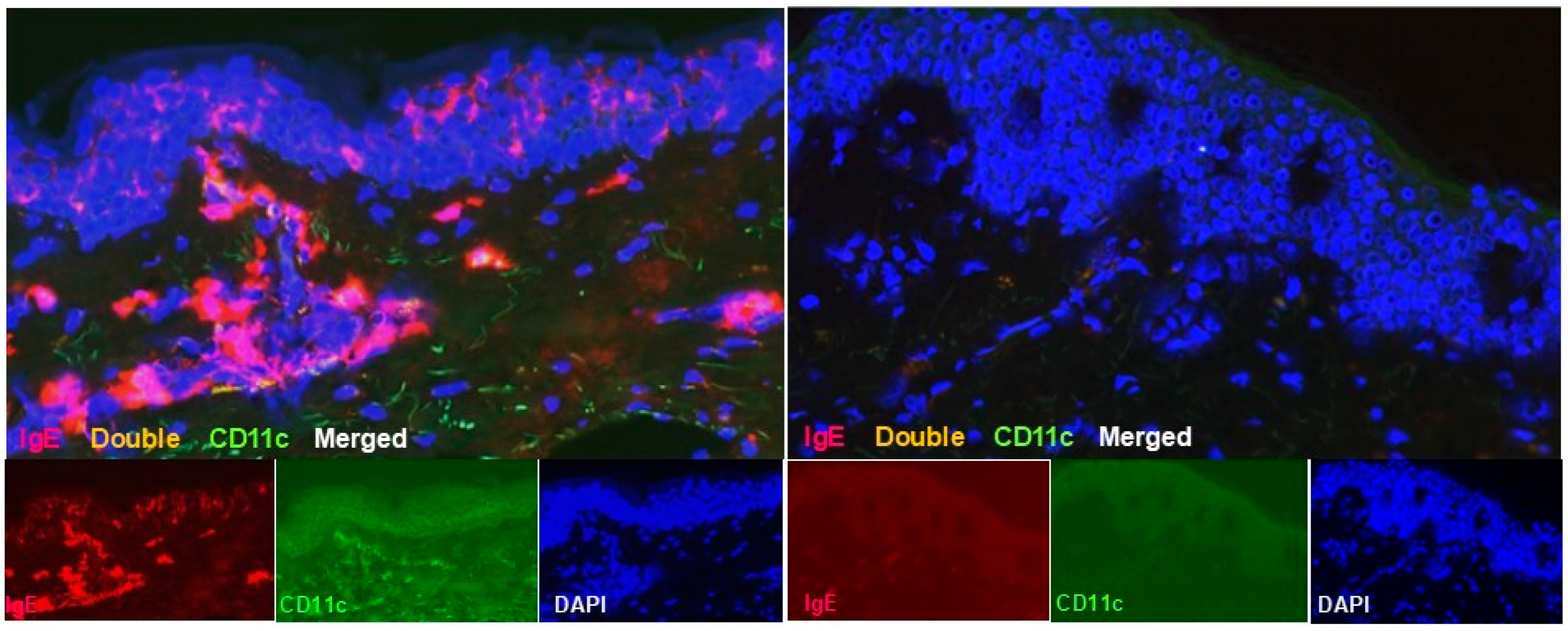
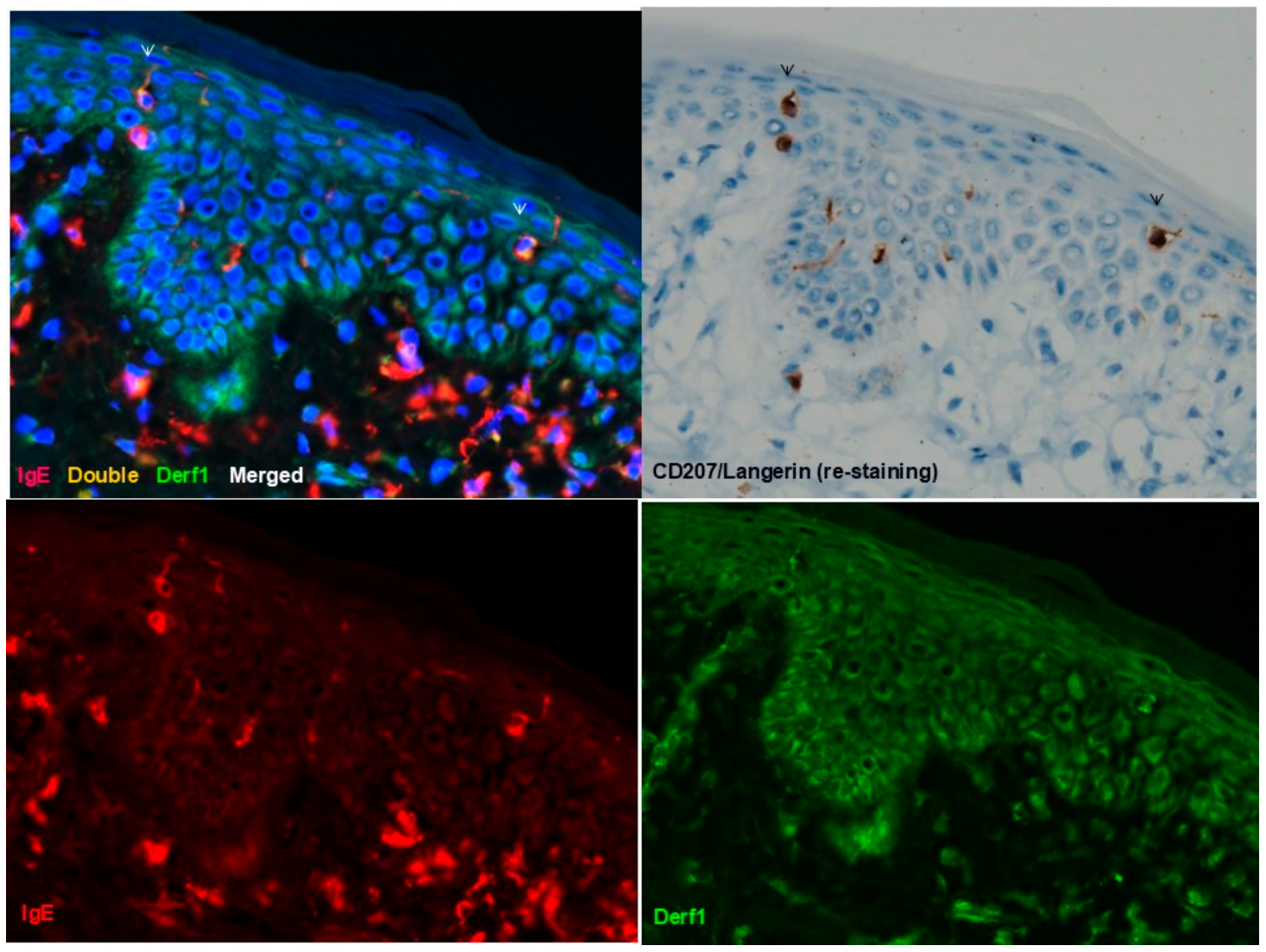
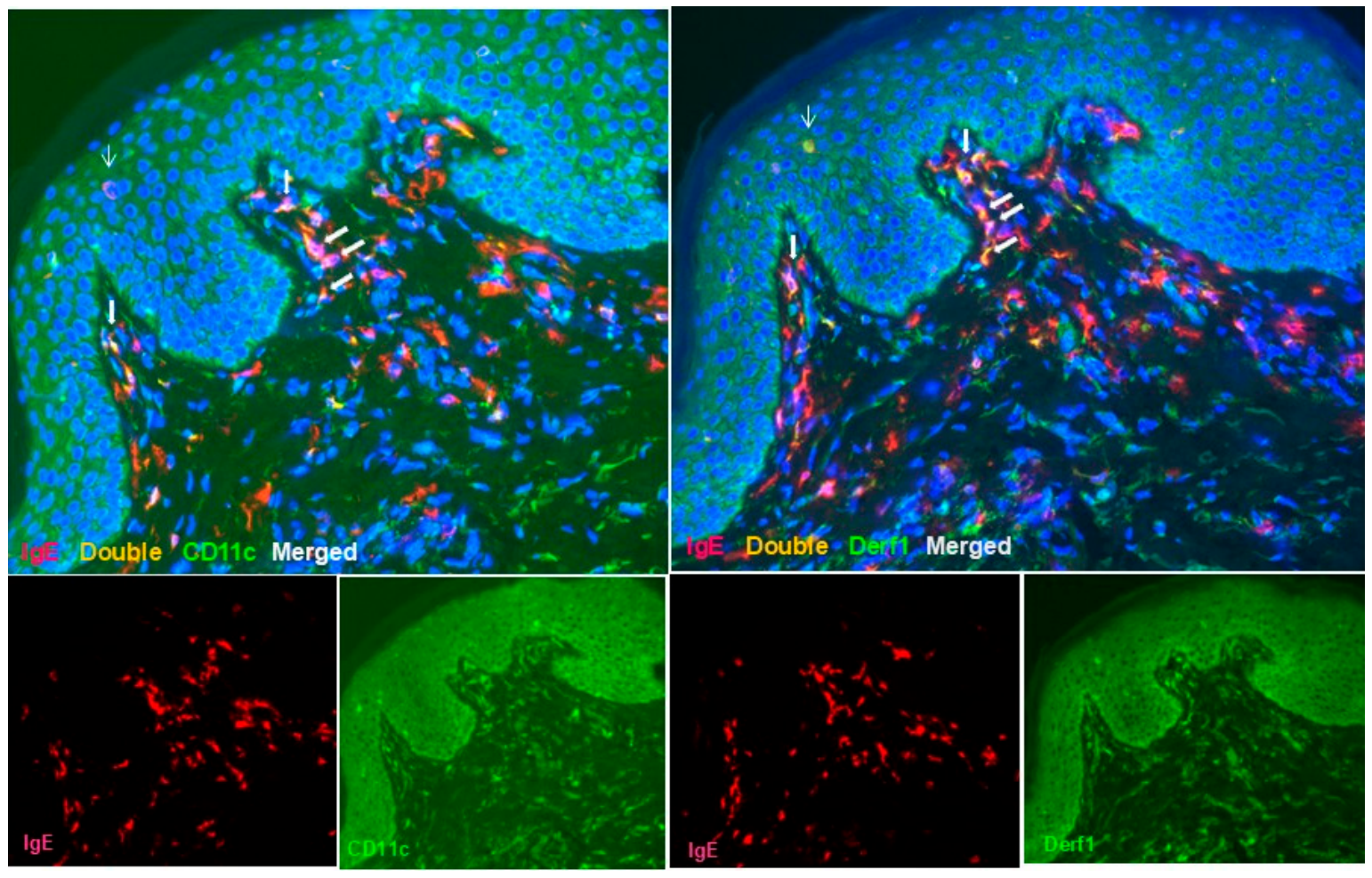
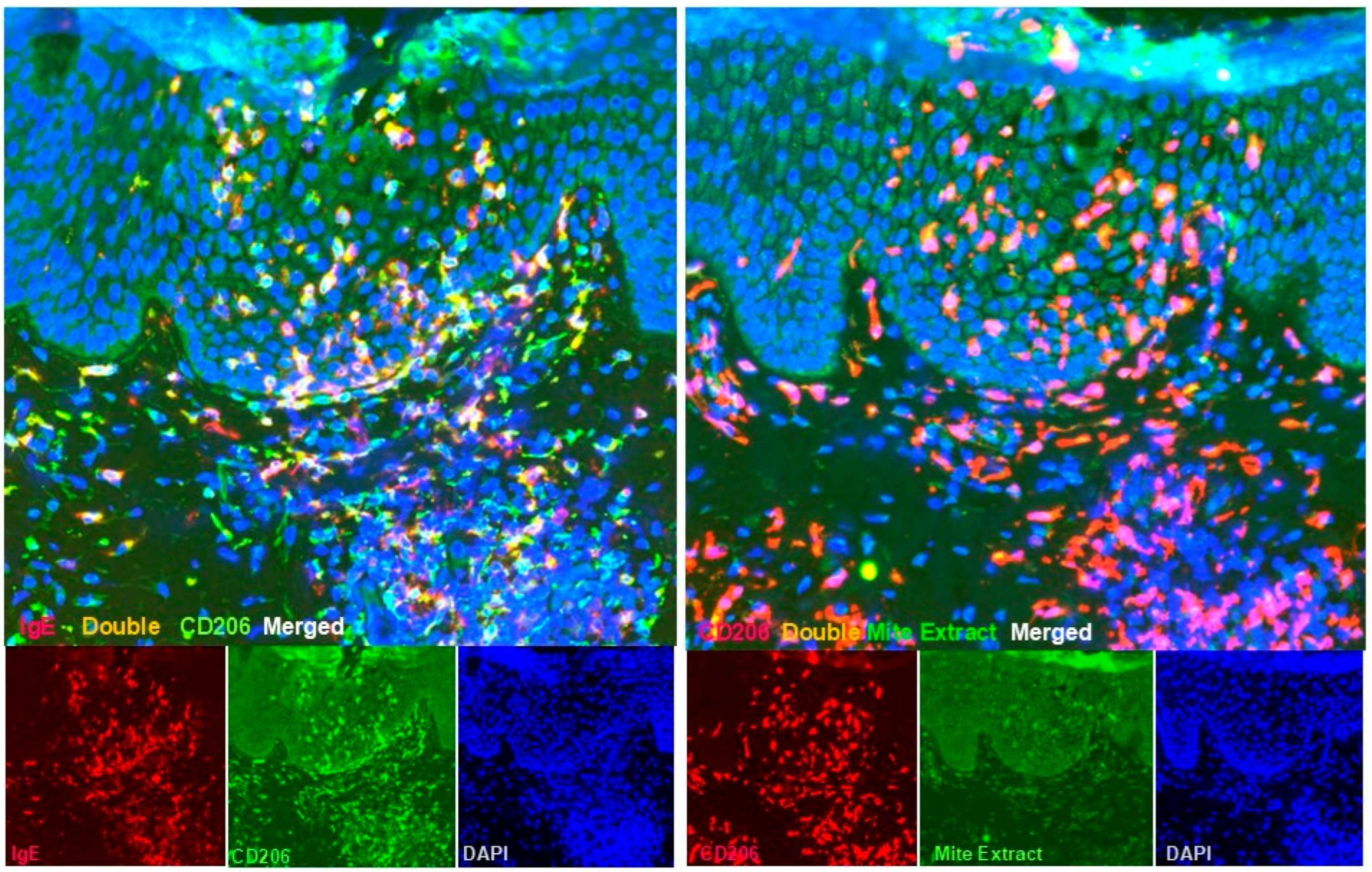
3.3. Inflammatory Dendritic Epidermal Cells: IgE-Dependent Amplifiers Linking Delayed-Type Hypersensitivity to Spongiosis in Atopic Dermatitis
- (1)
- Evidence of IgE-positive epidermal DCs bearing HDM antigens—i.e., LCs and IDECs—in naturally occurring AD lesions, with histopathologic features closely resembling those observed in HDM-induced positive atopy patch test reactions;
- (2)
- A conceptual paper integrating these findings with prior literature to propose the IgE-mediated DTH model of spongiosis formation in extrinsic AD;
- (3)
- A comparative study demonstrating disease-specific patterns of spongiosis across AD and other skin disorders, reinforcing the central role of IDECs in AD-associated spongiotic dermatitis.
3.4. Mast Cells and Basophils: IgE-Dependent Innate–Adaptive Amplifiers
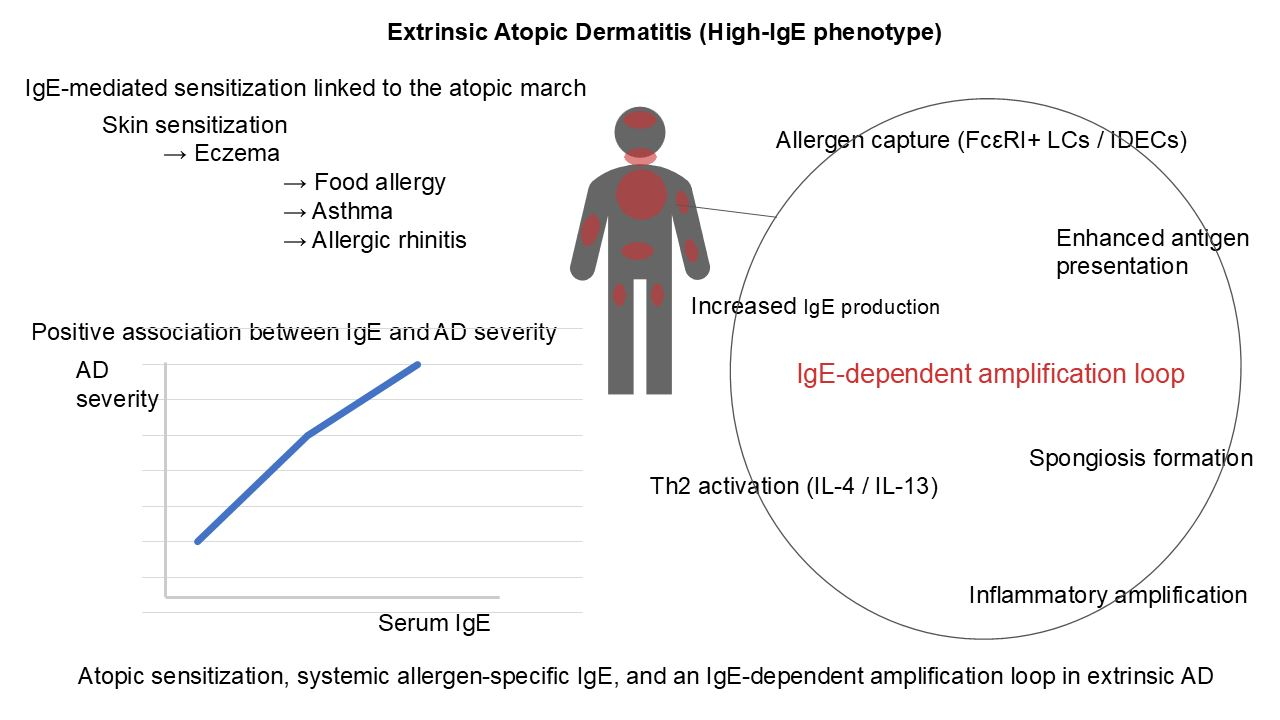
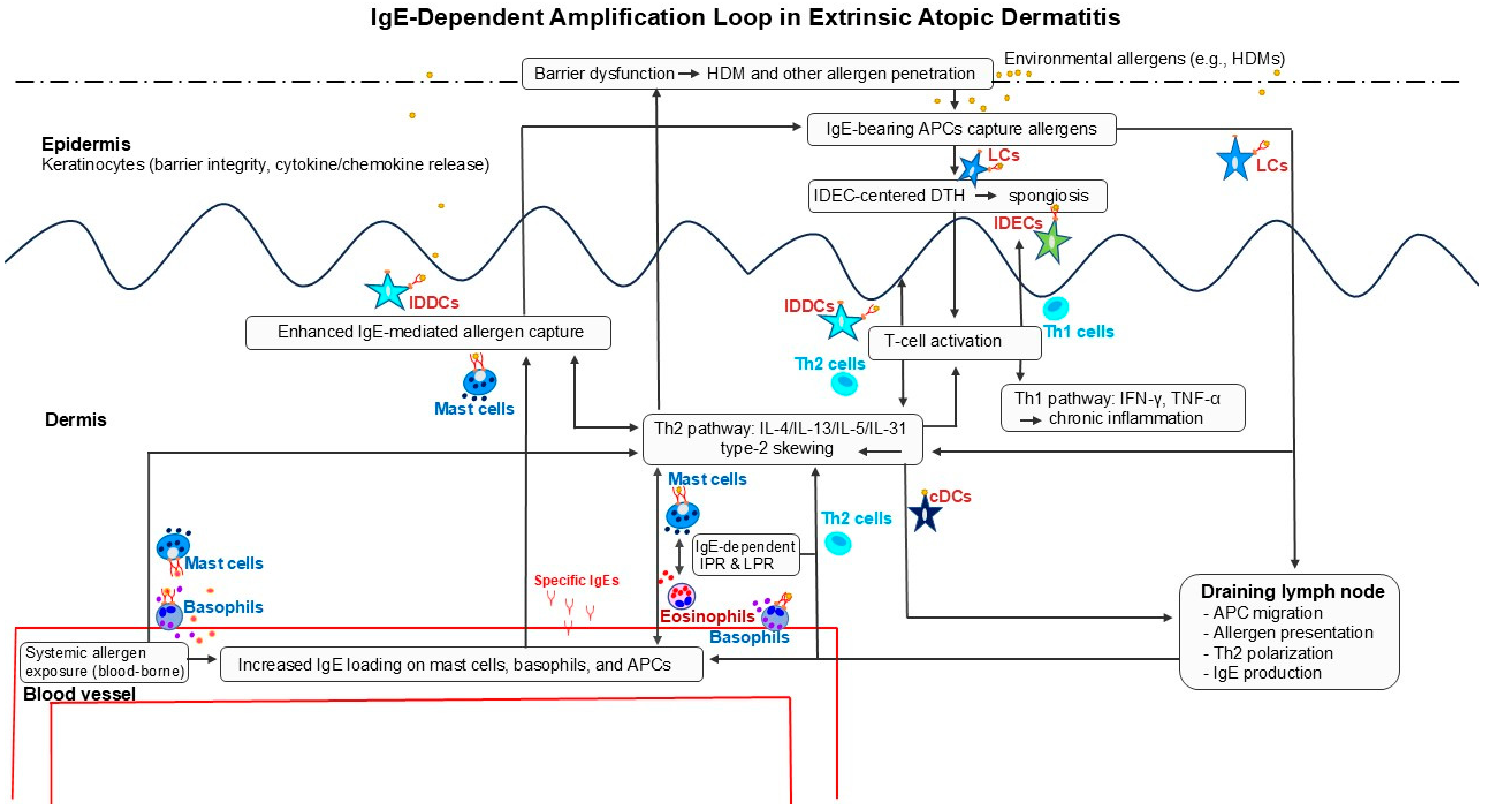
4. The IgE-Dependent Amplification Loop: An Integrated Pathomechanistic Model
4.1. Architecture of the IgE-Dependent Amplification Loop
4.2. Integrating the IgE-Dependent Amplification Loop into the Broader Pathophysiology of AD
5. Therapeutic Implications and Future Directions Derived from the IgE-Dependent Amplification Loop
5.1. IL-4/IL-13 Blockade as Modulators of the IgE-Dependent Amplification Loop
5.1.1. Dupilumab-Induced Immune Remodeling
5.1.2. Why Dupilumab Outperforms IL-13-Only Blockade
5.1.3. Dupilumab in Combination with Adjunctive Therapies
5.2. Positioning the IgE-Dependent Amplification Loop in the Era of Next-Generation Targeted Therapies
- IL-4Rα blockade partially suppresses but does not eliminate the IgE-dependent amplification loop.
- Therapies that fail to reduce IgE or FcεRI signaling may show limited efficacy in IgE-high extrinsic AD.
- Combination approaches targeting both type 2 cytokines and IgE pathways may offer superior disease control.
- The IgE-dependent amplification loop should be recognized as a therapeutic axis distinct from type 2 cytokine signaling.
- Dual IL-4/IL-13–IgE pathway inhibition,
- FcεRI-targeted therapies,
- CD23-modulating approaches, and
- Precision medicine frameworks identifying IgE-high or FcεRI-high endotypes.
6. Conclusions and Overall Synthesis
Author Contributions
Funding
Institutional Review Board Statement
Informed Consent Statement
Data Availability Statement
Conflicts of Interest
Abbreviations
| AD | atopic dermatitis |
| APC | antigen-presenting cell |
| cDC2 | conventional type 2 dendritic cell |
| CD | cluster of differentiation |
| DAPI | 4′,6-diamidino-2-phenylindole |
| DC | dendritic cell |
| Der f | Dermatophagoides farinae |
| DTH | delayed-type hypersensitivity |
| FcεRI | high-affinity IgE receptor |
| HDM | house dust mite |
| HLA | human leukocyte antigen |
| IDEC | inflammatory dendritic epidermal cell |
| IFN | interferon |
| IgE | immunoglobulin E |
| IL | interleukin |
| ILC2 | group 2 innate lymphoid cell |
| JAK | Janus kinase |
| LC | Langerhans cell |
| MHC | major histocompatibility complex |
| NK | natural killer (cell) |
| OX40L | OX40 ligand |
| PAR-2 | protease-activated receptor-2 |
| scRNA-seq | single-cell RNA sequencing |
| S. aureus | Staphylococcus aureus |
| Th | T helper |
| TNF | tumor necrosis factor |
| Treg | regulatory T cells |
| TSLP | thymic stromal lymphopoietin |
References
- Bieber, T.; Paller, A.S.; Kabashima, K.; Feely, M.; Rueda, M.J.; Ross Terres, J.A.; Wollenberg, A. Atopic dermatitis: Pathomechanisms and lessons learned from novel systemic therapeutic options. J. Eur. Acad. Dermatol. Venereol. 2022, 36, 1432–1449. [Google Scholar] [CrossRef] [PubMed]
- Guttman-Yassky, E.; Renert-Yuval, Y.; Brunner, P. Atopic dermatitis. Lancet 2025, 405, 583–596. [Google Scholar] [CrossRef] [PubMed]
- Hill, L.W.; Sulzberger, M.B. Evolution of atopic dermatitis. Arch. Derm. Syphilol. 1935, 32, 451–463. [Google Scholar] [CrossRef]
- Bruijnzeel-Koomen, C.; van Wichen, D.F.; Toonstra, J.; Berrens, L.; Bruynzeel, P.L.B. The presence of IgE molecules on epidermal Langerhans cells in patients with atopic dermatitis. Arch. Derm. Res. 1986, 278, 199–205. [Google Scholar] [CrossRef] [PubMed]
- Bieber, T. Fc epsilon RI-expressing antigen-presenting cells: New players in the atopic game. Immunol. Today 1997, 18, 311–313. [Google Scholar] [CrossRef] [PubMed]
- Leung, D.Y. Pathogenesis of atopic dermatitis. J. Allergy Clin. Immunol. 1999, 104, 99–108. [Google Scholar] [CrossRef] [PubMed]
- Palmer, C.N.A.; Irvine, A.D.; Terron-Kwiatkowski, A.; Zhao, Y.; Liao, H.; Lee, S.P.; Goudie, D.R.; Sandilands, A.; Campbell, L.E.; Smith, F.J.D.; et al. Common loss-of-function variants of the epidermal barrier protein filaggrin are a major predisposing factor for atopic dermatitis. Nat. Genet. 2006, 38, 441–446. [Google Scholar] [CrossRef] [PubMed]
- Beck, L.A.; Thaçi, D.; Hamilton, J.D.; Graham, N.M.; Bieber, T.; Rocklin, R.; Ming, J.E.; Ren, H.; Kao, R.; Simpson, E.; et al. Dupilumab treatment in adults with moderate-to-severe atopic dermatitis. N. Engl. J. Med. 2014, 371, 130–139. [Google Scholar] [CrossRef] [PubMed]
- Wollenberg, A.; Thomsen, S.F.; Lacour, J.-P.; Jaumont, X.; Lazarewicz, S. Targeting immunoglobulin E in atopic dermatitis: A review of the existing evidence. World Allergy Organ. J. 2021, 14, 100519. [Google Scholar] [CrossRef] [PubMed]
- Honda, T.; Kabashima, K. Reconciling innate and acquired immunity in atopic dermatitis. J. Allergy Clin. Immunol. 2020, 145, 1136–1137. [Google Scholar] [CrossRef] [PubMed]
- Davidson, W.F.; Leung, D.Y.M.; Beck, L.A.; Berin, C.M.; Boguniewicz, M.; Busse, W.W.; Chatila, T.A.; Geha, R.S.; Gern, J.E.; Guttman-Yassky, E.; et al. Report from the National Institute of Allergy and Infectious Diseases Workshop on “Atopic Dermatitis and the Atopic March: Mechanisms and Interventions”. J. Allergy Clin. Immunol. 2019, 143, 894–913. [Google Scholar] [CrossRef] [PubMed]
- Furue, M.; Chiba, T.; Tsuji, G.; Ulzii, D.; Kido-Nakahara, M.; Nakahara, T.; Kadono, T. Atopic dermatitis: Immune deviation, barrier dysfunction, IgE autoreactivity and new therapies. Allergol. Int. 2017, 66, 398–403. [Google Scholar] [CrossRef] [PubMed]
- Suárez-Fariñas, M.; Dhingra, N.; Gittler, J.; Shemer, A.; Cardinale, I.; de Guzman Strong, C.; Krueger, J.G.; Guttman-Yassky, E. Intrinsic atopic dermatitis shows similar TH2 and higher TH17 immune activation compared with extrinsic atopic dermatitis. J. Allergy Clin. Immunol. 2013, 132, 361–370. [Google Scholar] [CrossRef] [PubMed]
- Tanei, R.; Hasegawa, Y. Immunological Pathomechanisms of Spongiotic Dermatitis in Skin Lesions of Atopic Dermatitis. Int. J. Mol. Sci. 2022, 23, 6682. [Google Scholar] [CrossRef] [PubMed]
- Tanei, R.; Hasegawa, Y. Immunohistopathological Analysis of Immunoglobulin E-Positive Epidermal Dendritic Cells with House Dust Mite Antigens in Naturally Occurring Skin Lesions of Adult and Elderly Patients with Atopic Dermatitis. Dermatopathology 2021, 8, 426–441. [Google Scholar] [CrossRef] [PubMed]
- Knol, E.F.; van Neerven, R.J.J. IgE versus IgG and IgA: Differential roles of allergen specific antibodies in sensitization, tolerization, and treatment of Allergies. Immunol. Rev. 2024, 328, 314–333. [Google Scholar] [PubMed]
- Coca, A.F.; Grove, E.F. Studies in Hypersensitiveness: XIII. A Study of the Atopic Reagins. J. Immunol. 1925, 10, 445–464. [Google Scholar]
- Ishizaka, K.; Ishizaka, T.; Hornbrook, M.M. Physicochemical properties of reaginic antibody. V. Correlation of reaginic activity with gamma-E-globulin antibody. J. Immunol. 1966, 97, 840–853. [Google Scholar] [PubMed]
- Hanifin, J.M.; Rajka, G. Diagnostic features of atopic dermatitis. Acta Derm. 1980, 92, 44–47. [Google Scholar] [CrossRef]
- Okada, M.; Terui, T.; Honda, M.; Tanaka, M.; Chikama, R.; Tabata, N.; Takahashi, K.; Tagami, H. Cutaneous late phase reaction in adult atopic dermatitis patients with high serum IgE antibody to Dermatophagoides farinae: Correlation with IL-5 production by allergen-stimulated peripheral blood mononuclear cells. J. Derm. Sci. 2002, 29, 73–84. [Google Scholar] [CrossRef] [PubMed]
- Murota, H.; Katayama, I. Exacerbating factors of itch in atopic dermatitis. Allergol. Int. 2017, 66, 8–13. [Google Scholar] [CrossRef] [PubMed]
- Nattkemper, L.A.; Tey, H.L.; Valdes-Rodriguez, R.; Lee, H.; Mollanazar, N.K.; Albornoz, C.; Sanders, K.M.; Yosipovitch, G. The Genetics of Chronic Itch: Gene Expression in the Skin of Patients with Atopic Dermatitis and Psoriasis with Severe Itch. J. Investig. Dermatol. 2018, 138, 1311–1317. [Google Scholar] [CrossRef] [PubMed]
- Tominaga, M.; Takamori, K. Peripheral itch sensitization in atopic dermatitis. Allergol. Int. 2022, 71, 265–277. [Google Scholar] [CrossRef] [PubMed]
- De Benedetto, A.; Agnihothri, R.; McGirt, L.Y.; Bankova, L.G.; Beck, L.A. Atopic dermatitis: A disease caused by innate immune defects? J. Investig. Dermatol. 2009, 129, 14–30. [Google Scholar] [CrossRef] [PubMed]
- Kong, H.H.; Oh, J.; Deming, C.; Conlan, S.; Grice, E.A.; Beatson, M.A.; Nomicos, E.; Polley, E.C.; Komarow, H.D.; NISC Comparative Sequence Program; et al. Temporal shifts in the skin microbiome associated with disease flares and treatment in children with atopic dermatitis. Genome Res. 2012, 22, 850–859. [Google Scholar] [CrossRef] [PubMed]
- Kabashima, K. New concept of the pathogenesis of atopic dermatitis: Interplay among the barrier, allergy, and pruritus as a trinity. J. Dermatol. Sci. 2013, 70, 3–11. [Google Scholar] [CrossRef] [PubMed]
- Torres, T.; Mendes-Bastos, P.; Cruz, M.J.; Duarte, B.; Filipe, P.; Lopes, M.J.P.; Gonçalo, M. Interleukin-4 and Atopic Dermatitis: Why Does it Matter? A Narrative Review. Dermatol. Ther. 2025, 15, 579–597. [Google Scholar] [CrossRef] [PubMed]
- Liu, F.-T.; Goodarzi, H.; Chen, H.-Y. IgE, Mast Cells, and Eosinophils in Atopic Dermatitis. Clin. Rev. Allerg. Immunol. 2011, 41, 298–310. [Google Scholar] [CrossRef] [PubMed]
- Miyake, K.; Shibata, S.; Yoshikawa, S.; Karasuyama, H. Basophils and their effector molecules in allergic disorders. Allergy 2021, 76, 1693–1706. [Google Scholar] [PubMed]
- Liu, C.; Zhang, X.; Xiang, Y.; Qu, X.; Liu, H.; Liu, C.; Tan, M.; Jiang, J.; Qin, X. Role of epithelial chemokines in the pathogenesis of airway inflammation in asthma (Review). Mol. Med. Rep. 2018, 17, 6935–6941. [Google Scholar] [CrossRef] [PubMed]
- Charlesworth, E.N.; Hood, A.F.; Soter, N.A.; Kagey-Sobotka, A.; Norman, P.S.; Lichtenstein, L.M. Cutaneous Late-Phase Response to Allergen. Mediator Release and Inflammatory Cell Infiltration. J. Clin. Investig. 1989, 83, 1519–1526. [Google Scholar] [CrossRef] [PubMed]
- Tanei, R.; Hasegawa, Y. Immunohistopathological Analysis of Spongiosis Formation in Atopic Dermatitis Compared with Other Skin Diseases. Dermatopathology 2025, 12, 23. [Google Scholar] [CrossRef] [PubMed]
- Pan, Y.; Hochgerner, M.; Cichoń, M.A.; Benezeder, T.; Bieber, T.; Wolf, P. Langerhans cells: Central players in the pathophysiology of atopic dermatitis. J. Eur. Acad. Dermatol. Venereol. 2025, 39, 278–289. [Google Scholar] [PubMed]
- Bieber, T.; Dannenberg, B.; Prinz, J.C.; Rieber, E.P.; Stolz, W.; Braun-Falco, O.; Ring, J. Occurrence of IgE-bearing epidermal Langerhans cells in atopic eczema: A study of the time course of the lesions and with regard to the IgE serum level. J. Investig. Dermatol. 1989, 93, 215–219. [Google Scholar] [PubMed]
- Mudde, G.C.; Van Reijsen, F.C.; Boland, G.J.; de Gast, G.C.; Bruijnzeel, P.L.; Bruijnzeel-Koomenet, C.A. Allergen presentation by epidermal Langerhans’ cells from patients with atopic dermatitis is mediated by IgE. Immunology 1990, 69, 335–341. [Google Scholar] [PubMed]
- Novak, N.; Bieber, T. Antigen-Presenting Cells. In Atopic Dermatitis, 2nd ed.; Bieber, T., Leung, D.Y., Eds.; Informa Healthcare: London, UK, 2009; pp. 149–156. [Google Scholar]
- Maeda, K.; Yamamoto, K.; Tanaka, Y.; Anan, A.; Yoshida, H. House dust mite (HDM) antigen in naturally occurring lesions of atopic dermatitis (AD): The relationship between HDM antigen in the skin and HDM antigen-specific IgE antibody. J. Dermatol. Sci. 1992, 3, 73–77. [Google Scholar] [CrossRef] [PubMed]
- Mori, T.; Ishida, K.; Mukumoto, S.; Yamada, Y.; Imokawa, G.; Kabashima, K.; Kobayashi, M.; Bito, T.; Nakamura, M.; Ogasawara, K.; et al. Comparison of skin barrier function and sensory nerve electric current perception threshold between IgE-high extrinsic and IgE-normal intrinsic types of atopic dermatitis. Br. J. Dermatol. 2010, 162, 83–90. [Google Scholar] [PubMed]
- T Tanaka, T.; Tanaka, Y.; Kazumori, S.; Ohno, M.; Akahoshi, Y.; Kanda, G.; Anan, S.; Yoshida, H. A Case of Contact Urticaria from House Dust Mite Extract (Dermatophagoides farinae, DF). Ski. Res. 1986, 28, 344–347. (In Japanese) [Google Scholar]
- Darsow, U.; Vieluf, D.; Ring, J. Atopy patch test with different vehicles and allergen concentrations: An approach to standardization. J. Allergy Clin. Immunol. 1995, 95, 677–684. [Google Scholar] [CrossRef] [PubMed]
- Teplitsky, V.; Mumcuoglu, K.Y.; Babai, I.; Dalal, I.; Cohen, R.; Tanay, A. House dust mites on skin, clothes, and bedding of atopic dermatitis patients. Int. J. Dermatol. 2008, 47, 790–795. [Google Scholar] [CrossRef] [PubMed]
- Yasueda, H.; Saito, A.; Nishioka, K.; Kutsuwada, K.; Akiyama, K. Measurement of Dermatophagoides mite allergens on bedding and human skin surfaces. Clin. Exp. Allergy 2003, 33, 1654–1658. [Google Scholar] [CrossRef] [PubMed]
- Tanei, R.; Hasegawa, Y. Double-positive Immunoglobulin E+ and Dermatophagoides farinae antigen+ dendritic cells are observed in Skin Lesions of Older Adults with Atopic Dermatitis: An Immunohistological Study. Dermatol. Clin. Res. 2017, 3, 134–150. [Google Scholar]
- Ohki, O.; Yokozeki, H.; Katayama, I.; Umeda, T.; Azuma, M.; Okumura, K.; Nishioka, K. Functional CD86 (B7-2/B70) is predominantly expressed on Langerhans cells in atopic dermatitis. Br. J. Dermatol. 1997, 136, 838–845. [Google Scholar] [CrossRef]
- Goto, T.; Soma, Y.; Ra, C.; Kawa, Y.; Kubota, Y.; Mizoguchi, M. Enhanced expression of the high-affinity receptor for IgE (Fc(epsilon)RI) associated with decreased numbers of Langerhans cells in the lesional epidermis of atopic dermatitis. J. Dermatol. Sci. 2001, 27, 156–161. [Google Scholar] [CrossRef] [PubMed]
- Tamminga, S.M.; Van Der Wal, M.M.; Saager, E.S.; Van Der Gang, L.F.; Boesjes, C.M.; Hendriks, A.; Pannekoek, Y.; De Bruin, M.S.; Van Wijk, F.; Van Sorgem, N.M. Single-cell sequencing of human Langerhans cells identifies altered gene expression profiles in patients with atopic dermatitis. Immunohorizons 2025, 24, 9. [Google Scholar]
- Guttman-Yassky, E.; Lowes, M.A.; Fuentes-Duculan, J.; Whynot, J.; Novitskaya, I.; Cardinale, I.; Haider, A.; Khatcherian, A.; Carucci, J.A.; Bergman, R.; et al. Major differences in inflammatory dendritic cells and their products distinguish atopic dermatitis from psoriasis. J. Allergy Clin. Immunol. 2007, 119, 1210–1217. [Google Scholar] [CrossRef] [PubMed]
- Zaba, L.C.; Krueger, J.G.; Lowes, A. Resident and "inflammatory" dendritic cells in human skin. J. Investig. Dermatol. 2009, 129, 302–308. [Google Scholar] [CrossRef] [PubMed]
- Hespel, C.; Moser, M. Role of inflammatory dendritic cells in innate and adaptive immunity. Eur. J. Immunol. 2012, 42, 2535–2543. [Google Scholar] [CrossRef] [PubMed]
- Novak, N.; Valenta, R.; Bohle, B.; Laffer, S.; Haberstok, J.; Kraft, S.; Bieber, T. FceRI engagement of Langerhans cell–like dendritic cells and inflammatory dendritic epidermal cell–like dendritic cells induces chemotactic signals and different T-cell phenotypes in vitro. J. Allergy Clin. Immunol. 2004, 113, 949–957. [Google Scholar] [CrossRef] [PubMed]
- Tanei, R.; Hasegawa, Y.; Sawabe, M. Abundant immunoglobulin E-positive cells in skin lesions support an allergic etiology of atopic dermatitis in the elderly. J. Eur. Acad. Dermatol. Venereol. 2013, 27, 952–960. [Google Scholar] [PubMed]
- Werfel, T. The role of leukocytes, keratinocytes, and allergen-specific IgE in the development of atopic dermatitis. J. Investig. Dermatol. 2009, 129, 1878–1891. [Google Scholar] [CrossRef] [PubMed]
- Ito, T.; Wang, Y.; Duramad, O.; Hori, T.; Delespesse, G.J.; Watanabe, N.; Qin, F.X.; Yao, Z.; Cao, W.; Liu, Y. TSLP-activated dendritic cells induce an inflammatory T helper type 2 cell response through OX40 ligand. J. Exp. Med. 2005, 202, 1213–1223. [Google Scholar] [CrossRef] [PubMed]
- Bieber, T. The pro- and anti-inflammatory properties of human antigen-presenting cells expressing the high affinity receptor for IgE (Fc epsilon RI). Immunobiology 2007, 212, 499–503. [Google Scholar] [CrossRef] [PubMed]
- Maurer, D.; Fiebiger, S.; Ebner, C.; Reininger, B.; Fischer, G.F.; Wichlas, S.; Jouvin, M.H.; Schmitt-Egenolf, M.; Kraft, D.; Kinet, J.P.; et al. Peripheral blood dendritic cells express fc epsilon RI as a complex composed of fc epsilon RI alpha-and fc epsilon RI gamma-chains and can use this receptor for IgE-mediated allergen presentation. J. Immunol. 1996, 157, 607–616. [Google Scholar] [CrossRef]
- Brunner, P.M.; Guttman-Yassky, E.; Leung, D.Y.M. The immunology of atopic dermatitis and its reversibility with broad-spectrum and targeted therapies. J. Allergy Clin. Immunol. 2017, 139, S65–S76. [Google Scholar] [CrossRef] [PubMed]
- Wollenberg, A.; Wagner, M.; Günther, S.; Towarowski, A.; Tuma, E.; Moderer, M.; Rothenfusser, S.; Wetzel, S.; Endres, S.; Hartmann, G. Plasmacytoid dendritic cells: A new cutaneous dendritic cell subset with distinct role in inflammatory skin diseases. J. Investig. Dermatol. 2002, 119, 1096–1102. [Google Scholar] [CrossRef] [PubMed]
- Baran, W.; Oehrl, S.; Ahmad, F.; Döbel, T.; Alt, C.; Buske-Kirschbaum, A.; Schmitz, M.; Schäkel, K. Phenotype, Function, and Mobilization of 6-Sulfo LacNAc-Expressing Monocytes in Atopic Dermatitis. Front. Immunol. 2018, 9, 1352. [Google Scholar] [CrossRef] [PubMed]
- Wollenberg, A.; Kraft, S.; Hanau, D.; Bieber, T. Immunomorphological and ultrastructural characterization of Langerhans cells and a novel, inflammatory dendritic epidermal cell (IDEC) population in lesional skin of atopic eczema. J. Investig. Dermatol. 1996, 106, 446–453. [Google Scholar] [CrossRef] [PubMed]
- Wollenberg, A. Inflammatory dendritic epidermal cells. In Handbook of Atopic Eczema, 2nd ed.; Ring, J., Przybilla, B., Ruzicka, T., Eds.; Springer: Berlin/Heidelberg, Germany, 2006; pp. 288–295. [Google Scholar]
- Wang, A.; Fogel, A.L.; Murphy, M.J.; Panse, G.; McGeary, M.K.; McNiff, J.M.; Bosenberg, M.; Vesely, M.D.; Cohen, J.M.; Ko, C.J.; et al. Cytokine RNA In Situ Hybridization Permits Individualized Molecular Phenotyping in Biopsies of Psoriasis and Atopic Dermatitis. JID Innov. 2021, 1, 100021. [Google Scholar] [CrossRef] [PubMed]
- Landheer, J.; Giovannone, B.; Mattson, J.D.; Tjabringa, S.; Bruijnzeel-Koomen, C.A.F.M.; McClanahan, T.; Malefyt, R.D.W.; Knol, E.; Hijnen, D. Epicutaneous application of house dust mite induces thymic stromal lymphopoietin in nonlesional skin of patients with atopic dermatitis. J. Allergy Clin. Immunol. 2013, 132, 1252–1254. [Google Scholar] [CrossRef] [PubMed]
- Katoh, N.; Hirano, S.; Suehiro, M.; Masuda, K.; Kishimoto, S. The characteristics of patients with atopic dermatitis demonstrating a positive reaction in a scratch test after 48 hours against house dust mite antigen. J. Dermatol. 2004, 31, 720–726. [Google Scholar] [CrossRef] [PubMed]
- He, H.; Suryawanshi, H.; Morozov, P.; Gay-Mimbrera, J.; Del Duca, E.; Kim, H.J.; Kameyama, N.; Estrada, Y.; Der, E.; Krueger, J.G.; et al. Single-cell transcriptome analysis of human skin identifies novel fibroblast subpopulation and enrichment of immune subsets in atopic dermatitis. J. Allergy Clin. Immunol. 2020, 145, 1615–1628. [Google Scholar] [CrossRef] [PubMed]
- Nakajima, T.; Inagaki, N.; Tanaka, H.; Tanaka, A.; Yoshikawa, M.; Tamari, M.; Hasegawa, K.; Matsumoto, K.; Tachimoto, H.; Ebisawa, M.; et al. Marked increase in CC chemokine gene expression in both human and mouse mast cell transcriptomes following Fcepsilon receptor I cross-linking: An interspecies comparison. Blood 2002, 100, 3861–3868. [Google Scholar] [CrossRef] [PubMed]
- Mitchell, E.B.; Crow, J.; Chapman, M.D.; Jouhal, S.S.; Pope, F.M.; Platts-Mills, T.A. Basophils in allergen-induced patch test sites in atopic dermatitis. Lancet 1982, 16, 127–130. [Google Scholar] [CrossRef] [PubMed]
- Ito, Y.; Satoh, T.; Takayama, K.; Miyagishi, C.; Walls, A.F.; Yokozeki, H. Basophil recruitment and activation in inflammatory skin diseases. Allergy 2011, 66, 1107–1113. [Google Scholar] [CrossRef] [PubMed]
- Santos, A.F.; Shreffler, W.G. Road map for the clinical application of the basophil activation test in food allergy. Clin. Exp. Allergy 2017, 47, 1115–1124. [Google Scholar] [CrossRef] [PubMed]
- Matsumoto, Y.; Imamura, S.; Fukumoto, A.; Lee, K.; Nishitani, N.; Oda, Y.; Washio, K.; Fukunaga, A. Case of oral mite anaphylaxis: Contamination of wheat flour by mites determined by enzyme-linked immunosorbent assay. J. Dermatol. 2022, 49, e59–e60. [Google Scholar] [PubMed]
- Röckmann, H.; van Geel, M.J.; Knulst, A.C.; Huiskes, J.; Bruijnzeel-Koomen, C.A.; de Bruin-Weller, M.S. Food allergen sensitization pattern in adults in relation to severity of atopic dermatitis. Clin. Transl. Allergy 2014, 4, 9. [Google Scholar] [CrossRef] [PubMed]
- He, H.; Duca, E.D.; Diaz, A.; Kim, H.J.; Gay-Mimbrera, J.; Zhang, N.; Wu, J.; Beaziz, J.; Estrada, Y.; Krueger, J.G.; et al. Mild atopic dermatitis lacks systemic inflammation and shows reduced nonlesional skin abnormalities. J. Allergy Clin. Immunol. 2021, 147, 1369–1380. [Google Scholar] [CrossRef] [PubMed]
- Morita, E.; Matsuo, H.; Chinuki, Y.; Takahashi, H.; Dahlström, J.; Tanaka, A. Food-dependent exercise-induced anaphylaxis -importance of omega-5 gliadin and HMW-glutenin as causative antigens for wheat-dependent exercise-induced anaphylaxis-. Allergol. Int. 2009, 58, 493–498. [Google Scholar] [CrossRef] [PubMed]
- Tanei, R. Clinical Characteristics, Treatments, and Prognosis of Atopic Eczema in the Elderly. J. Clin. Med. 2015, 4, 979–997. [Google Scholar] [CrossRef] [PubMed]
- Sallmann, E.; Reininger, B.; Brandt, S.; Duschek, N.; Hoflehner, E.; Garner-Spitzer, E.; Platzer, B.; Dehlink, E.; Hammer, M.; Holcmann, M.; et al. High-Affinity IgE Receptors on Dendritic Cells Exacerbate Th2-Dependent Inflammation. J. Immunol. 2011, 187, 164–171. [Google Scholar] [CrossRef] [PubMed]
- Mukai, K.; Matsuoka, K.; Taya, C.; Suzuki, H.; Yokozeki, H.; Nishioka, K.; Hirokawa, K.; Etori, M.; Yamashita, M.; Kubota, T.; et al. Basophils play a critical role in the development of IgE-mediated chronic allergic inflammation independently of T cells and mast cells. Immunity 2005, 23, 191–202. [Google Scholar] [CrossRef] [PubMed]
- Redhu, D.; Franke, K.; Aparicio-Soto, M.; Kumari, V.; Pazur, K.; Illerhaus, A.; Hartmann, K.; Worm, M.; Babina, M. Mast cells instruct keratinocytes to produce thymic stromal lymphopoietin: Relevance of the tryptase/protease-activated receptor 2 axis. J. Allergy Clin. Immunol. 2022, 149, 2053–2061. [Google Scholar] [CrossRef] [PubMed]
- Izuhara, K.; Arima, K.; Ohta, S.; Suzuki, S.; Inamitsu, M.; Yamamoto, K. Periostin in Allergic Inflammation. Allergol. Int. 2014, 63, 143–151. [Google Scholar] [CrossRef] [PubMed]
- Shimizu, Y.; Shichijo, M.; Hiramatsu, K.; Takeuchi, M.; Nagai, H.; Takagi, K. Mite antigen-induced IL-4 and IL-13 production by basophils derived from atopic asthma patients. Clin. Exp. Allergy 1998, 28, 497–503. [Google Scholar] [CrossRef] [PubMed]
- Valenta, R.; Seiberler, S.; Natter, S.; Mahler, V.; Mossabeb, R.; Ring, J.; Stingl, G. Autoallergy: A pathogenetic factor in atopic dermatitis? J. Allergy Clin. Immunol. 2000, 105, 432–437. [Google Scholar] [CrossRef] [PubMed]
- Bieber, T. Atopic dermatitis 2.0: From the clinical phenotype to the molecular taxonomy and stratified medicine. Allergy 2012, 67, 1475–1482. [Google Scholar] [CrossRef] [PubMed]
- Kitagaki, H.; Ono, N.; Hayakawa, K.; Kitazawa, T.; Watanabe, K.; Shiohara, T. Repeated elicitation of contact hypersensitivity induces a shift in cutaneous cytokine milieu from a T helper cell type 1 to a T helper cell type 2 profile. J. Immunol. 1997, 159, 2484–2491. [Google Scholar] [CrossRef]
- Mellanby, K. Man’s reaction to mosquito bites. Nature 1946, 158, 554. [Google Scholar] [CrossRef] [PubMed]
- Campana, R.; Dzoro, S.; Mittermann, I.; Fedenko, E.; Elisyutina, O.; Khaitov, M.; Karaulov, A.; Valentaet, R. Molecular aspects of allergens in atopic dermatitis. Curr. Opin. Allergy Clin. Immunol. 2017, 17, 269–277. [Google Scholar] [CrossRef] [PubMed]
- Katayama, I.; Tanei, R.; Yokozeki, H.; Nishioka, K.; Dohi, Y. Induction of Eczematous Skin Reaction in Experimentally Induced Hyperplastic Skin of Balb/C Mice by Monoclonal Anti-DNP IgE Antibody: Possible Implications for Skin Lesion Formation in Atopic Dermatitis. Int. Arch. Allergy Immunol. 1990, 93, 148–154. [Google Scholar]
- Ohtani, T.; Memezawa, A.; Okuyama, R.; Sayo, T.; Sugiyama, Y.; Inoue, S.; Aiba, S. Increased hyaluronan production and decreased E-cadherin expression by cytokine-stimulated keratinocytes lead to spongiosis formation. J. Investig. Dermatol. 2009, 129, 1412–1420. [Google Scholar] [PubMed]
- Oyama, K. Cutaneous late-phase reaction to environmental antigen in patients with atopic dermatitis. Dermatology 1993, 187, 182–185. [Google Scholar] [CrossRef] [PubMed]
- Ogawa-Momohara, M.; Muro, Y.; Murase, C.; Taki, T.; Tanahashi, K.; Yamashita, Y.; Koizumi, H.; Fukaura, R.; Takeichi, T.; Akiyama, M. Allergen-specific IgG4 increase in atopic dermatitis with long-term dupilumab use. Br. J. Dermatol. 2023, 189, 472–474. [Google Scholar] [CrossRef] [PubMed]
- Redhu, D.; Francuzik, W.; Globig, P.; Worm, M. T cell immunophenotypes and IgE responses in patients with moderate-to-severe atopic dermatitis receiving dupilumab. Clin. Transl. Allergy 2025, 15, e70062. [Google Scholar] [CrossRef] [PubMed]
- Ständer, S.; Pinter, A.; Hougeir, F.G.; Guyot, P.; Xu, Y.; Praestgaard, A.H.; Freemantle, N.; Rossi, A.B.; Bégo-Le-Bagousse, G.; Wang, Z.; et al. Dupilumab versus Lebrikizumab Demonstrates Greater Likelihood of Achieving and Maintaining Improvements in Efficacy Outcomes Using a Placebo-Adjusted Indirect Treatment Comparison. Dermatol. Ther. 2025, 15, 2537–2551. [Google Scholar] [CrossRef] [PubMed]
- Kim, Y.-S. Comparative efficacy and safety of tralokinumab and dupilumab in moderate-to-severe atopic dermatitis: A narrative review. J. Clin. Med. 2025, 14, 4960. [Google Scholar] [CrossRef] [PubMed]
- Bogacz-Piaseczyńska, A.; Bożek, A.; Krupka-Olek, M.; Kawczyk-Krupka, A.; Zalejska-Fiolka, J.; Canonica, G.W. Dupilumab and House Dust Mite Immunotherapy in Patients with Atopic Dermatitis: A Preliminary Study. Vaccines 2024, 12, 1046. [Google Scholar] [CrossRef] [PubMed]
- Silva, I.C.; Daher, R.; Khattri, S. Combined use of Omalizumab and dupilumab: Safety and efficacy data from a large academic center. Arch. Dermatol. Res. 2025, 317, 674. [Google Scholar] [CrossRef] [PubMed]
- Fomina, D.S.; Mukhina, O.A.; Sedova, E.L.; Lebedkina, M.S.; Bobrikova, E.N.; Karaulov, A.V.; Lysenko, M.A.; Renz, H. Case Series: Combination of dupilumab and omalizumab as a way to reduce dupilumab-associated adverse events in severe atopic dermatitis. Front. Allergy 2026, 6, 1696897. [Google Scholar] [CrossRef] [PubMed]
- Sroka-Tomaszewska, J.; Trzeciak, M. Molecular Mechanisms of Atopic Dermatitis Pathogenesis. Int. J. Mol. Sci. 2021, 22, 4130. [Google Scholar] [CrossRef] [PubMed]


Disclaimer/Publisher’s Note: The statements, opinions and data contained in all publications are solely those of the individual author(s) and contributor(s) and not of MDPI and/or the editor(s). MDPI and/or the editor(s) disclaim responsibility for any injury to people or property resulting from any ideas, methods, instructions or products referred to in the content. |
© 2026 by the authors. Licensee MDPI, Basel, Switzerland. This article is an open access article distributed under the terms and conditions of the Creative Commons Attribution (CC BY) license.
Share and Cite
Tanei, R.; Hasegawa, Y. Revisiting Atopy: The IgE-Dependent Amplification Loop as a Forgotten Driver of Atopic Dermatitis. Pathophysiology 2026, 33, 41. https://doi.org/10.3390/pathophysiology33020041
Tanei R, Hasegawa Y. Revisiting Atopy: The IgE-Dependent Amplification Loop as a Forgotten Driver of Atopic Dermatitis. Pathophysiology. 2026; 33(2):41. https://doi.org/10.3390/pathophysiology33020041
Chicago/Turabian StyleTanei, Ryoji, and Yasuko Hasegawa. 2026. "Revisiting Atopy: The IgE-Dependent Amplification Loop as a Forgotten Driver of Atopic Dermatitis" Pathophysiology 33, no. 2: 41. https://doi.org/10.3390/pathophysiology33020041
APA StyleTanei, R., & Hasegawa, Y. (2026). Revisiting Atopy: The IgE-Dependent Amplification Loop as a Forgotten Driver of Atopic Dermatitis. Pathophysiology, 33(2), 41. https://doi.org/10.3390/pathophysiology33020041