


Abstract
Introduction: Multiple sclerosis (MS) is a chronic autoimmune inflammatory disorder of the central nervous system (CNS) that leads to demyelination of CNS neurons and is influenced by genetic, environmental, and lifestyle factors, including diet and obesity. Methods: This review aims to analyze at the molecular level the relationship between obesity, as a chronic inflammatory condition, and the pathophysiology of MS, as a chronic autoimmune inflammatory disease, in order to understand the complex links between obesity and MS through a search of the PubMed and Google Scholar databases. Discussion: Chronic inflammation and OS are interconnected processes, causing a toxic state, which contributes to the development of CNS neuroinflammation and neuronal damage, resulting in neuronal demyelination and the onset of MS. Adipose tissue is a complex endocrine organ; in addition to being a lipid storage organ, it secretes cytokines and adipokines, which are involved in the regulation of hormones, metabolism, inflammation, and whole-body homeostasis. Obesity triggers chronic low-grade inflammation, disruption of the blood–brain barrier (BBB) and brain metabolism, infiltration of the CNS by immune cells, production of ROS, and generation of oxidative stress (OS). Anti-inflammatory and pro-inflammatory adipokines are also implicated in MS and obesity. Conclusions: Obesity affects MS through common underlying mechanisms and seems to be a modifiable risk factor. Antioxidant and anti-inflammatory compounds with multi-functional characteristics could be additional tools to slow the progression of MS and its promotion through obesity while also offering potential treatment options for both conditions via their multi-targeting characteristics.
1. Introduction
Obesity is characterized by an abnormal or excessive accumulation of body fat associated with adverse health outcomes [1]. It reflects a chronic, low-grade inflammatory state linked to a wide range of pathological conditions, including MetS and IR, and various diseases such as T2DM, elevated BP, CVDs, NAFLD, kidney and musculoskeletal disorders, infertility, psychological disorders, certain cancers, and autoimmune diseases [2,3,4,5,6,7]. Dietary shifts in recent years, marked by increased intake of high-fat and high-sugar foods, have contributed significantly to the global obesity epidemic [4,8]. As reported by the WHO, an estimated 59% of the global population falls into the overweight (BMI: 25–30 kg/m2) or obese (BMI > 30 kg/m2) categories [9].
MS is a chronic, autoimmune, inflammatory disease of the CNS, involving demyelination—the loss of the myelin sheath surrounding nerve fibers—and neurodegeneration, which disrupts or blocks the transmission of nerve impulses along axons [10]. MS can be clinically categorized into three forms: (a) RRMS, (b) SPMS, and (c) PPMS [11]. The disease mainly affects young adults, with onset most commonly between 20 and 50 years of age and an average age at onset of approximately 30 years [12]. However, MS can also develop in childhood or after the age of 60 [10], with its global prevalence steadily rising in recent decades, particularly among women [13,14,15,16].
MS is considered to arise from the complex interaction of genetic, environmental, and lifestyle factors, including diet and obesity [17,18,19]. Overweight and obese individuals are reported to face a markedly elevated risk of developing MS [20]. Obesity at the time of diagnosis in women with MS has been linked to a relapsing disease course [21]. Moreover, a positive correlation has been observed between obesity and disability severity in individuals with MS, as indicated by higher EDSS scores [22]. Additionally, comorbidities including T2DM, hypertension, hypercholesterolemia, and peripheral vascular disease appear to independently contribute to increased disability in individuals with MS [21]. Evidence also suggests that obesity during childhood, adolescence, and early adulthood is associated with an increased risk of developing MS [19,23]. Furthermore, obesity may influence both disease progression and treatment outcomes [10]. Notably, a correlation has been reported between the extent of disability and oxidative stress (OS) in MS patients [22].
The aim of the present study is to investigate at the molecular level the potential pathophysiological link between obesity, as a chronic inflammatory condition, and the pathogenesis of MS, which is likewise a chronic inflammatory autoimmune disease of the CNS. This includes the analysis of mechanisms such as the release of pro- and anti-inflammatory adipokines and cytokines, activation of inflammasomes, alterations in gut microbiota, and OS. Additionally, the present study examines the complementary role of multi-functional antioxidant compounds in the treatment of MS, particularly by mitigating chronic inflammation and OS, while also exploring the interrelation of these conditions from the perspective of treatment strategies.
2. Materials and Methods
A comprehensive literature search was conducted to identify studies investigating pathophysiological and molecular mechanisms shared between obesity and multiple sclerosis (MS), as well as the effects of natural antioxidant compounds for MS. The databases PubMed and Google Scholar were searched, focusing primarily on publications from the past fifteen years to ensure inclusion of up-to-date evidence. Search terms combining keywords related to “obesity”, “multiple sclerosis”, “chronic inflammation”, “adipokines” (adiponectin, apelin, leptin, visfatin, resistin, plasminogen activator inhibitor-1 [PAI-1], chemerin, fatty acid-binding protein 4 [FABP-4]), “cytokines (TNF-α, IL-6, IL-8, IL-18, IL-1β, IL-10)”, “NLRP3 inflammasome” and “antioxidants (vitamin D, vitamin A, curcumin, resveratrol, quercetin) were used. Both original research and review articles were considered. Titles and abstracts were screened for relevance, and full texts of eligible articles were assessed to extract data relating to the proposed subsections: (i) pathophysiological associations between obesity and MS; (ii) the role of chronic inflammation; (iii) anti- and pro-inflammatory adipokines and cytokines; (iv) NLRP3 inflammasome activation; and (v) antioxidant compounds in the management of MS. Reference lists of the included articles were also examined to identify additional relevant studies.
3. Pathophysiological Association Between Obesity and Multiple Sclerosis
3.1. The Contribution of Chronic Inflammation to the Development of MS
Obesity and MS share common pathophysiological mechanisms that interconnect them, particularly through the promotion of chronic inflammation, alterations in adipokine and cytokine secretion, associations with oxidative stress, and dysregulation of both the inflammasome and the gut microbiota [24,25].
Obesity is a metabolic condition characterized by adipocyte enlargement (hypertrophy) and proliferation (hyperplasia) [7,26]. This expansion of adipose tissue promotes the release of several chemotactic molecules into the bloodstream—including MCP-1, -2, -3, and -4, CXCL10, eotaxin, and CCL5/RANTES—thereby facilitating the recruitment of immune cells from the circulation [7] (Figure 1). These monocytes are subsequently activated into M1 pro-inflammatory macrophages, replacing the M2 anti-inflammatory phenotype typically present among those with a normal body weight range [7]. In adipose tissue, M1 macrophages release an increased amount of pro-inflammatory cytokines (such as IL-6, IL-1β, and TNF-α) and adipokines (such as leptin, visfatin, resistin, and PAI-1). Obesity leads to reduced secretion of anti-inflammatory adipokines (such as adiponectin and apelin) and cytokines (like IL-10) [7]. Overall, these adipose-tissue inflammatory shifts promote chronic, systemic, low-grade inflammation, a key factor in MetS, IR, T2DM, and other obesity-related diseases, including MS [7,27]. Obesity further increases pro-inflammatory Th1, Th17, and CD8+ T cells, as well as neutrophils [28], and reduces anti-inflammatory Th2 and Treg cells, needed for immune balance [29]. Furthermore, there is a decrease in iNKT cells and ILC2, along with diminished expression of PPAR-γ, a key regulator of adipose tissue homeostasis [30]. Chronic inflammation in adipose tissue leads to an altered adipokine profile marked by increased secretion of leptin, visfatin, resistin, and PAI-1 and decreased adiponectin, an adipokine with anti-inflammatory properties [7,27]. Similarly, early stages of MS are characterized by chronic inflammation within the CNS, which progresses to neurodegeneration in the later phases of the disease [31]. Chemokines, including MCP-1, -2, -3, and CCL5/RANTES, are key contributors in the pathophysiology of MS [32,33]. The immune profile seen in MS resembles that of obesity, characterized by elevated Th1 and Th17 cell levels and a concurrent reduction in Th2 and Treg lymphocytes [28]. The dominance of Th17 cells is particularly implicated in promoting autoimmune inflammation within the CNS, thereby contributing to MS pathogenesis [16]. In addition, increased concentrations of pro-inflammatory adipokines may exacerbate disease progression in obese individuals with MS [29]. The abnormal secretion of pro-inflammatory cytokines from adipocytes and macrophages in obesity is believed to contribute to MS development [16]. Moreover, excessive lipolysis in obesity, driven by AIM, in an attempt to counteract disease progression, leads to the secretion of significant quantities of SFAs [16]. These SFAs activate TLR-4, triggering CNS demyelination and inflammation through NF-κB signaling, thus promoting MS pathogenesis [16,34]. Finally, obesity is linked with enhanced generation of IgG autoantibodies that are implicated in the development of several autoimmune disorders, such as MS [16].
Figure 1.
Schematic representation of the main mechanisms by which chronic inflammation contributes to the pathogenesis of multiple sclerosis in obesity.
3.1.1. Anti-Inflammatory Adipokines in MS
- Adiponectin
Adiponectin is a key adipokine with anti-inflammatory effects. It is a 30 kDa peptide hormone predominantly secreted by white adipose tissue [7]. Its actions include (a) suppression of NF-κB activity, (b) reduction in TNF-α and IL-6 secretion from macrophages, (c) reduction of ROS production, (d) reduction of glucose levels in tissues, (e) increase in insulin secretion, (f) inhibition of hepatic gluconeogenesis, (g) cardioprotection, (h) increase in NO synthesis in the vascular endothelium, and (i) promotion of angiogenesis [7] (Figure 2). Serum adiponectin levels are reduced in individuals with obesity, IR, T2D, dyslipidemia, and CVDs [7]. Moreover, adiponectin synthesis is suppressed by pro-inflammatory cytokines such as TNF-α and IL-6 [7]. In a mouse model of EAE, adiponectin deficiency was shown to intensify lymphocyte activation and worsen disease severity [35]. Clinical studies demonstrated an “adiponectin paradox” in MS, where higher levels of adiponectin are associated with worse disease severity and prognosis, despite its expected anti-inflammatory and neuroprotective effects. Tehrani et al. found that female patients with RRMS exhibited higher adiponectin levels than healthy controls [36]. Similarly, Düzel et al. reported consistent findings [37]. Furthermore, elevated serum adiponectin levels at the time of MS diagnosis—before any treatment—have been linked to a greater risk of disease progression and disability [38]. Lower adiponectin levels have been observed in MS patients compared with healthy controls [39,40,41]. Therefore, adiponectin may be a valuable biomarker at the onset of MS, potentially assisting in predicting disease progression and severity [42]. The “adiponectin paradox” in MS requires further investigation, as adiponectin—typically anti-inflammatory—may exhibit pro-inflammatory effects in the context of MS. This “adiponectin paradox” highlights a complex phenomenon, suggesting that under certain conditions, such as those present in the MS environment, adiponectin may promote inflammatory immune responses instead of exerting its usual anti-inflammatory effects.
Figure 2.
Protective actions of adiponectin in obesity and its controversial role in MS (negative effects on MS indicated in red color). Adiponectin serves as a biomarker for monitoring MS progression and severity.
- Apelin
Apelin is a small-molecular-weight peptide classified among the anti-inflammatory adipokines and is primarily secreted by adipocytes [7]. Its main actions include (a) promoting the differentiation and metabolic activity of brown adipocytes and inducing the browning of white adipose tissue; (b) increasing glucose uptake by cells; (c) enhancing insulin sensitivity; (d) inhibiting lipogenesis, lipolysis, and fatty acid oxidation; (e) promoting the synthesis of antioxidant enzymes; and (f) reducing OS [7] (Figure 3). Elevated serum apelin levels have been observed in individuals with obesity. This may be due either to peripheral apelin resistance or to a compensatory mechanism intended to counteract insulin resistance in peripheral tissues [7]. A preclinical study in N9 microglial cells demonstrated that apelin-13, the active form of apelin, can suppress LPS-induced production of iNOS and IL-6 while promoting an anti-inflammatory environment through the upregulation of anti-inflammatory markers such as IL-10 and arginase-1 [43]. Several clinical studies have reported conflicting findings regarding apelin levels in MS patients. Tehrani et al. reported decreased apelin levels in women with very early-stage RRMS, which showed a positive correlation with both EDSS scores and the number of relapses [36]. In contrast, Alpua et al. observed elevated apelin levels in RRMS patients compared to controls, although these levels did not correlate with disease severity or duration [44]. These discrepancies in clinical studies on apelin as a biomarker are likely attributable to variations in study design, patient populations, disease stages, and measurement methods, making it challenging to establish a consistent role for apelin in MS. Apelin and its receptor, APJ, are widely expressed in the CNS, particularly in neurons and oligodendrocytes [45]. However, preclinical studies indicate that apelin may promote remyelination in the context of MS. Specifically, Ito et al. suggested that APJ activation can enhance remyelination by modulating myelin-associated regulatory factors, particularly in demyelinating conditions in mouse models [46]. Furthermore, apelin seems to promote the differentiation of neural stem cells in an animal model of SCI [47]. These preclinical findings indicate that apelin may represent a potential therapeutic strategy for MS by supporting myelin repair, even while its role as a reliable biomarker in human studies remains unclear.
Figure 3.
Protective actions of apelin in obesity and its potency towards obesity-associated MS (with blue arrows depicting the secondary positive effects of apelin on reducing OS).
3.1.2. Pro-Inflammatory Adipokines in MS
- Leptin
Leptin is classified among the pro-inflammatory adipokines [48]. It is a peptide consisting of 167 amino acids with a molecular weight of 16 kDa [48]. Leptin is primarily secreted by white adipose tissue, and its circulating levels correlate directly with the mass of adipose tissue [49]. Its main functions include (a) control of appetite and metabolism through signaling to the CNS via specific receptors [48]; (b) upregulation of pro-inflammatory cytokines, including TNF-α and IL-6 [7]; (c) stimulation of pro-inflammatory Th1 and Th17 cell proliferation; and (d) promotion of OS [50,51] (Figure 4). In obesity, leptin resistance develops, leading to increased serum leptin levels [52], which may be linked to changes in the BBB observed in obese individuals [53]. Furthermore, increased leptin concentrations have been found in the CSF of patients with RRMS [54,55]. Ouyang et al. demonstrated that removal of leptin receptors reduced leukocyte infiltration into the CNS and alleviated BBB disruption in an EAE mouse model, suggesting that leptin receptor levels could potentially serve as a prognostic marker for disease progression [56]. However, it remains unclear whether CNS leptin receptor levels are primarily driven by peripheral inflammation and BBB penetration or by local production within the brain [56].
Figure 4.
Actions of leptin related to the pathophysiology of multiple sclerosis (MS) (with red and green arrows depicting the negative and the positive effects, respectively).
- Visfatin
Visfatin is a 52 kDa pro-inflammatory adipokine secreted by macrophages in visceral adipose tissue, bone marrow, skeletal muscles, liver, lungs, pancreas, heart, brain, and various other organs [7]. Visfatin upregulates the expression of chemokines CCL2, CXCL2, and CXCL8 (IL-8), as well as adhesion molecules such as ICAM-1 and VCAM-1, acting as a chemoattractant for monocytes and lymphocytes [57]. Moreover, it induces (a) secretion of pro-inflammatory cytokines such as IL-1β, IL-6, and TNF-α; (b) endothelial dysfunction via NF-κB signaling pathway; and (c) OS through NF-κB signaling [7] (Figure 5). Elevated visfatin levels have been reported in obesity, T2DM, MetS, and CVDs, while weight reduction in obese patients has been shown to decrease visfatin concentrations [7]. A preclinical study in microglial cells demonstrated that visfatin increases the synthesis of pro-inflammatory mediators, including IL-1β, IL-6, and iNOS in response to LPS stimulation [58]. This effect is associated with visfatin-induced activation of the inflammatory NF-κB pathway, leading to increased production of ROS and NO in these cells [58]. Visfatin levels have been reported to be increased in MS patients compared to healthy individuals [59], particularly in those with RRMS, and these levels show a positive correlation with TNF-α and a negative correlation with FoxP3 mRNA in T cells [60]. The elevated visfatin levels observed in MS patients suggest that visfatin may enhance neuroinflammatory processes within the CNS, thereby contributing to increased demyelination and progressive neurodegeneration.
Figure 5.
The negative effects of visfatin on chronic inflammation and oxidative stress associated with obesity and multiple sclerosis (MS).
- Resistin
Resistin is a 12.5 kDa pro-inflammatory adipokine, mainly secreted by macrophages in adipose tissue [7]. Resistin (a) stimulates the production of pro-inflammatory cytokines, including IL-1β, IL-6, and TNF-α; (b) increases the expression of several adhesion molecules; and (c) enhances OS [7]. Some studies have reported that elevated serum resistin levels are associated with obesity, IR, and T2DM, while other studies have not confirmed these findings [7]. Moreover, Hossein-Nezhad et al. reported higher serum resistin levels in MS patients compared to controls, accompanied by increased IL-1β, TNF-α, and CRP levels [61]. In addition, in patients with RRMS, elevated serum resistin levels are correlated with decreased Treg activity, potentially contributing to a more severe disease progression [41] (Figure 6). Thus, resistin may adversely affect MS by acting as a pro-inflammatory cytokine that exacerbates disease progression. It promotes inflammation and autoimmune responses by activating inflammatory pathways, increasing the production of other pro-inflammatory cytokines, and recruiting inflammatory immune cells to the CNS. These effects can amplify neurodegeneration and demyelination, ultimately worsening MS pathology.
Figure 6.
Promoting activities of resistin in chronic inflammation and OS associated with obesity and MS.
- PAI-1
PAI-1 is a tPA [7,62,63]. Elevated activity of PAI-1 is linked to impaired fibrinolysis, leading to an increased risk of CVDs [7]. PAI-1 is produced by adipose tissue, fibroblasts, vascular endothelial cells, and immune cells, and its serum levels are elevated in obese individuals, showing correlations with IR, MetS, and atherosclerosis [7]. Elevated PAI-1 levels have also been observed in the serum and CSF of MS patients [64]. Furthermore, serum PAI-1 levels were higher in patients with active MS compared to those with stable disease and showed a positive association with neurological deterioration and disability, with the results not being definite and conclusive [64].
- Chemerin
Chemerin is a pro-inflammatory adipokine involved in regulating adipocyte differentiation and is associated with obesity and MetS [65]. It functions as a chemoattractant for pDCs and macrophages activated through TLR-9 and HMGB1, thereby promoting type I interferon production [66]. Chemerin binds to the G protein-coupled receptors CMKLR1, GPR1, and CCRL2. The binding of chemerin to CCRL2 promotes macrophage infiltration and contributes to IR [67]. CMKLR1 is predominantly expressed on infiltrating lymphocytes, dendritic cells, and macrophages [68]. Studies on chemerin levels in MS have yielded conflicting results, possibly due to differences in patient populations, metabolic status, and research methods. Tomalka-Kochanowska et al. reported increased chemerin levels in MS patients, which are associated with obesity and higher body weight, reflecting chemerin’s strong link to adiposity and metabolic inflammation [69]. In contrast, Koskderelioglu et al. did not observe these associations, which may be attributed to differences in BMI distribution, disease stage, sample size, or the clinical characteristics of their study participants [70]. These discrepancies emphasize the multifactorial regulation of chemerin and highlight the necessity for further, larger, well-controlled clinical studies to elucidate its role in MS pathophysiology.
- FABP-4
FABP-4 is a pro-inflammatory adipokine produced by adipocytes, monocytes, and macrophages [71]. FABP-4 expression is enhanced in response to TLR-2 stimulation [71]. FABP-4 levels are elevated in obese individuals compared to those who are overweight or of normal weight [72]. FABP-4 deficiency decreases the secretion of pro-inflammatory cytokines by suppressing the NF-κB pathway [73], whereas administration of recombinant FABP-4 promotes pro-inflammatory cytokine secretion through the p38/NF-κB pathway [74]. Moreover, FABP-4 is released from lipolysis of fat droplets into the bloodstream, reaching various organs, including the CNS [75,76]. Conversely, FABP-4 knockout mice exhibit reduced clinical severity in EAE, and their dendritic cells produce lower levels of pro-inflammatory cytokines [77,78]. Additionally, in pediatric MS patients, FABP-4 and leptin positively correlate with RRMS, suggesting that these adipokines may contribute to disease progression [74]. Furthermore, in adult MS patients, FABP-4 has been associated with greater disability independently of BMI [72]. Similarly, in women, higher serum FABP-4 levels correlate with elevated EDSS scores [72], whereas reduced miR-34a expression has been detected in PBMCs from patients with RRMS [79]. Taken together, these findings suggest that FABP-4 may serve as a prognostic marker for MS, especially in obese patients, due to its role at the intersection of metabolic regulation and neuroinflammation. Its involvement in adipokine networks, immune signaling, and lipid homeostasis further indicates that FABP-4 could contribute to both MS-related inflammation and neurodegeneration. Nevertheless, further experimental studies and well-designed clinical trials are required to elucidate the precise relevance of FABP-4 to MS pathophysiology.
3.1.3. Pro-Inflammatory Cytokines in MS
- TNF-α
TNF-α is a pro-inflammatory adipokine primarily generated by a wide range of cell types, including macrophages, T and B lymphocytes, adipocytes, vascular endothelial cells, astrocytes, neurons, and muscles [7,80,81]. Its biological actions are mediated through two receptors: TNF-R1 and TNF-R2 [7,81]. TNFR1 is ubiquitously expressed across virtually all cell types [82], while TNFR2 is predominantly localized to neurons, endothelial cells, and several immune cell populations [83]. Activation of TNFR1 is associated with pathogenic outcomes, while TNFR2 signaling is generally linked to protective effects [84]. In particular, soluble TNF-α predominantly signals via TNFR1, promoting processes such as cellular apoptosis, including oligodendrocytes [85], and driving chronic inflammation. In contrast, membrane-bound TNF-α primarily engages TNFR2, leading to the activation of genes involved in cell survival and resolution of inflammatory responses [81]. In conditions of obesity and IR, TNF-α expression is elevated, and its levels have been shown to decline following weight reduction [7]. Experimental studies indicate that TNF-α administration enhances IR in adipocytes [7]. Its actions include (a) stimulating MCP-1 and IL-6 secretion from preadipocytes [86]; (b) inhibiting adiponectin synthesis [87]; (c) promoting the release of FFAs from adipocytes [87]; (d) activating NF-κB, which increases adhesion molecule expression on endothelial and vascular smooth muscle cells, thereby contributing to atherogenesis [87]; (e) impairing insulin-mediated peripheral glucose uptake [7]; (f) enhancing lipolysis in adipocytes [7]; and (g) inducing ROS production, including superoxide anion radical, leading to OS [7] (Figure 7). TNF-α also appears to be involved in MS activation [88,89]. Sharief and Henges reported increased TNF-α levels in the CSF of patients with active MS [90], which correlated with disease severity and progression [90]. SNPs in the TNFR1 gene (TNFRSF1A), encoding TNFR1, have been associated with an increased risk of developing MS [91]. In EAE mouse models, TNF-α expression is upregulated, and exogenous TNF-α administration exacerbates disease progression [89,92,93]. Conversely, EAE mice lacking TNFR1 either show full resistance or develop milder disease [94,95]. Furthermore, TNFR2 deficiency aggravates disease severity [96,97,98]. Thus, TNF-α plays a pivotal role in MS, acting both as an inflammatory mediator and a neuroprotective factor through receptor-specific pathways. Its pro-inflammatory effects are primarily mediated by TNFR1, whereas TNFR2 activation supports remyelination and immune regulation. These opposing actions highlight the complexity of targeting TNF-α in MS and help explain the failure of non-selective TNF-α blockade in clinical trials. Future therapies will need to precisely modulate TNF-α signaling, inhibiting TNFR1-mediated detrimental effects while preserving or enhancing the neuroprotective functions of TNFR2.
Figure 7.
Harmful actions of TNF-α in chronic inflammation and OS, associated with obesity and MS.
- IL-6
IL-6 is a pro-inflammatory cytokine that triggers the acute-phase inflammatory response [7,99,100]. It is produced by a variety of cell types, including adipocytes, endothelial cells, monocytes, T and B lymphocytes, fibroblasts, microglia, neurons, and pancreatic beta cells [7,99,100]. IL-6 signals either via its membrane-bound receptor IL-6Rα (classical signaling) or through the soluble receptor, sIL-6R [7,99]. Signaling through gp130 activates the JAK1/STAT3 pathway, promoting gene transcription [99], and also engages the MAPK pathway, leading to transcription of additional genes [99]. Serum IL-6 levels are elevated in obese individuals, as well as in patients with chronic inflammatory conditions and dyslipidemia, with adipose tissue contributing approximately one-third of circulating IL-6 [63,101]. The hypothalamus shows the highest expression of IL-6 receptors, suggesting a possible role for IL-6 in the regulation of appetite and food intake [63,101]. IL-6 also contributes to the differentiation of Th17 lymphocytes [99]. Notably, IL-6-deficient mice show resistance to EAE, although these findings are preliminary and require further investigation before definitive conclusions can be drawn [102,103]. Future studies are required to elucidate the precise mechanisms through which IL-6 contributes to MS progression and to develop strategies that selectively inhibit its pathogenic effects while preserving its essential physiological functions. Targeted therapies are particularly important, as IL-6 is also critical for normal immune responses and CNS homeostasis, and complete blockade could result in unintended adverse effects.
- IL-8
IL-8 is a pro-inflammatory cytokine predominantly produced by monocytes and macrophages [101]. Oxidized LDL (ox-LDL) stimulates IL-8 production and release from macrophages derived from human atherosclerotic plaques and foam cells [101]. Additionally, IL-8 promotes the release of MMP-9 from neutrophils [104]. Elevated IL-8 levels have been found in obese individuals, as well as in patients with T2DM and MetS [105,106]. IL-8 contributes to BBB disruption and facilitates immune cell migration into the CNS, with MS patients exhibiting lower serum but higher CSF IL-8 levels compared to healthy controls [107]. Lund et al. demonstrated significantly higher serum IL-8 in untreated MS patients relative to controls, with levels decreasing following interferon-beta-1a therapy [108]. Similarly, Neuteboom et al. found that elevated IL-8 during pregnancy was associated with an increased risk of postpartum relapse [109].
- IL-18
IL-18 is produced by both hematopoietic and non-hematopoietic cells, including monocytes, macrophages, keratinocytes, and mesenchymal cells [110]. A member of the IL-1 cytokine family, which consists of 11 cytokines that enhance innate immune responses, IL-18 plays a role in stimulating both innate and adaptive immunity [110]. It has also been implicated in the pathogenesis of MS and in the development of EAE [111]. Elevated IL-18 expression has been found in the serum and PBMCs of MS patients, as well as in the brain and spinal cord tissues of mice with EAE [112,113]. IL-18 exerts its pro-inflammatory effects by binding to the IL-18 receptor (IL-18R), activating NF-κB signaling, and promoting Th1 differentiation, which leads to IFN-γ induction. Nevertheless, the precise mechanisms by which IL-18 regulates MS and EAE progression remain incompletely understood [111,114,115].
- IL-1β
IL-1β is a pro-inflammatory cytokine primarily secreted by M1 macrophages [7]. In the context of obesity, IL-1β contributes to multiple pathologic processes, including (a) promoting ectopic fat accumulation, (b) elevating blood glucose levels, (c) impairing insulin secretion, (d) inducing IR, (e) increasing the risk of T2DM, (f) facilitating atherosclerotic plaque formation, (g) causing hepatic steatosis, (h) promoting liver cirrhosis, (i) suppressing PPARγ expression, (j) increasing cytokine and chemokine expression, and (k) inducing OS [7] (Figure 8). IL-1β mediates neuroinflammation by enhancing innate immune responses during MS pathophysiology [116]. A hallmark of EAE or MS progression is the disruption of the BBB and BSCB, which facilitates IL-1β release, tissue permeation, and subsequent neuroinflammation [117,118,119]. Notably, mice deficient in IL-1β or the IL-1R exhibit resistance to EAE [120,121]. Although the precise mechanisms by which IL-1β contributes to EAE or MS remain unclear, evidence indicates that it plays a key role in driving neuroinflammation processes [119]. Elevated IL-1β levels appear to play a pivotal role in MS pathophysiology by activating microglia and astrocytes, disrupting the BBB, recruiting peripheral immune cells, and exacerbating demyelination and neuronal damage through the promotion of reactive T-cell responses. Consequently, targeting IL-1β signaling represents a promising therapeutic strategy to modulate neuroinflammation and potentially slow MS progression. Overall, IL-1β serves not only as a key mediator of neuroinflammation in MS but also as a potential biomarker of disease activity.
Figure 8.
Harmful actions of IL-1β in chronic inflammation and OS associated with obesity and MS.
3.1.4. Anti-Inflammatory Cytokines in MS
- IL-10
IL-10 is an anti-inflammatory cytokine that plays a crucial role in preventing inflammatory and autoimmune pathologies [122]. It is primarily produced by activated myeloid cells and lymphocytes, with lower levels produced by other cell types during inflammation [123]. IL-10 functions by dimerizing and binding to the extracellular domains of two IL-10R1 subunits within the IL-10 receptor complex, which is a tetramer composed of two IL-10R1 and two IL-10R2 subunits [123]. The IL-10R1 subunit associates with JAK1, whereas IL-10R2 is linked to TYK2 [123]. Activation of the IL-10 receptor complex triggers phosphorylation and activation of STAT1, STAT3, STAT5, and SOCS1/3, ultimately inhibiting NF-κB-mediated signaling [123]. IL-10 suppresses the production of pro-inflammatory cytokines, including IL-1β, IL-6, IL-12, IL-18, and TNF-α, while promoting the synthesis of anti-inflammatory mediators such as the IL-1β receptor antagonist [123]. Its anti-inflammatory effects have been demonstrated in experimental models of MS, where it attenuates neuroinflammation [123,124]. In EAE mouse models, IL-10-deficient mice developed more severe disease compared to wild-type mice, whereas mice overexpressing IL-10 were resistant to EAE [125,126]. These findings indicate that IL-10 functions as a protective and immunoregulatory cytokine in MS, maintaining immune balance by suppressing pro-inflammatory cytokine production, inhibiting T-cell responses, and promoting regulatory T-cell activity. Reduced IL-10 levels or signaling are associated with increased disease severity, highlighting its critical role in preventing inflammation and tissue damage. Consequently, strategies that enhance or mimic IL-10 activity may offer a promising therapeutic approach for managing MS progression.
3.2. Activation of the NLRP3 Inflammasome in Obesity and MS
Inflammasomes are large cytoplasmic multiprotein complexes that function through PRRs to promote the maturation and secretion of pro-inflammatory cytokines, including IL-1β and IL-18, which are key mediators of inflammation [25,127]. Structurally, inflammasomes are composed of three main components: (a) a sensor protein, such as members of the NLR family; (b) an adaptor protein ASC (also known as PYCARD), which contains a caspase recruitment domain; and (c) caspase-1 [128]. TLRs and NLRs are members of the PRR family, recognizing PAMPs and DAMPs, respectively [128]. Activation of PRR initiates inflammasome assembly and triggers NF-κB signaling. The adaptor protein ASC links NLR to caspase-1, enabling complex formation [128]. Activation of the NLRP3 inflammasome occurs when PAMPs or DAMPs engage NLR receptors in response to various metabolic disturbances, including lysosomal disruption, release of mtDNA, increased ROS, and elevated intracellular calcium (Ca2+) levels [128]. This leads to NLR oligomerization through PYD or CARD interactions, followed by caspase-1 activation, which promotes the maturation and secretion of IL-1β and IL-18 [128]. Caspase-1 activation also induces pyroptosis, a form of programmed inflammatory cell death [128].
NLRP3 inflammasomes belong to the NLR family and are composed of an LRR domain, a nucleotide-binding site (NBS), and a PDC-3 domain [128]. Esser et al. found elevated expression of NLRP3 and IL-1β in macrophages infiltrating the visceral fat of obese individuals with MetS, compared with obese individuals without MetS [129]. In obesity, NLRP3 inflammasomes are activated by an excess of metabolic DAMPs such as ATP, glucose, FAs, ceramides, ox-LDL, crystallized uric acid, cholesterol crystals, and monosodium urate. Additionally, pro-inflammatory adipokines such as leptin, resistin, and TNF-α further promote NLRP3 activation, resulting in caspase-1-mediated maturation and secretion of IL-1β and IL-18 [16,130]. Palmitic acid, a saturated fatty acid, activates the NLRP3-PYCARD inflammasome through mechanisms involving mitochondrial ROS, AMPK inhibition, and the ULK1-dependent autophagy signaling pathway, ultimately leading to caspase-1 and the production of IL-1β and IL-18. These findings support a link between high-fat diets and inflammation [131]. In contrast, oleic acid, an unsaturated fatty acid, counteracts the inflammatory effects of palmitic acid by enhancing AMPK activation and reducing ER stress [132]. Long-chain PUFAs, such as omega-3 fatty acids, also inhibit caspase-1 activation via their receptor GPR120, which recruits β-arrestin-2 to form a complex that interacts with and inhibits NLRP3 inflammasome activation [133]. Conversely, cholesterol crystals activate NLRP3 through lysosomal destabilization [134], while ox-LDL promotes inflammasome activation via NF-κB signaling [135]. Hyperglycemia can also activate the NLRP3 inflammasome in human adipose tissue through upregulation of TXNIP, leading to increased IL-1β expression and contributing to IR [136]. Elevated glutamate levels during glucose deprivation and hypoxia induce ER stress, raise intracellular calcium (Ca2+) levels, and further enhance TXNIP expression [137]. LPSs, potent endotoxin PAMPs, are increased in conditions such as obesity and T2DM due to alterations in gut microbiota and enhanced intestinal permeability. LPS are taken up by macrophages and adipocytes, where they activate NLRP3 inflammasomes and pro-IL-1β production through TLR4- and NF-κB-dependent pathways, initiating robust inflammatory responses [138]. Additionally, ATP, beyond its role as an intracellular energy carrier, is a major activator of the NLRP3 inflammasome via the NF-κB signaling [139]. NLRP3 inflammasomes also play a significant role in MS pathophysiology [25]. Increased expression of NLRP3 and IL-1β has been found in MS lesions, accompanied by elevated serum levels of ASC, caspase-1, and IL-18 [140,141]. In EAE models, both NLRP3 mRNA and protein levels are upregulated [111,142], whereas Nlrp3−/− mice display reduced Th1 and Th17 lymphocyte infiltration in the spinal cord and peripheral lymphoid tissues, along with markedly attenuated disease severity compared with wild-type mice [111,143]. Moreover, Yu et al. reported that TSLP-deficient mice (Tslpr−/− mice) exhibit decreased NLRP3 expression and lower EAE scores [144]. Thus, the activation of the NLRP3 inflammasome represents a key mechanistic link between obesity and neuroinflammation in MS, mediating inflammatory responses to metabolic disturbances. In obesity, NLRP3 activation within adipose tissue increases the production of pro-inflammatory cytokines, which can enter the circulation and contribute to CNS neuroinflammation, thereby exacerbating MS symptoms. Targeting the NLRP3 inflammasome pathway offers a promising strategy to reduce both systemic and CNS inflammation. Inhibiting NLRP3 activation has the potential to alleviate obesity-related complications, MS, and a range of other inflammatory diseases. Consequently, modulation of this pathway may provide meaningful benefits in controlling disease severity and progression in MS.
3.3. Gut Microbiota Dysbiosis in Obesity and Multiple Sclerosis (MS)
Significant differences have been identified between the gut microbiota of obese individuals and those of normal-weight individuals [16], reflecting alterations in both the composition and functional capacity of the host microbiome [145]. The gut microbiota in obesity can increase intestinal and BBB permeability [16,146,147]. As a result, LPSs derived from the outer membrane of Gram-negative bacteria can translocate across the intestinal mucosa and subsequently cross the BBB, where they act on astrocytes and microglia [146,147,148,149,150]. This microbial translocation contributes to shifts in the Treg/Th17 cell balance within the CNS, thereby promoting neuroinflammation [151]. In obesity, certain bacterial groups, such as Archaea, are present in greater abundance, whereas others, including members of the Firmicutes and Bacteroidetes phyla, are reduced or absent [152]. In MS, the presence of specific gut microbial taxa, such as Fusobacteria, has been associated with an increased risk of disease relapse [153]. However, therapeutic strategies for modifying the gut microbiota in MS, including probiotics and fecal microbiota transplantation, have thus far shown limited success [154]. Furthermore, MS patients have been found to exhibit reduced levels of propionic acid in both feces and blood samples [155]. Exogenous administration of propionic acid as an adjunct therapy in MS has been found to significantly reduce Th1 cell activity and enhance Treg function, resulting in decreased disability and fewer disease relapses [155]. These findings suggest that many of the detrimental effects associated with obesity and MS progression may be mediated through alterations in the gut microbiome. Conversely, several therapeutic approaches for these conditions may, at least in part, exert their benefits by modulating this microbiome–immune axis, ultimately influencing neuronal function and systemic inflammatory profiles.
4. OS in Obesity and MS
OS in obesity arises primarily through two main mechanisms. The first involves chronic inflammation in adipose tissue, where excessive production of pro-inflammatory cytokines such as TNF-α, IL-6, and IL-1β stimulates mitochondrial and peroxisomal oxidative phosphorylation, leading to the generation of FRs, mitochondrial DNA damage, ATP depletion, and lipotoxicity [7,60]. This chronic inflammation is further amplified by activation of PGE2, COX-2, and MAPK pathways [156]. Moreover, obesity is associated with reduced expression of PPAR-γ due to the influence of FAs and their metabolites, impairing its ability to upregulate antioxidant genes and suppress pro-inflammatory mediators [157]. The second pathway of OS in obesity involves NADPH oxidase formation, which is promoted both by pentose phosphate pathway signaling and by increased NADPH oxidase expression in macrophages [156]. These enzymes transfer electrons from NADPH to molecular oxygen, generating superoxide anion radicals (O2•−), which are subsequently converted to H2O2 [156]. H2O2 is further detoxified into water and oxygen by antioxidant enzymes such as catalase (CAT) and glutathione peroxidase (GPx); in cases of antioxidant enzyme deficiency, ROS accumulate [156,158]. Consequently, ROS overproduction in obesity arises from both NADPH oxidase activity and mitochondrial oxidative phosphorylation. Within mitochondria, molecular oxygen (O2) is reduced to H2O through the flavin mononucleotide and ubiquinone cycle, producing both O2•− and H2O2 [159]. Excessive ROS generation leads to OS, which is reflected by increased levels of MDA, a biomarker of cellular damage and lipid peroxidation [156].
In MS, neuroinflammation activates the MAPK signaling pathway within the nuclei of macrophages and dendritic cells, leading to the overproduction of pro-inflammatory cytokines, including TNF-α, IFN-γ, IL-1β, IL-12, IL-6, and IL-23 [160]. Concurrently, activation of the transcription factor NF-κB in CNS cells such as T lymphocytes, macrophages, microglia, astrocytes, and oligodendrocytes amplifies neuroinflammation and drives MS pathogenesis [161]. Neuroinflammation signaling also activates JNK pathways, resulting in demyelination and neuronal apoptosis [162], while disruption of the PI3K/AKT pathway further contributes to disease exacerbation [163]. Neuroinflammation promotes the excessive production of ROS and NO by glial cells and activates the arachidonic acid pathway in the CNS via COX and LOX, leading to OS [164,165]. OS can damage DNA, lipids, and proteins, ultimately causing cell death [166]. It can also impair mitochondrial function and sodium-potassium pump activity, reducing ATP production, causing intracellular potassium accumulation, and triggering apoptosis [167]. Furthermore, overproduction of ROS and NOS in neural cells contributes to myelin sheath damage and compromises BBB integrity [168,169,170] (Figure 9).
Figure 9.
Schematic representation of the interaction between obesity, chronic inflammation, and oxidative stress in the pathogenesis of multiple sclerosis (MS), emphasizing that OS in obesity arises via two mechanisms. The first mechanism originates from chronic inflammation in adipose tissue, where excessive secretion of pro-inflammatory cytokines such as TNF-α, IL-6, and IL-1β stimulates mitochondrial and peroxisomal oxidative phosphorylation, resulting in ROS production. This inflammatory state is further amplified by activation of PGE2, COX-2, and MAPK pathways. Additionally, obesity is associated with reduced expression of PPAR-γ due to the influence of FAs and their metabolites, impairing the induction of antioxidant enzymes, including catalase, glutathione peroxidase, and superoxide dismutase. The second mechanism of OS in obesity involves NADPH oxidase formation. These enzymes transfer electrons from NADPH to molecular oxygen, generating superoxide anion radicals (O2•−), which are subsequently converted to H2O2. H2O2 is then detoxified into H2O by antioxidant enzymes such as CAT and GPx. In the absence of sufficient antioxidant defenses, ROS accumulate. Consequently, ROS overproduction in obesity arises from both NADPH oxidase activity and mitochondrial oxidative phosphorylation. This OS is characterized by elevated MDA levels and increased lipid peroxidation, which promote chronic low-grade inflammation. Moreover, OS further activates PGE2, COX-2, and MAPK pathways, amplifying inflammatory responses. Together, chronic inflammation and OS contribute to the pathogenesis of MS.
5. Antioxidant Compounds in the Management of Multiple Sclerosis
A key regulator of the antioxidant response is Nrf2 [171]. Under basal conditions, Nrf2 is sequestered in the cytoplasm by Keap1, which targets it for degradation via the ubiquitin-proteasome system [171]. Under OS, Nrf2 dissociates from Keap1 and translocates to the nucleus, where it binds to AREs to induce the transcription of genes encoding antioxidant enzymes and detoxification proteins. This process protects cells from ROS-induced damage and helps maintain redox homeostasis [172]. The Nrf2 signaling pathway represents a promising target for enhancing antioxidant defenses in MS, as it regulates the expression of several antioxidant enzymes [173]. Moreover, the JNK and ERK pathways can phosphorylate Nrf2, promoting its translocation to the nucleus [174,175]. Endogenous antioxidant defenses, including enzymatic antioxidants such as glutathione peroxidase, catalase, SOD, and PON2, and free radical scavengers such as alpha-tocopherol (vitamin E) and glutathione [164,176]. Nrf2 regulates several key enzymes, including SOD, HO-1, GPxs, and catalase [172]. Catalase, a primary defense against ROS and OS, has been found at increased levels in the gray matter of MS patients compared to controls, suggesting a compensatory response to elevated OS [177]. Similarly, SOD serves as a primary defense against OS, and reduced SOD activity has been associated with excessive ROS production [172]. Obradovic et al. reported elevated SOD activity in the serum of MS patients, reflecting ongoing oxidative and inflammatory damage [178]. Additionally, the coenzyme CoQ10 may provide dose-dependent benefits in mitigating OS and inflammation in MS [179]. Several non-enzymatic compounds, including PUFA, glutathione, NAC, alpha-lipoic acid, melatonin, L-carnitine, and various polyphenols, including epigallocatechin, quercetin, curcumin, and resveratrol, have demonstrated protective effects against obesity-related metabolic disturbances [180] and may serve as adjunctive therapies in MS [181]. Similarly, trace elements such as Fe, Zn, Mn, and Cu may confer beneficial effects on obesity-related metabolic disorders, as imbalances of these elements have been found in patients with metabolic abnormalities [182]. They may also play a supportive role in MS management. However, their potential pro-oxidant effects and capacity to induce cellular damage should not be overlooked, particularly in the case of iron and copper, which can promote oxidation of cellular components and contribute to the formation of advanced glycation end products via Fenton reaction propagation [183,184]. Targeting inflammatory mediators represents a promising therapeutic strategy for MS, though the safety and efficacy of such interventions require further validation in clinical trials. Anti-inflammatory approaches include (a) IL-1R antagonists [7,185], (b) recombinant anti-IL-1β antibodies [7], (c) NF-κB inhibitors [7], (d) anti-TNF-α agents [7], (e) inflammasome-targeting compounds [127,186,187,188], and (f) thiazolidinediones, which act as potent and selective PPAR activators [7,186,187,188]. Additionally, anti-obesity drugs with anti-inflammatory and antioxidant properties may offer potential as adjunct therapies in MS management [189].
5.1. Antioxidants as Complementary Therapy in MS
5.1.1. Vitamin D
Vitamin D reduces the number of activated autoreactive T lymphocytes in the CNS [190], which are responsible for attacking the myelin sheath and contributing to MS pathogenesis [191]. It also appears to inhibit the differentiation of dendritic cells in vitro [192,193], cells that play a key role in innate immune responses involved in MS [194]. Furthermore, vitamin D decreases macrophage accumulation in the CNS in EAE models, suggesting potential neuroprotective effects [195,196,197,198]. In parallel, vitamin D has been shown to enhance Treg activity in EAE models [199], which helps suppress autoreactive T lymphocytes [200]. Additionally, vitamin D promotes a shift from Th1 to Th2 cells [201], thereby altering T-cell cytokine profiles from pro-inflammatory Th1 cytokines such as TNF-α, IFN-γ, and IL-2 [201] to anti-inflammatory Th2 cytokines, including IL-4, IL-5, and IL-10 [202]. Moreover, vitamin D reduces NO production [203] and suppresses the iNOS pathway [204] in microglia, macrophages, and astrocytes in vitro [205]. This is particularly important, as NO contributes to BBB disruption, oligodendrocytes and axonal damage, and demyelination [206]. Overall, vitamin D exerts a protective role in MS onset, mitigates disease severity, and decreases relapse frequency [207,208] (Figure 10). However, the optimal dose of vitamin D supplementation as an adjunct therapy in MS remains uncertain. A significant knowledge gap also exists regarding the extent to which obesity alters the immunological and clinical effects of vitamin D in MS. Although obese patients may require higher vitamin D doses due to altered vitamin D metabolism and sequestration in adipose tissue, this has not been confirmed in clinical trials. Therefore, careful evaluation of the long-term safety of high-dose vitamin D supplementation in obese individuals with MS is essential, particularly since their pharmacokinetic profile may differ substantially from that of non-obese patients.
Figure 10.
Schematic representation of the beneficial effects of vitamin D against MS.
5.1.2. Vitamin A
Vitamin A, particularly through its active metabolite retinoic acid, enhances the integrity of the BBB [209], thereby limiting the entry of peripheral pro-inflammatory mediators and immune cells into the brain parenchyma [181,210]. In addition, vitamin A exhibits anti-inflammatory and antioxidant effects within the CNS [181,211]. It suppresses the secretion of pro-inflammatory cytokines such as IL-1, IL-12, TNF-α, and NO [181,212].
Vitamin A also increases the in vitro secretion of the anti-inflammatory cytokine IL-10 by B cells in MS and enhances the production of antioxidant enzymes, thereby protecting the brain from OS [181,213]. Furthermore, in experimental models, vitamin A activates PPARs, modulating the phenotype of CNS macrophages and consequently reducing neuroinflammation, neuronal OS, and axonal demyelination [181]. In addition, preclinical studies show that vitamin A inhibits the transcription factors NF-κB and AP-1, both involved in T-cell activation, as well as STAT-1, a key regulator of neuroinflammation [181,214]. Vitamin A also promotes the differentiation of T cells into Th2 cells, which produce anti-inflammatory cytokines, an effect supported by preclinical studies [181,215]. Likewise, retinoic acid, the active metabolite of vitamin A, increases the number of Treg cells, which suppress autoreactive T lymphocytes that attack the myelin sheath and contribute to MS pathogenesis [181,216]. At the same time, vitamin A inhibits the differentiation of CD4+ T cells into Th1 and Th17 subsets, thereby protecting against neuroinflammation [181,216] (Figure 11). Consistent with these actions, vitamin A reduces the ability of CD4+ T cells to induce EAE and exerts a protective role in MS onset [181,216]. Despite preclinical evidence suggesting that vitamin A and its active metabolite, retinoic acid, may benefit MS by modulating T-cell responses and reducing neuroinflammation, the influence of obesity on these therapeutic outcomes remains poorly understood. To date, no studies have investigated how obesity may alter the immunomodulatory or neuroprotective effects of vitamin A in MS, which is crucial to establishing safe and effective supplementation strategies.
Figure 11.
Schematic representation of the beneficial effects of vitamin A against MS.
5.1.3. Curcumin
Curcumin is capable of crossing the BBB, where it protects the brain from inflammatory damage [217,218]. It prevents the degradation of tight junction proteins [219], thereby maintaining BBB integrity and limiting the infiltration of peripheral immune cells and inflammatory mediators into the brain parenchyma [181]. In addition, curcumin has been shown to promote neuronal remyelination in animal models of MS [220]. It also exhibits anti-inflammatory and antioxidant effects in the CNS, enhances the clearance of ROS, and chelates metal ions such as manganese, iron, copper, and zinc, as demonstrated in preclinical studies [181,221,222]. Additionally, curcumin inhibits the in vitro expression of pro-inflammatory cytokines such as IL-1β, IL-6, IL-8, IL-17, and TNF-α in the CNS, as well as COX-2, MCP-1, and MIP-1α [223,224]. It also suppresses NF-κB activation, thereby attenuating pro-inflammatory signaling pathways involved in the pathogenesis of both MS and EAE, as demonstrated in preclinical studies [181]. Likewise, curcumin inhibits the differentiation of Th17 cells, which play a key role in MS pathogenesis, according to preclinical research [225]. Furthermore, curcumin has been shown to restore Treg function [226], supporting the suppression of autoreactive T lymphocytes that attack the myelin sheath and drive MS development [227]. Curcumin also activates Nrf2, providing protection against OS, mitochondrial dysfunction, neuroinflammation, and neurodegeneration in MS, as demonstrated in preclinical studies [221,228]. Additionally, preclinical evidence indicates that curcumin exerts neuroprotective effects in neurodegenerative diseases by upregulating antioxidant systems, such as Hsp70s, HO-1, and thioredoxin, which are essential for maintaining mitochondrial ROS homeostasis [218,228,229] (Figure 12). However, despite these promising findings, curcumin’s poor bioavailability, limited solubility, and rapid metabolism and excretion significantly hinder its therapeutic potential, underscoring the need for improved pharmaceutical formulations and adjuvants to enhance its pharmacokinetics [230]. Moreover, its potent biological activity in vivo, combined with suboptimal pharmacokinetics, suggests that part of its effectiveness may involve actions within the gastrointestinal tract and modulation of the microbiota–gut–brain axis [230].
Figure 12.
Schematic representation of the beneficial effects of curcumin against MS.
5.1.4. Resveratrol
Preclinical evidence indicates that resveratrol enhances BBB integrity in EAE mouse models, thereby limiting the infiltration of peripheral pro-inflammatory mediators and immune cells into the brain parenchyma [231]. It also exerts potent anti-inflammatory and antioxidant effects within the CNS, reducing ROS and pro-inflammatory cytokines such as TNF-α, IL-1β, IL-9, IL-12, IL-17, IL-23, and IFN-γ [181,228]. Moreover, some preclinical studies show that resveratrol suppresses the expression of MIP-1α [228] and inhibits Th17 cell responses, which are central to MS pathogenesis [232]. At the same time, resveratrol promotes a shift from Th1 cells toward Th2 cells, thereby altering T lymphocyte cytokine production from pro-inflammatory mediators such as TNF-α, IFN-γ, and IL-2 to anti-inflammatory cytokines, including IL-4, IL-5, and IL-10 in EAE models [232]. Moreover, resveratrol activates SIRT1, an NAD+-dependent deacetylase whose overexpression appears to exert neuroprotective effects in the CNS [181,232,233]. It also enhances neuronal remyelination in EAE models [228]. Through its combined anti-inflammatory, antioxidant, and anti-apoptotic actions, resveratrol reduces neuronal damage and attenuates the severity of MS [228] (Figure 13). Despite extensive resveratrol research in obesity and MetS models, there is a notable lack of preclinical studies investigating its effects in combined obesity–MS models. This represents a critical gap in understanding how resveratrol might influence MS pathogenesis in the context of metabolic dysfunction. Without such combined-model data, predicting patient safety, treatment efficacy, and optimal dosing of resveratrol in obese MS patients remains challenging, posing significant implications for the design of future clinical trials.
Figure 13.
Schematic representation of the beneficial effects of resveratrol against MS.
5.1.5. Quercetin
Quercetin strengthens the BBB, limiting the infiltration of peripheral pro-inflammatory substances and immune cells into the brain parenchyma [234]. Preclinical studies indicate that quercetin exerts anti-inflammatory and antioxidant properties in the CNS by promoting ROS clearance, inhibiting the secretion of pro-inflammatory cytokines such as IL-1β, IL-12, and TNF-α, and chelating metal ions [181,234]. Additionally, quercetin has been shown to suppress NOS activity in macrophages and astrocytes and inhibits the proliferation of autoreactive T cells, which attack the myelin sheath and contribute to MS pathogenesis [234]. Quercetin also inhibits the differentiation of Th1 helper T cells, thereby reducing demyelination and promoting remyelination [234]. However, its poor pharmacokinetics may limit its clinical applicability, a challenge shared with other naturally derived compounds such as resveratrol, which, despite high membrane permeability, exhibits low bioavailability due to rapid phase II metabolism (even at the intestinal level) and structural instability under UV light, high temperature, pH fluctuations, and oxidative enzymes [235,236]. Additionally, quercetin reduces IFN-γ production and inhibits calcium-mediated signaling in CNS cells, exerting neuroprotective effects [181]. It also inhibits xanthine oxidase, an enzyme implicated in axonal and myelin damage in EAE models [181]. Quercetin also inhibits the phosphorylation of JAK2, TYK2, and STAT3, thereby exerting anti-inflammatory and anti-apoptotic effects in the CNS [181] (Figure 14). While preclinical studies support the anti-inflammatory and antioxidant effects of quercetin in MS models, there remains a pronounced gap in research exploring its role in the context of MS coexisting with obesity or MetS. Given that obesity can exacerbate neuroinflammation and alter immune responses, understanding the interplay between quercetin, MS pathogenesis, and obesity-associated metabolic disturbances is essential. Addressing this knowledge gap is crucial for predicting therapeutic efficacy, optimizing dosing strategies, ensuring patient safety, and informing the design of future preclinical and clinical studies.
Figure 14.
Schematic representation of the beneficial effects of quercetin against MS.
6. Conclusions
MS is a degenerative disease characterized by a complex and multifactorial pathophysiology, posing significant challenges for affected individuals. Consequently, effective treatment and prevention of disease progression remain major clinical and research priorities. Growing evidence indicates that MS progression shares common pathophysiological pathways with obesity and related metabolic disorders [30]. These overlapping pathways contribute to key disease manifestations, including chronic inflammation, OS, IR, cellular degeneration, and apoptosis [30]. In the brains of obese individuals, elevated levels of ROS are generated as a result of persistent neuroinflammation. These high ROS levels impair brain mitochondrial ATP production, which is essential for the proper function of neurons and glial cells. Moreover, excessive ROS cause damage to the phospholipid membranes of neural cells. Both chronic neuroinflammation and OS contribute to the pathophysiology of MS, and the two processes interact and exacerbate one another. OS arises from an imbalance between ROS and the antioxidant defense system, wherein ROS levels exceed antioxidant capacity, leading to oxidative damage. OS is also associated with inflammasome activation, gut microbiota dysbiosis, cytokine-induced synaptic hyperexcitability, abnormal iron accumulation in the brain, and microglial activation, all of which contribute to neuronal injury. OS biomarkers measured in serum or CSF may hold diagnostic and prognostic value in MS. MS manifests in distinct forms, including RRMS, PPMS, and SPMS. The impact of obesity on these subtypes and on overall disease progression remains an important area of investigation, as the obesity-associated metabolic and inflammatory factors may differentially influence relapse rates, neurodegeneration, and long-term outcomes. In RRMS, obesity is associated with elevated serum and CSF levels of pro-inflammatory cytokines such as IL-6 and adipokines, including leptin, resistin, and chemerin, alongside reduced levels of the anti-inflammatory adipokine adiponectin [237]. This heightened inflammation state is thought to result from metabolic and immunological alterations associated with obesity. Moreover, higher BMI correlates with an increased risk of relapses and greater disability in MS patients, as reflected by EDSS scores of 3 and 4 [238]. In individuals with CIS, obesity predicts faster conversion to definite MS and higher annual relapse rates [239]. In patients with PPMS or SPMS, obesity at the time of diagnosis is associated with faster accumulation of disability over time, as reflected by EDSS scores [240]. Moreover, sustained elevated BMI from early adulthood through the time of diagnosis correlates with a higher risk of long-term disability progression, suggesting that prolonged obesity may exacerbate disease severity [241]. Although growing evidence highlights important links between obesity and potentially worse MS progression, substantial gaps remain in understanding the underlying mechanisms and the consistency of these effects, particularly in males and across different disease stages. Much of the existing research focuses on RRMS or CIS, leaving PPMS and SPMS comparatively understudied, particularly regarding long-term disease progression and treatment considerations. Future targeted research is therefore essential to elucidate how obesity may differentially influence disease onset, progression, and outcomes across MS subtypes [242,243,244]. Table 1 summarizes the effects of anti-inflammatory and pro-inflammatory adipokines and cytokines on inflammation, OS, obesity, and MS. Although demyelination and inflammatory processes are partially interlinked (given that MS involves both central and peripheral inflammation), they are not directly or consistently correlated. Consequently, correlations between adipokines and inflammatory markers cannot be established with complete certainty at this time. This limitation highlights the need for further research to clarify these complex interactions. Anti-inflammatory strategies show considerable promise for slowing MS progression. These approaches include blocking the IL-1 receptor, inhibiting IL-1β or NF-κB signaling, modulating TNF/TNFR1 activity [245], regulating inflammasome activation, and stimulating PPAR pathways. By targeting these inflammatory mediators, such interventions aim to suppress neuroinflammation and correct immune dysregulation, potentially improving clinical outcomes and mitigating long-term disease progression. Despite their promise, these therapeutic strategies require further investigation, both fundamental studies to elucidate mechanisms and biomarkers and translational studies for drug development and clinical trials, because the immune system in the brain is complex and tightly regulated.
Table 1.
Comparative effects of various anti- and pro-inflammatory adipokines and cytokines on inflammation, OS, obesity, and MS.
Substantial reduction in obesity through individualized dietary strategies, modulation of the gut microbiota, and targeted nutritional supplementation may offer important benefits for patients with MS [246]. Such approaches typically involve reducing saturated fat intake together with a higher consumption of plant-based foods, especially fruits and vegetables rich in antioxidants, including polyphenols, vitamins, and trace elements [246]. Complementary supplementation with compounds of high antioxidant bioavailability may further enhance neuroprotection and anti-inflammatory effects [246]. Together, these nutritional interventions could complement anti-inflammatory symptomatic treatments, potentially contributing to improved MS management and reduced relapse frequency. Moreover, anti-obesity drugs with demonstrated anti-inflammatory and antioxidant properties, such as orlistat, liraglutide, semaglutide, and tirzepatide [247], may modulate key mechanisms underlying MS. Emerging evidence suggests that several anti-diabetic and weight-loss medications, particularly the GLP-1 receptor agonists semaglutide, dulaglutide, and liraglutide; the SGLT2 inhibitor empagliflozin; and the biguanide metformin, may be inversely associated with MS risk of progression [248]. However, these observations require confirmation through rigorous, well-designed prospective studies. Further research is also needed to evaluate the safety and efficacy of combining anti-obesity medications with anti-inflammatory and antioxidant properties alongside novel antioxidant compounds as complementary therapies in MS. Polyphenols represent a particularly promising adjunctive strategy at the interface of obesity and MS due to their potent antioxidant and anti-inflammatory activities, which can counteract the chronic low-grade inflammation characteristic of obesity. They may also reduce the risk and severity of obesity-related comorbidities, including mechanisms that influence MS pathogenesis and progression [30,248]. By inhibiting key pro-inflammatory pathways, such as NF-κB and MAPK signaling, while simultaneously promoting anti-inflammatory responses, polyphenols provide a biologically plausible mechanism for modulating neuroinflammatory processes [30]. Although current findings are encouraging, further mechanistic studies and well-designed clinical trials are essential to clarify their therapeutic potential, optimal dosing, and long-term safety. Taken together, the available evidence positions polyphenols as a compelling target for future research and a potential complementary approach in managing both obesity and MS.
Author Contributions
The authors confirm contribution to the paper as follows: study conception and design: F.-N.V. and P.T.-N.; data collection, analysis, and interpretation of results: F.-N.V., O.P., M.V., V.-K.V. and P.T.-N.; manuscript drafting and critical revision of the manuscript: F.-N.V. and P.T.-N. All authors have read and agreed to the published version of the manuscript.
Funding
This review did not receive financial support.
Data Availability Statement
No new data were created or analyzed in this study.
Acknowledgments
During the preparation of this manuscript, an artificial intelligence tool (ChatGPT: OpenAI, GPT-4) was used solely to improve the clarity, readability, and language of all the text, including the Abstract, Materials and Methods, Results, and Conclusions. These tools were limited to grammar correction, sentence restructuring, and stylistic refinement. They were not used for generating scientific content, data acquisition, data analysis, interpretation of results, or formulation of conclusions. All scientific content, interpretations, and final formatting were thoroughly reviewed and approved by the authors, who take full responsibility for the integrity and accuracy of the manuscript.
Conflicts of Interest
The authors declare no conflicts of interest.
Abbreviations
AIM: macrophage apoptosis inhibitor; AMPK: AMP-activated protein kinase; AP-1: activator protein 1; AREs: antioxidant response elements; BBB: blood–brain barrier; BMI: body mass index; BP: blood pressure; BSCB: blood–spinal cord barrier; CARD: caspase recruitment domain; CAT: catalase; CCL2: chemokine (C-C motif) ligand 2; CCL5-RANTES: C-C motif chemokine ligand 5-regulated upon activation, normal T-cell expressed and secreted; CCRL2: C-C chemokine receptor-like 2; CD4+ T lymphocytes: also known as helper T cells; CIS: clinically isolated syndrome; CMKLR1: chemokine-like receptor 1; CNS: central nervous system; CSF: cerebrospinal fluid; COX-2: cyclooxygenase-2; CRP: C-reactive protein; Cu: copper; CVDs: cardiovascular diseases; Cu2+: copper cation; CXCL2: chemokine (C-X-C motif) ligand 2 (also known as interferon-gamma-inducible protein 10); CXCL8: chemokine (C-X-C motif) ligand 8; DAMPs: damage-associated molecular patterns; EAE: experimental autoimmune encephalomyelitis; EDSS: Expanded Disability Status Scale; ER: endoplasmic reticulum; FA: fatty acid; FABP-4: fatty acid-binding protein 4; Fe2+: ferrous cation; FFAs: free fatty acids; FRs: free radicals; GLP-1: glucagon-like peptide-1; GPCRs: G protein-coupled receptors; GPR1: G protein-coupled receptor 1; GPR120: G-protein-coupled receptor 120; gp130: glycoprotein 130; GPx: glutathione peroxidase; HMGB1: high-mobility group box 1 protein; HMOX-1: heme oxygenase 1; HO-1: heme oxygenase-1; H2O2: hydrogen peroxide; Hsp70s: heat shock proteins 70; ICAM-1: intercellular adhesion molecule 1; IL-1β: interleukin-1β; IL-6: interleukin-6; IL-9: interleukin-9; IL-10: interleukin-10; IL-12: interleukin-12; IL-17: interleukin-17; IL-18: interleukin-18, also known as interferon-gamma (IFN-γ); IL-23: interleukin-23; IL-1Ra: Interleukin-1 receptor antagonist; IL-10R: interleukin-10 receptor; ILC2: type 2 innate lymphoid cells; IL-6: interleukin-6; INF-γ: interferon-gamma; iNKT: invariant natural killer T; iNOS: inducible nitric oxide synthase; IR: insulin resistance; JAK1/STAT3: janus kinase 1/signal transducer and activator of transcription 3; JKA2: Janus kinase 2; Keap1: Kelch-like ECH-associated protein 1; LOX: Lipoxygenase; LPS: lipopolysaccharide; LRR: leucine-rich repeat; MAPK: mitogen-activated protein kinase; MCP-1: monocyte chemoattractant protein-1; MDA: malondialdehyde; MetS: metabolic syndrome; MIP-1α: macrophage inflammatory protein-1α; MMP-9: matrix metalloproteinase-9; Mn2+: manganous cation; MS: multiple sclerosis; mtDNA: mitochondrial DNA; NAC: N-acetylcysteine; NADPH: nicotinamide adenine dinucleotide phosphate; NAFLD: non-alcoholic fatty liver disease; NBS: nucleotide-binding site; NF-κB: nuclear factor-kappa B; NLR: NOD-like receptor; NO: nitric oxide; Nrf2: nuclear factor erythroid 2-related factor 2; NOS: nitric oxide synthase; OS: oxidative stress; ox-LDL: oxidized low-density lipoproteins; PAI-1: plasminogen activator inhibitor-1; PAMPs: pathogen-associated molecular patterns; PBMCs: peripheral blood mononuclear cells; PDC-3: pyrin domain-containing component; pDCs: plasmacytoid dendritic cell; PGE2: prostaglandin E2; PI3K/AKT: phosphatidylinositol 3-kinase/protein kinase B; PKC: protein kinase C; PON2: paraoxonase 2; PPAR-γ: peroxisome proliferator-activated receptor gamma; PPMS: primary progressive MS; PRRs: pattern recognition receptors; PUFAs: polyunsaturated fatty acids; RANTES: regulated upon activation, normal T-cell expressed and secreted; ROS: reactive oxygen species; RRMS: relapsing-remitting multiple sclerosis; PYD: pyrin domain; SCI: spinal cord injury; SFAs: saturated fatty acids; SGLT2i: sodium-glucose cotransporter-2 inhibitor; sIL-6R: soluble IL-6 receptor; SNPs: single nucleotide polymorphisms; SIRT1: sirtuin 1; SOCS1/3: suppressor of cytokine signaling 1 and 3; SOD: superoxide dismutase; STAT1: signal transducer and activator of transcription 1; STAT3: signal transducer and activator of transcription 3; SPMS: secondary progressive MS; T2DM: type 2 diabetes mellitus; Th1: T helper 1 cell; Th17: T helper 17 cell; TLRs: Toll-like receptors; TLR-2: Toll-like receptor 2; TLR-4: toll-like receptor 4; TLR-8: Toll-like receptor 9; TNF-α: tumor necrosis factor-alpha; TNFR1: tumor necrosis factor receptor 1; tPAs: tissue plasminogen activators; Treg: regulatory T cell; TSLP: thymic stromal lymphopoietin; TYK2: tyrosine kinase 2; TXNIP: thioredoxin-interacting protein; ULK1: UNC-51-like kinase; VCAM-1: vascular cell adhesion molecule 1; WHO: World Health Organization; Zn2+: zinc cation.
References
- Wen, X.; Zhang, B.; Wu, B.; Xiao, H.; Li, Z.; Li, R.; Xu, X.; Li, T. Signaling pathways in obesity: Mechanisms and therapeutic interventions. Sig. Transduct. Target. Ther. 2022, 7, 298. [Google Scholar] [CrossRef] [Scilit]
- Overs, S.; Hughes, C.M.; Haselkorn, J.K.; Turner, A.P. Modifiable comorbidities and disability in multiple sclerosis. Curr. Neurol. Neurosci. Rep. 2012, 12, 610–617. [Google Scholar] [CrossRef] [Scilit]
- Beltrá-Sánchez, H.; Harhay, M.O.; Harhay, M.M.; McElligott, S. Prevalence and trends of metabolic syndrome in the adult U.S. population, 1999–2010. JACC 2013, 62, 697–703. [Google Scholar] [CrossRef] [Scilit] [PubMed]
- Versini, Μ.; Jeandel, P.-Y.; Rosenthal, E.; Shoenfeld, Y. Obesity in autoimmune diseases: Not a passive bystander. Autoimmun. Rev. 2014, 13, 981–1000. [Google Scholar] [CrossRef] [Scilit] [PubMed]
- Gremese, E.; Tolusso, B.; Gigante, M.R.; Ferraccioli, G. Obesity as a risk and severity factor in rheumatic diseases (autoimmune chronic inflammatory diseases). Front. Immunol. 2014, 5, 576. [Google Scholar] [CrossRef] [Scilit] [PubMed]
- Kwiat, V.R.; Reis, G.; Valera, I.C.; Parvatiyar, K.; Parvatiyar, M.S. Autoimmunity as a sequela to obesity and systemic inflammation. Front. Physiol. 2022, 13, 887702. [Google Scholar] [CrossRef] [Scilit]
- Varra, F.-N.; Varras, M.; Varra, V.-K.; Theodosis-Nobelos, P. Molecular and pathophysiological relationship between obesity and chronic inflammation in the manifestation of metabolic dysfunctions and their inflammation-mediating treatment options (Review). Mol. Med. Rep. 2024, 29, 95. [Google Scholar] [CrossRef] [Scilit]
- Moroni, L.; Bianchi, I.; Lleo, A. Geoepidemiology, gender and autoimmune disease. Autoimmun. Rev. 2012, 11, A386–A392. [Google Scholar] [CrossRef] [Scilit]
- World Health Organization. Obesity and Overweight. 2025. Available online: https://www.who.int/news-room/fact-sheets/detail/obesity-and-overweight (accessed on 8 January 2026).
- Guerrero-García, J.J.; Carrera-Quintanar, L.; López-Roa, R.I.; Márquez-Aguirre, A.L.; Rojas-Mayorquín, A.E.; Ortuño-Sahagún, D. Multiple Sclerosis and Obesity: Possible Roles of Adipokines. Mediat. Inflamm. 2016, 2016, 4036232. [Google Scholar] [CrossRef] [Scilit]
- Lublin, F.D.; Reingold, S.C.; Cohen, J.A.; Cutter, G.R.; Thompson, A.J.; Wolinsky, J.S.; Balcer, L.J.; Banwell, B.; Barkhof, F.; Bebo, B., Jr.; et al. Defining the clinical course of multiple sclerosis. Neurology 2014, 83, 278–286. [Google Scholar] [CrossRef] [Scilit]
- Milo, R.; Miller, A. Revised diagnostic criteria of multiple sclerosis. Autoimmun. Rev. 2014, 13, 518–524. [Google Scholar] [CrossRef] [Scilit] [PubMed]
- Koch-Henriksen, N.; Sørensen, P.S. The changing demographic pattern of multiple sclerosis epidemiology. Lancet Neurol. 2010, 9, 520–532. [Google Scholar] [CrossRef] [Scilit] [PubMed]
- Trojano, M.; Lucchese, G.; Graziano, G.; Taylor, B.V.; Simpson, S., Jr.; Lepore, V.; Grand’maison, F.; Duquette, P.; Izquierdo, G.; Grammond, P.; et al. Geographical variations in sex ratio trends over time in multiple sclerosis. PLoS ONE 2012, 7, e48078. [Google Scholar] [CrossRef] [Scilit] [PubMed]
- Melcon, M.O.; Correale, J.; Melcon, C.M. Is it time for a new global classification of multiple sclerosis? J. Neurol. Sci. 344, 171–181. [CrossRef] [Scilit]
- Correale, J.; Marrodan, M. Multiple sclerosis and obesity: The role of adipokines. Front. Immunol. 2022, 13, 1038393. [Google Scholar] [CrossRef] [Scilit]
- Schwarz, S.; Leweling, H. Multiple sclerosis and nutrition. Mult. Scler. 2005, 11, 24–32. [Google Scholar] [CrossRef] [Scilit]
- Marck, C.H.; Neate, S.L.; Taylor, K.L.; Weiland, T.J.; Jelinek, G.A. Prevalence of comorbidities, overweight and obesity in an international sample of people withmultiple sclerosis and associations with modifiable lifestyle factors. PLoS ONE 2016, 11, e0148573. [Google Scholar] [CrossRef] [Scilit]
- Hedström, A.; Alfredsson, L.; Olsson, T. Environmental factors and their interactions with risk genotypes in MS susceptibility. Curr. Opin. Neurol. 2016, 29, 293–298. [Google Scholar] [CrossRef] [Scilit]
- Mohammadi, M.; Mohammadi, A.; Habibzadeh, A.; Korkorian, R.; Mohamadi, M.; Shaygannejad, V.; Zabeti, A.; Mirmosayyeb, O. Abnormal body mass index is associated with risk of multiple sclerosis: A systematic review and meta-analysis. Obes. Res. Clin. Pract. 2024, 18, 311–321. [Google Scholar] [CrossRef] [Scilit]
- Marrie, R.A.; Horwitz, R.I.; Cutter, G.; Tyry, T.; Vollmer, T. Association between comorbidity and clinical characteristics of MS. Acta Neurol. Scand. 2011, 124, 135–141. [Google Scholar] [CrossRef] [Scilit]
- Oliveira, S.R.; Colado Simão, A.N.; Kallaur, A.P.; de Almeida, E.R.; Morimoto, H.K.; Lopes, J.; Dichi, I.; Kaimen-Maciel, D.R.; Reiche, E.M. Disability in patients with multiple sclerosis: Influence of insulin resistance, adiposity, and oxidative stress. Nutrition 2014, 30, 268–273. [Google Scholar] [CrossRef] [Scilit]
- Mokry, L.E.; Ross, S.; Timpson, N.J.; Sawcer, S.; Davey Smith, G.; Richards, J.B. Obesity and multiple sclerosis: A mendelian randomization study. PLoS Med. 2016, 13, e1002053. [Google Scholar] [CrossRef] [Scilit]
- Alfredsson, L.; Olsson, T. Lifestyle and environmental factors in multiple sclerosis. Cold Spring Harb. Perspect. Med. 2019, 9, a028944. [Google Scholar] [CrossRef] [Scilit] [PubMed]
- Cui, Y.; Yu, H.; Bu, Z.; Wen, L.; Yan, L.; Feng, J. Focus on the Role of the NLRP3 Inflammasome in multiple sclerosis: Pathogenesis, diagnosis, and therapeutics. Front. Mol. Neurosci. 2022, 15, 894298. [Google Scholar] [CrossRef] [Scilit] [PubMed]
- Horwitz, A.; Birk, R. Adipose tissue hyperplasia and hypertrophy in common and syndromic obesity-The case of BBS obesity. Nutrients 2023, 15, 3445. [Google Scholar] [CrossRef] [Scilit] [PubMed]
- Kawai, T.; Autieri, M.V.; Scalia, R. Adipose tissue inflammation and metabolic dysfunction in obesity. Am. J. Physiol. Cell Physiol. 2021, 320, C375–C391. [Google Scholar] [CrossRef] [Scilit]
- Balasa, R.; Maier, S.; Barcutean, L.; Stoian, A.; Motataianu, A. The direct deleterious effect of Th17 cells in the nervous system compartment in multiple sclerosis and experimental autoimmune encephalomyelitis: One possible link between neuroinflammation and neurodegeneration. Rev. Romana Med. Lab. 2020, 28, 9–17. [Google Scholar] [CrossRef] [Scilit]
- Raud, B.; McGuire, P.J.; Jones, R.G.; Sparwasser, T.; Berod, L. Fatty acid metabolism in CD8+ T cell memory: Challenging current concepts. Immunol. Rev. 2018, 283, 213–231. [Google Scholar] [CrossRef] [Scilit]
- Varra, F.-N.; Varras, M.; Karikas, G.-A.; Theodosis-Nobelos, P. Mechanistic interrelation between Multiple Sclerosis and the factors related to obesity. Involvement of antioxidants. Pharmakeftiki 2025, 37, 2–16. [Google Scholar]
- Giovannoni, G. The neurodegenerative prodrome in multiple sclerosis. Lancet Neurol. 2017, 16, 413–414. [Google Scholar] [CrossRef] [Scilit]
- Jalonen, T.O.; Pulkkinen, K.; Ukkonen, M.; Saarela, M.; Elovaara, I. Differential intracellular expression of CCR5 and chemokines in multiple sclerosis subtypes. J. Neurol. 2002, 249, 576–583. [Google Scholar] [CrossRef] [Scilit] [PubMed]
- Cheng, W.; Chen, G. Chemokines and Chemokine Receptors in Multiple Sclerosis. Mediat. Inflamm. 2014, 659206, 2014. [Google Scholar] [CrossRef] [Scilit]
- Milanski, M.; Degasperi, G.; Coope, A.; Morari, J.; Denis, R.; Cintra, D.E.; Tsukumo, D.M.; Anhe, G.; Amaral, M.E.; Takahashi, H.K.; et al. Saturated fatty acids produce an inflammatory response predominantly through the activation of TLR4 signaling in hypothalamus: Implications for the pathogenesis of obesity. J. Neurosci. 2009, 29, 359–370. [Google Scholar] [CrossRef] [Scilit] [PubMed]
- Piccio, L.; Cantoni, C.; Henderson, J.G.; Hawiger, D.; Ramsbottom, M.; Mikesell, R.; Ryu, J.; Hsieh, C.S.; Cremasco, V.; Haynes, W.; et al. Lack of adiponectin leads to increased lymphocyte activation and increased disease severity in a mouse model of multiple sclerosis. Eur. J. Immunol. 2013, 43, 2089–2100. [Google Scholar] [CrossRef] [Scilit] [PubMed]
- Tehrani, A.R.; Gholipour, S.; Sharifi, R.; Yadegari, S.; Abbasi-Kolli, M.; Masoudian, N. Plasma levels of CTRP-3, CTRP-9 and apelin in women with multiple sclerosis. J. Neuroimmunol. 2019, 333, 576968. [Google Scholar] [CrossRef] [Scilit]
- Düzel, B.; Tamam, Y.; Çoban, A.; Tüzün, E. Adipokines in multiple sclerosis patients with and without optic neuritis as the first clinical presentation. Immunol. Investig. 2018, 48, 190–197. [Google Scholar] [CrossRef] [Scilit]
- Signoriello, E.; Lus, G.; Polito, R.; Casertano, S.; Scudiero, O.; Coletta, M.; Monaco, M.L.; Rossi, F.; Nigro, E.; Daniele, A. Adiponectin profile at baseline is correlated to progression and severity of multiple sclerosis. Eur. J. Neurol. 2019, 26, 348–355. [Google Scholar] [CrossRef] [Scilit]
- Arlı, B.; İrkeç, C. The Role of Adiponectin in The Immunopathogenesis of Multiple Sclerosis. Bakırköy Tıp Derg. 2015, 11, 95–98. [Google Scholar]
- Musabak, U.H.; Demirkaya, S.; Genç, G.; Ilikci, R.S.; Odabasi, Z. Serum adiponectin, TNF-α, IL-12p70, and IL-13 levels in multiple sclerosis and the effects of different therapy regimens. Neuroimmunomodulation 2011, 18, 57–66. [Google Scholar] [CrossRef] [Scilit]
- Kraszula, Ł.; Jasińska, A.; Eusebio, M.-O.; Kuna, P.; Głąbiński, A.; Pietruczuk, M. Evaluation of the relationship between leptin, resistin, adiponectin and natural regulatory T cells in relapsing-remitting multiple sclerosis. Neurol. Neurochir. Polska 2012, 46, 22–28. [Google Scholar] [CrossRef] [Scilit]
- Rijnsburger, M.; Djuric, N.; Mulder, I.A.; de Vries, H.E. Adipokines as immune cell modulators in multiple sclerosis. Int. J. Mol. Sci. 2021, 22, 10845. [Google Scholar] [CrossRef] [Scilit] [PubMed]
- Zhou, S.; Guo, X.; Ghen, S.; Xu, Z.; Duan, W.; Zeng, B. Apelin-13 regulates LPS-induced N9 microglia polarization involving STAT3 signaling pathway. Neuropeptides 2019, 76, 101938. [Google Scholar] [CrossRef] [Scilit] [PubMed]
- Alpua, M.; Turkel, Y.; Dag, E.; Kisa, U. Apelin-13: A promising biomarker for multiple sclerosis? Ann. Indian Acad. Neurol. 2018, 21, 126–129. [Google Scholar] [CrossRef] [Scilit] [PubMed]
- Hu, G.; Wang, Z.; Zhang, R.; Sun, W.; Chen, X. The Role of apelin/apelin receptor in energy metabolism and water homeostasis: A comprehensive narrative review. Front. Physiol. 2021, 12, 632886. [Google Scholar] [CrossRef] [Scilit]
- Ito, M.; Muramatsu, M.; Kato, Y.; Sharma, B. Age-dependent decline in remyelination capacity is mediated by apelin/APJ signaling. Nat. Aging 2021, 1, 284–294. [Google Scholar] [CrossRef] [Scilit]
- Liu, Q.; Zhuo, S.; Wang, X.; Gu, C.; Guo, Q.; Li, X.; Zhang, C.; Zhang, N.; Zhang, L.; Huang, F. Apelin alleviated neuroinflammation and promoted endogenous neural cells proliferation and differentiation after spinal cord injury in rats. J. Neuroinflam. 2022, 19, 160. [Google Scholar] [CrossRef] [Scilit]
- Dragano, N.R.; Haddad-Tovolli, R.; Velloso, L.A. Leptin, Neuroinflammation and Obesity. Front. Horm. Res. 2017, 48, 84–96. [Google Scholar]
- Izquierdo, A.G.; Crujeiras, A.B.; Casanueva, F.F.; Carreira, M.C. Leptin, obesity, and leptin resistance: Where are we 25 years later? Nutrients 2019, 11, 2704. [Google Scholar] [CrossRef] [Scilit]
- Maurya, R.; Bhattacharya, P.; Dey, R.; Nakhasi, H.L. Leptin Functions in Infectious Diseases. Front. Immunol. 2018, 9, 2741. [Google Scholar] [CrossRef] [Scilit]
- Kiernan, K.; Nichols, A.G.; Alwarawrah, Y.; MacIver, N.J. Effects of T cell leptin signaling on systemic glucose tolerance and T cell responses in obesity. PLoS ONE 2023, 18, e0286470. [Google Scholar] [CrossRef] [Scilit]
- Liu, J.; Yang, X.; Yu, S.; Zheng, R. The leptin resistance. Adv. Exp. Med. Biol. 2018, 1090, 145–163. [Google Scholar]
- Pan, W.W.; Myers, M.G., Jr. Leptin and the maintenance of elevated body weight. Nat. Rev. Neurosci. 2018, 19, 95–105. [Google Scholar] [CrossRef] [Scilit] [PubMed]
- Matarese, G.; Carrieri, P.B.; Montella, S.; De Rosa, V.; La Cava, A. Leptin as a metabolic link to multiple sclerosis. Nat. Rev. Neurol. 2010, 6, 455–461. [Google Scholar] [CrossRef] [Scilit] [PubMed]
- Evangelopoulos, M.E.; Koutsis, G.; Markianos, M. Serum leptin levels in treatment-naive patients with clinically isolated syndrome or relapsing-remitting multiple sclerosis. Autoimmune Dis. 2014, 486282, 2014. [Google Scholar] [CrossRef] [Scilit] [PubMed]
- Ouyang, S.; Hsuchou, H.; Kastin, A.J.; Mishra, P.K.; Wang, Y.; Pan, W. Leukocyte infiltration into spinal cord of EAE mice is attenuated by removal of endothelial leptin signaling. Brain Behav. Immun. 2014, 40, 61–73. [Google Scholar] [CrossRef] [Scilit]
- Kim, S.R.; Bae, Y.H.; Bae, S.K.; Choi, K.S.; Yoon, K.H.; Koo, T.H.; Jang, H.O.; Yun, I.; Kim, K.W.; Kwon, Y.G.; et al. Visfatin enhances ICAM-1 and VCAM-1 expression through ROS-dependent NF-kappaB activation in endothelial cells. Biochim. Biophys. Acta 2008, 1783, 886–895. [Google Scholar] [CrossRef] [Scilit]
- Xu, Y.; Yu, L.; Liu, Y.; Tang, X.; Wang, X. Lipopolysaccharide-induced microglial neuroinflammation: Attenuation by FK866. Neurochem. Res. 2021, 46, 1291–1304. [Google Scholar] [CrossRef] [Scilit]
- Adamczyk, B.; Morawiec, N.; Kwinta, R.; Rakoca, M.; Wawrzyniak, S.; Zalejska-Fiolka, J.; Sowa, A.; Sawa, K.; Adamczyk-Sowa, M. Evaluation of Selected Serum Adipocytokines in Patients with Relapsing–Remitting Multiple Sclerosis Treated with Immunomodulatory Second-Line Drugs. Int. J. Mol. Sci. 2025, 26, 8070. [Google Scholar] [CrossRef] [Scilit]
- Patel, R.; King, D.; LaBarre, B.; Lokhande, H.; Caefer, D.; Varghese, J.F.; Warner, K.; Bouffard, M.A.; Saxena, S.; Zhirova, A.; et al. FABP7 is increased in progressive multiple sclerosis and induces a pro-inflammatory phenotype in monocytes through a glycolytic switch. Nat. Commun. 2025, 16, 6049. [Google Scholar] [CrossRef] [Scilit]
- Hossein-Nezhad, A.; Varzaneh, F.N.; Mirzaei, K.; Emamgholipour, S.; Varzaneh, F.N.; Sahraian, M.A. A polymorphism in the resistin gene promoter and the risk of multiple sclerosis. Minerva Med. 2013, 104, 431–438. [Google Scholar]
- Bhatti, J.S.; Bhatti, G.K.; Reddy, P.H. Mitochondrial dysfunction and oxidative stress in metabolic disorders—A step towards mitochondria based therapeutic strategies. Biochim. Biophys. Acta Mol. Basis Dis. 2016, 1863, 1066–1077. [Google Scholar] [CrossRef] [Scilit] [PubMed]
- Sethi, J.K.; Hotamisligil, G.S. Metabolic Messengers: Tumour necrosis factor. Nat. Metab. 2021, 3, 1302–1312. [Google Scholar] [CrossRef] [Scilit] [PubMed]
- Lebas, H.; Guérit, S.; Picot, A.; Boulay, A.C.; Fournier, A.; Vivien, D.; Salmon, M.C.; Docagne, F.; Bardou, I. PAI-1 production by reactive astrocytes drives tissue dysfibrinolysis in multiple sclerosis models. Cell. Mol. Life Sci. 2022, 79, 323. [Google Scholar] [CrossRef] [Scilit] [PubMed]
- Bruzzone, S.; Fruscione, F.; Morando, S.; Ferrando, T.; Poggi, A.; Garuti, A.; D’Urso, A.; Selmo, M.; Benvenuto, F.; Cea, M.; et al. Catastrophic NAD+ depletion in activated T lymphocytes through nampt inhibition reduces demyelination and disability in EAE. PLoS ONE 2009, 4, e7897. [Google Scholar] [CrossRef] [Scilit]
- Ghosh, A.R.; Bhattacharya, R.; Bhattacharya, S.; Nargis, T.; Rahaman, O.; Duttagupta, P.; Raychaudhuri, D.; Liu, C.S.; Roy, S.; Ghosh, P.; et al. Adipose recruitment and activation of plasmacytoid dendritic cells fuel metaflammation. Diabetes 2016, 65, 3440–3452. [Google Scholar] [CrossRef] [Scilit]
- Xu, M.; Wang, Y.M.; Li, W.Q.; Huang, C.L.; Li, J.; Xie, W.H.; Zeng, H.X.; Tao, L.F.; Li, X. Ccrl2 deficiency deteriorates obesity and insulin resistance through increasing adipose tissue macrophages infiltration. Genes Dis. 2022, 9, 429–442. [Google Scholar] [CrossRef] [Scilit]
- Liffranchi, M.; Schioppa, T.; Sozio, F.; Piserà, A.; Tiberio, L.; Salvi, V.; Bosisio, D.; Musso, T.; Sozzani, S.; Del Prete, A. Chemerin in immunity. J. Leukoc. Biol. 2025, 117, qiae181. [Google Scholar] [CrossRef] [Scilit]
- Tomalka-Kochanowska, J.; Baranowska, B.; Wolinska-Witort, E.; Uchman, D.; Litwiniuk, A.; Martynska, L.; Kalisz, M.; Bik, W.; Kochanowski, J. Plasma chemerin levels in patients with multiple sclerosis. Neuro Endocrinol. Lett. 2014, 35, 218–223. [Google Scholar]
- Koskderelioglu, A.; Gedizlioglu, M.; Eskut, N.; Tamer, P.; Yalcin, G.; Bozkaya, G. Impact of chemerin, lipid profile, and insulin resistance on disease parameters in patients with multiple sclerosis. Neurol. Sci. 2021, 42, 2471–2479. [Google Scholar] [CrossRef] [Scilit]
- Smith, A.J.; Thompson, B.R.; Sanders, M.A.; Bernlohr, D.A. Interaction of the adipocyte fatty acid-binding protein with the hormone-sensitive lipase: Regulation by fatty acids and phosphorylation. J. Biol. Chem. 2007, 282, 32424–32432. [Google Scholar] [CrossRef] [Scilit]
- Bove, R.; Healy, B.C.; Musallam, A.; Soltany, P.; Diaz-Cruz, C.; Sattarnezhad, N.; Glanz, B.I.; Kivisäkk, P.; Miller, K.K.; Chitnis, T. Fatty acid binding protein-4 is associated with disability in multiple sclerosis. Mult. Scler. 2019, 25, 344–351. [Google Scholar] [CrossRef] [Scilit]
- Dou, H.X.; Wang, T.; Su, H.X.; Gao, D.D.; Xu, Y.C.; Li, Y.X.; Wang, H.Y. Exogenous FABP4 interferes with differentiation, promotes lipolysis and inflammation in adipocytes. Endocrine 2020, 67, 587–596. [Google Scholar] [CrossRef] [Scilit]
- Messina, S.; Vargas-Lowy, D.; Musallam, A.; Healy, B.C.; Kivisakk, P.; Gandhi, R.; Bove, R.; Gholipour, T.; Khoury, S.; Weiner, H.L.; et al. Increased leptin and a-FABP levels in relapsing and progressive forms of MS. BMC Neurol. 2013, 13, 172. [Google Scholar] [CrossRef] [Scilit] [PubMed]
- Furuhashi, M.; Saitoh, S.; Shimamoto, K.; Miura, T. Fatty Acid-Binding Protein 4 (FABP4): Pathophysiological insights and potent clinical biomarker of metabolic and cardiovascular diseases. Clin. Med. Insights Cardiol. 2015, 8, 23–33. [Google Scholar] [CrossRef] [Scilit] [PubMed]
- Furuhashi, M. Fatty acid-binding protein 4 in cardiovascular and metabolic diseases. J. Atheroscler. Thromb. 2019, 26, 216–232. [Google Scholar] [CrossRef] [Scilit] [PubMed]
- Reynolds, J.M.; Liu, Q.; Brittingham, K.C.; Liu, Y.; Gruentha, M.; Gorgun, C.Z.; Hotamisligil, G.S.; Stout, R.D.; Suttles, J. Deficiency of fatty acid-binding proteins in mice confers protection from development of experimental autoimmune encephalomyelitis. J. Immunol. 2007, 179, 313–321. [Google Scholar] [CrossRef] [Scilit]
- Jung, M.Y.; Kim, H.S.; Hong, H.J.; Youn, B.S.; Kim, T.S. Adiponectin induces dendritic cell activation via PLCg/JNK/NF-kB pathways, leading to Th1 and Th17 polarization. J. Immunol. 2012, 188, 2592–2601. [Google Scholar] [CrossRef] [Scilit]
- Pérez, M.M.G.; Eisele, S.J.G. MicroRNAs as a possible biomarker in the treatment of multiple sclerosis. IBRO Neurosci. Rep. 2022, 13, 492–499. [Google Scholar] [CrossRef] [Scilit]
- Ouchi, N.; Parker, J.L.; Lugus, J.J.; Walsh, K. Adipokines in inflammation and metabolic disease. Nat. Rev. Immunol. 2011, 11, 85–97. [Google Scholar] [CrossRef] [Scilit]
- Brambilla, R.; Ashbaugh, J.J.; Magliozzi, R.; Dellarole, A.; Karmally, S.; Szymkowski, D.E.; Bethea, J.R. Inhibition of soluble tumour necrosis factor is therapeutic in experimental autoimmune encephalomyelitis and promotes axon preservation and remyelination. Brain 2011, 134, 2736–2754. [Google Scholar] [CrossRef] [Scilit]
- Wajant, H.; Siegmund, D. TNFR1 and TNFR2 in the Control of the Life and Death Balance of Macrophages. Front Cell Dev. Biol. 2019, 7, 91. [Google Scholar] [CrossRef] [Scilit]
- Pegoretti, V.; Baron, W.; Laman, J.D.; Eisel, U.L.M. Selective Modulation of TNF–TNFRs Signaling: Insights for Multiple Sclerosis Treatment. Front. Immunol. 2018, 9, 925. [Google Scholar] [CrossRef] [Scilit]
- Probert, L. TNF and its receptors in the CNS: The essential, the desirable and the deleterious effects. Neuroscience 2015, 302, 2–22. [Google Scholar] [CrossRef] [Scilit] [PubMed]
- Hövelmeyer, N.; Hao, Z.; Kranidioti, K.; Kassiotis, G.; Buch, T.; Frommer, F.; von Hoch, L.; Kramer, D.; Minichiello, L.; Kollias, G.; et al. Apoptosis of oligodendrocytes via Fas and TNF-R1 is a key event in the induction of experimental autoimmune encephalomyelitis. J. Immunol. 2005, 175, 5875–5884. [Google Scholar] [CrossRef] [Scilit] [PubMed]
- Sánchez-Muñoz, F.; García-Macedo, R.; Alarcón-Aguilar, F.; Cruz, M. Adipocinas, tejido adiposo y su relación con células del sistema inmune [Adipocitokines, adipose tissue and its relationship with immune system cells]. Gac. Médica México 2005, 141, 505–512. (In Spanish) [Google Scholar]
- Lastra, G.; Manrique, C.M.; Hayden, M.R. The role of beta-cell dysfunction in the cardiometabolic syndrome. J. Cardiometabolic Syndr. 2006, 1, 41–46. [Google Scholar] [CrossRef] [Scilit]
- Brück, W. The pathology of multiple sclerosis is the result of focal inflammatory demyelination with axonal damage. J. Neurol. 2005, 252, v3–v9. [Google Scholar] [CrossRef] [Scilit]
- Fresegna, D.; Bullitta, S.; Musella, A.; Rizzo, F.R.; De Vito, F.; Guadalupi, L.; Caioli, S.; Balletta, S.; Sanna, K.; Dolcetti, E.; et al. Reexamining the role of TNF in MS pathogenesis and therapy. Cells 2020, 9, 2290. [Google Scholar] [CrossRef] [Scilit]
- Sharief, M.K.; Hentges, R. Association between tumor necrosis factor-alpha and disease progression in patients with multiple sclerosis. N. Engl. J. Med. 1991, 325, 467–472. [Google Scholar] [CrossRef] [Scilit]
- Gregory, A.P.; Dendrou, C.A.; Attfield, K.E.; Haghikia, A.; Xifara, D.K.; Butter, F.; Poschmann, G.; Kaur, G.; Lambert, L.; Leach, O.A.; et al. TNF receptor 1 genetic risk mirrors outcome of anti-TNF therapy in multiple sclerosis. Nature 2012, 488, 508–511. [Google Scholar] [CrossRef] [Scilit]
- Maguire, A.D.; Bethea, J.R.; Kerr, B.J. TNFa in MS and its animal models: Implications for chronic pain in the disease. Front. Neurol. 2021, 12, 780876. [Google Scholar] [CrossRef] [Scilit]
- van Oosten, B.W.; Barkhof, F.; Truyen, L.; Boringa, J.B.; Bertelsmann, F.W.; von Blomberg, B.M.; Woody, J.N.; Hartung, H.P.; Polman, C.H. Increased MRI activity and immune activation in two multiple sclerosis patients treated with the monoclonal antitumor necrosis factor antibody cA2. Neurology 1996, 47, 1531–1534. [Google Scholar] [CrossRef] [Scilit]
- Kassiotis, G.; Kollias, G. Uncoupling the proinflammatory from the immunosuppressive properties of tumor necrosis factor (TNF) at the p55 TNF receptor level: Implications for pathogenesis and therapy of autoimmune demyelination. J. Exp. Med. 2001, 193, 427–434. [Google Scholar] [CrossRef] [Scilit]
- Steeland, S.; Van Ryckeghem, S.; Van Imschoot, G.; De Rycke, R.; Toussaint, W.; Vanhoutte, L.; Vanhove, C.; De Vos, F.; Vandenbroucke, R.E.; Libert, C. TNFR1 inhibition with a Nanobody protects against EAE development in mice. Sci. Rep. 2017, 7, 13646. [Google Scholar] [CrossRef] [Scilit] [PubMed]
- Nomura, T.; Abe, Y.; Kamada, H.; Shibata, H.; Kayamuro, H.; Inoue, M.; Kawara, T.; Arita, S.; Furuya, T.; Yamashita, T.; et al. Therapeutic effect of PEGylated TNFR1-selective antagonistic mutant TNF in experimental autoimmune encephalomyelitis mice. J. Control. Release 2011, 149, 8–14. [Google Scholar] [CrossRef] [Scilit] [PubMed]
- Williams, S.K.; Maier, O.; Fischer, R.; Fairless, R.; Hochmeister, S.; Stojic, A.; Pick, L.; Haar, D.; Musiol, S.; Storch, M.K.; et al. Antibody-mediated inhibition of TNFR1 attenuates disease in a mouse model of multiple sclerosis. PLoS ONE 2014, 9, e9011. [Google Scholar] [CrossRef] [Scilit] [PubMed]
- Richter, F.; Williams, S.K.; John, K.; Huber, C.; Vaslin, C.; Zanker, H.; Fairless, R.; Pichi, K.; Marhenke, S.; Vogel, A.; et al. The TNFR1 antagonist atrosimab is therapeutic in mouse models of acute and chronic inflammation. Front. Immunol. 2021, 12, 705485. [Google Scholar] [CrossRef] [Scilit]
- Ireland, S.J.; Monson, N.L.; Davis, L.S. Seeking Balance: Potentiation and Inhibition of Multiple Sclerosis Autoimmune Responses by IL-6 and IL-10. Cytokine 2015, 73, 236–244. [Google Scholar] [CrossRef] [Scilit]
- Rothaug, M.; Becker-Pauly, C.; Rose-John, S. The role of interleukin-6 signaling in nervous tissue. Biochim. Biophys. Acta 2016, 1863, 1218–1227. [Google Scholar] [CrossRef] [Scilit]
- Jin, E.S.; Lee, M.H.; Murphy, R.E.; Malloy, C.R. Pentose phosphate pathway activity parallels lipogenesis but not antioxidant processes in rat liver. Am. J. Physiol. Endocrinol. Metab. 2017, 314, E543–E551. [Google Scholar] [CrossRef] [Scilit]
- Eugster, H.P.; Frei, K.; Kopf, M.; Lassmann, H.; Fontana, A. IL-6-deficient mice resist myelin oligodendrocyte glycoprotein-induced autoimmune encephalomyelitis. Eur. J. Immunol. 1998, 28, 2178–2187. [Google Scholar] [CrossRef] [Scilit]
- Okuda, Y.; Sakoda, S.; Bernard, C.C.; Fujimura, H.; Saeki, Y.; Kishimoto, T.; Yanagihara, T. IL-6-deficient mice are resistant to the induction of experimental autoimmune encephalomyelitis provoked by myelin oligodendrocyte glycoprotein. Int. Immunol. 1998, 10, 703–708. [Google Scholar] [CrossRef] [Scilit]
- Chakrabarti, S.; Patel, K.D. Regulation of matrix metalloproteinase-9 release from IL-8-stimulated human neutrophils. J. Leukoc. Biol. 2005, 78, 279–288. [Google Scholar] [CrossRef] [Scilit] [PubMed]
- Straczkowski, M.; Dzienis-Straczkowska, S.; Stêpieñ, A.; Kowalska, I.; Szelachowska, M.; Kinalska, I. Plasma interleukin-8 concentrations are increased in obese subjects and related to fat mass and tumor necrosis factor-alpha system. J. Clin. Endocrinol. Metab. 2002, 87, 4602–4606. [Google Scholar] [CrossRef] [Scilit] [PubMed]
- Makiel, K.; Suder, A.; Targosz, A.; Maciejczyk, M.; Haim, A. Exercise-Induced Alternations of Adiponectin, Interleukin-8 and Indicators of Carbohydrate. Metabolism in males with metabolic syndrome. Biomolecules 2023, 13, 852. [Google Scholar] [CrossRef] [Scilit] [PubMed]
- Matejčíkováa, Z.; Mareša, J.; Sládkováa, V.; Svrčinováa, T.; Vysloužilováa, J.; Zapletalováb, J.; Kaňovský, P. Cerebrospinal fluid and serum levels of interleukin-8 in patients with multiple sclerosis and its correlation with Q-albumin. Mult. Scler. Relat. Disord. 2017, 14, 12–15. [Google Scholar] [CrossRef] [Scilit]
- Lund, B.T.; Ashikian, N.; Ta, H.Q.; Chakryan, Y.; Manoukian, K.; Groshen, S.; Gilmore, W.; Cheema, G.S.; Stohl, W.; Burnett, M.E.; et al. Increased CXCL8 (IL-8) expression in Multiple Sclerosis. J. Neuroimmunol. 2004, 155, 161–171. [Google Scholar] [CrossRef] [Scilit]
- Neuteboom, R.F.; Verbraak, E.; Voerman, J.S.; van Meurs, M.; Steegers, E.A.; de Groot, C.J.; Laman, J.D.; Hintzen, R.Q. First trimester interleukin 8 levels are associated with postpartum relapse in multiple sclerosis. Mult. Scler. 2009, 15, 1356–1358. [Google Scholar] [CrossRef] [Scilit]
- Ihim, S.A.; Abubakar, S.D.; Zian, Z.; Sasaki, T.; Saffarioun, M.; Maleknia, S.; Azizi, G. Interleukin-18 cytokine in immunity, inflammation, and autoimmunity: Biological role in induction, regulation, and treatment. Front. Immunol. 2022, 13, 919973. [Google Scholar] [CrossRef] [Scilit]
- Gris, D.; Ye, Z.; Iocca, H.A.; Wen, H.; Craven, R.R.; Gris, P.; Huang, M.; Schneider, M.; Miller, S.D.; Ting, J.P. NLRP3 plays a critical role in the development of experimental autoimmune encephalomyelitis by mediating Th1 and Th17 responses. J. Immun. 2010, 185, 974–981. [Google Scholar] [CrossRef] [Scilit]
- Nicoletti, F.; Di-Marco, R.; Mangano, K.; Patti, F.; Reggio, E.; Nicoletti, A.; Bendtzen, K.; Reggio, A. Increased serum levels of interleukin-18 in patients with multiple sclerosis. Neurology 2001, 57, 342–344. [Google Scholar] [CrossRef] [Scilit] [PubMed]
- Chen, Y.C.; Chen, S.D.; Miao, L.; Liu, Z.G.; Li, W.; Zhao, Z.X.; Sun, X.J.; Jiang, G.X.; Cheng, Q. Serum levels of interleukin (IL)-18, IL-23 and IL-17 in Chinese patients with multiple sclerosis. J. Neuroimmunol. 2012, 243, 56–60. [Google Scholar] [CrossRef] [Scilit] [PubMed]
- Shi, F.D.; Takeda, K.; Akira, S.; Sarvetnick, N.; Ljunggren, H.G. IL-18 directs autoreactive T cells and promotes autodestruction in the central nervous system via induction of IFN-γ by NK cells. J. Immun. 2000, 165, 3099–3104. [Google Scholar] [CrossRef] [Scilit] [PubMed]
- Gutcher, I.; Urich, E.; Wolter, K.; Prinz, M.; Becher, B. Interleukin 18–independent engagement of interleukin 18 receptor-α is required for autoimmune inflammation. Nat. Immunol. 2006, 7, 946–953. [Google Scholar] [CrossRef] [Scilit]
- Lalor, S.J.; Dungan, L.S.; Sutton, C.E.; Basdeo, S.A.; Fletcher, J.M.; Mills, K.H. Caspase-1-processed cytokines IL-1beta and IL-18 promote IL-17 production by gammadelta and CD4 T cells that mediate autoimmunity. J. Immun. 2011, 186, 5738–5748. [Google Scholar] [CrossRef] [Scilit]
- Alvarez, J.I.; Dodelet-Devillers, A.; Kebir, H.; Ifergan, I.; Fabre, P.J.; Terouz, S.; Sabbagh, M.; Wosik, K.; Bourbonnière, L.; Bernard, M.; et al. The hedgehog pathway promotes blood-brain barrier integrity and CNS immune quiescence. Science 2011, 334, 1727–1731. [Google Scholar] [CrossRef] [Scilit]
- Dendrou, C.A.; Fugger, L.; Friese, M.A. Immunopathology of multiple sclerosis. Nat. Rev. Immunol. 2015, 15, 545–558. [Google Scholar] [CrossRef] [Scilit]
- Mendiola, A.S.; Cardona, A.E. The IL-1β phenomena in neuroinflammatory diseases. J. Neural. Transm. 2018, 125, 781–795. [Google Scholar] [CrossRef] [Scilit]
- Lin, C.C.; Bradstreet, T.R.; Schwarzkopf, E.A.; Jarjour, N.N.; Chou, C.; Archambault, A.S.; Sim, J.; Zinselmeyer, B.H.; Carrero, J.A.; Wu, G.F.; et al. IL-1-induced Bhlhe40 identifies pathogenic T helper cells in a model of autoimmune neuroinflammation. J. Exp. Med. 2016, 213, 251. [Google Scholar] [CrossRef] [Scilit]
- Schiffenbauer, J.; Streit, W.J.; Butfiloski, E.; LaBow, M.; Edwards, C., III; Moldawer, L.L. The induction of EAE is only partially dependent on TNF receptor signaling but requires the IL-1 type I receptor. Clin. Immunol. 2000, 95, 117–123. [Google Scholar] [CrossRef] [Scilit]
- Iyer, S.S.; Cheng, G. Role of Interleukin 10 Transcriptional Regulation in Inflammation and Autoimmune Disease. Crit. Rev. Immunol. 2012, 32, 23–63. [Google Scholar] [CrossRef] [Scilit] [PubMed]
- Moore, K.W.; de Waal Malefyt, R.; Coffman, R.L.; O’Garra, A. Interleukin-10 and the interleukin-10 receptor. Annu. Rev. Immunol. 2001, 19, 683–765. [Google Scholar] [CrossRef] [Scilit] [PubMed]
- Bugbee, E.; Wang, A.A.; Gommerman, J.L. Under the influence: Environmental factors as modulators of neuroinflammation through the IL-10/iL-10R axis. Front. Immunol. 2023, 14, 1188750. [Google Scholar] [CrossRef] [Scilit] [PubMed]
- Bettelli, E.; Das, M.P.; Howard, E.D.; Weiner, H.L.; Sobel, R.A.; Kuchroo, V.K. IL-10 is critical in the regulation of autoimmune encephalomyelitis as demonstrated by studies of IL-10- and IL-4-deficient and transgenic mice. J. Immunol. 1998, 161, 3299–3306. [Google Scholar] [CrossRef] [Scilit] [PubMed]
- Samoilova, E.B.; Horton, J.L.; Chen, Y. Acceleration of experimental autoimmune encephalomyelitis in interleukin-10-deficient mice: Roles of interleukin-10 in disease progression and recovery. Cell. Immunol. 1998, 188, 118–124. [Google Scholar] [CrossRef] [Scilit]
- Shao, S.; Chen, C.; Shi, G.; Zhou, Y.; Wei, Y.; Fan, N.; Yang, Y.; Wu, L.; Zhang, T. Therapeutic potential of the target on NLRP3 inflammasome in multiple sclerosis. Pharmacol. Ther. 2021, 227, 107880. [Google Scholar] [CrossRef] [Scilit]
- Govindarajan, V.; de Rivero Vaccari, J.P.; Keane, R.W. Role of inflammasomes in multiple sclerosis and their potential as therapeutic targets. J. Neuroinflamm. 2020, 17, 260. [Google Scholar] [CrossRef] [Scilit]
- Esser, N.; L’homme, L.; De Roover, A.; Kohnen, L.; Scheen, A.J.; Moutschen, M.; Piette, J.; Legrand-Poels, S.; Paquot, N. Obesity phenotype is related to nlrp3 inflammasome activity and immunological profile of visceral adipose tissue. Diabetologia 2013, 56, 2487–2497. [Google Scholar] [CrossRef] [Scilit]
- Vandanmagsar, B.; Youm, Y.-H.; Ravussin, A.; Galgani, J.E.; Stadler, K.; Mynatt, R.L.; Ravussin, E.; Stephens, J.M.; Dixit, V.D. The nlrp3 inflammasome instigates obesity-induced inflammation and insulin resistance. Nat. Med. 2011, 17, 179. [Google Scholar] [CrossRef] [Scilit]
- Wen, H.; Gris, D.; Lei, Y.; Jha, S.; Zhang, L.; Huang, M.T.-H.; Brickey, W.J.; Ting, J.P. Fatty acid–induced nlrp3-asc inflammasome activation interferes with insulin signaling. Nat. Immunol. 2011, 12, 408–415. [Google Scholar] [CrossRef] [Scilit]
- Zeng, X.; Zhu, M.; Liu, X.; Chen, X.; Yuan, Y.; Li, L.; Liu, J.; Lu, Y.; Cheng, J.; Chen, Y.; et al. Oleic acid ameliorates palmitic acid induced hepatocellular lipotoxicity by inhibition of er stress and pyroptosis. Nutr. Metab. 2020, 17, 11. [Google Scholar] [CrossRef] [Scilit] [PubMed]
- Yan, Y.; Jiang, W.; Spinetti, T.; Tardivel, A.; Castillo, R.; Bourquin, C.; Guarda, G.; Tian, Z.; Tschopp, J.; Zhou, R.; et al. Omega-3 fatty acids prevent inflammation and metabolic disorder through inhibition of nlrp3 inflammasome activation. Immunity 2013, 38, 1154–1163. [Google Scholar] [CrossRef] [Scilit] [PubMed]
- Rajamäki, K.; Lappalainen, J.; Öörni, K.; Valimaki, E.; Matikainen, S.; Kovanen, P.T.; Eklund, K.K. Cholesterol crystals activate the NLRP3 inflammasome in human macrophages: A novel link between cholesterol metabolism and inflammation. PLoS ONE 2010, 5, e11765. [Google Scholar] [CrossRef] [Scilit] [PubMed]
- Sheedy, F.J.; Grebe, A.; Rayner, K.J.; Kalantari, P.; Ramkhelawon, B.; Carpenter, S.B.; Becker, C.E.; Ediriweera, H.N.; Mullick, A.E.; Golenbock, D.T.; et al. Cd36 coordinates nlrp3 inflammasome activation by facilitating intracellular nucleation of soluble ligands into particulate ligands in sterile inflammation. Nat. Immunol. 2013, 14, 812–820. [Google Scholar] [CrossRef] [Scilit]
- Koenen, T.B.; Stienstra, R.; Van Tits, L.J.; De Graaf, J.; Stalenhoef, A.F.; Joosten, L.A.; Tack, C.J.; Netea, M.G. Hyperglycemia activates caspase-1 and TXNIP-mediated IL-1beta transcription in human adipose tissue. Diabetes 2011, 60, 517–524. [Google Scholar] [CrossRef] [Scilit]
- Yang, S.-J.; Han, A.R.; Kim, E.-A.; Yang, J.W.; Ahn, J.-Y.; Na, J.-M.; Cho, S.-W. Khg21834 attenuates glutamate-induced mitochondrial damage, apoptosis, and nlrp3 inflammasome activation in sh-sy5y human neuroblastoma cells. Eur. J. Pharmacol. 2019, 856, 172412. [Google Scholar] [CrossRef] [Scilit]
- Cani, P.D.; Amar, J.; Iglesias, M.A.; Poggi, M.; Knauf, C.; Bastelica, D.; Neyrinck, A.M.; Fava, F.; Tuohy, K.M.; Chabo, C.; et al. Metabolic endotoxemia initiates obesity and insulin resistance. Diabetes 2007, 56, 1761–1772. [Google Scholar] [CrossRef] [Scilit]
- Ouyang, X.; Ghani, A.; Malik, A.; Wilder, T.; Colegio, O.R.; Flavell, R.A.; Cronstein, B.N.; Mehal, W.Z. Adenosine is required for sustained inflammasome activation via the a 2a receptor and the hif-1α pathway. Nat. Commun. 2013, 4, 2909. [Google Scholar] [CrossRef] [Scilit]
- Keane, R.; Dietrich, W.; de Rivero Vaccari, J. Inflammasome proteins as biomarkers of multiple sclerosis. Front. Neurol. 2018, 9, 135. [Google Scholar] [CrossRef] [Scilit]
- Voet, S.; Mc Guire, C.; Hagemeyer, N.; Martens, A.; Schroeder, A.; Wieghofer, P.; Daems, C.; Staszewski, O.; Vande Walle, L.; Jordao, M.J.C.; et al. A 20 critically controls microglia activation and inhibits inflammasome-dependent neuroinflammation. Nat. Commun. 2018, 9, 2036. [Google Scholar] [CrossRef] [Scilit]
- Ke, P.; Shao, B.-Z.; Xu, Z.-Q.; Chen, X.-W.; Wei, W.; Liu, C. Activating a7 nicotinic acetylcholine receptor inhibits NLRP3 inflammasome through regulation of b-arrestin-1. CNS Neurosci. Ther. 2017, 23, 875–884. [Google Scholar] [CrossRef] [Scilit]
- Inoue, M.; Williams, K.L.; Gunn, M.D.; Shinohara, M.L. NLRP3 inflammasome induces chemotactic immune cell migration to the CNS in experimental autoimmune encephalomyelitis. Proc. Natl. Acad. Sci. USA 2012, 109, 10480–10485. [Google Scholar] [CrossRef] [Scilit] [PubMed]
- Yu, X.; Lv, J.; Wu, J.; Chen, Y.; Chen, F.; Wang, L. The autoimmune encephalitis-related cytokine TSLP in the brain primes neuroinflammation by activating the JAK2-NLRP3 axis. Clin. Exp. Immunol. 2021, 207, 113–122. [Google Scholar] [CrossRef] [Scilit]
- Hörmannsperger, G.; Haller, D. Molecular crosstalk of probiotic bacteria with the intestinal immune system: Clinical relevance in the context of inflammatory bowel disease. Int. J. Med. Microbiol. 2010, 300, 63–73. [Google Scholar] [CrossRef] [Scilit] [PubMed]
- Chu, F.; Shi, M.; Lang, Y.; Shen, D.; Jin, T.; Zhu, J.; Cui, L. Gut microbiota in multiple sclerosis and experimental autoimmune encephalomyelitis: Current applications and future perspectives. Mediat. Inflamm. 2018, 2018, 8168717. [Google Scholar] [CrossRef] [Scilit] [PubMed]
- Forte, N.; Fernández-Rilo, A.C.; Palomba, L.; Di Marzo, V.; Cristino, L. Obesity Affects the Microbiota–Gut–Brain Axis and the Regulation Thereof by Endocannabinoids and Related Mediators. Int. J. Mol. Sci. 2020, 21, 1554. [Google Scholar] [CrossRef] [Scilit]
- Cani, P.D.; Possemiers, S.; Van de Wiele, T.; Guiot, Y.; Everard, A.; Rottier, O.; Geurts, L.; Naslain, D.; Neyrinck, A.; Lambert, D.M.; et al. Changes in gut microbiota control inflammation in obese mice through a mechanism involving GLP-2- driven improvement of gut permeability. Gut 2009, 58, 1091–1103. [Google Scholar] [CrossRef] [Scilit]
- Haase, S.; Haghikia, A.; Wilck, N.; Müller, D.N.; Linker, R.A. Impacts of microbiome metabolites on immune regulation and autoimmunity. Immunology 2018, 154, 230–238. [Google Scholar] [CrossRef] [Scilit]
- Dalile, B.; Van Oudenhove, L.; Vervliet, B.; Verbeke, K. The role of short-chain fatty acids in microbiota-gut-brain communication. Nat. Rev. Gastroenterol. Hepatol. 2019, 16, 461–478. [Google Scholar] [CrossRef] [Scilit]
- Esplugues, E.; Huber, S.; Gagliani, N.; Hauser, A.E.; Town, T.; Wan, Y.Y.; O’Connor, W., Jr.; Rongvaux, A.; Van Rooijen, N.; Haberman, A.M.; et al. Control of TH17 cells occurs in the small intestine. Nature 2011, 475, 514–518. [Google Scholar] [CrossRef] [Scilit]
- Tremlett, H.; Bauer, K.C.; Appel-Cresswell, S.; Finlay, B.B.; Waubant, E. The gut microbiome in human neurological disease: A review. Ann. Neurol. 2017, 81, 369–382. [Google Scholar] [CrossRef] [Scilit]
- Buscarinu, M.C.; Cerasoli, B.; Annibali, V.; Policano, C.; Lionetto, L.; Capi, M.; Mechelli, R.; Romano, S.; Fornasiero, A.; Mattei, G. Altered intestinal permeability in patients with relapsing-remitting multiple sclerosis: A pilot study. Mult. Scler. 2017, 23, 442–446. [Google Scholar] [CrossRef] [Scilit] [PubMed]
- Bron, P.A.; Kleerebezem, M.; Brummer, R.J.; Cani, P.D.; Mercenier, A.; MacDonald, T.T.; Garcia-Rodenas, C.L.; Wells, J.M. Can probiotics modulate human disease by impacting intestinal barrier function? Br. J. Nutr. 2017, 117, 93–107. [Google Scholar] [CrossRef] [Scilit] [PubMed]
- Duscha, A.; Gisevius, B.; Hirschberg, S.; Yissachar, N.; Stangl, G.I.; Eilers, E.; Bader, V.; Haase, S.; Kaisler, J.; David, C.; et al. Propionic Acid Shapes the Multiple Sclerosis Disease Course by an Immunomodulatory Mechanism. Cell 2020, 180, 1067–1080.e16. [Google Scholar] [CrossRef] [Scilit] [PubMed]
- Naomi, R.; Teoh, S.H.; Embong, H.; Balan, S.S.; Othman, F.; Bahari, H.; Yazid, M.D. The Role of Oxidative Stress and Inflammation in Obesity and Its Impact on Cognitive Impairments—A Narrative Review. Antioxidants 2023, 12, 1071. [Google Scholar] [CrossRef] [Scilit]
- Muzio, G.; Barrera, G.; Pizzimenti, S. Peroxisome Proliferator-Activated Receptors (PPARs) and Oxidative Stress in Physiological Conditions and in Cancer. Antioxidants 2021, 10, 1734. [Google Scholar] [CrossRef] [Scilit]
- Turrens, J.F. Mitochondrial formation of reactive oxygen species. J. Physiol. 2003, 552, 335–344. [Google Scholar] [CrossRef]
- Tirichen, H.; Yaigoub, H.; Xu, W.; Wu, C.; Li, R.; Li, Y. Mitochondrial Reactive Oxygen Species and Their Contribution in Chronic Kidney Disease Progression Through Oxidative Stress. Front. Physiol. 2021, 12, 627837. [Google Scholar] [CrossRef] [Scilit]
- Krementsov, D.N.; Thornton, T.M.; Teuscher, C.; Rincon, M. The Emerging Role of p38 Mitogen-Activated Protein Kinase in Multiple Sclerosis and Its Models. Mol. Cell. Biol. 2013, 33, 3728–3734. [Google Scholar] [CrossRef] [Scilit]
- Yue, Y.; Stone, S.; Lin, W. Role of nuclear factor κB in multiple sclerosis and experimental autoimmune encephalomyelitis. Neural Regen. Res. 2018, 13, 1507–1515. [Google Scholar] [CrossRef] [Scilit]
- Singh, A.; Upadhayay, S.; Mehan, S. Understanding Abnormal c-JNK/p38MAPK Signaling Overactivation Involved in the Progression of Multiple Sclerosis: Possible Therapeutic Targets and Impact on Neurodegenerative Diseases. Neurotox. Res. 2021, 39, 1630–1650. [Google Scholar] [CrossRef] [Scilit]
- Chu, E.; Mychasiuk, R.; Hibbs, M.L.; Semple, B.D. Dysregulated phosphoinositide 3-kinase signaling in microglia: Shaping chronic neuroinfammation. J. Neuroinflammation 2021, 18, 276. [Google Scholar] [CrossRef] [Scilit] [PubMed]
- Ortiz, G.G.; Pacheco-Moisés, F.P.; Bitzer-Quintero, O.K.; Ramírez-Anguiano, A.C.; Flores-Alvarado, L.J.; Ramírez-Ramírez, V.; Macias-Islas, M.A.; Torres-Sánchez, E.D. Immunology and oxidative stress in multiple sclerosis: Clinical and basic approach. Clin. Dev. Immunol. 2013, 2013, 708659. [Google Scholar] [CrossRef] [Scilit] [PubMed]
- Ohl, K.; Tenbrock, K.; Kipp, M. Oxidative stress in multiple sclerosis: Central and peripheral mode of action. Exp. Neurol. 2016, 277, 58–67. [Google Scholar] [CrossRef] [Scilit] [PubMed]
- Tabassum, R.; Jeong, N.Y. Potential for therapeutic use of hydrogen sulfide in oxidative stress-induced neurodegenerative diseases. Int. J. Med. Sci. 2019, 16, 1386. [Google Scholar] [CrossRef] [Scilit]
- Qureshi, J.M.; Al-Suhaimi, E.A.; Wahid, F.; Shehzad, O.; Shehzad, A. Therapeutic potential of curcumin for multiple sclerosis. Neurol. Sci. 2018, 39, 207–214. [Google Scholar] [CrossRef] [Scilit]
- Jadidi-Niaragh, F.; Mirshafiey, A. Th17 cell, the new player of neuroinflammatory process in multiple sclerosis. Scand. J. Immunol. 2011, 74, 1–13. [Google Scholar] [CrossRef] [Scilit]
- Uttara, B.; Singh, A.V.; Zamboni, P.; Mahajan, R.T. Oxidative stress and neurodegenerative diseases: A review of upstream and downstream antioxidant therapeutic options. Curr. Neuropharmacol. 2009, 7, 65–74. [Google Scholar] [CrossRef] [Scilit]
- Zha, Z.; Liu, S.; Liu, Y.; Li, C.; Wang, L. Potential utility of natural products against oxidative stress in animal models of multiple sclerosis. Antioxidants 2022, 11, 1495. [Google Scholar] [CrossRef] [Scilit]
- Tang, Z.; Hu, B.; Zang, F.; Wang, J.; Zhang, X.; Chen, H. Nrf2 drives oxidative stress-induced autophagy in nucleus pulposus cells via a Keap1/Nrf2/p62 feedback loop to protect intervertebral disc from degeneration. Cell Death Dis. 2019, 10, 510. [Google Scholar] [CrossRef] [Scilit]
- Emamgholipour, S.; Hossein-Nezhad, A.; Sahraian, M.A.; Askarisadr, F.; Ansari, M. Expression and enzyme activity of MnSOD and catalase in peripheral blood mononuclear cells isolated from multiple sclerosis patients. Arch. Med. Lab. Sci. 2015, 1, 23–28. [Google Scholar]
- Arredondo, F.; Echeverry, C.; Abin-Carriquiry, J.A.; Blasina, F.; Antúnez, K.; Jones, D.P.; Go, Y.M.; Liang, Y.L.; Dajas, F. After cellular internalization, quercetin causes Nrf2 nuclear translocation, increases glutathione levels, and prevents neuronal death against an oxidative insult. Free Radic. Biol. Med. 2010, 49, 738–747. [Google Scholar] [CrossRef] [Scilit] [PubMed]
- Lee, D.H.; Gold, R.; Linker, R.A. Mechanisms of oxidative damage in multiple sclerosis and neurodegenerative diseases: Therapeutic modulation via fumaric acid esters. Int. J. Mol. Sci. 2012, 13, 11783–11803. [Google Scholar] [CrossRef] [Scilit] [PubMed]
- Hannan, M.A.; Dash, R.; Sohag, A.A.M.; Haque, M.N.; Moon, I.S. Neuroprotection against oxidative stress: Phytochemicals targeting TrkB signaling and the Nrf2-ARE antioxidant system. Front. Mol. Neurosci. 2020, 13, 116. [Google Scholar] [CrossRef] [Scilit]
- Lü, J.-M.; Lin, P.H.; Yao, Q.; Chen, C. Chemical and molecular mechanisms of antioxidants: Experimental approaches and model systems. J. Cell. Mol. Med. 2009, 14, 840–860. [Google Scholar] [CrossRef] [Scilit]
- Gray, E.; Kemp, K.; Hares, K.; Redondo, J.; Rice, C.; Scolding, N.; Wilkins, A. Increased microglial catalase activity in multiple sclerosis grey matter. Brain Res. 2014, 1559, 55–64. [Google Scholar] [CrossRef] [Scilit]
- Obradovic, D.; Andjelic, T.; Ninkovic, M.; Dejanovic, B.; Kotur-Stevuljevic, J. Superoxide dismutase (SOD), advanced oxidation protein products (AOPP), and disease-modifying treatment are related to better relapse recovery after corticosteroid treatment in multiple sclerosis. Neurol. Sci. 2021, 42, 3241–3247. [Google Scholar] [CrossRef] [Scilit]
- Salekzamani, S.; Pakkhesal, S.; Babaei, M.; Mirzaaghazadeh, E.; Mosaddeghi-Heris, R.; Talebi, M.; Sanaie, S.; Naseri, A. Coenzyme Q10 supplementation in multiple sclerosis; A systematic review. Mult. Scler. Relat. Disord. 2025, 93, 106212. [Google Scholar] [CrossRef] [Scilit]
- Varra, F.N.; Gkouzgos, S.; Varras, M.; Theodosis-Nobelos, P. Efficacy of antioxidant compounds in obesity and its associated comorbidities. Pharmakeftiki 2024, 36, 2–19. [Google Scholar]
- Theodosis-Nobelos, P.; Rekka, E.A. The Multiple Sclerosis Modulatory Potential of Natural Multi-Targeting Antioxidants. Molecules 2022, 27, 8402. [Google Scholar] [CrossRef] [Scilit]
- Hartman, M.L.; Razzaque, M.S. Editorial: Endocrine regulation of mineral ions and their relevance to metabolic diseases. Front. Endocrinol. 2024, 15, 1391096. [Google Scholar] [CrossRef] [Scilit] [PubMed]
- Stojsavljević, A.; Jagodić, J.; Pavlović, S.; Dinčić, E.; Kuveljić, J.; Manojlović, D.; Živković, M. Essential trace element levels in multiple sclerosis: Bridging demographic and clinical gaps, assessing the need for supplementation. J. Trace. Elem. Med. Biol. 2024, 83, 127421. [Google Scholar] [CrossRef] [Scilit] [PubMed]
- Vo, T.T.T.; Peng, T.Y.; Nguyen, T.H.; Bui, T.N.H.; Wang, C.S.; Lee, W.J.; Chen, Y.L.; Wu, Y.C.; Lee, I.T. The crosstalk between copper-induced oxidative stress and cuproptosis: A novel potential anticancer paradigm. Cell Commun. Signal. 2024, 22, 353. [Google Scholar] [CrossRef] [Scilit] [PubMed]
- Luís, J.P.; Simões, C.J.V.; Brito, R.M.M. The Therapeutic Prospects of Targeting IL-1R1 for the Modulation of Neuroinflammation in Central Nervous System Disorders. Int. J. Mol. Sci. 2022, 23, 1731. [Google Scholar] [CrossRef] [Scilit]
- Sun, K.; Park, J.; Kim, M.; Scherer, P.E. Endotrophin, a multifaceted player in metabolic dysregulation and cancer progression, is a predictive biomarker for the response to PPAR agonist treatment. Diabetologia 2016, 60, 24–29. [Google Scholar] [CrossRef] [Scilit]
- Chuncha, T.; Thunapong, W.; Yasom, S.; Wanchai, K.; Eaimworawuthikul, S.; Metzler, G.; Lungkaphin, A.; Pongchaidecha, A.; Sirilun, S.; Chaiyasut, C.; et al. Decreased Microglial Activation Through Gut-brain Axis by Prebiotics, Probiotics, or Synbiotics Effectively Restored Cognitive Function in Obese-insulin Resistant Rats. J. Neuroinflamm. 2018, 15, 11. [Google Scholar] [CrossRef] [Scilit]
- Long, X.; Zeng, X.; Tan, F.; Yi, R.; Pan, Y.; Zhou, X.; Mu, J.; Zhao, X. Lactobacillus plantarum KFY04 prevents obesity in mice through the PPAR pathway and alleviates oxidative damage and inflammation. Food Funct. 2020, 11, 5460–5472. [Google Scholar] [CrossRef] [Scilit]
- Shirani, A.; Cross, A.H.; Stuve, O. Exploring the association between weight loss-inducing medications and multiple sclerosis: Insights from the FDA adverse event reporting system database. Ther. Adv. Neurol. Disord. 2024, 17, 17562864241241383. [Google Scholar] [CrossRef] [Scilit]
- Sîrbe, C.; Rednic, S.; Grama, A.; Pop, T.L. An Update on the Effects of Vitamin D on the Immune System and Autoimmune Diseases. Int. J. Mol. Sci. 2022, 23, 9784. [Google Scholar] [CrossRef] [Scilit]
- Liu, R.; Du, S.; Zhao, L.; Jain, S.; Sahay, K.; Rizvanov, A.; Lezhnyova, V.; Khaibullin, T.; Martynova, E.; Khaiboullina, S.; et al. Autoreactive lymphocytes in multiple sclerosis: Pathogenesis and treatment target. Front. Immunol. 2022, 13, 996469. [Google Scholar] [CrossRef] [Scilit]
- Berer, A.; Stöckl, J.; Majdic, O.; Wagner, T.; Kollars, M.; Lechner, K.; Geissler, K.; Oehler, L. 1,25-Dihydroxyvitamin D3 inhibits dendritic cell differentiation and maturation in vitro. Exp. Hematol. 2000, 28, 575–583. [Google Scholar] [CrossRef] [Scilit] [PubMed]
- Barragan, M.; Good, M.; Kolls, J.K. Regulation of Dendritic Cell Function by Vitamin D. Nutrients 2015, 7, 8127–8151. [Google Scholar] [CrossRef] [Scilit] [PubMed]
- Nuyts, A.H.; Lee, W.P.; Bashir-Dar, R.; Berneman, Z.N.; Cools, N. Dendritic cells in multiple sclerosis: Key players in the immunopathogenesis, key players for new cellular immunotherapies? Mult. Scler. 2013, 19, 995–1002. [Google Scholar] [CrossRef] [Scilit] [PubMed]
- Nashold, F.E.; Miller, D.J.; Hayes, C.E. 1,25-dihydroxyvitamin D3 treatment decreases macrophage accumulation in the CNS of mice with experimental autoimmune encephalomyelitis. J. Neuroimmunol. 2000, 103, 171–177. [Google Scholar] [CrossRef] [Scilit]
- Koduah, P.; Paul, F.; Dörr, J.-M. Vitamin D in the prevention, prediction and treatment of neurodegenerative and neuroinflammatory diseases. EPMA J. 2017, 8, 313–325. [Google Scholar] [CrossRef] [Scilit]
- Zorzella-Pezavento, S.F.G.; Mimura, L.A.N.; Fraga-Silva, T.F.C.; Ishikawa, L.L.W.; França, T.G.D.; Sartori, A. Experimental Autoimmune Encephalomyelitis Is Successfully Controlled by Epicutaneous Administration of MOG Plus Vitamin D Analog. Front. Immunol. 2017, 8, 1198. [Google Scholar] [CrossRef] [Scilit]
- Savran, Z.; Baltaci, S.B.; Aladag, T.; Mogulkoc, R.; Baltaci, A.K. Vitamin D and Neurodegenerative Diseases Such as Multiple Sclerosis (MS), Parkinson’s Disease (PD), Alzheimer’s Disease (AD), and Amyotrophic Lateral Sclerosis (ALS): A Review of Current Literature. Curr. Nutr. Rep. 2025, 14, 77. [Google Scholar] [CrossRef] [Scilit]
- Farias, A.S.; Spagnol, G.S.; Bordeaux-Rego, P.; Oliveira, C.O.F.; Fontana, A.G.M.; de Paula, R.F.O.; Santos, M.P.; Pradella, F.; Moraes, A.S.; Oliveira, E.C.; et al. Vitamin D3 induces IDO+ tolerogenic DCs and enhances Treg, reducing the severity of EAE. CNS Neurosci. Ther. 2013, 19, 269–277. [Google Scholar] [CrossRef] [Scilit]
- Wan, Y.Y. Regulatory T cells: Immune suppression and beyond. Cell Mol. Immunol. 2010, 7, 204–210. [Google Scholar] [CrossRef] [Scilit]
- Hewison, M. Vitamin D and the immune system: New perspectives on an old theme. Endocrinol. Metab. Clin. N. Am. 2010, 39, 365–379. [Google Scholar] [CrossRef] [Scilit]
- Fenercioglu, A.K. The Anti-Inflammatory Roles of Vitamin D for Improving Human Health. Curr. Issues Mol. Biol. 2024, 46, 13514–13525. [Google Scholar] [CrossRef] [Scilit]
- Mirarchi, A.; Albi, E.; Beccari, T.; Cataldo Arcuri, C. Microglia and Brain Disorders: The Role of Vitamin D and Its Receptor. Int. J. Mol. Sci. 2023, 24, 11892. [Google Scholar] [CrossRef] [Scilit]
- Dursun, E.; Gezen-Ak, D.; Yilmazer, S. The Influence of Vitamin D Treatment on the Inducible Nitric Oxide Synthase (INOS) Expression in Primary Hippocampal Neurons. Nöro Psikiyatr. Arşivi 2014, 51, 163–168. [Google Scholar] [CrossRef] [Scilit] [PubMed]
- Galoppin, M.; Kari, S.; Soldati, S.; Pal, A.; Rival, M.; Engelhardt, B.; Astier, A.; Thouvenot, E. Full spectrum of vitamin D immunomodulation in multiple sclerosis: Mechanisms and therapeutic implications. Brain Commun. 2022, 4, fcac171. [Google Scholar] [CrossRef] [Scilit] [PubMed]
- Smith, K.J.; Lassmann, H. The role of nitric oxide in multiple sclerosis. Lancet Neurol. 2002, 1, 232–241. [Google Scholar] [CrossRef] [Scilit] [PubMed]
- Sintzel, M.B.; Rametta, M.; Reder, A.T. Vitamin D and Multiple Sclerosis: A Comprehensive Review. Neurol. Ther. 2017, 7, 59–85. [Google Scholar] [CrossRef] [Scilit]
- Cassard, S.D.; Fitzgerald, K.C.; Qian, P.; Emrich, S.A.; Azevedo, C.J.; Goodman, A.D.; Sugar, E.A.; Pelletier, D.; Waubant, E.; Mowry, E.M. High-dose vitamin D3 supplementation in relapsing-remitting multiple sclerosis: A randomised clinical trial. EClinicalMedicine 2023, 59, 101957. [Google Scholar] [CrossRef] [Scilit]
- Zlotnik, D.; Rabinski, T.; Halfon, A.; Anzi, S.; Plaschkes, I.; Benyamini, H.; Nevo, Y.; Gershoni, O.Y.; Rosental, B.; Hershkovitz, E.; et al. P450 oxidoreductase regulates barrier maturation by mediating retinoic acid metabolism in a model of the human BBB. Stem Cell Rep. 2022, 17, 2050–2063. [Google Scholar] [CrossRef] [Scilit]
- Gryka-Marton, M.; Grabowska, A.D.; Szukiewicz, D. Breaking the Barrier: The Role of Proinflammatory Cytokines in BBB Dysfunction. Int. J. Mol. Sci. 2015, 26, 3532. [Google Scholar] [CrossRef] [Scilit]
- Tschuck, J.; Nair, V.P.; Galhoz, A.; Zaratiegui, C.; Tai, H.-M.; Ciceri, G.; Rothenaigner, I.; Tchieu, J.; Stockwell, B.R.; Studer, L.; et al. Suppression of ferroptosis by vitamin A or radical-trapping antioxidants is essential for neuronal development. Nat. Commun. 2024, 15, 7611. [Google Scholar] [CrossRef] [Scilit]
- Xu, J.; Drew, P.D. 9-Cis-retinoic acid suppresses inflammatory responses of microglia and astrocytes. J. Neuroimmunol. 2005, 171, 135–144. [Google Scholar] [CrossRef] [Scilit]
- Wojtal, K.A.; Wolfram, L.; Frey-Wagner, I.; Lang, S.; Scharl, M.; Vavricka, S.R.; Rogler, G. The effects of vitamin A on cells of innate immunity in vitro. Toxicol. In Vitr. 2013, 27, 1525–1532. [Google Scholar] [CrossRef] [Scilit] [PubMed]
- Tyagi, S.; Gupta, P.; Saini, A.S.; Kaushali, C.; Sharma, S. The peroxisome proliferator-activated receptor: A family of nuclear receptors role in various diseases. J. Adv. Pharm. Technol. Res. 2011, 2, 236–240. [Google Scholar] [CrossRef] [Scilit] [PubMed]
- Dorosty-Motlagh, A.R.; Honarvar, M.N.; Sedighiyan, M.; Abdolahi, M. The molecular mechanisms of vitamin A deficiency in multiple sclerosis. J. Mol. Neurosci. 2016, 60, 82–90. [Google Scholar] [CrossRef] [Scilit] [PubMed]
- Raverdeau, M.; Breen, C.J.; Misiak, A.; Mills, K.H. Retinoic acid suppresses IL-17productionandpathogenic activity of γδT-cells in CNS autoimmunity. Immunol. Cell Biol. 2016, 94, 763–773. [Google Scholar] [CrossRef] [Scilit]
- Miller, E.; Markiewicz, Ł.; Kabziński, J.; Odrobina, D.; Majsterek, I. Potential of redox therapies in neuro-degenerative disorders. Front. Biosci. 2017, 9, 214–234. [Google Scholar] [CrossRef] [Scilit]
- Dattilo, S.; Mancuso, C.; Koverech, G.; Di Mauro, P.; Ontario, M.L.; Petralia, C.C.; Petralia, A.; Maiolino, L.; Serra, A.; Calabrese, E.J.; et al. Heat shock proteins and hormesis in the diagnosis and treatment of neurodegenerative diseases. Immun. Ageing 2015, 12, 20. [Google Scholar] [CrossRef] [Scilit]
- Wu, S.; Guo, T.; Qi, W.; Li, Y.; Gu, J.; Liu, C.; Sha, Y.; Yang, B.; Hu, S.; Zong, X. Curcumin ameliorates ischemic stroke injury in rats by protecting the integrity of the blood-brain barrier. Exp. Ther. Med. 2021, 22, 783. [Google Scholar] [CrossRef] [Scilit]
- Motavaf, M.; Sadeghizadeh, M.; Babashah, S.; Zare, L.; Javan, M. Dendrosomal nanocurcumin promotes remyelination through induction of oligodendrogenesis in experimental demyelination animal model. J. Tissue Eng. Regen. Med. 2020, 14, 1449–1464. [Google Scholar] [CrossRef] [Scilit]
- Moldoveanu, C.-A.; Tomoaia-Cotisel, M.; Sevastre-Berghian, A.; Tomoaia, G.; Mocanu, A.; Pal-Racz, C.; Toma, V.-A.; Roman, I.; Ujica, M.-A.; Pop, L.-C. A Review on Current Aspects of Curcumin-Based Effects in Relation to Neurodegenerative, Neuroinflammatory and Cerebrovascular Diseases. Molecules 2025, 30, 43. [Google Scholar] [CrossRef] [Scilit]
- Smirnova, E.; Moniruzzaman, M.; Chin, S.; Sureshbabu, A.; Karthikeyan, A.; Do, K.; Min, T. A Review of the Role of Curcumin in Metal Induced Toxicity. Antioxidants 2023, 12, 243. [Google Scholar] [CrossRef] [Scilit]
- Aggarwal, B.B.; Gupta, S.C.; Sung, B. Curcumin: An orally bioavailable blocker of TNF and other pro-inflammatory biomarkers. Br. J. Pharmacol. 2013, 169, 1672–1692. [Google Scholar] [CrossRef] [Scilit] [PubMed]
- Yazdani, Y.; Zamani, A.R.N.; Majidi, Z.; Sharafkandi, Ν.; Alizadeh, S.; Mofrad, A.M.; Valizadeh, A.; Idari, G.; Radvar, A.D.; Safaie, N.; et al. Curcumin and targeting of molecular and metabolic pathways in multiple sclerosis. Cell Biochem. Funct. 2023, 41, 779–787. [Google Scholar] [CrossRef] [Scilit] [PubMed]
- Zhao, G.; Liu, Y.; Yi, X.; Wang, Y.; Qiao, S.; Li, Z.; Ni, J.; Song, Z. Curcumin inhibiting Th17 cell differentiation by regulating the metabotropic glutamate receptor-4 expression on dendritic cells. Int. Immunopharmacol. 2017, 46, 80–86. [Google Scholar] [CrossRef] [Scilit] [PubMed]
- Dolati, S.; Babaloo, Z.; Ayromlou, H.; Ahmadi, M.; Rikhtegar, R.; Rostamzadeh, D.; Roshangar, L.; Nouri, M.; Mehdizadeh, A.; Younesi, V.; et al. Nanocurcumin improves regulatory T-cell frequency and function in patients with multiple sclerosis. J. Neuroimmunol. 2019, 327, 15–21. [Google Scholar] [CrossRef] [Scilit]
- Buc, M. Role of regulatory T cells in pathogenesis and biological therapy of multiple sclerosis. Mediat. Inflamm. 2013, 2013, 963748. [Google Scholar] [CrossRef] [Scilit]
- Miller, E.D.; Dziedzic, A.; Saluk-Bijak, J.; Bijak, M. A Review of Various Antioxidant Compounds and their Potential Utility as Complementary Therapy in Multiple Sclerosis. Nutrients 2019, 11, 1528. [Google Scholar] [CrossRef] [Scilit]
- Holzerova, E.; Danhauser, K.; Haack, T.B.; Kremer, L.S.; Melcher, M.; Ingold, I.; Kobayashi, S.; Terrile, C.; Wolf, P.; Schaper, J.; et al. Human thioredoxin 2 deficiency impairs mitochondrial redox homeostasis and causes early-onset neurodegeneration. Brain 2016, 139, 346–354. [Google Scholar] [CrossRef] [Scilit]
- Lopresti, A.L. The Problem of Curcumin and Its Bioavailability: Could Its Gastrointestinal Influence Contribute to Its Overall Health-Enhancing Effects? Adv. Nutr. 2018, 9, 41–50. [Google Scholar] [CrossRef] [Scilit]
- Wang, D.; Li, S.-P.; Fu, J.-S.; Zhang, S.; Bai, L.; Guo, L. Resveratrol defends blood-brain barrier integrity in experimental autoimmune encephalomyelitis mice. J. Neurophysiol. 2016, 116, 2173–2179. [Google Scholar] [CrossRef] [Scilit]
- Shindler, K.S.; Ventura, E.; Dutt, M.; Elliott, P.; Fitzgerald, D.C.; Rostami, A. Oral resveratrol reduces neuronal damage in a model of multiple sclerosis. J. Neuroophthalmol. 2010, 30, 328–339. [Google Scholar] [CrossRef] [Scilit]
- Gianchecchi, E.; Fierabracci, A. Insights on the Effects of Resveratrol and Some of Its Derivatives in Cancer and Autoimmunity: A Molecule with a Dual Activity. Antioxidants 2020, 9, 91. [Google Scholar] [CrossRef] [Scilit]
- Javanbakht, P.; Yazdi, F.R.; Taghizadeh, F.; Khadivi, F.; Hamidabadi, H.G.; Kashani, I.R.; Zarini, D.; Mojaverrostami, S. Quercetin as a possible complementary therapy in multiple sclerosis: Anti-oxidative, anti-inflammatory and remyelination potential properties. Heliyon 2023, 9, e21741. [Google Scholar] [CrossRef] [Scilit] [PubMed]
- Alizadeh, S.R.; Savadkouhi, N.; Ebrahimzadeh, M.A. Drug design strategies that aim to improve the low solubility and poor bioavailability conundrum in quercetin derivatives. Expert Opin. Drug Discov. 2023, 18, 1117–1132. [Google Scholar] [CrossRef] [Scilit] [PubMed]
- Salla, M.; Karaki, N.; El Kaderi, B.; Ayoub, A.J.; Younes, S.; Abou Chahla, M.N.; Baksh, S.; El Khatib, S. Enhancing the Bioavailability of Resveratrol: Combine It, Derivatize It, or Encapsulate It? Pharmaceutics 2024, 16, 569. [Google Scholar] [CrossRef] [Scilit] [PubMed]
- Bassi, M.S.; Iezzi, E.; Buttari, F.; Gilio, L.; Simoneli, I.; Carbone, F.; Micillo, T.; De Rosa, V.; Sica, F.; Furlan, R.; et al. Obesity worsens central inflammation and disability in multiple sclerosis. Mult. Scler. 2020, 26, 1237–1246. [Google Scholar] [CrossRef] [Scilit]
- Salih, S.H.; Hashim, A.R.; Hasrat, N.H.; Farid, H.A. The relationship between multiple sclerosis and obesity: A comparative study. Cureus 2025, 17, e78530. [Google Scholar] [CrossRef] [Scilit]
- Escobar, J.M.; Cortese, M.; Edan, G.; Freedman, M.; Hartung, H.-P.; Montlbán, X.; Sandbrink, R.; Radü, E.W.; Barkhof, F.; Wicklein, E.M.; et al. Body mass index as a predictor of MS activity and progression among participants with BENEFIT. Mult. Scler. 2022, 28, 1277–1285. [Google Scholar] [CrossRef] [Scilit]
- Wu, J.; Alfredsson, L.; Olsson, T.; Hillert, J.A.; Hedström, A.K. Obesity affects disease activity and progression, cognitive functioning, and quality of life in people with multiple sclerosis. Neurol. Neuroimmunol. Neuroinflamm. 2025, 12, e200334. [Google Scholar] [CrossRef] [Scilit]
- Alfredsson, L.; Guo, J.; Johansson, E.; Olsson, T.; Hedström, A.K. Early-life and adult body mass index in relation to MS disability progression. J. Neurol. 2025, 272, 571. [Google Scholar] [CrossRef] [Scilit]
- Huet, O.; Laemmel, E.; Fu, Y.; Dupic, L.; Aprico, A.; Andrews, K.L.; Moore, S.L.; Harrois, A.; Meikle, P.L.; Vicaut, E.; et al. Interleukin 10 antioxidant effect decreases leukocytes/endothelial interaction induced by tumor necrosis factor α. Shock 2013, 39, 83–88. [Google Scholar] [CrossRef] [Scilit]
- Acosta, J.R.; Tavira, B.; Douagi, I.; Kulyté, A.; Arner, P.; Rydén, M.; Laurencikiene, J. Human-specific function of IL-10 in adipose tissue linked to insulin resistance. J. Clin. Endocrinol. Metab. 2019, 104, 4552–4562. [Google Scholar] [CrossRef] [Scilit]
- Rajbhandari, P.; Thomas, B.J.; Feng, A.-C.; Hong, C.; Wang, J.; Vergnes, L.; Sallam, T.; Wang, B.; Sandhu, J.; Seldin, M.M.; et al. IL-10 signaling remodes adipose chromatin architecture to limit thermogenenesis and energy expenditure. Cell 2018, 172, 218–233. [Google Scholar] [CrossRef] [Scilit]
- Lo, C.H.; Zeng, J. TNF as a mediator of metabolic inflammation and body-brain interaction in obesity-driven neuroinflammation and neurodegeneration. Ageing Res. Rev. 2025, 112, 102891. [Google Scholar] [CrossRef] [Scilit]
- Zeng, J.; Cheong, L.Y.T.; Lo, C.H. Therapeutic targeting of obesity-induced neuroinflammation and neurodegeneration. Front. Endocrinol. 2025, 15, 1456948. [Google Scholar] [CrossRef] [Scilit]
- Varra, F.-N.; Varras, M.; Varra, V.-K.; Theodosis-Nobels, P. Anti-obesity treatments with anti-inflammatory and antioxidant potential and their effects on obesity-related metabolic and cardiovascular disorders: A narrative review. Curr. Rev. Clin. Exp. Pharmacol. 2025, in press. [Google Scholar] [CrossRef] [Scilit]
- Varra, F.N.; Varras, M.; Varra, V.K.; Gkouzgos, S.; Theodosis-Nobelos, P. The effects of polyphenols on obesity and its related diseases. Arch. Hell. Med. 2025, 42, 585–593. [Google Scholar]
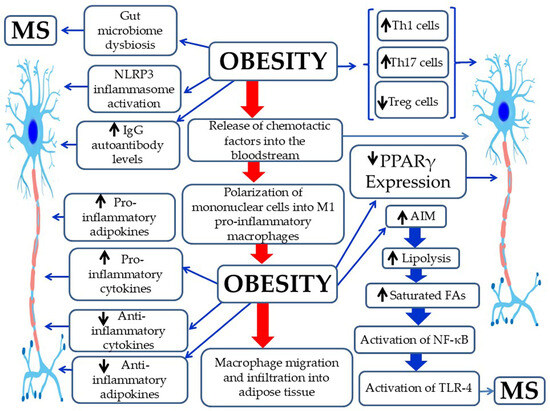
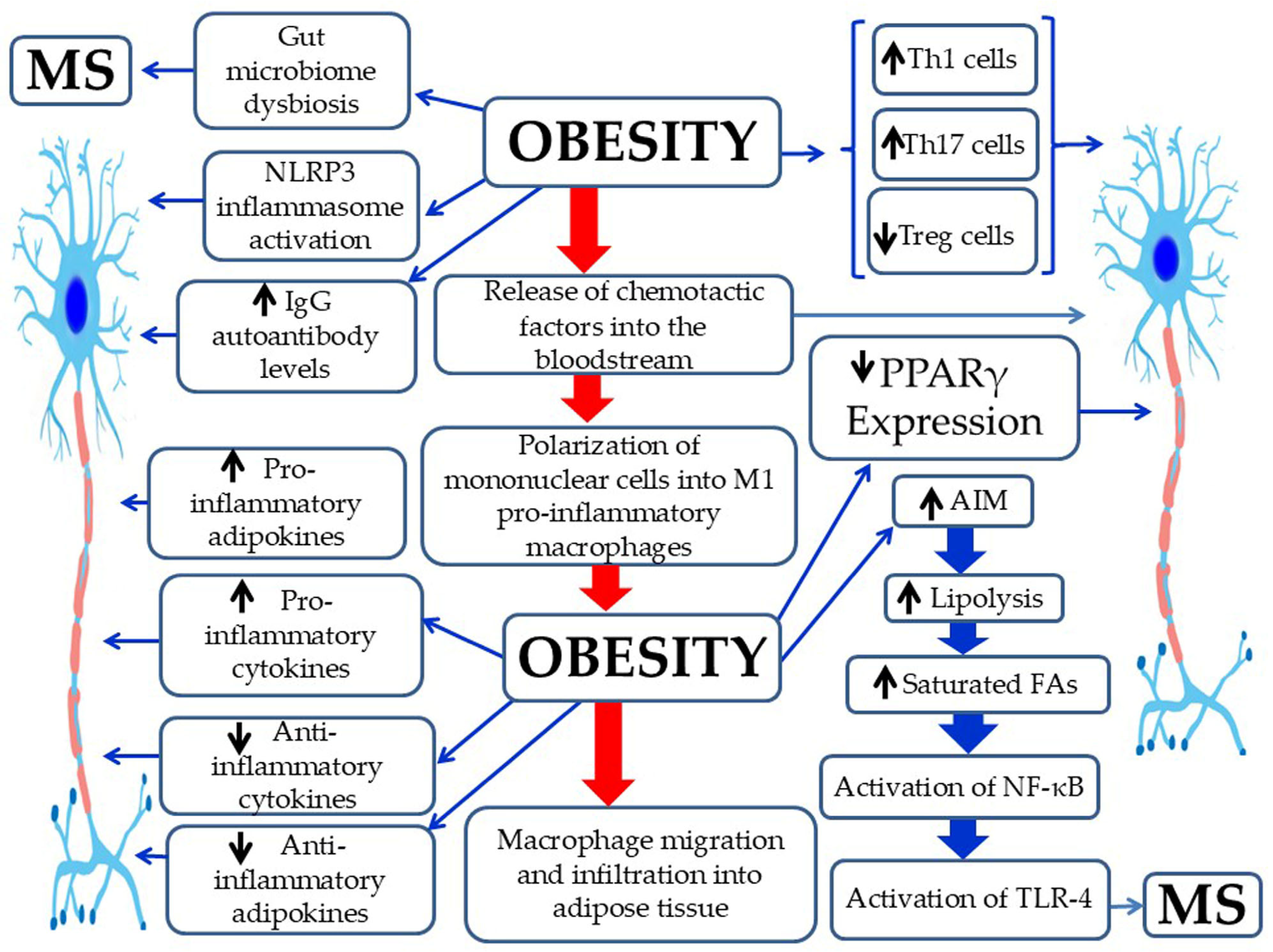
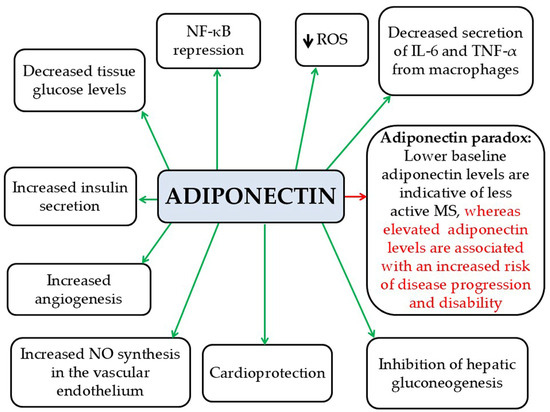
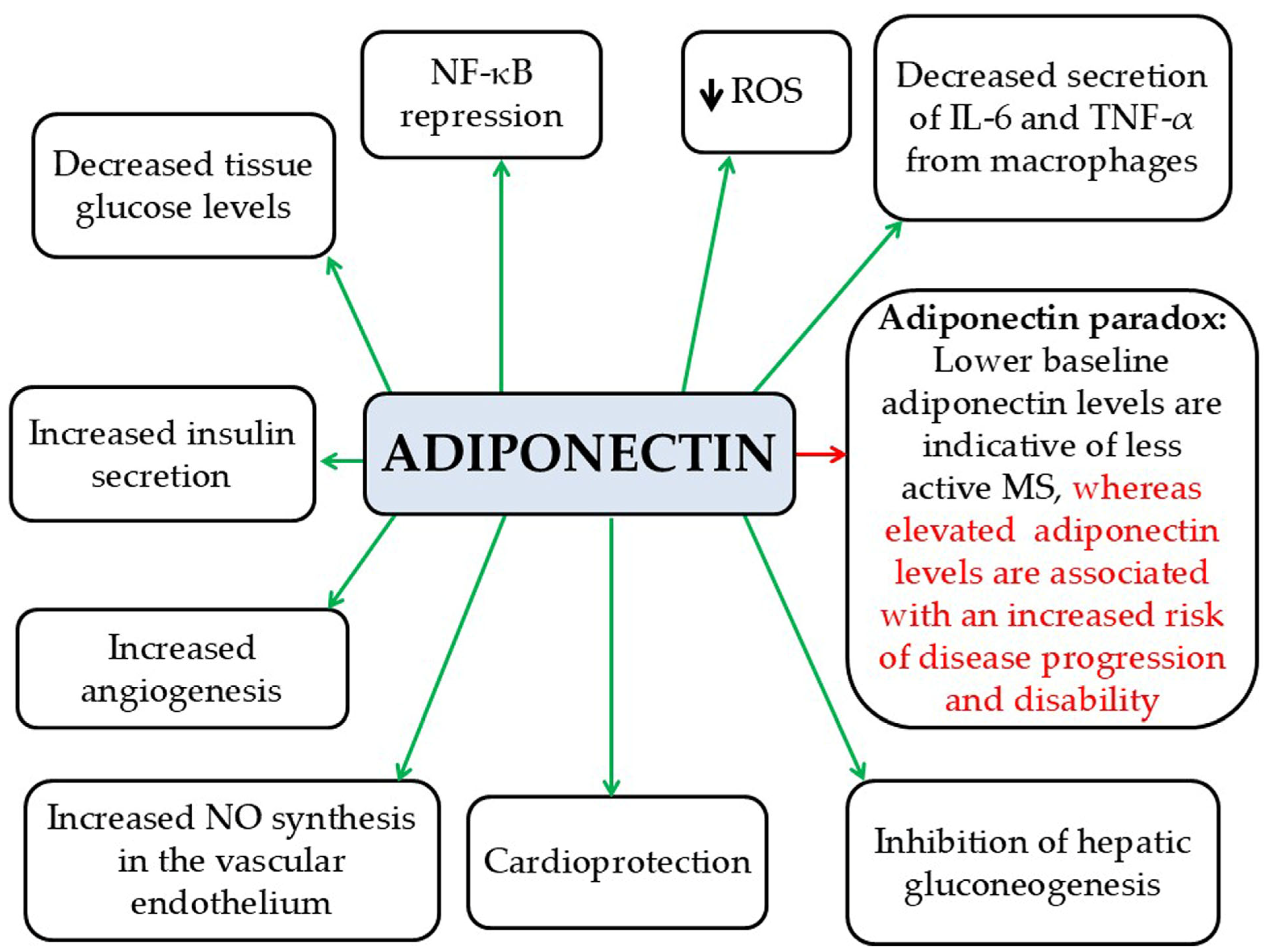
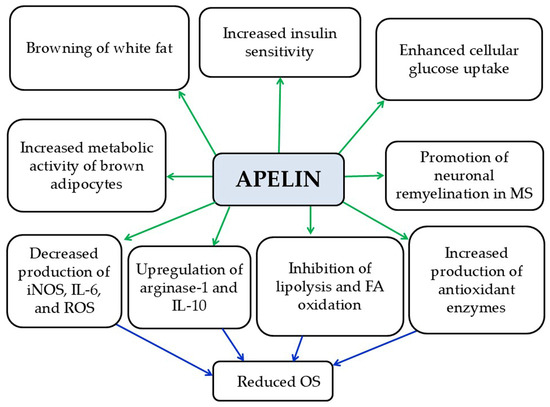
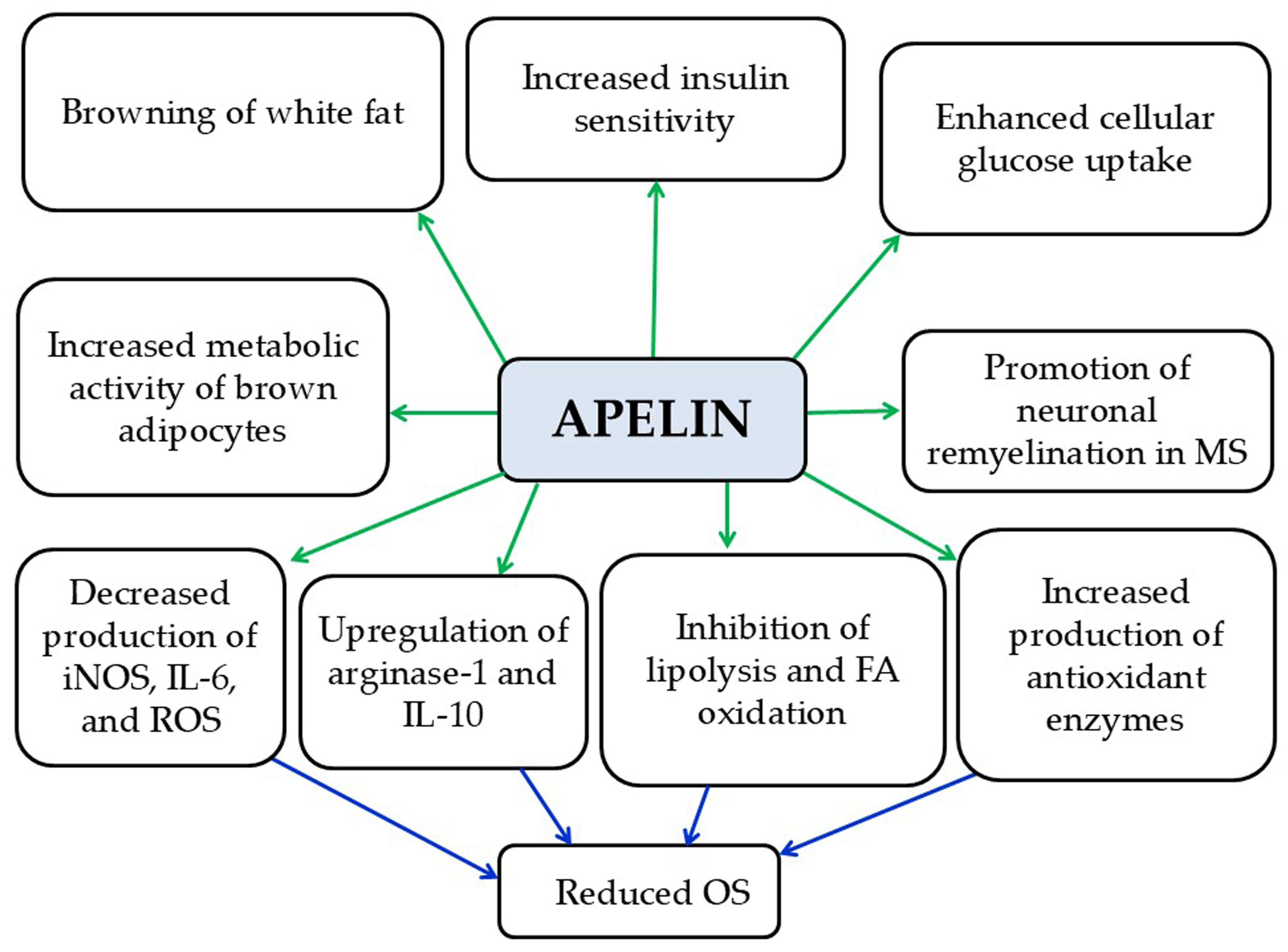
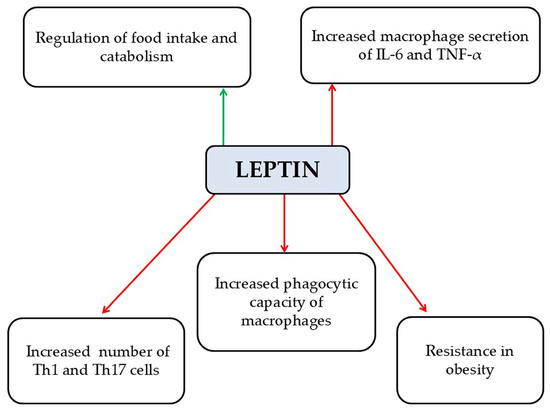
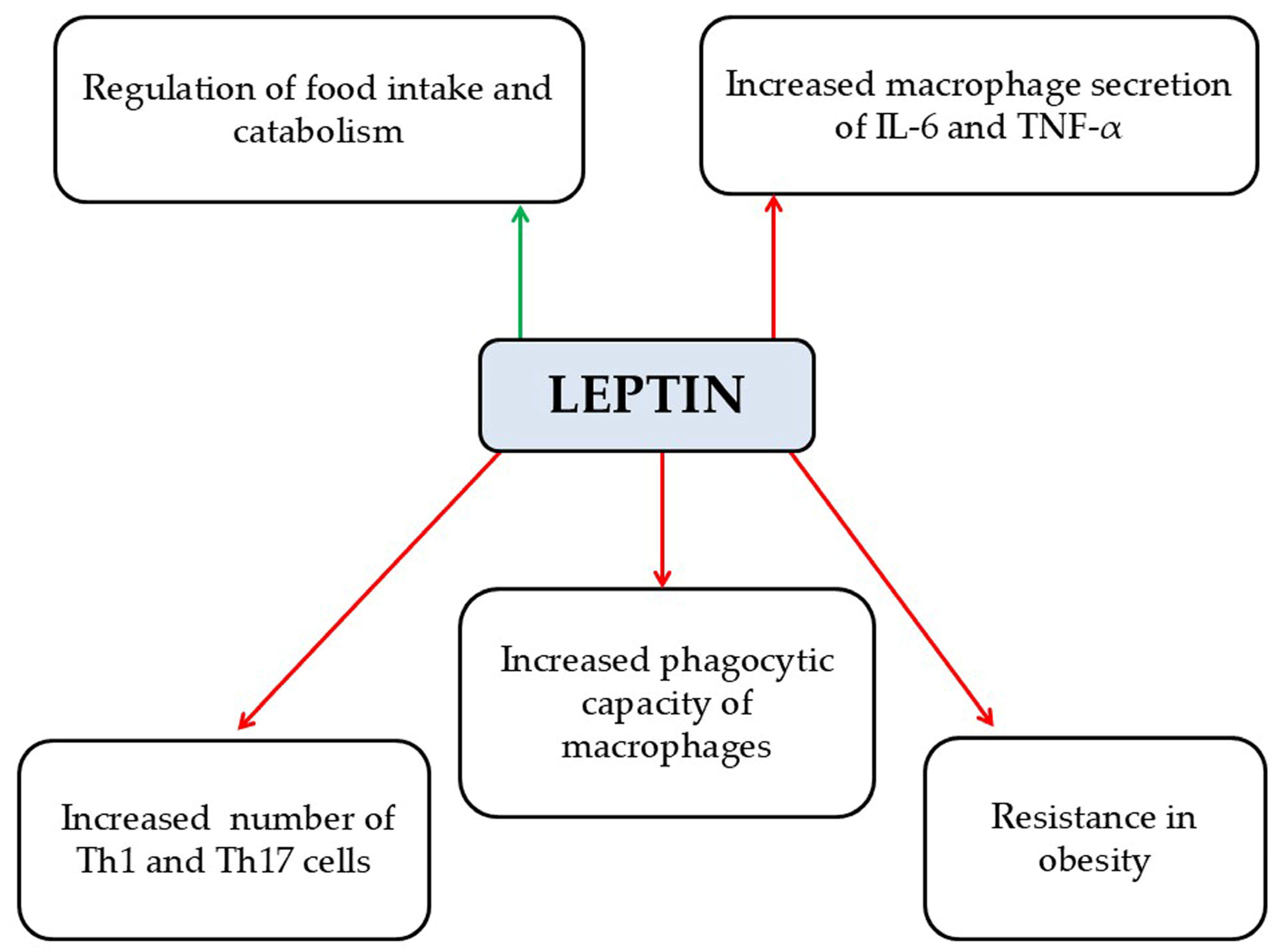
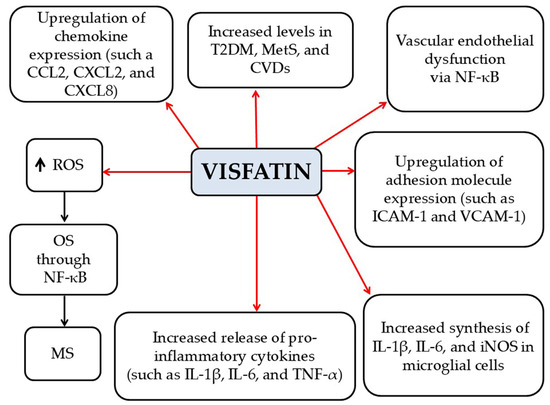
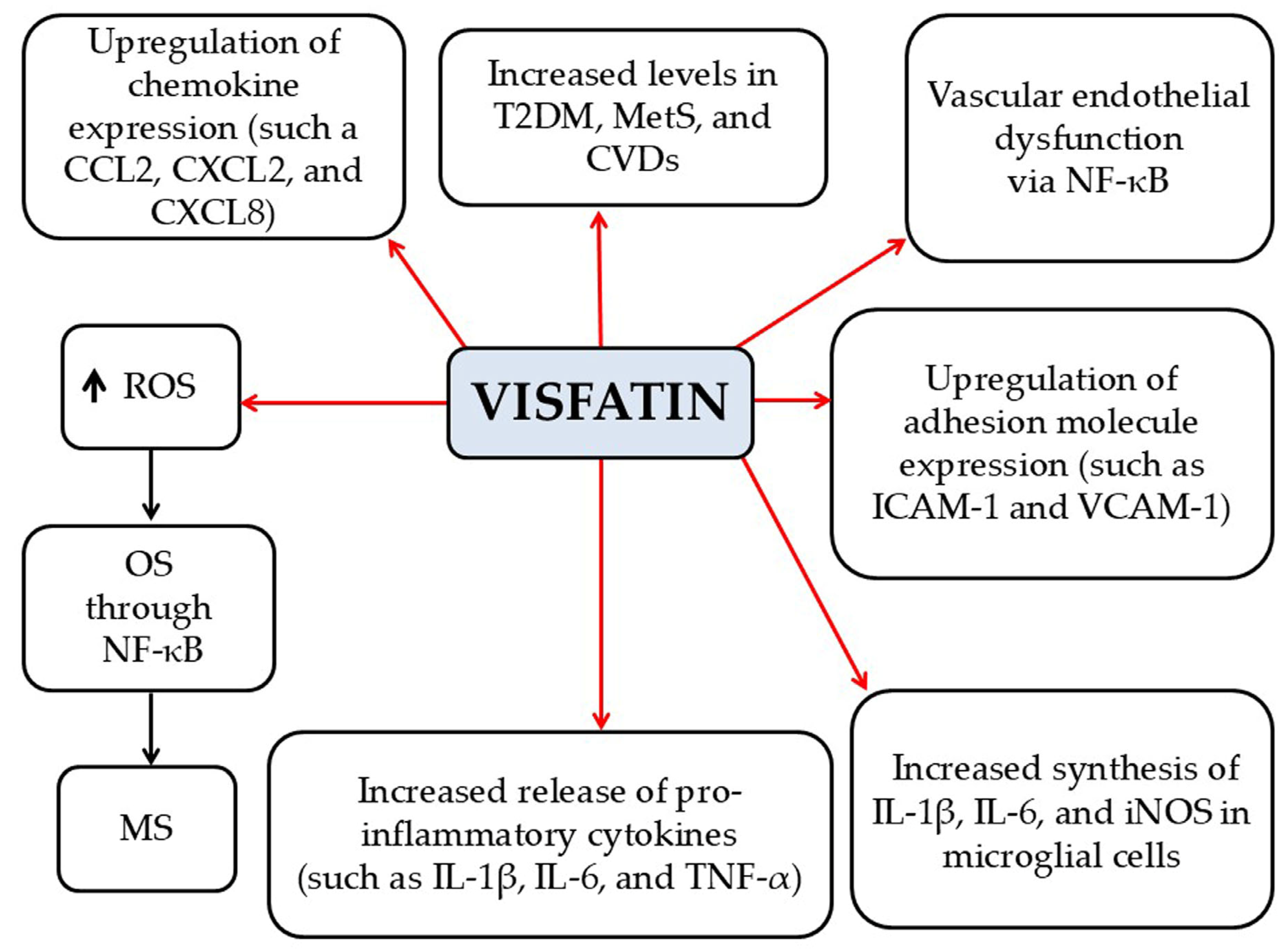
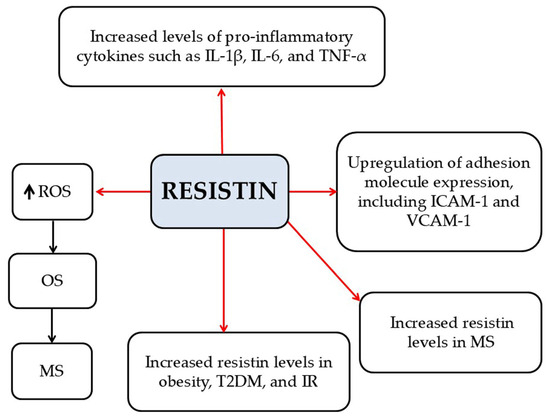
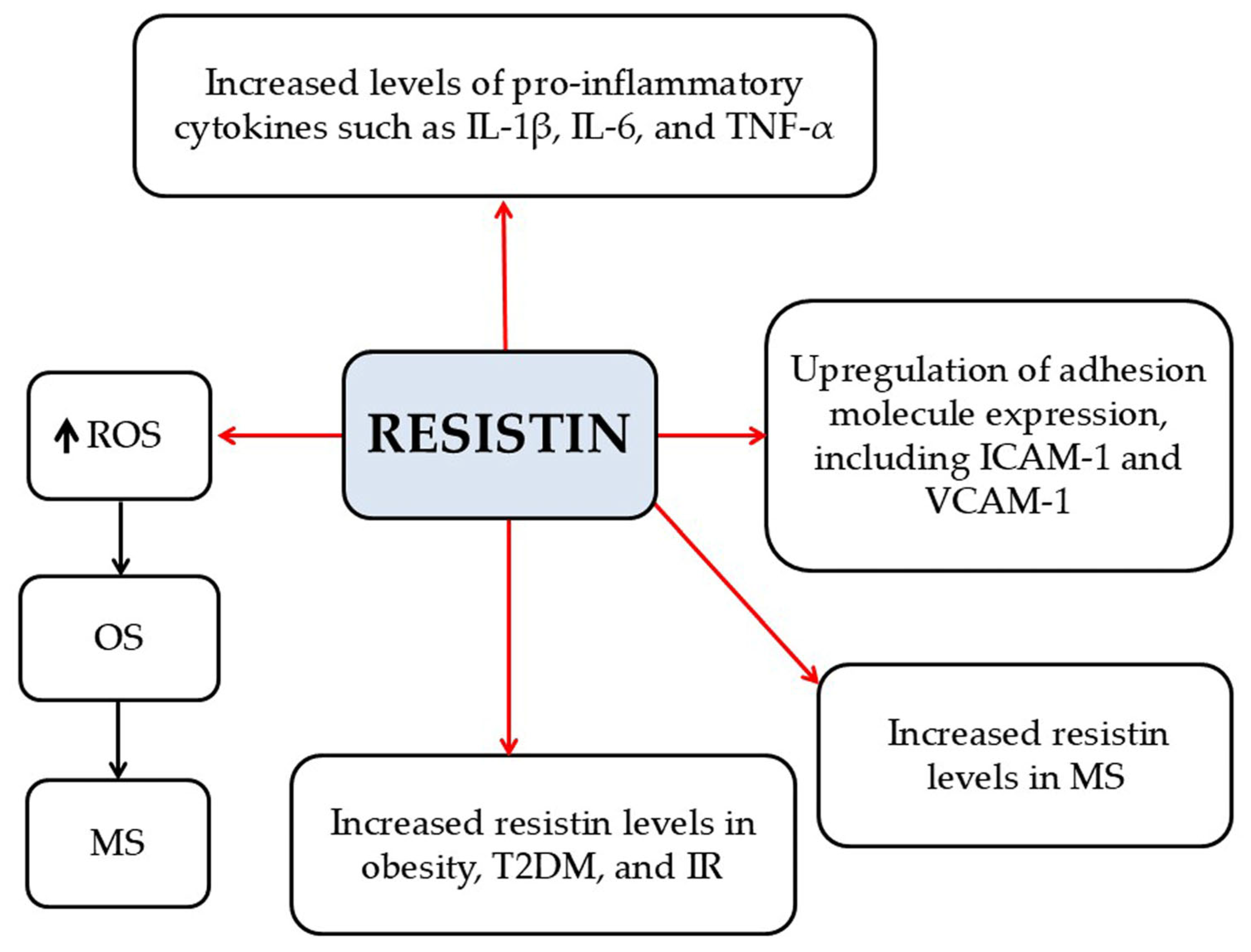
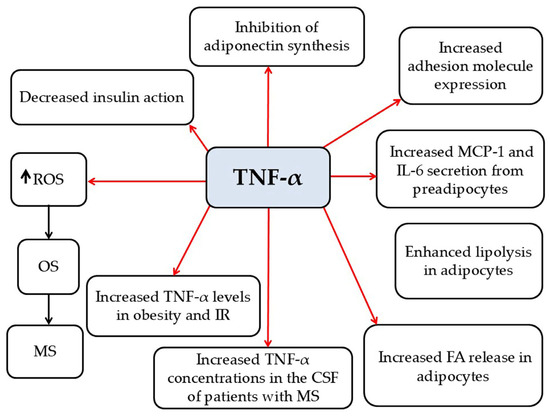
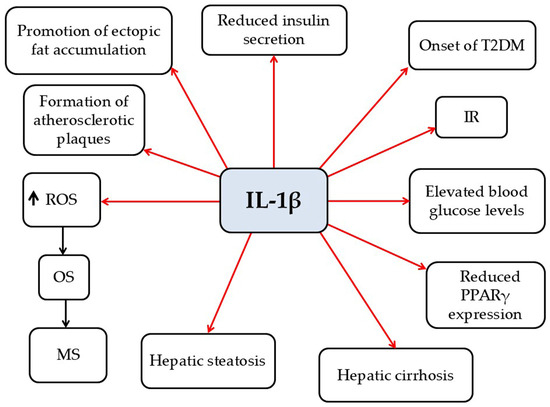
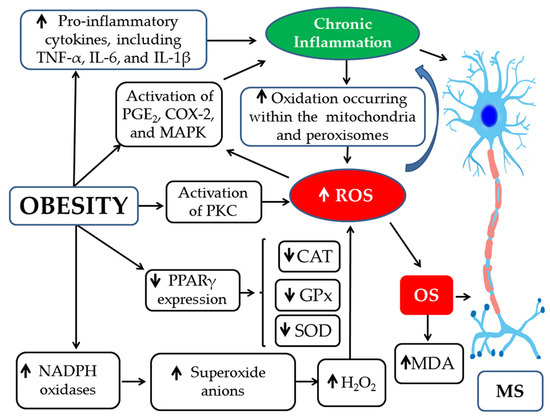
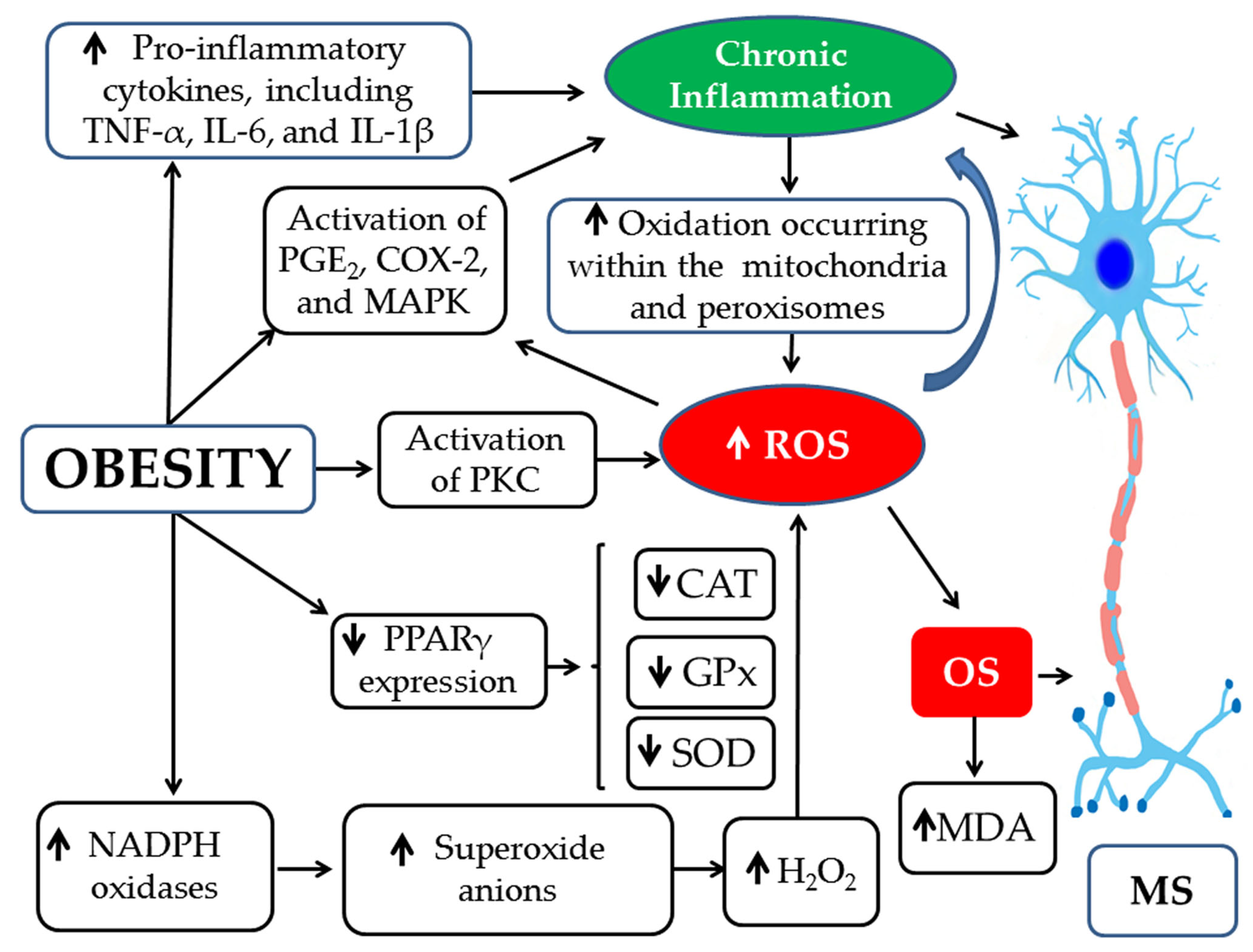
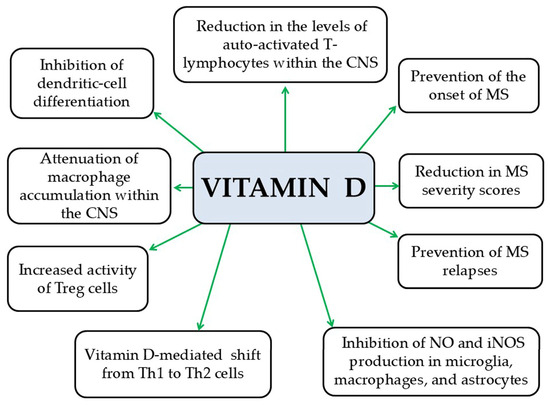
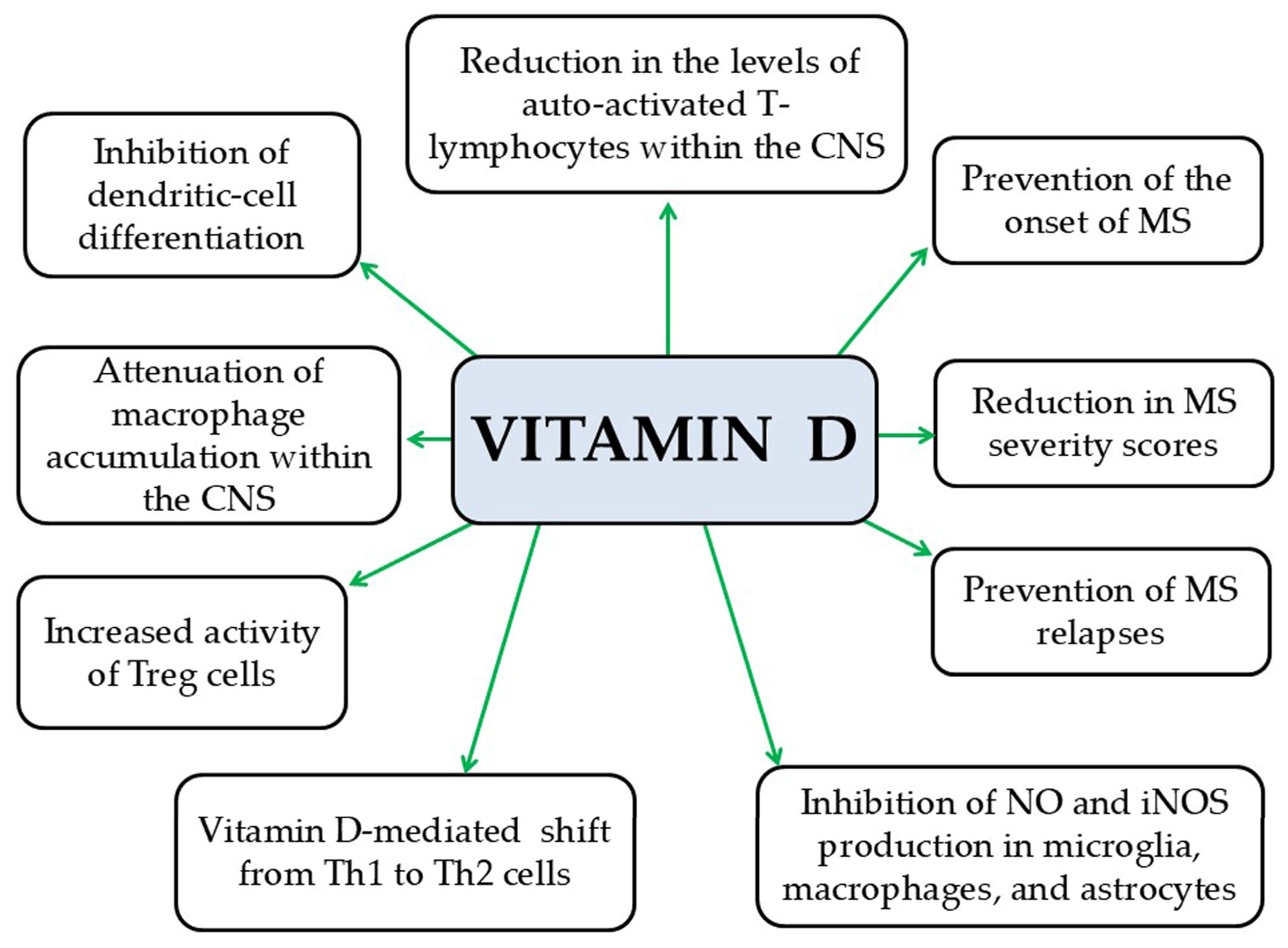
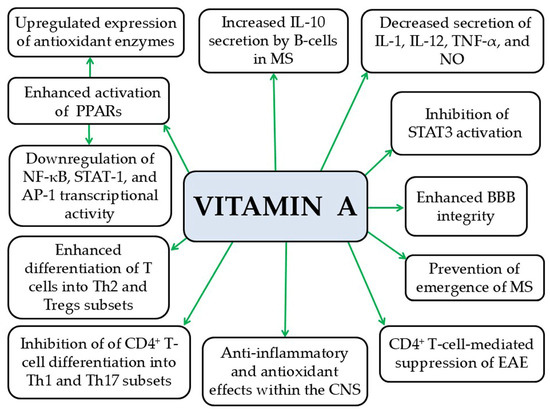
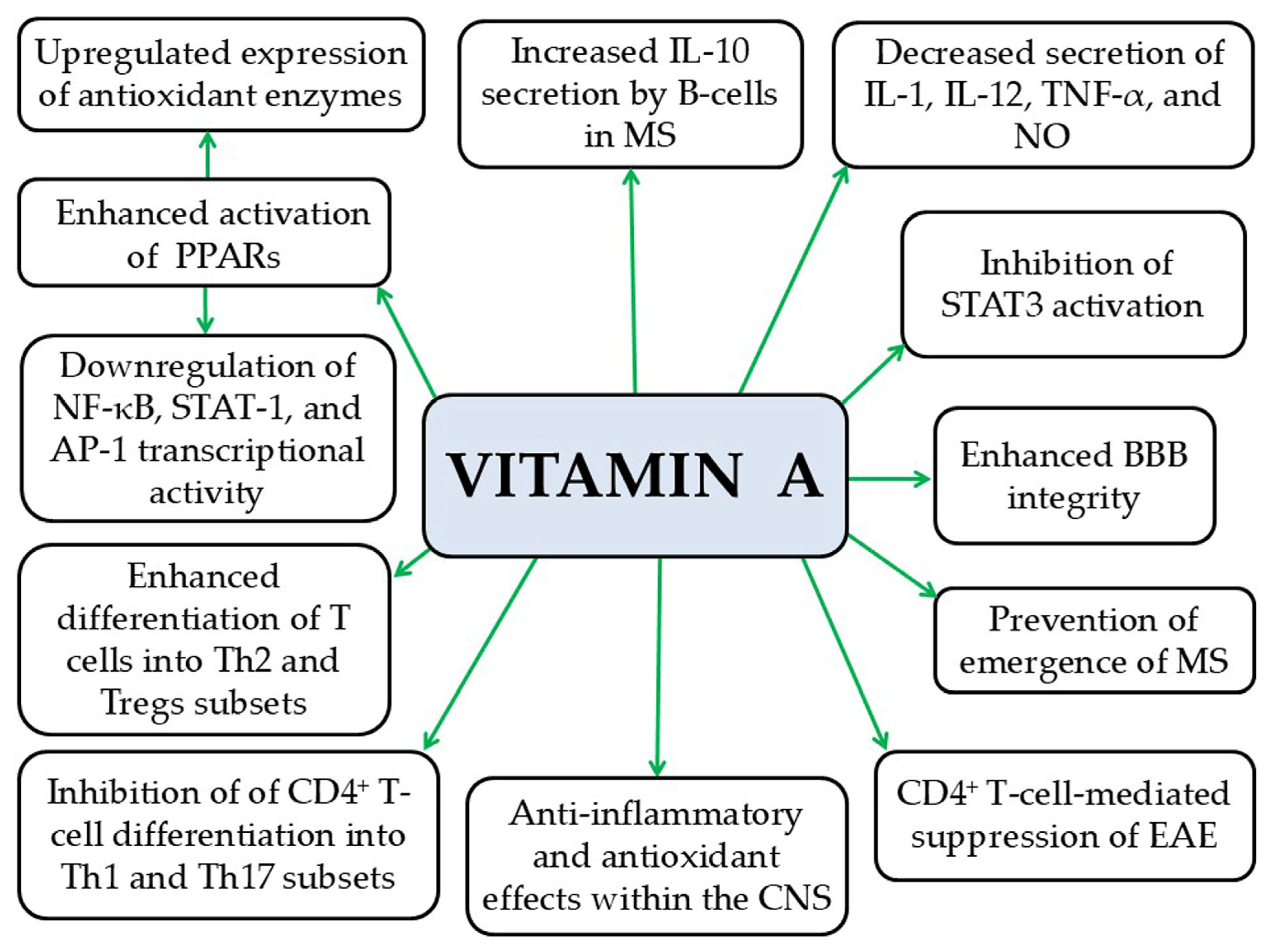
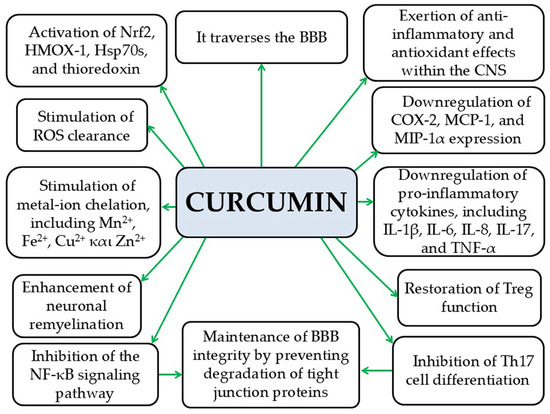
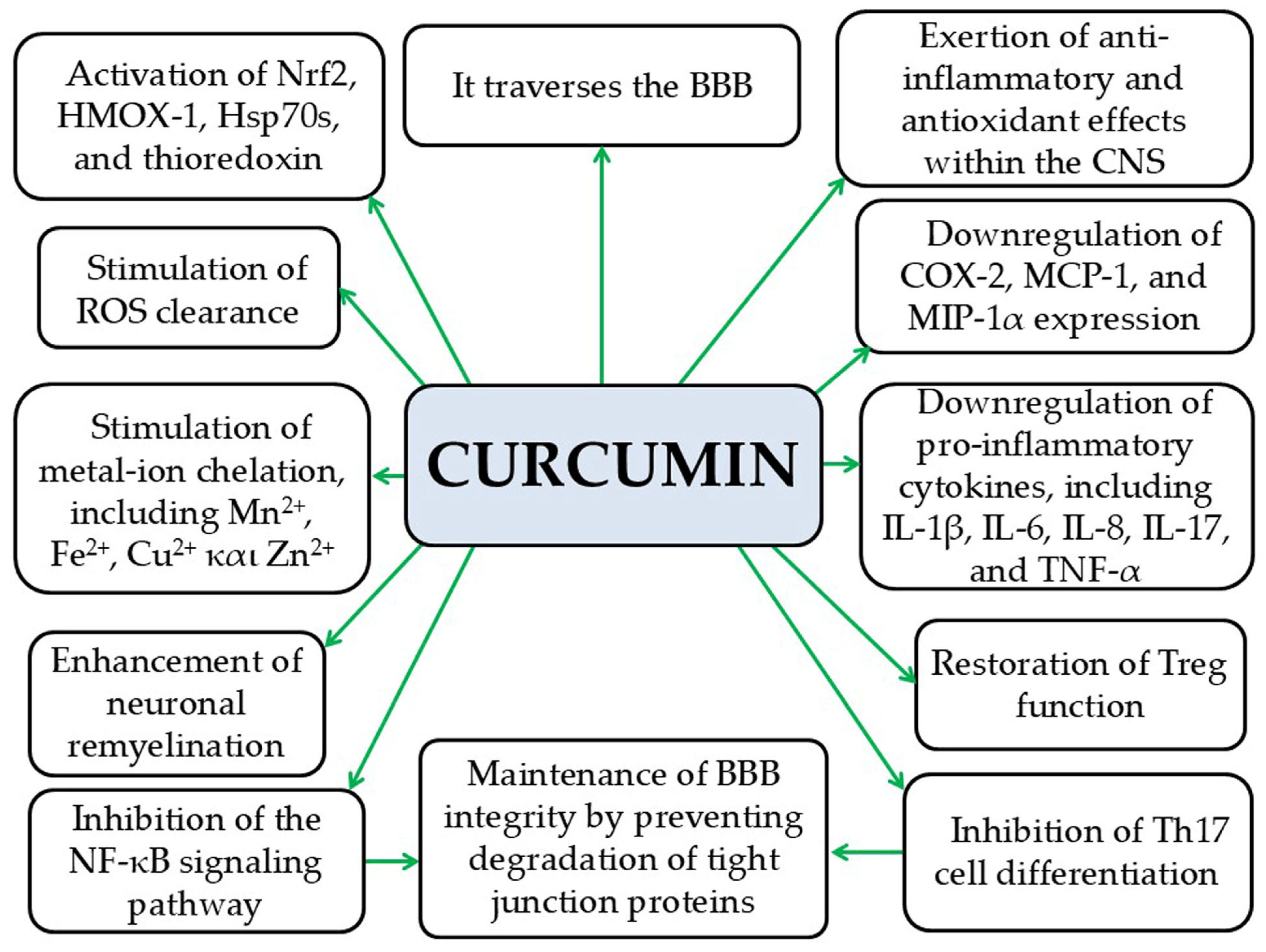
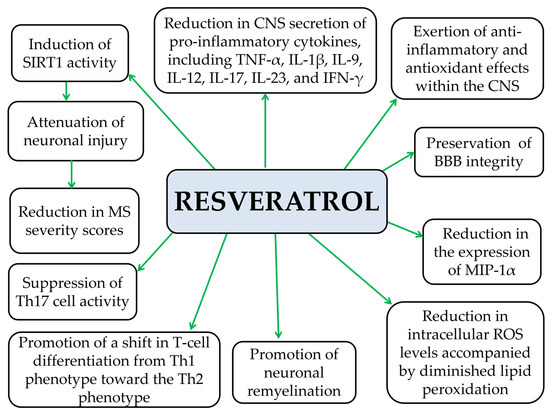
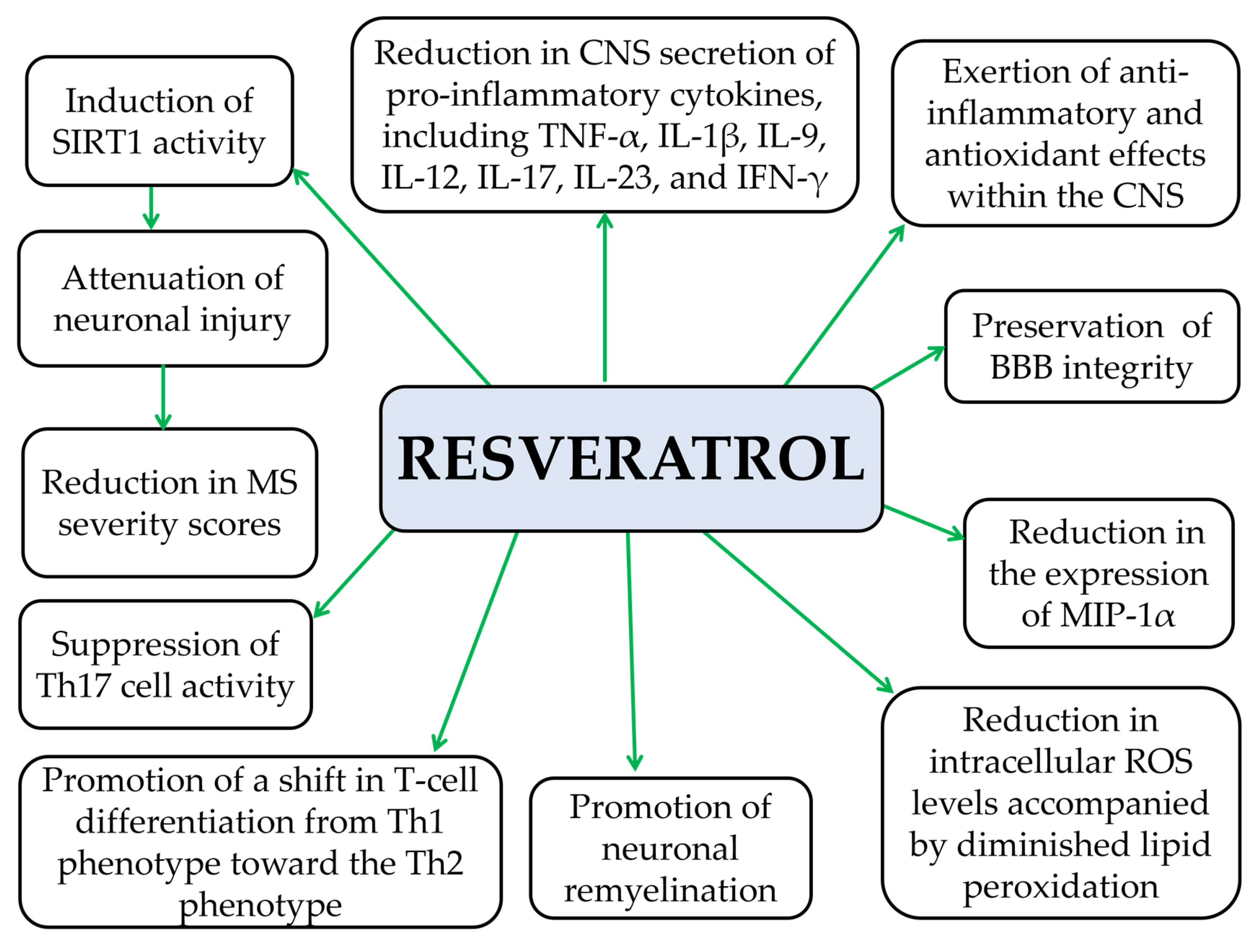
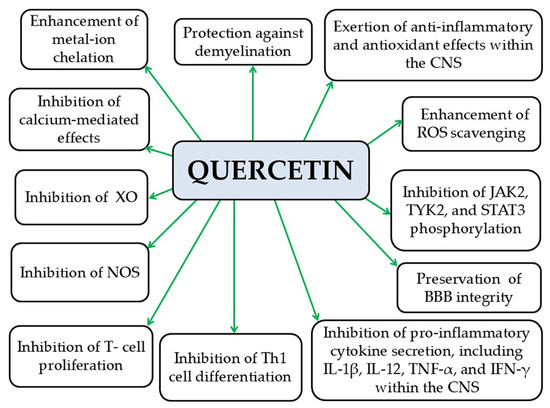
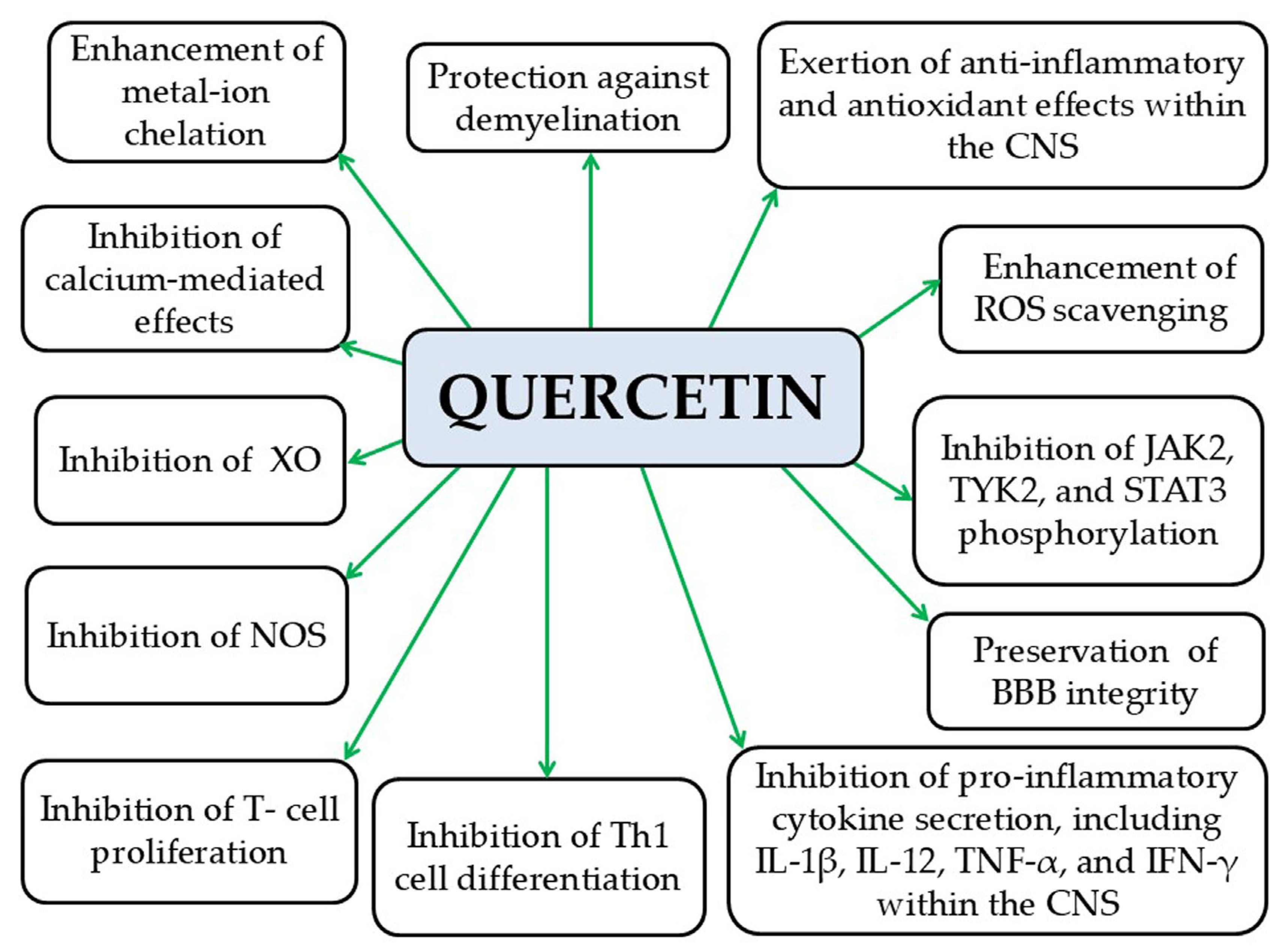

Disclaimer/Publisher’s Note: The statements, opinions and data contained in all publications are solely those of the individual author(s) and contributor(s) and not of MDPI and/or the editor(s). MDPI and/or the editor(s) disclaim responsibility for any injury to people or property resulting from any ideas, methods, instructions or products referred to in the content. |
© 2026 by the authors. Licensee MDPI, Basel, Switzerland. This article is an open access article distributed under the terms and conditions of the Creative Commons Attribution (CC BY) license.