


Simple Summary
Artificial intelligence is rapidly reshaping how prostate cancer is detected and characterized. Current diagnostic tools, including prostate-specific antigen testing, digital rectal examination, and magnetic resonance imaging, can lead to missed clinically significant cancers, unnecessary biopsies, and inconsistent interpretations across clinicians and institutions. This review summarizes recent applications of artificial intelligence in five diagnostic domains: medical imaging, digital pathology, liquid biopsy, multi-omics integration, and analysis of clinical information. Across selected tasks and clinical settings, artificial intelligence methods have been reported to improve diagnostic consistency, automate time-consuming tasks such as lesion detection and tumor grading, and support non-invasive risk stratification, particularly for men with borderline test results where biopsy decisions are difficult. The review also outlines key barriers to real-world adoption, including data heterogeneity, limited interpretability, workflow integration challenges, and regulatory and ethical concerns. Future efforts should prioritize multimodal data fusion with prespecified clinical endpoints, explainable models, and large prospective multicenter validation to enable safe, standardized clinical implementation.
Abstract
Prostate cancer (PCa) remains a major global health challenge, yet conventional diagnostic methods are often limited by suboptimal accuracy and efficiency. Artificial intelligence (AI) has emerged as a rapidly developing technology capable of integrating multi-source data to enhance clinical decision-making. This narrative review synthesizes current evidence regarding AI applications across key diagnostic domains, including medical imaging, digital pathology, liquid biopsy, and multi-omics integration. Findings indicate that AI models for magnetic resonance imaging (MRI) can improve risk stratification and may reduce unnecessary biopsies in some cohorts, particularly when evaluated alongside structured radiology assessment and clinical variables. In digital pathology, deep learning algorithms have shown high agreement with expert genitourinary pathologists for automated Gleason grading in controlled and externally validated settings, with potential to reduce reporting time for high-volume workflows. Additionally, AI-powered liquid biopsy models may support non-invasive risk stratification, particularly for patients with prostate-specific antigen (PSA) levels in the diagnostic gray zone, while multi-omics integration is being investigated to enhance personalized assessment. Despite advances, challenges regarding data heterogeneity, algorithm interpretability, and workflow integration persist. Future research should prioritize multimodal data fusion, explainable AI development, robust calibration and decision-analytic evaluation, and large-scale prospective validation to standardize protocols and fully realize the potential of AI in precision prostate cancer care.
1. Introduction
Prostate cancer (PCa) represents a significant global health burden, with 1.467 million new cases and 397,000 deaths reported worldwide in 2022, ranking as the fourth most common cancer and fifth leading cause of cancer-related mortality among men [1]. While early detection is crucial for improving patient outcomes [2], the current diagnostic pathway is fraught with limitations. Prostate-specific antigen (PSA) testing, the cornerstone of screening, suffers from poor specificity, leading to both overdiagnosis of indolent disease and missed diagnoses of aggressive cancers [3]. Digital rectal examination (DRE) is highly subjective and offers limited predictive value, particularly in men with low PSA levels [4]. Although magnetic resonance imaging (MRI) has significantly advanced PCa diagnosis, it is still hampered by false-positive and false-negative results, inter-reader variability, and high costs [5]. Furthermore, emerging biomarkers such as circulating tumor DNA (ctDNA) and microRNAs (miRNAs) face challenges related to low abundance, insufficient specificity, and a lack of standardized protocols, limiting their widespread clinical adoption [6]. These collective challenges underscore an urgent need for more accurate, efficient, and non-invasive diagnostic strategies.
Beyond accuracy metrics, the clinical problem in PCa diagnosis is fundamentally one of decision calibration: identifying men who truly need biopsy or definitive treatment while safely sparing those with indolent disease. This requires not only detecting lesions, but also estimating clinically meaningful endpoints such as clinically significant PCa (csPCa) probability, tumor grade group, lesion volume, extracapsular extension risk, and uncertainty in borderline scenarios. In this context, the “diagnostic pathway” is a sequence of interdependent steps (screening, imaging acquisition, image interpretation, targeted/systematic biopsy, histologic grading, and longitudinal monitoring), where errors and variability compound across steps. AI is increasingly studied as a method to reduce this cumulative variability, quantify uncertainty, and provide risk estimates that can be incorporated into shared decision-making.
Artificial intelligence (AI), particularly machine learning (ML) and deep learning (DL), offers a framework to transform heterogeneous diagnostic signals into probabilistic and reproducible clinical outputs [7]. Traditional ML typically relies on expert-defined features (e.g., radiomics, handcrafted morphometrics, or curated biomarker panels) and is advantageous when sample sizes are limited or when interpretability and feature attribution are prioritized. DL models can learn hierarchical representations directly from raw inputs (MRI volumes, Positron emission tomography/computed tomography (PET/CT), whole-slide imaging (WSI) tiles, spectroscopy, or longitudinal laboratory trajectories), enabling end-to-end detection, segmentation, grading, and outcome prediction [8]. However, reproducibility and clinical trust depend on transparent reference standards, patient-level data partitioning, external validation, and reporting beyond discrimination (e.g., calibration and decision-curve analysis).
This review aims to critically evaluate the current applications of AI in PCa diagnosis, discuss its clinical value and limitations, and project its future trajectory, providing a comprehensive overview for clinicians and researchers.
2. Methods
2.1. Study Design
This manuscript is a narrative review aimed at synthesizing clinically relevant evidence on artificial intelligence applications for prostate cancer diagnosis across multiple diagnostic domains (medical imaging, digital pathology, liquid biopsy, multi-omics integration, and clinical information). We adopted a pre-specified, non-systematic method rather than a formal systematic review.
2.2. Data Sources and Search Strategy
We conducted the search for literature addressing the application of AI in prostate cancer diagnosis. Relevant studies published between January 2020 and September 2025 were identified through searches of PubMed and Web of Science. The search strategy incorporated key terms related to AI technologies and diagnostic modalities, including “prostate cancer,” “artificial intelligence,” “machine learning,” “deep learning,” “medical imaging,” “digital pathology,” “liquid biopsy,” “radiomics,” “biomarkers,” and “computer-aided diagnosis.” These terms were used in various combinations to capture a broad yet clinically relevant spectrum of publications. To facilitate accurate interpretation and critical appraisal, the review was limited to articles and reviews published in English. Given the rapidly evolving nature of AI-related technologies, particular emphasis was placed on original studies published within the most recent 5 years.
2.3. Eligibility Criteria (Inclusion and Exclusion)
Study selection was guided by clinical relevance, methodological quality, and potential implications for diagnostic decision-making, risk stratification, and patient outcomes in prostate cancer care. Given the narrative design, the PRISMA-style flow diagram (Figure 1) is presented as a transparent description of the screening process rather than as evidence of a fully systematic review. In the main text, references were prioritized for original research articles involving diagnostic models and studies with larger sample sizes. The complete list of all 176 included studies is available in Supplementary Table S1.
Figure 1.
PRISMA flow diagram of the literature search and selection process. The diagram illustrates the number of records identified from PubMed and Web of Science, screened, and finally included.
2.4. Inclusion Criteria
Eligible studies comprised original research articles, including randomized controlled trials, prospective validation studies, and retrospective cohort analyses, as well as systematic reviews published within the past five years. Studies were required to investigate the application of artificial intelligence approaches, including machine learning, deep learning, and computer-aided diagnosis (CAD), in prostate cancer diagnosis, Gleason grading, detection of clinically significant prostate cancer, or risk stratification. Acceptable technical domains included medical imaging modalities (MRI, PET/CT, and ultrasound), digital pathology, and liquid biopsy or multi-omics platforms. Only full-text articles published in English were considered.
2.5. Selection Priorities
To enhance clinical interpretability, preference was given to studies reporting quantitative diagnostic performance metrics, such as area under the receiver operating characteristic curve, sensitivity, specificity, accuracy, and F1-score. Particular attention was paid to investigations incorporating independent external validation cohorts to reduce the risk of overfitting and improve generalizability. Studies benchmarking AI performance against human experts or established clinical guidelines were considered methodologically robust and were therefore emphasized in the synthesis.
2.6. Exclusions
Studies were excluded if they focused exclusively on therapeutic interventions, surgical navigation, or treatment planning without reporting diagnostic performance outcomes. Technical reports and pilot studies lacking clinical validation or a clearly defined reference standard were excluded. Publications that did not provide quantitative diagnostic metrics were also omitted. Editorials, letters, conference abstracts without accessible full texts, case reports, duplicate datasets, and non-English publications were excluded to maintain methodological consistency.
2.7. Data Extraction and Synthesis Framework
Data extraction was conducted to enable a structured qualitative synthesis of the available evidence. Representative studies were selected for detailed evaluation with key characteristics summarized in relevant sections.
We prioritized studies with clinically aligned endpoints (e.g., csPCa detection, biopsy decision support, lesion-level localization linked to histopathology, Gleason/International Society of Urological Pathology (ISUP) grading support with patient-level validation, or biomarker-based diagnostic stratification).
Methodological quality signals were operationalized as: clear reference standard definition (e.g., histopathology from biopsy or prostatectomy where applicable), transparent dataset reporting (size and source), validation design descriptions (internal vs. external; single-center vs. multicenter; retrospective vs. prospective), and reporting of performance metrics (e.g., Area Under the Curve (AUC), sensitivity, specificity) and uncertainty (e.g., 95% confidence intervals (CI)) when available.
For each included study, we extracted and summarized: (1) diagnostic domain and task (detection, grading, risk stratification, subtype prediction); (2) data modality (MRI, PET/CT, ultrasound, WSI, blood/urine biomarkers, multi-omics, clinical data); (3) dataset characteristics (sample size, number of centers, public vs. institutional data); (4) reference standard; (5) validation strategy (internal split/cross-validation, external validation, prospective cohort, and/or reader study); (6) key performance results as reported by the authors. When studies differed in endpoint definitions (e.g., definitions of clinically significant PCa), we retained the study’s original definition and noted heterogeneity in the synthesis.
2.8. Consideration of Risk of Bias
Although a formal risk-of-bias tool (e.g., QUADAS-2) was not systematically applied across all included studies, potential sources of bias were explicitly considered throughout study selection and evidence synthesis.
Methodological strength was assessed in relation to external validation, given its importance in mitigating overfitting to single-center datasets and enhancing generalizability. The reliability of reference standards was critically examined, particularly with respect to whether radical prostatectomy histopathology or biopsy findings served as ground truth. Studies employing clearly defined and clinically robust reference standards were regarded as methodologically stronger.
Attention was also given to the handling of class imbalance between cancer and non-cancer cases, as disproportionate distributions may artificially inflate performance metrics. Furthermore, issues related to dataset heterogeneity and the limited interpretability of certain “black box” AI models were considered in the context of clinical implementation and reproducibility.
Rather than relying solely on checklist-based appraisal, emphasis was placed on external validity, transparency in methodological reporting, and clinical interpretability as guiding principles in evaluating the overall strength of evidence.
3. Artificial Intelligence in Medical Imaging: Capabilities and Constraints
Medical imaging is the bedrock of modern PCa diagnosis, and the integration of AI is fundamentally transforming how images are interpreted and utilized.
3.1. AI Applications in Magnetic Resonance Imaging (MRI): Performance and Persistent Challenges
MRI, especially multiparametric MRI (mpMRI), is the most mature and widely explored domain for AI in PCa diagnosis. Early research focused on combining radiomics with traditional ML algorithms. By extracting high-dimensional features—such as texture and shape, which are imperceptible to the human eye—and analyzing them with models like Logistic Regression (LogReg), Random Forest (RF), and Support Vector Machines (SVM) [9,10,11], numerous studies have demonstrated that these models can improve discrimination compared with the Prostate Imaging-Reporting and Data System (PI-RADS) score alone in predicting csPCa (Gleason Score ≥ 7, corresponding to ISUP Grade Group ≥ 2), with AUCvalues often reported in the 0.86–0.90 range [12,13]. Because PI-RADS is a categorical human assessment and radiomics/DL models often use different endpoints and operating points, comparisons should be interpreted in the context of cohort composition, prevalence, and reference standards.
The advent of DL, particularly Convolutional Neural Networks (CNNs) and their variants (e.g., 3D-CNNs, ResNet, U-Net), marked a paradigm shift from “feature engineering” to “end-to-end” learning [14,15,16,17]. DL models can learn diagnostic information directly from raw MRI scans, demonstrating competitive performance in tumor classification, segmentation, and automated detection across several validation cohorts [18,19,20,21,22,23,24]. For instance, the CorrSigNIA framework, which integrates pathological and imaging features, achieved an 80% accuracy in cancer subtyping [25]. In reader studies and multicenter evaluations, AI-powered computer-aided diagnosis (DL-CAD) systems may improve radiologist performance and/or reduce inter-reader variability, although the magnitude of benefit depends on case mix, reader experience, and prespecified thresholds [26]. In confirmatory paired designs (e.g., PI-CAI), AI systems have demonstrated performance that can be comparable to or noninferior to radiologists under specific evaluation protocols, supporting a potential role as an adjunct rather than a replacement [27,28,29]. The core data categories extracted from selected key studies are summarized in Table 1.
Comparative Analysis and Limitations:
Traditional ML and DL serve distinct yet complementary roles in MRI analysis. ML models offer better interpretability, allowing clinicians to understand which radiomic features contribute to a prediction. However, their performance is heavily dependent on the quality of manual feature extraction. DL models, with their powerful automated feature learning, often achieve higher accuracy but are frequently criticized for their “black box” nature, which can be a barrier to clinical trust [30]. For clinical deployment, interpretability should be considered alongside calibration, failure modes (e.g., small anterior lesions), and robustness to scanner/protocol variation.
The core value of AI in MRI extends beyond simply achieving a higher AUC, with its clinical potential manifesting primarily in two distinct areas. First, AI plays a crucial role in optimizing biopsy decisions. By accurately identifying csPCa, AI can improve the characterization of equivocal PI-RADS 3 lesions, thereby safely reducing the number of unnecessary biopsies and their associated complications and costs [31,32]. Furthermore, AI significantly enhances diagnostic efficiency and standardization. By automating time-consuming tasks such as lesion segmentation and measurement, AI reduces reading times and empowers less-experienced radiologists with expert-level assistance. Consequently, this promotes diagnostic homogenization across different healthcare institutions, particularly when integrated into Picture Archiving and Communication Systems (PACS) workflows and validated under local acquisition protocols [33,34].
However, significant limitations persist. First, model generalizability remains the greatest challenge. Models that perform exceptionally well on internal data often see a performance drop on external, multicenter datasets due to variations in MRI scanners, protocols, and patient populations [35,36,37,38]. Second, the sensitivity of AI models to small or atypically located lesions needs further improvement [39]. Finally, the seamless integration of AI tools into existing PACS and clinical workflows is a critical engineering hurdle that must be overcome for real-world implementation [40]. Post-deployment monitoring (drift detection, recalibration, and human override pathways) should be planned as part of implementation, particularly in multicenter health systems.
In addition, the AI potential in quantitative MRI analysis has grown substantially, particularly in leveraging parameter maps (such as apparent diffusion coefficient(ADC) values) and standardized quantitative features for cancer risk estimation. However, these quantitative approaches face significant challenges from scanner-to-scanner and protocol variability, requiring robust mitigation strategies including data normalization techniques, ComBat-style harmonization methods, multisite training protocols, and emerging domain adaptation approaches. Despite these technical developments, performance degradation across different imaging centers remains a persistent challenge, prompting investigation into solutions such as unsupervised domain adaptation to address dataset shift issues that continue to limit real-world implementation. Across all these applications, the translation of AI into clinical practice must carefully consider both the technical capabilities and the practical constraints that affect real-world performance.
Table 1.
The core data categories extracted from selected key studies of prostate cancer diagnosis on MRI.
3.2. Beyond MRI: AI Applications in Prostate-Specific Membrane Antigen (PSMA) PET/CT and Ultrasound
Beyond MRI, AI is also showing promise in other imaging modalities like PSMA PET/CT and ultrasound. PSMA PET/CT is a powerful tool for PCa staging and recurrence detection [45]. ML models built on its radiomic features have achieved AUCs as high as 0.925 in external validation [46]. Fully automated 3D CNNs can perform whole-body lesion detection with a patient-level sensitivity of 92%, drastically improving the efficiency of nuclear medicine physicians [47]. These results highlight feasibility for automation and quantification; however, clinical impact depends on prospective evaluation, integration into reporting workflows, and cost-effectiveness analyses in representative populations.
In ultrasound, AI primarily serves to enhance biopsy guidance and risk stratification. For example, the AI-guided Ultrasound Strategy for Prostate biopsy (AIUSP) has been shown to improve the detection rates of PCa and csPCa in patients with negative MRI or PI-RADS 3 lesions [48]. Novel techniques combining Stimulated Raman Scattering (SRS) microscopy with CNNs can even perform automated, real-time Gleason grading on unstained tissue with 84.4% accuracy, opening a new frontier for intraoperative diagnostics [49]. These approaches are promising, but their roles relative to MRI pathways (or in MRI-limited settings) require prospective head-to-head comparisons using clinically relevant endpoints (e.g., csPCa detection per biopsy strategy).
Comparative Analysis and Limitations:
AI’s role differs across modalities. In PSMA PET/CT, its primary function is automation and quantification, rapidly and accurately identifying and measuring tumor burden from vast datasets [50]. In ultrasound, AI acts as an “enhancer,” compensating for ultrasound’s lower soft-tissue resolution to improve the precision of biopsy guidance, making it a valuable tool in settings where MRI is unavailable [51].
The limitations of these applications relate to their clinical positioning and technological maturity. PSMA PET/CT is costly, and its AI applications are currently concentrated in academic research and large medical centers [52]. While AI-guided ultrasound is promising, its diagnostic performance requires validation in large-scale, head-to-head comparisons against the gold standard of MRI-guided biopsy to clearly define its place in the diagnostic pathway.
4. Artificial Intelligence in Digital Pathology: Automation Meets Histological Complexity
The widespread adoption of WSI is facilitating the digitization of pathology, creating new opportunities for AI integration. In PCa pathology, AI has evolved from basic tissue identification to support automated Gleason grading.
While traditional ML methods, such as those combined with Raman spectroscopy, have shown high accuracy in differentiating tissue types [53], the impact of DL has been substantially more pronounced in the recent literature. DL models trained on WSI can support cancer detection and Gleason grading, and several studies report a high discriminative performance (often AUCs > 0.90 in specific settings) [54,55,56]. However, very high AUC values should be interpreted cautiously because they may reflect (i) highly curated datasets, (ii) patch-level rather than patient-level evaluation, (iii) limited external validation, and/or (iv) optimistic estimates due to leakage if patches or slides from the same patient appear in both training and test sets. In addition, stain/scanner variability and preprocessing choices (including stain normalization) can materially affect generalizability, while label noise arises from inherent inter-observer variability in Gleason grading. Therefore, clinically credible studies should emphasize patient-level external validation, transparent splitting strategies, and report calibration or clinically interpretable operating points for triage use-cases (e.g., “no cancer detected” thresholds with predefined false-negative tolerances). Multiple studies have reported that the grading agreement between AI systems and expert urologic pathologists is very high (Cohen’s Kappa up to 0.872, weighted Kappa up to 0.98) [57,58,59,60,61,62,63,64,65,66,67]. A focused mini-review by Kartasalo et al. summarized that AI-assisted Gleason grading can reach expert-level agreement in controlled settings, but emphasized remaining steps for widespread clinical implementation, including multisite validation, handling domain shift, and quality-control mechanisms (e.g., out-of-distribution detection) [68]. Table 2 summarizes the core data categories extracted from selected key studies of digital pathology for prostate cancer diagnosis.
A landmark achievement in this field is the Food and Drug Administration (FDA) approval of AI products like Paige Prostate Alpha, signifying regulatory acceptance of their safety and efficacy for clinical use [69]. Such regulatory decisions are tied to defined intended uses and do not imply that all pathology AI models or tasks are clinically validated. These systems not only reduce pathologist reading time but also can function as a “second reader,” minimizing missed diagnoses and improving grading consistency [70]. Furthermore, privacy-preserving techniques like federated learning are enabling multicenter model training without sharing sensitive patient data, effectively addressing the “data silo” problem [71,72].
Comparative Analysis and Limitations:
The core value of AI in digital pathology is efficiency, standardization, and quality control. In practice, the most mature clinical applications are triage/second-read support and quantitative assistance within clearly defined workflows; broader tasks (e.g., full case sign-out automation, prediction of molecular subtypes) remain investigational. It is not intended to replace pathologists but to serve as a tireless and highly consistent intelligent assistant. AI excels at high-volume, repetitive screening tasks (e.g., finding small cancer foci across numerous slides), freeing pathologists to focus on complex cases and final diagnostic decisions [73,74,75].
Table 2.
The core data categories extracted from selected key studies of digital pathology for prostate cancer diagnosis.
However, the widespread adoption of digital pathology AI faces significant infrastructural and workflow challenges. A primary barrier for many pathology departments is the high upfront investment required for WSI scanners and the associated data storage and management infrastructure. Furthermore, the lack of standardization presents a substantial obstacle; variations in tissue processing, staining protocols, and scanner hardware across different laboratories can lead to image variability, which may degrade the generalization performance of AI models [81]. Finally, successful implementation depends on effective workflow integration. For AI tools to be practical, they must be seamlessly integrated with existing Laboratory Information Systems (LIS), otherwise they risk becoming a burden rather than a benefit to the pathologist’s workflow.
5. Artificial Intelligence in Liquid Biopsy: Non-Invasive Detection with Persistent Limitations
Liquid biopsy, which analyzes tumor-derived biomarkers in bodily fluids like blood and urine, offers an attractive non-invasive approach to PCa diagnosis. AI is used to develop multivariable models that integrate weak and heterogeneous biomarker signals (e.g., gene panels, extracellular vesicle markers, metabolite fingerprints) into risk scores.
Using traditional ML, researchers have developed risk prediction models based on urinary gene panels, extracellular vesicle (EV) markers, and metabolite profiles. These models have demonstrated strong performances in distinguishing PCa from benign conditions and in stratifying patients by risk, with AUCs ranging from 0.82 to 0.95 [82,83,84,85,86,87,88]. They are particularly valuable in the PSA “gray zone” (4–10 ng/mL), where they offer diagnostic utility beyond PSA alone. For instance, a model based on urinary EV markers (Epithelial cell adhesion molecule (EpCAM)-CD9) achieved an AUC of 0.712 in this specific population [89]. Similarly, the blood-based EV-MAP model, using EV markers like PSMA, improved the diagnostic AUC from 0.52 to 0.75 [90,91].
DL applications in liquid biopsy are still in an exploratory phase but show promise. For example, combining Raman spectroscopy of urine samples with CNNs offers a novel approach for non-invasive early screening [92].
Comparative Analysis and Limitations:
The primary contribution of AI in liquid biopsy is statistical integration and pattern detection across multianalyte signatures, which can improve discrimination compared with single markers in some cohorts. The greatest clinical value lies in risk stratification and the avoidance of unnecessary invasive procedures if validated prospectively and aligned to prespecified decision thresholds.
The main limitations in this field are related to upstream technological standardization and downstream clinical validation. First, there is a distinct lack of pre-analytical standardization; the entire process, from sample collection and storage to biomarker extraction and detection, lacks uniform protocols, making it difficult to reproduce results across different studies. Furthermore, the detection of weak biological signals presents a significant challenge. The low abundance of biomarkers like ctDNA, especially in localized prostate cancer, places extreme demands on the sensitivity of current detection technologies. Finally, the field suffers from insufficient clinical validation, as most models are currently developed and evaluated solely in retrospective studies. Consequently, large-scale, prospective, multicenter clinical trials are urgently needed to confirm their real-world diagnostic performance and cost-effectiveness.
6. Artificial Intelligence in Multimodal Data Integration: Synergy and Complexity
Given the heterogeneity of PCa, multimodal AI models integrating imaging, pathology, genomics, molecular biomarkers, and clinical data are a logical direction for precision diagnosis. In prostate diagnostics, the most clinically actionable near-term multimodal questions are typically “biopsy or defer?” and “targeted vs. systematic strategy?”, especially in biopsy-naïve men and in men with prior negative biopsy and persistent suspicion.
Targeted clinical applications of multimodal AI in PCa diagnosis are increasingly well defined. These models aim to improve risk prediction of csPCa in men with equivocal imaging findings, particularly PI-RADS 3 lesions, thereby guiding biopsy versus active surveillance decisions. In addition, the integration of imaging features with clinical variables, such as PSA, PSA density (PSAD), age, and prostate volume, has been explored to reduce unnecessary biopsies while maintaining high sensitivity. In addition, combining pathology and imaging information may help reduce grading variability and support more consistent risk stratification across institutions. Finally, linking molecular biomarkers (e.g., urine or blood-based panels, methylation signatures, metabolomic profiles) with imaging data may refine individualized probability estimates, particularly when single-modality signals are weak or discordant.
Empirical evidence suggests that such integrative approaches can improve diagnostic performance. By fusing radiomic features, clinical indicators and novel biomarkers, ML models have demonstrated enhanced accuracy in csPCa detection and improved characterization of indeterminate lesions [93,94,95,96,97]. For example, the ClaD nomogram, combining DL features, PI-RADS scores, and clinical parameters, achieved an AUC of 0.81, outperforming any single modality [98]. Similarly, hybrid models that integrate DL-extracted image features with the structured interpretability of traditional ML methods have shown promise in enhancing robustness and clinical utility [99,100].
Comparative Analysis and Limitations:
The conceptual advantage of multimodal AI lies in its ability to generate a holistic, patient-specific profile. Rather than focusing solely on lesion detection, these systems attempt to synthesize anatomical, biological, and clinical signals into a unified risk estimate, thereby moving toward personalized diagnostic and therapeutic decision-making.
However, the complexity of multimodal data integration introduces substantial methodological and practical challenges. Data fusion is inherently difficult due to several factors: (i) heterogeneous data structures, including imaging pixels or volumes, whole-slide pathology tiles, tabular laboratory values, and unstructured text reports; (ii) imperfect correspondence across modalities, such as lesion-level imaging labels linked to patient-level pathological outcomes; (iii) missing data, as not all patients undergo PET imaging, whole-slide imaging, or molecular profiling; (iv) temporal mismatches, where imaging, laboratory biomarkers, and pathology are acquired at different time points; (v) modality-specific noise and batch effects, including scanner and protocol variability in imaging or staining and platform effects in pathology and laboratory assays.
From a methodological perspective, fusion strategies can be broadly categorized into early fusion (feature concatenation at the input level), intermediate fusion (joint representation learning through multimodal encoders), and late fusion (ensemble or stacking approaches combining modality-specific predictors). In practice, late fusion is often easier to validate and recalibrate across sites, whereas intermediate fusion may yield performance gains but can be harder to interpret and maintain under dataset shift. Each approach involves trade-offs in flexibility, interpretability, and robustness. The choice of fusion strategy should be guided by the intended clinical question, available data completeness, and the level of interpretability required for implementation.
Finally, integration may compound black-box effects, further challenging interpretability and clinical trust. As multimodal systems become more sophisticated, transparent reporting, uncertainty quantification, and explainability frameworks will be essential to ensure that performance gains translate into clinically meaningful and ethically responsible deployment. Therefore, multimodal models should report (i) modality contribution analyses, (ii) uncertainty estimates, (iii) performance under missing-modality scenarios that reflect real clinical pathways.
7. Discussion
The rapid advancements of AI in PCa diagnosis are promising, but AI translation into routine clinical practice is contingent on overcoming a series of formidable challenges.
7.1. Core Challenges and Practical Bottlenecks
The successful translation of AI into routine clinical practice faces several formidable hurdles, starting with the fundamental issue of data governance and heterogeneity. The performance of AI models is intrinsically linked to data quality; however, inconsistent annotation standards, coupled with variability in imaging and pathology protocols, currently hinder the development of robust and generalizable models [101]. Furthermore, data privacy concerns and the prevalent “data silo” effect significantly restrict large-scale collaboration. While privacy-preserving technologies such as federated learning offer promising solutions, the establishment of shared, universal data standards remains a paramount prerequisite for progress [102,103].
A practical limitation of the current evidence base is that many studies remain retrospective, enriched, and heterogeneous in reference standards, making cross-study comparison difficult. For imaging models, the target label may be biopsy-based csPCa, prostatectomy grade group, or radiologist consensus, each carrying different noise and verification bias. Similarly, pathology AI may be trained on slide-level labels but deployed for core-level triage, and liquid-biopsy models may not be validated against standardized pre-analytical pipelines. Therefore, stronger evidence requires prespecified endpoints and reporting: external validation across institutions, calibration and decision-curve analysis (not only discrimination), subgroup performance (e.g., PI-RADS 3, prior negative biopsy), and clinically meaningful operating points reflecting local capacity and risk tolerance. In this respect, confirmatory international studies with paired reader designs (such as PI-CAI) provide a higher-evidence template for evaluating AI not only as an algorithm, but as a clinically relevant diagnostic aid under heterogeneous real-world conditions [27].
Technically, addressing heterogeneity will likely require a combination of harmonization and robustness strategies: scanner- and stain-aware normalization, domain generalization, uncertainty estimation, and continuous performance monitoring after deployment. In MRI, protocol variation (bpMRI vs. mpMRI, b-values, coils) and annotation inconsistency can be partially mitigated by standardized acquisition templates, public benchmarks, and multi-reader adjudication; in digital pathology, color calibration and stain normalization can reduce cross-laboratory drift; and for liquid biopsy, rigorous pre-analytical standard operating procedures are prerequisites before model transportability can be meaningfully assessed.
Beyond data challenges, algorithmic trust and interpretability represent a critical barrier to clinical adoption. The “black box” nature of many advanced deep learning models often leads to hesitation among clinicians, who naturally require an understanding of the rationale behind a diagnostic recommendation. To address this, the integration of Explainable Artificial Intelligence (XAI) is essential. By visualizing the decision-making processes and elucidating associations between biomarkers and clinical factors, XAI enhances transparency, thereby fostering the necessary trust for responsible clinical implementation [30,104].
Even with accurate and interpretable models, clinical workflow integration remains a practical bottleneck. For an AI tool to be viable, it must not disrupt the existing ecosystem but rather interface seamlessly with Hospital Information Systems (HIS), PACS, and LIS. The technology must be fast, user-friendly, and capable of delivering actionable information at the point of care without adding to the clinician’s workload. An AI solution that fails to integrate smoothly into the daily routine is unlikely to succeed, regardless of its diagnostic precision. In pathology, this workflow reality partly explains why clinically deployed systems have focused on high-yield tasks such as cancer detection and second-read triage; independent assessments of such systems (e.g., Paige) underscore that translation depends on operational robustness in addition to headline accuracy [68].
Finally, the deployment of AI necessitates robust regulatory and ethical frameworks. As highlighted by the World Health Organization (WHO), establishing clear accountability structures to address medico-legal liability in the event of AI-driven errors is crucial [105]. Simultaneously, ethical considerations regarding patient autonomy and informed consent must be prioritized. It is imperative that patients fully understand the role and limitations of AI in their care to ensure transparency, trust, and broad societal acceptance.
In addition, real-world adoption depends on safety, fairness, and value. AI systems can fail silently under dataset shift, potentially widening disparities if performance differs across age, ethnicity, MRI access, or center volume. Prospective surveillance plans (periodic re-calibration, drift detection, and human override policies) should be considered part of the “model,” not an afterthought. Economic evaluation is also essential: tools that reduce biopsy rates or pathologist time must demonstrate cost-effectiveness once infrastructure, maintenance, and medicolegal risk are included. Finally, clear accountability models are needed in human. AI teamwork, specifying how AI outputs are presented (probabilities, heatmaps, explanations), how discordant cases are resolved, and how responsibility is shared among clinicians, institutions, and vendors.
7.2. “Performance” for Clinical Translation
In the rapidly evolving literature on AI for PCa, performance is most frequently summarized by AUC. However, interpreting these values requires substantial caution. Reported AUCs can vary widely across studies, not only because of algorithmic differences, but also due to heterogeneity in clinical endpoints (e.g., detection of any PCa versus csPCa, Gleason grade group classification, lesion-level versus patient-level analysis), cohort characteristics (screening populations, biopsy-naïve patients, prior-negative cases, and differences in disease prevalence and spectrum), imaging protocols (biparametric versus multiparametric MRI, variations in b-values, field strength, coils, and qualitative versus quantitative assessment strategies), and validation design (random splits, temporal splits, true external multicenter validation, or prospective real-world evaluation).
Such methodological variability makes direct cross-study comparison inherently problematic. Consequently, performance metrics should be interpreted within clearly defined clinical tasks and study designs rather than treated as universally comparable indicators of superiority.
More fundamentally, even a high AUC within a single study does not in itself establish clinical usefulness. For AI systems intended for deployment in PCa diagnosis, performance must be examined across several additional dimensions. First, external validation is critical, particularly in the presence of dataset shift. Performance commonly declines when models are tested on data from different institutions due to variations in scanners, acquisition protocols, staining pipelines, case mix, and prevalence. Therefore, multicenter and temporally separated validation is increasingly important to assess generalizability. Second, calibration must accompany discrimination metrics. A model may achieve a high AUC while providing poorly calibrated probability estimates, limiting its reliability in risk-based decision support such as biopsy triage. Reporting calibration-in-the-large, calibration slope, and, where necessary, recalibration strategies are indispensable when models are used for individualized risk estimation. Third, clinical utility should be quantified in relation to actionable trade-offs. Metrics must be linked to practical consequences, such as the balance between avoided biopsies and missed csPCa, and ideally assessed using decision-curve analysis or net benefit across clinically plausible thresholds. Finally, evaluation integrity must be rigorously protected. Data leakage, such as mixing examinations or image patches from the same patient across training and testing sets, or implicit test-time tuning, can lead to overly optimistic estimates of performance. Strict patient-level data partitioning and transparent reporting standards are therefore essential.
Taken together, performance in translational AI should be understood not as a single summary statistic, but as a multidimensional construct encompassing generalizability, calibration, decision relevance, and methodological rigor. Only within this broader evaluative framework can reported accuracies in imaging and digital pathology be meaningfully interpreted for clinical implementation.
7.3. Future Prospects
Despite the challenges, the future of AI in prostate cancer diagnosis is bright, offering transformative opportunities to fundamentally reshape patient care. The ultimate objective is to transition from rigid population-based guidelines to the era of personalized precision medicine. By leveraging multimodal AI models to generate patient-specific risk profiles, clinicians can guide therapeutic selection with unprecedented precision. Crucially, this utility extends beyond initial diagnosis to encompass prognosis and treatment monitoring; emerging models are already demonstrating the ability to predict disease progression, recurrence risk, and response to specific interventions like radiotherapy and hormone therapy, enabling more proactive and customized patient management [106].
Concurrently, AI possesses the potential to democratize diagnostic expertise globally. By embedding the proficiency of expert radiologists and pathologists into accessible clinical support tools, AI can provide critical decision support in underserved areas or to less experienced clinicians, thereby standardizing the quality of care and mitigating healthcare disparities. Furthermore, AI acts as a powerful catalyst for scientific discovery. By mining massive biomedical datasets to discern subtle patterns within genomic, proteomic, and imaging data, algorithms can identify novel biomarkers and uncover new disease mechanisms, generating the hypotheses necessary to accelerate drug development and guide future research directions [107,108].
Several near-term research avenues are particularly promising. Large-scale pre-trained multimodal models that jointly learn from MRI/PET, WSI, and longitudinal clinical data may enable transfer across tasks (detection → grading → prognosis) while reducing the need for large labeled datasets at every site. Uncertainty-aware and risk-calibrated models can better support decisions in gray-zone populations by identifying cases where additional testing (repeat PSA, MRI, targeted biopsy, or liquid biomarkers) is most informative. “Human-in-the-loop” designs should be optimized and tested. Rather than replacing readers, AI can standardize reporting, highlight hard negatives, and quantify tumor burden, with workflows that measure time saved, inter-reader agreement, and downstream management changes. Prospective multicenter trials should evaluate AI as an intervention (e.g., AI-assisted MRI triage or AI-supported Gleason grading), using endpoints such as csPCa detection, biopsies avoided, upgrade rates, and net benefit, coupled with implementation outcomes (acceptability, usability, and integration with PACS/LIS/HIS).
Overall, the field is shifting from “model performance” to “clinical systems engineering,” where data standards, workflow integration, prospective validation, and governance determine whether AI improves patient outcomes. A coordinated agenda (shared benchmarks, transparent reporting, multicenter prospective evaluation, and deployment monitoring) will be decisive for translating promising algorithms into reliable, equitable, and cost-effective PCa diagnostic care.
8. Conclusions
Artificial intelligence has shown considerable potential to enhance the diagnosis of prostate cancer, but its clinical maturity varies substantially by domain and task. When evaluating the current landscape, it is crucial to distinguish between near-term clinical applications and ongoing investigational efforts.
In the near term, AI has established a foothold as an assistive tool in specific, well-defined tasks. In digital pathology, AI systems are already being deployed as “second readers” for quality control, demonstrating high reliability in identifying cancer foci and supporting Gleason grading consistency. Similarly, in medical imaging, deep learning-based computer-aided diagnosis (CAD) for MRI is increasingly utilized to standardize prostate volume measurements, assist in lesion segmentation, and provide decision support for equivocal (PI-RADS 3) lesions, thereby helping to optimize biopsy triage.
Conversely, several applications remain strictly within the research and investigational domain. Fully autonomous diagnostic systems without human oversight are not yet clinically viable. Furthermore, the integration of liquid biomarkers (e.g., ctDNA, exosomes) with AI, and the development of multimodal “fusion” models that simultaneously analyze genomics, radiomics, and clinical data, represent forward-looking research agendas. These complex models promise a future of highly personalized risk stratification but currently lack the pre-analytical standardization and prospective validation required for clinical use. Figure 2 illustrates the specific applications of AI technology in the diagnostic process of PCa.
Figure 2.
Artificial Intelligence Workflow in Prostate Cancer Diagnosis. This flowchart outlines the workflow of AI technology in the prostate cancer diagnosis process. Multimodal data, including imaging data, liquid biopsy data, digital pathology data, and clinical information, are used as inputs. These inputs are processed through AI models to output results such as prostate cancer stratification, detection, diagnosis, grading, and screening. Clinical validation results are then fed back into the diagnostic process to optimize the model.
The path to widespread clinical implementation is paved with practical challenges. Issues of data heterogeneity, model interpretability, clinical workflow integration, and ethical–legal accountability must be systematically addressed. Future research must prioritize the development of robust, generalizable models through large-scale, prospective, multicenter validation rather than relying solely on retrospective performance metrics. Efforts to enhance AI interpretability are critical for building clinical trust. Ultimately, by fostering collaboration between data scientists, clinicians, and regulatory bodies, we can harness the full power of AI to transform prostate cancer care, making it more precise, efficient, and patient-centered.
Supplementary Materials
The following supporting information can be downloaded at: https://www.mdpi.com/article/10.3390/curroncol33030166/s1, Table S1: Characteristics of all 176 included studies.
Author Contributions
Conception and design: R.Q. and L.Y.; acquisition and analysis of data: C.-Y.Z., R.Q. and Y.D.; drafting of the manuscript: all authors; supervision: R.Q. and L.Y. All authors have read and agreed to the published version of the manuscript.
Funding
This research received no external funding.
Data Availability Statement
This study is a literature review and did not generate new original data. All data analyzed and discussed in this review were derived from published literature cited in the reference list. Information regarding the availability of data from these original studies can be found in their respective publications.
Acknowledgments
GPT-5.2 (OpenAI) and Gemini-3.0 pro supported the generation of outlines and subheadings that were later grounded in empirical data and thoroughly revised. They were also used to enhance precision, readability, grammar, structure, translation accuracy and overall publication quality. In line with NEJM AI’s policy supporting the responsible use of LLMs [109], we take full responsibility for the manuscript’s accuracy, originality, and scientific validity. All substantive decisions, content development, and revisions were performed by the authors.
Conflicts of Interest
All authors declare no conflicts of interest.
Abbreviations
The following abbreviations are used in this manuscript:
| ADC | Apparent Diffusion Coefficient |
| AI | Artificial intelligence |
| AIUSP | AI-guided Ultrasound Strategy for Prostate biopsy |
| AUC | Area Under the Curve |
| bpMRI | Biparametric magnetic resonance imaging |
| CAD | Computer-aided diagnosis |
| CI | Confidence Interval |
| CNN/CNNs | Convolutional Neural Networks |
| csPCa | Clinically significant prostate cancer |
| ctDNA | Circulating tumor DNA |
| DCE | Dynamic contrast-enhanced |
| DL | Deep learning |
| DL-CAD | Deep learning-based computer-aided diagnosis |
| DRE | Digital rectal examination |
| DSC | Dice Similarity Coefficient |
| DTL | Deep Transfer Learning |
| DWI | Diffusion-weighted imaging |
| DWT | Discrete Wavelet Transform |
| ECA | Efficient Channel Attention |
| EpCAM | Epithelial cell adhesion molecule |
| EV | Extracellular vesicle |
| FACL | Federated attention consistent learning |
| FDA | Food and Drug Administration |
| FP | False Positive |
| GGG | Gleason Grade Group |
| GLCM | Gray Level Co-occurrence Matrix |
| HIS | Hospital Information Systems |
| HR | High Resolution |
| IoU | Intersection over Union |
| ISUP | International Society of Urological Pathology |
| LIS | Laboratory Information Systems |
| LowRes | Low Resolution |
| LogReg | Logistic Regression |
| miRNAs | microRNAs |
| ML | Machine learning |
| MPM | Multiphoton Microscopic |
| mpMRI | Multiparametric magnetic resonance imaging |
| MRI | Magnetic resonance imaging |
| NPV | Negative Predictive Value |
| PACS | Picture Archiving and Communication Systems |
| PCa | Prostate cancer |
| PET/CT | Positron emission tomography/computed tomography |
| PI-RADS | Prostate Imaging–Reporting and Data System |
| PPV | Positive Predictive Value |
| PSA | Prostate-specific antigen |
| PSMA | Prostate-specific membrane antigen |
| RC/RCs | Risk Calculators |
| RF | Random Forest |
| SGD | Stochastic Gradient Descent |
| SR | Super Resolution |
| SRH | Stimulated Raman Histology |
| SRS | Stimulated Raman Scattering |
| SVMs | Support Vector Machines |
| T2WI | T2-weighted imaging |
| UDA | Unsupervised domain adaptation |
| WHO | World Health Organization |
| WMHP | whole-mount histopathology |
| WSI | Whole-slide imaging |
| XAI | Explainable Artificial Intelligence |
References
- Bray, F.; Laversanne, M.; Sung, H.; Ferlay, J.; Siegel, R.L.; Soerjomataram, I.; Jemal, A. Global cancer statistics 2022: GLOBOCAN estimates of incidence and mortality worldwide for 36 cancers in 185 countries. CA Cancer J. Clin. 2024, 74, 229–263. [Google Scholar] [CrossRef] [Scilit]
- Cuzick, J.; Thorat, M.A.; Andriole, G.; Brawley, O.W.; Brown, P.H.; Culig, Z.; Eeles, R.A.; Ford, L.G.; Hamdy, F.C.; Holmberg, L.; et al. Prevention and early detection of prostate cancer. Lancet Oncol. 2014, 15, e484–e492. [Google Scholar] [CrossRef] [Scilit] [PubMed]
- Sundaresan, V.M.; Smani, S.; Rajwa, P.; Renzulli, J.; Sprenkle, P.C.; Kim, I.Y.; Leapman, M.S. Prostate-specific antigen screening for prostate cancer: Diagnostic performance, clinical thresholds, and strategies for refinement. Urol. Oncol. -Semin. Orig. Investig. 2025, 43, 41–48. [Google Scholar] [CrossRef] [Scilit]
- Martelin, N.; De Witt, B.; Chen, B.; Eschwege, P. Development and validation of an imageless machine-learning algorithm for the initial screening of prostate cancer. Prostate 2024, 84, 842–849. [Google Scholar] [CrossRef] [Scilit]
- Maffei, D.; Moore, C.M. Personalized risk-adapted models in prostate cancer during active surveillance using MRI—A narrative review. Eur. Radiol. 2025, 35, 6444–6453. [Google Scholar] [CrossRef] [Scilit]
- Wong, C.H.-M.; Ko, I.C.-H.; Ng, C.F. Liquid biomarkers in prostate cancer: Recent advancements and future directions. Curr. Opin. Urol. 2025, 35, 3–12. [Google Scholar] [CrossRef] [Scilit] [PubMed]
- Ravì, D.; Wong, C.; Deligianni, F.; Berthelot, M.; Andreu-Perez, J.; Lo, B.; Yang, G.-Z. Deep Learning for Health Informatics. IEEE J. Biomed. Health Inform. 2017, 21, 4–21. [Google Scholar] [CrossRef] [Scilit]
- Lubbad, M.; Karaboga, D.; Basturk, A.; Akay, B.; Nalbantoglu, U.; Pacal, I. Machine learning applications in detection and diagnosis of urology cancers: A systematic literature review. Neural Comput. Appl. 2024, 36, 6355–6379. [Google Scholar] [CrossRef] [Scilit]
- Chen, Z.L.; Huang, Z.C.; Lin, S.S.; Li, Z.H.; Dou, R.L.; Xu, Y.; Jiang, S.Q.; Li, M.Q. Clinical value of a radiomics model based on machine learning for the prediction of prostate cancer. J. Int. Med. Res. 2024, 52, 3000605241275338. [Google Scholar] [CrossRef] [Scilit]
- Liu, J.C.; Ruan, X.H.; Chun, T.T.; Yao, C.; Huang, D.; Wong, H.L.; Lai, C.T.; Tsang, C.F.; Ho, S.H.; Ng, T.L.; et al. MRI T2w Radiomics-Based Machine Learning Models in Imaging Simulated Biopsy Add Diagnostic Value to PI-RADS in Predicting Prostate Cancer: A Retrospective Diagnostic Study. Cancers 2024, 16, 2944. [Google Scholar] [CrossRef] [Scilit]
- Huang, J.; He, C.; Xu, P.; Song, B.; Zhao, H.; Yin, B.; He, M.; Lu, X.; Wu, J.; Wang, H. Development and validation of a clinical-radiomics model for prediction of prostate cancer: A multicenter study. World J. Urol. 2024, 42, 275. [Google Scholar] [CrossRef] [Scilit]
- Winkel, D.J.; Breit, H.C.; Shi, B.B.; Boll, D.T.; Seifert, H.H.; Wetterauer, C. Predicting clinically significant prostate cancer from quantitative image features including compressed sensing radial MRI of prostate perfusion using machine learning: Comparison with PI-RADS v2 assessment scores. Quant. Imaging Med. Surg. 2020, 10, 808–823. [Google Scholar] [CrossRef] [Scilit]
- Bratan, F.; Niaf, E.; Melodelima, C.; Chesnais, A.L.; Souchon, R.; Mège-Lechevallier, F.; Colombel, M.; Rouvière, O. Influence of imaging and histological factors on prostate cancer detection and localisation on multiparametric MRI: A prospective study. Eur. Radiol. 2013, 23, 2019–2029. [Google Scholar] [CrossRef] [Scilit]
- Aldoj, N.; Lukas, S.; Dewey, M.; Penzkofer, T. Semi-automatic classification of prostate cancer on multi-parametric MR imaging using a multi-channel 3D convolutional neural network. Eur. Radiol. 2020, 30, 1243–1253. [Google Scholar] [CrossRef] [Scilit]
- Arif, M.; Schoots, I.G.; Castillo Tovar, J.; Bangma, C.H.; Krestin, G.P.; Roobol, M.J.; Niessen, W.; Veenland, J.F. Clinically significant prostate cancer detection and segmentation in low-risk patients using a convolutional neural network on multi-parametric MRI. Eur. Radiol. 2020, 30, 6582–6592. [Google Scholar] [CrossRef] [Scilit]
- Bleker, J.; Kwee, T.C.; Rouw, D.; Roest, C.; Borstlap, J.; de Jong, I.J.; Dierckx, R.; Huisman, H.; Yakar, D. A deep learning masked segmentation alternative to manual segmentation in biparametric MRI prostate cancer radiomics. Eur. Radiol. 2022, 32, 6526–6535. [Google Scholar] [CrossRef] [Scilit]
- Horasan, A.; Gunes, A. Advancing Prostate Cancer Diagnosis: A Deep Learning Approach for Enhanced Detection in MRI Images. Diagnostics 2024, 14, 1871. [Google Scholar] [CrossRef] [Scilit] [PubMed]
- Bashkanov, O.; Rak, M.; Meyer, A.; Engelage, L.; Lumiani, A.; Muschter, R.; Hansen, C. Automatic detection of prostate cancer grades and chronic prostatitis in biparametric MRI. Comput. Methods Programs Biomed. 2023, 239, 107624. [Google Scholar] [CrossRef] [Scilit] [PubMed]
- Liu, F.; Zhao, Y.; Song, J.; Tu, G.; Liu, Y.; Peng, Y.; Mao, J.; Yan, C.; Wang, R. A hybrid classification model with radiomics and CNN for high and low grading of prostate cancer Gleason score on mp-MRI. Displays 2024, 83, 102703. [Google Scholar] [CrossRef] [Scilit]
- Gavade, A.B.; Nerli, R.; Kanwal, N.; Gavade, P.A.; Pol, S.S.; Rizvi, S.T.H. Automated Diagnosis of Prostate Cancer Using mpMRI Images: A Deep Learning Approach for Clinical Decision Support. Computers 2023, 12, 152. [Google Scholar] [CrossRef] [Scilit]
- Sowmya, D.; Bhavani, S.A.; Sasank, V.V.S.; Rao, T.S. Prostate cancer classification using adaptive swarm Intelligence based deep attention neural network. Biomed. Signal Process. Control 2024, 96, 106654. [Google Scholar] [CrossRef] [Scilit]
- Li, S.T.; Zhang, L.; Guo, P.; Pan, H.Y.; Chen, P.Z.; Xie, H.F.; Xie, B.K.; Chen, J.Y.; Lai, Q.Q.; Li, Y.Z.; et al. Prostate cancer of magnetic resonance imaging automatic segmentation and detection of based on 3D-Mask RCNN. J. Radiat. Res. Appl. Sci. 2023, 16, 100636. [Google Scholar] [CrossRef] [Scilit]
- Zaridis, D.I.; Mylona, E.; Tsiknakis, N.; Tachos, N.S.; Matsopoulos, G.K.; Marias, K.; Tsiknakis, M.; Fotiadis, D.I. ProLesA-Net: A multi-channel 3D architecture for prostate MRI lesion segmentation with multi-scale channel and spatial attentions. Patterns 2024, 5, 100992. [Google Scholar] [CrossRef] [Scilit] [PubMed]
- Sanjid, K.S.; Junayed, M.S.S.; Hossain, M.T.; Wang, Y.L.; Uddin, M.M.; Haque, S.A. From pixels to pathology: A novel dual-pathway multi-scale hierarchical upsampling network for MRI-based prostate zonal segmentation. Intell. Syst. Appl. 2024, 22, 200382. [Google Scholar] [CrossRef] [Scilit]
- Bhattacharya, I.; Seetharaman, A.; Kunder, C.; Shao, W.; Chen, L.C.; Soerensen, S.J.C.; Wang, J.B.; Teslovich, N.C.; Fan, R.E.; Ghanouni, P.; et al. Selective identification and localization of indolent and aggressive prostate cancers via CorrSigNIA: An MRI-pathology correlation and deep learning framework. Med. Image Anal. 2022, 75, 102288. [Google Scholar] [CrossRef] [Scilit] [PubMed]
- Winkel, D.J.; Tong, A.; Lou, B.; Kamen, A.; Comaniciu, D.; Disselhorst, J.A.; Rodriguez-Ruiz, A.; Huisman, H.; Szolar, D.; Shabunin, I.; et al. A Novel Deep Learning Based Computer-Aided Diagnosis System Improves the Accuracy and Efficiency of Radiologists in Reading Biparametric Magnetic Resonance Images of the Prostate Results of a Multireader, Multicase Study. Investig. Radiol. 2021, 56, 605–613. [Google Scholar] [CrossRef] [Scilit]
- Saha, A.; Bosma, J.S.; Twilt, J.J.; van Ginneken, B.; Bjartell, A.; Padhani, A.R.; Bonekamp, D.; Villeirs, G.; Salomon, G.; Giannarini, G.; et al. Artificial intelligence and radiologists in prostate cancer detection on MRI (PI-CAI): An international, paired, noninferiority, confirmatory study. Lancet Oncol. 2024, 25, 879–887. [Google Scholar] [CrossRef] [Scilit] [PubMed]
- Yu, R.; Jiang, K.-w.; Bao, J.; Hou, Y.; Yi, Y.; Wu, D.; Song, Y.; Hu, C.-H.; Yang, G.; Zhang, Y.-D. PI-RADSAI: Introducing a new human-in-the-loop AI model for prostate cancer diagnosis based on MRI. Br. J. Cancer 2023, 128, 1019–1029. [Google Scholar] [CrossRef] [Scilit]
- Jin, L.; Yu, Z.; Gao, F.; Li, M. T2-weighted imaging-based deep-learning method for noninvasive prostate cancer detection and Gleason grade prediction: A multicenter study. Insights Into Imaging 2024, 15, 111. [Google Scholar] [CrossRef] [Scilit]
- Chung, E.M.; Zhang, S.C.; Nguyen, A.T.; Atkins, K.M.; Kamrava, M. Feasibility and Acceptability of ChatGPT Generated Radiology Report Summaries for Cancer Patients. Digit Health 2023, 9, 20552076231221620. [Google Scholar] [CrossRef] [Scilit]
- Cai, J.C.; Nakai, H.; Kuanar, S.; Froemming, A.T.; Bolan, C.W.; Kawashima, A.; Takahashi, H.; Mynderse, L.A.; Dora, C.D.; Humphreys, M.R.; et al. Fully Automated Deep Learning Model to Detect Clinically Significant Prostate Cancer at MRI. Radiology 2024, 312, e232635. [Google Scholar] [CrossRef] [Scilit]
- Schrader, A.; Netzer, N.; Hielscher, T.; Goertz, M.; Zhang, K.S.; Schuetz, V.; Stenzinger, A.; Hohenfellner, M.; Schlemmer, H.-P.; Bonekamp, D. Prostate cancer risk assessment and avoidance of prostate biopsies using fully automatic deep learning in prostate MRI: Comparison to PI-RADS and integration with clinical data in nomograms. Eur. Radiol. 2024, 34, 7909–7920. [Google Scholar] [CrossRef] [Scilit]
- Sun, Z.; Wang, K.; Kong, Z.; Xing, Z.; Chen, Y.; Luo, N.; Yu, Y.; Song, B.; Wu, P.; Wang, X.; et al. A multicenter study of artificial intelligence-aided software for detecting visible clinically significant prostate cancer on mpMRI. Insights Into Imaging 2023, 14, 72. [Google Scholar] [CrossRef] [Scilit]
- Padhani, A.R.; Papanikolaou, N. AI and human interactions in prostate cancer diagnosis using MRI. Eur. Radiol. 2025, 35, 5695–5700. [Google Scholar] [CrossRef] [Scilit]
- Zhao, L.; Bao, J.; Qiao, X.; Jin, P.; Ji, Y.; Li, Z.; Zhang, J.; Su, Y.; Ji, L.; Shen, J.; et al. Predicting clinically significant prostate cancer with a deep learning approach: A multicentre retrospective study. Eur. J. Nucl. Med. Mol. Imaging 2023, 50, 727–741. [Google Scholar] [CrossRef] [Scilit]
- Li, H.; Liu, H.; von Busch, H.; Grimm, R.; Huisman, H.; Tong, A.; Winkel, D.; Penzkofer, T.; Shabunin, I.; Choi, M.H.; et al. Deep Learning-based Unsupervised Domain Adaptation via a Unified Model for Prostate Lesion Detection Using Multisite Biparametric MRI Datasets. Radiology. Artif. Intell. 2024, 6, e230521. [Google Scholar] [CrossRef] [Scilit]
- Mehmood, M.; Abbasi, S.H.; Aurangzeb, K.; Majeed, M.F.; Anwar, M.S.; Alhussein, M. A classifier model for prostate cancer diagnosis using CNNs and transfer learning with multi-parametric MRI. Front. Oncol. 2023, 13, 1225490. [Google Scholar] [CrossRef] [Scilit] [PubMed]
- Twilt, J.J.; Saha, A.; Bosma, J.S.; Padhani, A.R.; Bonekamp, D.; Giannarini, G.; van den Bergh, R.; Kasivisvanathan, V.; Obuchowski, N.; Yakar, D.; et al. AI-Assisted vs Unassisted Identification of Prostate Cancer in Magnetic Resonance Images. JAMA Netw. Open 2025, 8, e2515672. [Google Scholar] [CrossRef] [Scilit] [PubMed]
- Sun, Z.; Wang, K.; Wu, C.; Chen, Y.; Kong, Z.; She, L.; Song, B.; Luo, N.; Wu, P.; Wang, X.; et al. Using an artificial intelligence model to detect and localize visible clinically significant prostate cancer in prostate magnetic resonance imaging: A multicenter external validation study. Quant. Imaging Med. Surg. 2024, 14, 43–60. [Google Scholar] [CrossRef] [Scilit]
- Johnson, P.M.; Dutt, T.; Ginocchio, L.A.; Saimbhi, A.S.; Umapathy, L.; Block, K.T.; Sodickson, D.K.; Chopra, S.; Tong, A.; Chandarana, H. Prostate Cancer Risk Stratification and Scan Tailoring Using Deep Learning on Abbreviated Prostate MRI. J. Magn. Reson. Imaging 2025, 62, 858–866. [Google Scholar] [CrossRef] [Scilit] [PubMed]
- Li, Y.; Wynne, J.; Wang, J.; Roper, J.; Chang, C.W.; Patel, A.B.; Shelton, J.; Liu, T.; Mao, H.; Yang, X. MRI-based prostate cancer classification using 3D efficient capsule network. Med. Phys. 2024, 51, 4748–4758. [Google Scholar] [CrossRef] [Scilit]
- Li, M.; Ding, N.; Yin, S.; Lu, Y.; Ji, Y.; Jin, L. Enhancing automatic prediction of clinically significant prostate cancer with deep transfer learning 2.5-dimensional segmentation on bi-parametric magnetic resonance imaging (bp-MRI). Quant. Imaging Med. Surg. 2024, 14, 4893–4902. [Google Scholar] [CrossRef] [Scilit]
- Talaat, F.M.; El-Sappagh, S.; Alnowaiser, K.; Hassan, E. Improved prostate cancer diagnosis using a modified ResNet50-based deep learning architecture. BMC Med. Inform. Decis. Mak. 2024, 24, 23. [Google Scholar] [CrossRef] [Scilit]
- Zheng, H.; Hung, A.L.Y.; Miao, Q.; Song, W.; Scalzo, F.; Raman, S.S.; Zhao, K.; Sung, K. AtPCa-Net: Anatomical-aware prostate cancer detection network on multi-parametric MRI. Sci. Rep. 2024, 14, 5740. [Google Scholar] [CrossRef] [Scilit]
- Lawhn-Heath, C.; Salavati, A.; Behr, S.C.; Rowe, S.P.; Calais, J.; Fendler, W.P.; Eiber, M.; Emmett, L.; Hofman, M.S.; Hope, T.A. Prostate-specific Membrane Antigen PET in Prostate Cancer. Radiology 2021, 299, 248–260. [Google Scholar] [CrossRef] [Scilit] [PubMed]
- Yi, Z.; Hu, S.; Lin, X.; Zou, Q.; Zou, M.; Zhang, Z.; Xu, L.; Jiang, N.; Zhang, Y. Machine learning-based prediction of invisible intraprostatic prostate cancer lesions on (68) Ga-PSMA-11 PET/CT in patients with primary prostate cancer. Eur. J. Nucl. Med. Mol. Imaging 2022, 49, 1523–1534. [Google Scholar] [CrossRef] [Scilit] [PubMed]
- Jafari, E.; Zarei, A.; Dadgar, H.; Keshavarz, A.; Manafi-Farid, R.; Rostami, H.; Assadi, M. A convolutional neural network-based system for fully automatic segmentation of whole-body [(68)Ga]Ga-PSMA PET images in prostate cancer. Eur. J. Nucl. Med. Mol. Imaging 2024, 51, 1476–1487. [Google Scholar] [CrossRef] [Scilit] [PubMed]
- Wang, X.; Xie, Y.; Zheng, X.; Liu, B.; Chen, H.; Li, J.; Ma, X.; Xiang, J.; Weng, G.; Zhu, W.; et al. A prospective multi-center randomized comparative trial evaluating outcomes of transrectal ultrasound (TRUS)-guided 12-core systematic biopsy, mpMRI-targeted 12-core biopsy, and artificial intelligence ultrasound of prostate (AIUSP) 6-core targeted biopsy for prostate cancer diagnosis. World J. Urol. 2023, 41, 653–662. [Google Scholar]
- Ao, J.; Shao, X.; Liu, Z.; Liu, Q.; Xia, J.; Shi, Y.; Qi, L.; Pan, J.; Ji, M. Stimulated Raman Scattering Microscopy Enables Gleason Scoring of Prostate Core Needle Biopsy by a Convolutional Neural Network. Cancer Res. 2023, 83, 641–651. [Google Scholar] [CrossRef] [Scilit]
- Yang, F.; Wang, C.; Shen, J.; Ren, Y.; Yu, F.; Luo, W.; Su, X. End-to-end 18F PSMA-1007 PET/CT radiomics-based pipeline for predicting ISUP grade group in prostate cancer. Abdom. Radiol. 2025, 50, 1641–1652. [Google Scholar] [CrossRef] [Scilit]
- van den Kroonenberg, D.L.; Jager, A.; Garrido-Utrilla, A.; Reitsma, J.B.; Postema, A.W.; Beerlage, H.P.; Oddens, J.R. Clinical Validation of Multiparametric Ultrasound for Detecting Clinically Significant Prostate Cancer Using Computer-Aided Diagnosis: A Direct Comparison with the Magnetic Resonance Imaging Pathway. Eur. Urol. Open Sci. 2024, 66, 60–66. [Google Scholar] [CrossRef] [Scilit]
- Mew, A.; Chau, E.; Bera, K.; Ramaiya, N.; Tirumani, S.H. Recommendations from Imaging, Oncology, and Radiology Organizations to Guide Management in Prostate Cancer: Summary of Current Recommendations. Radiol. Imaging Cancer 2025, 7, e240091. [Google Scholar] [CrossRef] [Scilit]
- Grosset, A.A.; Dallaire, F.; Nguyen, T.; Birlea, M.; Wong, J.; Daoust, F.; Roy, N.; Kougioumoutzakis, A.; Azzi, F.; Aubertin, K.; et al. Identification of intraductal carcinoma of the prostate on tissue specimens using Raman micro-spectroscopy: A diagnostic accuracy case-control study with multicohort validation. PLoS Med. 2020, 17, e1003281. [Google Scholar] [CrossRef] [Scilit] [PubMed]
- Pantanowitz, L.; Quiroga-Garza, G.M.; Bien, L.; Heled, R.; Laifenfeld, D.; Linhart, C.; Sandbank, J.; Albrecht Shach, A.; Shalev, V.; Vecsler, M.; et al. An artificial intelligence algorithm for prostate cancer diagnosis in whole slide images of core needle biopsies: A blinded clinical validation and deployment study. Lancet Digit. Health 2020, 2, e407–e416. [Google Scholar] [CrossRef] [Scilit] [PubMed]
- Duran-Lopez, L.; Dominguez-Morales, J.P.; Conde-Martin, A.F.; Vicente-Diaz, S.; Linares-Barranco, A. PROMETEO: A CNN-Based Computer-Aided Diagnosis System for WSI Prostate Cancer Detection. Ieee Access 2020, 8, 128613–128628. [Google Scholar] [CrossRef] [Scilit]
- Jung, M.; Jin, M.-S.; Kim, C.; Lee, C.; Nikas, I.P.; Park, J.H.; Ryu, H.S. Artificial intelligence system shows performance at the level of uropathologists for the detection and grading of prostate cancer in core needle biopsy: An independent external validation study. Mod. Pathol. 2022, 35, 1449–1457. [Google Scholar] [CrossRef] [Scilit]
- Bulten, W.; Balkenhol, M.; Belinga, J.A.; Brilhante, A.; Çakır, A.; Egevad, L.; Eklund, M.; Farré, X.; Geronatsiou, K.; Molinié, V.; et al. Artificial intelligence assistance significantly improves Gleason grading of prostate biopsies by pathologists. Mod. Pathol. 2021, 34, 660–671. [Google Scholar] [CrossRef] [Scilit]
- Huang, W.; Randhawa, R.; Jain, P.; Iczkowski, K.A.; Hu, R.; Hubbard, S.; Eickhoff, J.; Basu, H.; Roy, R. Development and Validation of an Artificial Intelligence-Powered Platform for Prostate Cancer Grading and Quantification. JAMA Netw. Open 2021, 4, e2132554. [Google Scholar] [CrossRef] [Scilit]
- da Silva, L.M.; Pereira, E.M.; Salles, P.G.O.; Godrich, R.; Ceballos, R.; Kunz, J.D.; Casson, A.; Viret, J.; Chandarlapaty, S.; Ferreira, C.G.; et al. Independent real-world application of a clinical-grade automated prostate cancer detection system. J. Pathol. 2021, 254, 147–158. [Google Scholar] [CrossRef] [Scilit] [PubMed]
- Singhal, N.; Soni, S.; Bonthu, S.; Chattopadhyay, N.; Samanta, P.; Joshi, U.; Jojera, A.; Chharchhodawala, T.; Agarwal, A.; Desai, M.; et al. A deep learning system for prostate cancer diagnosis and grading in whole slide images of core needle biopsies. Sci. Rep. 2022, 12, 3383. [Google Scholar] [CrossRef] [Scilit]
- Qiu, Y.; Hu, Y.; Kong, P.; Xie, H.; Zhang, X.; Cao, J.; Wang, T.; Lei, B. Automatic Prostate Gleason Grading Using Pyramid Semantic Parsing Network in Digital Histopathology. Front. Oncol. 2022, 12, 772403. [Google Scholar] [CrossRef] [Scilit] [PubMed]
- Nagpal, K.; Foote, D.; Tan, F.S.; Liu, Y.; Chen, P.H.C.; Steiner, D.F.; Manoj, N.; Olson, N.; Smith, J.L.; Mohtashamian, A.; et al. Development and Validation of a Deep Learning Algorithm for Gleason Grading of Prostate Cancer From Biopsy Specimens. JAMA Oncol. 2020, 6, 1372–1380. [Google Scholar] [CrossRef] [Scilit] [PubMed]
- Ström, P.; Kartasalo, K.; Olsson, H.; Solorzano, L.; Delahunt, B.; Berney, D.M.; Bostwick, D.G.; Evans, A.J.; Grignon, D.J.; Humphrey, P.A.; et al. Artificial intelligence for diagnosis and grading of prostate cancer in biopsies: A population-based, diagnostic study. Lancet Oncol. 2020, 21, 222–232. [Google Scholar] [CrossRef] [Scilit] [PubMed]
- Salman, M.E.; Çakar, G.; Azimjonov, J.; Kösem, M.; Cedimoglu, I.H. Automated prostate cancer grading and diagnosis system using deep learning-based Yolo object detection algorithm. Expert Syst. Appl. 2022, 201, 117148. [Google Scholar] [CrossRef] [Scilit]
- Huo, X.; Ong, K.H.; Lau, K.W.; Gole, L.; Young, D.M.; Tan, C.L.; Zhu, X.; Zhang, C.; Zhang, Y.; Li, L.; et al. A comprehensive AI model development framework for consistent Gleason grading. Commun. Med. 2024, 4, 84. [Google Scholar] [CrossRef] [Scilit]
- Balaha, H.M.; Shaban, A.O.; El-Gendy, E.M.; Saafan, M.M. Prostate cancer grading framework based on deep transfer learning and Aquila optimizer. Neural Comput. Appl. 2024, 36, 7877–7902. [Google Scholar] [CrossRef] [Scilit]
- Marron-Esquivel, J.M.; Duran-Lopez, L.; Linares-Barranco, A.; Dominguez-Morales, J.P. A comparative study of the inter-observer variability on Gleason grading against Deep Learning-based approaches for prostate cancer. Comput. Biol. Med. 2023, 159, 106856. [Google Scholar] [CrossRef] [Scilit]
- Kartasalo, K.; Bulten, W.; Delahunt, B.; Chen, P.-H.C.; Pinckaers, H.; Olsson, H.; Ji, X.; Mulliqi, N.; Samaratunga, H.; Tsuzuki, T.; et al. Artificial Intelligence for Diagnosis and Gleason Grading of Prostate Cancer in Biopsies—Current Status and Next Steps. Eur. Urol. Focus 2021, 7, 687–691. [Google Scholar] [CrossRef] [Scilit]
- Perincheri, S.; Levi, A.W.; Celli, R.; Gershkovich, P.; Rimm, D.; Morrow, J.S.; Rothrock, B.; Raciti, P.; Klimstra, D.; Sinard, J. An independent assessment of an artificial intelligence system for prostate cancer detection shows strong diagnostic accuracy. Mod. Pathol. 2021, 34, 1588–1595. [Google Scholar] [CrossRef] [Scilit]
- Steiner, D.F.; Nagpal, K.; Sayres, R.; Foote, D.J.; Wedin, B.D.; Pearce, A.; Cai, C.J.; Winter, S.R.; Symonds, M.; Yatziv, L.; et al. Evaluation of the Use of Combined Artificial Intelligence and Pathologist Assessment to Review and Grade Prostate Biopsies. JAMA Netw. Open 2020, 3, e2023267. [Google Scholar] [CrossRef] [Scilit]
- Xiang, J.; Wang, X.; Wang, X.; Zhang, J.; Yang, S.; Yang, W.; Han, X.; Liu, Y. Automatic diagnosis and grading of Prostate Cancer with weakly supervised learning on whole slide images. Comput. Biol. Med. 2023, 152, 106340. [Google Scholar] [CrossRef] [Scilit]
- Kong, F.; Wang, X.; Xiang, J.; Yang, S.; Wang, X.; Yue, M.; Zhang, J.; Zhao, J.; Han, X.; Dong, Y.; et al. Federated attention consistent learning models for prostate cancer diagnosis and Gleason grading. Comput. Struct. Biotechnol. J. 2024, 23, 1439–1449. [Google Scholar] [CrossRef] [Scilit]
- Yang, Z.; Wang, X.; Xiang, J.; Zhang, J.; Yang, S.; Wang, X.; Yang, W.; Li, Z.; Han, X.; Liu, Y. The devil is in the details: A small-lesion sensitive weakly supervised learning framework for prostate cancer detection and grading. Virchows Arch. 2023, 482, 525–538. [Google Scholar] [CrossRef] [Scilit] [PubMed]
- Harder, C.; Pryalukhin, A.; Quaas, A.; Eich, M.-L.; Tretiakova, M.; Klein, S.; Seper, A.; Heidenreich, A.; Netto, G.J.; Hulla, W.; et al. Enhancing Prostate Cancer Diagnosis: Artificial intelligence-Driven Virtual Biopsy for Optimal Magnetic Resonance Imaging-Targeted Biopsy Approach and Gleason Grading Strategy. Mod. Pathol. 2024, 37, 100564. [Google Scholar] [CrossRef] [Scilit]
- Du, X.; Hao, S.; Olsson, H.; Kartasalo, K.; Mulliqi, N.; Rai, B.; Menges, D.; Heintz, E.; Egevad, L.; Eklund, M.; et al. Effectiveness and Cost-effectiveness of Artificial Intelligence-assisted Pathology for Prostate Cancer Diagnosis in Sweden: A Microsimulation Study. Eur. Urol. Oncol. 2025, 8, 80–86. [Google Scholar] [CrossRef] [Scilit]
- Alici-Karaca, D.; Akay, B. An Efficient Deep Learning Model for Prostate Cancer Diagnosis. Ieee Access 2024, 12, 150776–150792. [Google Scholar] [CrossRef] [Scilit]
- Kondejkar, T.; Al-Heejawi, S.M.A.; Breggia, A.; Ahmad, B.; Christman, R.; Ryan, S.T.; Amal, S. Multi-Scale Digital Pathology Patch-Level Prostate Cancer Grading Using Deep Learning: Use Case Evaluation of DiagSet Dataset. Bioengineering 2024, 11, 624. [Google Scholar] [CrossRef] [Scilit] [PubMed]
- Huang, X.; Wang, Q.; He, J.; Ban, C.; Zheng, H.; Chen, H.; Zhu, X. Fast Multiphoton Microscopic Imaging Joint Image Super-Resolution for Automated Gleason Grading of Prostate Cancers. J. Biophotonics 2024, 17, e202400233. [Google Scholar] [CrossRef] [Scilit] [PubMed]
- Mannas, M.P.; Deng, F.M.; Ion-Margineanu, A.; Jones, D.; Hoskoppal, D.; Melamed, J.; Pastore, S.; Freudiger, C.; Orringer, D.A.; Taneja, S.S. Stimulated Raman Histology Interpretation by Artificial Intelligence Provides Near-Real-Time Pathologic Feedback for Unprocessed Prostate Biopsies. J. Urol. 2024, 211, 384–391. [Google Scholar] [CrossRef] [Scilit]
- Gao, Y.; Vali, M. Combination of Deep and Statistical Features of the Tissue of Pathology Images to Classify and Diagnose the Degree of Malignancy of Prostate Cancer. J. Imaging Inform. Med. 2025, 38, 2241–2259. [Google Scholar] [CrossRef] [Scilit]
- Ji, X.; Salmon, R.; Mulliqi, N.; Khan, U.; Wang, Y.; Blilie, A.; Olsson, H.; Pedersen, B.G.; Sorensen, K.D.; Ulhoi, B.P.; et al. Physical Color Calibration of Digital Pathology Scanners for Robust Artificial Intelligence-Assisted Cancer Diagnosis. Mod. Pathol. 2025, 38, 100715. [Google Scholar] [CrossRef] [Scilit]
- Johnson, H.; Guo, J.; Zhang, X.; Zhang, H.; Simoulis, A.; Wu, A.H.B.; Xia, T.; Li, F.; Tan, W.; Johnson, A.; et al. Development and validation of a 25-Gene Panel urine test for prostate cancer diagnosis and potential treatment follow-up. Bmc Med. 2020, 18, 376. [Google Scholar] [CrossRef] [Scilit]
- Ramirez-Mena, A.; Andres-Leon, E.; Alvarez-Cubero, M.J.; Anguita-Ruiz, A.; Martinez-Gonzalez, L.J.; Alcala-Fdez, J. Explainable artificial intelligence to predict and identify prostate cancer tissue by gene expression. Comput. Methods Programs Biomed. 2023, 240, 107719. [Google Scholar] [CrossRef] [Scilit]
- Kim, H.; Park, S.; Jeong, I.G.; Song, S.H.; Jeong, Y.; Kim, C.S.; Lee, K.H. Noninvasive Precision Screening of Prostate Cancer by Urinary Multimarker Sensor and Artificial Intelligence Analysis. Acs Nano 2021, 15, 4054–4065. [Google Scholar] [CrossRef] [Scilit]
- Cani, A.K.; Hu, K.; Liu, C.J.; Siddiqui, J.; Zheng, Y.; Han, S.; Nallandhighal, S.; Hovelson, D.H.; Xiao, L.; Pham, T.; et al. Development of a Whole-urine, Multiplexed, Next-generation RNA-sequencing Assay for Early Detection of Aggressive Prostate Cancer. Eur. Urol. Oncol. 2022, 5, 430–439. [Google Scholar] [CrossRef] [Scilit]
- Shi, F.; Qi, Y.; Jiang, S.; Sun, N.; Deng, C. Hollow Core-Shell Metal Oxide Heterojunctions for the Urinary Metabolic Fingerprint-Based Noninvasive Diagnostic Strategy. Anal. Chem. 2023, 95, 7312–7319. [Google Scholar] [CrossRef] [Scilit] [PubMed]
- Smelik, M.; Diaz-Roncero Gonzalez, D.; An, X.; Heer, R.; Henningsohn, L.; Li, X.; Wang, H.; Zhao, Y.; Benson, M. Combining Spatial Transcriptomics, Pseudotime, and Machine Learning Enables Discovery of Biomarkers for Prostate Cancer. Cancer Res. 2025, 85, 2514–2526. [Google Scholar] [CrossRef] [Scilit]
- Zhong, X.; Yang, Y.; He, H.; Xiong, Y.; Zhong, M.; Wang, S.; Xia, Q. Integrating multi-cohort machine learning and clinical sample validation to explore peripheral blood mRNA diagnostic biomarkers for prostate cancer. Cancer Cell Int. 2025, 25, 158. [Google Scholar] [CrossRef] [Scilit]
- Dai, Y.; Wang, Y.; Cao, Y.; Yu, P.; Zhang, L.; Liu, Z.; Ping, Y.; Wang, D.; Zhang, G.; Sang, Y.; et al. A Multivariate Diagnostic Model Based on Urinary EpCAM-CD9-Positive Extracellular Vesicles for Prostate Cancer Diagnosis. Front. Oncol. 2021, 11, 777684. [Google Scholar] [CrossRef] [Scilit] [PubMed]
- Paproski, R.J.; Pink, D.; Sosnowski, D.L.; Vasquez, C.; Lewis, J.D. Building predictive disease models using extracellular vesicle microscale flow cytometry and machine learning. Mol. Oncol. 2023, 17, 407–421. [Google Scholar] [CrossRef] [Scilit] [PubMed]
- Fei, X.; Du, X.; Wang, J.; Liu, J.; Gong, Y.; Zhao, Z.; Cao, Z.; Fu, Q.; Zhu, Y.; Dong, L.; et al. Precise diagnosis and risk stratification of prostate cancer by comprehensive serum metabolic fingerprints: A prediction model study. Int. J. Surg. 2024, 110, 1450–1462. [Google Scholar] [CrossRef] [Scilit] [PubMed]
- Chen, S.; Zhang, H.; Yang, X.; Shao, X.; Li, T.; Chen, N.; Chen, Z.; Xue, W.; Pan, J.; Liu, S. Raman Spectroscopy Reveals Abnormal Changes in the Urine Composition of Prostate Cancer: An Application of an Intelligent Diagnostic Model with a Deep Learning Algorithm. Adv. Intell. Syst. 2021, 3, e2000090. [Google Scholar] [CrossRef] [Scilit]
- Marvaso, G.; Isaksson, L.J.; Zaffaroni, M.; Vincini, M.G.; Summers, P.E.; Pepa, M.; Corrao, G.; Mazzola, G.C.; Rotondi, M.; Mastroleo, F.; et al. Can we predict pathology without surgery? Weighing the added value of multiparametric MRI and whole prostate radiomics in integrative machine learning models. Eur. Radiol. 2024, 34, 6241–6253. [Google Scholar] [CrossRef] [Scilit]
- Wang, Y.; Liu, W.; Chen, Z.; Zang, Y.; Xu, L.; Dai, Z.; Zhou, Y.; Zhu, J. A noninvasive method for predicting clinically significant prostate cancer using magnetic resonance imaging combined with PRKY promoter methylation level: A machine learning study. BMC Med. Imaging 2024, 24, 60. [Google Scholar] [CrossRef] [Scilit]
- Zhao, W.; Hou, M.; Wang, J.; Song, D.; Niu, Y. Interpretable machine learning model for predicting clinically significant prostate cancer: Integrating intratumoral and peritumoral radiomics with clinical and metabolic features. BMC Med. Imaging 2024, 24, 353. [Google Scholar] [CrossRef] [Scilit]
- Zhang, H.; Ji, J.; Liu, Z.; Lu, H.; Qian, C.; Wei, C.; Chen, S.; Lu, W.; Wang, C.; Xu, H.; et al. Artificial intelligence for the diagnosis of clinically significant prostate cancer based on multimodal data: A multicenter study. Bmc Med. 2023, 21, 270. [Google Scholar] [CrossRef] [Scilit] [PubMed]
- Peng, Z.; Wang, Y.; Wu, X.; Yang, S.; Du, X.; Xu, X.; Hu, C.; Liu, W.; Zhu, Y.; Dong, B.; et al. Identifying High Gleason Score Prostate Cancer by Prostate Fluid Metabolic Fingerprint-Based Multi-Modal Recognition. Small Methods 2024, 8, e2301684. [Google Scholar] [CrossRef] [Scilit] [PubMed]
- Hiremath, A.; Shiradkar, R.; Fu, P.; Mahran, A.; Rastinehad, A.R.; Tewari, A.; Tirumani, S.H.; Purysko, A.; Ponsky, L.; Madabhushi, A. An integrated nomogram combining deep learning, Prostate Imaging-Reporting and Data System (PI-RADS) scoring, and clinical variables for identification of clinically significant prostate cancer on biparametric MRI: A retrospective multicentre study. Lancet Digit. Health 2021, 3, e445–e454. [Google Scholar] [CrossRef] [Scilit]
- Zhang, J.; Kang, F.; Gao, J.; Jiao, J.; Quan, Z.; Ma, S.; Li, Y.; Guo, S.; Li, Z.; Jing, Y.; et al. A Prostate-Specific Membrane Antigen PET-Based Approach for Improved Diagnosis of Prostate Cancer in Gleason Grade Group 1: A Multicenter Retrospective Study. J. Nucl. Med. 2023, 64, 1750–1757. [Google Scholar] [CrossRef] [Scilit]
- Bao, J.; Hou, Y.; Qin, L.; Zhi, R.; Wang, X.M.; Shi, H.B.; Sun, H.Z.; Hu, C.H.; Zhang, Y.D. High-throughput precision MRI assessment with integrated stack-ensemble deep learning can enhance the preoperative prediction of prostate cancer Gleason grade. Br. J. Cancer 2023, 128, 1267–1277. [Google Scholar] [CrossRef] [Scilit]
- Talyshinskii, A.; Hameed, B.M.Z.; Ravinder, P.P.; Naik, N.; Randhawa, P.; Shah, M.; Rai, B.P.; Tokas, T.; Somani, B.K. Catalyzing Precision Medicine: Artificial Intelligence Advancements in Prostate Cancer Diagnosis and Management. Cancers 2024, 16, 1809. [Google Scholar] [CrossRef] [Scilit]
- Chiarelli, G.; Stephens, A.; Finati, M.; Cirulli, G.O.; Beatrici, E.; Filipas, D.K.; Arora, S.; Tinsley, S.; Bhandari, M.; Carrieri, G.; et al. Adequacy of prostate cancer prevention and screening recommendations provided by an artificial intelligence-powered large language model. Int. Urol. Nephrol. 2024, 56, 2589–2595. [Google Scholar] [CrossRef] [Scilit] [PubMed]
- Shiri, I.; Salimi, Y.; Maghsudi, M.; Jenabi, E.; Harsini, S.; Razeghi, B.; Mostafaei, S.; Hajianfar, G.; Sanaat, A.; Jafari, E.; et al. Differential privacy preserved federated transfer learning for multi-institutional (68)Ga-PET image artefact detection and disentanglement. Eur. J. Nucl. Med. Mol. Imaging 2023, 51, 40–53. [Google Scholar] [CrossRef] [Scilit] [PubMed]
- Choi, J.Y.; Park, S.; Shim, J.S.; Park, H.J.; Kuh, S.U.; Jeong, Y.; Park, M.G.; Il Noh, T.; Yoon, S.G.; Park, Y.M.; et al. Explainable artificial intelligence-driven prostate cancer screening using exosomal multi-marker based dual-gate FET biosensor. Biosens. Bioelectron. 2025, 267, 116773. [Google Scholar] [CrossRef] [Scilit]
- World Health Organization. Ethics and Governance of Artificial Intelligence for Health: Guidance on Large Multi-Modal Models; World Health Organization: Geneva, Switzerland, 2024.
- Ren, C.; Chen, X.; Hao, X.; Wu, C.; Xie, L.; Liu, X. Integrated machine learning algorithms reveal a bone metastasis-related signature of circulating tumor cells in prostate cancer. Sci. Data 2024, 11, 701. [Google Scholar] [CrossRef] [Scilit]
- Huang, R.H.; Ge, Z.L.; Xu, G.; Zeng, Q.M.; Jiang, B.; Xiao, G.C.; Xia, W.; Wu, Y.T.; Liao, Y.F. Prognosis and diagnosis of prostate cancer based on hypergraph regularization sparse least partial squares regression algorithm. Aging 2024, 16, 9599–9624. [Google Scholar] [CrossRef] [Scilit] [PubMed]
- Sekhoacha, M.; Riet, K.; Motloung, P.; Gumenku, L.; Adegoke, A.; Mashele, S. Prostate Cancer Review: Genetics, Diagnosis, Treatment Options, and Alternative Approaches. Molecules 2022, 27, 5730. [Google Scholar] [CrossRef] [Scilit]
- Koller, D.; Beam, A.; Manrai, A.; Ashley, E.; Liu, X.; Gichoya, J.; Holmes, C.; Zou, J.; Dagan, N.; Wong, T.Y.; et al. Why We Support and Encourage the Use of Large Language Models in NEJM AI Submissions. NEJM AI 2024, 1, AIe2300128M. [Google Scholar] [CrossRef] [Scilit]
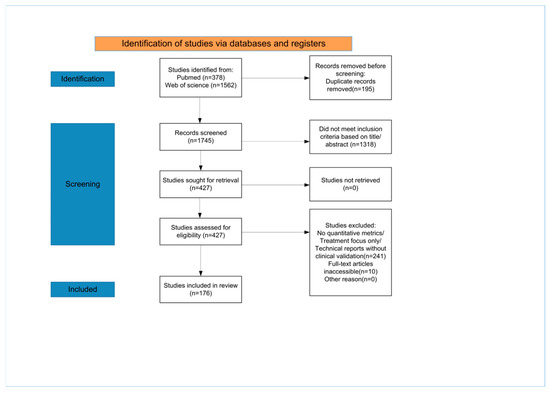
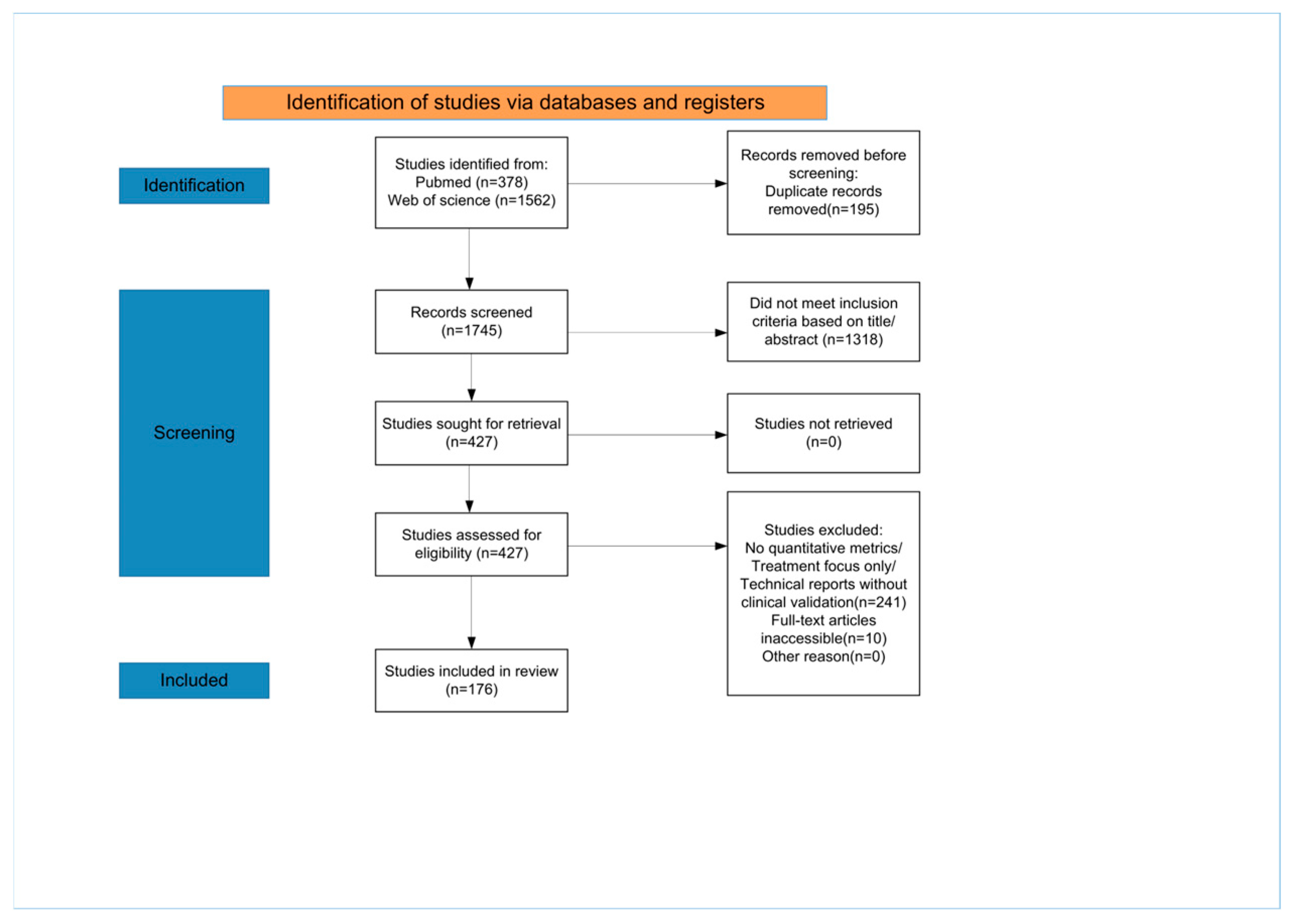
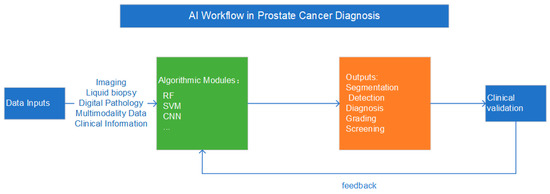
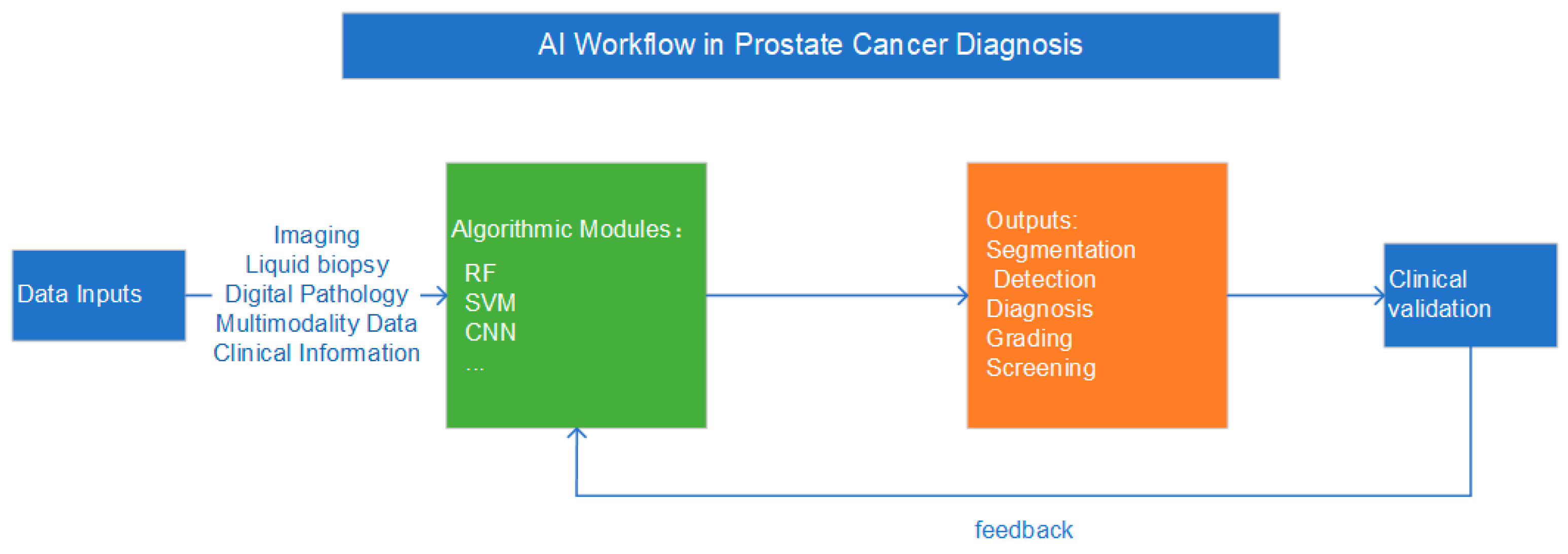
Disclaimer/Publisher’s Note: The statements, opinions and data contained in all publications are solely those of the individual author(s) and contributor(s) and not of MDPI and/or the editor(s). MDPI and/or the editor(s) disclaim responsibility for any injury to people or property resulting from any ideas, methods, instructions or products referred to in the content. |
© 2026 by the authors. Licensee MDPI, Basel, Switzerland. This article is an open access article distributed under the terms and conditions of the Creative Commons Attribution (CC BY) license.