Case description
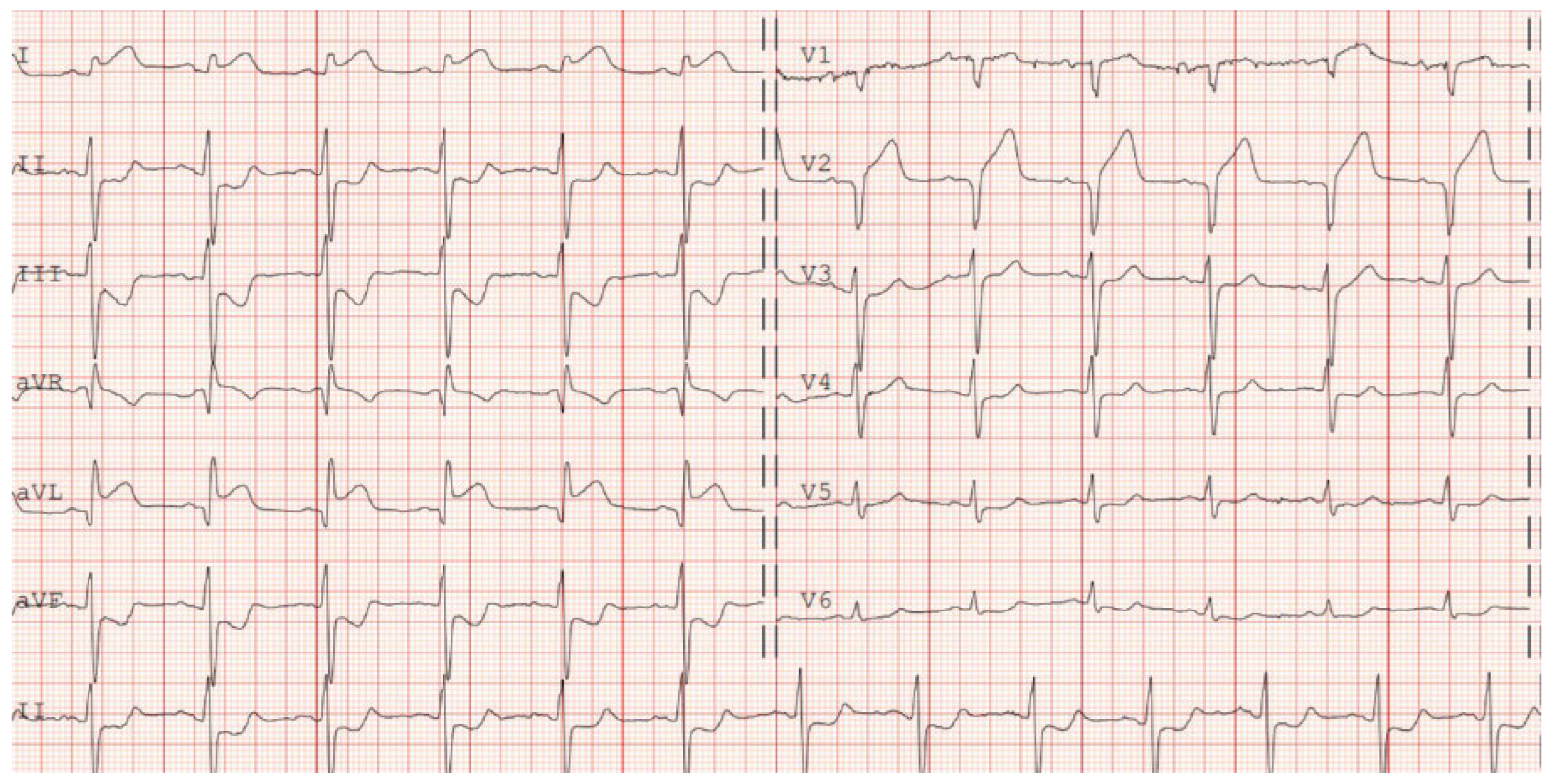
A 75-year-old man, an active smoker with no relevant past medical history, presented to our emergency department with a 90-minute history of de novo acute typical chest pain at rest. The physical examination did not show signs of heart failure or an abnormal heart murmur. The 12-lead ECG showed an anterolateral STEMI (
Figure 1). Echocardiography showed a moderately impaired left ventricular ejection fraction visually estimated at 35–40% with antero-septo-apical akinesia, type I diastolic dysfunction and mild aortic regurgitation.
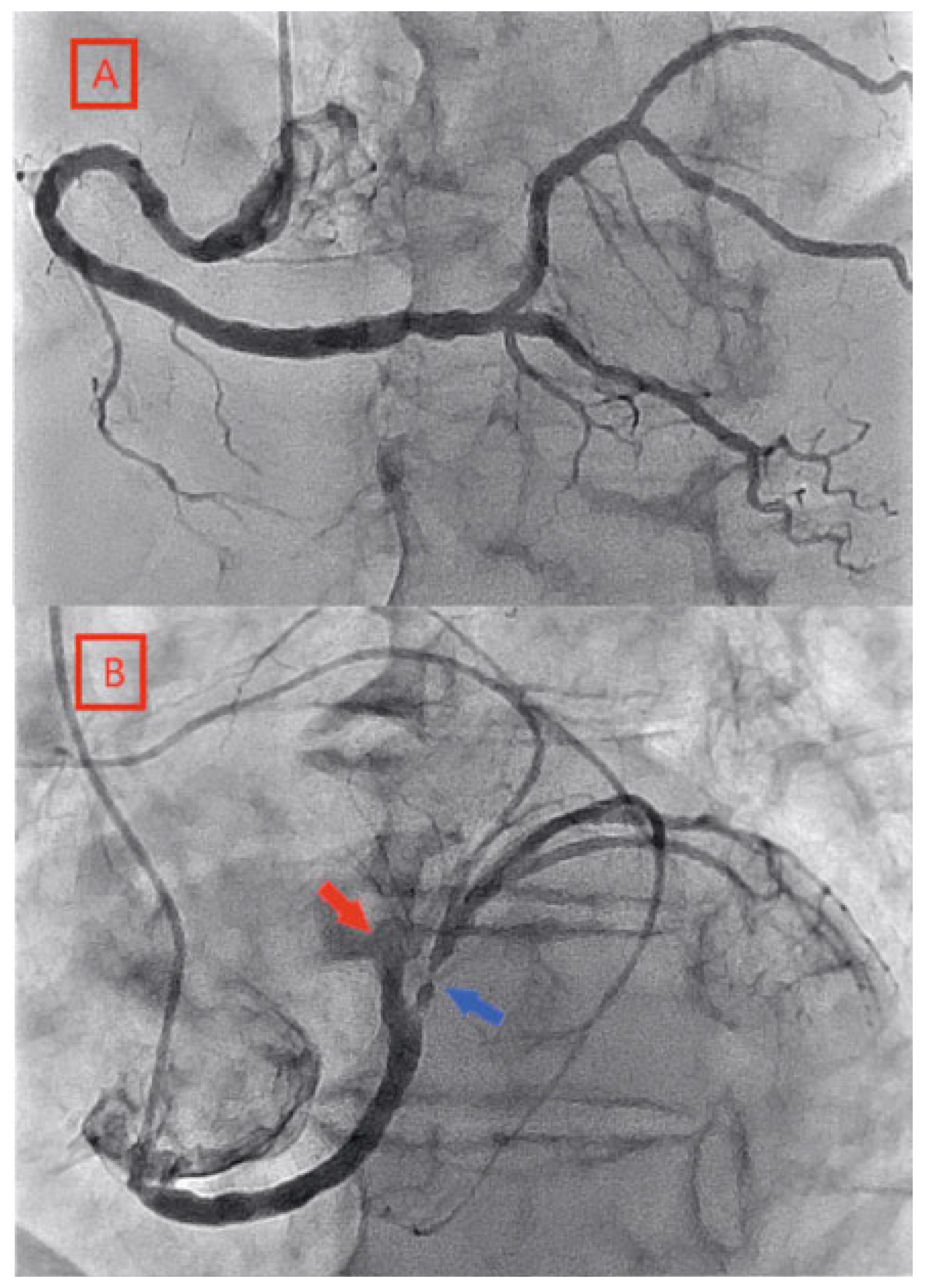
The patient underwent urgent coronary angiography via the right radial arterial approach. The right coronary artery (RCA) angiogram showed no significant stenosis (
Figure 2A). Selective engagement of the LMCA was finally achieved with the use of several different diagnostic catheters and demonstrated an anomalous origin of the LMCA from the RCS of Valsalva (
Figure 2B). LMCA angiography demonstrated an acute thrombotic occlusion of the proximal left anterior descending artery (LAD) and severe stenoses of the ostial LAD, mid-LAD and proximal left circumflex artery (LCx) (
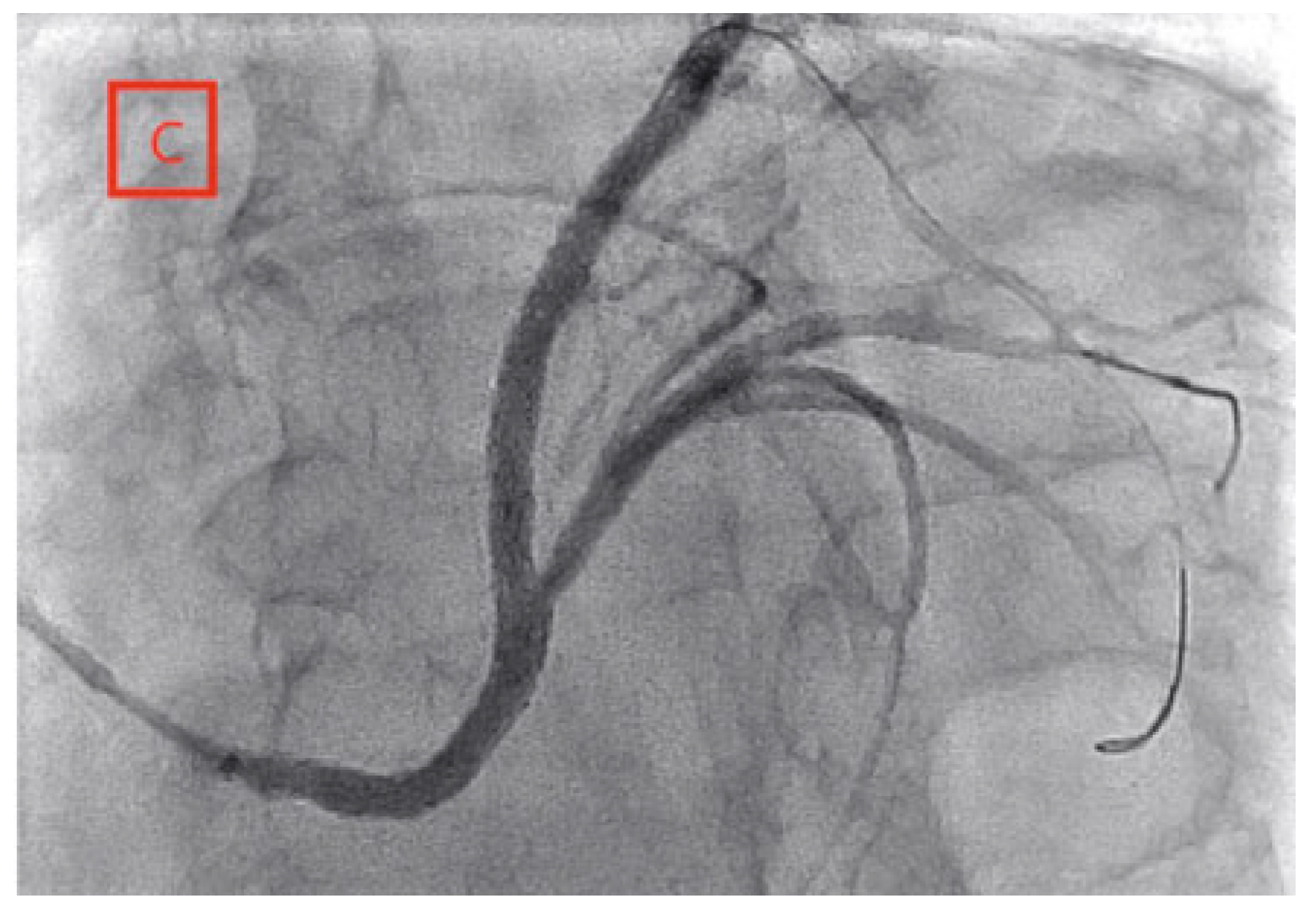
Figure 2B). The patient underwent successful primary PCI with four zotarolimus-eluting stents, from the LMCA to proximal LAD and from the LMCA to LCX using the Culotte technique, and from the proximal LAD to mid-LAD. The LMCA ostium was engaged with a 6-French MB1 guiding catheter (Launcher, Medtronic Inc., USA) and the procedure was performed with the support of a 6-French guide extension (Telescope, Medtronic Inc., USA). The final angiogram showed no significant residual stenosis or complication (
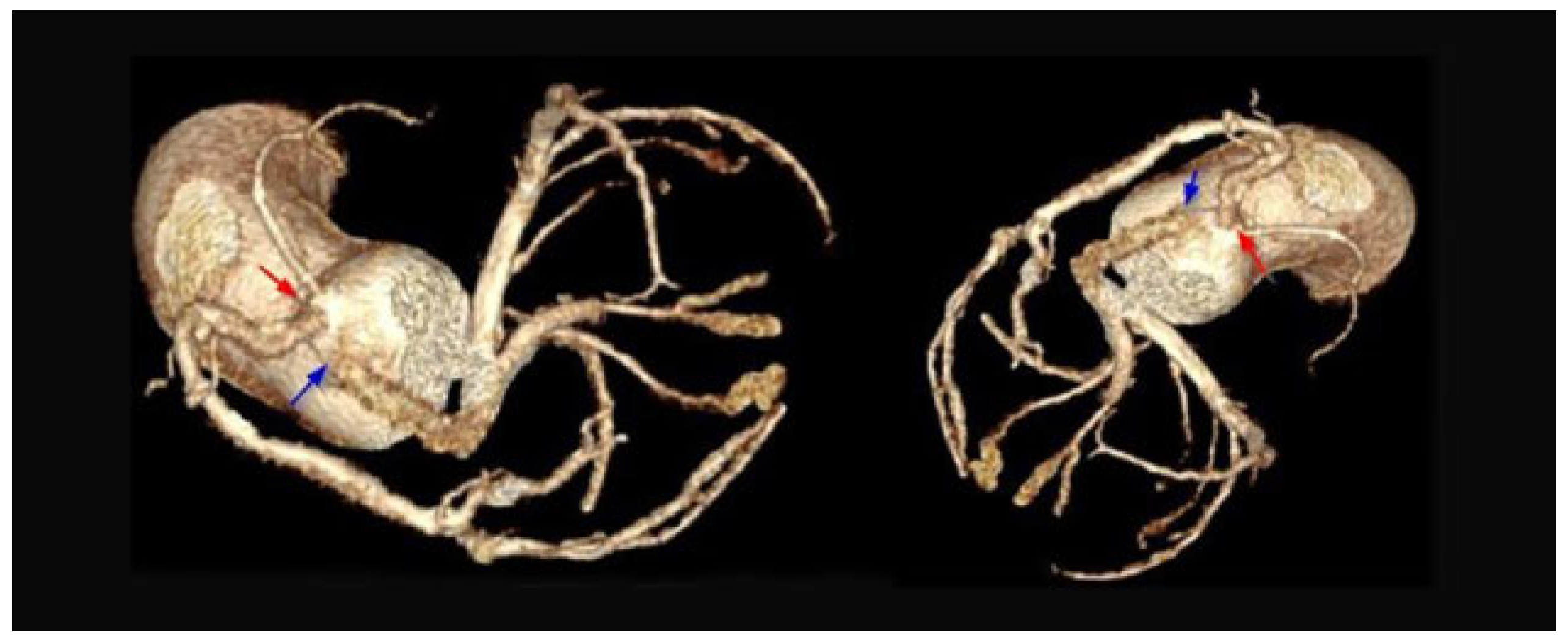
Figure 2C). The peak troponin level was 9184 ng/l. Coronary computed tomography angiography confirmed the anomalous origin of the LMCA arising from the RCS of Valsalva and a retroaortic course of the LMCA (
Figure 3). The clinical course was uneventflul and the patient was discharged at day 9.
Discussion and conclusions
Coronary congenital anomalies are rare, with an estimated prevalence of 1.5% in the general population based on several noninvasive cardiac imaging modalities, coronary angiography studies or autopsy reports [
2,
3]. Among congenital anomalies of coronary artery origin, an anomalous origin of the left main coronary artery (LMCA) from the right coronary sinus (RCS) is one of the rarest, with a reported prevalence of 0.02– 0.03% according to angiographic studies [
3].
The clinical presentation of congenital anomalous origins of coronary arteries is highly variable, but most patients remain asymptomatic. Exertional chest pain, dyspnoea, cardiomyopathy, syncope, ventricular arrhythmias, acute coronary syndrome or sudden death are part of the clinical spectrum. Due to the rarity of this congenital anomaly, STEMI as the first clinical manifestation of an anomalous origin of coronary arteries has been reported in the literature in only a few cases.
Primary PCI in patients with congenital anomalous origin of coronary arteries presenting with STEMI remains a challenge, owing to the potential technical problems in cannulating the ostium of the LMCA or RCA, which may result in delayed revascularisation of the culprit lesion. Poor guide catheter support commonly restricts access to the culprit lesion with a guidewire, balloon technique and complicates coronary stent implantation [
1]. Aortography may be required to define the exact position of the coronary ostia in the case of suspected anomalous origin of coronary arteries [
4].
Due to the documented potential relationship between coronary anomalies and major adverse cardiac events, further anatomical evaluation by computed tomography coronary angiography (CTCA) is of paramount importance to (1) assess coronary anatomy and the course of coronary arteries, (2) determine the relationship between coronary arteries and the large vessels, and (3) identify high-risk anatomical features, such as an intramural course and ostia anomalies (
slit-like orifice, acute angle take-off or orifice 1 cm or more above the sinotubular junction). According to the Adult Congenital Heart Disease 2020 ESC guidelines [
5], additional investigations and procedures are required in these cases. High-risk coronary anomalies were associated with a high risk of cardiac events, due to more frequent myocardial ischaemia, even without atherosclerosis. Risk stratification must also include age (<35 years) and level of exercise. Autopsy series show that most patients are young (<35 years) and die during, or shortly after, exercise, but natural history studies regarding untreated patients with anomalous aortic origin of a coronary artery are lacking [
5].
Coronary artery anomalies do not seem to be associated with an increased risk for the development of coronary atherosclerosis. In an observational study including 13,010 adults who underwent coronary angiography, atherosclerosis in anomalous coronary arteries was found in 28% of the patients, and the overall incidence of atherosclerotic disease was 65% [
6]. Large observational studies including longer-term follow-up are, however, warranted to evaluate the potential association between congenital anomalous origins of coronary arteries and accelerated atherosclerosis.
In conclusion, our case demonstrates that congenital anomalous origins of the LMCA from the RCS of Valsalva may initially present as acute STEMI in elderly, previously asymptomatic, patients and represents a technical challenge in the current era of primary PCI.