1. Introduction
Nanomaterials (NMs) are defined as materials with at least one external dimension or internal structure feature in the size range of approximately 1–100 nm. Nanoparticles (NPs) are categorized as a subset of NMs where all three external dimensions fall within the nano-size range. Engineered nanomaterials (ENMs) are those nanomaterials that are deliberately produced, while engineered nanoparticles (ENPs) are nanoparticles that are intentionally synthesized for industrial, environmental, agricultural or biomedical use. Since engineered nanoparticles are the focus of this review, we will refer to them as ENPs throughout unless referring to nanomaterials in general [
1,
2]. Over the years, numerous engineered nanomaterials (ENMs) have been synthesized, including metallic ENPs, carbon-based nanomaterials, quantum dots (QDs), polymeric nanomaterials, and nanotubes [
3]. In particular, metal-based ENPs have garnered significant research interest, as their diminutive size imbues them with unique physicochemical properties that differ from their bulk material counterparts [
1]. These physicochemical properties include changes in surface reactivity, optical properties, and catalytic activity. Consequently, metal-based NPs have found widespread industrial application across biomedical fields [
4], coatings [
5], cosmetics [
6], and more. Engineered Nanoparticles (ENPs) have also found utility in a wide variety of technologies and applications, ranging from antimicrobial surfaces to photocatalysts, electronics, drug delivery, and medical imaging devices [
7]. These technologies lead to environmental release during production, processing, and consumer use of ENP-containing products. Intentional releases of NPs into the environment are also on the rise with the increased use of nano-enabled pesticides, fertilizers, and nanosensors in agricultural settings [
8,
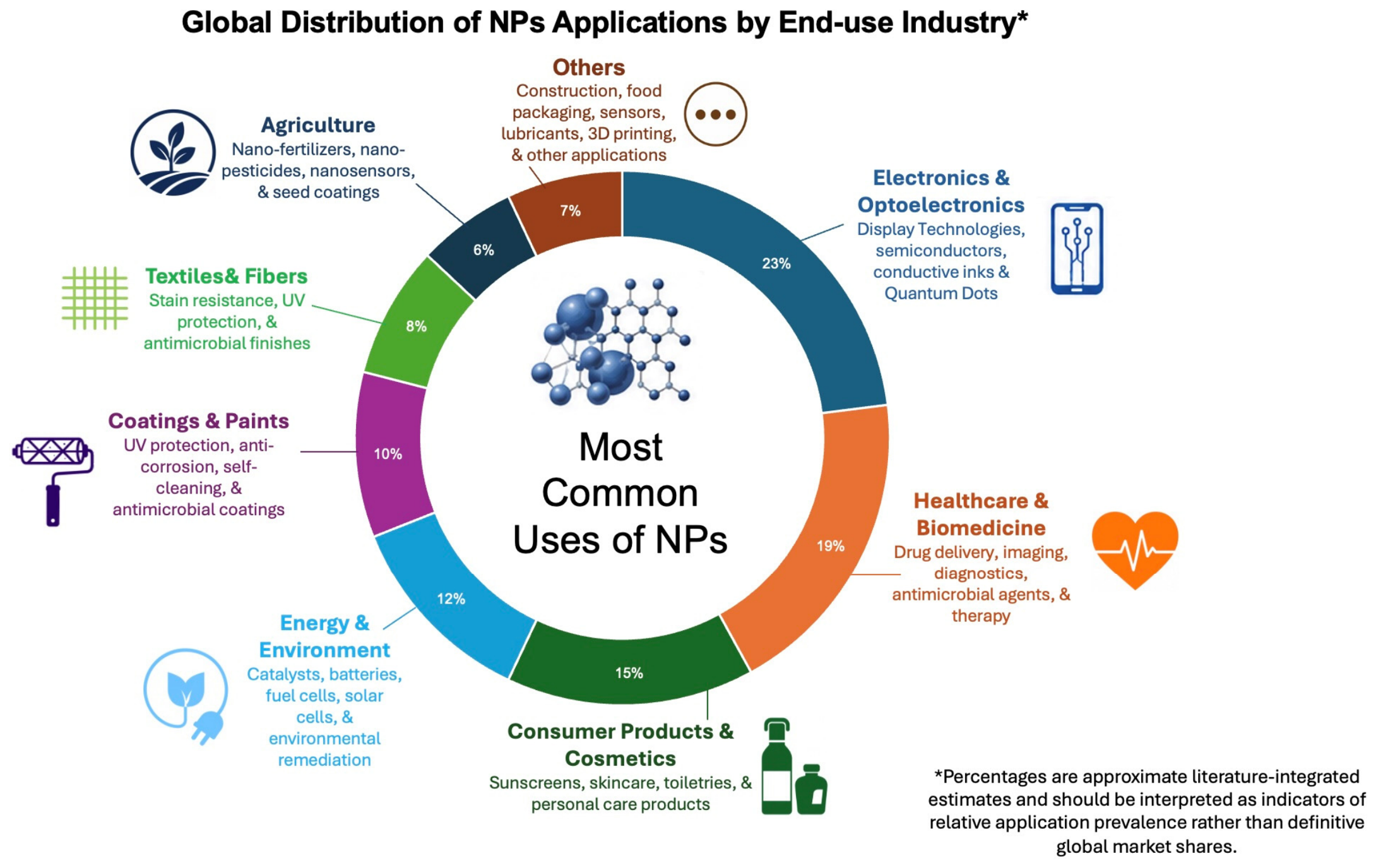
9]. ENPs are used in a wide variety of products such as electronics, biomedicine, cosmetics, energy production/storage, coating surfaces, agriculture, and environmental cleanup. Percentages vary by market sector, but typically, electronics, medical/hygiene, consumer goods, and advanced material applications account for the largest market share of nanoparticles (
Figure 1) [
10,
11,
12,
13]. Percentages are calculated by combining market share sizes reported across various industry publications from 2022–2024. Totals have been normalized to equal 100% and should be used as rough estimates of comparative category volumes, not precise market splits (modified from Keller et al. (2023), Malik et al. (2023), Mekuye and Abera (2023) and Eker et al. (2024) [
10,
11,
12,
13]).
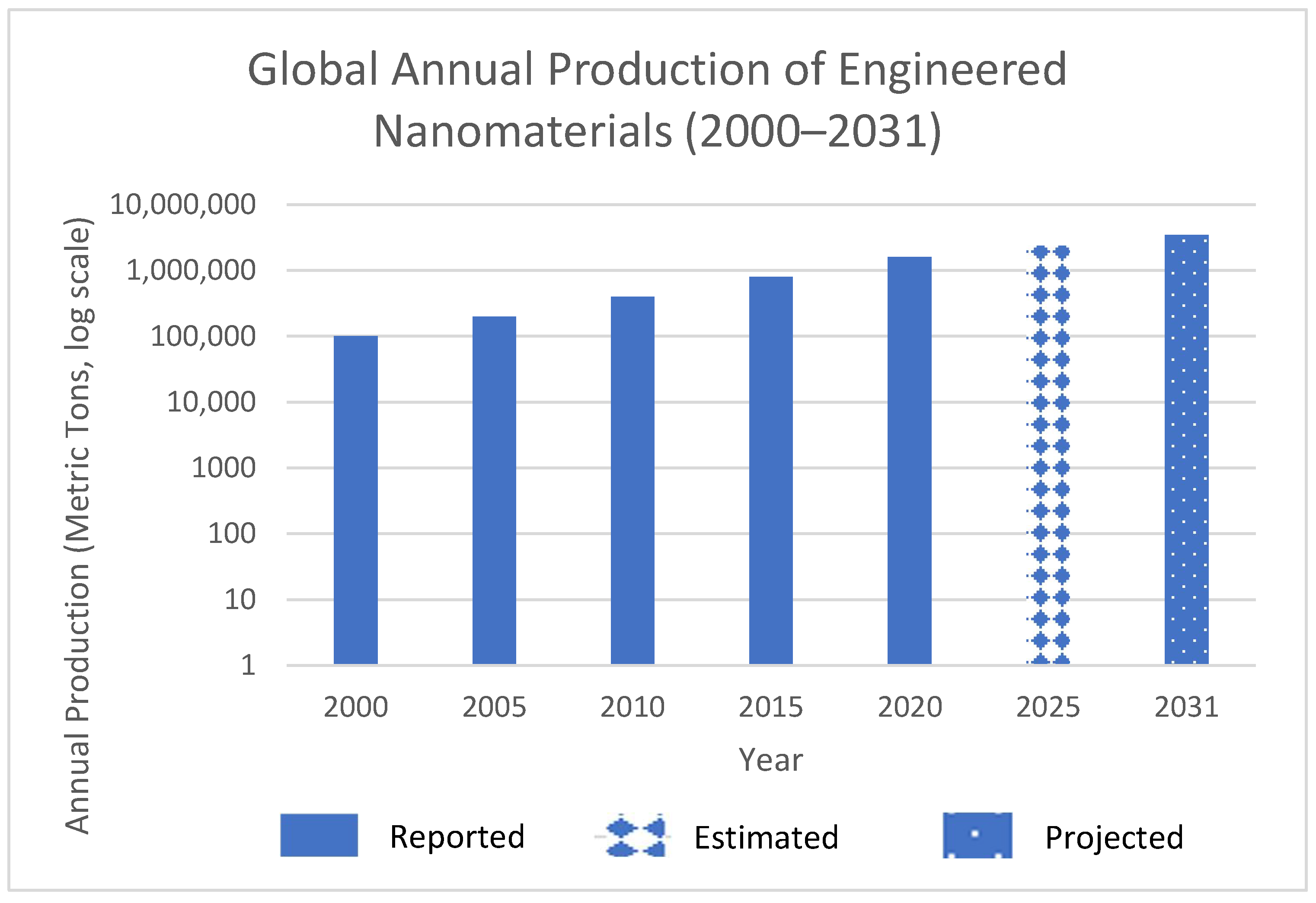
Published estimates of cumulative worldwide production of engineered nanomaterials (ENMs) have grown from approximately 100,000 metric tons (MT) in 2000 to values over 1.6 million MT in 2020 (
Figure 2). The newer estimates reflect values that are either estimated or projected, rather than reported historical production, which is indicated in
Figure 2. While these production values are shown for this reason alone, to demonstrate growth in the scale of ENP use, production is important to consider when evaluating exposure and risk, because increased production and use create more opportunities for release to occur during manufacturing, product application, and disposal [
11,
14].
Over 1800 nano-enabled consumer and industrial products containing ENPs are currently on the market globally [
15,
16]. Furthermore, the nanoparticle industry is expected to continue growing, with projected revenues to exceed 1 trillion U.S. dollars in the next 10–15 years [
16,
17]. Coupled with estimates that the world population will exceed 9 billion people by the year 2050 [
16,
18], pressure to increase food production will likely heighten concerns over long-term food security. Nanotechnology has been proposed as one mechanism through which agricultural production can be enhanced. Nano-fertilizers, nano-pesticides, smart delivery systems, and nanosensors are just a few examples of nanotechnology applications that have been suggested to increase crop yields while maintaining food safety.
Figure 2.
Global annual production of engineered nanomaterials (2000–2031). Production values for 2000, 2005, 2010, 2015, and 2020 were compiled from the published literature and market sources (e.g., [
11,
14]). The 2025 value represents an estimate synthesized from recent market analyses, while the 2031 value represents a projected global production based on published market forecasts and the solid line values represent reported annual production [
14,
17]. Reported production data, estimates, and projections are distinguished in the figure using different bar patterns.
Figure 2.
Global annual production of engineered nanomaterials (2000–2031). Production values for 2000, 2005, 2010, 2015, and 2020 were compiled from the published literature and market sources (e.g., [
11,
14]). The 2025 value represents an estimate synthesized from recent market analyses, while the 2031 value represents a projected global production based on published market forecasts and the solid line values represent reported annual production [
14,
17]. Reported production data, estimates, and projections are distinguished in the figure using different bar patterns.
Engineered Nanomaterials (ENMs) used today include metals and metal-oxides such as silver (AgNPs), titanium dioxide (TiO
2 NPs), and zinc oxide (ZnO NPs), carbon-based materials such as graphene and carbon nanotubes (CNTs), as well as other hybrid or composite nanostructures [
19]. With continued production and integration into commercial goods, unintentional environmental exposures to ENMs are inevitable. Therefore, recent attention has been focused on determining how ENMs may affect microbial physiology and ecology [
20,
21].
Unintentional releases of ENPs into the environment have increased with expanding NP-enabled technologies. These releases occur during manufacturing processes, consumer use, and disposal [
22,
23]. As a result, NPs have been detected in numerous environmental matrices, including air, surface water, soil and sediment, and within organisms such as microorganisms, plants, and higher-order species [
24]. Rapidly increasing production volumes and widespread distribution have led to calls for better understanding of NP fate and transport as well as their resultant effects in the environment [
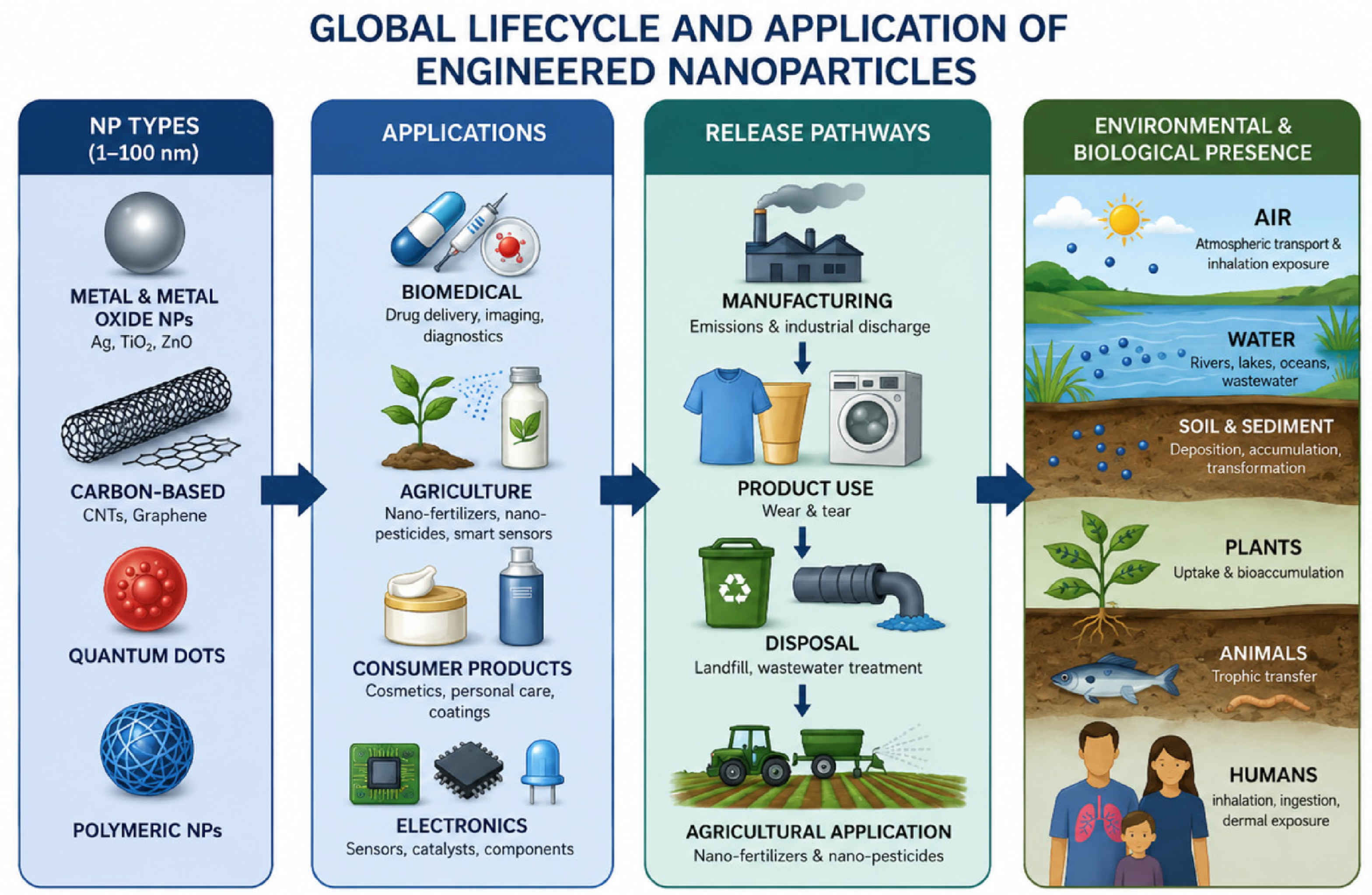
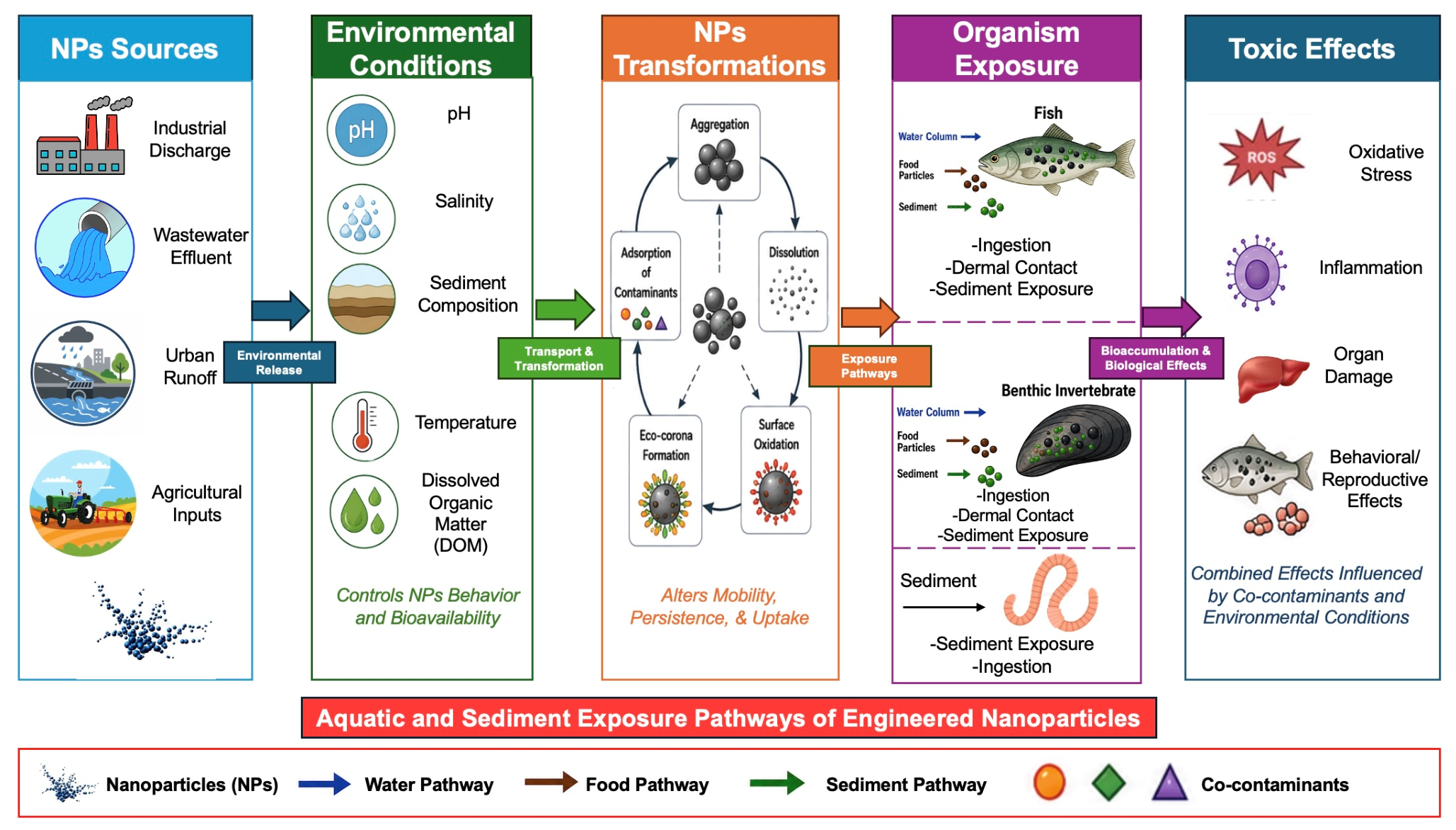
25]. An overview of major ENPs types, application sectors, and pathways of environmental release is presented in
Figure 3.
Due to their small size, NPs exhibit unique behaviors that are distinct from those of conventional chemicals. The cellular activity of NPs is largely dictated by their intrinsic physicochemical properties. Properties such as surface charge, shape, aggregation state, and surface chemistry influence cellular uptake, biodistribution, and biomolecule absorption onto the NP surface [
26,
27]. Once in biological media, NPs are rapidly coated with adsorbed proteins and biomolecules, which is often referred to as the protein corona. This protein corona can alter NP interactions with cell receptors and lead to modified cellular responses [
28]. Because of these dynamic properties, NPs do not follow some of the same principles used to predict traditional toxicant behavior. Classic toxicology has been based on bulk mass and chemical stability.
Frameworks for chemical risk assessment based on chemical hazard and exposure characterization are still widely used as a starting point for ENPs. However, these frameworks often fail to incorporate nanoform-specific behavior. Recent OECD guidance addresses many of these shortcomings by recommending detailed characterization of nanomaterial physical and chemical properties (the use of well-characterized reference materials when testing is required but information is limited), nanoparticle-specific sample preparation and dosimetry, and dose descriptors that account for particle number or surface area in addition to mass concentration [
29,
30,
31]. European guidance documents and research projects have been developed with a similar emphasis on nanoform-specific assessment and Safe- and Sustainable-by-Design frameworks that include consideration of safety throughout material design. A limitation of both OECD and European resources is that environmental and biological transformations, including dissolution and ion release, aggregation, oxidation, and corona formation, have not been fully incorporated into standardized testing or regulatory decision frameworks. Harmonization and implementation of OECD and European nanomaterial-specific guidance will be critical to ensure ENP hazard and exposure assessments account for changes in particle properties, exposure, and toxicity throughout the life cycle of a material [
22,
32].
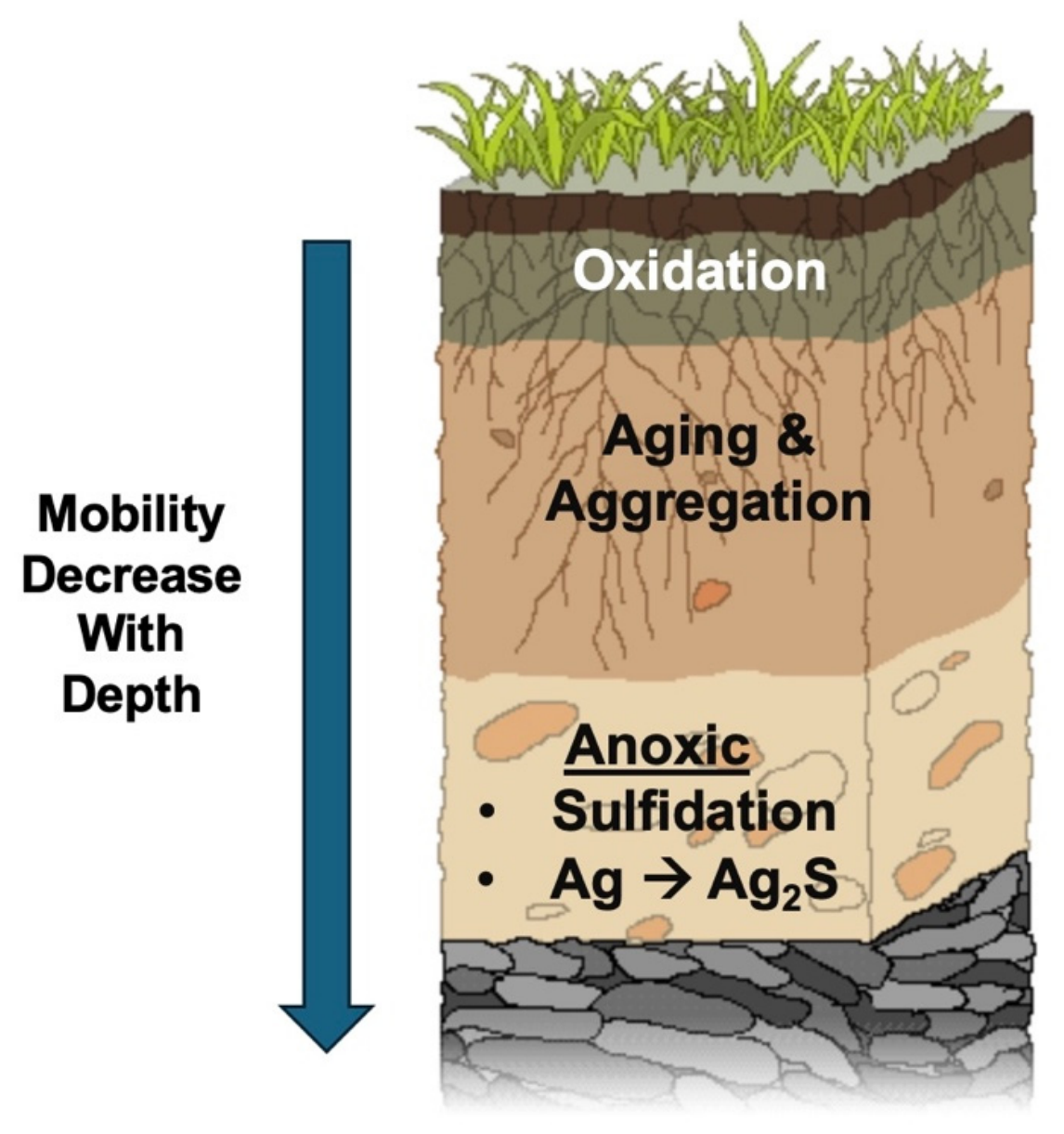
It should also be noted that intrinsic nanoscale properties are unlikely to solely dictate toxicity. Instead, they drive a series of transformations that ultimately dictate exposure conditions and subsequent biological effects. Environmental and biological transformations such as sulfidation, oxidation, aggregation, eco-corona formation, and biomolecule absorption can alter NP reactivity. These transformations can affect reactive oxygen species (ROS) generation, DNA damage, inflammatory response, and adverse effects [
14,
23]. For this reason, ENP hazards should be considered through a property → transformation → exposure → toxicity continuum, where properties drive transformations that dictate exposure conditions and relevant mechanisms.
It is anticipated that this review will help summarize knowledge gaps on engineered nanoparticles (ENPs) across the property → transformation → exposure → toxicity continuum. To this end, this review focuses on identifying how key physicochemical properties of ENPs control their environmental and biological transformations, exposure, and toxicological effects in humans and ecosystems. This review will briefly highlight what is currently known about ENP physicochemical properties, environmental fate and transformations, biological transformations, toxicity mechanisms, analytical methods for detection and characterization, current approaches to risk assessment, and Safe-by-Design approaches. In addition, this review highlights the current overlap between ENP research and that of microplastics/nanoplastics by comparatively discussing physicochemical properties, environmental transformations, exposures, and toxicological mechanisms. Lastly, this effort serves as an extension of the authors’ previous reviews on plastic pollution [
33], harmful algal blooms [
34], and PFAS—microplastic interactions [
35], with a focus on engineered nanoparticles.
2. Literature Review and Methodology
A focused review of the engineered nanoparticle (ENP) toxicity literature is provided, with the discussion following a continuum from particle properties to environmental and biological transformations, exposure and subsequent toxicity. Literature search dates spanned from January 2026 to June 2026, with the most recent search conducted in June 2026. Emphasis was placed on the peer-reviewed literature published within the last 6 years (July 2020–June 2026) to provide an overview of the most recent and relevant findings in nanotoxicology. However, older publications (>6 years) were included when they were considered landmark studies within the field or necessary for the introduction of key concepts.
Web of Science, Scopus, PubMed, Google Scholar, and ScienceDirect were used to collect the literature. Search terms used combinations of the following: “engineered nanoparticles”, “engineered nanomaterials”, “nanoparticle toxicity”, “nanotoxicology”, “environmental transformation”, “aggregation”, “protein corona”, “eco-corona”, “oxidative stress”, “biodistribution”, “cellular uptake”, “risk assessment”, and “Safe-by-Design”. Boolean operators (AND/OR) were used where appropriate.
Peer-reviewed journal articles published in English that investigated ENP physicochemical properties, environmental transformations or fate, biological transformations or fate, exposure routes, toxicological mechanisms, characterization methods, or risk assessments were given highest priority. Review articles were included when original research articles were not available. Articles discussing naturally occurring nanoparticles were included if they added mechanistic relevance to the review, but articles specific to ENPs took precedence. Guidance documents, regulatory resources, technical reports, and other gray literature were included to support discussion on regulatory, methodological, market, or technical issues as needed. Conference abstracts, editorials, and obscure sources without adequate information to determine relevance were excluded.
Titles and abstracts of collected articles were screened to determine relevance. Articles that were deemed possibly eligible were retrieved and assessed in full-text for eligibility. Records collected from multiple databases were removed if they duplicated another article. Following screening, full-text assessment, and removal of duplicate records, a total of 155 sources were retained and incorporated into the final review.
The studies selected for inclusion were then grouped together and summarized based on the property → transformation → exposure → toxicity framework outlined in this review. Articles were initially grouped based on the engineered nanoparticle property being studied (i.e., particle size, morphology/surface structure, surface chemistry, aggregation/agglomeration state, dissolution, and redox potential/reactivity). Articles elucidating environmental and biological changes to these nanoparticle properties were integrated into the transformation stage of the framework (e.g., aggregation/agglomeration, oxidation, sulfidation, dissolution, protein/eco-corona formation). Studies focused on human and environmental exposure routes, biodistribution, and bioavailability were included in the exposure stage, and articles reporting oxidative stress, inflammation, membrane damage, ion-mediated toxicity, genotoxicity, and tissue-specific effects were compiled in the toxicity stage. Using this framework allowed us to take key findings from studies on a variety of nanoparticles and group them into one framework linking nanoparticle properties to their environmental fate, exposure, and toxicity.
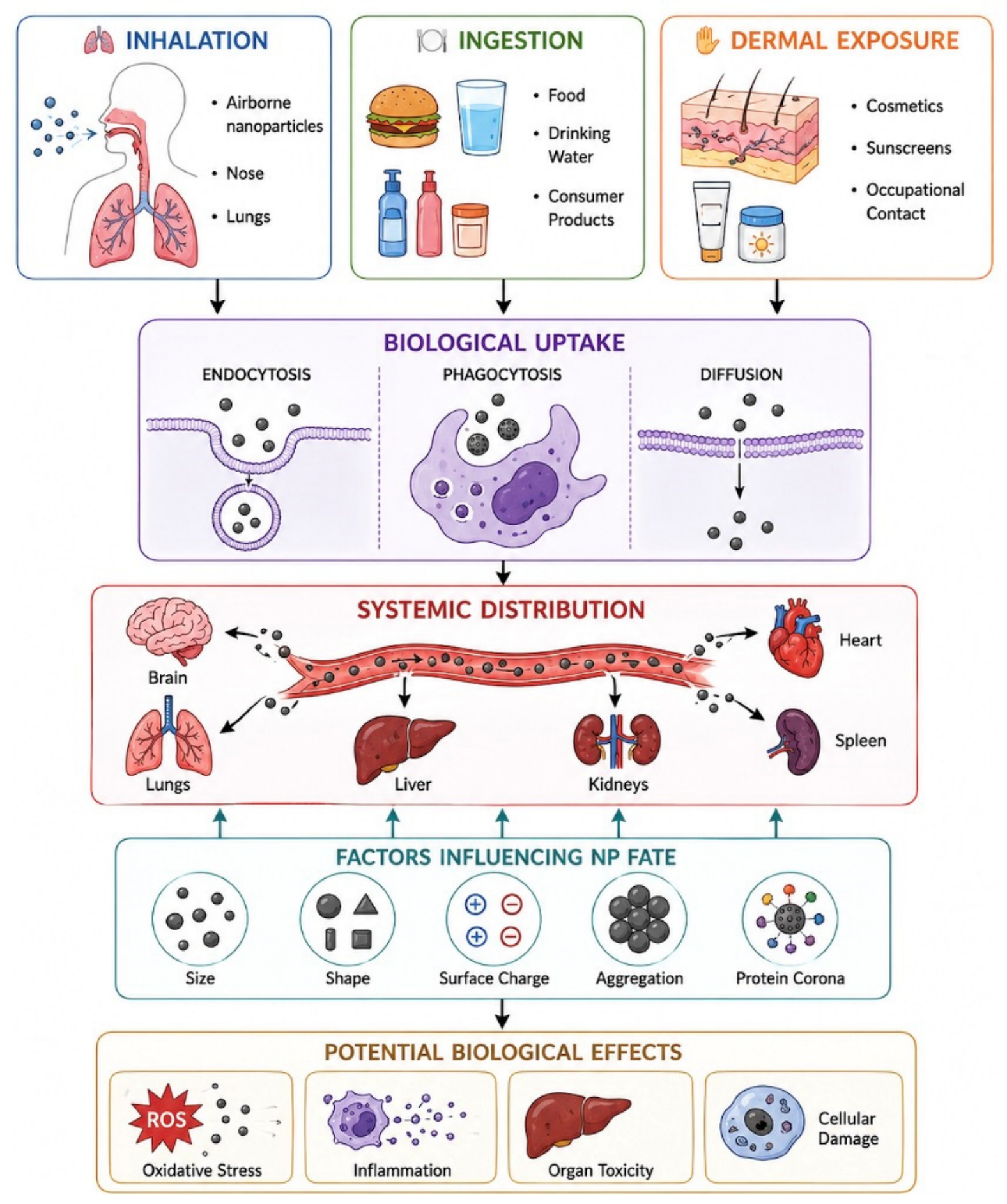
NP properties such as size, shape, surface chemistry, aggregation, dissolution, and redox potential are some of the primary factors that control reactivity. Here, environmental and biological transformations are reviewed with a focus on how they impact bioavailability and the resultant internal dose. Aggregation, oxidation, sulfidation, dissolution, and protein corona or eco-corona formation are some of the important transformation processes that ENPs undergo in media and biotic fluids. Exposure routes are varied and can include inhalation, ingestion, dermal exposure, occupational exposure, and trophic transfer up the food chain. Toxicological effects focus on mechanisms related to oxidative stress, inflammation, membrane disruption, ion-related toxicity, and genotoxicity. Particle number and particle surface area are alternative metrics used for dosing and are discussed where relevant. Often, mass concentration does not adequately describe exposures to nanoparticles. Knowledge gaps, including the need for chronic exposure data and standardized testing, are mentioned throughout.
Table 1 lists some representative biological endpoints that have been measured in nanotoxicology studies along with their major targets, method of measurement, representative biomarkers/endpoints, and references. Please note that this table is intended to serve as a sampling of commonly utilized experimental endpoints and is not meant to be an all-inclusive classification of mechanisms of toxicity induced by nanoparticles. Representative mechanistic toxicity endpoints, cellular targets, measurement methods, and biomarkers used in nanotoxicology are summarized in
Table 1.
3. Toxicological Behavior of NPs Determined by Nanoscale Properties
For ENPs, a combination of inherent physicochemical properties controls environmental transformation, biological fate, and internal dose. Due to continuous exposures of ENPs to environmental and biological media during their life span, they are prone to physicochemical changes that affect their behavior [
7,
22]. Such environmental changes may include aggregation, oxidation, sulfidation, dissolution and eco-corona formation, which occur prior to and/or during exposure and will impact the fate and bioavailability of nanoparticles in the environment. Intrinsic nanoparticle properties, including particle size, the resulting high surface area-to-volume ratio (SA:V), morphology, surface chemistry, and surface charge, govern the extent to which these transformations occur and ultimately influence nanoparticle reactivity and fate [
9,
26]. Within a biological system, toxicokinetic properties including absorption, biodistribution, cellular uptake, biotransformation and elimination pathways will affect how much of a dose reaches the target tissue [
9,
26,
27]. Toxicodynamics will be used to describe the biological responses occurring due to exposure to the internal dose; these include oxidative stress, inflammation, membrane damage, genotoxicity, and other forms of cytotoxicity [
14]. The relationships among key nanoparticle physicochemical properties, transformation processes, exposure-related effects, and toxicological outcomes are summarized in
Table 2.
3.1. Size and Morphology
Nanomaterial properties such as size and morphology primarily dictate NP performance and behavior. Particle size and shape directly impact surface reactivity, optical properties, and the ability to cross cellular membranes. Nanomaterial size and shape are critically important for the biomedical applications of NPs and have been widely exploited for successful cellular uptake and tunable optical properties for use in medical imaging agents and cancer therapeutics [
10,
41].
Overall NP size has also been shown to influence biological fate, including circulation time, cellular uptake, and targeting ability. Smaller NPs are typically internalized by cells more efficiently, which can lead to enhanced cellular uptake [
42,
43]. Moreover, NP shape can affect cellular uptake, with certain geometries participating more readily in cellular transport than others. This can be due to shape-dependent interactions with the cell membrane and endocytic machinery [
42,
43].
As particle size decreases, the SA:V of NPs increases. This means a greater proportion of the total atoms make up the surface of the particle instead of the core. A higher SA:V results in more reactive sites on the NP. Many of the adverse effects associated with NPs, such as ROS generation, lipid peroxidation, redox reactions, and protein corona formation, are related to the NP surface. Therefore, smaller NPs will typically induce a larger response at equal mass compared to larger particles of the same material [
44,
45]. This concept is one of the reasons why mass concentration is not always a good dose metric for NPs. Two NP exposures that contain the same mass concentration can have very different surface areas and numbers of particles. Smaller particles will typically have a higher surface area and more particles at the same mass concentration compared to larger particles. Because of this, surface-area- or particle-number-based exposure metrics have been gaining more attention in the field of nanotoxicology [
45].
Particle size also affects the mechanism of cellular uptake. Smaller particles (<50 nm) are more likely to be internalized by cells via endocytosis, leading to a higher concentration of nanoparticles inside the cell and greater potential to reach sensitive target sites [
44,
45]. Additionally, NP shape affects how easily the particles can be internalized by cells. Different shapes can affect the mechanism of uptake and cause physiologically distinct responses once inside the cell. For example, NP shape has been shown to impact lysosomal stability, mitochondrial integrity, and oxidative and inflammatory stress responses [
44,
45]. Once engulfed by the cell, membrane wrapping energetics will differ based on the particle shape. Sphere-shaped NPs will deform the membrane around them evenly, while rod-shaped NPs (or NPs with a high aspect ratio) will affect how the membrane interacts with the NP, which can alter uptake kinetics and subsequent intracellular routing [
46]. This can cause variation in toxicological responses by altering intracellular localization and which cellular pathways are affected, such as oxidative stress, genotoxicity, and apoptotic pathways.
Size continues to play a role even after NP uptake. Once in the circulation, small NPs can more easily transverse biological barriers such as epithelial and endothelial cells. This includes cells in the lungs and gastrointestinal (GI) tract, allowing for deeper tissue penetration and potential secondary organ exposure. Under the right physicochemical conditions, some NPs can travel across the blood–brain barrier, which has led to concerns over potential NP neurotoxicity [
47]. Biodistribution studies have found that size affects organ distribution, with many particles accumulating in organs responsible for clearance, including the liver and spleen [
48].
Clearance represents the final stage in this size-dependent cascade. Particles approaching or below renal filtration thresholds are more likely to be eliminated through glomerular filtration, whereas larger NPs are preferentially sequestered by the mononuclear phagocyte system, particularly macrophages in the liver and spleen [
49]. Hydrodynamic diameter and surface chemistry also play roles in blood circulation time and organ distribution [
50]. Slowly cleared NPs will continuously expose tissues to their reactive surfaces prolonging oxidative stress and inflammation. In situations with occupational or repeated exposures, slow clearance rates may contribute to higher incidences of tissue damage over time.
Ultimately NP size influences cellular uptake kinetics, cellular trafficking, organ distribution, and clearance mechanisms. Understanding how these processes are connected and dictated by NP size is critical to understanding the mechanisms behind NP toxicity and should be carefully considered when designing safer NPs.
3.2. Surface Chemistry and Coatings
Particle size and morphology also have effects on NP behavior in biological systems. Surface charge, functional groups, and coatings on NPs also play a role in determining how particles interact with cellular membranes, which proteins adhere to their surfaces, how they are recognized by immune cells, and how stable the particles are under biological conditions. These properties matter because NPs will first interact with cells at the nano–bio interface, so even minor changes in surface properties can tip the balance of toxicological responses.
Surface properties are intrinsically linked to NP function because they determine how NPs will interact with their surroundings. Surface chemistry and morphology can be exploited to tune NP performance because NPs have a high SA:V. For instance, changes to surface chemistry by adding different functional groups can alter the reactivity and selectivity of NPs. This has been applied in gas sensors, where surface wettability and gas adsorption alter sensing performance [
42,
51]. Furthermore, NPs can have physicochemical properties that are distinct from bulk materials of the same composition; this includes electronic and mechanical properties. These properties can differ significantly at sizes ≲ 10 nm [
42,
52].
One property that plays a large role is electrostatics. Cell membranes are typically negatively charged due to the presence of charged phospholipid head groups and membrane-bound glycoproteins. As a result, NPs with positive surface charges will have stronger electrostatic attractions to the membrane, which can affect how well they adsorb to the surface or are internalized by cells. On the other hand, positive NP surfaces have been shown to cause membrane damage and ROS generation more than other surface charges [
53]. Surface charge can be partially hidden by protein corona formation, but charge effects can still influence how well NPs are able to penetrate cells and the signals that they send to cells [
54].
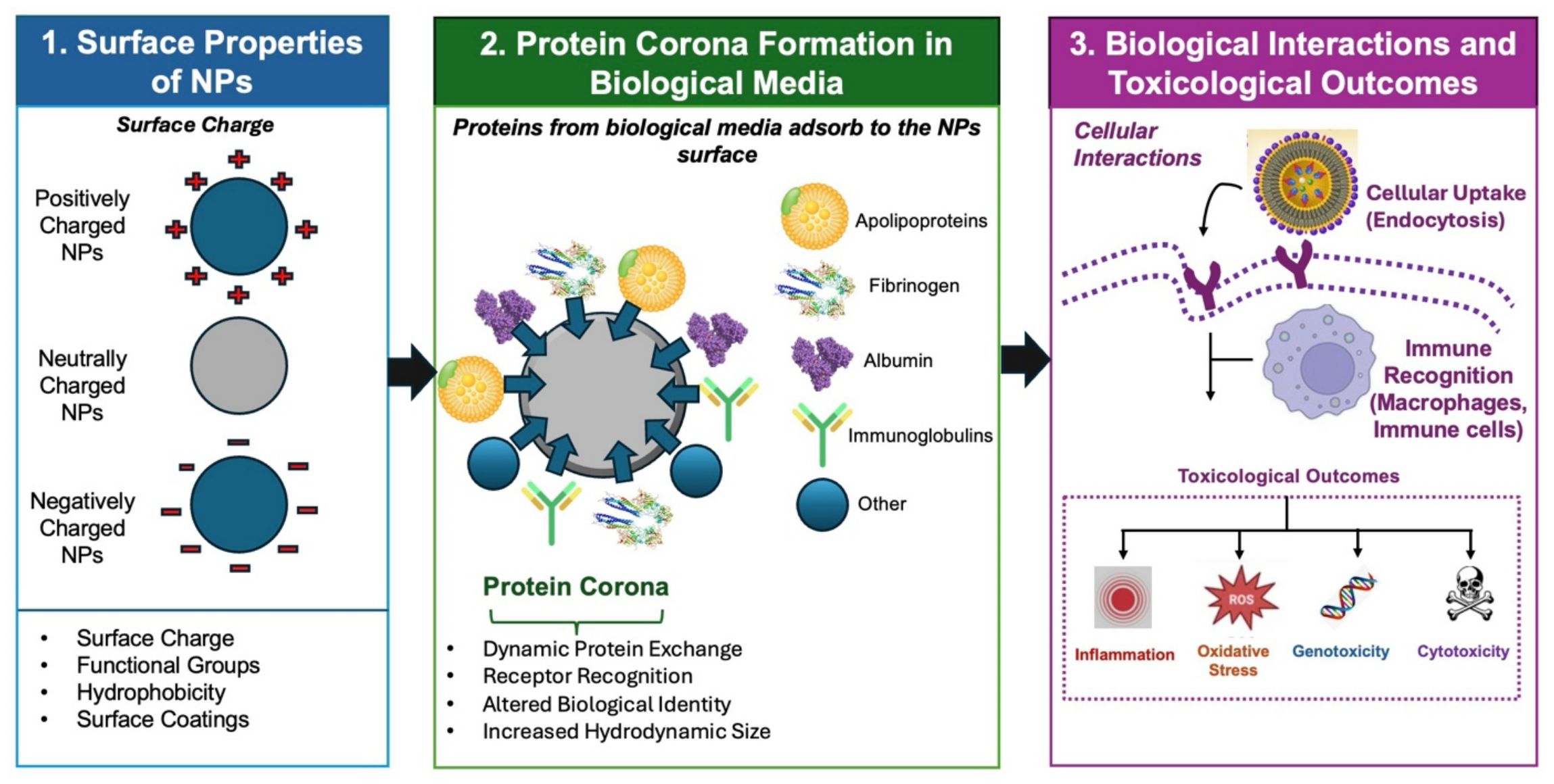
After exposure to biological media, NPs will become coated with a layer of adsorbed proteins. This protein corona can dictate how the particle will interact with cells. The surface chemistry of the NP, including functional groups, hydrophobicity, and charge, will influence what proteins are present in the corona. Because the protein corona can mediate receptor recognition, immune cell uptake, and intracellular trafficking, surface properties have an indirect effect on the biomolecular interactions of NPs [
55]. Protein coronas can mitigate NP toxicity, such as by promoting macrophage uptake, but can also alter the fate of NPs in the body to enhance accumulation in certain tissues [
56]. The protein corona is dynamic and can change over time with protein exchange, so NPs characterized in vitro may behave differently in vivo [
57]. In some studies, surface charge had a greater effect on uptake and cytotoxicity than protein corona composition [
58]. This presents a tradeoff where surface properties that favor cellular uptake can also cause membrane damage and inflammation.
Figure 4 illustrates how nanoparticle surface properties influence protein corona composition and subsequently affect cellular recognition, uptake, and toxicological responses. Environmental conditions such as pH, ionic strength, and media composition further influence these processes.
Surface coatings can also influence NP behavior in biological media. Surface coatings can be used to improve colloidal stability and prevent aggregation as well as provide biocompatibility. However, these coatings can break down in vivo. Surface chemistry has been shown to alter the stability and degradation of NP coatings [
59]. If coatings degrade or desorb, this could increase the availability of ions that leak from the NPs or increase catalytic activity on the surface of NPs, causing ROS generation. Toxicity differences have been seen with different NP coatings, leading to ferroptosis in endothelial cells [
60]. Protein corona formation can also change how stable coatings are on NPs [
61]. Hydrodynamic size, which takes into account any surface coating on the NPs, also affects circulation time and elimination, linking surface properties to the biological half-life of NPs [
50]. Overall, surface charge, functional groups, and the stability of surface coatings all influence NP toxicity. By mediating how NPs interact with cell membranes and protein molecules, as well as the uptake and activation of immune cells, the surface of NPs can determine if they will provoke oxidative stress, inflammation, and cytotoxicity. Surface chemistry is an important consideration for assessing NP hazards to human health.
3.3. Dissolution, Ion Release, and Redox Activity
Size, surface charge, and surface chemistry do not tell the whole story for many metal and metal oxide NPs. Another important factor that influences the toxicity of metal and metal oxide NPs is dissolution. Dissolution rates are affected by both the properties of the NP itself, such as composition and crystallinity, and environmental conditions such as pH, salt concentration, and the media the NPs are placed in. Silver (Ag), zinc oxide (ZnO), copper oxide (CuO), and certain types of iron oxides can release metal ions into intracellular or extracellular environments that can damage cellular membranes, inhibit mitochondrial activity, and disrupt cellular signaling. Specifically for ZnO and Ag NPs, which have been shown to be partially soluble, ion release has been identified as the main cause of cytotoxicity rather than the NP itself [
45].
The release of ions from metal and metal oxide NPs is only one part of the equation. Transition metals can enhance ROS generation through surface-associated redox cycling. Redox-active metals can catalyze the conversion of H
2O
2 to •OH through Fenton or Fenton-like reactions. Surface defects, exposed catalytic residues, and dissolved metal ions from NPs can contribute to ROS production [
62]. The electrons required for these reactions to take place can come from glutathione or ascorbic acid. Once ROS levels are increased above the physiological regulatory capacity of the cell, oxidative damage can occur. Transition metals can also enhance redox cycling. Transition metals like iron and copper can exist in multiple oxidation states (i.e., Fe
2+ and Fe
3+). This means that they can undergo repeated cycles of reduction and oxidation in the presence of hydrogen peroxide or other cellular oxidants. Redox cycling can continue ROS production after an initial oxidative stress event. Continued production of ROS has been linked to DNA damage, activation of NF-κB pro-inflammatory signaling, and apoptosis [
45,
62]. Dissolution and redox activity can potentiate each other, because as more ions are released, there are more catalytically active metals to participate in redox cycling. As metals are oxidized at the NP surface, more metal ions are released.
Dissolution rates, ion toxicity, and metal redox activity can work in tandem to cause NP toxicity. All of these properties are linked to the composition of the NP and can lead to oxidative stress independent of particle contact with cells. Understanding how these processes are affected by NP properties is important for proper risk assessment.
3.4. Aggregation
Aggregation is one of several physicochemical changes that ENPs can undergo in environmental media [
14,
63]. When NPs are released into aquatic environments or soils, they often do not exist as single nanometer-sized particles. Aggregation may occur between NPs themselves (homo-aggregation) or between NPs and natural colloids/suspended material forming mixed aggregates (hetero-aggregation) [
14,
64]. Due to their small size, NPs are flocculated extremely quickly, particularly by Brownian motion, but also by fluid shear and differential sedimentation, provided that the absolute surface potential is less than 20 mV [
65].
Homo-aggregation may become relevant at high NP concentrations or environmental conditions (pH) near the NP’s point of zero charge (PZC) when electrostatic repulsion is minimized [
14,
66]. However, ENPs are rarely present alone in environmental systems. In natural waters and soils, there are various dissolved and suspended minerals, organic molecules, and biogenic particles. Consequently, hetero-aggregation of ENPs is typically viewed as the most relevant aggregation mechanism in environmental settings [
14,
67].
Alteration of the aggregation state can affect bioavailability. For instance, as particles aggregate into larger clusters, diffusion rates decrease, and modes of contact with cell membranes can change. Metal-based NPs are expected to aggregate in freshwater environments in the presence of NOM. The degree to which NOM stabilizes particles depends on NOM characteristics: NOM can impart steric and electrostatic stabilization to particles but may also promote aggregation depending on NOM concentration and identity [
68]. Similarly, the degree and chemistry of NOM surface coverage may be used to predict hetero-aggregation between engineered NPs and natural colloids and ultimately predict the bioavailability of particles to biological receptors [
69]. Aggregation could decrease uptake directly from water by increasing particle size but may enhance exposure through exposure to sediment-dwelling organisms.
Aggregation status also determines whether NPs remain in suspension or become part of the sediment. Clusters of ENPs that aggregate into larger sizes will have an increased hydrodynamic diameter and increased sedimentation rate. This alters how and where exposure occurs (water column vs. sediment). Results from multiple studies suggest that surface chemistry, NOM, and ionic strength all influence this balance of colloidal stability versus sedimentation [
70]. Sedimentation potentially decreases exposure to organisms that interact with surface waters but could increase NP exposure to organisms that interact with sediments. As a result, aggregation influences not only the extent of exposure but how it is partitioned in the environment.
Aggregate structures can shift between media. Once NPs aggregate in environmental water they may disaggregate partially or change structure when exposed to biological media such as cell culture media or blood plasma. The interaction of NPs with various lipids and proteins can destabilize previously formed aggregates or promote clustering in biological fluids [
61]. Single particle analytical studies have shown that aggregation and corona formation occur simultaneously when NPs are placed in complex media such as cell culture media, and the composition of the corona can shift particles from being aggregated to disaggregated [
71]. Aggregation behavior may therefore be different in natural water systems than in blood plasma or within cells.
Homo-aggregation and hetero-aggregation affect ENP transport, exposure, and toxicity. Shifting size distribution through aggregation can influence sedimentation, and restructuring within various media determines how NPs released into the environment may affect human health. Consequently, understanding the underlying mechanisms of this process is crucial for forecasting potential risks within environmental health contexts. Major environmental and biological transformation processes, their primary drivers, environmental consequences, biological effects, and representative nanoparticle materials are summarized in
Table 3.
10. Microplastic/Nanoplastic Toxicology Relevance to Engineered NP Toxicology
ENP work has provided several clear principles that could also be reasonably applied to nanoplastics: particle size, surface area-to-volume ratio, surface charge, aggregation/aggregation potential, corona formation, cellular uptake, and oxidative stress production are all major factors contributing to nanoparticle biological activity and toxicity. These commonalities at the nanoscale can help to mechanistically inform nanoplastic effects when data are unavailable.
ENP microplastics and nanoplastics have inherently different origins but have overlapping physicochemical properties that are thought to drive similar behavior in the environment and similar toxicological impacts. Although microplastics and nanoplastics are similar, they cannot be used interchangeably because particle size can have a large influence on environmental fate, biological interactions, and toxicological interpretation. As such, nanoplastics have been found to have a higher surface area-to-volume ratio, colloidal stability, and cellular uptake when compared to microplastics, therefore exhibiting behavior more similar to ENPs. Microplastics on the other hand have been associated primarily with transportation, ingestion, and localized physical interactions due to larger particle sizes. While some NPs are purposefully produced polymeric nanomaterials, most nanoplastics in the environment are formed from the breakdown of plastic. Many findings about ENP toxicology can be extended to nanoplastics with little conflict, while extension of the data from nanoplastics to microplastics must take into account the effects of particle size on environmental fate and biological interactions [
145,
146].
The general property → transformation → exposure → toxicity framework discussed throughout this review applies to both microplastics and nanoplastics. However, particle size can affect each stage differently. While environmental aging, oxidation, aggregation, eco-corona formation, and biofouling all occur for microplastics and nanoplastics alike, fragmentation can break down microplastics into secondary nanoplastics with qualitatively different behaviors. In comparison to microplastics, nanoplastics are generally more mobile through environmental media, bioavailable, uptaken by cells, and able to translocate across biological barriers. For these reasons, nanoplastics often represent a closer mechanistic parallel to engineered nanoparticles than larger microplastics [
146].
Mirroring physicochemical processes of microplastics, oxidative stress, inflammation, immune dysregulation, and genotoxic effects have also been observed after nanoplastic exposure. However, adverse effects are typically more severe after nanoplastic exposure due to its increased ability for cellular uptake, intracellular trafficking, and tissue distribution related to its smaller size. Alternatively, biological effects after microplastic exposure have been attributed to ingestion, particle retention, interactions with local tissues, and secondary nanoplastic formation following fragmentation. Therefore, while both microplastics and nanoplastics may undergo similar transformation mechanisms once in the environment and once internalized by organisms, particle size appears to be an important factor when considering environmental fate, cellular uptake, translocation across biological barriers, and toxicological effects [
145].
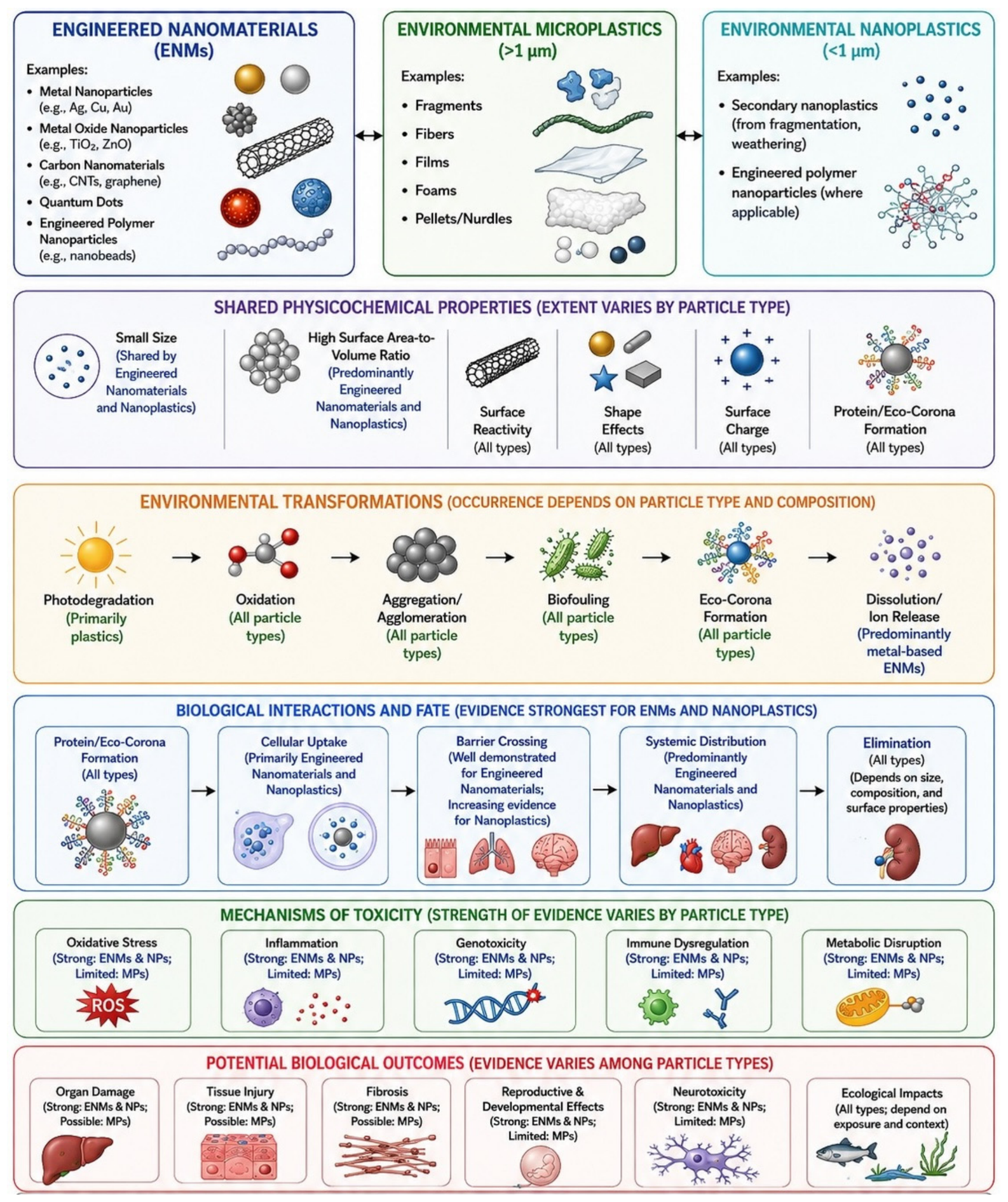
Since plastic particles are everywhere in the environment and are becoming a prominent contaminant of emerging concern, it is important to understand how ENPs are similar to and different from microplastics and nanoplastics in order to move forward with predictive toxicology. Below are subsections that address topics discussed throughout this review paper and how they relate to microplastics and nanoplastics.
Figure 8 illustrates the conceptual relationship between ENPs and microplastics/nanoplastics, highlighting shared physicochemical properties, environmental transformations, biological interactions, and mechanisms of toxicity that support the application of nanotoxicology principles to plastic particle risk assessment. Although these materials differ in composition and origin, they share many physicochemical properties, undergo similar environmental transformations (where applicable), interact with biological systems through common uptake and distribution pathways, and can induce overlapping mechanisms of toxicity and adverse biological outcomes. The figure highlights how shared behaviors influence environmental fate, bioavailability, and potential human and ecological health effects while acknowledging that the importance of individual processes depends on material composition, physicochemical properties, and environmental conditions.
10.1. Common Physicochemical Determinants of Toxicity
Despite the emphasis on ENPs throughout this review, much of what has been discussed regarding the mechanisms of ENP toxicity is also relevant to understanding the toxicity of microplastics and nanoplastics. Like ENPs, microplastics and nanoplastics share size-dependent physicochemical properties, which affect their environmental fate, biological interactions, and subsequent toxicity. Both NP shape and size contribute to their physicochemical properties. Nanoplastics, like engineered NPs, have high SA:Vs, greater chemical reactivity, and higher potential for uptake compared to larger particles [
145,
147].
Particle size is one of the most significant determinants of ENP toxicity. This concept can easily be applied to plastic particles, as smaller particles down to the nano-size range are more easily able to cross biological barriers and enter cells via endocytosis and passive diffusion. There have been reports of nanoplastics <100 nm in size passing through epithelial layers and localizing within intracellular vesicles and translocating to secondary organs, similar to engineered NPs [
145,
147].
Particle shape can also play a role in how microplastics and nanoplastics interact with biology. For example, fibrous-shaped plastics can cause physical damage and inflammatory responses similar to high-aspect-ratio ENPs such as carbon nanotubes. Nanoplastics that are spherical in shape have been shown to be taken up similarly to ENPs made of metals and polymers [
145,
147].
10.2. Environmental Transformations and Aging Processes
One major takeaway throughout this review is that environmental transformations are critical when evaluating nanoparticle toxicity. Microplastics and nanoplastics share many similar transformation pathways upon release into the environment. Oxidation, photodegradation, fragmentation, aggregation, and eco-corona formation all occur in plastic particles, changing their physicochemical properties and biological responses over time [
146,
148].
The surface roughness and oxidation of plastic particles are often increased with environmental aging. This alters the particle surface and creates additional reactive sites available for chemical interaction with biomolecules and contaminants of concern. This process is analogous to oxidation, dissolution, and surface transformations that ENPs experience. Fragmentation can also break down larger microplastics into secondary nanoplastics. This can change the number concentrations of particles and introduce more particles that are biologically available for uptake [
146,
148].
Environmental transformations should not be thought of as simply decreasing toxicity, as has been emphasized throughout this review for ENPs. Transformations can change exposure routes, bioavailability, and modes of action. Aged nanoplastics have been shown to often have increased cellular uptake and inflammatory potential compared to their pristine counterparts [
146,
148].
10.3. Corona Formation and Biological Identity
Formation of protein coronas and eco-coronas: A unique feature of ENPs described in this review are protein coronas and eco-coronas [
35]. Microplastics and nanoplastics also readily form coronas upon release to environmental or biological media. The adsorption of proteins, lipids, natural organic matter, extracellular polymeric substances, and other biomolecules occurs rapidly upon exposure of plastic particles to environmental or biological media. These coronas are dynamic and will eventually determine the biological identity of that particle [
39,
149,
150].
Coronas dictate how cells recognize particles, as well as uptake, immune responses, and biodistribution. Similar to what has been observed with ENPs, the corona can reduce or enhance toxicity depending on environmental conditions and the identity of adsorbed biomolecules. Due to similarities between ENPs and nanoplastics in corona-mediated biology, much of the knowledge gained from nanotoxicology can be extrapolated to plastic particle toxicity [
39,
149,
150].
10.4. Shared Mechanisms of Toxicity
As previously discussed throughout this review, these modes of toxicity have also begun to be reported for microplastics and nanoplastics. Oxidative stress is the most prevalent biological outcome seen. Nanoplastics exposure has been linked to excessive ROS production, lipid peroxidation, mitochondrial damage, and pro-inflammatory signaling pathway activation (NF-κB and MAPK signaling cascades) [
151].
Along the same vein, inflammation caused by exposure to ENPs is also seen with plastic particle exposure. Increased cytokine expression (TNF-α, IL-6, IL-1β) has been shown in various model organisms after nanoplastic exposure. These chronic inflammatory responses can then lead to tissue injury, fibrosis, immune dysfunction, and changes in organ physiology [
152].
Similar to ENPs, genotoxicity has been shown with NP exposure as well. DNA strand breaks, chromosome damage, and changes in gene expression have been observed with both ENP and nanoplastics exposure [
151]. These damages have been connected to the production of ROS and oxidative stress pathways more so than physical interactions with the DNA [
151,
152].
10.5. Microplastics and Nanoplastics as Carriers of Co-Contaminants
Similar to ENPs, microplastics and nanoplastics have the ability to transport environmental contaminants by adsorption of chemical pollutants. But unlike ENPs, the stability, ubiquitous presence in the environment, and hydrophobic surfaces of plastic particles have garnered additional concern as potential vectors for persistent organic contaminants, heavy metals, pharmaceuticals, and PFAS. Plastic particles have been shown to adsorb heavy metals, pesticides, pharmaceuticals, PFAS, persistent organic pollutants, and pathogenic microbes from the environment around them. The carrier effect discussed above is comparable to the mixture toxicity reviewed throughout this paper. Much like ENPs, which adsorb environmental contaminants, microplastics and nanoplastics have the potential to transform contaminant transport, bioavailability, and toxicity. As a result, observed toxicological responses could be attributed not only to particle exposure but to the cocktail of contaminants carried with the particles. This highlights the complexity of exposures and the need for transformation-aware and mixture-aware risk assessment [
35].
With these caveats in mind, studies on ENPs still offer mechanistic insights into nanoplastic toxicity. However, they should not be viewed as analogous. First, unlike many ENPs, nanoplastics come in many polymer varieties and are often mixed with additives, including plasticizers, pigments, stabilizers, and flame retardants, which can affect toxicity independently. Nanoplastics are also often heterogeneous in size, shape, weathering state, and surface chemistry because most are not intentionally manufactured but rather formed through environmental weathering processes. These particles can also undergo changes after release through environmental aging, biofouling, and adsorption of other chemicals. These changes can impact their fate and behavior in ways that may alter exposure and toxicity profiles compared to engineered NPs.
11. Conclusions and Future Perspectives
Emerging findings from ENP research indicate that predicting and extrapolating ENP toxicity and fate in the environment cannot be assessed through the conventional endpoints used for dissolved chemicals. Multiple factors, including physicochemical properties, environmental transformations and interactions with biota, play a role in toxicity. Mechanisms of toxicity, such as oxidative stress, release of ions, membrane interaction, and genotoxicity, all show strong dependency on the physicochemical properties of the particles, especially particle size and surface chemistry, as well as transformation processes like agglomeration/aggregation, dissolution, protein corona formation, etc. It is now evident that ENPs must be considered as “dynamic systems”.
The evidence presented here suggests that several mechanistic concepts that have been established for ENPs, such as the role of particle size, surface chemistry, aggregation/agglomeration and corona formation, and environmental transformation affecting biological responses and toxicity are also applicable to microplastics and nanoplastics. Caution should be taken when attempting to directly extrapolate data between these particles, as there are distinct differences between nanoplastics and ENPs in terms of polymer type, additives present, particle heterogeneity, environmental aging, and source that can affect environmental fate and toxicity. Microplastics/nanoplastics have many of the same physicochemical properties that affect their fate in the environment and during biological interactions and ultimately determine their toxicological effects as ENPs. These properties include particle size and shape/morphology, surface chemistry, aggregation/agglomeration, and the subsequent protein corona that forms around them in biological media [
145,
146]. In addition, environmental aging processes, including oxidation, eco-corona formation and fragmentation, can change the bioavailability and toxicity of plastic particles similar to how environmental transformations affect engineered nanomaterials. Many of the same adverse biological effects that ENPs elicit, such as oxidative stress, inflammation, immune disruption, and genotoxicity, have also been observed with microplastic and nanoplastic exposures. Thus, concepts from nanotoxicology are key to understanding the impacts of plastics on the environment and human health.
Years of research have improved characterization tools, and our understanding of nano–bio interactions have aided in the predictive ability of nanoparticle behavior in the environment and during biological interactions. However, exposure-toxicokinetics/toxicodynamics relationships under environmentally relevant conditions are not yet fully understood. Relating changes in physicochemical properties to biological effects remains an important challenge, especially since these properties can change with environmental conditions. Toxicity has also been demonstrated to depend not only on intrinsic particle properties but also on the history of transformation and exposure conditions. Further development of characterization methods and the standardization of testing procedures will be important for correlating physicochemical changes to biological effects and for enabling Safe-By-Design strategies that alter particle characteristics to mitigate potential risk without sacrificing desired properties.
There are several obstacles in our current understanding of ENPs that need to be addressed. The first knowledge gap is understanding the effects of long-term, low-dose exposures. Studies typically performed look at the effects of NPs at high dose ranges, which would be considered acute exposures. However, in real-world scenarios, organisms are exposed to lower concentrations over longer periods of time. These longer exposures can have subtler effects that may not be realized until much later. The second gap is the lack of experimental validation under field conditions. Many studies and predictive models do not fully take into consideration the complexity of environmental conditions. There is still a need to study how ENPs behave in situ, where you can take into consideration natural variations and the presence of multiple stressors. The third gap addresses the need to standardize characterization and testing methods. Guidance documents and regulatory initiatives have been released by multiple international organizations, such as the OECD, European Union (EU), International Organization for Standardization (ISO), European Chemicals Agency (ECHA), European Food Safety Authority (EFSA), and the U.S. Food and Drug Administration (FDA), to increase the standardization of nanomaterial characterization, testing and risk assessment [
134,
153].
However, more collaboration between these organizations is needed. The last gap is related to future developments in computational models. Mechanistic models could be useful in predicting the risks associated with ENPs if they can be properly validated and standardized. Models that take into consideration ENP transformations, transport, and biological interactions could be used to predict effects over a larger range of variables than what can be tested experimentally. For this to be possible we need to improve our ability to gather high-quality data and standardize our inputs for these models.
Therefore, with the implementation of SbD principles in material development, along with understanding ENPs as “dynamic systems”, we can start to take steps in the right direction to bridge these gaps in our current knowledge and ensure the safe development and implementation of nanotechnology.




 ,
,