The Effects of Guided Imagery on Women’s Health: A Systematic Review of Experimental Studies

Highlights
- Women naturally experience distinct biological, psychological, and sociocultural life-cycle transitions—such as pregnancy, childbirth, menopause, and gynecological cancers—that make them highly vulnerable to stress, anxiety, and psychosomatic symptoms.
- Modern public health requires the integration of accessible, patient-centered, and non-pharmacological interventions to holistically address the complex interplay between psychological well-being and physiological processes in women’s health.
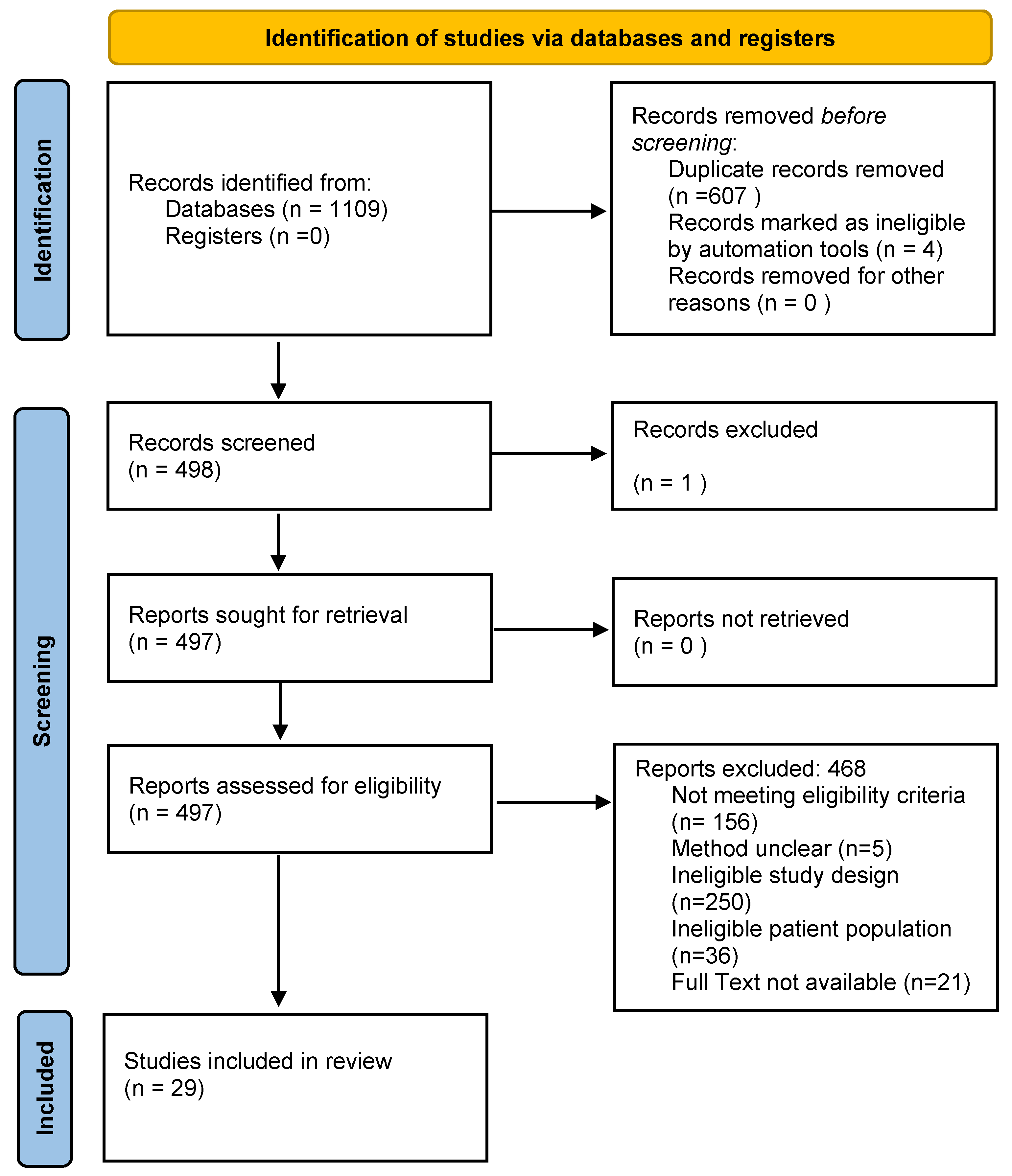
- This systematic review synthesizes scientific evidence from 29 experimental studies involving 1939 women, confirming that guided imagery significantly mitigates psychological distress (anxiety, stress, depression) and manages physical symptoms (pain, fatigue, and treatment side effects).
- The findings establish that guided imagery has evolved from a simple relaxation tool into a highly effective, low-cost, and non-invasive mind–body intervention applicable across diverse clinical areas, including oncology, perinatal care, and surgical settings.
- Health professionals, particularly nurses and midwives, should systematically integrate guided imagery into standard clinical protocols and perinatal care to enhance the birthing experience, reduce surgical fear, and improve patient satisfaction.
- Policy makers and healthcare institutions should support evidence-based training and resources for mind–body therapies, bridging the gap between clinical evidence and practice to establish guided imagery as a standard, affordable component of women’s holistic health services.
Abstract
1. Introduction
2. Materials and Methods
2.1. Protocol and Registration
2.2. Eligibility Criteria
2.3. Search Strategy
2.4. Study Selection
2.5. Data Extraction
2.6. Methodological Quality Assessment of Studies
2.7. Data Analysis
3. Results
3.1. Search Results
3.2. Characteristics of Studies
3.3. Characteristics of Participants
3.3.1. Women with Gynecologic and Breast Cancer
3.3.2. Women in Pregnancy, Childbirth, and Postpartum Periods
3.3.3. Women with Gynecological Conditions or Undergoing Surgery
3.3.4. Menopausal Women
3.4. Characteristics of Intervention
3.5. Quality Assessment Results
3.6. Data Collection Tools
3.7. Outcomes
3.7.1. Reduction of Psychological Distress (Anxiety, Stress, and Depression)
3.7.2. Management of Pain and Physical Symptoms
3.7.3. Improvement of Quality of Life, Well-Being, and Birth Experience
3.7.4. Comparative Efficacy
4. Discussion
5. Conclusions
Supplementary Materials
Author Contributions
Funding
Institutional Review Board Statement
Informed Consent Statement
Data Availability Statement
Conflicts of Interest
References
- Gualtierotti, R.; Bressi, C.; Garavaglia, B.; Brambilla, P. Exploring the impact of sex and gender in brain function: Implications and considerations. Adv. Ther. 2024, 41, 4377–4383. [Google Scholar] [CrossRef] [Scilit] [PubMed]
- Barr, E.; Popkin, R.; Roodzant, E.; Jaworski, B.; Temkin, S.M. Gender as a social and structural variable: Research perspectives from the National Institutes of Health (NIH). Transl. Behav. Med. 2024, 14, 13–22. [Google Scholar] [PubMed]
- Nolen-Hoeksema, S. Emotion regulation and psychopathology: The role of gender. Annu. Rev. Clin. Psychol. 2012, 8, 161–187. [Google Scholar] [CrossRef] [Scilit] [PubMed]
- Benítez-Agudelo, J.C.; Restrepo, D.; Clemente-Suárez, V.J. Gender differences in psychophysiological responses to stress and academic performance: The role of sleep, anxiety, and heart rate variability. Physiol. Behav. 2025, 299, 114970. [Google Scholar] [CrossRef] [Scilit] [PubMed]
- Golmohamadi, S.; Graham, B.M. Why are women more fatigued than men? the roles of stress, sleep, and repetitive negative thinking. Psychol. Health Med. 2025, 30, 1485–1506. [Google Scholar] [CrossRef] [Scilit] [PubMed]
- Efremov, A. Psychosomatics: Communication of the central nervous system through connection to tissues, organs, and cells. Clin. Psychopharmacol. Neurosci. 2024, 22, 565–577. [Google Scholar] [CrossRef] [Scilit] [PubMed]
- Byeon, H. Holistic approaches to mitigating psychological distress in gynecological cancer patients. World J. Psychiatry 2024, 14, 1766–1771. [Google Scholar] [CrossRef] [Scilit] [PubMed]
- Toussaint, L.; Nguyen, Q.A.; Roettger, C.; Dixon, K.; Offenbächer, M.; Kohls, N.; Hirsch, J.; Sirois, F. Effectiveness of progressive muscle relaxation, deep breathing, and guided imagery in promoting psychological and physiological states of relaxation. Evid. Based Complement. Altern. Med. 2021, 2021, 5924040. [Google Scholar] [CrossRef] [Scilit] [PubMed]
- Wang, R.; Huang, X.; Wang, Y.; Akbari, M. Non-pharmacologic approaches in preoperative anxiety, a comprehensive review. Front. Public Health 2022, 10, 854673. [Google Scholar] [CrossRef] [Scilit] [PubMed]
- Anamagh, M.A.; Kouhpayeh, M.S.; Khezri, S.; Goli, R.; Faraji, N.; Anzali, B.C.; Maroofi, H.; Eskandari, N.; Ghahremanzad, F. The effect of guided imagery on perioperative anxiety in hospitalized adult patients: A systematic review of randomized controlled trials. Surg. Pract. Sci. 2024, 18, 100255. [Google Scholar] [CrossRef] [Scilit] [PubMed]
- Ng, J.Y.; Dhawan, T.; Fajardo, R.G.; Masood, H.A.; Sunderji, S.; Wieland, L.S.; Moher, D. The brief history of complementary, alternative, and integrative medicine terminology and the development and creation of an operational definition. Integr. Med. Res. 2023, 12, 100978. [Google Scholar] [CrossRef] [Scilit] [PubMed]
- Hopper, S.I.; Murray, S.L.; Ferrara, L.R.; Singleton, J.K. Effectiveness of diaphragmatic breathing for reducing physiological and psychological stress in adults: A quantitative systematic review. JBI Database Syst. Rev. Implement. Rep. 2019, 17, 1855–1876. [Google Scholar] [CrossRef] [Scilit] [PubMed]
- Moore, M.F.; Montgomery, L.; Cobbs, T. Increasing student success through in-class resilience education. Nurse Educ. Pract. 2021, 50, 102948. [Google Scholar] [CrossRef] [Scilit] [PubMed]
- Wang, Y.; Aaron, R.; Attal, N.; Colloca, L. An update on non-pharmacological interventions for pain relief. Cell Rep. Med. 2025, 6, 101940. [Google Scholar] [CrossRef] [Scilit] [PubMed]
- Sheikh, S.; Rostami, A.; Shahbazi, A.; Shokri, M.; Aliyari, H.; Shiri, M. Clinical effectiveness of guided breathing exercises in reducing anxiety, stress, and depression in COVID-19 patients. Sci. Rep. 2024, 14, 26620. [Google Scholar] [CrossRef] [Scilit] [PubMed]
- Nasiri, S.; Akbari, H.; Tagharrobi, L.; Tabatabaee, A.S. The effect of progressive muscle relaxation and guided imagery on stress, anxiety, and depression of pregnant women referred to health centers. J. Educ. Health Promot. 2018, 7, 41. [Google Scholar] [CrossRef] [Scilit] [PubMed]
- Jallo, N.; Bourguignon, C.; Taylor, A.G.; Utz, S.W. Stress management during pregnancy: Designing and evaluating a mind-body intervention. Fam. Community Health 2008, 31, 190–203. [Google Scholar] [CrossRef] [Scilit] [PubMed]
- Wayne, P.M.; Yeh, G.Y.; Mehta, D.H. Minding the mind-body literature: Focusing on women’s health and pregnancy. J. Altern. Complement. Med. 2017, 23, 655–658. [Google Scholar] [CrossRef] [Scilit] [PubMed]
- Batra, P. Integrated mind/body care in women’s health: A focus on well-being, mental health, and relationships. Obstet. Gynecol. Clin. N. Am. 2019, 46, 469–483. [Google Scholar] [CrossRef] [Scilit] [PubMed]
- Jallo, N.; Salyer, J.; Ruiz, R.J.; French, E. Perceptions of guided imagery for stress management in pregnant African American women. Arch. Psychiatr. Nurs. 2015, 29, 249–254. [Google Scholar] [CrossRef] [Scilit] [PubMed]
- Oyarzabal, E.A.; Seuferling, B.; Babbar, S.; Lawton-O’Boyle, S.; Babbar, S. Mind-body techniques in pregnancy and postpartum. Clin. Obstet. Gynecol. 2021, 64, 683–703. [Google Scholar] [CrossRef] [Scilit] [PubMed]
- Krau, S.D. The multiple uses of guided imagery. Nurs. Clin. N. Am. 2020, 55, 467–474. [Google Scholar] [CrossRef] [Scilit] [PubMed]
- Álvarez-García, C.; Yaban, Z.Ş. The effects of preoperative guided imagery interventions on preoperative anxiety and postoperative pain: A meta-analysis. Complement. Ther. Clin. Pract. 2020, 38, 101077. [Google Scholar] [CrossRef] [Scilit] [PubMed]
- Kavitha, R.S.; Sasikala, G. A study to evaluate the effectiveness of guided imagery technique on premenstrual syndrome among college girls in Bidar, Karnataka. Int. J. Res. Rev. 2019, 6, 264–270. [Google Scholar]
- Abaoğlu, H.; Çiftçi, H.Ş.; Ekici, G. Combined mind-body intervention for premenstrual dysphoric disorder: A randomized controlled trial. Health Care Women Int. 2025, 46, 177–197. [Google Scholar] [PubMed]
- Catsaros, S.; Wendland, J. Psychological impact of hypnosis for pregnancy and childbirth: A systematic review. Complement. Ther. Clin. Pract. 2023, 50, 101713. [Google Scholar] [CrossRef] [Scilit] [PubMed]
- Dal, N.A.; Beydağ, K.D.; Doğan, A. Effect of the practice of guided imagery on the perceived stress level in high-risk pregnancies. Clin. Exp. Health Sci. 2024, 14, 194–199. [Google Scholar] [CrossRef] [Scilit]
- Aker, M.N.; Öner Cengiz, H.; Yılmaz Sezer, N. The effect of guided imagery pre-cesarean section on the perceived preoperative anxiety, surgical fear, and physiological parameters of women: A randomized controlled trial. Eur. J. Integr. Med. 2024, 68, 102362. [Google Scholar] [CrossRef] [Scilit]
- Gedde-Dahl, M.; Fors, E.A. Impact of self-administered relaxation and guided imagery techniques during final trimester and birth. Complement. Ther. Clin. Pract. 2012, 18, 60–65. [Google Scholar] [CrossRef] [Scilit] [PubMed]
- Jesy, J.; Adhyapak, S.; Varghese, J.J.; Prema, S.; Khrushid, J. Guided imagery therapy: An approach to improve antepartum quality of life among women with pregnancy-induced hypertension. J. Pharm. Bioallied Sci. 2025, 17, S308–S310. [Google Scholar] [CrossRef] [Scilit] [PubMed]
- Moffatt, F.W.; Hodnett, E.; Esplen, M.J.; Watt-Watson, J. Effects of guided imagery on blood pressure in pregnant women with hypertension: A pilot randomized controlled trial. Birth 2010, 37, 296–306. [Google Scholar] [CrossRef] [Scilit] [PubMed]
- Augoulea, A.; Palaiologou, A.; Christidi, F.; Armeni, E.; Soureti, A.; Alexandrou, A.; Panoulis, K.; Chroussos, G.; Zervas, I.; Lambrinoudaki, I. Assessing the efficacy of a structured stress management program in reducing stress and climacteric symptoms in peri- and postmenopausal women. Arch. Womens Ment. Health 2021, 24, 727–735. [Google Scholar] [CrossRef] [Scilit] [PubMed]
- Billquist, E.J.; Michelfelder, A.; Brincat, C.; Brubaker, L.; Fitzgerald, C.M.; Mueller, E.R. Pre-operative guided imagery in female pelvic medicine and reconstructive surgery: A randomized trial. Int. Urogynecol. J. 2018, 29, 1117–1122. [Google Scholar] [CrossRef] [Scilit] [PubMed]
- Carrico, D.J.; Peters, K.M.; Diokno, A.C. Guided imagery for women with interstitial cystitis: Results of a prospective, randomized controlled pilot study. J. Altern. Complement. Med. 2008, 14, 53–60. [Google Scholar] [CrossRef] [Scilit] [PubMed]
- Cameron, L.D.; Booth, R.J.; Schlatter, M.; Ziginskas, D.; Harman, J.E. Changes in emotion regulation and psychological adjustment following use of a group psychosocial support program for women recently diagnosed with breast cancer. Psychooncology 2007, 16, 171–180. [Google Scholar] [CrossRef] [Scilit] [PubMed]
- Esplen, M.J.; Wong, J.; Warner, E.; Toner, B. Restoring Body Image After Cancer (ReBIC): Results of a randomized controlled trial. J. Clin. Oncol. 2018, 36, 749–756. [Google Scholar] [CrossRef] [Scilit] [PubMed]
- Santana, E.O.; Silva, L.D.S.; Silva, L.A.A.D.; Lemos, J.L.A.; Marcondes, L.; Guimarães, P.R.B.; Kalinke, L.P. Effect of guided imagery relaxation on anxiety in cervical cancer: Randomized clinical trial. Rev. Bras. Enferm. 2023, 76, e20210874. [Google Scholar] [CrossRef] [Scilit] [PubMed]
- Urech, C.; Fink, N.S.; Hoesli, I.; Berger, C.; Pfaltz, M.C.; Johannes, S.; Alder, J. Effects of relaxation on psychobiological wellbeing during pregnancy: A randomized controlled trial. Psychoneuroendocrinology 2010, 35, 1348–1355. [Google Scholar] [CrossRef] [Scilit] [PubMed]
- Kaplan, E.; Çevik, S. The effect of guided imagery and reflexology on pain intensity, duration of labor and birth satisfaction in primiparas: Randomized controlled trial. Health Care Women Int. 2021, 42, 691–709. [Google Scholar] [CrossRef] [Scilit] [PubMed]
- Schorn, M.N. The effect of guided imagery on the third stage of labor: A pilot study. J. Altern. Complement. Med. 2009, 15, 863–870. [Google Scholar] [CrossRef] [Scilit] [PubMed]
- Page, M.J.; McKenzie, J.E.; Bossuyt, P.M.; Boutron, I.; Hoffmann, T.C.; Mulrow, C.D.; Shamseer, L.; Tetzlaff, J.M.; Akl, E.A.; Brennan, S.E. The PRISMA 2020 statement: An updated guideline for reporting systematic reviews. BMJ 2021, 372, n71. [Google Scholar] [CrossRef] [Scilit] [PubMed]
- Higgins, J.P.; Altman, D.G.; Gøtzsche, P.C.; Jüni, P.; Moher, D.; Oxman, A.D.; Savović, J.; Schulz, K.F.; Weeks, L.; Sterne, J.A. The Cochrane Collaboration’s tool for assessing risk of bias in randomised trials. BMJ 2011, 343, d5928. [Google Scholar] [CrossRef] [Scilit] [PubMed]
- Cohen, M.; Fried, G. Comparing relaxation training and cognitive-behavioral group therapy for women with breast cancer. Res. Soc. Work Pract. 2007, 17, 313–323. [Google Scholar] [CrossRef] [Scilit]
- Danhauer, S.C.; Marler, B.; Rutherford, C.A.; Lovato, J.F.; Asbury, D.Y.; McQuellon, R.P.; Miller, B.E. Music or guided imagery for women undergoing colposcopy: A randomized controlled study of effects on anxiety, perceived pain, and patient satisfaction. J. Low. Genit. Tract Dis. 2007, 11, 39–45. [Google Scholar] [PubMed]
- Eremin, O.; Walker, M.B.; Simpson, E.; Heys, S.D.; Ah-See, A.K.; Hutcheon, A.W.; Ogston, K.N.; Sarkar, T.K.; Segar, A.; Walker, L.G. Immuno-modulatory effects of relaxation training and guided imagery in women with locally advanced breast cancer undergoing multimodality therapy: A randomised controlled trial. Breast 2009, 18, 17–25. [Google Scholar] [CrossRef] [Scilit] [PubMed]
- Gaston-Johansson, F.; Fall-Dickson, J.M.; Nanda, J.P.; Sarenmalm, E.K.; Browall, M.; Goldstein, N. Long-term effect of the self-management comprehensive coping strategy program on quality of life in patients with breast cancer treated with high-dose chemotherapy. Psychooncology 2013, 22, 530–539. [Google Scholar] [CrossRef] [Scilit] [PubMed]
- Goodwin, L.K.; Lee, S.M.; Puig, A.I.; Sherrard, P.A.D. Guided imagery and relaxation for women with early-stage breast cancer. J. Creat. Ment. Health 2005, 1, 53–66. [Google Scholar] [CrossRef] [Scilit]
- Khojasteh, F.; Rezaee, N.; Safarzadeh, A.; Sahlabadi, R.; Shahrakipoor, M. Comparison of the effects of massage therapy and guided imagery on anxiety of nulliparous women during pregnancy. Der Pharm. Lett. 2016, 8, 1–7. [Google Scholar]
- León-Pizarro, C.; Gich, I.; Barthe, E.; Rovirosa, A.; Farrús, B.; Casas, F.; Verger, E.; Biete, A.; Craven-Bartle, J.; Sierra, J.; et al. A randomized trial of the effect of training in relaxation and guided imagery techniques in improving psychological and quality-of-life indices for gynecologic and breast brachytherapy patients. Psychooncology 2007, 16, 971–979. [Google Scholar] [CrossRef] [Scilit] [PubMed]
- Mohammadi, E.; AbdiShahshahani, M.; Noroozi, M.; Mohammadi, A.Z.; Beigi, M. Improving sexual dysfunction through guided imagery music (GIM): A clinical trial study. J. Educ. Health Promot. 2024, 12, 442. [Google Scholar] [CrossRef] [Scilit] [PubMed]
- Nunes, D.F.; Rodriguez, A.L.; da Silva Hoffmann, F.; Luz, C.; Braga Filho, A.P.; Muller, M.C.; Bauer, M.E. Relaxation and guided imagery program in patients with breast cancer undergoing radiotherapy is not associated with neuroimmunomodulatory effects. J. Psychosom. Res. 2007, 63, 647–655. [Google Scholar] [CrossRef] [Scilit] [PubMed]
- Papanikolaou, E.; McKinney, C.; Hannibal, N.; Tsouvelas, G.; Panoskaltsis, T.; Karageorgopoulou, S. Guided imagery and music in the treatment for breast and gynecologic cancer: An RCT pilot. J. Music Ther. 2023, 60, 410–434. [Google Scholar] [CrossRef] [Scilit] [PubMed]
- Seliniotaki, T.; Bacopoulou, F.; Vlachakis, D.; Artemiadis, A.; Kampoli, K.; Chrousos, G.; Darviri, C.; Koumarianou, A. Effects of an 8-week stress management program in women with breast cancer: A randomized controlled trial. Adv. Exp. Med. Biol. 2021, 1339, 85–95. [Google Scholar] [CrossRef] [Scilit] [PubMed]
- Ukhawounam, U.; Limruangrong, P.; Pungbangkadee, R.; Vongsirimas, N. Effects of education and guided imagery program on stress level and coping behaviors among pregnant women at risk of preterm birth. Int. J. Womens Health 2023, 15, 1581–1591. [Google Scholar] [CrossRef] [Scilit] [PubMed]
- Yoo, H.J.; Ahn, S.H.; Kim, S.B.; Kim, W.K.; Han, O.S. Efficacy of progressive muscle relaxation training and guided imagery in reducing chemotherapy side effects in patients with breast cancer and in improving their quality of life. Support. Care Cancer 2005, 13, 826–833. [Google Scholar] [CrossRef] [Scilit] [PubMed]
- Tufanaru, C.; Munn, Z.; Aromataris, E.; Campbell, J.; Hopp, L. Systematic reviews of effectiveness. In JBI Manual for Evidence Synthesis; Aromataris, E., Munn, Z., Eds.; JBI: Tokyo, Japan, 2020. [Google Scholar]
- Goldsmith, M.R.; Bankhead, C.R.; Austoker, J. Synthesising quantitative and qualitative research in evidence-based patient information. J. Epidemiol. Community Health 2007, 61, 262–270. [Google Scholar] [CrossRef] [Scilit] [PubMed]
- Sinha, M.K.; Barman, A.; Goyal, M.; Patra, S. Progressive muscle relaxation and guided imagery in breast cancer: A systematic review and meta-analysis of randomised controlled trials. Indian J. Palliat. Care 2021, 27, 336–344. [Google Scholar] [CrossRef] [Scilit] [PubMed]
- Mahdizadeh, M.J.; Tirgari, B.; Abadi, O.S.R.R.; Bahaadinbeigy, K. Guided imagery: Reducing anxiety, depression, and selected side effects associated with chemotherapy. Clin. J. Oncol. Nurs. 2019, 23, E87–E92. [Google Scholar] [CrossRef] [Scilit] [PubMed]
- Abera, M.; Hanlon, C.; Daniel, B.; Tesfaye, M.; Workicho, A.; Girma, T.; Wibaek, R.; Andersen, G.S.; Fewtrell, M.; Filteau, S.; et al. Effects of relaxation interventions during pregnancy on maternal mental health, and pregnancy and newborn outcomes: A systematic review and meta-analysis. PLoS ONE 2024, 19, e0278432. [Google Scholar] [CrossRef] [PubMed]
- Chuang, L.L.; Lin, L.C.; Cheng, P.J.; Chen, C.H.; Wu, S.C.; Chang, C.L. The effectiveness of a relaxation training program for women with preterm labour on pregnancy outcomes: A controlled clinical trial. Int. J. Nurs. Stud. 2012, 49, 257–264. [Google Scholar] [CrossRef] [Scilit] [PubMed]


| Author(s), Year, Country | Study Design, Year | Objective | Data Collection Tools | Sample Characteristics | Characteristics of the Intervention | Main Outcomes |
|---|---|---|---|---|---|---|
| Abaoğlu, Çiftçi & Ekici, 2024, Türkiye [25] | RCT, June 2019 and October 2021 | To examine the effectiveness of relaxation training in women with premenstrual dysphoric disorder. | PSST, HADS, NHP, SDS | I: 30, C: 33, women who met the DSM 5 criteria for PMDD | Relaxation training including progressive muscle relaxation and guided imagination | Relaxation training had a positive effect on reducing premenstrual symptoms, anxiety, depression and disability and improving quality of life in women with PMDD. |
| Aker, Öner Cengiz & Yılmaz Sezer, 2024, Türkiye [28] | RCT, March and May 2023 | To investigate the impact of guided imagery applied before cesarean section on preoperative anxiety, surgical fear, and physiological parameters. | STAI-S, SFQ | I: 29, C: 28, pregnant women who underwent cesarean section surgery | 15 min guided imagery audio recording three days before their cesarean section surgery | The guided imagery intervention before cesarean section was effective in reducing preoperative anxiety and keeping surgical fear under control. |
| Augoulea et al., 2021, Greece [32] | RCT, 2015– 2017 | To evaluate the effectiveness of a lifestyle education program incorporating relaxation techniques (deep breathing, progressive muscle relaxation, and guided visualization) on climacteric symptoms in peri- and postmenopausal women. | GCS, PSQI, DASS-21, RSS, HLC | I: 31, C: 30, women aged 40–65 years with varying climacteric and stress symptoms | Stress management program for 8 weeks, which consisted of one weekly session on the benefits of regular exercise, healthy diet, cognitive restructuring, and learning relaxation techniques such as diaphragmatic breathing, progressive neuromuscular relaxation, and guided visualization. | The intervention significantly reduced both stress and climacteric symptoms. |
| Billquist et al., 2017, USA [33] | RCT, from July 2014 to October 2015 | To determine if preoperative guided imagery would help women to feel more prepared, less anxious, and have higher satisfaction scores 6 weeks after vaginal or pelvic floor surgery. | PFDI, POPQ, STAI | I: 18, C: 20, women scheduled for vaginal or abdominal pelvic floor surgery | The guided imagery group was shown a customized CD that explained the events and expectations of the surgery day using both guided imagery meditation and relaxation techniques. | The implementation of self-administered guided imagery meditation was associated with enhanced patient preparedness for pelvic floor surgery necessitating an overnight hospital stay. |
| Cameron et al., 2007, New Zealand [35] | Quasi- experimental, June 2000 and March 2003 | To assess the efficacy of a group intervention in altering emotion regulation processes and promoting adjustment in women with breast cancer. | CECS, IPQ-R, BFS-BC, FACT, STAI-Short | I: 54, C: 44, women diagnosed with primary breast cancer within the past six weeks | Education program about emotion and cancer; training in relaxation, imagery, meditation, setting priorities and goals, emotional disclosure through writing, and anger management; and group discussion. | An emotion regulation-based intervention positively influenced psychological adjustment in women during the first year after a breast cancer diagnosis by enhancing emotional well-being and reducing anxiety and emotional suppression. |
| Carrico et al., 2007, USA [34] | RCT, from July 2005 to August 2006 | To explore the effect of guided imagery on pelvic pain and urinary symptoms in women with interstitial cystitis (IC) symptoms. | IC-SIPI, GRA | I: 15, C: 15, women with a medical diagnosis of IC by a board-certified urologist. | Listened to a 25 min guided imagery CD (specifically created for IC and pelvic pain) twice daily for 8 weeks. | The guided imagery method contributes to pain reduction and shows a tendency toward symptom improvement when used for pain and symptom management in women with interstitial cystitis. |
| Cohen & Fried, 2007, Israel [43] | RCT | To assess the effectiveness of cognitive-behavior (CB) group intervention versus relaxation and guided imagery (RGI) group training in women with breast cancer. | BSI, GSI, FSI, MSQ, MHLC | CB: 38, RGI: 39, C: 37, women diagnosed with breast cancer. | CB group intervention versus relaxation and guided imagery RGI group training. | Both RGI and CB interventions are effective in reducing psychological distress in breast cancer patients, with RGI being more effective in reducing fatigue and sleep problems. |
| Dal, Beydağ & Doğan, 2023, Türkiye [27] | RCT, February–May 2021 | To identify the effect of the practice of guided imagery on the perceived stress level in high-risk pregnancies. | PSS | I: 64, C: 64, women who had high-risk pregnancies | Guided imagery on the perceived stress level in high-risk pregnancies. | Guided imagery reduced perceived stress in women with high-risk pregnancies. |
| Danhauer et al., 2007, USA [44] | RCT | To evaluate the effectiveness of music or guided imagery in reducing anxiety and perceived pain compared to usual care in patients undergoing colposcopy. | STAI, VAS, Patient Satisfaction Questions | M: 56, GI: 56, C: 58, women scheduled for colposcopy due to an abnormal Pap smear. | Music and guided imagery | The benefits of music and guided imagery interventions to decrease anxiety and perceived pain for women undergoing colposcopy. |
| Eremin et al., 2009, United Kingdom [45] | RCT | To evaluate the immunological effects of relaxation and guided imagery in women undergoing multimodality treatment for locally advanced breast cancer (LABC). | Immunological assays | I: 40, C: 39, women under 75 years of age with large (>4 cm) or LABC (T3, T4, Tx N2) | Relaxation and guided imagery training | Relaxation and guided imagery training improved quality of life, enhanced mood, and strengthened emotional expression in women undergoing treatment for advanced-stage breast cancer. |
| Esplen et al., 2018, Canada [36] | RCT | To assess the efficacy of an 8-week group intervention in women after breast cancer treatment. | FSFI, FACT–Breast, BIS | I: 131, C: 63, women who had been diagnosed with non-metastatic invasive breast cancer and had completed adjuvant radiotherapy and chemotherapy. | A manual-based intervention incorporating expressive guided imagery exercises integrated with principles of group therapy. | The group intervention in this study improved the quality of life for breast cancer survivors but was not effective in addressing sexual dysfunction. |
| Gaston-Johansson et al., 2013, USA [46] | RCT | The purpose of this study was to examine the impact of the self-management comprehensive coping strategy program (CCSP) on quality of life among women with breast cancer 1 year after treatment. | QOLI-CV, STAI, BDI, | I: 52, C: 58, Women are diagnosed with advanced breast cancer. | The CCSP intervention was taught two weeks before hospital admission and reinforced during treatment and three months after discharge, including education, cognitive restructuring, coping skills enhancement, and relaxation with guided imagery. | The CCSP improved quality of life for breast cancer patients at the 1-year follow-up and was widely reported as beneficial, showing potential as an effective self-management coping intervention for survivors. |
| Gedde-Dahl & Fors, 2012, Norway [29] | RCT | The objective of this study was to test if and how self-administered practice of relaxation techniques, positive affirmation and guided imagery. | STAI-S/T, BDIe, VAS | I: 27, C: 27, Pregnant women in the early third trimester | A CD containing relaxation techniques, positive affirmations, and a guided imagery technique. | The relaxation and guided imagery techniques, which healthy pregnant women can practice on their own, positively affect the birth experience. |
| Goodwin et al., 2006, USA [47] | RCT | The aim of the study was to evaluate the effectiveness of guided imagery and relaxation interventions to enhance psychological well-being in women with breast cancer. | POMS | I: 26, C: 26, Women with Stage I and Stage II breast cancer | The intervention consisted of participants listening to a guided imagery or relaxation tape five times a week for four weeks, supported by weekly follow-up phone calls. | The guided imagery group showed significant improvements in depression, anxiety, and fatigue, while no changes were reported in the relaxation group. |
| Jallo et al., 2014, USA [20] | RCT | The purpose of this study was to evaluate the efficacy of a guided imagery intervention for stress reduction in pregnant African American women beginning early in the second trimester. | PSS, NRSS, STAI, BFI | I: 36, C: 36, African American pregnant women between 14 and 17 weeks of gestation | The guided imagery method was delivered over a 12-week period through a CD containing four professionally recorded audio tracks. | The guided imagery intervention was effective in reducing perceived stress, anxiety, and fatigue at week 8 among pregnant African American women; however, these effects did not persist at week 12. No significant differences were observed between groups in Corticotrophin Releasing Hormone levels. |
| Jesy et al., 2025, India [30] | RCT | This study evaluates the effectiveness of guided imagery therapy in enhancing the quality of life among women with Pregnancy Induced Hypertension. | QoLS | I: 30, C: 30, women diagnosed with PIH. | Guided imagery therapy, consisting of 10 sessions over 4 weeks, in addition to standard medical care. | Guided imagery therapy effectively enhances antepartum quality of life in women with PIH, supporting its integration as a complementary intervention in maternal care. |
| Kaplan & Çevik, 2021, Türkiye [39] | RCT, 15 June 2019 and 15 March 2020 | To determine the effect of guided imagery and foot reflexology on pain intensity, duration of labor, and birth satisfaction during labor. | VAS, BSS | GI: 40, FR: 40, C: 40, Pregnant women with a cervical dilatation of 4 cm. | The guided imagery group has watched the guided imagery video; the reflexology group has received reflexology for both feet for 30 min. | The experimental groups experienced less labor pain compared to the control group, and reflexology and guided imagery practices shortened the active, transitional, and second stages of labor while increasing birth satisfaction. |
| Khojasteh et al., 2016, Iran [48] | RCT, 21 January 2016–19 May 2016 | To compare the effects of massage therapy and guided imagery on anxiety during pregnancy in nulliparous women. | PRAQR | MT: 25, GI: 25, C: 25, nulliparous women during pregnancy (gestational weeks 22 to 28). | The intervention consisted of Massage Therapy and guided imagery, compared to a control group. | Both massage therapy and guided imagery reduced anxiety during pregnancy; however, massage therapy was more widely accepted by all women, while guided imagery was preferred more by those with higher education levels. |
| Leo ’n-Pizarro et al., 2007, Spain [49] | RCT, from May 2002 to November 2003 | To determine the degree of anxiety and depression in patients with breast or gynecological cancer during brachytherapy treatment and evaluate the effects of psychological intervention consisting of in training in relaxation techniques and guided imagery. | HADS, CCV, VAS | I: 47, C: 47, women with breast or gynecological cancer. | In both groups received training on brachytherapy, but only the study group patients received training in relaxation and guided imagery. | The use of relaxation techniques and guided imagery is effective in reducing the levels of anxiety, depression and body discomfort in patients who must remain isolated while undergoing brachytherapy. |
| Moffatt et al., 2010, Canada [31] | RCT | To provide preliminary evidence of whether relaxation by means of guided imagery would reduce blood pressure in hypertensive pregnant women. | Y-1 | I: 34, C: 35, pregnant women with hypertension | Guided imagery or of quiet rest, twice daily for 4 weeks or until delivery. | No statistically significant reduction in mean arterial pressure was observed following the guided imagery intervention; however, the increase in blood pressure was lower in the guided imagery group compared to the quiet rest group. |
| Mohammadi et al., 2023, Iran [50] | RCT, from 20 November 2018 to 15 August 2019 | To determine the effect of guided imagery and music on the level of sexual function in women with sexual dysfunction. | FSFI | I: 36, C: 36, women with sexual dysfunction | GIM in which the text and music | Guided imagery and music as an effective, easy, affordable, and usable method in Iranian culture can be effective in improving the sexual function of reproductive-age women. |
| Nasiri et al., 2018, Iran [16] | RCT, from September 2013 to November 2014 | The aim of measuring the effect of progressive muscle relaxation and guided imagery on stress, anxiety, and depression in pregnant women. | EDS, DASS-21 | I: 33, C: 33, pregnant women at 28–36 weeks. | Progressive muscle relaxation and guided imagery techniques. | Relaxation and guided imagery were found to reduce stress, anxiety, and depression in pregnant women over six sessions. |
| Nunes et al., 2007, Brazil [51] | RCT | The effects of relaxation and visualization therapy on psychological distress, cortisol levels, and immunological parameters of breast cancer patients undergoing radiotherapy. | STAI, BAI, BDI | I: 20, C: 14, women with breast cancer (Stage I or II) undergoing radiotherapy. | The RVT intervention was implemented over 24 days through daily structured group sessions involving relaxation and guided imagery techniques. | This study adds to the growing literature suggesting that RVT can effectively attenuate psychological distress and may thus improve the quality of life of cancer patients undergoing radiotherapy. |
| Papanikolaou et al., 2023, Greece [52] | RCT | Investigate the potential effectiveness of the music psychotherapy method, guided imagery and music, to assist female patients who are undergoing chemotherapy treatment for breast or gynecologic cancer. | POMS-Brief, CFS, HHI, VAS-Hope; VAS-Fatigue | I: 10, C: 10, Female patients receiving treatment for breast or gynecologic cancer at a gynecologic oncology unit in Athens. | Guided imagery and music sessions, each lasting up to 60 min, were conducted. | A brief series of GIM sessions shows promise to be beneficial for increasing hope, decreasing fatigue, and mitigating distressed mood for female patients undergoing treatment for breast or gynecologic cancer. |
| Santana et al., 2023, Brazil [37] | RCT, from October 2019 to January 2021 | To evaluate the effect of guided imagery relaxation through virtual reality on anxiety in women with cervical cancer undergoing radio chemotherapy. | STAI, STAI-S | I: 28, C: 24, women with cervical cancer undergoing radio chemotherapy. | 12 sessions of guided imagery relaxation through virtual reality, applied three times a week. | Guided imagery relaxation through virtual reality provided evidence of anxiety reduction in women with cervical cancer undergoing radio chemotherapy and may contribute to clinical practice. |
| Seliniotaki et al., 2021, Greece [53] | RCT | To investigate the effects of stress management program, carried out by one psychologist in women treated for breast cancer | EORTC QLQ-C30 version 3.0, HADS, PTGI, ERRI, SSGS | I: 27, C: 26, Female patients diagnosed with breast cancer, with an ECOG performance status of 0–2 and currently receiving active treatment. | In addition to the 8-week individual stress management program, patients were provided with audio recordings to practice either progressive muscle relaxation or guided imagery techniques twice daily. | The 8-week stress management program combined with guided imagery practices led to improvements in various physical and psychological aspects such as body mass index, quality of life, emotional and cognitive functioning in patients with breast cancer. |
| Ukhawounam et al., 2023, Thailand [54] | Quasi-experimental, April and December 2022 | To determine the effects of education and guided imagery program on stress level and coping behaviors among pregnant women at risk of preterm birth. | PSS-10, Coping Behavior Questionnaire | I: 24, C: 24, pregnant women who visited the antenatal care unit were at risk of preterm birth with moderate stress score were included. | The education and guided imagery program were 5 weeks and conducted through LINE application, Google form, and telephone. | This research highlights the importance of preventing mental health problems in pregnant women at risk of preterm birth by using an education and guided imagery program to decrease stress and promote appropriate coping behaviors. |
| Urech et al., 2010, Switzerland [38] | RCT | To compare the immediate effects of two active and one passive 10 min relaxation technique on perceived and physiological indicators of relaxation with pregnant women. | VAS, STAI-S | Progressive muscle relaxation: 13, GI: 13, C: 13, pregnant women between the 32nd and 34th weeks of gestation | Pregnant women participated in a 10 min relaxation exercise using progressive muscle relaxation, guided imagery, or passive relaxation, with hormonal and physiological measurements taken before and after the intervention. | Guided imagery outperformed progressive muscle relaxation and controls in boosting relaxation, while both methods significantly reduced heart rate. Most relaxation techniques lowered stress hormones, excluding epinephrine, with guided imagery proving especially effective for pregnant women. |
| Yoo et al., 2005, South Korea [55] | RCT, early 2002–2004 | To assess the effectiveness of progressive muscle relaxation training and guided imagery in reducing the anticipatory nausea and vomiting and post chemotherapy nausea and vomiting of patients with breast cancer and to measure their effects on the patients’ quality of life. | MAACL, FACT-Bv4 | I: 30, C: 30, women newly diagnosed with primary breast cancer, who had undergone surgery within 1–2 months | Six progressive muscle relaxation training and guided imagery sessions administered by a therapist 1 h before each chemotherapy cycle at the hospital, along with a recorded tape of the first session for home practice at least 3 days post chemotherapy to manage delayed symptoms such as nausea, vomiting, and anxiety. | Patients who received PMRT and guided imagery showed a significant reduction in anticipatory nausea and vomiting and post-treatment nausea and vomiting both in the hospital and at home. |
| Studies | JBI Critical Appraisal Checklist Questions for Randomized Controlled Studies | Quality Score of the Study | ||||||||||||
|---|---|---|---|---|---|---|---|---|---|---|---|---|---|---|
| Q1 | Q2 | Q3 | Q4 | Q5 | Q6 | Q7 | Q8 | Q9 | Q10 | Q11 | Q12 | Q13 | ||
| Abaoğlu, Çiftçi & Ekici, 2024 [25] | Y | N | Y | N | N | N | Y | Y | Y | Y | Y | Y | Y | 69.23% |
| Aker, Öner Cengiz & Yılmaz Sezer, 2024 [28] | Y | Y | Y | N | N | Y | Y | Y | N | Y | Y | Y | Y | 76.92% |
| Augoulea et al., 2021 [32] | Y | N | Y | N | N | N | Y | Y | Y | Y | Y | Y | Y | 69.23% |
| Billquist et al., 2017 [33] | Y | Y | Y | N | N | N | Y | Y | N | Y | Y | Y | Y | 69.23% |
| Carrico et al., 2007 [34] | Y | Y | Y | N | N | N | Y | Y | N | Y | Y | Y | Y | 69.23% |
| Cohen & Fried, 2007 [43] | Y | N/A | Y | N | N | Y | Y | Y | N | Y | Y | Y | Y | 69.23% |
| Dal, Beydağ & Doğan, 2023 [27] | Y | Y | Y | N | N | Y | Y | Y | Y | Y | Y | Y | Y | 84.61% |
| Danhauer et al., 2007 [44] | Y | N | Y | N | N | N | Y | Y | N | Y | Y | Y | Y | 61.54% |
| Eremin et al., 2009 [45] | Y | Y | Y | N | N | Y | Y | Y | Y | Y | Y | Y | Y | 84.61% |
| Esplen et al., 2018 [36] | Y | Y | N | N | N | N/A | Y | Y | N | Y | Y | Y | Y | 61.54% |
| Gaston-Johansson et al., 2013 [46] | Y | N/A | Y | N | N | N | Y | Y | N | Y | Y | Y | Y | 61.54% |
| Gedde-Dahl & Fors, 2012 [29] | Y | Y | N | N | Y | Y | Y | Y | N | Y | Y | Y | Y | 76.92% |
| Goodwin et al., 2006 [47] | Y | N/A | N/A | N | N | N | Y | Y | N | Y | Y | Y | Y | 53.85% |
| Jallo et al., 2014 [20] | Y | N/A | Y | N | N | N/A | Y | Y | Y | Y | Y | Y | Y | 69.23% |
| Jesy et al., 2025 [30] | Y | N | Y | N | N | N/A | Y | N/A | Y | Y | Y | Y | Y | 61.54% |
| Kaplan & Çevik, 2021 [39] | Y | N/A | Y | N | N | N | Y | Y | Y | Y | Y | Y | Y | 69.23% |
| Khojasteh et al., 2016 [48] | Y | N/A | N/A | N | N | N/A | Y | Y | Y | Y | Y | Y | Y | 61.54% |
| Leo ’n-Pizarro et al., 2007 [49] | Y | N/A | Y | N | N | N | Y | Y | Y | Y | Y | Y | Y | 69.23% |
| Moffatt e al., 2010 [31] | Y | Y | Y | N | N | N | Y | Y | N | Y | Y | Y | Y | 69.23% |
| Mohammadi et al., 2023 [50] | Y | Y | Y | N | N | Y | Y | Y | Y | Y | Y | Y | Y | 84.61% |
| Nasiri et al., 2018 [16] | Y | Y | Y | N | N | Y | Y | Y | Y | Y | Y | Y | Y | 84.61% |
| Nunes et al., 2007 [51] | Y | N/A | Y | N | N | Y | Y | Y | N | Y | Y | Y | Y | 69.23% |
| Papanikolaou et al., 2023 [52] | Y | N/A | Y | N | N | N | Y | Y | Y | Y | Y | Y | Y | 69.23% |
| Santana et al., 2023 [37] | Y | Y | Y | N | N | Y | Y | Y | Y | Y | Y | Y | Y | 84.61% |
| Seliniotaki et al., 2021 [53] | Y | N/A | Y | N | N | N/A | Y | Y | Y | Y | Y | Y | Y | 69.23% |
| Urech et al., 2010 [38] | Y | Y | Y | Y | Y | Y | Y | Y | N | Y | Y | Y | Y | 92.31% |
| Yoo et al., 2005 [55] | Y | N/A | Y | N | N | N/A | Y | Y | N | Y | Y | Y | Y | 61.54% |
| Question quality score | 100% | 44.4% | 85.1% | 3.7% | 7.4% | 37.3% | 100% | 96.9% | 51.8% | 100% | 100% | 100% | 100% | |
| JBI Critical Appraisal Checklist Questions for Quasi-Experimental Studies | ||||||||||||||
| Cameron et al., 2007 [35] | Y | Y | Y | Y | Y | Y | Y | Y | Y | 100% | ||||
| Ukhawounam et al., 2023 [54] | Y | Y | Y | Y | Y | Y | Y | Y | Y | 100% | ||||
| Question quality score | 100% | 100% | 100% | 100% | 100% | 100% | 100% | 100 | 100% | |||||
| Intervention Type | Target Population/Health Condition | Measured Primary Outcomes | Number of Studies & References |
|---|---|---|---|
| Audio/Cd/Vr-Assisted Guided Imagery | Pregnancy, Cesarean Section, Pelvic Floor Surgery, Interstitial Cystitis, Cervical Cancer | Anxiety, Surgical Fear, Stress, Pain, Sleep Quality, Quality of Life, Physiological Parameters (BP, Pulse) | 13 Studies [20,27,28,29,30,31,33,34,37,38,39,44,54] |
| Guided Imagery and Music (GIM/Music Psychotherapy) | Breast or Gynecological Cancer, Sexual Dysfunction | Depression, Hope, Fatigue, Distressed Mood, Sexual Function | 3 Studies [50,52,55] |
| Multicomponent Stress Management/Education Programs (Relaxation + Imagery + Cognitive Therapy) | Menopause, Breast Cancer, PMDD | Climacteric Symptoms, Psychological Distress, Emotional Expression, Quality of Life, Fatigue | 9 Studies [25,32,35,36,43,45,46,47,53] |
| Relaxation Therapies and Visualization Combinations (PMR + Guided Imagery) | Pregnancy, Cancer | Anxiety, Depression, Stress, Cortisol/Immune Parameters, Nausea-Vomiting | 4 Studies [16,48,49,51] |
Disclaimer/Publisher’s Note: The statements, opinions and data contained in all publications are solely those of the individual author(s) and contributor(s) and not of MDPI and/or the editor(s). MDPI and/or the editor(s) disclaim responsibility for any injury to people or property resulting from any ideas, methods, instructions or products referred to in the content. |
© 2026 by the authors. Licensee MDPI, Basel, Switzerland. This article is an open access article distributed under the terms and conditions of the Creative Commons Attribution (CC BY) license.
Share and Cite
Şen, Ş.; Gözen, D. The Effects of Guided Imagery on Women’s Health: A Systematic Review of Experimental Studies. Int. J. Environ. Res. Public Health 2026, 23, 1066. https://doi.org/10.3390/ijerph23081066
Şen Ş, Gözen D. The Effects of Guided Imagery on Women’s Health: A Systematic Review of Experimental Studies. International Journal of Environmental Research and Public Health. 2026; 23(8):1066. https://doi.org/10.3390/ijerph23081066
Chicago/Turabian StyleŞen, Şehma, and Duygu Gözen. 2026. "The Effects of Guided Imagery on Women’s Health: A Systematic Review of Experimental Studies" International Journal of Environmental Research and Public Health 23, no. 8: 1066. https://doi.org/10.3390/ijerph23081066
APA StyleŞen, Ş., & Gözen, D. (2026). The Effects of Guided Imagery on Women’s Health: A Systematic Review of Experimental Studies. International Journal of Environmental Research and Public Health, 23(8), 1066. https://doi.org/10.3390/ijerph23081066