


Highlights
Public health relevance—How does this work relate to a public health issue?
- Mental health stigma is a major public health issue because it is one of the most pervasive and enduring barriers to recovery, social inclusion and equitable care for people diagnosed with mental illness.
- Although national campaigns and educational initiatives have improved public understanding of mental health, some stigmatising attitudes persist.
Public health significance—Why is this work of significance to public health?
- This review offers a contemporary and person-centred understanding of how stigma is experienced by people with mental illness.
- This lived experience of stigma by people diagnosed with mental illness has implications for their everyday functioning and help-seeking behaviour.
Public health implications—What are the key implications or messages for practitioners, policy makers and/or researchers in public health?
- Policy making should ensure equitable access to mental health services and protect the rights of mentally ill individuals.
- Continuous research is needed to evaluate interventions and adapt strategies to diverse cultural contexts.
Abstract
Background: Stigma is a persistent barrier to psychosocial wellbeing and recovery of individuals with mental illnesses. Aim: This study aims to examine stigma experienced by individuals diagnosed with mental illnesses. Method: A systematic review and meta-synthesis of peer-reviewed qualitative primary studies followed the Preferred Reporting Items for Systematic Reviews and Meta-Analysis (PRISMA) guidelines. Five databases: CINAHL Ultimate, APA PsycArticles, APA PsycINFO, MEDLINE Ultimate, and Embase were searched for studies published between 2021 and 2025. A total of 17 studies were included after rigorous screening. Results: Thematic analysis identified three major themes and fifteen sub-themes. These are manifestations of stigma (prevalence of stigma, operation of stigma, stigma related to mental health diagnosis, stigma related to motherhood and impacts of stigma), multiple factors shaping stigma (ignorance and misunderstanding, spiritual and religious beliefs, family and friends, cultural beliefs) and management of stigma (management strategies, internalising stigma, isolation due to stigma, disclosure of mental illness, non-disclosure of mental illness and help-seeking for mental illness). Conclusions: Stigma related to mental illness remains widespread and continues to influence individuals’ experiences, relationships, and help-seeking behaviours. Addressing stigma through improved mental health awareness and supportive environments is essential to promote recovery and wellbeing.
1. Introduction
Mental health stigma remains one of the most pervasive and enduring barriers to recovery, social inclusion and equitable care for people diagnosed with mental illness [1,2]. Despite decades of advocacy, policy reform and public education, stigma continues to shape public attitudes, institutional practices and the lived experiences of people who have mental illness [1,3].
Stigma can be “stereotypes”, meaning negative beliefs about the stigmatised group; “prejudice”, described as negative feelings about the stigmatised group; and “discrimination”, signifying behaviour that excludes or marginalises people from the stigmatised group [4]. Stigma can come from within an individual, from others and from the society [2,5]. Self-stigma refers to the internalisation of negative societal stereotypes about mental illness into one’s self concept, reducing hope and self-esteem and undermining recovery [6]. For people with mental health disorders, experiences of stigma are associated with a range of adverse outcomes, including increased symptom severity, feelings of shame, limitations in work and daily activities, reduced help-seeking, and poorer quality of life [5,7,8]. Although national campaigns and educational initiatives have improved public understanding of mental health, some stigmatising attitudes persist, and new forms of stigma continue to emerge [9,10]. Consequently, growing signs of stagnation, and in some cases reversal, in public attitudes highlight the ongoing need to investigate how stigma affects people with mental illness [11].
Given the breadth and complexity of mental health stigma as a concept, several systematic reviews have been conducted in recent years examining different aspects of the phenomenon across populations, conditions and contexts. Habeb et al. [12] conducted a systematic review of mental health stigma over a 30-year timescale, finding that stigma operates across public, self, professional and structural domains and remains a significant barrier to help-seeking, treatment engagement and recovery. Curcio & Corboy’s [7] review looked at stigma specifically in relation to anxiety disorders, and found that stigma is present at public, personal and self-stigma levels, with internalised stigma associated with poorer treatment outcomes and reduced help-seeking. Ferrie et al. [5] looked broadly at mental health but specifically in children and adolescents, finding that stigma is associated with poorer mental health, social rejection, secrecy about difficulties, and reduced help-seeking. A later review into the stigma experiences of young people with anxiety and depression by Ansell et al. [13] found that stigma is emotionally harmful and socially isolating, contributing to shame, concealment of difficulties and reluctance to seek help. Yanos et al. [6] found that internalised stigma lowers self-esteem and leads to poorer social and clinical recovery outcomes among people with severe mental illness. Faleti and Akinlotan [2] examined mental health stigma specifically in Africa.
While previous reviews have examined specific dimensions of stigma, including youth experiences and illness identity, there remains a need for an updated synthesis of qualitative evidence capturing the lived experience of stigma among people diagnosed with mental illness. By focusing on recent in-depth interview studies across diagnostic groups, this review offers a contemporary and person-centred understanding of how stigma is experienced by individuals with mental illness. The aim of this systematic review and meta-synthesis is to explore the lived experience of stigma by individuals diagnosed with mental illness. This outcome will have implications for the everyday functioning and help-seeking of these people. This review is deliberately focused in a way that differentiates it from the existing body of systematic reviews on mental health stigma. While there are a number of reviews in this area, these tend to (a) synthesise evidence across long timeframes [12], (b) focus on particular populations or conditions [5,7,13] or (c) prioritise intervention effectiveness or attitudinal measures [11,14,15]. As a result, there remains a relative absence of a review that captures how stigma is currently experienced, interpreted, and managed by individuals living with mental illness across contexts. This review therefore aims to provide a contemporary, person-centred synthesis that reflects how stigma operates in everyday life including how it is enacted interpersonally, internalised, and navigated through disclosure, concealment, and coping strategies. It is believed that this offers timely insight for both research and practice, particularly in light of emerging evidence that progress in reducing stigma may be stagnating or reversing. This aim will be achieved by restricting the evidence base to the most recent five years (2021–2025), capturing contemporary experiences of stigma in the current social, cultural, and post-pandemic context, including qualitative studies, allowing for an in-depth synthesis of meaning, rather than aggregating prevalence or attitudes, and focusing explicitly on the lived experience of stigma, rather than on public attitudes, interventions, or specific diagnostic or demographic subgroups.
2. Methodology
This is a systematic review of peer-reviewed qualitative primary studies that examine stigma experienced by individuals diagnosed with mental illnesses. This review follows the Preferred Reporting Items for Systematic Reviews and Meta-Analysis (PRISMA) guidelines [16], with details in the Supplementary Materials, and was registered with PROSPERO (Reference number: CRD420251245430).
The search was completed on 7 November 2025 using five databases, namely CINAHL Ultimate, APA PsycArticles, APA PsycInfo, MEDLINE Ultimate, and Embase. The following search strings were used on all the databases: (stigma or stigmatization or stigmatisation or shame or discrimination or prejudice) AND (discrimination or prejudice or stereotype or bias or stigma) AND (mental health or mental illness or mental disorder or psychiatric illness). The filters applied were: publication date: 2021–2025; peer reviewed journals; source types: academic journals; age group: adolescents and adults; language: English; and methodology: qualitative study. Qualitative or mixed-methods studies with a distinct qualitative component published between 2021 and 2025 in peer-reviewed academic journals in the English language were considered. The review included adolescents and adults diagnosed with mental illness. Studies were required to report lived experiences of mental health-related stigma.
Studies employing in-depth interviews (individual or face-to-face interviews, telephone or online) as the primary data collection method were included to capture detailed, subjective, and personal accounts of stigma. This approach was selected to prioritise the exploration of personal lived experiences, allowing participants to express individual perceptions, emotions, and meanings in depth [17,18]. Studies using focus group discussions and open-ended questionnaires were excluded. While these methods can provide valuable insights, focus groups may be influenced by group dynamics and social desirability, which can limit the expression of sensitive individual experiences. Similarly, open-ended survey responses may lack depth and opportunities for probing compared to interactive interviews [19,20].
In the initial search, a total of 84,210 studies were identified from databases. After filters were applied, 81,854 studies were removed and duplicates of 201 were removed as well. A total of 2155 studies were screened for title/abstract and 1957 were removed. The remaining 198 were screened for pre-defined inclusion/exclusion criteria (Table 1) and 160 studies were removed. Out of the remaining 38 studies, another 21 were removed as they did not discuss the individual experience of stigma related to mental health. As a result, a total number of 17 studies were identified. A review of the reference lists of the 17 identified studies yielded no new relevant studies. The grey literature was not searched as the focus of the review is on peer-reviewed academic journals. Finally, a total of 17 studies were selected for the final review (Figure 1). All three reviewers were involved in the search, screening and selection of studies.
Table 1.
Inclusion and exclusion criteria for selecting studies.
Figure 1.
PRISMA flow diagram of the study [16].
In order to provide a summary of the characteristics of all the selected studies (such as author, year of publication, country, aim, study design, major findings, and limitations) all the included studies were extracted into Microsoft Word (Table 2). The quality of the 17 included studies was assessed using the Critical Appraisal Skills Programme [21]. All the included studies have a minimum score of 85% and are judged to be excellent based on CASP classification [21] (Table 3). On the other hand, the relationship between researcher and participant (reflexivity) is inadequately addressed in all the selected studies and this may affect transferability of findings. ROBIS (Risk of Bias in Systematic Reviews) assessment was conducted to assess the risk of bias for the review [22]. Overall, the review demonstrates a generally low to moderate risk of bias, with the only major concern being the limited reporting of reflexivity in the selected studies (Table 4).
Table 2.
Characteristics of the selected studies.
Table 3.
Quality appraisal of the selected studies is based on CASP (2024) [21]. A score of 10 is for Yes, 5 is for can’t tell and 0 is for No. An overall score of 0–20% is very poor, 20–40% is poor, 40–60% is moderate, 60–80% is good and 80–100% is excellent.
Table 4.
Risk of bias analyses for the review (ROBIS) tool (Whiting et al. 2016) [22].
For the data synthesis and meta-synthesis, thematic analysis was used [19]. All text from the ‘Results/Findings’ section of each study was extracted and imported into Microsoft Word. The results/findings of all the included studies were subjected to initial and independent coding by two reviewers. Coding involves providing a summary of each sentence from the results/findings of all the included studies. Initial coding results were then compared among the two reviewers before descriptive coding was carried out by one independent reviewer. Agreements amongst reviewers were reached via email exchange. Following agreement amongst all three reviewers, descriptive codes were then collapsed into emerging themes. This was achieved by identifying patterns among the descriptive codes to identify possible themes, followed by reviewing and refining these likely themes to create concise and easily understandable themes [19]. Themes were identified solely from the descriptive codes and not based on a pre-defined matrix or an existing list of themes. Finally, all the recurring and common themes that emerged from all the included studies were compared and analysed to identify the final major themes and sub-themes. All three reviewers reviewed and agreed on the final themes and sub-themes.
3. Results
The thematic analysis and meta-synthesis of all the included studies identified three major themes (manifestation of stigma, multiple factors shaping stigma and management of stigma) and fifteen sub-themes discussed below (Figure 2).
Figure 2.
Themes and sub-themes identified from the study.
3.1. Manifestation of Stigma
The first theme, manifestation of stigma, has five sub-themes, namely prevalence of stigma, operation of stigma, stigma related to mental health diagnosis, stigma related to motherhood and impacts of stigma (Figure 2).
3.1.1. Prevalence of Stigma
Mental illness is universally perceived as a source of stigma [26] which often came from stereotypes such as negative views of others about mental illness [31]. Mental health stigma is pervasive [13] and it is a persistent and underlying influence driving many of the challenges faced by people with mental health illness [28]. The omnipresent nature of stigma means that people with mental illness are frequently exposed to stigmatising attitudes and behaviours across all spheres of life [13,27]. Despite increased public discussion of mental health, awareness alone has not removed prejudice or discrimination, and stigma persists as a social reaction that devalues people with mental illness [13,24].
“Mental health stigma is a very prevalent issue, even though that I’ve seen some development, uh, but still people try to hide it. And that—that’s very sad….” (Hania, 23, female).[26]
“There’s a lot of stigmas there, really. And yeah, I think that’s definitely affected me as well” (P06, 22, female).[30]
Media and celebrity coverage have been trying to alter stigma content by reshaping public perceptions of mental illness [24] but they often misrepresent some mental illness thereby creating mixed or negative portrayals [24].
“The judgment or the stigma that people have on schizophrenia and what they see in movies. Like they think we are the psycho killer or something”.[32]
Three major types of stigma were identified: self-stigma, public stigma and professional stigma [23,32,35,36]. Some people felt negative about themselves because they were not “normal” due to their mental illnesses [32] while some people reported experiencing stigma from healthcare professionals [36]. Some families/friends experienced shock, denial, anger and dismay with the public stigma upon the diagnosis of a mental disorder of their loved ones [35].
3.1.2. Operation of Stigma
Stigma operates daily across interpersonal, occupational, and community contexts, shaping lived experiences of mental illness [28]. Stigma most often occurs via direct communication, indirectly through subtle comments, behaviours, indirect messages or wider media narratives [13]. People with mental illness have described their experience of stigma including: dismissing symptoms or questioning legitimacy of illness [26]; accusations of faking or exaggerating mental health problems to gain attention from others or for personal benefit such as avoiding responsibilities [13,33]; negative labels such as ‘crazy’, ‘pagal’ or, “mentally ill person” [26,36], portraying them as clingy, needy, or restless and framing them as difficult companions [13]; describing mental health problems as a trend for young people [13]; describing mental distress as an evaluation of capability in education and work [13]; framing emotion or behaviour as a simple choice shift and implying personal fault [13]; giving advice that trivialises symptoms and suggests effortless solutions [13]; and social exclusion including being discriminated, marginalised, rejected and avoided by families, friends and colleagues [23,26,28,36,37].
“(They’re told that) it’s not real in a sense—the way that they’re feeling is not real” (Steph, 20, female) and “everyone has sad days but you’re just exaggerating” (Jane, 22, female).[13]
“I had a psychiatrist say to me…when I couldn’t get out of bed, ‘you just don’t want to go to school’” (Maggie, 19, female).[13]
“I was told that I was attention-seeking” (Verity, 18, female).[13]
3.1.3. Stigma Related to Mental Health Diagnosis
Young people reported broadly comparable experiences of stigma and its impact regardless of whether they had received a formal diagnosis of depression [30]. For some people, a named mental health diagnosis provided validation, reduced self-esteem, and provided insight and understanding, relief, and greater appreciation of mental health as part of their identity [26,30]. However, for others, receiving a formal diagnosis reinforced persistent feelings of inadequacy and reduced their sense of personal value or usefulness [30].
“I think the fact that before I was diagnosed, I also thought it was just a bunch of nonsense. I think in the beginning I was quite mad, um, I was dealing with it for such a long time, and I was also just thinking that this is nonsense. You know, when I was diagnosed, I was like, ‘Okay, I’m one of those people now’” (P03, 24, female).[30]
“It made me feel like I am the problem. I’ve always thought like I’m a problem and having someone else confirm it just made me feel worse because I try so hard, but at other times really, I struggle” (P17, 22, male).[30]
Young people who completed high school reported more stigma compared to those who did not and a higher proportion of individuals who had high school experience reported more negative views of serious mental illness compared to those who had not [32]. Psychosis is one of the most stigmatised mental health problems associated with negative labels such as crazy, violent, a drug addict, and a danger to society [38]. As a result, young people with psychosis continually adapt their behaviour and decisions to manage both anticipated and experienced stigma [31]. This is because stigma worsens their psychotic experiences, including voices and paranoia [38].
3.1.4. Stigma Related to Motherhood
Being a parent with a mental illness brings stigmatising narratives such as ‘mentally ill mother’, ‘bad mother’, ‘crazy women’ and ‘weak women’ but some mothers want to be seen as a capable, strong, responsible, and disciplined person [34]. Mothers with mental illnesses strategically use contrast devices to position their identities against negative labels [34]. Some individuals compare their mental illness to others to help identify a justification to avoid potential blame [34]. People diagnosed with post-traumatic stress disorder (PTSD) were not too worried about their condition compared to those who have schizophrenia because unlike the other diagnoses, PTSD is something that can eventually be resolved [34]. This is based on some narratives that people with schizophrenia are dangerous, people with depression are lazy or weak, or people with borderline personality disorder are manipulative [34].
“I still, no matter how I feel, go out with them every day or to the park”, and “The children also get everything from me”.[34]
“It makes it a bit easier, when I tell people what I’ve been through, that it’s depression and not psychosis. Because it’s easier for people to understand that you get over depression, than that you get over psychosis” (Isa, 17 years).[27]
3.1.5. Impacts of Stigma
Stigma results in sustained and long-term negative effects on self-worth, family, relationships, social life, work, studies, physical health and overall wellbeing of individuals [30,35]. It leads to shame and embarrassment, self-criticism, low self-esteem, and reduced opportunities, impacts working capacity, undermines trust in previously supportive relationships, causes lack of support by family and friends due to misconceptions of the illness, and causes sadness and emotional distress, all which can influence people’s future decisions [29,31,32,33,37,38].
“I have very low self-esteem, low self-confidence, self-worth, all of it. I have an inferiority complex. I am trying and learning very gradually but slowly and surely to love myself again” (participant 1).[38]
“The fear of stigma because, if I get anxious, the voices get worse. So its kind of a vicious circle, I need to go out to get more confidence in these sorts of things. Then I get more anxious and then the voices get worse and it becomes a vicious circle” (participant 26).[38]
3.2. Multiple Factors Shaping Stigma
The second theme, multiple factors shaping stigma, has four sub-themes: ignorance and misunderstanding, spiritual and religious beliefs, family and friends and cultural beliefs (Figure 2).
3.2.1. Ignorance and Misunderstanding
Stigma is often equated with ignorance or misunderstanding of mental health conditions [26] and there is a widespread misunderstanding and lack of awareness of mental health difficulties by people very close to those with mental illness [30]. For example, it is believed in some communities that a person could “catch” or be infected by psychosis [37]. Similarly, some people have rigid and pre-defined stereotypical beliefs about what depression looks like such as constant sadness or suicidality, which oversimplifies and misrepresents the condition [30]. Adolescents’ experiences of not being understood frequently co-occur with stigmatisation but extend beyond traditional definitions of stigma and constitute a distinct relational challenge [27].
Some people recognised that other people cared about them but lacked adequate understanding of their mental illness, leading many to consciously withdraw from these relationships to protect themselves from further emotional harm [30]. Misunderstanding from others triggered feelings of shame and guilt with damaging effect on relationships and everyday social interactions [30]. Fear of being misunderstood is as influential as fear of stigma in shaping adolescents’ disclosure decisions and a sense of not being understood discourages them from engaging in open disclosure about psychosis [27]. Some adolescents are willing to share their mental illnesses, if others show positive understanding [31] but anticipated misunderstanding can prevent them from disclosing or limiting disclosure [27]. Persistent lack of understanding leads to relational distance and emotional strain following disclosure [27]. People were asked to deny or dismiss their symptoms, showing a lack of understanding [33]. Adults may also respond to disclosure with dismissiveness or misunderstanding, undermining adolescents’ sense of being heard [27]. On the other hand, receiving genuine understanding, care, and support strengthened relationship bonds, improved social interactions, and contributed positively to their self-worth and overall wellbeing [30].
“What I notice is that it is not well known. I find that people are not well informed, so there is a lot of confusion” (female, 35–45).[24]
“If you use the word, mental illness, nobody wants to go near that person because they don’t understand it”.[28]
3.2.2. Spiritual and Religious Beliefs
Religious beliefs make it harder for people to accept mental illness, especially if faith is very important in their culture [35]. Spiritual explanations of mental illness contribute to stigmatisation such that mental illness is frequently understood to result from demonic involvement or spiritual attacks, as a punishment from spiritual entities or something caused by magic or the evil eye or by not praying or worshipping properly [28,35]. These spiritual interpretations are commonly reinforced by Christian clergy, particularly within Pentecostal settings, church members, relatives and peers [28]. Beliefs that mental illness results from sin or spiritual attack commonly prompted people to prioritise church-based spiritual interventions such as prayers, spiritual healing, and religious scripture over medical care [28,35].
“The doctors couldn’t diagnose the illness. So, we perceived it was a spiritual illness. For so many months, I couldn’t eat and I grew very lean. So, my relatives referred to me as ‘the living dead”.[28]
“People blame you for feeling like this and assume it’s from how distant you are from God and ask you to pray and read Quran [Muslim holy scripture]” (P8).[33]
3.2.3. Family and Friends
Individuals with mental illness often expected support from close family and friends [35,38]. However, for the majority of people, family and friends were unhelpful due to lack of understanding and awareness of mental health illness which led to negative emotional experiences for them [33]. For others, they receive minimal support from their families because of stigma and shame [36]. Families and friends were unhelpful in many ways: they dismissed or denied the illness, they did not realise the severity of mental illness, they ignored the individual, they compared people with mental health illness with themselves or with others, they asked them to pray more or rely on their faith to deal with mental illness, and they gave unsolicited or unhelpful advice and scolded them as lazy”, “uninspired”, or “weak” [31,33,35]. Some family members wanted to manage mental illness themselves, as they did not want their loved ones to be recorded in the mental illness registry because of an underlying distrust of Western medicine which some believe make symptoms worsen [33]. For some, stigma from immediate family members severely impacted on the self-esteem of individuals and led to crisis including self-harm and hospitalisation [33,38]. On the other hand, when family and friends understood and accepted mental illness, they reacted positively, provided support, and supported help-seeking which helped their loved ones to manage their illness and overcome challenges and protected them from stigma [35,38].
“It’s mostly my mum, my cousins that are coming up against me... Like, instead of being there for me, instead of my cousin to be there for me, they were just saying, “Look, you are mentally ill, you are mentally ill”. “Go, come here, you are ill, you are ill.” That’s not how you should treat people. You shouldn’t be telling us, “You are mentally ill, you are mentally ill”.[28]
“They (family members) do not talk to me. They do not support me. Sometimes, my parents are ashamed… My father is not proud of me in front of other people. For example, “my son is like this.” “See! My son has been like this.” What can he tell others? Other parents will say “my child goes to the college in Jayabaya (a university) takes informatics engineering field.” My parents do not mention about me like that. My father and mother do not do that…They are ashamed” (participant 10).[36]
3.2.4. Cultural Beliefs
Stigma towards mental illnesses is culturally specific and the role of stigma in mental health varies across different cultures [33]. Cultural beliefs contributed to stigma by framing mental illness as a permanent condition, even after apparent recovery [28]. Some cultures and communities do not understand mental health and were rejecting those with mental health problems because they do not exist as a concept in their culture [38]. As stigma and discrimination had impacted on sense of self and identity [38], some people considered giving up their entire cultural identity to prevent stigma [37].
“Culture has influenced me in a way where I just don’t want to deal with it. Like knowing that it’s a negative thing, the more I’m like “Nah, I don’t want to deal with this right now” (L08/22/F/Indian).[33]
“In my culture mental health is not seen as mental health, mental health is seen as a sign of weakness. If you are stronger than you have stronger faith: especially with men you are supposed to take your problems and do with them and not let them get to you so that is why you know mental health is seeing very differently” (participant 26).[38]
3.3. Management of Stigma
The third theme, management of stigma, has six sub-themes: management strategies, internalising stigma, isolation due to stigma, disclosure of mental illness, non-disclosure of mental illness and help-seeking for mental illness (Figure 2).
3.3.1. Management Strategies
People with mental illness have their own strategies to manage stigma which are connected to handling the reactions of others and not merely the disease [35]. Coping strategies can be positive or negative [35], context-dependent [26] and may not always work as intended [27]. Positive strategies include talking with a therapist, having trusted and supportive relationships, focusing on positive things, accessing religious support, and using distraction techniques such as exercising, reading, and researching to understand the illness [26,35,37,38]. On the other hand, negative strategies include isolation and self-harm [25,26,35].
“I personally cope by staying busy, so I have a proper routine in university. So, I gym, I go to the library, I study, I work, um, I try to be with friends, or I just try to keep myself as busy as I can so that—I’m not—I don’t have time to think about my um, problems” (Rafia, 22, female).[26]
“I always tried to isolate myself from people so no one would know the symptoms that I had or I’d lose someone” (P1).[33]
3.3.2. Internalising Stigma
Internalising stigma and prejudice leads individuals to accept negative stereotypes about themselves, doubt the legitimacy of their experiences, believe the stigma as a fact, and assume personal fault for problems which leads to frustration and personal, relational and psychological difficulties [23,31,32]. Some narratives are used to avoid or reduce shame and stigma, and these include an idealised past or childhood, emphasis on a previously normal life before the onset of mental distress and future planning as a strategy to maintain normality [25].
“I just always think I’m making things up” and “I think everything is my fault” (Maggie, 19, female).[13]
“Someone told me, ‘It’s all in your head, you’re going crazy’- I believed it.” (Taylor, 23, female).[13]
3.3.3. Isolation Due to Stigma
Intentional isolation, social disengagement or reduced social interaction were used as coping strategies to manage stigma [30]. The reasons for these include anticipated stigma, fears of stigma, protection from the stigma, avoiding rejection or loss of status, preventing disclosure, feeling isolated and misunderstood, and breakdown of trust and relationship [29,30,37,38]. Although solitude protected people from stigma, it also increased the likelihood of dwelling on negative thoughts and emotions [30]. As a result, some people used social interactions either to present an enhanced version of themselves or to distract from their emotional difficulties [30]. For some people, neither social interaction nor solitude reliably improved their emotional state, leaving them feeling isolated regardless of the situation [30].
“I prefer to spend time alone so that nobody will look down on me and nobody will stigmatize me. So, I prefer staying all alone…” (P13, 25, male).[30]
“It’s not like you weren’t friends with them but you just always kind of kept [teammates] at a distance” to protect against potential stigmatization and subsequent status loss”.[29]
3.3.4. Disclosure of Mental Illness
Disclosure was used by some people to challenge stigma-driven silence, engage in public discussion, correct misrepresentations, combat or reduce public stigma and normalise mental illness [29,30,35]. Disclosing mental health issues to others resulted in healing, reassurance, a feeling of comfort, relaxation and freedom, deepening of relationships, and building of trust [31]. Others believe that disclosure will lead to awareness and understanding about mental illness that will bring reassurance and practical support [23,27].
“Talking about mental health is crucial in helping to share experiences and normalise feelings. I would just talk about what happened to me, and for me that makes me feel better” (participant 4).[23]
For some people, disclosure of mental illnesses caused unsupportive behaviours and stigmatising attitudes among loved ones [31]. Disclosing mental illnesses raised questions to others who needed further explanation [31] while some individuals felt uncomfortable being questioned by others about their mental illnesses and they were reluctant to share more information [31].
Disclosure can be both potentially supportive and socially risky [27] yet most people are advised to consider disclosure [31]. As a result, some people selectively disclosed their mental health diagnosis to people they trust, particularly to those who had similar lived experiences of depression or in circumstances when they felt safer [27,31]. Selective and limited disclosure of mental health experiences is a key strategy used to reduce anticipated stigma [27,31]. Decisions about disclosure involve careful judgement about the content, recipient, timing and method of sharing mental health information [27]. It reflects the combined influence of personal stigma beliefs, relationship factors and past experiences of both disclosure and concealment and wider social and cultural expectations [27].
“... You sort of have to pick and choose, I suppose, who you talk to about it, depending on how you think they’ll react and what they’ll say. You’re more likely to share if you think they’re going to be like accepting, and not judging, and being sort of willing to listen and learn. Um. If you think you’re sort of going to get a bad reaction off them and they’ll think of you differently, or you see they are uncomfortable... you’re less likely” (P13, 18, female).[31]
3.3.5. Non-Disclosure of Mental Illness
Some people used non-disclosure methods such as lying, concealment, and secrecy, as well as hiding medication as a common strategy, to divert attention away from their mental health difficulties and avoid stigma altogether [26,28,30,37,38]. These people choose non-disclosure to feel in control and comfortable, avoid misunderstanding, gain more social acceptance, avoid shame and to be safe and secure [25,31,37]. Others choose non-disclosure due to previous stigma experience [29,31]. Some people stated that mental illness is a personal and private issue which is embarrassing to talk about [35]. Those who had visible signs of their mental health difficulties found secrecy hard to maintain and often struggled with the pressure to hide or explain these physical indicators [30].
“It’s not everything that you have to discuss with people. When you tell them you were admitted at the psychiatric hospital, they will tell you have gone mad”.[28]
Some people stated that hiding their mental health condition meant keeping a large part of their lives from others, which left them feeling not fully known or understood [31]. Withholding personal information may be interpreted by others as dishonesty or a relational breach [27] while concealment of mental illness can lead to strained family interactions, breakdown of long-term intimate relationships and feelings of disconnection from wider social networks [29,31]. Secrecy played an unfavourable role in individuals’ recovery as they, for example, looked for more help-seeking from others while hiding real life experiences, which would create a vicious cycle [31]. Although secrecy helps young people to protect their self-esteem, it also creates more opportunities for stigma [31].
“You don’t want to share anything because you even in turn realize these ideas that there will be negative effects if you do or people will view you in these ways if you do and... Yeah, yeah. You want to control how you portray yourself so that others can see you in a way that is not only your depression” (P27, 20, male).[31]
3.3.6. Help-Seeking for Mental Illness
Stigma towards mental illnesses leads to a lack of help-seeking behaviour or reluctance to seek help from mental health services [23,33,38]. A supportive environment and willingness to talk are essential for encouraging help-seeking behaviour [23]. Adolescents vary in how they interpret illness-related differential treatment, with some perceiving it as stigmatising and others experiencing it as supportive or accommodating [27]. Past experiences of stigma and discrimination within mental health services hindered engagement and most people reported they had not received good quality person-centred care [38]. People with mental illness noted that stigma was frequently manifested in the use of restraint or seclusion by healthcare teams [36]. The most frequent and severe forms of stigma were reported among those who had not been offered or had not received psychological input but those who accessed psychological support found it helpful for understanding themselves and for recognising positive aspects of themselves [37].
“I was embarrassed to go and see a counsellor” (Jane, 22, female).[13]
“To treat me like an animal. They immediately picked me up and threw me on the bed and squeezed me hard and gave me an injection. That was back in the day. I don’t think people do that kind of thing anymore, but it was a very brutal hospitalization. And I wasn’t violent; I hadn’t done anything. I was talking a little too fast, I had a lot of energy but I wasn’t suicidal or anything” (male, 45–55).[24]
It is important to note that some of the sub-themes under this theme relate to one another. Although all the sub-themes function primarily as strategies for managing stigma, and some of the sub-themes have secondary functions such as expressions and consequences. For example, isolation can be used to express stigma and can also be a consequence of stigma. Disclosure can be used to challenge stigma while non-disclosure can be an expression of stigma.
4. Discussion
This systematic review and meta-synthesis has provided an updated synthesis of qualitative evidence capturing the lived experience of stigma among people diagnosed with mental illness. Key findings fall into three main themes: the manifestation of stigma, multiple factors shaping stigma and the management of stigma. Beyond these themes, the findings can be further understood through an interpretive synthesis that explains how stigma operates across levels and over time. Stigma in the included studies is best understood not as a set of discrete categories but as a dynamic process that moves across interconnected levels including the self, family, healthcare and wider sociocultural contexts. At the societal and cultural level, stigma is generated through shared beliefs, media narratives and spiritual or moral interpretations that frame mental illness as deviant or weak [24,28,33]. These meanings are transmitted into family and community relationships where misunderstanding, shame and judgement reinforce stigma through everyday interactions such as dismissal, labelling and exclusion [33,35,38]. Within healthcare, these assumptions may become institutionalised, further legitimising stigma [36]. Across these domains, individuals internalise these messages, resulting in self-stigma characterised by shame, reduced self-worth and altered identity [23,32]. Stigma therefore circulates between structures, relationships and the self, with each level reinforcing the others over time [27,28,38].
Disclosure, concealment and help-seeking operate as interconnected processes through which individuals actively manage stigma. Disclosure involves a negotiated assessment of risk shaped by anticipated and prior stigma within specific relational and cultural contexts [27,31]. While it can challenge stigma, foster understanding and strengthen relationships, it also risks rejection and further stigmatisation, making it both enabling and threatening [27,31,35]. Concealment functions as a protective strategy that maintains social acceptance and control over identity but may reinforce isolation and disconnection over time [29,30,37]. These strategies directly shape help-seeking, as fear of stigma discourages service use while supportive environments facilitate it [23,33,38]. Together, they form a feedback loop in which stigma shapes behaviour and behaviour in turn reproduces stigma and limits recovery [27,31,38].
The findings also suggest that stigma is sustained through reinforcing feedback loops linking structural conditions, interpersonal interactions and individual responses. Cultural norms, religious interpretations and limited mental health literacy shape how stigma is expressed in families, communities and healthcare systems [28,33], influencing experiences of judgement and exclusion [35,38]. These interactions contribute to internalised stigma, shaping expectations of rejection and influencing behaviours such as withdrawal, selective disclosure or avoidance of services [29,30,32]. While protective in the short term, these responses reduce opportunities for supportive experiences and maintain social distance, thereby reinforcing stigma over time [31,38]. Stigma therefore operates as a self-sustaining system in which individual actions and social structures continually interact [27,28,38].
Taken together, this synthesis conceptualises stigma as a relational and process-driven phenomenon rather than a fixed attribute, showing how it is co-produced through interactions between beliefs, relationships and practices and actively managed in everyday life [27,28,35]. This highlights that interventions must move beyond single-level approaches to target the links through which stigma is transmitted, internalised and enacted [23,38]. Efforts that improve understanding, support safer disclosure and strengthen trusting relationships may be more effective than those focused only on attitudes or knowledge [23,38]. This provides a more integrated theoretical account of stigma as a dynamic system and a clearer basis for multi-level and context-sensitive responses [23,38].
A further implication is that stigma management involves ongoing identity work in which individuals continuously negotiate how they are seen by others and how they see themselves. Individuals construct and present versions of themselves that resist or adapt to stigmatising narratives, such as emphasising normality, distancing from more stigmatised diagnoses or selectively sharing information to maintain valued roles [25,27,34]. These practices are shaped by cultural expectations, family responses and anticipated reactions [33,38]. While they can preserve dignity and belonging, they also require sustained effort and reflect the constraints imposed by stigma. This shows that stigma not only limits help-seeking and inclusion but also reshapes identity and self-presentation over time [23,25,32].
Stigma is temporally dynamic, unfolding across stages of illness, diagnosis and recovery rather than occurring as a single event [26,27]. Early experiences of misunderstanding or labelling shape expectations of rejection, while repeated interactions with family, community and services reinforce or challenge these patterns [26,27,30,38]. Stigma is therefore cumulative and path-dependent, with past experiences influencing future decisions about disclosure, concealment and help-seeking [27,31]. This highlights the need for sustained, context-sensitive interventions delivered at multiple points, recognising stigma as an evolving process embedded within lived experience [28,38].
This review has demonstrated that mental illness is widely perceived as highly stigmatised, fuelled by stereotypes and negative societal views [26,31]. Stigma is pervasive and persistent, affecting people across all areas of life despite growing public discussion [13,24,28]. Kågström et al. [14] agree, suggesting that despite increased awareness campaigns there is persistent global mental health stigma with limited improvement to attitudes. Young people report that stigma remains widespread and personally impactful, leading some individuals to hide their mental health struggles [26,30]. Crockett et al. [15] also found that stigma is a barrier for young people accessing support for their mental health. Media and celebrity coverage attempt to reshape public perceptions of mental illness but often still misrepresent conditions [24]. Negative or sensationalised portrayals contribute to mixed messages and reinforce fear-based stereotypes [24,32]. Film and television frequently depict people with severe mental illnesses such as schizophrenia as dangerous or violent, influencing public attitudes [32]. Zhang & Firdaus [39] suggest that the media plays a significant role in shaping public perception of mental illness, and that negative portrayals reinforce stigma and public misunderstanding.
This review has identified three main forms of stigma that affect people with mental illness: self-stigma, public stigma and professional stigma; leading individuals to feel “not normal” and to encounter negative attitudes from healthcare professionals [23,32,36]. Families and friends may react with shock, denial or anger when a loved one receives a diagnosis, reflecting the influence of public stigma on close relationships [35]. These three forms of stigma are well-documented in the literature. For example, self-stigma has been shown to erode self-esteem and reinforce feelings of abnormality among people with mental illness [40]. Professional stigma also remains prevalent, with healthcare professionals frequently exhibiting negative or dismissive attitudes toward service users [41,42]. Public stigma continues to shape interpersonal dynamics, with systematic reviews highlighting how societal prejudice influences family and friends’ reactions including shock, denial, and anger when a loved one receives a mental health diagnosis [14,43].
As described in this review, stigma influences interpersonal, educational, occupational, and community experiences daily [28]. It operates both directly (negative comments) and indirectly (subtle behaviours, media narratives) [13]. People with mental illness are labelled as “crazy”, “attention-seeking”, or incapable [13,26,36]. Other studies have also confirmed that people with mental illness are routinely labelled with derogatory stereotypes, which contribute to social distancing, discrimination, and reduced participation in key life domains [44,45]. Diagnosis can provide validation, insight, and relief, but for others it reinforces inadequacy and reduced self-worth [26,30]. Young people report similar stigma regardless of whether they have a formal diagnosis [30]. Psychosis is heavily stigmatised, linked with labels such as “dangerous”, causing young people to manage their behaviour to avoid anticipated stigma [27,38]. For some, diagnosis can exacerbate feelings of inadequacy and reduced self-worth which is consistent with recent studies showing that internalised stigma is closely linked to diminished self-esteem and quality of life [14,40,46].
This review has shown that mothers with mental illness face labels such as “bad mother”, “weak woman” and “crazy” and work to present themselves as capable and responsible [34]. Some mothers strategically contrast their experiences with others to reduce blame and stigma [34]. Certain diagnoses such as depression are perceived as more understandable than psychosis, affecting how others respond [27]. Recently, Kent and Jeganathan [47] found that fear of judgement and stigma prevented mothers from accessing mental health support. Stigma harms self-esteem, relationships, social life, education, work, physical health and overall wellbeing [30,35]. It leads to shame, embarrassment, self-criticism, emotional distress, and reduced future opportunities [32,33,37]. Stigma can worsen symptoms, creating cycles of anxiety, paranoia, and heightened distress [38]. These findings are consistent with recent evidence demonstrating that stigma undermines psychosocial, educational, and occupational functioning, while also contributing to poorer physical and mental health outcomes [14,15].
As shown by this review, lack of understanding leads to withdrawal, emotional harm, and fear of being misunderstood [27,30]. Misunderstanding includes beliefs that mental illness is “infectious” or that depression must look a certain way [30,37]; however, genuine understanding strengthens relationships and improves wellbeing [30]. These findings echo previous evidence showing that poor mental health literacy sustains inaccurate symptom stereotypes and entrenched myths, further amplifying stigma [48,49,50,51].
It is clear from this review that some religious communities view mental illness as a spiritual attack, punishment, or demonic influence [28,35]. These beliefs often prioritise prayer or spiritual interventions over medical treatment [28]. Faith-based interpretations can worsen shame and increase pressure to engage in religious practice [33]. Recent evidence further shows that negative religious coping and coercive spiritual expectations can heighten shame and increase pressure to engage in religious practices, compounding emotional distress [52,53,54].
As shown in this review, families often minimise, dismiss, or misunderstand mental illness, leading to emotional harm and reduced support [33,36]. Stigma within the family can trigger crises, including self-harm and hospitalisation [38]. When families understand and accept mental illness, they encourage help-seeking and provide protective support [35,38]. Recent studies highlight how familial misunderstanding and stigma can exacerbate emotional harm, with family members’ negative assumptions and distancing behaviours significantly reducing perceived support [14,55,56].
This review has shown that cultural norms shape whether mental illness is seen as weakness, permanent, or shameful [28,33]. Some cultures do not recognise mental illness, leading to rejection or misunderstanding [38]. Cultural stigma can make individuals want to distance themselves from their cultural identity to avoid discrimination [37]. This is supported by recent evidence showing that in some cultural contexts, biomedical concepts of mental illness are absent or rejected, contributing to misunderstanding, dismissal, and rejection of those experiencing distress [52,53].
As shown in this review, people use a mix of positive (therapy, support, distraction, faith practices) and negative (isolation, self-harm) coping strategies to manage stigma [26,35,37,38]. These strategies focus not only on managing symptoms but also on handling others’ reactions [27,35]. The effectiveness of coping strategies varies depending on context and can sometimes backfire [26,27]. These patterns mirror findings from recent studies showing that individuals draw on a wide repertoire of coping responses from therapeutic and social strategies to withdrawal and avoidance when managing stigma [14,57,58]. Individuals adopt negative stereotypes, believing their symptoms are exaggerated or are their fault [13,23,31]. Internalised stigma fuels emotional, relational, and psychological difficulties [32]. People use narratives about past “normality” or future plans to reduce shame and maintain identity [25]. This reflects broader evidence showing that internalised stigma forms through endorsement of negative societal stereotypes, leading individuals to interpret their symptoms as personal failings or exaggerations [59,60]. Some people isolate themselves to avoid judgement, rejection, or anticipated stigma [29,30,38]. Isolation protects from stigma but increases negative thinking and emotional distress [30]. Some people engage socially but present an enhanced or “safer” version of themselves to reduce perceived risk [30]. This aligns with a recent study showing that many people maintain social connections by masking distress or modifying their self-presentation to reduce the perceived risk of stigma [59,60].
This review has shown that disclosure can challenge stigma, normalise mental illness, and improve relationships by building trust [29,31,35]. Sharing experiences can offer comfort, relief, and reassurance [23]. People carefully decide what to disclose, to whom, and when based on trust, past experiences, and cultural expectations [27,31]. Recent evidence similarly shows that thoughtful disclosure can reduce stigma, enhance mutual understanding, and strengthen interpersonal trust [61,62,63]. People hide symptoms or diagnoses (lying, secrecy, hiding medication) to avoid stigma, misunderstanding, or identity threats [26,30,37]. Non-disclosure can protect self-esteem but can also strain relationships and prevent genuine connection [27,29,31]. Concealment may hinder recovery and create cycles of shame and reduced help-seeking [31]. Recent studies further highlight that concealment can restrict access to support, reinforce shame, and reduce help-seeking, ultimately hindering recovery [62,64].
Based on this review, it is clear that stigma reduces engagement with mental health services, driving reluctance to seek support [23,33,38]. Also, previous negative treatment including restraint discourages future help-seeking [24,36] but supportive relationships and open communication make help-seeking more likely and beneficial [23,37]. All of this reflect recent evidence showing that stigma substantially reduces help-seeking, with individuals perceiving high stigma being markedly less likely to pursue care [14,15,65].
A key contribution of this review is the identification of concrete, practice-relevant mechanisms through which stigma is experienced and can be addressed within contemporary mental healthcare contexts [13,24,28]. The findings demonstrate that stigma is embedded in everyday interpersonal interactions, particularly through subtle forms of invalidation, dismissive language and anticipatory judgement, which influence help-seeking, disclosure and engagement with services [13,27,38]. This suggests that stigma reduction requires attention at the level of public awareness, and within routine clinical and social encounters [14,15,65]. In practice, this includes strengthening relational and communication skills among healthcare professionals, such as actively validating service users’ experiences, avoiding minimising responses and recognising the impact of micro-level stigma [41,42,44].
Structured approaches to support disclosure decision-making, including selective and safe disclosure, may also be beneficial, given that disclosure is shown to be an ongoing and context-dependent process rather than a single event [27,31]. Furthermore, the review highlights the importance of addressing stigma within wider relational and cultural systems, as family responses, cultural norms and spiritual interpretations play a significant role in shaping how stigma is experienced and managed [28,33,35]. This supports the need for culturally sensitive, family-inclusive psychoeducation and engagement with community and faith-based networks to improve understanding and support [52,53,55]. The findings indicate that some commonly used coping strategies, such as concealment and social withdrawal, may be protective in the short term but detrimental over time, suggesting that practitioners should adopt a more nuanced, person-centred approach that supports adaptive coping while addressing internalised stigma [30,31,38]. Collectively, these findings provide insight into how stigma can be recognised and addressed across clinical, community and cultural contexts, offering practical direction for improving engagement, recovery and wellbeing in people living with mental illness [14,58,64].
5. Strengths and Limitations
To the authors’ knowledge, this systematic review is the most recent review that examines stigma experienced by people diagnosed with mental illnesses. The selected studies in the last five years have provided the most recent insights into the stigma related to mental illnesses. This review followed a rigorous methodology, including PROSPERO registration, adherence to PRISMA guidelines [16], use of the Critical Appraisal Skills Programme [21] and ROBIS assessment [22], to ensure transparency, reliability and high quality. A major strength of this review is that the selected studies have been conducted in different countries, and this provides insights into how different cultural beliefs shape stigma towards mental health across the world.
This systematic review has some limitations that should be considered when interpreting the findings. The review is limited only to studies published in the English language potentially limiting the cultural diversity and global representativeness of the findings. While focus groups could have provided valuable understanding of shared norms, social interactions, and collective constructions of stigma, individual interviews were prioritised to explore personal lived experiences in depth. The review was limited to recent studies published between 2021 and 2025 to ensure contemporary relevance. A limited time frame enables a more recent, focused and concentrated discussion and tailored recommendations. However, this narrow publication window may have excluded earlier high-quality studies and longitudinal perspectives, thereby limiting the ability to assess changes in stigma experiences over time. There is a risk of publication bias, as unpublished studies and the grey literature were not included; however, included studies have been limited to peer-reviewed studies to ensure that a high level of rigour and quality is maintained.
Recommendations
Based on the findings of this review, the following recommendations are proposed:
- Reducing mental health-related stigma requires coordinated, culturally sensitive interventions at multiple levels. Public education campaigns should improve mental health literacy and change misconceptions among the public.
- Healthcare systems should promote person-centred, non-judgemental care through professional training.
- Community-based programmes should engage families, religious leaders, and local stakeholders to foster supportive environments and safe disclosure to integrate mental health awareness and anti-stigma initiatives.
- Policy making should ensure equitable access to mental health services and protect the rights of mentally ill individuals, while continuous research is needed to evaluate interventions and adapt strategies to diverse cultural contexts.
6. Conclusions
This review highlights the widespread and complex nature of stigma experienced by individuals living with mental illnesses. The review shows that stigma exists in many aspects of everyday life, including interpersonal relationships, cultural beliefs and institutional settings. Stigma towards mental illnesses often appears in the form of negative labelling, social exclusion, misunderstanding and discrimination. Stigma is experienced both externally through public and professional attitudes and internally through self-stigma. Many individuals avoid or delay accessing professional support due to fear of being judged, past negative experiences, pressure from family and cultural expectations. This could create a vicious cycle in which stigma worsens the mental health of individuals and increases feelings of isolation, making recovery more challenging. Lack of knowledge and misunderstanding about mental illnesses, spiritual or religious interpretations, family attitudes, and cultural beliefs all play important roles in stigma related to mental health. While some of these factors can reinforce stigma, supportive family and community environments can help individuals feel accepted and supported in their recovery. People living with mental illnesses adopt a range of strategies to cope with stigma. These include selectively disclosing their diagnosis, concealing their condition, withdrawing from social interactions, or seeking supportive relationships with trusted individuals. While some of these strategies can help individuals protect themselves, build resilience, and maintain their wellbeing, others may unintentionally contribute to further social isolation and limit opportunities for recovery. The findings of this review emphasise the need to address stigma through comprehensive and culturally sensitive approaches. Efforts to improve mental health literacy, foster supportive family and community environments, and promote person-centred care within health systems are essential. Reducing stigma is crucial not only for improving access to mental health services but also for promoting dignity, social inclusion and the overall wellbeing of people living with mental illnesses.
Supplementary Materials
The following supporting information can be downloaded at: https://www.mdpi.com/article/10.3390/ijerph23070873/s1. File S1: PRISMA 2020 Checklist.
Author Contributions
Conceptualisation, O.A.; methodology, O.A., A.O. and D.V.; software, A.O., O.A. and D.V.; validation, D.V., A.O. and O.A.; formal analysis, D.V., A.O. and O.A.; investigation, O.A., A.O. and D.V.; resources, A.O., O.A. and D.V.; data curation O.A., A.O. and D.V.; writing—original draft preparation, O.A., A.O. and D.V.; writing—review and editing, O.A.; visualisation, O.A.; supervision, O.A.; project administration, O.A., funding acquisition: O.A. All authors have read and agreed to the published version of the manuscript.
Funding
This research received no external funding.
Institutional Review Board Statement
Not applicable.
Informed Consent Statement
Not applicable.
Data Availability Statement
No new data were created or analyzed in this study. Data sharing is not applicable to this article.
Acknowledgments
We acknowledge the inputs of the peer reviewers for their suggestions and comments.
Conflicts of Interest
The authors declare no conflicts of interest. Anglia Ruskin University had no role in the design of this study; in the collection, analyses, or interpretation of data; in the writing of the manuscript; or in the decision to publish the results.
References
- World Health Organization. The Overwhelming Case for Ending Stigma and Discrimination in Mental Health. 2024. Available online: https://www.who.int/europe/news/item/26-06-2024-the-overwhelming-case-for-ending-stigma-and-discrimination-in-mental-health (accessed on 16 April 2026).
- Faleti, D.D.; Akinlotan, O. Stigmatisation of mental illness in Africa: A systematic review of qualitative and mixed studies. J. Ment. Health 2025, 34, 716–733. [Google Scholar] [CrossRef] [Scilit] [PubMed]
- Thornicroft, G.; Sunkel, C.; Alikhon Aliev, A.; Baker, S.; Brohan, E.; el Chammay, R.; Davies, K.; Demissie, M.; Duncan, J.; Fekadu, W.; et al. The Lancet Commission on ending stigma and discrimination in mental health. Lancet 2022, 400, 1438–1480. [Google Scholar] [CrossRef] [Scilit] [PubMed]
- Parcesepe, A.M.; Cabassa, L.J. Public stigma of mental illness in the United States: A systematic literature review. Adm. Policy Ment. Health 2013, 40, 384–399. [Google Scholar] [CrossRef] [Scilit] [PubMed]
- Ferrie, J.; Miller, H.; Hunter, S.C. Psychosocial outcomes of mental illness stigma in children and adolescents: A mixed-methods systematic review. Child. Youth Serv. Rev. 2020, 113, 104961. [Google Scholar] [CrossRef] [Scilit]
- Yanos, P.T.; DeLuca, J.S.; Roe, D.; Lysaker, P.H. The impact of illness identity on recovery from severe mental illness: A review of the evidence. Psychiatry Res. 2020, 288, 112950. [Google Scholar] [CrossRef] [Scilit] [PubMed]
- Curcio, C.; Corboy, D. Stigma and anxiety disorders: A systematic review. Stigma Health 2020, 5, 125–137. [Google Scholar] [CrossRef] [Scilit]
- Akinlotan, O.; O’Connor, A.; Okunzuwa, O. University academics’ experiences and perceptions of mental health problems. J. Furth. High. Educ. 2026, 50, 49–73. [Google Scholar] [CrossRef] [Scilit]
- Mind. Alarming Rise in Mental Health Stigma Says Mind, as Research Shows Public Attitudes to Mental Health Worsening. 2025. Available online: https://www.mind.org.uk/news-campaigns/news/alarming-rise-in-mental-health-stigma-says-mind-as-research-shows-public-attitudes-to-mental-health-worsening/ (accessed on 16 April 2026).
- Schomerus, G.; Schindler, S.; Sander, C.; Baumann, E.; Angermeyer, M.C. Changes in mental illness stigma over 30 years—Improvement, persistence, or deterioration? Eur. Psychiatry 2022, 65, e78. [Google Scholar] [CrossRef] [Scilit] [PubMed]
- Dobson, K.S.; Rose, S. “Myths and facts” campaigns are at best ineffective and may increase mental illness stigma. Stigma Health 2022, 7, 27–34. [Google Scholar] [CrossRef] [Scilit]
- Habeb, M.; Ciobanu, A.M.; Al-Ani, M.; Mottershead, R. Stigma in mental health: The status and future direction. Cureus 2025, 17, e85398. [Google Scholar] [CrossRef] [Scilit] [PubMed]
- Ansell, M.E.; Finlay-Jones, A.; Bayliss, D.M.; Ohan, J.L. “It just makes you feel horrible”: A thematic analysis of the stigma experiences of youth with anxiety and depression. J. Child Fam. Stud. 2024, 33, 2121–2133. [Google Scholar] [CrossRef] [Scilit]
- Kågström, A.; Guerrero, Z.; Aliev, A.A.; Tomášková, H.; Rüsch, N.; Ouali, U.; Thornicroft, G.; Sartorius, N.; Winkler, P. Mental health stigma and its consequences: A systematic scoping review of pathways to discrimination and adverse outcomes. eClinicalMedicine 2025, 89, 103588. [Google Scholar] [CrossRef] [Scilit] [PubMed]
- Crockett, M.A.; Núñez, D.; Martínez, P.; Borghero, F.; Campos, S.; Langer, Á.I.; Carrasco, J.; Martínez, V. Interventions to reduce mental health stigma in young people: A systematic review and meta-analysis. JAMA Netw. Open 2025, 8, e2454730. [Google Scholar] [CrossRef] [Scilit] [PubMed]
- Page, M.J.; McKenzie, J.E.; Bossuyt, P.M.; Boutron, I.; Hoffmann, T.C.; Mulrow, C.D.; Shamseer, L.; Tetzlaff, J.M.; Akl, E.A.; Brennan, S.E.; et al. The PRISMA 2020 statement: An updated guideline for reporting systematic reviews. BMJ 2021, 372, n71. [Google Scholar] [CrossRef] [Scilit] [PubMed]
- Kvale, S.; Brinkmann, S. InterViews: Learning the Craft of Qualitative Research Interviewing, 3rd ed.; Sage: London, UK, 2015. [Google Scholar]
- Braun, V.; Clarke, V. Using thematic analysis in psychology. Qual. Res. Psychol. 2006, 3, 77–101. [Google Scholar] [CrossRef] [Scilit]
- Patton, M.Q. Qualitative Research and Evaluation Methods, 4th ed.; Sage: Thousand Oaks, CA, USA, 2015. [Google Scholar]
- Guest, G.; Namey, E.; Mitchell, M. Collecting Qualitative Data: A Field Manual for Applied Research; Sage: Thousand Oaks, CA, USA, 2013. [Google Scholar]
- Critical Appraisal Skills Programme. CASP Qualitative Studies Checklist. 2024. Available online: https://casp-uk.net/casp-checklists/CASP-checklist-qualitative-2024.pdf (accessed on 16 April 2026).
- Whiting, P.; Savović, J.; Higgins, J.P.; Caldwell, D.M.; Reeves, B.C.; Shea, B.; Davies, P.; Kleijnen, J.; Churchill, R.; ROBIS group. ROBIS: A new tool to assess risk of bias in systematic reviews. J. Clin. Epidemiol. 2016, 69, 225–234. [Google Scholar] [CrossRef] [Scilit] [PubMed]
- Edwards, A.; Kotera, Y. Mental health in the UK police force: A qualitative investigation into the stigma with mental illness. Int. J. Ment. Health Addict. 2021, 19, 1116–1134. [Google Scholar] [CrossRef] [Scilit]
- Favre, S.; Aubry, J.; Richard-Lepouriel, H. Perceived public stigma and perceived public exposure by persons living with bipolar disorder: A qualitative study. Int. J. Soc. Psychiatry 2023, 69, 378–387. [Google Scholar] [CrossRef] [Scilit] [PubMed]
- Georgaca, E.; Zissi, A.; Cromby, J. Internalized stigma and self-presentation strategies of persons with psychotic and psychiatric experiences. J. Community Psychol. 2022, 50, 2875–2891. [Google Scholar] [CrossRef] [Scilit] [PubMed]
- Ghani, F.; Bano, S. Qualitative exploration of experiences of mental illness and stigma management strategies among university students in Lahore. J. Constr. Psychol. 2025, 38, 524–543. [Google Scholar] [CrossRef] [Scilit]
- Klauber, D.G.; Christensen, S.H.; Fink-Jensen, A.; Pagsberg, A.K. “I didn’t want the psychotic thing to get out to anyone at all”: Adolescents with early onset psychosis managing stigma. Cult. Med. Psychiatry 2024, 48, 569–590. [Google Scholar] [CrossRef] [Scilit] [PubMed]
- Mfoafo-M’Carthy, M.; Grischow, J. “Hope deferred…”: Meeting the challenges of stigma toward Ghanaians diagnosed with mental illness. Soc. Work Ment. Health 2022, 20, 184–202. [Google Scholar] [CrossRef] [Scilit]
- Petersen, B.; Schinke, R.J.; Coholic, D.; Larivière, M.; Giffin, C.E. The social effects of mental ill-health stigma in sport. Sport Exerc. Perform. Psychol. 2024, 13, 223–239. [Google Scholar] [CrossRef] [Scilit]
- Prizeman, K.; Weinstein, N.; McCabe, C. Effects of mental health stigma on loneliness, social isolation, and relationships in young people with depression symptoms. BMC Psychiatry 2023, 23, 527. [Google Scholar] [CrossRef] [Scilit] [PubMed]
- Prizeman, K.; McCabe, C.; Weinstein, N. Stigma and its impact on disclosure and mental health secrecy in young people with clinical depression symptoms: A qualitative analysis. PLoS ONE 2024, 19, e0296221. [Google Scholar] [CrossRef] [Scilit] [PubMed]
- Rodwin, A.H.; Shimizu, R.; Banya, M.; Moore, K.; Bessaha, M.; Pahwa, R.; Yanos, P.T.; Munson, M.R. Stigma among historically marginalized young adults with serious mental illnesses: A mixed methods study. Stigma Health 2025, 10, 50–62. [Google Scholar] [CrossRef] [Scilit] [PubMed]
- Samari, E.; Teh, W.L.; Roystonn, K.; Devi, F.; Cetty, L.; Shahwan, S.; Subramaniam, M. Perceived mental illness stigma among family and friends of young people with depression and its role in help-seeking: A qualitative inquiry. BMC Psychiatry 2022, 22, 107. [Google Scholar] [CrossRef] [Scilit] [PubMed]
- Schamschula, M.; Paul, J.L. Deconstructing stigmatising narratives: A qualitative analysis of contrast devices in interviews with mothers with a mental illness. BMC Psychol. 2024, 12, 433. [Google Scholar] [CrossRef] [Scilit] [PubMed]
- Sharif, L.; Babhair, R.; Alzahrani, D.; Abuladel, A.; Kabli, A.; Alzahrani, R.; Alghamdi, L.; Mahsoon, A.; Sharif, K.; Alharazi, R.; et al. Unraveling the stigma: A qualitative descriptive exploration of the relationship between culture, religion, and mental disorders in Saudi Arabia. BMC Psychol. 2025, 13, 425. [Google Scholar] [CrossRef] [Scilit] [PubMed]
- Subu, M.A.; Wati, D.F.; Netrida, N.; Priscilla, V.; Dias, J.M.; Abraham, M.S.; Slewa-Younan, S.; Al-Yateem, N. Types of stigma experienced by patients with mental illness and mental health nurses in Indonesia: A qualitative content analysis. Int. J. Ment. Health Syst. 2021, 15, 77. [Google Scholar] [CrossRef] [Scilit] [PubMed]
- Vyas, A.; Wood, L.; McPherson, S. A qualitative exploration of stigma experiences of second-generation British South-Asian people using an early intervention in psychosis service. Psychosis 2021, 13, 302–314. [Google Scholar] [CrossRef] [Scilit]
- Wood, L.; Byrne, R.; Enache, G.; Lewis, S.; Fernández Díaz, M.; Morrison, A.P. Understanding the stigma of psychosis in ethnic minority groups: A qualitative exploration. Stigma Health 2022, 7, 54–61. [Google Scholar] [CrossRef] [Scilit]
- Zhang, H.; Firdaus, A. What does media say about mental health: A literature review of media coverage on mental health. Journal. Media 2024, 5, 967–979. [Google Scholar] [CrossRef] [Scilit]
- Alqahtani, R.; Pringle, A. The general impact of self-stigma of mental illness on adult patients with depressive disorders: A systematic review. BMC Nurs. 2024, 23, 432. [Google Scholar] [CrossRef] [Scilit] [PubMed]
- Zhamaliyeva, L.; Ablakimova, N.; Batyrova, A.; Veklenko, G.; Grjibovski, A.M.; Kudaibergenova, S.; Seksenbayev, N. Interventions to reduce mental health stigma among health care professionals in primary health care: A systematic review and meta-analysis. Int. J. Environ. Res. Public Health 2025, 22, 1441. [Google Scholar] [CrossRef] [Scilit] [PubMed]
- Bannatyne, A.J.; Jones, C.; Craig, B.M.; Jones, D.; Forrest, K. A systematic review of mental health interventions to reduce self-stigma in medical students and doctors. Front. Med. 2023, 10, 1204274. [Google Scholar] [CrossRef] [Scilit] [PubMed]
- Gyamfi, S.; Boakye, P.; Giannotti, N.; Cruz, E. Understanding the multi-faceted nature of the public stigma of mental illness: Insights and implications from a structural violence perspective. Int. J. Ment. Health Nurs. 2025, 34, e70121. [Google Scholar] [CrossRef] [Scilit] [PubMed]
- Janoušková, M.; Pekara, J.; Kučera, M.; Kearns, P.B.; Šeblová, J.; Wolfová, K.; Kuklová, M.; Šeblová, D. Experiences of stigma, discrimination and violence and their impact on the mental health of health care workers during the COVID-19 pandemic. Sci. Rep. 2024, 14, 10534. [Google Scholar] [CrossRef] [Scilit] [PubMed]
- Misra, S.; Jackson, V.W.; Chong, J.; Choe, K.; Tay, C.; Wong, J.; Yang, L.H. Systematic review of cultural aspects of stigma and mental illness among racial and ethnic minority groups in the United States: Implications for interventions. Am. J. Community Psychol. 2021, 68, 486–512. [Google Scholar] [CrossRef] [Scilit] [PubMed]
- Boyd, J.E.; López, M.M.; González-Sanguino, C.; Harris, J.I.; Sampson, I.T. Consequences of the self-stigma of mental illness. In The Cambridge Handbook of Stigma and Mental Health; Vogel, D.L., Wade, N.G., Eds.; Cambridge University Press: Cambridge, UK, 2022; pp. 88–110. [Google Scholar]
- Kent, S.R.; Jeganathan, J. Barriers and facilitators of mental health well-being among postnatal mothers: A systematic review. Texila Int. J. Public Health 2026, 14, 1–15. [Google Scholar] [CrossRef] [Scilit]
- Grosselli, L.; Baumgärtel, J.; Böhm, H.; Hoyer, J.; Knappe, S. When knowledge falls short: A systematic review on the correlation of mental health knowledge with stigma and help-seeking. Ment. Health Sci. 2025, 3, e70022. [Google Scholar] [CrossRef] [Scilit]
- Rüsch, N.; Angermeyer, M.C.; Corrigan, P.W. Mental illness stigma: Concepts, consequences, and initiatives to reduce stigma. Eur. Psychiatry 2020, 20, 529–539. [Google Scholar] [CrossRef] [Scilit] [PubMed]
- Moin, A.; Akinlotan, O. ‘I’m not trained, I’m not qualified’: A systematic review of the mental health literacy amongst British university academics. J. Furth. High. Educ. 2026, 50, 430–458. [Google Scholar] [CrossRef] [Scilit]
- Akinlotan, O.; Wagstaff, C. ‘When they drop in and they are crying’: Experience of university academics supporting students with mental health problems. Healthcare 2025, 13, 1792. [Google Scholar] [CrossRef] [Scilit] [PubMed]
- Główczyński, P.; Dębski, P.; Badura-Brzoza, K. The relationship between spiritual practices, mental health, and psychosocial functioning: Narrative review. Race Soc. Probl. 2025, 18, 6. [Google Scholar] [CrossRef] [Scilit]
- Cucchi, A.; Qoronfleh, M.W. Cultural perspective on religion, spirituality and mental health. Front. Psychol. 2025, 16, 1568861. [Google Scholar] [CrossRef] [Scilit] [PubMed]
- Perry, S. Religious/spiritual abuse, meaning-making, and posttraumatic growth. Religions 2024, 15, 824. [Google Scholar] [CrossRef] [Scilit]
- Adu, J.; Oudshoorn, A.; Anderson, K.; Marshall, C.A.; Stuart, H. Negotiating familial mental illness stigma: The role of family members of persons living with mental illnesses. PLoS ONE 2024, 19, e0311170. [Google Scholar] [CrossRef] [Scilit] [PubMed]
- McCullock, S.P.; Scrivano, R.M. The effectiveness of mental illness stigma-reduction interventions: A systematic meta-review of meta-analyses. Clin. Psychol. Rev. 2023, 100, 102242. [Google Scholar] [CrossRef] [Scilit] [PubMed]
- Hajizadeh, A.; Amini, H.; Heydari, M.; Rajabi, F. How to combat stigma surrounding mental health disorders: A scoping review of the experiences of different stakeholders. BMC Psychiatry 2024, 24, 782. [Google Scholar] [CrossRef] [Scilit] [PubMed]
- Mills, H.; Mulfinger, N.; Raeder, S.; Rüsch, N.; Clements, H.; Scior, K. Self-help interventions to reduce self-stigma in people with mental health problems: A systematic literature review. Psychiatry Res. 2020, 284, 112702. [Google Scholar] [CrossRef] [Scilit] [PubMed]
- Fernández, D.; Grandón, P.; López-Angulo, Y.; Vielma-Aguilera, A.; Peñate, W. Systematic review of explanatory models of internalized stigma in people diagnosed with a mental disorder. Int. J. Ment. Health Addict. 2022, 20, 3315–3338. [Google Scholar] [CrossRef] [Scilit]
- Vieira, M.; Fonseca Silva, B.; Silva Ribeiro, J. Internalized stigma—How we view our mental illness. Eur. Psychiatry 2023, 66, S1032. [Google Scholar] [CrossRef] [Scilit]
- Zhang, Z.; Reavley, N.; Armstrong, G.; Morgan, A. Public disclosures of mental health problems on social media and audiences’ self-reported anti-stigma effects. Health Promot. Int. 2025, 40, daae204. [Google Scholar] [CrossRef] [Scilit] [PubMed]
- Gonsalves, P.P.; Nair, R.; Roy, M.; Pal, S.; Michelson, D. A systematic review and lived experience synthesis of self-disclosure as an active ingredient in interventions for adolescents and young adults with anxiety and depression. Adm. Policy Ment. Health Ment. Health Serv. Res. 2023, 50, 488–505. [Google Scholar] [CrossRef] [Scilit] [PubMed]
- Carter, K.; Moran, N. To disclose or not to disclose? Mental health service users’ and practitioners’ views of practitioners’ own self-disclosure of mental health difficulties: A mixed-methods study. PLoS Ment. Health 2025, 2, e0000062. [Google Scholar] [CrossRef] [Scilit] [PubMed]
- Cipollina, R.; Sanchez, D.T.; Mikrut, E.E. Disclosing mental illness to share or test stigma? disclosure motivations and disclosure directness. Stigma Health 2024, 9, 268–277. [Google Scholar] [CrossRef] [Scilit]
- Eziechi, E.S.; Eziechi, C.F.; Green, J.T.; Judith, O.C.; Akinwumiju, A.; Adetifa, O.; Ojo, S.; Okaro, C.O. The impact of stigma on mental health service utilization and treatment adherence: A systematic review. Int. J. Sci. Adv. 2025, 6, 837–846. [Google Scholar] [CrossRef] [Scilit]
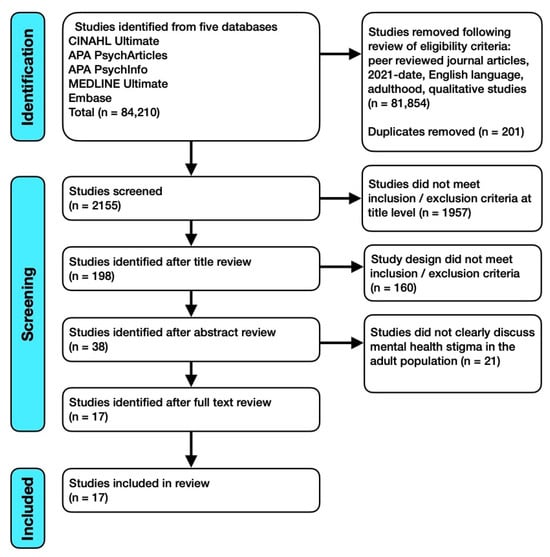
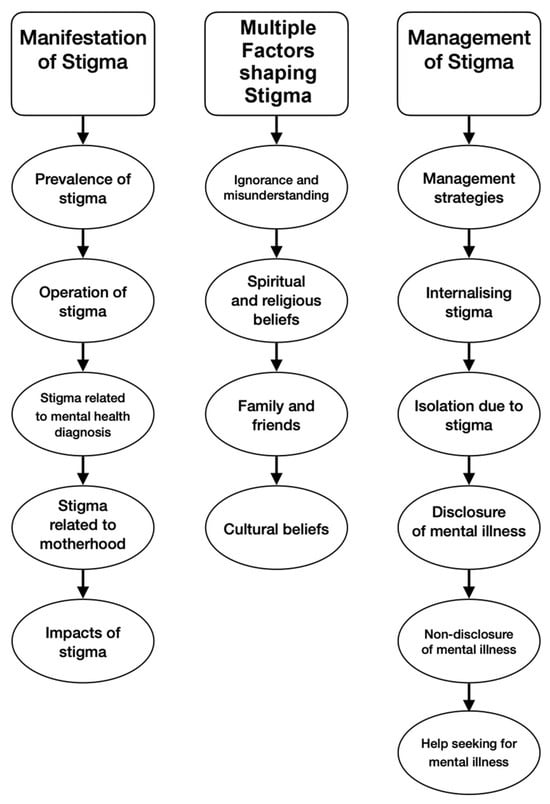

Disclaimer/Publisher’s Note: The statements, opinions and data contained in all publications are solely those of the individual author(s) and contributor(s) and not of MDPI and/or the editor(s). MDPI and/or the editor(s) disclaim responsibility for any injury to people or property resulting from any ideas, methods, instructions or products referred to in the content. |
© 2026 by the authors. Licensee MDPI, Basel, Switzerland. This article is an open access article distributed under the terms and conditions of the Creative Commons Attribution (CC BY) license.