Article

Categorizations of Trust and Distrust in the Classifications and Social Representations of Food among Pregnant and Breastfeeding Women in Spain—Applying the Cultural Domains’ Pile Sort Technique


by
Araceli Muñoz
1,2,3,*,
Cristina Larrea-Killinger
3,4,5,
Andrés Fontalba-Navas
3,6,7 and
Miguel Company-Morales
3,8,9
1
Training and Research Unit—School of Social Work, University of Barcelona, 08035 Barcelona, Spain
2
Research and Innovation Group in Social Work (GRITS), TRU—School of Social Work, University of Barcelona, 08035 Barcelona, Spain
3
“ToxicBody” Interdisciplinary Network, Department of Social Anthropology, University of Barcelona, 08001 Barcelona, Spain
4
Research Group “Anthropology of Crisis and Contemporary Transformations (CRITS)”, Department of Social Anthropology, University of Barcelona, 08001 Barcelona, Spain
5
CIBER de Epidemiología y Salud Pública (CIBERESP), 28029 Madrid, Spain
6
Antequera Hospital, Northern Málaga Integrated Healthcare Area, 29200 Antequera, Spain
7
Department of Public Health and Psychiatry, University of Málaga, 29016 Málaga, Spain
8
Seron Primary Care Centre, Northern Almería Integrated Healthcare Area, 04600 Huercal-Overa, Spain
9
Department of Nursing, Physiotherapy and Medicine, University of Almería, 04120 La Cañada, Spain
*
Author to whom correspondence should be addressed.
Int. J. Environ. Res. Public Health 2023, 20(5), 4195; https://doi.org/10.3390/ijerph20054195

Submission received: 30 January 2023 / Revised: 23 February 2023 / Accepted: 23 February 2023 / Published: 26 February 2023
(This article belongs to the Special Issue Public Awareness of Food Products, Preferences and Practices)

Abstract

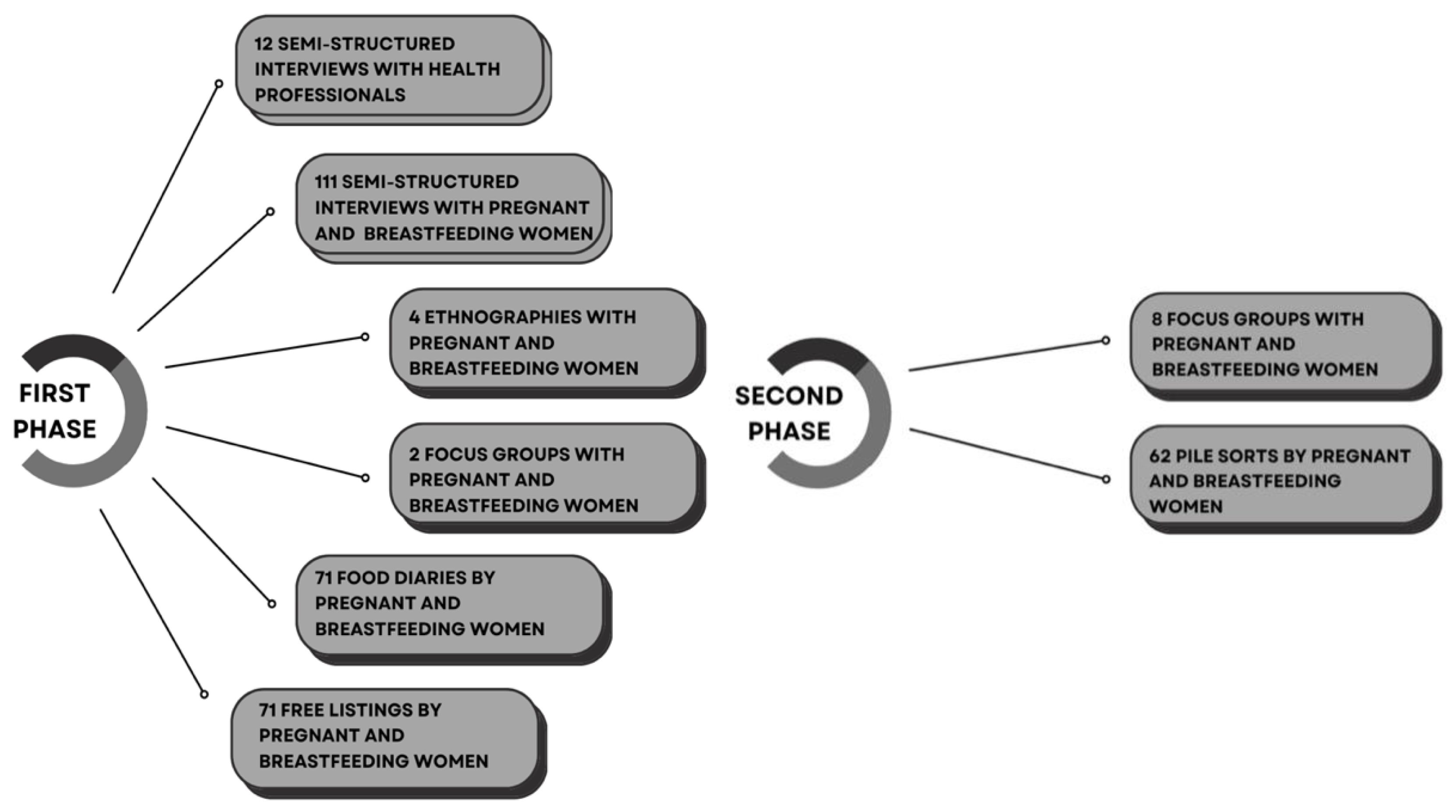
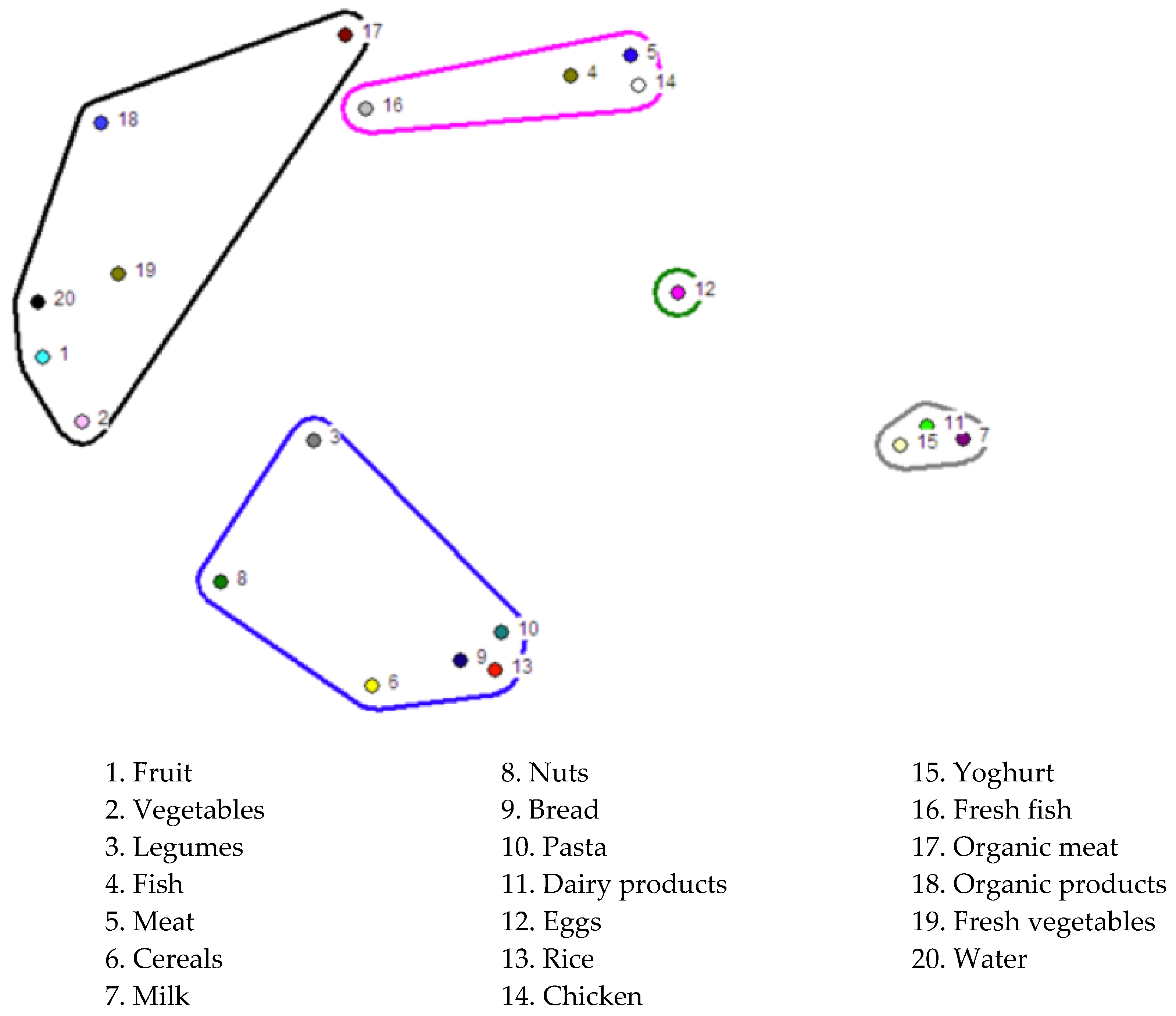
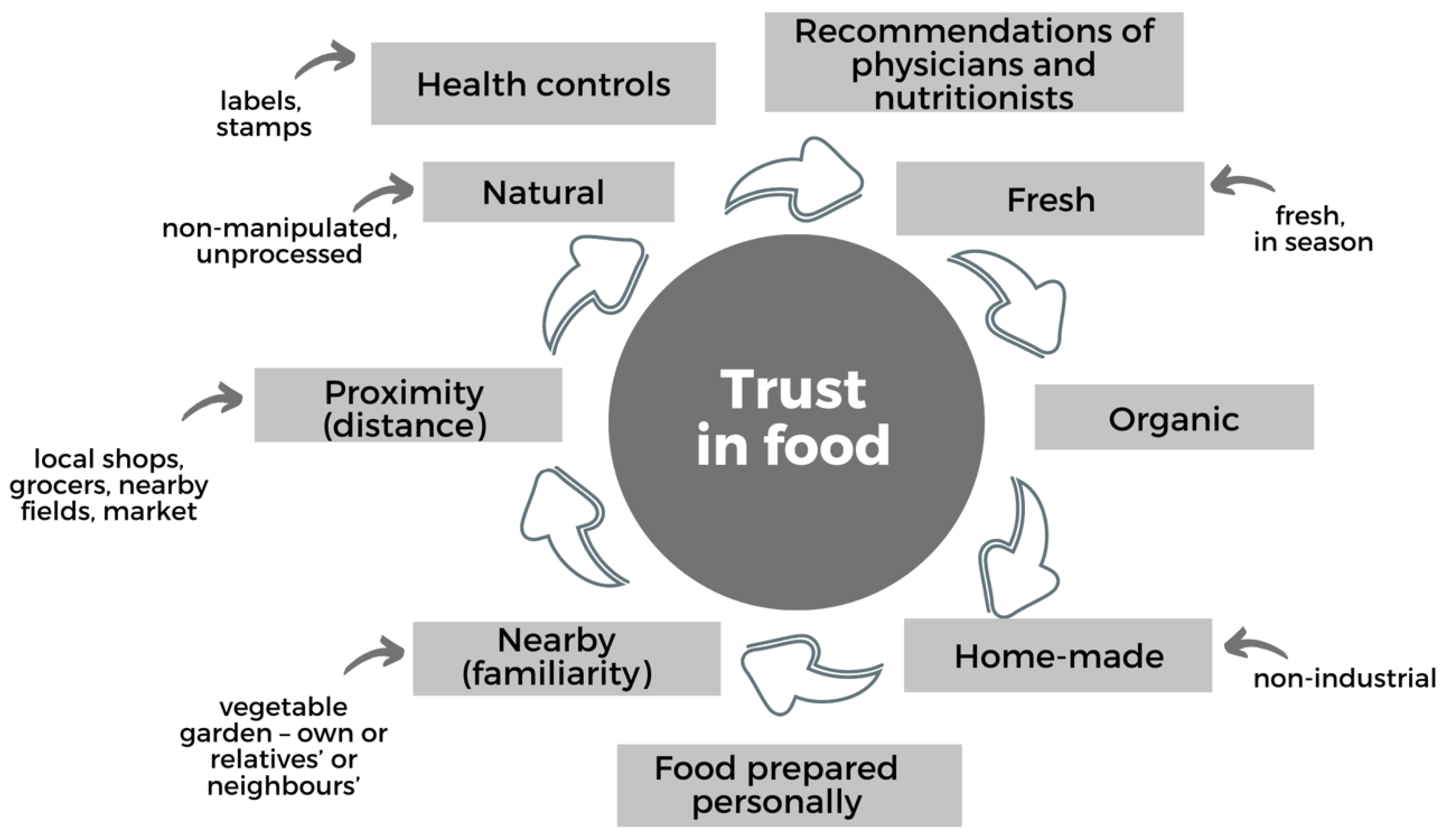
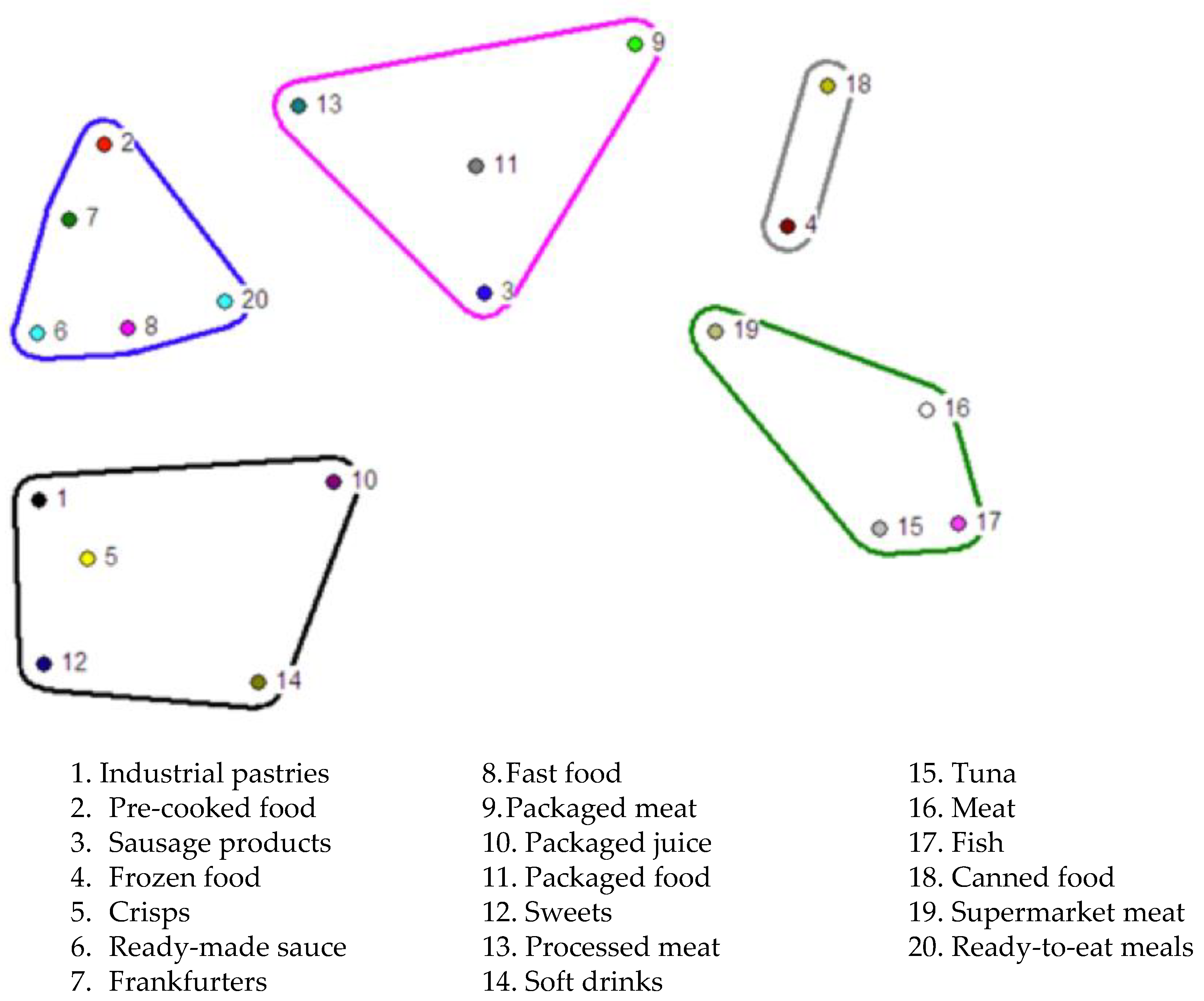
Food is fundamental in the decision making of pregnant and breastfeeding women to care for their own health and that of their child. In this paper, we explore some common food classification systems and certain attributes assigned to these categories, represented by values of trust and distrust. This study is based on an interdisciplinary research project in which we analysed discourses and practices regarding the dietary intake of pregnant and breastfeeding women in relation to the presence of chemical substances in foods. The results presented are part of the second phase of this research where we explored the results of our analysis of the pile sort technique based on an analysis of cultural domains in order to explore the categories and semantic relations among terms regarding trust and distrust in food. This technique was applied to the 62 pregnant and breastfeeding women of Catalonia and Andalusia. These women also participated in eight focus groups that provided information and narratives enabling us to analyse the meanings of the associative subdomains obtained in the pile sorts. They classified different foods and assigned certain attributes to them according to the level of trust and mistrust, providing a social representation of food risks. The mothers expressed great concern about the quality of the food they consume and about its possible effects on their own health and on that of their child. They perceive that an adequate diet is one based on the consumption of fruits and vegetables, preferably fresh. Fish and meat generate serious concern, as their properties are considered ambivalent depending on the food’s origin and mode of production. These criteria are perceived by women as relevant to their food decisions and, therefore, emic knowledge should be taken into account when developing food safety programmes and planning actions aimed at pregnant and breastfeeding women.
Keywords: cultural domains; pile sorts; food risk; trust; distrust; pregnancy; breastfeeding cultural domains; pile sorts; food risk; trust; distrust; pregnancy; breastfeeding