Review

Factors Influencing Gaseous Emissions in Constructed Wetlands: A Meta-Analysis and Systematic Review

1
Key Laboratory of Wetland Ecology and Environment, Northeast Institute of Geography and Agroecology, Chinese Academy of Sciences, Changchun 130102, China
2
College of Resources and Environment, University of Chinese Academy of Sciences, Beijing 100049, China
3
USDA, Agricultural Research Service, San Joaquin Valley Agricultural Science Center, 9611 South Riverbend Avenue, Parlier, CA 93648-9757, USA
4
Department of Natural Sciences, Middlesex University, Hendon, London NW4 4BT, UK
*
Authors to whom correspondence should be addressed.
Int. J. Environ. Res. Public Health 2023, 20(5), 3876; https://doi.org/10.3390/ijerph20053876

Submission received: 11 January 2023 / Revised: 8 February 2023 / Accepted: 17 February 2023 / Published: 22 February 2023
(This article belongs to the Topic Climate Change, Air Pollution, and Human Health)

Abstract

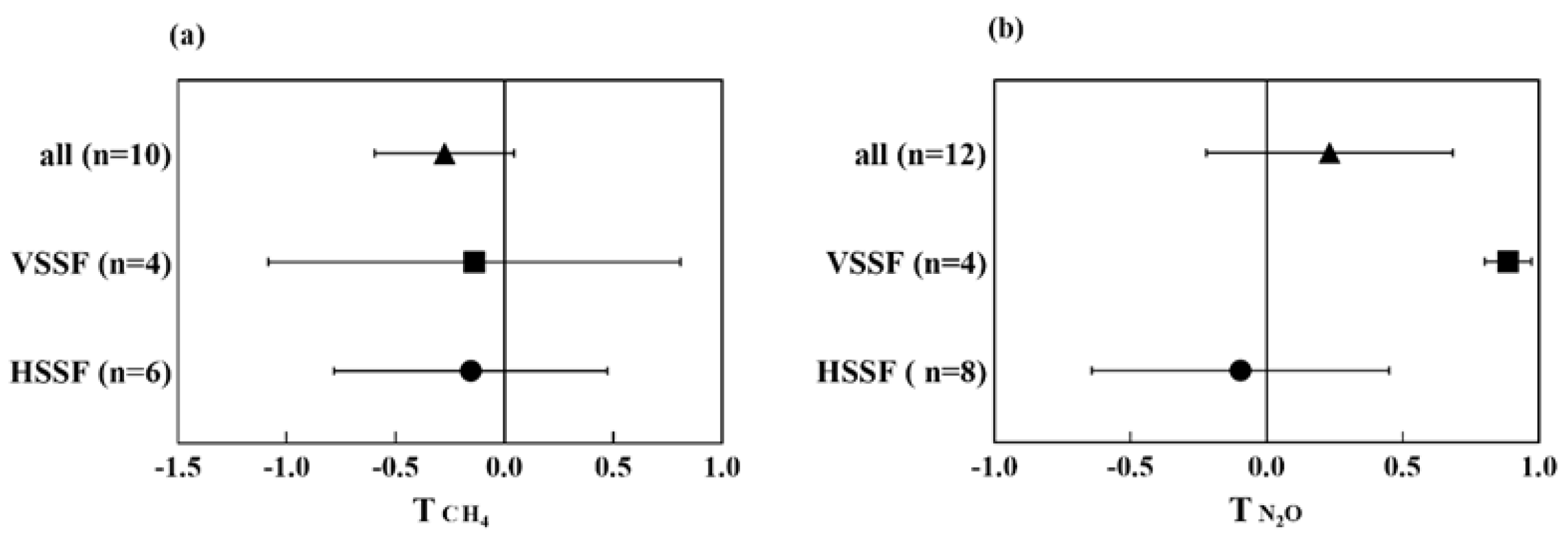
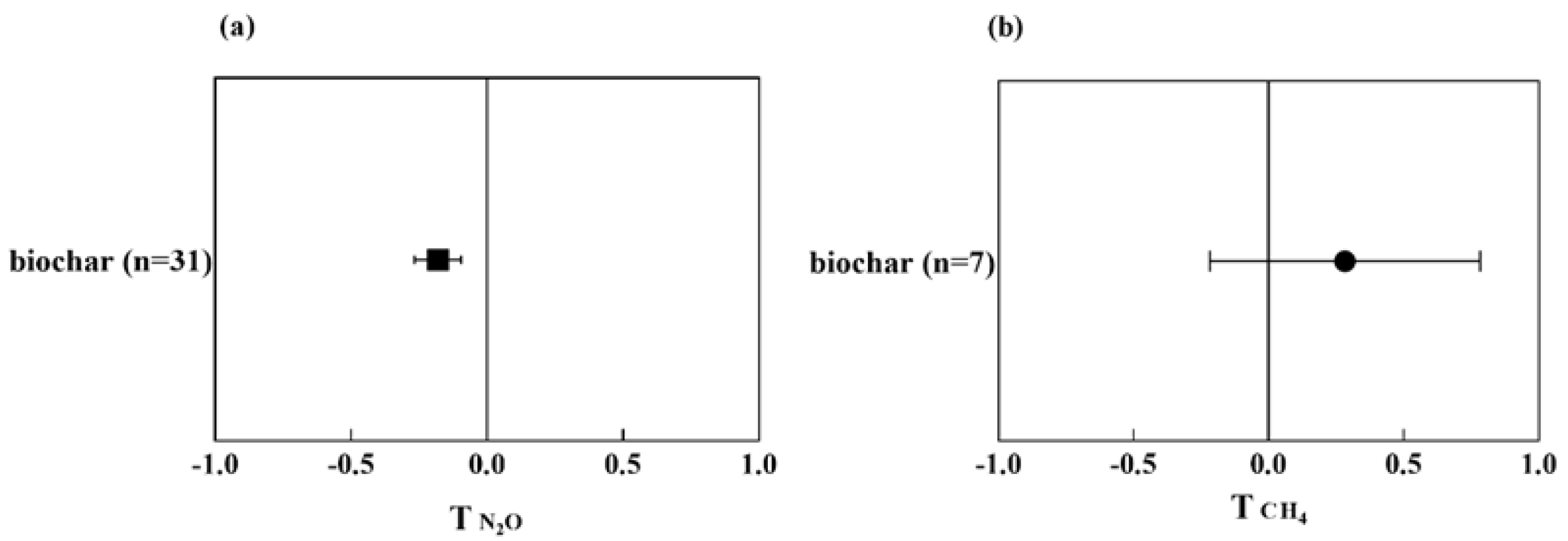
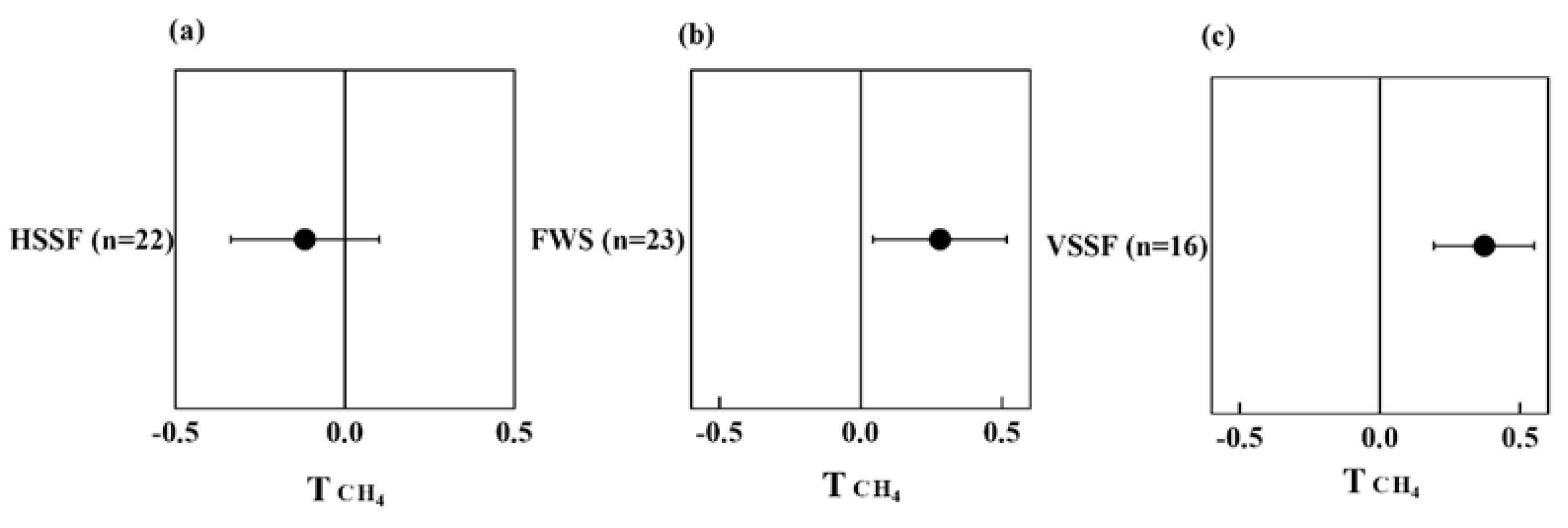
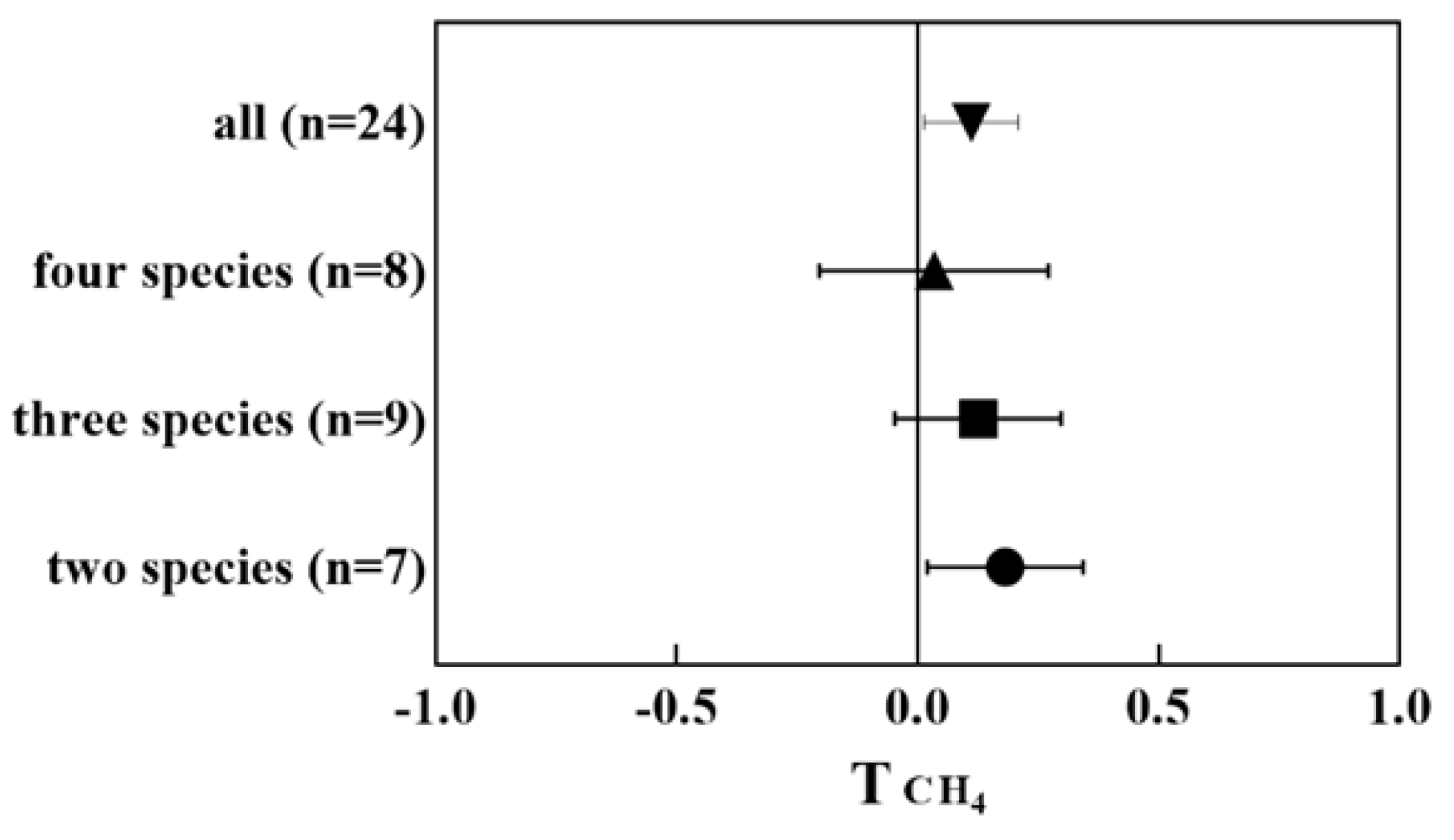
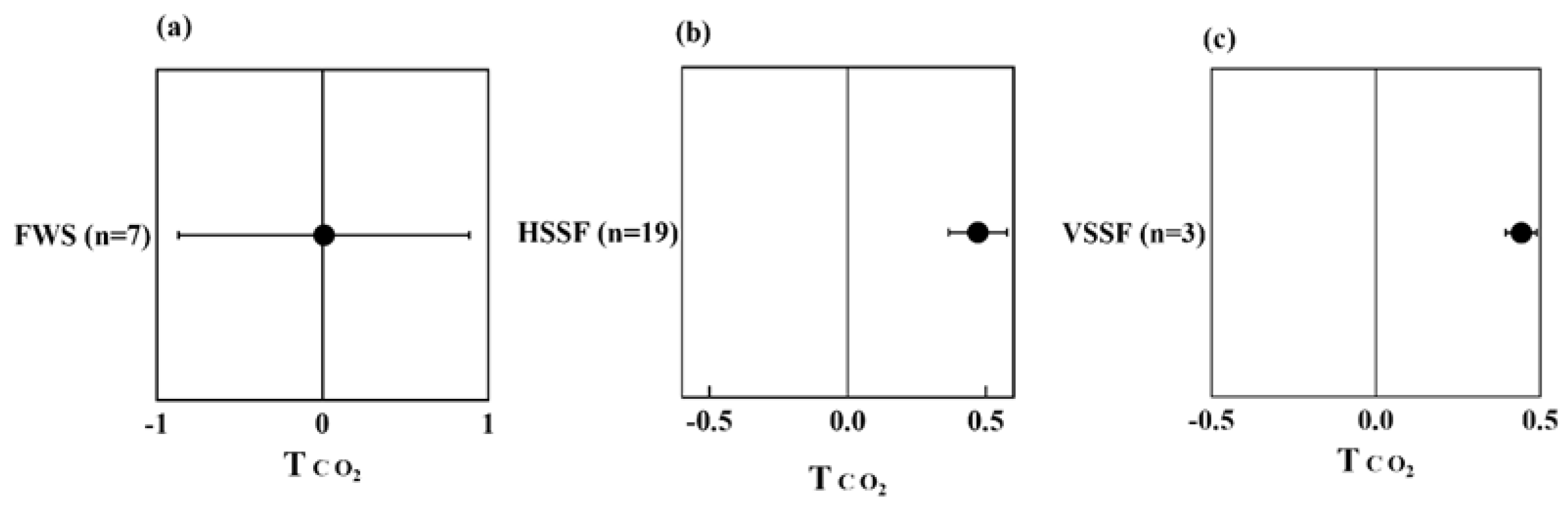
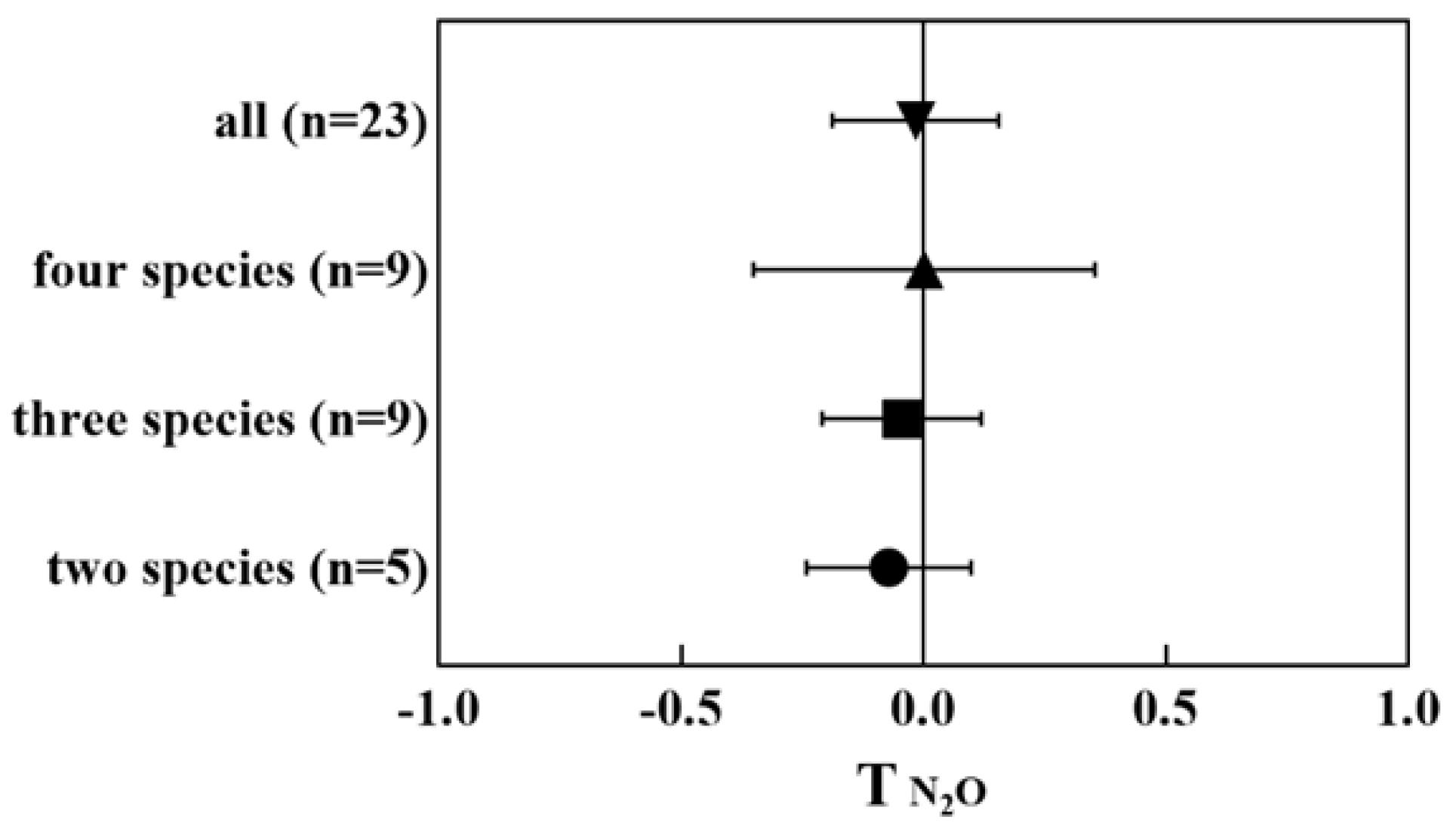
Constructed wetlands (CWs) are an eco-technology for wastewater treatment and are applied worldwide. Due to the regular influx of pollutants, CWs can release considerable quantities of greenhouse gases (GHGs), ammonia (NH3), and other atmospheric pollutants, such as volatile organic compounds (VOCs) and hydrogen sulfide (H2S), etc., which will aggravate global warming, degrade air quality and even threaten human health. However, there is a lack of systematic understanding of factors affecting the emission of these gases in CWs. In this study, we applied meta-analysis to quantitatively review the main influencing factors of GHG emission from CWs; meanwhile, the emissions of NH3, VOCs, and H2S were qualitatively assessed. Meta-analysis indicates that horizontal subsurface flow (HSSF) CWs emit less CH4 and N2O than free water surface flow (FWS) CWs. The addition of biochar can mitigate N2O emission compared to gravel-based CWs but has the risk of increasing CH4 emission. Polyculture CWs stimulate CH4 emission but pose no influence on N2O emission compared to monoculture CWs. The influent wastewater characteristics (e.g., C/N ratio, salinity) and environmental conditions (e.g., temperature) can also impact GHG emission. The NH3 volatilization from CWs is positively related to the influent nitrogen concentration and pH value. High plant species richness tends to reduce NH3 volatilization and plant composition showed greater effects than species richness. Though VOCs and H2S emissions from CWs do not always occur, it should be a concern when using CWs to treat wastewater containing hydrocarbon and acid. This study provides solid references for simultaneously achieving pollutant removal and reducing gaseous emission from CWs, which avoids the transformation of water pollution into air contamination.
Keywords: constructed wetlands; GHG emission; NH3 volatilization; VOCs; H2S; meta-analysis constructed wetlands; GHG emission; NH3 volatilization; VOCs; H2S; meta-analysis