Article

A Qualitative Assessment of Community Learning Initiatives for Environmental Awareness and Behaviour Change: Applying UNESCO Education for Sustainable Development (ESD) Framework

1
The Business School, Bournemouth University, Poole BH12 5BB, UK
2
Faculty of Society and Industry, The Open University of Japan, Chiba 261-8586, Japan
3
Department of Plastic and Reconstructive Surgery, Laboratory of Regenerative Medicine, Division of Hearing and Balance Disorder, National Institute of Sensory Organs, National Hospital Organization Tokyo Medical Center, Meguro, Tokyo 152-0021, Japan
*
Author to whom correspondence should be addressed.
Int. J. Environ. Res. Public Health 2022, 19(6), 3528; https://doi.org/10.3390/ijerph19063528

Submission received: 18 February 2022 / Revised: 11 March 2022 / Accepted: 13 March 2022 / Published: 16 March 2022

Abstract

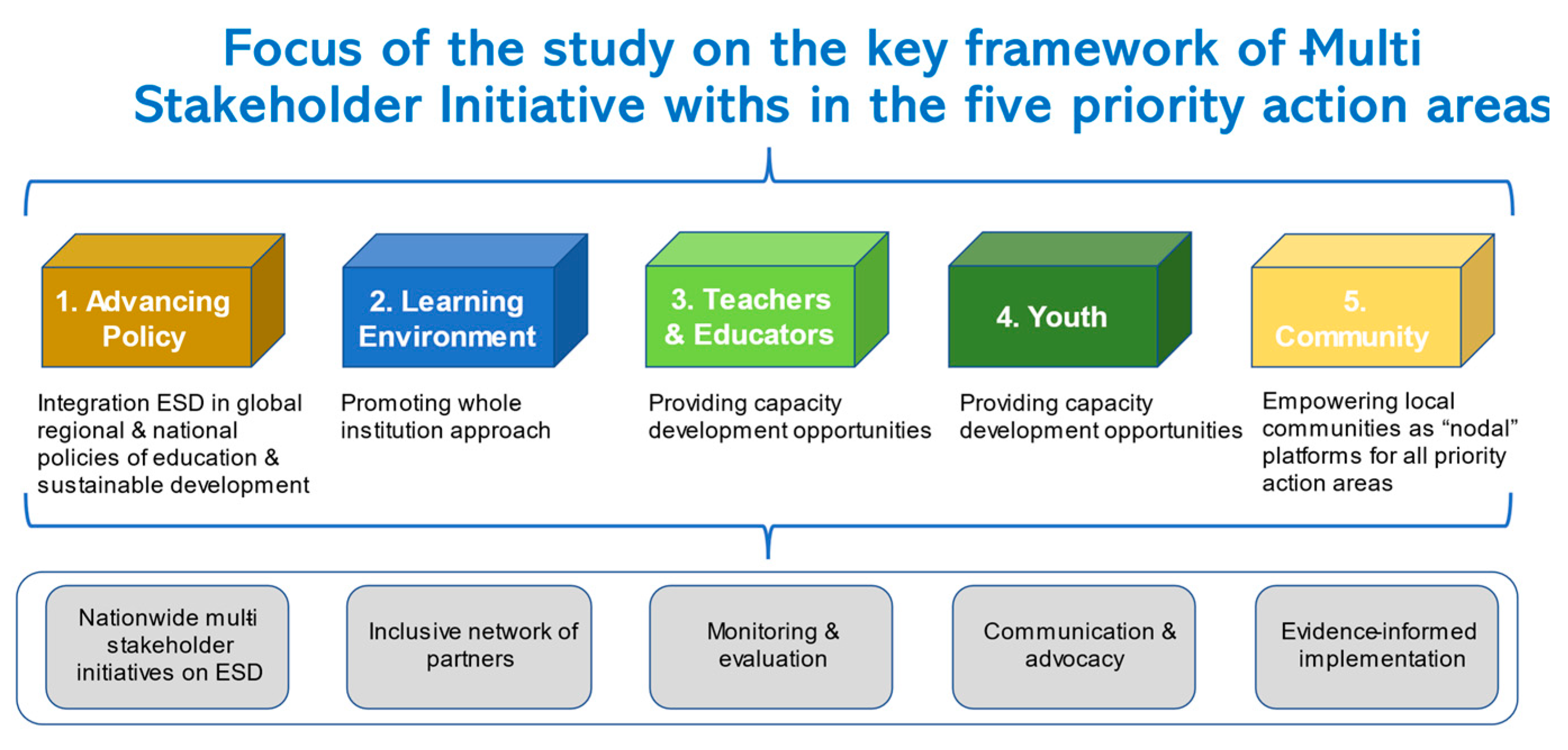
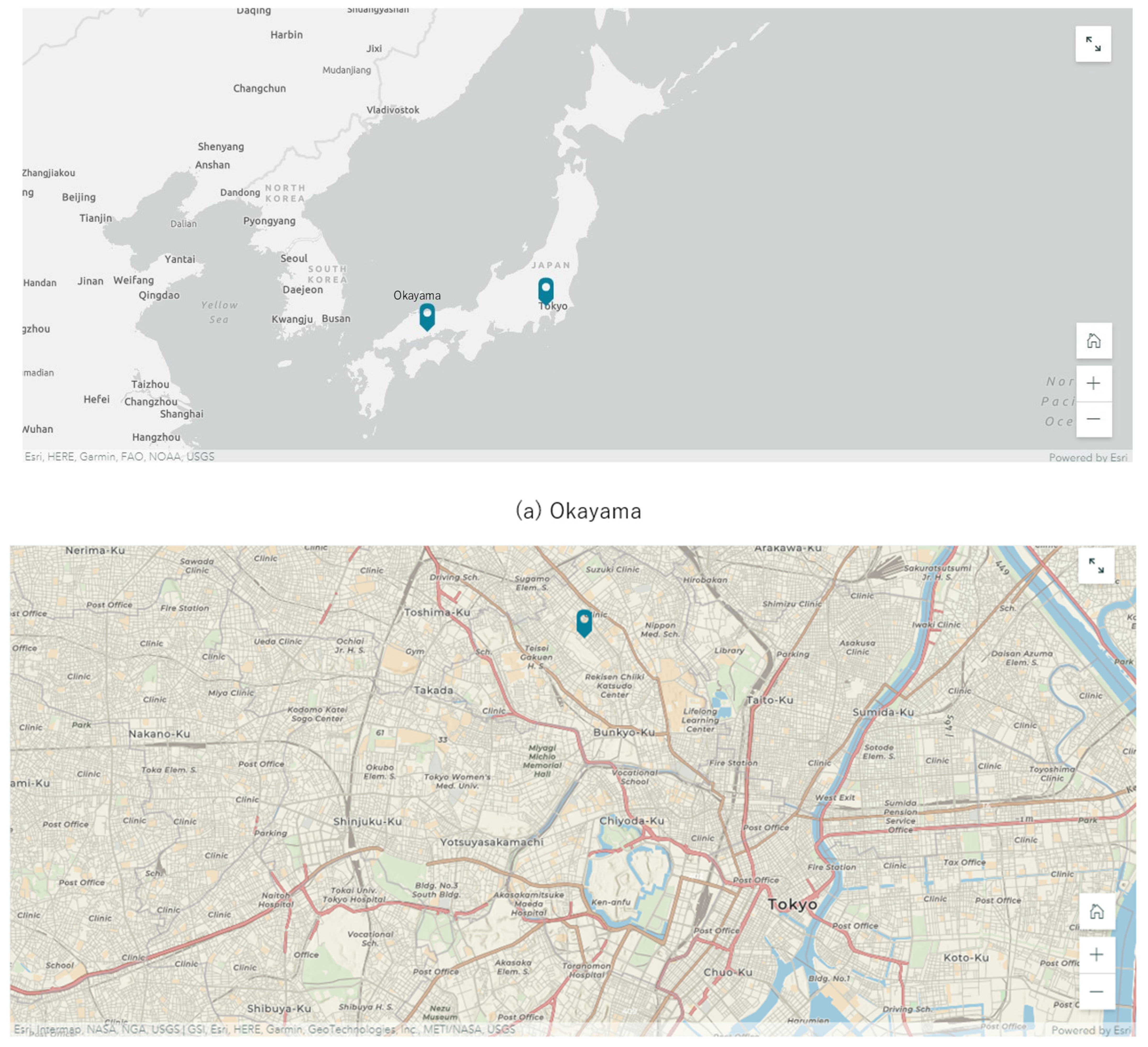
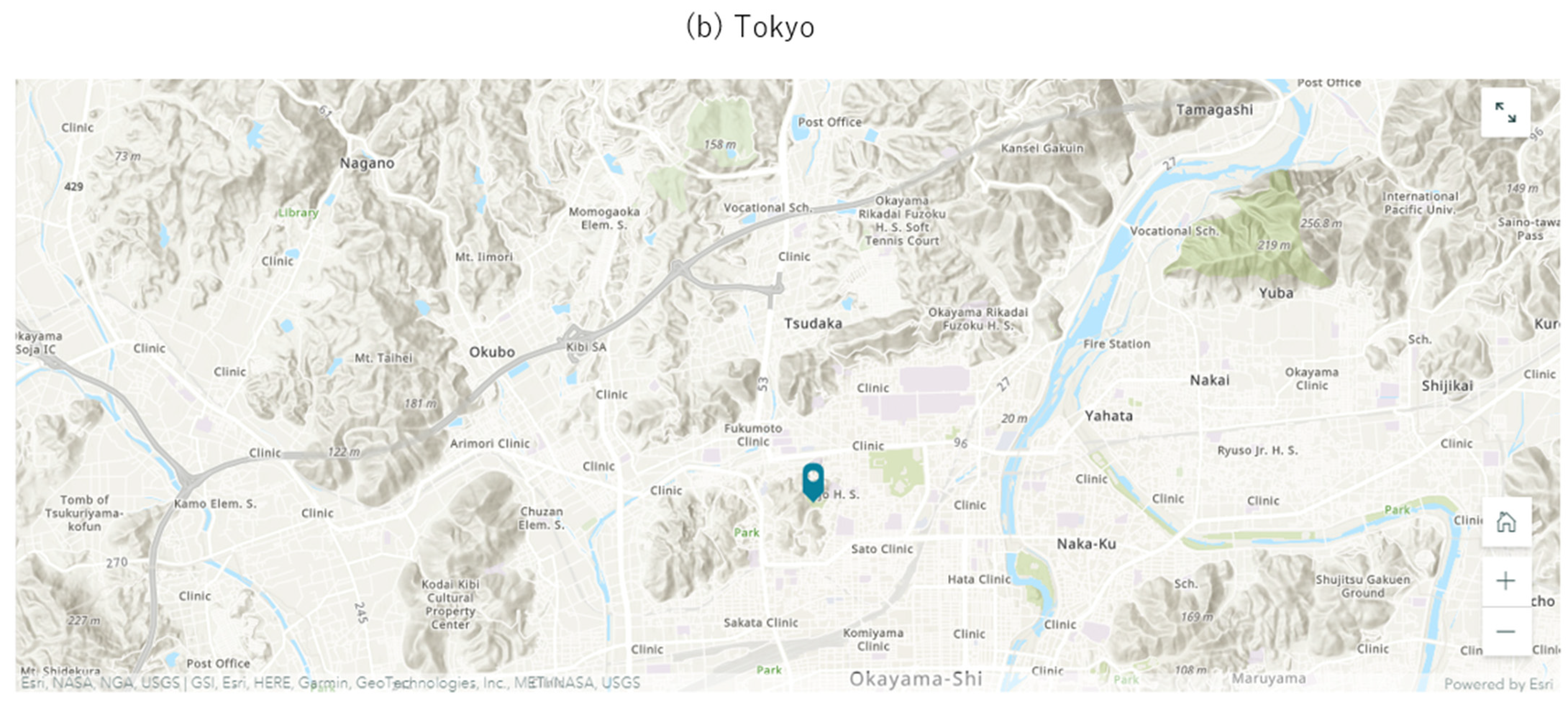
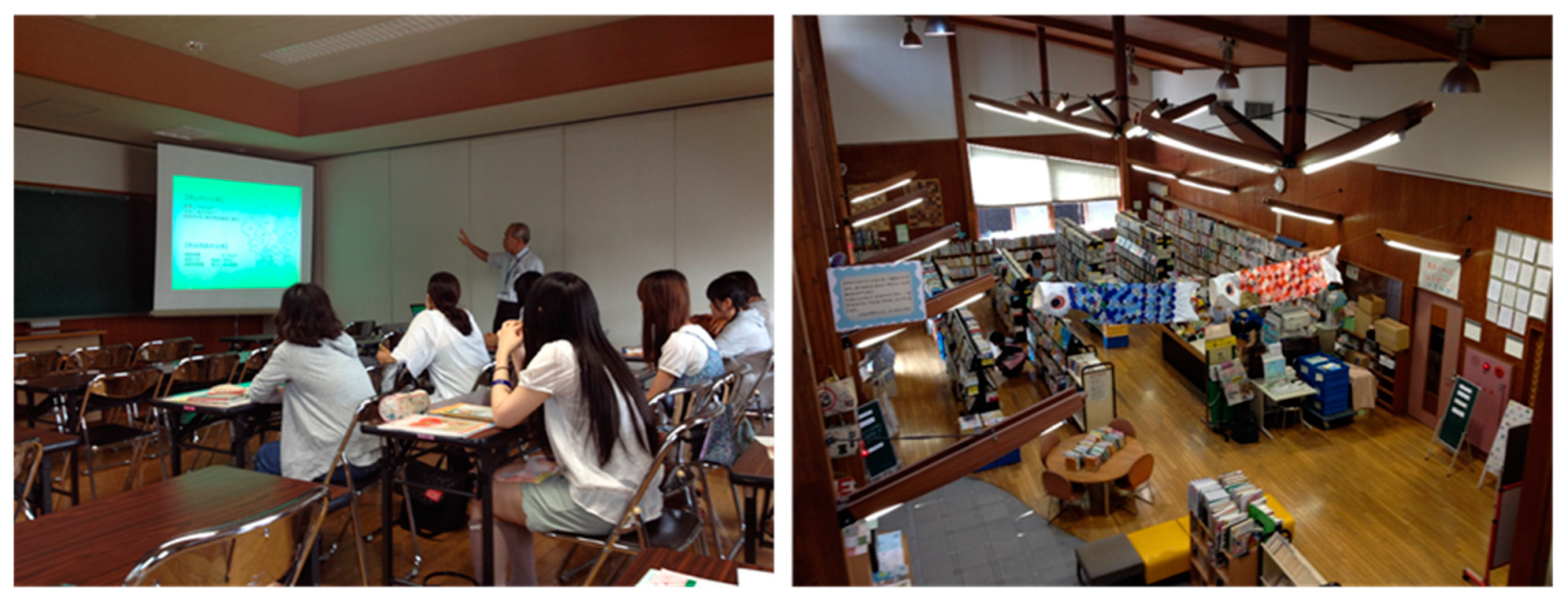
This study uses qualitative research methods of text mining to elucidate the potential and prospects for community-based learning opportunities for raising environmental awareness and bringing about healthy behaviour change among university students and local residents. In particular, we focus on the importance of community-based learning in raising environmental awareness and inspiring action to support healthy living and harmony with nature. The three groups were triangulated using semi-structured questionnaires to model the ways in which education for sustainable development (ESD) can contribute to the promotion of environmental education in local communities. In order to collect in-depth data, the authors themselves were present at the study sites and collected textual data based on semi-structured questionnaires in a participatory observation framework, where they had a common experience to understand the observations. Analysis was carried out using NVivo12. The two community learning initiatives studied were in Okayama and Tokyo, which are leading ESD policy areas. The two case studies are both university student-led projects that aim to raise environmental awareness in local communities through environmentally conscious behaviour change and the creation of a foundation for healthy living. This study focuses on “youth” and “community” among the five priority areas proposed in the 2015 ESD report and discusses the potential and prospects for community learning initiatives and the triggering of the nudge effect on environmentally conscious behaviour change and health behaviours. The results of the textual analysis with triangulation show that, while policymakers and teachers and leaders driving the initiative acknowledge the importance of ESD in a comprehensive way, their attention is more focused on the design of specific projects and curricula. In contrast, university students engaged in ESD activities rated the social education facilities (local community centres, community learning centres) as “lively” and “motivating”. It was found that there are high expectations for “public living rooms”, which are important as a base for learning to promote healthy and sustainable communities and environmentally conscious behaviour change.
Keywords: health behaviour; education for sustainable development (ESD); social educational facilities; public living room model; community learning health behaviour; education for sustainable development (ESD); social educational facilities; public living room model; community learning