


Abstract
Group positive affect is defined as homogeneous positive affect among group members that emerges when working together. Considering that previous research has shown a significant relationship between group positive affect and a wide variety of group outcomes (e.g., behaviors, wellbeing, and performance), it is crucial to boost our knowledge about this construct in the work context. The main purpose is to review empirical research, to synthesize the findings and to provide research agenda about group positive affect, in order to better understand this construct. Through the PsycNET and Proquest Central databases, an integrative review was conducted to identify articles about group positive affect published between January 1990 and March 2019. A total of 44 articles were included and analyzed. Finding suggests that scholars have been more interested in understanding the outcomes of group positive affect and how to improve the productivity of groups than in knowing what the antecedents are. A summary conclusion is that group positive affect is related to leadership, job demands, job resources, diversity/similarity, group processes, and contextual factors, all of which influence the development of several outcomes and different types of wellbeing at the individual and group levels. However, with specific combinations of other conditions (e.g., group trust, negative affect, and interaction), high levels of group positive affect could cause harmful results. Conclusions shed light on group positive affect research and practice and might help Human Resources professionals to initiate empirically-based strategies related to recruitment, group design and leadership training.
1. Introduction
In the words of Barsade and Gibson [1], we are facing an “affective revolution”, due to the growing interest in understanding the role that emotions play in organizations. Although the attention has mainly been placed on individuals [2], literature has increasingly begun to see the relevance of the figure of the group (In this study, we make no distinction between groups and teams, using the two terms interchangeably.) within the organization. Groups contribute to organizational development through their involvement in wellbeing [3], have access to more resources [4], take decisions and solve problems [5], and achieve high levels of performance [6]. Based on substantial empirical evidence, researchers have determined that through several affective linkage mechanisms (e.g., emotional contagion, comparison, empathy) [7], affect not only occurs at the individual level, but also at the group level.
In fact, since Jennifer M. George conducted the first research in 1990 to analyze the positive affective experiences in work teams, a large number of investigations have been carried out (e.g., [8]) and a large number of terms (e.g., group affect, affective climate, and team mood; [9]) have been developed in order to understand this group phenomenon.
According to George (1990), group affect refers to homogeneous affective reactions among group members. Later, this definition was completed, describing it as affective convergence or the affective composition of the group members [10], resulting from people feeling similar levels of individual emotions when working together [8].
Specifically, the positive side of group affect (i.e., group positive affect) has revealed benefits in several group domains, such as behaviors, resources, wellbeing, and performance. For example, group positive affect build social interactions among members by developing others’ ideas, improving communication, and encouraging bonds. [11,12]. Moreover, group positive affect motivates groups to explore fitting behaviors for group performance, such as sharing goals, coordinating the activities, and feeding a positive work climate [13]. Based on the Broaden-and-Build Theory [14], which states that positive affect create resourceful environments and promote wellbeing, Salanova and colleagues [15,16] have consistently confirmed that the groups experience wellbeing (i.e., resilience and engagement) due to feeling positive affect. Moreover, from a leadership perspective, group positive affect has been considered as psychosocial mechanisms that could explain this relationship between leader and group performance [17]. Therefore, the aforementioned benefits emphasize the importance of developing group positive affect to work in healthy, resilient, and productive organizations [18].
The interest in group positive affect has produced considerable growth in the research, making it necessary to constantly review the state-of-the-art in order to establish the foundations for the future research agenda. To date, multiple reviews on the topic have been conducted [8,9,19,20,21,22,23,24,25,26]. However, the aforementioned reviews present some limitation that we would like to overcome. (1) Reviews are based on narrative review. As Pae [27] noted, narrative reviews present several limitations, such as not predefining the protocol during the search stage or including studies for review based on authors’ hunches and research knowledge. Consequently, we propose to conduct an integrative review considered as, “the broadest type of research review methods allowing for the simultaneous inclusion of experimental and non-experimental research in order to more fully understand a phenomenon of concern” ([28], p. 547). Moreover, it guarantees a rigorous process of identification, analysis, and synthesis of the results, without the need to focus on one specific question [29]. According to Cronin and George [30], an integrative review leads to redirect research on the topic through the synthesis and critique of knowledge. (2) Reviews present a narrow focus of construct. That is, reviews examine the relationship between group positive affect and some variables. For instance, Knight and Eisenkraft [23] performed the first meta-analysis exploring the mean effect of group positive affect on social integration and group performance. However, Knight and Eisenkraft [23] only focused on two specific outcomes (i.e., social integration and group performance), leaving out many antecedents and outcomes that would make it possible to obtain a comprehensive view of group positive affect. Moreover, with the exception of Ashkanasy and Humphrey [19], previous reviews have shown a lack of attention to the relationship between group positive affect (group level) and variables of different levels (i.e., individual and organizational). Thus, we approach the study of group positive affect from a multilevel perspective that encompasses the construct within a complete process (i.e., antecedents, outcomes, mediators, and moderators).
To fill this research gap, the purpose of the current integrative review is to (1) critically review empirical research about positive affective experiences at the group level of analysis, and (2) synthesize the findings in order to advance the understanding of group positive affect, and (3) provide a wide-ranging research agenda of group positive affect. To structure the process of review and synthesize the findings, five broad research questions guided this work
Research Question1:
How is group positive affect operationalized?
Research Question2:
What are the antecedents of group positive affect?
Research Question3:
What are the outcomes of group positive affect?
Research Question4:
Between what variables do group positive affect works as a psychosocial mechanism?
Research Question5:
Under what circumstances do high levels of group positive affect lead to negative outcomes?
2. Method
Considering the characteristics of integrative review (i.e., inclusion of experimental and non-experimental research, no need to focus on one specific question, and search process clearly documented), this type of review was chosen. Based on Whittemore and Knafl’s guidelines [28], the integrative review was implemented in five stages: research question identification, literature search, search outcome, data synthesis, and presentation of results.
2.1. Literature Search
First, an electronic search was carried out of literature published prior to March 2019 using the following databases: PsycNET and Proquest Central. In order to identify relevant studies, through the recent reviews, we checked the different terms referring to positive affective experiences at the group level. A keyword search was conducted with a set of keywords: (group OR team OR collective OR workgroup) AND (affective climate OR affect OR mood OR emotion OR trait OR tone) AND positive.
Second, in parallel, tracking down the references cited by relevant sources, we performed a manual search. Manual search is considered a useful complement because articles might be inaccurately indexed or might fail to include keywords during the literature search [31].
Five inclusion criteria were considered: (1) The study had to be empirical (i.e., experimental and non-experimental studies); (2) The study had to be published in English or Spanish in a scientific peer-review journal between January 1990 and March 2019; (3) Group positive affect had to be operationalized as positive affect that emerges among group members, not as an affective linkage mechanism (e.g., emotional contagion) or similar affective construct (e.g., affective presence); (4) Group positive affect had to be evaluated in a work context such as a laboratory (e.g., organizational simulation or task decision) or field (e.g., organization); and (5) Agreement (e.g., AD, [32]) or reliability (e.g., ICC1, ICC2, [33]) indices had to be calculated in order to statistically justify the aggregation of group positive affect at the group level of analysis. According to Bliese [33], for theoretical and practical reasons, aggregated constructs require evaluating these indices to provide construct validity in order to identify emerging phenomena.
2.2. Search Outcome
All the articles that contained the keywords were incorporated, as well as articles found through relevant sources. Using the inclusion criteria, the articles were selected. First, the title and abstract were reviewed, and then the full text. During the process, articles were discussed through peer review. Moreover, extra information was requested to the authors´ articles.
Two issues were detected in this stage: (1) Knight and Eisenkraft meta-analysis [23] was detected in the database. The articles considered in the aforementioned meta-analysis were reviewed in order to determine whether they could be included in the present review. Studies considered grey literature (e.g., doctoral dissertations and chapters) were searched to find out whether the authors had published similar results on the topic; (2) Although some reviewed articles did not meet the third inclusion criterion [34,35], they were included in the database because the authors made arguments in the article that this calculation was not necessary. The solutions adopted involve an effort to guarantee the quality of the integrative review. Figure 1 clarifies the literature search and article selection process.
Figure 1.
Flow diagram clarifying the literature search and selection process.
2.3. Data Synthesis
First, following Cooper´s recommendations [36], we analyzed methodological characteristics such as the group sample, Cronbach’s alpha, and response rate, in order to evaluate the quality of the research. In addition, in accordance with multilevel theory, we analyzed: (1) Referent-Shift Consensus [37], meaning that there is a shift in the referent (i.e., “My team feels…), as opposed to Direct Consensus (i.e., “I feel….”); (2) Fuzzy composition processes [33] to statistically demonstrate agreement and reliability. Other methodological details considered are shown in Table 1.
Further, Table 2 contains information on the articles´ authors and years of publication, term used to refer to group positive affect, instrument, sample, major variables (i.e., independent variable, mediator variable, moderator variable, and dependent variable). Results are structured in order to answer the five research questions aforementioned.
3. Results
We used Mendeley to store, organize, and read the 46 quantitative studies analyzed. Specifically, 44 articles were accepted, but articles nos. 6 and 28 were composed of two studies each one of them (for this reason, from now, we will refer to studies and not to articles).
As the majority of the studies in our review were cross-sectional, it is impossible to make causal inferences about these variables. However, we use the terms antecedents and outcomes to refer to independent and dependent variables, respectively.
3.1. Research Question 1. How is Group Positive Affect Operationalized?
The methodological characteristics of all the articles and studies examined are displayed in Table 1. The data show that the number of groups ranged between 19 and 417, while the number of members per group ranged between from 2 to 38. The instruments used to measure group positive affect showed Cronbach’s alpha values between 0.70 and 0.96. The study designs were primarily field studies (34 studies), whereas 12 were carried out in a laboratory; 31 studies were cross-sectional, and 15 were longitudinal. Regarding the referent in the scale, 16 studies used Referent Shift Consensus and 30 used Direct Consensus. In order to evaluate agreement, the Rwg index was the most commonly used (33 studies, values of between 0.49 and 0.95), followed by the AD index (7 studies, values of between 0.10 and 0.67), whereas the reliability values ranged between 0.08 and 0.97 for ICC1, and between 0.19 and 0.86 for ICC2. Participant response rates ranged between 11.8% and 98% (18 studies did not reported). With regard to cross-level relations, most of the studies analyzed (39 studied) focused on establishing relationships at the group level. Only seven studies established cross-level relationships between different levels of analysis: six group-individual level and one group-organizational level.
The studies included in the integrative review, we noted that, in all, twenty-two different terms were used to refer to positive affective experiences in groups. However, the term used the most was positive group affective tone (eight studies), followed by positive affective tone (seven studies), group positive affect (five studies), and positive affect (three studies).
With regard to measurement instruments, the Positive and Negative Affect Schedule (PANAS, [38]) was used the most (18 studies); 6 studies used HERO [39]; 4 studies used the Job Affect Scale (JAS, [40]); 4 studies used scales based on the Affective Circumplex Model (e.g., [41]); 3 studies used the Affective Well-being Scale [42]; 2 studies used the Job-Related Affective Well-Being Scale (JAWS, [43]); and 6 used other scales (e.g., self-constructed, unavailable data).
Table 1.
Methodological characteristics of the included studies.
Table 2.
Summary of studies included in the review.
3.2. Research Question 2. What are the Antecedents2 of Group Positive Affect?
Five studies reported antecedents of group positive affect. Although the antecedents studied were varied, we have classified them in two categories.
Group processes: Congruent with previous studies at the individual level about how disagreement on task issues is associated with relationship conflicts and employee wellbeing, Gamero, González-Romá, and Peiró [50] proposed a homologous model showing that relationship conflict (T1) fully mediates the relationship between task conflict (T2) and group positive affect (T2). In other words, through a process of biased information, criticism, and debate during tasks, groups could unknowingly unleash relationship conflict and reduce the chances of working in a positive and enthusiastic environment. With regard to biases in companies, Bashshur, Hernández, and González-Romá [44] addressed the importance of organizational support climate agreement through two steps: (1) Team climate for organizational support has a positive impact on group positive affect over time; (2) Differences in team and manager perceptions of team climate produce detrimental effects on group positive affect, whereas their agreement boosts group positive affect when both the team and manager perceive high levels of team climate. Moreover, Mason [64] suggested a series of predictors of group positive affect by means of semi partial correlations. Results showed that the frequency of team meetings was most positively related to group positive affect, followed by the time spent performing tasks for which the team is responsible.
Contextual factors: Based on social identity theory [90], Gil, Llorens and Torrente [53] focused on examining the shared characteristics that are related to shared positive affect among group members. Controlling for team size and economic sector, a similar type of contract and organizational tenure were positively related to group positive affect. That is, in order for group positive affect to emerge, members should perceive themselves as equals and have a greater sense of affiliation with the group. On the other hand, Sy and Choi [72] developed and tested a theoretical framework to explain the process through which personality diversity (i.e., leader–group as GLAD, member–member as MAD) produces modifications in group positive affect over time, as well as the social variables (i.e., interpersonal attraction and emotional contagion susceptibility) that participate in this process. Findings revealed that at the beginning (second data collection), MAD, GLAD, and leader attraction were significantly related to group positive affect, MAD and GLAD negatively and leader attraction positively. In fact, the effect of GLAD was moderated by both emotional contagion susceptibility and leader attraction. Thus, when high levels of emotional contagion susceptibility are present, the levels of diversity between the leader and the group (i.e., high or low diversity) imply greater change in group positive affect. In other words, high emotional contagion susceptibility and high leader-group diversity implies low levels of group positive affect. However, high emotional contagion susceptibility and low leader-group diversity implies high levels of group positive affect. With regard to leader attraction, when groups present high levels of interpersonal attraction to the leader, they display minimal differences in group positive affect, regardless of the levels of diversity between the leader and the group. In the third data collection, data showed that only MAD continued to be negative and significant; that is, the effect of leader diversity was lost in the long term. Specifically, the effect of MAD was moderated by the group member attraction. When groups present high levels of members’ interpersonal attraction, the levels of diversity among the group members completely determine the group positive affect, so that high diversity means lower levels of group positive affect, and, on the contrary, less diversity means higher levels of group positive affect. Briefly, in all circumstances, personality diversity hinders the development of group positive affect.
3.3. Research Question 3. What are the Outcomes2 of Group Positive Affect?
Twenty three studies reported outcomes of group positive affect. Although the outcomes studied were varied, we have classified them in six categories.
Performance: Several authors used a measure of objective performance (e.g., solution to a problem, or a sales rate), reducing common method variance and adding robustness to the findings. For instance, Bramesfeld and Gasper [45] carried out a murder mystery task in an experimental study. In this study, the performance measure was related to a combination of suspects’ guilt ratings and the number of correct suspects. Results suggested that group positive affect has an indirect effect on group performance through the focus on the critical evidence. However, this relationship was only significant when the critical evidence was unique. Lee, Stajkovic, and Sergent [61] observed that group efficacy works as a full mediator between group positive affect and group performance (i.e., amount of metal processed each month by each group). However, group positive affect was not related to group efficacy unless low levels of group trust moderated the relationship. Another example of full mediation was found in Rego et al. [35]. Rego et al. [35] tested two proposals, finding that creativity fully mediated the relationship between group positive affect and performance (i.e., sales achievement in the current semester, or sales achievement in the subsequent semester). Moreover, negative affective tone moderates the relationship between group positive affect and performance. This relationship was found to be more intense when groups felt high levels of negative affective tone.
The aforementioned authors based their studies on different mediator mechanisms in order to explain the relationship between group positive affect and group performance. However, Knight [60] suggested a direct relation, instead of indirect. Specifically, considering team life (i.e., early, midpoint, and late), the data showed that group positive affect at the midpoint of team life was positively related to team performance (i.e., results in a competition).
With regard to group performance evaluated by a supervisor, we found five articles that reached the same conclusion: group positive affect has a positive and significant effect on group performance [13,15,53,68,69]. However, Paulsen, et al. [67] also considered that the project phase (i.e., first and second) could influence the effect of group positive affect on team performance. The interaction analysis confirmed this influence, but it also showed that (1) the association between group positive affect and team performance was stronger in the second phase of the project than in the first phase; (2) groups that experienced high levels of positive affect displayed the same level of performance, regardless of the project phase.
On the other hand, unlike the aforementioned authors, it has been considered that the relationship is not direct, but rather mediated by the effect of the variables. Based on Broaden and Build Theory [91,92], team resilience [15] and group social resources [13] were considered as an underlying mechanism connecting group positive affect to team performance. Thus, groups that experience positive affect grow with adversity and reinforce their social bonds which allows them to complete both the required tasks and those that are not required formally by the job.
Creativity: Shin and colleagues [59,73,74] systematically confirmed that group positive affect would promote a collective reflection about the team´s objectives and motivate group members to actively pursue them. According to the authors, these group behaviors (i.e., team reflexivity and team promotion focus) operate as a mediating process that allows groups to achieve new solutions, but also change what does not work (i.e., organizational citizenship behavior). More recently, Shin et al. [71] suggested that transformational leadership behaviors moderate the effect of group positive affect. In fact, only when leaders exhibited high levels of transformational leadership was the indirect effect of group positive affect on team creativity via team reflexivity significant. In addition, the best levels of team reflexivity were reached when high levels of group positive affect and transformational leadership were combined.
From a multilevel perspective, group positive affect also revealed a positive association with individual creativity. Specifically, cross-level group positive affect moderates the relationship between positive affect and creativity at the individual level. Thus, when high levels of group positive affect fit with high levels of individual positive affect, employees develop greater creativity [56]. Considered as a moderator variable of group diversity (e.g., motivations, attitudes, and professional background), high levels of group positive affect reduce the negative effects of high diversity on knowledge sharing and team creativity [73]. Finally, Tu [78] proposed those contextual factors (i.e., organizational support and organizational control) moderate the relationship between group positive affect and team creativity. Although correlations showed a positive relationship between group positive affect, team creativity, and organizational support, and group positive affect correlated negatively with organizational control, the findings do not support the initial proposal.
Absence: The first studies on group positive affect began with George´s research [51] on absenteeism and prosocial behaviors. With a sample of 26 groups, regression analyses only showed that group positive affect was negatively related to absenteeism (p < 0.10). Several years later, Mason and Griffin [65] resumed the investigation, proposing the effect of group positive affect on group absence behavior over a one-year period. After performing several statistical analyses, the results indicated that group positive affect was negatively related to the level of group absenteeism. Moreover, the explanatory power of group positive affect improved over time. After one year, the explained between-group variance increased from 3% to 11%.
Group efficacy: Based on several theories (e.g., social cognitive, and broaden-and-build), different authors have provided conclusive results about the positive relationship between group positive affect and group efficacy. Specifically, group positive affect has been shown to be an antecedent of group efficacy [59,65], but also, as Salanova, Llorens and Schaufeli [16] noted in a three-wave study, the influence between these variables could be bidirectional. In other words, happy groups would develop confidence in their skills and success during the task, which would promote new positive affect among group members. Therefore, results suggest a positive spiral model. In spite of previous studies, Lee et al. [61] showed that group trust moderates the relationship between group positive affect and group efficacy. In fact, group positive affect was not related to group efficacy unless low levels of group trust moderated the relationship.
Other group outcomes: Tran, Paez, and Sanchez [76] established that group positive affect could be divided into two types, achievement affect (e.g., joy, satisfaction) and approach affect (e.g., interest and hope). During a decision-making task, every type of positive affect would be positive or negative for a specific main process (i.e., generation of alternatives and evaluation of alternatives). Results showed that group positive affect, such as interest and hope, was positively related to generating alternatives. On the other hand, Lin, et al. [63] tested group identification as an outcome of group positive affect, revealing that sharing positive affect among group members allows members to feel like a whole.
Individual wellbeing: Belonging to a happy group may provide benefits not only for the group, but also for the members. This conclusion has been determined by several studies that verified the effect of group positive affect on individual wellbeing. For instance, group positive affect acts as a job resource that reinforces the individual’s cognition about his/her self-worth and capabilities, as well as enhancing positive group relationship precursors of individual work engagement [81]. Moreover, group positive affect could buffer individual psychological distress as the opposite of wellbeing. According to Levecque, Roose, Vanroelen, and Rossem [62], it protects against the negative effects of high job demands, reducing psychological distress.
3.4. Research Question 4. Between What Variables do Group Positive Affect Works as a Psychosocial Mechanisms?
Thirteen studies reported how group positive affect worked as a mediator between several variables. We have classified the studies in three categories.
As mediator between leader and group outcomes: The first study that analyzed the relationship between leadership and group outcomes was carried out by Hmieleski, Cole, and Baron [34]. The authors found that in a sample composed of top management teams, authentic leadership encourages group positive affect, which in turn, is positively related to organizational performance. Later, several studies confirmed this mediation. For example, Chi and Huang [47] tested the effect of transformational leadership on team performance by proposing a double mediation; that is, a team learning goal orientation partially mediates the relationship between transformational leadership and group positive affect, but group positive affect also fully mediates between a team learning goal orientation and team performance (i.e., Leadership→ Team learning (partial mediation) → Group positive affect (full mediation) →Team Performance). Although Sánchez-Cardona, Salanova and Llorens-Gumbau [68] also confirmed the mediating effect of group positive affect, the authors suggested a new combination in which leadership first stimulates group positive affect, which, in turn, is positively related to team learning. As Sanchez-Cardona et al. [68] noted, more studies should be conducted in order to reinforce the idea of gain spirals involving leadership, group positive affect, and group outcomes. However, research tested the effect of other types of leader characteristics, such as psychological capital.
On the other hand, using emotional contagion as an explanatory mechanism, several authors have examined the effect of the leader´s mood on group positive affect. For instance, Chi, Chung, and Tsai [17] showed that the positive mood displayed by the leader has an effect on the group’s positive affect. SEM results indicated that group positive affect works as a mediator variable between the leader´s positive mood and team outcomes (i.e., team goal commitment, team satisfaction, and team helping behaviors). In addition, group positive affect had a significant indirect effect on team performance via these outcomes. Two subsequent studies continued with this question, adding new variables to the model. First, Volmer [83] proposed three different outcomes (i.e., team performance, potency, and goal commitment) and found that only group positive affect mediates between the leader´s mood and potency. The other two outcomes were not found to be related to group positive affect (i.e., team performance) or just showed a positive tendency (i.e., goal commitment). Second, Seong and Choi [69] confirmed the same results about the positive and significant effect of leader positive mood on group positive affect. However, the authors also observed that those groups that experience positive affect also pursue common goals, have the skills to complete the tasks, and in turn, achieve good group performance. Finally, extending the concept of emotional contagion, Zhang, et al. [81] proposed that leaders could share much more than their emotions. In fact, the authors pointed out that the leader’s psychological capital guides the development of group positive affect in their followers.
As a mediator between group processes and group outcomes: Support climate predicts group positive affect, and group positive affect predicts both measures of team performance (i.e., Team members’ perceived team performance and the manager’s ratings of team effectiveness) [54]. However, the relationship between support climate at Time 1 and team members’ perceived team performance at Time 3 was fully mediated by group positive affect at Time 2. On the other hand, Salanova, et al. [16], through a three-wave positive spiral model, replicated the same model at two different levels of analysis (i.e., individual, group), determining that group positive affect (i.e., enthusiasm, satisfaction, comfort) functions as a mediator variable between efficacy beliefs and engagement in a laboratory context. Finally, based on healthy and resilient organizations model [18], group positive affect has been considered a path through the group empathy could produce better quality of service [46]. That is, those groups that have social resources generate positive collective feelings that improve customer service and satisfaction of customer expectations.
As a mediator between contextual factors and group outcomes: The findings obtained by Dimotakis, Davison and Hollenbeck [49] were threefold. First, team structure and regulatory task characteristics had significant negative effects on group positive affect. Second, results indicated that only groups in a divisional structure and focused on gains (i.e., regulatory focus based on promotion objectives) were associated with high levels of group positive affect. Other combinations showed the lowest levels of group positive affect. Third, authors found that the moderating effect of team structure (on the relationship between regulatory focus and task satisfaction and performance) is mediated by group positive affect. However, Hentschel, Shemla, Wegge, and Kearney [55] also tested whether the interaction effect of perceived diversity and diversity beliefs had a significant influence on group positive affect. The data supported only an indirect effect of perceived diversity on identification through group positive affect. Specifically, perceived diversity was negatively associated with group positive affect, but group positive affect was positively related to identification.
The last study included that verified the mediating effect of group positive affect was carried out by Teng and Luo [75]. In a sample of university students, they found that group positive affect had a positive and significant effect on group performance during an academic project based on group learning. However, this positive and significant effect was only confirmed for self-reported group performance, but not for objective performance measured by the professor. Moreover, the authors found that group positive affect partially mediated between social loafing and social interdependence. In fact, social loafing showed a negative effect on both group positive affect and self-reported performance, whereas social interdependence showed a positive effect on both group positive affect and self-reported performance.
3.5. Research Question 5. Under What Circumstances do High Levels of Group Positive Affect Lead to Negative Outcomes?
George and King [93] openly approached what they called potential pitfalls of group positive affect; that is, those circumstances where positive experiences in groups produce harmful outcomes or do not produce the expected outcomes. The pitfalls detected in the ten research studies included in the integrative review will be discussed below in three categories, depending on the related factor.
Related to performance: Following Social identity theory, hierarchical regression analysis revealed that when members identify with their groups, the effect of group positive affect on team performance is strengthened [74]. In fact, the effect of group positive affect alone on team performance was not significant. Thus, groups achieve the best performance when they feel high levels of group positive affect and group identification, whereas low identification levels are related to low performance (compared to high identification), regardless of the levels of group positive affect experienced. The same results were obtained for willingness to engage in OCB as an outcome. Through a laboratory study, Klep, Wisse, and Van der Flier [59] manipulated the group affect (i.e., positive and negative), as well as the affective interaction among group members, during two types of tasks (i.e., analytical and creative). The groups assigned to the positive affect condition obtained better performance on both tasks than the groups in the negative affect condition. However, the study found an exception to this rule. When groups in the positive affect condition also had the opportunity for affective interaction while performing an analytic task, they obtained the worst performance. On the analytical tasks, sharing affect kept the groups from obtaining good performance, whereas happy groups obtained the same performance on the creative task, regardless of whether they interacted and shared their affective states or not. Finally, Collins, Jordan, Lawrence, and Troth [48] developed two independent studies (i.e., study 1 and study 2) using two different laboratory tasks (decision-making and creative) in order to test how group emotional skills (i.e., management of others’ emotions) regulate the effect of group positive affect on group performance. Results indicated that the effect only makes sense when this regulation occurs. Specifically, the lowest levels of group performance occurred systematically when the group experienced high levels of positive affect but was not able to manage them, whereas the best group performance arose when the group had the ability to manage high levels of positive affect.
Related to group trust: In specific situations (i.e., high levels of trust and positive affect), groups could show a tendency to undermine deviant creative ideas [77]. Moreover, Tsai et al. [80] tested a three-interaction model showing that the best team creativity was achieved when groups developed high team trust, high negative group affect, and low levels of group positive affect. However, increases in group trust could make the relationship between group positive affect and group efficacy weaker, until returning to a non-significant relationship [61]
Related to other outcomes: Through an experimental study using a decision-making task, Van Knippenberg, Kooij-de Bode, and van Ginkel [79] found that group positive affect could be less involved when discussing the task information and integrating it with the other members, leading them to achieve lower quality decisions than groups immersed in a negative or neutral affect. However, this would only occur when group members displayed low levels of trait negative affect. In line with these conclusions, happy groups showed lower levels of belongingness and information sharing than unhappy groups. Specifically, happy and unhappy groups showed better levels on both outcomes when members interacted and shared their affect [59]. Finally, Knight 60 related group positive affect to team exploratory search over time. Team exploratory search is understood as the intention of group members to pursue new and alternative ways to complete tasks. According to Knight’s hypothesis, group positive affect is positively related to team exploratory search during early team life, but at the midpoint of team life, group positive affect decreases team exploratory search. In fact, depending on the levels of group positive affect (i.e., high and low), the results were different. Groups with low levels of positive affect achieved higher levels of team exploratory search between early team life and the midpoint of team life, but also less descent between the midpoint of team life and late team life.
So far, literature has shown that positive affect is positively related to other positive experiences, including engagement. However, Salanova et al. [70] detected that this phenomenon did not happen in the same way with all positive affect. In fact, comfort, understood as an emotion of high pleasure and low activation, showed a negative relationship with engagement. Finally, considering the effect of positive emotions from a different perspective, Kim, Shin, and Kim [58] examined a cross-level model based on three-way interactions among group positive affect, group positive affect diversity, and individual positive affect on job satisfaction, organizational citizenship behavior, and commitment at the individual level. Data showed two results: (1) Group positive affect is positively related to job satisfaction; (2) The aforementioned three-way interaction was only positive for commitment. Plotting the results, four patterns were found (i.e., high group positive affect, high diversity; low group positive affect, low diversity; high group positive affect, low diversity; low group positive affect, and high diversity). As the authors noted, the relationship between individual positive affect and commitment was stronger when group positive affect was low, and group positive affect diversity was high.
4. Discussion
The purpose of the present integrative review was threefold: (1) analyze the literature in order to critically review empirical research about group positive affect, (2) synthesize the findings to more fully understand group positive affect, and (3) make proposals for future studies to advance the group positive affect research. In an attempt to logically achieve the purpose, we summarize the results following the research question addressed, as well as examine the limitations of our study, and suggest a wide research about group positive affect.
4.1. Research Question 1. How is Group Positive Affect Operationalized?
With regard to methodological issues in the group positive affect research; two aspects need a deeply explored. First, for studies investigating group homogeneity, response rate is a relevant data in order to determinate the validity of the group variable measure. However, there is no established requirement to represents an acceptable response rate [64]. Some authors such as Jackson et al. [94] established a response rate of 75% or higher. The present integrative review shows that 17 studies did not report the group response date, and 15 studies did not achieve this criterion. Second, about the group size, it has been observed that groups composed of more than 30 members tend to split into subgroups [95] and do not provide a representative picture of group-level effects [65].
On the other hand, probably the most well-known and widely used instrument in the literature is the PANAS. However, Dienet et al. [96] mentioned some limitations that may have caused some authors to decide to use another instrument. For example, PANAS assesses adjectives that are not considered emotions (e.g., determined or strong), and it measures highly activated emotions more than lowly activated ones. On the other hand, studying group positive affect from different theoretical models has produced a lack of consensus in the terminology used. In fact, the review pointed out that the variety of terms used to refer to the same construct (i.e., group positive affect) is alarming, which leads to difficulties in synthesizing the advances made in the studied construct.
4.2. Research Question 2: What are the Antecedents of Group Positive Affect?
With regard to antecedents of group positive affect, a general vision suggests that the antecedents proposed so far do not seem to follow a systematic order based on clear and strong theory. Some variables have shown a positive (e.g., support climate or social interdependence) or negative (e.g., social loafing or team structure) relationship with group positive affect. On the other hand, the facilitating effect of the leader is especially remarkable. Leadership behaviors (e.g., transformational leadership), leader expression of positive affect and positive states (i.e., psychological capital) allow groups to develop higher levels of positive affect. In addition, results about the benefits of diversity and similarity in the groups are mixed. Apparently, similarity between group members (i.e., type of contract and organizational tenure) was positively related to group positive affect [53], whereas diversity (i.e., personality) has a negative relationship with group positive affect [72]. However, if other variables are considered in the model, the question is more complex. For example, absenteeism tended to be high in groups composed of a high proportion of males [65], whereas group diversity seemed to have positive effects on group performance [61], but not on creativity [73].
4.3. Research Question 3: What are the Outcomes of Group Positive Affect?
The outcomes of group positive affect seem to be wide-ranging, but clear. Group positive affect is positively related to group wellbeing (i.e., satisfaction, work engagement, and group efficacy, potency), group processes (i.e., identification and team learning), group performance, creative performance, other outcomes (i.e., help behaviors, commitment, skills, and pursue goals), and individual wellbeing. Furthermore, group positive affect showed a negative relationship with absence. Specifically, for researchers there has always been a growing interest in relating positive affect to performance. As far as we know, this relationship has commonly been called the happy-productive worker [97], and it has been analyzed from multiple perspectives and areas [98,99]. Based on happy-productive worker research and group theories, some authors have started a new research about happy-productive group [13,22] with promising results.
On the other hand, considering theories such as Broaden and Build Theory [91,92], it is plausible to consider that high levels of positive affect do not automatically imply high levels of performance, but instead the mediating effect would cause this to occur. At the group level of analysis, Kelly and Spoor [100] stated that few studies have addressed mechanisms that could explain the aforementioned relationship. Supporting the previous statement, the present review found that only eleven studies linked group positive affect to group performance, proposing three different types of mechanisms: cognitive mechanisms (e.g., group efficacy), behavioral mechanisms (e.g., team resilience), and external mechanisms (e.g., phase project).
4.4. Research Question 4: Between What Variables do Group Positive Affect Works as a Psychosocial Mechanisms?
To analyze group positive affect addressing what causes it or the effects it has, leads to a diffuse and restrictive picture of the construct. Various studies understand group positive affect as a mechanism that connects different variables with each other. Data show that the most studied relationship is between leader and group outcomes through group positive affect. Following Job Demands-Resources Theory [101], it is plausible that the leader connects with the group through collective well-being (i.e., group positive affect) so that the group could enhance the outcomes. Although the other studies also suggest group positive affect as a mechanism for achieving group outcomes, they are based on very dissimilar theories.
4.5. Research Question 5: Under What Circumstances do High Levels of Group Positive Affect Lead to Negative Outcomes?
Several authors have suggested different circumstances where the completely advantageous effects of group positive affect have been questioned. For example, group and individual outcomes (e.g., performance, creativity, quality decision, team exploratory search, and individual commitment) could be reduced depending on whether the members identify with their group, or depending on emotional competences, interaction during the task, the moment in the team life, affective diversity, the type of task (i.e., creative or analytical), and negative affect (i.e., individual or group). After an analysis of the pitfall research, and without undermining previous research, we have become aware that (1) There are studies where the task performed by the groups was evaluated with a scale that did not capture the true value of the performance. For instance, a creative task should be measured using criteria for creative performance and not task performance. (2) The pitfalls focus on what happens when groups exhibit high levels of positive affect and low results, but we do not know what happens when positive affect is low and good results are obtained. (3) The circumstances in which group positive affect produces negative effects are quite varied and complex. However, it is necessary to establish which differences allow the groups to obtain good results.
4.6. Implications for Practice
In terms of practical implications, our research promotes several empirically-based human resources strategies related to recruitment, group design and leadership training, in order to promote group positive affect.
First, recruitment is the first step in choosing employees who would fit well within a group. As noted by Gil, Llorens, and Torrente [53], when group members perceive themselves as equals and have a sense of affiliation with the group, they could develop a shared group positive affect.
With regard to group design, Job Demands-Resources Theory [101] identifies job resources and job demands as a wide range of work characteristics significantly related to employee wellbeing at individual, but also, at group level [102]. Organizations concerned with collective wellbeing (i.e., group positive affect) could invest energy and resources to assess team characteristics. Further, Oldham and Hackman [103] mentioned that some characteristics may be considered, such as type of task and type of group.
Finally, the present review has shown that the leader plays a key role in developing group positive affect through different mechanisms (e.g., leadership style, personality, leader attraction, and emotional contagion susceptibility). In fact, there is a substantial body of research on the meaning of leadership for employee and group wellbeing, as well as for organizational outcomes [104]. For instance, Kelloway and Barling [105], after analyzing several interventions based on leadership training, concluded that (1) interventions in leadership produce improvements in the leader him/herself and not only in his/her followers; (2) the interventions should not only be focused on the immediate supervisor, but also on mid-level and high-level managers because, due to a cascade effect, the lower levels could benefit from this intervention, or it could even have different effects on the employee. Therefore, leadership training could be incorporated into organizational practices.
4.7. Limitations
There are a few limitations associated with this study.
First, we are aware that restricting the search to published scientific articles could lead to publication bias [106]. However, despite the use of professional social networks (i.e., research gate) and scientific databases to obtain information, it is often difficult for researchers to access unpublished studies.
Second, as Menges and Kilduff [9] noted, researchers have used a wide variety of terms to refer to positive affective experiences in groups, causing great difficulties in selecting keywords during the search strategy. In order to minimize this difficulty, a manual search was carried out that complements the limitations of searching through key words in titles and abstracts.
Third, although several of the articles analyzed mentioned group positive affect e.g., [107,108], they were excluded because the aggregation indices (i.e., agreement and reliability) were not performed. These analyses allow us to statistically assume that group positive affect is shared among group members. However, not including these articles might mean that the full scope of group positive affect was not reached.
Finally, in spite of number of articles analyzed, it has not been possible to develop a meta-analysis because the literature on group positive affect is diverse and unstructured. In fact, to date, only one meta-analysis has been carried out [23]. This meta-analysis aimed to relate group positive affect to social integration, and group performance.
4.8. Future research Agenda
As a result of the present review, below we discuss four topics that seem highly relevant for further progress in group positive affect research.
A multilevel approach about the antecedents and consequences of positive affect: Although groups and organizations are multilevel structures that require a multilevel approach [109], most previous studies on group positive affect have focused on analyzing the construct at the group level of analysis, leaving out cross-level effects. For example, currently, little knowledge is available about the effect of group positive affect on individual well-being (e.g., work engagement) or even on individual behaviors such as job crafting [110]. On the other hand, it has been shown that the outcomes of group positive affect have been considered more relevant than their drivers. Following HERO Model [39], organizational strategies might boost different collective wellbeing such as group positive affect. Further research could investigate a multilevel approach that simultaneously takes into consideration the different levels of positive affect in organizations (i.e., individual, group, and organizational) would be essential to establish whether there are relationships between them, as well as possible effects and cross-level relationships with other variables.
Diversity in the organizations: Due to current social changes, it is essential for organizations to manage diversity in their teams [111]. Recently, it has been demonstrated the implications of diversity for organizations. For instance, Curşeu, Pluut, Boroş, and Meslec [112] showed that groups composed by high percentage of women promote the emergence of group emotional intelligence, which in turn reduces relationship conflict and increases group cohesion. Through a laboratory study, Martínez and Cifre [113] reached similar conclusions about gender diversity. The gender diversity negatively modulates the relationship between self-efficacy and satisfaction. That is, homogeneous groups (i.e., gender) with high levels of self-efficacy achieve higher levels of satisfaction. Taking into account the negative effects of diversity on group positive affect, researchers might explore how match organizational diversity with desired results.
Happy-unproductive or unhappy-productive? Recently, Peiró, Kozusznik, Rodríguez-Molina, and Tordera [114] noted that the relationship between positive affect and performance is more complex than the happy-productive thesis proposes. In fact, the authors found a relationship with four patterns. That is, employees might be happy-productive, happy-unproductive, unhappy-productive, or unhappy-unproductive. At group level, George and King [93] hypothesized a rationale behind happy-unproductive pattern. George and King [93] noted that positive states experienced in a group strengthen each other by building a shared reality that might intensify group conformity, but also a false perception of reliable, when the circumstances indicate the opposite. In other words, groups might discourage misaligned ideas and seek complacency, leading to poor performance. Literature shed light on what circumstances group positive affect boost harmful outcomes such as poor management of others’ emotions and high levels of group trust. Assuming that groups are social systems with emergent properties [93], further research could explore the existence of the four group patterns (i.e., happy-productive, happy-unproductive, unhappy-productive, or unhappy-unproductive), as well as the conditions that lead the groups to belong to them.
Affective dynamics: Considering the importance of time for groups and teams [115], it would be interesting to examine the changes over time in the relationship between group positive affect and the related variables (i.e., antecedents, outcome, mediators, and moderators). With the exception of Salanova et al. [16], we lack results about possible feedback between group positive affect and the variables related to it. For example, is there feedback between group positive affect and positive outcomes (e.g., group performance and group commitment), so that group positive affect enhances positive outcomes, which, in turn, develop group positive affect? Is there a moment when group positive affect does not influence teams, depending on their team life? Moreover, based on Broaden and Build Theory [91,92], how long would it take for team resources to be generated by group positive affect?
5. Conclusions
Finding suggests that scholars have been more interested in understanding the outcomes of group positive affect and how to improve the productivity of groups than in knowing what the antecedents are. A summary conclusion is that group positive affect is related to leadership, job demands, job resources, diversity/similarity, group processes, and contextual factors, all of which influence the development of several outcomes and different types of wellbeing at the individual and group levels. However, with specific combinations of other conditions (e.g., group trust, negative affect, and interaction), high levels of group positive affect could cause harmful results. The present integrative review proposes a wide future research agenda, suggesting the study of antecedents and consequences of group positive affect from a multilevel approach, the effect of organizational diversity on group positive affect, anomalous group pattern (e.g., happy-unproductive) and affective dynamics. Conclusions shed light on group positive affect research and practice and might help Human Resources professionals to initiate empirically-based strategies related to recruitment, group design and leadership training.
Funding
This work was supported by grants from the Universitat Jaume I [#PREDOC/2014/56] and [#E/2016/29]; Spanish Ministry of Economy and Competitiveness [#PSI2015-64933-R]; and Consellería de Educación Generalitat Valenciana [#PROMETEO/2013/025].
Conflicts of Interest
The authors declare no conflict of interest.
References
- Barsade, S.G.; Gibson, D.E. Why does affect matter in organizations? Acad. Manag. Perspect. 2007, 21, 36–59. [Google Scholar] [CrossRef] [Scilit]
- Barrett, L.F.; Lewis, M.; Haviland, J.M. Handbook of Emotions; Guilford Press: New York, NY, USA, 1993. [Google Scholar]
- Greenaway, K.H.; Haslam, S.A.; Cruwys, T.; Branscombe, N.R.; Ysseldyk, R.; Heldreth, C. From “we” to “me”: Group identification enhances perceived personal control with consequences for health and well-being. J. Pers. Soc. Psychol. 2015, 109, 53–74. [Google Scholar] [CrossRef] [Scilit] [PubMed]
- Kozlowski, S.W.J.; Bell, B.S. Work groups and teams in organizations. In Handbook of Psychology: Industrial and Organizational Psychology; Wiley-Blackwell: New York, NY, USA, 2003; pp. 333–375. [Google Scholar]
- Group Decision-Making. Available online: https://oxfordre.com/psychology/psychology/view/10.1093/acrefore/9780190236557.001.0001/acrefore-9780190236557-e-262 (accessed on 27 September 2020).
- Flood, F.; Klausner, M. High-performance work teams and organizations. In Global Encyclopedia of Public Administration, Public Policy, and Governance; Springer Science and Business Media LLC: Berlin, Germany, 2018; pp. 1–6. [Google Scholar]
- Elfenbein, H.A. The many faces of emotional contagion. Organ. Psychol. Rev. 2014, 4, 326–362. [Google Scholar] [CrossRef] [Scilit]
- Barsade, S.G.; Knight, A.P. Group affect. Annu. Rev. Organ. Psychol. Organ. Behav. 2015, 2, 21–46. [Google Scholar] [CrossRef] [Scilit]
- Menges, J.I.; Kilduff, M. Group emotions: Cutting the gordian knots concerning terms, levels of analysis, and processes. Acad. Manag. Ann. 2015, 9, 845–928. [Google Scholar] [CrossRef]
- Research on Managing Groups and Teams. Available online: https://www.emerald.com/insight/publication/issn/1534-0856 (accessed on 1 March 2019).
- Kelly, J.R.; McCarty, M.K.; Ianonne, N. The functions of shared affect in small groups and teams. In Collective Emotions; von Scheve, C., Salmela, M., Eds.; Oxford University Press: Oxford, UK, 2014; pp. 175–188. [Google Scholar]
- Rhee, S.-Y. Chapter 4 group emotions and group outcomes: The role of group-member interactions. Res. Manag. Groups Teams 2007, 10, 65–95. [Google Scholar] [CrossRef] [Scilit]
- Peñalver, J.; Salanova, M.; Martínez, I.M.; Schaufeli, W.B. Happy-productive groups: How positive affect links to performance through social resources. J. Posit. Psychol. 2017, 14, 377–392. [Google Scholar] [CrossRef] [Scilit]
- Le Nguyen, K.D.; Fredrickson, B.L. Positive emotions and well-being. In Frontiers of Social Psychology: Positive Psychology; Routledge: New York, NY, USA, 2018; pp. 29–45. [Google Scholar]
- Meneghel, I.; Salanova, M.; Martínez, I.M.M. Feeling good makes us stronger: How team resilience mediates the effect of positive emotions on team performance. J. Happiness Stud. 2014, 17, 239–255. [Google Scholar] [CrossRef] [Scilit]
- Salanova, M.; Llorens, S.; Schaufeli, W. “Yes, I can, I feel good, and I just do it!” On gain cycles and spirals of efficacy beliefs, affect, and engagement. Appl. Psychol. 2011, 60, 255–285. [Google Scholar] [CrossRef] [Scilit]
- Chi, N.-W.; Chung, Y.-Y.; Tsai, W.-C. How do happy leaders enhance team success? The mediating roles of transformational leadership, group affective tone, and team processes. J. Appl. Soc. Psychol. 2011, 41, 1421–1454. [Google Scholar] [CrossRef] [Scilit]
- Salanova, M.; Llorens, S.; Martínez, I.M. Organizaciones saludables. In Una Mirada Desde la Psicología Positiva, 1st ed.; Aranzadi: Madrid, Spain, 2019. [Google Scholar]
- Ashkanasy, N.M.; Humphrey, R.H. Current emotion research in organizational behavior. Emot. Rev. 2011, 3, 214–224. [Google Scholar] [CrossRef] [Scilit]
- Barsade, S.G.; Gibson, D.E. Group affect. Curr. Dir. Psychol. Sci. 2012, 21, 119–123. [Google Scholar] [CrossRef] [Scilit]
- Collins, A.L.; Lawrence, S.A.; Troth, A.C.; Jordan, P.J. Group affective tone: A review and future research directions. J. Organ. Behav. 2013, 34, S43–S62. [Google Scholar] [CrossRef] [Scilit]
- García-Buades, E.; Peiró, J.M.; Montañez-Juan, M.I.; Kozusznik, M.W.; Ortiz-Bonnín, S. Happy-productive teams and work units: A systematic review of the ‘happy-productive worker thesis’. Int. J. Environ. Res. Public Health 2019, 17, 69. [Google Scholar] [CrossRef] [Scilit]
- Knight, A.P.; Eisenkraft, N. Positive is usually good, negative is not always bad: The effects of group affect on social integration and task performance. J. Appl. Psychol. 2015, 100, 1214–1227. [Google Scholar] [CrossRef] [Scilit] [PubMed]
- Rhee, S.-Y.; Yoon, H.J. Shared positive affect in workgroups. Shar. Posit. Affect. Workgr. 2011. [Google Scholar] [CrossRef] [Scilit]
- Spoor, J.R.; Kelly, J.R. The evolutionary significance of affect in groups: Communication and group bonding. Group Process. Intergroup Relat. 2004, 7, 398–412. [Google Scholar] [CrossRef] [Scilit]
- Van Kleef, G.A.; Fischer, A.H. Emotional collectives: How groups shape emotions and emotions shape groups. Cogn. Emot. 2015, 30, 3–19. [Google Scholar] [CrossRef] [Scilit] [PubMed]
- Pae, C.-U. Why systematic review rather than narrative review? Psychiatry Investig. 2015, 12, 417–419. [Google Scholar] [CrossRef] [Scilit]
- Whittemore, R.; Knafl, K. The integrative review: Updated methodology. J. Adv. Nurs. 2005, 52, 546–553. [Google Scholar] [CrossRef] [Scilit]
- De Souza, M.T.; Da Silva, M.D.; De Carvalho, R. Integrative review: What is it? How to do it? Einstein 2010, 8, 102–106. [Google Scholar] [CrossRef] [Scilit]
- Cronin, M.A.; George, E. The why and how of the integrative review. Organ. Res. Methods 2020. [Google Scholar] [CrossRef] [Scilit]
- Higgins, J.P.; Green, S. Cochrane Handbook for Systematic Reviews of Interventions; John Wiley & Sons: Hoboken, NJ, USA, 2011. [Google Scholar]
- Lebreton, J.M.; Senter, J.L. Answers to 20 questions about interrater reliability and interrater agreement. Organ. Res. Methods 2007, 11, 815–852. [Google Scholar] [CrossRef] [Scilit]
- Bliese, P.D. Within-group agreement, non-independence, and reliability: Implications for data aggregation and analysis. In Multilevel Theory, Research, and Methods in Organizations: Foundations, Extensions, and New Directions (349–381); Klein, K.J., Kozlowski, S.J., Klein, K.J., Kozlowski, S.J., Eds.; Jossey-Bass: San Francisco, CA, USA, 2000. [Google Scholar]
- Hmieleski, K.M.; Cole, M.S.; Baron, R.A. Shared authentic leadership and new venture performance. J. Manag. 2011, 38, 1476–1499. [Google Scholar] [CrossRef] [Scilit]
- Rego, A.; Júnior, D.R.E.; Cunha, M.P.; Stallbaum, G.; Neves, P. Store creativity mediating the relationship between affective tone and performance. Manag. Serv. Qual. Int. J. 2014, 24, 63–85. [Google Scholar] [CrossRef] [Scilit]
- Cooper, H. Synthesizing Research: A Guide for Literature Reviews, 3rd ed.; Sage Publications: Thousand Oaks, CA, USA, 1998. [Google Scholar]
- Chan, D. Functional relations among constructs in the same content domain at different levels of analysis: A typology of composition models. J. Appl. Psychol. 1998, 83, 234–246. [Google Scholar] [CrossRef]
- Watson, D.; Clark, L.A.; Tellegen, A. Development and validation of brief measures of positive and negative affect: The PANAS scales. J. Pers. Soc. Psychol. 1988, 54, 1063–1070. [Google Scholar] [CrossRef] [PubMed]
- Salanova, M.; Llorens, S.; Cifre, E.; Martínez, I.M.M. We need a hero! Toward a validation of the healthy and resilient organization (HERO) model. Group Organ. Manag. 2012, 37, 785–822. [Google Scholar] [CrossRef] [Scilit]
- Brief, A.P.; Burke, M.J.; George, J.M.; Robinson, B.S.; Webster, J. Should negative affectivity remain an unmeasured variable in the study of job stress? J. Appl. Psychol. 1988, 73, 193–198. [Google Scholar] [CrossRef] [Scilit]
- Larsen, R.; Diener, E. Promises and problems with the circumplex model of emotion. In Review of Personality and Social Psychology, No. 13. Emotion; Clark, M.S., Ed.; Sage Publications Inc.: Thousand Oaks, CA, USA, 1992; pp. 25–59. [Google Scholar]
- Segura, S.L.; González-Romá, V. How do respondents construe ambiguous response formats of affect items? J. Pers. Soc. Psychol. 2003, 85, 956–968. [Google Scholar] [CrossRef] [Scilit] [PubMed]
- Van Katwyk, P.T.; Fox, S.; Spector, P.E.; Kelloway, E.K. Using the job-related affective well-being scale (JAWS) to investigate affective responses to work stressors. J. Occup. Health Psychol. 2000, 5, 219–230. [Google Scholar] [CrossRef] [PubMed]
- Bashshur, M.R.; Hernández, A.; González-Romá, V. When managers and their teams disagree: A longitudinal look at the consequences of differences in perceptions of organizational support. J. Appl. Psychol. 2011, 96, 558–573. [Google Scholar] [CrossRef] [Scilit]
- Bramesfeld, K.D.; Gasper, K. Happily putting the pieces together: A test of two explanations for the effects of mood on group-level information processing. Br. J. Soc. Psychol. 2008, 47, 285–309. [Google Scholar] [CrossRef] [Scilit] [PubMed]
- Bustamante, M.; Llorens, S.; Acosta, H. Empatía y calidad de servicio: El papel clave de las emociones positivas en equipos de trabajo. Rev. Latinoam. Psicol. Posit. 2014, 1, 6–17. [Google Scholar]
- Chi, N.-W.; Huang, J.-C. Mechanisms linking transformational leadership and team performance. Group Organ. Manag. 2014, 39, 300–325. [Google Scholar] [CrossRef] [Scilit]
- Collins, A.L.; Jordan, P.J.; Lawrence, S.A.; Troth, A.C. Positive affective tone and team performance: The moderating role of collective emotional skills. Cogn. Emot. 2015, 30, 1–16. [Google Scholar] [CrossRef] [Scilit] [PubMed]
- Dimotakis, N.; Davison, R.B.; Hollenbeck, J.R. Team structure and regulatory focus: The impact of regulatory fit on team dynamic. J. Appl. Psychol. 2012, 97, 421–434. [Google Scholar] [CrossRef] [Scilit] [PubMed]
- Gamero, N.; González-Romá, V.; Peiró, J.M. The influence of intra-team conflict on work teams’ affective climate: A longitudinal study. J. Occup. Organ. Psychol. 2008, 81, 47–69. [Google Scholar] [CrossRef] [Scilit]
- George, J.M. Personality, affect, and behavior in groups. J. Appl. Psychol. 1990, 75, 107–116. [Google Scholar] [CrossRef]
- George, J.M. Leader positive mood and group performance: The case of customer service. J. Appl. Soc. Psychol. 1995, 25, 778–794. [Google Scholar] [CrossRef] [Scilit]
- Gil, E.A.; Llorens, S.; Torrente, P. Compartiendo afectos positivos en el trabajo: El rol de la similitud en los equipos. Pensam. Psicológico 2015, 13, 93–103. [Google Scholar] [CrossRef] [Scilit]
- González-Romá, V.; Gamero, N. Does positive team mood mediate the relationship between team climate and team performance? Psicothema 2012, 24, 94–99. [Google Scholar] [PubMed]
- Hentschel, T.; Shemla, M.; Wegge, J.; Kearney, E. Perceived diversity and team functioning. Small Group Res. 2013, 44, 33–61. [Google Scholar] [CrossRef] [Scilit]
- Kim, M.J.; Choi, J.N.; Lee, K. Trait affect and individual creativity: Moderating roles of affective climate and reflexivity. Soc. Behav. Pers. Int. J. 2016, 44, 1477–1498. [Google Scholar] [CrossRef] [Scilit]
- Kim, M.; Shin, Y. Collective efficacy as a mediator between cooperative group norms and group positive affect and team creativity. Asia Pac. J. Manag. 2015, 32, 693–716. [Google Scholar] [CrossRef] [Scilit]
- Kim, S.Y.; Shin, Y.; Kim, M.S. Cross-level interactions of individual trait positive affect, group trait positive affect, and group positive affect diversity. Asian J. Soc. Psychol. 2013, 16, 197–206. [Google Scholar] [CrossRef] [Scilit]
- Klep, A.; Wisse, B.; Van Der Flier, H. Interactive affective sharing versus non-interactive affective sharing in work groups: Comparative effects of group affect on work group performance and dynamics. Eur. J. Soc. Psychol. 2011, 41, 312–323. [Google Scholar] [CrossRef] [Scilit]
- Knight, A.P. Mood at the midpoint: Affect and change in exploratory search over time in teams that face a deadline. Organ. Sci. 2015, 26, 99–118. [Google Scholar] [CrossRef] [Scilit]
- Lee, D.; Stajkovic, A.D.; Sergent, K. A field examination of the moderating role of group trust in group efficacy formation. J. Occup. Organ. Psychol. 2016, 89, 856–876. [Google Scholar] [CrossRef] [Scilit]
- Levecque, K.; Roose, H.; Vanroelen, C.; Van Rossem, R. Affective team climate. Acta Sociol. 2013, 57, 153–166. [Google Scholar] [CrossRef] [Scilit]
- Lin, C.-W.; Lin, C.-S.; Huang, P.-C.; Wang, Y.-L. How group efficacy mediates the relationship between group affect and identification. J. Bus. Res. 2014, 67, 1388–1394. [Google Scholar] [CrossRef] [Scilit]
- Mason, C.M. Exploring the processes underlying within-group homogeneity. Small Group Res. 2006, 37, 233–270. [Google Scholar] [CrossRef] [Scilit]
- Mason, C.M.; Griffin, M.A. Group absenteeism and positive affective tone: A longitudinal study. J. Organ. Behav. 2003, 24, 667–687. [Google Scholar] [CrossRef] [Scilit]
- Mason, C.M.; Griffin, M.A. Group task satisfaction. Group Organ. Manag. 2005, 30, 625–652. [Google Scholar] [CrossRef] [Scilit]
- Paulsen, H.F.K.; Klonek, F.E.; Schneider, K.; Kauffeld, S. Group affective tone and team performance: A week-level study in project teams. Front. Commun. 2016, 1. [Google Scholar] [CrossRef] [Scilit]
- Sánchez-Cardona, I.; Soria, M.S.; Llorens-Gumbau, S. Leadership intellectual stimulation and team learning: The mediating role of team positive affect. Univ. Psychol. 2018, 17, 1–16. [Google Scholar] [CrossRef] [Scilit]
- Seong, J.Y.; Choi, J.N. Effects of group-level fit on group conflict and performance. Group Organ. Manag. 2014, 39, 190–212. [Google Scholar] [CrossRef] [Scilit]
- Shin, Y. Positive group affect and team creativity. Small Group Res. 2014, 45, 337–364. [Google Scholar] [CrossRef] [Scilit]
- Shin, Y.; Kim, M.; Lee, S.-H. Positive group affective tone and team creative performance and change-oriented organizational citizenship behavior: A moderated mediation model. J. Creative Behav. 2019, 53, 52–68. [Google Scholar] [CrossRef] [Scilit]
- Sy, T.; Choi, J.N. Contagious leaders and followers: Exploring multi-stage mood contagion in a leader activation and member propagation (LAMP) model. Organ. Behav. Hum. Decis. Process. 2013, 122, 127–140. [Google Scholar] [CrossRef] [Scilit]
- Tang, C.; Naumann, S.E. Team diversity, mood, and team creativity: The role of team knowledge sharing in Chinese R & D teams. J. Manag. Organ. 2016, 22, 420–434. [Google Scholar] [CrossRef] [Scilit]
- Tanghe, J.; Wisse, B.; Van Der Flier, H. The formation of group affect and team effectiveness: The moderating role of identification. Br. J. Manag. 2009, 21, 340–358. [Google Scholar] [CrossRef] [Scilit]
- Teng, C.-C.; Luo, Y.-P. Effects of perceived social loafing, social interdependence, and group affective tone on students’ group learning performance. Asia Pacific Educ. Res. 2014, 24, 259–269. [Google Scholar] [CrossRef] [Scilit]
- Tran, V.; Páez, D.; Sanchez, F. Emotions and decision-making processes in management teams: A collective level analysis. Rev. Psicol. Trab. Organ. 2012, 28, 15–24. [Google Scholar] [CrossRef] [Scilit]
- Tsai, W.-C.; Chi, N.-W.; Grandey, A.A.; Fung, S.-C. Positive group affective tone and team creativity: Negative group affective tone and team trust as boundary conditions. J. Organ. Behav. 2011, 33, 638–656. [Google Scholar] [CrossRef] [Scilit]
- Tu, C. A multilevel investigation of factors influencing creativity in NPD teams. Ind. Mark. Manag. 2009, 38, 119–126. [Google Scholar] [CrossRef] [Scilit]
- Van Knippenberg, D.; Bode, H.J.M.K.-D.; Van Ginkel, W.P. The interactive effects of mood and trait negative affect in group decision making. Organ. Sci. 2010, 21, 731–744. [Google Scholar] [CrossRef] [Scilit]
- Volmer, J. Catching leaders’ mood: Contagion effects in teams. Adm. Sci. 2012, 2, 203–220. [Google Scholar] [CrossRef] [Scilit]
- Zhang, L.; Zhang, N.; Qiu, Y. Positive group affective tone and employee work engagement: A multilevel investigation. Soc. Behav. Pers. Int. J. 2017, 45, 1905–1918. [Google Scholar] [CrossRef] [Scilit]
- Haslam, N. The discreteness of emotion concepts: Categorical structure in the affective circumplex. Pers. Soc. Psychol. Bull. 1995, 21, 1012–1019. [Google Scholar] [CrossRef] [Scilit]
- Hart, P.M.; Griffin, M.A.; Wearing, A.J.; Cooper, C.L. Manual for the Queensland Public Agency Staff Survey; Public Sector Management Commission: Brisbane, Australia, 1996. [Google Scholar]
- Turban, D.B.; Stevens, C.K.; Lee, F.K. Effects of conscientiousness and extraversion on new labor market entrants’ job search: The mediating role of metacognitive activities and positive emotions. Pers. Psychol. 2009, 62, 553–573. [Google Scholar] [CrossRef] [Scilit]
- Kunin, T. The construction of a new type of attitude measure. Pers. Psychol. 1955, 8, 65–77. [Google Scholar] [CrossRef] [Scilit]
- Warr, P. The measurement of well-being and other aspects of mental health. J. Occup. Psychol. 1990, 63, 193–210. [Google Scholar] [CrossRef] [Scilit]
- Posner, J.; Russell, J.A.; Petersona, B.S. The circumplex model of affect: An integrative approach to affective neuroscience, cognitive development, and psychopathology. Dev. Psychopathol. 2005, 17, 715–734. [Google Scholar] [CrossRef] [Scilit] [PubMed]
- Scherer, K.R. What are emotions? And how can they be measured? Soc. Sci. Inf. 2005, 44, 695–729. [Google Scholar] [CrossRef] [Scilit]
- Matthews, G.; Jones, D.M.; Chamberlain, A.G. Refining the measurement of mood: The UWIST mood adjective checklist. Br. J. Psychol. 1990, 81, 17–42. [Google Scholar] [CrossRef] [Scilit]
- Tajfel, H.; Turner, J.C. The social identity theory of intergroup behavior. In Political Psychology; Informa UK Limited: New York, NY, USA, 2004; pp. 276–293. [Google Scholar]
- Fredrickson, B.L. What good are positive emotions? Rev. Gen. Psychol. 1998, 2, 300–319. [Google Scholar] [CrossRef]
- Fredrickson, B.L. The role of positive emotions in positive psychology: The broaden-and-build theory of positive emotions. Am. Psychol. 2001, 56, 218–226. [Google Scholar] [CrossRef]
- George, J.M.; King, E.B. Chapter 5 potential pitfalls of affect convergence in teams: Functions and dysfunctions of group affective tone. Team Cohes. Adv. Psychol. Theory Methods Pract. 2007, 10, 97–123. [Google Scholar] [CrossRef] [Scilit]
- Jackson, S.E.; Brett, J.F.; Sessa, V.I.; Cooper, D.M.; Julin, J.A.; Peyronnin, K. Some differences make a difference: Individual dissimilarity and group heterogeneity as correlates of recruitment, promotions, and turnover. J. Appl. Psychol. 1991, 76, 675–689. [Google Scholar] [CrossRef]
- Jewell, L.N.; Reitz, H.J. Group Effectiveness in Organizations; Scott Foresman: Glenview, IL, USA, 1981. [Google Scholar]
- Diener, E.; Wirtz, D.; Biswas-Diener, R.; Tov, W.; Kim-Prieto, C.; Choi, D.-W.; Oishi, S. New measures of well-being. Adv. Qual. Life Theory Res. 2009, 247–266. [Google Scholar] [CrossRef] [Scilit]
- Wright, T.A.; Cropanzano, R. The happy/productive worker thesis revisited. Res. Pers. Hum. Resour. Manag. 2007, 26, 269–307. [Google Scholar] [CrossRef] [Scilit]
- Kaplan, S.; Bradley, J.C.; Luchman, J.N.; Haynes, D. On the role of positive and negative affectivity in job performance: A meta-analytic investigation. J. Appl. Psychol. 2009, 94, 162–176. [Google Scholar] [CrossRef] [Scilit]
- Lyubomirsky, S.; King, L.; Diener, E. The benefits of frequent positive affect: Does happiness lead to success? Psychol. Bull. 2005, 131, 803–855. [Google Scholar] [CrossRef] [Scilit]
- Kelly, J.R.; Spoor, J.R. Affective processes. In Group Processes; Levine, J.M., Ed.; Psychology Press: New York, NY, USA, 2013; pp. 33–53. [Google Scholar]
- Bakker, A.B.; Demerouti, E. Job demands–resources theory: Taking stock and looking forward. J. Occup. Health Psychol. 2017, 22, 273–285. [Google Scholar] [CrossRef] [Scilit]
- Meneghel, I.; Martínez, I.M.; Salanova, M. Job-related antecedents of team resilience and improved team performance. Pers. Rev. 2016, 45, 505–522. [Google Scholar] [CrossRef] [Scilit]
- Oldham, G.R.; Hackman, J.R. Not what it was and not what it will be: The future of job design research. J. Organ. Behav. 2010, 31, 463–479. [Google Scholar] [CrossRef] [Scilit]
- Skakon, J.; Nielsen, K.; Borg, V.; Guzman, J. Are leaders’ well-being, behaviours and style associated with the affective well-being of their employees? A systematic review of three decades of research. Work. Stress 2010, 24, 107–139. [Google Scholar] [CrossRef] [Scilit]
- Kelloway, E.K.; Barling, J. Leadership development as an intervention in occupational health psychology. Work. Stress 2010, 24, 260–279. [Google Scholar] [CrossRef] [Scilit]
- Ausina, J.B.; Meca, J.S. Meta-Análisis en Ciencias Sociales y de la Salud; Editorial Síntesis: Madrid, Spain, 2015. [Google Scholar]
- Berdahl, J.L.; Martorana, P. Effects of power on emotion and expression during a controversial group discussion. Eur. J. Soc. Psychol. 2006, 36, 497–509. [Google Scholar] [CrossRef] [Scilit]
- Kelly, J.R.; Spoor, J.R. Naïve theories about the effects of mood in groups: A preliminary investigation. Group Process. Intergroup Relat. 2007, 10, 203–222. [Google Scholar] [CrossRef] [Scilit]
- González-Romá, V.; Hernández, A. Multilevel modeling: Research-based lessons for substantive researchers. Annu. Rev. Organ. Psychol. Organ. Behav. 2017, 4, 183–210. [Google Scholar] [CrossRef] [Scilit]
- Tims, M.; Bakker, A.B.; Derks, D.; Van Rhenen, W. Job crafting at the team and individual level. Group Organ. Manag. 2013, 38, 427–454. [Google Scholar] [CrossRef] [Scilit]
- Martínez, I.M.; Salanova, M. Diversidad generacional y envejecimiento activo en las organizaciones saludables y resilientes. In Psicología Positiva nas Organizaciones e no Trabalho; de Toledo, S., Silva, N., Eds.; Vetor: Sao Paulo, Brazil, 2017; pp. 194–207. [Google Scholar]
- Curşeu, P.L.; Pluut, H.; Boros, S.; Meslec, N. The magic of collective emotional intelligence in learning groups: No guys needed for the spell! Br. J. Psychol. 2014, 106, 217–234. [Google Scholar] [CrossRef] [Scilit]
- Martínez, I.M.; Cifre, E. Individual and group antecedents of satisfaction: One lab- multilevel study. An. Psicol. 2016, 32, 565. [Google Scholar] [CrossRef] [Scilit]
- Peiró, J.M.; Kozusznik, M.W.; Rodríguez, I.; Tordera, N. The happy-productive worker model and beyond: Patterns of wellbeing and performance at work. Int. J. Environ. Res. Public Health 2019, 16, 479. [Google Scholar] [CrossRef] [Scilit] [PubMed]
- Wright, T.A. Time revisited in organizational behavior. J. Organ. Behav. 1997, 18, 201–204. [Google Scholar] [CrossRef]
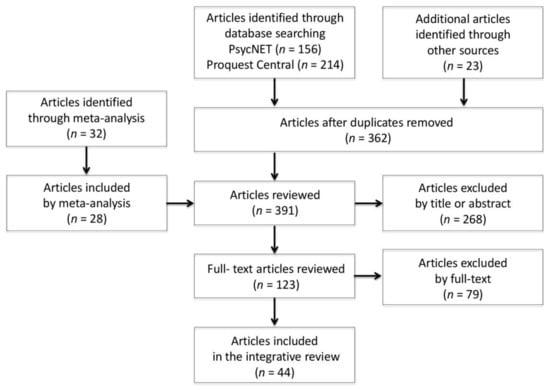
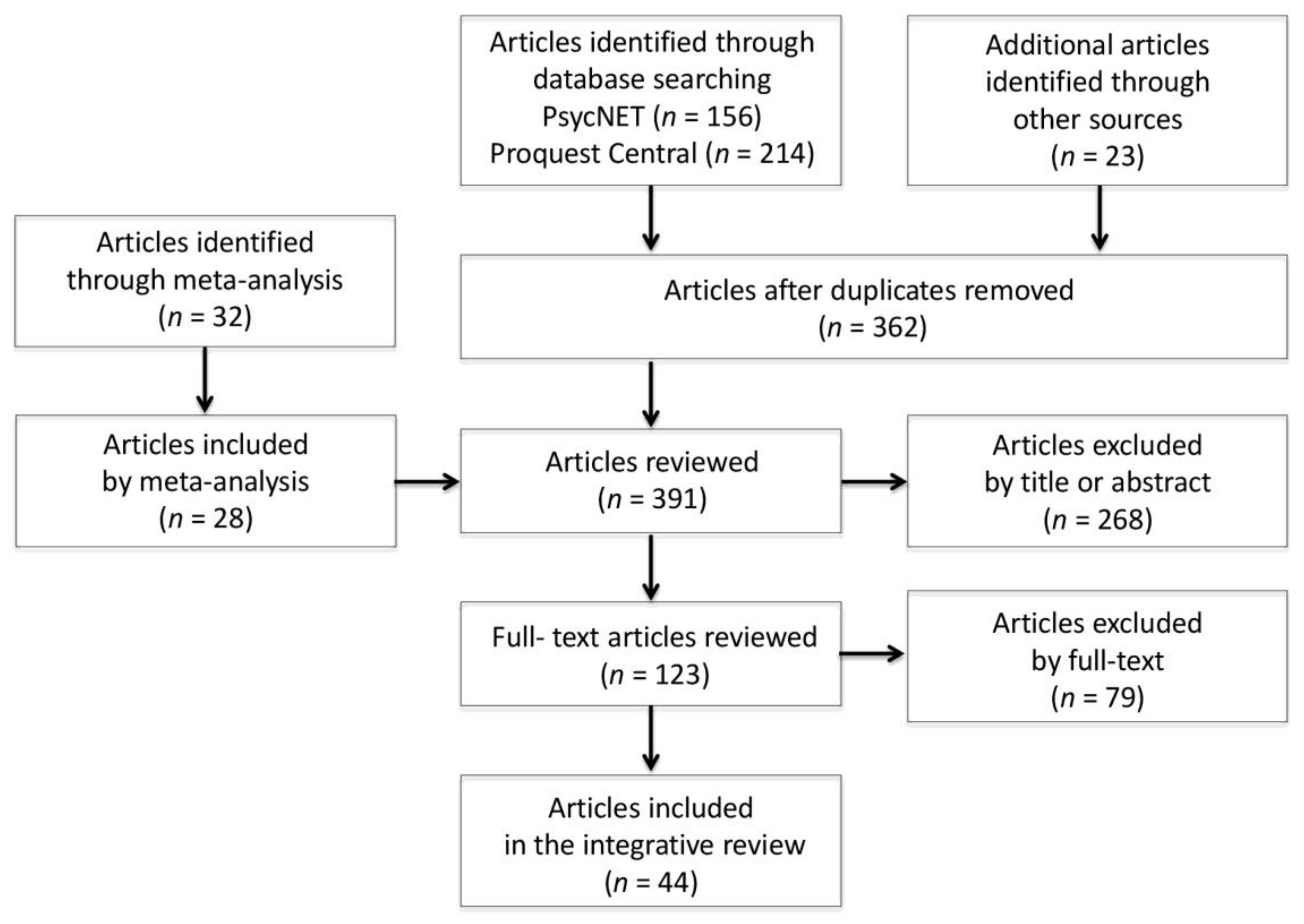
Publisher’s Note: MDPI stays neutral with regard to jurisdictional claims in published maps and institutional affiliations. |
© 2020 by the authors. Licensee MDPI, Basel, Switzerland. This article is an open access article distributed under the terms and conditions of the Creative Commons Attribution (CC BY) license (http://creativecommons.org/licenses/by/4.0/).