Article

Inexpensive Home Infrared Living/Environment Sensor with Regional Thermal Information for Infant Physical and Psychological Development

1
Graduate School of Engineering, Tokyo University of Agriculture and Technology, Tokyo 184-8588, Japan
2
Department of Pediatrics, Saitama Medical University, Saitama 350-0495, Japan
3
Research Fellow of the Japan Society for the Promotion of Science, Tokyo 102-0083, Japan
4
Department of Obstetrics and Gynecology, Saitama Medical University, Saitama 350-0495, Japan
5
Faculty of Environmental Studies Department of Restoration Ecology and Built Environment, Tokyo City University, Kanagawa 224-8551, Japan
6
Wisconsin National Primate Research Center, University of Wisconsin, Madison, WI 53715, USA
7
Department of Cell & Regenerative Biology, School of Medicine and Public Health, University of Wisconsin, Madison, WI 53705, USA
8
Graduate School of Science and Technology for Innovation, Yamaguchi University, Yamaguchi 755-8611, Japan
9
Graduate School of Information Sciences, Tohoku University, Sendai 980-8579, Japan
*
Authors to whom correspondence should be addressed.
Int. J. Environ. Res. Public Health 2020, 17(18), 6844; https://doi.org/10.3390/ijerph17186844

Submission received: 11 September 2020 / Revised: 12 September 2020 / Accepted: 15 September 2020 / Published: 19 September 2020
(This article belongs to the Special Issue Thermal Imaging in Body and Skin Temperature Changes Evaluation)

Abstract

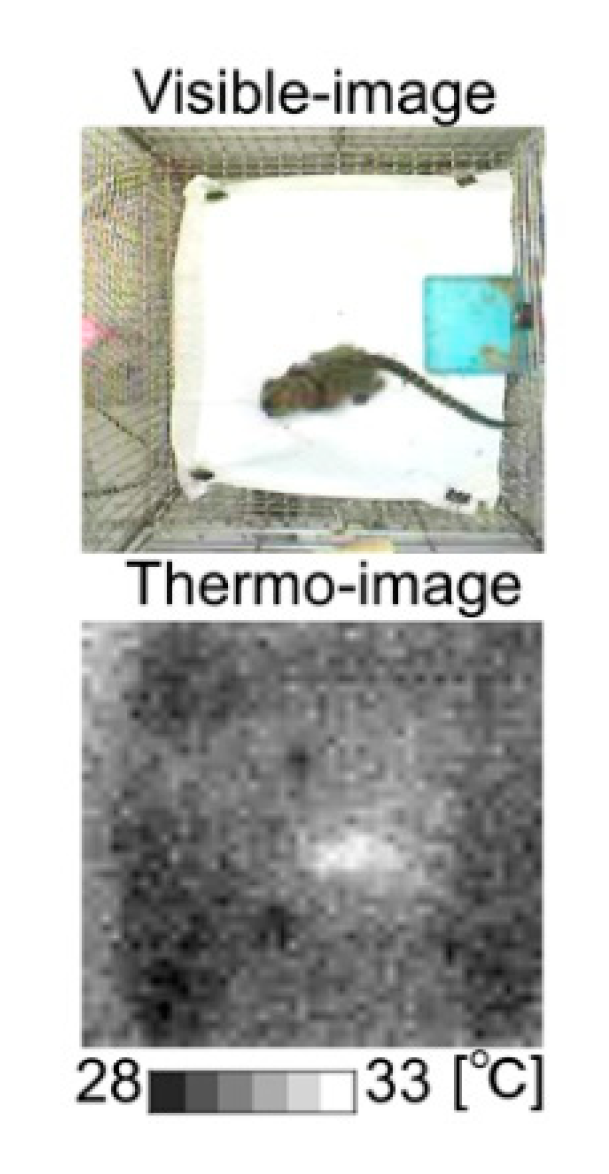
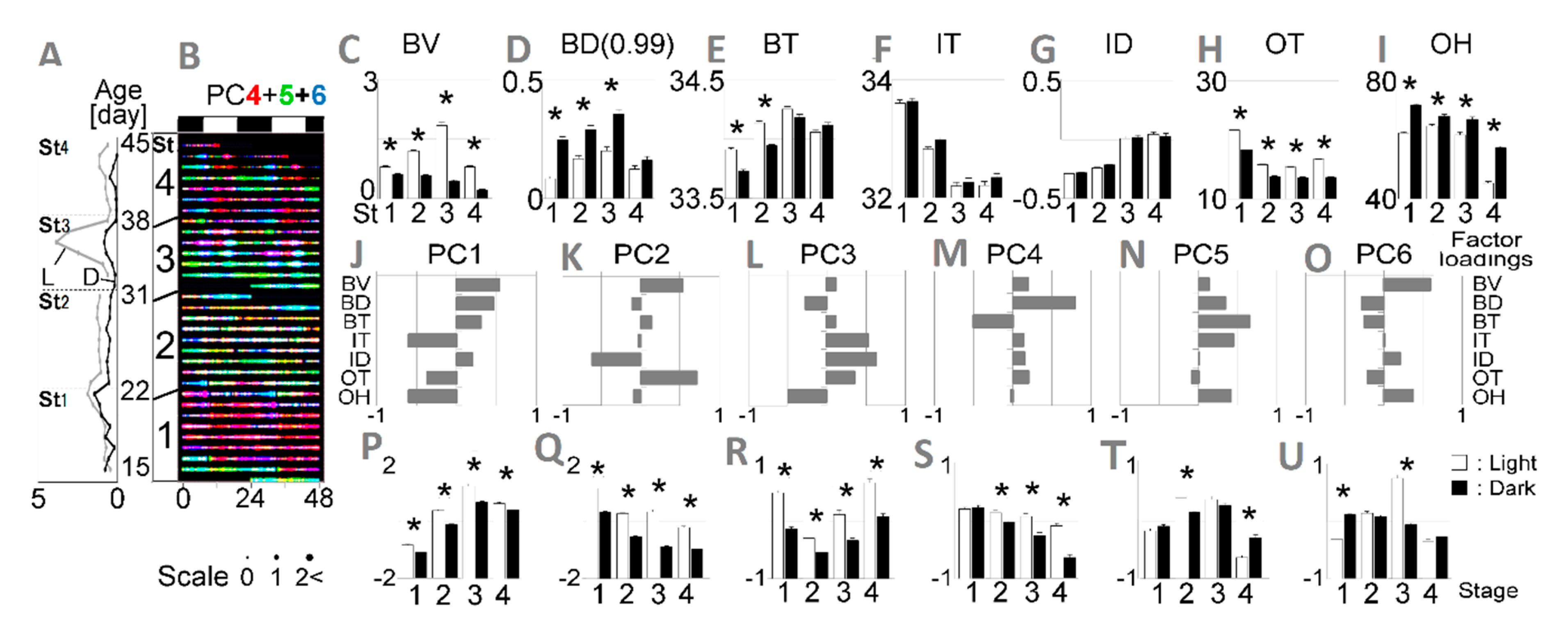
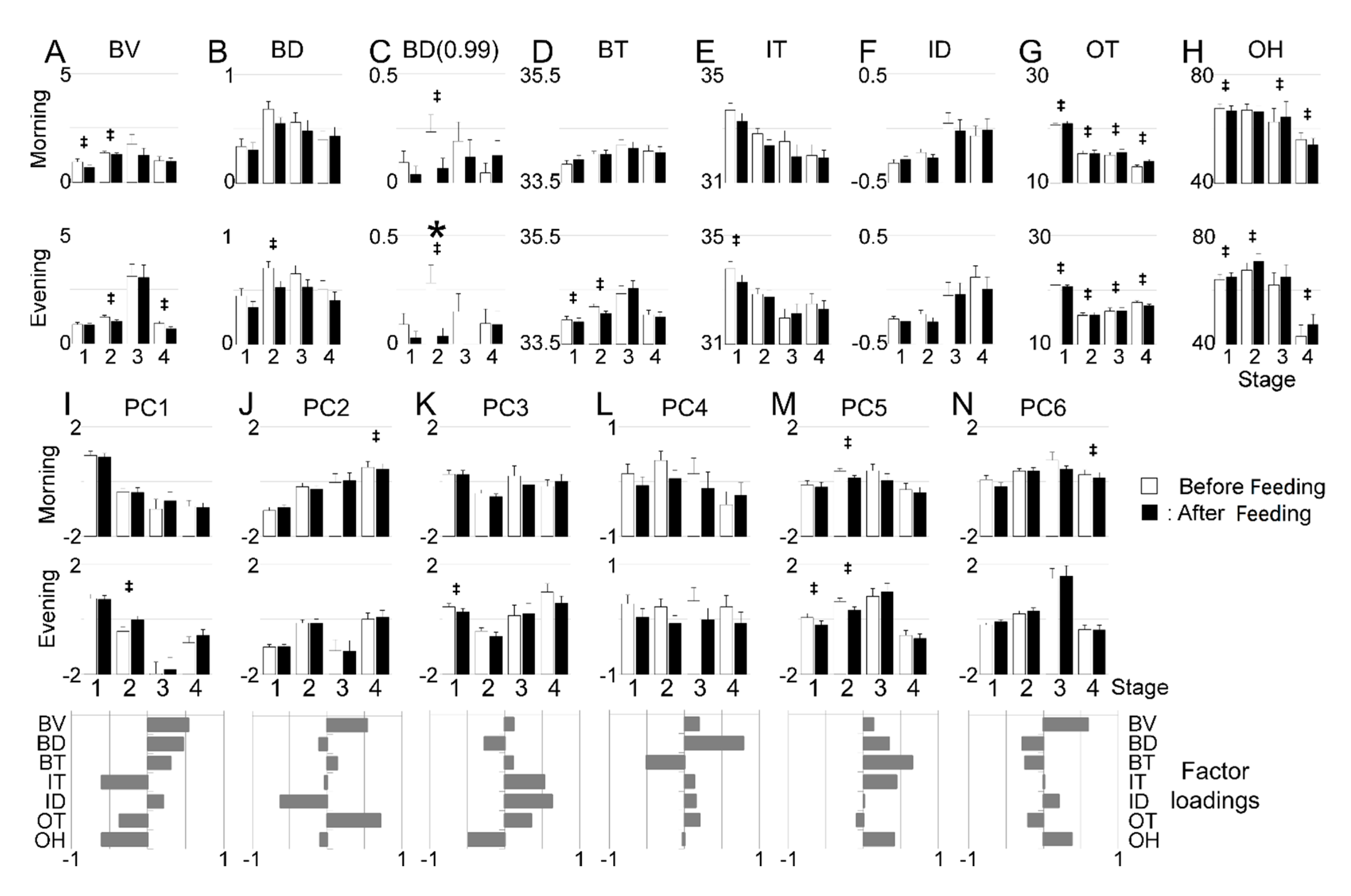
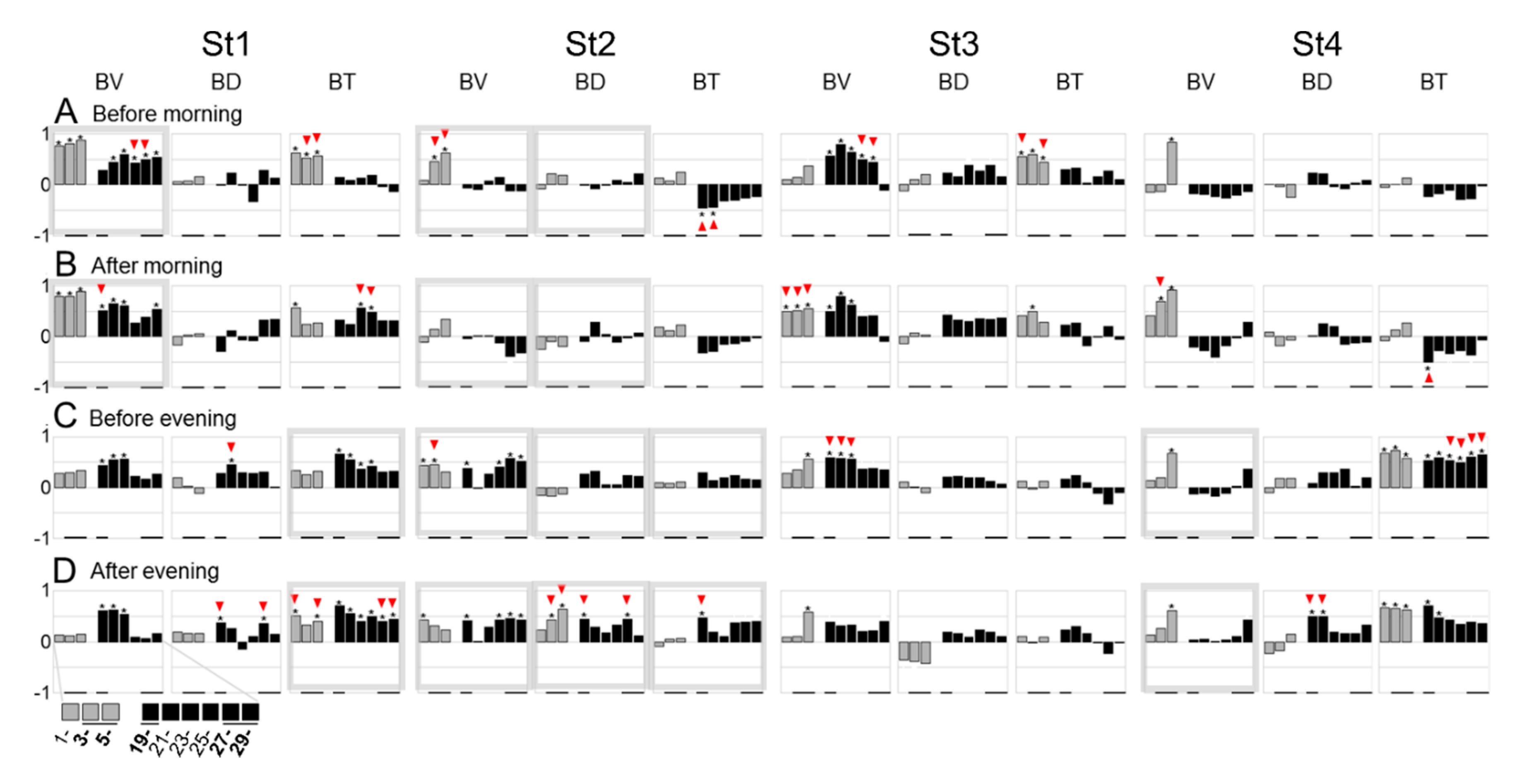
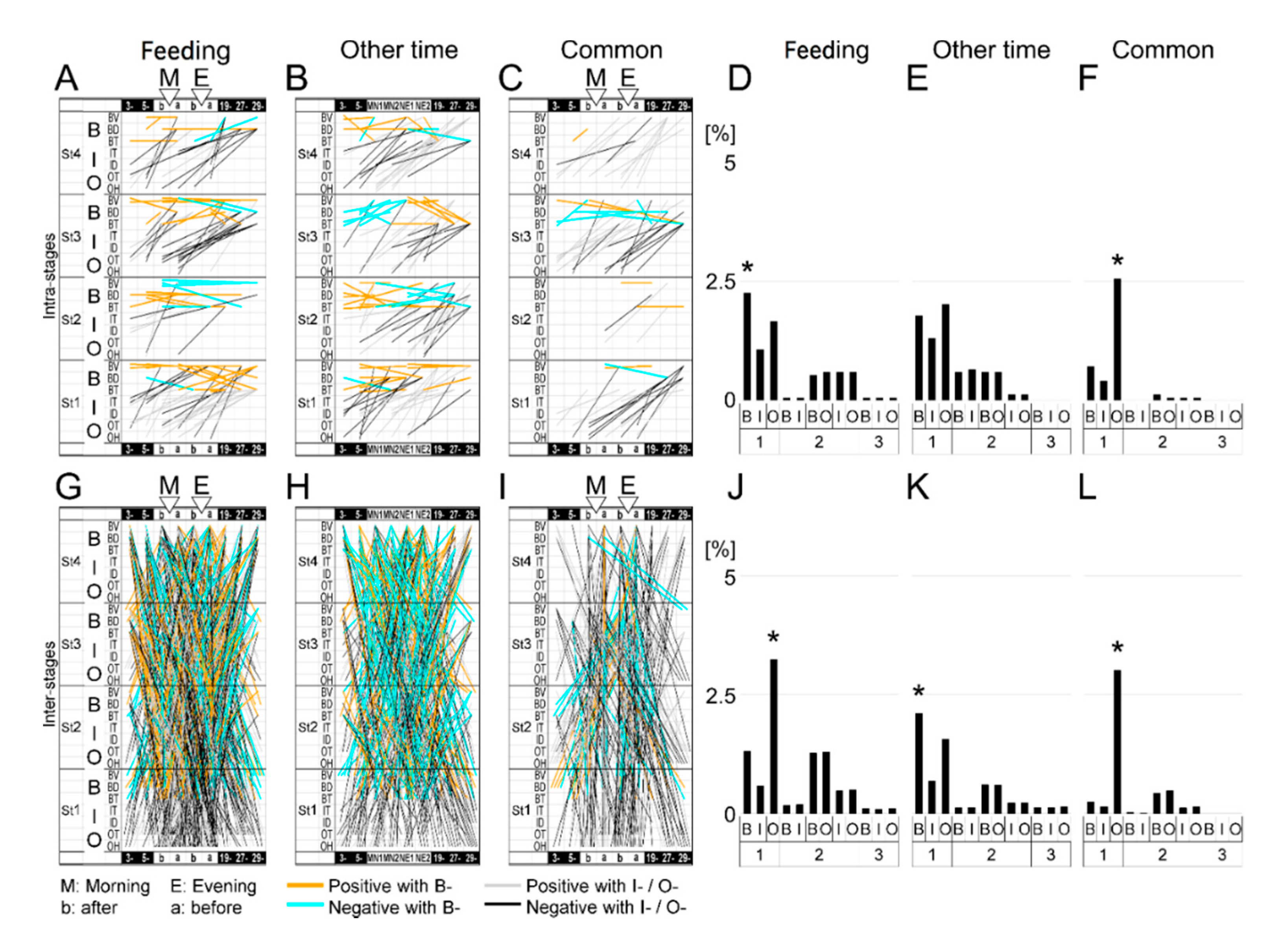
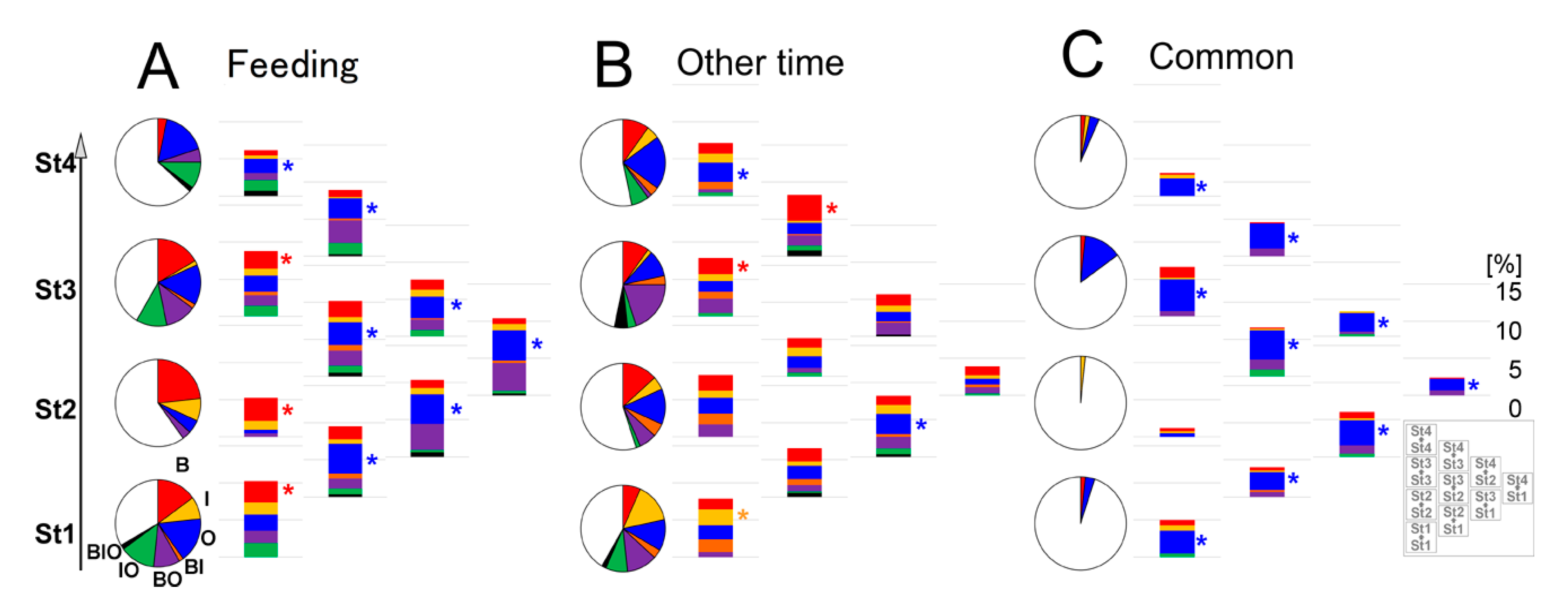
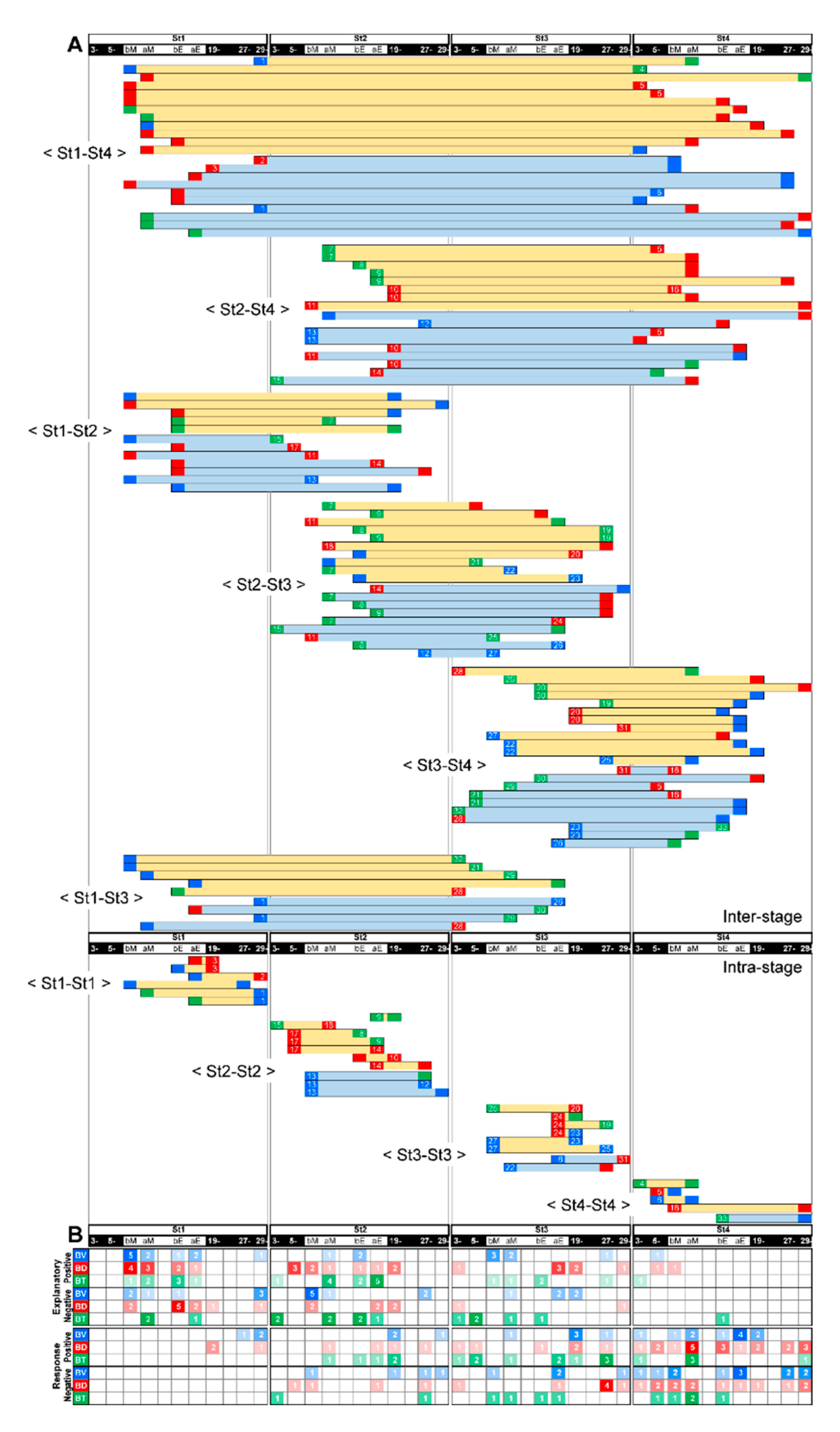
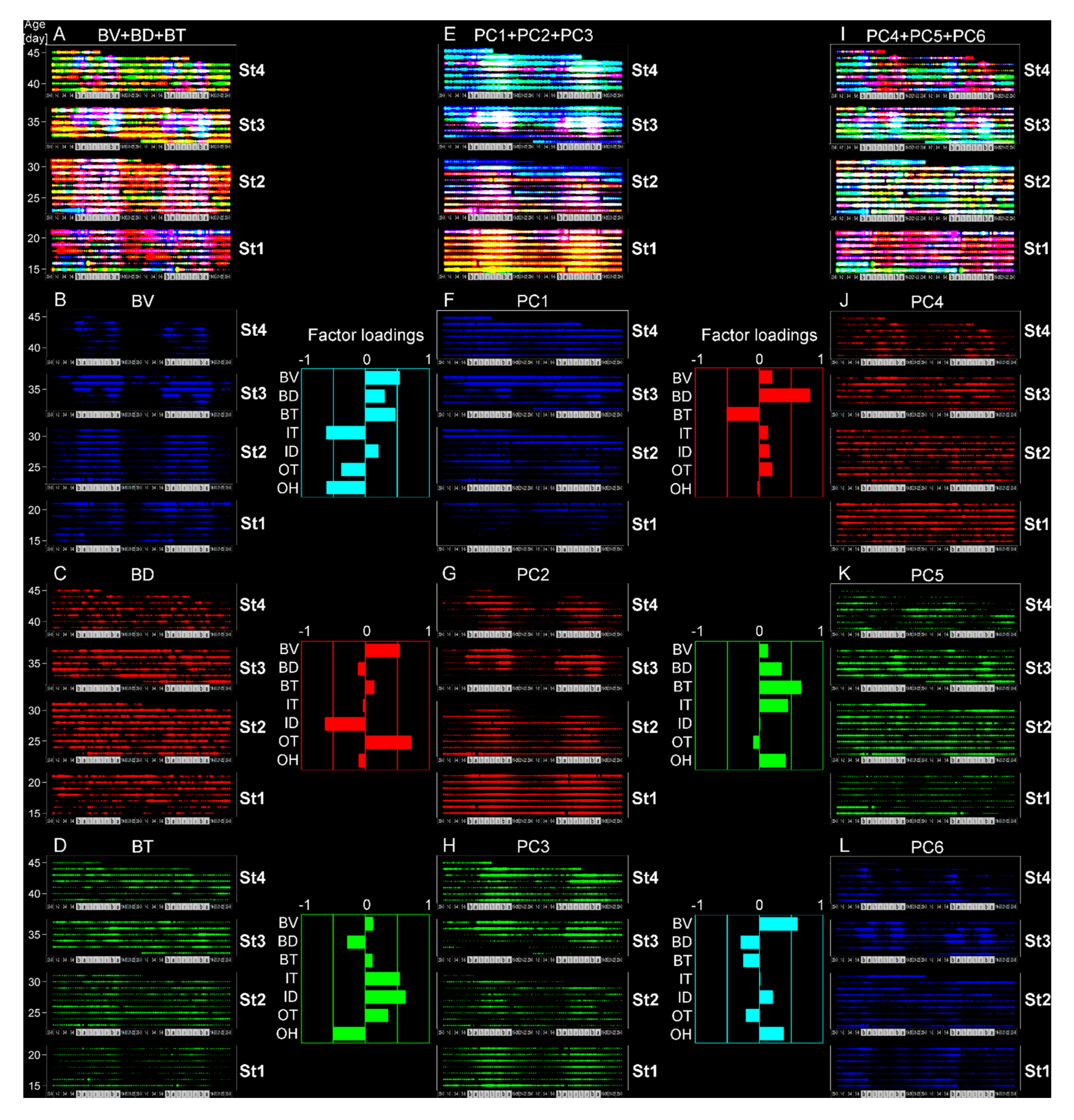
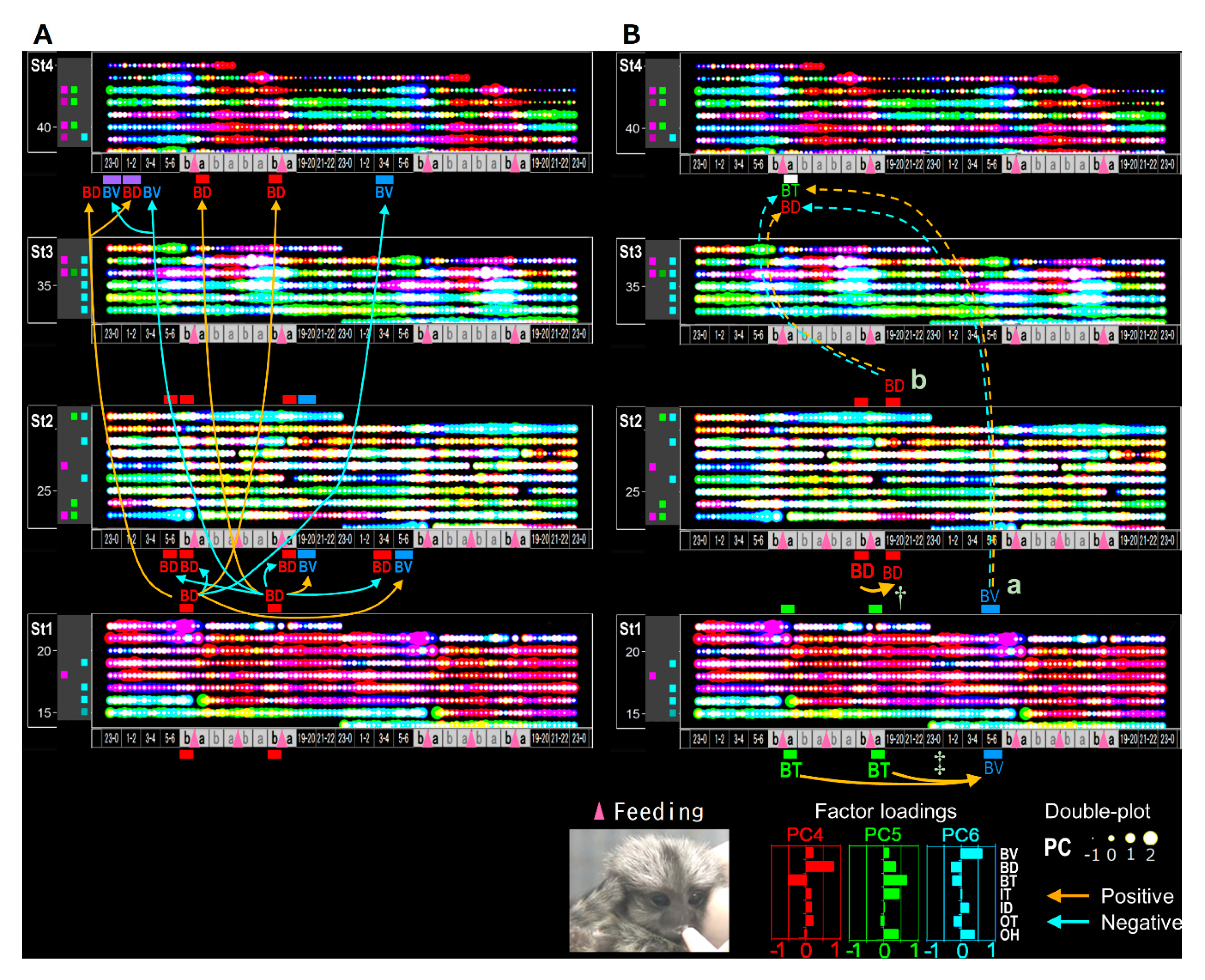
The use of home-based image sensors for biological and environmental monitoring provides novel insight into health and development but it is difficult to evaluate people during their normal activities in their home. Therefore, we developed a low-cost infrared (IR) technology-based motion, location, temperature and thermal environment detection system that can be used non-invasively for long-term studies in the home environment. We tested this technology along with the associated analysis algorithm to visualize the effects of parental care and thermal environment on developmental state change in a non-human primate model, the common marmoset (Callithrix jacchus). To validate this system, we first compared it to a manual analysis technique and we then assessed the development of circadian rhythms in common marmosets from postnatal day 15–45. The semi-automatically tracked biological indices of locomotion velocity (BV) and body surface temperature (BT) and the potential psychological index of place preference toward the door (BD), showed age-dependent shifts in circadian phase patterns. Although environmental variables appeared to affect circadian rhythm development, principal component analysis and signal superimposing imaging methods revealed a novel phasic pattern of BD-BT correlation day/night switching in animals older than postnatal day 38 (approximately equivalent to one year of age in humans). The origin of this switch was related to earlier development of body temperature (BT) rhythms and alteration of psychological behavior rhythms (BD) around earlier feeding times. We propose that this cost-effective, inclusive sensing and analytic technique has value for understanding developmental care conditions for which continual home non-invasive monitoring would be beneficial and further suggest the potential to adapt this technique for use in humans.
Keywords: infrared image sensor; life monitoring; primate model; common marmoset; infant development; complex change of circadian rhythms; locomotion; body temperature; feeding influence infrared image sensor; life monitoring; primate model; common marmoset; infant development; complex change of circadian rhythms; locomotion; body temperature; feeding influence