Next Article in Journal
Acceptance of Online Medical Websites: An Empirical Study in China
Next Article in Special Issue
The Effect of Corporate Social Responsibility and Public Attention on Innovation Performance: Evidence from High-polluting Industries
Previous Article in Journal
The Mediterranean Diet: From an Environment-Driven Food Culture to an Emerging Medical Prescription
Previous Article in Special Issue
Are Small Cities More Environmentally Friendly? An Empirical Study from China
Article

Analysis of the Influence Mechanism of CO2 Emissions and Verification of the Environmental Kuznets Curve in China

1
School of Economics and Management, Wuhan University, Wuhan 430072, China
2
School of Economics, Zhejiang University of Finance & Economics, Hangzhou 310018, China
3
School of Business, Fuyang Normal University, Fuyang 236037, China
*
Author to whom correspondence should be addressed.
Int. J. Environ. Res. Public Health 2019, 16(6), 944; https://doi.org/10.3390/ijerph16060944

Received: 25 January 2019 / Revised: 11 March 2019 / Accepted: 12 March 2019 / Published: 15 March 2019
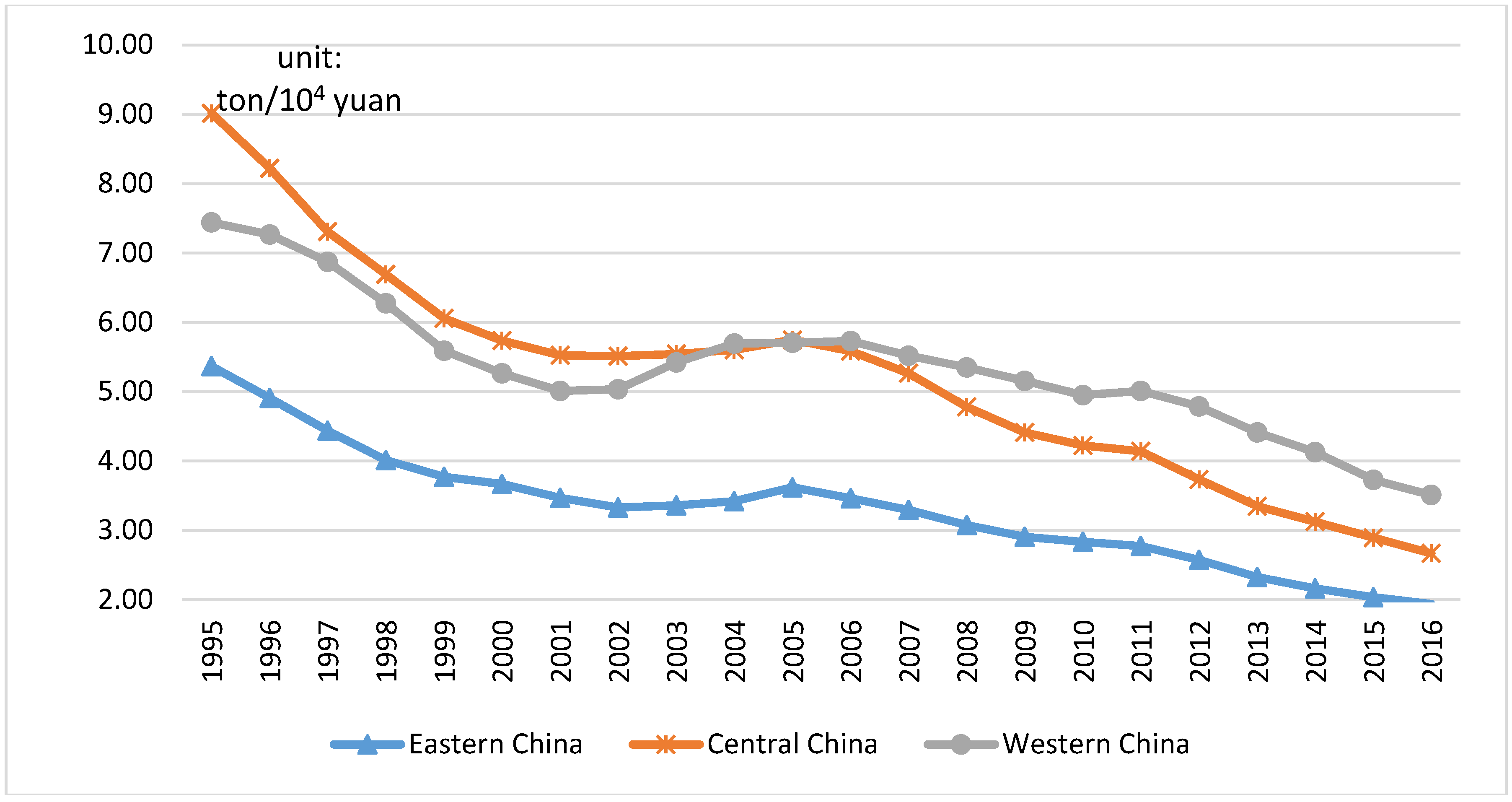
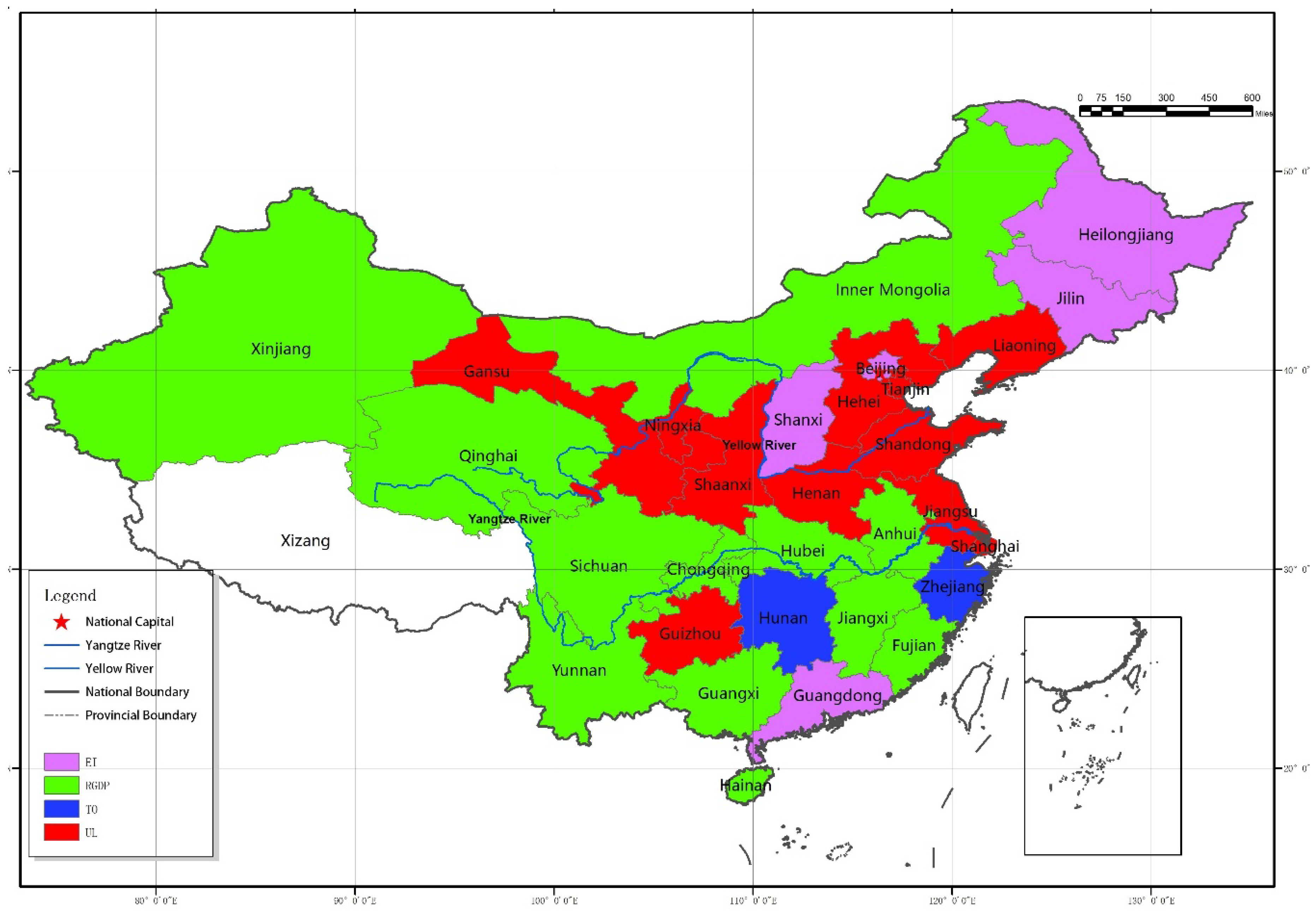
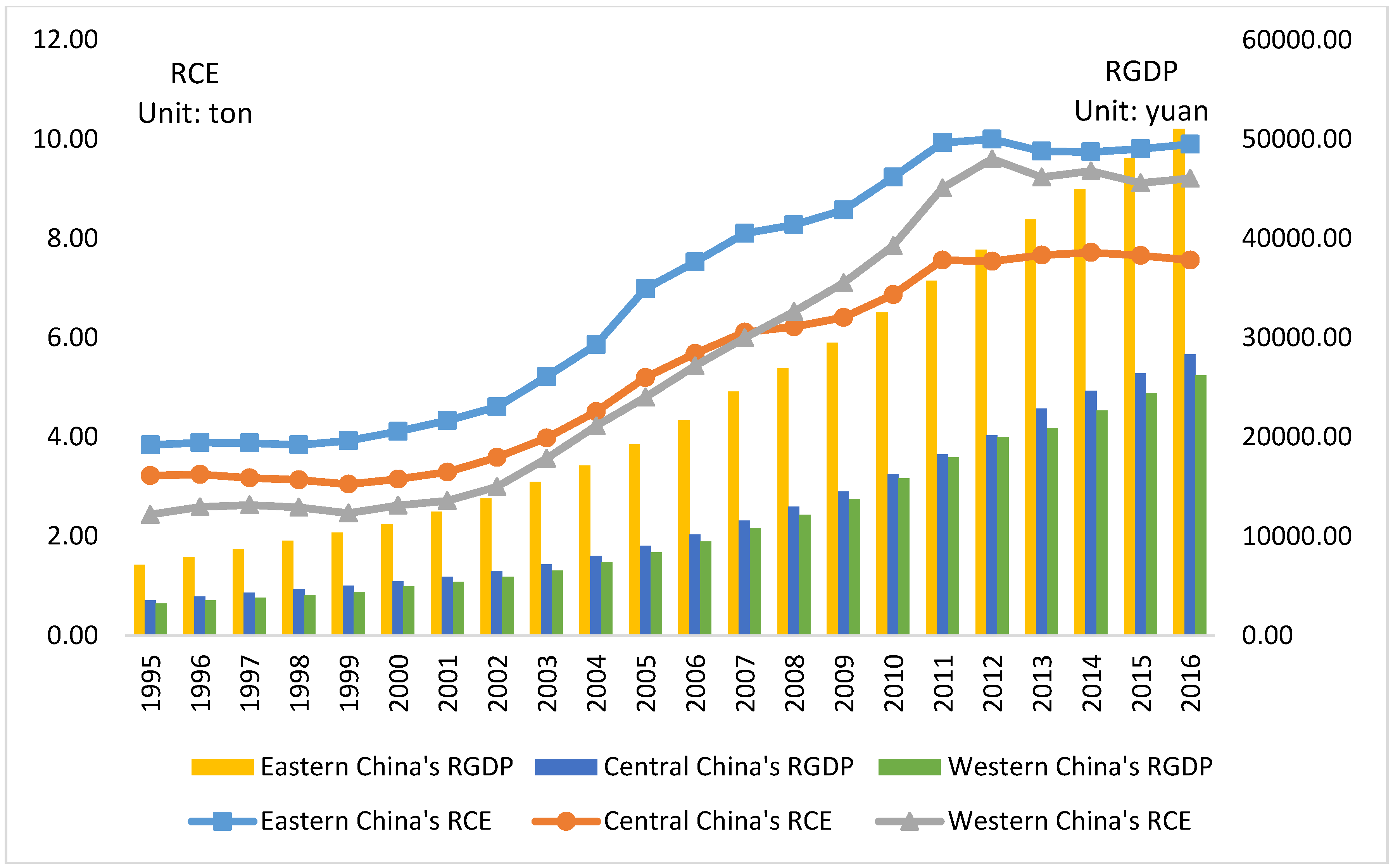
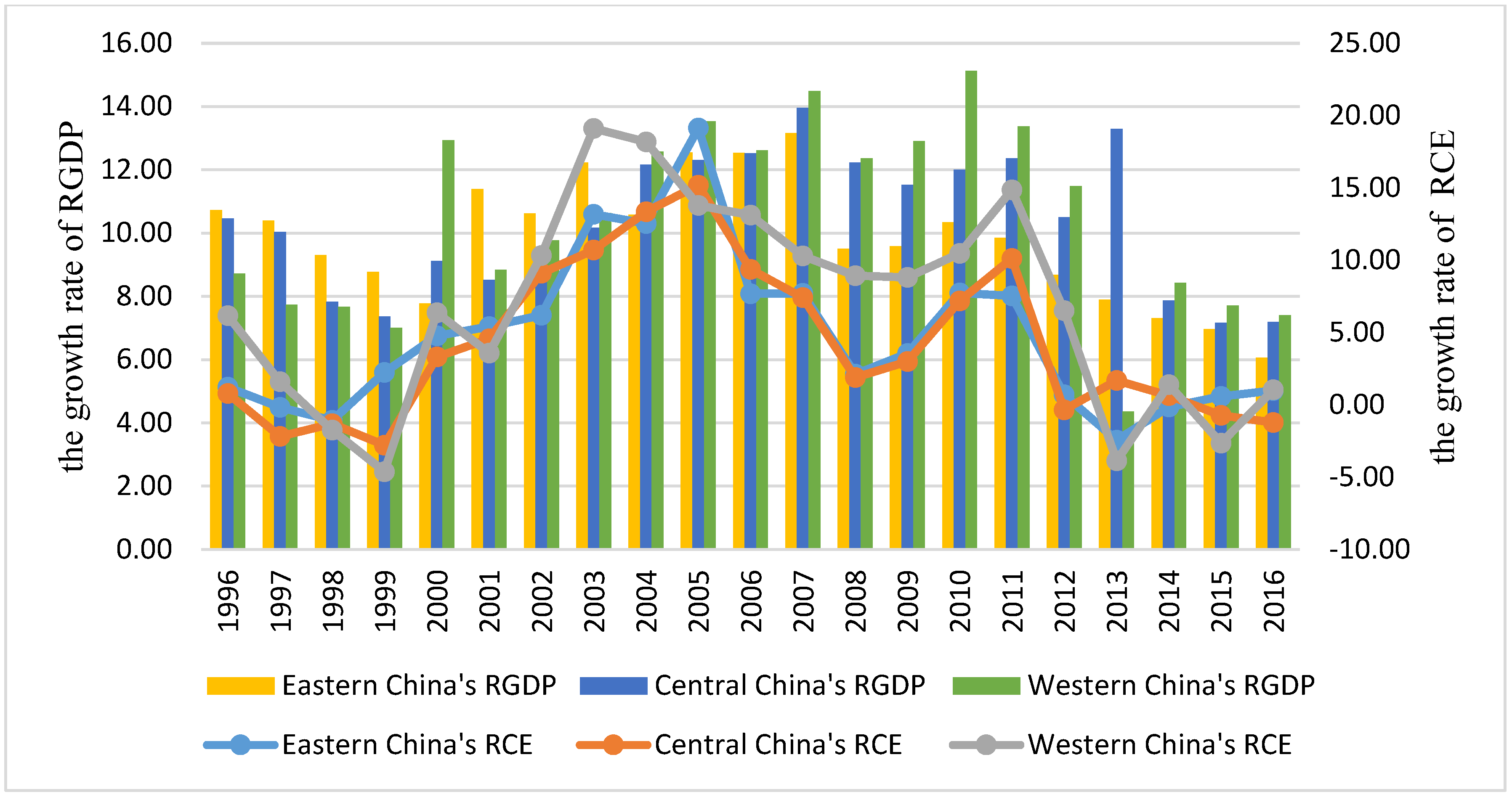
Changes in economic development stage and growth type will lead to variations in the CO2 emissions. Traditional empirical analysis of the variations often only considers the impact of influencing factors on CO2 emissions from a single dimension. Under the background of China’s economy transferring from high-speed growth to high-quality development, this paper comprehensively considers the characteristics of the relevant influencing factors under different development stages and growth rates, and further calculates the panel gray incidence degree between CO2 emissions and these influencing factors in eastern, central, and western China. Based on the different development conditions, corresponding benchmarks of the indicators for the three regions (eastern, western, and central China) are accordingly set, highlighting the unity as well as the uniqueness between different regions. Furthermore, this paper verifies the environmental Kuznets curve (EKC) in the three regions. The result shows that all the factors of per capita Gross Domestic Product (GDP), Energy Intensity, Urbanization Level, and Trade Openness have a high correlation with CO2 emissions in the three regions, in which CO2 emissions are all between the two inflection points of the inverted N-shaped model. View Full-Text
Keywords: CO2 emissions; panel gray incidence degree; EKC; development stage; growth rate CO2 emissions; panel gray incidence degree; EKC; development stage; growth rate
Show Figures

Figure 1

MDPI and ACS Style

Fang, D.; Hao, P.; Wang, Z.; Hao, J. Analysis of the Influence Mechanism of CO2 Emissions and Verification of the Environmental Kuznets Curve in China. Int. J. Environ. Res. Public Health 2019, 16, 944. https://doi.org/10.3390/ijerph16060944
AMA Style

Fang D, Hao P, Wang Z, Hao J. Analysis of the Influence Mechanism of CO2 Emissions and Verification of the Environmental Kuznets Curve in China. International Journal of Environmental Research and Public Health. 2019; 16(6):944. https://doi.org/10.3390/ijerph16060944
Chicago/Turabian Style

Fang, Debin, Peng Hao, Zhengxin Wang, and Jian Hao. 2019. "Analysis of the Influence Mechanism of CO2 Emissions and Verification of the Environmental Kuznets Curve in China" International Journal of Environmental Research and Public Health 16, no. 6: 944. https://doi.org/10.3390/ijerph16060944
Find Other Styles
Note that from the first issue of 2016, MDPI journals use article numbers instead of page numbers. See further details here.

Article Access Map by Country/Region

1
Back to TopTop