
Receptor Binding, Functional Activity, and Cell Viability Assessment of Novel Marine-Based Hybrid Peptides from Raja porosa


 , ,
, ,  , , ,
, , , 
Abstract
1. Introduction
2. Results and Discussion
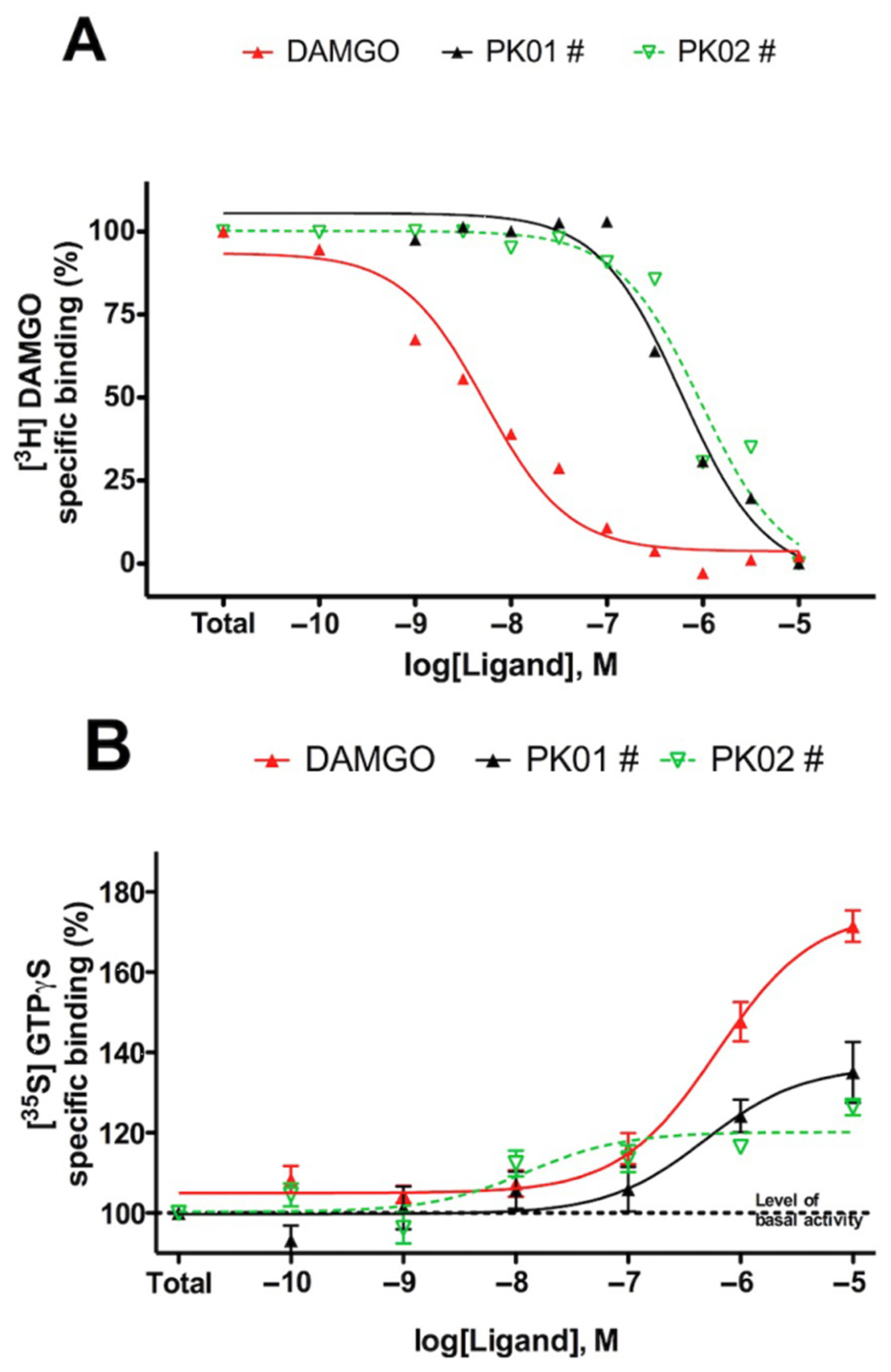
2.1. Binding Characteristics and Ago-/Antagonist Behavior Determination
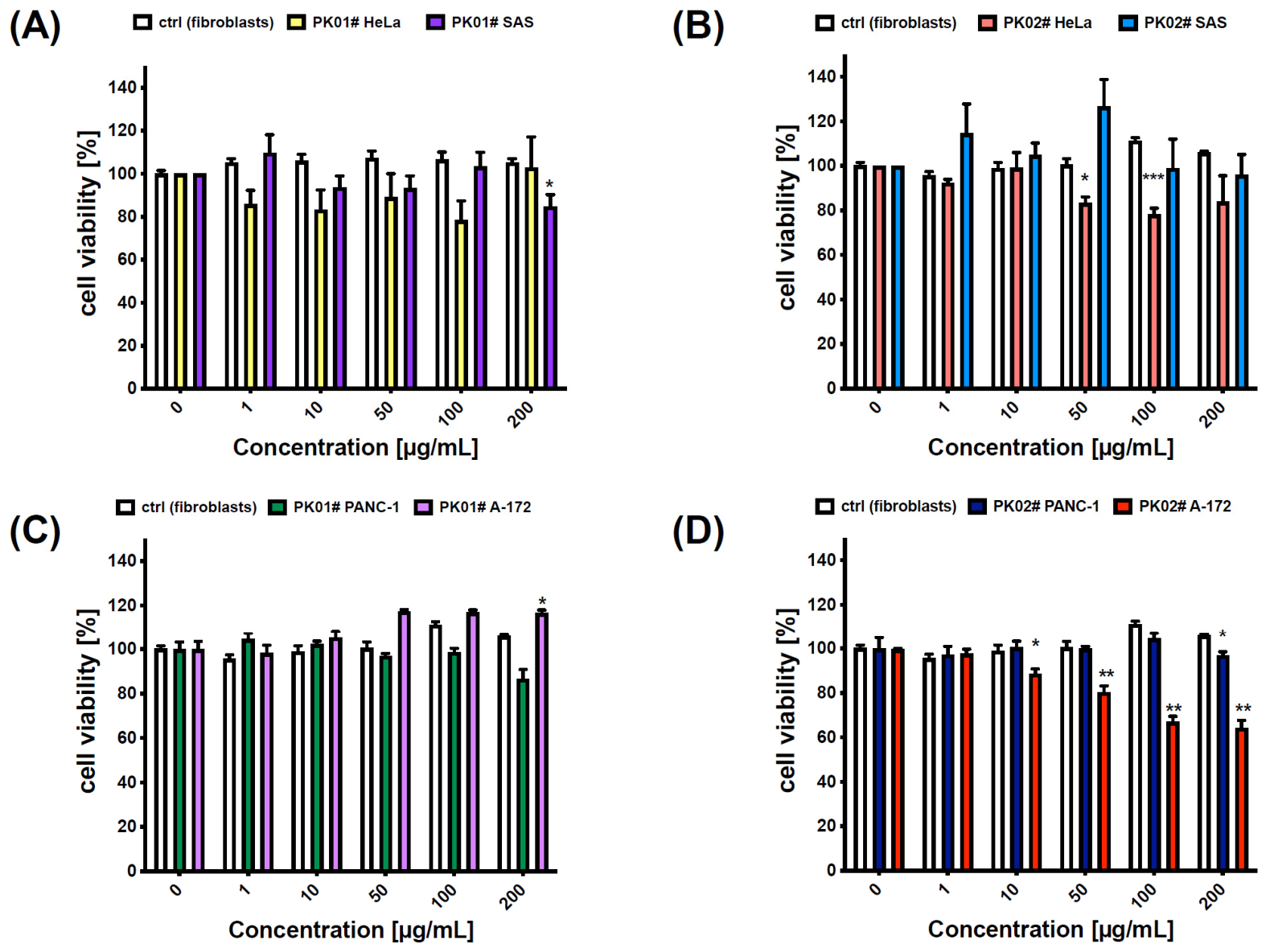
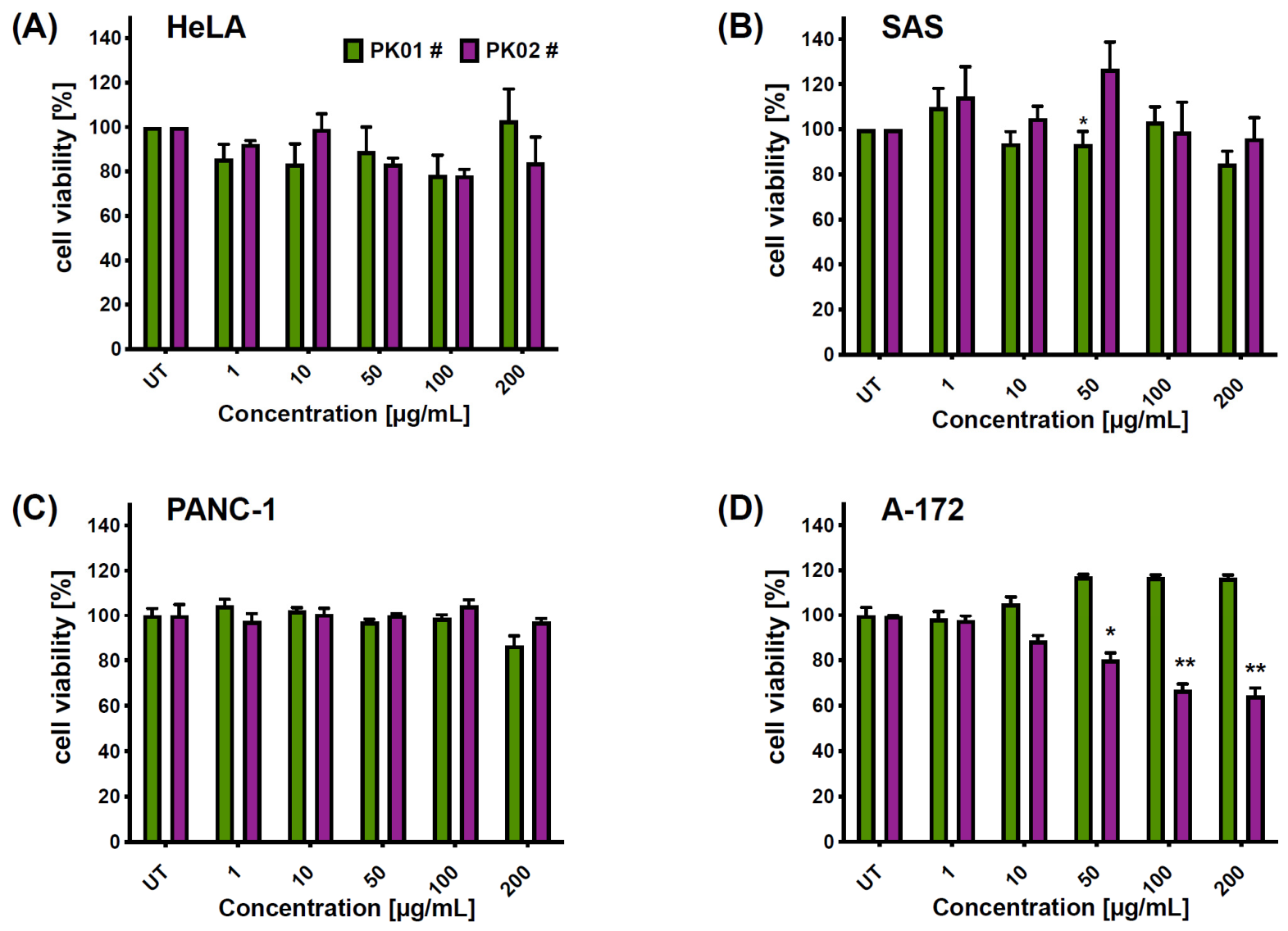
2.2. In Vitro Effects of PK01# and PK02# Chimeras on Cancer Cell Viability
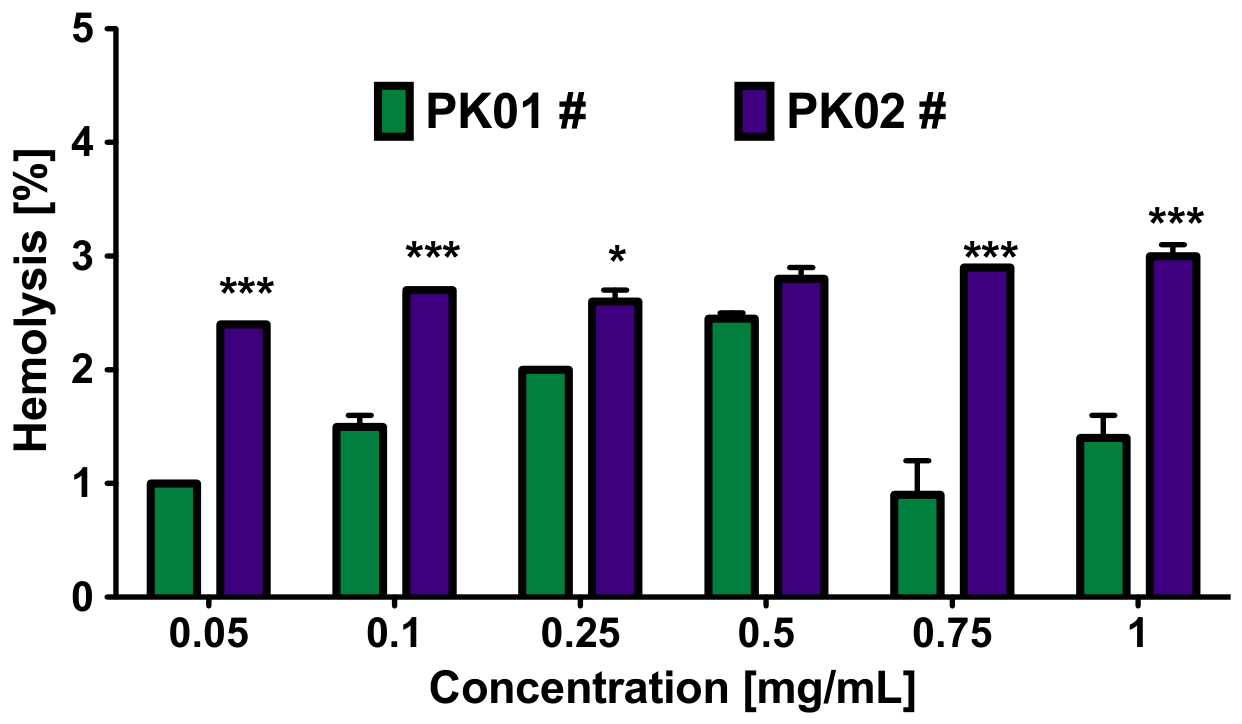
2.3. Peptide-Induced Hemolytic Effect
2.4. Interaction with the Opioidergic System and EGFR, as Revealed by in Silico Studies
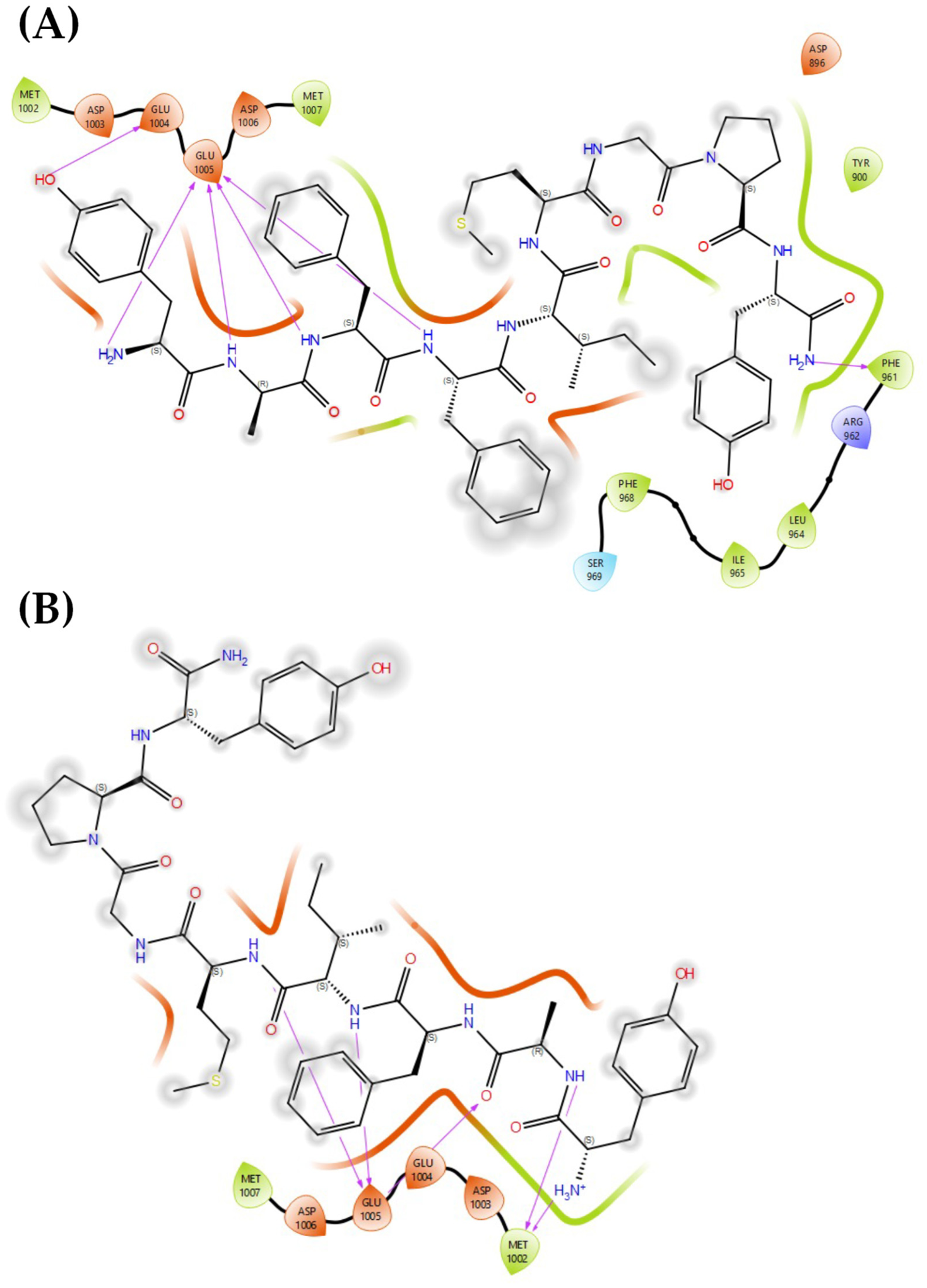
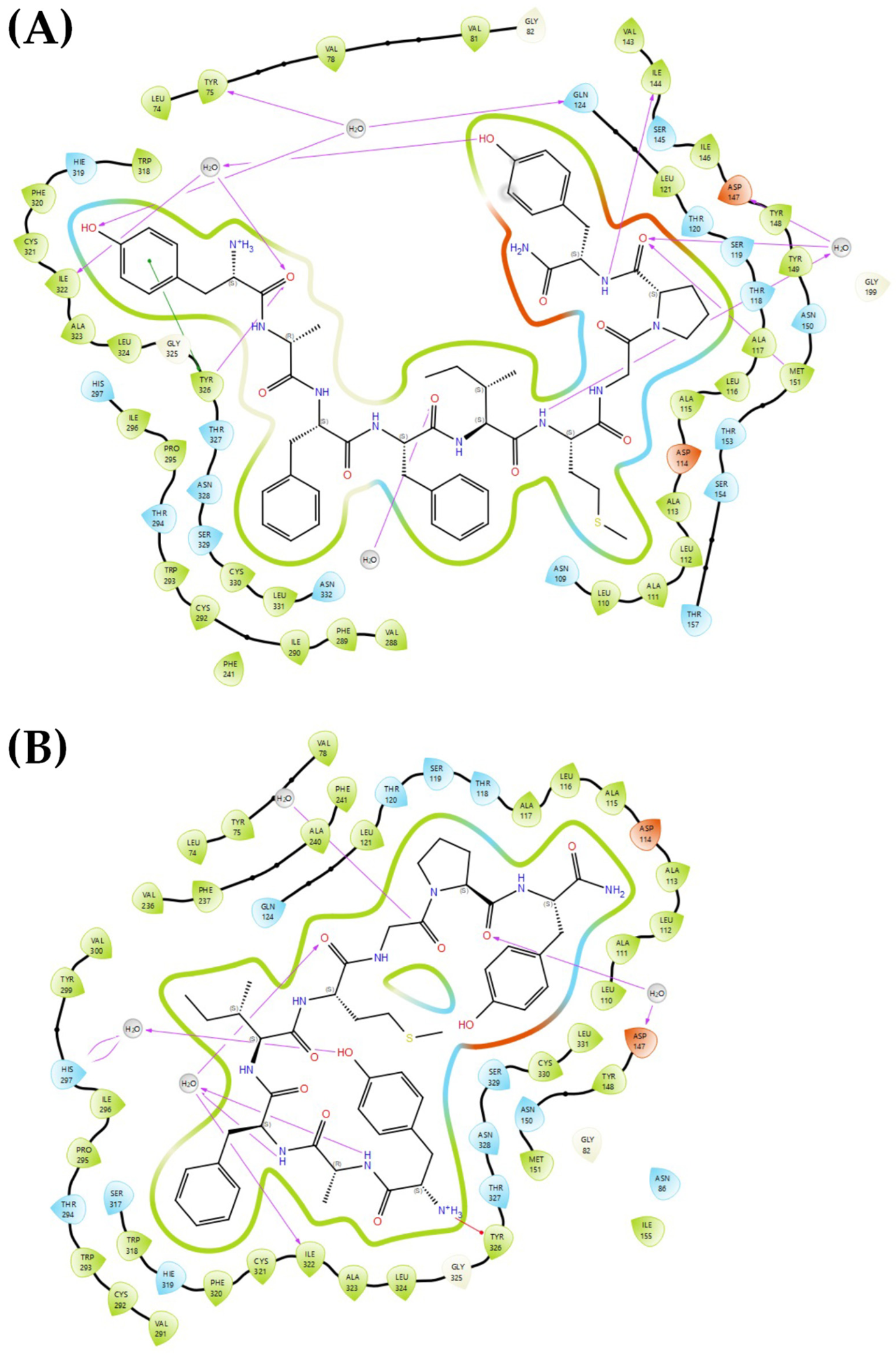
2.4.1. Molecular Docking
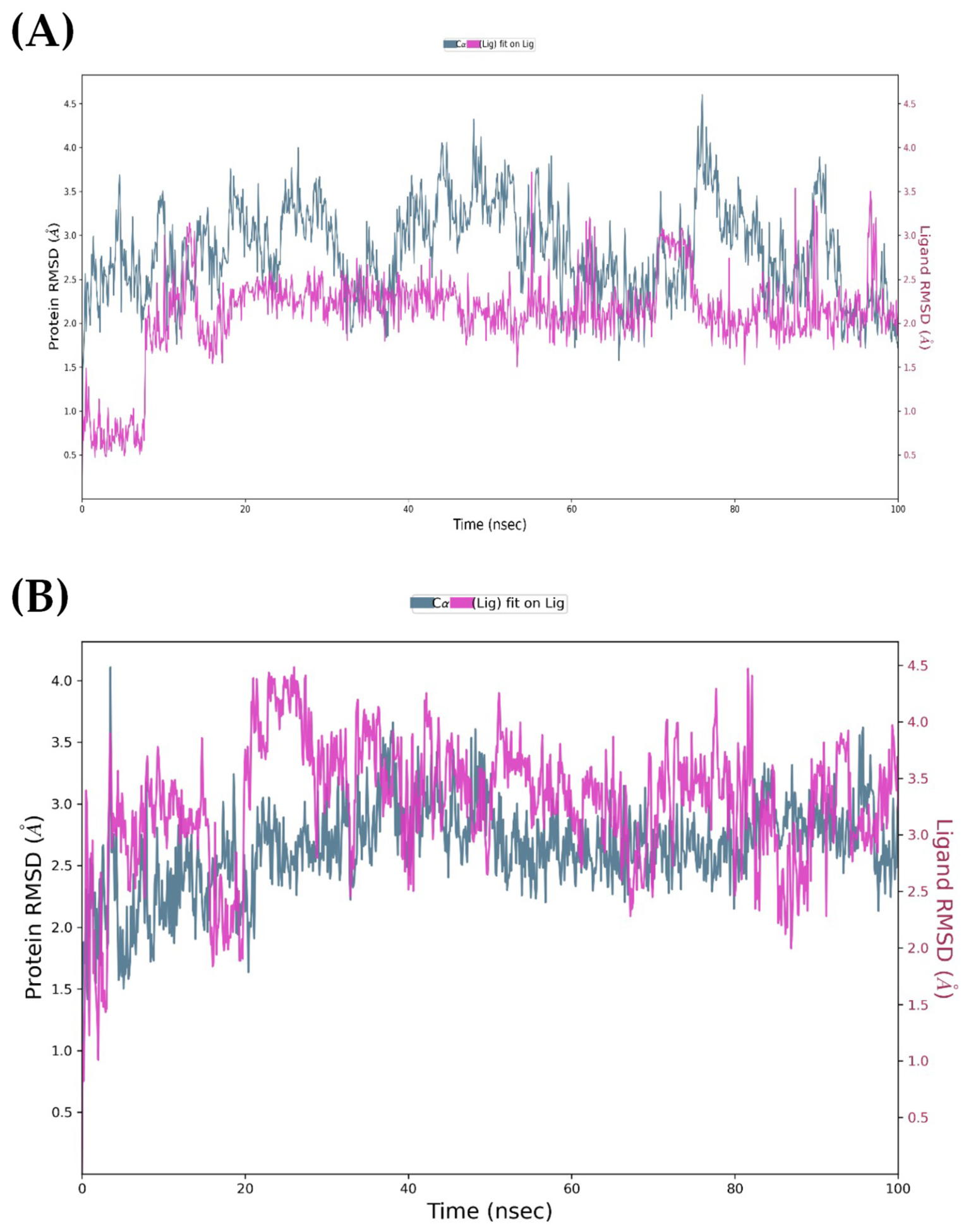
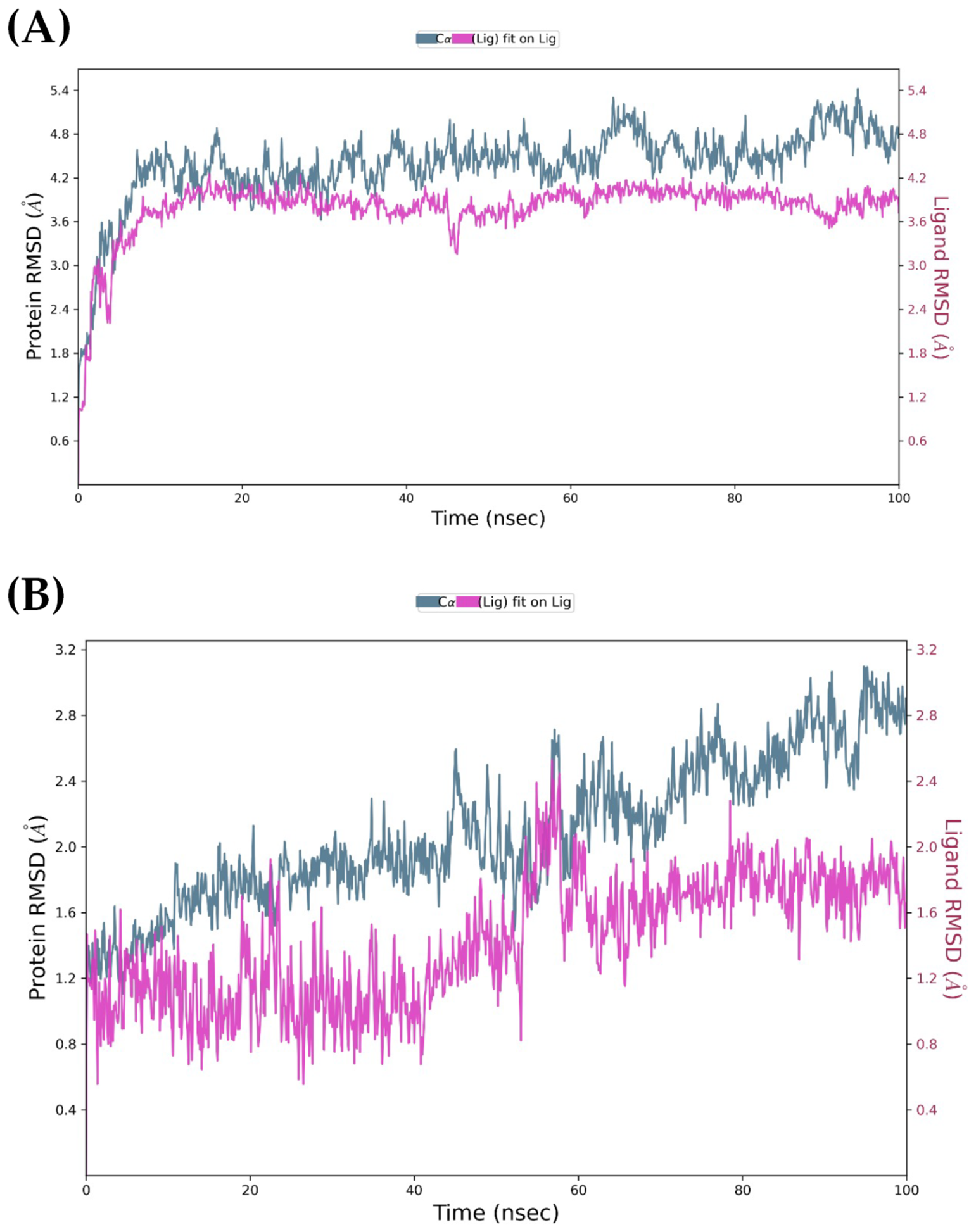
2.4.2. Molecular Dynamics Simulations
Molecular Dynamics Simulations of Complexes with EGFR and MOR
3. Materials and Methods
3.1. Chemicals and Reagents
3.2. Peptide Synthesis
3.3. Animals
3.4. Ex Vivo Biological Experiments
3.4.1. Preparation of Brain Samples for Binding Assays
3.4.2. Competition Binding Experiments
3.4.3. Functional GTPγS Binding Stimulation Assay
3.5. In Vitro Anticancer Activity Determination
3.5.1. Cell Lines
3.5.2. Cytotoxicity Assay—MTT Assay
3.6. Hemolysis Assay
3.7. In Silico Studies
3.7.1. Molecular Modeling
Structures Preparation
Protein–Peptide Docking
3.7.2. Binding Free Energy Calculation by MM/GBSA Rescoring
3.7.3. Molecular Dynamics (MD) Simulations
3.8. Data Analysis
4. Conclusions and Limitations
Author Contributions
Funding
Institutional Review Board Statement
Data Availability Statement
Conflicts of Interest
References
- Shalini, K.V. Have molecular hybrids delivered effective anticancer treatments and what should future drug discovery focus on? Expert Opin. Drug Discov. 2021, 16, 335–363. [Google Scholar] [CrossRef]
- Fares, M.; Abou-Seri, S.M.; Abdel-Aziz, H.A.; Abbas, S.E.S.; Youssef, M.M.; Eladwy, R.A. Synthesis and antitumor activity of pyrido [2, 3-d] pyrimidine and pyrido [2, 3-d] [1, 2, 4] triazolo [4, 3-a] pyrimidine derivatives that induce apoptosis through G1 cell-cycle arrest. Eur. J. Med. Chem. 2014, 83, 155–166. [Google Scholar] [CrossRef]
- Kerru, N.; Singh, P.; Koorbanally, N.; Raj, R.; Kumar, V. Recent advances (2015–2016) in anticancer hybrids. Eur. J. Med. Chem. 2017, 142, 179–212. [Google Scholar] [CrossRef]
- Cheng, W.; Zhu, S.; Ma, X.; Qiu, N.; Peng, P.; Sheng, R.; Hu, Y. Design, synthesis and biological evaluation of 6-(nitroimidazole-1H-alkyloxyl)-4-anilinoquinazolines as efficient EGFR inhibitors exerting cytotoxic effects both under normoxia and hypoxia. Eur. J. Med. Chem. 2015, 89, 826–834. [Google Scholar] [CrossRef]
- Mehndiratta, S.; Hsieh, Y.L.; Liu, Y.M.; Wang, A.W.; Lee, H.Y.; Liang, L.Y.; Kumar, S.; Teng, C.M.; Yang, C.R.; Liou, J.P. Indole-3-ethylsulfamoylphenylacrylamides: Potent histone deacetylase inhibitors with anti-inflammatory activity. Eur. J. Med. Chem. 2014, 85, 468–479. [Google Scholar] [CrossRef]
- Kucuksayan, E.; Ozben, T. Hybrid compounds as multitarget directed anticancer agents. Curr. Top. Med. Chem. 2017, 17, 907–918. [Google Scholar] [CrossRef]
- Shagufta; Irshad, A. Therapeutic significance of molecular hybrids for breast cancer research and treatment. RSC Med. Chem. 2023, 14, 218–238. [Google Scholar] [CrossRef]
- Bauer, M.; Glowacka, M.; Kamysz, W.; Kleczkowska, P. Marine peptides: Potential basic structures for the development of hybrid compounds as multitarget therapeutics for the treatment of multifactorial diseases. Int. J. Mol. Sci. 2024, 25, 12601. [Google Scholar] [CrossRef] [PubMed]
- Lee, Y.; Phat, C.; Hong, S.C. Structural diversity of marine cyclic peptides and their molecular mechanisms for anticancer, antibacterial, antifungal, and other clinical applications. Peptides 2017, 95, 94–105. [Google Scholar] [CrossRef] [PubMed]
- Cheung, R.C.; Ng, T.B.; Wong, J.H. Marine peptides: Bioactivities and applications. Mar. Drugs 2015, 13, 4006–4043. [Google Scholar] [CrossRef] [PubMed]
- Yamamizu, K.; Hamada, Y.; Narita, M. κ Opioid receptor ligands regulate angiogenesis in development and in tumours. Br. J. Pharmacol. 2015, 172, 268–276. [Google Scholar] [CrossRef] [PubMed]
- Wigmore, T.; Farquhar-Smith, P. Opioids and cancer: Friend or foe? Curr. Opin. Support. Palliat. Care 2016, 10, 109–118. [Google Scholar] [CrossRef] [PubMed]
- Song, Q.; Liu, G.; Liu, D.; Feng, C. Dezocine promotes T lymphocyte activation and inhibits tumor metastasis after surgery in a mouse model. Investig. New Drugs 2020, 38, 1342–1349. [Google Scholar] [CrossRef]
- Saeed, I.; La Caze, A.; Hollmann, M.W.; Shaw, P.N.; Parat, M.O. New insights on tramadol and immunomodulation. Curr. Oncol. Rep. 2021, 23, 123. [Google Scholar] [CrossRef]
- Pan, X.; Zhao, Y.Q.; Hu, F.Y.; Chi, C.F.; Wang, B. Anticancer activity of a hexapeptide from skate (Raja porosa) cartilage protein hydrolysate in HeLa cells. Mar. Drugs 2016, 14, 153. [Google Scholar] [CrossRef]
- Singleton, P.A.; Mirzapoiazova, T.; Hasina, R.; Salgia, R.; Moss, J. Increased μ-opioid receptor expression in metastatic lung cancer. Br. J. Anaesth. 2014, 113, i103–i108. [Google Scholar] [CrossRef]
- Zylla, D.; Gourley, B.L.; Vang, D.; Jackson, S.; Boatman, S.; Lindgren, B.; Kuskowski, M.A.; Le, C.; Gupta, K.; Gupta, P. Opioid requirement, opioid receptor expression, and clinical outcomes in patients with advanced prostate cancer. Cancer 2013, 119, 4103–4110. [Google Scholar] [CrossRef]
- Nylund, G.; Pettersson, A.; Bengtsson, C.; Khorram-Manesh, A.; Nordgren, S.; Delbro, D.S. Functional expression of mu opioid receptors in the human colon cancer cell line, HT-29, and their localization in human colon. Dig. Dis. Sci. 2008, 53, 461–466. [Google Scholar] [CrossRef]
- Chatikhine, V.A.; Chevrier, A.; Chauzy, C.; Duval, C.; d’Anjou, J.; Girard, N.; Delpech, B. Expression of opioid peptides in cells and stroma of human breast cancer and adenofibromas. Cancer Lett. 1994, 77, 51–56. [Google Scholar] [CrossRef] [PubMed]
- Brar, B.K.; Lowry, P.J. The differential processing of proenkephalin A in mouse and human breast tumour cell lines. J. Endocrinol. 1999, 161, 475–484. [Google Scholar] [CrossRef]
- Rasmussen, M.; Zhu, W.; Tonnesen, J.; Cadet, P.; Tonnesen, E.K.; Stefano, G.B. Effects of morphine on tumour growth. Neuroendocrinol. Lett. 2002, 23, 193–198. [Google Scholar] [PubMed]
- Bisignani, G.J.; McLaughlin, P.J.; Ordille, S.D.; Beltz, M.S.; Jarowenko, M.V.; Zagon, I.S. Human renal cell cancer proliferation in tissue culture is tonically inhibited by opioid growth factor. J. Urol. 1999, 162, 2186–2191. [Google Scholar] [CrossRef]
- Zagon, I.S.; Smith, J.P.; McLaughlin, P.J. Human pancreatic cancer cell proliferation in tissue culture is tonically inhibited by opioid growth factor. Int. J. Oncol. 1999, 14, 577–584. [Google Scholar] [CrossRef] [PubMed]
- Zagon, I.S.; Hytrek, S.D.; Lang, C.M.; Smith, J.P.; McGarrity, T.J.; Wu, Y.; McLaughlin, P.J. Opioid growth factor ([Met5]enkephalin) prevents the incidence and retards the growth of human colon cancer. Am. J. Physiol. 1996, 271, R780–R786. [Google Scholar] [CrossRef]
- Zagon, I.S.; Verderame, M.F.; McLaughlin, P.J. The biology of the opioid growth factor receptor (OGFr). Brain Res. Rev. 2002, 38, 351–376. [Google Scholar] [CrossRef]
- Hutchinson, M.R.; Zhang, Y.; Shridhar, M.; Evans, J.H.; Buchanan, M.M.; Zhao, T.X.; Slivka, P.F.; Coats, B.D.; Rezvani, N.; Wieseler, J.; et al. Evidence that opioids may have Toll-like receptor 4 and MD-2 effects. Brain Behav. Immun. 2010, 24, 83–95. [Google Scholar] [CrossRef]
- Pan, X.; Zhao, Y.; Hu, F.; Wang, B. Preparation and identification of antioxidant peptides from protein hydrolysate of skate (Raja porosa) cartilage. J. Funct. Foods 2016, 25, 220–230. [Google Scholar] [CrossRef]
- Zapadka, K.L.; Becher, F.J.; Gomes dos Santos, A.L.; Jackson, S.E. Factors affecting physical stability (aggregation) of peptide therapeutics. Interface Focus. 2017, 7, 20170030. [Google Scholar] [CrossRef]
- Rytting, M.; Worth, L.; Jaffe, N. Hemolytic disorders associated with cancer. Hematol. Oncol. Clin. N. Am. 1996, 10, 365–376. [Google Scholar] [CrossRef]
- Nguyen, T.N.; Maenulein, E.; Fihman, V.; Vinatier, I.; Moh Klaren, J. Serologic characteristics of oxaliplatin antibodies in 15 patients with drug-induced immune hemolytic anemia. Transfusion 2021, 61, 1609–1616. [Google Scholar] [CrossRef] [PubMed]
- Tardy, M.P.; Gastaud, L.; Boscagli, A.; Peyrade, F.; Gallamini, A.; Thyss, A. Autoimmune hemolytic anemia after nivolumab treatment in Hodgkin lymphoma responsive to immunosuppressive treatment. A case report. Hematol. Oncol. 2017, 35, 875–877. [Google Scholar] [CrossRef]
- Aerts, R.; Brijs, J.; Van Nieuwenhuyse, T.; Beckers, M.; Dooms, C.; Wauters, E.; Nackaerts, K. Hemolytic anemia caused by alectinib, an anaplastic lymphoma kinase (ALK) inhibitor: A case report. Curr. Prob. Cancer Case Rep. 2022, 7, 100176. [Google Scholar] [CrossRef]
- Lowe, G.; Stike, R.; Pollack, M.; Bosley, J.; O’Brien, P.; Hake, A.; Landis, G.; Billings, N.; Gordon, P.; Manzella, S.; et al. Nursing blood specimen collection techniques and hemolysis rates in an emergency department: Analysis of venipuncture versus intravenous catheter collection techniques. J. Emerg. Nurs. 2008, 34, 26–32. [Google Scholar] [CrossRef]
- Zhang, F.; Wang, S.; Yin, L.; Yang, Y.; Guan, Y.; Wang, W.; Xu, H.; Tao, N. Quantification of epidermal growth factor receptor expression level and binding kinetics on cell surfaces by surface plasmon resonance imaging. Anal. Chem. 2015, 87, 9960–9965. [Google Scholar] [CrossRef]
- Ohnishi, Y.; Yasui, H.; Kakudo, K.; Nozaki, M. Cetuximab-resistant oral squamous cell carcinoma cells become sensitive in anchorage-independent culture conditions through the activation of the EGFR/AKT pathway. Int. J. Oncol. 2015, 47, 2165–2172. [Google Scholar] [CrossRef]
- Hussin, R.; Sobral, D.V.; Mendonca, F.F.; Fuscaldi, L.L.; Malavota, L. EGFR-targeting peptide inhibits HeLa cell proliferation: A novel strategy for cervical cancer therapy? Hematol. Transf. Cell Ther. 2025, 47, 103785. [Google Scholar] [CrossRef]
- Shannan, P.Z.T.; Suganya, S.G.; Ramesh, M.; Jemima, E.A. Effect control of novel Hirudinaria manillensis extract on the molecular regulation of EGFR gene and its protein expression in HeLa cells. Mol. Biol. Rep. 2024, 51, 1061. [Google Scholar] [CrossRef]
- Fenstermaker, R.A.; Ciesielski, M.J.; Castiglia, G.J. Tandem duplication of the epidermal growth factor receptor tyrosine kinase and calcium internalization domains in A-172 glioma cells. Oncogene 1998, 16, 3435–3443. [Google Scholar] [CrossRef] [PubMed]
- Matsuda, K.; Idezawa, T.; You, X.J.; Kothari, N.H.; Fan, H.; Korc, M. Multiple mitogenic pathways in pancreatic cancer cells are blocked by a truncated epidermal growth factor receptor. Cancer Res. 2002, 62, 5611–5617. [Google Scholar] [PubMed]
- Kimple, R.J.; Vaseva, A.V.; Cox, A.D.; Baerman, K.M.; Calvo, B.F.; Tepper, J.E.; Shields, J.M.; Sartor, C.I. Radiosensitization of epidermal growth factor receptor/HER2-positive pancreatic cancer is mediated by inhibition of Akt independent of Ras mutational status. Clin. Cancer Res. 2010, 16, 912–923. [Google Scholar] [CrossRef]
- Kadayat, T.M.; Park, S.; Shrestha, A.; Jo, H.; Hwang, S.Y.; Katila, P.; Shrestha, R.; Nepal, M.R.; Noh, K.; Kim, S.K.; et al. Discovery and biological evaluations of halogenated 2,4-diphenyl indeno [1,2-B]pyridinol derivatives as potent topoisomerase IIα-targeted chemotherapeutic agents for breast cancer. J. Med. Chem. 2019, 62, 8194–8234. [Google Scholar] [CrossRef] [PubMed]
- Oktem, H.A.; Moitra, J.; Benyhe, S.; Toth, G.; Lajtha, A.; Borsodi, A. Opioid receptor labeling with the chloromethyl ketone derivative of [3H]Tyr-D-Ala-Gly-(Me)Phe-Gly-ol (DAMGO) II: Covalent labeling of mu opioid binding site by 3H-Tyr-D-Ala-Gly-(Me)Phe chloromethyl ketone. Life Sci. 1991, 48, 1763–1768. [Google Scholar] [CrossRef] [PubMed]
- Benyhe, S.; Farkas, J.; Tóth, G.; Wollemann, M. Met5-Enkephalin-Arg6-Phe7, an endogenous neuropeptide, binds to multiple opioid and nonopioid sites in rat brain. J. Neurosci. Res. 1997, 48, 249–258. [Google Scholar] [CrossRef]



| Ligand | Maximum Stimulation (Efficacy) | Potency |
|---|---|---|
| Emax ± S.E.M. (%) | Log EC50 ± S.E.M. | |
| DAMGO | 175.2 ± 4.1 | 6.2 ± 0.1 |
| PK01# | 136.5 ± 5.6 | 6.3 ± 0.3 |
| PK02# | 120.2 ± 2.3 | 7.9 ± 0.4 |
| Protein | EGFR Kinase | MOR | ||
|---|---|---|---|---|
| Ligand | PK01# | PK02# | PK01# | PK02# |
| Docking score | −7.516 | −6.053 | −5.601 | −5.600 |
| MM-GBSA [kcal/mol] | −57.4014 | −27.6518 | −202.9230 | −147.7033 |
| Interactions (H-bonds) | Glu1004, Asp1003, Glu1005 | Met1002, Asp1003, Glu1005 | Tyr75, Asp147, Ile322, Tyr326, | Asp147, His297, Ile322, Tyr326, |
Disclaimer/Publisher’s Note: The statements, opinions and data contained in all publications are solely those of the individual author(s) and contributor(s) and not of MDPI and/or the editor(s). MDPI and/or the editor(s) disclaim responsibility for any injury to people or property resulting from any ideas, methods, instructions or products referred to in the content. |
© 2026 by the authors. Licensee MDPI, Basel, Switzerland. This article is an open access article distributed under the terms and conditions of the Creative Commons Attribution (CC BY) license.
Share and Cite
Bauer, M.; Szeleszczuk, Ł.; Velmurugan, B.K.; Chiang, S.-L.; Laskowska, A.K.; Pisklak, D.M.; Szűcs, E.; Gombos, D.; Kamysz, W.; Fehér, T.; et al. Receptor Binding, Functional Activity, and Cell Viability Assessment of Novel Marine-Based Hybrid Peptides from Raja porosa. Mar. Drugs 2026, 24, 181. https://doi.org/10.3390/md24050181
Bauer M, Szeleszczuk Ł, Velmurugan BK, Chiang S-L, Laskowska AK, Pisklak DM, Szűcs E, Gombos D, Kamysz W, Fehér T, et al. Receptor Binding, Functional Activity, and Cell Viability Assessment of Novel Marine-Based Hybrid Peptides from Raja porosa. Marine Drugs. 2026; 24(5):181. https://doi.org/10.3390/md24050181
Chicago/Turabian StyleBauer, Marta, Łukasz Szeleszczuk, Bharath Kumar Velmurugan, Shang-Lun Chiang, Anna K. Laskowska, Dariusz M. Pisklak, Edina Szűcs, Dávid Gombos, Wojciech Kamysz, Tamás Fehér, and et al. 2026. "Receptor Binding, Functional Activity, and Cell Viability Assessment of Novel Marine-Based Hybrid Peptides from Raja porosa" Marine Drugs 24, no. 5: 181. https://doi.org/10.3390/md24050181
APA StyleBauer, M., Szeleszczuk, Ł., Velmurugan, B. K., Chiang, S.-L., Laskowska, A. K., Pisklak, D. M., Szűcs, E., Gombos, D., Kamysz, W., Fehér, T., Pielaszkiewicz, N., Małek, K., & Kleczkowska, P. (2026). Receptor Binding, Functional Activity, and Cell Viability Assessment of Novel Marine-Based Hybrid Peptides from Raja porosa. Marine Drugs, 24(5), 181. https://doi.org/10.3390/md24050181