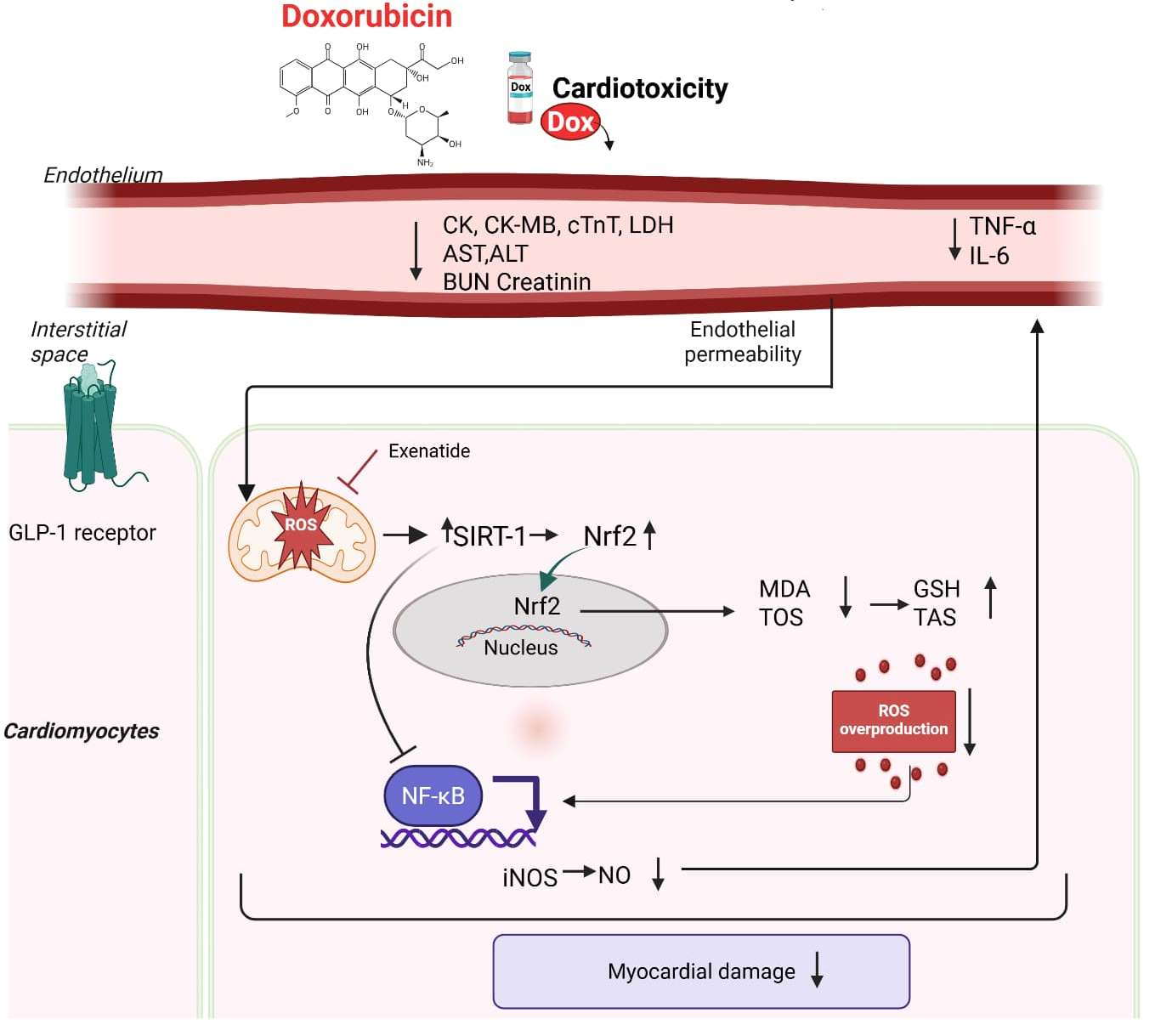
GLP-1 Receptor Agonist Exenatide Protects Against Doxorubicin-Induced Cardiotoxicity Through the SIRT1 Pathway: An Electrocardiographic, 99mTc-PYP Scintigraphic, and Biochemical Study


Abstract
1. Introduction
2. Materials and Methods
2.1. Animal
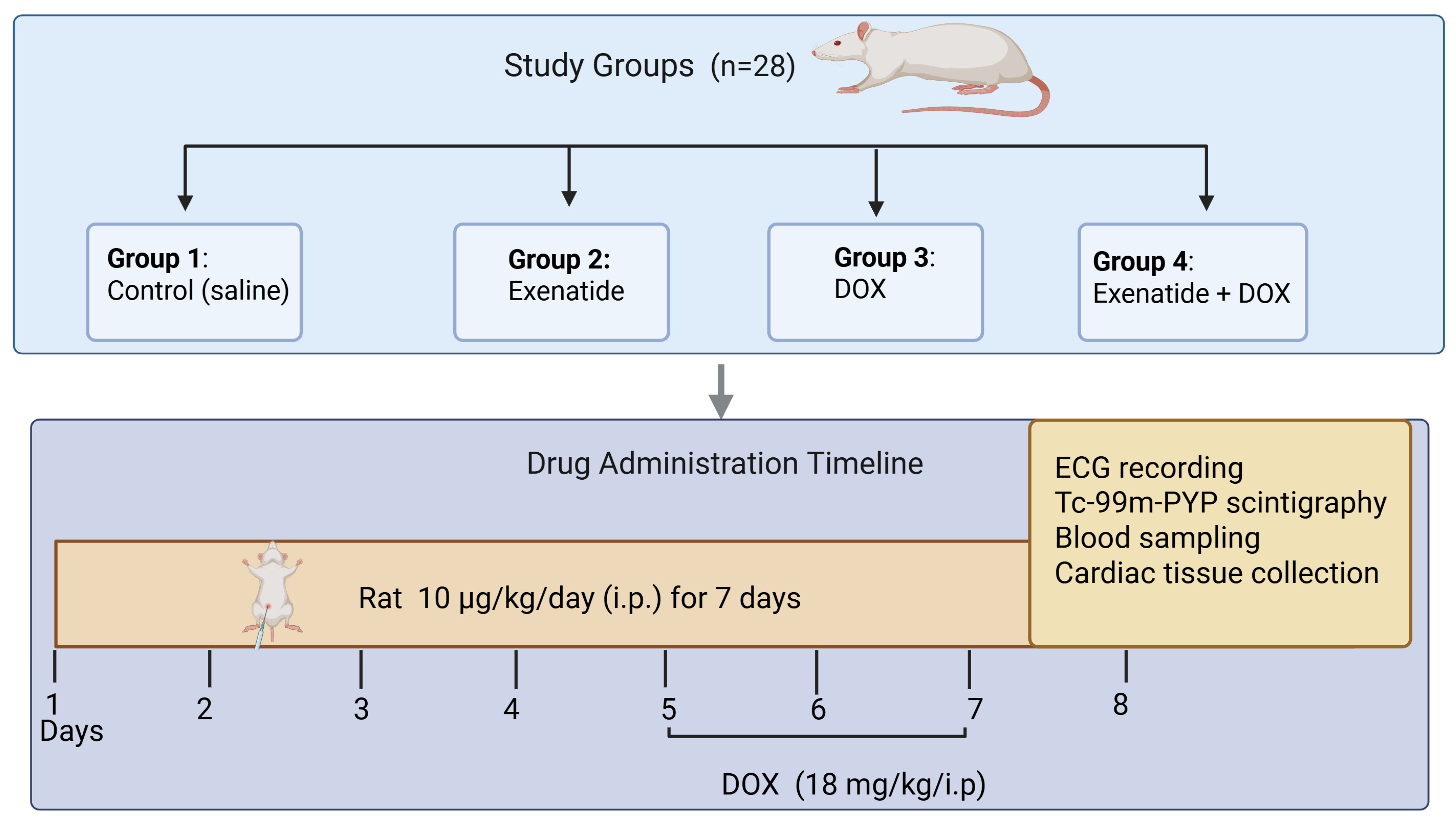
2.2. Experimental Design
2.3. Drug
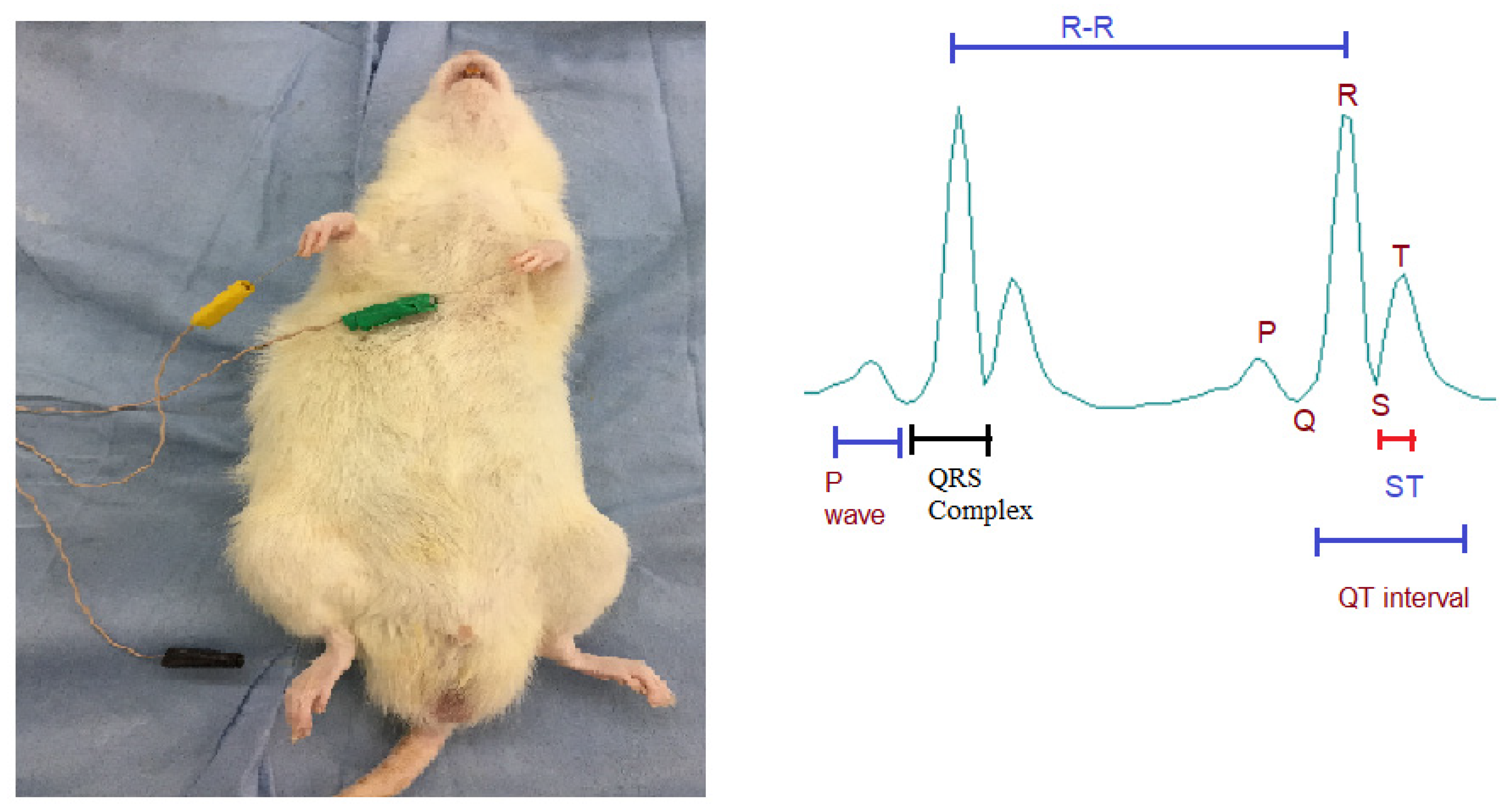
2.4. Electrocardiography (ECG) Procedure
2.5. Scintigraphic Imaging Procedure
2.6. Biochemical Assays
2.7. Quantification of Cardiac, Renal, and Hepatic Biomarkers
2.8. Biochemical Analysis of Heart Tissue
2.9. ELISA Kit Information
2.10. Statistical Analysis
3. Results
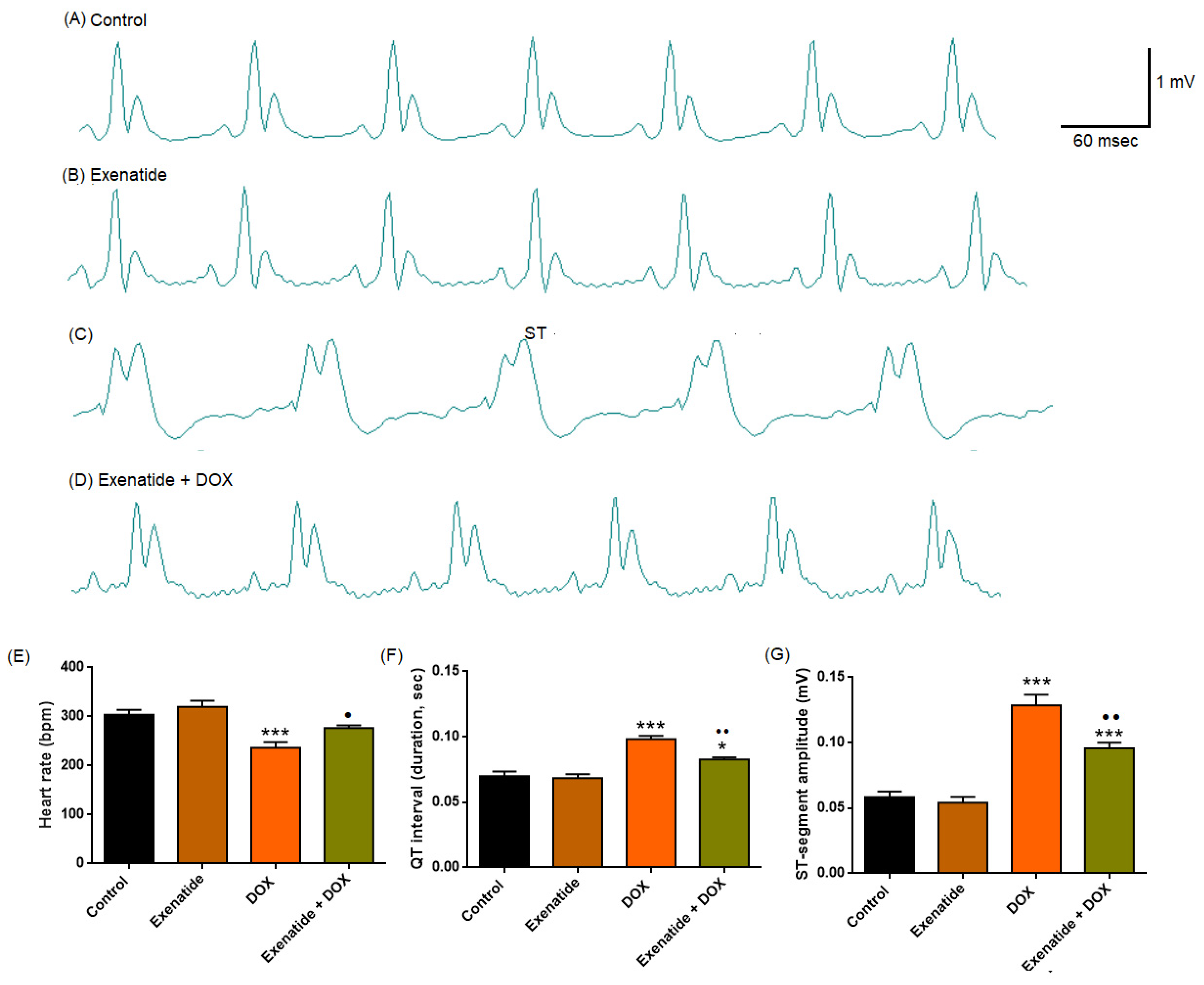
3.1. ECG Findings
3.2. Serum Analysis
3.2.1. Myocardial Injury Biomarkers
3.2.2. Hepatocellular Injury and Renal Functional Markers
3.3. SIRT-1 Analysis in Plasma (ng/mL) and Cardiac Tissue (ng/mg)
3.4. Oxidative Stress and Antioxidant Biomarkers
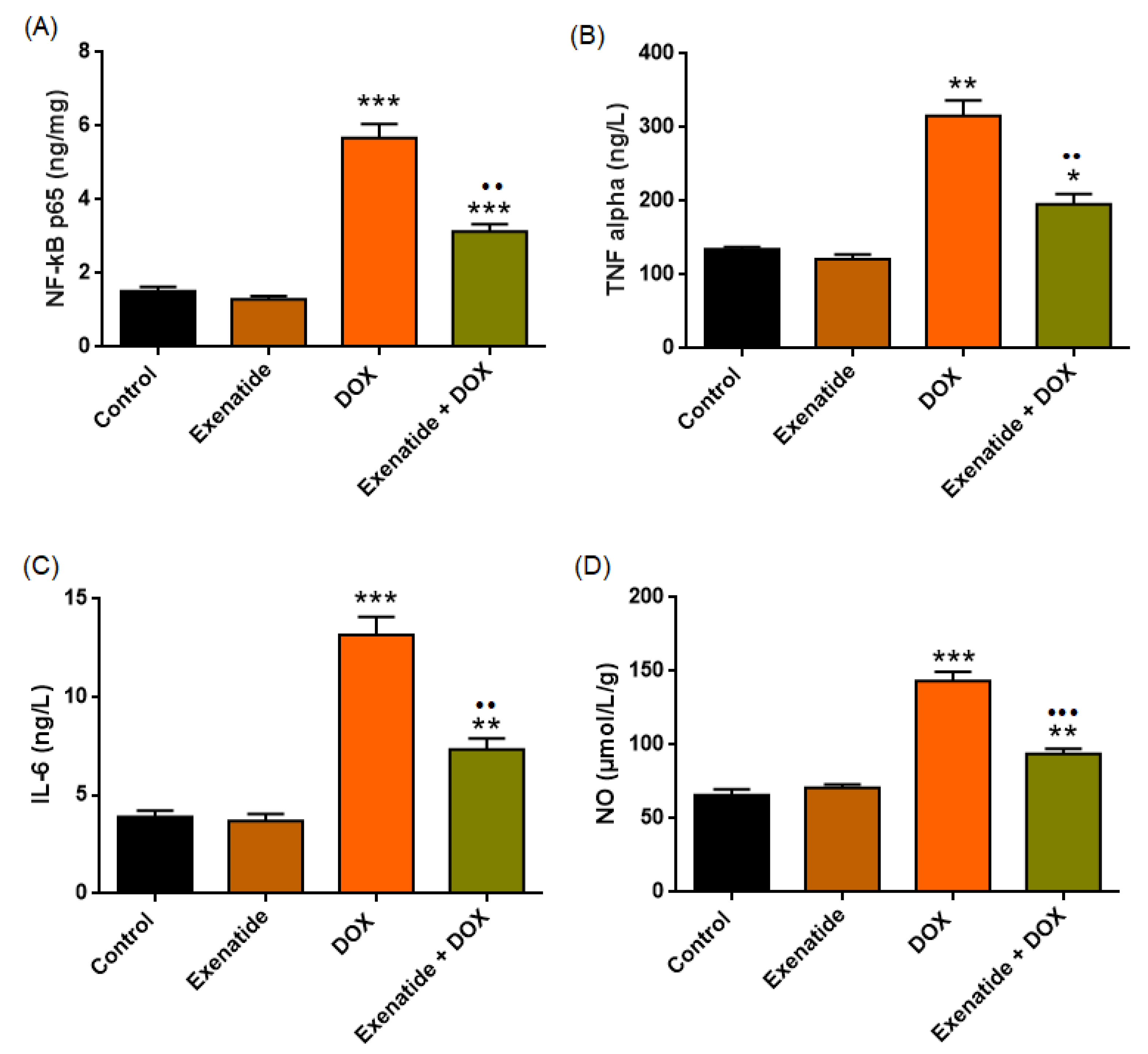
3.5. Inflammatory Biomarkers (NF-κB, TNF-α, IL-6) and NO
3.6. TNF-α and IL-6 Plasma
3.7. NO (µmol/L/g) (Heart Tissue)
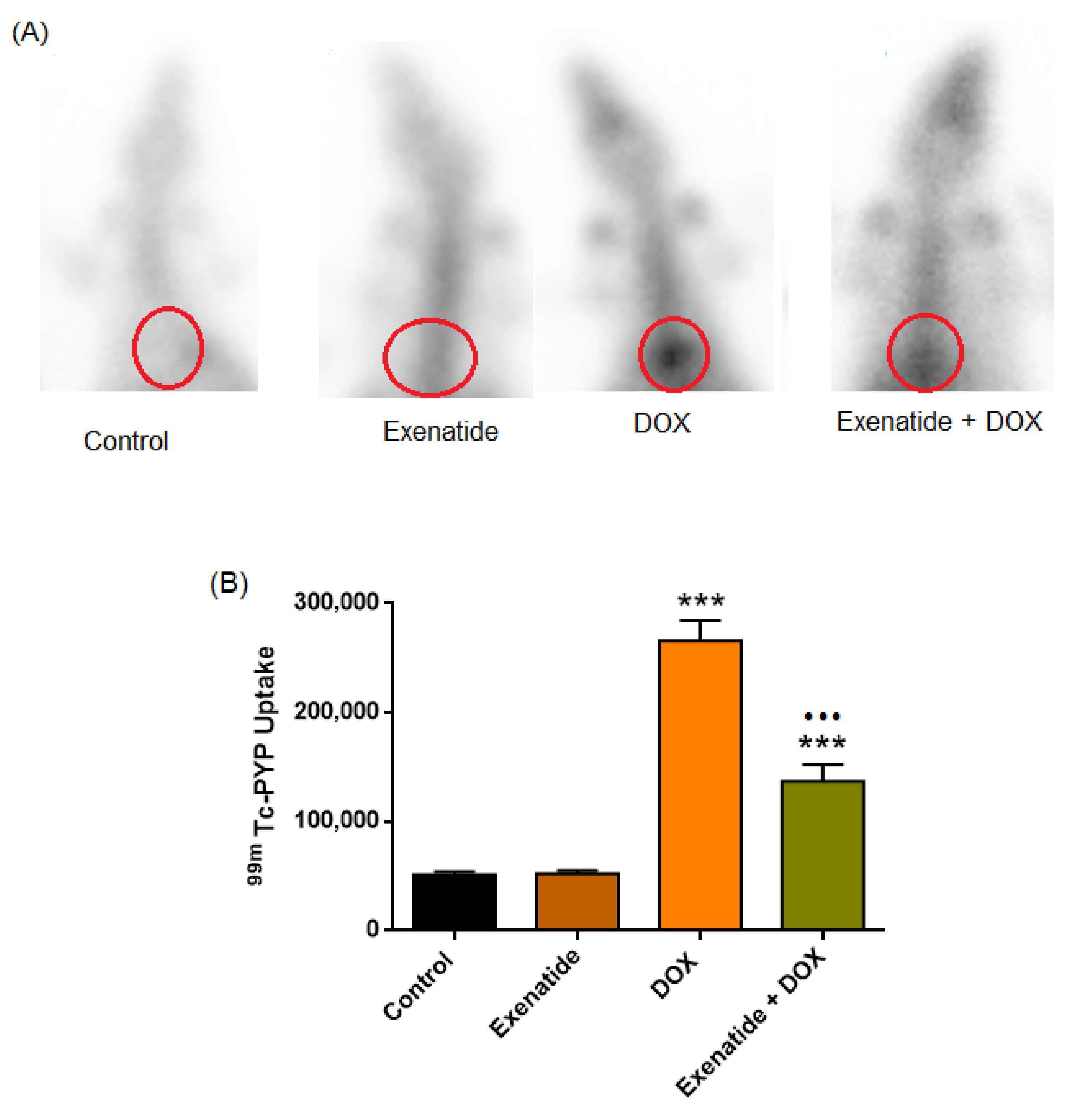
3.8. 99mTc-PYP Uptake
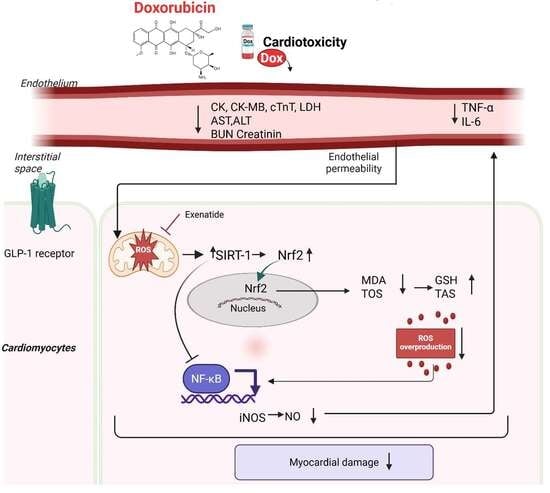
4. Discussion
Limitations
Author Contributions
Funding
Institutional Review Board Statement
Informed Consent Statement
Data Availability Statement
Conflicts of Interest
References
- Pawar, H.D.; Dusane, S.; Sharma, T.; Nakhate, K.T.; Goyal, S.N. Doxorubicin-Induced Cardiotoxicity: Exploration of Molecular Pathogenesis and Phytocompound-Based Therapeutic Strategies. Curr. Pharm. Des. 2025, 32, 1–14. [Google Scholar] [CrossRef] [PubMed]
- López-Fernández, T.; van der Meer, P.; Lyon, A.R. An update on the European society of cardiology council of cardio-oncology. Eur. Hear. J. 2025, 46, 1466–1468. [Google Scholar] [CrossRef]
- Arrigoni, R.; Jirillo, E.; Caiati, C. Pathophysiology of Doxorubicin-Mediated Cardiotoxicity. Toxics 2025, 13, 277. [Google Scholar] [CrossRef]
- Wang, J.; Tang, Y.; Zhang, J.; Wang, J.; Xiao, M.; Lu, G.; Li, J.; Liu, Q.; Guo, Y.; Gu, J. Cardiac SIRT1 ameliorates doxorubicin-induced cardiotoxicity by targeting sestrin 2. Redox Biol. 2022, 52, 102310. [Google Scholar] [CrossRef]
- Lin, B.; Zhao, H.; Li, L.; Zhang, Z.; Jiang, N.; Yang, X.; Zhang, T.; Lian, B.; Liu, Y.; Zhang, C.; et al. Sirt1 improves heart failure through modulating the NF-κB p65/microRNA-155/BNDF signaling cascade. Aging 2020, 13, 14482–14498. [Google Scholar] [CrossRef] [PubMed] [PubMed Central]
- Yang, H.M. GLP-1 Agonists in Cardiovascular Diseases: Mechanisms, Clinical Evidence, and Emerging Therapies. J. Clin. Med. 2025, 14, 6758. [Google Scholar] [CrossRef] [PubMed]
- Goodman, J.; Schain, M.; Di Stefano, G.; Lupson, V.; Horn, T.; Hill, M.; Manavaki, R.; Fryer, T.D.; Bumanlag-Amis, E.; Jalaludeen, N.; et al. Exenatide and glucagon co-infusion increases myocardial glucose uptake and improves markers of diastolic dysfunction in adults with type 2 diabetes. Sci. Rep. 2025, 15, 21404. [Google Scholar] [CrossRef]
- Giblett, J.P.; Axell, R.G.; White, P.A.; Clarke, S.J.; McCormick, L.; Read, P.A.; Reinhold, J.; Brown, A.J.; O’sUllivan, M.; West, N.E.J.; et al. Glucagon-like peptide-1 derived cardioprotection does not utilize a KATP-channel dependent pathway: Mechanistic insights from human supply and demand ischemia studies. Cardiovasc. Diabetol. 2016, 15, 99. [Google Scholar] [CrossRef]
- Chang, G.; Zhang, D.; Liu, J.; Zhang, P.; Ye, L.; Lu, K.; Duan, Q.; Zheng, A.; Qin, S. Exenatide protects against hypoxia/reoxygenation-induced apoptosis by improving mitochondrial function in H9c2 cells. Exp. Biol. Med. 2014, 239, 414–422. [Google Scholar] [CrossRef]
- Eid, R.A.; Alharbi, S.A.; El-Kott, A.F.; Eleawa, S.M.; Zaki, M.S.A.; El-Sayed, F.; Eldeen, M.A.; Aldera, H.; Al-Shudiefat, A.A.-R.S. Exendin-4 Ameliorates Cardiac Remodeling in Experimentally Induced Myocardial Infarction in Rats by Inhibiting PARP1/NF-κB Axis in A SIRT1-Dependent Mechanism. Cardiovasc. Toxicol. 2020, 20, 401–418. [Google Scholar] [CrossRef]
- Aygun, H.; Gul, S. Cardioprotective effect of melatonin and agomelatine on doxorubicin-induced cardiotoxicity in a rat model: An electrocardiographic, scintigraphic and biochemical study. Bratisl. Med. J. 2019, 120, 249–255. [Google Scholar] [CrossRef]
- Zhou, Q.; Hao, G.; Xie, W.; Chen, B.; Lu, W.; Wang, G.; Zhong, R.; Chen, J.; Ye, J.; Shen, J.; et al. Exenatide reduces atrial fibrillation susceptibility by inhibiting hKv1.5 and hNav1.5 channels. J Biol. Chem. 2024, 300, 107294. [Google Scholar] [CrossRef] [PubMed] [PubMed Central]
- Mandour, D.A.; Shalaby, S.M.; Bendary, M.A. Spinal cord-wide structural disruption in type 2 diabetes rescued by exenatide a glucagon-like peptide-1 analogue via down-regulating inflammatory, oxidative stress and apoptotic signaling pathways. J. Chem. Neuroanat. 2022, 121, 102079. [Google Scholar] [CrossRef] [PubMed]
- Okuda, K.; Nohara, R.; Fujita, M.; Tamaki, N.; Konishi, J.; Sasayama, S. Technetium-99m-pyrophosphate uptake as an indicator of myocardial injury without infarct. J. Nucl. Med. Off. Publ. Soc. Nucl. Med. 1994, 35, 1366–1370. [Google Scholar]
- Nichols, K.J.; Yoon, S.-Y.; Van Tosh, A.; Palestro, C.J. 99mTc-PYP SPECT and SPECT/CT quantitation for diagnosing cardiac transthyretin amyloidosis. J. Nucl. Cardiol. 2023, 30, 1235–1245. [Google Scholar] [CrossRef]
- Khor, Y.M.; Dorbala, S. Extra-cardiac uptake on technetium-99m pyrophosphate (Tc-99m PYP) scan: Not just a matter of the heart. J. Nucl. Cardiol. 2023, 30, 2540–2543. [Google Scholar] [CrossRef]
- Basol, N.; Aygun, H.; Gul, S.S. Beneficial effects of edaravone in experimental model of amitriptyline-induced cardiotoxicity in rats. Naunyn Schmiedeberg’s Arch. Pharmacol. 2019, 392, 1447–1453. [Google Scholar] [CrossRef] [PubMed]
- Bertero, E.; Popoiu, T.-A.; Maack, C. Mitochondrial calcium in cardiac ischemia/reperfusion injury and cardioprotection. Basic Res. Cardiol. 2024, 119, 569–585. [Google Scholar] [CrossRef] [PubMed]
- Dorbala, S.; Park, M.-A.; Cuddy, S.; Singh, V.; Sullivan, K.; Kim, S.; Falk, R.H.; Taqueti, V.R.; Skali, H.; Blankstein, R.; et al. Absolute quantitation of cardiac 99mTc-pyrophosphate using cadmium-zinc-telluride–based SPECT/CT. J. Nucl. Med. 2021, 62, 716–722. [Google Scholar] [CrossRef]
- Koroglu, R.; Koroglu, M.; Aygun, H. Electrocardiographic, biochemical, and scintigraphic evidence for the cardioprotective effect of paricalcitol and vitamin D3 on doxorubicin-induced acute cardiotoxicity in rats. Bratisl. Med. J. Bratisl. Lekárske Listy 2024, 125, 281–288. [Google Scholar] [CrossRef]
- Bilginoğlu, A.; Aydın, D.; Özsoy, Ş.; Aygün, H. Protective effect of melatonin on adriamycin-induced cardiotoxicity in rats. Arch. Turk. Soc. Cardiol. Türk Kardiyol. Derneği Arşivi 2014, 42, 265–273. [Google Scholar] [CrossRef]
- Mantawy, E.M.; Esmat, A.; El-Bakly, W.M.; ElDin, R.A.S.; El-Demerdash, E. Mechanistic clues to the protective effect of chrysin against doxorubicin-induced cardiomyopathy: Plausible roles of p53, MAPK and AKT pathways. Sci. Rep. 2017, 7, 4795. [Google Scholar] [CrossRef] [PubMed]
- Ducroq, J.; Maati, H.M.O.; Guilbot, S.; Dilly, S.; Laemmel, E.; Pons-Himbert, C.; Faivre, J.; Bois, P.; Stücker, O.; Le Grand, M. Dexrazoxane protects the heart from acute doxorubicin-induced QT prolongation: A key role for I(Ks). Br. J. Pharmacol. 2010, 159, 93–101. [Google Scholar] [CrossRef]
- El-Agamy, D.S.; Abo-Haded, H.M.; Elkablawy, M.A. Cardioprotective effects of sitagliptin against doxorubicin-induced cardiotoxicity in rats. Exp. Biol. Med. 2016, 241, 1577–1587. [Google Scholar] [CrossRef] [PubMed]
- Younis, N.S. Doxorubicin-induced cardiac abnormalities in rats: Attenuation via sandalwood oil. Pharmacology 2020, 105, 522–530. [Google Scholar] [CrossRef] [PubMed]
- Khairnar, S.I.; Kulkarni, Y.A.; Singh, K. Cardioprotective effect of chelidonic acid against doxorubicin-induced cardiac toxicity in rats. Rev. Port. Cardiol. 2025, 44, 141–153. [Google Scholar] [CrossRef]
- Elberry, A.A.; Abdel-Naim, A.B.; Abdel-Sattar, E.A.; Nagy, A.A.; Mosli, H.A.; Mohamadin, A.M.; Ashour, O.M. Cranberry (Vaccinium macrocarpon) protects against doxorubicin-induced cardiotoxicity in rats. Food Chem. Toxicol. 2010, 48, 1178–1184. [Google Scholar] [CrossRef]
- Amaan, M.; Goel, R.; Paul, S.; Danish, I. Doxorubicin-induced cardiotoxicity: An update on the molecular mechanism, biomarkers and management. J. Appl. Pharm. Res. 2024, 12, 37–56. [Google Scholar] [CrossRef]
- Linders, A.N.; Dias, I.B.; Fernández, T.L.; Tocchetti, C.G.; Bomer, N.; Van der Meer, P. A review of the pathophysiological mechanisms of doxorubicin-induced cardiotoxicity and aging. NPJ Aging 2024, 10, 9. [Google Scholar] [CrossRef]
- Kim, S.-Y.; Kim, S.-J.; Kim, B.-J.; Rah, S.-Y.; Chung, S.M.; Im, M.-J.; Kim, U.-H. Doxorubicin- induced reactive oxygen species generation and intracellular Ca2+ increase are reciprocally modulated in rat cardiomyocytes. Exp. Mol. Med. 2006, 38, 535–545. [Google Scholar] [CrossRef]
- Wang, J.; Zhang, J.; Xiao, M.; Wang, S.; Wang, J.; Guo, Y.; Tang, Y.; Gu, J. Molecular mechanisms of doxorubicin-induced cardiotoxicity: Novel roles of sirtuin 1-mediated signaling pathways. Cell. Mol. Life Sci. 2021, 78, 3105–3125. [Google Scholar] [CrossRef]
- Songbo, M.; Lang, H.; Xinyong, C.; Bin, X.; Ping, Z.; Liang, S. Oxidative stress injury in doxorubicin-induced cardiotoxicity. Toxicol. Lett. 2019, 307, 41–48. [Google Scholar] [CrossRef] [PubMed]
- Octavia, Y.; Tocchetti, C.G.; Gabrielson, K.L.; Janssens, S.; Crijns, H.J.; Moens, A.L. Doxorubicin-induced cardiomyopathy: From molecular mechanisms to therapeutic strategies. J. Mol. Cell. Cardiol. 2012, 52, 1213–1225. [Google Scholar] [CrossRef]
- Adıyaman, M.Ş.; Adıyaman, Ö.A.; Dağlı, A.F.; Karahan, M.Z.; Dağlı, M.N. Prevention of doxorubicin-induced experimental cardiotoxicity by Nigella sativa in rats. Rev. Port. Cardiol. 2022, 41, 99–105. [Google Scholar] [CrossRef]
- Fang, J.; Tang, Y.; Cheng, X.; Wang, L.; Cai, C.; Zhang, X.; Li, P. Exenatide alleviates adriamycin-induced heart dysfunction in mice: Modulation of oxidative stress, apoptosis and inflammation. Chem. Biol. Interact. 2019, 304, 186–193. [Google Scholar] [CrossRef]
- Alanazi, A.M.; Fadda, L.; Alhusaini, A.; Ahmad, R.; Hasan, I.H.; Mahmoud, A.M. Liposomal Resveratrol and/or Carvedilol Attenuate Doxorubicin-Induced Cardiotoxicity by Modulating Inflammation, Oxidative Stress and S100A1 in Rats. Antioxidants 2020, 9, 159. [Google Scholar] [CrossRef] [PubMed]
- Elblehi, S.S.; El-Sayed, Y.S.; Soliman, M.M.; Shukry, M. Date Palm Pollen Extract Avert Doxorubicin-Induced Cardiomyopathy Fibrosis and Associated Oxidative/Nitrosative Stress, Inflammatory Cascade, and Apoptosis-Targeting Bax/Bcl-2 and Caspase-3 Signaling Pathways. Animals 2021, 11, 886. [Google Scholar] [CrossRef]
- Chen, L.; Wu, J.; Yang, H.; Liu, J.; Yu, Y. TNFAIP8 Deficiency Attenuates Doxorubicin-Induced Cardiotoxicity by Inhibiting Oxidative Stress and Inflammation Via TLR4/NF-κB Signaling. Cardiovasc. Toxicol. 2025, 25, 1718–1731. [Google Scholar] [CrossRef]
- Bartekova, M.; Radosinska, J.; Jelemensky, M.; Dhalla, N.S. Role of Cytokines and Inflammation in Heart Function during Health and Disease. Hear. Fail. Rev. 2018, 23, 733–758. [Google Scholar] [CrossRef] [PubMed]
- Feng, P.; Yang, Y.; Liu, N.; Wang, S. Baicalin regulates TLR4/IκBα/NFκB signaling pathway to alleviate inflammation in Doxorubicin related cardiotoxicity. Biochem. Biophys. Res. Commun. 2022, 637, 1–8. [Google Scholar] [CrossRef] [PubMed]
- Wang, Z.-Q.; Chen, M.-T.; Zhang, R.; Zhang, Y.; Li, W.; Li, Y.-G. Docosahexaenoic Acid Attenuates Doxorubicin-induced Cytotoxicity and Inflammation by Suppressing NF-κB/iNOS/NO Signaling Pathway Activation in H9C2 Cardiac Cells. J. Cardiovasc. Pharmacol. 2016, 67, 283–289. [Google Scholar] [CrossRef]
- Bagchi, A.K.; Malik, A.; Akolkar, G.; Jassal, D.S.; Singal, P.K. Endoplasmic Reticulum Stress Promotes iNOS/NO and Influences Inflammation in the Development of Doxorubicin-Induced Cardiomyopathy. Antioxidants 2021, 10, 1897. [Google Scholar] [CrossRef]
- Chong, Z.Z.; Wang, S.; Shang, Y.C.; Maiese, K. Targeting cardiovascular disease with novel SIRT1 pathways. Future Cardiol. 2012, 8, 89–100. [Google Scholar] [CrossRef]
- Liu, D.; Ma, Z.; Xu, L.; Zhang, X.; Qiao, S.; Yuan, J. PGC1α activation by pterostilbene ameliorates acute doxorubicin cardiotoxicity by reducing oxidative stress via enhancing AMPK and SIRT1 cascades. Aging 2019, 11, 10061–10073. [Google Scholar] [CrossRef] [PubMed]
- Zhang, S.; Yang, Y.; Lv, X.; Zhou, X.; Zhao, W.; Meng, L.; Xu, H.; Zhu, S.; Wang, Y. Doxorubicin-Induced Cardiotoxicity Through SIRT1 Loss Potentiates Overproduction of Exosomes in Cardiomyocytes. Int. J. Mol. Sci. 2024, 25, 12376. [Google Scholar] [CrossRef]
- Zhang, W.; Wang, X.; Tang, Y.; Huang, C. Melatonin alleviates doxorubicin-induced cardiotoxicity via inhibiting oxidative stress, pyroptosis and apoptosis by activating Sirt1/Nrf2 pathway. Biomed. Pharmacother. 2023, 162, 114591. [Google Scholar] [CrossRef]
- Ruan, Y.; Dong, C.; Patel, J.; Duan, C.; Wang, X.; Wu, X.; Cao, Y.; Pu, L.; Lu, D.; Shen, T.; et al. SIRT1 suppresses doxorubicin-induced cardiotoxicity by regulating the oxidative stress and p38MAPK pathways. Cell. Physiol. Biochem. 2015, 35, 1116–1124. [Google Scholar] [CrossRef] [PubMed]
- Rizk, S.M.; El-Maraghy, S.A.; Nassar, N.N. A novel role for SIRT-1 in L-arginine protection against STZ induced myocardial fibrosis in rats. PLoS ONE 2014, 9, e114560. [Google Scholar] [CrossRef]
- Amarasiri, S.S.; Attanayake, A.P.; Mudduwa, L.K.B.; Jayatilaka, K.A.P.W. Doxorubicin-Induced Nephrotoxicity Model in Wistar Rats: Characterization of Biochemical Parameters, Histological and Immunohistochemical Assessment. Ceylon J. Sci. 2022, 51, 471–479. [Google Scholar] [CrossRef]
- Radeva, L.; Yoncheva, K. Doxorubicin Toxicity and Recent Approaches to Alleviating Its Adverse Effects with Focus on Oxidative Stress. Molecules 2025, 30, 3311. [Google Scholar] [CrossRef]
- Alsahli, T.G.; Alharbi, K.S.; Alenezi, S.K.; Alqahtani, R.; Afzal, M.; Sayyed, N. Aegeline improves doxorubicin-induced liver toxicity by modulating oxidative stress and Bax/Bcl2/caspase/NF-κB signaling. Sci. Rep. 2025, 15, 27203. [Google Scholar] [CrossRef] [PubMed]



| Control | Exenatide | DOX | Exenatide + DOX | |
|---|---|---|---|---|
| Heart rate (bpm) | 302 ± 10 | 319 ± 12 | 236 ± 11 b | 276 ± 5 c |
| QT interval (duration, s) | 0.0700 ± 0.003 | 0.068 ± 0.003 | 0.098 ± 0.002 b | 0.082 ± 0.001 a,d |
| ST-segment amplitude (mV) | 0.058 ± 0.004 | 0.054 ± 0.004 | 0.12 ± 0.008 b | 0.095 ± 0.004 b,d |
| Control | Exenatide | DOX | Exenatide + DOX | |
|---|---|---|---|---|
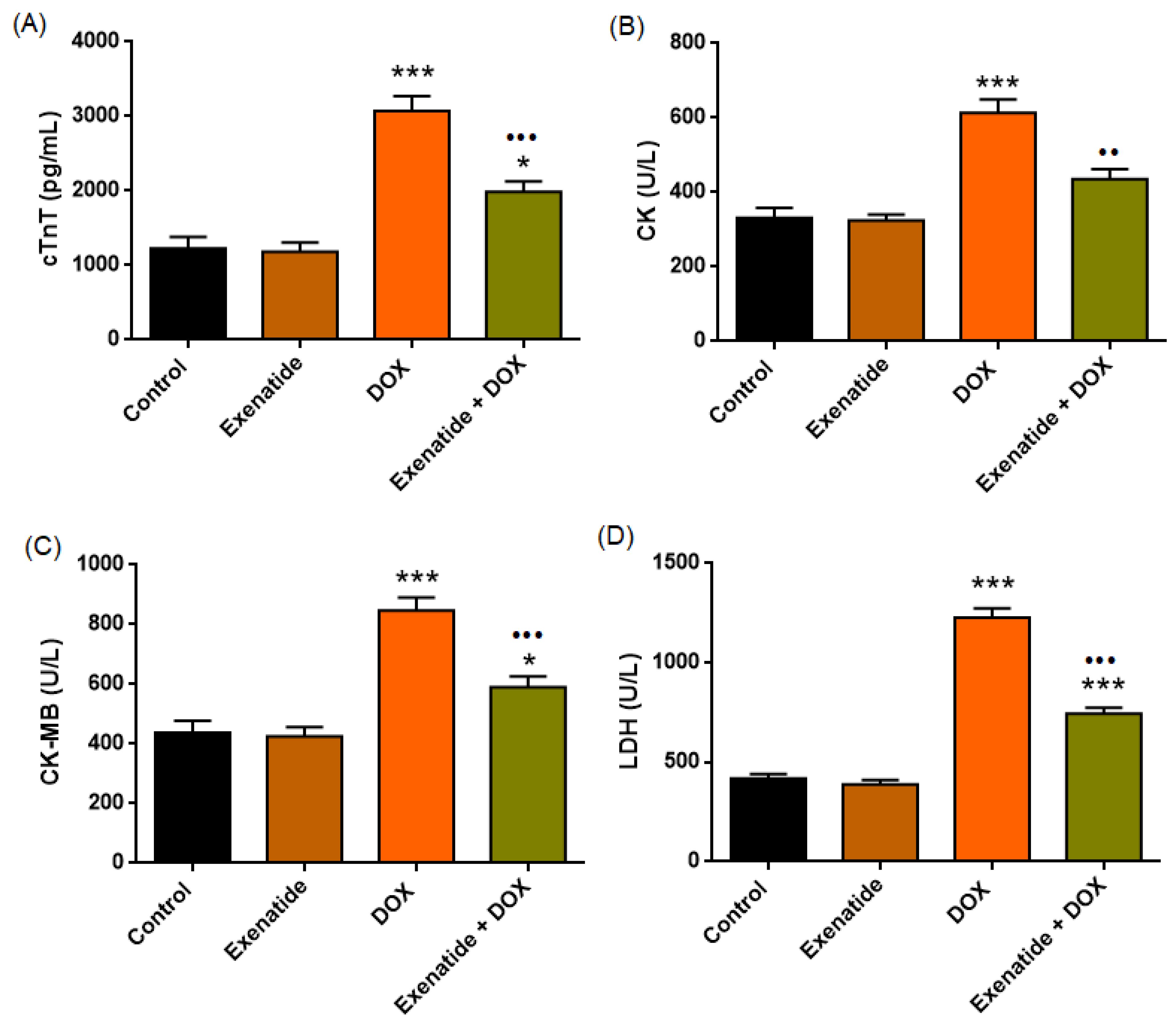
| cTnT (pg/mL) | 1229 ± 153 | 1182 ± 122 | 3073 ± 198 c | 1988 ± 138 a,f |
| CK (U/L) | 331 ± 27 | 324 ± 15 | 613 ± 36 c | 435 ± 26 e |
| CK-MB (U/L) | 437 ± 40 | 425 ± 31 | 847 ± 43 c | 590 ± 35 a,f |
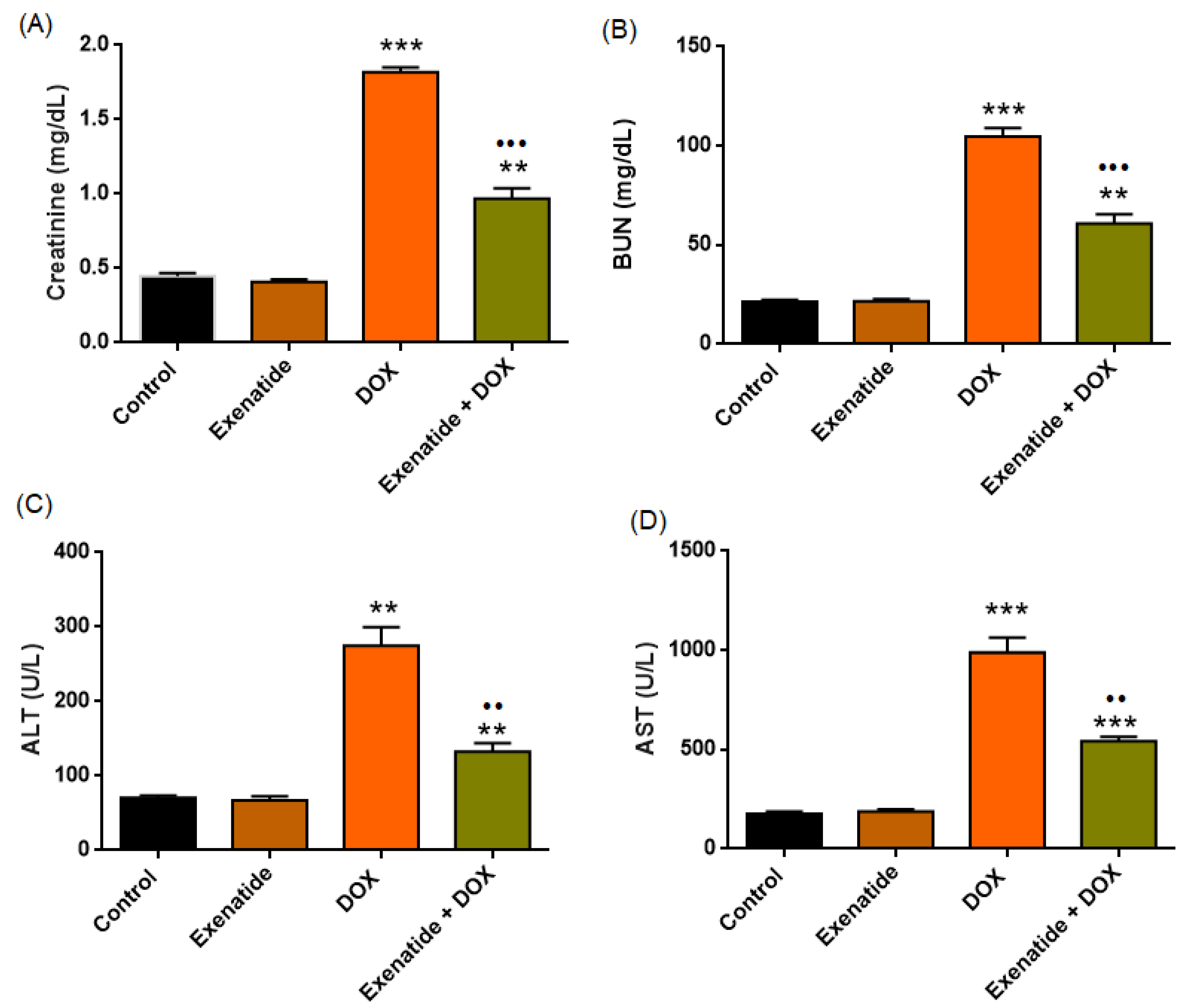
| Creatinine (mg/dL) | 0.45 ± 0.01 | 0.40 ± 0.01 | 1.81 ± 0.03 c | 0.96 ± 0.07 b,f |
| BUN (mg/dL) | 21.41 ± 0.89 | 22.01 ± 1.16 | 104.7 ± 4.46 c | 60.83 ± 4.72 b,f |
| ALT (U/L) | 70.71 ± 2.7 | 67.14 ± 5.2 | 274 ± 24 b | 132 ± 11 b,e |
| AST (U/L) | 177 ± 11 | 188 ± 10 | 988 ± 73 c | 541 ± 23 c,e |
| LDH (U/L) | 419 ± 23 | 388 ± 22 | 1227 ± 47 c | 746 ± 30 c,f |
| Control | Exenatide | DOX | Exenatide + DOX | |
|---|---|---|---|---|
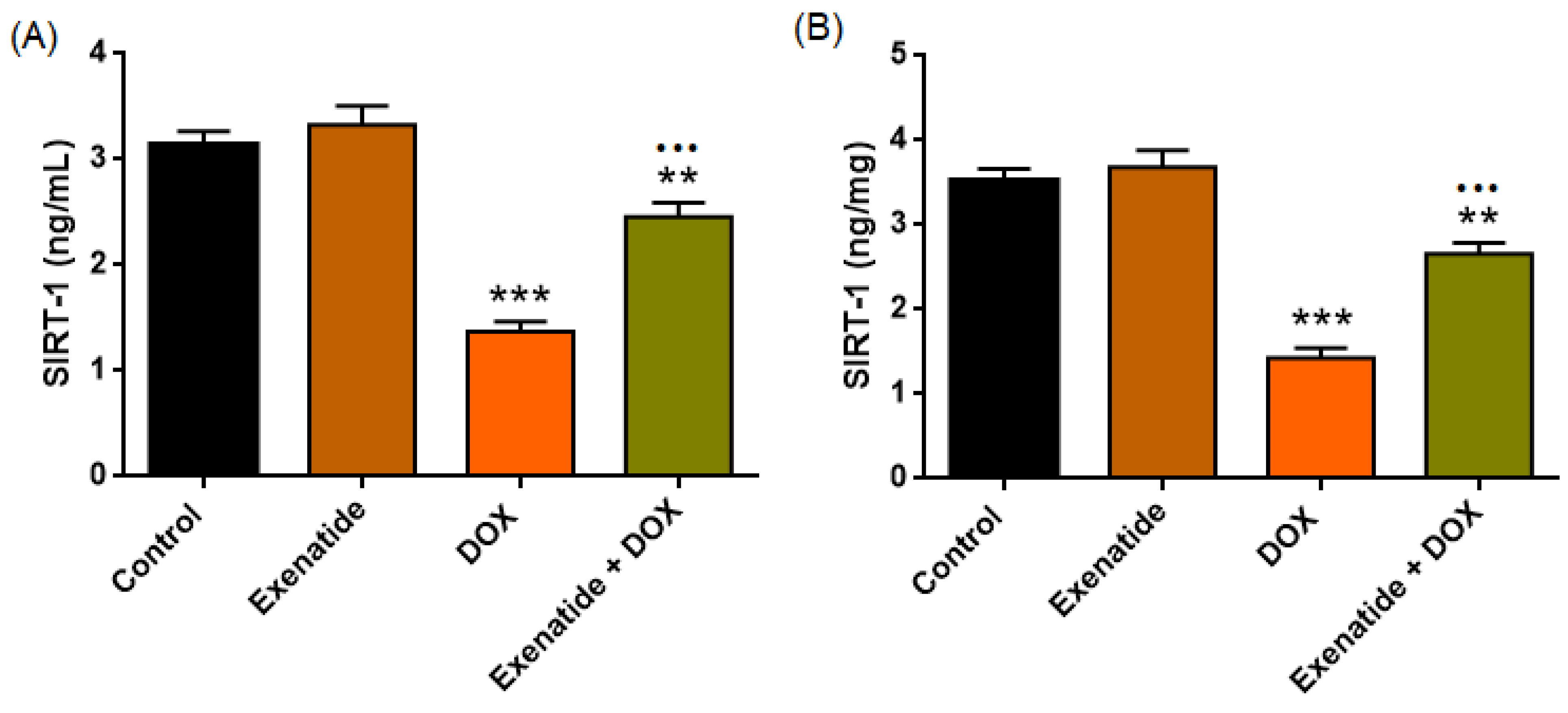
| SIRT-1 (ng/mL) | 3.14 ± 0.12 | 3.32 ± 0.17 | 1.37 ± 0.09 c | 2.45 ± 0.13 b,f |
| SIRT-1 (ng/mg) | 3.52 ± 0.13 | 3.68 ± 0.19 | 1.42 ± 0.12 c | 2.65 ± 0.14 b,f |
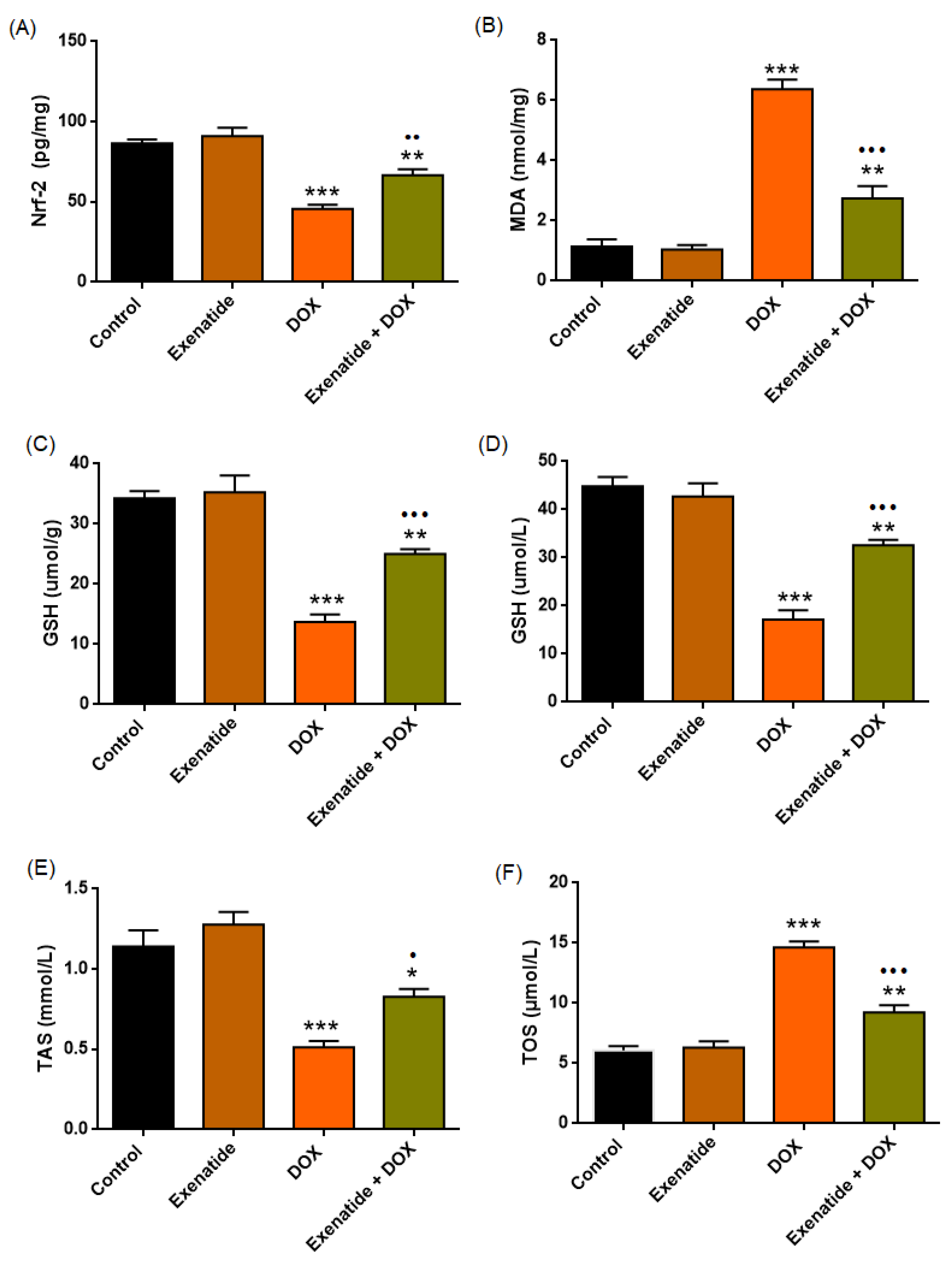
| Nrf2 (pg/mg) | 86 ± 2.4 | 91 ± 5.3 | 45 ± 2.6 c | 66 ± 3.7 b,e |
| MDA (nmol/mL) | 1.14 ± 0.24 | 1.04 ± 0.15 | 6.37 ± 0.31 c | 2.74 ± 0.41 b,f |
| GSH (umol/g) | 34.29 ± 1.14 | 35.29 ± 2.80 | 13.71 ± 1.26 c | 25 ± 0.81 b,f |
| GSH (umol/L) | 44.86 ± 1.90 | 42.71 ± 2.71 | 17.14 ± 1.93 c | 32.57 ± 1.09 b,f |
| TAS (mmol/L) | 1.14 ± 0.10 | 1.27 ± 0.07 | 0.51 ± 0.03 c | 0.82 ± 0.050 a,d |
| TOS (µmol/L) | 6.09 ± 0.35 | 6.30 ± 0.52 | 14.62 ± 0.53 c | 9.24 ± 0.60 b,f |
| Control | Exenatide | DOX | Exenatide + DOX | |
|---|---|---|---|---|
| NF-kB p65 (ng/mg) | 1.51 ± 0.11 | 1.30 ± 0.08 | 5.67 ± 0.38 c | 3.13 ± 0.19 c,d |
| TNF alpha (ng/L) | 134 ± 2.8 | 121 ± 6 | 315 ± 21 b | 195 ± 14 a,d |
| IL-6 (ng/L) | 3.90 ± 0.31 | 3.71 ± 0.35 | 13.17 ± 0.91 c | 7.34 ± 0.56 b,d |
| NO (µmol/L/g) | 65 ± 4 | 70 ± 2 | 143 ± 6 c | 93 ± 3 b,e |
Disclaimer/Publisher’s Note: The statements, opinions and data contained in all publications are solely those of the individual author(s) and contributor(s) and not of MDPI and/or the editor(s). MDPI and/or the editor(s) disclaim responsibility for any injury to people or property resulting from any ideas, methods, instructions or products referred to in the content. |
© 2026 by the authors. Published by MDPI on behalf of the Lithuanian University of Health Sciences. Licensee MDPI, Basel, Switzerland. This article is an open access article distributed under the terms and conditions of the Creative Commons Attribution (CC BY) license.
Share and Cite
Salmanoglu, M.; Ercan, G.; Genç, H.S.; Gül, S.S.; Aygün, H. GLP-1 Receptor Agonist Exenatide Protects Against Doxorubicin-Induced Cardiotoxicity Through the SIRT1 Pathway: An Electrocardiographic, 99mTc-PYP Scintigraphic, and Biochemical Study. Medicina 2026, 62, 143. https://doi.org/10.3390/medicina62010143
Salmanoglu M, Ercan G, Genç HS, Gül SS, Aygün H. GLP-1 Receptor Agonist Exenatide Protects Against Doxorubicin-Induced Cardiotoxicity Through the SIRT1 Pathway: An Electrocardiographic, 99mTc-PYP Scintigraphic, and Biochemical Study. Medicina. 2026; 62(1):143. https://doi.org/10.3390/medicina62010143
Chicago/Turabian StyleSalmanoglu, Musa, Gulcin Ercan, Hanife Seyda Genç, Serdar Savaş Gül, and Hatice Aygün. 2026. "GLP-1 Receptor Agonist Exenatide Protects Against Doxorubicin-Induced Cardiotoxicity Through the SIRT1 Pathway: An Electrocardiographic, 99mTc-PYP Scintigraphic, and Biochemical Study" Medicina 62, no. 1: 143. https://doi.org/10.3390/medicina62010143
APA StyleSalmanoglu, M., Ercan, G., Genç, H. S., Gül, S. S., & Aygün, H. (2026). GLP-1 Receptor Agonist Exenatide Protects Against Doxorubicin-Induced Cardiotoxicity Through the SIRT1 Pathway: An Electrocardiographic, 99mTc-PYP Scintigraphic, and Biochemical Study. Medicina, 62(1), 143. https://doi.org/10.3390/medicina62010143