Machine Learning Methods for the Prediction of Intraoperative Hypotension with Biosignal Waveforms

 , ,
, ,
Abstract
1. Introduction
2. Methods
2.1. Data Source and Study Approval
2.2. Participants
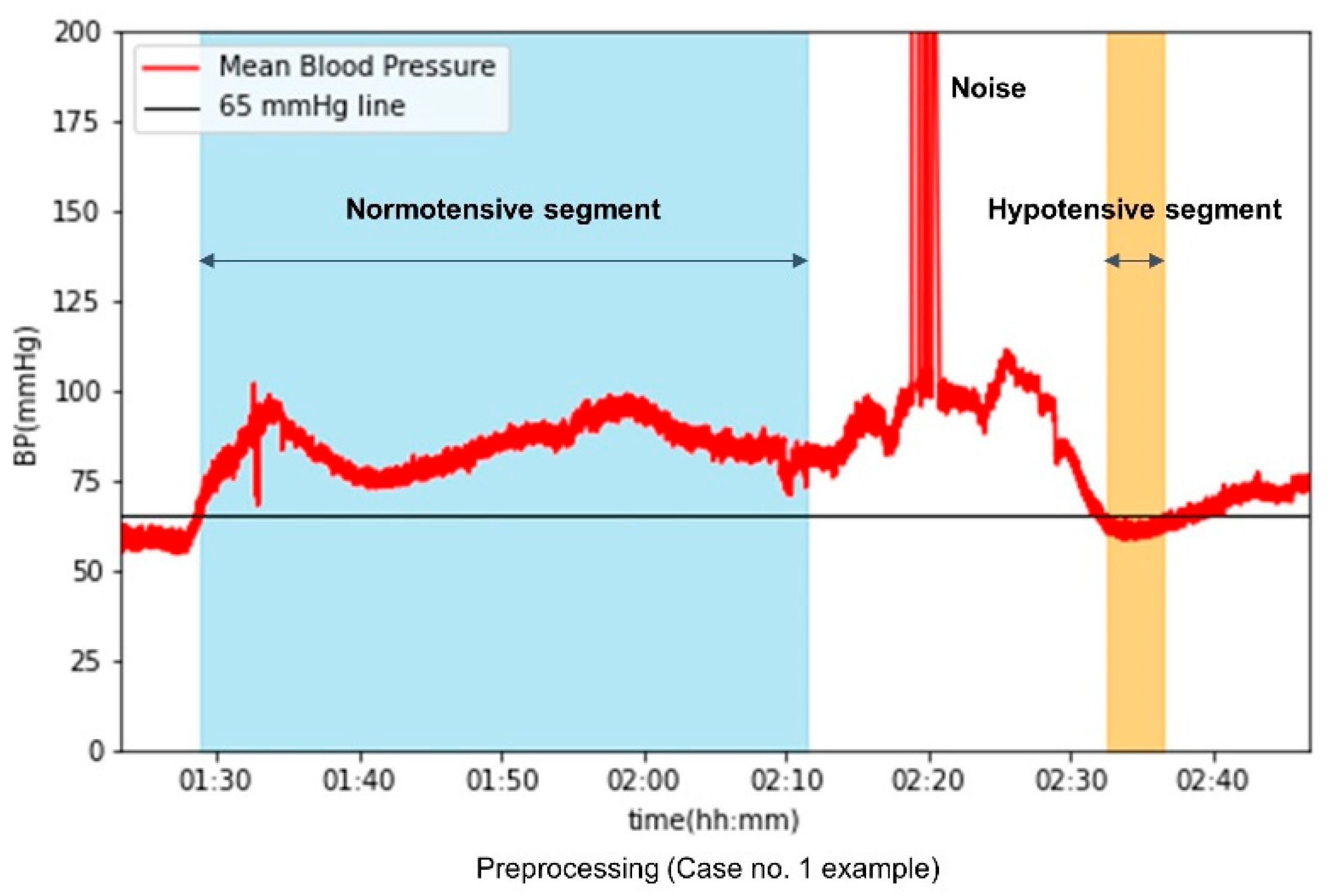
2.3. Data Preparation
2.4. Model Building
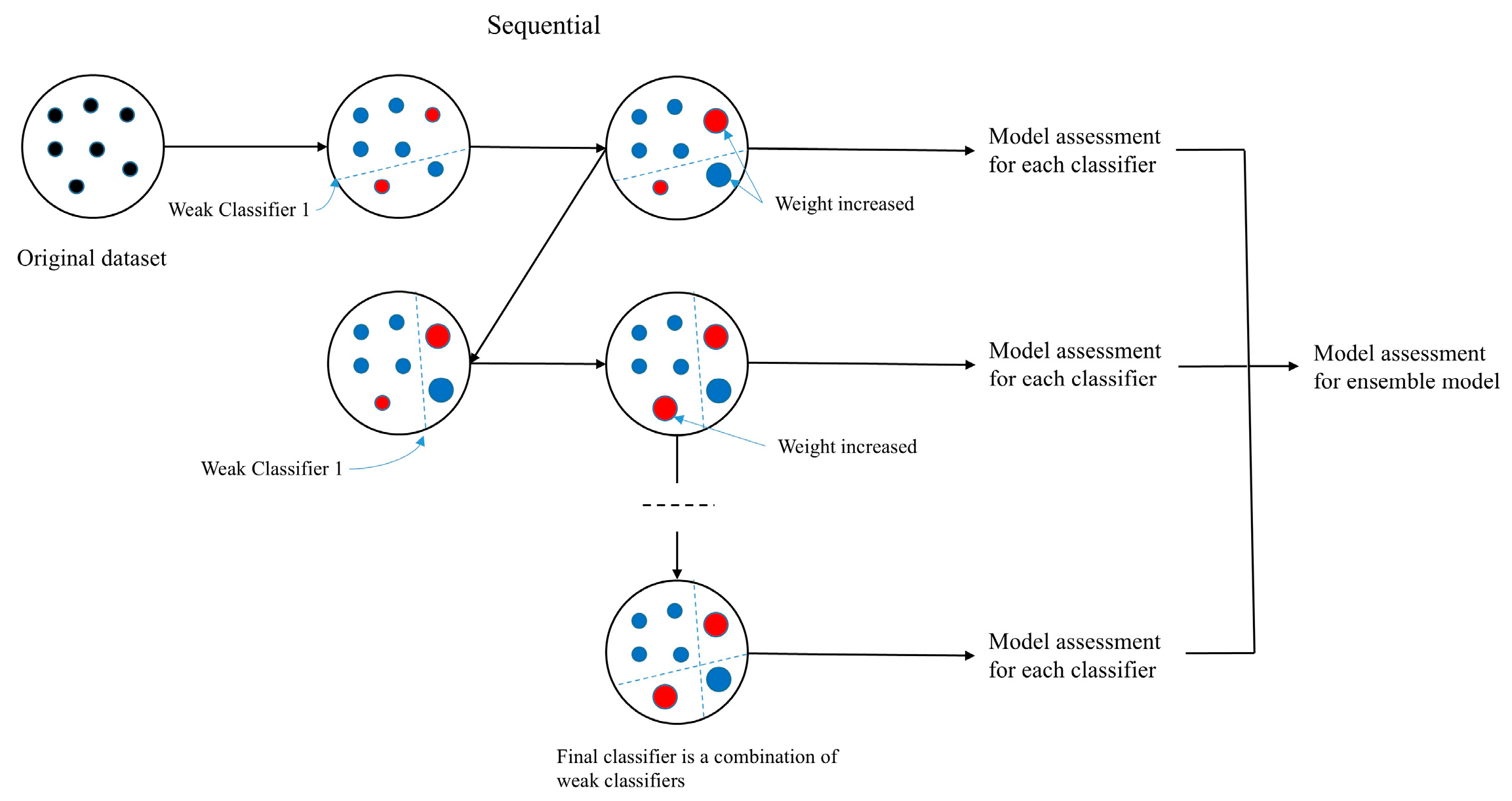
2.5. Machine Learning Model: Gradient Boosting
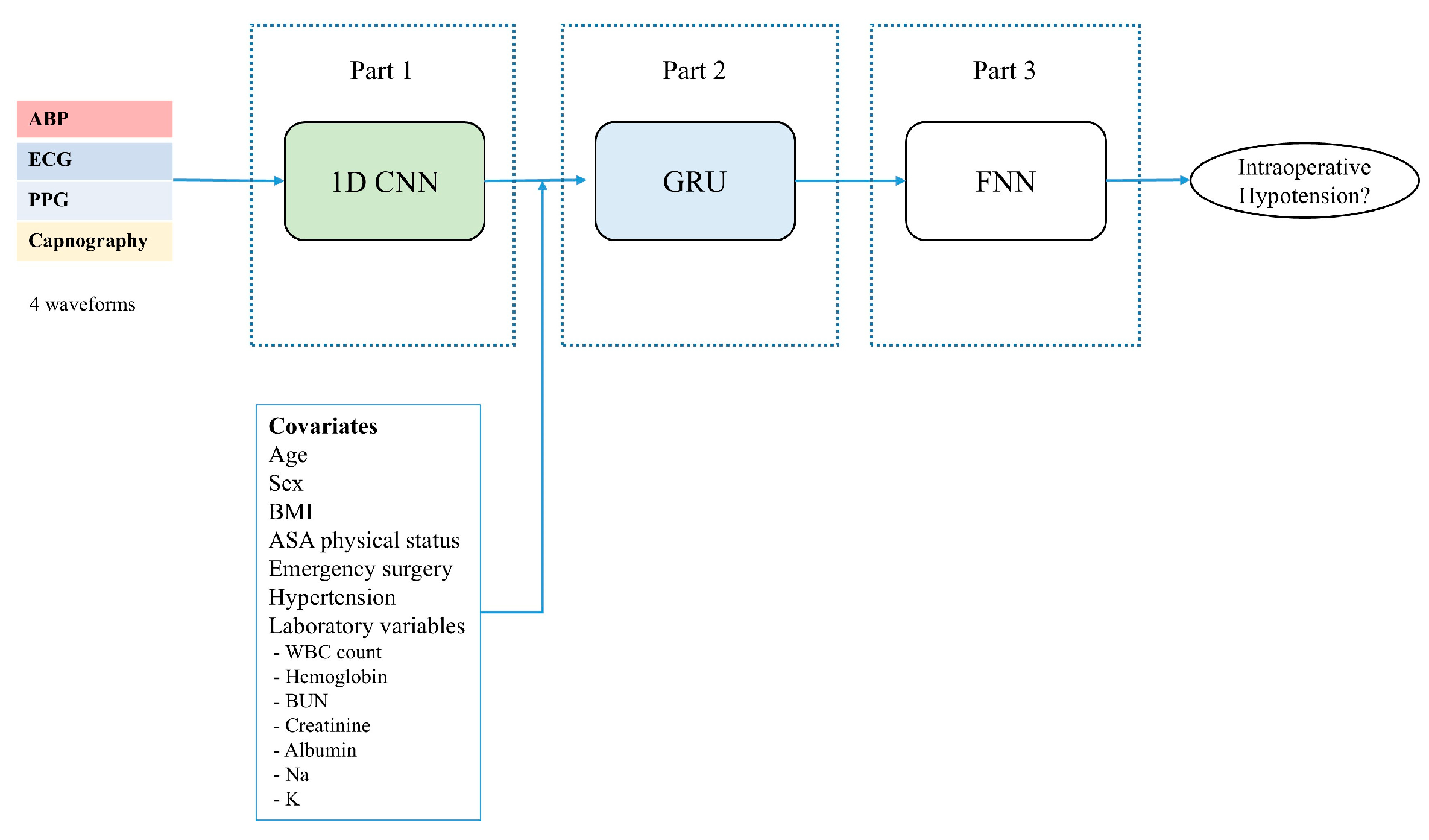
2.6. Deep Learning Model
2.7. Statistical Analysis
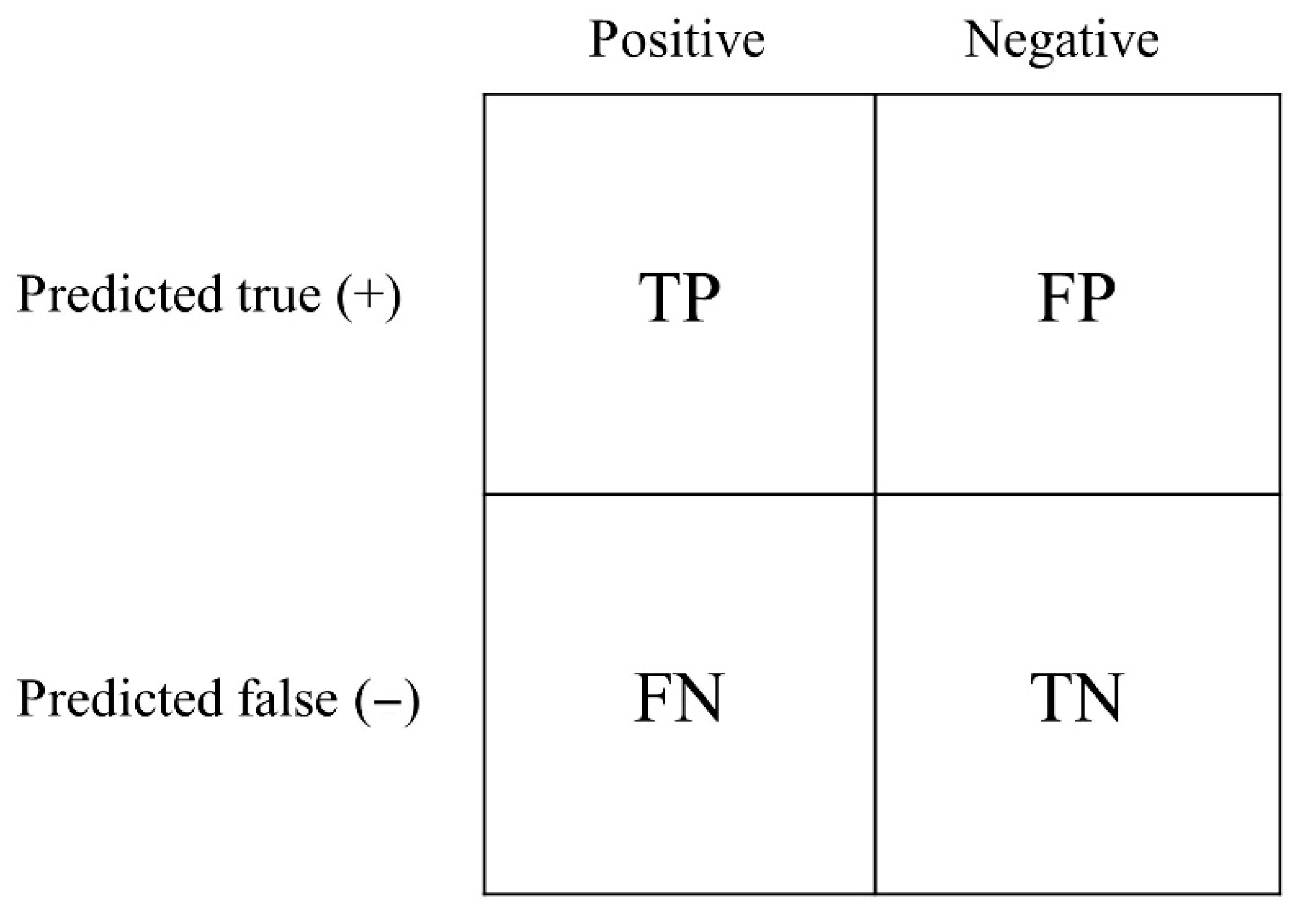
2.8. Model Assessment
2.9. Data Availability
3. Results
3.1. Participants and Dataset
3.2. Model Performance
4. Discussion
5. Conclusions
Author Contributions
Funding
Institutional Review Board Statement
Informed Consent Statement
Data Availability Statement
Acknowledgments
Conflicts of Interest
References
- Newman, M.F.; Kirchner, J.L.; Phillips-Bute, B.; Gaver, V.; Grocott, H.; Jones, R.H.; Jones, R.H.; Mark, D.B.; Reves, J.G.; Blumenthal, J.A.; et al. Longitudinal assessment of neurocognitive function after coronary-artery bypass surgery. N. Engl. J. Med. 2001, 344, 395–402. [Google Scholar] [CrossRef]
- Sotaniemi, K.; Mononen, H.; Hokkanen, T. Long-term cerebral outcome after open-heart surgery. A five-year neuropsychological follow-up study. Stroke 1986, 17, 410–416. [Google Scholar] [CrossRef] [PubMed]
- Zimpfer, D.; Czerny, M.; Vogt, F.; Schuch, P.; Kramer, L.; Wolner, E.; Grimm, M. Neurocognitive deficit following coronary artery bypass grafting: A prospective study of surgical patients and nonsurgical controls. Ann. Thorac. Surg. 2004, 78, 513–518. [Google Scholar] [CrossRef]
- Devereaux, P.J.; Sessler, D.I. Cardiac Complications in Patients Undergoing Major Noncardiac Surgery. N. Engl. J. Med. 2015, 373, 2258–2269. [Google Scholar] [CrossRef] [PubMed]
- Gu, W.J.; Hou, B.L.; Kwong, J.S.W.; Tian, X.; Qian, Y.; Cui, Y.; Hao, J.; Li, J.-C.; Ma, Z.-L.; Gu, X.-P. Association between intraoperative hypotension and 30-day mortality, major adverse cardiac events, and acute kidney injury after non-cardiac surgery: A meta-analysis of cohort studies. Int. J. Cardiol. 2018, 258, 68–73. [Google Scholar] [CrossRef] [PubMed]
- Vernooij, L.M.; van Klei, W.A.; Machina, M.; Pasma, W.; Beattie, W.S.; Peelen, L.M. Different methods of modelling intraoperative hypotension and their association with postoperative complications in patients undergoing non-cardiac surgery. Br. J. Anaesth. 2018, 120, 1080–1089. [Google Scholar] [CrossRef]
- Hassing, G.J.; van der Wall, H.E.C.; van Westen, G.J.P.; Kemme, M.J.B.; Adiyaman, A.; Elvan, A.; Burggraaf, J.; Gal, P. Blood pressure-related electrocardiographic findings in healthy young individuals. Blood Press 2020, 29, 113–122. [Google Scholar] [CrossRef]
- Schroeder, E.B.; Liao, D.; Chambless, L.E.; Prineas, R.J.; Evans, G.W.; Heiss, G. Hypertension, blood pressure, and heart rate variability: The Atherosclerosis Risk in Communities (ARIC) study. Hypertension 2003, 42, 1106–1111. [Google Scholar] [CrossRef]
- Fleischhauer, V.; Feldheiser, A.; Zaunseder, S. Beat-to-Beat Blood Pressure Estimation by Photoplethysmography and Its Interpretation. Sensors 2022, 22, 7037. [Google Scholar] [CrossRef]
- Schrumpf, F.; Frenzel, P.; Aust, C.; Osterhoff, G.; Fuchs, M. Assessment of deep learning based blood pressure prediction from PPG and rPPG signals. In Proceedings of the IEEE/CVF Conference on Computer Vision and Pattern Recognition, Nashville, TN, USA, 20–25 June 2021; pp. 3820–3830. [Google Scholar]
- Wu, H.; Ji, Z.; Li, M. Non-invasive continuous blood-pressure monitoring models based on photoplethysmography and electrocardiography. Sensors 2019, 19, 5543. [Google Scholar] [CrossRef]
- Trilĺo, G.; von Planta, M.; Kette, F. ETCO2 monitoring during low flow states: Clinical aims and limits. Resuscitation 1994, 27, 1–8. [Google Scholar] [CrossRef]
- Sandroni, C.; De Santis, P.; D’Arrigo, S. Capnography during cardiac arrest. Resuscitation 2018, 132, 73–77. [Google Scholar] [CrossRef]
- Hatib, F.; Jian, Z.; Buddi, S.; Lee, C.; Settels, J.; Sibert, K.; Rinehart, J.; Cannesson, M. Machine-learning algorithm to predict hypotension based on high-fidelity arterial pressure waveform analysis. Anesthesiology 2018, 129, 663–674. [Google Scholar] [CrossRef]
- Wijnberge, M.; Geerts, B.F.; Hol, L.; Lemmers, N.; Mulder, M.P.; Berge, P.; Schenk, J.; Terwindt, L.E.; Hollmann, M.W.; Vlaar, A.P.; et al. Effect of a Machine Learning-Derived Early Warning System for Intraoperative Hypotension vs Standard Care on Depth and Duration of Intraoperative Hypotension During Elective Noncardiac Surgery: The HYPE Randomized Clinical Trial. JAMA 2020, 323, 1052–1060. [Google Scholar] [CrossRef]
- Schenk, J.; Wijnberge, M.; Maaskant, J.M.; Hollmann, M.W.; Hol, L.; Immink, R.V.; Vlaar, A.P.; van der Ster, B.J.; Geerts, B.F.; Veelo, D.P. Effect of Hypotension Prediction Index-guided intraoperative haemodynamic care on depth and duration of postoperative hypotension: A sub-study of the Hypotension Prediction trial. Br. J. Anaesth. 2021, 127, 681–688. [Google Scholar] [CrossRef]
- Jo, Y.-Y.; Jang, J.-H.; Kwon, J.-M.; Lee, H.-C.; Jung, C.-W.; Byun, S.; Jeong, H. Predicting intraoperative hypotension using deep learning with waveforms of arterial blood pressure, electroencephalogram, and electrocardiogram: Retrospective study. PLoS ONE 2022, 17, e0272055. [Google Scholar] [CrossRef]
- Lee, S.; Lee, H.-C.; Chu, Y.S.; Song, S.W.; Ahn, G.J.; Lee, H.; Yang, S.; Koh, S.B. Deep learning models for the prediction of intraoperative hypotension. Br. J. Anaesth. 2021, 126, 808–817. [Google Scholar] [CrossRef] [PubMed]
- Kwon, J.M.; Lee, Y.; Lee, Y.; Lee, S.; Park, J. An algorithm based on deep learning for predicting in-hospital cardiac arrest. J. Am. Heart Assoc. 2018, 7, e008678. [Google Scholar] [CrossRef] [PubMed]
- Lin, Y.-W.; Zhou, Y.; Faghri, F.; Shaw, M.J.; Campbell, R.H. Analysis and prediction of unplanned intensive care unit readmission using recurrent neural networks with long short-term memory. PLoS ONE 2019, 14, e0218942. [Google Scholar] [CrossRef]
- Lee, H.-C.; Park, Y.; Yoon, S.B.; Yang, S.M.; Park, D.; Jung, C.-W. VitalDB, a high-fidelity multi-parameter vital signs database in surgical patients. Sci. Data 2022, 9, 279. [Google Scholar] [CrossRef] [PubMed]
- Shrivastav, L.K.; Jha, S.K. A gradient boosting machine learning approach in modeling the impact of temperature and humidity on the transmission rate of COVID-19 in India. Appl. Intell. 2021, 51, 2727–2739. [Google Scholar] [CrossRef]
- Hastie, T.; Tibshirani, R.; Friedman, J. Boosting and additive trees. In The Elements of Statistical Learning: Data Mining, Inference, and Prediction; Springer: New York, NY, USA, 2009; pp. 337–387. [Google Scholar]
- Piryonesi, S.M.; El-Diraby, T.E. Data analytics in asset management: Cost-effective prediction of the pavement condition index. J. Infrastruct. Syst. 2020, 26, 04019036. [Google Scholar] [CrossRef]
- Davies, S.J.; Vistisen, S.T.; Jian, Z.; Hatib, F.; Scheeren, T.W. Ability of an arterial waveform analysis–derived hypotension prediction index to predict future hypotensive events in surgical patients. Anesth. Analg. 2020, 130, 352–359. [Google Scholar] [CrossRef] [PubMed]
- Choe, S.; Park, E.; Shin, W.; Koo, B.; Shin, D.; Jung, C.; Lee, H.; Kim, J. Short-Term Event Prediction in the Operating Room (STEP-OP) of Five-Minute Intraoperative Hypotension Using Hybrid Deep Learning: Retrospective Observational Study and Model Development. JMIR Med. Inf. 2021, 9, e31311. [Google Scholar] [CrossRef] [PubMed]
- Saugel, B.; Reuter, D.A.; Reese, P.C. Intraoperative mean arterial pressure targets: Can databases give us a universally valid “magic number” or does physiology still apply for the individual patient? Anesthesiology 2017, 127, 725–726. [Google Scholar] [CrossRef]



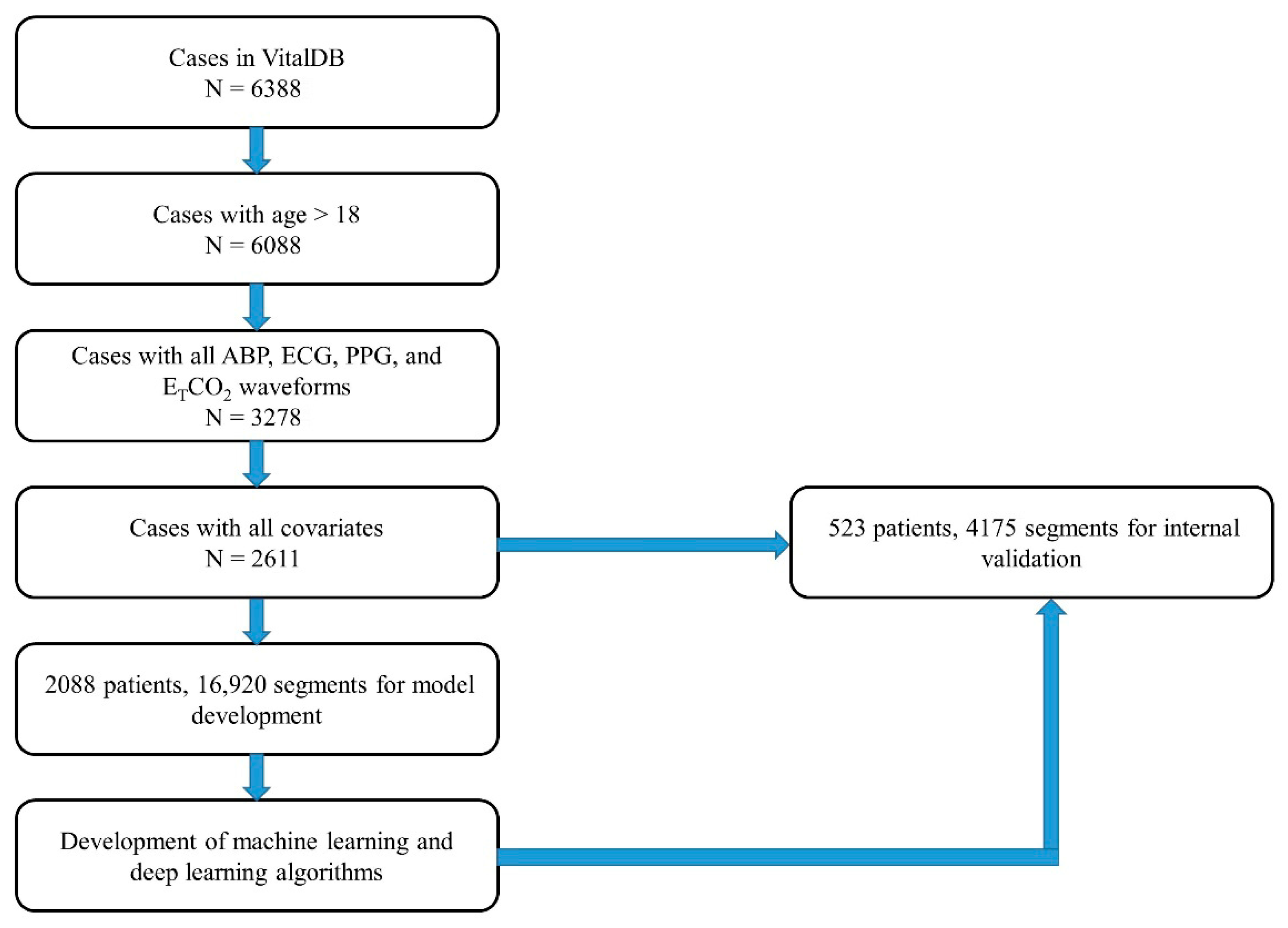
| Characteristic | Total (N = 2611) | Train (N = 2088) | Test (N = 523) |
|---|---|---|---|
| Age (years) | 59.8 ± 14.0 | 59.7 ± 14.0 | 60.0 ± 14.3 |
| Male, n (%) | 1451 (55.6%) | 1166 (55.8%) | 285 (54.5%) |
| BMI (kg/m2) | 23.1 ± 3.5 | 23.1 ± 3.5 | 23.3 ± 3.6 |
| ASA physical status | |||
| I | 552 (21.1%) | 440 (21.1%) | 112 (21.4%) |
| II | 1686 (64.6%) | 1353 (64.8%) | 333 (63.7%) |
| III | 344 (13.2%) | 275 (13.2%) | 69 (13.2%) |
| IV | 18 (0.7%) | 13 (0.6%) | 5 (1.0%) |
| V | 0 | 0 | 0 |
| VI | 11 (0.4%) | 7 (0.3%) | 4 (0.8%) |
| Emergency surgery | 288 (11.0%) | 231 (11.1%) | 57 (10.9%) |
| Hypertension | 856 (32.8%) | 699 (33.5%) | 157 (30.0%) |
| WBC count (103/mcL) | 5.8 ± 2.1 | 5.8 ± 2.1 | 5.8 ± 2.1 |
| Hemoglobin (g/dL) | 10.7 ± 2.0 | 10.7 ± 2.0 | 10.8 ± 2.1 |
| BUN (mg/dL) | 9.7 ± 4.8 | 9.7 ± 4.9 | 9.7 ± 4.3 |
| Cr (mg/dL) | 0.7 ± 0.6 | 0.7 ± 0.6 | 0.7 ± 0.6 |
| Albumin (g/dL) | 3.1 ± 0.6 | 3.1 ± 0.6 | 3.2 ± 0.6 |
| Na (mmol/L) | 133.5 ± 3.3 | 133.5 ± 3.2 | 133.5 ± 3.4 |
| K (mmol/L) | 3.4 ± 0.4 | 3.4 ± 0.4 | 3.4 ± 0.4 |
| Metric | GBM | Hybrid CNN-RNN | p-Value | Test |
|---|---|---|---|---|
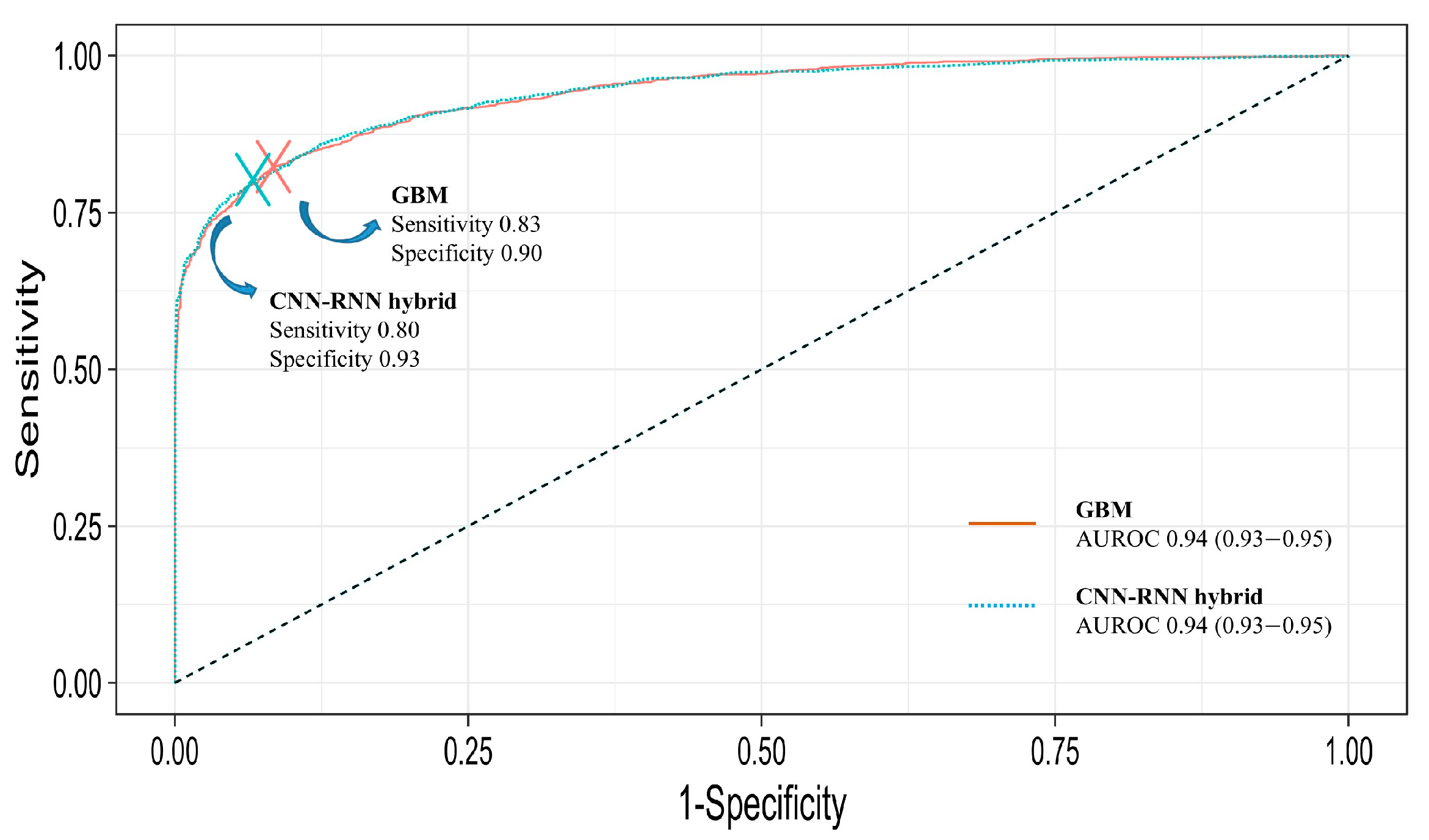
| AUROC (95% CI) | 0.94 (0.93–0.95) | 0.94 (0.93–0.95) | <0.001 | DeLong |
| Accuracy (95% CI) | 0.88 (0.86–0.89) | 0.88 (0.87–0.89) | 0.591 | McNemar |
| Sensitivity (95% CI) | 0.83 (0.81–0.85) | 0.80 (0.78–0.82) | <0.001 | McNemar (positive subset) |
| Specificity (95% CI) | 0.90 (0.89–0.92) | 0.93 (0.92–0.94) | <0.001 | McNemar (negative subset) |
| PPV (95% CI) | 0.84 (0.83–0.86) | 0.88 (0.86, 0.89) | <0.001 | Two-proportion (z-test) |
| NPV (95% CI) | 0.89 (0.88–0.91) | 0.88 (0.87, 0.89) | 0.003 | Two-proportion (z-test) |
Disclaimer/Publisher’s Note: The statements, opinions and data contained in all publications are solely those of the individual author(s) and contributor(s) and not of MDPI and/or the editor(s). MDPI and/or the editor(s) disclaim responsibility for any injury to people or property resulting from any ideas, methods, instructions or products referred to in the content. |
© 2025 by the authors. Published by MDPI on behalf of the Lithuanian University of Health Sciences. Licensee MDPI, Basel, Switzerland. This article is an open access article distributed under the terms and conditions of the Creative Commons Attribution (CC BY) license (https://creativecommons.org/licenses/by/4.0/).
Share and Cite
Shim, J.-G.; Yoon, W.; Lee, S.J.; Chang, S.-H.; Jung, S.-R.; Chung, J.Y. Machine Learning Methods for the Prediction of Intraoperative Hypotension with Biosignal Waveforms. Medicina 2025, 61, 2039. https://doi.org/10.3390/medicina61112039
Shim J-G, Yoon W, Lee SJ, Chang S-H, Jung S-R, Chung JY. Machine Learning Methods for the Prediction of Intraoperative Hypotension with Biosignal Waveforms. Medicina. 2025; 61(11):2039. https://doi.org/10.3390/medicina61112039
Chicago/Turabian StyleShim, Jae-Geum, Wonhyuck Yoon, Sang Jun Lee, Se-Hyun Chang, So-Ra Jung, and Jun Young Chung. 2025. "Machine Learning Methods for the Prediction of Intraoperative Hypotension with Biosignal Waveforms" Medicina 61, no. 11: 2039. https://doi.org/10.3390/medicina61112039
APA StyleShim, J.-G., Yoon, W., Lee, S. J., Chang, S.-H., Jung, S.-R., & Chung, J. Y. (2025). Machine Learning Methods for the Prediction of Intraoperative Hypotension with Biosignal Waveforms. Medicina, 61(11), 2039. https://doi.org/10.3390/medicina61112039