Review

Depression in Heart Failure with Reduced Ejection Fraction, an Undervalued Comorbidity: An Up-To-Date Review


1
Department of Advanced Biomedical Sciences, University of Naples “Federico II”, 80131 Naples, Italy
2
Department of Psychiatry, University Vita-Salute San Raffaele, 20132 Milan, Italy
3
Department of Cardiovascular and Pulmonary Sciences, Catholic University of the Sacred Heart, 00128 Rome, Italy
4
Advanced Cardiovascular Imaging Unit, Clinica Villa dei Fiori, 80011 Acerra, Italy
5
Clinical Cardiology, AOU Cagliari, Department of Medical Science and Public Health, University of Cagliari, 09124 Cagliari, Italy
*
Authors to whom correspondence should be addressed.
These authors contributed equally to this work.
Medicina 2023, 59(5), 948; https://doi.org/10.3390/medicina59050948

Submission received: 21 February 2023 / Revised: 5 May 2023 / Accepted: 9 May 2023 / Published: 15 May 2023
(This article belongs to the Section Cardiology)

Abstract

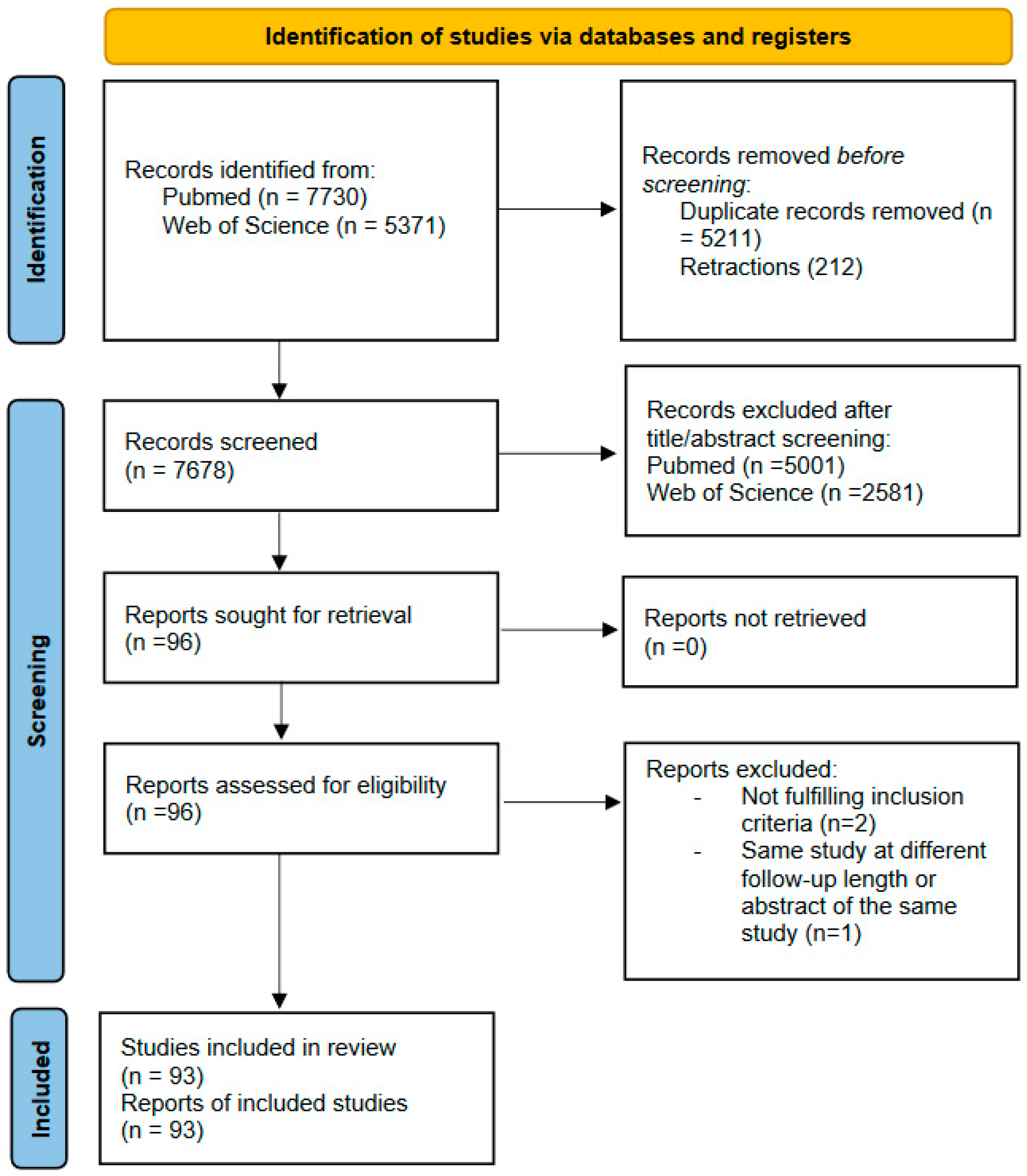
Introduction: Depression is a common and severe comorbidity among individuals with heart failure (HF). Up to a third of all HF patients are depressed, and an even higher proportion have symptoms of depression. Aim: In this review, we evaluate the relationship between HF and depression, explain the pathophysiology and epidemiology of both diseases and their relationship, and highlight novel diagnostic and therapeutic options for HF patients with depression. Materials and Methods: This narrative review involved keyword searches of PubMed and Web of Science. Review search terms included [“Depression” OR “Depres*” OR “major depr*”] AND [“Heart Failure” OR “HF” OR “HFrEF” OR “HFmrEF” OR “HFpEF” OR “HFimpEF”] in all fields. Studies included in the review met the following criteria: (A) published in a peer-reviewed journal; (B) described the impact of depression on HF and vice versa; and (C) were opinion papers, guidelines, case studies, descriptive studies, randomized control trials, prospective studies, retrospective studies, narrative reviews, and systematic reviews. Results: Depression is an emergent HF risk factor and strongly relates with worse clinical outcomes. HF and depression share multiple pathways, including platelet dis-reactivity, neuroendocrine malfunction, inappropriate inflammation, tachi-arrhythmias, and frailty in the social and community setting. Existing HF guidelines urge evaluation of depression in all HF patients, and numerous screening tools are available. Depression is ultimately diagnosed based on DSM-5 criteria. There are both non-pharmaceutical and pharmaceutical treatments for depression. Regarding depressed symptoms, non-pharmaceutical treatments, such as cognitive-behavioral therapy and physical exercise, have shown therapeutic results, under medical supervision and with an effort level adapted to the patient’s physical resources, together with optimal HF treatment. In randomized clinical studies, selective serotonin reuptake inhibitors, the backbone of antidepressant treatment, did not demonstrate advantage over the placebo in patients with HF. New antidepressant medications are currently being studied and could provide a chance to enhance management, treatment, and control of depression in patients with HF. Conclusions: Despite the substantial link between depression and HF, their combination is underdiagnosed and undertreated. Considering the hopeful yet unclear findings of antidepressant trials, further research is required to identify people who may benefit from antidepressant medication. The goal of future research should be a complete approach to the care of these patients, who are anticipated to become a significant medical burden in the future.
Keywords: heart failure; quality of life; depression heart failure; quality of life; depression