Article

Tissue Biomarkers Outperform Plasma Signals in Pelvic Organ Prolapse: Evidence of a Dominant Extracellular Matrix Remodelling Phenotype

1
Urology Department, General Hospital Prokuplje, 18400 Prokuplje, Serbia
2
Faculty of Medicine, University of Niš, 18000 Nis, Serbia
3
Clinic for Urology, University Clinical Center Nis, 18000 Nis, Serbia
4
Center for Pathology and Pathological Anatomy, University Clinical Center Nis, 18000 Nis, Serbia
5
Department of Histology, Faculty of Medicine, University of Niš, 18000 Nis, Serbia
6
Department of Biochemistry, Faculty of Medicine, University of Niš, 18000 Nis, Serbia
7
Department of Laboratory Diagnostics, Institute for Treatment and Rehabilitation “Niška Banja”, 18205 Niska Banja, Serbia
*
Author to whom correspondence should be addressed.
Curr. Issues Mol. Biol. 2026, 48(9), 952; https://doi.org/10.3390/cimb48090952 (registering DOI)
Submission received: 11 August 2026 / Revised: 6 September 2026 / Accepted: 11 September 2026 / Published: 18 September 2026
(This article belongs to the Section Molecular Medicine)

Abstract

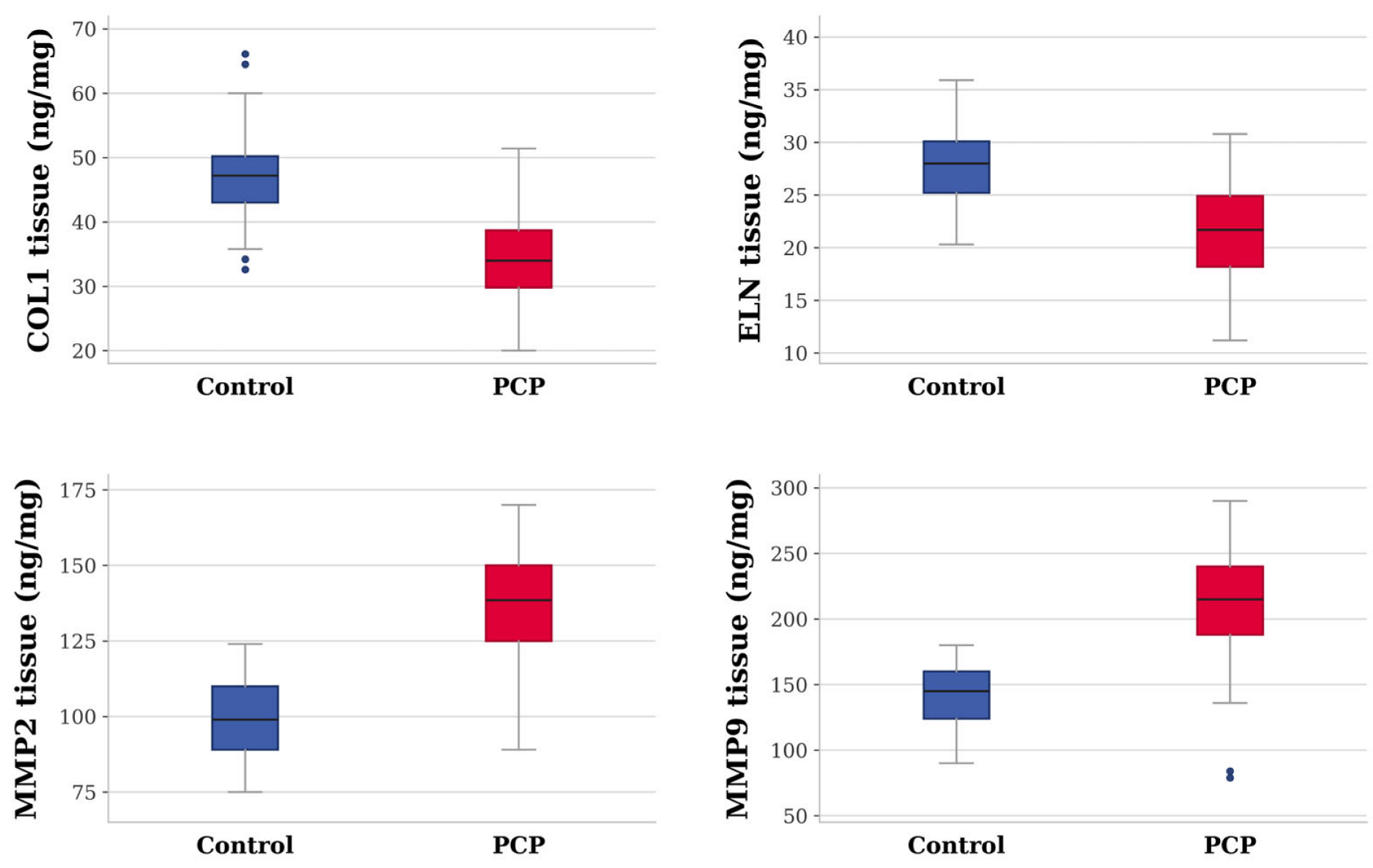
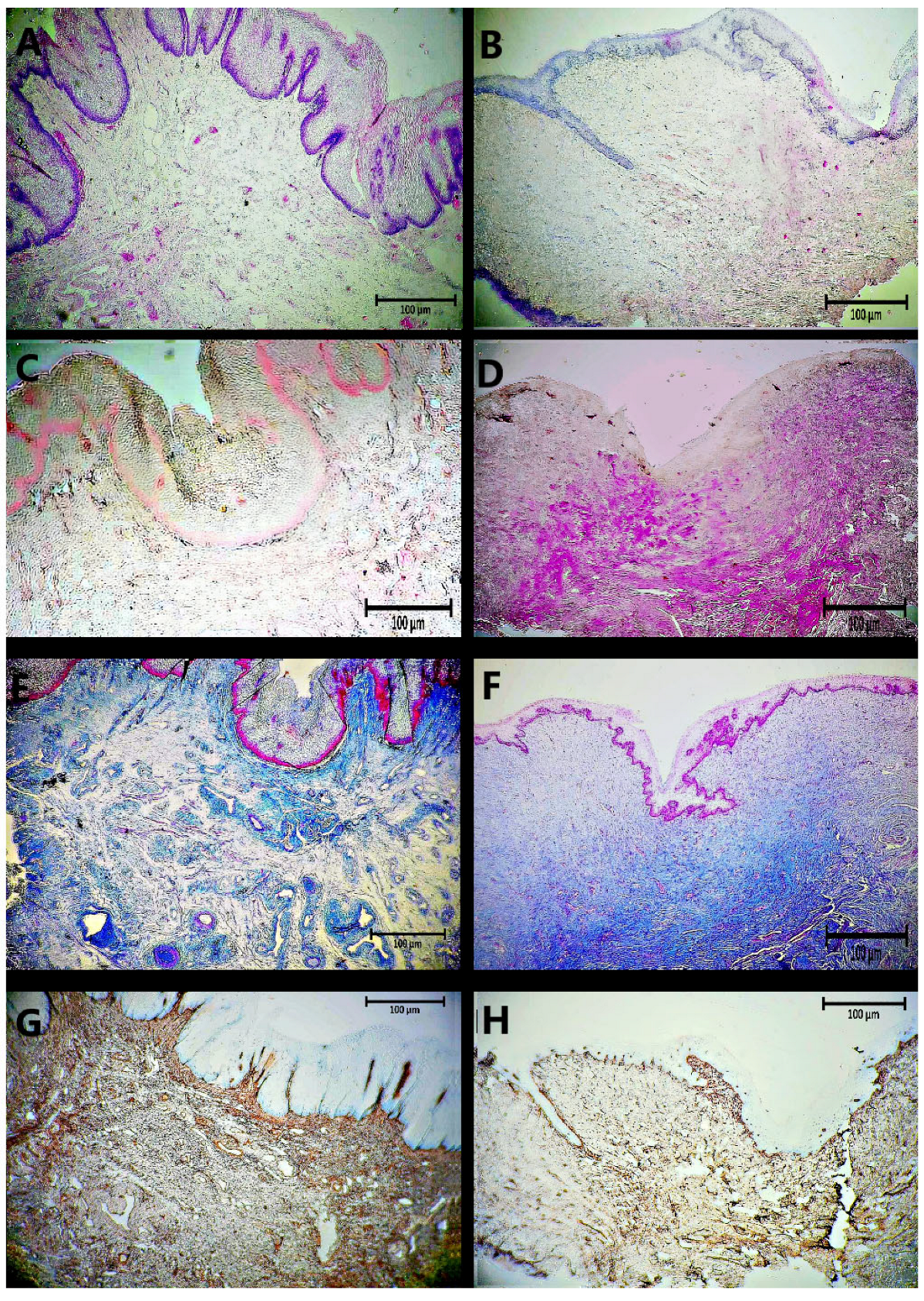
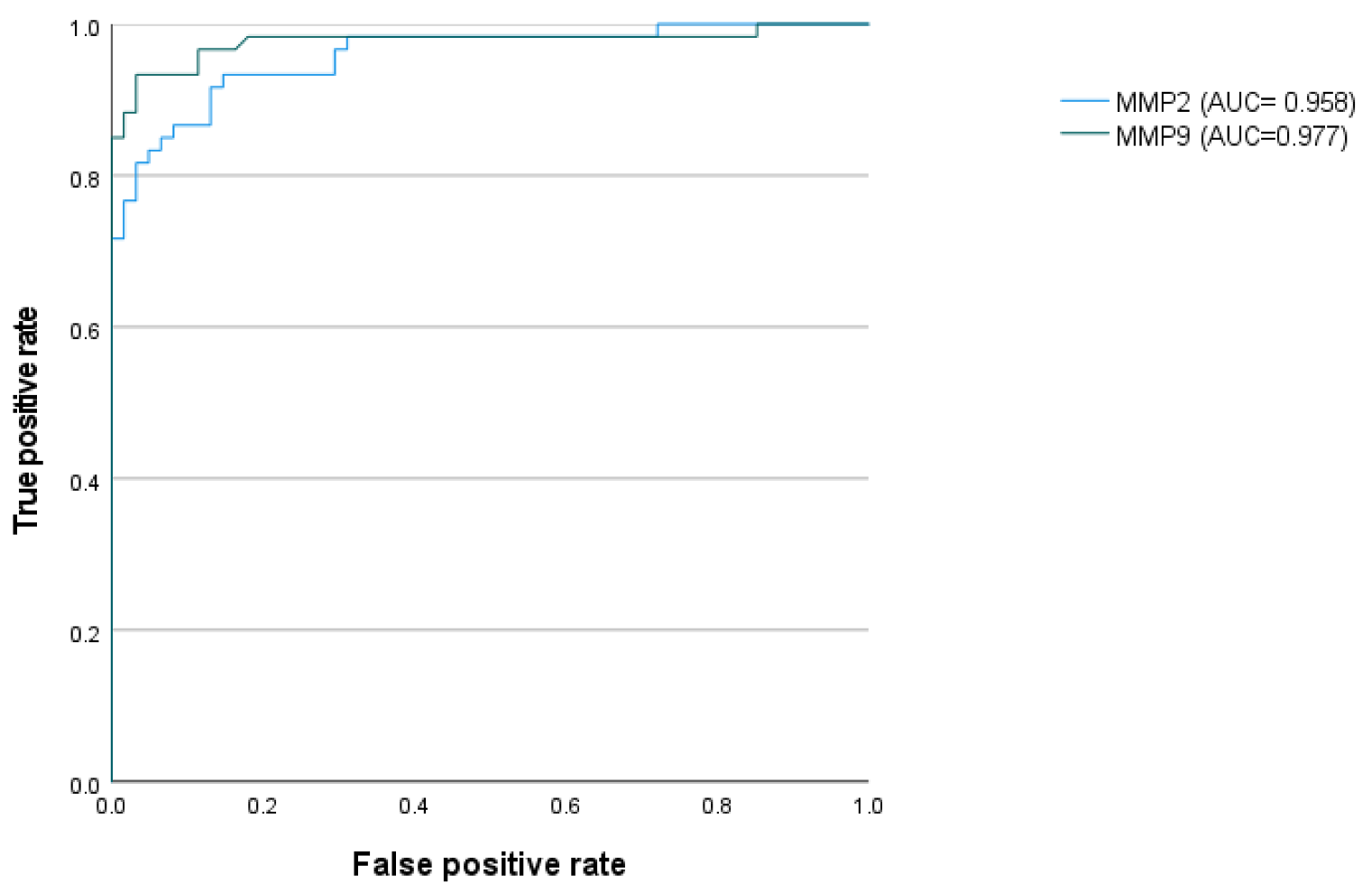
Pelvic floor disorders, particularly pelvic organ prolapse (POP) with or without stress urinary incontinence (SUI), are among the most prevalent benign conditions affecting women and are associated with substantial burdens. This study aimed to evaluate tissue extracellular matrix remodelling in women with POP with or without SUI by integrating clinical and phenotypic characteristics, and tissue and plasma specimens, and to determine whether the dominant biological signal is observed at the systemic or local tissue level in pelvic floor failure. Case–control analysis consisted of 121 women with POP with or without SUI and a control group (POP and SUI-free). Plasma and tissue concentrations of collagen type I, collagen type III, elastin, MMP-1, MMP-2, MMP-3, and MMP-9 were quantified (60 POP with or without SUI, 61 controls). Clinical and demographic characteristics were compared between groups, and secondary correlations between tissue biomarkers, pelvic floor symptom scores, and POP-Q parameters were evaluated within the POP group. The results of the present study reveal that the studied women were older, had higher BMI, parity, and vaginal delivery burden, and had markedly higher symptom scores. Plasma biomarkers showed limited differences between groups, whereas tissue biomarkers showed strong separation: COL1 and ELN were lower, while COL3, MMP1, MMP2, MMP3, and MMP9 were higher in POP. The strongest individual discriminatory markers were found to be MMP2 (AUC 0.958) and MMP9 (AUC 0.977). In adjusted models controlling age, BMI, and parity, parameters such as COL1, COL3, ELN, MMP2, MMP3, and MMP9 remained independently associated with POP. In this cohort, pelvic organ prolapse is associated with a robust extracellular matrix remodelling signature in vaginal-wall tissue, characterised by reduced structural components and increased MMP levels. Tissue biomarkers, particularly MMP-2 and MMP-9, may represent markers of the POP-associated tissue phenotype and warrant further validation in larger cohorts.
Keywords: pelvic organ prolapse; extracellular matrix; MMP-2; MMP-9; tissue remodelling pelvic organ prolapse; extracellular matrix; MMP-2; MMP-9; tissue remodelling