Cross-Species Triage of SERT-Oriented Polyheteroaryl Candidates Prioritizes AD20/UtIA-0108 as an Early Neuroactive Candidate

 , , , , , , and
Abstract
1. Introduction
2. Materials and Methods
2.1. Ethics, Reporting Standards and Data Availability
2.2. Bioinformatic Analysis
2.3. Compound-Code Harmonization and Compound Selection
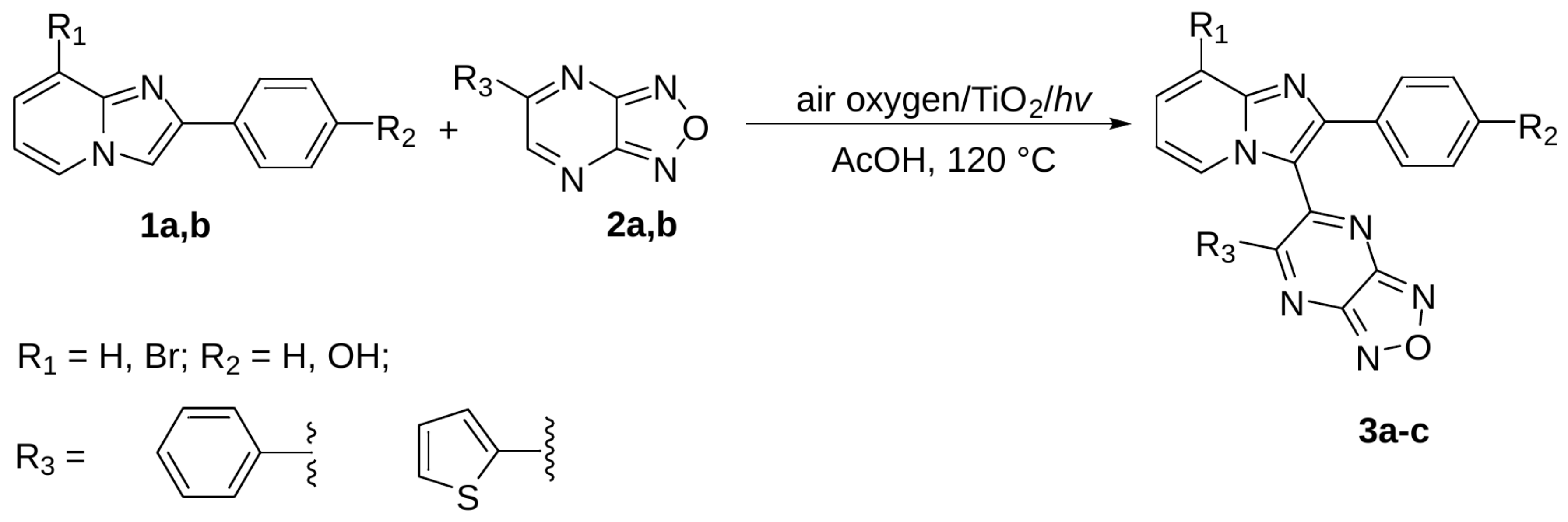
2.4. Chemical Synthesis and Compound Characterization
2.5. Zebrafish Embryo Acute-Toxicity Assay
2.6. Larval Zebrafish Light–Dark Locomotion Assay
2.7. Adult Zebrafish Chronic Unpredictable Stress and Novel-Tank Testing
2.8. Mouse Animals, Drug Administration and Behavioural Testing
2.9. Brain-Tissue Processing and Quantitative PCR
2.10. HPLC Analysis of Monoamines and the 5-HIAA/5-HT Ratio
2.11. Protein Determination
2.12. Statistical Analysis
3. Results
3.1. Code Correction and Compound Identity
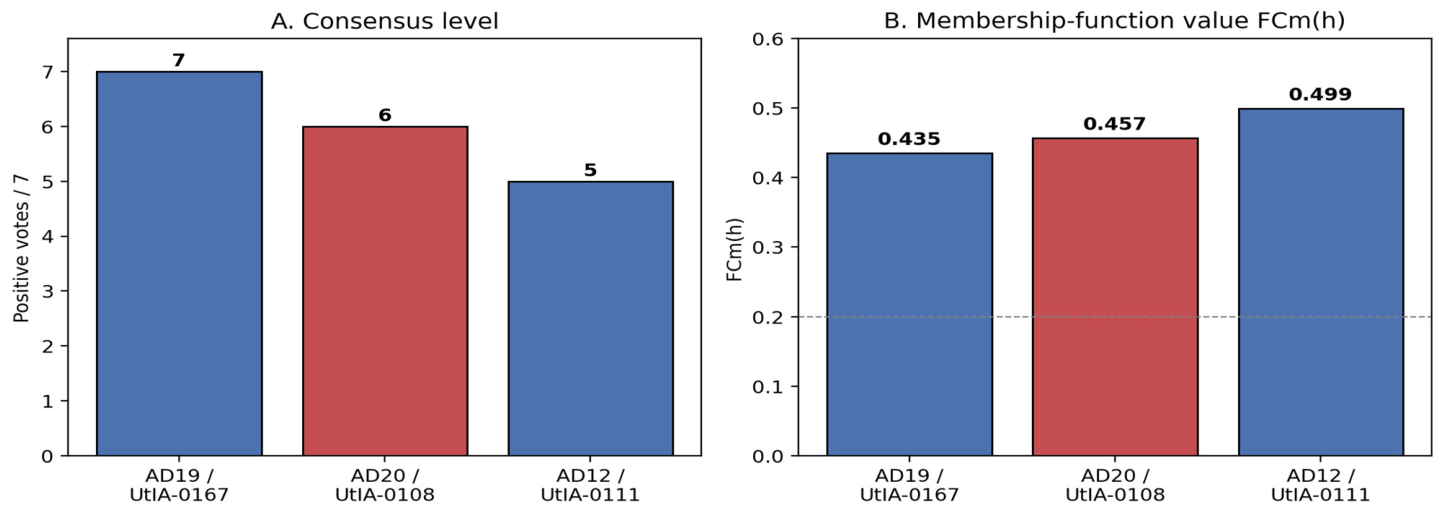
3.2. Computational Prioritization Identifies Three Candidates with High Predicted Activity but Does Not Establish SERT Inhibition
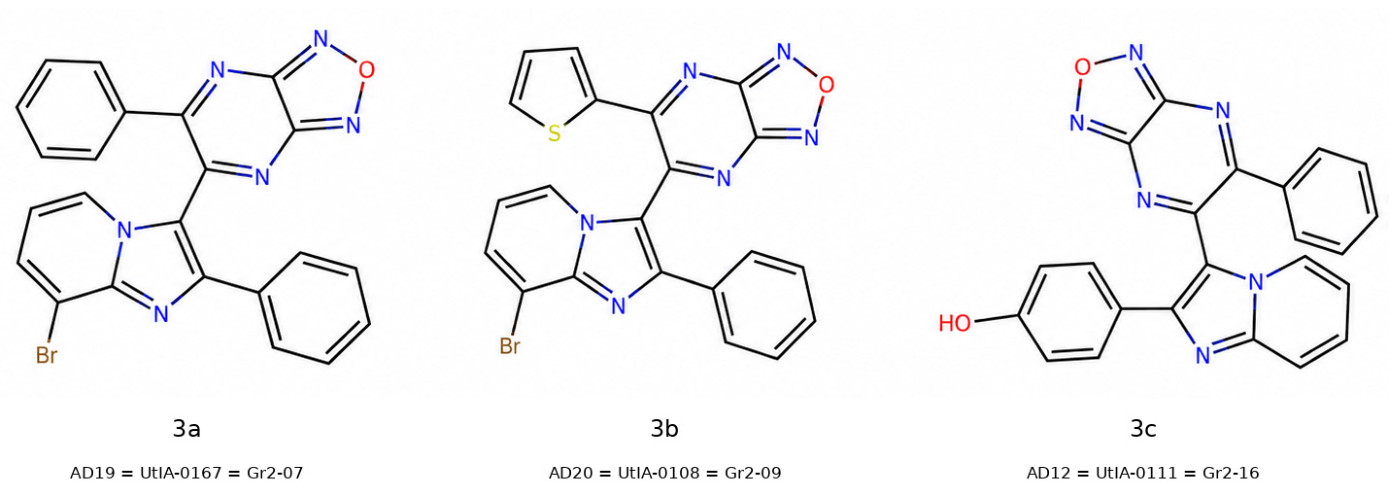
3.3. Chemical Identity and Structural Interpretation
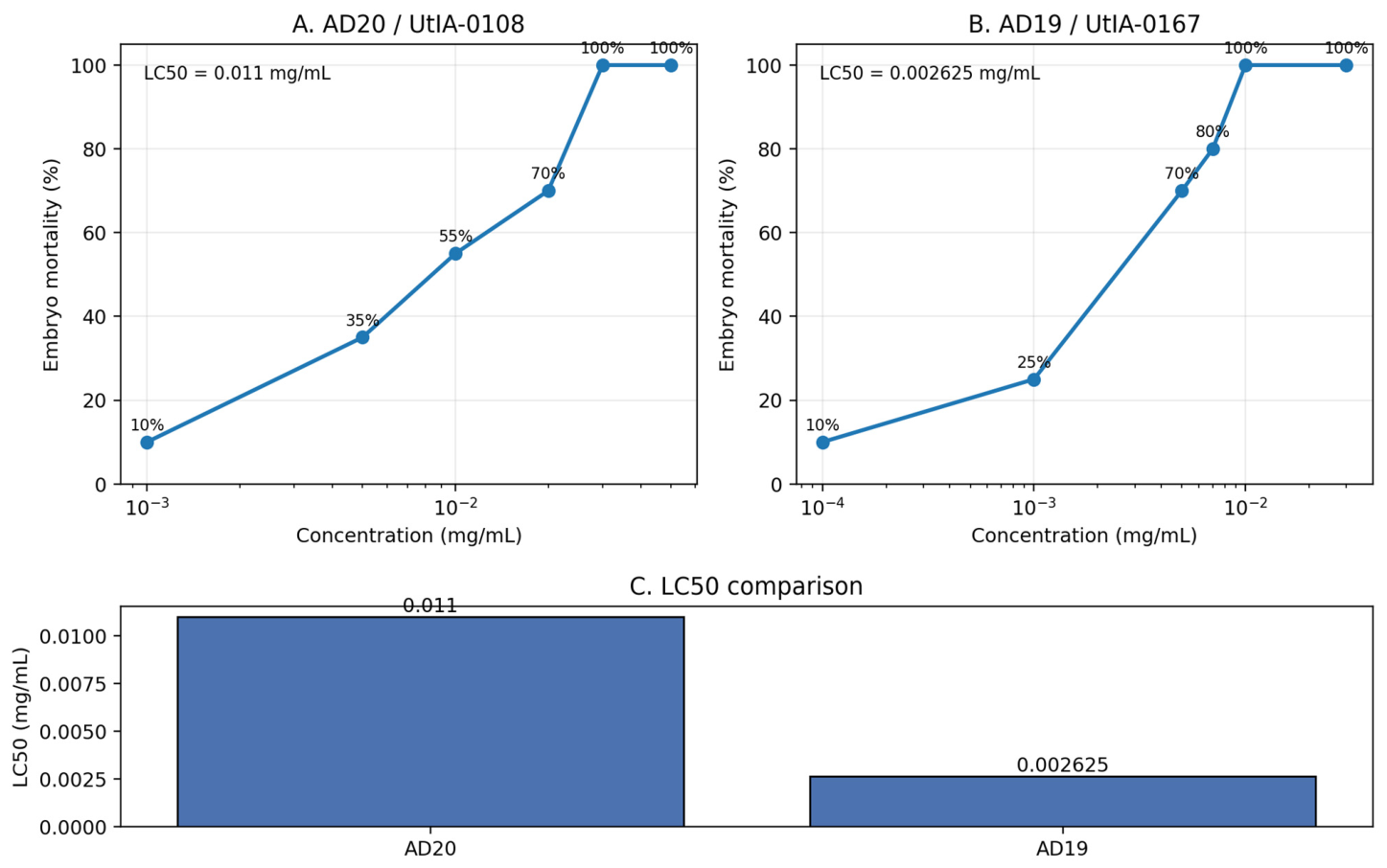
3.4. Zebrafish Embryo Toxicity Defines the Exposure Boundary for Behavioural Testing
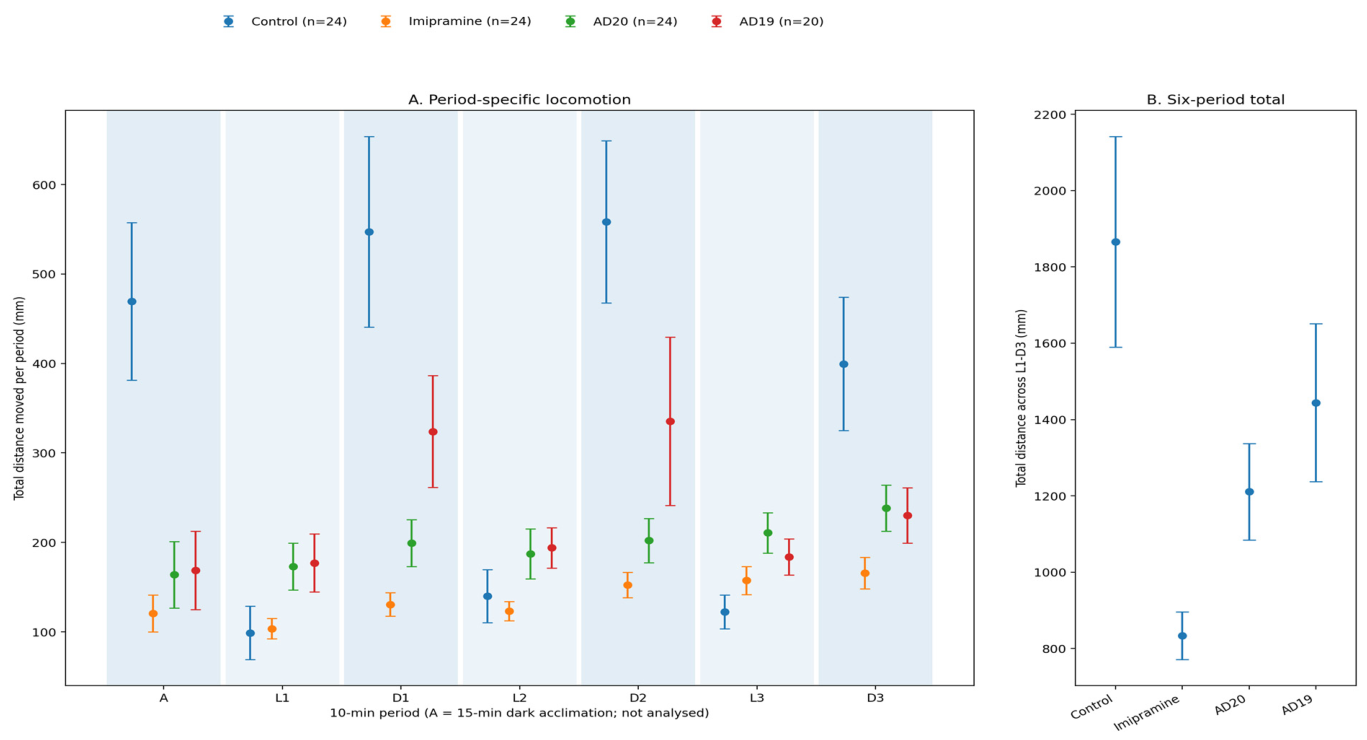
3.5. Larval Light–Dark Locomotion Indicates Neuroactive Locomotor Modulation Under Toxicity-Constrained Exposure
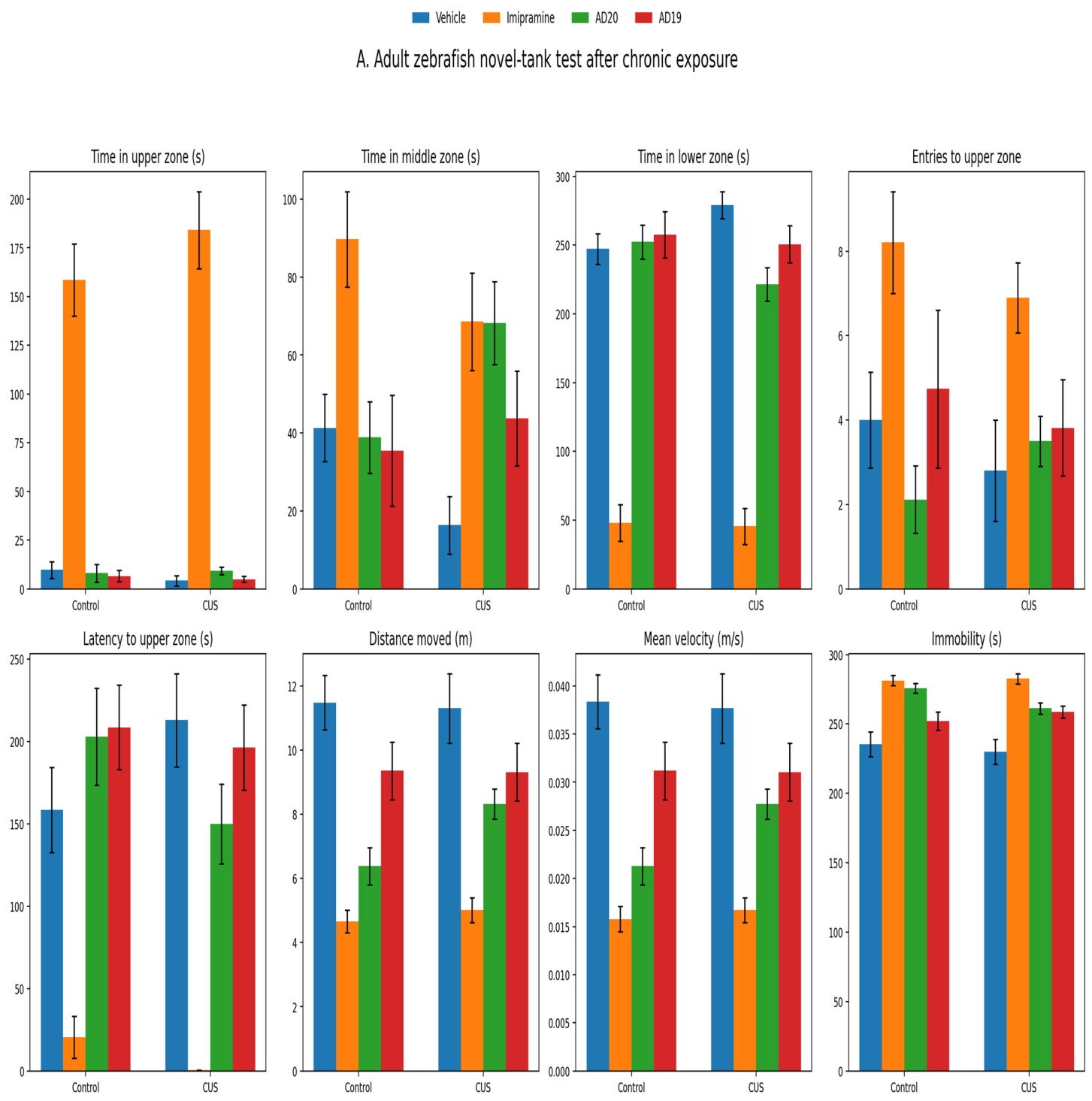
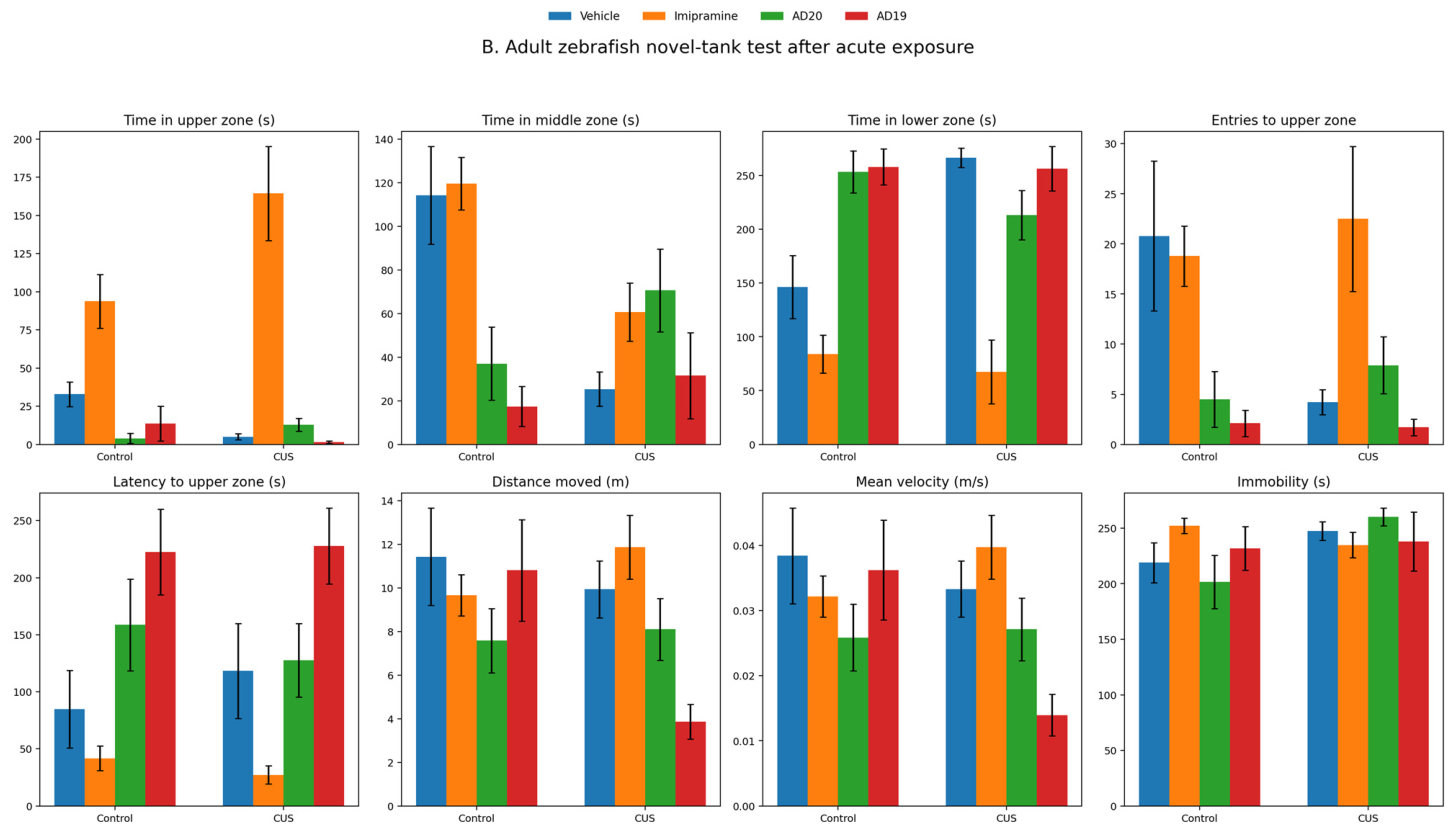
3.6. Adult Zebrafish CUS/Novel-Tank Triage Separates AD19/UtIA-0167 from AD20/UtIA-0108
3.7. Exploratory Mouse Behavioural Follow-Up of AD20/UtIA-0108
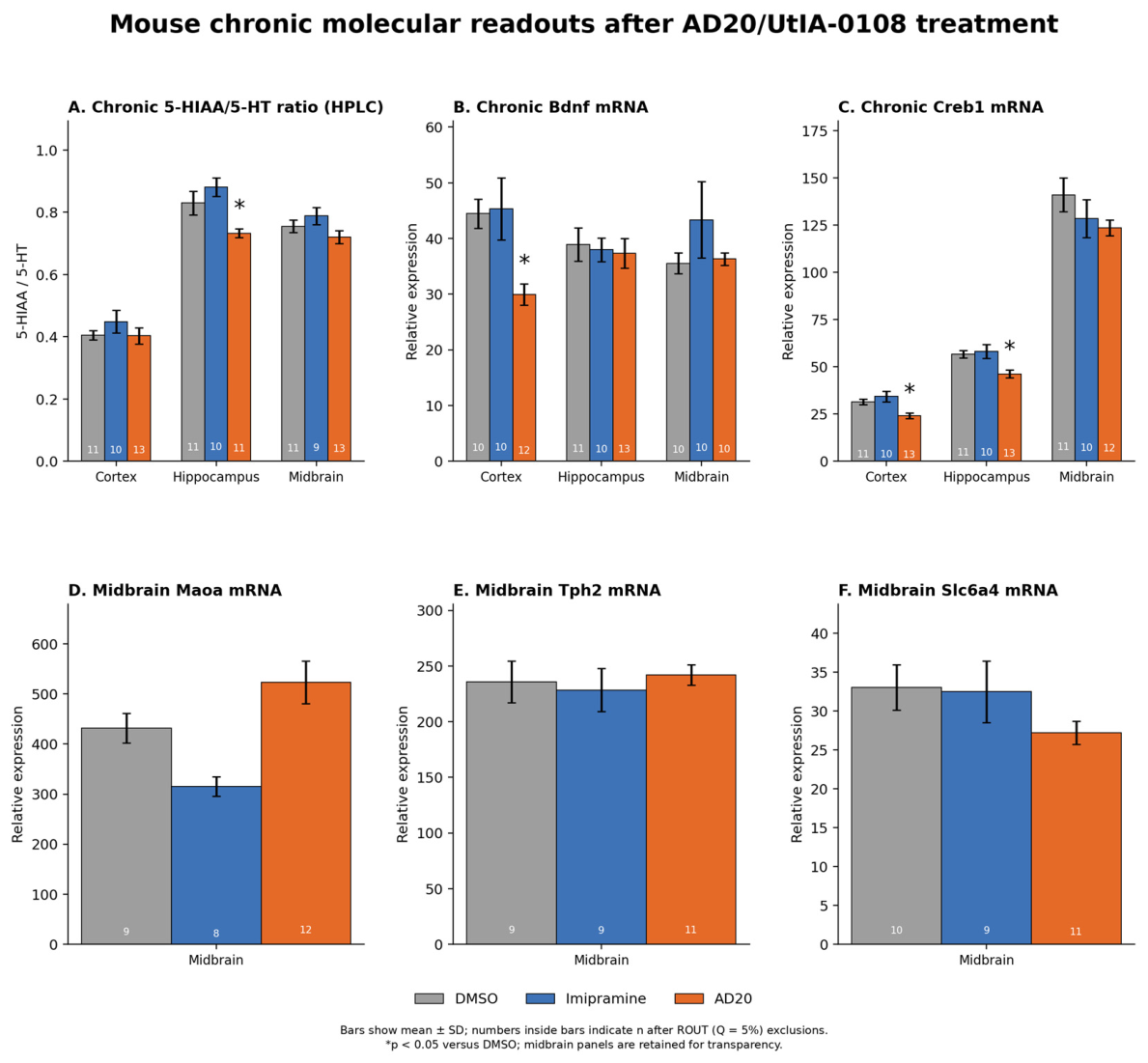
3.8. Mouse Monoamine-Metabolism and qPCR Readouts
4. Discussion
5. Conclusions
Supplementary Materials
Author Contributions
Funding
Institutional Review Board Statement
Informed Consent Statement
Data Availability Statement
Acknowledgments
Conflicts of Interest
References
- World Health Organization. Depressive Disorder (Depression). Fact Sheet, 29 August 2025. Available online: https://www.who.int/news-room/fact-sheets/detail/depression (accessed on 20 June 2026).
- World Health Organization. Over a Billion People Living with Mental Health Conditions—Services Require Urgent Scale-Up. News Release, 2 September 2025. Available online: https://www.who.int/news/item/02-09-2025-over-a-billion-people-living-with-mental-health-conditions-services-require-urgent-scale-up (accessed on 20 June 2026).
- McIntyre, R.S.; Alsuwaidan, M.; Baune, B.T.; Berk, M.; Demyttenaere, K.; Goldberg, J.F.; Gorwood, P.; Ho, R.; Kasper, S.; Kennedy, S.H.; et al. Treatment-resistant depression: Definition, prevalence, detection, management, and investigational interventions. World Psychiatry 2023, 22, 394–412. [Google Scholar] [CrossRef] [Scilit] [PubMed]
- Kajumba, M.M.; Kakooza-Mwesige, A.; Nakasujja, N.; Koltai, D.; Canli, T. Treatment-resistant depression: Molecular mechanisms and management. Mol. Biomed. 2024, 5, 43. [Google Scholar] [CrossRef] [Scilit] [PubMed]
- Kositsyn, Y.M.; de Abreu, M.S.; Kolesnikova, T.O.; Lagunin, A.A.; Poroikov, V.V.; Harutyunyan, H.S.; Yenkoyan, K.B.; Kalueff, A.V. Towards novel potential molecular targets for antidepressant and antipsychotic drugs. Int. J. Mol. Sci. 2023, 24, 9482. [Google Scholar] [CrossRef] [Scilit] [PubMed]
- Ferreira, F.J.N.; Carneiro, A.S. AI-driven drug discovery: A comprehensive review. ACS Omega 2025, 10, 23889–23903. [Google Scholar] [CrossRef] [Scilit] [PubMed]
- Nivatya, H.K.; Singh, A.; Kumar, N.; Sonam; Sharma, L.; Singh, V.; Mishra, R.; Gaur, N.; Mishra, A.K. Assessing molecular docking tools: Understanding drug discovery and design. Future J. Pharm. Sci. 2025, 11, 111. [Google Scholar] [CrossRef] [Scilit]
- Li, Y.; Yi, J.; Li, H.; Li, K.; Kang, F.; Deng, Y.; Wu, C.; Fu, X.; Jiang, D.; Cao, D. Decoding the limits of deep learning in molecular docking for drug discovery. Chem. Sci. 2025, 16, 17374–17390. [Google Scholar] [CrossRef] [Scilit] [PubMed]
- Gendelev, L.; Taylor, J.; Myers-Turnbull, D.; Chen, S.; McCarroll, M.N.; Arkin, M.R.; Kokel, D.; Keiser, M.J. Deep phenotypic profiling of neuroactive drugs in larval zebrafish. Nat. Commun. 2024, 15, 9955. [Google Scholar] [CrossRef] [Scilit] [PubMed]
- Chaoul, V.; Dib, E.-Y.; Bedran, J.; Khoury, C.; Shmoury, O.; Harb, F.; Soueid, J. Assessing drug administration techniques in zebrafish models of neurological disease. Int. J. Mol. Sci. 2023, 24, 14898. [Google Scholar] [CrossRef] [Scilit] [PubMed]
- Chauhan, A.; Raviraj, T.; Sobti, R.C.; Dutta, A.; Shukla, M.K.; Korinek, M. Zebrafish models for neurological disorders: A platform for natural product-based drug discovery. Front. Nat. Prod. 2026, 4, 1679580. [Google Scholar] [CrossRef] [Scilit]
- Wang, Y.; Takai, R.; Yoshioka, H.; Shirabe, K. Characterization and expression of serotonin transporter genes in zebrafish. Tohoku J. Exp. Med. 2006, 208, 267–274. [Google Scholar] [CrossRef] [Scilit] [PubMed]
- Norton, W.H.J.; Folchert, A.; Bally-Cuif, L. Comparative analysis of serotonin receptor HTR1A/HTR1B families and transporter slc6a4a/b gene expression in the zebrafish brain. J. Comp. Neurol. 2008, 511, 521–542. [Google Scholar] [CrossRef] [Scilit] [PubMed]
- Severinsen, K.; Sinning, S.; Müller, H.K.; Wiborg, O. Characterisation of the zebrafish serotonin transporter functionally links TM10 to the ligand binding site. J. Neurochem. 2008, 105, 1794–1805. [Google Scholar] [CrossRef] [Scilit] [PubMed]
- de Abreu, M.S.; Giacomini, A.C.V.V.; Demin, K.A.; Petersen, E.V.; Kalueff, A.V. Understanding how stress responses and stress-related behaviors have evolved in zebrafish and mammals. Neurobiol. Stress 2021, 15, 100405. [Google Scholar] [CrossRef] [Scilit] [PubMed]
- Xie, Y.; Meijer, A.H.; Schaaf, M.J.M. Modeling inflammation in zebrafish for the development of anti-inflammatory drugs. Front. Cell Dev. Biol. 2021, 8, 620984. [Google Scholar] [CrossRef] [Scilit] [PubMed]
- Percie du Sert, N.; Hurst, V.; Ahluwalia, A.; Alam, S.; Avey, M.T.; Baker, M.; Browne, W.J.; Clark, A.; Cuthill, I.C.; Dirnagl, U.; et al. The ARRIVE guidelines 2.0: Updated guidelines for reporting animal research. PLoS Biol. 2020, 18, e3000410. [Google Scholar] [CrossRef] [Scilit] [PubMed]
- Vassiliev, P.M.; Komelkova, M.V.; Perfilev, M.A.; Kochetkov, A.N.; Sarapultsev, A.P.; Fedorov, S.A.; Platkovskii, P.O.; Utepova, I.A.; Deev, S.L.; Sarapultsev, G.P. Neural Network Modeling of the Multitarget Serotonergic Mechanism of Cellular Stress. J. Ural Med. Acad. Sci. 2025, 22, 73–91. [Google Scholar] [CrossRef] [Scilit]
- Vassiliev, P.M.; Maltsev, D.V.; Spasov, A.A.; Perfilev, M.A.; Skripka, M.O.; Kochetkov, A.N. Consensus Ensemble Multitarget Neural Network Model of Anxiolytic Activity of Chemical Compounds and Its Use for Multitarget Pharmacophore Design. Pharmaceuticals 2023, 16, 731. [Google Scholar] [CrossRef] [Scilit] [PubMed]
- Trott, O.; Olson, A.J. AutoDock Vina: Improving the speed and accuracy of docking with a new scoring function, efficient optimization, and multithreading. J. Comput. Chem. 2010, 31, 455–461. [Google Scholar] [CrossRef] [Scilit] [PubMed]
- Utepova, I.A.; Trestsova, M.A.; Chupakhin, O.N.; Charushin, V.N.; Rempel, A.A. Aerobic oxidative C–H/C–H coupling of azaaromatics with indoles and pyrroles in the presence of TiO2 as a photocatalyst. Green Chem. 2015, 17, 4401–4410. [Google Scholar] [CrossRef] [Scilit]
- Utepova, I.A.; Chupakhin, O.N.; Trestsova, M.A.; Musikhina, A.A.; Kucheryavaya, D.A.; Charushin, V.N.; Rempel, A.A.; Kozhevnikova, N.S.; Valeeva, A.A.; Mikhaleva, A.I.; et al. Direct functionalization of the C–H bond in (hetero)arenes: Aerobic photoinduced oxidative coupling of azines with aromatic nucleophiles in the presence of a CdS/TiO2 photocatalyst. Russ. Chem. Bull. 2016, 65, 445–450. [Google Scholar] [CrossRef] [Scilit]
- Eremeev, A.V.; Andrianov, V.G.; Piskunova, I.P. Synthesis of furazano [3,4-b]pyrazine derivatives. Chem. Heterocycl. Compd. 1978, 14, 500–502. [Google Scholar] [CrossRef] [Scilit]
- Elliott, A.J.; Guzik, H.; Soler, J.R. On the reaction of 2-aminopyridines with α-halocarbonyl compounds. J. Heterocycl. Chem. 1982, 19, 1437–1440. [Google Scholar] [CrossRef] [Scilit]
- OECD. Test No. 236: Fish Embryo Acute Toxicity (FET) Test; OECD Guidelines for the Testing of Chemicals, Section 2; OECD Publishing: Paris, France, 2025. [Google Scholar] [CrossRef] [Scilit]
- Steele, W.B.; Kristofco, L.A.; Corrales, J.; Saari, G.N.; Haddad, S.P.; Gallagher, E.P.; Kavanagh, T.J.; Kostal, J.; Zimmerman, J.B.; Voutchkova-Kostal, A.; et al. Comparative behavioral toxicology with two common larval fish models: Exploring relationships among modes of action and locomotor responses. Sci. Total Environ. 2018, 640–641, 1587–1600. [Google Scholar] [CrossRef] [Scilit] [PubMed]
- Pohl, J. Zebrafish (Danio rerio) embryo-larvae locomotor activity data analysis: Evaluating anxiolytic effects of the antidepressant compound citalopram. Data Brief 2019, 27, 104812. [Google Scholar] [CrossRef] [Scilit] [PubMed]
- Goolish, E.M.; Okutake, K. Lack of gas bladder inflation by the larvae of zebrafish in the absence of an air–water interface. J. Fish Biol. 1999, 55, 1054–1063. [Google Scholar] [CrossRef] [Scilit]
- MacPhail, R.C.; Brooks, J.; Hunter, D.L.; Padnos, B.; Irons, T.D.; Padilla, S. Locomotion in larval zebrafish: Influence of time of day, lighting and ethanol. Neurotoxicology 2009, 30, 52–58. [Google Scholar] [CrossRef] [Scilit] [PubMed]
- McCarroll, M.N.; Gendelev, L.; Kinser, R.; Taylor, J.; Bruni, G.; Myers-Turnbull, D.; Helsell, C.; Carbajal, A.; Rinaldi, C.; Kang, H.J.; et al. Zebrafish behavioural profiling identifies GABA and serotonin receptor ligands related to sedation and paradoxical excitation. Nat. Commun. 2019, 10, 4078. [Google Scholar] [CrossRef] [Scilit] [PubMed]
- Zhdanov, A.V.; Khatsko, S.L.; Zabegalov, K.N.; Bytov, M.V.; Demin, K.A.; Galstyan, D.S.; de Abreu, M.S.; Amstislavskaya, T.G.; Kalueff, A.V. Modeling stress-related disorders in zebrafish using prolonged predator exposure and prolonged unpredictable stress. J. Neurosci. Res. 2025, 103, e70048. [Google Scholar] [CrossRef] [Scilit] [PubMed]
- Naumenko, V.S.; Kondaurova, E.M.; Bazovkina, D.V.; Tsybko, A.S.; Ilchibaeva, T.V.; Khotskin, N.V.; Semenova, A.A.; Popova, N.K. Effect of GDNF on depressive-like behavior, spatial learning and key genes of the brain dopamine system in genetically predisposed to behavioral disorders mouse strains. Behav. Brain Res. 2014, 274, 1–9. [Google Scholar] [CrossRef] [Scilit] [PubMed]
- Tikhonova, M.A.; Lebedeva, V.V.; Kulikov, A.V.; Bazovkina, D.V.; Popova, N.K. Effect of imipramine on the behavior and cerebral 5-HT1A serotonin receptors in mice genetically predisposed to catalepsy. Bull. Exp. Biol. Med. 2006, 141, 48–50. [Google Scholar] [CrossRef] [Scilit] [PubMed]
- Kulikov, A.V.; Naumenko, V.S.; Voronova, I.P.; Tikhonova, M.A.; Popova, N.K. Quantitative RT-PCR assay of 5-HT1A and 5-HT2A serotonin receptor mRNAs using genomic DNA as an external standard. J. Neurosci. Methods 2005, 141, 97–101. [Google Scholar] [CrossRef] [Scilit] [PubMed]
- Naumenko, V.S.; Kulikov, A.V. Quantitative assay of 5-HT1A receptor gene expression in the brain. Mol. Biol. 2006, 40, 30–36. [Google Scholar] [CrossRef] [Scilit]
- Naumenko, V.S.; Osipova, D.V.; Kostina, E.V.; Kulikov, A.V. Utilization of a two-standard system in real-time PCR for quantification of gene expression in the brain. J. Neurosci. Methods 2008, 170, 197–203. [Google Scholar] [CrossRef] [Scilit] [PubMed]
- Devi, N.; Singh, D.; Rawal, R.K.; Bariwal, J.; Singh, V. Medicinal attributes of imidazo [1,2-a]pyridine derivatives: An update. Curr. Top. Med. Chem. 2016, 16, 2963–2994. [Google Scholar] [CrossRef] [Scilit] [PubMed]
- Xiong, Y.; Feichtinger, K.; Ren, A.S.; Ulmann, B. Imidazo [1,2-a]pyridine Derivatives as Modulators of the 5-HT2A Serotonin Receptor Useful for the Treatment of Disorders Related Thereto. EP2190844B1, 10 April 2013. [Google Scholar]
- Tea, M.; Pan, Y.K.; Lister, J.G.R.; Perry, S.F.; Gilmour, K.M. Effects of serta and sertb knockout on aggression in zebrafish (Danio rerio). J. Comp. Physiol. A Neuroethol. Sens. Neural Behav. Physiol. 2024, 210, 785–799. [Google Scholar] [CrossRef] [Scilit] [PubMed]
- Connors, K.A.; Valenti, T.W.; Lawless, K.; Sackerman, J.; Onaivi, E.S.; Brooks, B.W.; Gould, G.G. Similar anxiolytic effects of agonists targeting serotonin 5-HT1A or cannabinoid CB receptors on zebrafish behaviour in novel environments. Aquat. Toxicol. 2014, 151, 105–113. [Google Scholar] [CrossRef] [Scilit] [PubMed]
- Sinning, S.; Musgaard, M.; Jensen, M.; Severinsen, K.; Celik, L.; Koldsø, H.; Meyer, T.; Bols, M.; Jensen, H.H.; Schiøtt, B.; et al. Binding and orientation of tricyclic antidepressants within the central substrate site of the human serotonin transporter. J. Biol. Chem. 2010, 285, 8363–8374. [Google Scholar] [CrossRef] [Scilit] [PubMed]
- Sarker, S.; Weissensteiner, R.; Steiner, I.; Sitte, H.H.; Ecker, G.F.; Freissmuth, M.; Sucic, S. The high-affinity binding site for tricyclic antidepressants resides in the outer vestibule of the serotonin transporter. Mol. Pharmacol. 2010, 78, 1026–1035. [Google Scholar] [CrossRef] [Scilit] [PubMed]
- Andersen, J.; Taboureau, O.; Hansen, K.B.; Olsen, L.; Egebjerg, J.; Strømgaard, K.; Kristensen, A.S. Location of the antidepressant binding site in the serotonin transporter: Importance of Ser-438 in recognition of citalopram and tricyclic antidepressants. J. Biol. Chem. 2009, 284, 10276–10284. [Google Scholar] [CrossRef] [Scilit] [PubMed]
- Zhou, Z.; Zhen, J.; Karpowich, N.K.; Law, C.J.; Reith, M.E.A.; Wang, D.N. Antidepressant specificity of serotonin transporter suggested by three LeuT–SSRI structures. Nat. Struct. Mol. Biol. 2009, 16, 652–657. [Google Scholar] [CrossRef] [Scilit] [PubMed]





| CUS Day | Stressor Sequence and Duration |
|---|---|
| 1 | Predator stress (two adult 7 cm cichlids, Cichlasoma nigrofasciatum, for 8 h) → 12 h light deprivation (complete darkness) in home tanks. |
| 2 | Spatial restriction and novelty stress (2 L plastic containers, stocking density 7–11 fish/L) for 8 h with alarm pheromone (30 mL added) → transfer to home tank. |
| 3 | 24 h food deprivation, alarm pheromone (30 mL) and addition of 2 L of water from a predatory-fish tank. |
| 4 | 8 h exposure in a 4 L light–dark tank → shallow-water stress (50% of normal level) + light stress (2.6–2.7 klux) for 2 h → 16 h combination of predator chemical cues (1 L predator water) and food deprivation → return to home tank. |
| 5 | Repeated aversive mild electric current for 1 min, three times at 5 min intervals, in a novel environment → return to home tank. |
| 6 | Social isolation in 100 mL opaque cups for 8 h → 30% water change in the home tank (3 L) + 16 h complete darkness. |
| 7 | Shaking for 6 h (22 °C, 60 rpm) in home tanks with 40 mL alarm-pheromone extract + light stress (2.6–2.7 klux) → transfer to home tank. |
| 8 | Repeated aversive mild electric current for 1 min, three times at 5 min intervals, in a novel environment. |
| 9 | Removal from water for 1 min, three times at 10 min intervals → predator stress for 5 h → alarm pheromone (10 mL, 7 times over 15 min) → transfer to home tank. |
| 10 | Spatial-restriction stress + sensory stimulation (green, red and yellow containers, 2 h each) → 3 L predator-tank water added to the home tank. |
| 11 | 8 h exposure under crowding (2 L tank), shallow water (5 cm) and constant illumination → 2 L predator-tank water added to the home tank. |
| 12 | Net chasing for 15 min → spatial restriction in a 4 L tank + light stress (17.4–17.8 klux) for 20 min → hypothermia (0.5 L ice added) → shallow-water stress (30%) for 12 h in the home tank. |
| 13 | Shallow-water stress (30% of normal level, 3 L) for 18 h + alarm pheromone (100 mL, 5 times over 15 min). |
| 14 | Predator stress for 8 h → 12 h light deprivation (complete darkness) in home tanks. |
| Gene | Forward Primer (5′ → 3′) | Reverse Primer (5′ → 3′) | Annealing Temperature (°C) | Amplicon Length (bp) |
|---|---|---|---|---|
| Bdnf | tacctggatgccgcaaacat | tgcttcagttggcctttgga | 60 | 191 |
| Creb1 | gctggctaacaatggtacggat | tggttgctgggcactagaat | 64 | 140 |
| Maoa | aatgaggatgttaaatgggtagatgttggt | cttgacatattcaactagacgctc | 63 | 138 |
| Slc6a4 | cgctctactacctcatctcctcc | gtcctgggcgaagtagttgg | 63 | 101 |
| Tph2 | cattcctcgcacaattccagtcg | agtctacatccatcccaactgctg | 61 | 239 |
| Polr2a (reference gene) | tgtgacaactccatacaatgc | ctctcttagtgaatttgcgtact | 60 | 194 |
| Attribute | AD19/UtIA-0167 | AD20/UtIA-0108 | AD12/UtIA-0111 |
| UtIA code | UtIA-0167 | UtIA-0108 | UtIA-0111 |
| Article/group code | 3a/Gr2-07 | 3b/Gr2-09 | 3c/Gr2-16 |
| Substituent (scaffold) | 8-Br, phenyl | 8-Br, thien-2-yl | 4-hydroxyphenyl (no 8-Br) |
| Molecular formula | C23H13BrN6O | C21H11BrN6OS | C23H14N6O2 |
| Predicted class | High | High | High |
| Consensus level (0–7) | 7 | 6 | 5 |
| FCm(h) | 0.435 | 0.457 | 0.499 |
| Embryo LC50 (mg/mL) | 0.002625 | 0.0110 | not determined (no in vivo data) |
| Cross-species prioritization | Deprioritized despite highest consensus (greater embryo toxicity; unfavourable adult NTT profile) | Prioritized early neuroactive candidate (zebrafish + exploratory mouse follow-up) | Computational/chemical reserve; no in vivo data |
| Brain Region | Treatment Group | 5-HT (ng/mg Protein) | n | 5-HIAA (ng/mg Protein) | n |
|---|---|---|---|---|---|
| Cortex | DMSO | 3.81 ± 2.32 | 11 | 1.54 ± 0.96 | 11 |
| Cortex | Imipramine | 3.41 ± 1.62 | 10 | 1.44 ± 0.44 | 10 |
| Cortex | AD20 | 2.87 ± 0.32 | 12 | 1.14 ± 0.17 | 13 |
| Hippocampus | DMSO | 2.72 ± 0.37 | 10 | 2.32 ± 0.42 | 11 |
| Hippocampus | Imipramine | 2.71 ± 0.31 | 10 | 2.39 ± 0.37 | 10 |
| Hippocampus | AD20 | 2.88 ± 0.42 | 13 | 2.18 ± 0.24 | 13 |
| Midbrain | DMSO | 53.28 ± 8.88 | 11 | 40.01 ± 6.26 | 11 |
| Midbrain | Imipramine | 43.80 ± 7.07 | 10 | 36.78 ± 9.89 | 10 |
| Midbrain | AD20 | 56.97 ± 12.07 | 13 | 40.74 ± 7.60 | 13 |
Disclaimer/Publisher’s Note: The statements, opinions and data contained in all publications are solely those of the individual author(s) and contributor(s) and not of MDPI and/or the editor(s). MDPI and/or the editor(s) disclaim responsibility for any injury to people or property resulting from any ideas, methods, instructions or products referred to in the content. |
© 2026 by the authors. Licensee MDPI, Basel, Switzerland. This article is an open access article distributed under the terms and conditions of the Creative Commons Attribution (CC BY) license.
Share and Cite
Komelkova, M.V.; Fedorov, S.A.; Isaeva, V.A.; Utepova, I.A.; Grygoreva, Y.D.; Bahareva, I.Y.; Moskaliuk, V.S.; Kondaurova, E.M.; Zhdanov, A.V.; Platkovskii, P.O.; et al. Cross-Species Triage of SERT-Oriented Polyheteroaryl Candidates Prioritizes AD20/UtIA-0108 as an Early Neuroactive Candidate. Curr. Issues Mol. Biol. 2026, 48, 922. https://doi.org/10.3390/cimb48090922
Komelkova MV, Fedorov SA, Isaeva VA, Utepova IA, Grygoreva YD, Bahareva IY, Moskaliuk VS, Kondaurova EM, Zhdanov AV, Platkovskii PO, et al. Cross-Species Triage of SERT-Oriented Polyheteroaryl Candidates Prioritizes AD20/UtIA-0108 as an Early Neuroactive Candidate. Current Issues in Molecular Biology. 2026; 48(9):922. https://doi.org/10.3390/cimb48090922
Chicago/Turabian StyleKomelkova, Maria V., Stanislav A. Fedorov, Veronika A. Isaeva, Irina A. Utepova, Yulia D. Grygoreva, Inessa Yu Bahareva, Vitalii S. Moskaliuk, Elena M. Kondaurova, Alexandr V. Zhdanov, Pavel O. Platkovskii, and et al. 2026. "Cross-Species Triage of SERT-Oriented Polyheteroaryl Candidates Prioritizes AD20/UtIA-0108 as an Early Neuroactive Candidate" Current Issues in Molecular Biology 48, no. 9: 922. https://doi.org/10.3390/cimb48090922
APA StyleKomelkova, M. V., Fedorov, S. A., Isaeva, V. A., Utepova, I. A., Grygoreva, Y. D., Bahareva, I. Y., Moskaliuk, V. S., Kondaurova, E. M., Zhdanov, A. V., Platkovskii, P. O., Trestsova, M. A., Andreeva, D. A., Perfilev, M. A., Kochetkov, A. N., Vassiliev, P. M., Naumenko, V. S., & Sarapultsev, A. P. (2026). Cross-Species Triage of SERT-Oriented Polyheteroaryl Candidates Prioritizes AD20/UtIA-0108 as an Early Neuroactive Candidate. Current Issues in Molecular Biology, 48(9), 922. https://doi.org/10.3390/cimb48090922