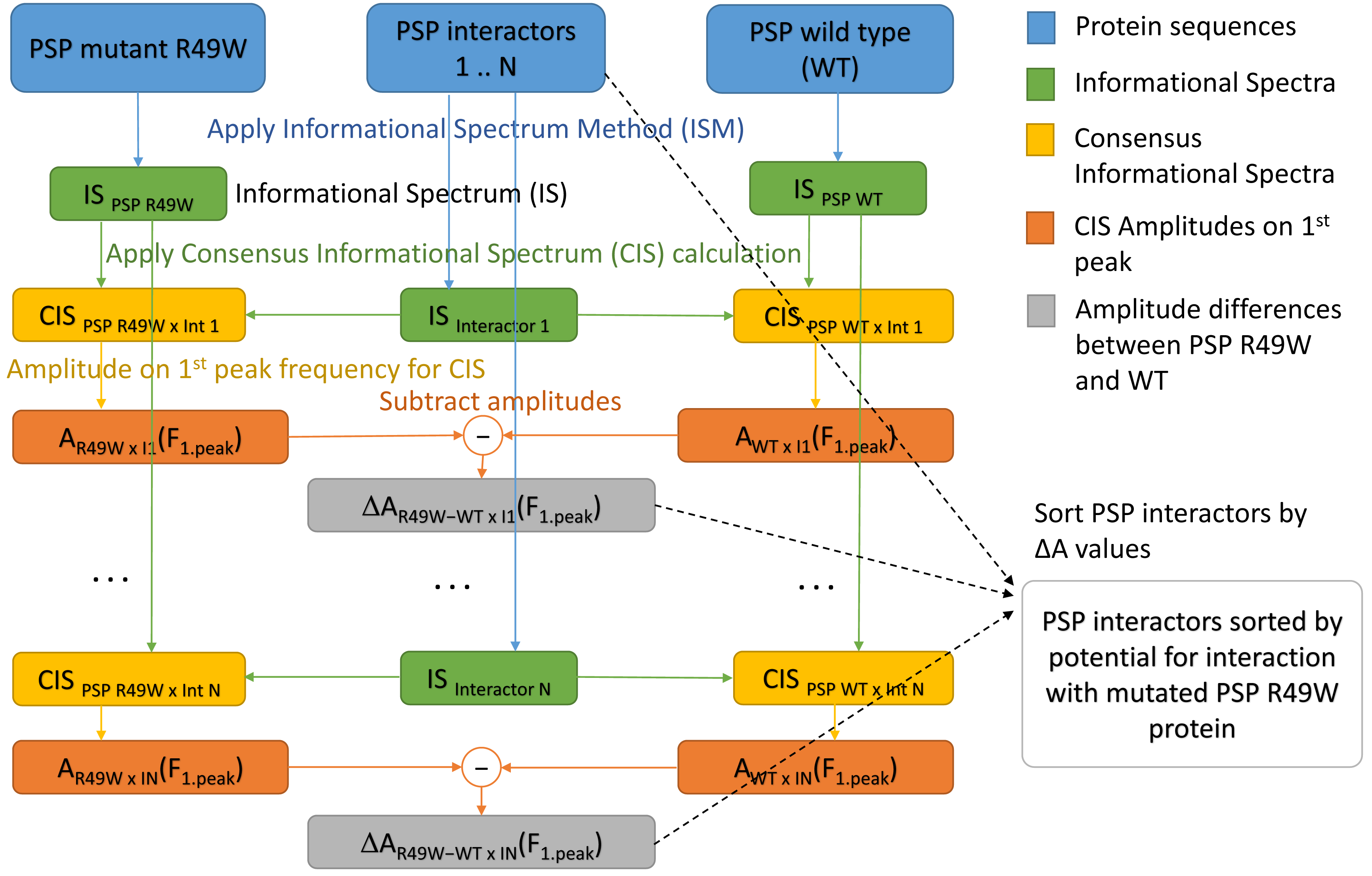

In Silico Systems Biology Approach for Prioritization of Candidate Genes Linked to Lipid Metabolism in the Context of Cardiovascular Disease Susceptibility in a Serbian Cohort


Abstract
1. Introduction
2. Materials and Methods
3. Results and Discussion
3.1. Annotation of PSP Interactors
3.2. Overrepresented Variant Combinations Involved in Lipid Metabolism
3.3. Limitations and Future Work
4. Conclusions
Supplementary Materials
Author Contributions
Funding
Institutional Review Board Statement
Informed Consent Statement
Data Availability Statement
Conflicts of Interest
References
- World Health Organization. Available online: https://www.who.int/news-room/fact-sheets/detail/noncommunicable-diseases#:~:text=Key%20facts,%2D%20and%20middle%2Dincome%20countries (accessed on 30 May 2026).
- Karunathilake, S.P.; Ganegoda, G.U. Secondary Prevention of Cardiovascular Diseases and Application of Technology for Early Diagnosis. BioMed Res. Int. 2018, 2018, 5767864. [Google Scholar] [CrossRef] [PubMed]
- Yang, Y.; Muzny, D.M.; Reid, J.G.; Bainbridge, M.N.; Willis, A.; Ward, P.A.; Braxton, A.; Beuten, J.; Xia, F.; Niu, Z.; et al. Clinical Whole-Exome Sequencing for the Diagnosis of Mendelian Disorders. N. Engl. J. Med. 2013, 369, 1502–1511. [Google Scholar] [CrossRef]
- Papadopoulou, E.; Bouzarelou, D.; Tsaousis, G.; Papathanasiou, A.; Vogiatzi, G.; Vlachopoulos, C.; Miliou, A.; Papachristou, P.; Prappa, E.; Servos, G.; et al. Application of next generation sequencing in cardiology: Current and future precision medicine implications. Front. Cardiovasc. Med. 2023, 10, 1202381. [Google Scholar] [CrossRef]
- Schmitt, T.; Poirel, H.A.; Cauët, E.; Delnord, M.; Van Den Bulcke, M. Unlocking the genomic landscape: Results of the Beyond 1 Million Genomes (B1MG) pilot in Belgium towards Genomic Data Infrastructure (GDI). Health Policy 2024, 143, 105060. [Google Scholar] [CrossRef]
- Institute for Public Health of Serbia “Dr Milan Jovanovic Batut”. Health Statistical Yearbook of Republic of Serbia 2023; Institute for Public Health of Serbia “Dr Milan Jovanovic Batut”: Belgrade, Serbia, 2024; Available online: https://www.batut.org.rs/download/publikacije/pub2023v1.pdf (accessed on 30 May 2026).
- National Health Survey 2019. Available online: https://publikacije.stat.gov.rs/G2021/pdfE/G20216003.pdf (accessed on 30 May 2026).
- Grundy, S.M. Obesity, Metabolic Syndrome, and Cardiovascular Disease. J. Clin. Endocrinol. Metab. 2004, 89, 2595–2600. [Google Scholar] [CrossRef]
- Abera, A.; Worede, A.; Hirigo, A.T.; Alemayehu, R.; Ambachew, S. Dyslipidemia and associated factors among adult cardiac patients: A hospital-based comparative cross-sectional study. Eur. J. Med. Res. 2024, 29, 237. [Google Scholar] [CrossRef]
- Hedayatnia, M.; Asadi, Z.; Zare-Feyzabadi, R.; Yaghooti-Khorasani, M.; Ghazizadeh, H.; Ghaffarian-Zirak, R.; Nosrati-Tirkani, A.; Mohammadi-Bajgiran, M.; Rohban, M.; Sadabadi, F.; et al. Dyslipidemia and cardiovascular disease risk among the MASHAD study population. Lipids Health Dis. 2020, 19, 42. [Google Scholar] [CrossRef] [PubMed]
- Tabassum, R.; Project, F.; Rämö, J.T.; Ripatti, P.; Koskela, J.; Kurki, M.; Karjalainen, J.; Palta, P.; Hassan, S.; Nunez-Fontarnau, J.; et al. Genetic architecture of human plasma lipidome and its link to cardiovascular disease. Nat. Commun. 2019, 10, 4329. [Google Scholar] [CrossRef]
- Drljaca, T.; Zukic, B.; Kovacevic, V.; Gemovic, B.; Klaassen-Ljubicic, K.; Perovic, V.; Lazarevic, M.; Pavlovic, S.; Veljkovic, N. The first insight into the genetic structure of the population of modern Serbia. Sci. Rep. 2021, 11, 13995. [Google Scholar] [CrossRef]
- Veljkovic, V.; Cosic, I.; Dimitrijevic, B.; Lalovic, D. Is it Possible to Analyze DNA and Protein Sequences by the Methods of Digital Signal Processing? IEEE Trans. Biomed. Eng. 1985, BME-32, 337–341. [Google Scholar] [CrossRef] [PubMed]
- Szklarczyk, D.; Kirsch, R.; Koutrouli, M.; Nastou, K.; Mehryary, F.; Hachilif, R.; Gable, A.L.; Fang, T.; Doncheva, N.T.; Pyysalo, S.; et al. The STRING database in 2023: Protein-protein association networks and functional enrichment analyses for any sequenced genome of interest. Nucleic Acids Res. 2023, 51, D638–D646. [Google Scholar] [CrossRef]
- Perovic, V.; Glisic, S.; Veljkovic, M.; Paessler, S.; Veljkovic, V. In Silico Exploration of CD200 as a therapeutic target for COVID-19. Microorganisms 2024, 12, 1185. [Google Scholar] [CrossRef]
- Yin, C.; Yau, S.S.-T. A coevolution analysis for identifying protein-protein interactions by Fourier transform. PLoS ONE 2017, 12, e0174862. [Google Scholar] [CrossRef]
- Veljkovic, V.; Slavic, I. Simple General-Model Pseudopotential. Phys. Rev. Lett. 1972, 29, 105–107. [Google Scholar] [CrossRef]
- Sherman, B.T.; Hao, M.; Qiu, J.; Jiao, X.; Baseler, M.W.; Lane, H.C.; Imamichi, T.; Chang, W. DAVID: A web server for functional enrichment analysis and functional annotation of gene lists (2021 update). Nucleic Acids Res. 2022, 50, W216–W221. [Google Scholar] [CrossRef] [PubMed]
- Kanehisa, M. KEGG: Kyoto Encyclopedia of Genes and Genomes. Nucleic Acids Res. 2000, 28, 27–30. [Google Scholar] [CrossRef] [PubMed]
- Ashburner, M.; Ball, C.A.; Blake, J.A.; Botstein, D.; Butler, H.; Cherry, J.M.; Davis, A.P.; Dolinski, K.; Dwight, S.S.; Eppig, J.T.; et al. Gene Ontology: Tool for the unification of biology. Nat. Genet. 2000, 25, 25–29. [Google Scholar] [CrossRef]
- The Gene Ontology Consortium; Aleksander, S.A.; Balhoff, J.; Carbon, S.; Cherry, J.M.; Drabkin, H.J.; Ebert, D.; Feuermann, M.; Gaudet, P.; Harris, N.L.; et al. The Gene Ontology knowledgebase in 2023. Genetics 2023, 224, iyad031. [Google Scholar] [CrossRef]
- Danecek, P.; Auton, A.; Abecasis, G.; Albers, C.A.; Banks, E.; DePristo, M.A.; Handsaker, R.E.; Lunter, G.; Marth, G.T.; Sherry, S.T.; et al. The variant call format and VCFtools. Bioinformatics 2011, 27, 2156–2158. [Google Scholar] [CrossRef] [PubMed]
- Alexander, T.A.; Machiela, M.J. LDpop: An interactive online tool to calculate and visualize geographic LD patterns. BMC Bioinform. 2020, 21, 14. [Google Scholar] [CrossRef]
- Machiela, M.J.; Chanock, S.J. LDlink: A web-based application for exploring population-specific haplotype structure and linking correlated alleles of possible functional variants. Bioinformatics 2015, 31, 3555–3557. [Google Scholar] [CrossRef]
- Genomes Project Consortium; Auton, A.; Brooks, L.D.; Durbin, R.M.; Garrison, E.P.; Kang, H.M.; Korbel, J.O.; Marchini, J.L.; McCarthy, S.; McVean, G.A.; et al. 1000 Genomes Project Consortium. A global reference for human genetic variation. Nature 2015, 526, 68–74. [Google Scholar] [CrossRef]
- De Koning, T.J.; Snell, K.; Duran, M.; Berger, R.; Poll-The, B.T.; Surtees, R. l-Serine in disease and development. Biochem. J. 2003, 371, 653–661. [Google Scholar] [CrossRef]
- Szebenyi, D.M.E.; Musayev, F.N.; di Salvo, M.L.; Safo, M.K.; Schirch, V. Serine Hydroxymethyltransferase: Role of Glu75 and Evidence that Serine Is Cleaved by a Retroaldol Mechanism. Biochemistry 2004, 43, 6865–6876. [Google Scholar] [CrossRef]
- Metcalf, J.S.; Dunlop, R.A.; Powell, J.T.; Banack, S.A.; Cox, P.A. L-Serine: A Naturally-Occurring Amino Acid with Therapeutic Potential. Neurotox. Res. 2018, 33, 213–221. [Google Scholar] [CrossRef]
- Tavirani, M.R.; Azodi, M.Z.; Rostami-Nejad, M.; Morravej, H.; Razzaghi, Z.; Okhovatian, F.; Rezaei-Tavirani, M. Introducing Serine as Cardiovascular Disease Biomarker Candidate via Pathway Analysis. Galen Med. J. 2020, 9, 1696. [Google Scholar] [CrossRef] [PubMed]
- Mishra, R.C.; Tripathy, S.; Desai, K.M.; Quest, D.; Lu, Y.; Akhtar, J.; Gopalakrishnan, V. Nitric Oxide Synthase Inhibition Promotes Endothelium-Dependent Vasodilatation and the Antihypertensive Effect of l -Serine. Hypertension 2008, 51, 791–796. [Google Scholar] [CrossRef]
- Nogal, A.; Alkis, T.; Lee, Y.; Kifer, D.; Hu, J.; Murphy, R.A.; Huang, Z.; Wang-Sattler, R.; Kastenmüler, G.; Linkohr, B.; et al. Predictive metabolites for incident myocardial infarction: A two-step meta-analysis of individual patient data from six cohorts comprising 7897 individuals from the COnsortium of METabolomics Studies. Cardiovasc. Res. 2023, 119, 2743–2754. [Google Scholar] [CrossRef] [PubMed]
- Yamakado, M.; Nagao, K.; Imaizumi, A.; Tani, M.; Toda, A.; Tanaka, T.; Jinzu, H.; Miyano, H.; Yamamoto, H.; Daimon, T.; et al. Plasma Free Amino Acid Profiles Predict Four-Year Risk of Developing Diabetes, Metabolic Syndrome, Dyslipidemia and Hypertension in Japanese Population. Sci. Rep. 2015, 5, 11918. [Google Scholar] [CrossRef]
- Fan, F.; Liang, Z.; Liu, Z.; Sun, P.; Hu, L.; Jia, J.; Zhang, Y.; Li, J. Association Between Serine Concentration and Coronary Heart Disease: A Case-Control Study. Int. J. Gen. Med. 2024, 17, 2955–2965. [Google Scholar] [CrossRef] [PubMed]
- Hannun, Y.A.; Obeid, L.M. Sphingolipids and their metabolism in physiology and disease. Nat. Rev. Mol. Cell Biol. 2018, 19, 175–191, Correction in Nat. Rev. Mol. Cell Biol. 2018, 19, 175–191. [Google Scholar] [CrossRef]
- Borodzicz-Jażdżyk, S.; Jażdżyk, P.; Łysik, W.; Cudnoch-Jȩdrzejewska, A.; Czarzasta, K. Sphingolipid metabolism and signaling in cardiovascular diseases. Front. Cardiovasc. Med. 2022, 9, 915961. [Google Scholar] [CrossRef]
- Tabassum, R.; Ripatti, S. Integrating lipidomics and genomics: Emerging tools to understand cardiovascular diseases. Cell. Mol. Life Sci. 2021, 78, 2565–2584. [Google Scholar] [CrossRef]
- Chen, H.; Wang, Z.; Qin, M.; Zhang, B.; Lin, L.; Ma, Q.; Liu, C.; Chen, X.; Li, H.; Lai, W.; et al. Comprehensive Metabolomics Identified the Prominent Role of Glycerophospholipid Metabolism in Coronary Artery Disease Progression. Front. Mol. Biosci. 2021, 8, 632950. [Google Scholar] [CrossRef]
- Dang, V.T.; Huang, A.; Zhong, L.H.; Shi, Y.; Werstuck, G.H. Comprehensive Plasma Metabolomic Analyses of Atherosclerotic Progression Reveal Alterations in Glycerophospholipid and Sphingolipid Metabolism in Apolipoprotein E-deficient Mice. Sci. Rep. 2016, 6, 35037. [Google Scholar] [CrossRef] [PubMed]
- Clark, A.G. The role of haplotypes in candidate gene studies. Genet. Epidemiol. 2004, 27, 321–333. [Google Scholar] [CrossRef] [PubMed]
- Gilbert, E.; Shanmugam, A.; Cavalleri, G.L. Revealing the recent demographic history of Europe via haplotype sharing in the UK Biobank. Proc. Natl. Acad. Sci. USA 2022, 119, e2119281119. [Google Scholar] [CrossRef]
- Tada, H.; Fujino, N.; Hayashi, K.; Kawashiri, M.-A.; Takamura, M. Human genetics and its impact on cardiovascular disease. J. Cardiol. 2022, 79, 233–239. [Google Scholar] [CrossRef] [PubMed]
- Manna, P.; Jain, S.K. Phosphatidylinositol-3,4,5-Triphosphate and Cellular Signaling: Implications for Obesity and Diabetes. Cell. Physiol. Biochem. 2015, 35, 1253–1275. [Google Scholar] [CrossRef]
- Kächele, M.; Hennige, A.M.; Machann, J.; Hieronimus, A.; Lamprinou, A.; Machicao, F.; Schick, F.; Fritsche, A.; Stefan, N.; Nürnberg, B.; et al. Variation in the Phosphoinositide 3-Kinase Gamma Gene Affects Plasma HDL-Cholesterol without Modification of Metabolic or Inflammatory Markers. PLoS ONE 2015, 10, e0144494. [Google Scholar] [CrossRef]
- Adams, J.N.; Raffield, L.M.; Freedman, B.I.; Langefeld, C.D.; Ng, M.C.; Carr, J.J.; Cox, A.J.; Bowden, D.W. Analysis of common and coding variants with cardiovascular disease in the diabetes heart study. Cardiovasc. Diabetol. 2014, 13, 77. [Google Scholar] [CrossRef]
- Palamiuc, L.; Ravi, A.; Emerling, B.M. Phosphoinositides in autophagy: Current roles and future insights. FEBS J. 2020, 287, 222–238. [Google Scholar] [CrossRef] [PubMed]
- Landrum, M.J.; Lee, J.M.; Riley, G.R.; Jang, W.; Rubinstein, W.S.; Church, D.M.; Maglott, D.R. ClinVar: Public archive of relationships among sequence variation and human phenotype. Nucleic Acids Res. 2014, 42, D980–D985. [Google Scholar] [CrossRef]
- Xu, X.; Han, L.; Zhao, G.; Xue, S.; Gao, Y.; Xiao, J.; Zhang, S.; Chen, P.; Wu, Z.-Y.; Ding, J.; et al. LRCH1 interferes with DOCK8-Cdc42-induced T cell migration and ameliorates experimental autoimmune encephalomyelitis. J. Exp. Med. 2017, 214, 209–226. [Google Scholar] [CrossRef]
- Yang, J.; Yan, B.; Fan, Y.; Yang, L.; Zhao, B.; He, X.; Ma, Q.; Wang, W.; Bai, L.; Zhang, F.; et al. Integrative analysis of transcriptome-wide association study and gene expression profiling identifies candidate genes associated with stroke. PeerJ 2019, 7, e7435. [Google Scholar] [CrossRef] [PubMed]
- Malik, R.; Chauhan, G.; Traylor, M.; Sargurupremraj, M.; Okada, Y.; Mishra, A.; Rutten-Jacobs, L.; Giese, A.-K.; van der Laan, S.W.; Gretarsdottir, S.; et al. Multiancestry genome-wide association study of 520,000 subjects identifies 32 loci associated with stroke and stroke subtypes. Nat. Genet. 2018, 50, 524–537, Correction in Nat. Genet. 2018, 51, 1192–1193. [Google Scholar] [CrossRef]
- Bellomo, T.R.; Bone, W.P.; Chen, B.Y.; Gawronski, K.A.B.; Zhang, D.; Park, J.; Levin, M.; Tsao, N.; Klarin, D.; Lynch, J.; et al. Multi-Trait Genome-Wide Association Study of Atherosclerosis Detects Novel Pleiotropic Loci. Front. Genet. 2022, 12, 787545. [Google Scholar] [CrossRef] [PubMed]


| Uniprot Accession Number | Gene Name | Amp(R49W) − Amp(WT) |
|---|---|---|
| Q9UH90 | FBXO40 | 0.297 |
| O14939 | PLD2 | 0.257 |
| Q32NB8 | PGS1 | 0.239 |
| Q8IYQ7 | THNSL1 | 0.233 |
| P34896 | SHMT1 | 0.209 |
| P14324 | FDPS | −0.091 |
| P34897 | SHMT2 | −0.205 |
| Q9NUV7 | SPTLC3 | −0.235 |
| Q86YJ6 | THNSL2 | −0.256 |
| Q8N2Y8 | RUSC2 | −0.816 |
| Term | The Genes Which Encode an Interactor | p-Value | False Discovery Rate (FDR) |
|---|---|---|---|
| Metabolic pathways | farnesyl diphosphate synthase (FDPS); | 2.13 × 10⁻⁵ | 6.17 × 10⁻⁴ |
| phosphatidylglycerophosphate synthase 1 (PGS1); | |||
| phospholipase D2 (PLD2); | |||
| phosphoserine phosphatase (PSPH); | |||
| serine hydroxymethyltransferase 1 (SHMT1); | |||
| serine hydroxymethyltransferase 2 (SHMT2); | |||
| serine palmitoyltransferase long chain base subunit 3 (SPTLC3) | |||
| Glycine, serine and threonine metabolism | serine hydroxymethyltransferase 1 (SHMT1); | 2.70 × 10⁻⁴ | 3.91 × 10⁻³ |
| serine hydroxymethyltransferase 2 (SHMT2); | |||
| phosphoserine phosphatase (PSPH) | |||
| Biosynthesis of amino acids | serine hydroxymethyltransferase 1 (SHMT1); | 9.05 × 10⁻⁴ | 8.74 × 10⁻³ |
| serine hydroxymethyltransferase 2 (SHMT2); | |||
| phosphoserine phosphatase (PSPH) | |||
| Carbon metabolism | serine hydroxymethyltransferase 1 (SHMT1); | 2.19 × 10⁻³ | 1.58 × 10⁻² |
| serine hydroxymethyltransferase 2 (SHMT2); | |||
| phosphoserine phosphatase (PSPH) |
| Term | Genes | p-Value | False Discovery Rate (FDR) |
|---|---|---|---|
| L-serine metabolic process | serine hydroxymethyltransferase 1 (SHMT1); | 6.61 × 10⁻⁶ | 3.97 × 10⁻⁴ |
| serine hydroxymethyltransferase 2 (SHMT2); | |||
| phosphoserine phosphatase (PSPH) | |||
| Glycine biosynthetic process from serine | serine hydroxymethyltransferase 1 (SHMT1); | 8.20 × 10⁻⁴ | 2.46 × 10⁻² |
| serine hydroxymethyltransferase 2 (SHMT2) | |||
| L-serine biosynthetic process | phosphoserine phosphatase (PSPH); | 2.46 × 10⁻³ | 4.50 × 10⁻² |
| serine hydroxymethyltransferase 2 (SHMT2) | |||
| Glycine metabolic process | serine hydroxymethyltransferase 1 (SHMT1); | 3.28 × 10⁻³ | 4.50 × 10⁻² |
| serine hydroxymethyltransferase 2 (SHMT2) | |||
| Lipid metabolic process | farnesyl diphosphate synthase (FDPS); | 3.87 × 10⁻³ | 4.50 × 10⁻² |
| phosphatidylglycerophosphate synthase 1 (PGS1); | |||
| serine palmitoyltransferase long chain base subunit 3 (SPTLC3) | |||
| phospholipase D2 (PLD2); | |||
| Tetrahydrofolate interconversion | hydroxymethyltransferase 1(SHMT1); | 4.50 × 10⁻³ | 4.50 × 10⁻² |
| serine hydroxymethyltransferase 2 (SHMT2); | |||
| Tetrahydrofolate metabolic process | hydroxymethyltransferase 1 (SHMT1); | 5.32 × 10⁻³ | 4.56 × 10⁻² |
| serine hydroxymethyltransferase 2 (SHMT2); |
| Gene | Variant Combinations | % of Occurrence in the Sample |
|---|---|---|
| LRCH1 | chr13:g.46733974A>G; chr13:g.46741849T>C | 0.965278 |
| PIK3CG | chr7:g.106868533A>G; chr7:g.106868542T>C | 0.958333 |
| CEP126 | chr11:g.101962913C>T; chr11:g.101987027G>A | 0.958333 |
| Gene | Variant Combinations | % of Occurrence in the Sample |
|---|---|---|
| PIKFYVE | chr2:g.208320275C>T; chr2:g.208325795A>T; chr2:g.208325804C>G; chr2:g.208345103G>A; chr2:g.208350046A>G; chr2:g.208350862A>G; chr2:g.208325606T>C | 0.9375 |
Disclaimer/Publisher’s Note: The statements, opinions and data contained in all publications are solely those of the individual author(s) and contributor(s) and not of MDPI and/or the editor(s). MDPI and/or the editor(s) disclaim responsibility for any injury to people or property resulting from any ideas, methods, instructions or products referred to in the content. |
© 2026 by the authors. Licensee MDPI, Basel, Switzerland. This article is an open access article distributed under the terms and conditions of the Creative Commons Attribution (CC BY) license.
Share and Cite
Drljača, T.; Perović, V.; Veljković, N.; Gemović, B. In Silico Systems Biology Approach for Prioritization of Candidate Genes Linked to Lipid Metabolism in the Context of Cardiovascular Disease Susceptibility in a Serbian Cohort. Curr. Issues Mol. Biol. 2026, 48, 613. https://doi.org/10.3390/cimb48060613
Drljača T, Perović V, Veljković N, Gemović B. In Silico Systems Biology Approach for Prioritization of Candidate Genes Linked to Lipid Metabolism in the Context of Cardiovascular Disease Susceptibility in a Serbian Cohort. Current Issues in Molecular Biology. 2026; 48(6):613. https://doi.org/10.3390/cimb48060613
Chicago/Turabian StyleDrljača, Tamara, Vladimir Perović, Nevena Veljković, and Branislava Gemović. 2026. "In Silico Systems Biology Approach for Prioritization of Candidate Genes Linked to Lipid Metabolism in the Context of Cardiovascular Disease Susceptibility in a Serbian Cohort" Current Issues in Molecular Biology 48, no. 6: 613. https://doi.org/10.3390/cimb48060613
APA StyleDrljača, T., Perović, V., Veljković, N., & Gemović, B. (2026). In Silico Systems Biology Approach for Prioritization of Candidate Genes Linked to Lipid Metabolism in the Context of Cardiovascular Disease Susceptibility in a Serbian Cohort. Current Issues in Molecular Biology, 48(6), 613. https://doi.org/10.3390/cimb48060613