Hesperetin-7-O-Glucuronide Improves Endothelial Cell Function Through Improving NO/ET-1 Balance and Reducing Oxidative Stress via miRNAs


Abstract
1. Introduction
2. Materials and Methods
2.1. Materials and Reagents
2.2. Cell Culture
2.3. Determination of Cell Viability
2.4. Quantitative Real-Time PCR
2.5. Determination of Intracellular SOD, MDA, and NO
2.6. Determination of Intracellular ROS
2.7. miRNA Sequencing Analysis
2.8. miRNA Transfection
2.9. Statistical Analysis
3. Results
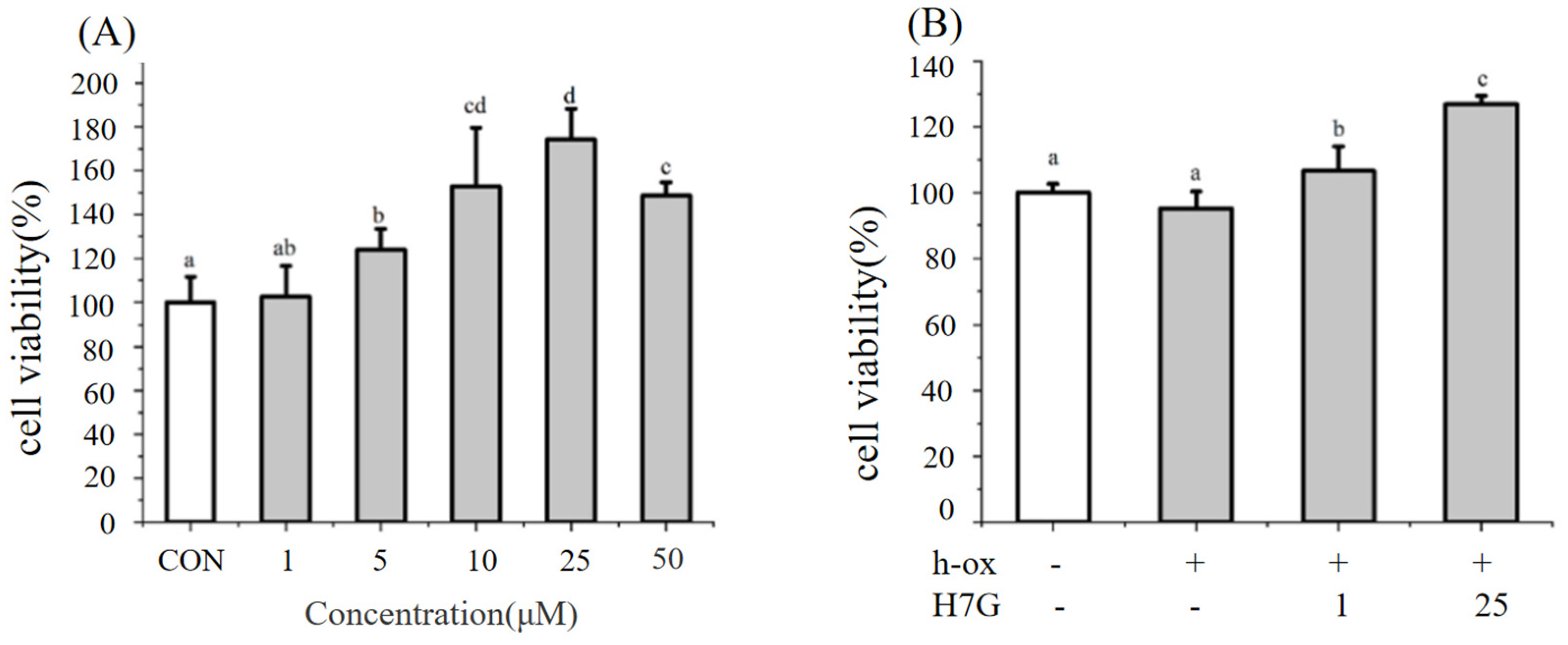
3.1. Cell Viability
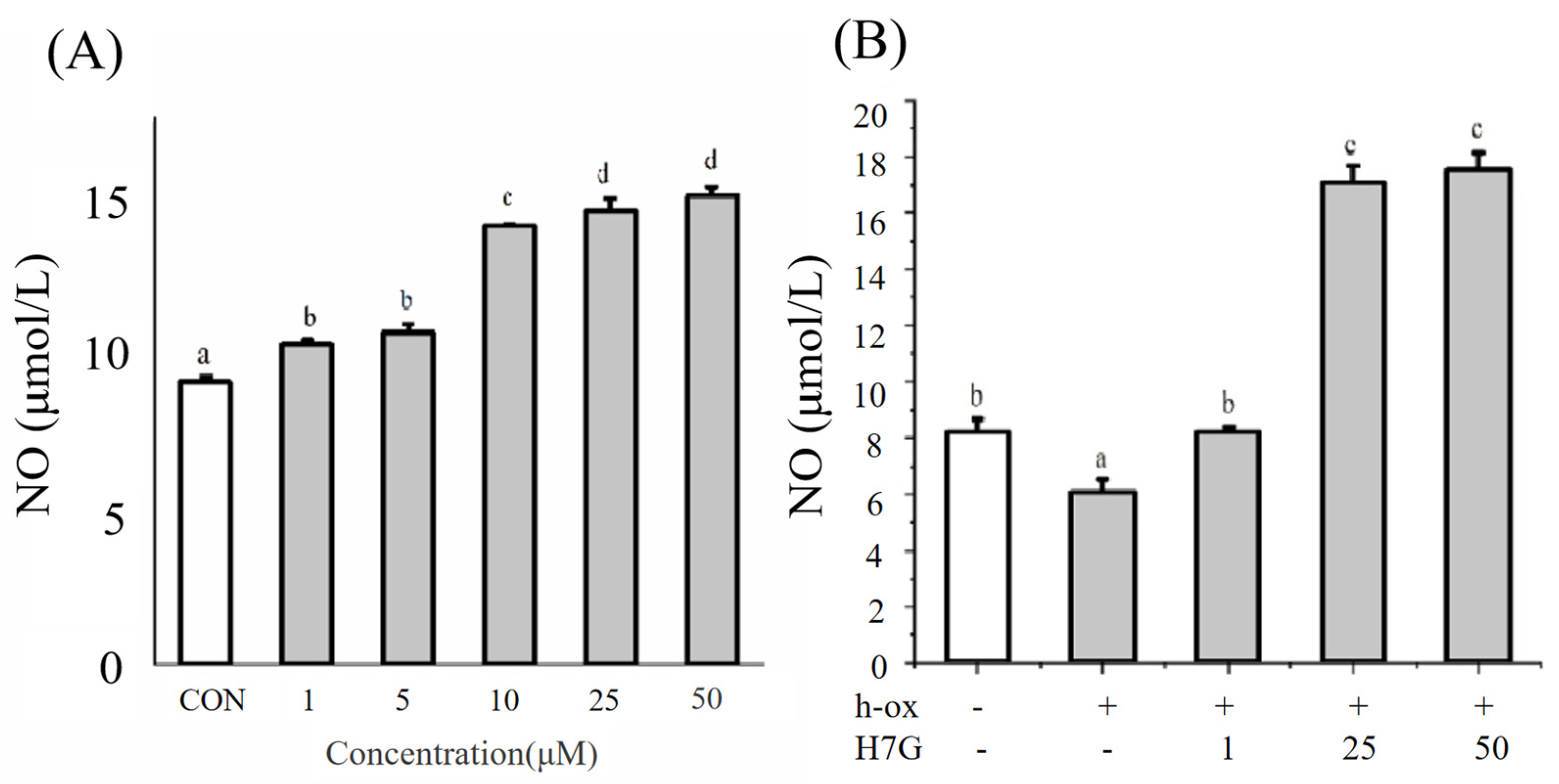
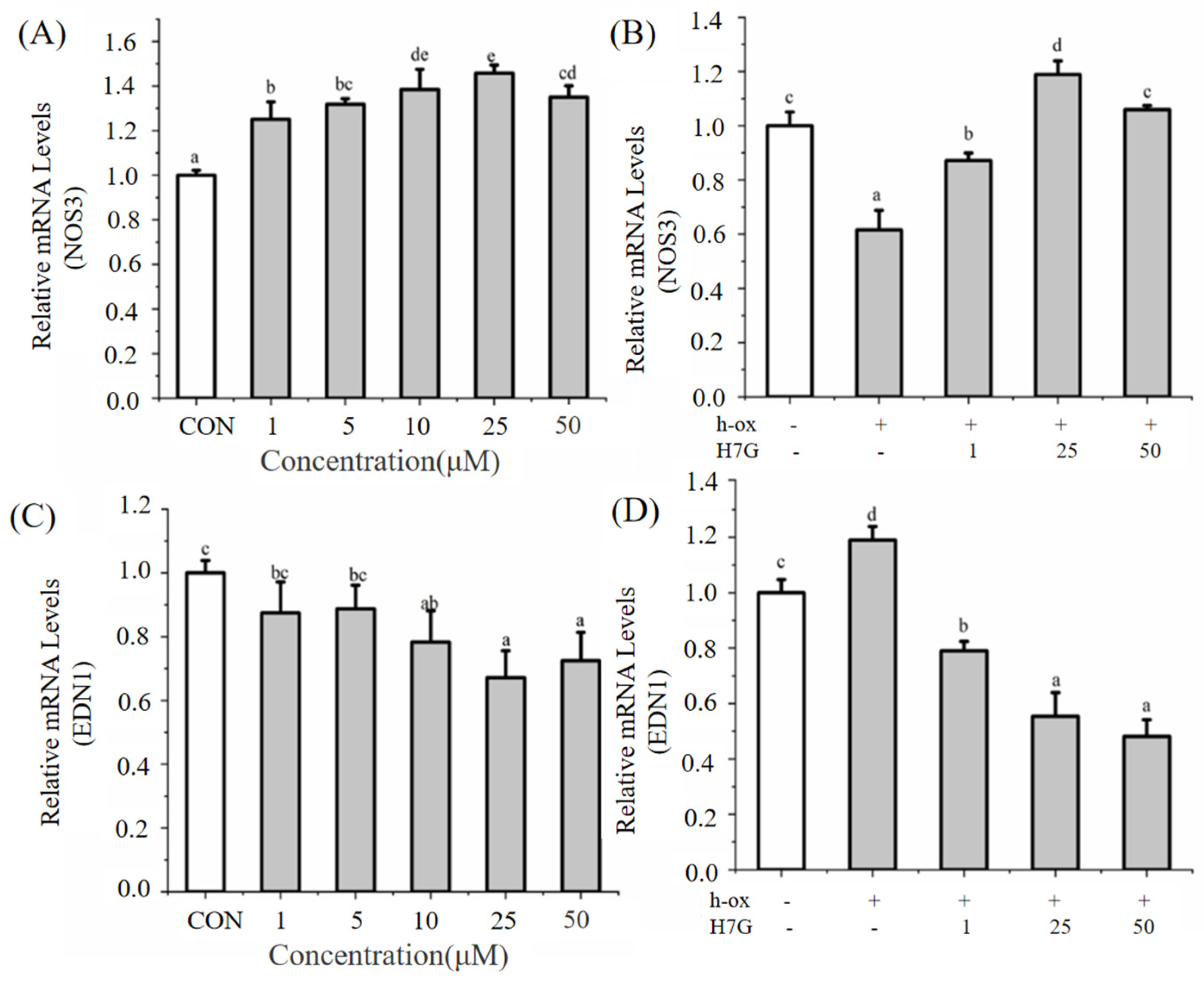
3.2. Effect of H7G on NO/ET-1
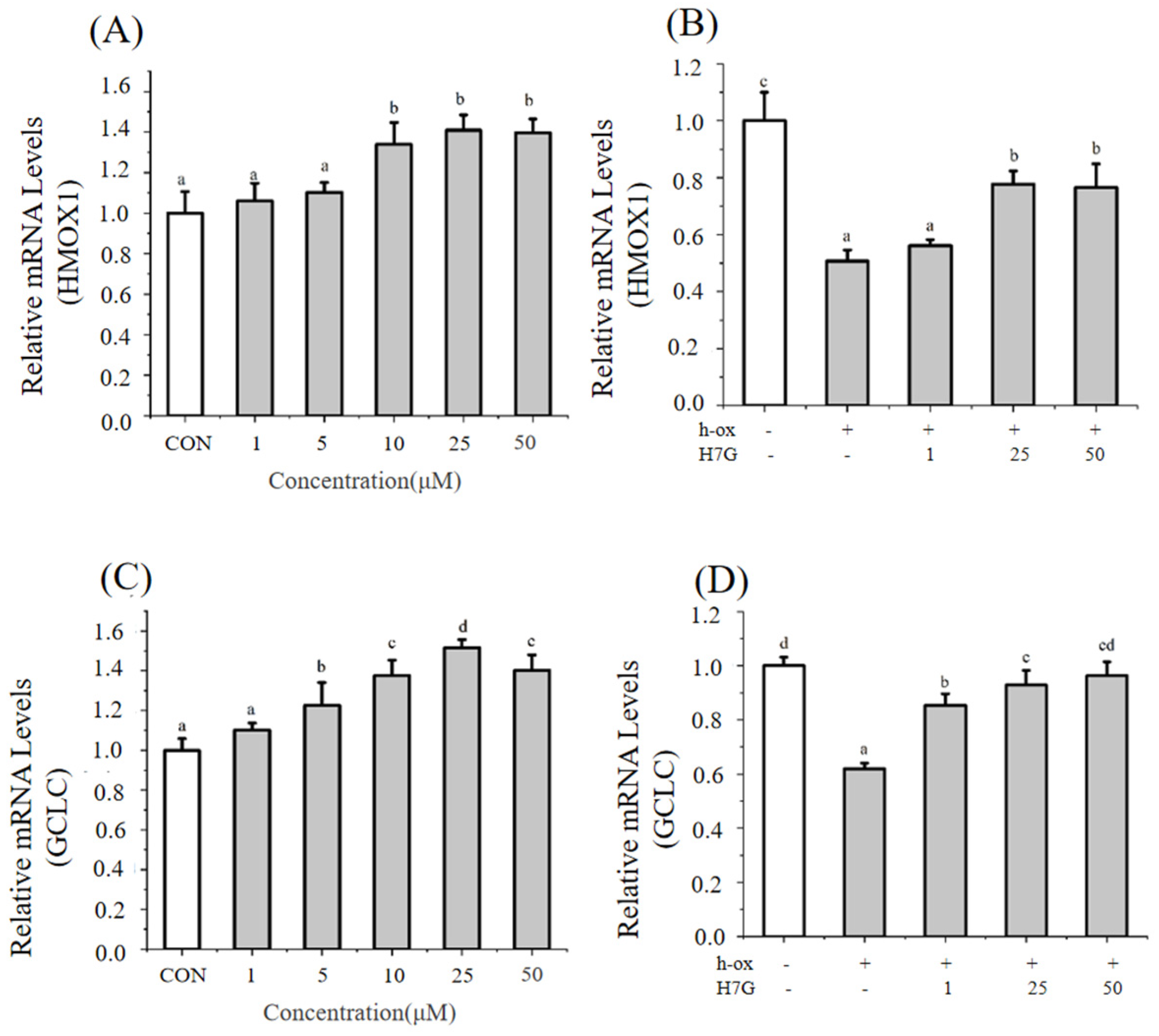
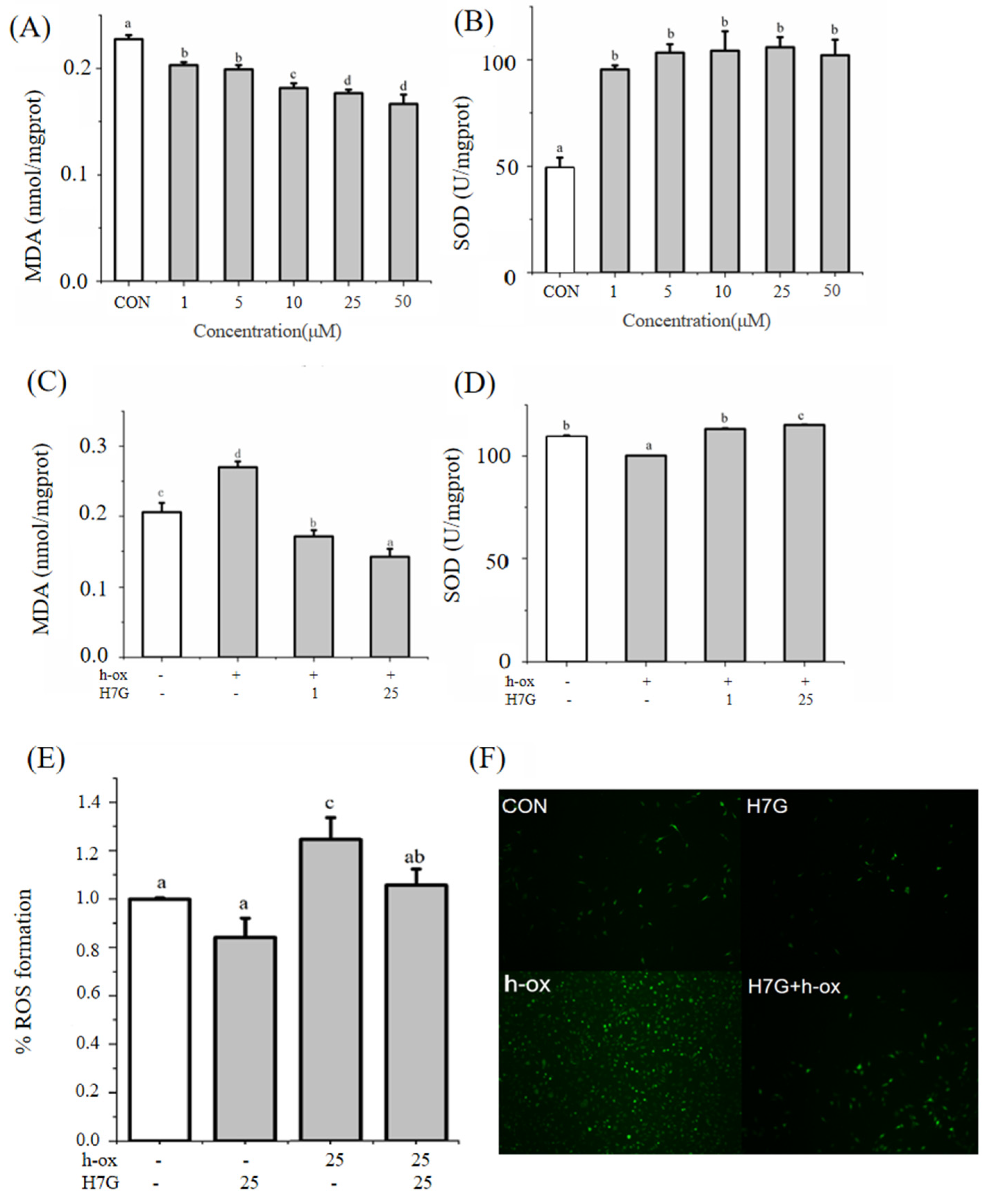
3.3. Effect of H7G on Antioxidant Status-Related Genes and Oxidative Stress
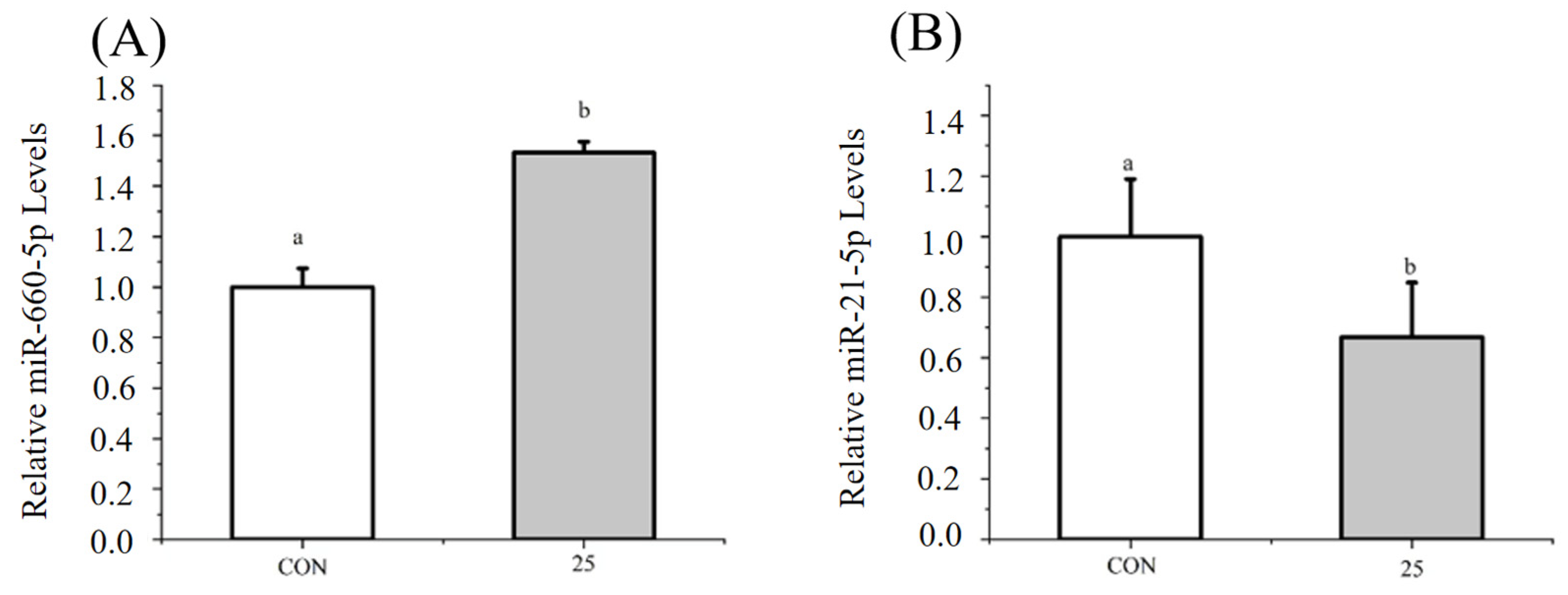
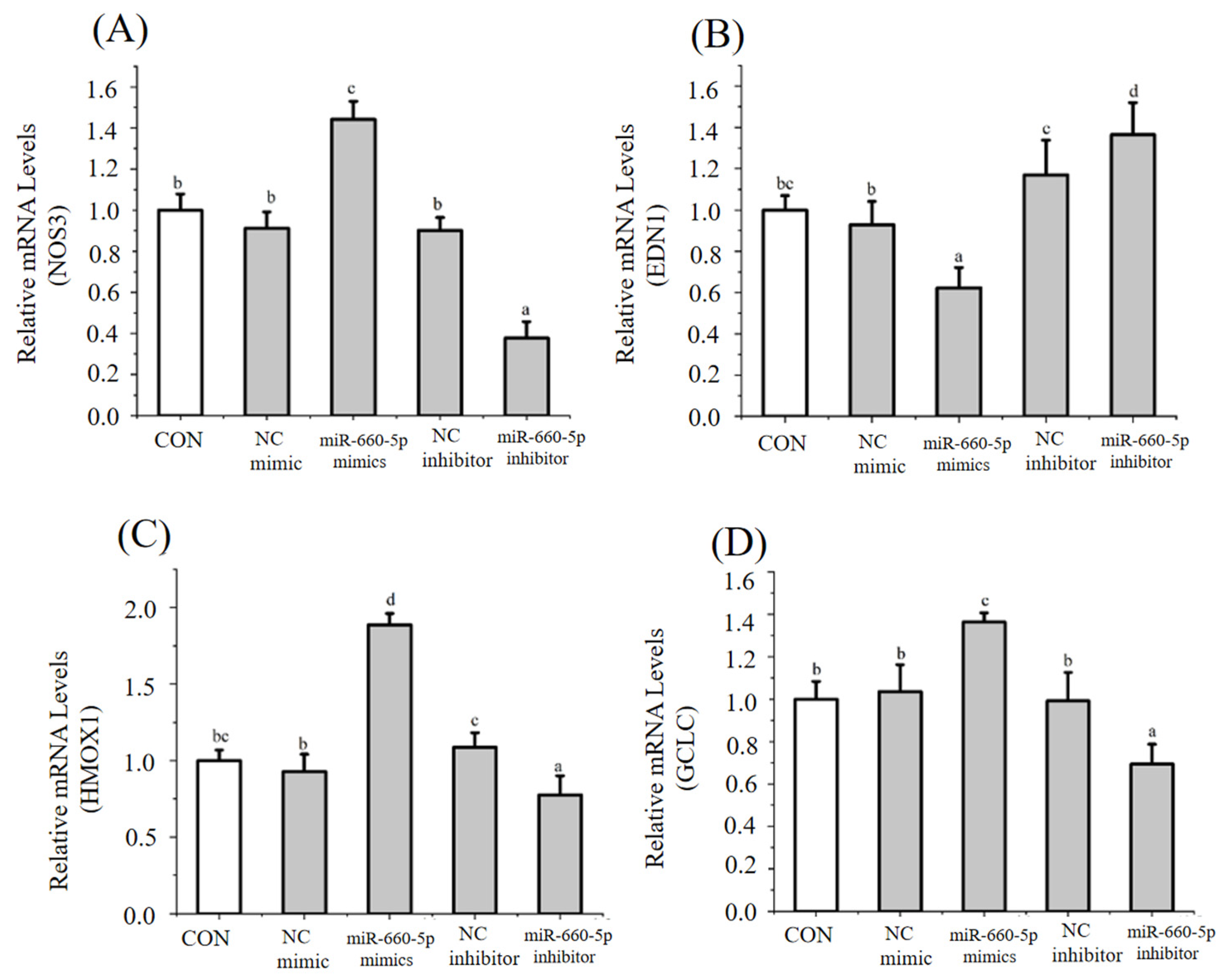
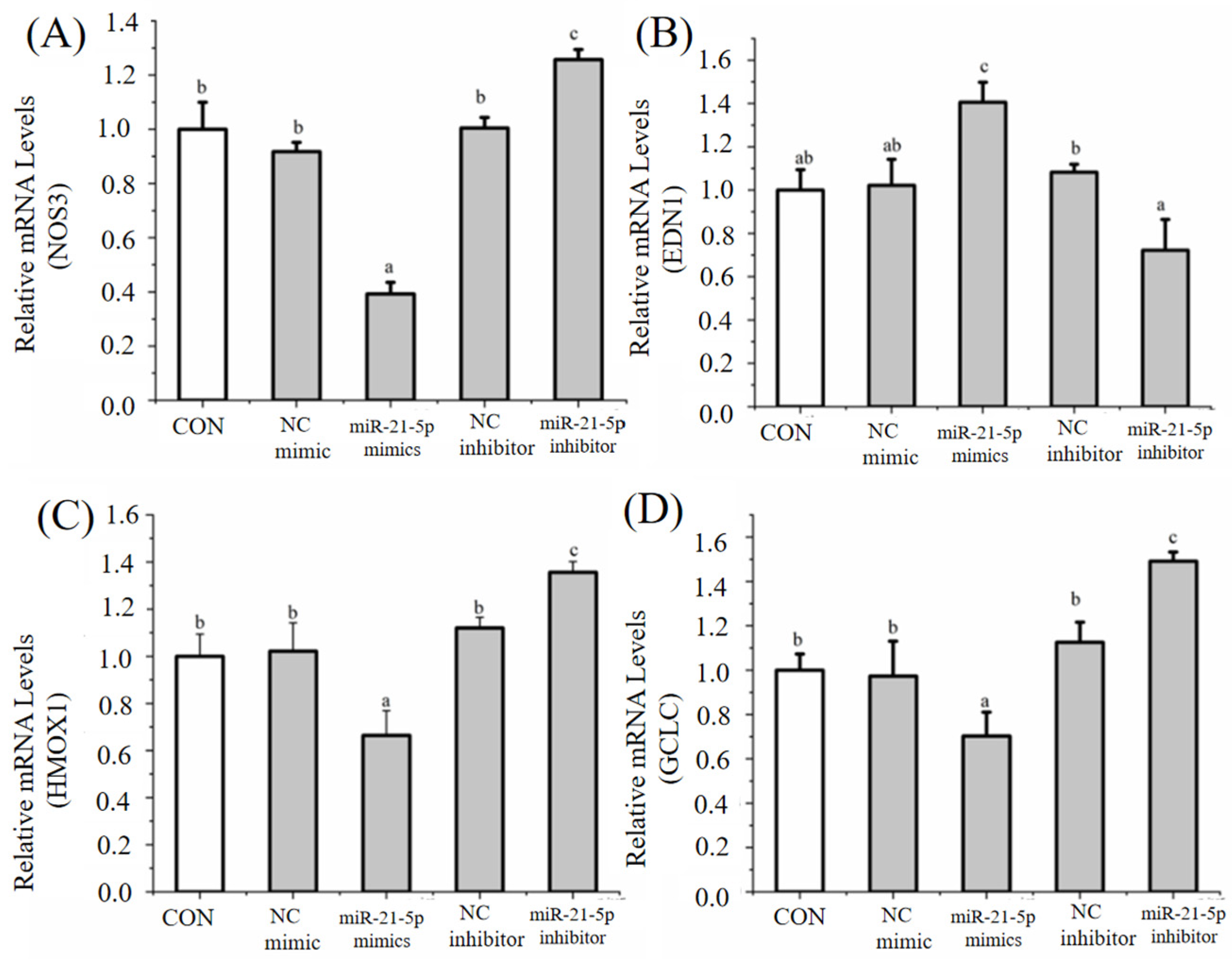
3.4. Regulation of Endothelial Cell Function by H7G via miRNAs
4. Discussion
5. Conclusions
Supplementary Materials
Author Contributions
Funding
Institutional Review Board Statement
Informed Consent Statement
Data Availability Statement
Acknowledgments
Conflicts of Interest
Abbreviations
| H7G | hesperetin-7-O-glucuronide |
| CVD | cardiovascular disease |
| COVID-19 | coronavirus disease 2019 |
| FMD | flow-mediated dilation |
| h-ox | high-oxidation low-density lipoprotein |
| DMSO | dimethyl sulfoxide |
| NOS3 | nitric oxide synthase 3 |
| EDN1 | endothelin-1 |
| HMOX1 | heme oxygenase 1 |
| GCLC | glutamate cysteine ligase catalytic |
| NO | nitric oxide |
| MDA | malondialdehyde |
| SOD | superoxide dismutase |
| ROS | reactive oxygen species |
References
- Mensah, G.A.; Roth, G.A.; Fuster, V. The Global Burden of Cardiovascular Diseases and Risk Factors: 2020 and Beyond. J. Am. Coll. Cardiol. 2019, 74, 2529–2532. [Google Scholar] [CrossRef] [Scilit]
- Pothineni, N.V.K.; Subramany, S.; Kuriakose, K.; Shirazi, L.F.; Romeo, F.; Shah, P.K.; Mehta, J.L. Infections, atherosclerosis, and coronary heart disease. Eur. Heart J. 2017, 38, 3195–3201. [Google Scholar] [CrossRef] [Scilit]
- Amini, M.; Zayeri, F.; Salehi, M. Trend analysis of cardiovascular disease mortality, incidence, and mortality-to-incidence ratio: Results from global burden of disease study 2017. BMC Public Health 2021, 21, 401. [Google Scholar] [CrossRef] [Scilit]
- Bansal, M. Cardiovascular disease and COVID-19. Diabetes Metab. Syndr. Clin. Res. Rev. 2020, 14, 247–250, Erratum in Diabetes Metab. Syndr. Clin. Res. Rev. 2020, 16, 102504. https://doi.org/10.1016/j.dsx.2020.03.013. [Google Scholar]
- Mondal, S.; Soumya, N.P.P.; Mini, S.; Sivan, S.K. Bioactive compounds in functional food and their role as therapeutics. Bioact. Compd. Health Dis. 2021, 4, 24. [Google Scholar] [CrossRef] [Scilit]
- Tomas, M.; Capanoglu, E.; Bahrami, A.; Hosseini, H.; Akbari-Alavijeh, S.; Shaddel, R.; Rehman, A.; Rezaei, A.; Rashidinejad, A.; Garavand, F.; et al. The direct and indirect effects of bioactive compounds against coronavirus. Food Front. 2021, 3, 96–123. [Google Scholar] [CrossRef] [Scilit] [PubMed]
- Wen, Y.; Zhou, Y.; Xu, J.; Cui, Q.; Weng, Z.; Lin, Y.; Song, H.; Xiong, L.; Wang, L.; Zhao, C.; et al. Structural characterization and fermentation of a novel Moringa oleifera leaves polysaccharide with hypoglycemic effects. Food Chem. 2025, 479, 143832. [Google Scholar] [CrossRef] [Scilit]
- Godo, S.; Shimokawa, H. Endothelial Functions. Arter. Thromb. Vasc. Biol. 2017, 37, e108–e114. [Google Scholar] [CrossRef] [Scilit]
- Xu, S.; Ilyas, I.; Little, P.J.; Li, H.; Kamato, D.; Zheng, X.; Luo, S.; Li, Z.; Liu, P.; Han, J.; et al. Endothelial Dysfunction in Atherosclerotic Cardiovascular Diseases and Beyond: From Mechanism to Pharmacotherapies. Pharmacol. Rev. 2021, 73, 924–967. [Google Scholar] [CrossRef] [Scilit]
- Medina-Leyte, D.J.; Zepeda-García, O.; Domínguez-Pérez, M.; González-Garrido, A.; Villarreal-Molina, T.; Jacobo-Albavera, L. Endothelial Dysfunction, Inflammation and Coronary Artery Disease: Potential Biomarkers and Promising Therapeutical Approaches. Int. J. Mol. Sci. 2021, 22, 3850. [Google Scholar] [CrossRef] [Scilit]
- Rendeiro, C.; Dong, H.; Saunders, C.; Harkness, L.; Blaze, M.; Hou, Y.; Belanger, R.L.; Corona, G.; Lovegrove, J.A.; Spencer, J.P.E. Flavanone-rich citrus beverages counteract the transient decline in postprandial endothelial function in humans: A randomised, controlled, double-masked, cross-over intervention study. Br. J. Nutr. 2017, 116, 1999–2010, Correction in Br. J. Nutr. 2017, 118, 638. https://doi.org/10.1017/s0007114516004219. [Google Scholar] [CrossRef] [Scilit]
- Li, L.; Lyall, G.K.; Martinez-Blazquez, J.A.; Vallejo, J.F.; Tomas-Barberan, F.A.; Birch, K.M.; Boesch, C. Blood Orange Juice Consumption Increases Flow-Mediated Dilation in Adults with Overweight and Obesity: A Randomized Controlled Trial. J. Nutr. 2020, 150, 2287–2294. [Google Scholar] [CrossRef] [Scilit] [PubMed]
- Pereira-Caro, G.; Clifford, M.N.; Polyviou, T.; Ludwig, I.A.; Alfheeaid, H.; Moreno-Rojas, J.M.; Garcia, A.L.; Malkova, D.; Crozier, A. Plasma pharmacokinetics of (poly)phenol metabolites and catabolites after ingestion of orange juice by endurance trained men. Free Radic. Biol. Med. 2020, 160, 784–795. [Google Scholar] [CrossRef] [Scilit] [PubMed]
- Yamamoto, M.; Jokura, H.; Hashizume, K.; Ominami, H.; Shibuya, Y.; Suzuki, A.; Hase, T.; Shimotoyodome, A. Hesperidin metabolite hesperetin-7-O-glucuronide, but not hesperetin-3′-O-glucuronide, exerts hypotensive, vasodilatory, and anti-inflammatory activities. Food Funct. 2013, 4, 1346–1351. [Google Scholar] [CrossRef] [Scilit] [PubMed]
- Theofilis, P.; Sagris, M.; Oikonomou, E.; Antonopoulos, A.S.; Siasos, G.; Tsioufis, C.; Tousoulis, D. Inflammatory Mechanisms Contributing to Endothelial Dysfunction. Biomedicines 2021, 9, 781. [Google Scholar] [CrossRef] [Scilit]
- Qin, J.-Z.; Wang, S.-J.; Xia, C. microRNAs regulate nitric oxide release from endothelial cells by targeting NOS3. J. Thromb. Thrombolysis 2018, 46, 275–282. [Google Scholar] [CrossRef] [Scilit]
- Daehn, I.; Casalena, G.; Zhang, T.; Shi, S.; Fenninger, F.; Barasch, N.; Yu, L.; D’agati, V.; Schlondorff, D.; Kriz, W.; et al. Endothelial mitochondrial oxidative stress determines podocyte depletion in segmental glomerulosclerosis. J. Clin. Investig. 2014, 124, 1608–1621. [Google Scholar] [CrossRef] [Scilit]
- Croft, K.D.; Zhang, D.; Jiang, R.; Ayer, A.; Shengule, S.; Payne, R.J.; Ward, N.C.; Stocker, R. Structural requirements of flavonoids to induce heme oxygenase-1 expression. Free Radic. Biol. Med. 2017, 113, 165–175. [Google Scholar] [CrossRef] [Scilit]
- Chen, Z.; Niu, K.; Li, M.; Deng, Y.; Zhang, J.; Wei, D.; Wang, J.; Zhao, Y. GCLC desuccinylation regulated by oxidative stress protects human cancer cells from ferroptosis. Cell Death Differ. 2025, 32, 1679–1690. [Google Scholar] [CrossRef] [Scilit]
- Yan, R.; Zhang, X.; Xu, W.; Li, J.; Sun, Y.; Cui, S.; Xu, R.; Li, W.; Jiao, L.; Wang, T. ROS-Induced Endothelial Dysfunction in the Pathogenesis of Atherosclerosis. Aging Dis. 2024, 16, 250–268. [Google Scholar] [CrossRef] [Scilit]
- Ye, J.; Xu, M.; Tian, X.; Cai, S.; Zeng, S. Research advances in the detection of miRNA. J. Pharm. Anal. 2019, 9, 217–226. [Google Scholar] [CrossRef] [Scilit]
- Vishnoi, A.; Rani, S. miRNA Biogenesis and Regulation of Diseases: An Updated Overview. In MicroRNA Profiling: Methods and Protocols; Methods in Molecular Biology; Humana: New York, NY, USA, 2017; pp. 1–12. [Google Scholar] [CrossRef] [Scilit]
- Corrêa, T.A.F.; Rogero, M.M. Polyphenols regulating microRNAs and inflammation biomarkers in obesity. Nutrition 2019, 59, 150–157. [Google Scholar] [CrossRef] [Scilit]
- Li, L.; Zhang, B.; De Pieri, L.; Wu, Y.; Birch, K.; Boesch, C.; Wan, C. Nobiletin Protects Endothelial Cell Function via Upregulation of eNOS/ET-1 and Antioxidant Status-Related Genes under Nonstimulated and Inflammatory Conditions. J. Food Qual. 2022, 2022, 9119547. [Google Scholar] [CrossRef] [Scilit]
- Hao, S.; Yang, Q.; Li, F.; Li, Q.; Liu, Y.; Li, S.; Zhao, L.; Wang, C. Dysregulated expression of miR-642a-5p and its target receptor-interacting serine/threonine-protein kinase 1 contribute to the phycocyanin-mediated inhibitory function on non-small cell lung cancer. J. Funct. Foods 2021, 85, 104654. [Google Scholar] [CrossRef] [Scilit]
- Hao, H.; Cao, L.; Jiang, C.; Che, Y.; Zhang, S.; Takahashi, S.; Wang, G.; Gonzalez, F.J. Farnesoid X Receptor Regulation of the NLRP3 Inflammasome Underlies Cholestasis-Associated Sepsis. Cell Metab. 2017, 25, 856–867.e5. [Google Scholar] [CrossRef] [Scilit]
- Gamo, K.; Miyachi, H.; Nakamura, K.; Matsuura, N. Hesperetin glucuronides induce adipocyte differentiation via activation and expression of peroxisome proliferator-activated receptor-γ. Biosci. Biotechnol. Biochem. 2014, 78, 1052–1059. [Google Scholar] [CrossRef] [Scilit] [PubMed]
- Trzeciakiewicz, A.; Habauzit, V.; Mercier, S.; Barron, D.; Urpi-Sarda, M.; Manach, C.; Offord, E.; Horcajada, M.-N. Molecular Mechanism of Hesperetin-7-O-glucuronide, the Main Circulating Metabolite of Hesperidin, Involved in Osteoblast Differentiation. J. Agric. Food Chem. 2009, 58, 668–675. [Google Scholar] [CrossRef] [Scilit]
- Proteggente, A.R.; Basu-Modak, S.; Kuhnle, G.; Gordon, M.J.; Youdim, K.; Tyrrell, R.; Rice-Evans, C.A. Hesperetin Glucu-ronide, a Photoprotective Agent Arising from Flavonoid Metabolism in Human Skin Fibroblasts. Photochem. Photobiol. 2003, 78, 256–261. [Google Scholar] [CrossRef] [Scilit] [PubMed]
- Lundberg, J.O.; Weitzberg, E. Nitric oxide signaling in health and disease. Cell 2022, 185, 2853–2878. [Google Scholar] [CrossRef] [Scilit]
- Li, L.; Jin, N.; Ji, K.; He, Y.; Li, H.; Liu, X. Does chronic consumption of orange juice improve cardiovascular risk factors in overweight and obese adults? A systematic review and meta-analysis of randomized controlled trials. Food Funct. 2022, 13, 11945–11953. [Google Scholar] [CrossRef] [Scilit]
- Constans, J.; Bennetau-Pelissero, C.; Martin, J.-F.; Rock, E.; Mazur, A.; Bedel, A.; Morand, C.; Bérard, A.M. Marked antioxidant effect of orange juice intake and its phytomicronutrients in a preliminary randomized cross-over trial on mild hypercholesterolemic men. Clin. Nutr. 2015, 34, 1093–1100. [Google Scholar] [CrossRef] [Scilit]
- Sharma, P.; Dong, Y.; Somers, V.K.; Peterson, T.E.; Zhang, Y.; Wang, S.; Li, G.; Singh, P. Intermittent hypoxia regulates vasoactive molecules and alters insulin-signaling in vascular endothelial cells. Sci. Rep. 2018, 8, 14110. [Google Scholar] [CrossRef] [Scilit]
- Valls, R.M.; Pedret, A.; Calderón-Pérez, L.; Llauradó, E.; Pla-Pagà, L.; Companys, J.; Moragas, A.; Martín-Luján, F.; Ortega, Y.; Giralt, M.; et al. Effects of hesperidin in orange juice on blood and pulse pressures in mildly hypertensive individuals: A randomized controlled trial (Citrus study). Eur. J. Nutr. 2020, 60, 1277–1288. [Google Scholar] [CrossRef] [Scilit]
- Incalza, M.A.; D’Oria, R.; Natalicchio, A.; Perrini, S.; Laviola, L.; Giorgino, F. Oxidative stress and reactive oxygen species in endothelial dysfunction associated with cardiovascular and metabolic diseases. Vasc. Pharmacol. 2018, 100, 1–19. [Google Scholar] [CrossRef] [Scilit]
- Scioli, M.G.; Storti, G.; D’amico, F.; Rodríguez Guzmán, R.R.; Centofanti, F.; Doldo, E.; Céspedes Miranda, E.M.; Orlandi, A. Oxidative Stress and New Pathogenetic Mechanisms in Endothelial Dysfunction: Potential Diagnostic Biomarkers and Therapeutic Targets. J. Clin. Med. 2020, 9, 1995. [Google Scholar] [CrossRef] [Scilit]
- Schieber, M.; Chandel, N.S. ROS Function in Redox Signaling and Oxidative Stress. Curr. Biol. 2014, 24, R453–R462. [Google Scholar] [CrossRef] [Scilit]
- Rangel-Huerta, O.D.; Aguilera, C.M.; Martin, M.V.; Soto, M.J.; Rico, M.C.; Vallejo, F.; Tomas-Barberan, F.; Perez-de-la-Cruz, A.J.; Gil, A.; Mesa, M.D. Normal or High Polyphenol Concentration in Orange Juice Affects Antioxidant Activity, Blood Pressure, and Body Weight in Obese or Overweight Adults. J. Nutr. 2015, 145, 1808–1816. [Google Scholar] [CrossRef] [Scilit]
- Boussetta, N.; Abedelmalek, S.; Khouloud, A.; Ben Anes, A.; Souissi, N. Does red orange juice supplementation has a protective effect on performance, cardiovascular parameters, muscle damage and oxidative stress markers following the Yo-Yo Intermittent Recovery Test Level-1 under polluted air? Int. J. Environ. Health Res. 2019, 30, 630–642. [Google Scholar] [CrossRef] [Scilit]
- Bader, S.; Wilmers, J.; Pelzer, M.; Jendrossek, V.; Rudner, J. Activation of anti-oxidant Keap1/Nrf2 pathway modulates efficacy of dihydroartemisinin-based monotherapy and combinatory therapy with ionizing radiation. Free Radic. Biol. Med. 2021, 168, 44–54. [Google Scholar] [CrossRef] [Scilit]
- Hirotsu, Y.; Katsuoka, F.; Funayama, R.; Nagashima, T.; Nishida, Y.; Nakayama, K.; Douglas Engel, J.; Yamamoto, M. Nrf2–MafG heterodimers contribute globally to antioxidant and metabolic networks. Nucleic Acids Res. 2012, 40, 10228–10239. [Google Scholar] [CrossRef] [Scilit]
- Ponce, O.; Benassi, R.; Cesar, T. Orange juice associated with a balanced diet mitigated risk factors of metabolic syndrome: A randomized controlled trial. J. Nutr. Intermed. Metab. 2019, 17, 100101. [Google Scholar] [CrossRef] [Scilit]
- Shi, L.; Guo, H.; Li, Z.; Wang, Y.; Wang, Y.; Cui, Y. Adenovirus-mediated down-regulation of miR-21-5p alleviates experimental autoimmune uveoretinitis in mice. Int. Immunopharmacol. 2019, 74, 105698. [Google Scholar] [CrossRef] [Scilit]
- Zhang, J. Circulating miR-660-5p is associated with the no-reflow phenomenon in patients with ST segment elevation myocardial infarction undergoing primary percutaneous coronary intervention. Anatol. J. Cardiol. 2020, 25, 323–329. [Google Scholar] [CrossRef] [Scilit]
- Peñaloza, E.; Soto-Carrasco, G.; Krause, B.J. MiR-21-5p directly contributes to regulating eNOS expression in human artery endothelial cells under normoxia and hypoxia. Biochem. Pharmacol. 2020, 182, 114288. [Google Scholar] [CrossRef] [Scilit]
- Okuyan, H.M.; Terzi, M.Y.; Dogan, S.; Emir, T.; Turgut, F.H. Association of miR-21-5p with routine biochemical markers and inflammatory cytokines in hemodialysis patients. Gene Rep. 2023, 31, 101780. [Google Scholar] [CrossRef] [Scilit]
- Peng, B.; Li, C.; He, L.; Tian, M.; Li, X. miR-660-5p promotes breast cancer progression through down-regulating TET2 and activating PI3K/AKT/mTOR signaling. Braz. J. Med. Biol. Res. 2020, 53, e9740. [Google Scholar] [CrossRef] [Scilit]
- Li, Y.; Jiang, Y.; Xu, Y. Pyrazinamide enhances lipid peroxidation and antioxidant levels to induce liver injury in rat models through PI3k/Akt inhibition. Toxicol. Res. 2020, 9, 149–157. [Google Scholar] [CrossRef] [Scilit]
- Kim, G.D. Hesperetin Inhibits Vascular Formation by Suppressing of the PI3K/AKT, ERK, and p38 MAPK Signaling Pathways. Prev. Nutr. Food Sci. 2014, 19, 299–306. [Google Scholar] [CrossRef] [Scilit]
- Choi, E.J. Hesperetin Induced G1-Phase Cell Cycle Arrest in Human Breast Cancer MCF-7 Cells: Involvement of CDK4 and p21. Nutr. Cancer 2007, 59, 115–119. [Google Scholar] [CrossRef] [Scilit]
- Mullen, W.; Archeveque, M.-A.; Edwards, C.A.; Matsumoto, H.; Crozier, A. Bioavailability and Metabolism of Orange Juice Flavanones in Humans: Impact of a Full-Fat Yogurt. J. Agric. Food Chem. 2008, 56, 11157–11164. [Google Scholar] [CrossRef] [Scilit]




| Gene | Forward Primer | Reverse Primer |
|---|---|---|
| NOS3 | GCAGCCTCACTCCTGTTTTC | GGTCTTCTTCCTGGTGATGC |
| HMOX1 | CTTCTTCACCTTCCCCAACA | AGCTCCTGCAACTCCTCAAA |
| GCLC | CAATGGGAAGGAAGGTGTGT | GCGATAAACTCCCTCATCCA |
| EDN1 | GATGCCAATGTGCTAGCCAA | GCTGTTTCTCATGGTCTCCG |
Disclaimer/Publisher’s Note: The statements, opinions and data contained in all publications are solely those of the individual author(s) and contributor(s) and not of MDPI and/or the editor(s). MDPI and/or the editor(s) disclaim responsibility for any injury to people or property resulting from any ideas, methods, instructions or products referred to in the content. |
© 2026 by the authors. Licensee MDPI, Basel, Switzerland. This article is an open access article distributed under the terms and conditions of the Creative Commons Attribution (CC BY) license.
Share and Cite
Li, L.; Ji, K.; Du, F.; Jin, N.; Li, H.; Liu, X. Hesperetin-7-O-Glucuronide Improves Endothelial Cell Function Through Improving NO/ET-1 Balance and Reducing Oxidative Stress via miRNAs. Curr. Issues Mol. Biol. 2026, 48, 538. https://doi.org/10.3390/cimb48050538
Li L, Ji K, Du F, Jin N, Li H, Liu X. Hesperetin-7-O-Glucuronide Improves Endothelial Cell Function Through Improving NO/ET-1 Balance and Reducing Oxidative Stress via miRNAs. Current Issues in Molecular Biology. 2026; 48(5):538. https://doi.org/10.3390/cimb48050538
Chicago/Turabian StyleLi, Lu, Kexin Ji, Fengqi Du, Nini Jin, He Li, and Xinqi Liu. 2026. "Hesperetin-7-O-Glucuronide Improves Endothelial Cell Function Through Improving NO/ET-1 Balance and Reducing Oxidative Stress via miRNAs" Current Issues in Molecular Biology 48, no. 5: 538. https://doi.org/10.3390/cimb48050538
APA StyleLi, L., Ji, K., Du, F., Jin, N., Li, H., & Liu, X. (2026). Hesperetin-7-O-Glucuronide Improves Endothelial Cell Function Through Improving NO/ET-1 Balance and Reducing Oxidative Stress via miRNAs. Current Issues in Molecular Biology, 48(5), 538. https://doi.org/10.3390/cimb48050538